rite meaning




















.jpg)
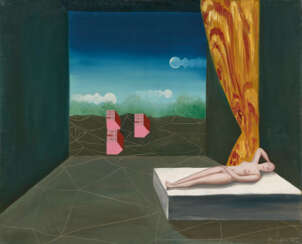
René Magritte, a Belgian artist, was renowned for his significant contributions to the Surrealist movement. His art, known for merging ordinary objects with bizarre, dream-like contexts, captivated the art world. Born on November 21, 1898, in Lessines, Belgium, Magritte's early artistic pursuits were impressionistic, transitioning through Cubism and Futurism influenced by artists like Jean Metzinger. However, his encounter with Giorgio de Chirico's work in 1922 steered him towards Surrealism.
Magritte's career was marked by various phases, each showcasing his evolving style and thematic focus. His initial foray into Surrealism began in 1926 with "The Lost Jockey" and was further solidified during his time in Paris, where he mingled with other prominent Surrealists like André Breton. Despite facing initial criticism and financial challenges, Magritte's unique blend of familiar imagery in unfamiliar contexts, like in "The Empire of Light" and "Time Transfixed," earned him acclaim.
Magritte's distinct visual language, characterized by recurring motifs like bowler hats and apples, and his exploration of reality and illusion, remain influential. His works are displayed in major galleries worldwide, continuing to inspire and intrigue art collectors and enthusiasts.
For collectors and experts in art and antiques, staying informed about Magritte's works and related auction events is crucial. Signing up for updates ensures you're alerted to new sales and events focusing on René Magritte's art, offering unique opportunities to acquire or learn more about his remarkable creations. This subscription will exclusively cover new product sales and auction events related to Magritte, keeping you updated on the most relevant information in the art world.






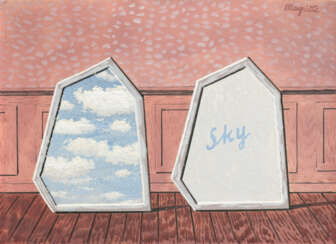

René Magritte, a Belgian artist, was renowned for his significant contributions to the Surrealist movement. His art, known for merging ordinary objects with bizarre, dream-like contexts, captivated the art world. Born on November 21, 1898, in Lessines, Belgium, Magritte's early artistic pursuits were impressionistic, transitioning through Cubism and Futurism influenced by artists like Jean Metzinger. However, his encounter with Giorgio de Chirico's work in 1922 steered him towards Surrealism.
Magritte's career was marked by various phases, each showcasing his evolving style and thematic focus. His initial foray into Surrealism began in 1926 with "The Lost Jockey" and was further solidified during his time in Paris, where he mingled with other prominent Surrealists like André Breton. Despite facing initial criticism and financial challenges, Magritte's unique blend of familiar imagery in unfamiliar contexts, like in "The Empire of Light" and "Time Transfixed," earned him acclaim.
Magritte's distinct visual language, characterized by recurring motifs like bowler hats and apples, and his exploration of reality and illusion, remain influential. His works are displayed in major galleries worldwide, continuing to inspire and intrigue art collectors and enthusiasts.
For collectors and experts in art and antiques, staying informed about Magritte's works and related auction events is crucial. Signing up for updates ensures you're alerted to new sales and events focusing on René Magritte's art, offering unique opportunities to acquire or learn more about his remarkable creations. This subscription will exclusively cover new product sales and auction events related to Magritte, keeping you updated on the most relevant information in the art world.
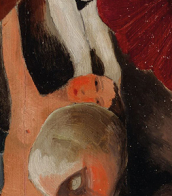
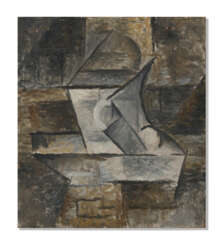

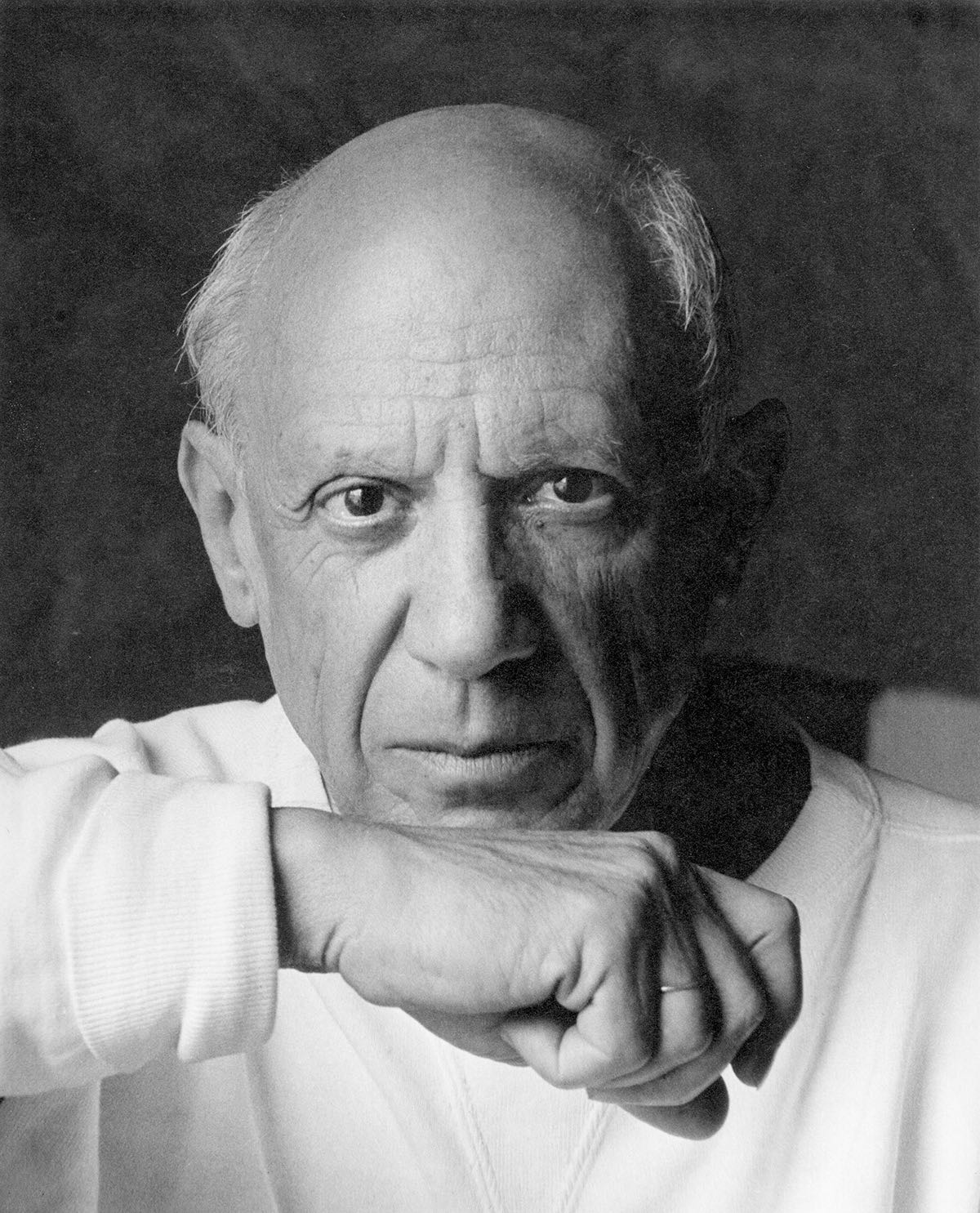
Pablo Ruiz Picasso, a Spanish artist renowned for his revolutionary contributions to the 20th-century art scene, is a figure that resonates profoundly with collectors and art experts. His unique blend of talents in painting, sculpture, printmaking, and ceramic art, infused with his time in France, positioned him as a pivotal character in modern art history.
Picasso's artistic journey was marked by distinct periods, each showcasing his evolving style and genius. His early years were characterized by the Blue Period (1901-1904), followed by the Rose Period (1904-1906), and then the African-influenced Period (1907-1909). Picasso's name is synonymous with Cubism, a movement he co-founded, which significantly altered artistic perspectives and methods. Works like "Les Demoiselles d'Avignon" (1907) and "Guernica" (1937) are emblematic of his cubist legacy, the latter being a poignant anti-war statement that remains influential.
His later years saw a return to more traditional styles, with neoclassical and surrealist influences becoming evident. Works from these phases reflect a deep engagement with mythological themes, as seen in "Faun with Stars" (1955), symbolizing his late-life romance with Jacqueline Roque, his second wife.
Picasso's prolific output and innovative spirit made him a legend in his own time, a status that only grew after his death. His works, housed in major museums and private collections worldwide, continue to captivate and inspire.
As a collector or expert in art and antiques, staying informed about Picasso's works, their auction events, and sales is essential. To stay updated on the latest developments and opportunities related to Pablo Picasso, sign up for our specialized updates. Rest assured, this subscription will focus solely on new product sales and auction events pertaining to Picasso's art, ensuring that you receive only the most relevant and valuable information.





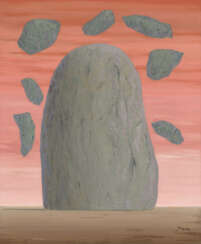

René Magritte, a Belgian artist, was renowned for his significant contributions to the Surrealist movement. His art, known for merging ordinary objects with bizarre, dream-like contexts, captivated the art world. Born on November 21, 1898, in Lessines, Belgium, Magritte's early artistic pursuits were impressionistic, transitioning through Cubism and Futurism influenced by artists like Jean Metzinger. However, his encounter with Giorgio de Chirico's work in 1922 steered him towards Surrealism.
Magritte's career was marked by various phases, each showcasing his evolving style and thematic focus. His initial foray into Surrealism began in 1926 with "The Lost Jockey" and was further solidified during his time in Paris, where he mingled with other prominent Surrealists like André Breton. Despite facing initial criticism and financial challenges, Magritte's unique blend of familiar imagery in unfamiliar contexts, like in "The Empire of Light" and "Time Transfixed," earned him acclaim.
Magritte's distinct visual language, characterized by recurring motifs like bowler hats and apples, and his exploration of reality and illusion, remain influential. His works are displayed in major galleries worldwide, continuing to inspire and intrigue art collectors and enthusiasts.
For collectors and experts in art and antiques, staying informed about Magritte's works and related auction events is crucial. Signing up for updates ensures you're alerted to new sales and events focusing on René Magritte's art, offering unique opportunities to acquire or learn more about his remarkable creations. This subscription will exclusively cover new product sales and auction events related to Magritte, keeping you updated on the most relevant information in the art world.
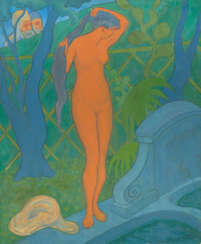

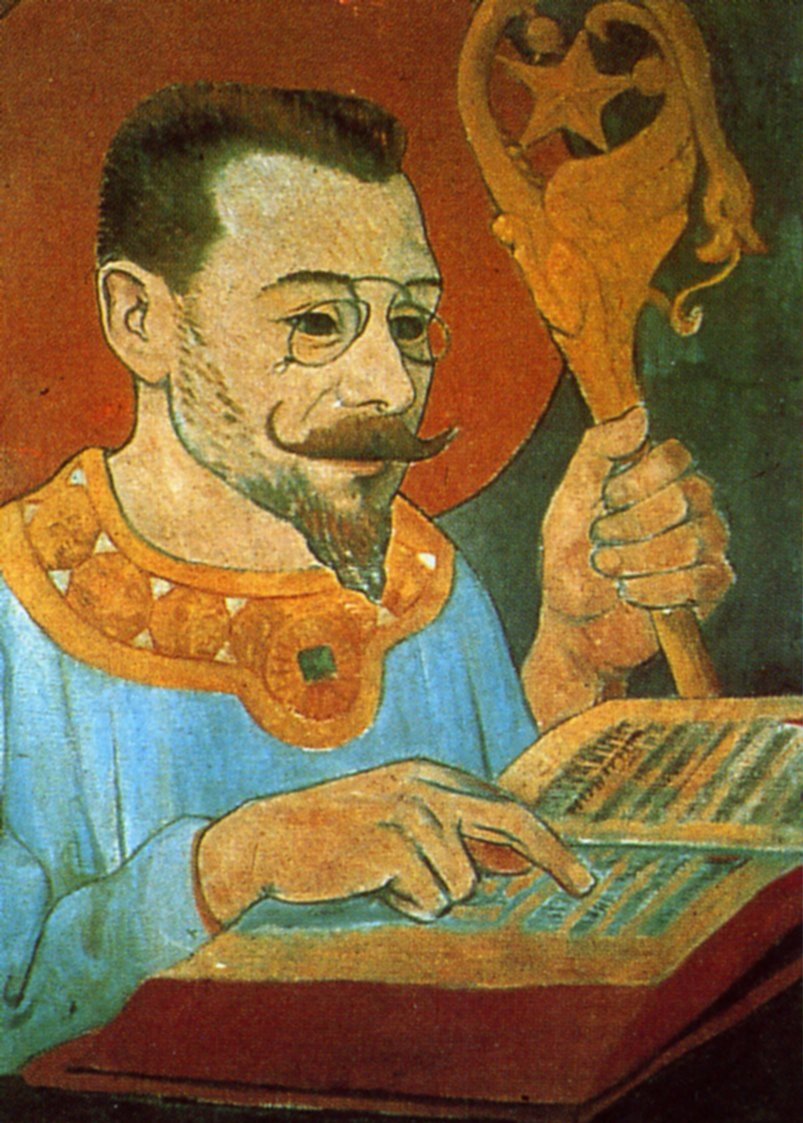
Paul-Élie Ranson, a French painter and writer, emerged as a prominent figure in the late 19th century art scene. Born in Limoges, he was raised by his grandparents and father after his mother's demise during childbirth. Ranson's early artistic inclinations were nurtured with drawing lessons from his grandfather. His educational journey in the arts began at the École des Beaux-Arts Appliqués à l'Industrie and later continued at the Académie Julian in Paris.
Ranson was a pivotal member of "Les Nabis," a group instrumental in transitioning from Impressionism to modern art. Along with notable contemporaries like Paul Sérusier, Pierre Bonnard, and Maurice Denis, he helped establish an art movement that blended elements of Symbolism, Art Nouveau, and Japanese prints. Ranson's role extended beyond painting; he was actively involved in the Symbolist performances at the Théâtre d'Art and directed a notable performance of "Ubu Roi" by Alfred Jarry.
Ranson's artistic oeuvre is marked by a fascination with Theosophy, magic, and occultism, themes that increasingly influenced his work. His paintings often delved into mythology, witchcraft, and anti-clerical subjects. Some of his notable works include "Christ and Buddha" (1880), "Witches Around the Fire" (1891), and "The Blue Room" (circa 1900). These works exemplify his unique blend of thematic and stylistic elements, setting him apart from his contemporaries.
Tragically, Ranson's life was cut short by typhoid fever in 1909. However, his legacy continued through the Académie Ranson, founded by his friends in Les Nabis. This institution, managed initially by Ranson and later by his wife Marie, remained active until 1955, perpetuating his influence on future generations of artists.
For art collectors and experts, Ranson's work offers a unique window into the transitionary period of late 19th-century art, showcasing the interplay of traditional and emerging styles. His contributions to the Symbolist and Nabi movements are particularly noteworthy.
To stay updated on new product sales and auction events related to Paul-Élie Ranson, sign up for our updates. This subscription service is tailored to keep art aficionados informed about the latest developments and opportunities related to Ranson's art.


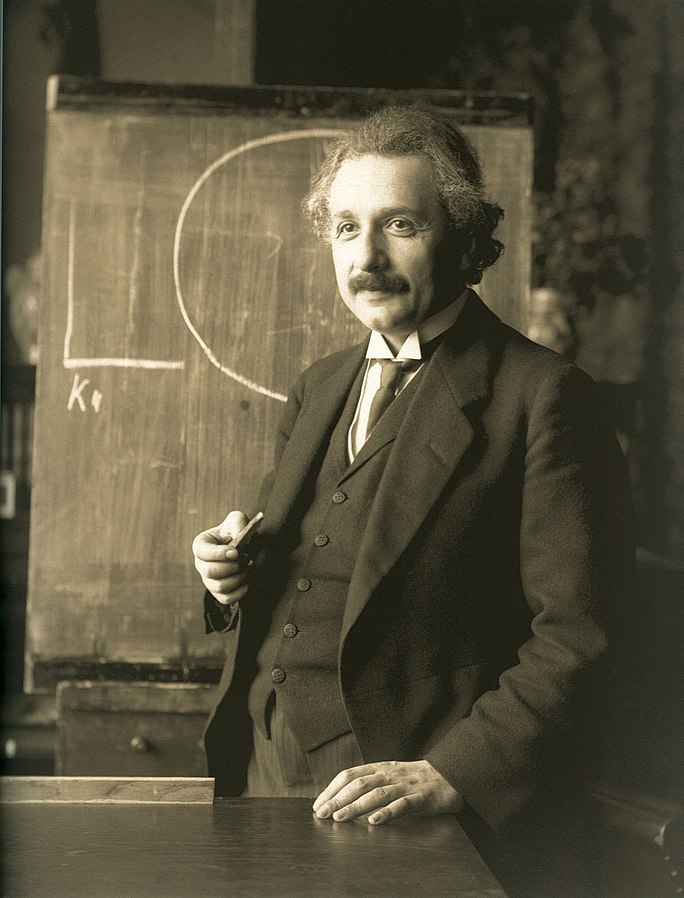
Albert Einstein was a German-born theoretical physicist, widely acknowledged to be one of the greatest and most influential physicists of all time. Einstein is best known for developing the theory of relativity, but he also made important contributions to the development of the theory of quantum mechanics. Relativity and quantum mechanics are together the two pillars of modern physics. His mass–energy equivalence formula E = mc2, which arises from relativity theory, has been dubbed "the world's most famous equation". His work is also known for its influence on the philosophy of science. He received the 1921 Nobel Prize in Physics "for his services to theoretical physics, and especially for his discovery of the law of the photoelectric effect", a pivotal step in the development of quantum theory. His intellectual achievements and originality resulted in "Einstein" becoming synonymous with "genius".