stock in 1930
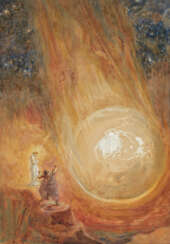

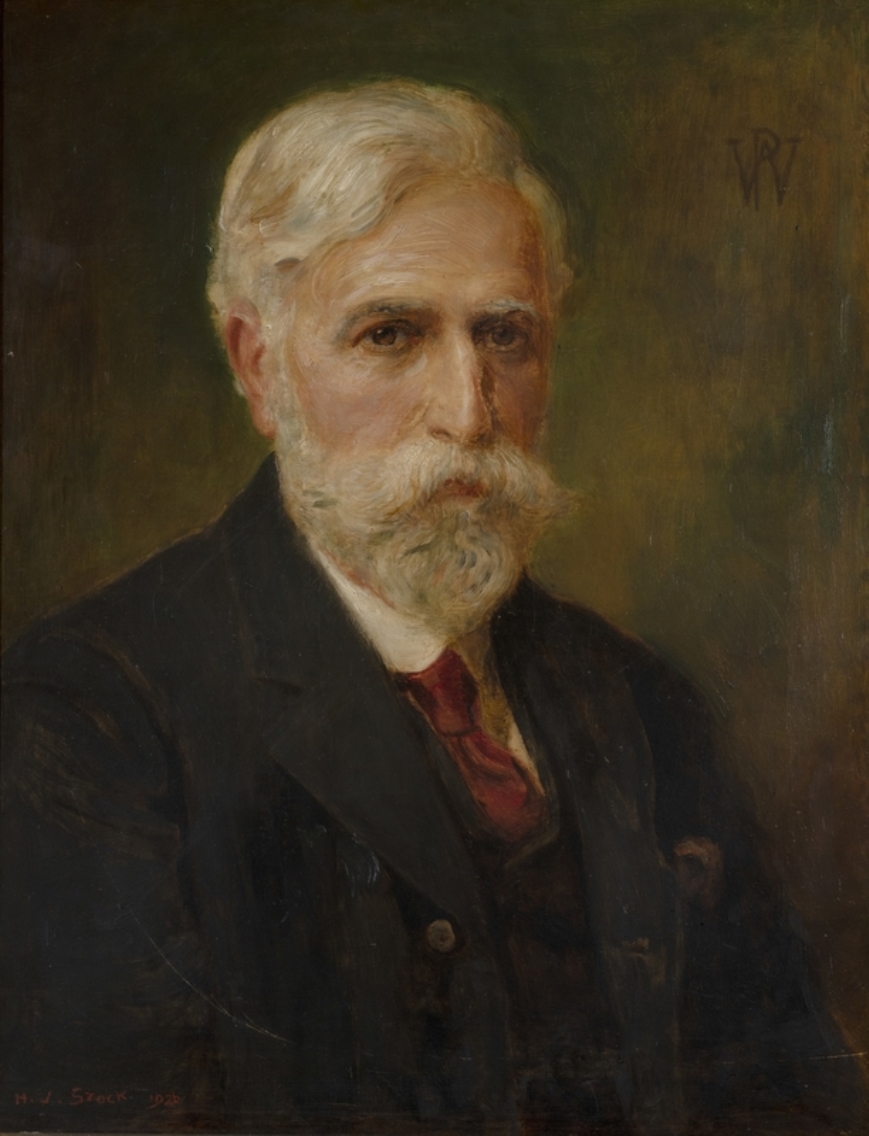
Henry John Stock was a British Pre-Raphaelite painter and representative of the English Romantic tradition.
Henry was nearly blind as a child, but gained his sight when he went to live at Beaulieu in the New Forest. Fully recovered, he attended St. Martin's School of Art and the Royal Academy schools. And apparently the trials of his childhood played a role in the artist's outlook. Stock enjoyed success as a secular portraitist, but his main area of interest has always been fantasy, religious and mythological subjects.

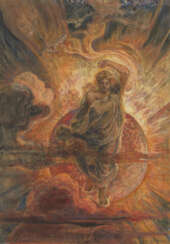

Henry John Stock was a British Pre-Raphaelite painter and representative of the English Romantic tradition.
Henry was nearly blind as a child, but gained his sight when he went to live at Beaulieu in the New Forest. Fully recovered, he attended St. Martin's School of Art and the Royal Academy schools. And apparently the trials of his childhood played a role in the artist's outlook. Stock enjoyed success as a secular portraitist, but his main area of interest has always been fantasy, religious and mythological subjects.
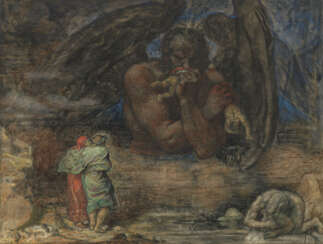

Henry John Stock was a British Pre-Raphaelite painter and representative of the English Romantic tradition.
Henry was nearly blind as a child, but gained his sight when he went to live at Beaulieu in the New Forest. Fully recovered, he attended St. Martin's School of Art and the Royal Academy schools. And apparently the trials of his childhood played a role in the artist's outlook. Stock enjoyed success as a secular portraitist, but his main area of interest has always been fantasy, religious and mythological subjects.
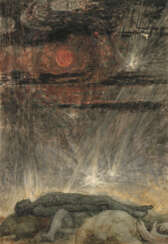

Henry John Stock was a British Pre-Raphaelite painter and representative of the English Romantic tradition.
Henry was nearly blind as a child, but gained his sight when he went to live at Beaulieu in the New Forest. Fully recovered, he attended St. Martin's School of Art and the Royal Academy schools. And apparently the trials of his childhood played a role in the artist's outlook. Stock enjoyed success as a secular portraitist, but his main area of interest has always been fantasy, religious and mythological subjects.
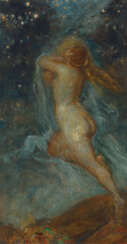

Henry John Stock was a British Pre-Raphaelite painter and representative of the English Romantic tradition.
Henry was nearly blind as a child, but gained his sight when he went to live at Beaulieu in the New Forest. Fully recovered, he attended St. Martin's School of Art and the Royal Academy schools. And apparently the trials of his childhood played a role in the artist's outlook. Stock enjoyed success as a secular portraitist, but his main area of interest has always been fantasy, religious and mythological subjects.
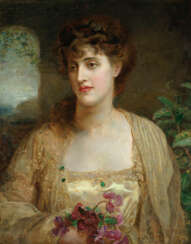

Henry John Stock was a British Pre-Raphaelite painter and representative of the English Romantic tradition.
Henry was nearly blind as a child, but gained his sight when he went to live at Beaulieu in the New Forest. Fully recovered, he attended St. Martin's School of Art and the Royal Academy schools. And apparently the trials of his childhood played a role in the artist's outlook. Stock enjoyed success as a secular portraitist, but his main area of interest has always been fantasy, religious and mythological subjects.
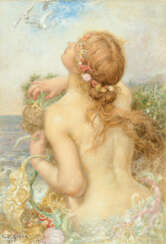

Henry John Stock was a British Pre-Raphaelite painter and representative of the English Romantic tradition.
Henry was nearly blind as a child, but gained his sight when he went to live at Beaulieu in the New Forest. Fully recovered, he attended St. Martin's School of Art and the Royal Academy schools. And apparently the trials of his childhood played a role in the artist's outlook. Stock enjoyed success as a secular portraitist, but his main area of interest has always been fantasy, religious and mythological subjects.

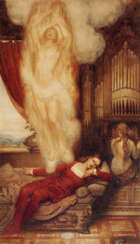

Henry John Stock was a British Pre-Raphaelite painter and representative of the English Romantic tradition.
Henry was nearly blind as a child, but gained his sight when he went to live at Beaulieu in the New Forest. Fully recovered, he attended St. Martin's School of Art and the Royal Academy schools. And apparently the trials of his childhood played a role in the artist's outlook. Stock enjoyed success as a secular portraitist, but his main area of interest has always been fantasy, religious and mythological subjects.


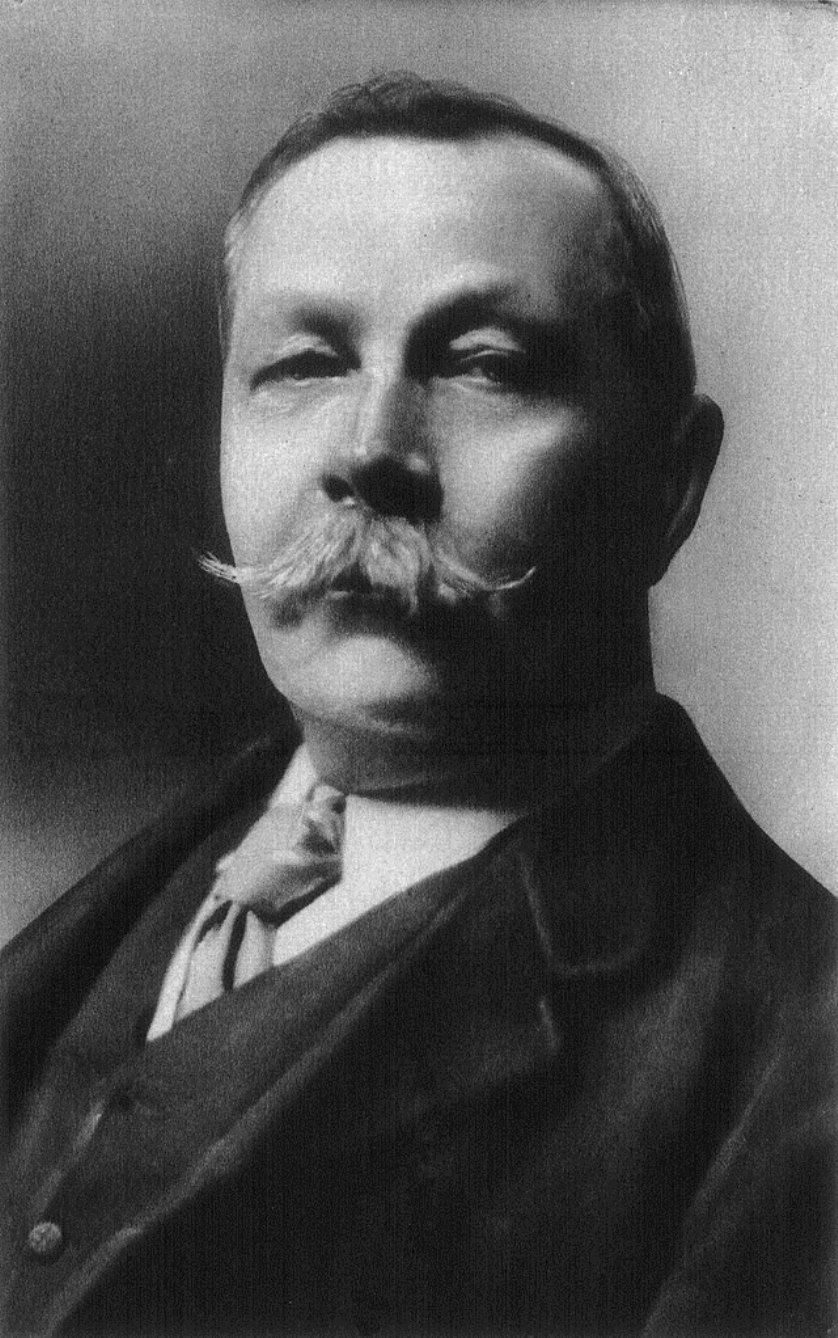
![[Arthur Conan Doyle (1859-1930)]](/assets/image/picture_3643869/1fd39/8myizabyzzus5yxqo6nlio78bt0g2qbwvbpbejfxi1a-5jdyav8k0w7-at1ak5v1701505128jpg__fix_374_244.jpeg)
![[Arthur Conan Doyle (1859-1930)]](https://veryimportantlot.com/assets/image/picture_3643869/1fd39/8myizabyzzus5yxqo6nlio78bt0g2qbwvbpbejfxi1a-5jdyav8k0w7-at1ak5v1701505128jpg__fix_374_244.jpeg)


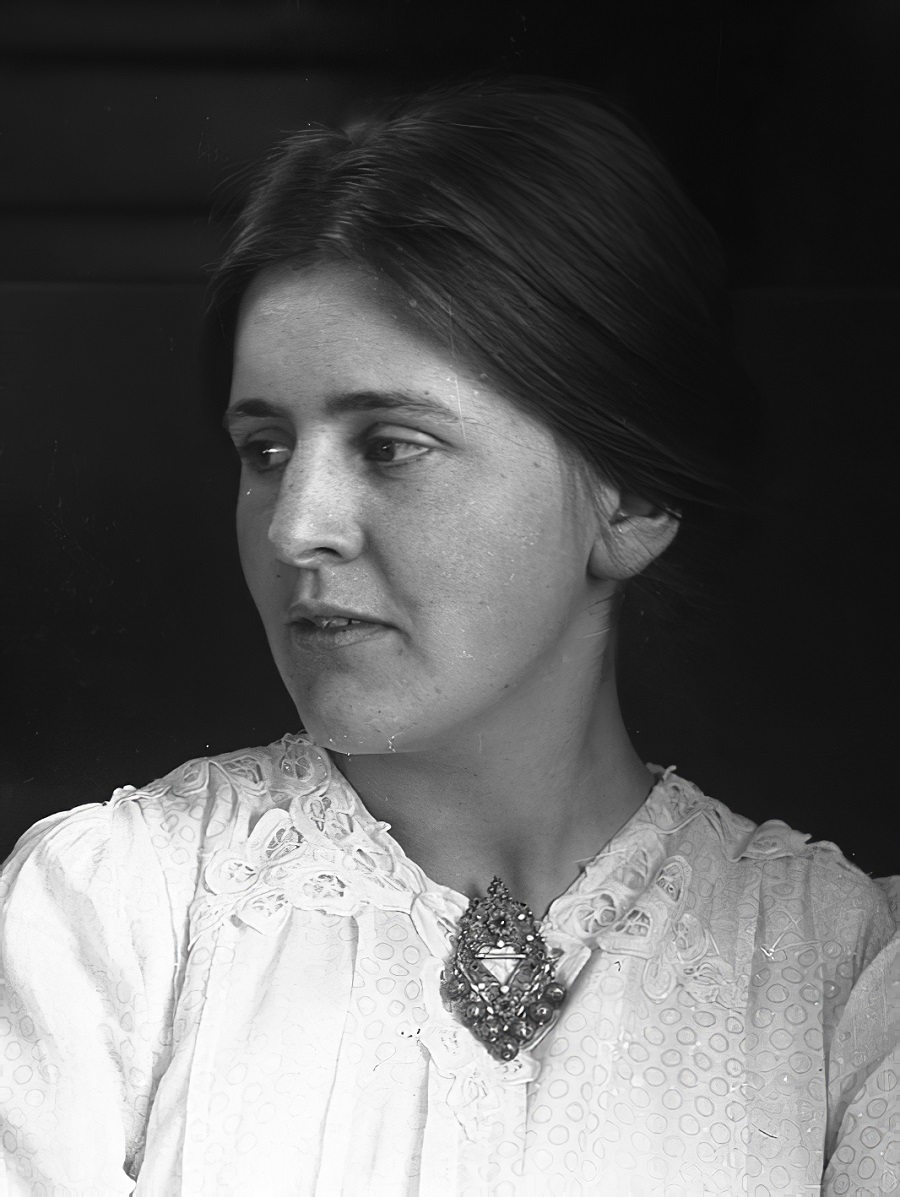
Dorothea Maetzel-Johannsen was a German modernist painter. She was a co-founder of the Hamburg Secession. Since 1919 she based her major expressionist works on the work of the dissolved Brücke (group of artists), early cubism and African sculpture.
Dorothea Maetzel-Johannsen has developed an individual mode of expression in Expressionism. Although her works feature the typical angular contours, two-dimensional concept of space and dynamic oblique compositions, unlike her peers, the artist refrained from any form of aggressiveness in her compositions. In her still life and figurative paintings, a contemplative mood resonates, contrary to the dynamic composition of the painting.
In 1937, Dorothea Maetzel-Johannsen's works were confiscated from the Kunsthalle Hamburg as part of the Nazi action "Degenerate Art" and then destroyed.
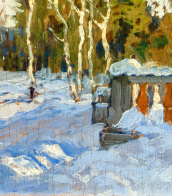
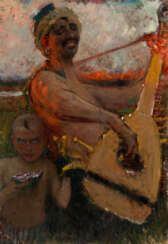

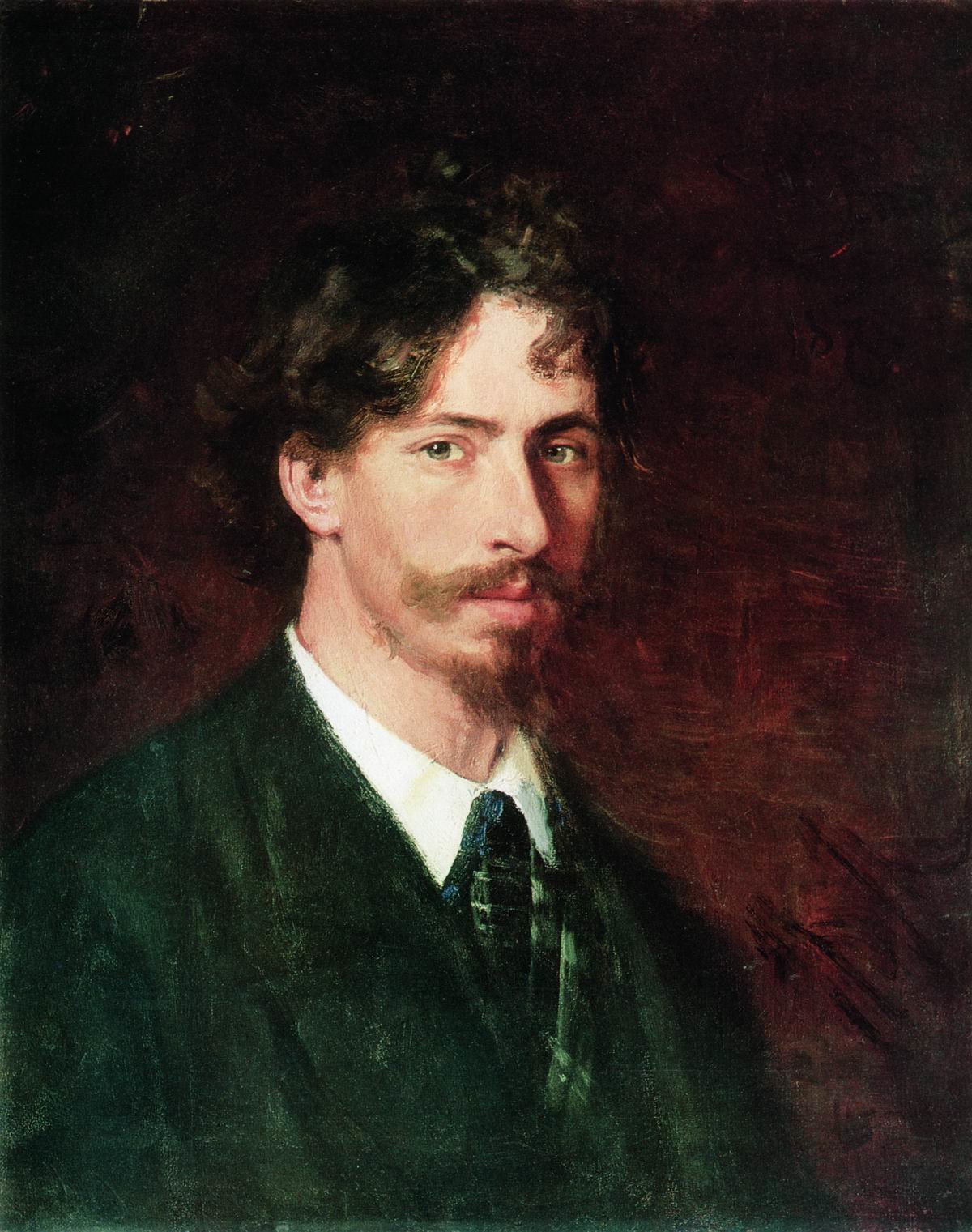
Ilya Yefimovich Repin (Russian: Илья Ефимович Репин) was a preeminent Russian artist, celebrated for his profound influence on the world of art, particularly painting. Born in 1844 in the Russian Empire, Repin distinguished himself as a pivotal figure in bringing Russian art to the forefront of the European scene. His works, characterized by their vivid realism and profound emotional depth, offer a window into the cultural, social, and historical landscapes of 19th-century Russia.
Repin's oeuvre is a testament to his exceptional skill in capturing the essence of his subjects, ranging from the peasantry to the elite, and his commitment to portraying the Russian spirit. His paintings, such as "Barge Haulers on the Volga" and "Ivan the Terrible and His Son Ivan," are lauded for their meticulous detail, dynamic compositions, and the way they convey powerful narratives and emotions. These masterpieces are housed in prestigious museums and galleries worldwide, including the State Russian Museum and the Tretyakov Gallery, affirming Repin's enduring legacy in the annals of art history.
For collectors and experts in art and antiques, Repin's works represent not only significant cultural and historical value but also a deep emotional resonance that transcends time. His ability to intertwine the beauty and tragedy of human experience with the rich tapestry of Russian culture makes his art a compelling exploration for enthusiasts and scholars alike. To stay informed about new product sales and auction events related to Ilya Yefimovich Repin, we invite you to sign up for updates. This subscription is a gateway to exclusive insights and opportunities in the realm of art and antiques, focusing solely on Repin's illustrious work.


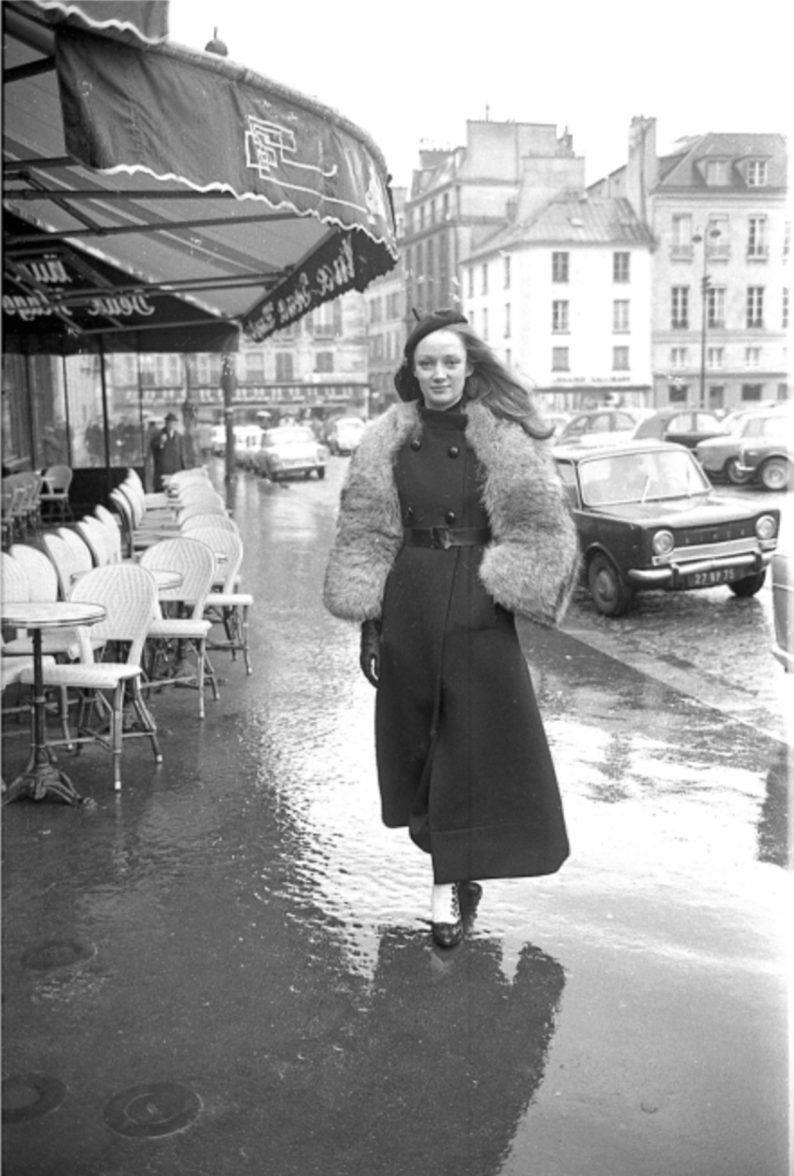
Niki de Saint Phalle was a French-American sculptor, painter, filmmaker, and author of colorful hand-illustrated books. Widely noted as one of the few female monumental sculptors, Saint Phalle was also known for her social commitment and work.




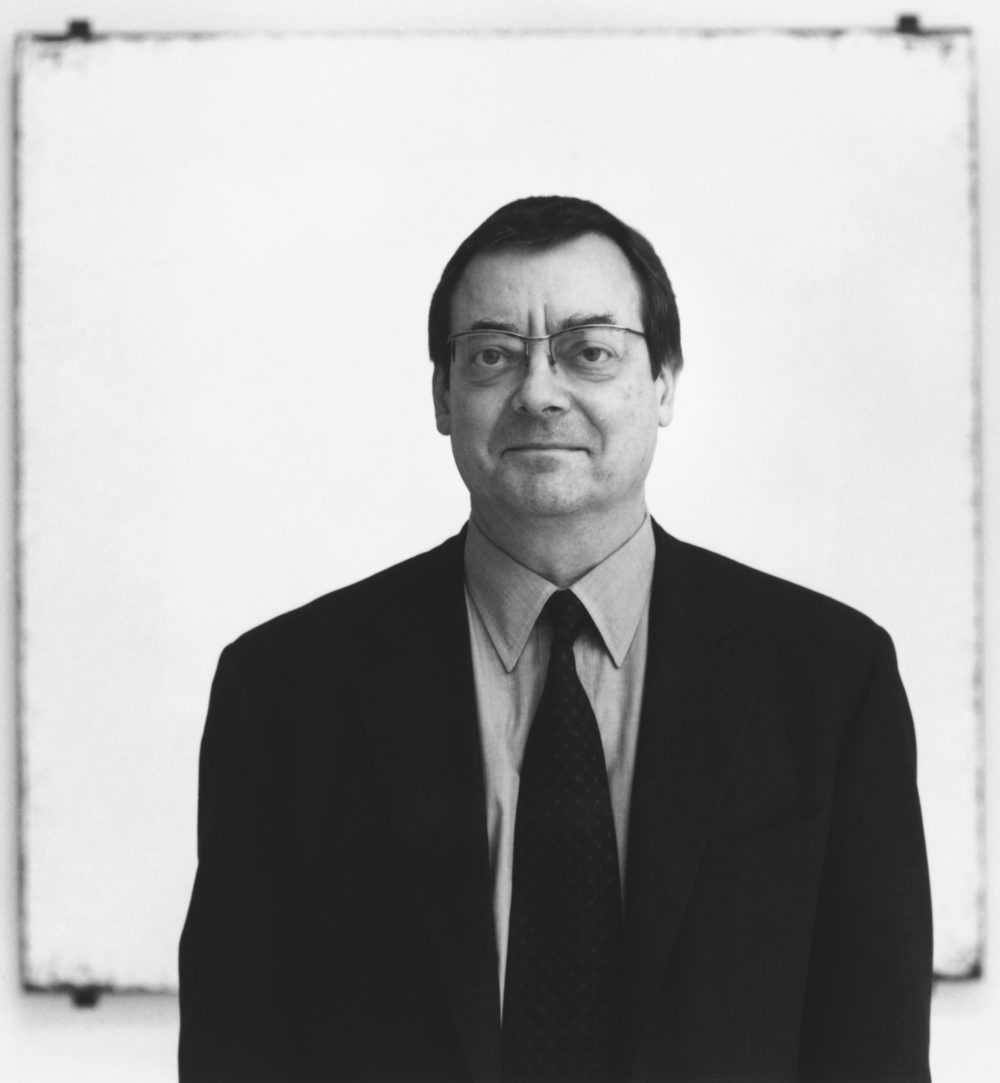
Robert Ryman was an American painter born in Nashville, Tennessee in 1930, and died in New York City in 2019. He was associated with the Minimalist movement, and is known for his monochromatic paintings that explore the materiality and texture of paint.
Ryman studied at the Tennessee Polytechnic Institute and the George Peabody College for Teachers before moving to New York City in the 1950s. He worked as a guard at the Museum of Modern Art, where he was exposed to the work of artists such as Jackson Pollock and Mark Rothko.
Ryman's early works were influenced by Abstract Expressionism, but he gradually moved towards a more minimal and reductive style. His paintings often feature white or off-white paint on square or rectangular canvases, with variations in texture and surface quality.
Ryman's work has been exhibited in galleries and museums around the world, including the Museum of Modern Art in New York, the Tate Modern in London, and the Centre Georges Pompidou in Paris. He was awarded the Golden Lion at the Venice Biennale in 2001, and is considered one of the most important American painters of the 20th century.


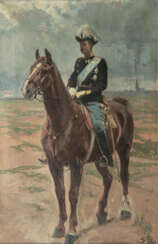



Niki de Saint Phalle was a French-American sculptor, painter, filmmaker, and author of colorful hand-illustrated books. Widely noted as one of the few female monumental sculptors, Saint Phalle was also known for her social commitment and work.
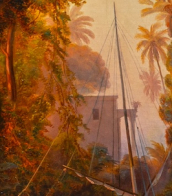


Niki de Saint Phalle was a French-American sculptor, painter, filmmaker, and author of colorful hand-illustrated books. Widely noted as one of the few female monumental sculptors, Saint Phalle was also known for her social commitment and work.



Niki de Saint Phalle was a French-American sculptor, painter, filmmaker, and author of colorful hand-illustrated books. Widely noted as one of the few female monumental sculptors, Saint Phalle was also known for her social commitment and work.
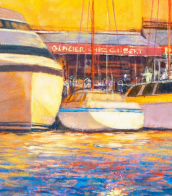


Niki de Saint Phalle was a French-American sculptor, painter, filmmaker, and author of colorful hand-illustrated books. Widely noted as one of the few female monumental sculptors, Saint Phalle was also known for her social commitment and work.


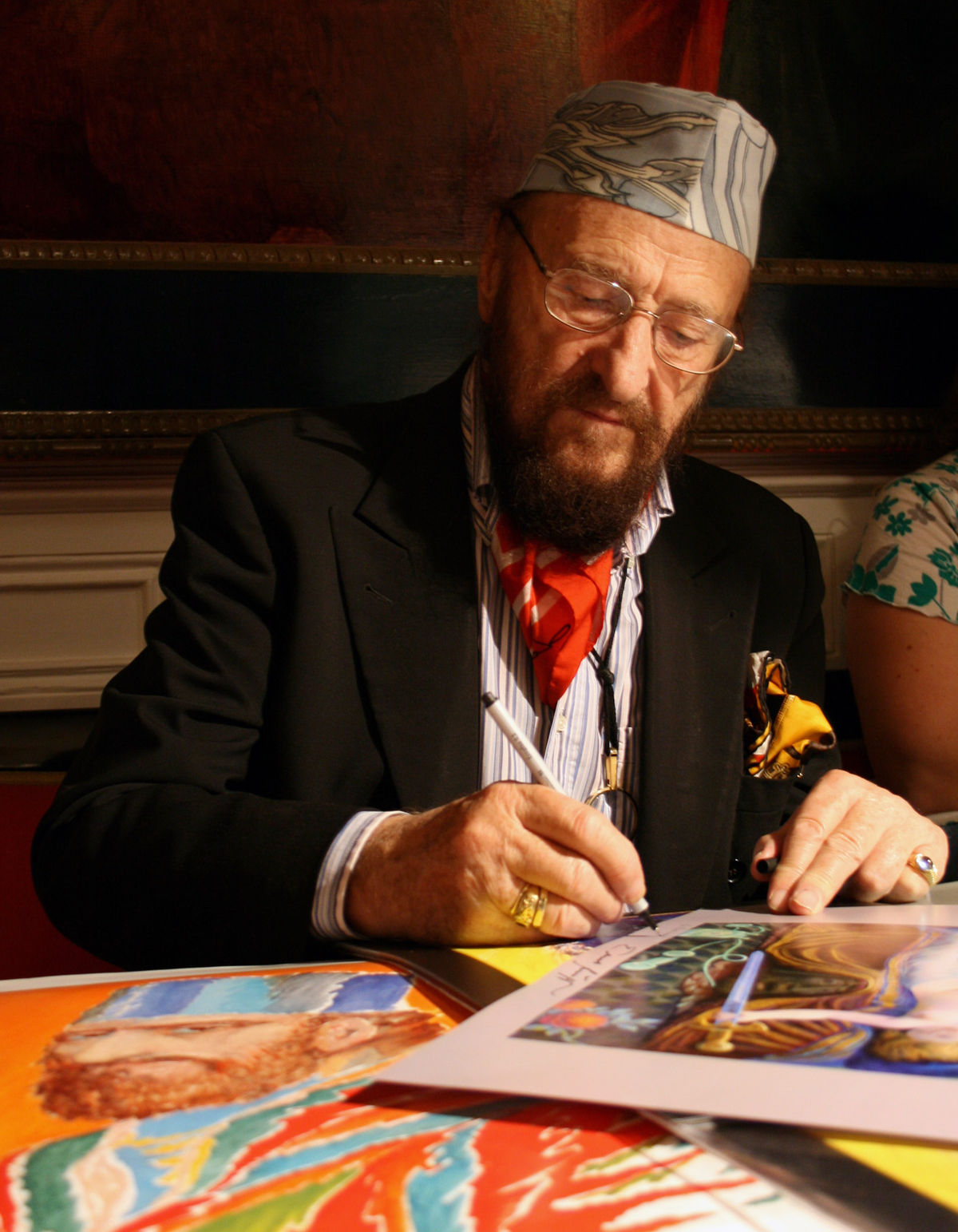
Ernst Fuchs was an Austrian painter, draftsman, printmaker, sculptor, architect, stage designer, composer, poet, and one of the founders of the Vienna School of Fantastic Realism. In 1972, he acquired the derelict Otto Wagner Villa in Hütteldorf, which he restored and transformed. The villa was inaugurated as the Ernst Fuchs Museum in 1988.
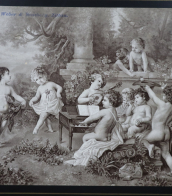


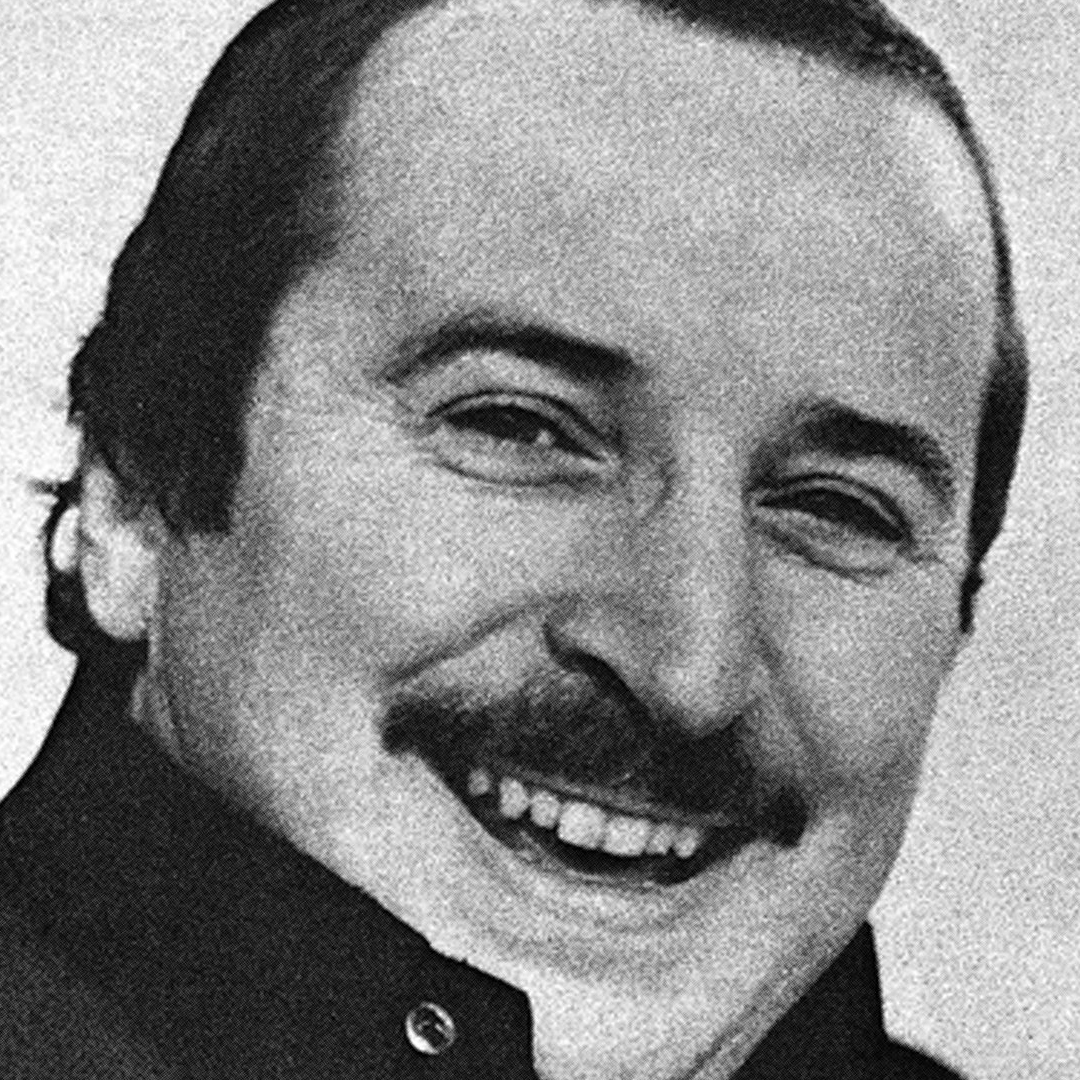
Karl Gerstner was a Swiss designer, typographer, author, and artist.
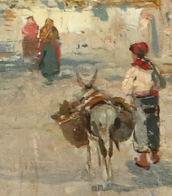







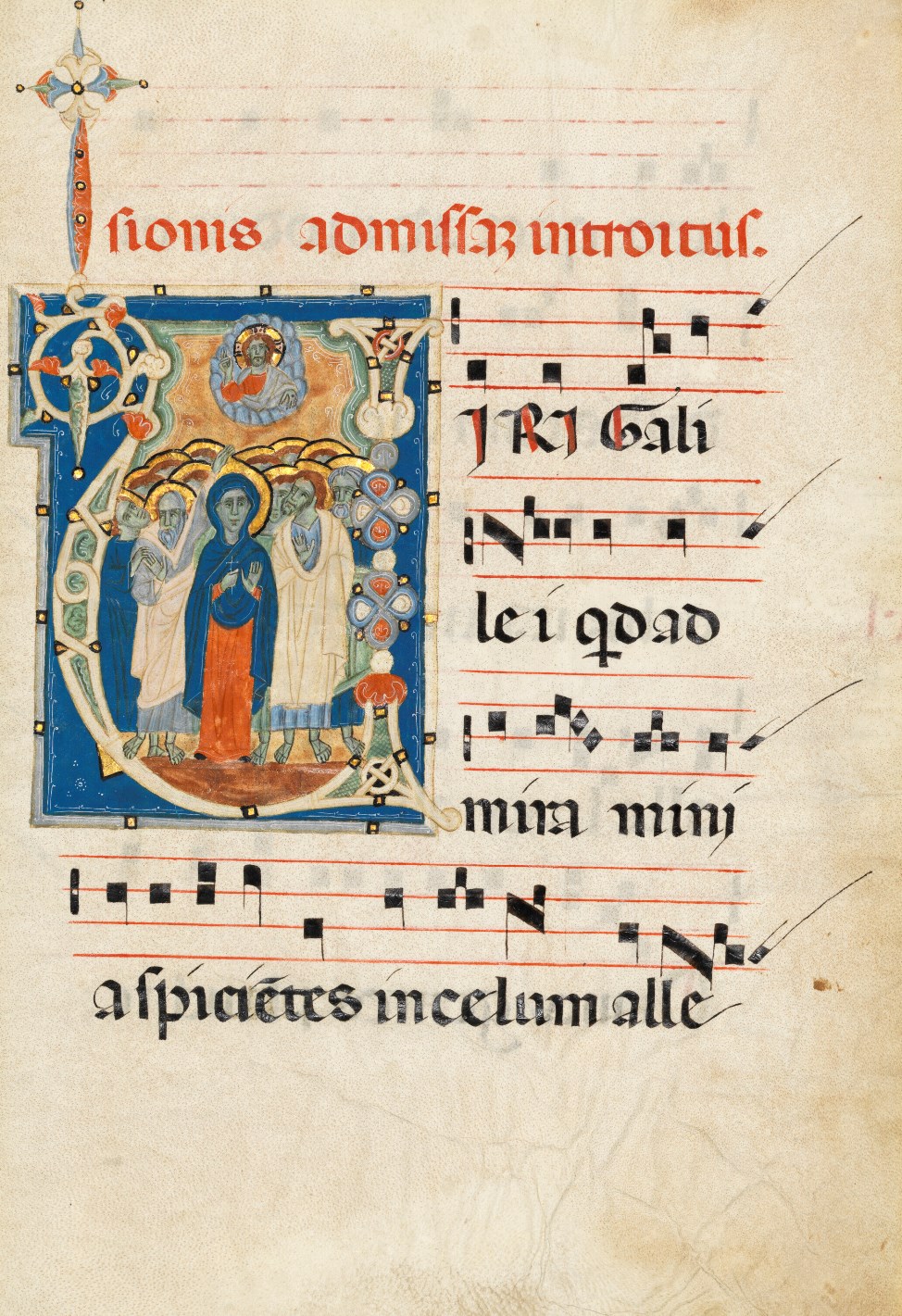
Sant'Alessio in Bigiano, also known as Maestro Geometrico, was an Italian master who led the most active bookmaking workshop in Tuscany during the last quarter of the 13th century.