Ukraine
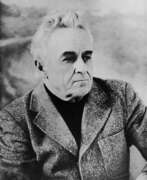

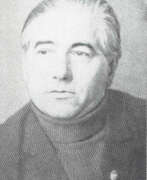
Alexander Grigorievich Maksymenko (Russian: Александр Григорьевич Максименко) was a Soviet and Ukrainian painter of the second half of the twentieth and early twenty-first centuries. He is known as a painter, graphic artist, watercolorist, and art historian.
Alexander Maksymenko worked in the genres of still life, landscape, portrait, as well as in genre painting. His genre works cover themes of collective farm life, including "Masters of the Land" and "Innovators of Collective Farm Fields". For the latter work he received the Stalin Prize. The master actively participated in exhibitions in Ukraine and abroad. His works are in the National Art Museum of Ukraine, the Museum of the History of Ukraine in World War II, as well as in other art museums and private collections.
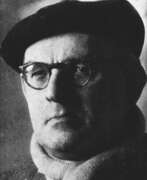

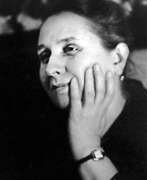

Taisia Kirillovna Afonina (Russian: Таисия Кирилловна Афонина) was a Soviet artist of the second half of the twentieth century. She is known as a painter, graphic artist, representative of the Leningrad school.
Taisia Afonina participated in exhibitions since 1940, creating portraits, landscapes, genre compositions, still lifes and etudes. At the beginning of her career she was interested in military subjects, and then delved into the genre of portraiture and lyrical landscape. Her style is characterized by tonal painting, the rendering of light and air environments and subtle coloristic combinations. In the 1980s she preferred the watercolor technique, painting flowers such as roses, daisies and tulips. Her works are in museums and private collections in Russia and other countries.

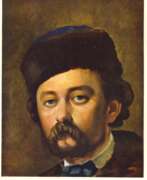

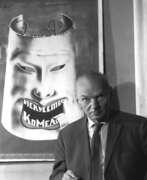

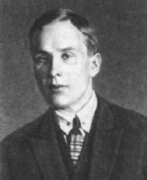

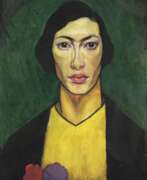

Nathan Isaiovych Altman (Russian: Натан Исаевич Альтман), a Ukrainian-born Russian and Soviet avant-garde artist, made significant contributions to Cubism, stage design, and book illustration. Born on December 22, 1889, in Vinnytsia, Ukraine, Altman's early education took place at the Odessa School of Art, followed by further studies at the Maria Vasilyeva Free Russian Academy in Paris. His diverse artistic talent extended across painting, sculpture, graphic art, and theatrical and cinema design, reflecting the dynamic spirit of the avant-garde movement.
Altman's work is recognized for its innovative approach to Cubism and for integrating avant-garde principles with traditional Jewish themes. This blend is evident in his Jewish graphic arts and his involvement in designing stage sets for the Habimah Theatre and the Jewish State Theatre in Moscow from 1920 to 1928. A notable period in his career was his participation in the Exposition Internationale des Arts Decoratifs et Industriels Modernes in Paris in 1925, showcasing his breadth in arts and design alongside contemporaries such as Aleksandra Ekster and Sonia Delaunay-Terk.
Altman's legacy is preserved in several prestigious collections, including the Museum of Russian Art in Erevan, Armenia, where his mixed technique works like "Still Life" are housed. His pieces reflect the avant-garde's fascination with abstract forms and bold experiments with color and composition. The Russian Museum's collection of Altman's work further highlights his versatility, featuring his self-portraits, the iconic "Portrait of Anna Akhmatova", and innovative designs for theatrical productions.
For collectors and experts in art and antiques, Altman's oeuvre offers a unique insight into the evolution of avant-garde art in the early 20th century. His works not only encapsulate the revolutionary spirit of the time but also embody the rich cultural interplay between Russian and Jewish artistic traditions.
To stay updated on Nathan Isaiovych Altman's art and to learn about new sales and auction events related to his work, signing up for updates is highly recommended. This subscription ensures you remain informed about opportunities to engage with the legacy of a pivotal figure in the avant-garde movement.
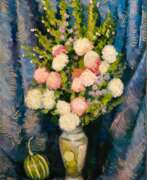

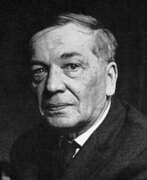

Mikhail Fedorovich Andrienko-Nechytailo (Russian: Михаил Фёдорович Андриенко-Нечитайло) was a Russian artist known for his contributions to the avant-garde movement. Born in 1894, he became renowned for his innovative approach to painting, stage design, and illustration. Andrienko-Nechytailo’s work is celebrated for its unique blend of Constructivism and Cubism, which set him apart from his contemporaries.
One of his special features was his ability to combine geometric forms with a vibrant color palette, creating visually striking compositions that challenged traditional artistic conventions. His works often explored themes of abstraction and the intersection of art and technology. His notable pieces are housed in prestigious collections, including the Tretyakov Gallery in Moscow and the Russian Museum in Saint Petersburg.
Collectors and art experts admire Andrienko-Nechytailo for his visionary approach and lasting impact on modern art. His legacy continues to influence contemporary artists and is a testament to his skill and creativity.
Sign up for updates on new product sales and auction events related to Mikhail Fedorovich Andrienko-Nechytailo. Stay informed about opportunities to add his remarkable works to your collection.
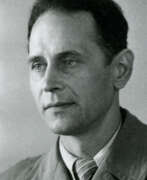

Vladislav Leopoldovich Anisovich (Russian: Владислав Леопольдович Анисович) was a Soviet artist of the mid-twentieth century. He is known as a painter, graphic artist and teacher, a representative of the Leningrad school of painting.
Vladislav Anisovich participated in various exhibitions since 1935. His work included portraits, historical and genre compositions, as well as landscapes. Among the famous paintings of the artist are "The passage of K. Voroshilov's detachment from Lugansk to Tsaritsyn", "Assault on Perekop" and others. The master taught at the Leningrad Institute of Painting, Sculpture and Architecture.
His works are in various museums and private collections in many countries, including the State Russian Museum.
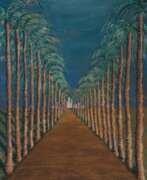

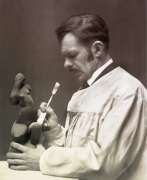

Alexander Porfyrovych Archipenko (Russian: Александр Порфирьевич Архипенко) was a Ukrainian-American artist, renowned for his innovative contributions to modern sculpture and painting. Born in Kyiv, Ukraine, then part of the Russian Empire, Archipenko defied traditional art forms by integrating elements of Cubism, constructing sculptures that emphasized abstraction and form over realistic representation.
Archipenko's work is distinguished by its creative use of materials and exploration of space and volume. He was among the first to employ negative space as a sculptural element, a technique that would influence countless artists in the years to follow. His sculptures often depicted the human form in fragmented or reassembled states, challenging viewers' perceptions and expectations.
Notable works by Archipenko, such as "Woman Combing Her Hair" and "Walking," can be found in prestigious museums and galleries worldwide, including the Museum of Modern Art in New York and the Centre Pompidou in Paris. These pieces exemplify his talent for blending sculptural depth with dynamic motion, making him a pivotal figure in the transition from traditional to modern art.
For collectors and experts in art and antiques, Archipenko's oeuvre represents a fascinating intersection of culture, innovation, and artistic evolution. His ability to transcend cultural boundaries while pioneering new forms and techniques in both sculpture and painting places him among the most influential artists of the 20th century.
To stay informed on new product sales and auction events related to Alexander Porfyrovych Archipenko, we invite you to sign up for updates. This subscription ensures that enthusiasts and collectors alike are always in the know regarding opportunities to acquire works by this monumental artist.
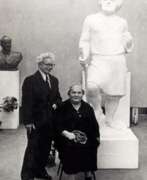

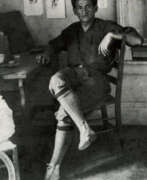

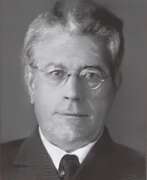

Vsevolod Grigorievich Averin (Russian: Всеволод Григорьевич Аверин) was a Ukrainian Soviet graphic artist and book illustrator. He was one of the most important Ukrainian animal painters of the first half of the 20th century, incorporating avant-garde techniques into his work.
Averin worked in book and easel graphics, especially lithography, as well as portrait and landscape painting. He illustrated many well-known works, including the Atlas of Human Anatomy and a novel by M. Twain. His work was characterised by an exquisite style and harmonious design, and his estate includes some 300 bindings, 3,000 illustrations and 90 posters.
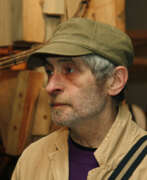

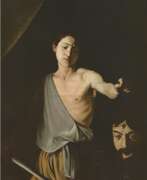

Matteo Baccelli was an Italian painter born in Lucca, Italy. He was a pupil of Pompeo Batoni and studied at the Accademia di Belle Arti di Firenze. He specialized in portrait painting and was a well-known artist in his time, receiving many commissions from members of the aristocracy and the church.
Baccelli's portraits are characterized by their realism and attention to detail, as well as their sensitive and subtle use of color. He was particularly skilled at capturing the character and personality of his subjects, and his paintings often convey a sense of psychological depth and complexity.
Baccelli's works can be found in various museums and private collections around the world, including the Uffizi Gallery in Florence, the Pinacoteca di Brera in Milan, and the Metropolitan Museum of Art in New York. He is considered an important figure in the history of Italian painting and a representative of the neoclassical style that dominated European art in the late 18th and early 19th centuries.


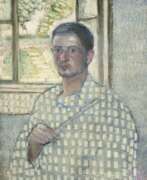

Vladimir Davidovich Baranov-Rossine (Russian: Владимир Давидович Баранов-Россине) was a master of the Russian avant-garde, a prolific painter, sculptor, and inventor, whose work significantly contributed to the Cubo-Futurism movement. Born on January 1, 1888, in Kherson, he was originally named Shulim Wolf Leib Baranov but is best known by his pseudonym, Daniel Rossine. His early artistic education took place in Odessa and then at the St. Petersburg Academy of Arts, laying the groundwork for his future as a revolutionary artist.
In 1910, Baranov-Rossine moved to Paris, a pivotal move that introduced him to the burgeoning European avant-garde scene. It was there, alongside other notable artists such as Marc Chagall, Osip Zadkine, Alexander Archipenko, and Chaim Soutine, that he became an inhabitant of the famous Parisian house "La Ruche." His innovative work, particularly the invention of the Optophonic Piano, which projected colors in sync with music, underscored his commitment to blending art and technology, a hallmark of his career.
Tragically, Baranov-Rossine's life was cut short when he was arrested by the Gestapo in 1943 and subsequently died in Auschwitz in 1944. Despite his untimely death, his legacy lives on through his contributions to modern art and technology. His works can be found in various museums and galleries, celebrated for their vibrant expression and avant-garde techniques that continue to inspire artists and collectors alike.
For those intrigued by Vladimir Davidovich Baranov-Rossine's pioneering work and its lasting impact on the art world, signing up for updates on new product sales and auction events related to this avant-garde master is highly recommended. This ensures enthusiasts and collectors are always informed about the latest opportunities to engage with Baranov-Rossine's remarkable legacy.
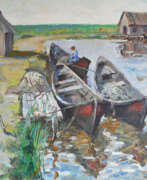


Maria Konstantinovna Bashkirtseva (Russian: Мария Константиновна Башки́рцева) was a Russian artist of the second half of the 19th century. She is known as a master of domestic and portrait genres. Most of Bashkirtseva's paintings are in a realistic style.
In her short 25-year life Maria Bashkirtseva managed to gain recognition - her works were regularly exhibited in the Paris salons and received awards. But the artist became widely known after her death through the publication of her diaries. The famous "Diary" by Bashkirtseva immediately became a European bestseller. At the beginning of the XXI century on the basis of the original manuscripts of the author found in the National Library of France the complete 16-volume version of the diary was issued.
Much of the artist's work was lost during World War II. The few surviving masterpieces are now kept in museums in Ukraine, Russia, France and the USA.
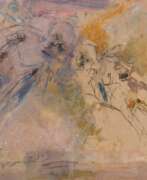

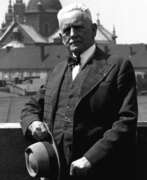

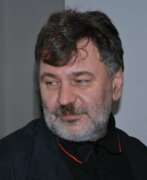

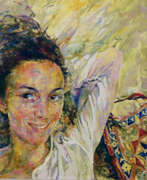

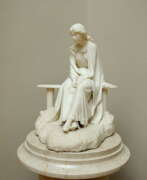


Victoria Markovna Belakovskaya (Russian: Виктория Марковна Белаковская) was a Russian Soviet artist of the mid-twentieth century. She is known as a painter, graphic artist and representative of the Leningrad school of painting.
Victoria Belakovskaya participated in exhibitions of Leningrad artists since the early 1930s. Her work covers various genres, including portraits, genre compositions, still lifes and landscapes. Her famous works include "Pioneer Girl" (1931), "Self-Portrait with a Cigarette" (1936), "Leningrad Landscape" (1953), "Spring Flowers. Still Life" (1961), a series of landscapes of Altai, Crimea, Kiev and others.
Works by the artist are in the collections of museums in Russia, Great Britain, USA, France and other countries.
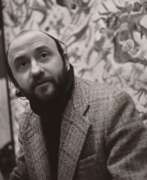

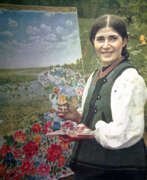

Kateryna Vasilyevna Belokur (Russian: Екатерина Васильевна Белокур) was a Ukrainian Soviet artist of the mid-twentieth century. She is known as a master of folk decorative painting.
Kateryna Belokur was self-taught and became famous for her colorful paintings, mostly depicting flowers, landscapes, and portraits. Her work often included a combination of spring and fall elements, and she could take weeks to create even small details on canvas. Catherine also made her own brushes, selecting hairs from cattails, and used a separate brush for each paint. Her work was characterized by vibrant colors and style.
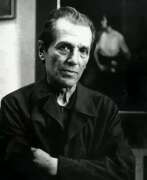

Piotr Petrovich Belousov (Russian: Пётр Петро́вич Белоу́сов) was a distinguished Soviet and Russian artist, born on May 3, 1912, in Berdyansk, and passed away on March 31, 1989, in Leningrad. He is widely celebrated for his contributions to the Leningrad School of Painting, having been an influential figure in shaping the artistic landscape of the region. His expertise extended across various mediums, including painting, etching, and graphic arts, with a notable focus on themes like the Bolshevik Revolution and historical Soviet figures like Lenin.
Belousov's educational and professional journey was deeply intertwined with the prestigious Ilya Repin Leningrad Institute of Painting, Sculpture and Architecture, where he both studied and later taught, eventually rising to the rank of professor and head of the drawing department by 1956. His career was marked by numerous accolades, including the titles of Honored Artist and People's Artist of the RSFSR, reflecting his significant impact on Russian art and education.
Throughout his life, Belousov participated in many exhibitions and his works are held in high esteem, not only in Russian state museums like the Russian Museum and the Tretyakov Gallery but also internationally. His pieces, particularly those that capture key moments in Soviet history and urban landscapes, remain influential and are sought after by collectors around the worl.
For enthusiasts of Soviet art and collectors interested in Belousov's works, staying updated on exhibitions and sales can provide valuable opportunities to acquire his art. To receive alerts about new product sales and auction events featuring Piotr Petrovich Belousov's works, signing up for updates is highly recommended.
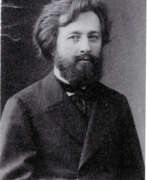

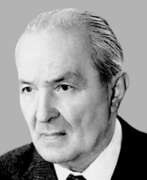

Vilmos-József Istvanovich Berets (Russian: Вильмош-Йожеф Иштванович Берец) was a Ukrainian Soviet artist of the second half of the twentieth century of Hungarian origin. He is known as a painter, graphic artist, teacher, and art historian.
Berets created works mainly in easel graphics, among his most outstanding works are watercolor landscapes. Since 1950 he actively participated in art exhibitions. He was also the author of articles on the theory of art, as well as studies on various artists, including the work of Transcarpathian artists, in the course of which the master collected extensive archival material on the history of the local school of painting.


Mikhail Andreevich Berkos (Russian: Михаил Андреевич Беркос) was a Ukrainian painter known for his vibrant landscapes and coastal scenes. Born in Kharkiv in 1861, Berkos became a significant figure in the Ukrainian art world, contributing to the development of landscape painting.
Berkos's work is celebrated for its delicate use of light and color, capturing the serene beauty of nature. His paintings often depict the Ukrainian countryside and Black Sea coast, characterized by their atmospheric and emotive qualities. These works highlight Berkos's ability to convey the tranquil and idyllic essence of the natural world.
Many of Mikhail Andreevich Berkos's paintings are housed in prestigious museums and galleries, including the Kharkiv Art Museum and the Odessa Art Museum. Collectors and art enthusiasts highly value his contributions to Ukrainian art, and his legacy continues to inspire contemporary artists.
Sign up for updates on new product sales and auction events related to Mikhail Andreevich Berkos. Stay informed about the latest opportunities to acquire his exceptional works.


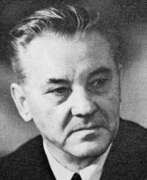

Georgy Nikolaevich Bibikov (Russian: Георгий Николаевич Бибиков) was a Russian and Soviet artist of the mid-20th century. He is known as a painter, graphic artist, illustrator, muralist and theater artist of the Leningrad school, working in the genres of landscape, portrait, still life and thematic painting.
Georgy Bibikov began participating in art exhibitions in 1920. Among his famous works are "Loaders", "Young Red Fleets Receive Uniforms", "Greetings to the Winners", "Trench Truth" and others. His works are in the State Russian Museum and in museums and private collections in Russia, Ukraine, Germany and France.
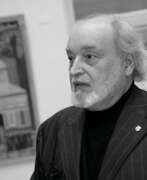


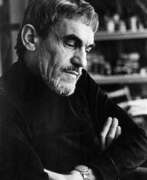

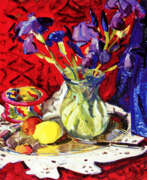

Moses Abramovich Blank (Russian: Моисей Абрамович Бланк) was a Ukrainian Soviet artist of the mid-twentieth century. He is known as a painter and graphic artist, distinguished for his still lifes and landscapes.
Moses Blank actively participated in art exhibitions, including national, all-Union and international exhibitions, beginning in 1927. He used various artistic techniques including lithography, etching, ink, watercolor, gouache, pastel, and sometimes oil. During the Great Patriotic War he voluntarily went to the front, after the war he served as an artist in the Air Defense Corps in Riga. The master left a noticeable trace in the history of art in Ukraine.
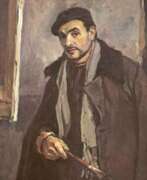

Alexander Alexandrovich Blinkov (Russian: Александр Александрович Блинков) was a Soviet and Russian artist of the twentieth century. He is known as a painter, graphic artist and teacher.
Alexander Blinkov painted genre and battle paintings, portraits, landscapes, animalistics, and also created dioramas and panoramas. Among the famous works of the artist are the paintings "The Taking of Vyborg by Soviet troops", "Partisan Trails", "Kursk Bulge", "Naval Maneuvers", panorama "Defense of Petrograd", diorama "Battle of Stalingrad" and others.
Blinkov actively taught and was associated with the Higher Art and Industrial School in Leningrad. His works are in museums and private collections in Russia, Japan, France, Ukraine, Germany and other countries.
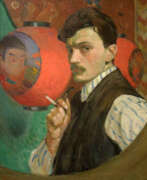

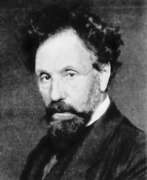

Nikolai Kornilievich Bodarevsky (Russian: Николай Корнилиевич Бодаревский) was a Russian and Ukrainian artist of the last third of the 19th and early 20th centuries of Moldavian origin. He is known as a painter and graphic artist.
Nikolai Bodarevsky created portraits, landscapes and genre paintings. During the early period of his creativity, he was close to the Itinerants, in later years he departed from the Itinerant traditions in the direction of the late "salon" academism. His works are in many museum collections, including the State Tretyakov Gallery in Moscow and the State Russian Museum in St. Petersburg.


Konstantin Fyodorovich Bogaevsky (Russian: Константин Фёдорович Богаевский), a Russian painter renowned for his Symbolist landscapes, was a significant figure in the art world between the late 19th and early 20th centuries. Born in Feodosia, Crimea, to an old Italian-German family, Bogaevsky's initial art education came from Ivan Aivazovsky. His formative years were spent at the Imperial Academy of Arts under Arkhip Kuindzhi, where despite facing criticism and temporary expulsion for "lack of talent," Kuindzhi's protection and faith in his abilities paved the way for Bogaevsky's future successes.
Bogaevsky's travels to Italy and France in 1898 introduced him to the works of Claude Lorrain, who Bogaevsky considered his true mentor. This experience, coupled with a later discovery of Andrea Mantegna's paintings in 1911, significantly influenced his work. His artistry is noted for its dream-like symbolist landscapes, often of an imaginary land known among his circle as "Bogaevia." Maximilian Voloshin's essays, titled "Konstantin Bogaevsky," played a crucial role in popularizing Bogaevsky's work, drawing parallels between him and Nicholas Roerich.
Throughout his career, Bogaevsky was affiliated with several art groups, including Mir iskusstva, Union of Russian Artists, and Zhar-Tsvet. His exhibitions, notably the 1906 Exposition de l'Art Russe organized by Sergei Diaghilev, highlighted his unique blend of Symbolism and later influences from Renaissance masters like Mantegna, Dürer, and Altdorfer. Despite the October Revolution driving him into relative obscurity, Bogaevsky's legacy as a master of Symbolist landscapes endures, with works like the 1932 "Port of an Imaginable City" still celebrated for their artistic value.
Bogaevsky's works are represented in major museums, including the Tretyakov Gallery, Russian Museum, and Feodosia Art Gallery. His death in Feodosia during a Soviet air raid in 1943 left behind a legacy enriched by his exploration of historical landscapes and symbolist vistas, immortalizing him as a visionary of his time.
For collectors and experts in art and antiques, Bogaevsky's oeuvre offers a fascinating journey into the melding of historical reverence and symbolist imagination. His works, steeped in the influences of European masters and his unique vision of an imaginary land, continue to captivate and inspire. To stay updated on exhibitions and auction events featuring Konstantin Fyodorovich Bogaevsky's work, signing up for updates is highly recommended. This subscription will ensure you are always informed about new sales and the opportunity to own a piece of this historical and symbolist art legacy.
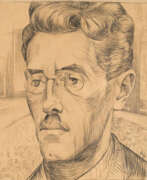

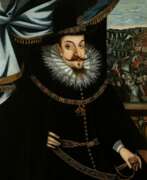


József Boksay (Russian: Иосиф Иосифович Бокшай) was a prominent Hungarian landscape painter and graphic artist, born on October 2, 1891, in Gyertyánliget and passing away on October 19, 1975, in Ungvár. His work significantly contributed to the artistic life of Carpathian Ruthenia, making him a notable figure in the Carpathian school of painting. Graduating from the Hungarian Academy of Fine Arts in 1914, where Imre Révész was his master, Boksay embarked on a journey of teaching and creating. His post-graduation life saw him taking study trips across European cities such as Vienna, Paris, and Budapest, further enriching his artistic vision.
Boksay's dedication to the arts led him to co-found a free school with Béla Erdélyi in 1927, aiming to nurture the region's artistic talent. His academic contributions continued post-World War II, teaching at the Fine Arts College in Ungvár and the Industrial Art School in Lemberg (now Lviv). A significant portion of his works delves into religious themes, a testament to his deep engagement with ecclesiastical art. This involvement is vividly illustrated by his transformative work on the ceiling frescoes of the Máriapócs church, where he meticulously integrated baroque elements with his distinctive style.
His legacy is preserved not only in his contributions to Carpathian Ruthenia's art scene but also in the numerous awards he received for his work. Today, his creations can be found in the museums of Carpathian Ruthenia and the Tretyakov Gallery, showcasing his lasting influence on the region's cultural heritage.
For collectors and art enthusiasts interested in the unique blend of cultural and artistic expressions that define Carpathian Ruthenia, Boksay's work offers a captivating exploration. His contributions to ecclesiastical and landscape painting underscore the rich tapestry of this region's art history. Sign up for updates to stay informed about new product sales and auction events related to József Boksay, ensuring you never miss an opportunity to engage with the legacy of this distinguished artist.
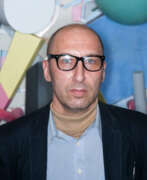

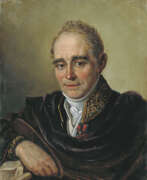

Vladimir Lukich Borovikovsky (Russian: Влади́мир Луки́ч Боровико́вский), a distinguished Russian artist of Ukrainian Cossack origin, was renowned for his mastery in portrait painting and ecclesiastical art. Born in Mirgorod, now Myrhorod, Ukraine, in 1757, Borovikovsky lived in Ukraine until the age of 31 before moving to St. Petersburg. His journey into the art world began under unusual circumstances when Empress Catherine II was impressed by his allegorical paintings, leading him to relocate to Saint Petersburg and adopt the more aristocratic surname Borovikovsky.
Borovikovsky's work epitomizes the sentimentalism era, capturing the essence and inner beauty of his subjects with a unique sensitivity and elegance. His ability to convey the nuanced emotions and dignified personalities of his sitters through intimate and detailed portraiture earned him acclaim, particularly among the Russian imperial family and nobility. Throughout his career, he produced about 500 portraits, with 400 surviving today, including notable figures such as Catherine II, Paul I, and Alexander Kurakin, as well as the celebrated "Portrait of M.I. Lopukhina".
In his later years, Borovikovsky's focus shifted towards religious painting, contributing significantly to the Kazan Cathedral and other ecclesiastical sites in St. Petersburg. Despite facing challenges, including court intrigues and a personal struggle with mental discord and alcohol, he left a lasting legacy through his art, which remains highly regarded for its depth, sincerity, and technical skill.
Collectors and experts in art and antiques cherish Borovikovsky's work for its historical significance and profound emotional resonance. His paintings, a fusion of classicist and sentimental styles, continue to inspire and captivate audiences, preserving the legacy of one of Russia's most gifted portraitists.
For updates on exhibitions and auction events featuring Vladimir Lukich Borovikovsky's work, sign up for our newsletter. Stay informed about the latest discoveries and opportunities to add a piece of history to your collection.
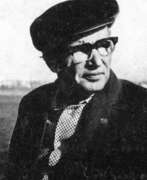

Nikolay Stepanovich Borovsky (Russian: Николай Степанович Боровский) was a Soviet Ukrainian artist of the second half of the twentieth century. He is known as a painter and teacher.
Nikolay Borovsky became famous for his portraits, landscapes and still lifes, as well as genre paintings. Some of his works were characterized by extraordinary realism. Since the early 1960s, he actively exhibited his works and in 1964 joined the Union of Artists of the USSR. For his painting "Worker. Year 1928" he received the prize of the Union of Artists of the Ukrainian SSR.
The master created a significant number of works that are in private and public collections, including a gallery of portraits of participants in the defense and liberation of Dnepropetrovsk.
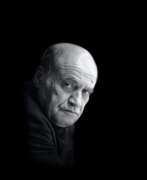

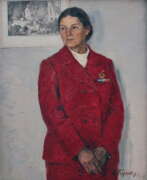

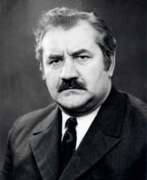

Nikolai Yakovlevich Bout (Russian: Николай Яковлевич Бут) was a Soviet artist of the second half of the twentieth century. He is known as a painter and graphic artist, a master of the battle genre.
Nikolai Bout began painting from his teenage years and immediately showed an interest in depicting historical battles. Throughout his career as a professional artist, he lived in Moscow, and spent the summer months in Kerch, where the subjects of many of his paintings originated. He painted portraits, battle and genre paintings, and landscapes. His works include the cycle "Adzhimushkay. 1942", series of paintings "Slovak National Uprising", "Heroic Marines" and other works.
Bout was an artist of the M. B. Grekov Studio of Military Artists since 1958.
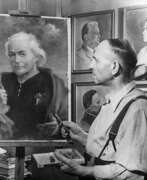

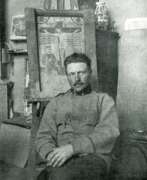

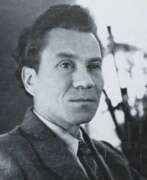

Mikhail Mikhailovich Bozhiy (Russian: Михаил Михайлович Божий) was a Soviet-Ukrainian painter, born in 1911 in Nikolaev (now Mykolaiv), Ukraine. Throughout his career, Bozhiy specialized in portraits and genre paintings, with his education grounded in the Nikolaev Art Technikum from 1930 to 1933. He began exhibiting his work in 1937, showcasing his talent in various prestigious shows, including the All-Union Art Exhibitions in Moscow during the early 1950s. His notable works, celebrated for their portrayal of Soviet citizens and landscapes, include "Svetlana Shipunova, an Outstanding Student" (1950), "A Nurse" (1955), and "My Thoughts" (1959-60), all of which are housed in the Kyiv Museum of Ukrainian Art. His contributions to Soviet art were recognized when he became a Soviet academician in 1958 and was later honored with the title of People's Artist of the USSR in 1963.
Bozhiy's life and work were deeply intertwined with the cultural and political milieu of his time. His early years were spent in Mykolaiv, but by 1936, he had moved to Odessa with his wife, where he worked as an animator at a film studio before returning to painting. His experiences during the Great Patriotic War, including creating war posters and satirical drawings, significantly influenced his artistic output. Despite health issues preventing him from serving at the front, his commitment to the war effort through his art was unwavering. Bozhiy's art is characterized by its expressive brushwork and the ability to capture the essence of his subjects, often reflecting the social and political context of the USSR.
For collectors and experts in art and antiques, Bozhiy's work offers a unique insight into Soviet-Ukrainian culture and history, highlighting the role of art in reflecting and shaping societal values. His pieces, especially those in the Kyiv Museum of Ukrainian Art, serve as a testament to his skill in portraiture and genre painting, as well as his dedication to depicting the life and people of the USSR.
For updates on new product sales and auction events related to Mikhail Mikhailovich Bozhiy, sign up now. This subscription ensures you stay informed about opportunities to acquire works by this distinguished artist and learn more about his contribution to Soviet-Ukrainian art.


Osip Emmanuilovich Braz (Russian: Осип Эммануилович Браз) was a Russian-Jewish realist painter, celebrated for his adeptness in portraying the subtleties of human character and the serene beauty of landscapes. Born in Odessa in 1873, Braz embarked on his artistic journey at the Odessa Art School, later honing his craft in Munich under the guidance of Sandor Kholloshi and in St. Petersburg at the Academy of Arts, where he studied under the legendary Ilya Repin. His early works, marked by a series of compelling portraits, including those of eminent Russian cultural figures like Anton Chekhov, garnered him significant acclaim. Braz's portrait of Chekhov, commissioned by Pavel Tretyakov for the State Tretyakov Gallery, is particularly noted for being the only complete lifetime portrait of the writer.
Braz's contributions to art were not confined to portraiture alone; he also produced exquisite still lifes and landscapes, capturing the essence of his subjects with a delicacy and depth that reflected his mastery over the medium. His landscapes of France, Crimea, and Finland, inspired by his travels, exhibit a remarkable sense of place and mood, blending realism with an impressionistic sensitivity to light and color.
Throughout his career, Braz was deeply involved in the art community, participating in the World of Art exhibitions and influencing the artistic dialogue of his time. Despite facing adversity, including imprisonment and the confiscation of his art collections by Soviet authorities, Braz's legacy as a painter and collector endures. His works continue to be celebrated for their technical prowess and emotional depth, held in high esteem by collectors and experts alike.
For collectors and experts in art and antiques, Osip Emmanuilovich Braz's oeuvre offers a window into the soul of Russian realism and the broader currents of European art at the turn of the century. His life's work underscores the enduring power of art to capture the human condition and the natural world in all their complexity and beauty. Sign up for updates to stay informed about new product sales and auction events related to Osip Emmanuilovich Braz and delve deeper into the legacy of this remarkable artist.
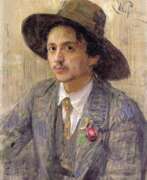

Isaak Israelievich Brodsky (Russian: Исаак Израилевич Бродский), a distinguished Russian artist, was renowned for his contributions to painting and teaching. Born in Sofievka, Russian Empire, Brodsky's artistic journey led him to become a pivotal figure in the Soviet art scene, primarily recognized for his realistic portraits and social realist works. His dedication to capturing the essence of his subjects, combined with a unique sensitivity to color and form, allowed his art to transcend mere representation, offering insights into the culture and political climate of his time.
Throughout his career, Brodsky was closely associated with significant cultural and political developments in Soviet Russia, becoming an official artist of the Soviet regime. His works, such as the iconic portraits of Lenin and other political figures, not only exemplify his skill but also serve as historical documents, offering a glimpse into the era's social fabric. His commitment to realism and the portrayal of Soviet ideals earned him a prominent place in the art world, influencing generations of artists through his role as a teacher and mentor at the Repin Institute of Arts.
Brodsky's legacy is preserved in numerous museums and galleries, with his masterpieces forming an integral part of Russia's cultural heritage. His ability to intertwine art with historical narrative has made his work a subject of study for art collectors and experts alike. For those intrigued by the depth and historical significance of Soviet art, Brodsky's oeuvre offers a fascinating exploration into the power of visual storytelling.
For collectors and experts keen on delving deeper into the rich tapestry of Russian art, staying informed about Isaac Israelievich Brodsky's work is essential. Signing up for updates ensures exclusive access to news on product sales and auction events dedicated to Brodsky's art, providing a unique opportunity to engage with the history and culture he so vividly depicted. Join us in celebrating the legacy of a true maestro of painting, whose works continue to inspire and captivate audiences worldwide.
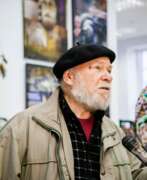


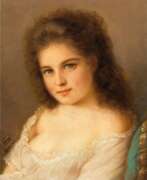

Mikhail Vasilyevich Bryansky (Russian: Михаил Васильевич Брянский) was a Russian artist of the second half of the nineteenth and early twentieth centuries. He is known as a painter and graphic artist.
Mikhail Bryansky lived in Kiev and St. Petersburg. He painted mainly "female heads", portraits and genre paintings, marked by features of academism. His works were published in a number of art and illustrated magazines.

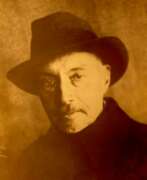

Nikolai Evlampievich Bublikov (Russian: Николай Евлампиевич Бубликов) was a Russian and Soviet artist of the late 19th and first half of the 20th centuries. He is known as a marine and landscape painter, a representative of the Leningrad school of painting.
Nikolai Bublikov was distinguished by the use of a wide spatial perspective and a subtle range of colors in his works. He is considered the first artist who in his work raised the theme of the Soviet Navy. During the Great Patriotic War, the artist stayed in Leningrad and died during the siege of the city.
His works can be found in various museums and private collections in Russia and abroad, including the Russian Museum and the Central Naval Museum in St. Petersburg.
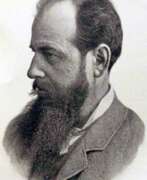

Joseph-Casimir Konstantinovich Budkevich (Russian: Иосиф-Казимир Константинович Будкевич) was a Ukrainian painter and draftsman, born on April 18, 1841, in Kyiv. Known for his battle scenes and landscapes, Budkevich studied at the Imperial Academy of Arts in Saint Petersburg, where he received several medals for his works. In 1873, he was awarded the title of Class Artist 3rd Degree.
Budkevich traveled to Italy, France, Spain, and Palestine to refine his skills. In the late 1870s and 1880s, he taught at the Kyiv Drawing School, where one of his students was Mykola Pymonenko. From 1887 to 1895, he was a member of the Kyiv Society of Art Exhibitions.
Among his notable works are "Pilgrim at the Monastery Wall" (1883) and "Jerusalem" (1894). These paintings are exhibited at the Kyiv Museum of Russian Art and the Pskov Art Gallery. His work is highly valued by collectors and art experts for its uniqueness and mastery.
If you want to receive notifications about new arrivals and auctions related to Joseph-Casimir Budkevich's work, subscribe to our updates. We will keep you informed about new sales and events related to his legacy.
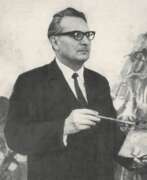

Alexander Gavrilovich Budnikov (Russian: Александр Гаврилович Будников) was a Soviet Ukrainian artist of the twentieth century. He is known as a battle painter.
During the Great Patriotic War Alexander Budnikov worked for a frontline newspaper, created posters and sketches from the battlefields. After the war he studied at the Kiev Art Institute, later became a teacher and professor at this institution. The artist worked in the genre of battle painting, and was also the author of a series of landscapes from different countries. His works are kept in museums in Ukraine, Russia and in private collections in Europe, the USA and Canada.
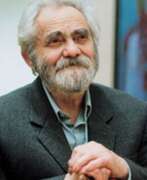

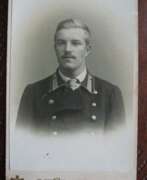

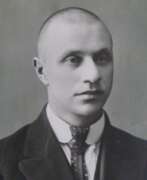

Vladimir Davydovych Burliuk (Russian: Владимир Давидович Бурлюк) was a Ukrainian avant-garde artist, known for his contributions as a Neo-Primitivist and Cubo-Futurist. Born on March 27, 1886, in the Russian Empire, Burliuk's work spanned various mediums, including painting and book illustration. His art is celebrated for its bold experimentation and pioneering spirit in the early 20th century avant-garde movement. Burliuk's life was tragically cut short when he died at the age of 32 during World War I in 1917.
Burliuk's artistic output is characterized by its innovative approach and his involvement in the avant-garde circles that radically transformed Russian art. His works were part of significant avant-garde exhibitions and movements, showcasing his commitment to pushing the boundaries of traditional art. Among his notable works are contributions to publications and exhibitions that captured the essence of the avant-garde, such as "Sadok Sudei (A Trap for Judges)" in 1910 and "Moloko kobylits (Milk of Mares)" in 1914. His art is recognized for its unique body of works, blending Cubism, Rayonism, and elements of Futurism, marked by stylistic unity and high valuation by connoisseurs.
Burliuk's legacy extends beyond his own creations; his involvement with key figures and movements of the time, including his brother David Burliuk, further emphasizes his role in shaping modern art. Despite his early death, Vladimir Burliuk's work remains a testament to the vibrancy and dynamism of the avant-garde movement, with his pieces held in high regard by collectors and experts alike.
For those interested in exploring the depths of avant-garde art, Burliuk's oeuvre offers a fascinating glimpse into the revolutionary spirit of early 20th-century artistic exploration. His contributions continue to inspire and intrigue art lovers, underscoring the lasting impact of his brief but impactful career.
Sign up for updates to stay informed about new product sales and auction events related to Vladimir Davydovych Burliuk, and immerse yourself in the world of avant-garde artistry that continues to resonate with collectors and art enthusiasts alike.
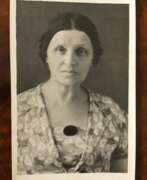

Lyudmila Davidovna Burliuk-Kuznetsova (Russian: Людмила Давидовна Бурлюк-Кузнецова) was a pivotal figure in the Russian avant-garde movement, born into a family renowned for its contribution to art and poetry. Her journey into the art world began with her studies at the Higher Art School of Painting, Sculpture, and Architecture at the Imperial Academy of Arts in St. Petersburg from 1903 to 1907. During her studies, she married Vasily Kuznetsov, a master of monumental and decorative sculpture, which marked the beginning of her active engagement with the Russian art scene. She was a vibrant participant in exhibitions across Russia, including those by the Association of Kharkov Artists, the Union of Russian Artists in St. Petersburg, and the art group "Wreath-Stefanos".
After a flourishing start, the mid-1910s saw Burliuk-Kuznetsova stepping back from her artistic endeavors to focus on her family. The tragic death of her husband in 1923 due to typhus left her to support their four children through her art, creating a diverse range of works from portraits to poster designs, even for the Saratov circus. Despite the personal hardships and the loss of two sons during World War II, her resilience and dedication to art never waned.
In her later years, she moved to Prague to live with her sister Marianna, where she rediscovered her passion for art and held a personal exhibition in 1967. Her work, deeply influenced by impressionism and particularly by the works of Paul Cezanne and Camille Pissarro, demonstrated her exceptional talent and her ability to capture the subtle interplay of light and atmosphere, conveying the magic of unpretentious natural motifs with grace and sensitivity.
For collectors and experts in art and antiques, Burliuk-Kuznetsova's story is not just one of artistic achievement but also of profound personal strength and perseverance. Her legacy is a testament to the vibrant spirit of the Russian avant-garde movement and its enduring influence on the art world.
To stay updated on artworks and auction events related to Lyudmila Davidovna Burliuk-Kuznetsova, consider signing up for updates. This subscription will ensure you're informed about new sales and exhibitions, keeping you connected to the legacy of this remarkable artist.
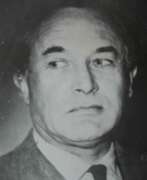

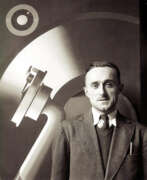

Adolphe Jean-Marie Mouron, better known as A. M. Cassandre, was a French painter, lithographer, master of advertising posters and type designer. The innovation of Cassandre's posters was noted by artists such as Max Ernst and Pablo Picasso.
He studied at the École des Beaux-Arts and the Académie Juliane. In 1936 his work was shown at the Museum of Modern Art in New York as part of a presentation for Harper's Bazaar. He was then invited by Alexey Brodovitch, the magazine's art director, to collaborate with Harper's Bazaar. Between 1936 and 1939 Cassandre designed over 40 surrealist covers for the magazine.
He joined the French army at the beginning of the Second World War. After the French surrender, his agency's work was curtailed and Cassandre designed sets, props and costumes for the theatre. After the war, he continued this line of work, occasionally returning to painting.
In 1963, Cassandre designed the logo of the fashion house Yves Saint Laurent.
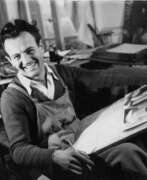

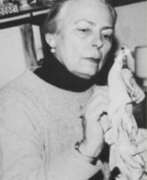

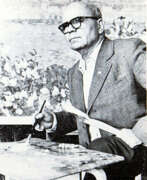

Vasily Dmitrievich Chegodar (Russian: Василий Дмитриевич Чегодар) was a Soviet and Ukrainian artist of the second half of the twentieth century. He is known as a painter who worked in the genres of landscape and still life.
Vasily Chegodar gained recognition by starting to participate in art exhibitions since 1942. An important period in his work was the 1950s, when he fully devoted himself to painting and became known for his Kiev landscapes. The artist left a rich creative legacy, including about ten thousand paintings and graphic works, some of which are in private collections in Ukraine, Russia and Europe.
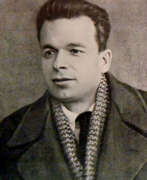

Ivan Ivanovich Cherinko (Rusian: Иван Иванович Черинько) was a Soviet Ukrainian artist who moved to Turkmenistan, after visiting Ashgabat in 1933 and finding the city beautiful and picturesque. He was among the Russian-trained artists who came to Turkmenistan and created works of art the captured the nature and culture of the republic. He founded the Union of Artists of Turkmenistan in the 1930s and co-founded the Sh. Rustaveli Turkmen Art School. In 1945, he was named an Honored Art Worker of the Turkmen Soviet Socialist Republic (Turkmen SSR, 1925–1991).


Leonid Ivanovich Chernov (Russian: Леонид Иванович Чернов) was a Soviet Ukrainian artist of the second half of the twentieth century. He is known as a painter, graphic artist and teacher.
Leonid Chernov created in various genres, including landscape, still life and genre painting. He has participated in numerous exhibitions since 1945. His work was inspired by business trips to India, Afghanistan, Bulgaria and Cuba. Notable works include cycles of landscapes "Across Ukraine", etchings "In Folk Bulgaria", drawings dedicated to Ukrainian folk songs and poems by Soviet poets.
Chernov nurtured a galaxy of Ukrainian artists and played an important role in the development of the Ukrainian art community.
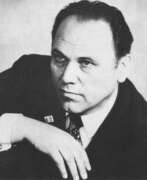

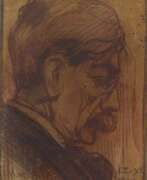

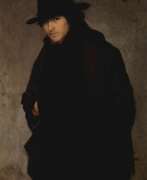

Philipp Antonovich Chirko (Russian: Филипп Антонович Чирко) was a Russian and Ukrainian painter, born on July 3, 1859, in Kyiv. Chirko was known for his realistic style and was associated with the Peredvizhniki movement, a group of artists committed to social realism and traveling exhibitions. He studied at the Kyiv Drawing School and later at the Imperial Academy of Arts in Saint Petersburg, graduating in 1892.
Chirko’s works often depicted battle scenes, genre paintings, and landscapes of Ukraine. Notable paintings include "The Pursuit of French Mounted Chasseurs by the Horse Guards under Polotsk on August 6, 1812," which is part of the Borodino Panorama Museum's collection in Moscow. Unfortunately, many of his works were lost during World War II.
Chirko’s remaining works are highly valued by collectors and can be found in various Russian museums, including the Chernihiv Art Museum. His contribution to art is significant for its historical and artistic value, capturing the essence of his era.
Sign up for updates related to Philipp Antonovich Chirko to receive notifications about new product sales and auction events.
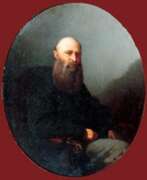

Romuald Chojnacki was a mid-nineteenth-century Russian artist of Polish descent. He is known as a painter and teacher.
Romuald Chojnacki was a follower of the Italian school of painting. He worked mainly in portrait and religious genres. At the beginning of his career, he also created historical paintings and returned to this genre shortly before his death.
The master was one of the founders of the Odessa Drawing School. Among his pupils was the famous Polish artist Stanisław Chlebowski.
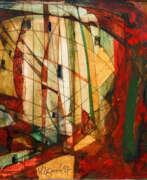

Ivan Ivanovich Chorny (Russian: Иван Иванович Чёрный) was a Soviet, Ukrainian and Russian artist of the second half of the twentieth and early twenty-first centuries. He was known for his monumental and decorative works in the style of socialist realism.
Ivan Chorny reoriented his style in the late 1990s, inventing a new technique and moving away from figurativeness in favor of abstract painting. His enigmatic compositions became an expressive expression of inner feelings enriched with colors and lines.
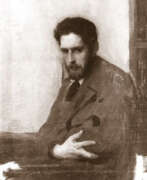



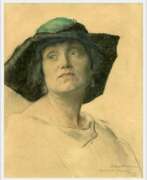

Olga Lyudvigovna Della-Vos-Kardovskaya (Russian: Ольга Людвиговна Делла-Вос Кардовская) was a Russian painter and graphic artist, whose works and life story continue to fascinate art collectors and experts. Born in Chernigov in the Russian Empire in 1875 and passing away in Leningrad, USSR in 1952, Della-Vos-Kardovskaya's artistic journey was marked by rigorous training and profound experiences. Her educational path took her from the Schneider School in Kharkov to the Academy in Saint Petersburg, and finally to Munich, where she studied under Anton Ažbe. The year 1900 was significant for her, marking not only a milestone in her artistic education but also her marriage to the painter Dmitry Kardovsky.
Della-Vos-Kardovskaya's career was characterized by her participation in various artist societies and exhibitions, significantly contributing to her recognition in the art world. Between 1903 and 1917, she exhibited her work with the New Society of Artists and the Union of Russian Artists. Her association with the Zhar-tsvet group from 1924 to 1928 and her inclusion in a significant 1927 exhibit in Moscow commemorating the tenth anniversary of the Russian Revolution highlight her active involvement in the artistic movements of her time.
Her body of work includes a variety of subjects, from self-portraits to notable figures such as Nikolay Gumilyov and Anna Akhmatova, demonstrating her versatility and skill as both a painter and a graphic artist. These works, alongside her contributions to Russian art movements and exhibitions, underscore her lasting impact on the art world.
For collectors and experts in art and antiques, Olga Lyudvigovna Della-Vos-Kardovskaya's work represents not only a connection to the rich history of Russian art but also an opportunity to appreciate the depth and breadth of her artistic contributions. To stay updated on sales and auction events related to Della-Vos-Kardovskaya's work, signing up for updates is highly recommended, ensuring access to the latest information and opportunities to acquire pieces by this distinguished artist.
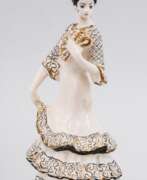

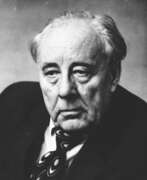

Mykhailo Hordiiovych Derehus (Russian: Михаил Гордеевич Дерегус) was a prominent Soviet Ukrainian graphic artist, painter, and educator, renowned for his significant contributions to the visual arts in Ukraine. Born on December 5, 1904, in Veseloye, Kharkiv Oblast, Derehus' artistic journey began at the Kharkiv Art Institute, where he not only honed his skills but also later imparted knowledge as a lecturer. His diverse body of work spans thematic painting, landscapes, still lifes, portraiture, etching, and book illustration, demonstrating his versatility across different mediums.
Derehus' art, particularly his expressionist lithographs, played a crucial role in illustrating significant Ukrainian literary works, such as Ivan Kotliarevsky's "Eneïda" and the writings of Nikolai Gogol, Lesya Ukrainka, Marko Vovchok, and Natan Rybak. His illustrations are celebrated for their depth and ability to capture the essence of the Ukrainian spirit. A testament to his mastery and significant impact on Ukrainian art, Derehus was awarded the prestigious Shevchenko National Prize in 1969. His legacy includes his leadership as Chairman of the National Union of Artists of Ukraine from 1955 to 1962 and his works being held in esteemed collections such as the Kuindzhi Art Museum in Mariupol, Ukraine.
For collectors and experts in art and antiques, Derehus' work represents a vital link in the chain of Ukrainian cultural heritage, offering unique insights into the nation's artistic evolution. His contributions have not only enriched Ukrainian visual arts but also ensured that the beauty of Ukraine's landscapes, its historical narratives, and the richness of its folklore continue to inspire future generations.
If you're intrigued by the artistic legacy of Mykhailo Derehus and wish to explore more about his works and their significance in the realm of Ukrainian art, consider signing up for updates. This subscription will keep you informed about new product sales and auction events related to Derehus, offering exclusive opportunities to connect with the rich tapestry of Ukrainian cultural expression.
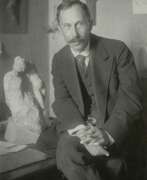

Vladimir Nicholaevich Domogatsky (Russian: Владимир Николаевич Домогацкий) was a Russian sculptor, teacher, and Honored Art Worker of the RSFSR, known for his contribution to the development of Soviet sculpture. Born in Odessa in 1876 and spending his early years in Switzerland and Ukraine, Domogatsky's life and career were predominantly centered in Moscow. He studied law at Moscow University and then took up sculpture under the tutelage of S.M. Volnukhin and S.V. Ivanov. Domogatsky's work was greatly influenced by the works of P. P. Trubetskiy, Auguste Rodin, the animalist painter R. Bugatti and others. Travels to Paris and Italy contributed to the improvement of his skills, especially in working with marble.
Domogatsky's work was diverse: genre, animalistic and portrait sculpture. Notable works include Boy in a Coat (1904), Portrait of an Old Actor (1913), and Portrait of Lev Shestov (1917), demonstrating his skill in merging Russian sculptural traditions with Western European influences. Teaching at the Moscow Institute of Fine Arts, organizing and participating in exhibitions all attest to his significant influence on the Soviet art scene. His works are held in prestigious museums, including the State Tretyakov Gallery, reflecting his enduring legacy in Russian art.
For collectors and experts, Domogatsky's sculptures represent a unique combination of historical and cultural narrative, embodied in the subtlety of his craftsmanship. His contributions to monumental propaganda and theoretical developments in sculpture further cement his status as a key figure in 20th century Soviet art.
To keep abreast of exhibitions and auctions featuring works by Vladimir Nikolayevich Domogatsky, we encourage you to subscribe to our updates. By subscribing, you will be the first to know about new sales and auction events related to this esteemed artist and enrich your collection with items of significant historical and artistic value.


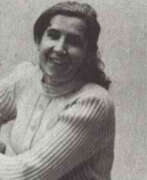


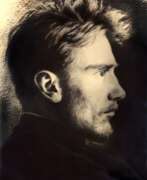

Grigory Kononovich Dyadchenko (Russian: Григорий Кононович Дядченко) was a Ukrainian artist and educator, born on October 8, 1869, in Kirilovka. Known for his landscape and portrait paintings, Dyadchenko's work embodies the realism movement. He studied at the Kyiv Drawing School and later graduated from the Imperial Academy of Arts in St. Petersburg, where he earned multiple awards.
Dyadchenko's artistry is evident in his poetic landscapes such as "Evening on the Dnieper" and "Kiev. View of Podil," which are characterized by their atmospheric depth and emotional resonance. His portraits, including "Head of a Girl" and the depiction of sculptor F. Balavensky, are celebrated for their psychological insight.
Dyadchenko also contributed to art education by teaching at the Kyiv Drawing School, influencing future artists like Mykhailo Kozyk and Vasyl Sylvestrov. His works are preserved in the National Art Museum of Ukraine and other prominent collections.
For those interested in Dyadchenko's art, sign up for updates on new product sales and auction events related to his masterpieces.
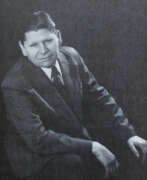

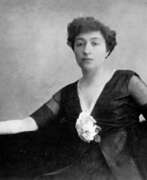

Aleksandra Aleksandrovna Ekster (Russian: Алекса́ндра Алекса́ндровна Эксте́р), a luminary of the Russian avant-garde, was a painter and designer whose work traversed the boundaries of Cubo-Futurism, Suprematism, and Constructivism, eventually influencing the Art Deco movement. Born in Białystok (then part of the Russian Empire, now Poland) and later splitting her life among Kiev, St. Petersburg, Moscow, Vienna, and Paris, Ekster played a pivotal role in bridging Russian and European artistic movements. Her innovative approach to art was characterized by dynamic movement, vibrant color contrasts, and geometric compositions, which were evident in her paintings, theater set and costume designs, and educational endeavors.
Ekster's studio became a hub for the intellectual and artistic elite, hosting figures like poets Anna Akhmatova and Osip Mandelstam, as well as painters Pablo Picasso and Georges Braque during her stays in Paris. Her involvement in significant art exhibitions, such as the Salon des Indépendants and the Salon de la Section d'Or in Paris, showcased her works alongside those of Jean Metzinger, Marcel Duchamp, and others, marking her as a key figure in the avant-garde community.
Beyond painting, Ekster's contributions to theater and design were profound. She worked on costume and set designs for Alexander Tairov's Chamber Theatre and participated in the revolutionary festivities' decoration in Kiev and Odessa. Ekster's pedagogical efforts included teaching at the Higher Artistic-Technical Workshop (VKhUTEMAS) in Moscow, fostering a new generation of avant-garde artists.
Ekster's work is housed in various international and private collections, reflecting her lasting impact on the art world. Her ability to integrate different genres and styles, along with her commitment to experimentation and innovation, made her one of the most influential women in the Russian avant-garde.
For those fascinated by the pioneering spirit of Aleksandra Aleksandrovna Ekster and the avant-garde movement, signing up for updates on new product sales and auction events related to her work is a compelling way to stay informed. This subscription ensures enthusiasts and collectors are always in the loop regarding opportunities to engage with Ekster's enduring legacy.











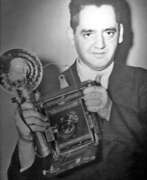

Arthur (Usher) Fellig, known by his pseudonym Weegee, was a photographer and photojournalist, known for his stark black and white street photography in New York City.
Weegee worked in Manhattan's Lower East Side as a press photographer during the 1930s and 1940s and developed his signature style by following the city's emergency services and documenting their activity. Much of his work depicted unflinchingly realistic scenes of urban life, crime, injury and death. Weegee published photographic books and also worked in cinema, initially making his own short films and later collaborating with film directors such as Jack Donohue and Stanley Kubrick.
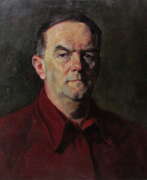


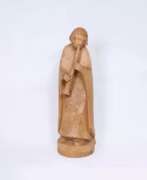

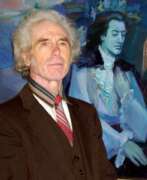

Stefan Ivanovich Florescu (Russian: Степан Иванович Флореску) was a Soviet and Moldovan artist of the second half of the twentieth and early twenty-first centuries. He is known as a painter, graphic artist and inventor who solved complex artistic problems using the methodology of the theory of inventive problem solving.
Starting in art at a young age, Stefan Florescu sought to develop not only his knowledge but also his skills as a portrait painter, exploring the complex aspects of human nature. His work encompassed various genres, including thematic compositions, landscapes, still lifes and portraits, as well as utilizing a variety of artistic and technical methods to create expressive images.
During his career, the master created more than 10,000 sketches, sketches, and sketches; about 250 graphic works; more than 390 pictorial compositions; and two sculptural projects.
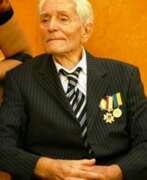

Albin Stanislavovich Gavdzinsky (Russian: Альбин Станиславович Гавдзинский) was a Soviet and Ukrainian artist of the second half of the twentieth and early twenty-first centuries. He is known as a painter, famous for his landscapes, genre paintings and portraits.
Albin Gavdzinsky in the early 1950s held his first solo exhibitions in Odessa, Kiev and Kharkov and showed his bright artistic personality. The artist was distinguished by his outstanding efficiency and precision in depiction, which was evident in his clear forms and bright colors. In 1961 he was recognized as Honorary Citizen of the city of Novaya Kakhovka, and his works (237 canvases) served as the basis for the creation of the city's art gallery, which in 2003 was named after him.
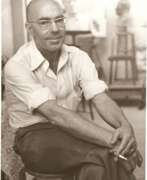

Grigory Ivanovich Gavrilenko (Russian: Григорий Иванович Гавриленко) was a Ukrainian Soviet artist of the mid-twentieth century. He is known as a graphic artist and illustrator, a representative of Ukrainian avant-garde art, a "sixties" artist.
Grigory Gavrilenko became famous for his graphic works, including landscapes and portraits. His work included a variety of techniques and styles, from quick sketches to laconic drawings-formulas. The master also designed and illustrated many books, including folk tales. In the last years of his life, he worked extensively in color linocuts, creating prints and illustrations.


Nikolai Nikolaevich Ge (Russian: Николай Николаевич Ге) was a distinguished Russian painter, whose contributions to the world of art are celebrated for their emotional depth and philosophical introspection. Born in 1831, Ge's work spans a variety of themes, including religious, historical, and psychological subjects, making him a versatile artist in the realm of 19th-century Russian culture. His paintings are known not just for their aesthetic appeal but also for their ability to provoke thought and evoke deep emotions.
Ge's art is marked by its intense exploration of moral and spiritual questions, distinguishing him from his contemporaries. One of his most famous works, "The Last Supper" (1863), showcases his ability to infuse traditional religious scenes with a new level of emotional intensity and humanism. This painting, along with others like "Christ in the Garden of Gethsemane" (1868), reflects Ge's deep engagement with the themes of suffering, redemption, and the human condition. His approach to these universal subjects has earned him a special place in the canon of Russian art, making his works highly sought after by collectors and experts in art and antiques.
Ge's contributions to art extend beyond his individual works. His commitment to portraying the human experience with honesty and depth has influenced generations of artists. His paintings can be found in prestigious galleries and museums, serving as a testament to his enduring legacy. For collectors and art aficionados, Ge's work represents not only an investment in Russian culture and history but also an ongoing exploration of the depths of human emotion and spirituality.
For those interested in the profound and moving art of Nikolai Nikolaevich Ge, staying informed about new discoveries, sales, and auction events related to his work is essential. Sign up for updates to ensure you never miss an opportunity to engage with the legacy of this remarkable artist. This subscription will exclusively alert you to new product sales and auction events related to Nikolai Nikolaevich Ge, keeping you connected to the very best of Russian art and culture.
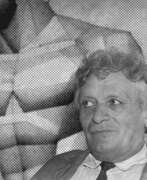

Valery Arutyunovich Geghamyan (Russian: Валерий Арутюнович Гегамян) was a Soviet and Ukrainian artist of the mid-twentieth century of Armenian origin. He is known as a painter, graphic artist and teacher.
Valeriy Geghamyan became famous for his monumental canvases, large thematic cycles and graphic series. He also created portraits, landscapes and still lifes. Since the early 1960s he lived and worked in Odessa and founded the art and graphic arts faculty at the Odessa Pedagogical Institute, where he taught for more than 20 years. The master raised many famous artists, some of whom are also teachers, passing on the experience of their teacher.
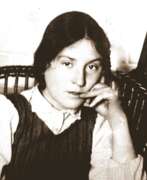

Nina Henrichovna Genke-Meller (Russian: Нина Генриховна Генке-Меллер) was a distinguished Ukrainian-Russian avant-garde artist, celebrated for her contributions as a Suprematist, Futurist, designer, graphic artist, and scenographer. Born on April 19, 1893, in Moscow, she emerged as a pivotal figure in the avant-garde movement, significantly influenced by the political and cultural upheavals of her time. Her multifaceted career took off after the October Revolution of 1917 when she actively participated in decorating the streets of Kyiv and Odesa for Revolution festivities alongside contemporaries like Aleksandra Ekster and Kliment Red'ko. Genke-Meller's artistic endeavors spanned various domains, including her role as a chief artist at the Golfstream futuristic publishing house, her pioneering work in graphic design, and her significant contributions to stage design, ceramics, and wallpaper manufacturing.
Her teaching stint at the All-Ukrainian State Center Studio from 1920 to 1924 marked a notable period in her career, where she influenced many through her artistic philosophies and practices. By 1924, Genke-Meller had moved to Moscow, further expanding her creative horizons as a stage designer and taking up roles in the decorative and applied arts. Her legacy includes a rich body of work that encapsulates the spirit of the avant-garde movement, with notable exhibitions showcasing her contributions to Ukrainian and Russian avant-garde art across various esteemed platforms like the National Art Museum of Ukraine, Villa Stuck in Munich, and The Ukrainian Museum in New York.
For collectors and experts in art and antiques, Nina Henrichovna Genke-Meller's works represent the revolutionary zeal of the avant-garde movement, offering a glimpse into the transformative power of art in the early 20th century. Her contributions continue to inspire and influence contemporary discussions on art and design, cementing her status as a key figure in the avant-garde narrative.
For those interested in exploring the profound impact and timeless appeal of Genke-Meller's art, signing up for updates related to her work offers an exclusive gateway to new product sales and auction events, providing collectors and enthusiasts with timely insights into the vibrant legacy of this avant-garde icon.
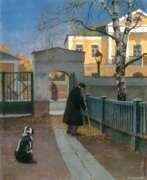

Mikhail Markianovich Germashev (Russian: Михаил Маркианович Гермашев) was a Russian painter known for his exquisite landscape paintings. Born in 1867 in Kharkov, he studied at the Moscow School of Painting, Sculpture and Architecture. Germashev's works are celebrated for their atmospheric depictions of Russian winters and serene rural scenes.
Germashev gained significant recognition in the late 19th century. His painting "Snow Fell" won first prize at the Moscow Society of Arts in 1897 and was acquired by the renowned collector Pavel Tretyakov. Other notable works include "Gray Day" (1894), "Unfrozen River" (1898), and "Rainy Day" (1902). These paintings are displayed in various museums across Russia, reflecting Germashev's prominence in the art world.
In the 1920s, Germashev moved to Paris, where he continued to paint and exhibit his works. His landscapes, characterized by their high craftsmanship and beauty, remained popular among collectors and art enthusiasts. His works can be found in prestigious collections, including the Tretyakov Gallery and the Museum of Moscow.
Stay updated on the latest sales and auction events for works by Mikhail Markianovich Germashev by subscribing to our newsletter. Don't miss the opportunity to add a piece of Russian art history to your collection!