Portrait Painted — Auction price
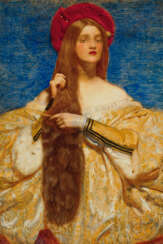

Frank Cadogan Cowper was an English painter and illustrator of portraits, historical, and literary scenes, described as "The last of the Pre-Raphaelites".

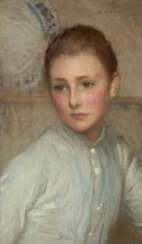

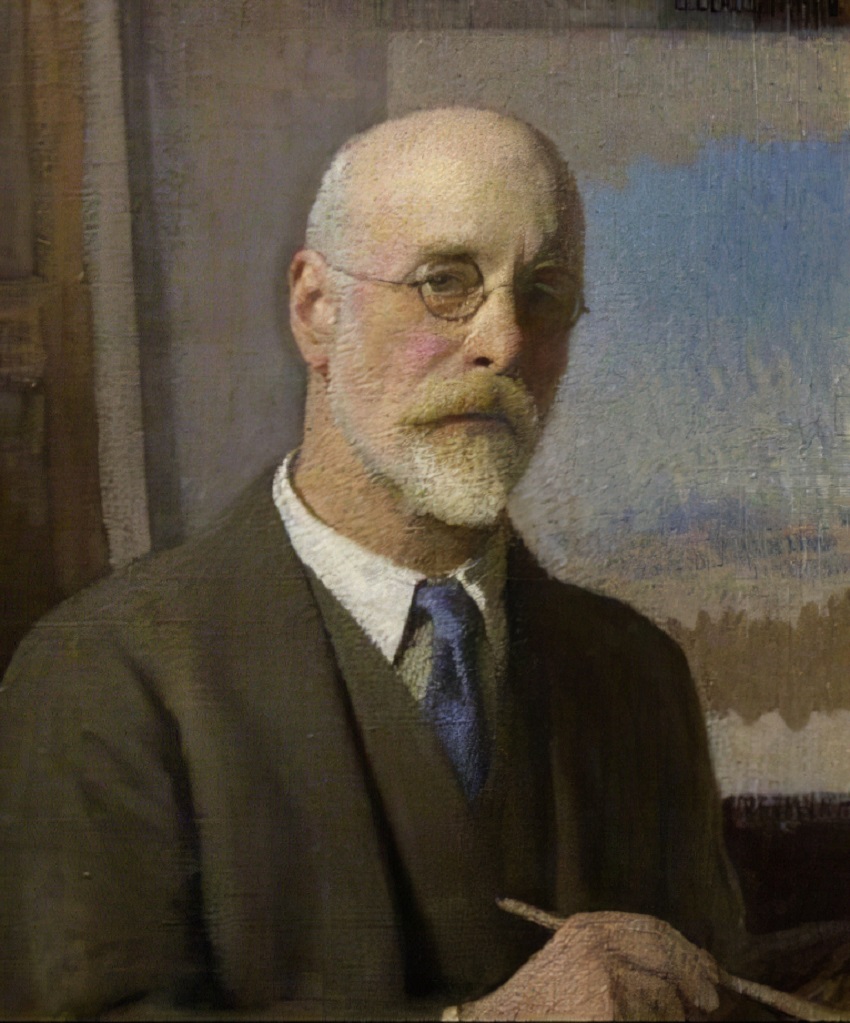
George Clausen was a British artist working in oil and watercolour, etching, mezzotint, dry point and occasionally lithographs. He was knighted in 1927.

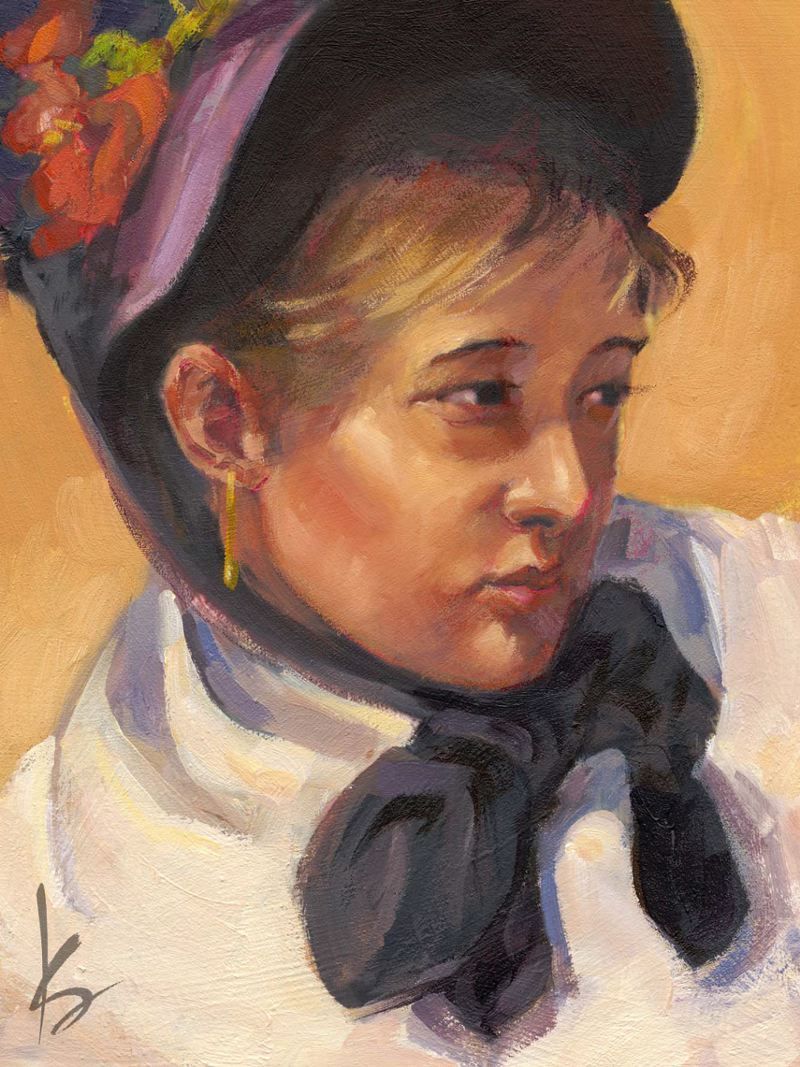
Mary Stevenson Cassatt was an influential American painter and printmaker known for her pivotal role in the Impressionist movement. Born on May 22, 1844, in Allegheny City, Pennsylvania, Cassatt spent much of her adult life in France, where she formed a significant professional relationship with Edgar Degas and exhibited with other Impressionists. Despite her family's initial reluctance, Cassatt pursued art from a young age, attending the Pennsylvania Academy of the Fine Arts at fifteen and later moving to Paris to continue her education under private tutors, including the renowned Jean-Léon Gérôme.
Cassatt's art mainly focused on women and children, encapsulating intimate moments with a profound sense of dignity and depth. Her works, such as "The Boating Party" and "Mother and Child," showcase her skill in portraying the nuanced interactions of everyday life. Cassatt's technique evolved from the light brushstrokes of early Impressionism to a more structured form, emphasizing solid figures and clear contours.
A prominent figure not just in art but also in art advocacy, Cassatt was instrumental in advising American collectors, including the Havemeyers, which helped enrich public and private American art collections significantly. Despite challenges related to her gender and later, her failing eyesight, Cassatt's contributions to art remain influential, reflecting her unique perspective and unyielding dedication to Impressionism.
For updates on exhibitions and sales related to Mary Stevenson Cassatt's works, consider signing up for our newsletter. This subscription will keep you informed about the latest auction events and product sales directly linked to Cassatt's enduring legacy.


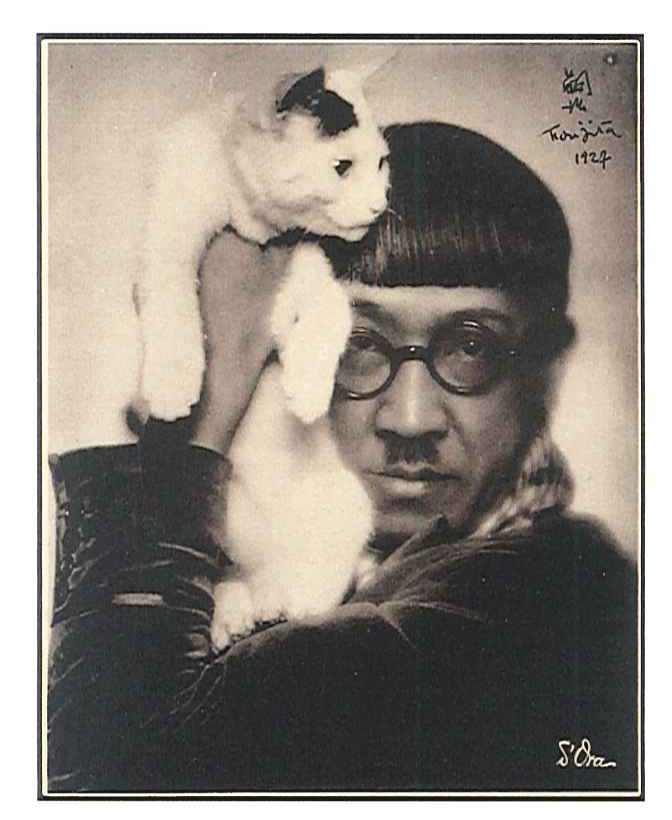
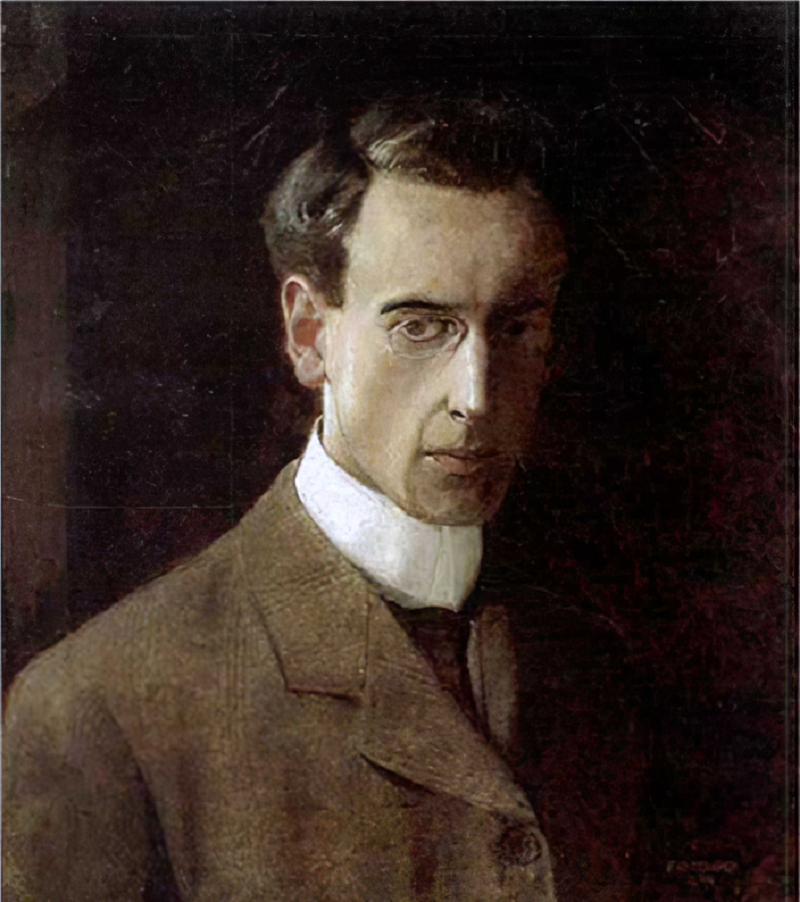
Tsugouharu Foujita was a French twentieth-century artist of Japanese descent. He is known for his unique style, combining elements of Japanese painting and printmaking with European realism.
Foujita created a wide range of works in a variety of genres, including nudes, images of cats, portraits of women and children, and self-portraits. He later converted to Catholicism and began creating paintings with religious themes. The artist was internationally recognized, and his work was exhibited in many countries around the world. His work was characterized by the perfection of pictorial technique, virtuosity of drawing and an atmosphere of sophistication. The master also showed talent in graphics, photography, ceramics, theater, cinema and fashion design. Prices for his paintings were comparable to those of Picasso's works.
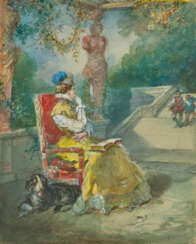

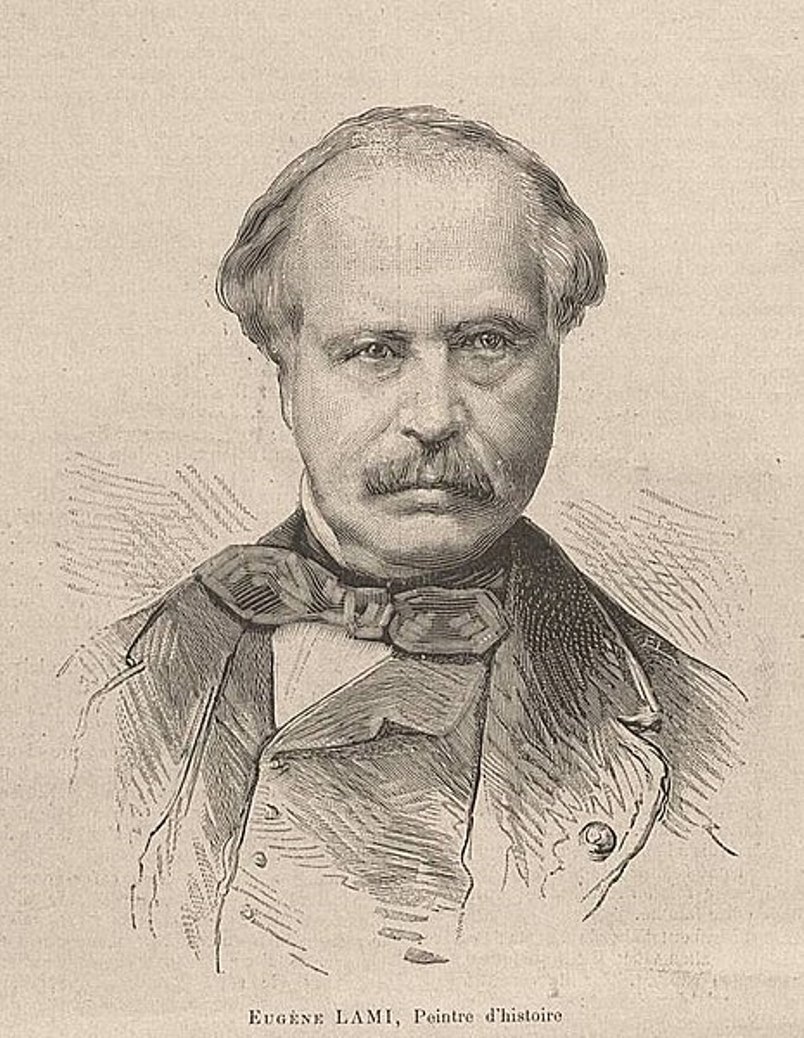
Eugène Louis Lami was a French painter, watercolorist and lithographer.
Lami studied at the Paris Academy of Arts, particularly watercolor techniques. Later he became one of the founders of the Society of French watercolorists. Contemporaries characterize Lami as an elegant and brilliant artist who devoted much time to lithography between 1817 and 1833. He produced a series of 40 lithographs depicting Spanish cavalry, as well as a large set of lithographs entitled Collections of the Uniforms of the French Armed Forces 1791-1814.
Lami traveled extensively, visiting Russia, Spain, Italy, and Germany. During the Crimean War, he gathered a rich supply of materials for his battle works. He took on other genres and wrote many epochal historical paintings and portraits, genre scenes from the life of high society, literary subjects, landscapes.





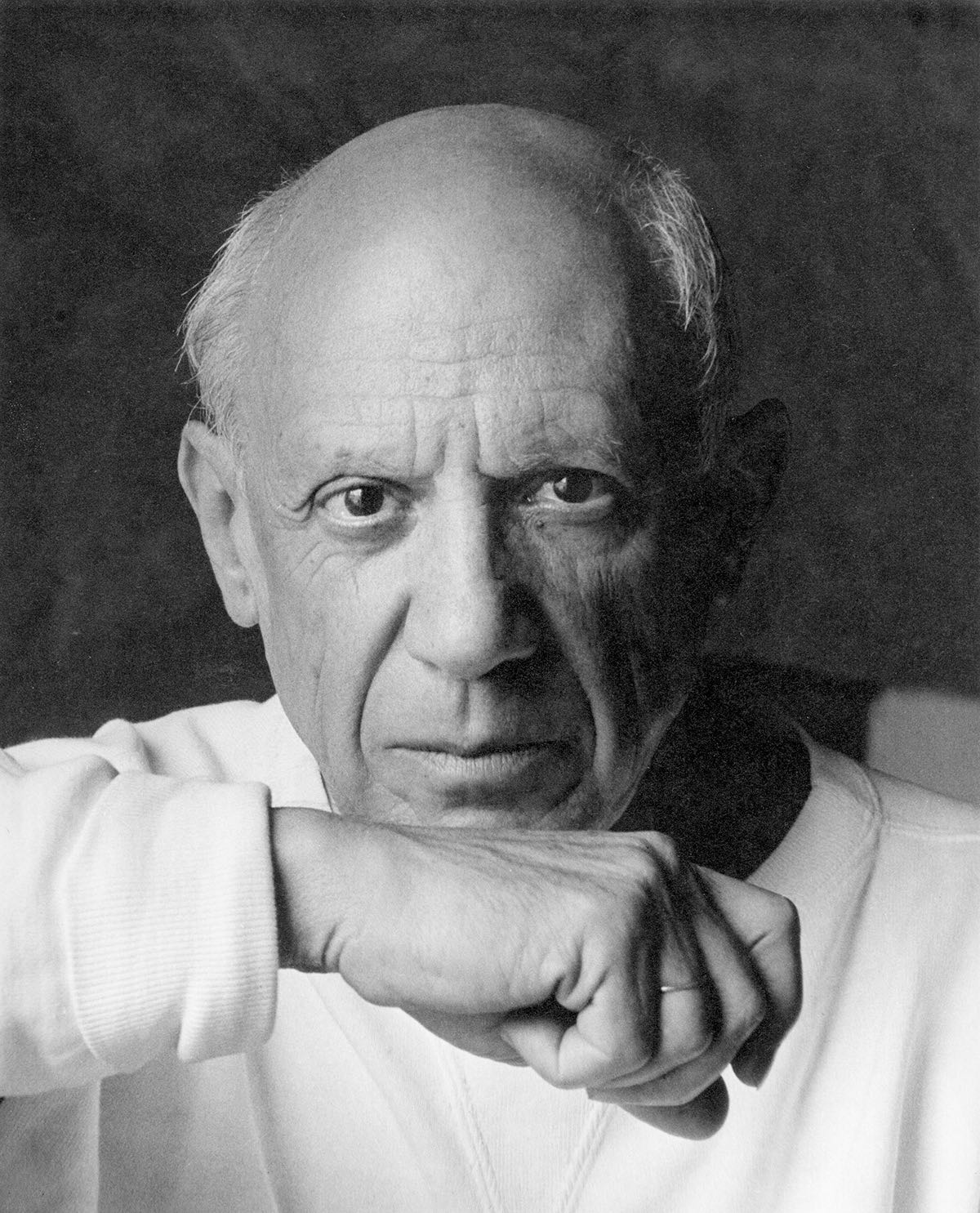
Pablo Ruiz Picasso, a Spanish artist renowned for his revolutionary contributions to the 20th-century art scene, is a figure that resonates profoundly with collectors and art experts. His unique blend of talents in painting, sculpture, printmaking, and ceramic art, infused with his time in France, positioned him as a pivotal character in modern art history.
Picasso's artistic journey was marked by distinct periods, each showcasing his evolving style and genius. His early years were characterized by the Blue Period (1901-1904), followed by the Rose Period (1904-1906), and then the African-influenced Period (1907-1909). Picasso's name is synonymous with Cubism, a movement he co-founded, which significantly altered artistic perspectives and methods. Works like "Les Demoiselles d'Avignon" (1907) and "Guernica" (1937) are emblematic of his cubist legacy, the latter being a poignant anti-war statement that remains influential.
His later years saw a return to more traditional styles, with neoclassical and surrealist influences becoming evident. Works from these phases reflect a deep engagement with mythological themes, as seen in "Faun with Stars" (1955), symbolizing his late-life romance with Jacqueline Roque, his second wife.
Picasso's prolific output and innovative spirit made him a legend in his own time, a status that only grew after his death. His works, housed in major museums and private collections worldwide, continue to captivate and inspire.
As a collector or expert in art and antiques, staying informed about Picasso's works, their auction events, and sales is essential. To stay updated on the latest developments and opportunities related to Pablo Picasso, sign up for our specialized updates. Rest assured, this subscription will focus solely on new product sales and auction events pertaining to Picasso's art, ensuring that you receive only the most relevant and valuable information.


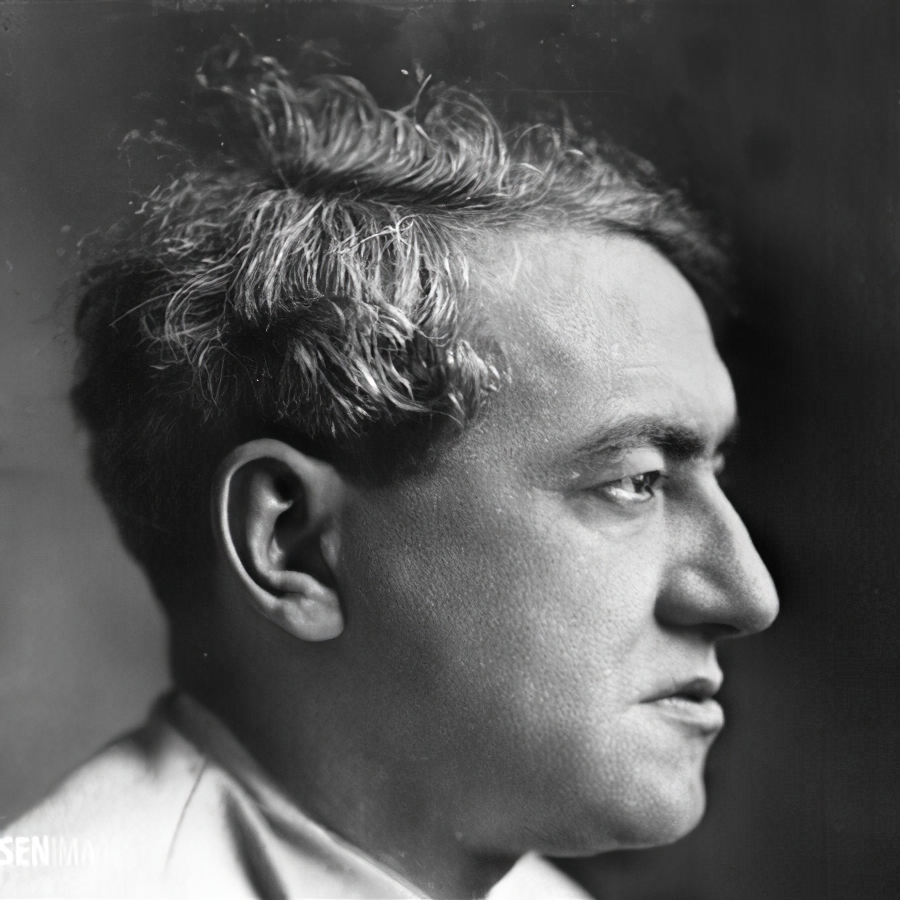
Jules Pascin, born Julius Mordecai Pincas, was a Bulgarian-born American painter and draftsman. He studied art in Vienna, Munich, and Paris, where he settled in 1905.
Pascin became known for his portraits and nudes, which often featured elongated figures and fluid lines. He was also noted for his use of watercolors and his depictions of Parisian nightlife, cafes, and brothels. His work was influenced by the Fauvists and the German Expressionists.
Pascin was a member of the Montparnasse artistic community in Paris, and he was friends with many of the leading artists and writers of the day, including Pablo Picasso, Henri Matisse, and Ernest Hemingway. He was married twice, but his personal life was marked by numerous affairs and a struggle with alcoholism.
His work is held in many major collections, including the Museum of Modern Art in New York and the Art Institute of Chicago.


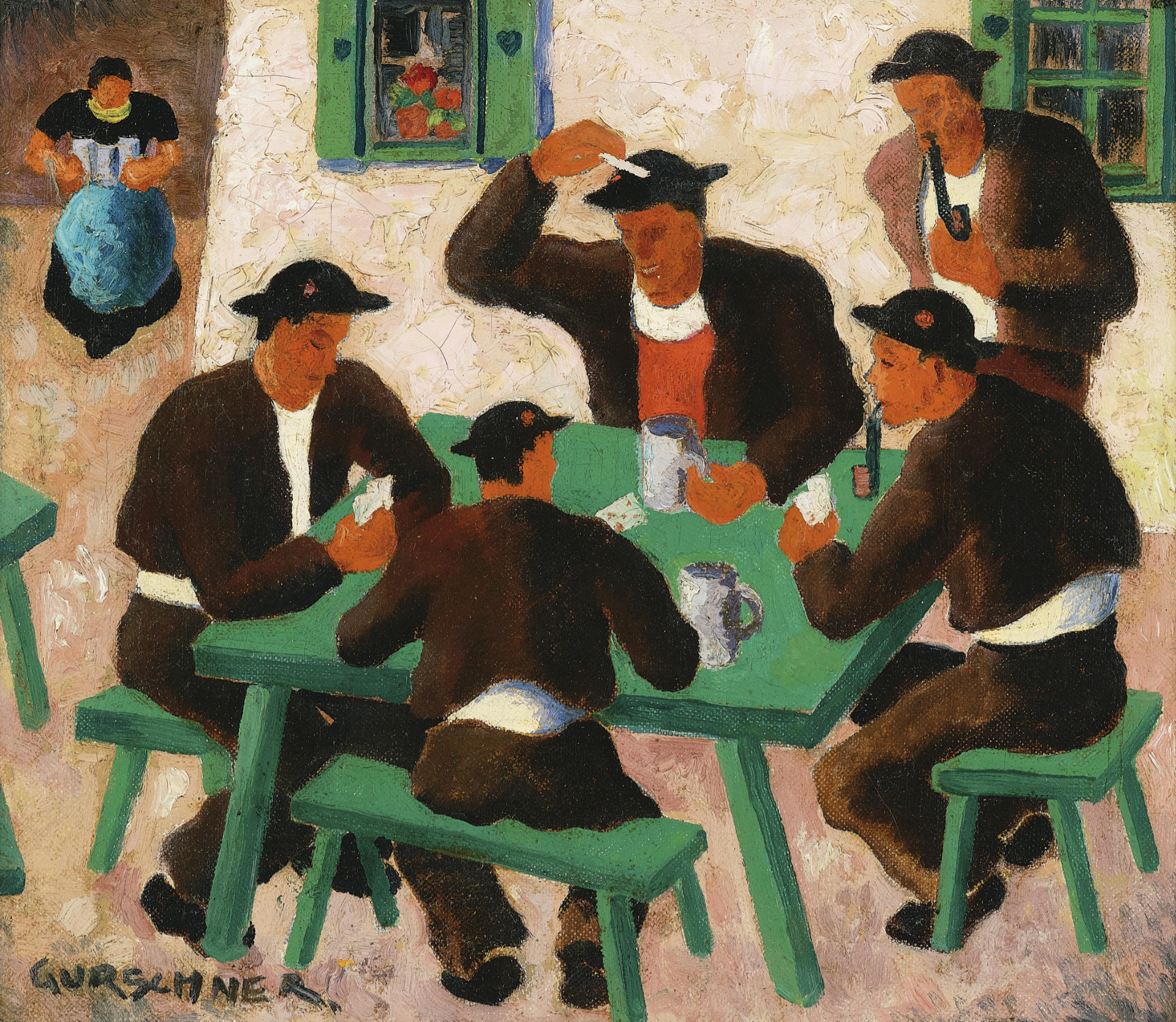


Jules Pascin, born Julius Mordecai Pincas, was a Bulgarian-born American painter and draftsman. He studied art in Vienna, Munich, and Paris, where he settled in 1905.
Pascin became known for his portraits and nudes, which often featured elongated figures and fluid lines. He was also noted for his use of watercolors and his depictions of Parisian nightlife, cafes, and brothels. His work was influenced by the Fauvists and the German Expressionists.
Pascin was a member of the Montparnasse artistic community in Paris, and he was friends with many of the leading artists and writers of the day, including Pablo Picasso, Henri Matisse, and Ernest Hemingway. He was married twice, but his personal life was marked by numerous affairs and a struggle with alcoholism.
His work is held in many major collections, including the Museum of Modern Art in New York and the Art Institute of Chicago.


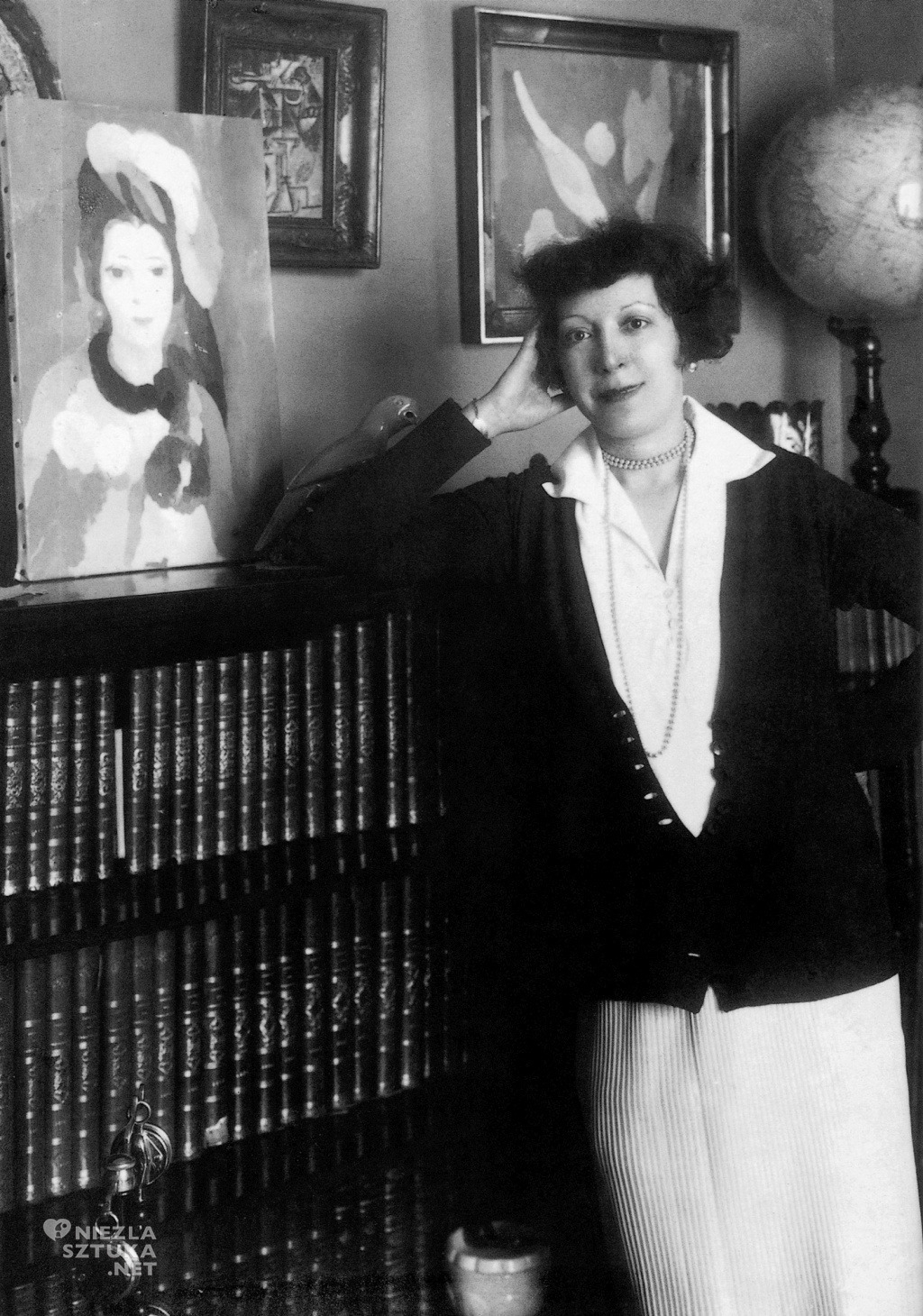
Marie Laurencin was a pivotal figure in the Parisian avant-garde, a French artist renowned for her distinct approach to painting. Unlike her contemporaries who embraced the bold facets of Cubism, Laurencin carved a niche for herself with a palette of soft pastels and a focus on ethereal female forms. Her work, embodying an enchanted, feminine world devoid of masculine presence, was revolutionary for its time, offering a sanctuary of female harmony that was both subtle and profound.
Laurencin's oeuvre extends beyond paintings to include watercolors, drawings, and prints, with notable works such as "Les jeunes filles" and "Portrait de Mademoiselle Chanel" finding homes in prestigious institutions like the Museum of Modern Art in New York and the Musée de l'Orangerie in Paris. Her legacy is further cemented by the Musée Marie Laurencin in Nagano, Japan, the only museum dedicated solely to a female painter, showcasing over 600 of her pieces.
Her approach diverged significantly from the norms of Cubism, incorporating a distinctly feminine aesthetic through the use of pastel colors and curvilinear forms. This unique style set her apart from peers and positioned her as one of the few female Cubist painters, alongside figures like Sonia Delaunay and Marie Vorobieff. Laurencin's artistry was not just an exploration of femininity but a celebration of it, challenging the dominant artistic narratives of her time.
The critique of Laurencin's work for its deliberate embrace of femininity and decorative qualities overlooks the radical essence of her aesthetic. Her paintings, characterized by serene and charming depictions of women, argue for a creative space where the feminine is not just visible but central. Works like "The Fan" and "Spanish Dancers" exemplify her ability to create intimate, self-sufficient worlds that engage the viewer in narratives of absence, longing, and female solidarity.
For collectors and experts in art and antiques, Laurencin's work offers a nuanced understanding of early 20th-century modern art movements through the lens of femininity. Her contributions to art history reflect a bold reimagining of the female form and the spaces women occupy, both in the physical and imaginative realms.
To stay informed about new product sales and auction events related to Marie Laurencin, sign up for updates. This subscription ensures you remain at the forefront of the latest developments and opportunities to acquire works by this groundbreaking artist.


Marie Laurencin was a pivotal figure in the Parisian avant-garde, a French artist renowned for her distinct approach to painting. Unlike her contemporaries who embraced the bold facets of Cubism, Laurencin carved a niche for herself with a palette of soft pastels and a focus on ethereal female forms. Her work, embodying an enchanted, feminine world devoid of masculine presence, was revolutionary for its time, offering a sanctuary of female harmony that was both subtle and profound.
Laurencin's oeuvre extends beyond paintings to include watercolors, drawings, and prints, with notable works such as "Les jeunes filles" and "Portrait de Mademoiselle Chanel" finding homes in prestigious institutions like the Museum of Modern Art in New York and the Musée de l'Orangerie in Paris. Her legacy is further cemented by the Musée Marie Laurencin in Nagano, Japan, the only museum dedicated solely to a female painter, showcasing over 600 of her pieces.
Her approach diverged significantly from the norms of Cubism, incorporating a distinctly feminine aesthetic through the use of pastel colors and curvilinear forms. This unique style set her apart from peers and positioned her as one of the few female Cubist painters, alongside figures like Sonia Delaunay and Marie Vorobieff. Laurencin's artistry was not just an exploration of femininity but a celebration of it, challenging the dominant artistic narratives of her time.
The critique of Laurencin's work for its deliberate embrace of femininity and decorative qualities overlooks the radical essence of her aesthetic. Her paintings, characterized by serene and charming depictions of women, argue for a creative space where the feminine is not just visible but central. Works like "The Fan" and "Spanish Dancers" exemplify her ability to create intimate, self-sufficient worlds that engage the viewer in narratives of absence, longing, and female solidarity.
For collectors and experts in art and antiques, Laurencin's work offers a nuanced understanding of early 20th-century modern art movements through the lens of femininity. Her contributions to art history reflect a bold reimagining of the female form and the spaces women occupy, both in the physical and imaginative realms.
To stay informed about new product sales and auction events related to Marie Laurencin, sign up for updates. This subscription ensures you remain at the forefront of the latest developments and opportunities to acquire works by this groundbreaking artist.
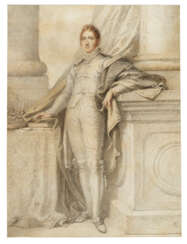

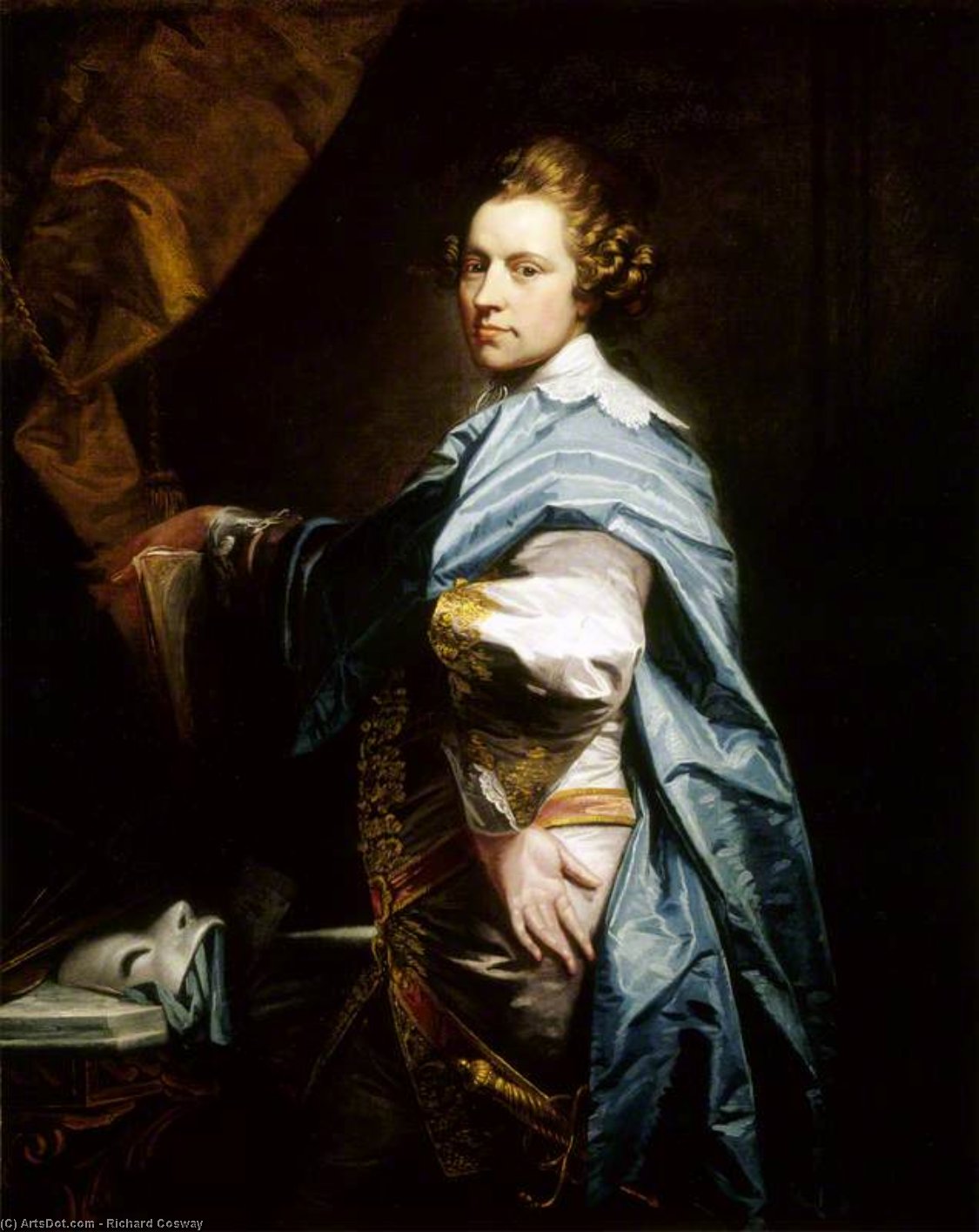
Richard Cosway was a leading English portrait painter of the Georgian and Regency era, noted for his miniatures.
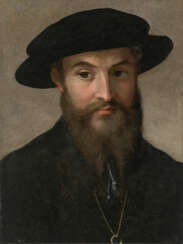

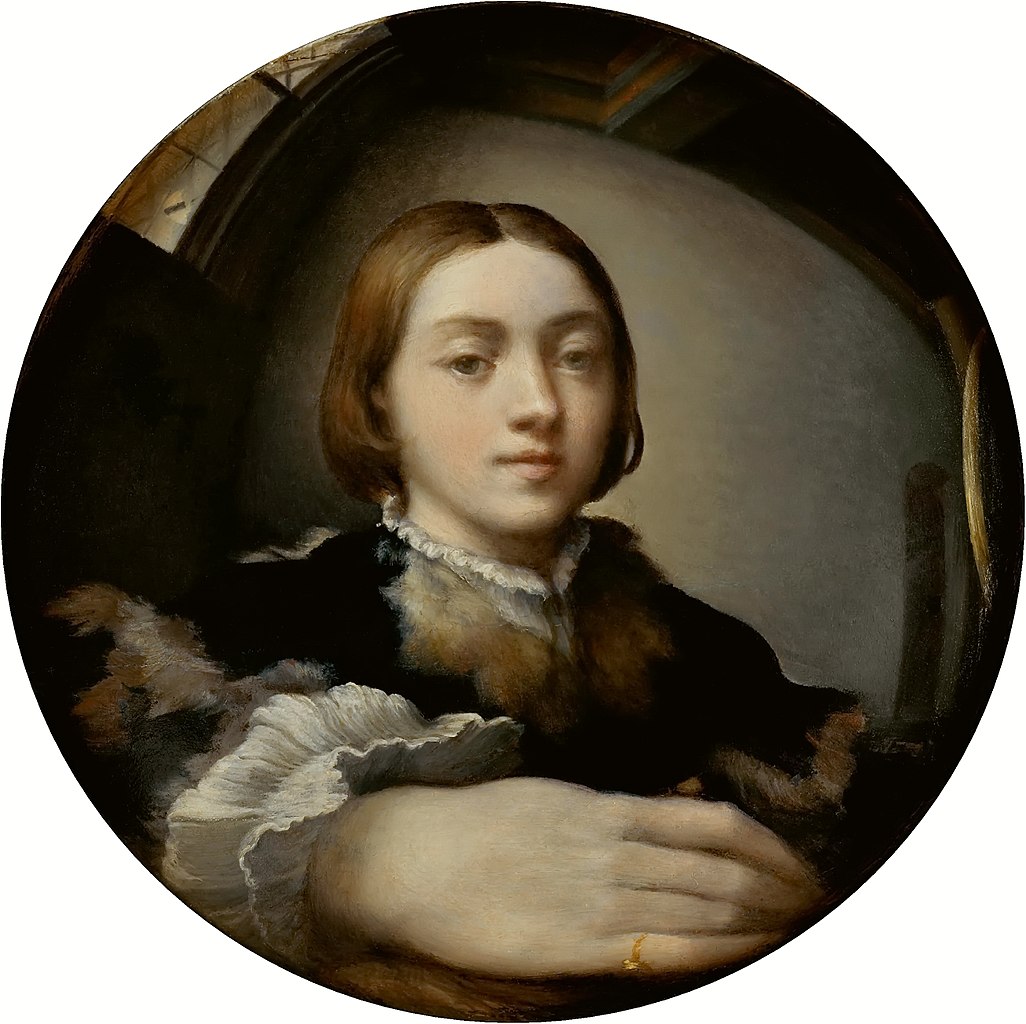
Parmigianino, an Italian Mannerist painter born Girolamo Francesco Maria Mazzola, was a pivotal figure in the development of the Mannerist style, known for his sophisticated and elegant approach to painting. He was a leading figure in Parma's art scene following Correggio and had a significant influence on the artistic developments during the post-High Renaissance period through his expressive and stylish works.
Parmigianino's journey as an artist took him from Parma to Rome and then to Bologna, with his last years spent in Parma. His works, including the renowned "Madonna with the Long Neck," display a unique blend of grace and elegance, coupled with an idiosyncratic use of elongation and distortion, typical of Mannerist aesthetics. This painting, in particular, is noted for its unusual composition and the elongation of figures, embodying the Mannerist style's departure from the proportional norms established during the Renaissance.
He was also an early Italian etcher, utilizing this technique to express the spontaneity of an artist's hand. His etchings and drawings had a considerable influence on printmaking and the visual arts in Italy and Europe. In addition to his paintings, Parmigianino's contributions to the arts include his work in the church of the Steccata in Parma and his innovative approach to integrating painting with architectural elements.
For art collectors and experts, Parmigianino's work represents a critical link between the High Renaissance and the emergence of Baroque and Rococo styles, offering a unique insight into the evolution of European art. His works continue to be celebrated for their originality and mastery, making him a subject of enduring interest in the study of art history.
For those interested in exploring Parmigianino's contributions to art further, subscribing to updates from art institutions or platforms specializing in Renaissance and Mannerist art could provide valuable insights into his life, works, and ongoing exhibitions or sales of his artworks.

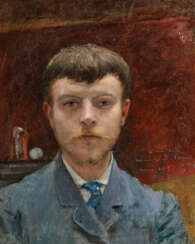

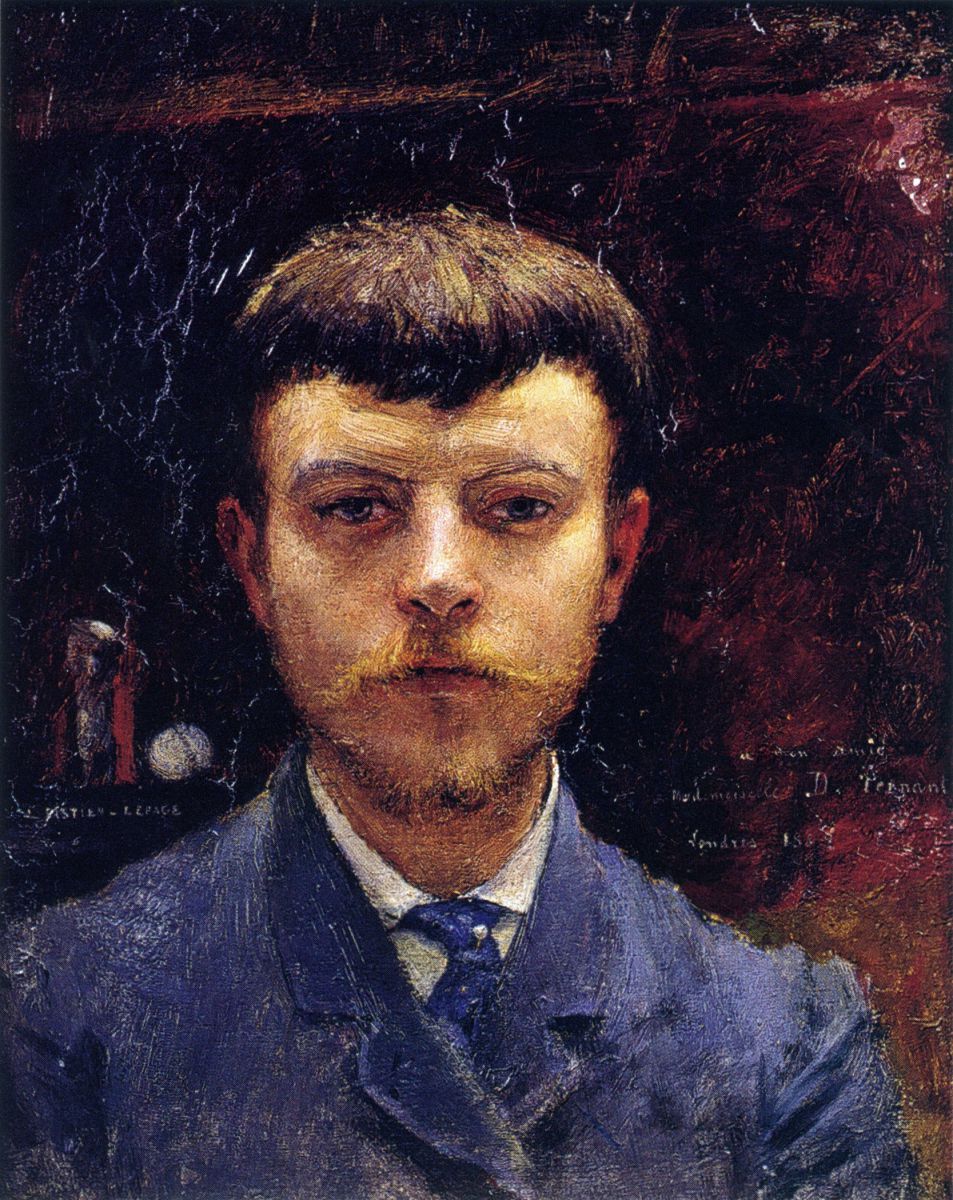
Jules Bastien-Lepage was a French painter closely associated with the beginning of naturalism, an artistic style that emerged from the later phase of the Realist movement.
His most famous work is his landscape-style portrait of Joan of Arc which currently resides at the Metropolitan Museum in New York City.