44.99-7











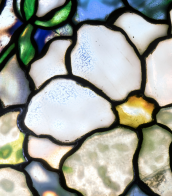





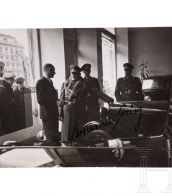



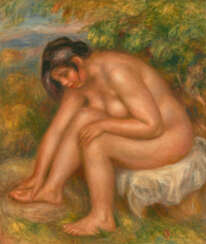

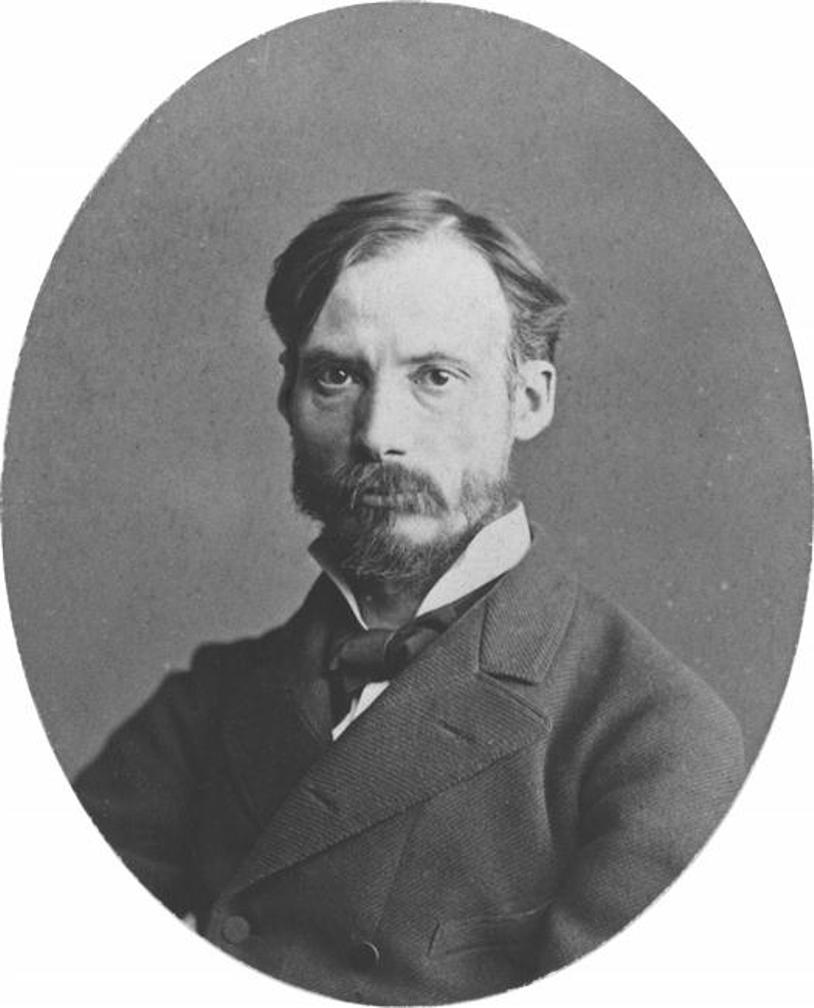
Pierre-Auguste Renoir was a French artist, celebrated as a pivotal figure in the development of the Impressionist movement. Born in Limoges, France, in 1841, Renoir's early experiences in Paris and his apprenticeship as a porcelain painter laid the foundation for his illustrious career in art. His transition to painting was marked by an early fascination with the play of light and color, which became a hallmark of his work. Renoir's paintings are renowned for their vibrant light and saturated color, often focusing on people in intimate and candid compositions. This focus on beauty and a particular affinity for capturing the sensuality of the female form distinguished his work from his contemporaries.
Renoir's contributions to Impressionism were significant, characterized by his use of bright colors and a technique that captured the movement and luminosity of the scene. His evolution as an artist saw him experimenting with a more linear and classical style, especially after his travels to Italy, where he was deeply influenced by the Renaissance masters. Despite facing personal challenges, including severe rheumatoid arthritis in his later years, Renoir's passion for painting never waned. His determination saw him adapting his painting technique to his physical limitations, ensuring that his creative output remained prolific until his death in 1919.
Among Renoir's notable works are "Bal du moulin de la Galette" (1876), "Luncheon of the Boating Party" (1880), and "Girls at the Piano" (1892). These masterpieces exemplify the essence of Impressionist art with their depiction of light, movement, and everyday life. Renoir's works are housed in prestigious museums around the world, serving as a testament to his enduring legacy in the realm of art.
For art collectors and experts, Renoir's oeuvre represents an essential segment of the Impressionist movement, offering insights into the evolution of modern art. His mastery in portraying the beauty of the moment and the depth of human emotion continues to captivate and inspire audiences worldwide.
If you are passionate about collecting or studying the works of Pierre-Auguste Renoir, we invite you to sign up for updates on new product sales and auction events related to this iconic artist. Stay informed about the opportunity to own a piece of art history and deepen your appreciation for the rich tapestry of culture and art that Renoir helped weave.
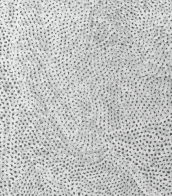


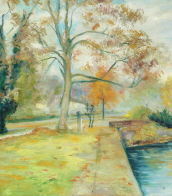
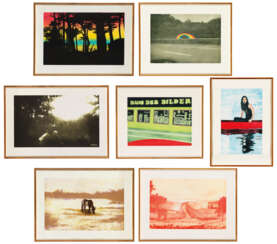


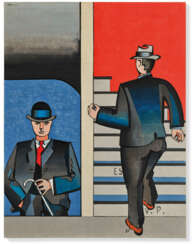

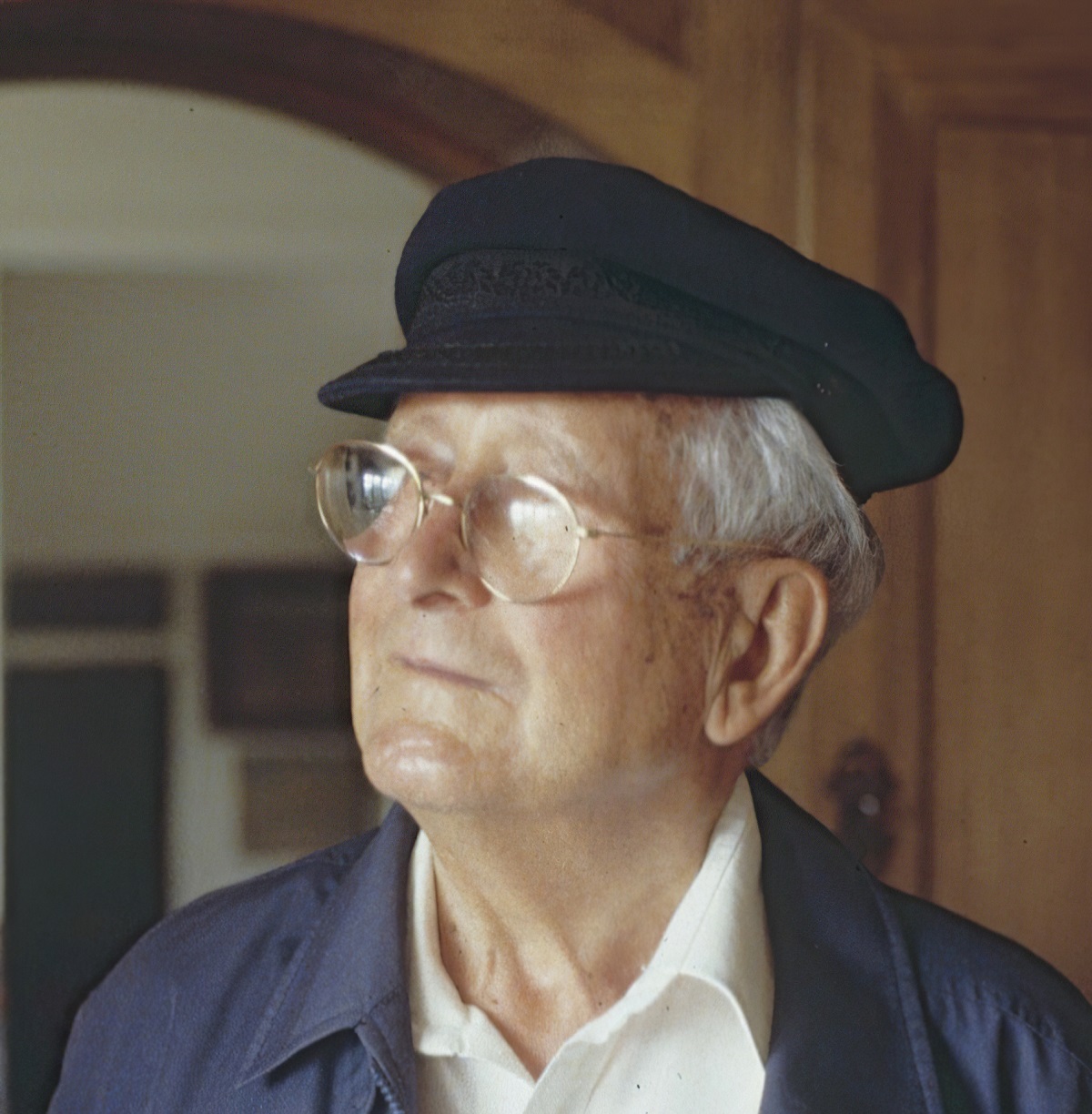




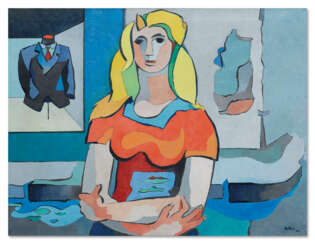





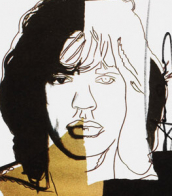


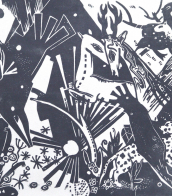

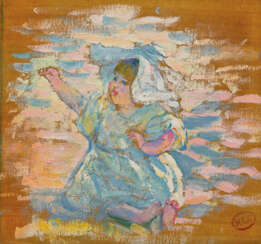

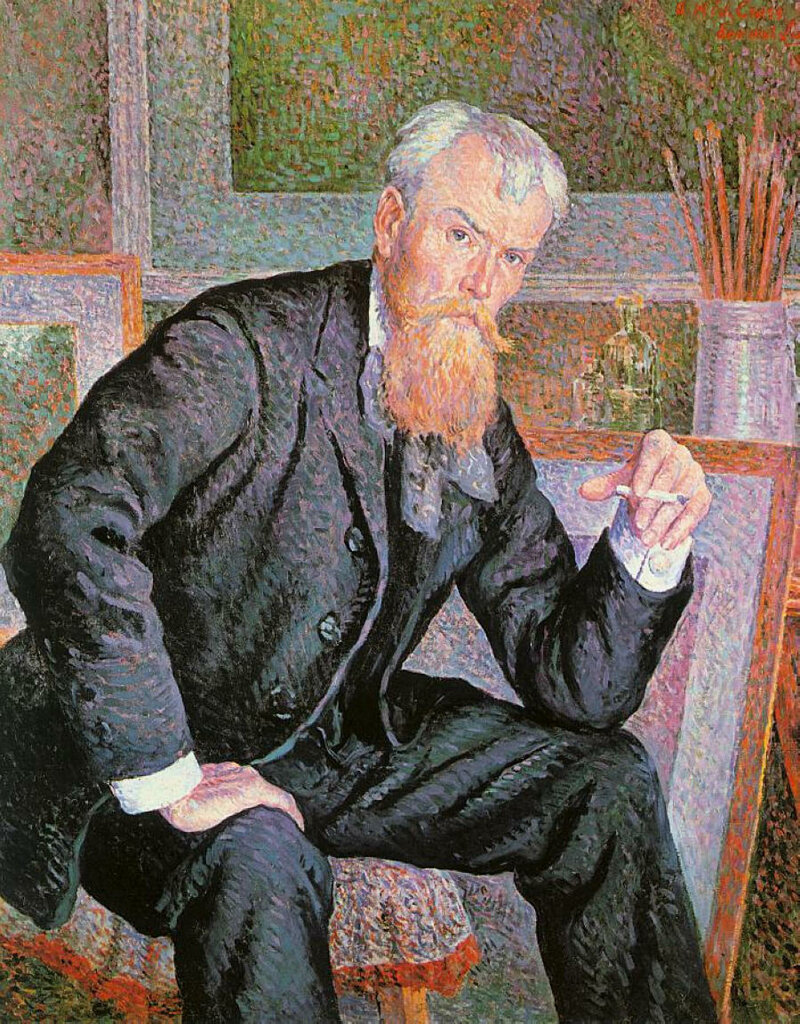
Henri Edmond Cross, a French painter and printmaker, emerged as a pivotal figure in the Neo-Impressionism movement, significantly influencing the realm of modern art. His work, celebrated for its innovative use of color and technique, played a crucial role in transitioning from Pointillism to broader, more expressive brushstrokes, marking a departure from strict naturalism. This evolution allowed for greater personal expression and creativity, profoundly impacting artists like Henri Matisse, who was inspired by Cross's harmonious representations of Arcadian landscapes.
Cross's paintings, characterized by their vibrant color harmonies and lyrical emotion, encapsulate the artist's desire to portray utopian ideals, often reflecting his anarchist beliefs in a hopeful, ideal society. His works, such as "L'air du Soir" and "La Plage de Saint-Clair," showcase his mastery of light and color, embodying the Neo-Impressionist vision of creating harmonies of pure color independent of naturalistic constraints. These pieces not only exemplify Cross's technical prowess but also his philosophical aspirations, intertwining art with social and political ideals.
Despite the challenges posed by his health in later years, Cross's productivity and creativity remained undiminished, leading to significant critical acclaim and commercial success. His solo exhibitions, particularly the one held at Galerie Druet in Paris in 1905, received widespread acclaim, underscoring his influence on the art world and his role in shaping the principles that would guide future movements such as Fauvism.
For collectors and experts in art and antiques, Henri-Edmond Cross's work represents a crucial juncture in the evolution of modern art, offering insights into the transition from the meticulous dots of Pointillism to the expressive freedom of later movements. His legacy is preserved in esteemed institutions like the Musée d'Orsay, where his masterpieces continue to inspire admiration and study.
For those interested in the intersection of art, culture, and history, signing up for updates on sales and auction events related to Henri-Edmond Cross can offer valuable opportunities to engage with the vibrant legacy of this influential artist. This subscription ensures access to the latest offerings and insights into the world of Neo-Impressionism, inviting enthusiasts to deepen their appreciation for Cross's contribution to modern art.
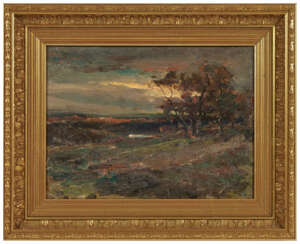


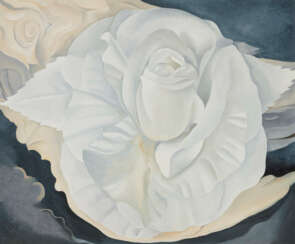

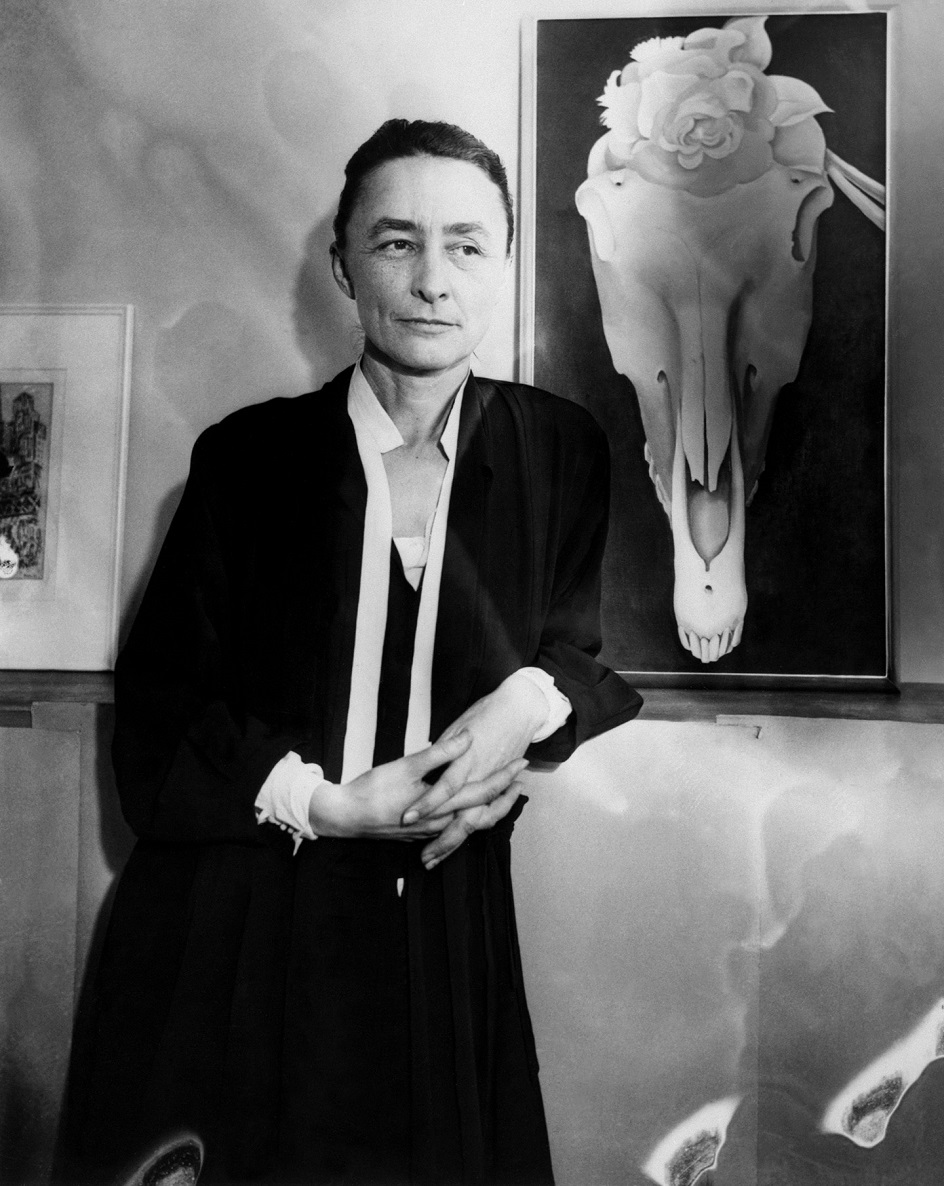
Georgia Totto O'Keeffe was an American modernist artist. She was known for her paintings of enlarged flowers, New York skyscrapers, and New Mexico landscapes. O'Keeffe has been called the "Mother of American modernism".

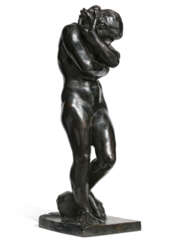

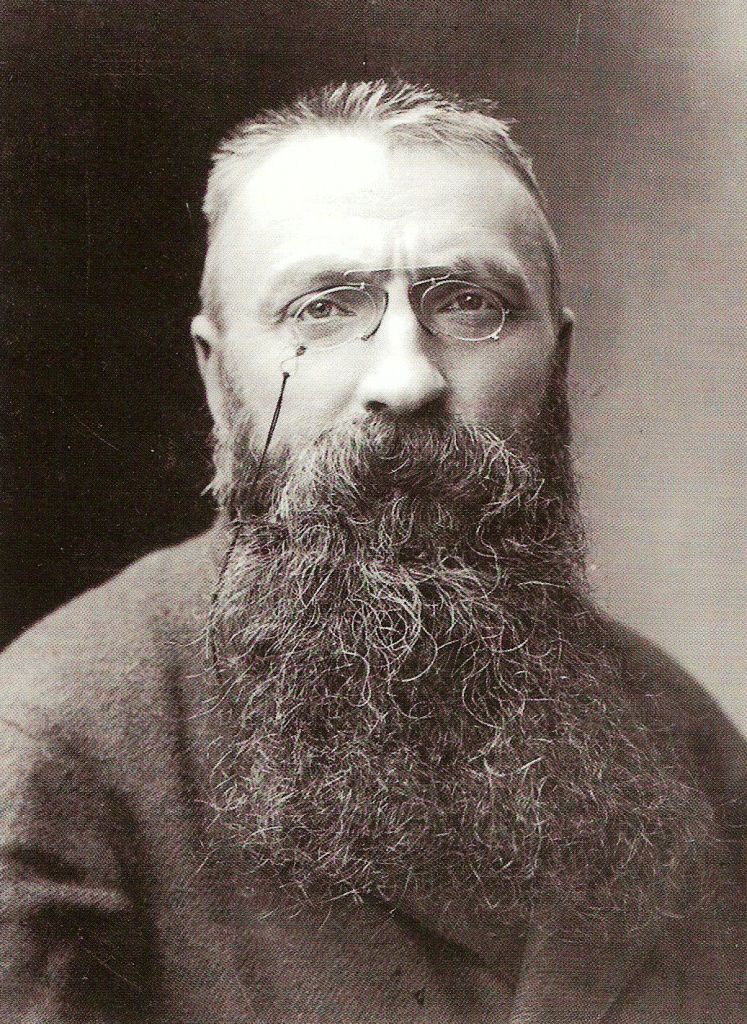
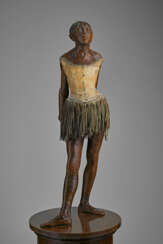
François Auguste René Rodin was a French sculptor, generally considered the founder of modern sculpture. He was schooled traditionally and took a craftsman-like approach to his work. Rodin possessed a unique ability to model a complex, turbulent, and deeply pocketed surface in clay. He is known for such sculptures as The Thinker, Monument to Balzac, The Kiss, The Burghers of Calais, and The Gates of Hell.
Many of Rodin's most notable sculptures were criticized, as they clashed with predominant figurative sculpture traditions in which works were decorative, formulaic, or highly thematic. Rodin's most original work departed from traditional themes of mythology and allegory. He modeled the human body with naturalism, and his sculptures celebrate individual character and physicality. Although Rodin was sensitive to the controversy surrounding his work, he refused to change his style, and his continued output brought increasing favor from the government and the artistic community.







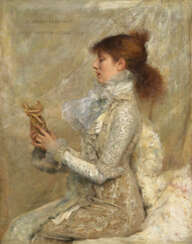

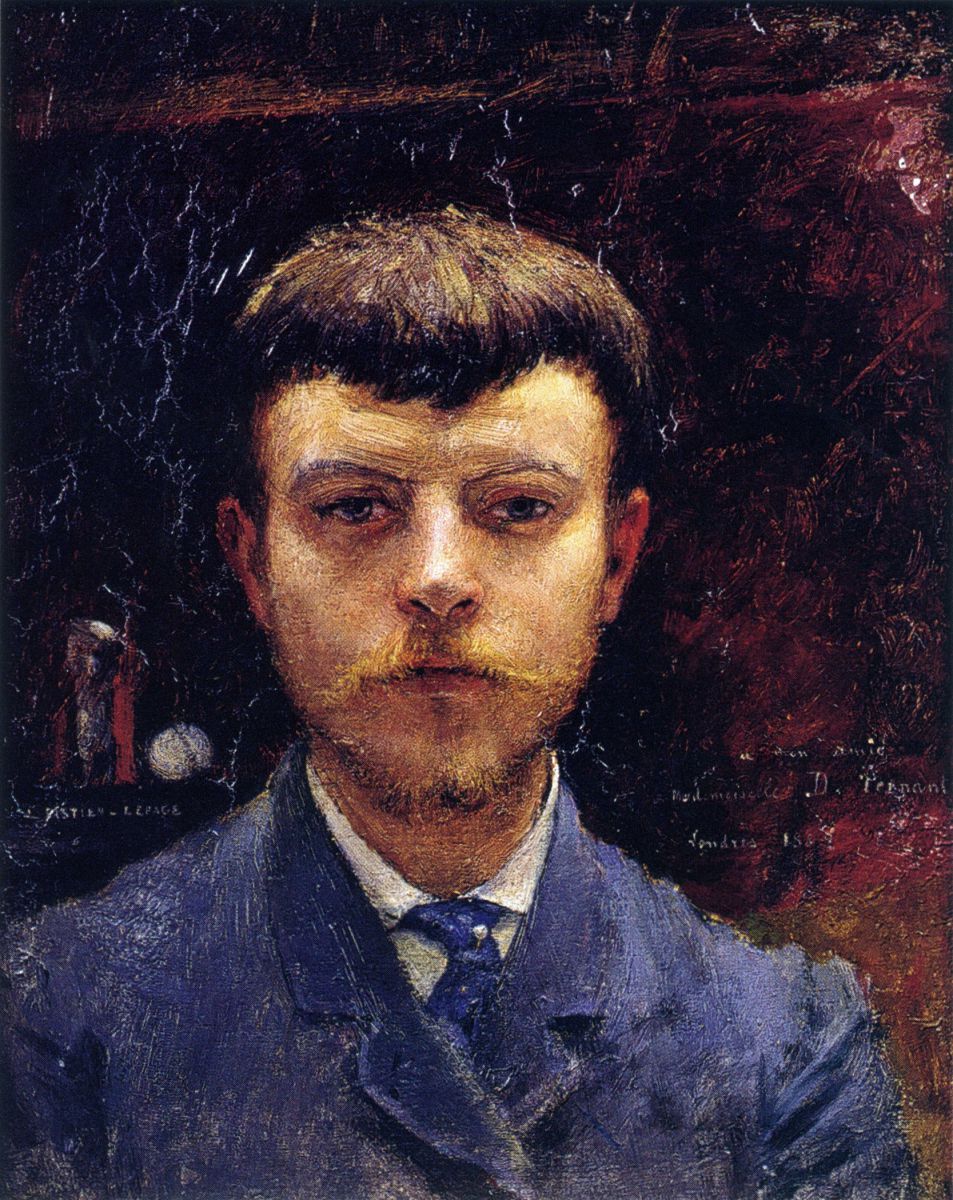
Jules Bastien-Lepage was a French painter closely associated with the beginning of naturalism, an artistic style that emerged from the later phase of the Realist movement.
His most famous work is his landscape-style portrait of Joan of Arc which currently resides at the Metropolitan Museum in New York City.
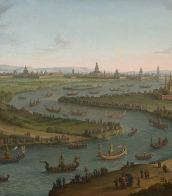
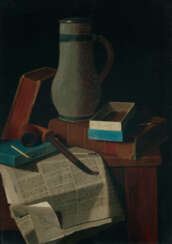

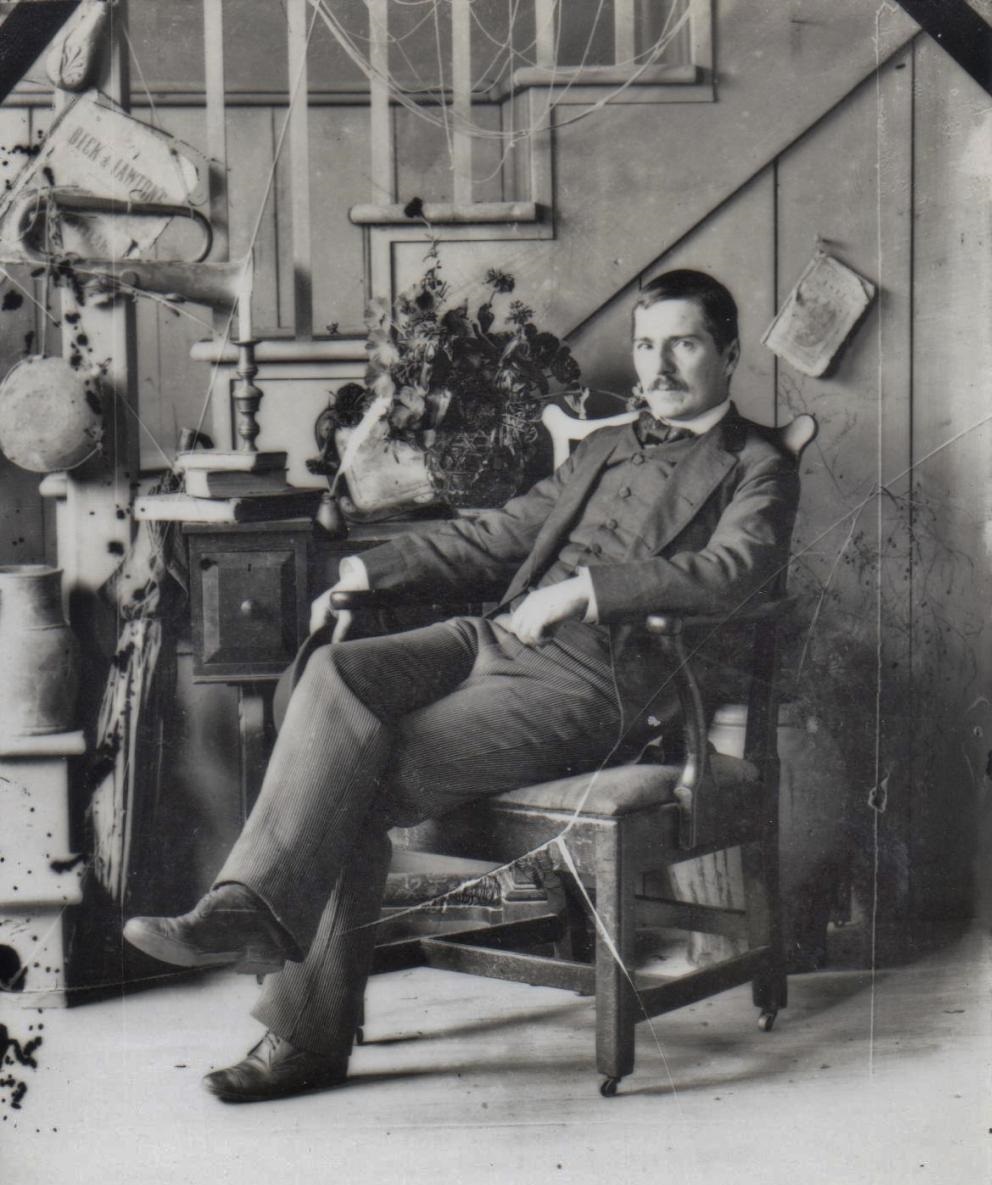
John Frederick Peto was an American trompe-l'œil ("fool the eye") painter who was long forgotten until his paintings were rediscovered along with those of fellow trompe-l'œil artist William Harnett.
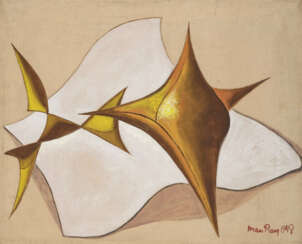

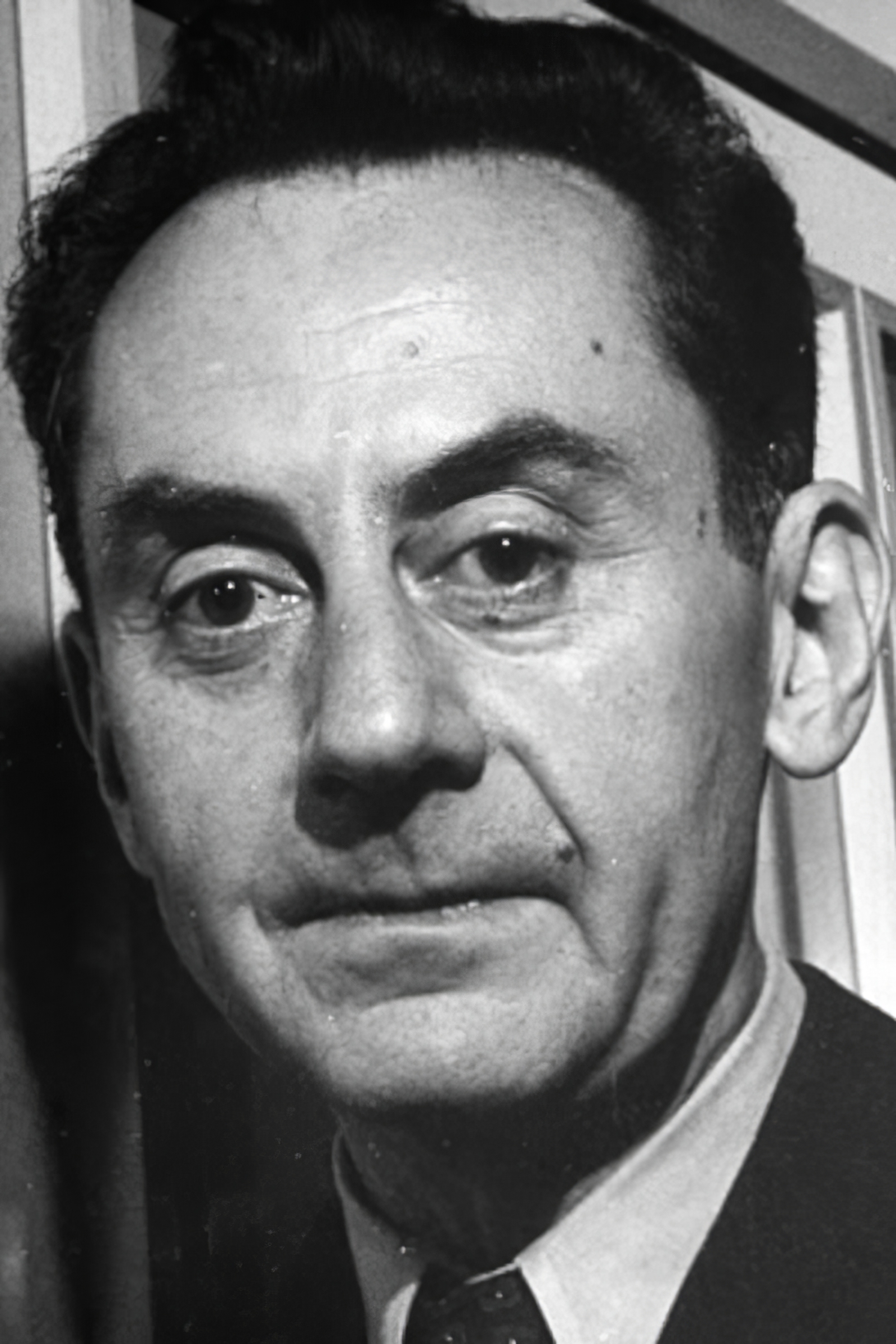
Man Ray, born Emmanuel Radnitzky, was an American visual artist who played a significant role in the Dada and Surrealist movements. His pioneering efforts in photography, alongside his work in painting and sculpture, have cemented his place as a major figure in modern art. Known for his innovative techniques and the ability to convey complex ideas through simple, striking visuals, Man Ray's contribution to the art world is profound.
Throughout his career, Man Ray was celebrated for his avant-garde approach and his ability to transcend traditional boundaries between different artistic mediums. His photography, characterized by experimental techniques such as solarization and rayographs (cameraless photographs), challenged conventional perceptions of photography as merely a means of representation. These artistic innovations made him a central figure in both Parisian and American art circles.
Man Ray's works are housed in some of the world's most prestigious museums and galleries, including the Museum of Modern Art in New York and the Centre Pompidou in Paris. His pieces, such as "Le Violon d'Ingres" and "Noire et Blanche," are iconic images that continue to influence artists today. His ability to blend the abstract with the realistic, and the humorous with the serious, has left a lasting legacy in the world of art.
For collectors and experts in art and antiques, the work of Man Ray offers a glimpse into the revolutionary changes that shaped the visual arts in the 20th century. His unique perspective and pioneering techniques continue to inspire and challenge those interested in the boundaries of creativity and expression.
If you're passionate about the avant-garde, or simply wish to explore the fascinating world of Man Ray further, sign up for our updates. You'll receive alerts on new product sales and auction events related to Man Ray, ensuring you never miss an opportunity to engage with the legacy of this extraordinary artist.