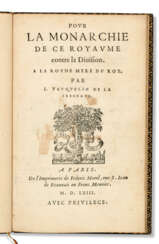
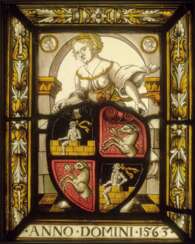
563
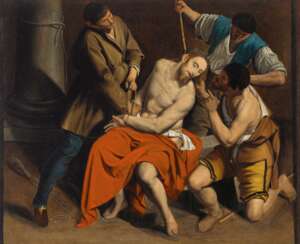

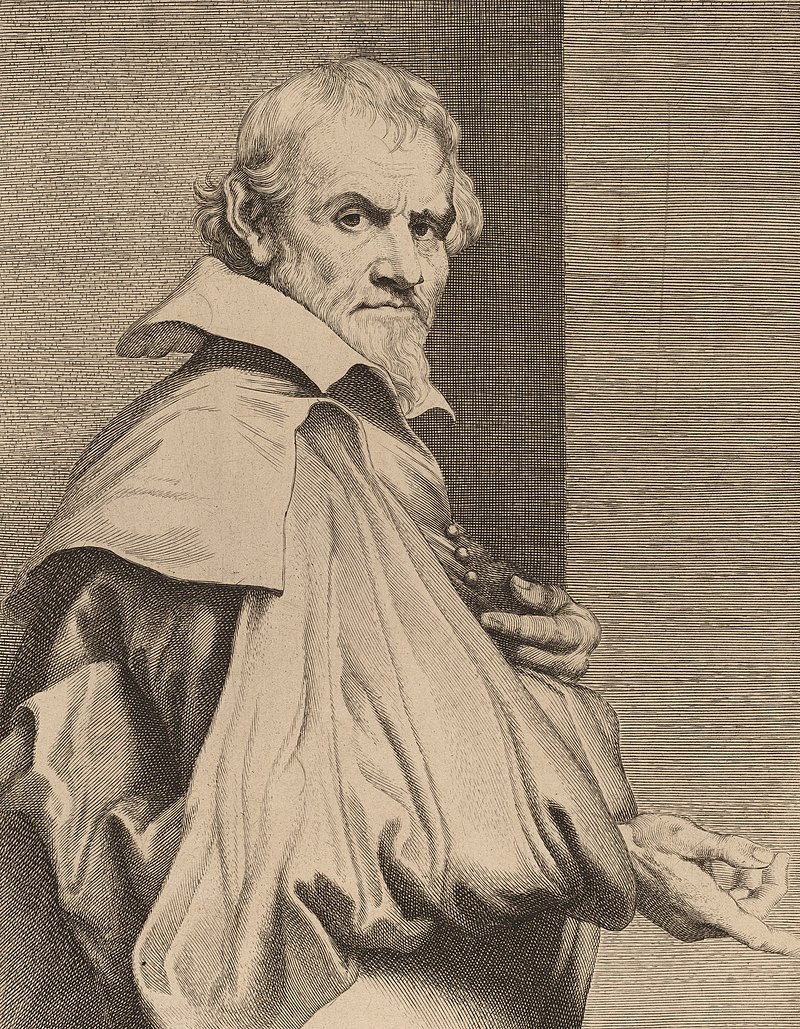
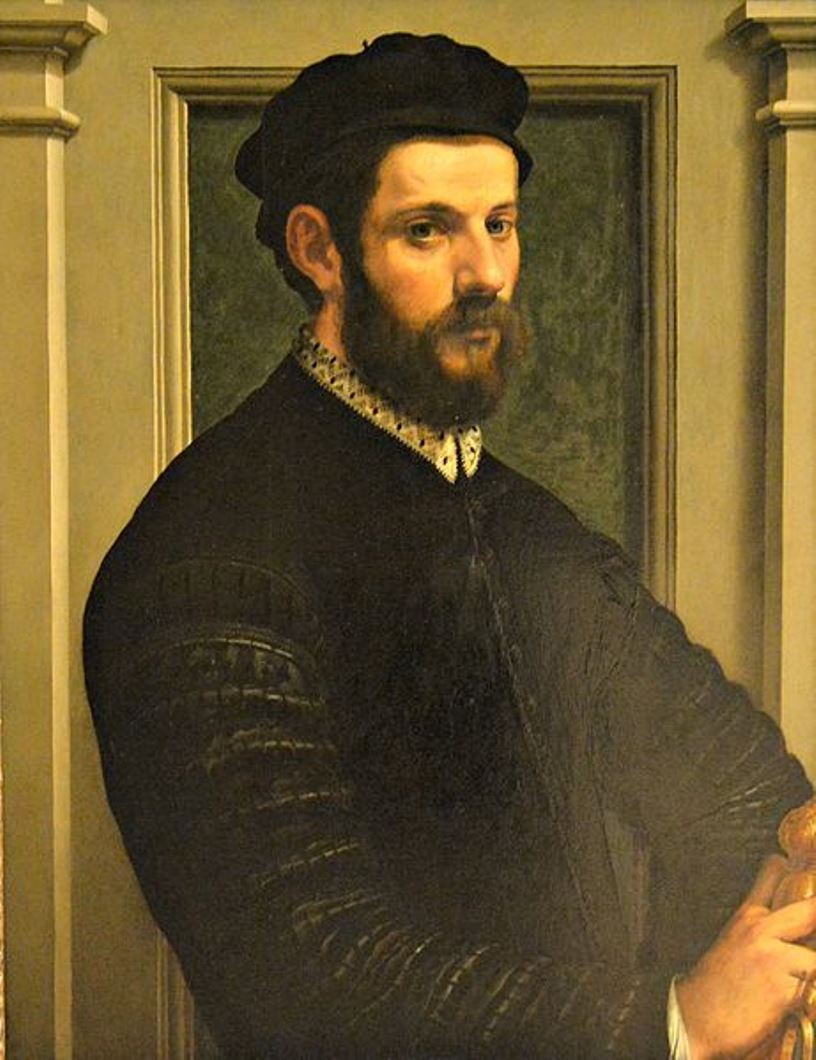
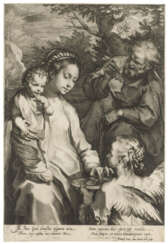
Orazio Gentileschi, an Italian painter born in 1563 in Pisa, is celebrated for his contributions to the Baroque style, particularly after adopting Caravaggio's revolutionary approach. Initially, Gentileschi worked in a Mannerist style but evolved his technique to incorporate Caravaggio's focus on naturalism and dramatic lighting, which significantly influenced his later works.
Orazio Gentileschi's career took him across Italy and eventually to the courts of Paris and London, where he served under Queen Henrietta Maria of England. This period is marked by an elegant and refined style, distinct from his earlier, more naturalistic works. Notable paintings from his English period include "The Finding of Moses" and various ceiling paintings at the Queen's House in Greenwich.
Orazio's influence extended beyond his own artworks; he was part of a family of artists, with his daughter Artemisia Gentileschi also achieving prominence as a Baroque painter. His works continue to be appreciated for their compositional skill and the delicate interplay of light and shadow, reflecting the Baroque era's dramatic intensity and emotional depth.
For those interested in the rich tapestry of Baroque art, Gentileschi's oeuvre offers a fascinating study in the evolution of style from Mannerism to the heightened expressiveness of Caravaggio's naturalism. If you're keen on delving deeper into Orazio Gentileschi's art and legacy, consider subscribing for updates on exhibitions, sales, and scholarly insights into his work and its historical context.
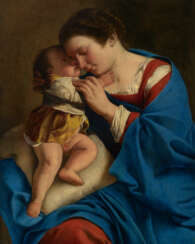

Orazio Gentileschi, an Italian painter born in 1563 in Pisa, is celebrated for his contributions to the Baroque style, particularly after adopting Caravaggio's revolutionary approach. Initially, Gentileschi worked in a Mannerist style but evolved his technique to incorporate Caravaggio's focus on naturalism and dramatic lighting, which significantly influenced his later works.
Orazio Gentileschi's career took him across Italy and eventually to the courts of Paris and London, where he served under Queen Henrietta Maria of England. This period is marked by an elegant and refined style, distinct from his earlier, more naturalistic works. Notable paintings from his English period include "The Finding of Moses" and various ceiling paintings at the Queen's House in Greenwich.
Orazio's influence extended beyond his own artworks; he was part of a family of artists, with his daughter Artemisia Gentileschi also achieving prominence as a Baroque painter. His works continue to be appreciated for their compositional skill and the delicate interplay of light and shadow, reflecting the Baroque era's dramatic intensity and emotional depth.
For those interested in the rich tapestry of Baroque art, Gentileschi's oeuvre offers a fascinating study in the evolution of style from Mannerism to the heightened expressiveness of Caravaggio's naturalism. If you're keen on delving deeper into Orazio Gentileschi's art and legacy, consider subscribing for updates on exhibitions, sales, and scholarly insights into his work and its historical context.
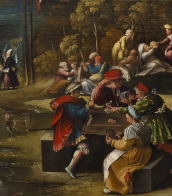
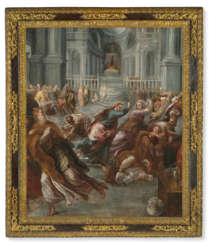

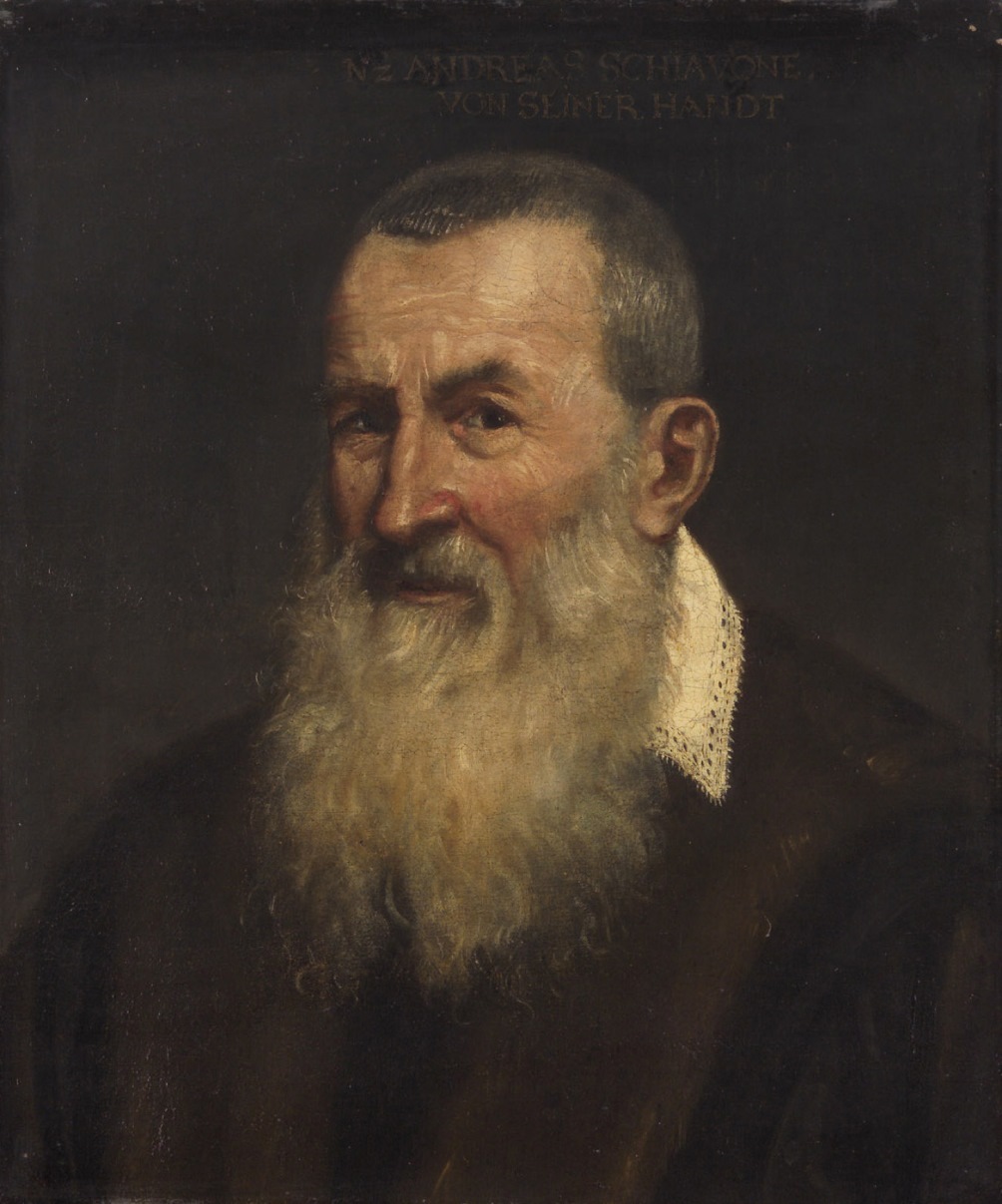
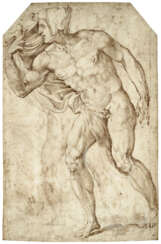
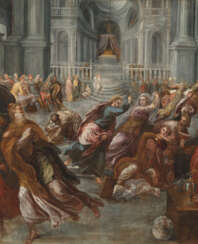
Andrea Meldolla (Schiavone) was an Italian Renaissance painter and etcher, born in present-day Croatia, active mainly in the city of Venice. His style combined Mannerist elements, a relative rarity in Venice, with much influence from the mainstream of Venetian painting, especially Titian.


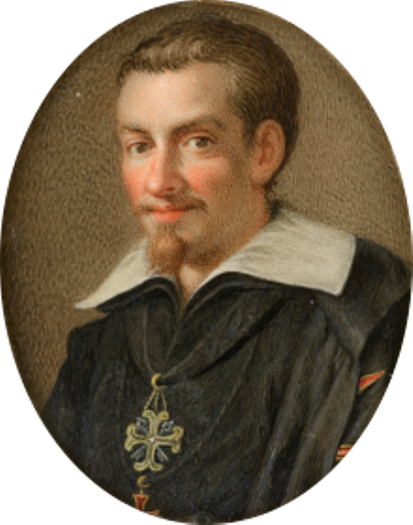
Francesco Vanni was an Italian painter, draughtsman, printmaker, publisher and printer active in Rome and his native city of Siena.


Francesco Vanni was an Italian painter, draughtsman, printmaker, publisher and printer active in Rome and his native city of Siena.

.jpg)




















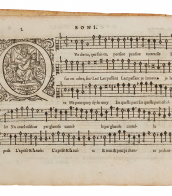
















![RONSARD, Pierre de (1524-1585). Exhortation au Camp du Roy pour bien combattre le jour de la bataille. Lyon : Michel Jove, 1558. [réuni avec, du même] Remonstrance au peuple de France. S.l.n.d. [Lyon] : 1563.](/assets/image/picture_1320904/42485/6834427b9028594cc4d365db8a7f168f1616454000jpg__fix_374_244.jpeg)
![RONSARD, Pierre de (1524-1585). Exhortation au Camp du Roy pour bien combattre le jour de la bataille. Lyon : Michel Jove, 1558. [réuni avec, du même] Remonstrance au peuple de France. S.l.n.d. [Lyon] : 1563.](https://veryimportantlot.com/assets/image/picture_1320904/42485/6834427b9028594cc4d365db8a7f168f1616454000jpg__fix_374_244.jpeg)