áo khoác


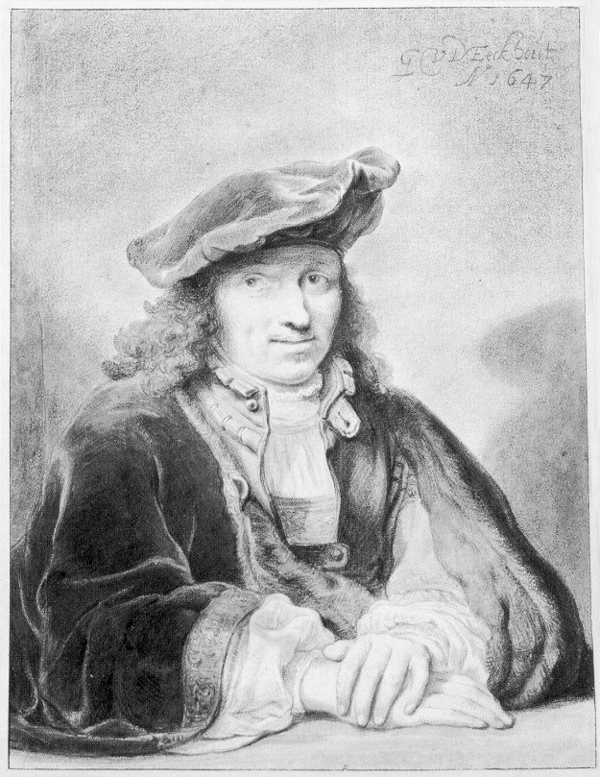
Gerbrand van den Eeckhout was a Dutch Golden Age painter and a favourite student of Rembrandt.[3] He was also an etcher, an amateur poet, a collector and an adviser on art.




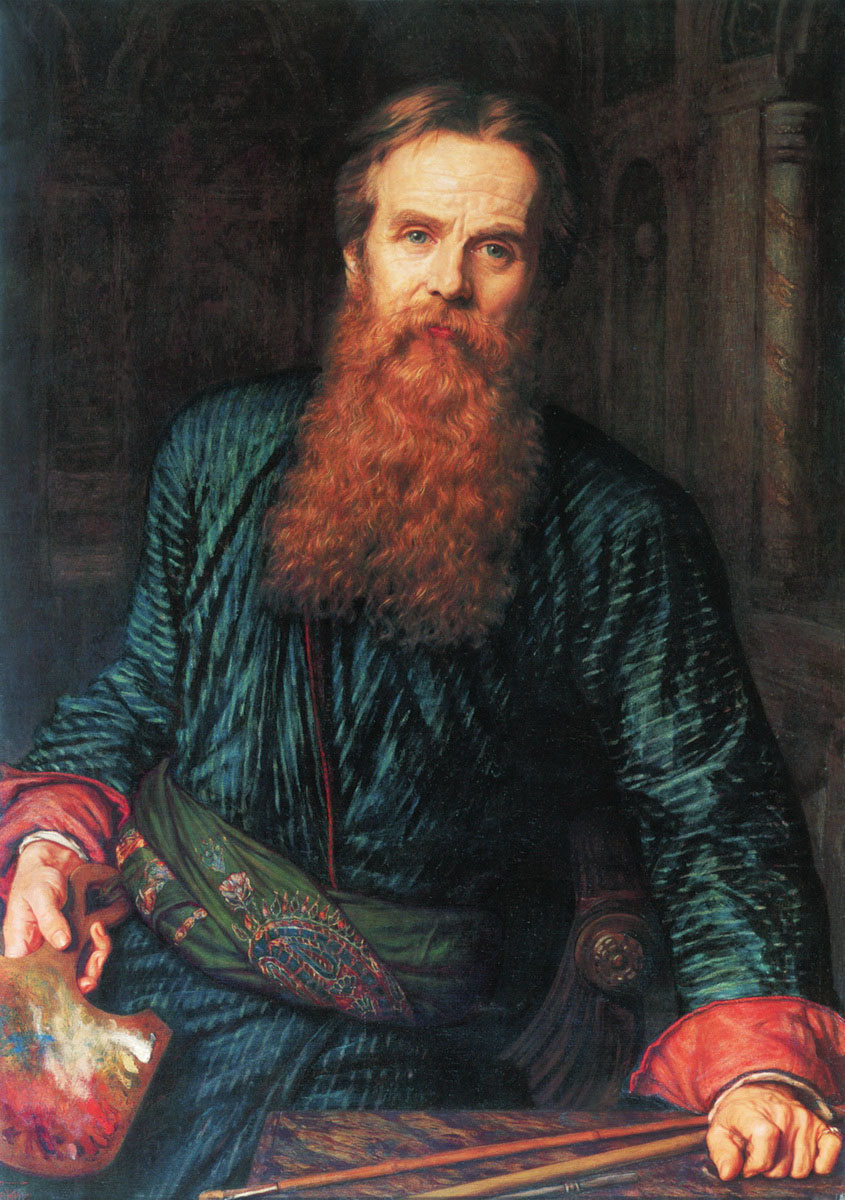
William Holman Hunt was an English painter and one of the founders of the Pre-Raphaelite Brotherhood. His paintings were notable for their great attention to detail, vivid colour, and elaborate symbolism. These features were influenced by the writings of John Ruskin and Thomas Carlyle, according to whom the world itself should be read as a system of visual signs. For Hunt it was the duty of the artist to reveal the correspondence between sign and fact. Of all the members of the Pre-Raphaelite Brotherhood, Hunt remained most true to their ideals throughout his career. He was always keen to maximise the popular appeal and public visibility of his works.





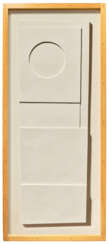

Ben Nicholson, an English artist, is celebrated for his significant contributions to abstract art. Born into an artistic family, Nicholson's work evolved from figurative art to embrace and lead in the development of abstract art in Britain. His early career was marked by experimentation with Cubism and interaction with influential artists like Barbara Hepworth, Henry Moore, Piet Mondrian, and Pablo Picasso, which profoundly shaped his artistic direction.
Nicholson's art is notable for its sensitive balance of tone and texture, employing dynamic and rhythmic lines that abstractly reference architectural forms and societal structures. His technique involved meticulous carving, painting, and the innovative use of color, especially in his later works where he explored the interplay of light and form to create poetic, abstract landscapes. His contributions were not just confined to his own practice; through collaborative projects and influential writings, he played a pivotal role in the discourse of modernist art, advocating for abstract art's broader appreciation.
Noteworthy pieces of Nicholson's work, including "March 1963 (Archimedes)" and "June 1961 (green goblet and blue square)," among others, are housed in prestigious collections like the Tate Gallery, Tate St Ives, Kettle's Yard Art Gallery in Cambridge, The Hepworth Wakefield, Pallant House Gallery in Chichester, and the Pier Arts Centre in Stromness, Orkney.
Nicholson's legacy as a pioneer of abstract art in the UK is secured through his innovative approaches and influential partnerships, which have left an indelible mark on the landscape of 20th-century art. His work continues to inspire and resonate, reflecting a deep understanding of the abstract's power to express the complexities of human experience and the natural world.
For collectors and experts in art and antiques interested in the pivotal movements of 20th-century art, Ben Nicholson's oeuvre offers a rich field of study and appreciation. To stay updated on new product sales and auction events related to Ben Nicholson's work, signing up for updates is a step towards deepening your understanding and appreciation of this key figure in modernist art.







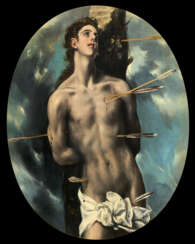

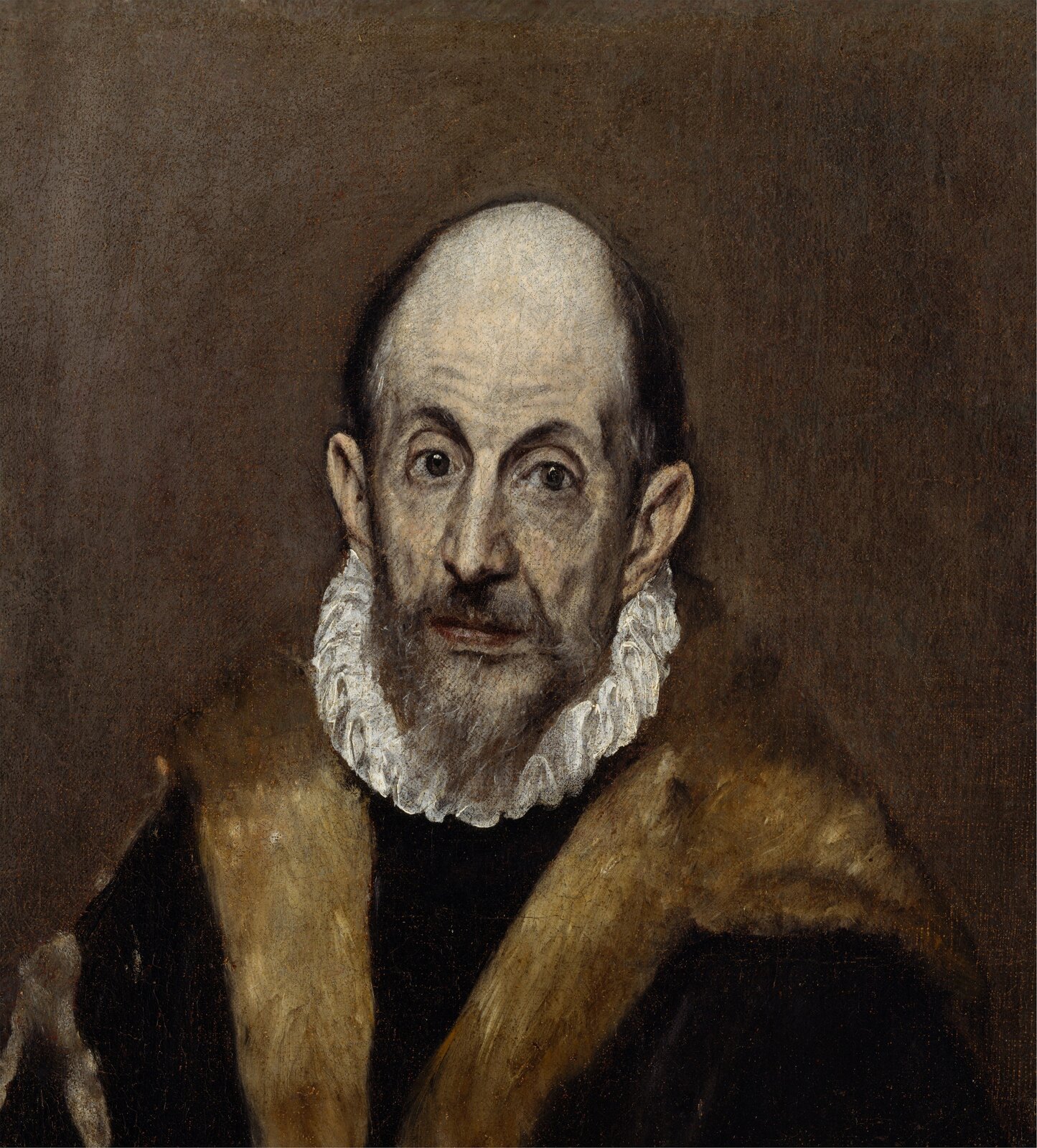
Domínikos Theotokópoulos, most widely known as El Greco ("The Greek"), was a Greek painter, sculptor and architect of the Spanish Renaissance.
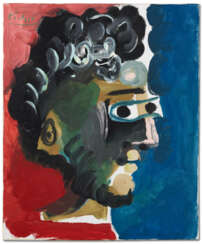

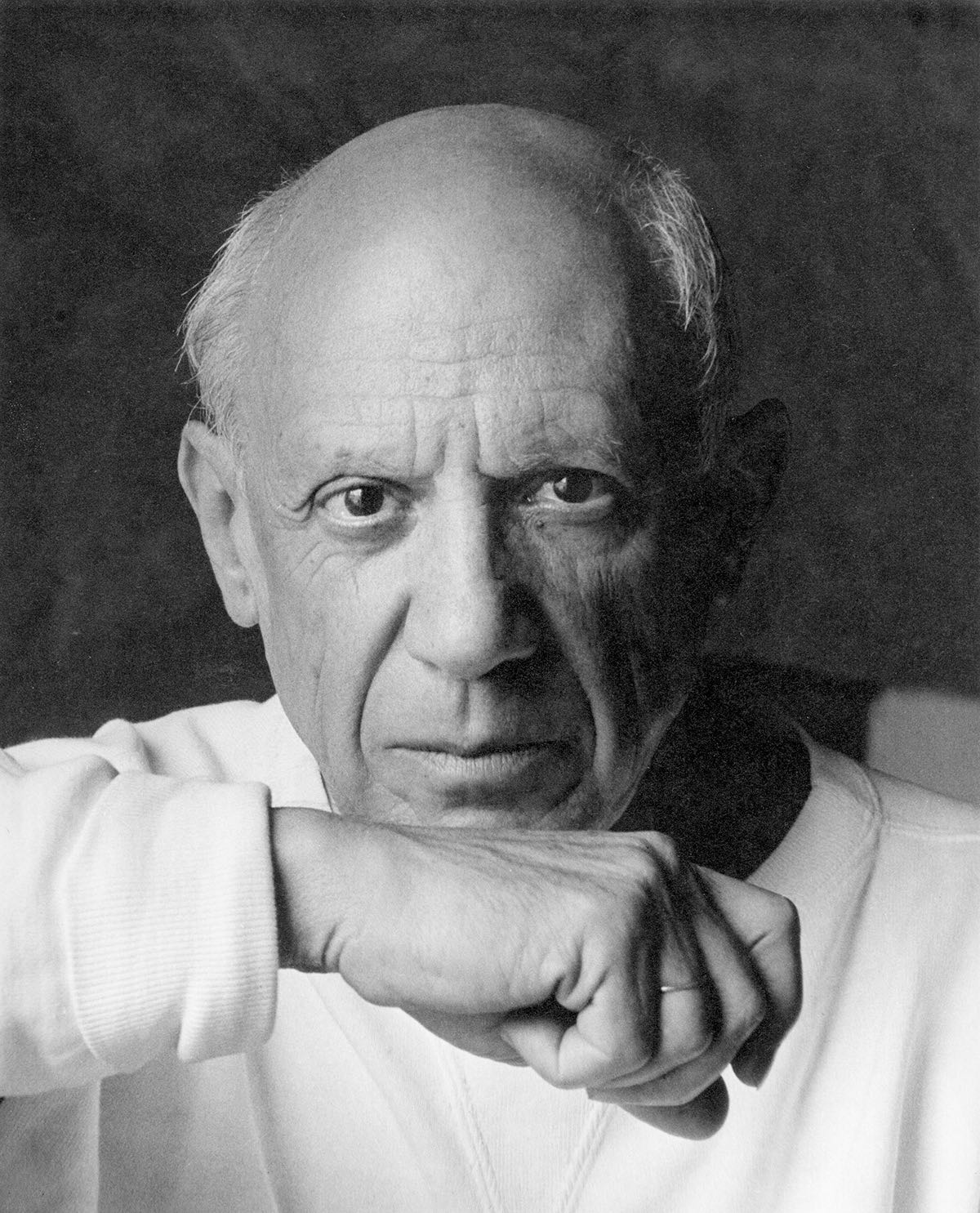
Pablo Ruiz Picasso, a Spanish artist renowned for his revolutionary contributions to the 20th-century art scene, is a figure that resonates profoundly with collectors and art experts. His unique blend of talents in painting, sculpture, printmaking, and ceramic art, infused with his time in France, positioned him as a pivotal character in modern art history.
Picasso's artistic journey was marked by distinct periods, each showcasing his evolving style and genius. His early years were characterized by the Blue Period (1901-1904), followed by the Rose Period (1904-1906), and then the African-influenced Period (1907-1909). Picasso's name is synonymous with Cubism, a movement he co-founded, which significantly altered artistic perspectives and methods. Works like "Les Demoiselles d'Avignon" (1907) and "Guernica" (1937) are emblematic of his cubist legacy, the latter being a poignant anti-war statement that remains influential.
His later years saw a return to more traditional styles, with neoclassical and surrealist influences becoming evident. Works from these phases reflect a deep engagement with mythological themes, as seen in "Faun with Stars" (1955), symbolizing his late-life romance with Jacqueline Roque, his second wife.
Picasso's prolific output and innovative spirit made him a legend in his own time, a status that only grew after his death. His works, housed in major museums and private collections worldwide, continue to captivate and inspire.
As a collector or expert in art and antiques, staying informed about Picasso's works, their auction events, and sales is essential. To stay updated on the latest developments and opportunities related to Pablo Picasso, sign up for our specialized updates. Rest assured, this subscription will focus solely on new product sales and auction events pertaining to Picasso's art, ensuring that you receive only the most relevant and valuable information.


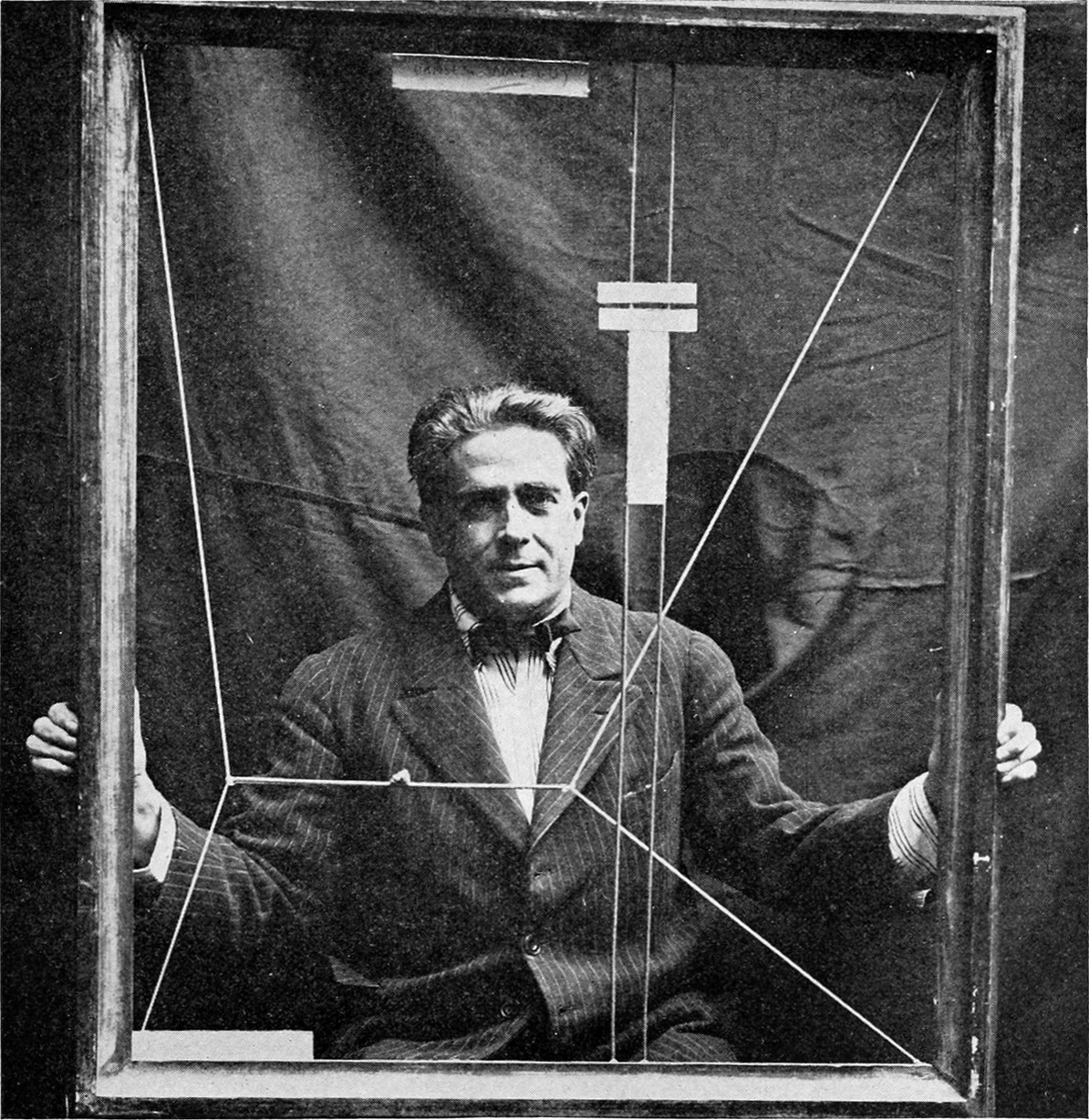
Francis Picabia, born Francis-Marie Martinez de Picabia, was a French avant-garde painter, poet, and typographist, whose work is celebrated for its diversity and innovation. His journey through various art movements, including Impressionism, Cubism, Dadaism, and Surrealism, showcases his refusal to be confined by any one style. Picabia's art is known for its eclectic nature, often blending mechanical elements with organic forms, thereby challenging traditional perceptions of art and beauty.
Picabia's significant contribution to the art world lies not just in his varied artistic output but also in his philosophical approach to creation. He believed in the freedom of expression, often using his art to critique societal norms and the art establishment itself. This rebellious spirit made him a pivotal figure in the Dada movement, where his works were celebrated for their irony and disdain for conventional art values.
Among his notable works, "Amorous Parade" and "I See Again in Memory My Dear Udnie" stand out, housed in prestigious institutions like the Museum of Modern Art in New York. These pieces exemplify Picabia's mastery over blending different elements of art movements, creating works that remain influential to this day. His legacy is not just in the pieces he created but also in his attitude towards art, encouraging future generations to challenge and redefine the boundaries of creativity.
For collectors and experts in art and antiques, Picabia's works represent not only significant artistic achievements but also valuable insights into the evolution of modern art. To stay informed about new product sales and auction events related to Francis Picabia, sign up for updates. This subscription is an essential resource for enthusiasts looking to enrich their collections with pieces from one of the most innovative artists of the 20th century.
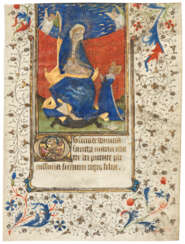

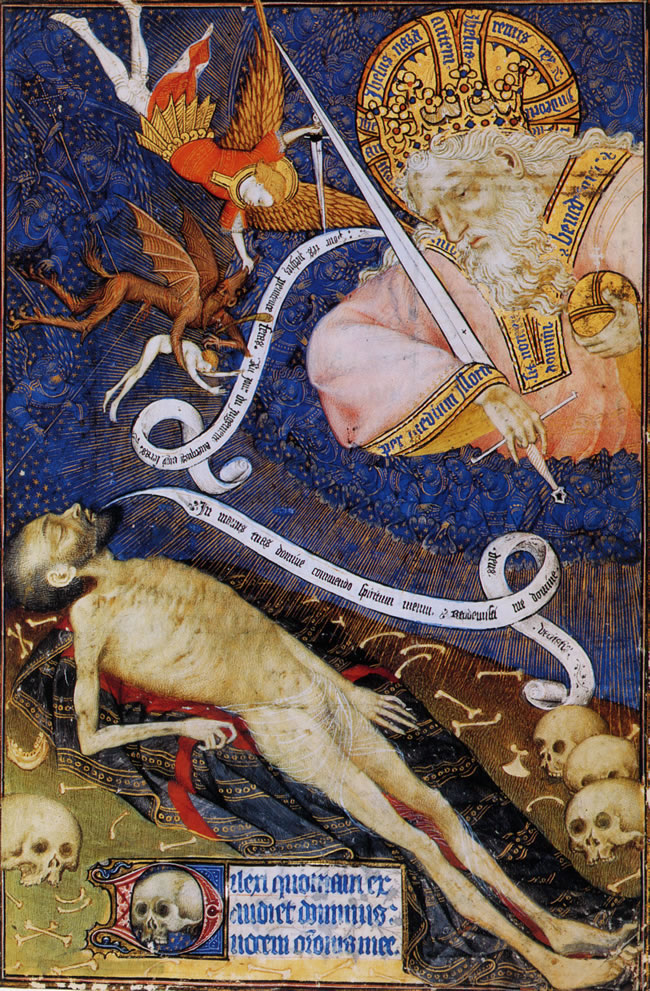
The Rohan Master is the name given to an unknown French illustrator in honor of his participation in the work on the manuscript known as the Rohan Clock.
The artist worked in the first half of the 15th century. He is known to have worked as a young man in the Champagne region of France and then moved to Paris around 1415-1420, where he established a large studio and collaborated with other illustrators. His work during this period included not only books of hours but also several secular manuscripts.
The influence of the Parisian artists of the time, Master Boucicault and the Limbur brothers, can be felt in the work of Master Rohan, but his style is characterized by an extraordinary expressiveness.
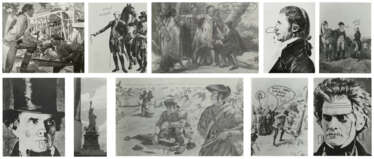

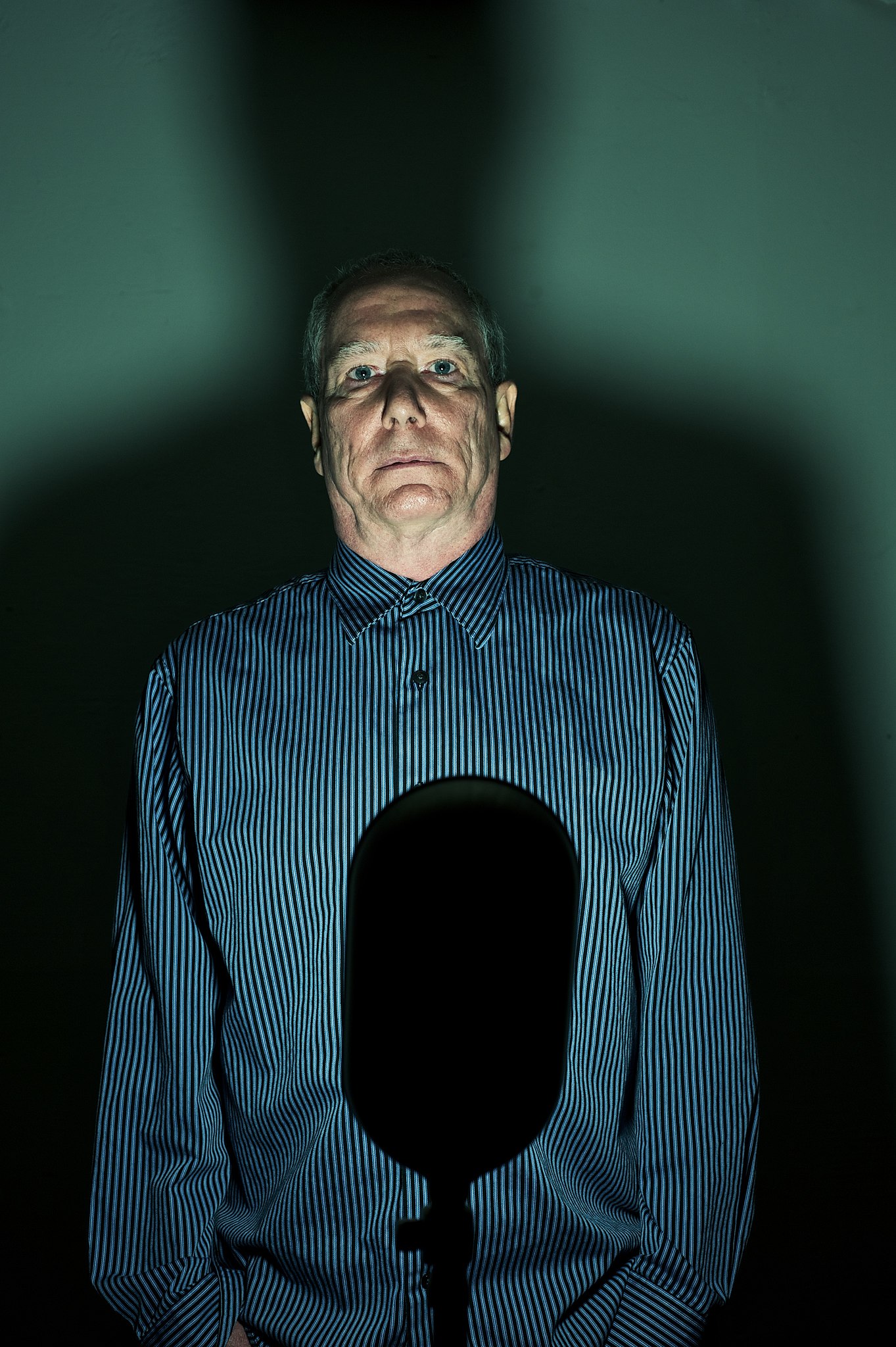
Michael Kelley was an American artist. His work involved found objects, textile banners, drawings, assemblage, collage, performance and video. He often worked collaboratively and had produced projects with artists Paul McCarthy, Tony Oursler, and John Miller. Writing in The New York Times, in 2012, Holland Cotter described the artist as "one of the most influential American artists of the past quarter century and a pungent commentator on American class, popular culture and youthful rebellion."


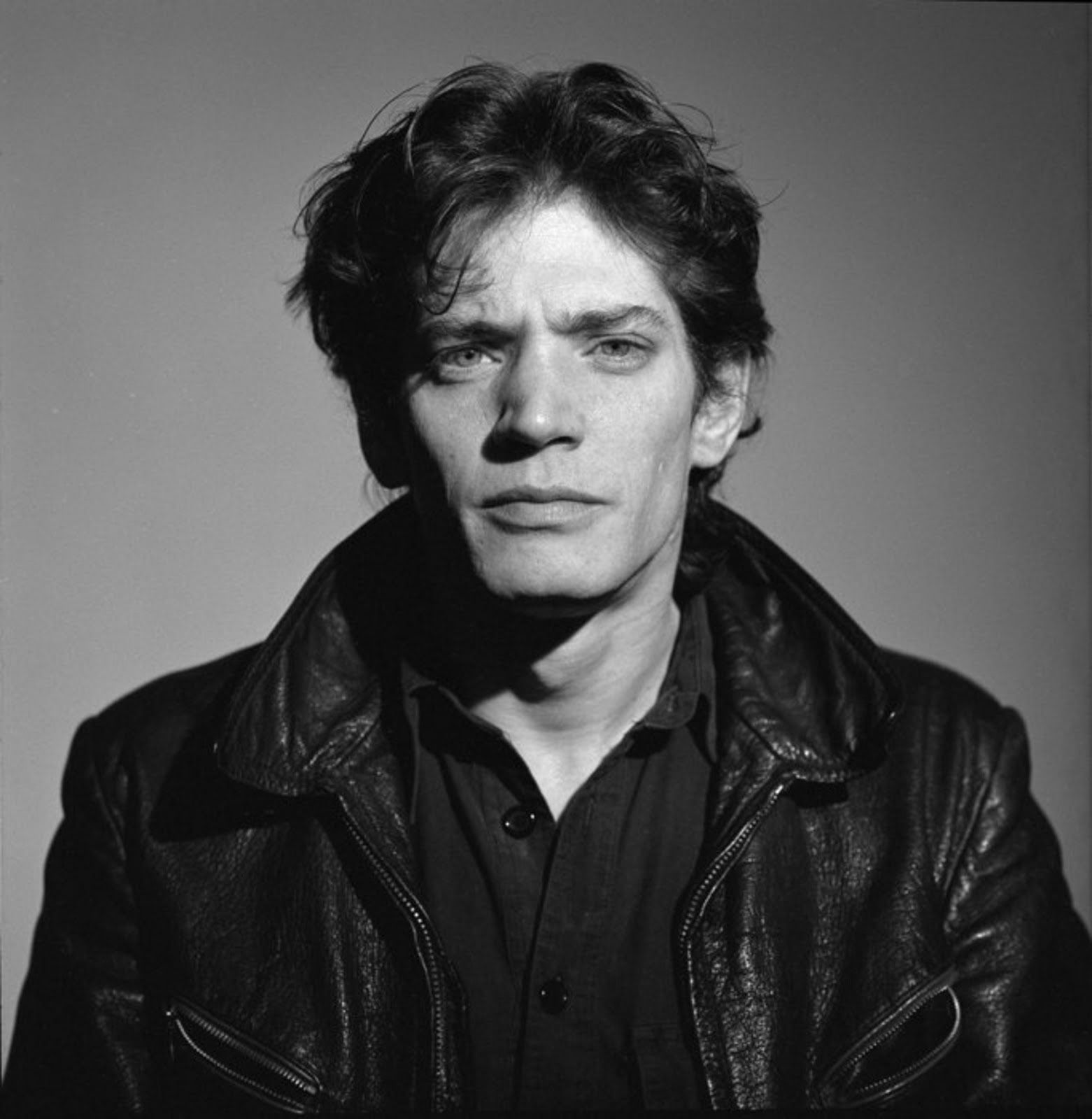
Robert Mapplethorpe was an American photographer, celebrated for his black-and-white photographs that captured a range of subjects including celebrity portraits, male and female nudes, self-portraits, and still-life images. Born in New York in 1946, Mapplethorpe's work is renowned for its technical precision, formal elegance, and controversial content, particularly his documentation of the gay male BDSM subculture and his erotic art. His body of work not only includes provocative themes but also more traditional subjects like flowers, showcasing his versatile artistic talent.
Robert Mapplethorpe's education at Pratt Institute in Brooklyn was foundational to his artistic journey, where he met Patti Smith and began his explorations in photography, initially through Polaroid camera use before advancing to more sophisticated techniques. His collaboration with Lisa Lyon, the first World Women's Bodybuilding Champion, and his retrospectives at significant institutions like the Whitney Museum of American Art highlight his broad artistic impact and continued influence in the art world. Despite his premature death in 1989 due to complications from AIDS, Mapplethorpe's legacy endures, supported by the Robert Mapplethorpe Foundation which promotes photography and funds medical research.
For collectors and experts in art and antiques, Robert Mapplethorpe's work remains a testament to the power of photography as a medium of both aesthetic beauty and provocative commentary. To stay updated on sales and auction events related to Robert Mapplethorpe's works, sign up for updates to not miss out on owning a piece of this influential artist's legacy.


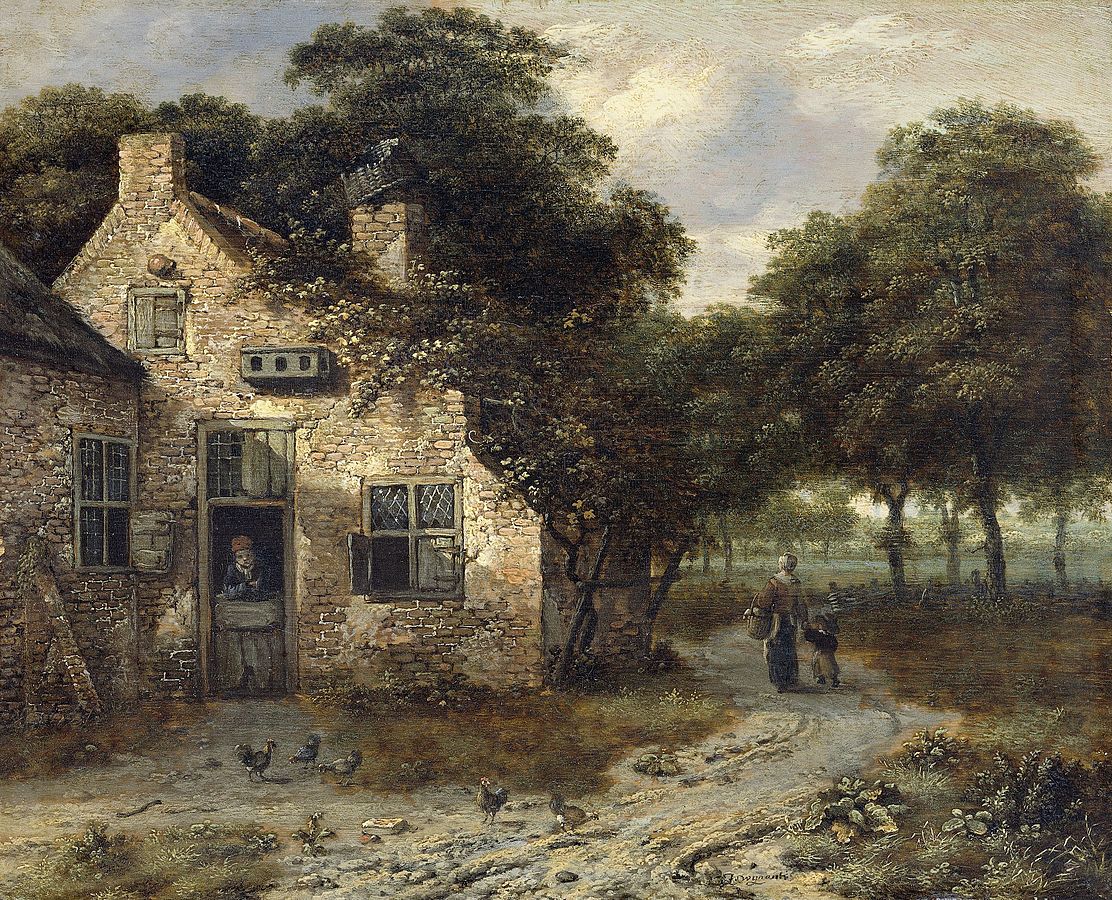
Jan Jansz Wijnants was a Dutch Golden Age painter.
Wijnants is primarily known for his Italianate landscapes and paintings featuring topography. The painters Nicolaes de Vree and Adriaen van de Velde trained in his studio and his style later had influence on the English artist, Thomas Gainsborough, the German artist Wilhelm von Kobell, and the Dutch artists Anthonie van Borssom and Willem Buytewech.


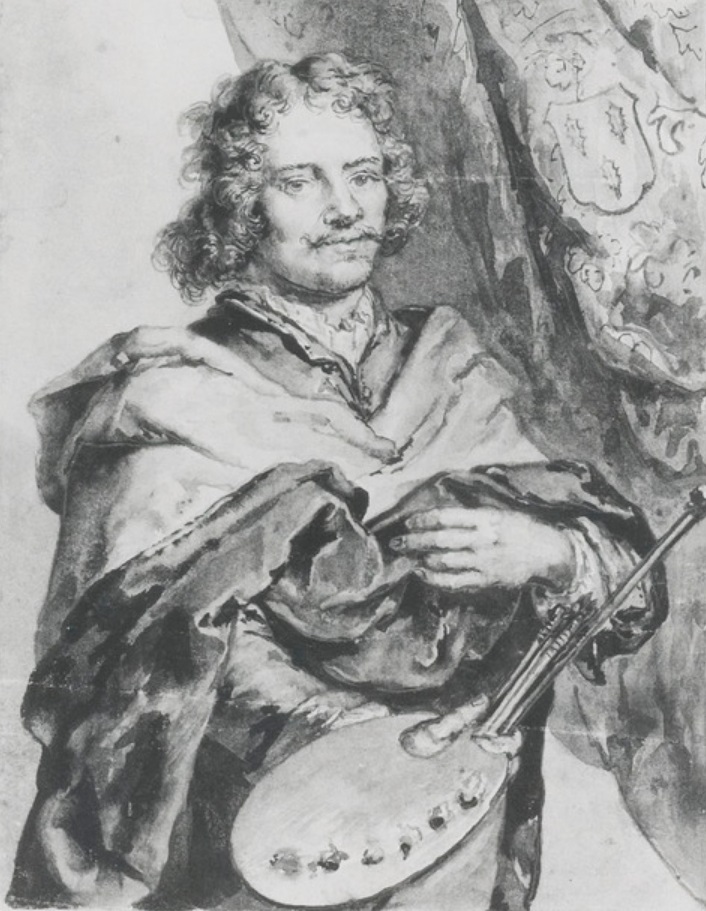
Hendrick Jansz ter Brugghen was a Dutch painter of genre scenes and religious subjects. He was one of the Dutch followers of Caravaggio – the so-called Utrecht Caravaggisti. Along with Gerrit van Hondhorst and Dirck van Baburen, Ter Brugghen was one of the most important Dutch painters to have been influenced by Caravaggio.
Ter Brugghen's favourite subjects were half-length figures of drinkers or musicians, but he also produced larger-scale religious images and group portraits. He carried with him Caravaggio's influence, and his paintings have a strong dramatic use of light and shadow, as well as emotionally charged subjects. His treatment of religious subjects can be seen reflected in the work of Rembrandt, and elements of his style can also be found in the paintings of Frans Hals and Johannes Vermeer. Peter Paul Rubens described ter Brugghen's work as "...above that of all the other Utrecht artists".


.webp)
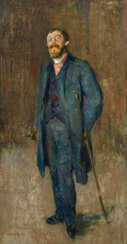
Edvard Munch, a renowned Norwegian painter and graphic artist, left an indelible mark on the world of art with his emotionally charged and symbolically rich compositions. Born on December 12, 1863, in Løten, Norway, Munch's work is emblematic of the Expressionist and Symbolist movements, through which he explored complex themes of life, death, fear, love, and anxiety. His most famous painting, "The Scream," conceived during a walk at sunset when Munch experienced an intense emotional episode, has become a universal symbol of human anxiety and existential dread.
Munch's upbringing was marred by illness, bereavement, and the fear of inheriting mental illness, themes that deeply influenced his artistic expression. This personal turmoil, coupled with his encounters with the works of Paul Gauguin, Vincent van Gogh, and Henri de Toulouse-Lautrec in Paris, and his association with the radical intellectual circle in Kristiania (now Oslo), propelled Munch to depict his own psychological and emotional states through his art. These experiences culminated in "The Frieze of Life," a series of works exploring the depths of human emotion and experience.
Throughout his career, Munch's art was met with both controversy and acclaim. His early works, characterized by their bold use of color and innovative exploration of psychological themes, sparked debate and scandal, particularly in Berlin where his first solo exhibition was closed prematurely. However, this controversy only served to increase Munch's fame and influence, particularly within the German Expressionist movement.
Later in life, after a nervous breakdown in 1908, Munch's style evolved towards a brighter palette and more optimistic themes, reflecting his recovery and a newfound interest in portraying the Norwegian landscape and rural life. Despite the challenges he faced, including the Nazi occupation of Norway during which many of his works were deemed "degenerate," Munch's legacy as a pioneer of Expressionism remained unshaken. He died on January 23, 1944, leaving behind a body of work that continues to resonate with audiences for its profound emotional depth and raw, unfiltered exploration of the human condition.
For collectors and art and antiques experts, Munch's works not only represent significant artistic achievements but also embody the tumultuous journey of an artist who used his canvas to navigate and make sense of the complexities of human emotion and existence. His paintings, many of which are displayed in museums and galleries around the world, continue to captivate and inspire.
To stay informed on new sales, auction events, and exhibitions related to Edvard Munch, sign up for updates. This subscription is a valuable resource for those keen on expanding their collection and knowledge of one of the most influential figures in modern art.

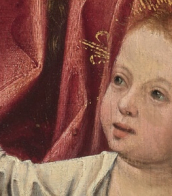
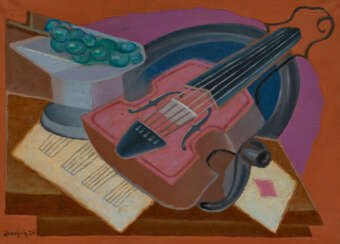

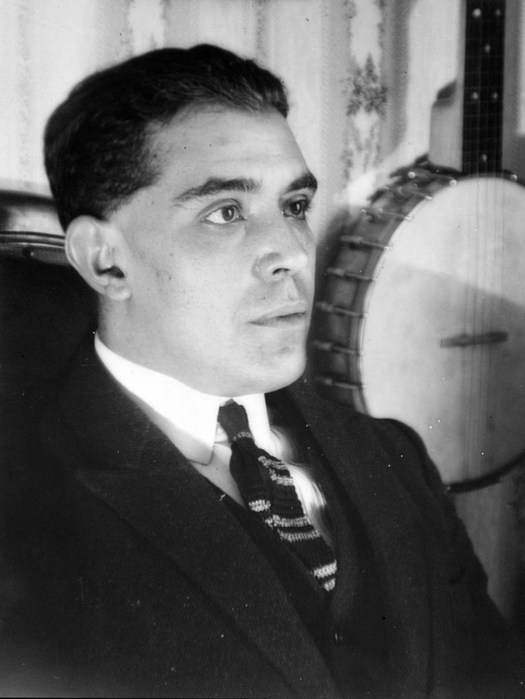
Juan Gris, a Spanish painter and sculptor born José Victoriano Carmelo Carlos González-Pérez in Madrid, is celebrated for his significant contribution to the Cubist movement. Gris moved to Paris in 1906, where he developed a close relationship with notable figures such as Henri Matisse, Georges Braque, Fernand Léger, and Pablo Picasso, adopting the vibrant city as his primary residence and embracing the avant-garde art scene.
In his early years, Gris pursued engineering but quickly shifted his focus to art, demonstrating a natural talent that led him to study under José Moreno Carbonero, a respected artist in Madrid. His artistic journey took a significant turn upon his move to Paris, where he immersed himself in the world of illustration before evolving into a pivotal Cubist painter. Unlike his contemporaries, Picasso and Braque, Gris's Cubist works are known for their bright, harmonious colors and innovative use of papier collé (collage), marking a departure from the more monochromatic style of Analytical Cubism to a more vibrant Synthetic Cubism.
Gris's transition to Synthetic Cubism after 1913, marked by his unique approach to color and composition, set him apart. His works, characterized by their clarity, order, and integration of geometric forms with a distinctive color palette, made significant impacts on both the Purist style and the post-war "return to order" movement. Notable works by Gris are held in prestigious collections worldwide, including "Portrait of Picasso" (1912) at the Art Institute of Chicago and "Still Life before an Open Window, Place Ravignan" (1915) at the Philadelphia Museum of Art, exemplifying his innovative approach to Cubism.
For collectors and experts in art and antiques, Juan Gris remains a figure of immense historical and aesthetic importance, embodying the spirit of innovation and the search for new means of expression that defined the early 20th century. His commitment to exploring the boundaries of Cubism, combined with his unique palette and compositional techniques, continues to inspire and captivate audiences. To stay updated on new product sales and auction events related to Juan Gris, signing up for updates is highly recommended for those with a keen interest in his work and Cubism at large.
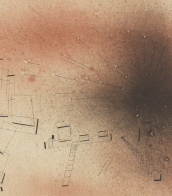


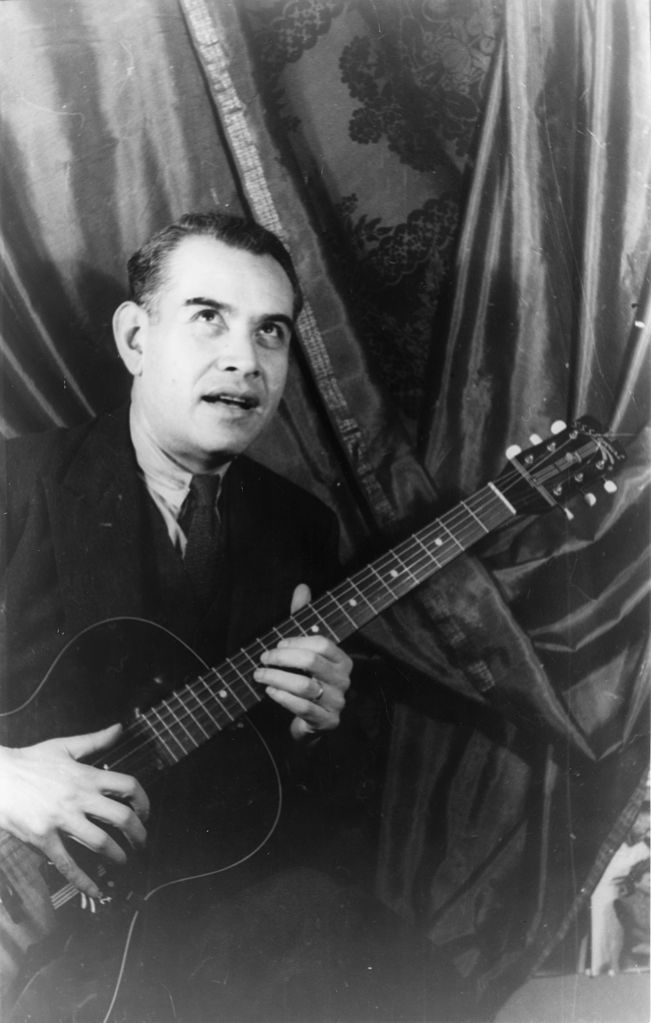
Rufino del Carmen Arellanes Tamayo was a Mexican painter of Zapotec heritage, born in Oaxaca de Juárez, Mexico. Tamayo was active in the mid-20th century in Mexico and New York, painting figurative abstraction with surrealist influences.
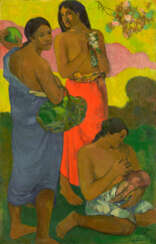


Paul Gauguin, a French artist born in Paris in 1848, is renowned for his significant contributions to Post-Impressionism, Primitivism, and Synthetism. Gauguin's art is distinguished by his experimental use of color and style, which set him apart from the traditional Impressionist movement.
Gauguin's early life was marked by a period in Peru, which influenced his artistic perspective. Initially, he pursued a career in stockbroking but soon turned to art, driven by financial necessity and a growing passion. His artistic journey began under the mentorship of Impressionist artist Camille Pissarro and through exposure to the works of other avant-garde artists.
The hallmark of Gauguin's work is his exploration of non-Western cultures, particularly during his time in Tahiti and the Marquesas Islands. This period saw the creation of some of his most famous works, including "Where Do We Come From? What Are We? Where Are We Going?" His paintings from this era, characterized by vivid colors and Symbolist themes, reflect a fusion of cultural influences and his quest for a "primitive" expression of spiritual and emotional states.
Despite his innovative style, Gauguin struggled with financial difficulties and health issues throughout his life. His work received little recognition during his lifetime, but posthumously, he gained acclaim for influencing modern artists like Pablo Picasso and Henri Matisse.
Today, Gauguin's works are celebrated in galleries and museums worldwide for their unique blend of cultural influences and artistic innovation. His enduring legacy is a testament to his unique vision and the profound impact he had on the art world.
Collectors and experts in art and antiques, stay updated on new product sales and auction events related to Paul Gauguin. Sign up now for exclusive updates and immerse yourself in the world of this visionary artist.


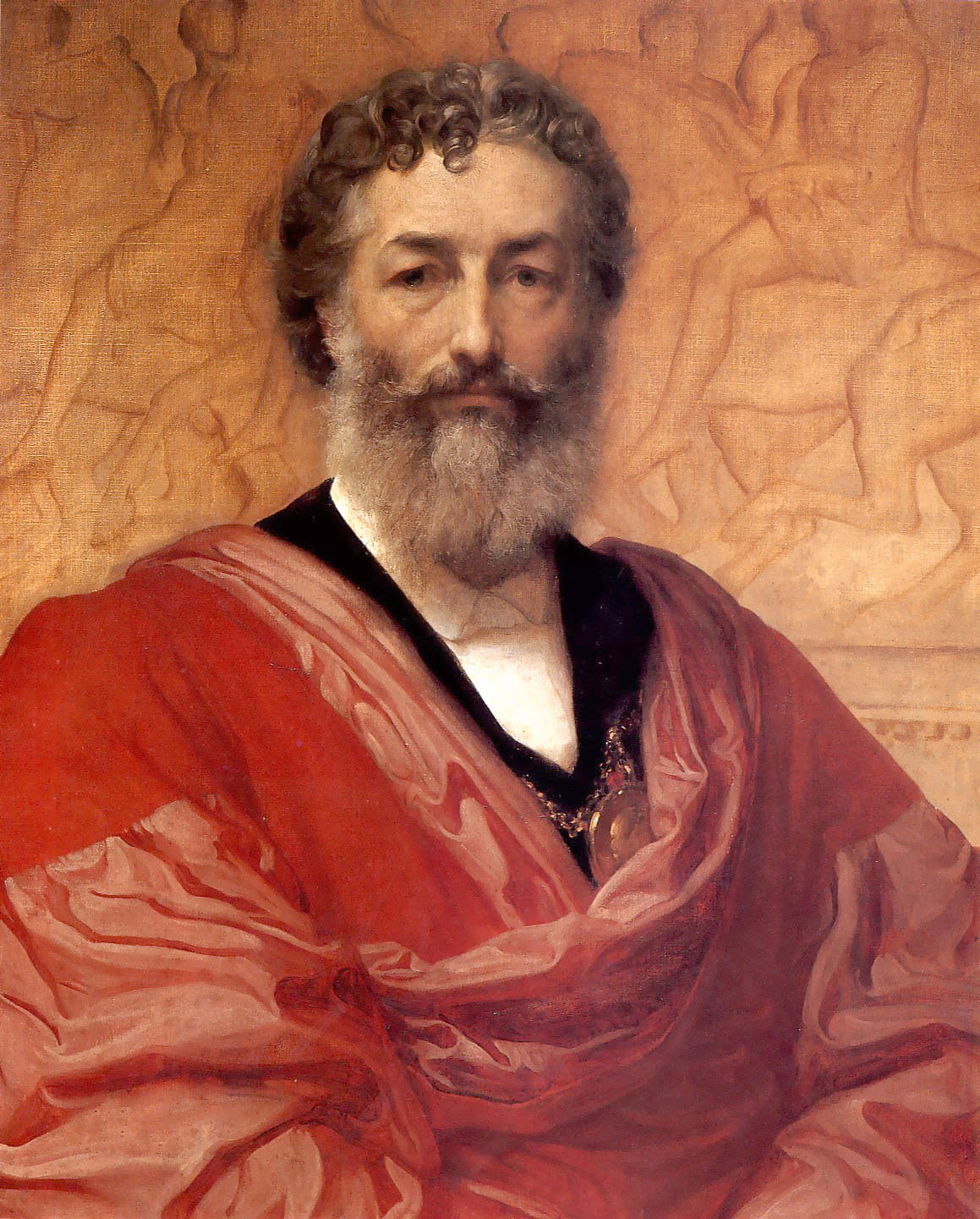
Frederic Leighton was a distinguished British artist renowned for his contributions to painting and sculpture during the Victorian era. His works, characterized by their classical themes and meticulous detail, have garnered appreciation from art collectors and historians alike. Notable for being the first painter to receive a peerage, Leighton's legacy in the art world is significant.
Frederic Leighton's art, particularly his paintings like "Flaming June" and "The Return of Persephone," showcases his mastery in depicting classical and mythological subjects with a unique blend of realism and idealism. His sculptures, such as "An Athlete Wrestling with a Python" and "The Sluggard," played a pivotal role in initiating the New Sculpture movement, emphasizing naturalism and dynamic forms.
Despite his illustrious career, Frederic Leighton's personal life remained private, with ongoing debates about his relationships and sexuality. His London home, now the Leighton House Museum, offers a glimpse into his artistic world, housing many of his works and collections that influenced his creations.
For art collectors and experts, Frederic Leighton's oeuvre represents a blend of academic tradition and innovative expression, making his works highly sought after in the realms of art and antiques. To stay informed about exhibitions and auction events featuring Frederic Leighton's art, subscribing to updates can be a valuable resource for enthusiasts eager to explore and acquire pieces from this influential Victorian artist.