ceased










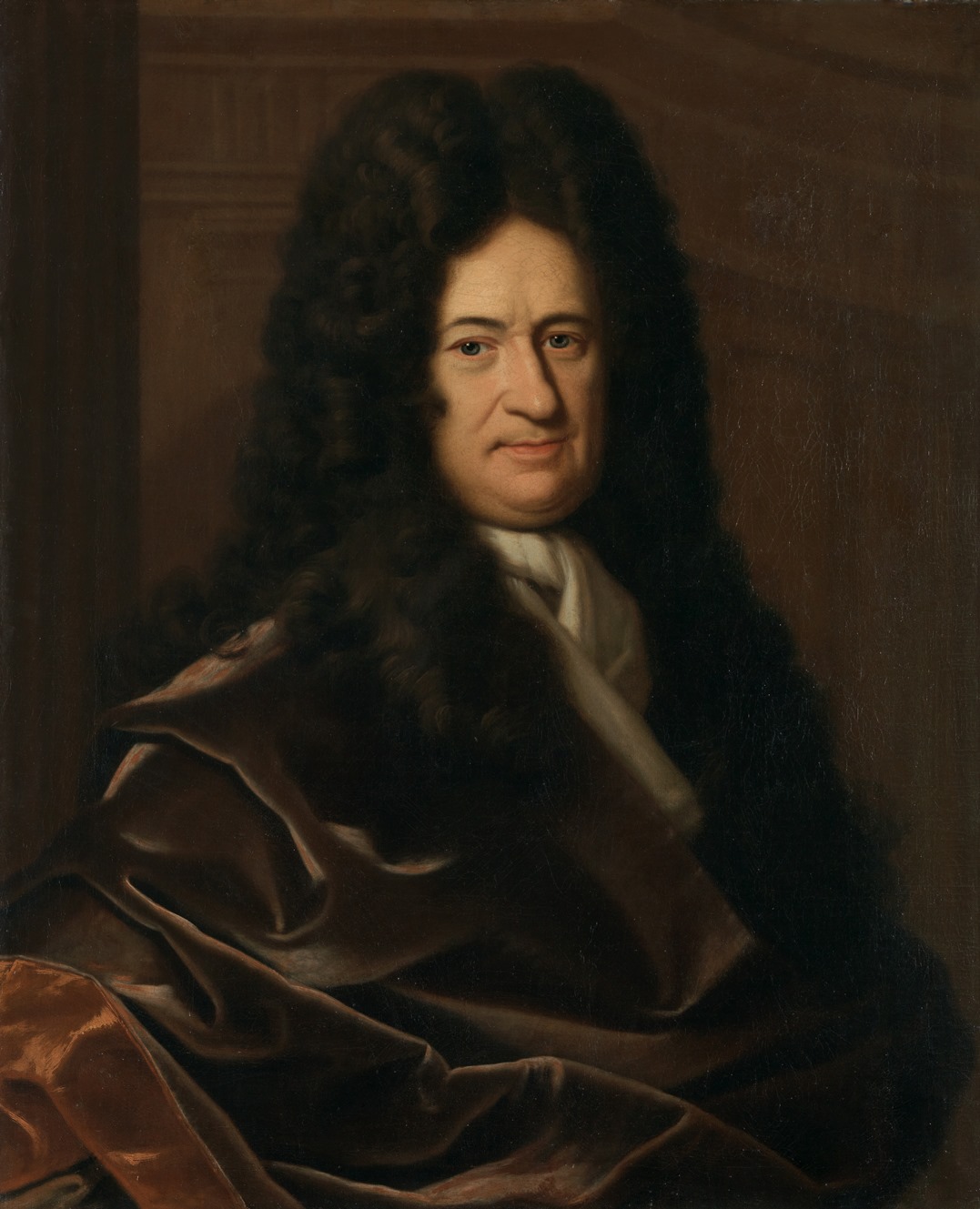
Gottfried Wilhelm Leibniz was a German philosopher and a prominent polymath in many fields of science.
Leibniz was a universal genius; he showed his talents in logic, mathematics, mechanics, physics, law, history, diplomacy, and linguistics, and in each of the disciplines he has serious scientific achievements. As a philosopher, he was a leading exponent of 17th-century rationalism and idealism.
Leibniz was a tireless worker and the greatest scholar of his time. In the fate of Leibniz, among other things, there is one interesting page: in 1697, he accidentally met the Russian Tsar Peter I during his trip to Europe. Their further meetings led to the realization of several grandiose projects in Russia, one of which was the establishment of the Academy of Sciences in St. Petersburg.
Gottfried Wilhelm Leibniz was also the founder and first president of the Berlin Academy of Sciences and a member of the Royal Society of London.

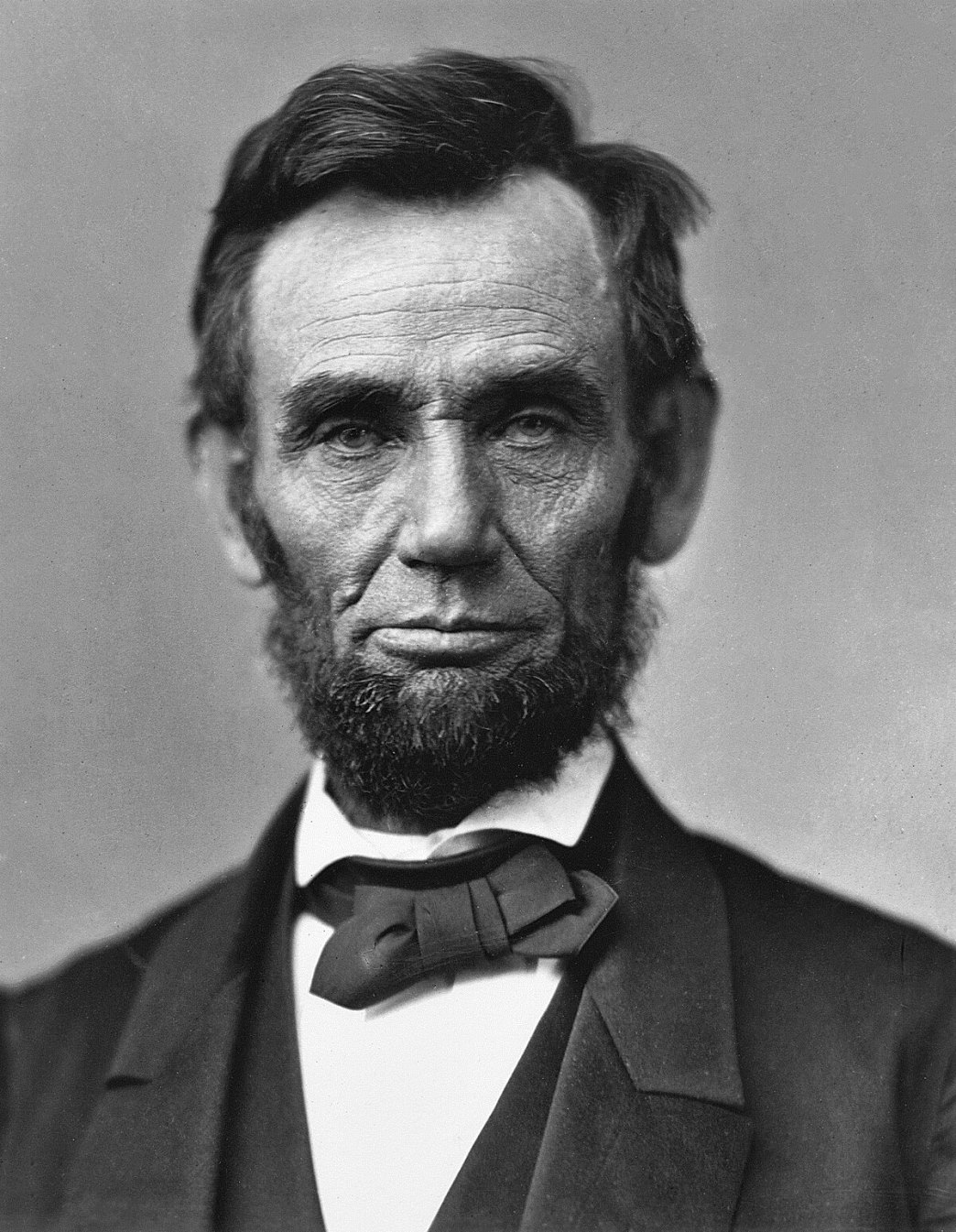
Abraham Lincoln was an American statesman and politician, the 16th President of the United States (March 4, 1861 - April 15, 1865).
The son of a frontiersman and a Kentucky farmer, Lincoln worked hard from an early age and struggled to learn. He was a militiaman in the Indian War, practiced law, and sat in the Illinois legislature for eight years. He was an opponent of slavery and gradually gained a national reputation that earned him victory in the 1860 presidential election.
After becoming the 16th president of the United States, Abraham Lincoln turned the Republican Party into a strong national organization. In addition, he drew most Northern Democrats to the Union side. On January 1, 1863, he issued the Emancipation Proclamation, which declared permanently free those slaves who were in Confederate territory. Lincoln considered secession illegal and was prepared to use force to defend federal law and the Union. Four more slave states joined the Confederacy, but four remained in the Union, and the Civil War of 1861-1865 began.
Lincoln personally directed the military action that led to victory over the Confederacy. Abraham Lincoln was reelected in 1864, and on April 14, 1865, he was fatally shot at Ford's Theatre in Washington, D.C. by actor John Wilkes Booth.
Abraham Lincoln is a national hero of the American people, he is considered one of the best and most famous presidents of the United States until today.
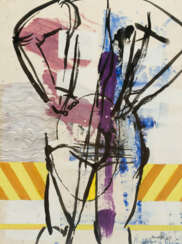

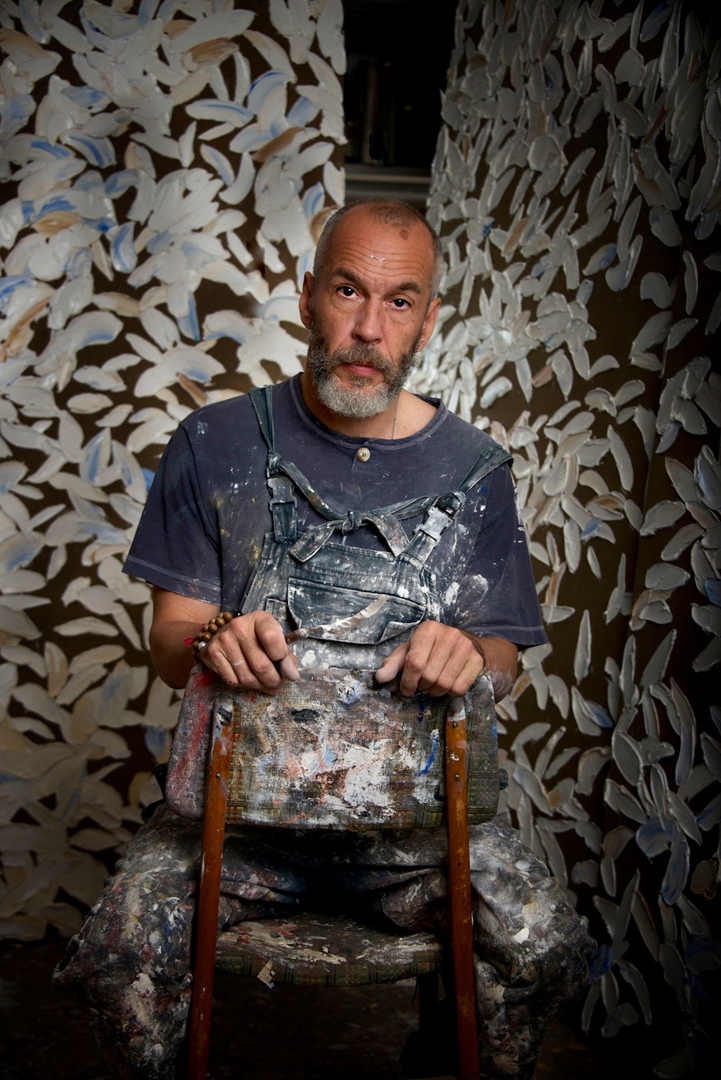
Lavrentii Vasilyevich Bruni was a Soviet and Russian painter, a representative of a famous dynasty of Russian artists.
He studied at the Surikov Moscow State Art Institute and is a member of the Moscow Union of Artists.
Lavrentii Bruni found his main subject for creativity — large bouquets of flowers, which have become the artist's calling card. He works in various techniques, but his inspiration is always the delicate contours of beautiful flowers and the graceful forms of the female body.
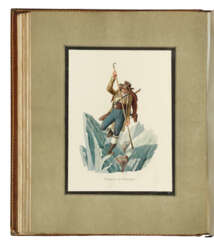

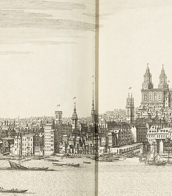
![[ROWLANDSON, Thomas (1756-1827)]](/assets/image/picture_2943846/169f1/8c0194aaa191cadacc79234dae53cfb71689199200jpg__fix_374_244.jpeg)
![[ROWLANDSON, Thomas (1756-1827)]](https://veryimportantlot.com/assets/image/picture_2943846/169f1/8c0194aaa191cadacc79234dae53cfb71689199200jpg__fix_374_244.jpeg)
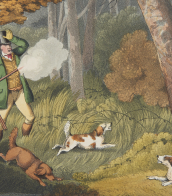
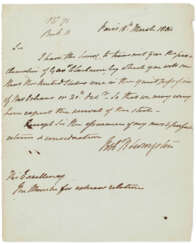
![CLARK, [John Heaviside] (1771-1836)](/assets/image/picture_2943893/8d8b4/1d2294dfccc5825cdc5003c2719045791689199200jpg__fix_374_244.jpeg)
![CLARK, [John Heaviside] (1771-1836)](https://veryimportantlot.com/assets/image/picture_2943893/8d8b4/1d2294dfccc5825cdc5003c2719045791689199200jpg__fix_374_244.jpeg)
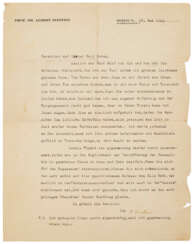

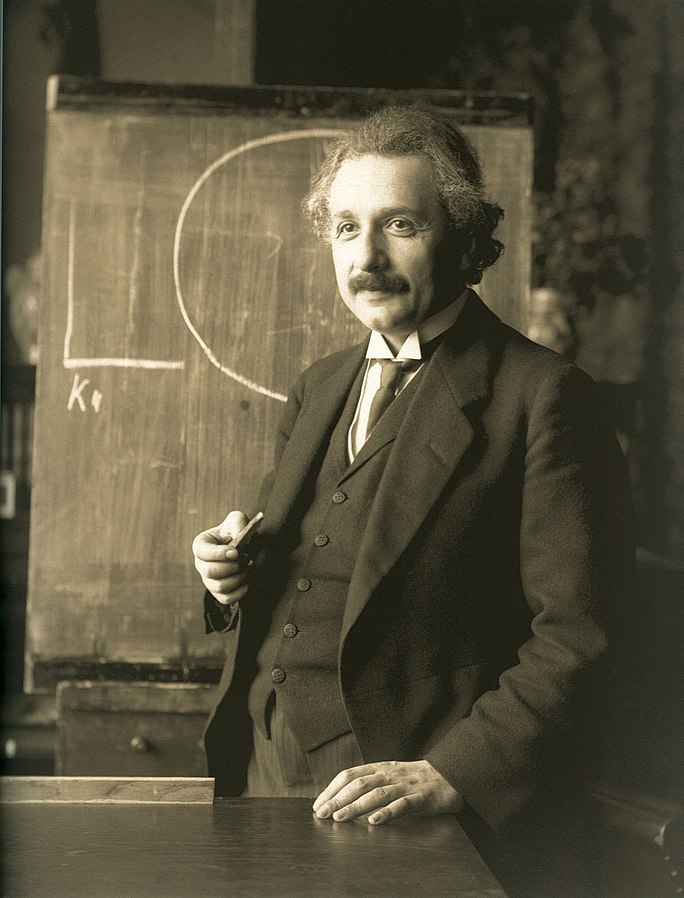
Albert Einstein was a German-born theoretical physicist, widely acknowledged to be one of the greatest and most influential physicists of all time. Einstein is best known for developing the theory of relativity, but he also made important contributions to the development of the theory of quantum mechanics. Relativity and quantum mechanics are together the two pillars of modern physics. His mass–energy equivalence formula E = mc2, which arises from relativity theory, has been dubbed "the world's most famous equation". His work is also known for its influence on the philosophy of science. He received the 1921 Nobel Prize in Physics "for his services to theoretical physics, and especially for his discovery of the law of the photoelectric effect", a pivotal step in the development of quantum theory. His intellectual achievements and originality resulted in "Einstein" becoming synonymous with "genius".





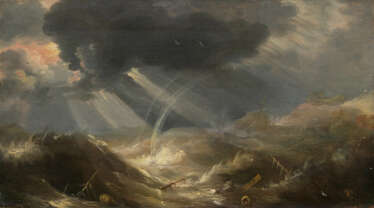

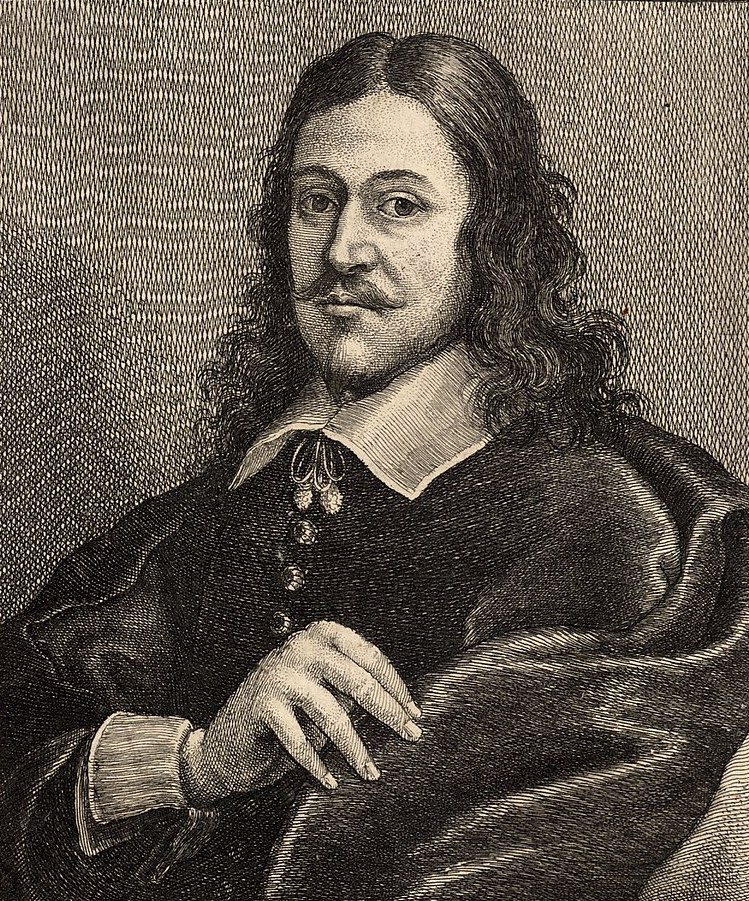
Bonaventura Peeters the Elder was a prominent Flemish painter, draughtsman, and etcher specializing in marine art during the 17th century. His extensive body of work encompassed marine battles, storms at sea, shipwrecks, and views of ships in rivers and harbours.
Peeters displayed a keen understanding of ships, capturing their intricate details. His earlier works exhibited tonal landscapes influenced by Dutch painting, while later pieces reflected vibrant colors inspired by Italian classicism. He skillfully depicted dramatic shipwrecks, serene ports, and intricate portrayals of ships. Many of his paintings depicted actual locations along the North Sea and the river Scheldt, while others showcased imagined scenes of far-away Mediterranean and Middle Eastern ports. Peeters also collaborated with family members and fellow artists, and his drawings and engravings were included in notable publications like Blaeu's Atlas Maior.


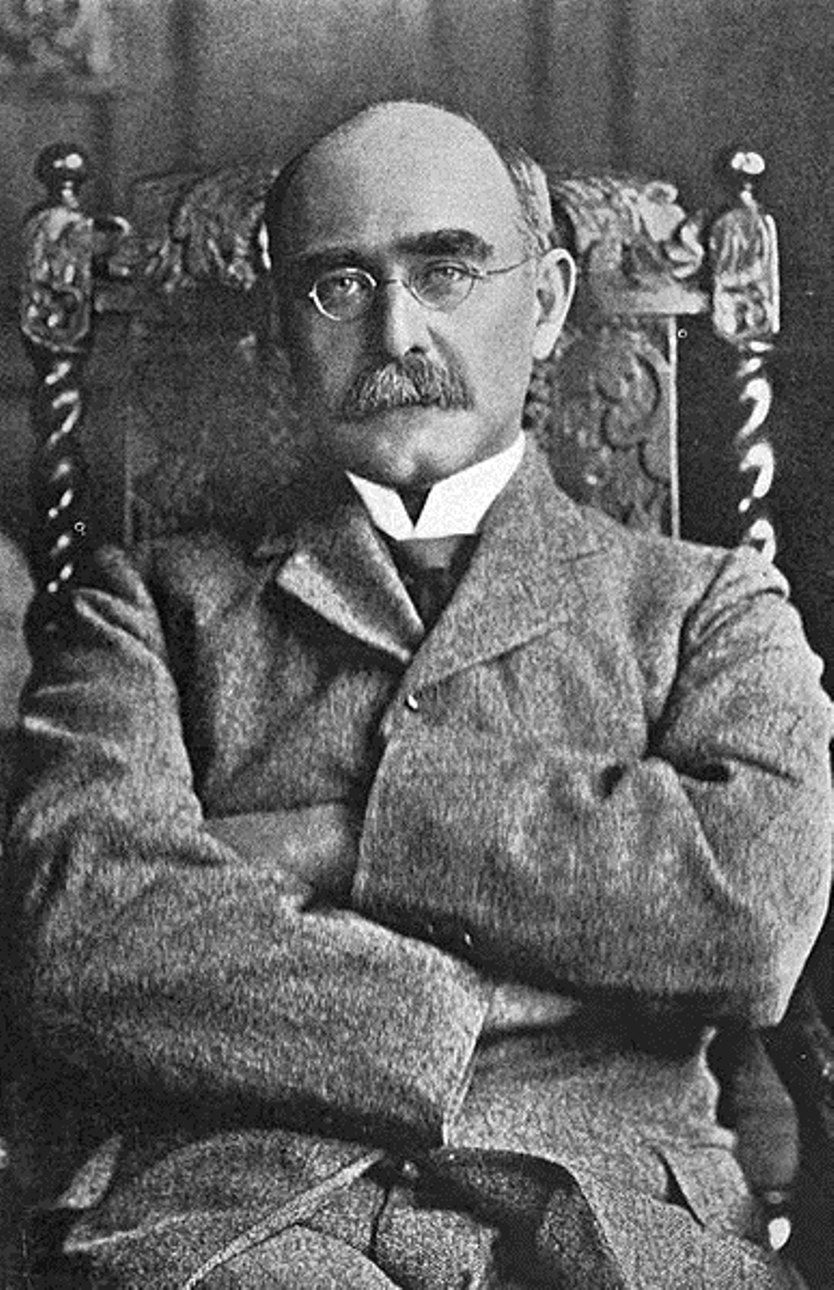













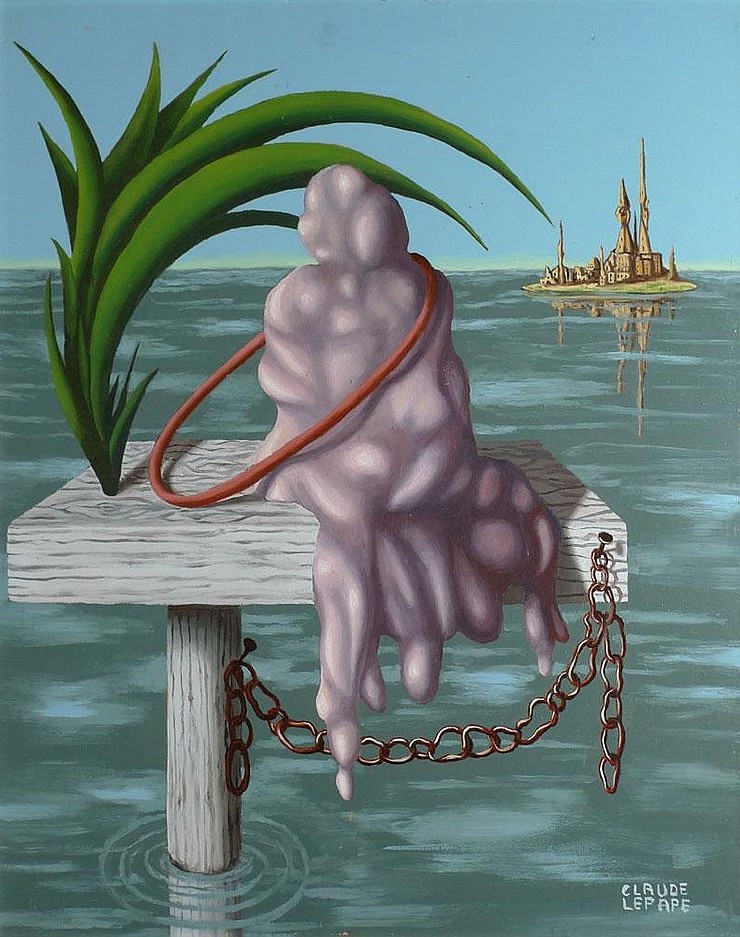
Claude Lepape was a French painter, printmaker, theatre set designer and representative of the Paris School. He was the son of the painter Georges Lepape and studied painting at the Ecole Nationale Superieure des Beaux-Arts in Paris. Claude Lepape's still lifes and portraits convey the artist's intimate understanding of creatures and objects and have a surrealist undertone.