françois m
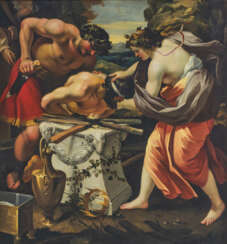

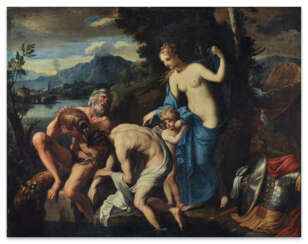

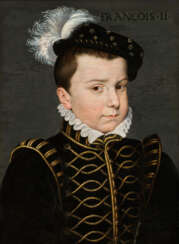

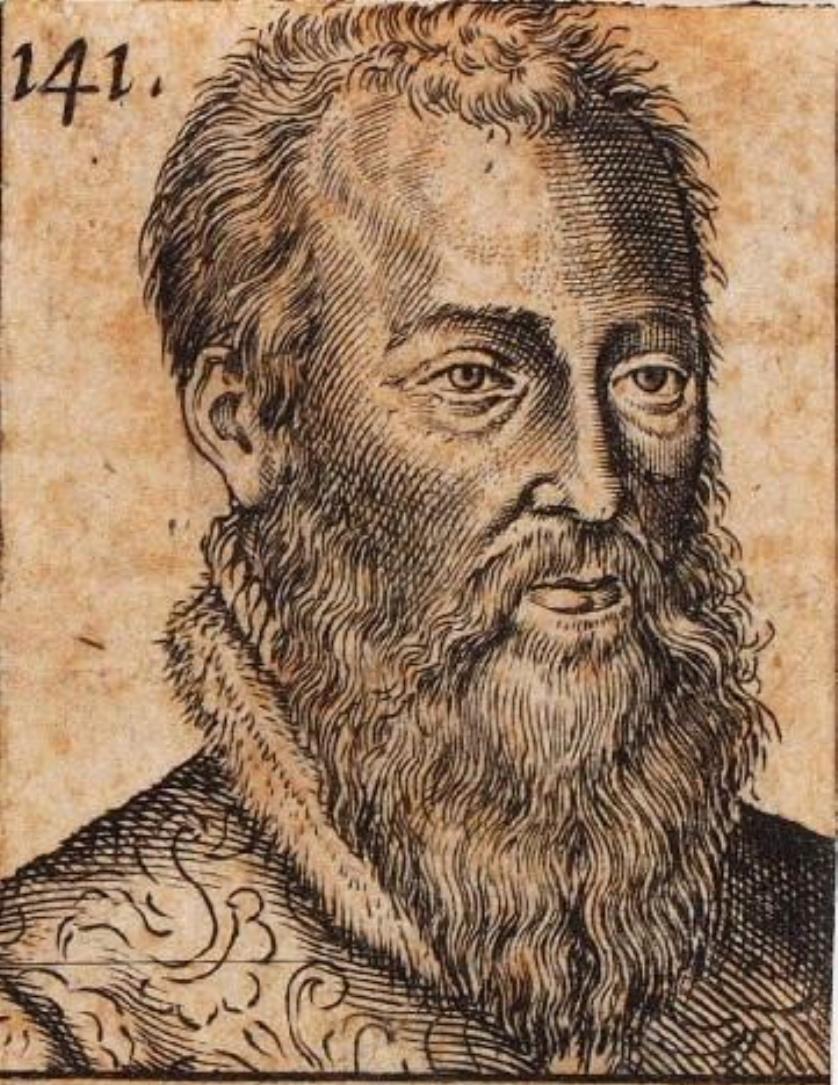
François Clouet was a major French Renaissance portrait painter.
François was the son of the painter Jean Clouet (1485-1540), from whom he learned painting. He became the favorite court portraitist of Kings Francis I, Henry II, Francis II and Charles IX.
François Clouet became famous for his mastery, accurately conveying the characters of people and meticulously painting their costumes.
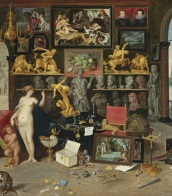
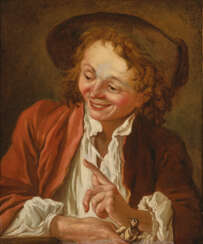

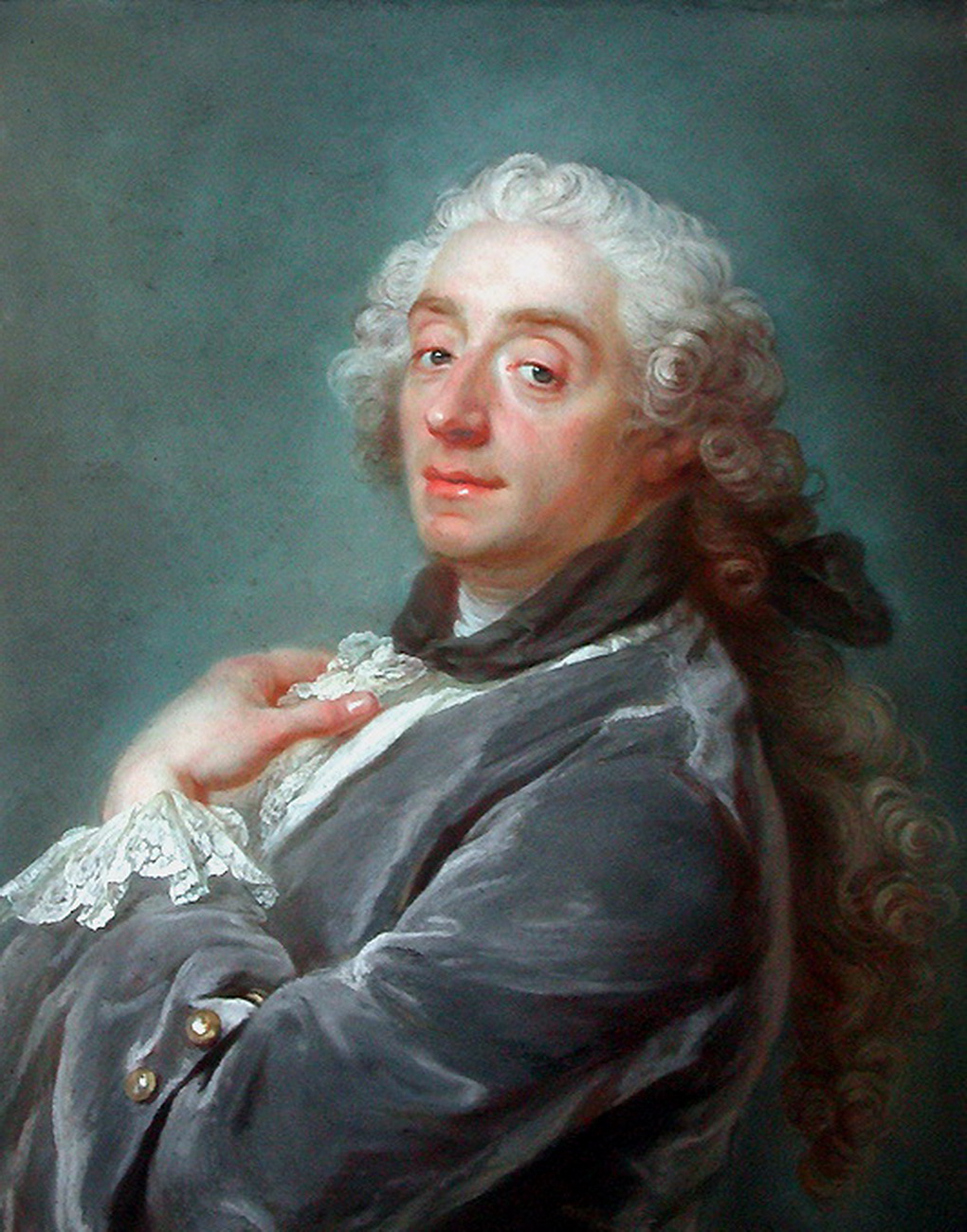
François Boucher, a French artist, is celebrated for his significant contributions to the Rococo style of painting. His works are renowned for their idyllic and voluptuous themes, which include classical subjects, decorative allegories, and pastoral scenes. Boucher's talent in creating intricate and charming paintings made him a favorite in the French court, especially with Madame de Pompadour.
François Boucher's skills were not confined to painting alone; he was also an adept draftsman and tapestry designer. His designs for the Beauvais tapestry workshops were highly successful, influencing decorative arts across Europe. Moreover, Boucher's influence extended to porcelain, with his designs being replicated on tableware and decorative pieces at the Vincennes and Sèvres factories.
Despite the later criticism of his style as overly frivolous and disconnected from the emerging Neoclassical trends, François Boucher's works continue to be admired for their aesthetic beauty and historical significance. His ability to blend various elements into a cohesive and appealing visual narrative demonstrates his mastery and enduring legacy in the art world.
For art collectors and enthusiasts, François Boucher's oeuvre offers a fascinating glimpse into 18th-century French art and culture, reflecting the opulence and delicate tastes of the Rococo period. His paintings and designs continue to be celebrated and studied for their artistic merit and historical context.
To stay updated on the latest exhibitions, sales, and events related to François Boucher's works, consider subscribing to updates from reliable art and antique sources. This way, you'll remain informed about opportunities to engage with the art of one of Rococo's most distinguished masters.



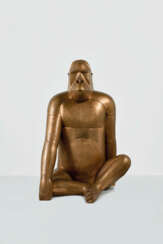

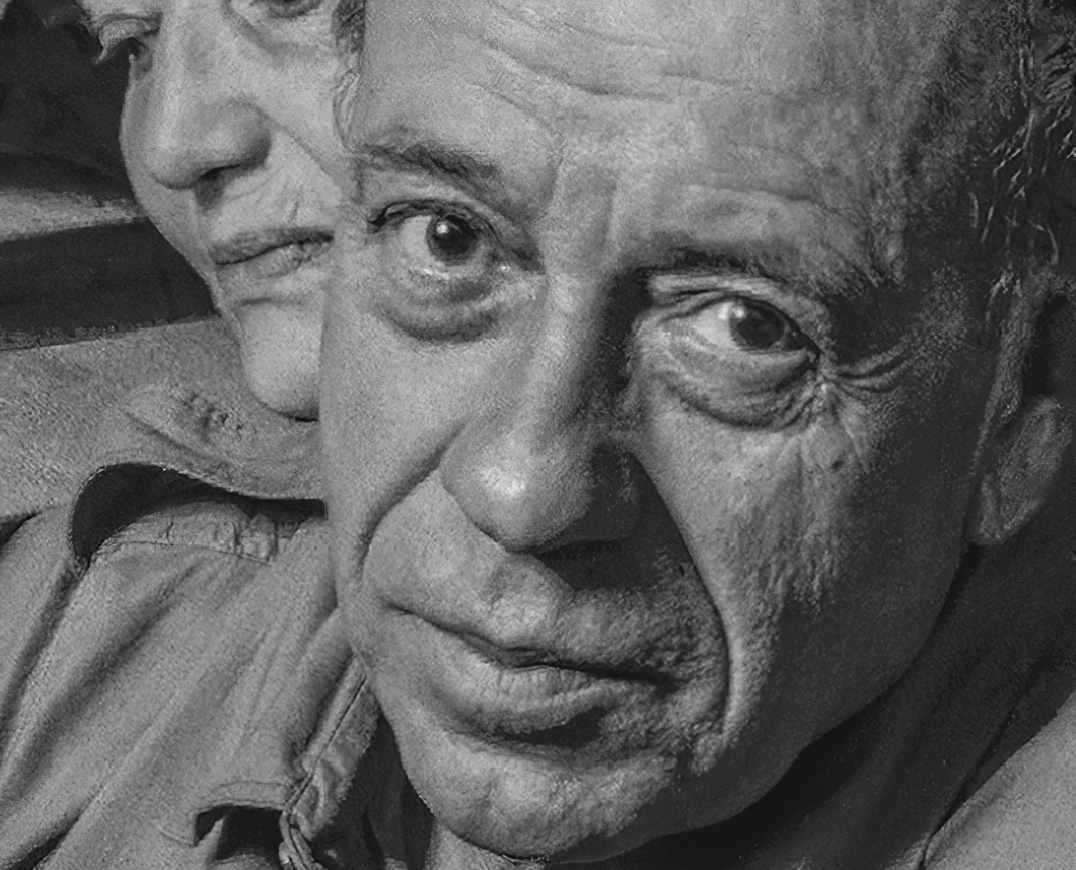
François-Xavier Lalanne was a French painter and sculptor. He studied sculpture, drawing and painting at the Académie Julian. Since the 1960s he has worked as a couple with his wife Claude Lalanne.



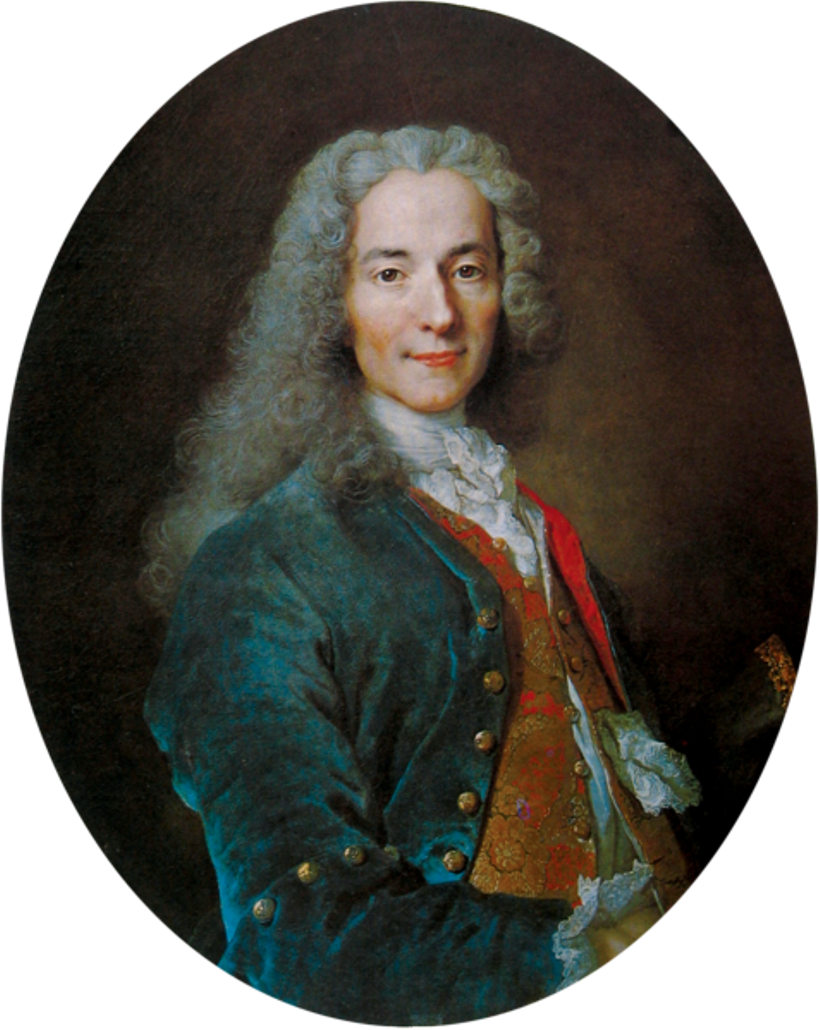
Voltaire, born François Marie Arouet, was a French philosopher-enlightener of the French Enlightenment, poet and writer, satirist, tragedian, historian and essayist.
Voltaire's long life fell on the last years of classicism and the eve of the revolutionary era, and in this transitional period his works and activities had a significant impact on the direction of European civilization. Through his critical freethinking and wit, Voltaire won the minds of many 18th century European rulers. To this day, he continues to enjoy worldwide fame as a courageous fighter against tyranny, bigotry, and cruelty.
Voltaire was an advocate of freedom of speech, freedom of religion and separation of church and state. He was a versatile and prolific writer in all literary forms, including plays, poems, novels, essays, histories, and scholarly expositions. In total, he wrote more than 20,000 letters and 2,000 books and pamphlets. Voltaire's most famous works are the tragic play Zaire, the historical study The Age of Louis XIV, and the satirical novella Candide.
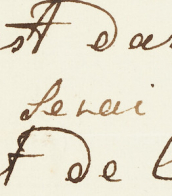
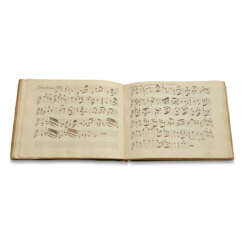

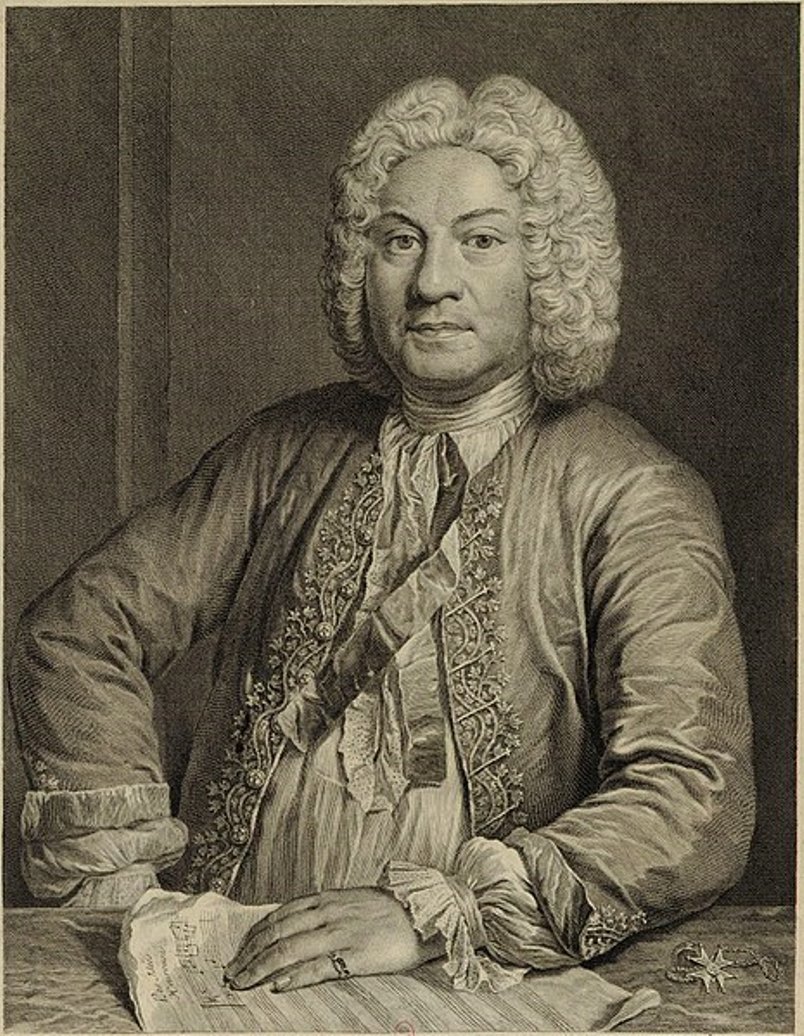
François Couperin was a French composer, organist and harpsichordist.
François Couperin is a member of a large dynasty of French musicians. At the age of 18, François succeeded his father, Charles Couperin (1638-1679), as organist at the Church of Saint-Gervais in Paris, and in 1693 he became one of the four organists of the Chapel Royal. He soon became a harpsichord teacher for the royal children, and in 1717 was appointed court harpsichordist.
François Couperin is known primarily for his harpsichord music; between 1713 and 1730 he published four books of more than 250 pieces for harpsichord. Some of them are characterized by complex accompaniment and dialogues between violin and bass, while others are light, graceful and expressive. Couperin's harpsichord pieces, even during the author's lifetime, gained great fame not only in France but also abroad. Couperin also wrote chamber music, including trio sonatas (for harpsichord and two violins) and "Royal Concertos", which he composed for Sunday evening royal entertainment. He also composed motets and other church music. Couperin's last and most significant liturgical work, Leçons de ténèbres (c. 1715), has no parallel in either French or Italian music of the period. Johann Sebastian Bach knew and appreciated this work by Couperin.
Couperin authored The Art of Touching the Clavier (1716), in which he explained in detail the technique of playing the harpsichord. And in his publications of the early 1720s, he suggested a wide variety of ways of combining French and Italian styles.




François Clouet was a major French Renaissance portrait painter.
François was the son of the painter Jean Clouet (1485-1540), from whom he learned painting. He became the favorite court portraitist of Kings Francis I, Henry II, Francis II and Charles IX.
François Clouet became famous for his mastery, accurately conveying the characters of people and meticulously painting their costumes.


.jpeg)
Jean Dunand was a Swiss and French painter, sculptor, metal craftsman and interior designer during the Art Deco period. He was particularly known for his lacquered screens and other art objects.
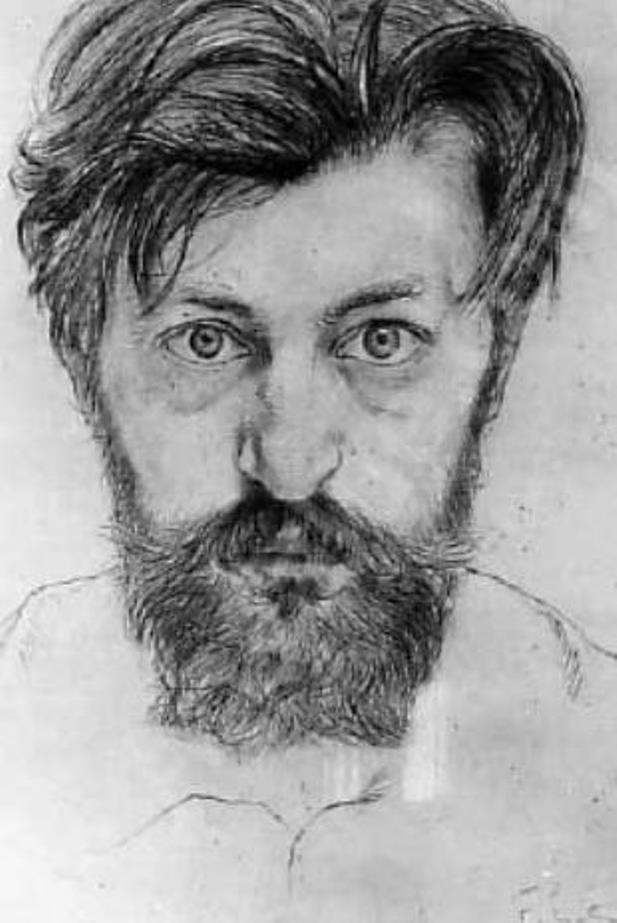
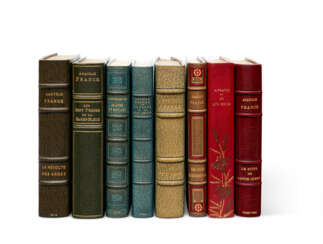
François-Louis Schmied was a French painter, illustrator, wood engraver, printmaker, editor and Art Deco binder.
François-Louis studied wood engraving at the École des Arts industriels in Geneva and painting at the École des Beaux-Arts de Genève. A Swiss, Schmied settled and naturalized in France in 1895. In 1910, he was commissioned to engrave and print Paul Jouve's illustrations for Rudyard Kipling's The Life of the Jungle, which was not published until 1919. For this book, now considered a masterpiece, the master produced about 90 color illustrations. Thanks to the success of this publication, Schmied was able to expand his activity and hire a group of craftsmen to execute his most famous and innovative works.
François-Louis Schmied is considered one of the greatest Art Deco artists and became particularly famous for his beautiful rare books for bibliophiles. Schmied's unique books were very expensive to produce, which required a lot of time and effort, and were always printed in very limited editions, from 20 to 200 copies. During the Great Depression, Schmied's expensive projects could not withstand the competition: the master was forced to sell off almost all his assets and close his workshop and store, and around 1932 he left for Morocco, where he died.
François-Louis Schmied's works are not only aesthetically pleasing, but also express his desire to combine art and literature. The talented artist conveyed with passion and precision the essence of the Art Deco style contemporary to him. Today, Schmied's works, reissued as fine art reproductions, not only convey the aesthetics and precision inherent in each of his originals, but also add a new dimension to them. His son, Theo Schmied, took over François-Louis Schmied's workshop in 1924, reviving its former glory and revitalizing it over time.


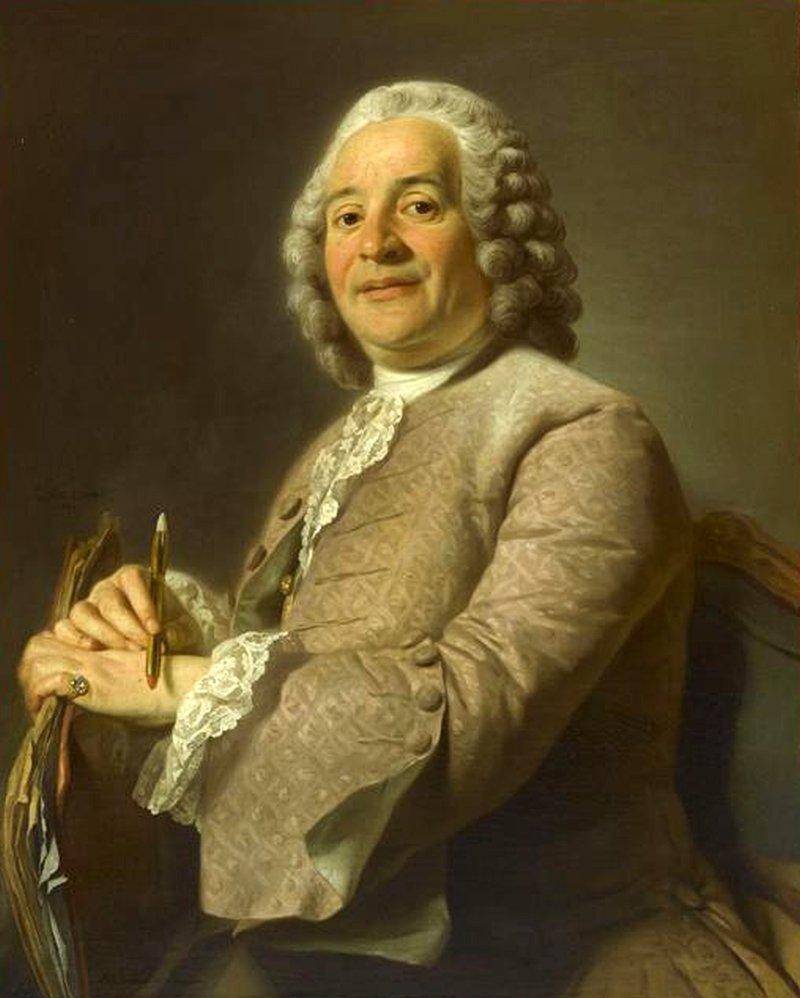
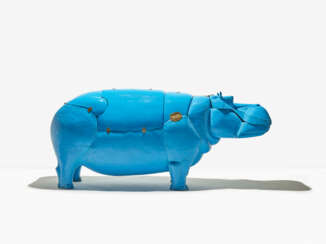

François-Xavier Lalanne was a French painter and sculptor. He studied sculpture, drawing and painting at the Académie Julian. Since the 1960s he has worked as a couple with his wife Claude Lalanne.
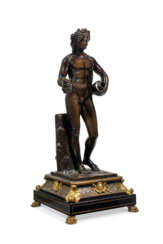

François Girardon was a French sculptor of the Louis XIV style or French Baroque, best known for his statues and busts of Louis XIV and for his statuary in the gardens of the Palace of Versailles.
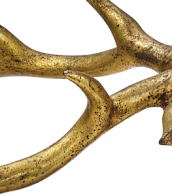
![[MONTESPAN, Françoise-Athénaïs de Rochechouart de Mortemart, marquise de, dite Madame de (1640-1707] Jean CASSIEN (circa 360-435)](/assets/image/picture_2500953/0325d/191f2cbffe137112d7eddf14a57c73cc1667984400jpg__fix_374_244.jpeg)
![[MONTESPAN, Françoise-Athénaïs de Rochechouart de Mortemart, marquise de, dite Madame de (1640-1707] Jean CASSIEN (circa 360-435)](https://veryimportantlot.com/assets/image/picture_2500953/0325d/191f2cbffe137112d7eddf14a57c73cc1667984400jpg__fix_374_244.jpeg)
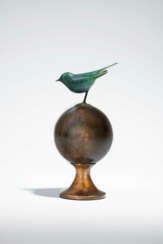

François-Xavier Lalanne was a French painter and sculptor. He studied sculpture, drawing and painting at the Académie Julian. Since the 1960s he has worked as a couple with his wife Claude Lalanne.
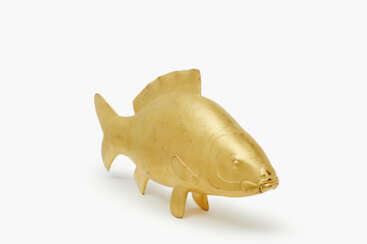

François-Xavier Lalanne was a French painter and sculptor. He studied sculpture, drawing and painting at the Académie Julian. Since the 1960s he has worked as a couple with his wife Claude Lalanne.
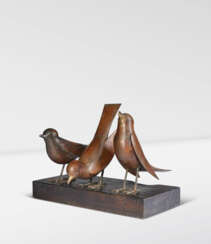

François-Xavier Lalanne was a French painter and sculptor. He studied sculpture, drawing and painting at the Académie Julian. Since the 1960s he has worked as a couple with his wife Claude Lalanne.
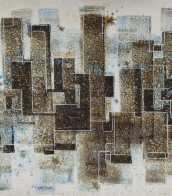
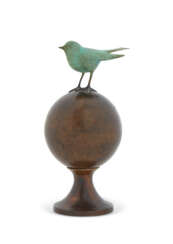

François-Xavier Lalanne was a French painter and sculptor. He studied sculpture, drawing and painting at the Académie Julian. Since the 1960s he has worked as a couple with his wife Claude Lalanne.
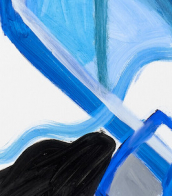
![[SADE, Donatien Alphonse François, marquis de (1740-1814)]](/assets/image/picture_3566994/47fa5/583c4cf9e8b49f38a40241ca14c22e6f1700607600jpg__fix_374_244.jpeg)
![[SADE, Donatien Alphonse François, marquis de (1740-1814)]](https://veryimportantlot.com/assets/image/picture_3566994/47fa5/583c4cf9e8b49f38a40241ca14c22e6f1700607600jpg__fix_374_244.jpeg)
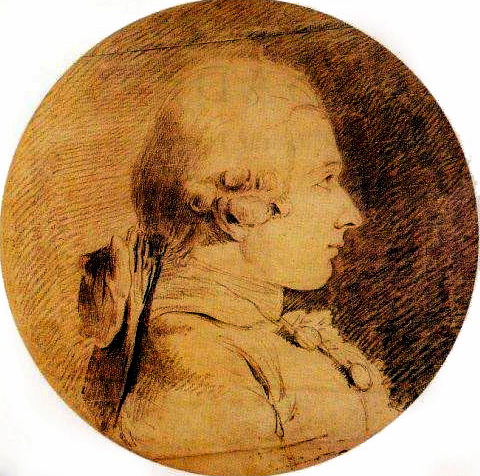


François-Xavier Lalanne was a French painter and sculptor. He studied sculpture, drawing and painting at the Académie Julian. Since the 1960s he has worked as a couple with his wife Claude Lalanne.
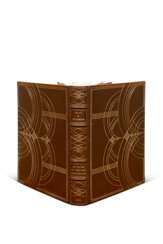

François-Louis Schmied was a French painter, illustrator, wood engraver, printmaker, editor and Art Deco binder.
François-Louis studied wood engraving at the École des Arts industriels in Geneva and painting at the École des Beaux-Arts de Genève. A Swiss, Schmied settled and naturalized in France in 1895. In 1910, he was commissioned to engrave and print Paul Jouve's illustrations for Rudyard Kipling's The Life of the Jungle, which was not published until 1919. For this book, now considered a masterpiece, the master produced about 90 color illustrations. Thanks to the success of this publication, Schmied was able to expand his activity and hire a group of craftsmen to execute his most famous and innovative works.
François-Louis Schmied is considered one of the greatest Art Deco artists and became particularly famous for his beautiful rare books for bibliophiles. Schmied's unique books were very expensive to produce, which required a lot of time and effort, and were always printed in very limited editions, from 20 to 200 copies. During the Great Depression, Schmied's expensive projects could not withstand the competition: the master was forced to sell off almost all his assets and close his workshop and store, and around 1932 he left for Morocco, where he died.
François-Louis Schmied's works are not only aesthetically pleasing, but also express his desire to combine art and literature. The talented artist conveyed with passion and precision the essence of the Art Deco style contemporary to him. Today, Schmied's works, reissued as fine art reproductions, not only convey the aesthetics and precision inherent in each of his originals, but also add a new dimension to them. His son, Theo Schmied, took over François-Louis Schmied's workshop in 1924, reviving its former glory and revitalizing it over time.



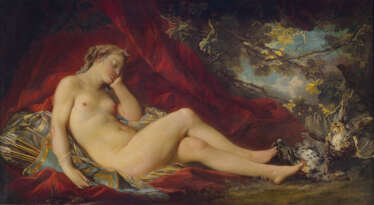

François Boucher, a French artist, is celebrated for his significant contributions to the Rococo style of painting. His works are renowned for their idyllic and voluptuous themes, which include classical subjects, decorative allegories, and pastoral scenes. Boucher's talent in creating intricate and charming paintings made him a favorite in the French court, especially with Madame de Pompadour.
François Boucher's skills were not confined to painting alone; he was also an adept draftsman and tapestry designer. His designs for the Beauvais tapestry workshops were highly successful, influencing decorative arts across Europe. Moreover, Boucher's influence extended to porcelain, with his designs being replicated on tableware and decorative pieces at the Vincennes and Sèvres factories.
Despite the later criticism of his style as overly frivolous and disconnected from the emerging Neoclassical trends, François Boucher's works continue to be admired for their aesthetic beauty and historical significance. His ability to blend various elements into a cohesive and appealing visual narrative demonstrates his mastery and enduring legacy in the art world.
For art collectors and enthusiasts, François Boucher's oeuvre offers a fascinating glimpse into 18th-century French art and culture, reflecting the opulence and delicate tastes of the Rococo period. His paintings and designs continue to be celebrated and studied for their artistic merit and historical context.
To stay updated on the latest exhibitions, sales, and events related to François Boucher's works, consider subscribing to updates from reliable art and antique sources. This way, you'll remain informed about opportunities to engage with the art of one of Rococo's most distinguished masters.