gemälde des 20. j
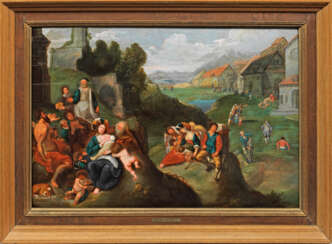

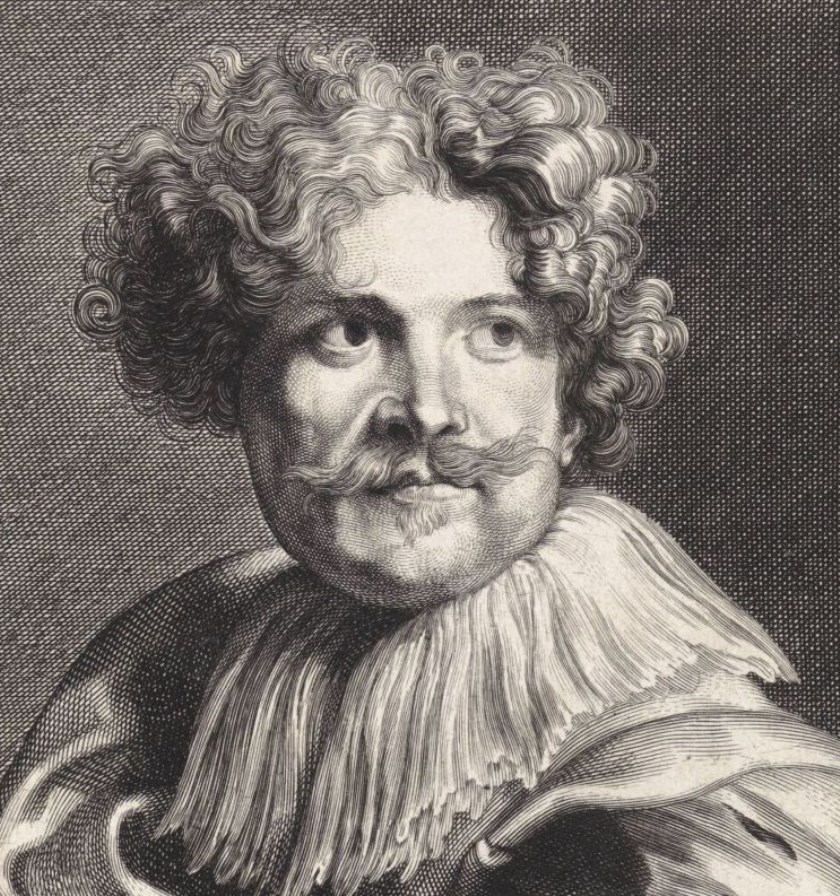
Simon de Vos was a Flemish painter, graphic artist and art collector, a member of the Guild of St. Luke in Antwerp.
Simon de Vos specialized early in his career in cabinet and genre painting in the style of the Utrecht Caravagistes. His depictions of merry company and scenes from fables are well known. From about 1640 he increasingly painted large-scale religious, allegorical and historical scenes in the style of Peter Paul Rubens and Antoni van Dyck. Among his pupils was Jan van Kessel the Elder (1626-1679).
Simon de Vos was financially successful: by the end of his life he owned four estates in Antwerp and a collection of 290 paintings.
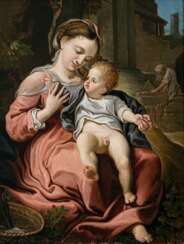

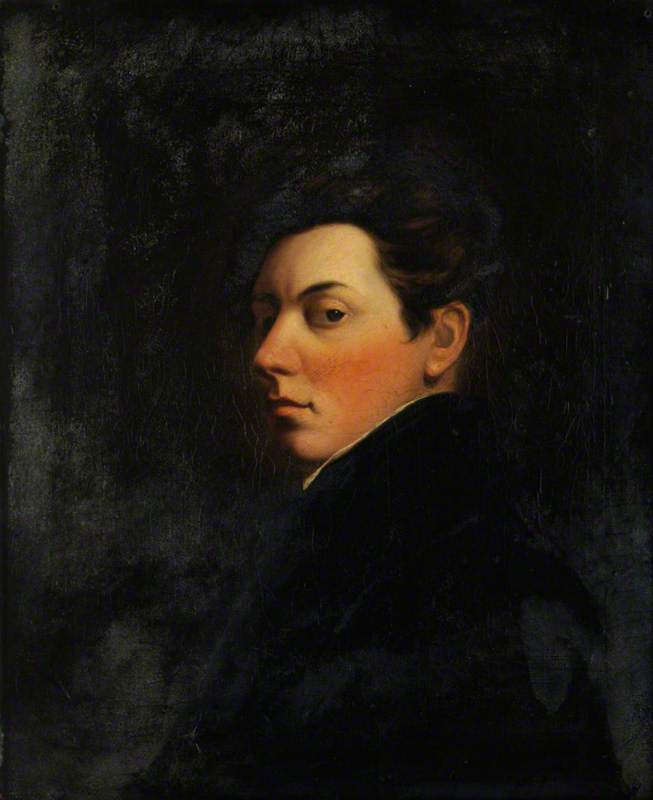
Ambrosini Jérôme, originally born James Parker Ambrosini Jerome, is a testament to the rich heritage of artistic talent within our family lineage. Born on August 8, 1810, in Portsea, Jérôme was a visionary artist whose Italianate pseudonym echoed the romanticism of his era.
Appointed Royal Painter to the Duchess of Kent and young Princess Victoria, Ambrosini's artistry gained royal acknowledgment as early as 1833. Despite the restrictive English art scene of his time, he aligned with the Pre-Raphaelites, rebelling against conventional standards to exhibit in Liverpool, where their art flourished outside London's stringent circles.
Ambrosini's legacy, though not steeped in fame, lives on through his paintings, cherished in private collections worldwide and honored in the Portsmouth Museum. His life, bound intimately to his craft, ended on April 7, 1883, leaving behind a narrative woven into the very fabric of our family's history.
Uncover the legacy of Ambrosini Jérôme by visiting the Portsmouth Museum, and stay updated on the availability of his works in auctions by signing up for our newsletter.
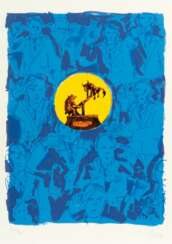

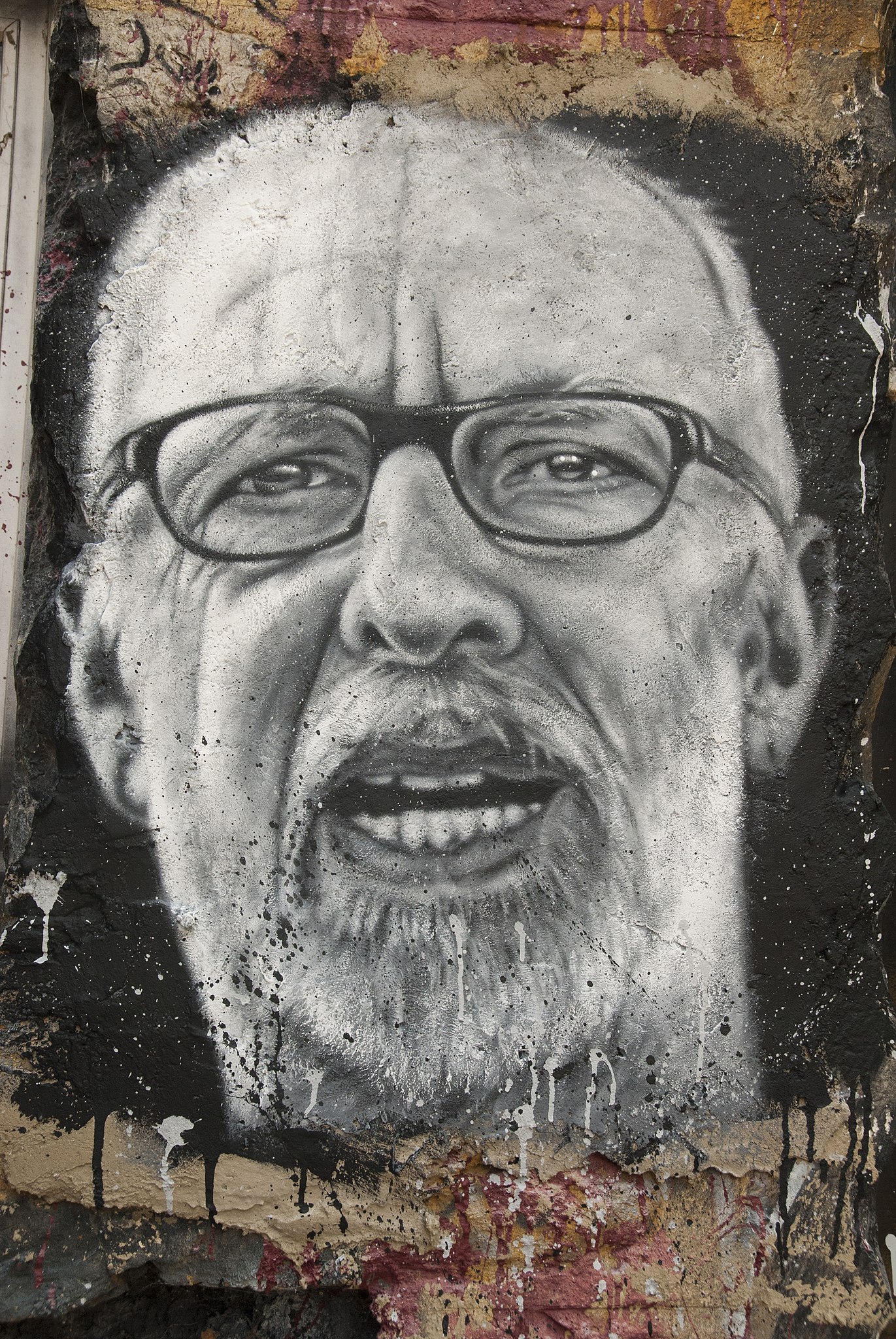
Jörg Immendorff was a German painter and sculptor, stage designer and decorator, and a member of the New Wild movement.
Immendorff painted in cycles that often lasted for years and were political in nature. His series of sixteen large paintings, Café Deutschland (1977-1984), is well known. In these colorful paintings, numerous disco lovers symbolize the conflict between East and West Germany.
Immendorff prepared several stage productions and designed sets for the operas Elektra and The Rider's Voyage. 25 of Immendorf's paintings were selected in 2006 for the illustrated Bible.


Jörg Immendorff was a German painter and sculptor, stage designer and decorator, and a member of the New Wild movement.
Immendorff painted in cycles that often lasted for years and were political in nature. His series of sixteen large paintings, Café Deutschland (1977-1984), is well known. In these colorful paintings, numerous disco lovers symbolize the conflict between East and West Germany.
Immendorff prepared several stage productions and designed sets for the operas Elektra and The Rider's Voyage. 25 of Immendorf's paintings were selected in 2006 for the illustrated Bible.


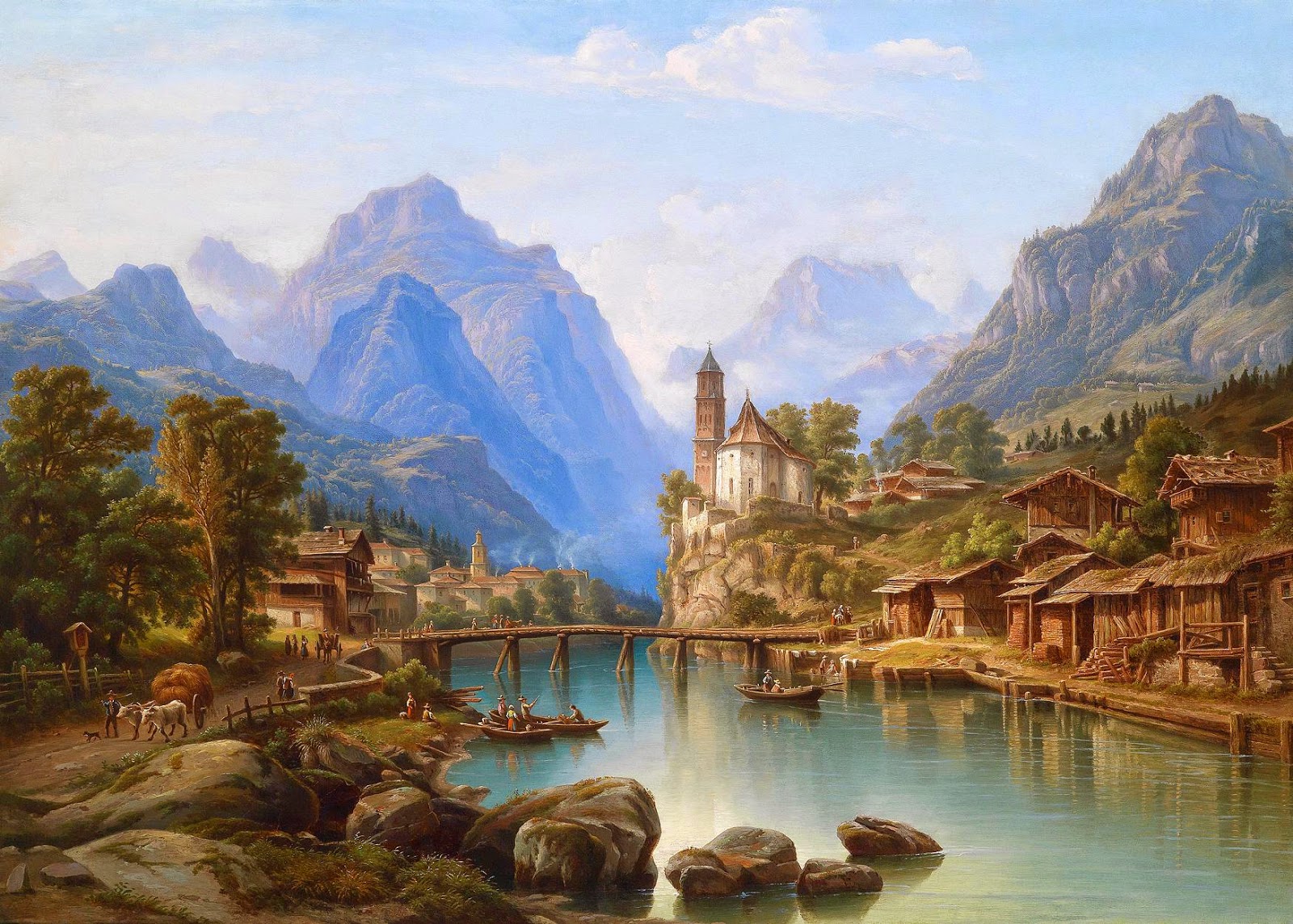
Heinrich Karl Jaeckel (Jäckel) was a German landscape painter who painted views of northern Italy and Switzerland. He exhibited regularly at the Berlin Academy, as well as in Lübeck, Dresden and Vienna.
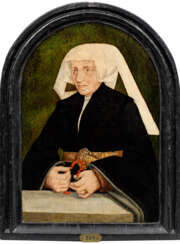

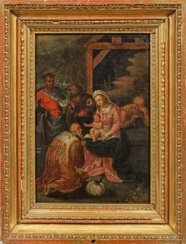

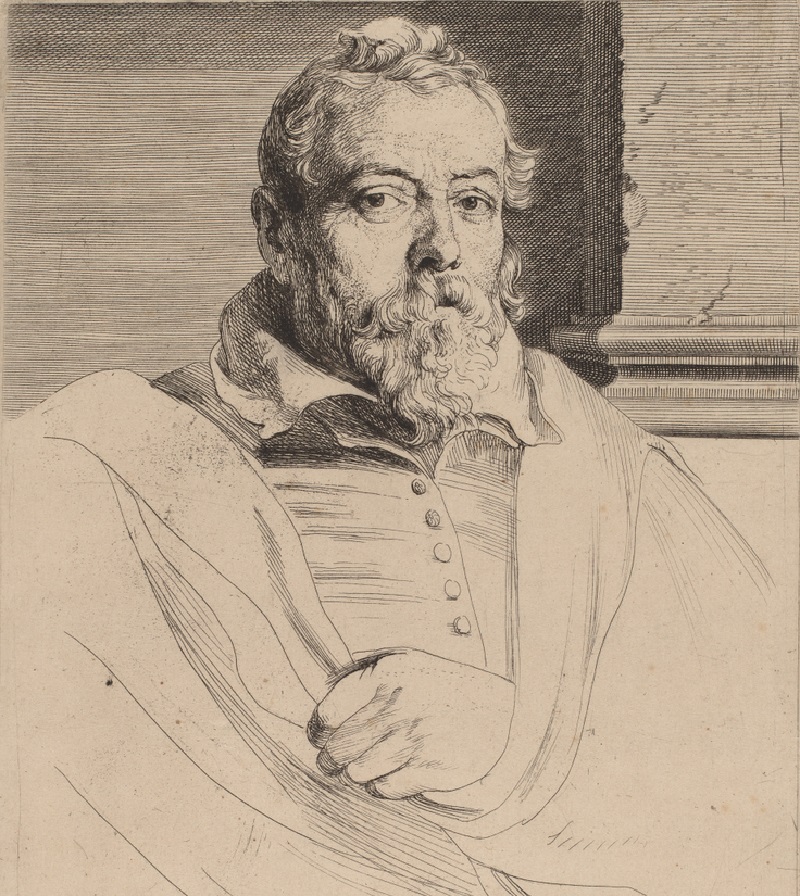
Frans Francken the Younger was a distinguished Flemish painter of the Baroque period, celebrated for his versatility and innovation in the art scene of the early 17th century. Born in 1581 in Antwerp, where he also died in 1642, Francken hailed from the prolific Francken family of artists, establishing himself as the most prominent among them. His contribution to Flemish art includes a wide array of subjects, spanning large altarpieces for churches to intricate cabinet pictures featuring historical, mythological, or allegorical themes.
Francken's work is particularly noted for his creation of collectors' cabinet paintings, a genre that depicted the interiors of collectors filled with art, curiosities, and natural specimens, embodying the era's intellectual pursuits and the burgeoning culture of connoisseurship. Moreover, Francken was instrumental in the development of singeries, humorous paintings featuring monkeys engaging in human activities, critiquing the follies of mankind through satire. His collaborative efforts with other artists enriched his work, allowing him to incorporate figures and narrative depth into various compositions, seamlessly blending his expertise with the landscapes, architectural settings, and still lifes created by his contemporaries.
Francken's artistic legacy is marked by his successful workshop, his role as a master in the Antwerp Saint Luke's Guild, and his significant influence on the development of new subject matter and genres within Flemish painting. His works, such as "Mankind's Eternal Dilemma: The Choice Between Virtue and Vice," remain celebrated for their detailed craftsmanship and symbolic richness, housed in prestigious museums including the Museum of Fine Arts, Boston.
For collectors and art history aficionados, Francken's oeuvre offers a rich tapestry of Baroque artistry, reflecting the dynamism of 17th-century Flemish culture and the depth of humanistic and religious themes explored during the period.
To delve deeper into the world of Frans Francken the Younger and to stay updated on new discoveries, sales, and auction events related to his works, consider signing up for specialized updates. This subscription is tailored for enthusiasts eager to explore the intersections of art, history, and culture, promising insightful content on one of Flemish art's most influential figures.






_-_(by_Lodewijk_van_der_Helst,_1672).jpg)
Willem van de Velde the Younger was a Dutch marine painter from the van de Velde dynasty of artists.
Willem van de Velde the Younger is famous for his paintings depicting the calm sea with a magical reflection of the water surface and sea battles. His works are held in London's National Gallery and private English collections, Amsterdam's Rijksmuseum, The Hague, Berlin, Munich, Vienna and Paris. There are three paintings by Willem van de Velde the Younger in the Hermitage. In addition to paintings, he left many drawings, the number of which exceeds 8,000.
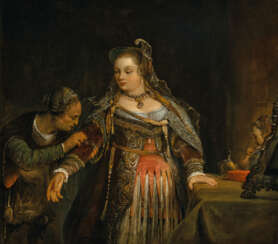

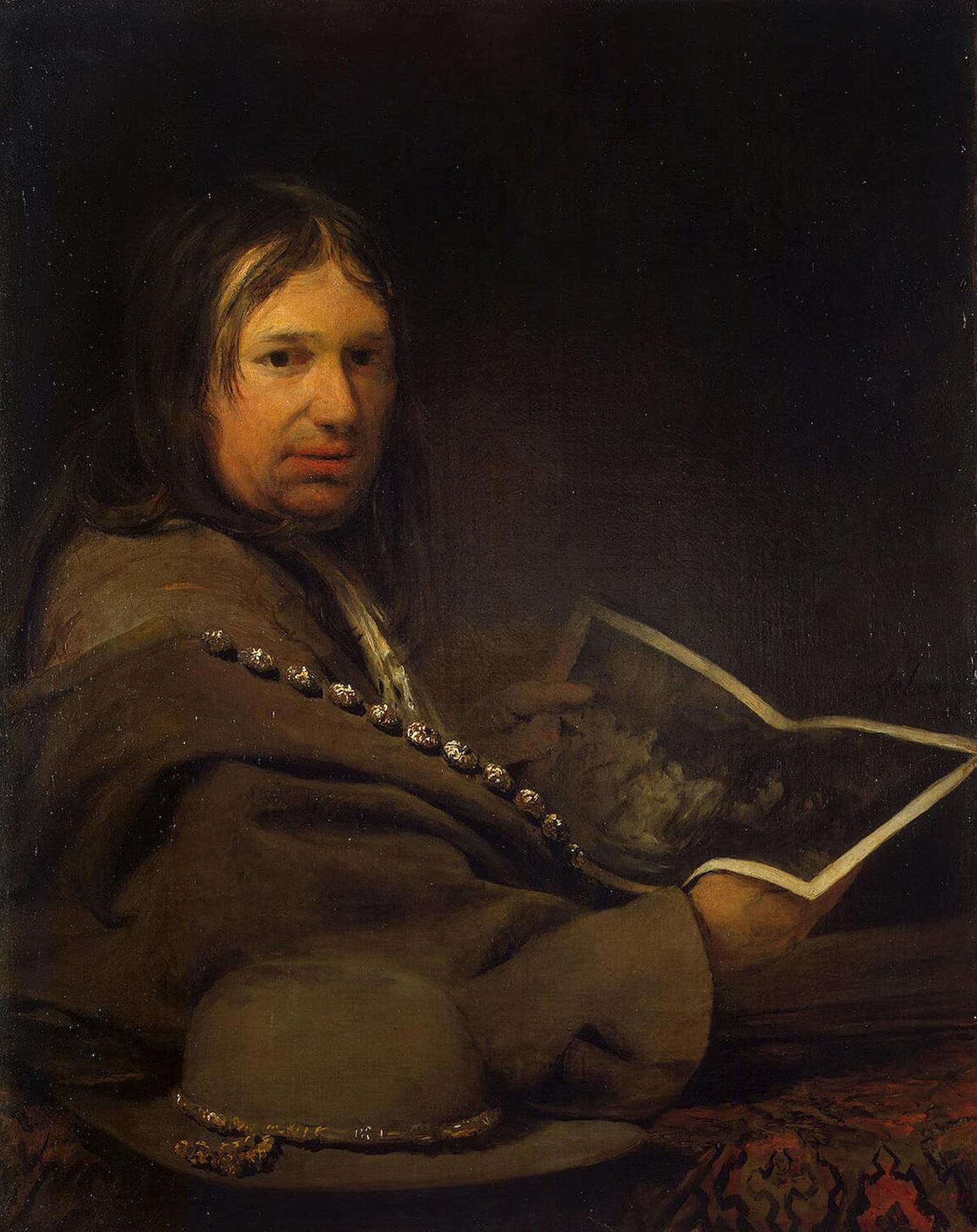
Aert de Gelder was a Dutch painter. He was the only Dutch artist to paint in the tradition of Rembrandt's late style into the 18th century.
As author of biblical scenes and portraits his style was inspired by Rembrandt's, using his artistic ideas, well into the 18th century, without being influenced by contemporary new fashions. From the artistic point of view his work can not be considered as passive imitation of the master; indeed, it stands for inventiveness in the narrative, taste for the theatrical and a strong emotional charge of the characters. All these traits made him one of the most important interpreters of Dutch painting of the late seventeenth century.
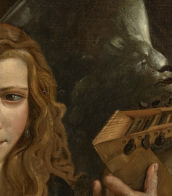
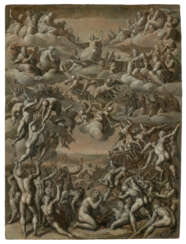

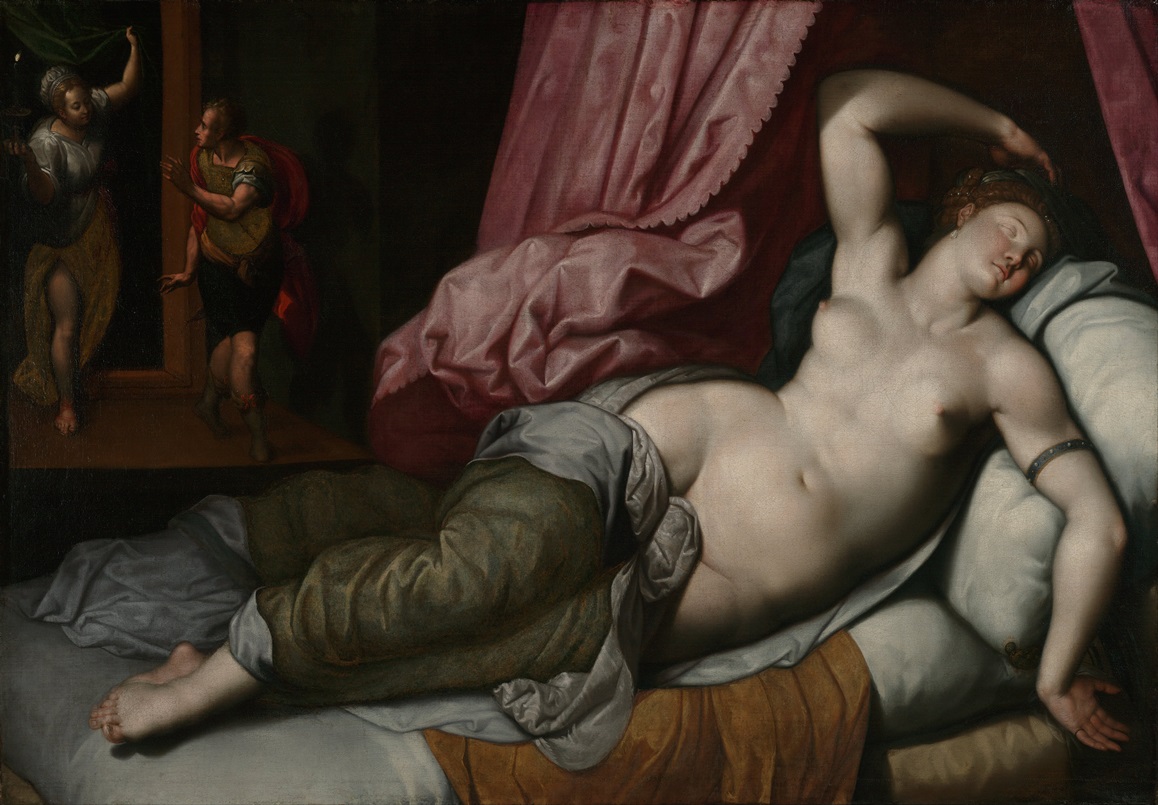
Jacob de Backer was a Flemish painter.
He is known to have worked in Antwerp between about 1571 and 1585 and was a very prolific painter. Many paintings and altarpieces in Antwerp and Italy are signed with his name. Bakker also created many elaborate compositions on allegorical subjects.
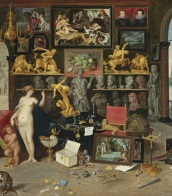
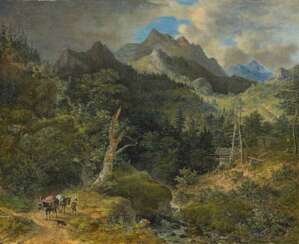





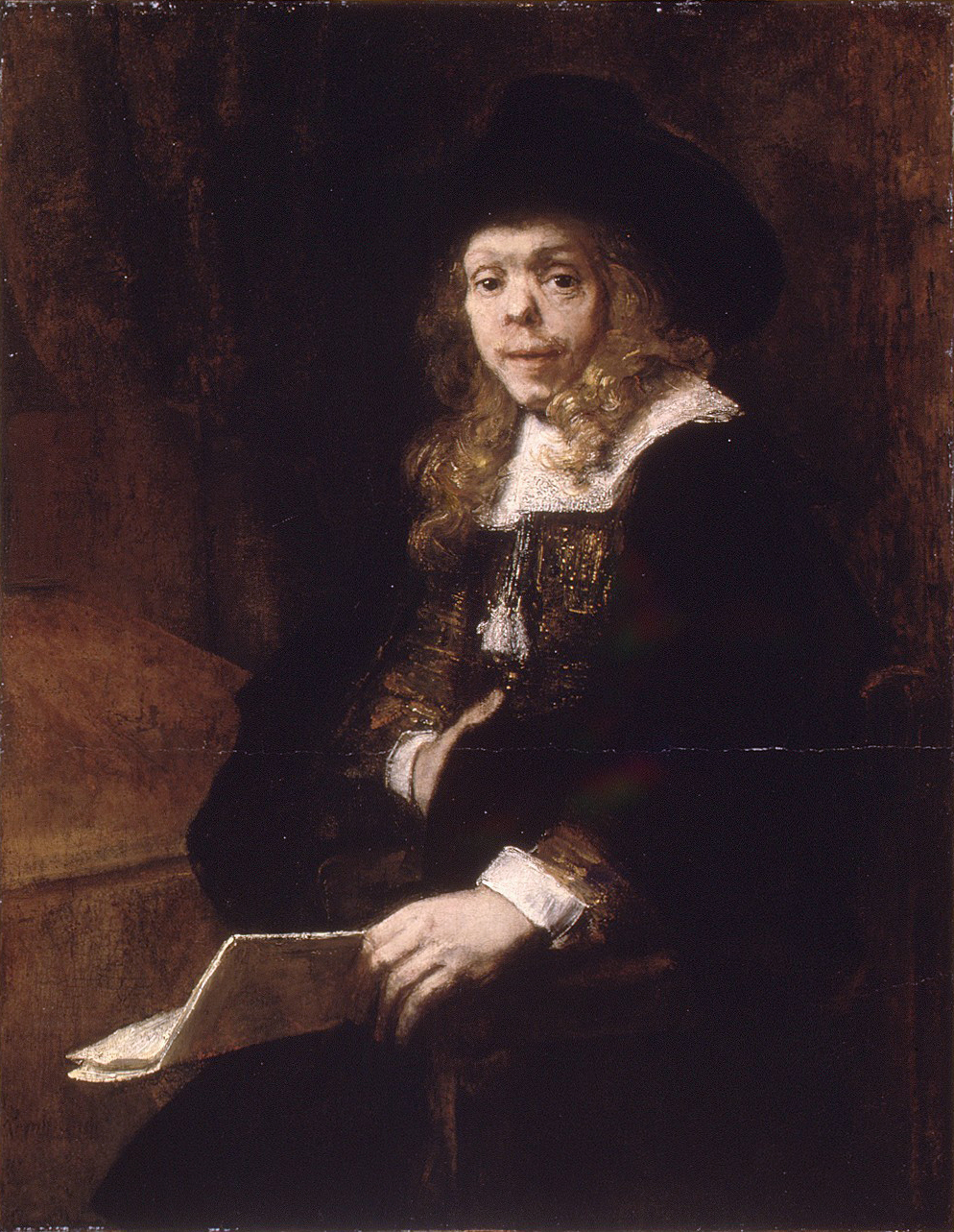
Gerard de Lairesse was a Dutch painter, printmaker, and art theorist. Known for his classical approach, de Lairesse's work marked a departure from the Baroque style prevalent in the Dutch Golden Age, leaning instead towards the neoclassicism that would dominate European art in the 18th century. His art and theories were deeply influenced by the ideals of beauty, grace, and moral edification, advocating for the selection of the most perfect manifestations of natural phenomena rather than their random imitation.
De Lairesse was not only a prolific painter but also an influential art theorist. His treatises, "Grondlegginge ter teekenkonst" (1701) and "Het groot schilderboeck" (1707), were seminal works that laid down principles of art and aesthetics that influenced not just his contemporaries but also generations of artists to come. He emphasized the importance of adhering to theoretical knowledge and the study of nature, albeit through a lens that filtered out its imperfections, to achieve ideal beauty in art.
Despite facing personal challenges, including a congenital condition that led to the loss of his sight in his later years, de Lairesse remained a central figure in the artistic and intellectual circles of Amsterdam. His lectures, delivered from his home, attracted a wide array of students and enthusiasts, eager to learn from his extensive knowledge and experience.
Today, works by Gerard de Lairesse can be found in prestigious institutions worldwide, including the Rijksmuseum and the Amsterdam Museum in the Netherlands, the Louvre in Paris, the Metropolitan Museum of Art in New York, and the National Gallery in London, among others. His legacy as the 'Dutch Poussin' speaks to his enduring influence on the evolution of European art, bridging the gap between the Baroque and the Neoclassical.
For collectors and experts in art and antiques, Gerard de Lairesse represents an intriguing study in the transition of art styles from the Baroque to Neoclassicism. His dedication to the theory and practice of art makes his work a valuable addition to any collection.
To stay informed about exhibitions, sales, and auction events related to Gerard de Lairesse's work, consider signing up for updates. This will ensure you are always up to date with the latest opportunities to engage with the remarkable legacy of this influential Dutch artist.
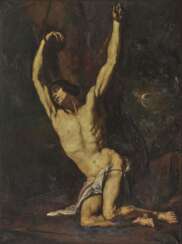



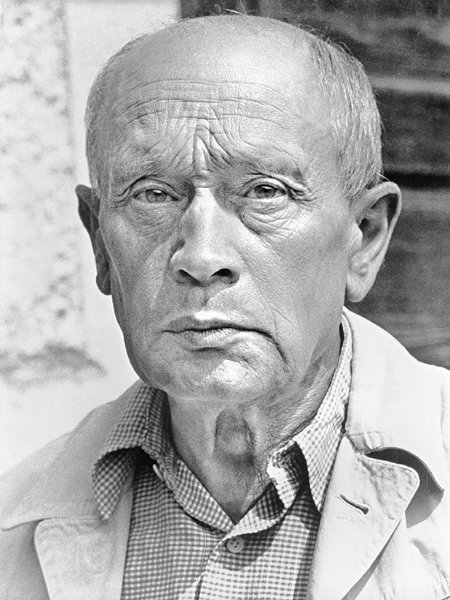
Erich Heckel was a German painter and printmaker, and a founding member of the group Die Brücke ("The Bridge") which existed 1905–1913. His work was part of the art competitions at the 1928 Summer Olympics and the 1932 Summer Olympics.




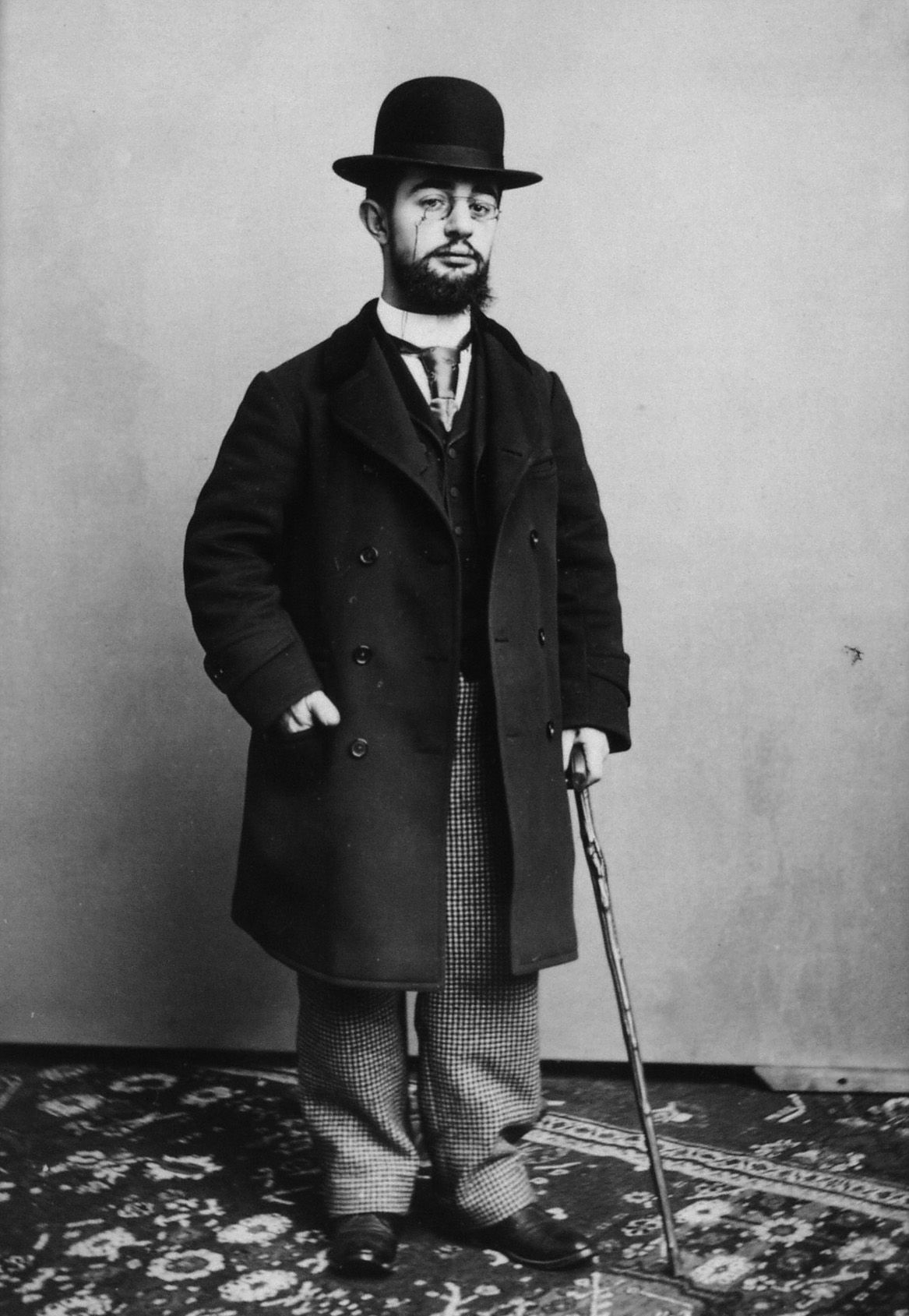
Henri de Toulouse-Lautrec was a distinguished French Post-Impressionist artist, renowned for his deep insights into Parisian nightlife and the world of entertainment in the 1890s. Born into an aristocratic family in Albi, France, Toulouse-Lautrec faced significant health challenges. He suffered from a rare condition, possibly pycnodysostosis, which stunted the growth of his legs following two fractures during his adolescence, leading to a notably short stature as an adult.
Despite his physical limitations, Toulouse-Lautrec immersed himself in art, becoming a key figure in the Post-Impressionist movement alongside artists like Paul Cézanne and Vincent van Gogh. He is particularly celebrated for his vibrant and expressive depictions of the bohemian lifestyle in late 19th-century Paris, often featuring scenes from brothels and nightlife venues. His unique style combined elements of Art Nouveau and lithography, as evidenced in famous works such as "Moulin Rouge: La Goulue" and "At the Moulin Rouge: The Dance".
Toulouse-Lautrec's work offers a window into the Parisian entertainment scene of his time, marked by a vivid use of color and a candid portrayal of his subjects. His ability to capture the essence of Parisian society, from dancers to prostitutes, in an era of great artistic and cultural dynamism, makes his work particularly valuable to art collectors and experts.
For those interested in the art and life of Henri de Toulouse-Lautrec, staying informed about sales and auction events is essential. Sign up for updates to receive the latest news on pieces by Toulouse-Lautrec available for purchase or auction. This subscription focuses exclusively on new product sales and auction events related to Toulouse-Lautrec, ensuring that enthusiasts and collectors don't miss out on any opportunity to acquire pieces from this iconic artist.


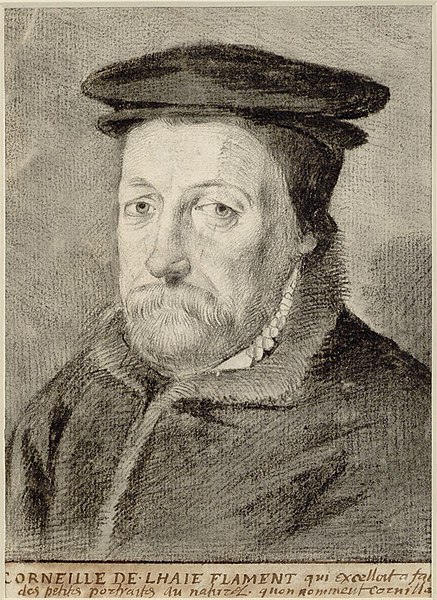
Corneille de Lyon, also Corneille de La Haye, was a Dutch painter who worked most of his life in Lyon. Portraitist, one of the most talented and prolific Renaissance painters.
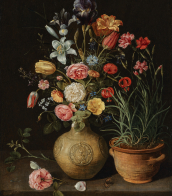
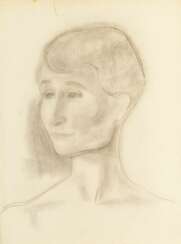

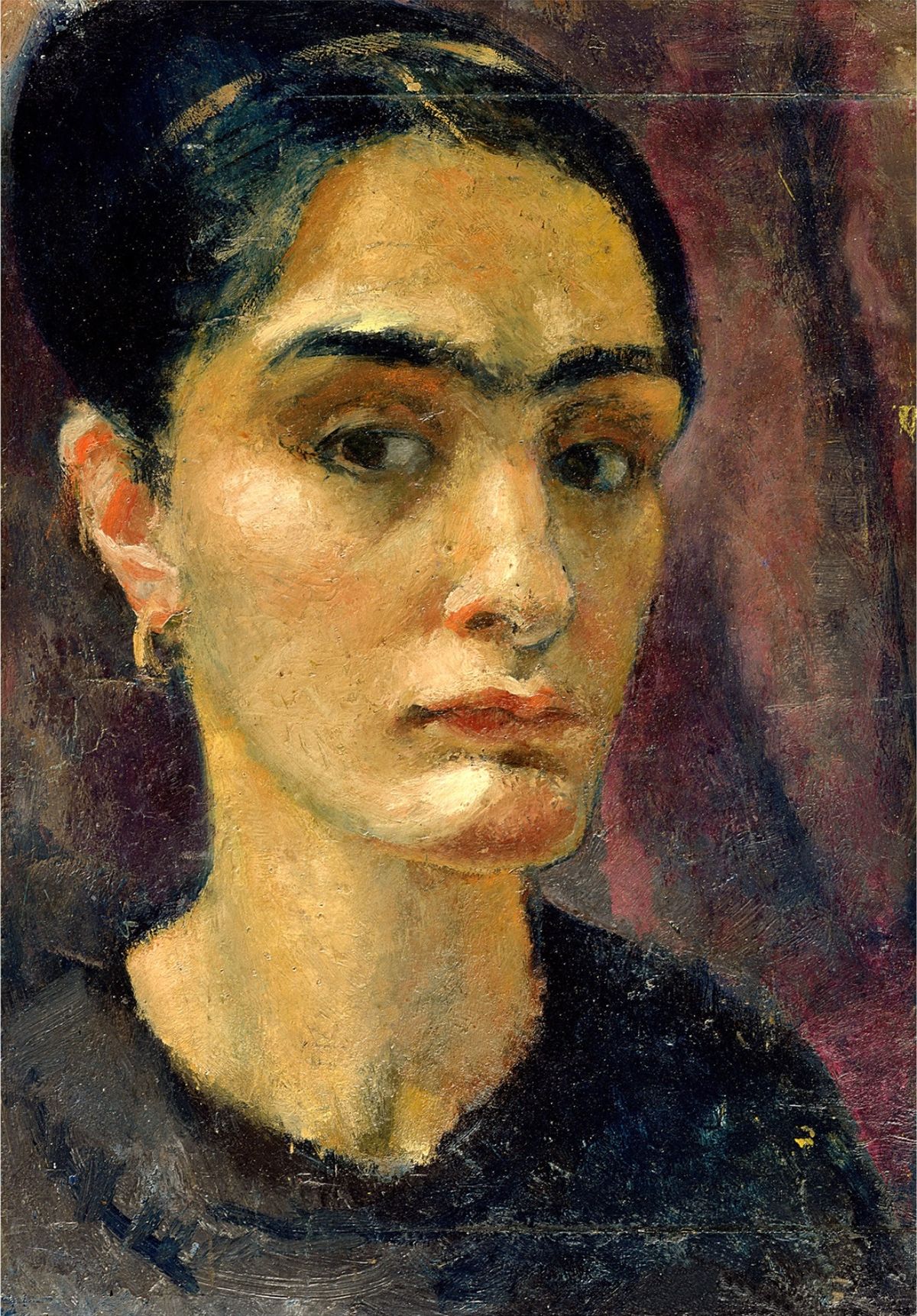
Anita Clara Rée was a German avant-garde painter during the Weimar Republic. She killed herself after the anti-Semitic government declared her work degenerate. Her works were saved by a groundskeeper.
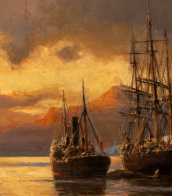


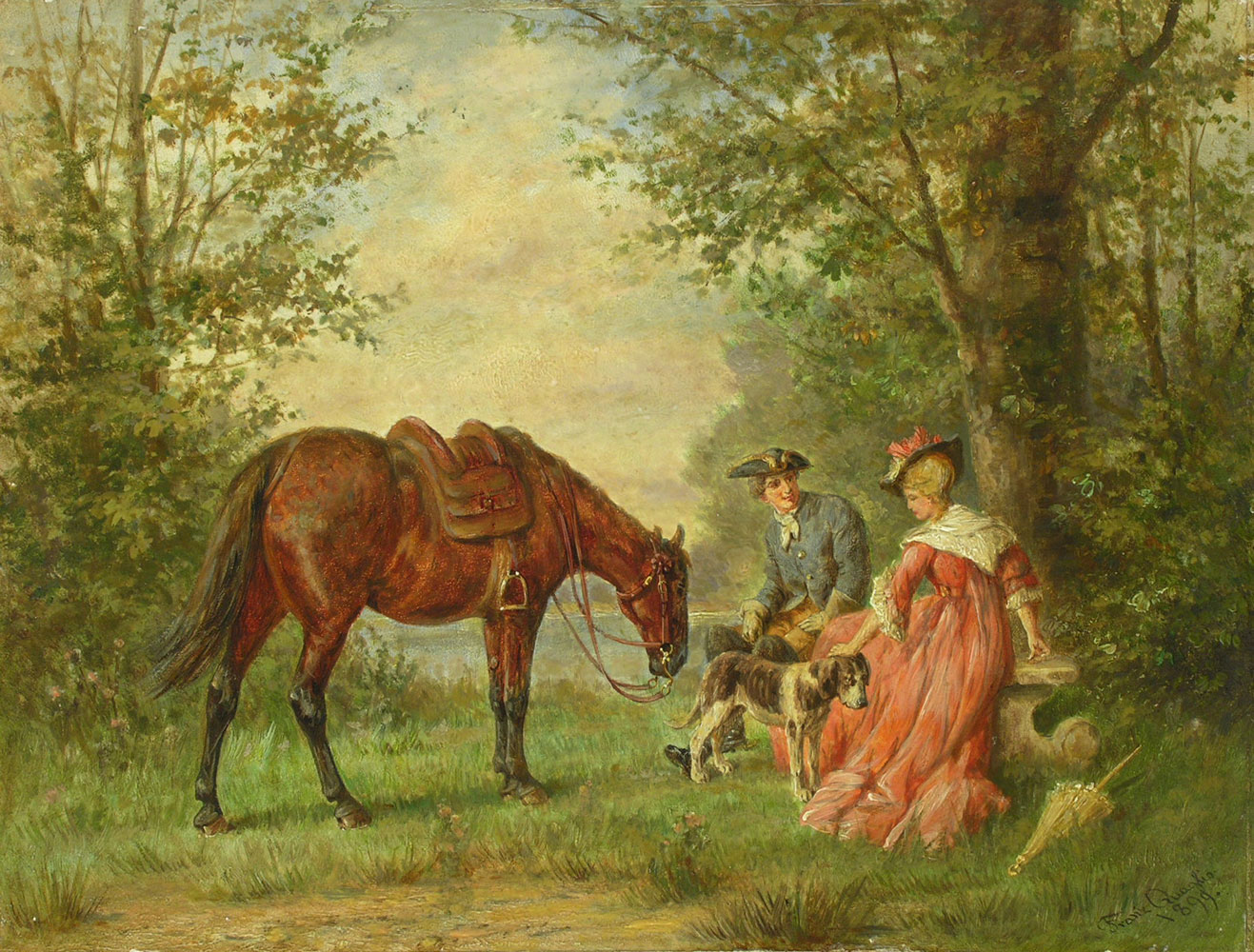
Franz Quaglio was a German painter of the last third of the nineteenth and early twentieth centuries of Italian origin. He is known as a painter, genre painter and animalist, a member of the Quaglio dynasty of artists, son of Simon Quaglio, a famous painter and decorator.
Franz Quaglio exhibited his works at various exhibitions from the early 1860s and is recognized as a master of miniature genre scenes with romantic, oriental and military motifs. He also dabbled in the creation of landscapes. Quaglio was a prolific artist and traveled extensively, visiting Italy, Turkey, Greece, and the Caucasus.
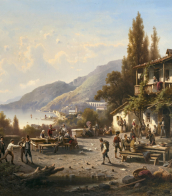
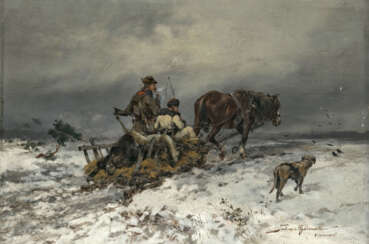

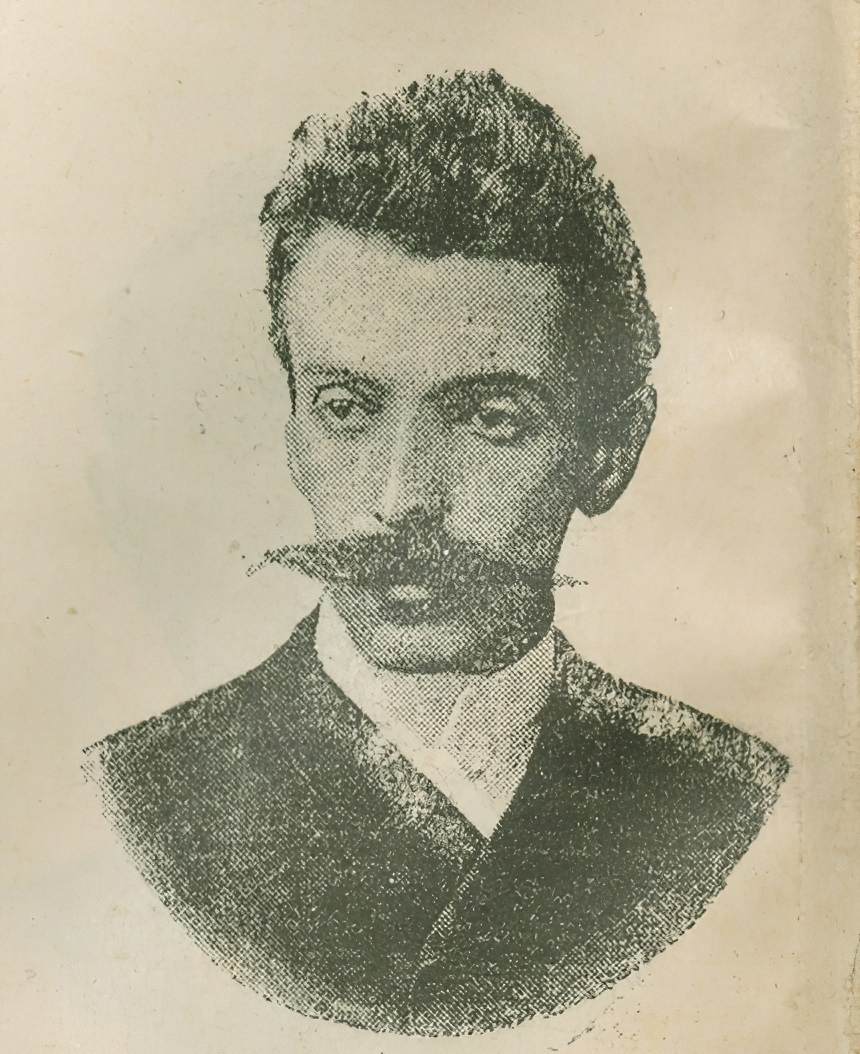
Tadeusz Rybkowski was a Polish artist who worked in the second half of the 19th and early 20th centuries in the Impressionist style. A great master of the genre.
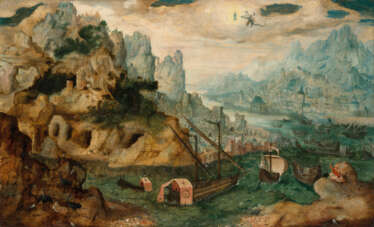

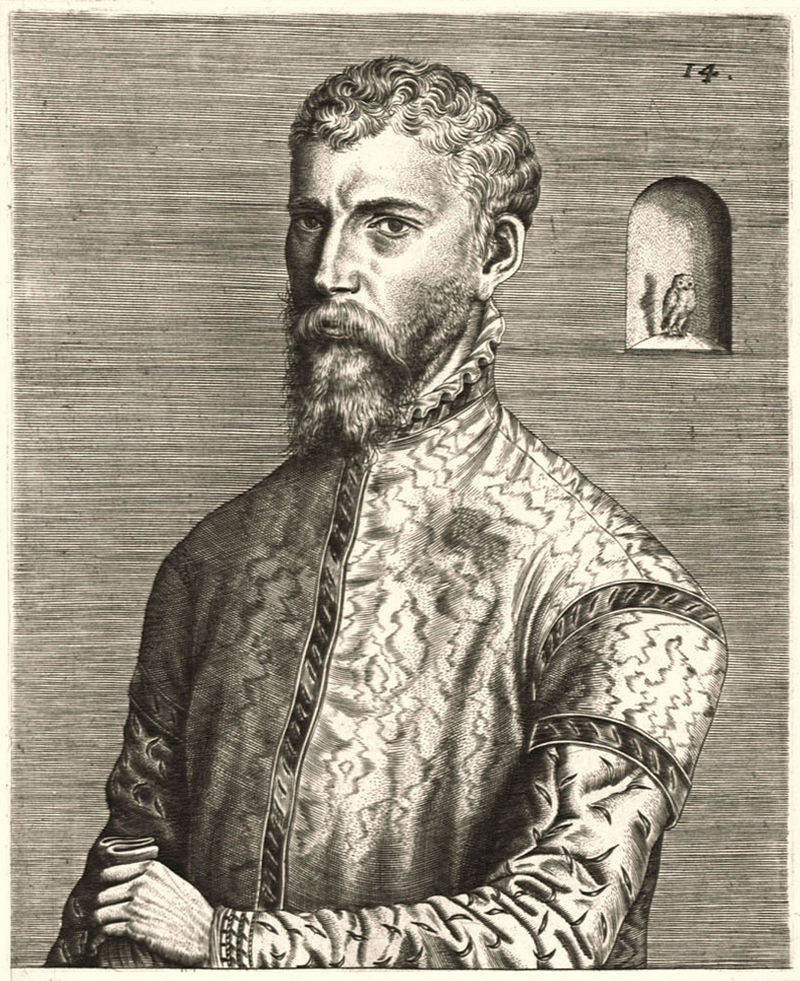
Herri met de Bles is a Flemish artist, along with Joachim Patinir, one of the founders of European landscape painting. He painted mainly landscapes with multi-figured compositions. Like Patinir, his style is characterized by stylized images of rocks and a careful rendering of aerial perspective.
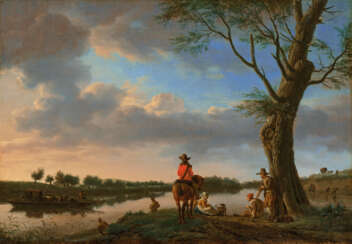

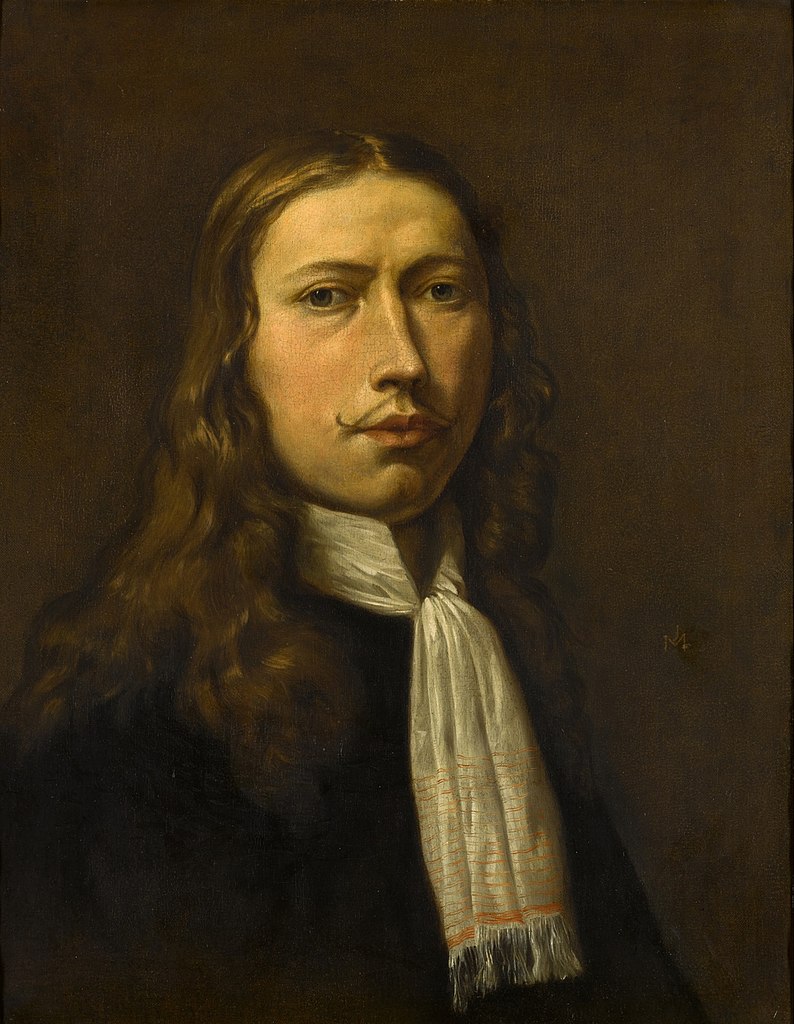
Adriaen van de Velde was a Dutch painter, draughtsman and print artist. His favorite subjects were landscapes with animals and genre scenes. He also painted beaches, dunes, forests, winter scenes, portraits in landscapes, as well as mythological and biblical scenes. He belongs to a group of painters referred to as the Dutch Italianate painters, who combined Dutch agricultural landscapes with mythological or Arcadian scenes in Italian settings. His paintings are characterised by their delicate, careful composition and his mastery of lighting effects as well as the human figure.

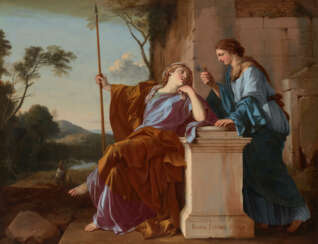

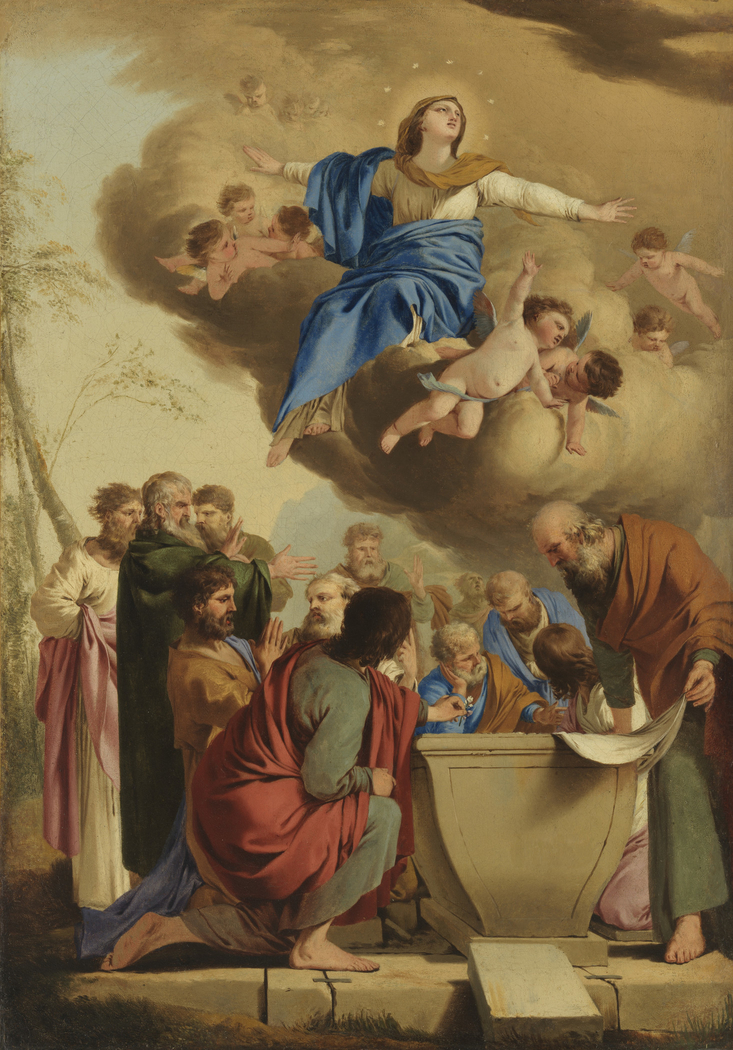
Laurent de La Hyre, a prominent French Baroque painter born in Paris in 1606, is celebrated for his mastery in landscape and allegorical paintings. Throughout his career, La Hyre exhibited a profound influence from the Italian artists who visited Paris, studying under Georges Lallemand and drawing inspiration from Primaticcio at Fontainebleau. Despite never traveling to Italy himself, La Hyre’s work was characterized by a captivating use of color and the delicate composition of figures, marking him as a key figure in the transitional period leading up to the French Baroque era introduced by Simon Vouet.
La Hyre’s paintings are notable for their gravity, simplicity, and dignity, qualities that resonated with the neoclassical style of Parisian Atticism he championed. His early works are particularly recognized for their painterly style and storytelling prowess, often depicting subjects rarely seen in his contemporaries' work. One of his most significant contributions was to the Capuchin friars of the Marais, with the painting of Pope Nicholas V discovering the corpse of St. Francis of Assisi, now housed in the Louvre alongside eight other works by La Hyre. Museums in Strasbourg, Rouen, and Le Mans also boast collections of his work, showcasing his broad appeal and the versatility of his subject matter.
In 1648, La Hyre's status in the art world was further cemented by his role as one of the founding members of the French Royal Academy of Painting and Sculpture, highlighting his influence and prominence in French art history. Despite his fame, La Hyre’s legacy underwent periods of reevaluation, particularly towards the end of the 17th century when his work received less favorable comparisons to contemporaries like Vouet, Champaigne, and Le Sueur. Nonetheless, his impact on the French Baroque movement and his contribution to the Academy underline the significance of his work and his role in the development of French art.
La Hyre's oeuvre spans a wide range of themes, from mythological and biblical scenes to allegories of the liberal arts, demonstrating his versatility and innovative approach to art. Among his notable works are the allegorical representations of the Seven Liberal Arts, designed as a series and showcasing disciplines like Astronomy, Grammar, and Music as personified figures, reflecting the intellectual and cultural values of his time.
Collectors and experts in art and antiques appreciate La Hyre not only for the aesthetic and historical value of his paintings but also for the insights they provide into the cultural and intellectual currents of 17th-century France. His works, preserved in prestigious museums and galleries, continue to be celebrated for their artistic merit and historical significance.
For those keen on exploring the rich tapestry of Baroque art and the contributions of Laurent de La Hyre to this period, signing up for updates on new product sales and auction events related to La Hyre is an invaluable opportunity. This subscription ensures that enthusiasts and collectors are well-informed about the latest discoveries and offerings related to this influential artist, without the intrusion of unrelated content.