le roy &

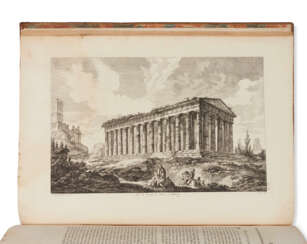

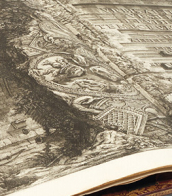
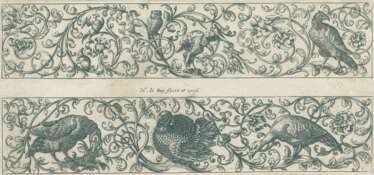














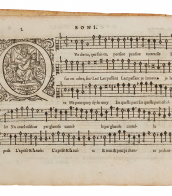
![[RONSARD, Pierre de (1524-1585) & autres] – Nicolas de LA GROTTE (vers 1530- vers 1600). Chansons de P. de Ronsard, Ph. Desportes, et autres. Mises en Musique par N. de la Grotte, valet de chambre, & Organiste ordinaire de Monsieur frere du Roy. P](/assets/image/picture_1320931/7d069/d36ebe040ecbf7d20b74ba7a0debe5de1616454000jpg__fix_374_244.jpeg)
![[RONSARD, Pierre de (1524-1585) & autres] – Nicolas de LA GROTTE (vers 1530- vers 1600). Chansons de P. de Ronsard, Ph. Desportes, et autres. Mises en Musique par N. de la Grotte, valet de chambre, & Organiste ordinaire de Monsieur frere du Roy. P](https://veryimportantlot.com/assets/image/picture_1320931/7d069/d36ebe040ecbf7d20b74ba7a0debe5de1616454000jpg__fix_374_244.jpeg)




William Shakespeare was a British poet and playwright and writer.
William's father, John Shakespeare, was a merchant and official in Stratford. There are reports that he was a sailor for a time before joining a theater company in London. Beginning in the 1590s, Shakespeare began writing plays, and in 1593 he published a poem, Venus and Adonis, which became popular. He dedicated it to the Duke of Southampton, who was a philanthropist and patron of talent, and soon his business was booming.
From 1592 to 1600 Shakespeare wrote his dramas and romantic comedies "Richard III", "The Taming of the Shrew", "Romeo and Juliet", "A Midsummer Night's Dream" and "The Merchant of Venice", as well as the comedies "Much Ado About Nothing", "Twelfth Night" and the tragedy "Julius Caesar". The playwright's business was so successful that he even bought a large house in Stratford. In 1599, Shakespeare became one of the owners, playwright and actor of the new theater "Globe". In 1603 King James took Shakespeare's troupe under his direct patronage. In the mature period, the great playwright turned to tragedies, there were "Hamlet", "Othello", "King Lear", "Macbeth" and others.
Although in the 19th century researchers had some doubts about the authorship of many of these works, William Shakespeare is considered the greatest English playwright, one of the best playwrights in the world. His plays have been translated into all major languages and to this day form the basis of the world theatrical repertoire, most of them have been screened many times. According to the Guinness Book of Records, Shakespeare remains the world's best-selling playwright, and his plays and poems have sold more than 4 billion copies in the nearly 400 years since his death.




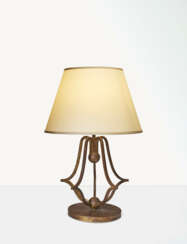

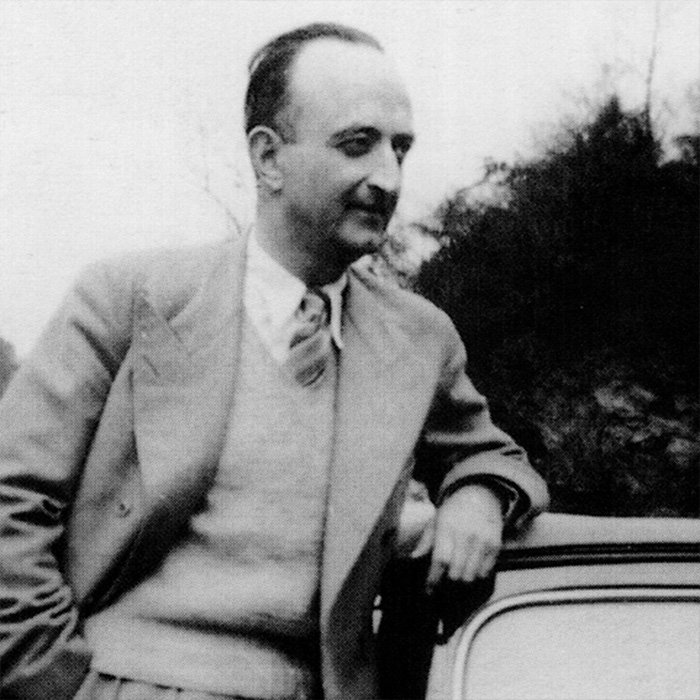
Jean Royère was a French designer.
A key figure of the avant-garde in the 1950s, Royère tackled all kinds of decoration work and opened branches in the Near East and Latin America. Among his patrons were King Farouk, King Hussein of Jordan, and the Shah of Iran, who were captivated by his freedom of creation and his elegance and entrusted him with the layout of their palaces. Royère pioneered an original style combining bright colors, organic forms and precious materials within a wide range of imaginative accomplishments. In 1980, he left France for the United States, where he lived until his death.


Jean Royère was a French designer.
A key figure of the avant-garde in the 1950s, Royère tackled all kinds of decoration work and opened branches in the Near East and Latin America. Among his patrons were King Farouk, King Hussein of Jordan, and the Shah of Iran, who were captivated by his freedom of creation and his elegance and entrusted him with the layout of their palaces. Royère pioneered an original style combining bright colors, organic forms and precious materials within a wide range of imaginative accomplishments. In 1980, he left France for the United States, where he lived until his death.


Jean Royère was a French designer.
A key figure of the avant-garde in the 1950s, Royère tackled all kinds of decoration work and opened branches in the Near East and Latin America. Among his patrons were King Farouk, King Hussein of Jordan, and the Shah of Iran, who were captivated by his freedom of creation and his elegance and entrusted him with the layout of their palaces. Royère pioneered an original style combining bright colors, organic forms and precious materials within a wide range of imaginative accomplishments. In 1980, he left France for the United States, where he lived until his death.


Jean Royère was a French designer.
A key figure of the avant-garde in the 1950s, Royère tackled all kinds of decoration work and opened branches in the Near East and Latin America. Among his patrons were King Farouk, King Hussein of Jordan, and the Shah of Iran, who were captivated by his freedom of creation and his elegance and entrusted him with the layout of their palaces. Royère pioneered an original style combining bright colors, organic forms and precious materials within a wide range of imaginative accomplishments. In 1980, he left France for the United States, where he lived until his death.

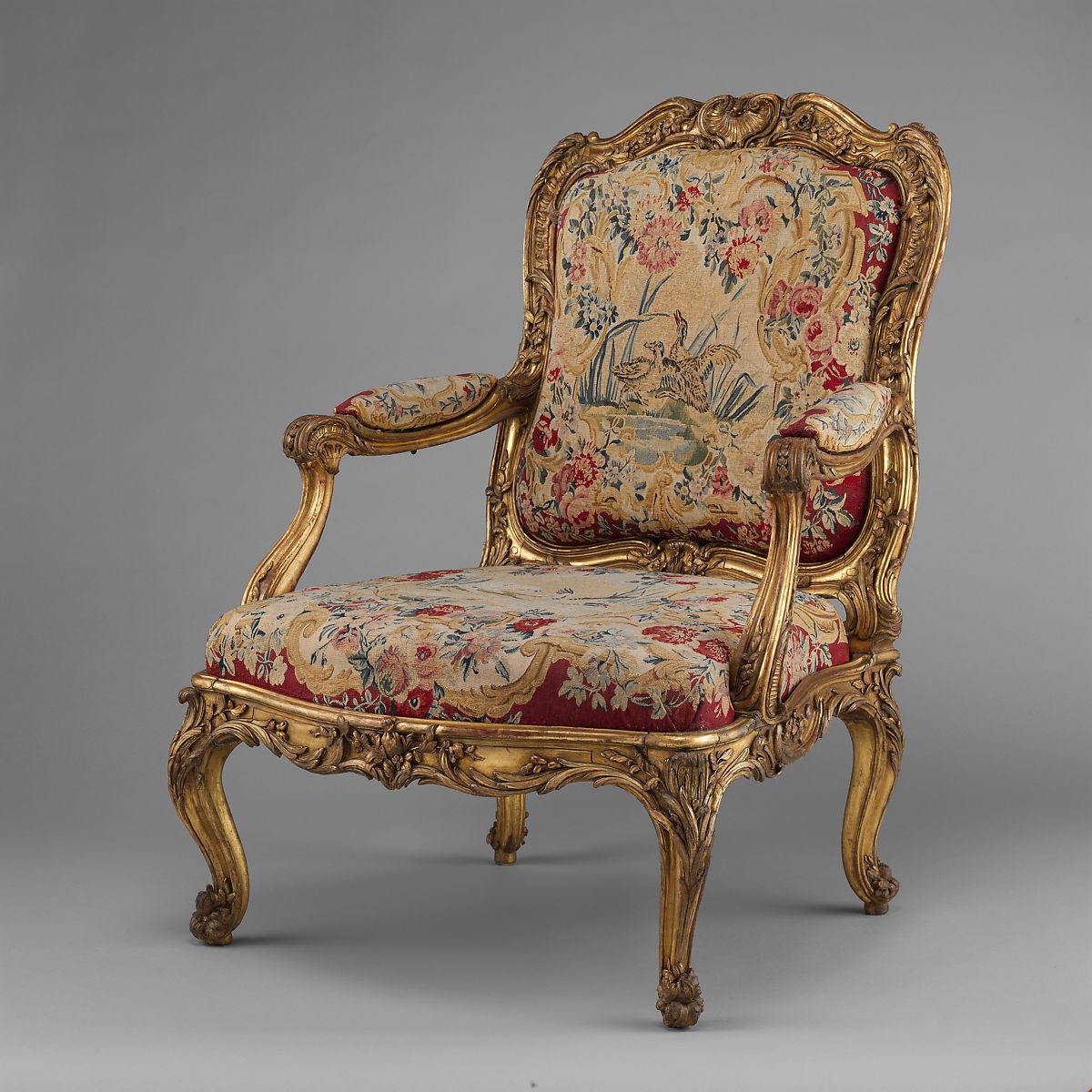
Nicolas-Quinibert Foliot was an 18th century French cabinetmaker. He was the supplier of furniture for the castles of Versailles, Fontainebleau and Compiègne.
All of his works are distinguished by luxury. The lines are balanced and elegant, the carvings are numerous and executed subtly and tastefully.


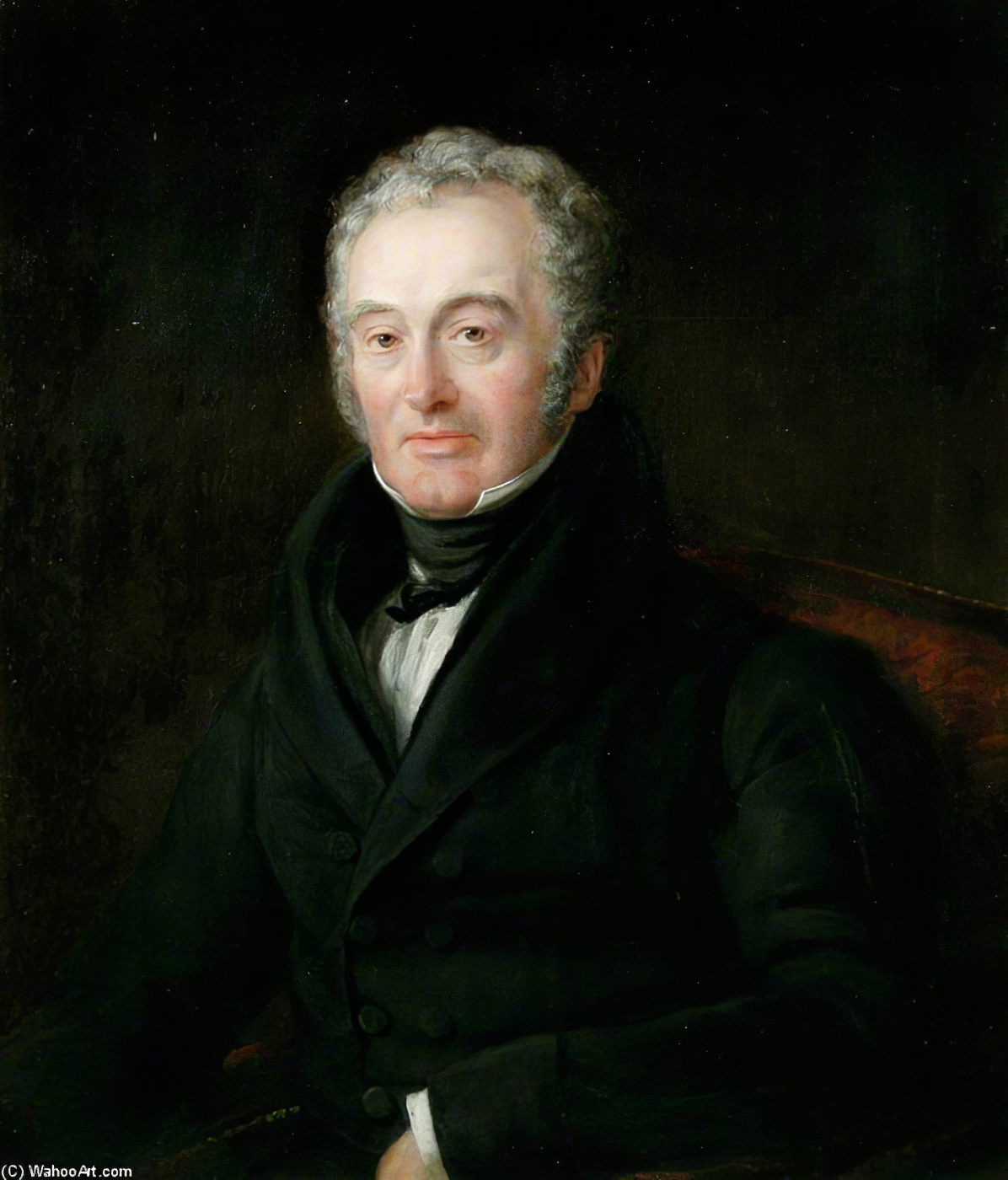

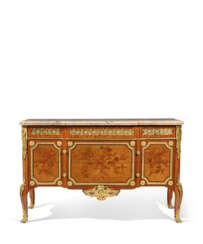

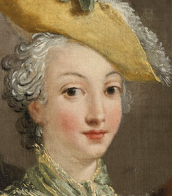


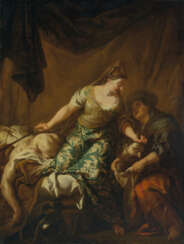

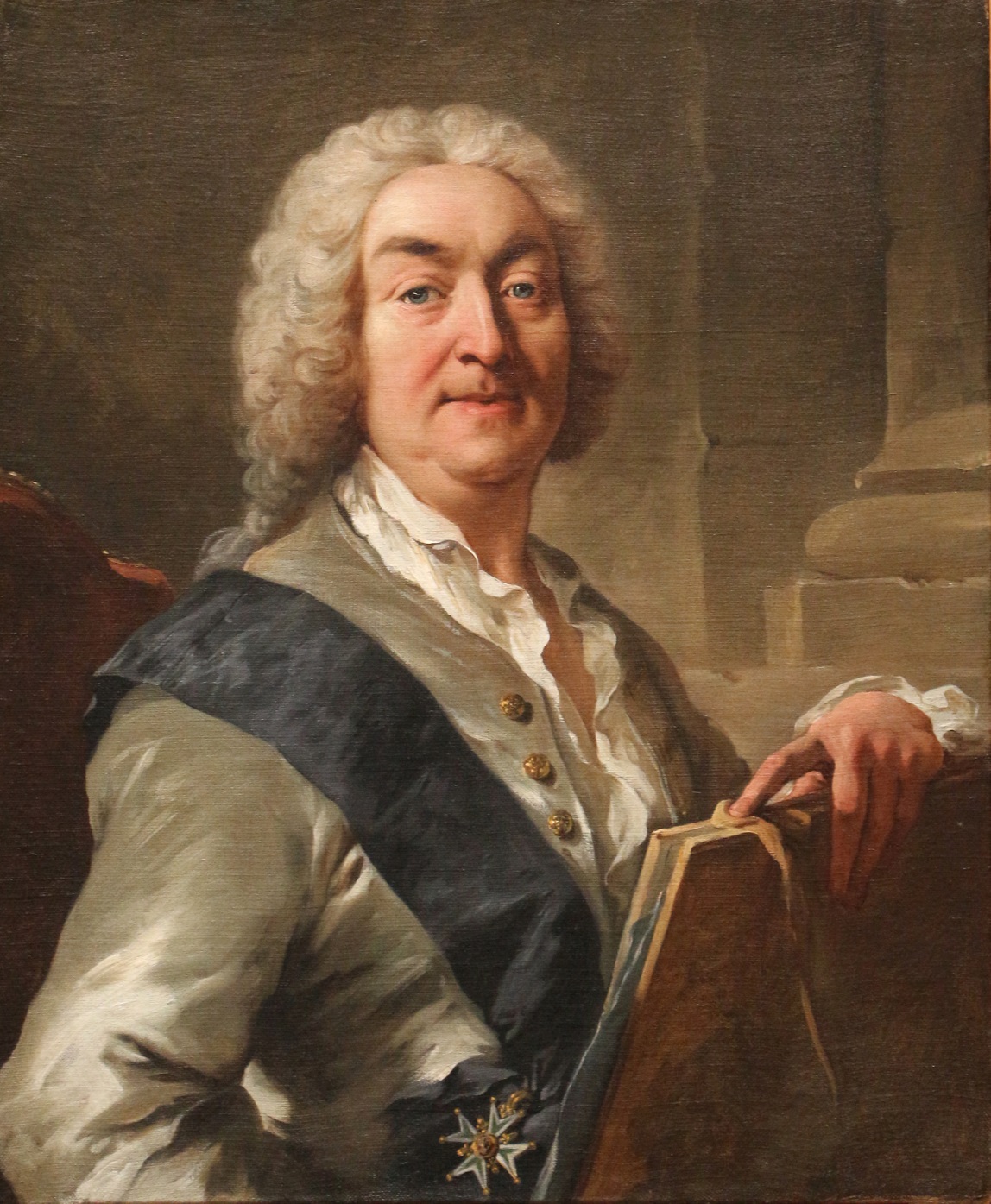
Jean-François de Troy was a French Rococo easel and fresco painter, draughtsman and tapestry designer. One of France's leading history painters in his time, he was equally successful with his decorative paintings, genre scenes and portraits. He was the inventor of the tableaux de modes ('paintings of fashions'), which attempted to provide a spirited portrayal of contemporary fashions, pastimes and manners.
He was the Director of the French Academy in Rome from 1738.




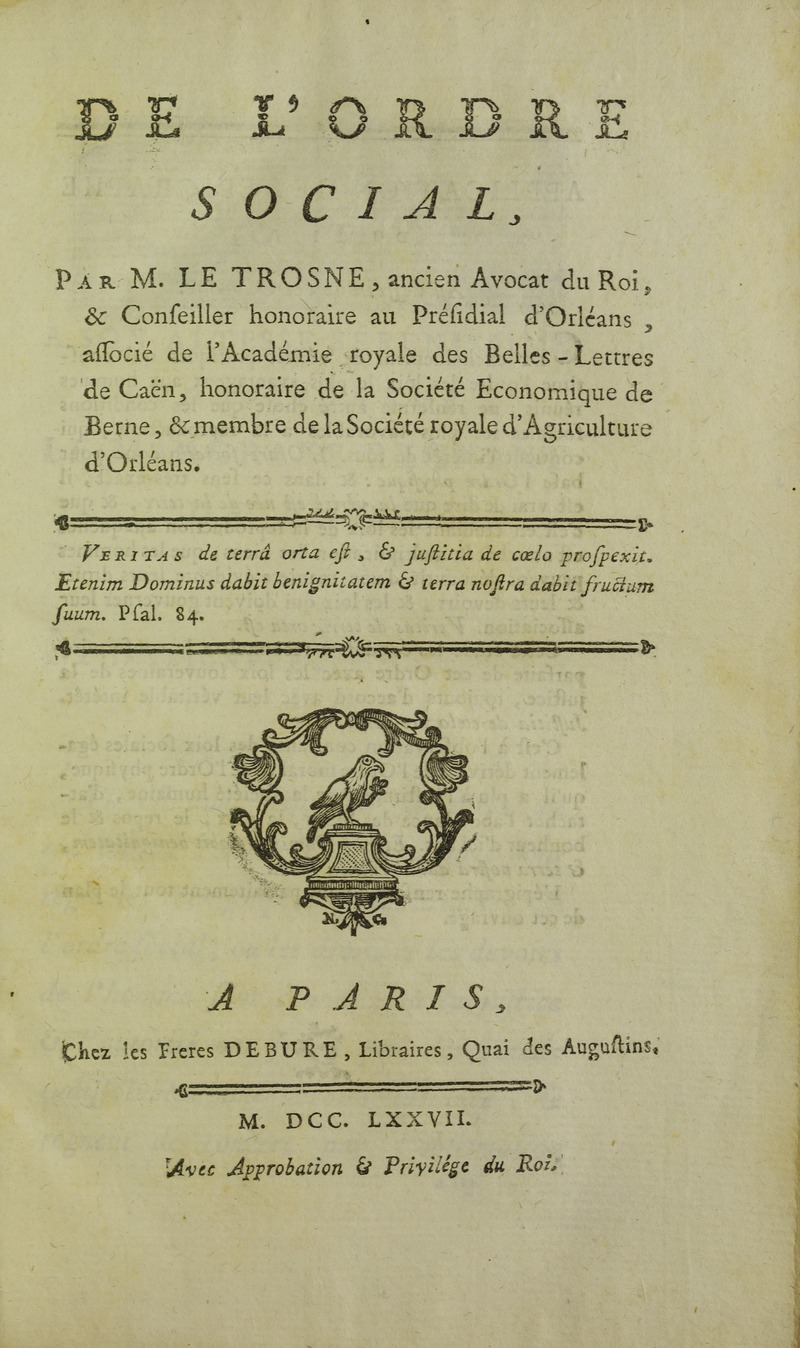
![[PHYSIOCRATES - LE TROSNE, Guillaume-François (1728-1780)]](/assets/image/picture_4259605/fda92/zyfhee33a6cobbrcjmnu-qjr6wmu-ikj94fi4gecx1ljy8-se46vglijclkxojfp1729410014jpg__fix_374_244.jpeg)
![[PHYSIOCRATES - LE TROSNE, Guillaume-François (1728-1780)]](https://veryimportantlot.com/assets/image/picture_4259605/fda92/zyfhee33a6cobbrcjmnu-qjr6wmu-ikj94fi4gecx1ljy8-se46vglijclkxojfp1729410014jpg__fix_374_244.jpeg)


.jpg)
Jean Elysée Puiforcat was a French silversmith, sculptor and designer. Miller's Antiques Encyclopedia calls Puiforcat the «most important French Art Deco silversmith».
Jean Royère was a French designer.
A key figure of the avant-garde in the 1950s, Royère tackled all kinds of decoration work and opened branches in the Near East and Latin America. Among his patrons were King Farouk, King Hussein of Jordan, and the Shah of Iran, who were captivated by his freedom of creation and his elegance and entrusted him with the layout of their palaces. Royère pioneered an original style combining bright colors, organic forms and precious materials within a wide range of imaginative accomplishments. In 1980, he left France for the United States, where he lived until his death.