los 173

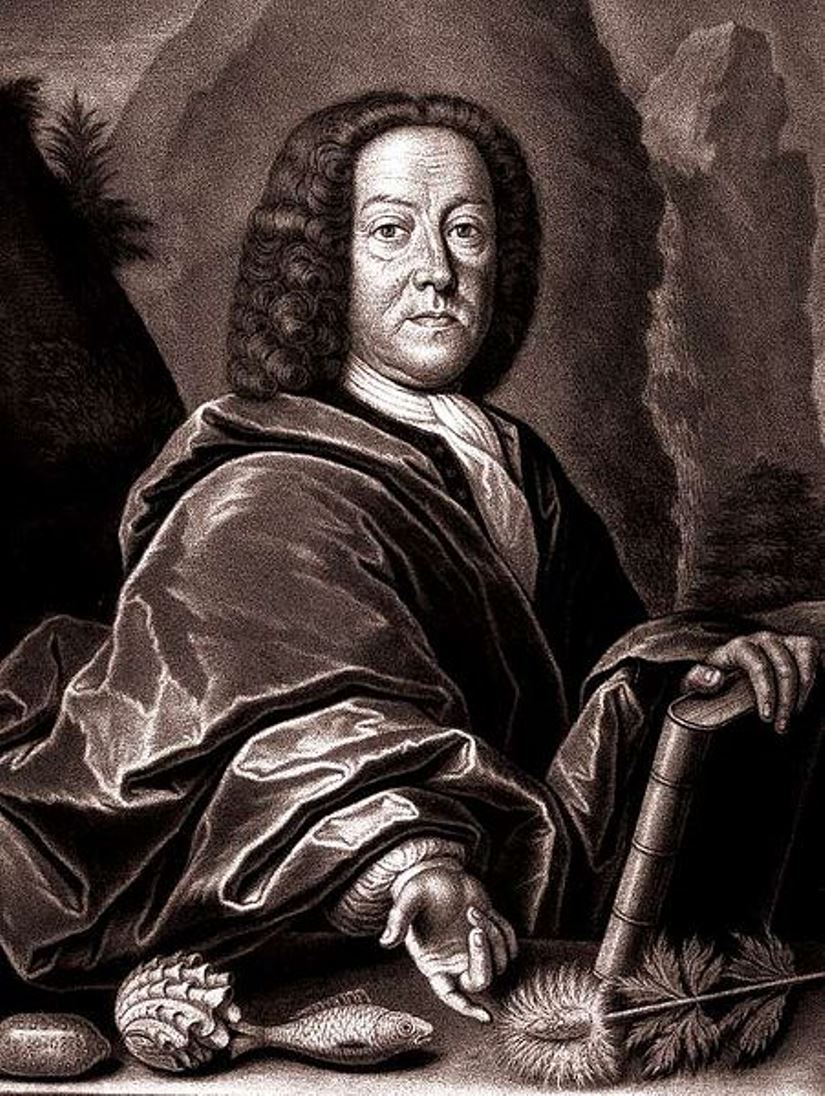
Johann Jakob Scheuchzer was a Swiss naturalist and geologist, paleontologist and fossil collector.
Scheuchzer studied at the University of Altdorf near Nuremberg, earned a doctorate in medicine at Utrecht University, and studied astronomy. He worked as a teacher, physician, and corresponded extensively with many scientists, writing several papers, including those on Swiss research, weather, geology, and fossils. Scheuchzer collected fossils during his extensive travels. And, as a proponent of diluvialism, he believed that all fossils and layers of the earth were formed by the Flood.
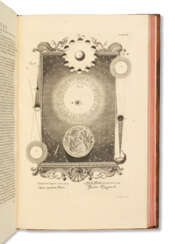
Between 1731 and 1735, Scheuchzer published a massive four-volume work called Physica Sacra, which is essentially a commentary on the Bible. It presented the facts of natural history along with passages of scripture. Thus Physcia Sacra attempted to reconcile the Bible with science.
This book is also called the "Copper Bible" because it contains over 750 magnificent color engravings on copper plates. These engravings are in themselves the pinnacle of engraving from the Baroque period. The illustrations depict scenes with biblical and scientific motifs. They were based on his own cabinet of natural history and other famous European cabinets of rare specimens. The engravings were produced by highly skilled engravers, including Georg Daniel Heumann and Johann August Corwin.
During his lifetime, Johann Jakob Scheuchzer wrote 34 scientific papers and many articles, and he was a member of the Royal Society.


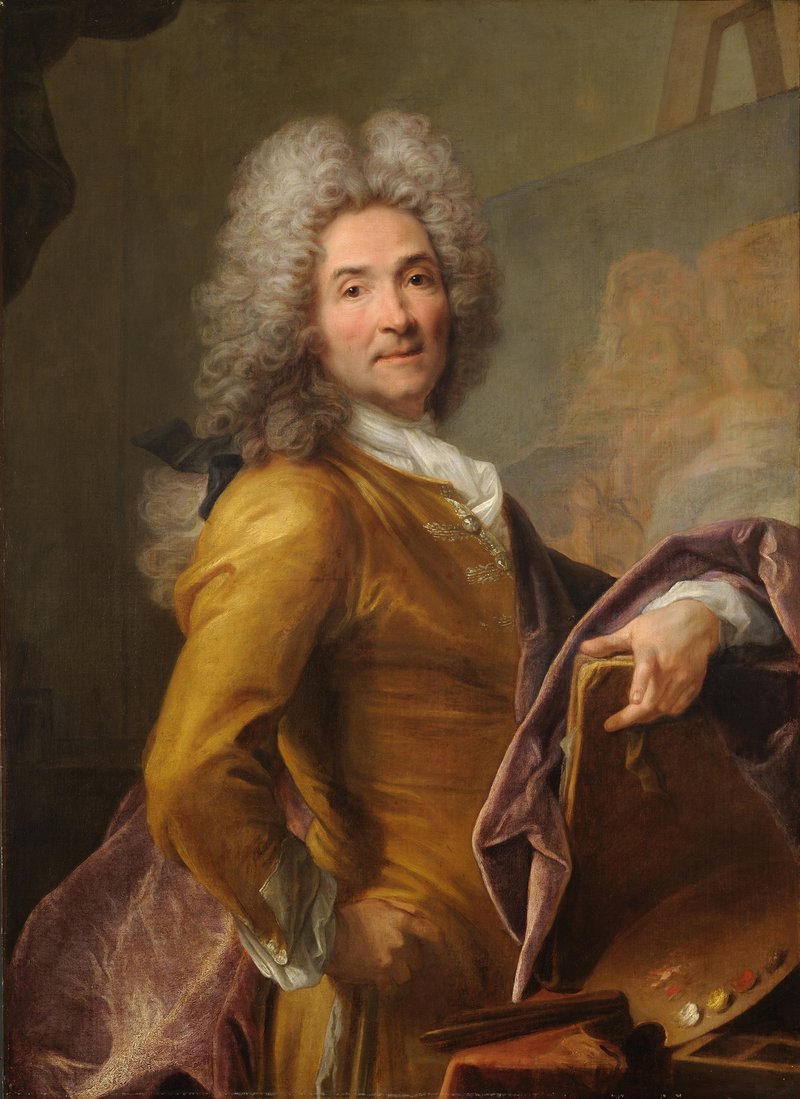
Joseph Vivien was a French painter from Lyon.
He left Lyon for Paris at the age of twenty and found employment in the large atelier of Charles Le Brun, the equivalent of an academy. He made his reputation with his portraits in pastels, to which he gave a sparkle and immediacy previously unreached in that medium.
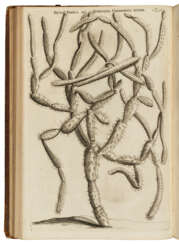

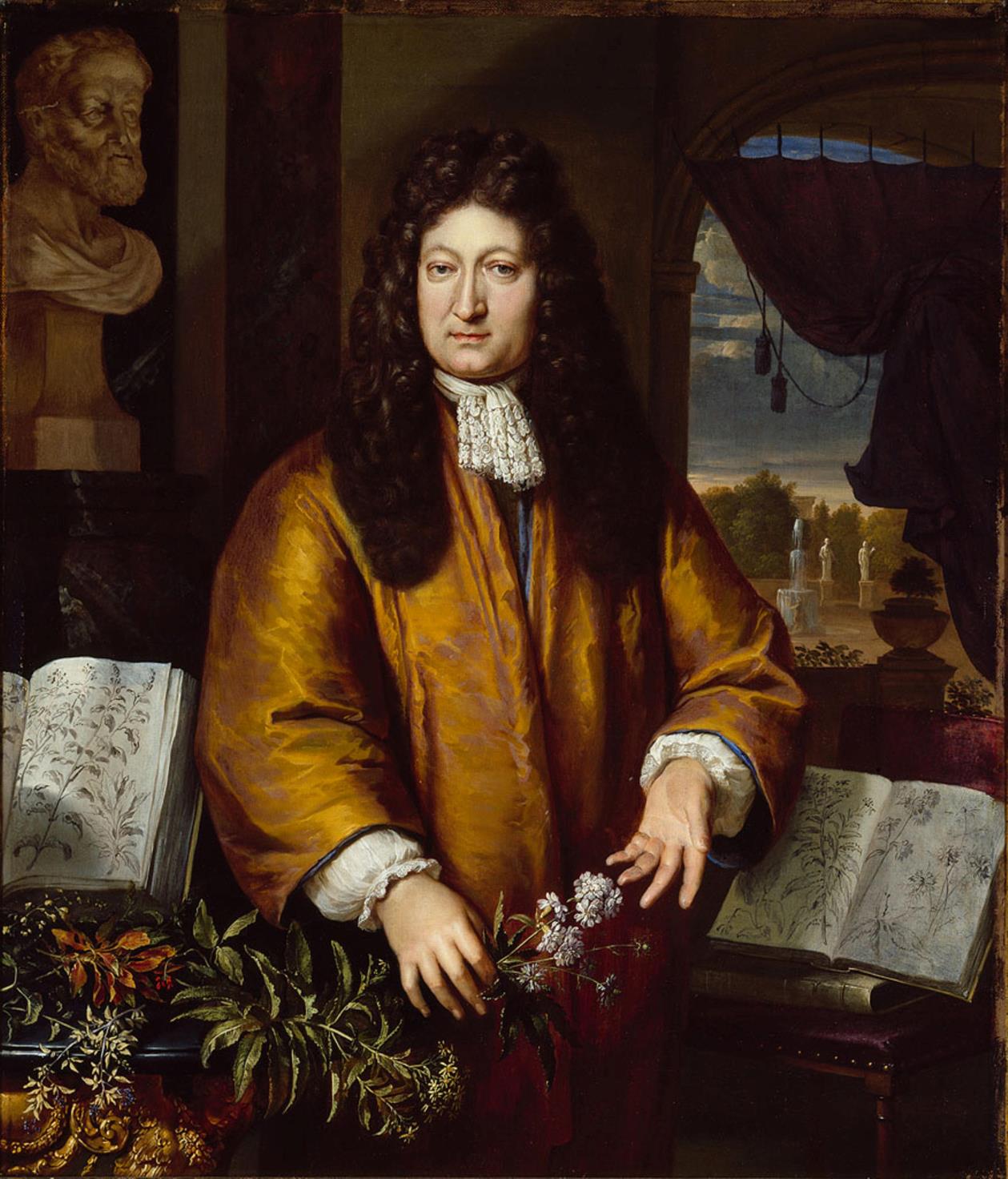
Jan Commelin (Dutch: Jan Commelin or Jan Commelijn), also Johannes Commelin, was a Dutch botanist.
Jan Commelin is the son of the historian Isaac Commelin. He was a professor of botany and director of the Amsterdam Botanical Gardens. Jan Commelin wrote many scientific works on botany, notably compiling the first volume of descriptions of East and West Indian plants. The second volume was written by Jan's nephew, the botanist Caspar Kommelin, who expanded the earlier descriptions and added notes on African plants.
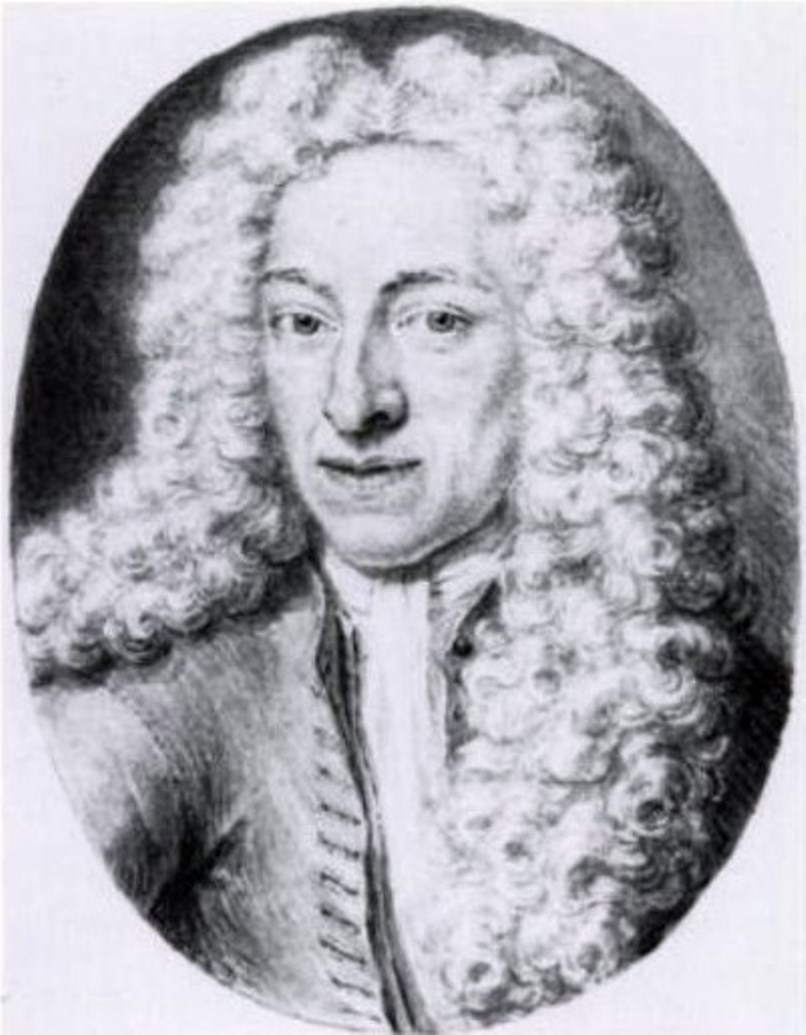
Caspar Commelin was a Dutch botanist and mycologist.
Caspar Commelin was trained as a medical doctor, practiced botanical science and worked on books that were left unfinished due to the death of his uncle, botanist Jan Commelin. Caspar was mainly interested in exotic plants.
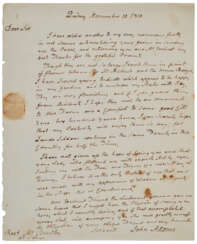

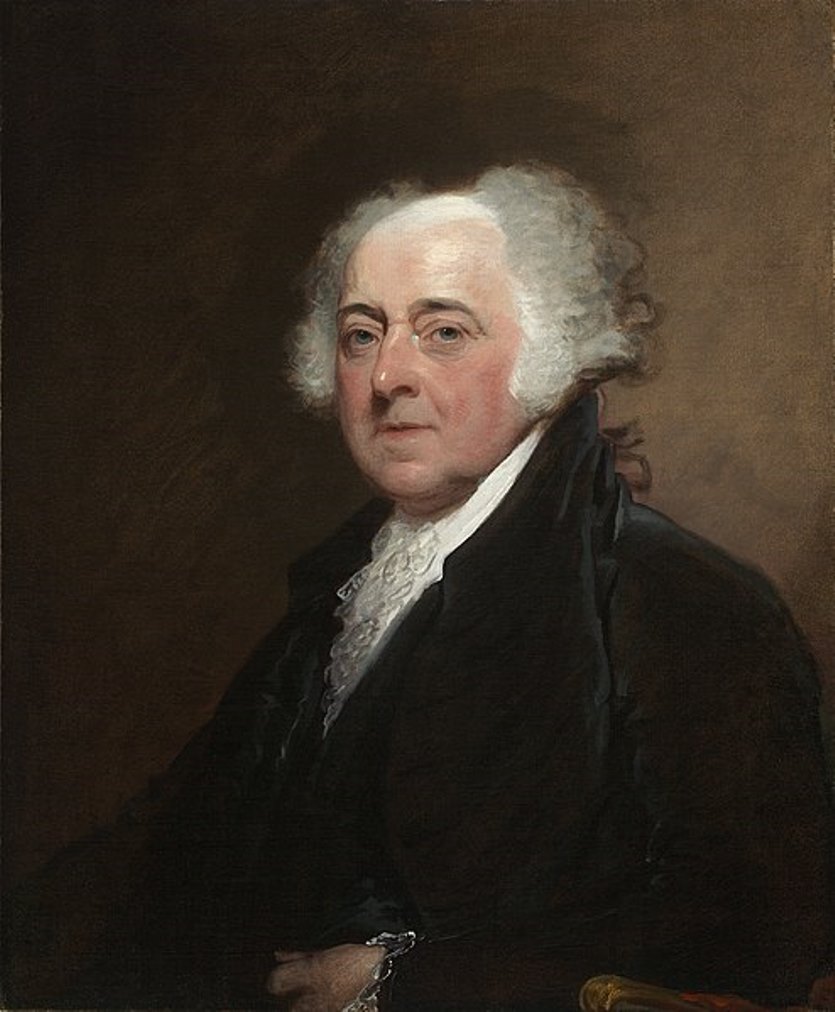
John Adams was an American statesman and politician and the second President of the United States (1797-1801).
The Adamses were among the first Puritan settlers in New England, and John's father was a farmer and shoemaker. John Adams graduated from Harvard College, taught grammar school in Worcester, Massachusetts, and then practiced law in Boston. In 1764, Adams married Abigail Smith, a minister's daughter, who became his confidante and lifelong political partner.
In 1765, Adams wrote "A Dissertation on Canon Law and Feudal Law," where he justified his opposition to British interference in the colonies. In the summer of 1774, Adams was elected to the Massachusetts delegation to the First Continental Congress, in which he became a major figure. He wrote Thoughts on Government as a basic guide to drafting new state constitutions. In July 1776, John Adams drafted the Plan of Treaties, which became the basis for the treaty with France and set the strategic priorities that would shape American foreign policy over the next century.
He was elected to the post of head of the War Council, in 1780 he became the author of the Massachusetts Constitution, which became a model for other states, in 1783 he signed the Treaty of Paris. From 1785 to 1788 John Adams served as the first American ambassador to Great Britain and proved himself worthy in this difficult situation, being the official embodiment of American independence from the British Empire. He studied European history extensively and the result was his three-volume book entitled A Defense of the Constitution of the Government of the United States of America (1787).
In 1789 Adams became the country's first vice president (Washington was the first president of the United States), and in 1797 he was elected the second president of the United States. However, his reign was not the best in the history of the new country. Deteriorating relations with France led to an undeclared naval war between the former allies. In 1798, Adams signed the controversial Alien and Sedition Acts, which restricted free speech rights. They met widespread opposition across the country. Adams resisted opposition demands for all-out war with France, but lost the 1800 election to Thomas Jefferson.
John Adams retired from politics and settled in his hometown of Quincy. He became the founder of an entire dynasty of politicians and died on July 4, 1826 (the 50th anniversary of the Declaration of Independence), living to see his eldest son John Quincy elected as the sixth president.


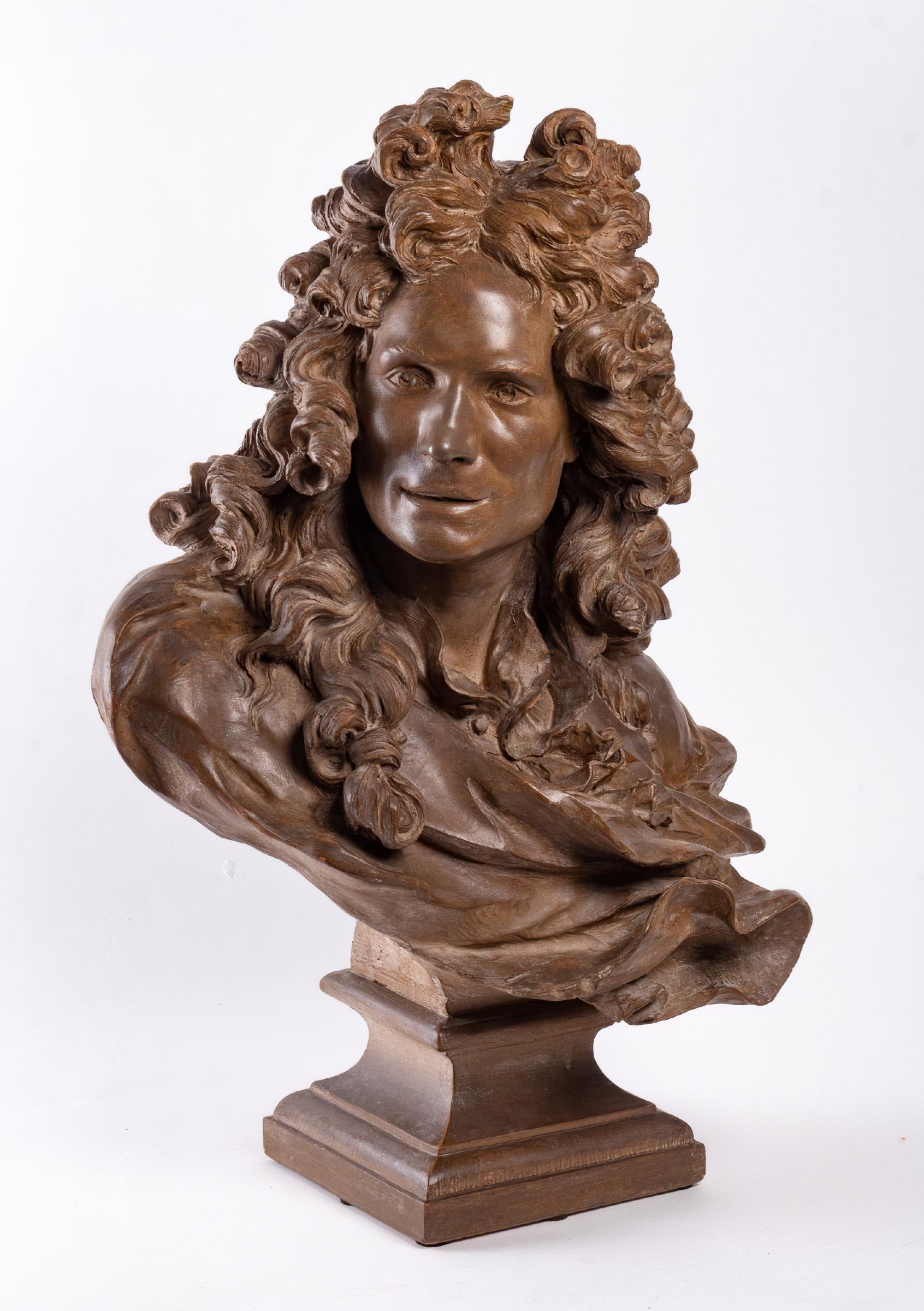





Jan Commelin (Dutch: Jan Commelin or Jan Commelijn), also Johannes Commelin, was a Dutch botanist.
Jan Commelin is the son of the historian Isaac Commelin. He was a professor of botany and director of the Amsterdam Botanical Gardens. Jan Commelin wrote many scientific works on botany, notably compiling the first volume of descriptions of East and West Indian plants. The second volume was written by Jan's nephew, the botanist Caspar Kommelin, who expanded the earlier descriptions and added notes on African plants.
Caspar Commelin was a Dutch botanist and mycologist.
Caspar Commelin was trained as a medical doctor, practiced botanical science and worked on books that were left unfinished due to the death of his uncle, botanist Jan Commelin. Caspar was mainly interested in exotic plants.
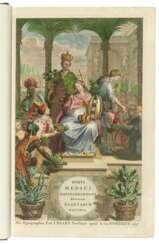

Jan Commelin (Dutch: Jan Commelin or Jan Commelijn), also Johannes Commelin, was a Dutch botanist.
Jan Commelin is the son of the historian Isaac Commelin. He was a professor of botany and director of the Amsterdam Botanical Gardens. Jan Commelin wrote many scientific works on botany, notably compiling the first volume of descriptions of East and West Indian plants. The second volume was written by Jan's nephew, the botanist Caspar Kommelin, who expanded the earlier descriptions and added notes on African plants.
Caspar Commelin was a Dutch botanist and mycologist.
Caspar Commelin was trained as a medical doctor, practiced botanical science and worked on books that were left unfinished due to the death of his uncle, botanist Jan Commelin. Caspar was mainly interested in exotic plants.


.jpg)
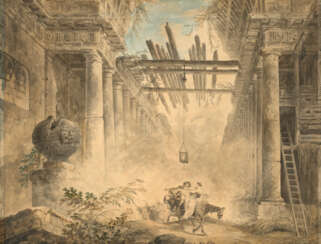
Hubert Robert was a renowned French artist, celebrated for his captivating landscape paintings and architectural fantasies. Born in Paris in 1733, Robert's talent was nurtured early on, thanks to the patronage of the Choiseul family. His journey to Rome in 1754 marked a pivotal phase in his career, where he immersed himself in studying ancient and modern Italian architecture, significantly influencing his artistic style.
Hubert Robert's work is characterized by its romantic depiction of ruins, blending fantasy with historical accuracy, which earned him the nickname "Robert des Ruines." His landscapes and capricci, which are imaginative compositions of architectural elements, resonated with the art collectors and the aristocracy of his time, securing his place as a key figure in French art history.
Noteworthy are Hubert Robert's contributions to the design of picturesque gardens, where he provided atmospheric visions rather than practical layouts. His involvement in the creation of gardens at places like Ermenonville and Méréville showcases his ability to merge art with nature, creating spaces that were both innovative and inspirational.
His artworks, such as "The Port of Rome" and "The Old Bridge," are treasured in prestigious galleries worldwide, reflecting his enduring legacy in the realm of art and culture. For art collectors and experts, Hubert Robert's oeuvre offers a window into the 18th-century artistic landscape, where imagination and historical elements coalesce to form compelling visual narratives.
For updates on exhibitions and auction events related to Hubert Robert's works, sign up to stay informed about new discoveries and opportunities to appreciate the artistry of this exceptional French painter.
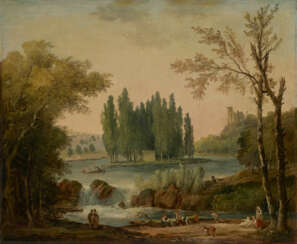

Hubert Robert was a renowned French artist, celebrated for his captivating landscape paintings and architectural fantasies. Born in Paris in 1733, Robert's talent was nurtured early on, thanks to the patronage of the Choiseul family. His journey to Rome in 1754 marked a pivotal phase in his career, where he immersed himself in studying ancient and modern Italian architecture, significantly influencing his artistic style.
Hubert Robert's work is characterized by its romantic depiction of ruins, blending fantasy with historical accuracy, which earned him the nickname "Robert des Ruines." His landscapes and capricci, which are imaginative compositions of architectural elements, resonated with the art collectors and the aristocracy of his time, securing his place as a key figure in French art history.
Noteworthy are Hubert Robert's contributions to the design of picturesque gardens, where he provided atmospheric visions rather than practical layouts. His involvement in the creation of gardens at places like Ermenonville and Méréville showcases his ability to merge art with nature, creating spaces that were both innovative and inspirational.
His artworks, such as "The Port of Rome" and "The Old Bridge," are treasured in prestigious galleries worldwide, reflecting his enduring legacy in the realm of art and culture. For art collectors and experts, Hubert Robert's oeuvre offers a window into the 18th-century artistic landscape, where imagination and historical elements coalesce to form compelling visual narratives.
For updates on exhibitions and auction events related to Hubert Robert's works, sign up to stay informed about new discoveries and opportunities to appreciate the artistry of this exceptional French painter.


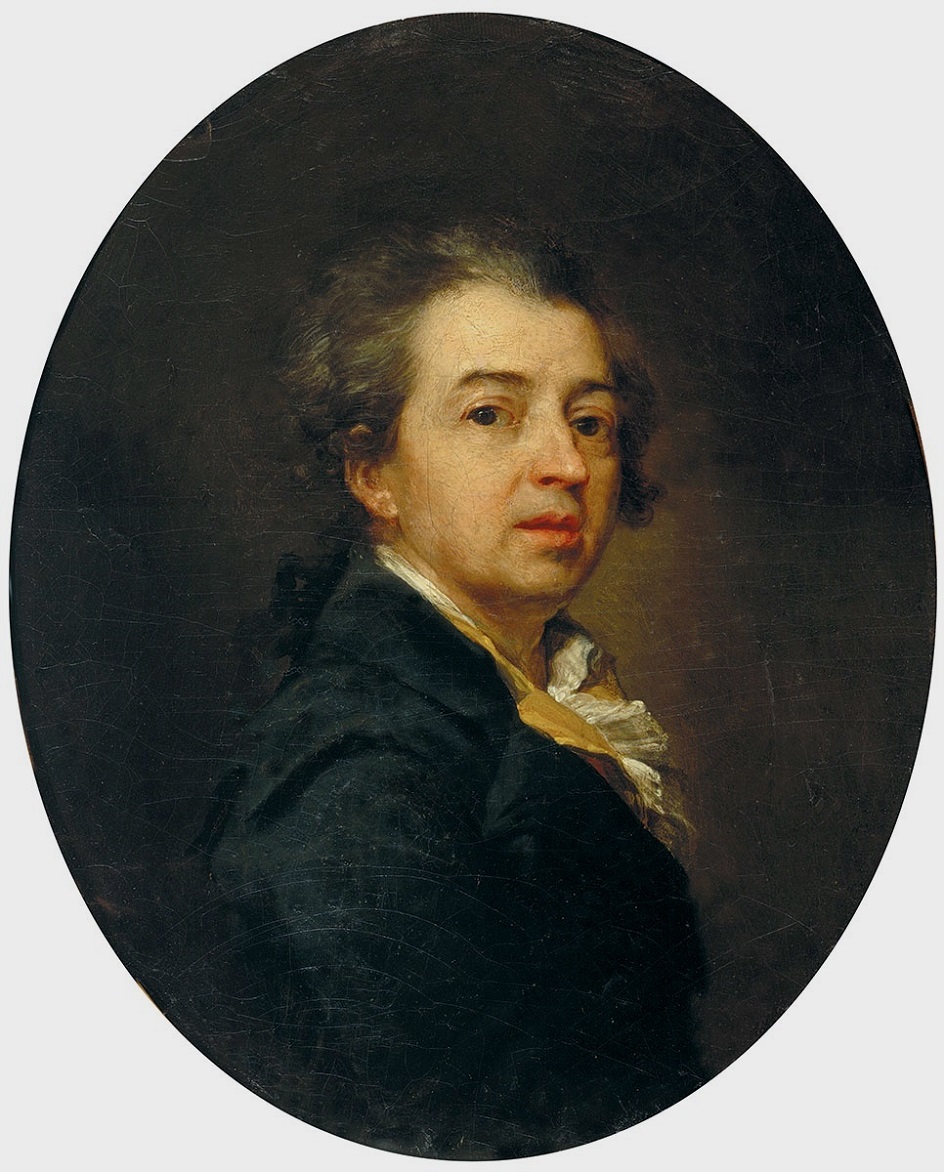
Dmitry Grigoryevich Levitzky (Russian: Дмитрий Григорьевич Левицкий) was an acclaimed Ukrainian-Russian portrait painter and academician born in May 1735, renowned for his exceptional contributions to the art of the 18th century. Originating from a family deeply rooted in the Ukrainian noble-priestly class, Levitzky's early exposure to art came from his father, Grigory Kirillovich Levitsky, a priest and an enthusiast in painting and engraving. This familial influence laid the foundation for Levitzky's artistic journey, which began in earnest when he assisted the prominent painter Alexey Antropov in Kiev, leading to his eventual move to Saint Petersburg.
Levitzky's rise to fame was marked by his unique ability to capture the essence of his subjects, combining exceptional technique with a fresh approach to portrait painting. His most notable works include portraits of significant figures from the Russian elite, such as Catherine II as the Legislatress in the Temple of the Goddess of Justice and portraits of the Smolny Institute's young ladies. Despite the grandeur and recognition that these works brought him, Levitzky faced financial struggles, spending his final years in poverty, a testament to the often-precarious nature of artistic acclaim.
His legacy, which had waned by the 19th century, was revitalized in the 20th century by art historian Alexander Benois, who positioned Levitzky among the pantheon of European Enlightenment artists. Levitzky's work is celebrated for its technical mastery and unique contribution to Russian and European portraiture, leaving an indelible mark on the artistic landscape of his time.
For collectors and experts in art and antiques, Levitzky's paintings are not just artistic achievements but also historical narratives captured in oil, reflecting the complex socio-cultural dynamics of 18th-century Russia. His portraits, housed in prestigious museums and galleries worldwide, continue to be studied and admired for their elegance, detail, and historical significance.
To stay updated on new findings and auction events related to Dmitry Grigoryevich Levitzky's works, sign up for updates. This subscription will ensure you're informed about sales and auctions where you can acquire pieces by this master portraitist, offering a unique opportunity to own a piece of art history.
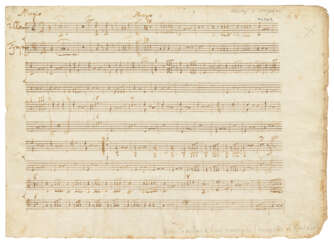

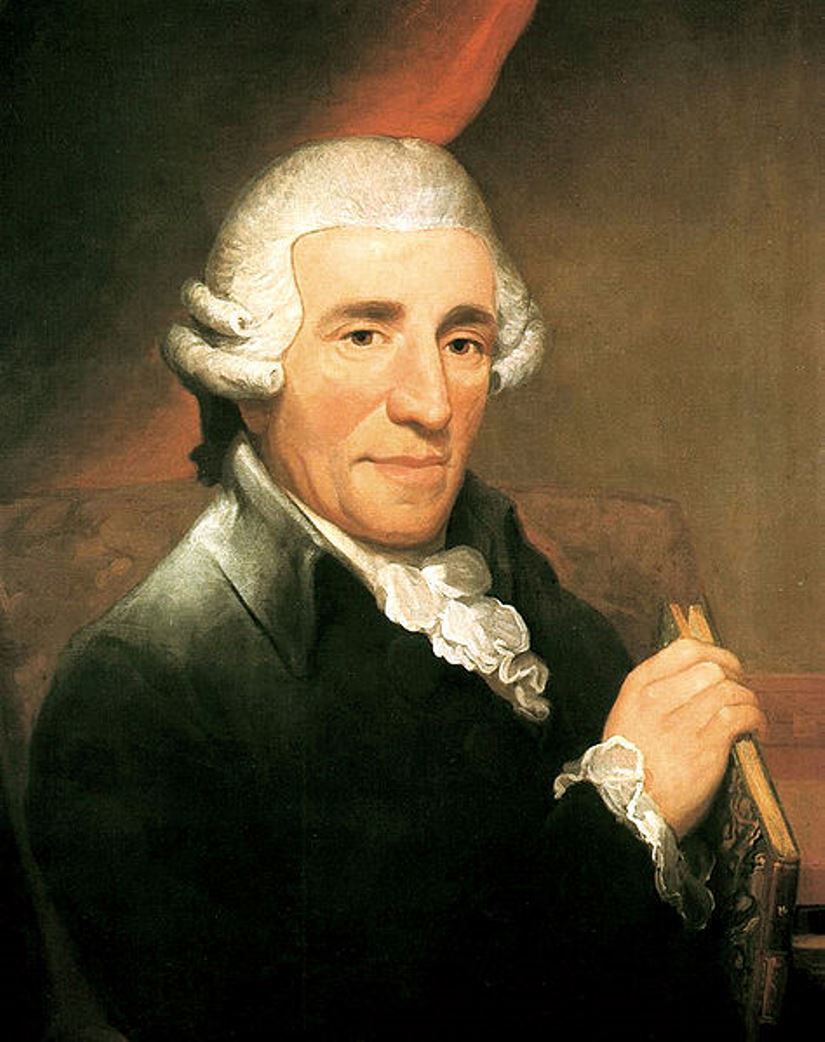
Franz Joseph Haydn was an Austrian composer of the classical school, who created the string quartet and symphony forms.
Haydn discovered unusual musical abilities very early, but the poverty of his family did not favor the development of his talents. He was a singer, interrupted earnings and engaged in musical self-education. Fate led young Haydn to Prince Pal Antal Esterhazy, whose wealthy and influential family of the Austrian Empire maintained his own orchestra. In 1766, Haydn became music director at the Esterhazy court and remained in that service for the rest of his life. In addition to his operas for the court, Haydn composed symphonies, string quartets and other chamber music. On one of his visits to Vienna, Haydn met Wolfgang Mozart, and their interactions brought many benefits to both great composers and musicians.
In the 1760s, Haydn's fame began to spread throughout Europe. In 1792, he met the young Ludwig van Beethoven and foreshadowed his greatest fame as a composer.
Haydn was an extremely prolific composer. He created 108 symphonies, many quartets, oratorios, sonatas, concertos, etc. As a true representative of the Enlightenment, Haydn was the most famous composer in Europe in the 18th century.

![[MARCHAND, Etienne (1755-1793)] and FLEURIEU, Charles Pierre Claret de (1738-1810).](/assets/image/picture_3615476/948e9/5adab94693e4ae36441ca19ea802e8991702422000jpg__fix_374_244.jpeg)
![[MARCHAND, Etienne (1755-1793)] and FLEURIEU, Charles Pierre Claret de (1738-1810).](https://veryimportantlot.com/assets/image/picture_3615476/948e9/5adab94693e4ae36441ca19ea802e8991702422000jpg__fix_374_244.jpeg)