nature .com







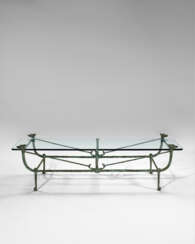


Diego Giacometti was a Swiss sculptor and designer, and the younger brother of the sculptor Alberto Giacometti.

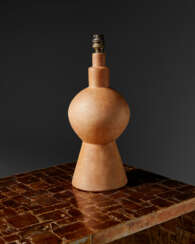

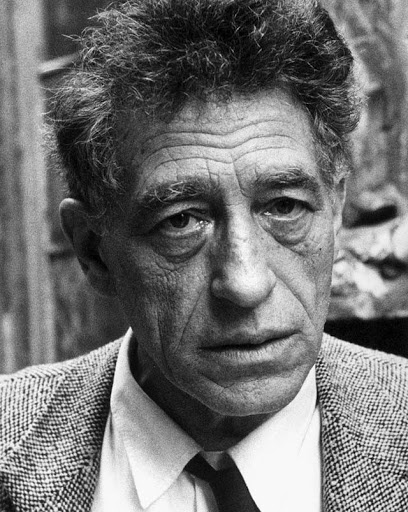
Alberto Giacometti was a Swiss sculptor, painter, draftsman, and printmaker, renowned for his distinctive elongated sculptures of solitary figures. Born in Borgonovo, Switzerland, in 1901, into a family of artists, Giacometti's talent was evident from an early age, encouraged by his father, Giovanni, a post-Impressionist painter, and his godfather, Cuno Amiet, a Fauvist painter. Moving to Paris in 1922 to study under the sculptor Antoine Bourdelle, Giacometti became a pivotal figure in Surrealism before focusing intensely on the human form, leading to his signature style of thin, elongated figures that evoke feelings of solitude and existential dread.
Giacometti's work spans several decades and various phases, including his early involvement with Surrealism and his later, more recognized existential and figurative sculptures. Notably, his sculptures, such as "Walking Man I" and "The Palace at 4 a.m.," reflect his unique view of reality and his relentless pursuit to capture the human essence. His approach was influenced by his associations with prominent figures of the art world, including Miró and Picasso, and intellectuals like Jean-Paul Sartre.
Despite facing challenges, including periods of self-doubt and the physical toll on his health, Giacometti's legacy as a master sculptor and artist remains influential. His works are celebrated worldwide and featured in major museums, such as the Museum of Modern Art in New York and the Tate Gallery in London, testament to his enduring impact on the art world.
Collectors and experts in art and antiques continue to revere Giacometti's work for its emotional depth and unique aesthetic. For those interested in the pioneering spirit of modern sculpture, Alberto Giacometti's oeuvre offers a profound exploration of the human condition and the artist's relentless pursuit of reality through art.
To stay updated on sales and auction events related to Alberto Giacometti's work, sign up for updates. This subscription is an excellent opportunity for collectors and enthusiasts to remain informed about new discoveries and opportunities related to Giacometti's enduring legacy.
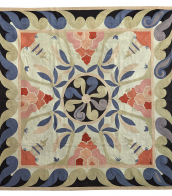


Alberto Giacometti was a Swiss sculptor, painter, draftsman, and printmaker, renowned for his distinctive elongated sculptures of solitary figures. Born in Borgonovo, Switzerland, in 1901, into a family of artists, Giacometti's talent was evident from an early age, encouraged by his father, Giovanni, a post-Impressionist painter, and his godfather, Cuno Amiet, a Fauvist painter. Moving to Paris in 1922 to study under the sculptor Antoine Bourdelle, Giacometti became a pivotal figure in Surrealism before focusing intensely on the human form, leading to his signature style of thin, elongated figures that evoke feelings of solitude and existential dread.
Giacometti's work spans several decades and various phases, including his early involvement with Surrealism and his later, more recognized existential and figurative sculptures. Notably, his sculptures, such as "Walking Man I" and "The Palace at 4 a.m.," reflect his unique view of reality and his relentless pursuit to capture the human essence. His approach was influenced by his associations with prominent figures of the art world, including Miró and Picasso, and intellectuals like Jean-Paul Sartre.
Despite facing challenges, including periods of self-doubt and the physical toll on his health, Giacometti's legacy as a master sculptor and artist remains influential. His works are celebrated worldwide and featured in major museums, such as the Museum of Modern Art in New York and the Tate Gallery in London, testament to his enduring impact on the art world.
Collectors and experts in art and antiques continue to revere Giacometti's work for its emotional depth and unique aesthetic. For those interested in the pioneering spirit of modern sculpture, Alberto Giacometti's oeuvre offers a profound exploration of the human condition and the artist's relentless pursuit of reality through art.
To stay updated on sales and auction events related to Alberto Giacometti's work, sign up for updates. This subscription is an excellent opportunity for collectors and enthusiasts to remain informed about new discoveries and opportunities related to Giacometti's enduring legacy.
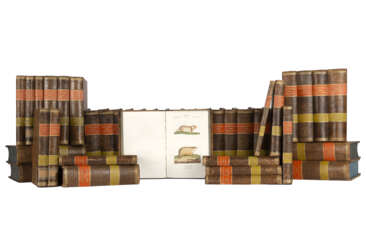
![[BUFFON, Georges-Louis Leclerc, vicomte de (1707-1788)] Jean-Gabriel PRÊTRE (1768-1849)](/assets/image/picture_2501048/3e45c/95ad26b9bba98bbb0c4deb5a6a6ea3ab1667984400jpg__fix_374_244.jpeg)
![[BUFFON, Georges-Louis Leclerc, vicomte de (1707-1788)] Jean-Gabriel PRÊTRE (1768-1849)](https://veryimportantlot.com/assets/image/picture_2501048/3e45c/95ad26b9bba98bbb0c4deb5a6a6ea3ab1667984400jpg__fix_374_244.jpeg)


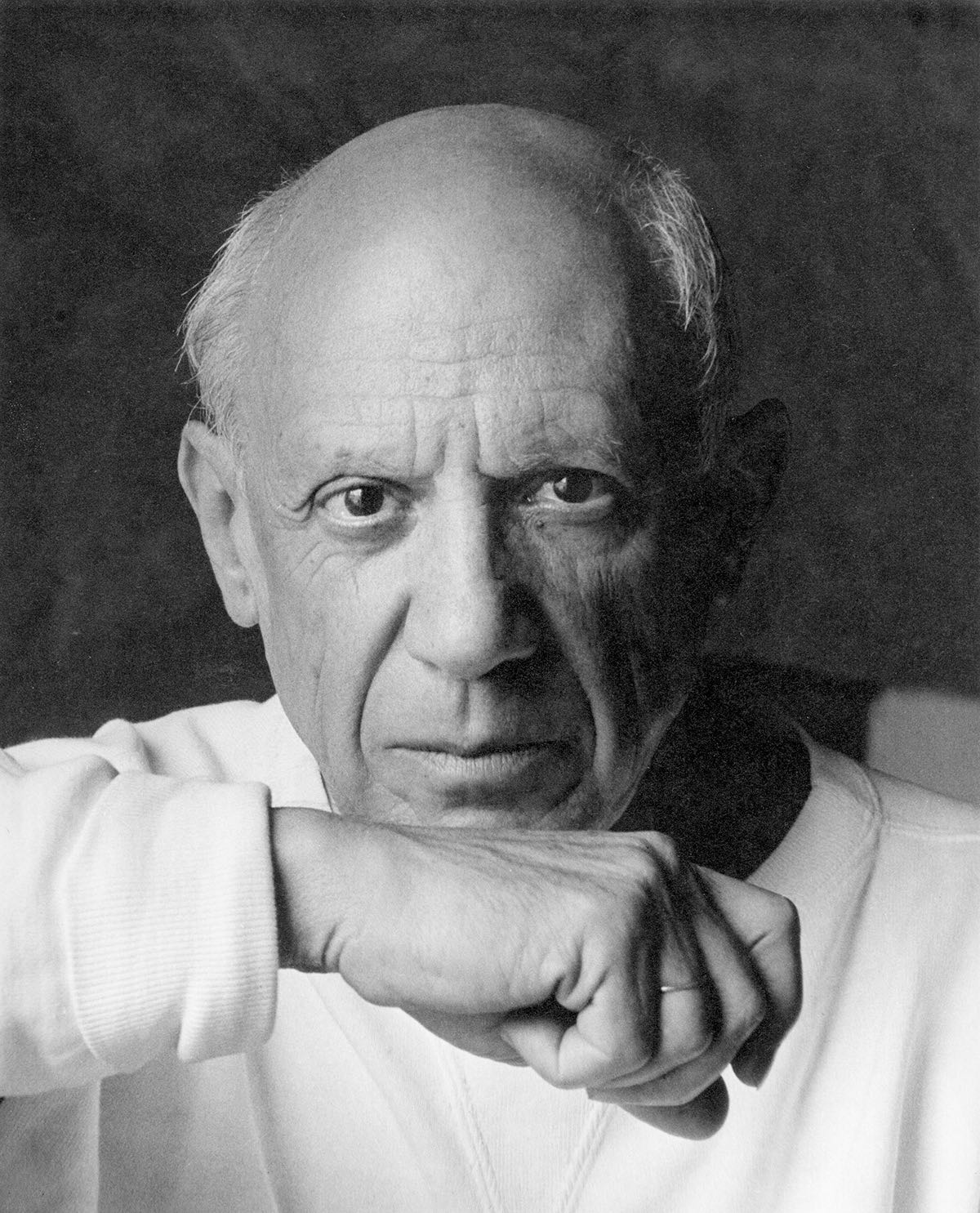
Pablo Ruiz Picasso, a Spanish artist renowned for his revolutionary contributions to the 20th-century art scene, is a figure that resonates profoundly with collectors and art experts. His unique blend of talents in painting, sculpture, printmaking, and ceramic art, infused with his time in France, positioned him as a pivotal character in modern art history.
Picasso's artistic journey was marked by distinct periods, each showcasing his evolving style and genius. His early years were characterized by the Blue Period (1901-1904), followed by the Rose Period (1904-1906), and then the African-influenced Period (1907-1909). Picasso's name is synonymous with Cubism, a movement he co-founded, which significantly altered artistic perspectives and methods. Works like "Les Demoiselles d'Avignon" (1907) and "Guernica" (1937) are emblematic of his cubist legacy, the latter being a poignant anti-war statement that remains influential.
His later years saw a return to more traditional styles, with neoclassical and surrealist influences becoming evident. Works from these phases reflect a deep engagement with mythological themes, as seen in "Faun with Stars" (1955), symbolizing his late-life romance with Jacqueline Roque, his second wife.
Picasso's prolific output and innovative spirit made him a legend in his own time, a status that only grew after his death. His works, housed in major museums and private collections worldwide, continue to captivate and inspire.
As a collector or expert in art and antiques, staying informed about Picasso's works, their auction events, and sales is essential. To stay updated on the latest developments and opportunities related to Pablo Picasso, sign up for our specialized updates. Rest assured, this subscription will focus solely on new product sales and auction events pertaining to Picasso's art, ensuring that you receive only the most relevant and valuable information.
.jpg)
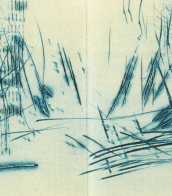
Max Ernst was a pivotal figure in the 20th-century art world, whose work transcended the boundaries of nationality and genre to leave an indelible mark on culture, art, sculpture, and painting. Born in Germany on April 2, 1891, and later becoming a naturalized American and French citizen, Ernst's career was a testament to his relentless innovation and creativity. Known primarily as an artist and painter, Ernst was a founding member of the Dada movement in Cologne before becoming a major proponent of Surrealism in Paris. His early encounters with the works of Pablo Picasso, Vincent van Gogh, and Paul Gauguin at the Sonderbund exhibition in 1912 deeply influenced his artistic direction, infusing it with elements of Cubism and Expressionism. Despite his lack of formal artistic training, Ernst's experimentation with techniques such as collage and frottage showcased his unique ability to blend the absurd with the sublime, making him a central figure in the artistic avant-garde of his time.
Ernst's work is notable for its exploration of the unconscious, using dreamlike imagery and symbolic figures to critique societal norms and delve into the chaos of the human psyche. His experiences in World War I profoundly impacted his worldview, leading to a deep skepticism of Western culture and an enduring search for meaning through art. This is evident in works such as "Europe After the Rain II," which reflects the devastation of war and "The Fireside Angel," inspired by the political turmoil of the Spanish Civil War, showcasing his ability to address contemporary issues through a surreal lens.
Ernst's contributions to art are preserved in major museums and galleries worldwide, including the Tate in the United Kingdom and the Museum of Modern Art in New York. His sculptures, paintings, and collages continue to be celebrated for their innovative techniques and imaginative scope, marking him as a revolutionary figure in modern art. Among his most significant works are "Ubu Imperator," "The Elephant Celebes," and "The Virgin Spanking the Christ Child before Three Witnesses," each reflecting his mastery over a diversity of mediums and themes.
For collectors and experts in art and antiques, Max Ernst remains a symbol of artistic freedom and exploration. His ability to navigate through various artistic movements while maintaining a distinct, innovative voice is a testament to his enduring legacy in the art world. To stay updated on new product sales and auction events related to Max Ernst, signing up for updates is a valuable opportunity for those deeply invested in the nuances of modern and surreal art.
Alberto Giacometti was a Swiss sculptor, painter, draftsman, and printmaker, renowned for his distinctive elongated sculptures of solitary figures. Born in Borgonovo, Switzerland, in 1901, into a family of artists, Giacometti's talent was evident from an early age, encouraged by his father, Giovanni, a post-Impressionist painter, and his godfather, Cuno Amiet, a Fauvist painter. Moving to Paris in 1922 to study under the sculptor Antoine Bourdelle, Giacometti became a pivotal figure in Surrealism before focusing intensely on the human form, leading to his signature style of thin, elongated figures that evoke feelings of solitude and existential dread.
Giacometti's work spans several decades and various phases, including his early involvement with Surrealism and his later, more recognized existential and figurative sculptures. Notably, his sculptures, such as "Walking Man I" and "The Palace at 4 a.m.," reflect his unique view of reality and his relentless pursuit to capture the human essence. His approach was influenced by his associations with prominent figures of the art world, including Miró and Picasso, and intellectuals like Jean-Paul Sartre.
Despite facing challenges, including periods of self-doubt and the physical toll on his health, Giacometti's legacy as a master sculptor and artist remains influential. His works are celebrated worldwide and featured in major museums, such as the Museum of Modern Art in New York and the Tate Gallery in London, testament to his enduring impact on the art world.
Collectors and experts in art and antiques continue to revere Giacometti's work for its emotional depth and unique aesthetic. For those interested in the pioneering spirit of modern sculpture, Alberto Giacometti's oeuvre offers a profound exploration of the human condition and the artist's relentless pursuit of reality through art.
To stay updated on sales and auction events related to Alberto Giacometti's work, sign up for updates. This subscription is an excellent opportunity for collectors and enthusiasts to remain informed about new discoveries and opportunities related to Giacometti's enduring legacy.



.jpg)
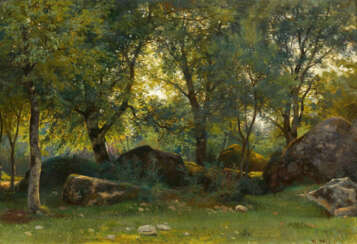
Ivan Ivanovich Shishkin (russian: Ива́н Ива́нович Ши́шкин), a Russian Artist, stood out in the 19th century for his mastery in landscape painting, immortalizing Russia's vast forests and nature through his precise and detailed work. His specialization in painting, coupled with a deep appreciation for his homeland's natural beauty, positioned him as a pivotal figure in Russian culture and art.
Shishkin's technique, characterized by its attention to detail and use of light, brought the Russian wilderness to life on canvas. His works, such as "Morning in a Pine Forest" and "The Rye Field," are celebrated for their realism and ability to evoke the spirit of Russia's landscapes. These paintings, held in prestigious museums like the Tretyakov Gallery in Moscow, serve not only as artistic achievements but also as cultural artifacts that offer insight into the Russian soul.
For art collectors and experts, Shishkin's oeuvre represents an intersection of artistic mastery and cultural heritage. His contributions to the world of painting continue to inspire and captivate audiences, making his works highly sought after in the realms of art collection and preservation.
We invite enthusiasts and connoisseurs to sign up for updates on new product sales and auction events related to Ivan Ivanovich Shishkin. This subscription is your gateway to owning a piece of Russian art history and staying informed about opportunities to acquire works by this illustrious painter.
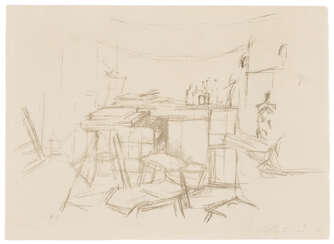

Alberto Giacometti was a Swiss sculptor, painter, draftsman, and printmaker, renowned for his distinctive elongated sculptures of solitary figures. Born in Borgonovo, Switzerland, in 1901, into a family of artists, Giacometti's talent was evident from an early age, encouraged by his father, Giovanni, a post-Impressionist painter, and his godfather, Cuno Amiet, a Fauvist painter. Moving to Paris in 1922 to study under the sculptor Antoine Bourdelle, Giacometti became a pivotal figure in Surrealism before focusing intensely on the human form, leading to his signature style of thin, elongated figures that evoke feelings of solitude and existential dread.
Giacometti's work spans several decades and various phases, including his early involvement with Surrealism and his later, more recognized existential and figurative sculptures. Notably, his sculptures, such as "Walking Man I" and "The Palace at 4 a.m.," reflect his unique view of reality and his relentless pursuit to capture the human essence. His approach was influenced by his associations with prominent figures of the art world, including Miró and Picasso, and intellectuals like Jean-Paul Sartre.
Despite facing challenges, including periods of self-doubt and the physical toll on his health, Giacometti's legacy as a master sculptor and artist remains influential. His works are celebrated worldwide and featured in major museums, such as the Museum of Modern Art in New York and the Tate Gallery in London, testament to his enduring impact on the art world.
Collectors and experts in art and antiques continue to revere Giacometti's work for its emotional depth and unique aesthetic. For those interested in the pioneering spirit of modern sculpture, Alberto Giacometti's oeuvre offers a profound exploration of the human condition and the artist's relentless pursuit of reality through art.
To stay updated on sales and auction events related to Alberto Giacometti's work, sign up for updates. This subscription is an excellent opportunity for collectors and enthusiasts to remain informed about new discoveries and opportunities related to Giacometti's enduring legacy.
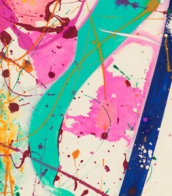
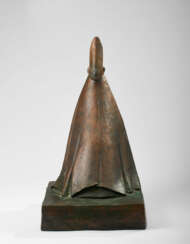

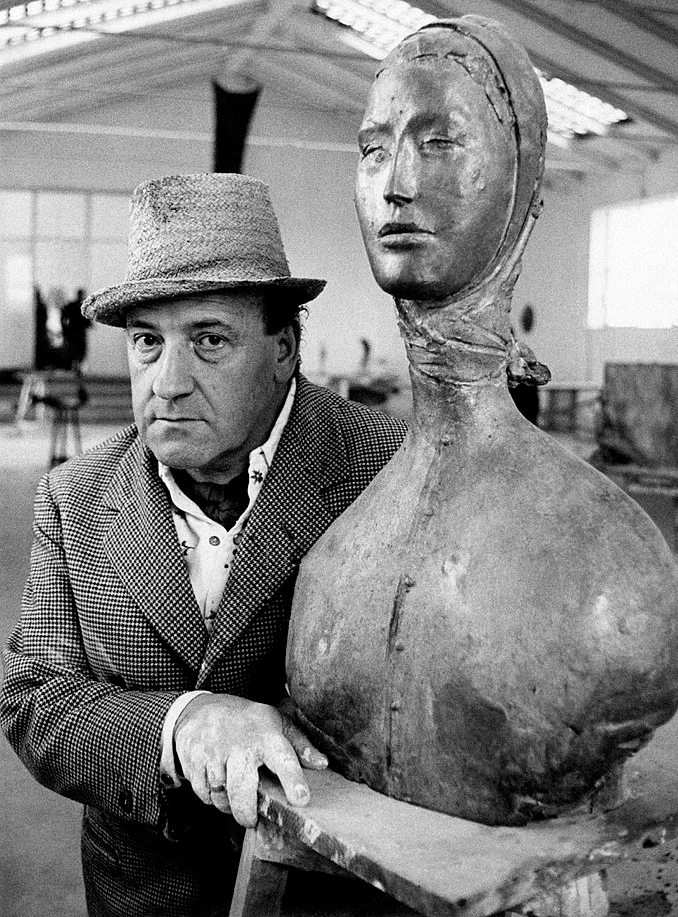
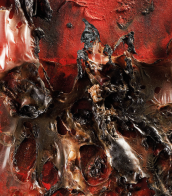




Alberto Giacometti was a Swiss sculptor, painter, draftsman, and printmaker, renowned for his distinctive elongated sculptures of solitary figures. Born in Borgonovo, Switzerland, in 1901, into a family of artists, Giacometti's talent was evident from an early age, encouraged by his father, Giovanni, a post-Impressionist painter, and his godfather, Cuno Amiet, a Fauvist painter. Moving to Paris in 1922 to study under the sculptor Antoine Bourdelle, Giacometti became a pivotal figure in Surrealism before focusing intensely on the human form, leading to his signature style of thin, elongated figures that evoke feelings of solitude and existential dread.
Giacometti's work spans several decades and various phases, including his early involvement with Surrealism and his later, more recognized existential and figurative sculptures. Notably, his sculptures, such as "Walking Man I" and "The Palace at 4 a.m.," reflect his unique view of reality and his relentless pursuit to capture the human essence. His approach was influenced by his associations with prominent figures of the art world, including Miró and Picasso, and intellectuals like Jean-Paul Sartre.
Despite facing challenges, including periods of self-doubt and the physical toll on his health, Giacometti's legacy as a master sculptor and artist remains influential. His works are celebrated worldwide and featured in major museums, such as the Museum of Modern Art in New York and the Tate Gallery in London, testament to his enduring impact on the art world.
Collectors and experts in art and antiques continue to revere Giacometti's work for its emotional depth and unique aesthetic. For those interested in the pioneering spirit of modern sculpture, Alberto Giacometti's oeuvre offers a profound exploration of the human condition and the artist's relentless pursuit of reality through art.
To stay updated on sales and auction events related to Alberto Giacometti's work, sign up for updates. This subscription is an excellent opportunity for collectors and enthusiasts to remain informed about new discoveries and opportunities related to Giacometti's enduring legacy.


Alberto Giacometti was a Swiss sculptor, painter, draftsman, and printmaker, renowned for his distinctive elongated sculptures of solitary figures. Born in Borgonovo, Switzerland, in 1901, into a family of artists, Giacometti's talent was evident from an early age, encouraged by his father, Giovanni, a post-Impressionist painter, and his godfather, Cuno Amiet, a Fauvist painter. Moving to Paris in 1922 to study under the sculptor Antoine Bourdelle, Giacometti became a pivotal figure in Surrealism before focusing intensely on the human form, leading to his signature style of thin, elongated figures that evoke feelings of solitude and existential dread.
Giacometti's work spans several decades and various phases, including his early involvement with Surrealism and his later, more recognized existential and figurative sculptures. Notably, his sculptures, such as "Walking Man I" and "The Palace at 4 a.m.," reflect his unique view of reality and his relentless pursuit to capture the human essence. His approach was influenced by his associations with prominent figures of the art world, including Miró and Picasso, and intellectuals like Jean-Paul Sartre.
Despite facing challenges, including periods of self-doubt and the physical toll on his health, Giacometti's legacy as a master sculptor and artist remains influential. His works are celebrated worldwide and featured in major museums, such as the Museum of Modern Art in New York and the Tate Gallery in London, testament to his enduring impact on the art world.
Collectors and experts in art and antiques continue to revere Giacometti's work for its emotional depth and unique aesthetic. For those interested in the pioneering spirit of modern sculpture, Alberto Giacometti's oeuvre offers a profound exploration of the human condition and the artist's relentless pursuit of reality through art.
To stay updated on sales and auction events related to Alberto Giacometti's work, sign up for updates. This subscription is an excellent opportunity for collectors and enthusiasts to remain informed about new discoveries and opportunities related to Giacometti's enduring legacy.


 Джакомо Балла. Картина Автопортрет, 1902.jpg)
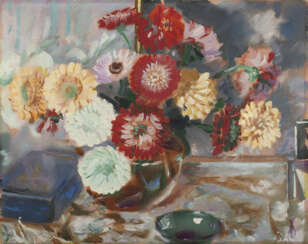
Giacomo Balla was a great painter of the 20th century, representative of the first wave of Italian futurism, one of the most influential masters of the last century.
Giacomo Balla's work is an attempt to convey dynamics, to capture the very essence of movement. His paintings are lyrical, full of light and rhythm.

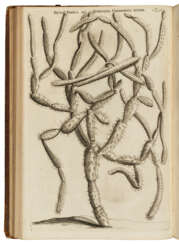

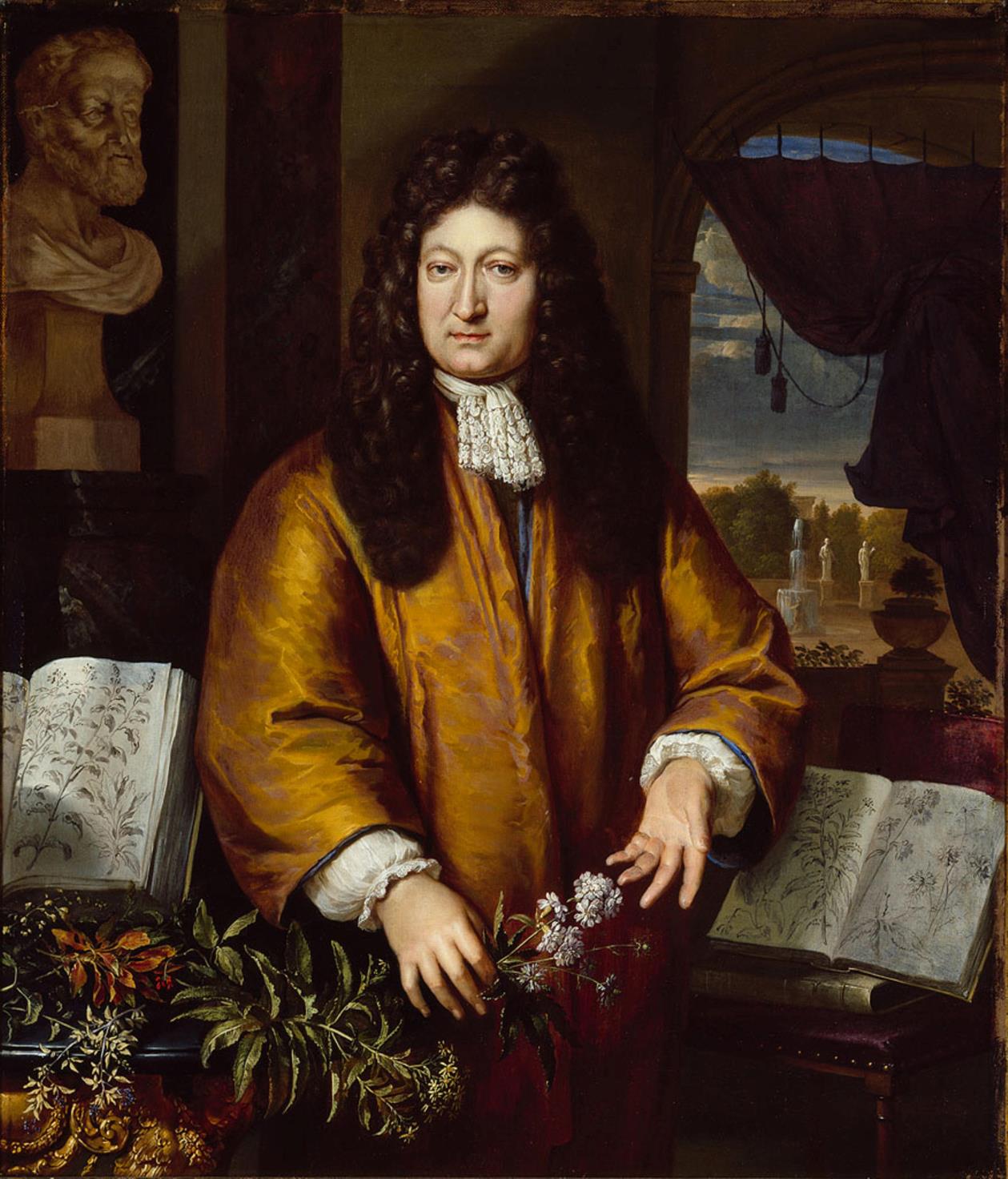
Jan Commelin (Dutch: Jan Commelin or Jan Commelijn), also Johannes Commelin, was a Dutch botanist.
Jan Commelin is the son of the historian Isaac Commelin. He was a professor of botany and director of the Amsterdam Botanical Gardens. Jan Commelin wrote many scientific works on botany, notably compiling the first volume of descriptions of East and West Indian plants. The second volume was written by Jan's nephew, the botanist Caspar Kommelin, who expanded the earlier descriptions and added notes on African plants.
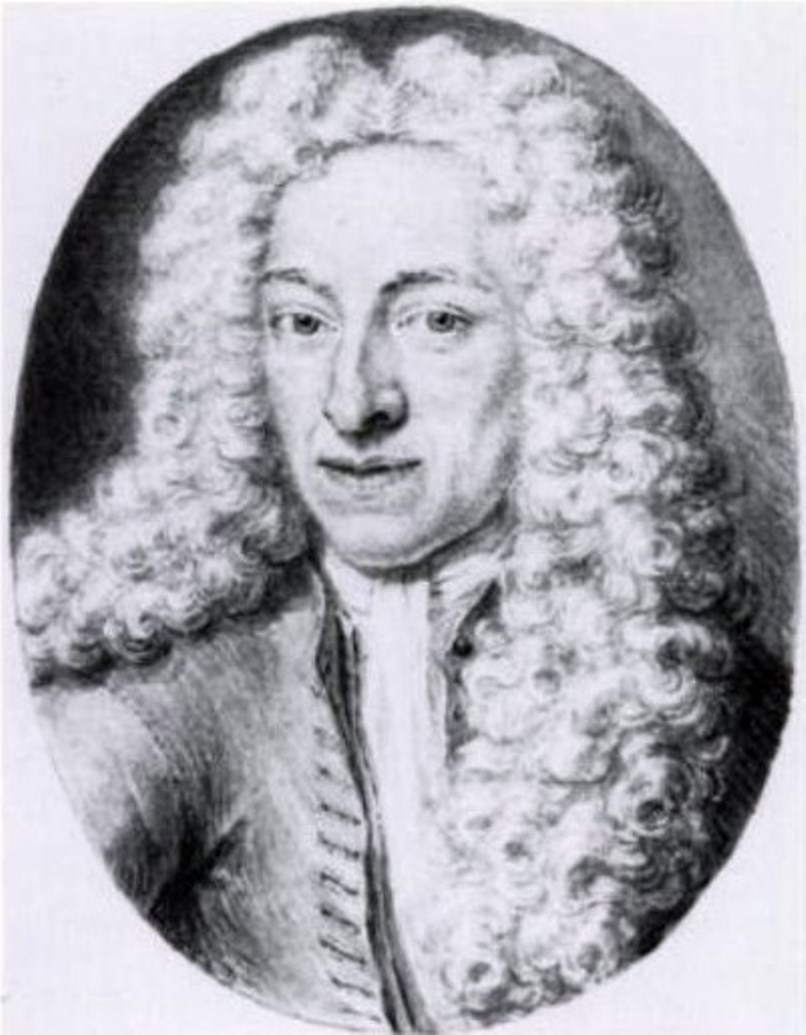
Caspar Commelin was a Dutch botanist and mycologist.
Caspar Commelin was trained as a medical doctor, practiced botanical science and worked on books that were left unfinished due to the death of his uncle, botanist Jan Commelin. Caspar was mainly interested in exotic plants.
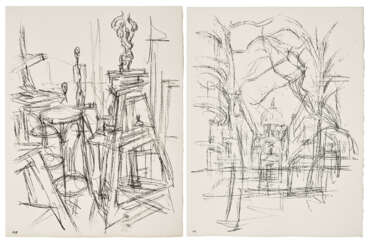

Alberto Giacometti was a Swiss sculptor, painter, draftsman, and printmaker, renowned for his distinctive elongated sculptures of solitary figures. Born in Borgonovo, Switzerland, in 1901, into a family of artists, Giacometti's talent was evident from an early age, encouraged by his father, Giovanni, a post-Impressionist painter, and his godfather, Cuno Amiet, a Fauvist painter. Moving to Paris in 1922 to study under the sculptor Antoine Bourdelle, Giacometti became a pivotal figure in Surrealism before focusing intensely on the human form, leading to his signature style of thin, elongated figures that evoke feelings of solitude and existential dread.
Giacometti's work spans several decades and various phases, including his early involvement with Surrealism and his later, more recognized existential and figurative sculptures. Notably, his sculptures, such as "Walking Man I" and "The Palace at 4 a.m.," reflect his unique view of reality and his relentless pursuit to capture the human essence. His approach was influenced by his associations with prominent figures of the art world, including Miró and Picasso, and intellectuals like Jean-Paul Sartre.
Despite facing challenges, including periods of self-doubt and the physical toll on his health, Giacometti's legacy as a master sculptor and artist remains influential. His works are celebrated worldwide and featured in major museums, such as the Museum of Modern Art in New York and the Tate Gallery in London, testament to his enduring impact on the art world.
Collectors and experts in art and antiques continue to revere Giacometti's work for its emotional depth and unique aesthetic. For those interested in the pioneering spirit of modern sculpture, Alberto Giacometti's oeuvre offers a profound exploration of the human condition and the artist's relentless pursuit of reality through art.
To stay updated on sales and auction events related to Alberto Giacometti's work, sign up for updates. This subscription is an excellent opportunity for collectors and enthusiasts to remain informed about new discoveries and opportunities related to Giacometti's enduring legacy.
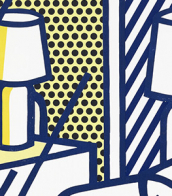
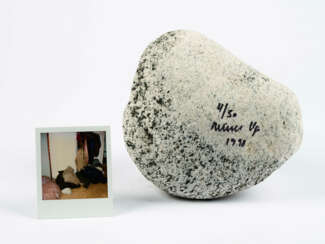

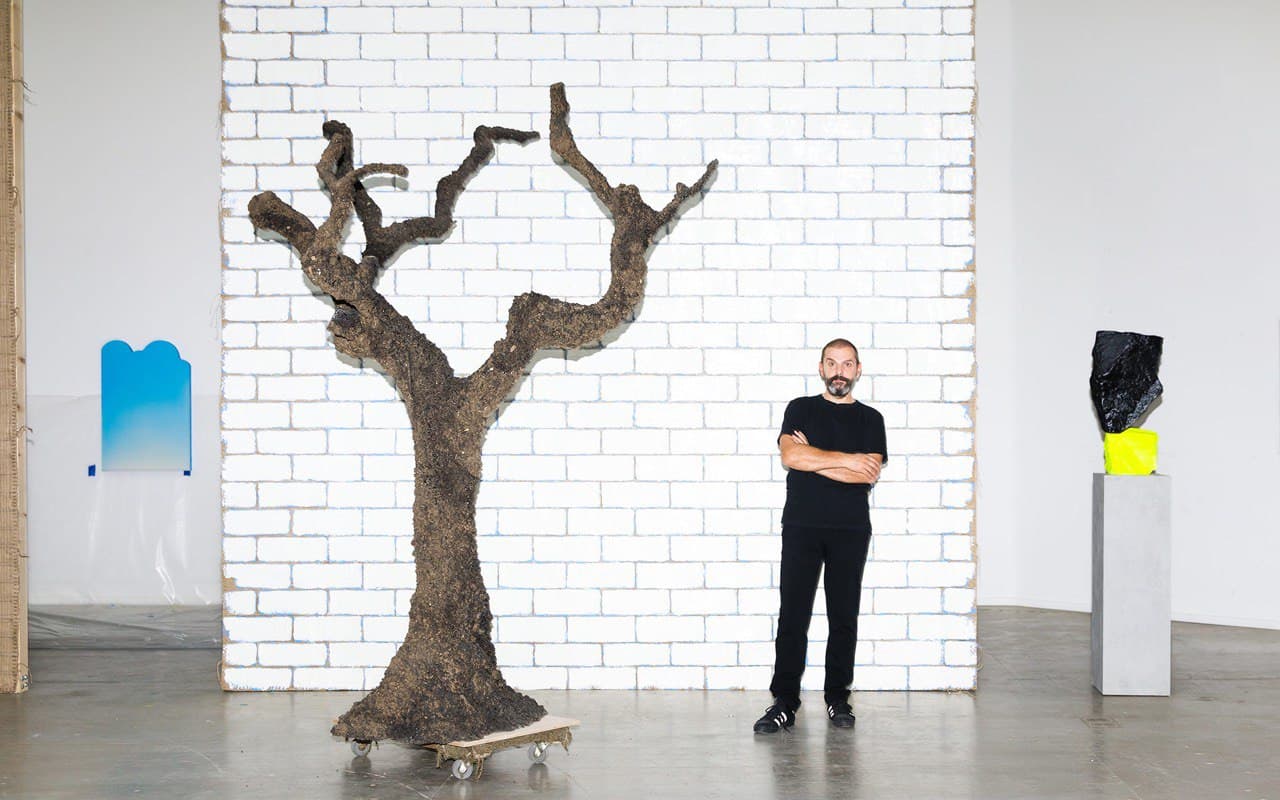
Ugo Rondinone is a Swiss-born artist widely recognized for his mastery of several different media — most prominently sculpture, drawing and painting, but also photography, architecture, video and sound installation — in the largely figurative works he has made for exhibitions in galleries, museums and outdoor public spaces around the world. He has never limited himself to a particular material, no more than he has to a single discipline. Lead, wood, wax, bronze, stained glass, ink, paint, soil and stone are all tools in a creative arsenal that the artist has employed to extend the Romantic tradition in works that are as sensitive to the passage of time as to the nuances of body language and the spoken word.


Giacomo Balla was a great painter of the 20th century, representative of the first wave of Italian futurism, one of the most influential masters of the last century.
Giacomo Balla's work is an attempt to convey dynamics, to capture the very essence of movement. His paintings are lyrical, full of light and rhythm.
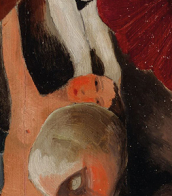
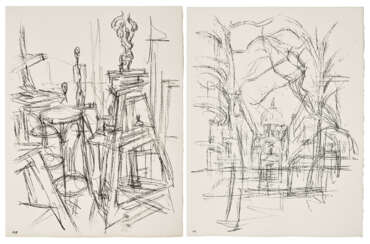

Alberto Giacometti was a Swiss sculptor, painter, draftsman, and printmaker, renowned for his distinctive elongated sculptures of solitary figures. Born in Borgonovo, Switzerland, in 1901, into a family of artists, Giacometti's talent was evident from an early age, encouraged by his father, Giovanni, a post-Impressionist painter, and his godfather, Cuno Amiet, a Fauvist painter. Moving to Paris in 1922 to study under the sculptor Antoine Bourdelle, Giacometti became a pivotal figure in Surrealism before focusing intensely on the human form, leading to his signature style of thin, elongated figures that evoke feelings of solitude and existential dread.
Giacometti's work spans several decades and various phases, including his early involvement with Surrealism and his later, more recognized existential and figurative sculptures. Notably, his sculptures, such as "Walking Man I" and "The Palace at 4 a.m.," reflect his unique view of reality and his relentless pursuit to capture the human essence. His approach was influenced by his associations with prominent figures of the art world, including Miró and Picasso, and intellectuals like Jean-Paul Sartre.
Despite facing challenges, including periods of self-doubt and the physical toll on his health, Giacometti's legacy as a master sculptor and artist remains influential. His works are celebrated worldwide and featured in major museums, such as the Museum of Modern Art in New York and the Tate Gallery in London, testament to his enduring impact on the art world.
Collectors and experts in art and antiques continue to revere Giacometti's work for its emotional depth and unique aesthetic. For those interested in the pioneering spirit of modern sculpture, Alberto Giacometti's oeuvre offers a profound exploration of the human condition and the artist's relentless pursuit of reality through art.
To stay updated on sales and auction events related to Alberto Giacometti's work, sign up for updates. This subscription is an excellent opportunity for collectors and enthusiasts to remain informed about new discoveries and opportunities related to Giacometti's enduring legacy.
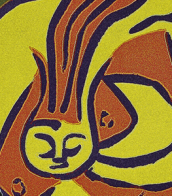
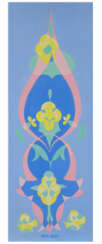

Giacomo Balla was a great painter of the 20th century, representative of the first wave of Italian futurism, one of the most influential masters of the last century.
Giacomo Balla's work is an attempt to convey dynamics, to capture the very essence of movement. His paintings are lyrical, full of light and rhythm.





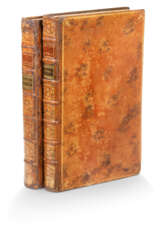

Jan Commelin (Dutch: Jan Commelin or Jan Commelijn), also Johannes Commelin, was a Dutch botanist.
Jan Commelin is the son of the historian Isaac Commelin. He was a professor of botany and director of the Amsterdam Botanical Gardens. Jan Commelin wrote many scientific works on botany, notably compiling the first volume of descriptions of East and West Indian plants. The second volume was written by Jan's nephew, the botanist Caspar Kommelin, who expanded the earlier descriptions and added notes on African plants.
Caspar Commelin was a Dutch botanist and mycologist.
Caspar Commelin was trained as a medical doctor, practiced botanical science and worked on books that were left unfinished due to the death of his uncle, botanist Jan Commelin. Caspar was mainly interested in exotic plants.