philipp frank


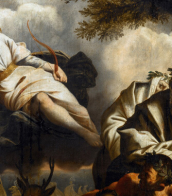
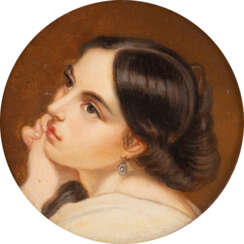

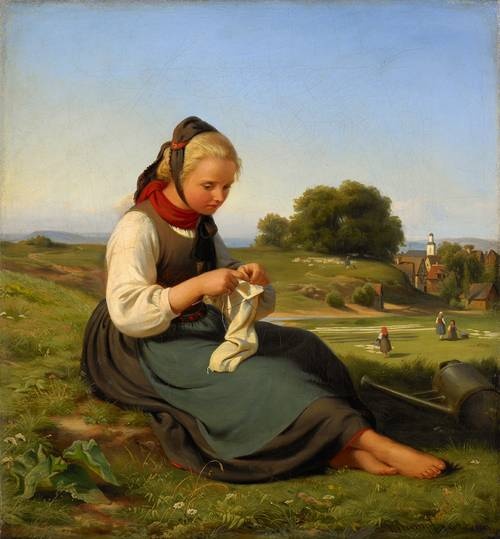
Peter Philipp Rumpf was a German painter and etcher. From 1838 he studied painting with Jakob Becker, Carl Friedrich Wendelstadt, Heinrich von Rustige and Jakob Fürchtegott Dielmann. In 1844, Rumpf founded an art school for middle-class daughters, which he ran until 1860. In 1858, Rumpf founded the Kronberg painters' colony in Kronberg im Taunus with his fellow students Anton Burger and Jakob Fürchtegott Dielmann. In addition to oil painting, Rumpf worked on etchings, watercolors and drawings. In 1888 he was appointed professor and was also court painter to Duke Adolph von Nassau-Weilburg.


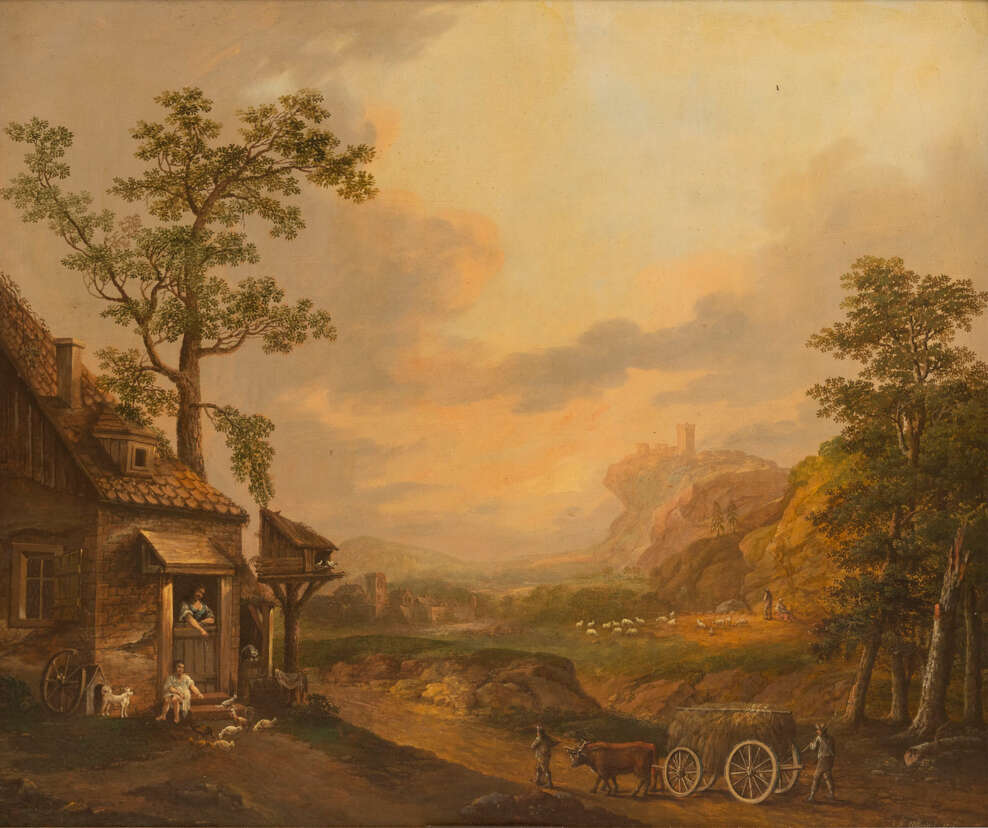
Johann Philipp Ulbricht was a German landscape painter.
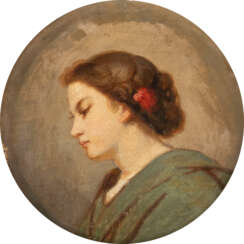

Peter Philipp Rumpf was a German painter and etcher. From 1838 he studied painting with Jakob Becker, Carl Friedrich Wendelstadt, Heinrich von Rustige and Jakob Fürchtegott Dielmann. In 1844, Rumpf founded an art school for middle-class daughters, which he ran until 1860. In 1858, Rumpf founded the Kronberg painters' colony in Kronberg im Taunus with his fellow students Anton Burger and Jakob Fürchtegott Dielmann. In addition to oil painting, Rumpf worked on etchings, watercolors and drawings. In 1888 he was appointed professor and was also court painter to Duke Adolph von Nassau-Weilburg.
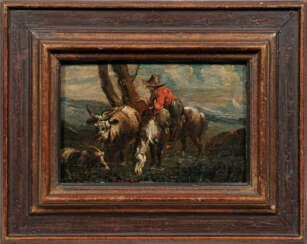

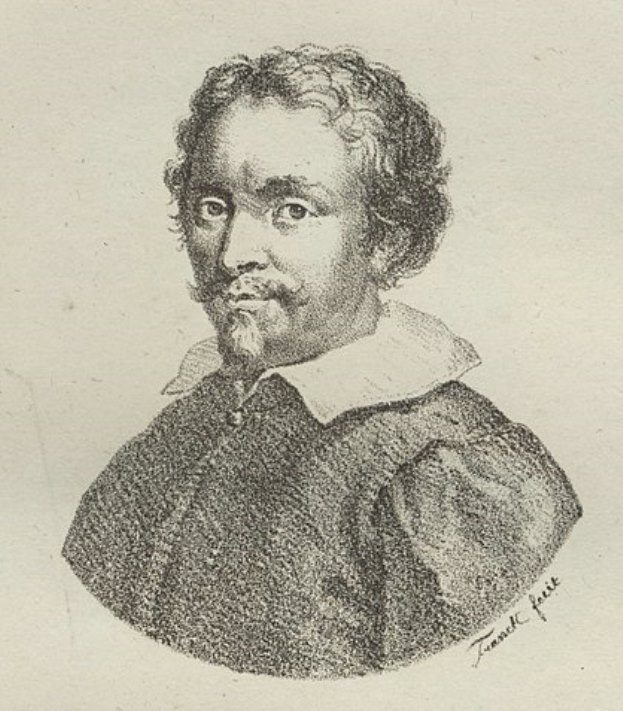
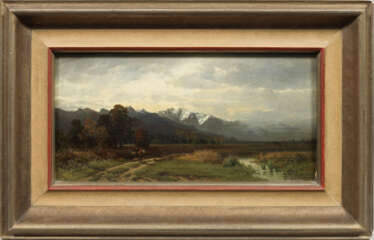

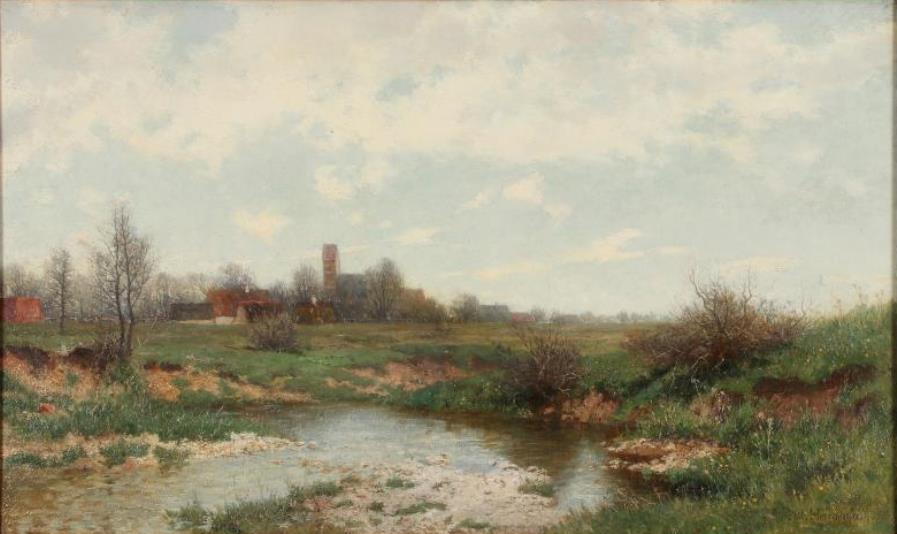
Philipp Ludwig Herrmann was a German landscape painter.


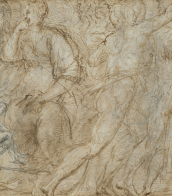


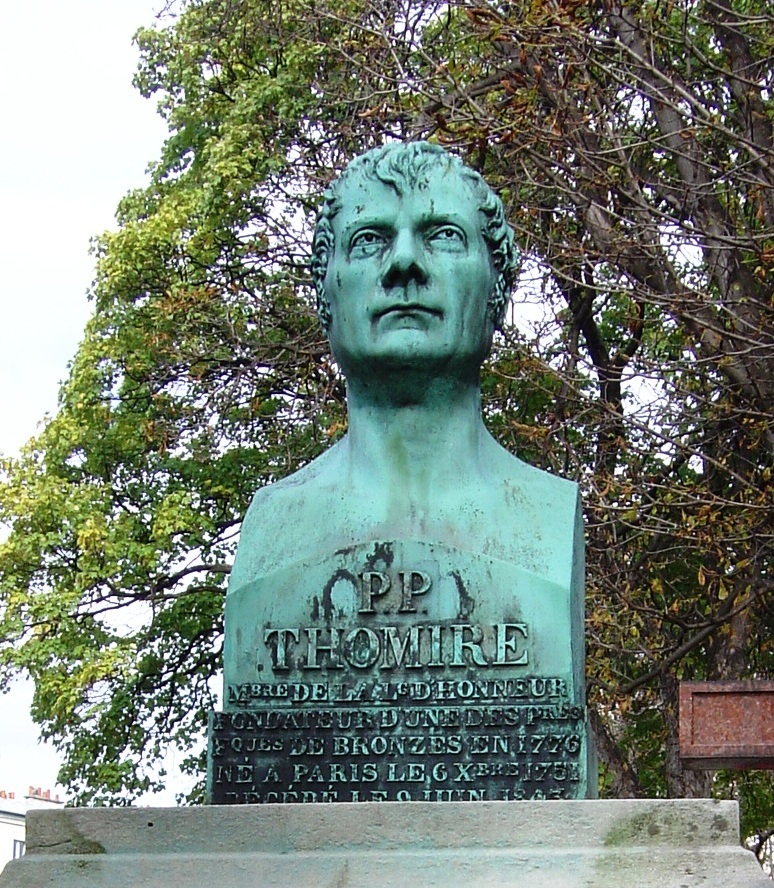
Pierre-Philippe Thomire a French sculptor, was the most prominent bronzier, or producer of ornamental patinated and gilt-bronze objects and furniture mounts of the First French Empire. His fashionable neoclassical and Empire style furnishing bronzes (bronzes d'ameublement) established the highest standard in refined finish in the craft that the French called that of the fondeur-ciseleur, "founder-finisher".
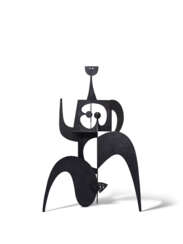

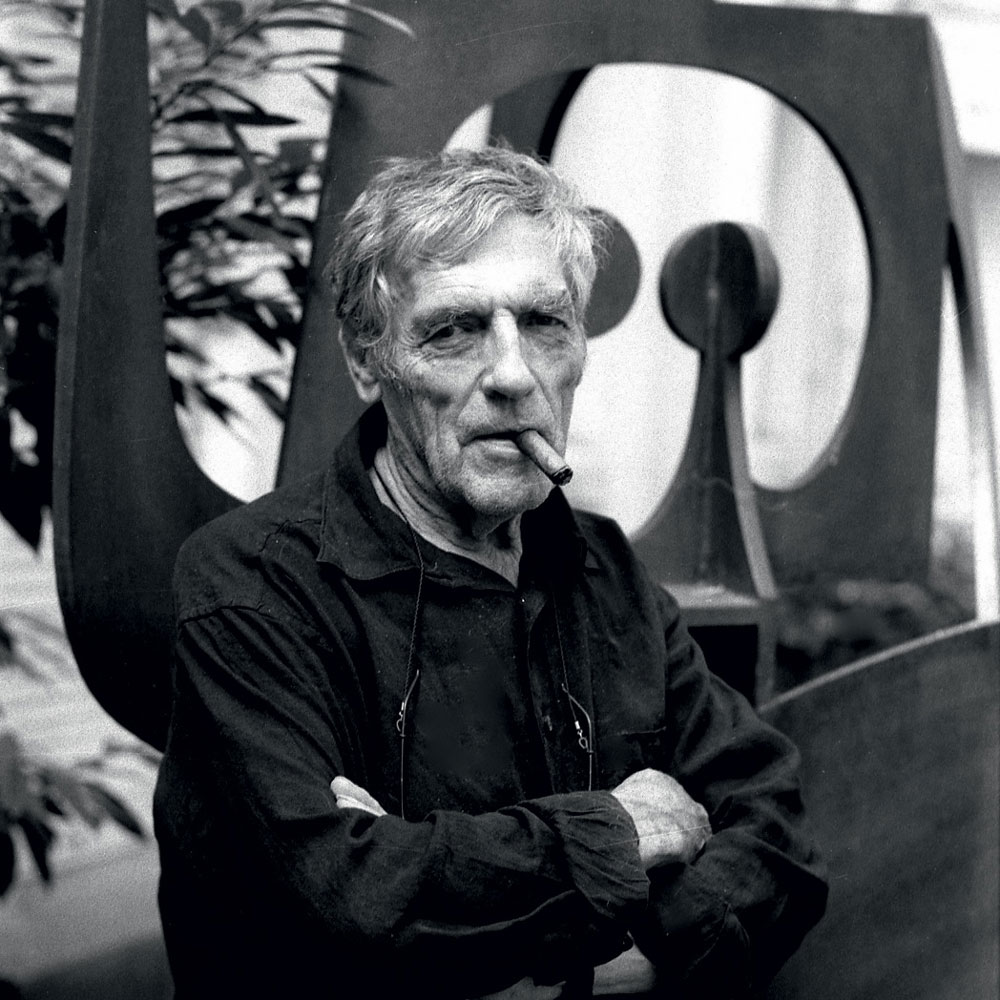
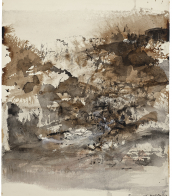
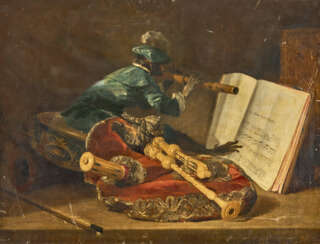

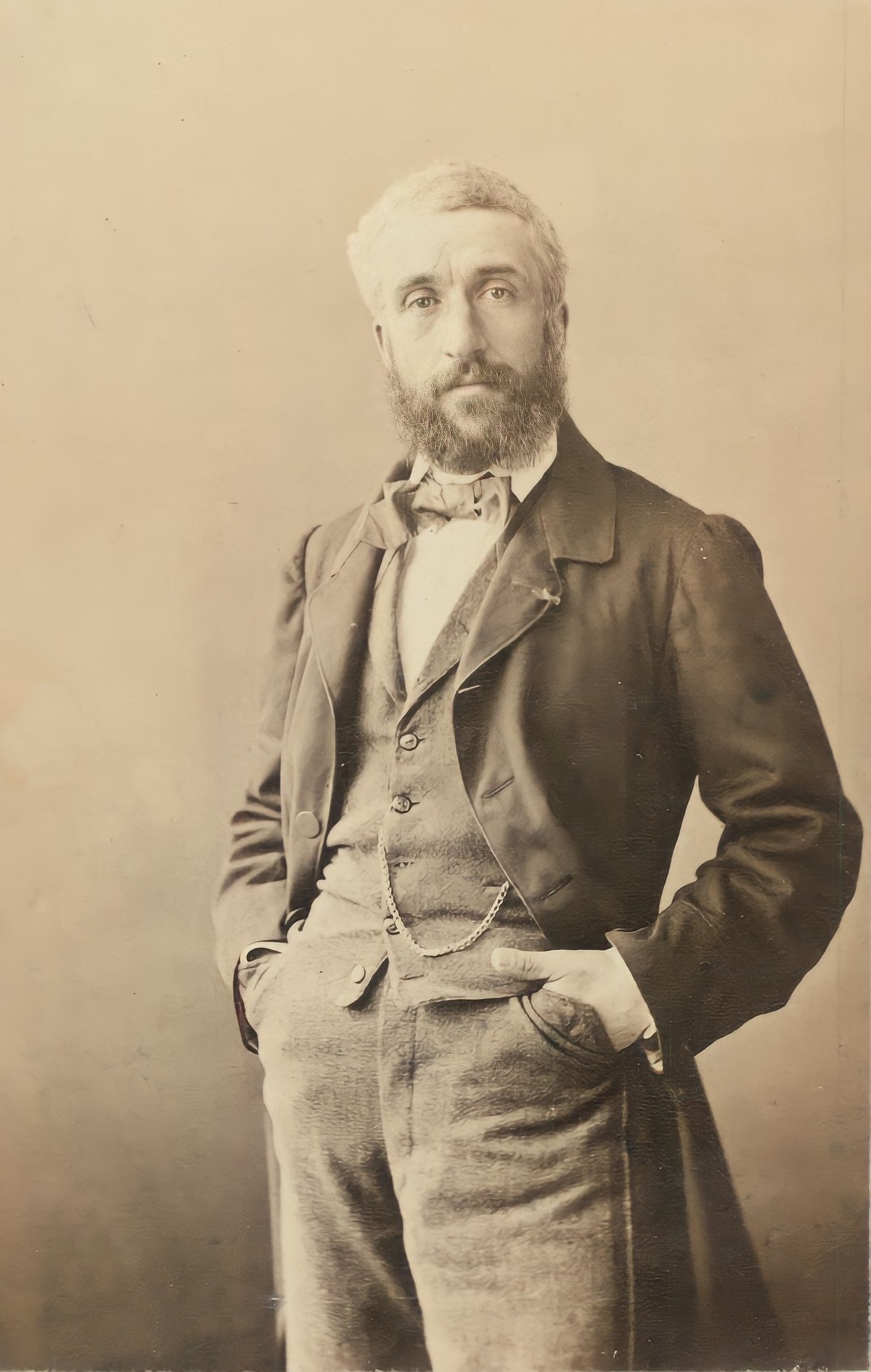
Philippe Rousseau was a French painter, acclaimed for his detailed still life and landscape paintings. Born in Paris in 1816, Rousseau's artistic journey was nurtured under the tutelage of Baron Antoine-Jean Gros and Jean-Victor Bertin at the École des Beaux-Arts. Initially venturing into landscapes, his artistry soon blossomed to encompass still life and animal subjects, earning him significant recognition at the Paris Salon from as early as 1834.
Philippe Rousseau's work is characterized by its meticulous attention to detail and a masterful use of light and shadow, which brought everyday objects and scenes to life with remarkable realism. His still lifes, often compared to those of the 18th-century French master Jean Siméon Chardin, demonstrate Rousseau's skill in creating texture and depth, making mundane subjects captivating through his lens. This skill earned him accolades, including medals at the Salon and the honor of being made a Knight of the Legion of Honor in 1852, later promoted to Officer in 1870.
His notable works span from early landscapes to intricate still lifes, reflecting his evolution as an artist. Among these, "Still Life with Ham" and "Still Life with Oysters" are celebrated examples housed in prestigious institutions like The Metropolitan Museum of Art and The National Gallery, London, showcasing his ability to elevate the still life genre to new heights. Another significant piece, "Still Life with Asparagus," illustrates his continued exploration of texture and light, held by the Cleveland Museum of Art.
Philippe Rousseau's legacy lies in his ability to merge the traditional with the innovative, influencing the art world well beyond his passing in 1887. His paintings, rich in detail and steeped in cultural significance, continue to attract art collectors and experts in art and antiques, offering a window into the refined aesthetic of 19th-century French art.
For those captivated by the elegance and historical depth of Philippe Rousseau's work, signing up for updates can provide exclusive access to new sales and auction events featuring his art. This opportunity invites collectors and enthusiasts alike to further explore the nuanced world Philippe Rousseau depicted, ensuring they remain at the forefront of the market for these timeless pieces.
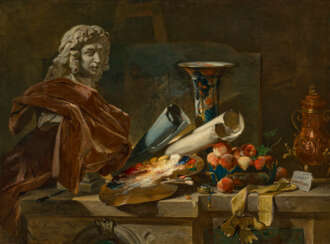

Philippe Rousseau was a French painter, acclaimed for his detailed still life and landscape paintings. Born in Paris in 1816, Rousseau's artistic journey was nurtured under the tutelage of Baron Antoine-Jean Gros and Jean-Victor Bertin at the École des Beaux-Arts. Initially venturing into landscapes, his artistry soon blossomed to encompass still life and animal subjects, earning him significant recognition at the Paris Salon from as early as 1834.
Philippe Rousseau's work is characterized by its meticulous attention to detail and a masterful use of light and shadow, which brought everyday objects and scenes to life with remarkable realism. His still lifes, often compared to those of the 18th-century French master Jean Siméon Chardin, demonstrate Rousseau's skill in creating texture and depth, making mundane subjects captivating through his lens. This skill earned him accolades, including medals at the Salon and the honor of being made a Knight of the Legion of Honor in 1852, later promoted to Officer in 1870.
His notable works span from early landscapes to intricate still lifes, reflecting his evolution as an artist. Among these, "Still Life with Ham" and "Still Life with Oysters" are celebrated examples housed in prestigious institutions like The Metropolitan Museum of Art and The National Gallery, London, showcasing his ability to elevate the still life genre to new heights. Another significant piece, "Still Life with Asparagus," illustrates his continued exploration of texture and light, held by the Cleveland Museum of Art.
Philippe Rousseau's legacy lies in his ability to merge the traditional with the innovative, influencing the art world well beyond his passing in 1887. His paintings, rich in detail and steeped in cultural significance, continue to attract art collectors and experts in art and antiques, offering a window into the refined aesthetic of 19th-century French art.
For those captivated by the elegance and historical depth of Philippe Rousseau's work, signing up for updates can provide exclusive access to new sales and auction events featuring his art. This opportunity invites collectors and enthusiasts alike to further explore the nuanced world Philippe Rousseau depicted, ensuring they remain at the forefront of the market for these timeless pieces.













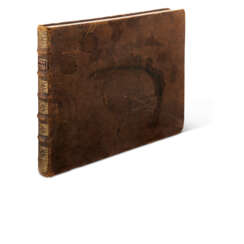

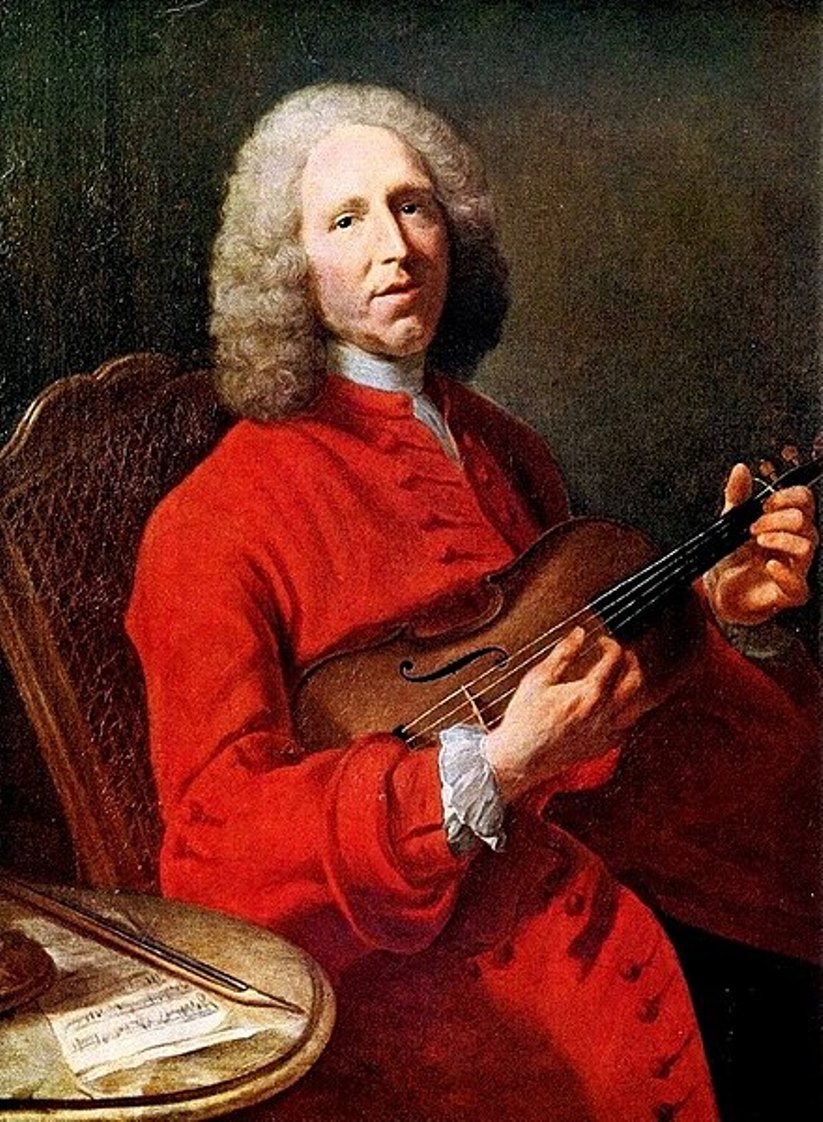
Jean-Philippe Rameau was a French late Baroque composer and music theorist.
Jean-Philippe's father worked as an organist all his life, so his son learned notes before he learned to read. He continued his musical education in Milan, playing the organ, violin and harpsichord. Rameau wrote works for the Paris theaters, composed sacred and secular music, and in 1745 became a court composer.
Rameau wrote many pieces for harpsichord, works for chorus and cantatas. Today he is recognized as the greatest French composer and the most prominent figure in the music of the 18th century.











.jpg)
Jean Elysée Puiforcat was a French silversmith, sculptor and designer. Miller's Antiques Encyclopedia calls Puiforcat the «most important French Art Deco silversmith».