

théâtre de québec


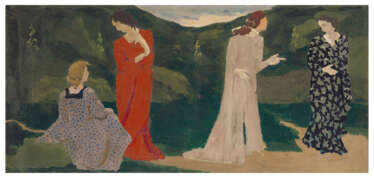

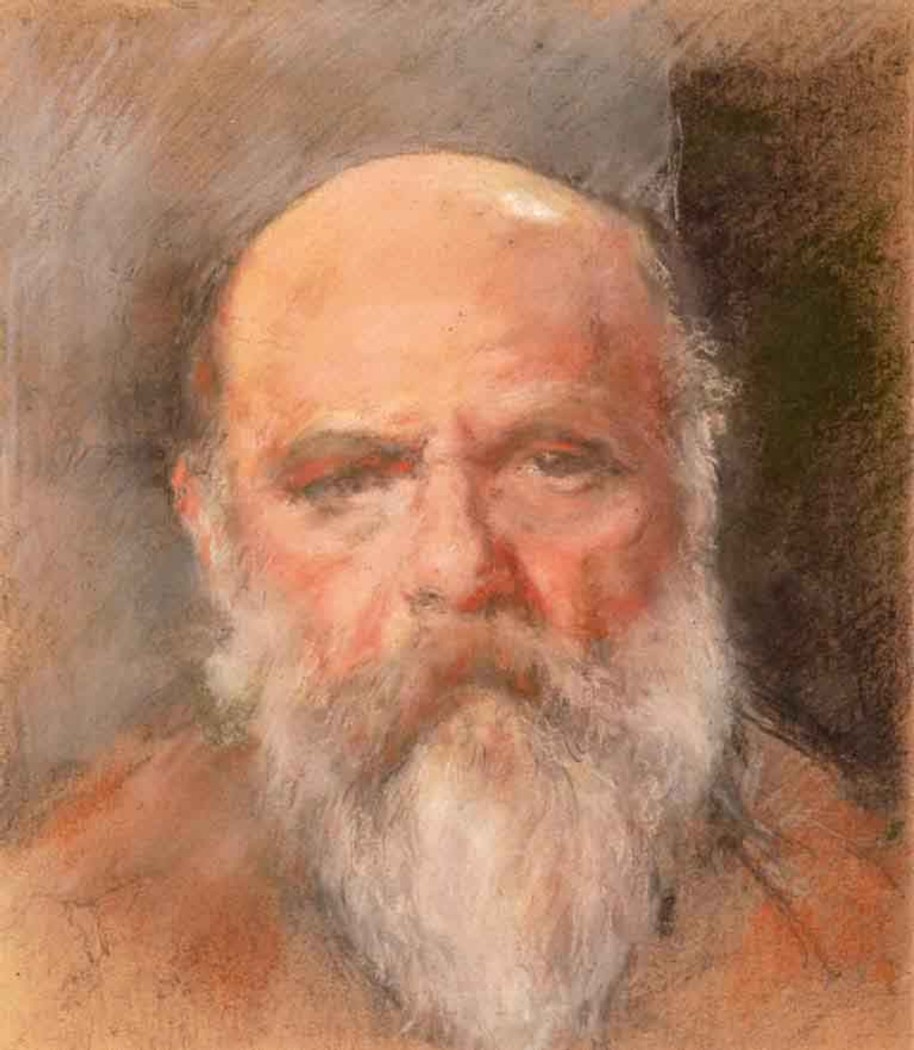
Ker-Xavier Roussel was a French painter, renowned for his distinctive post-impressionist style and his affiliation with the Nabis, an avant-garde artist group. Born in 1867, Roussel's artistic journey began in his teens and continued robustly into the 20th century, leaving a legacy celebrated for its mythological and bucolic themes.
Roussel's art is characterized by its vivid portrayal of mythological scenes and landscapes, often infused with a sense of eroticism and joy. His work frequently depicts Greek myths set against the backdrop of the Mediterranean, featuring figures like women, nymphs, centaurs, and fauns. These large, brightly colored paintings, such as "Rural Festival, Summer" and "The Seasons of Life," marked a departure from the smaller formats typical of the Nabis, showcasing his evolution towards a more expansive and expressive style.
A master of pastels, Roussel's work from the 1890s, such as "La Barrière," displayed at the Musée d'Orsay, reflects the Nabi style with its Japanese print influences, absence of perspective, and contrasting values. His later works, created between 1930 and 1944, often depicted violent mythological deaths, revealing a darker aspect of his artistic expression.
Roussel's contributions extended beyond canvas, as he created large paintings for public spaces and private clients, including a significant panel for the Palais des Nations in Geneva and the front curtain of the Théâtre des Champs-Élysées. His recognition peaked in the 1930s, with a multi-panel scheme for the Palais de Chaillot and winning the Carnegie Prize for art in 1926.
Despite a period of obscurity, Roussel's work regained attention through exhibitions like "Ker-Xavier Roussel, Private Garden, Dreamed Garden" at the Musée des Impressionnismes in Giverny, showcasing his significant contributions to art history.
For art collectors and experts, understanding Roussel's work offers insights into the evolution of post-impressionism and the Nabis' influence on modern art. His unique blend of mythological themes and vibrant landscapes represents an important chapter in art history. For those interested in exploring Roussel's work further or keeping updated on related art sales and auctions, signing up for updates is a valuable opportunity to deepen your engagement with this influential artist's legacy.
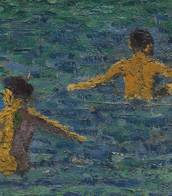
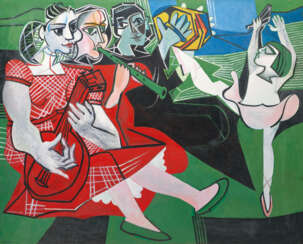

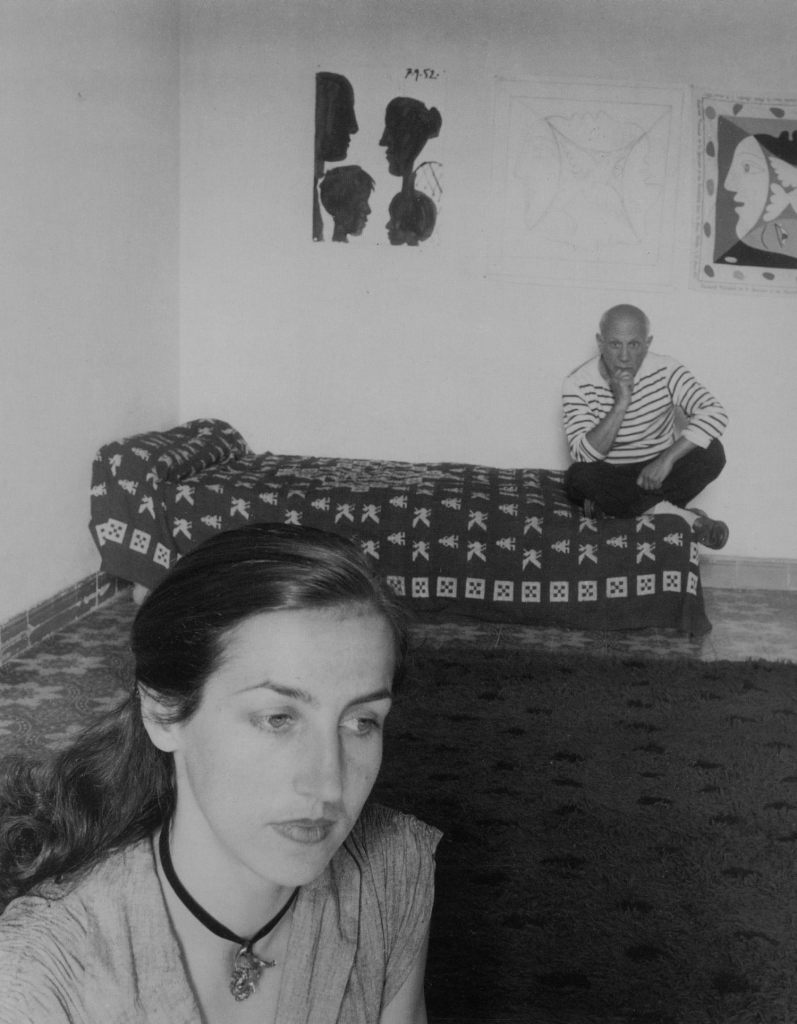
Françoise Gilot is a French painter, illustrator, and writer. She has published several books, including a memoir about her life with Pablo Picasso.
Gilot studied at the Sorbonne in Paris and later at the École des Beaux-Arts in Fontainebleau. She began exhibiting her work in the 1940s and quickly gained recognition for her colorful and vibrant paintings. Gilot's early work was influenced by the cubist and surrealist movements, but she developed her own unique style over time, characterized by bold colors and strong lines.
Gilot is also known for her personal life, particularly her relationship with Pablo Picasso, with whom she had two children. She wrote a memoir, "Life with Picasso," which was published in 1964 and became a bestseller. The book provided insight into Picasso's personality and working methods, as well as the challenges of being an artist in the mid-20th century.
Gilot has continued to paint throughout her life and has exhibited her work in galleries and museums around the world. She has also been recognized with numerous awards and honors, including being named a Chevalier de la Légion d'Honneur in 1990. Her work continues to be celebrated for its bold and expressive style, as well as for the way it reflects her experiences and insights as a woman and an artist.


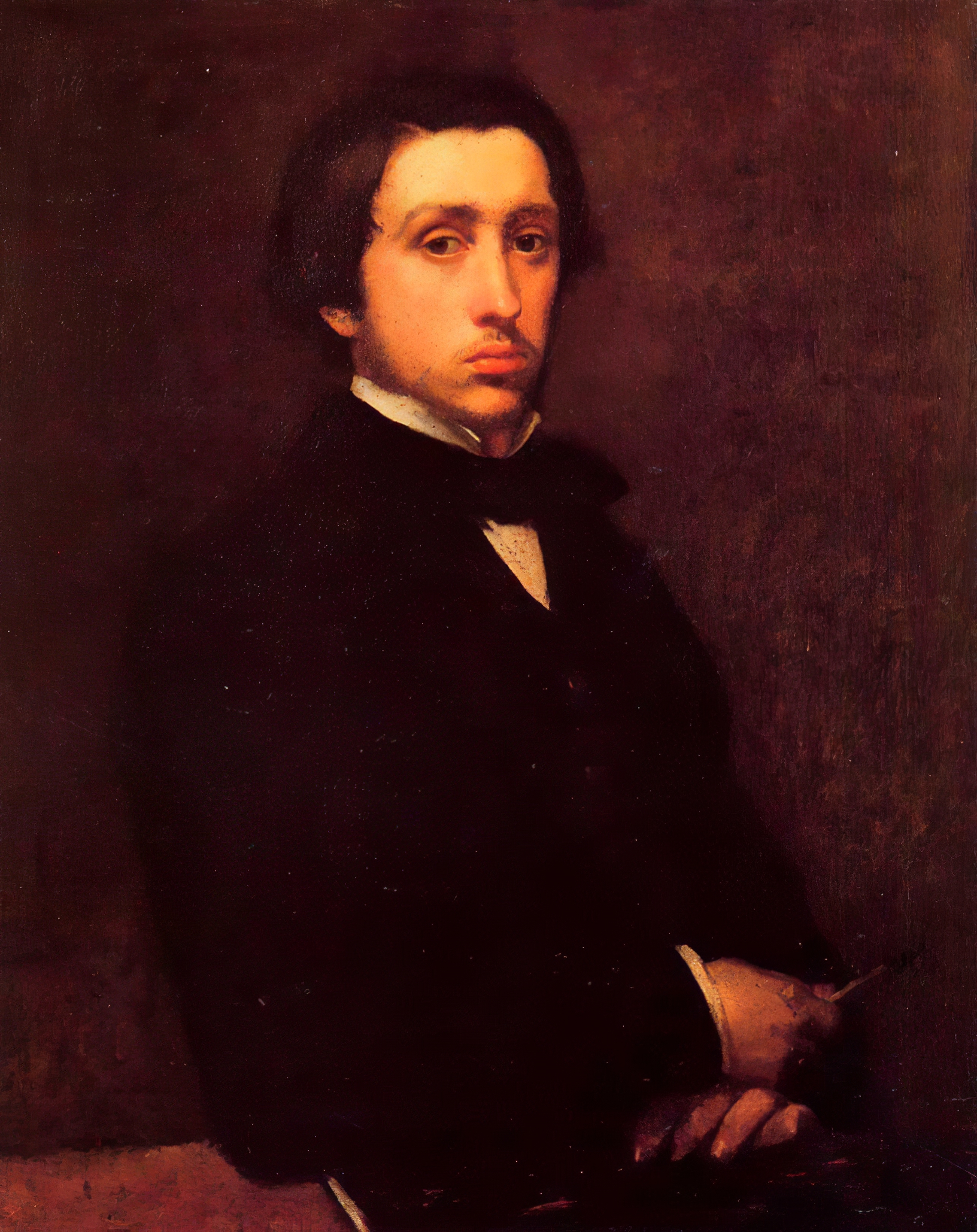
Edgar Degas, a French artist, was a master of painting, sculpture, and drawing, celebrated for his profound influence on the Impressionist movement despite his preference for being called a realist. Degas was born into a well-off family in Paris, France, and demonstrated a keen interest in art from an early age, eventually shaping his path to become one of the most sophisticated draftsmen of his time. His rigorous academic training and close study of classical art initially aimed him towards a career in history painting, but Degas soon pivoted towards contemporary subject matter, thus cementing his role as a classical painter of modern life.
Degas is renowned for his dynamic portrayals of movement, particularly in his depictions of dancers, racehorses, and everyday Parisian life. His works are characterized by their psychological depth and the isolation of his figures, showcasing his unique ability to capture the essence of his subjects with both empathy and critical distance. More than half of his oeuvre focuses on dancers, reflecting not only his fascination with the ballet but also his innovative approach to composition and form. This focus on the human figure, explored in various media including oil, pastel, and sculpture, underscores Degas's commitment to studying the nuances of human movement and expression.
Degas's artistic career is marked by his experimentation with various techniques and materials, as seen in his bronze sculptures and pastel nudes. One of his most famous sculptures, the study of the young ballet student Marie van Goethem, showcases his pioneering use of real objects in sculpture, a practice that prefigured later artistic innovations. Despite the controversies that sometimes surrounded his work, particularly in his depictions of the female nude, Degas's legacy as an artist who bridged the gap between traditional academic art and the modern movements of the early 20th century remains undisputed.
For collectors and experts in art and antiques, Degas's work offers a fascinating study in the evolution of modern art, highlighting the artist's deep engagement with the cultural and social dynamics of his time. His pieces, whether in the form of paintings, sculptures, or prints, continue to captivate audiences with their complexity, beauty, and innovative spirit.
If you are keen to stay updated on sales and auction events related to Edgar Degas, signing up for updates is a prudent choice. This subscription service ensures that you remain informed about new opportunities to acquire works by this pivotal figure in the art world, without overwhelming you with unnecessary information.
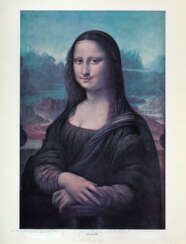

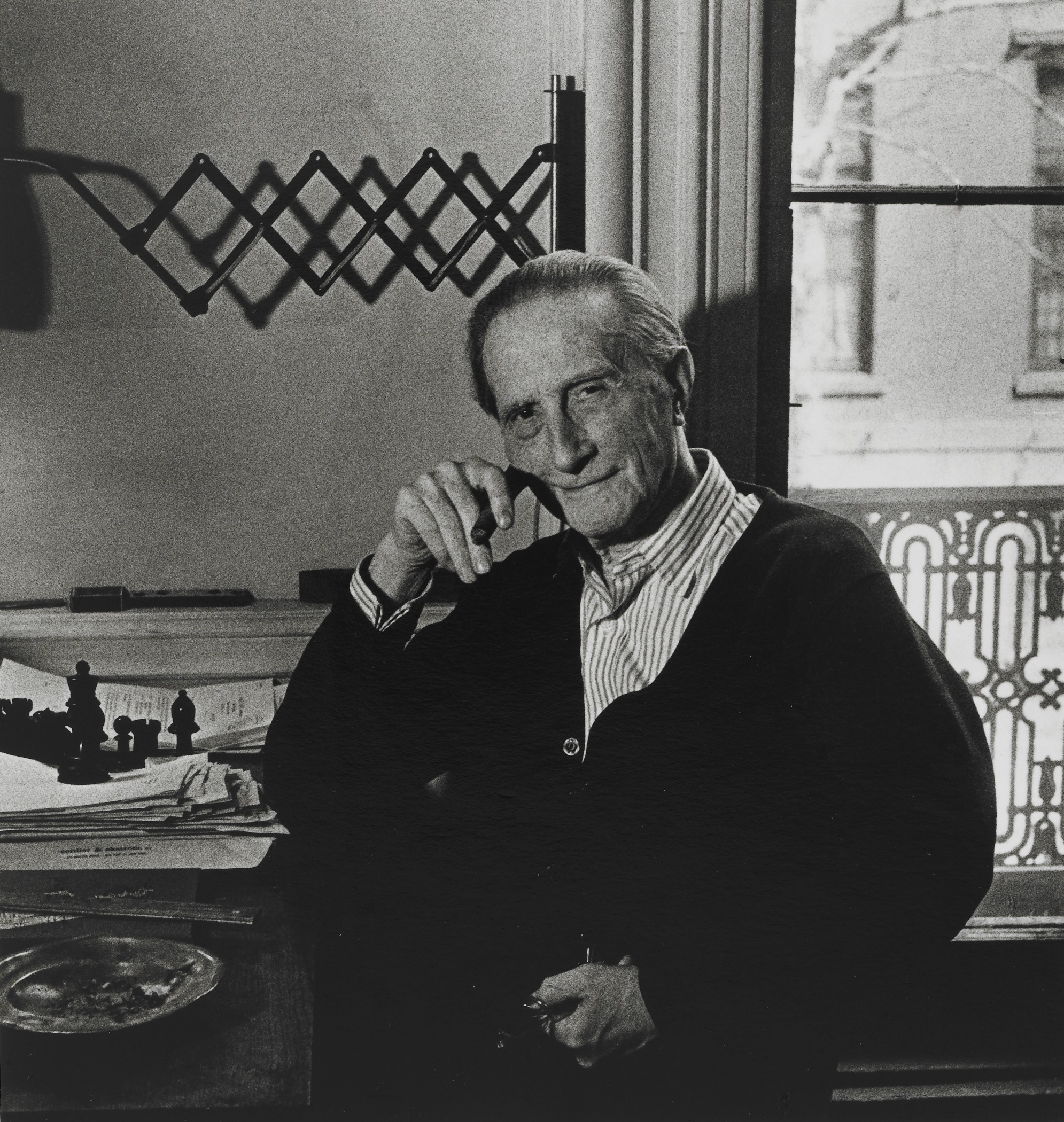
Henri-Robert-Marcel Duchamp, a pioneering French artist, is celebrated for his profound influence on 20th-century art and culture. Duchamp's work transcended traditional mediums, embracing painting, sculpture, and conceptual art, thereby redefining the very nature of artistic creation. His audacious approach to art, marked by intellectualism and wit, challenged conventional perceptions of beauty and utility, making him a central figure in the development of modern and postmodern art.
Duchamp's most notable contributions include his ready-mades—ordinary manufactured objects that he selected and presented as art. This innovative concept questioned the role of the artist and the creation process, exemplified by his famous piece, "Fountain," a porcelain urinal that radically altered the landscape of art by its mere presentation in 1917. His other significant works, like "Nude Descending a Staircase, No. 2," showcased his fascination with movement and mechanization, further cementing his legacy as a visionary.
Duchamp's influence extends beyond his creations, as he played a vital role in shaping the Dada movement and conceptual art. His ideas and artworks continue to inspire artists, collectors, and experts in the fields of art and antiques. Museums and galleries worldwide, including the Philadelphia Museum of Art and the Museum of Modern Art in New York, proudly house his works, attesting to his enduring relevance.
For those keen on exploring the intersections of art, culture, and history, Duchamp offers a rich tapestry of innovation and controversy. Collectors and art enthusiasts are invited to sign up for updates on new product sales and auction events related to Henri-Robert-Marcel Duchamp, ensuring they remain at the forefront of developments in this captivating domain.
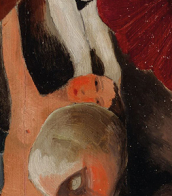


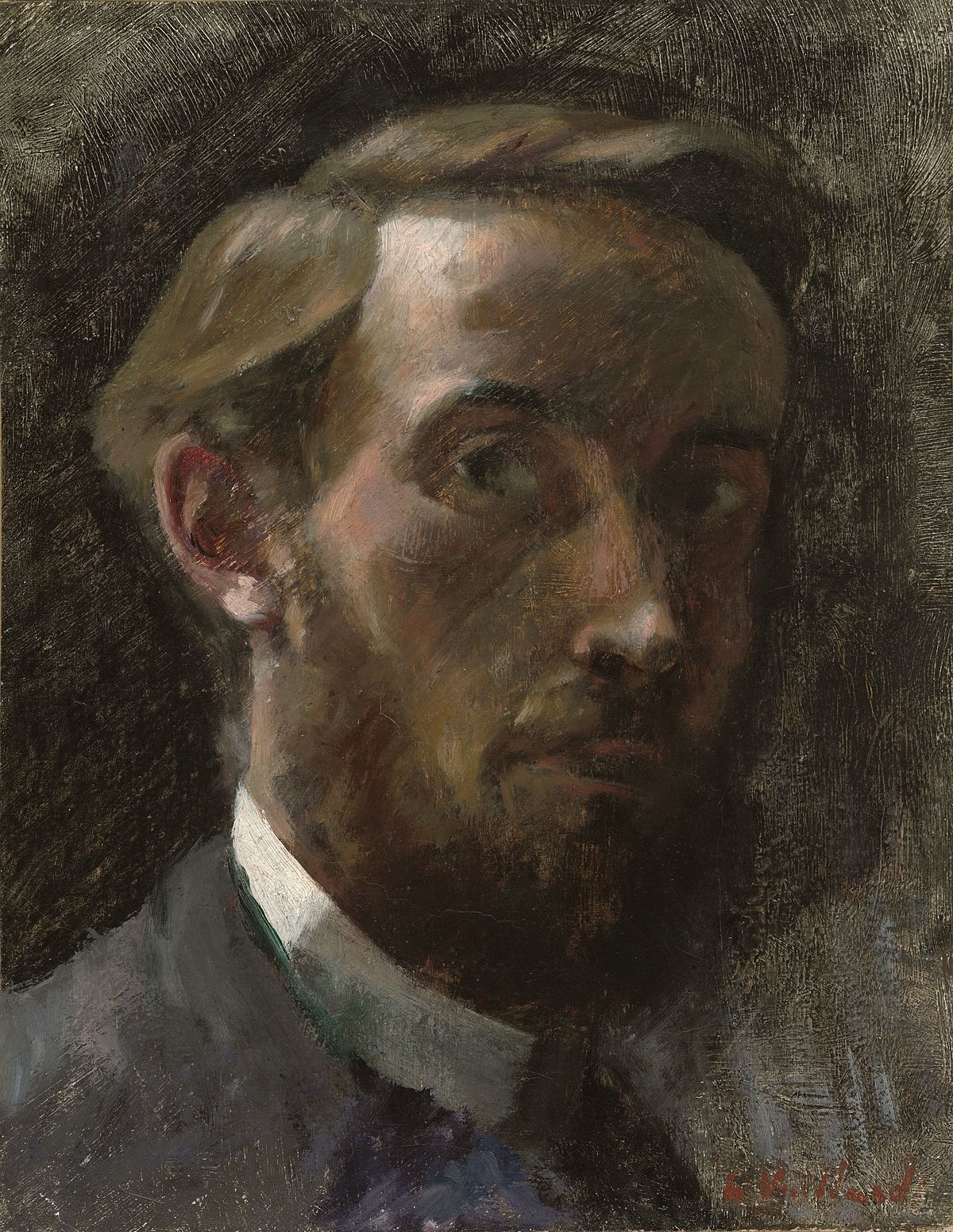
Jean-Édouard Vuillard was a French artist, celebrated for his role in the avant-garde group Les Nabis. Known for his decorative art and printmaking, Vuillard's work was heavily influenced by Japanese prints, which is evident in his unique style of flattened color planes and simplified forms. His paintings, often of interior scenes, are distinguished by their intimate and domestic subjects, displaying a keen sensitivity to the subtle dynamics of everyday life.
In the late 1880s, Vuillard joined Les Nabis, a group of artists who sought to break away from traditional artistic concepts. This association played a pivotal role in shaping his artistic philosophy. Vuillard’s early works, like "The Seamstresses" (1890) and "Child in an Orange Shawl" (1894–95), demonstrate his evolving style, marked by the use of vibrant colors and a distinct lack of perspective, aimed at exploring spatial relationships.
Vuillard's artistic journey included ventures into theater decoration and interior design. He designed stage sets and theater programs, notably for Lugné-Poe's Theatre de l’Oeuvre, and also worked on large-scale panel paintings for French patrons. His close collaboration with the Natanson brothers, founders of the cultural review La Revue Blanche, was significant in his career. This association brought him various commissions, including decorative works for private homes and public buildings.
Vuillard's art evolved over time, transitioning from his Nabis-style works to more naturalistic portraits in the 1920s and 1930s. Despite this shift, his focus remained on portraying the intricacies of domestic life, often featuring the people closest to him. Notable among his subjects were Misia Natanson, a prominent figure in the Parisian cultural scene, and Lucy Hessel, with whom Vuillard had a long-term relationship.
For art collectors and experts, Vuillard's works are a window into the intimate spaces of Parisian life at the turn of the century. His ability to transform everyday scenes into art makes his work particularly appealing. Pieces like "The Green Interior" (1891) and "Breakfast at Villerville" (1910) are exemplary of his style and are celebrated for their quiet yet profound depiction of ordinary life.
Vuillard's legacy lives on in galleries and museums worldwide. His work remains a testament to the power of domestic scenes in art, capturing the essence of the period with a unique blend of realism and abstraction.
For those interested in the subtle beauty of Vuillard's work, subscribing to our updates will ensure you stay informed about new sales and auction events featuring his art. Our updates are tailored for connoisseurs like you, providing insights into the world of art and antiques, with a focus on Vuillard's enduring legacy.
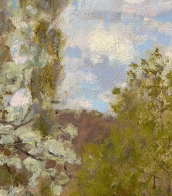
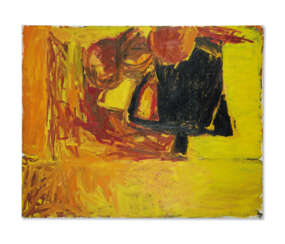

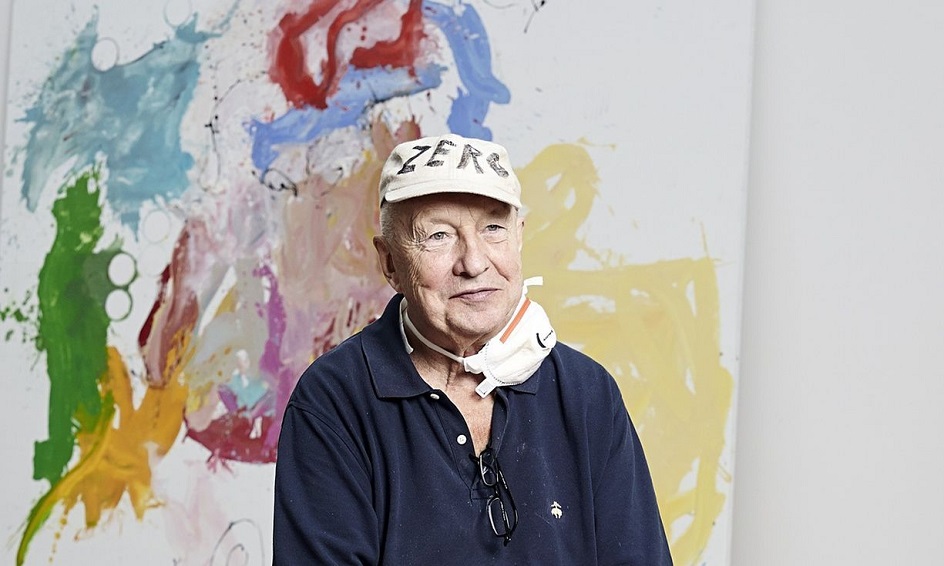
Georg Baselitz is a German painter, sculptor and graphic artist. In the 1960s he became well known for his figurative, expressive paintings. In 1969 he began painting his subjects upside down in an effort to overcome the representational, content-driven character of his earlier work and stress the artifice of painting. Drawing from myriad influences, including art of Soviet era illustration art, the Mannerist period and African sculptures, he developed his own, distinct artistic language.


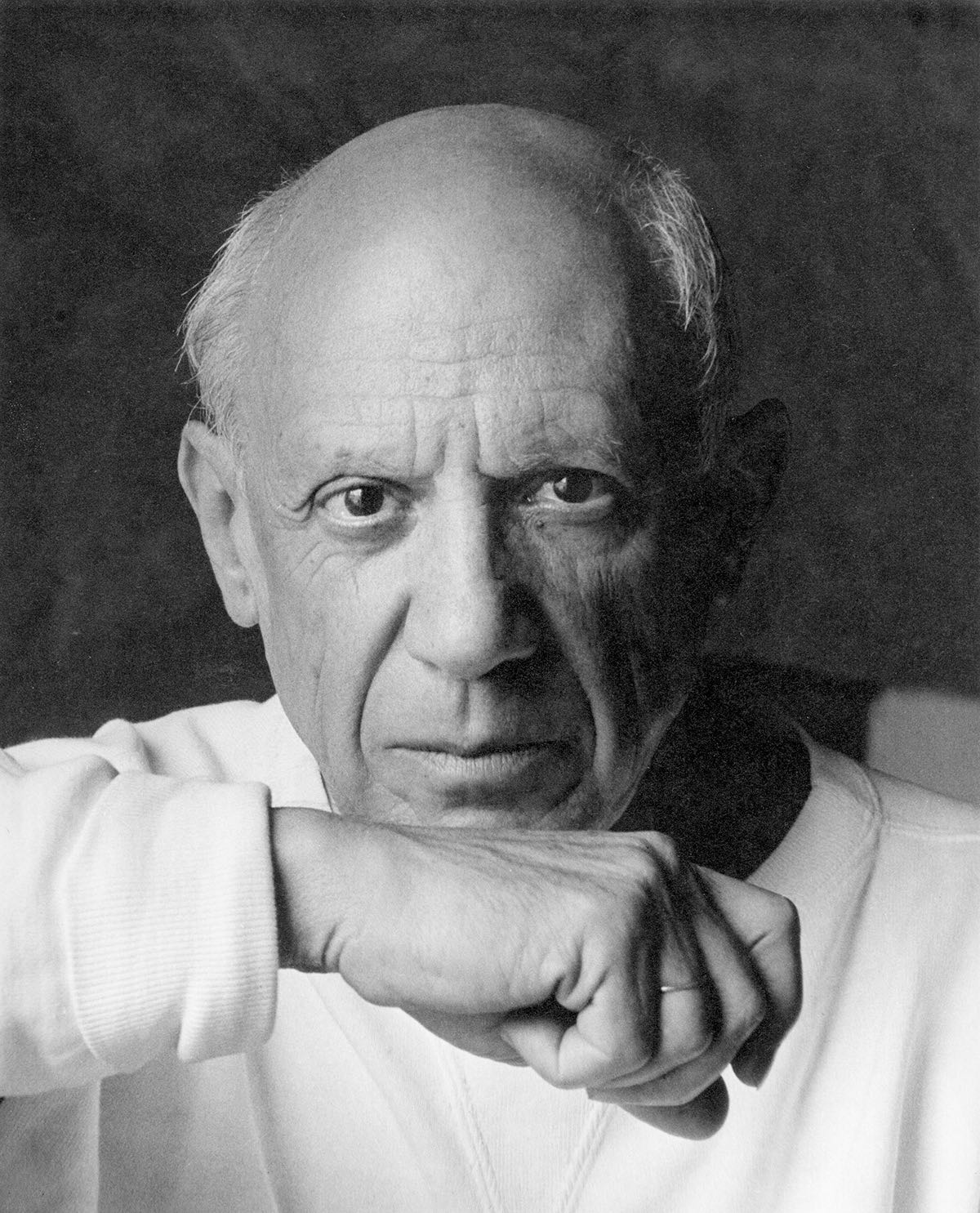
Pablo Ruiz Picasso, a Spanish artist renowned for his revolutionary contributions to the 20th-century art scene, is a figure that resonates profoundly with collectors and art experts. His unique blend of talents in painting, sculpture, printmaking, and ceramic art, infused with his time in France, positioned him as a pivotal character in modern art history.
Picasso's artistic journey was marked by distinct periods, each showcasing his evolving style and genius. His early years were characterized by the Blue Period (1901-1904), followed by the Rose Period (1904-1906), and then the African-influenced Period (1907-1909). Picasso's name is synonymous with Cubism, a movement he co-founded, which significantly altered artistic perspectives and methods. Works like "Les Demoiselles d'Avignon" (1907) and "Guernica" (1937) are emblematic of his cubist legacy, the latter being a poignant anti-war statement that remains influential.
His later years saw a return to more traditional styles, with neoclassical and surrealist influences becoming evident. Works from these phases reflect a deep engagement with mythological themes, as seen in "Faun with Stars" (1955), symbolizing his late-life romance with Jacqueline Roque, his second wife.
Picasso's prolific output and innovative spirit made him a legend in his own time, a status that only grew after his death. His works, housed in major museums and private collections worldwide, continue to captivate and inspire.
As a collector or expert in art and antiques, staying informed about Picasso's works, their auction events, and sales is essential. To stay updated on the latest developments and opportunities related to Pablo Picasso, sign up for our specialized updates. Rest assured, this subscription will focus solely on new product sales and auction events pertaining to Picasso's art, ensuring that you receive only the most relevant and valuable information.

.jpg)
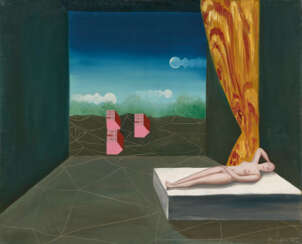
René Magritte, a Belgian artist, was renowned for his significant contributions to the Surrealist movement. His art, known for merging ordinary objects with bizarre, dream-like contexts, captivated the art world. Born on November 21, 1898, in Lessines, Belgium, Magritte's early artistic pursuits were impressionistic, transitioning through Cubism and Futurism influenced by artists like Jean Metzinger. However, his encounter with Giorgio de Chirico's work in 1922 steered him towards Surrealism.
Magritte's career was marked by various phases, each showcasing his evolving style and thematic focus. His initial foray into Surrealism began in 1926 with "The Lost Jockey" and was further solidified during his time in Paris, where he mingled with other prominent Surrealists like André Breton. Despite facing initial criticism and financial challenges, Magritte's unique blend of familiar imagery in unfamiliar contexts, like in "The Empire of Light" and "Time Transfixed," earned him acclaim.
Magritte's distinct visual language, characterized by recurring motifs like bowler hats and apples, and his exploration of reality and illusion, remain influential. His works are displayed in major galleries worldwide, continuing to inspire and intrigue art collectors and enthusiasts.
For collectors and experts in art and antiques, staying informed about Magritte's works and related auction events is crucial. Signing up for updates ensures you're alerted to new sales and events focusing on René Magritte's art, offering unique opportunities to acquire or learn more about his remarkable creations. This subscription will exclusively cover new product sales and auction events related to Magritte, keeping you updated on the most relevant information in the art world.
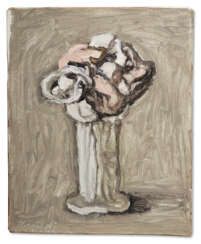

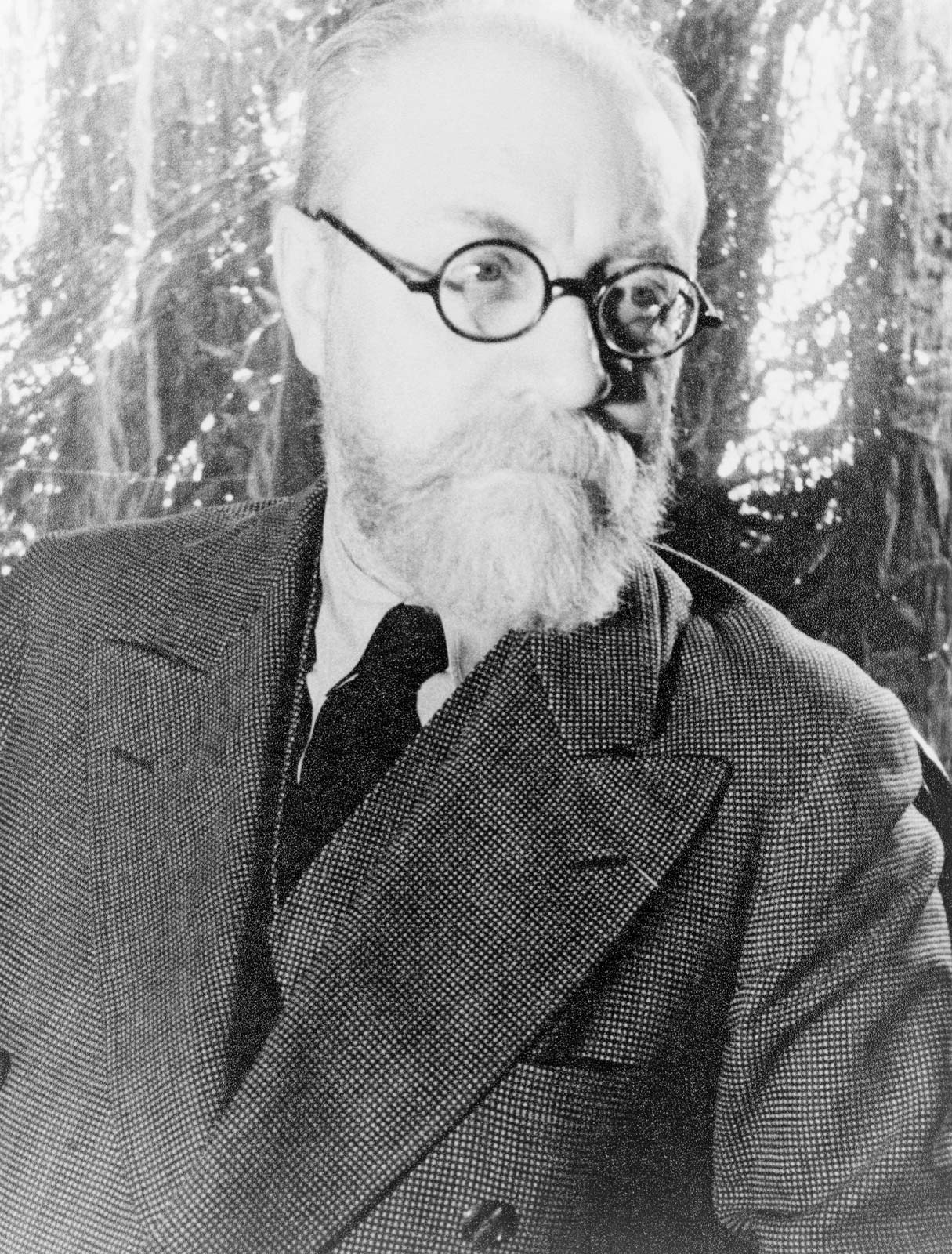
Henri Matisse, a renowned French visual artist, was celebrated for his vibrant use of color and fluid, original draughtsmanship. Born on December 31, 1869, in Le Cateau-Cambrésis, France, Matisse initially pursued a career in law before turning to art. He first began painting in 1889, a change inspired by convalescence art supplies his mother provided. This marked the beginning of a journey that would see him become a leading figure in modern art.
Matisse's career is notable for its stylistic evolution yet consistent aim to capture the "essential character of things." His early works, characterized by intense colorism, earned him recognition as one of the Fauves, or "wild beasts." The period from 1908 to 1913 was marked by significant developments, with works like "Reclining Odalisque" and "The Red Studio" showcasing his mastery in balance and serenity. In the 1920s, his style evolved to more relaxed forms, with a focus on light, color, and decorative patterns in paintings like his odalisque series.
Matisse's exploration of various mediums, including sculpture and paper collage, reflects his innovative spirit. His later years were dominated by cut paper collages, as health challenges limited his ability to paint. These works, alongside his bold drawings and sculptures, cemented his status as a pioneer in visual art.
For collectors and art experts, Matisse's work remains a testament to creative evolution and expressive use of color and form. His masterpieces can be found in prominent museums and galleries worldwide, continuing to inspire and fascinate art enthusiasts.
To stay updated on new product sales and auction events related to Henri Matisse's art, sign up for our updates. This subscription will keep you informed about opportunities to appreciate and acquire works connected to this iconic artist.
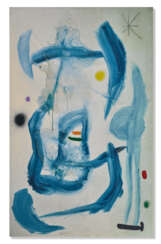

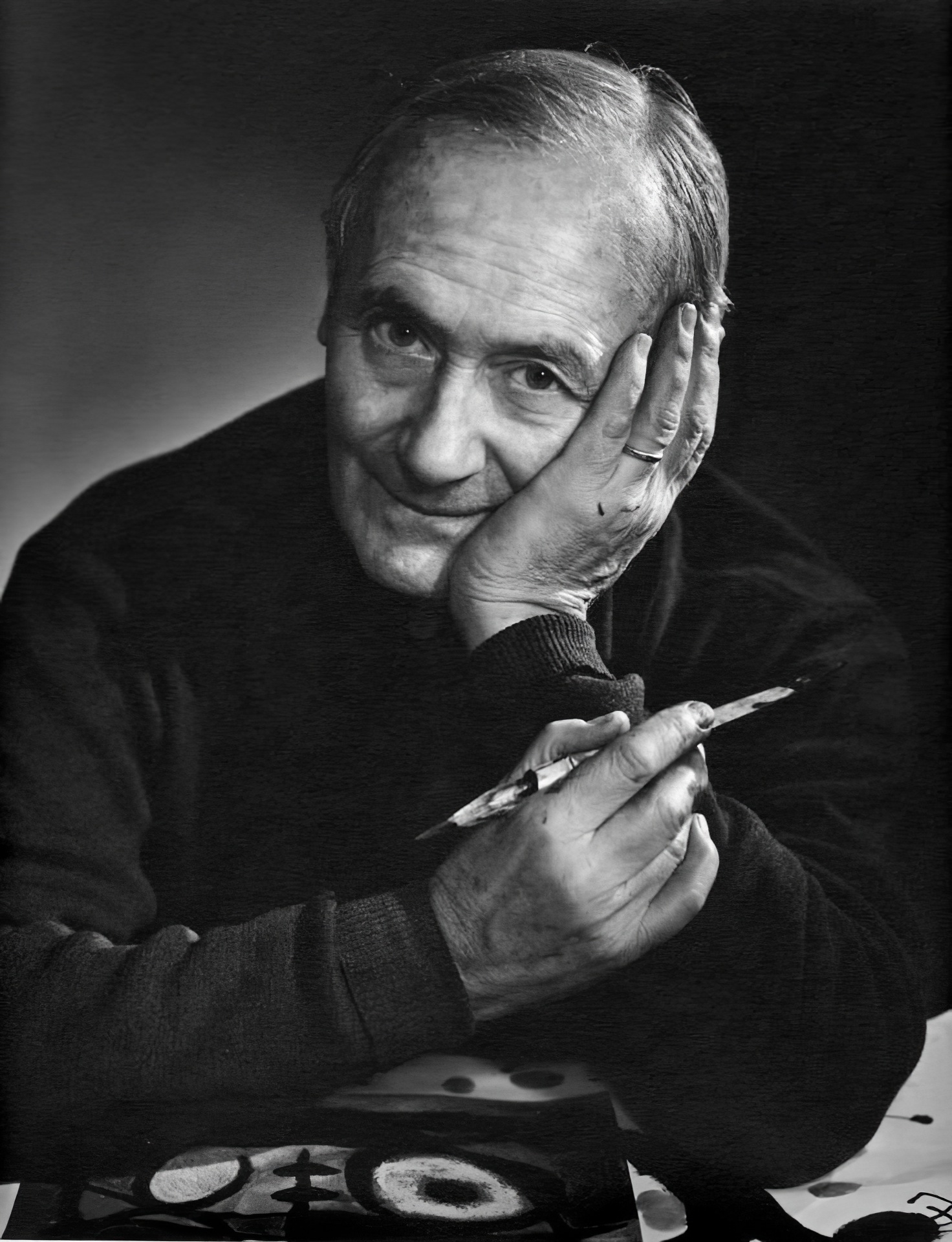
Joan Miró, a celebrated Spanish artist, was a master in painting, sculpture, and ceramics, renowned for his unique style that blurred the lines between Surrealism, Fauvism, and Expressionism. Born in Barcelona to a family of a goldsmith and a watchmaker, Miró grew up immersed in the rich cultural heritage of the Barri Gòtic neighborhood. His artistic journey began with drawing classes at the age of seven and continued at the prestigious La Llotja art academy. Despite an initial venture into the business world, Miró's passion for art prevailed, leading him to abandon his clerical career after a nervous breakdown.
Miró's work is noted for its exploration of the subconscious, often depicting a childlike perspective. This approach was both a critique of traditional painting methods and a means of expressing Catalan pride. His art, challenging to categorize, often featured symbolic elements and nationalistic qualities. One of his notable early works, "The Farm," reflects a transition to a more individual style, blending elements of his Catalan roots with broader artistic influences. This piece, later purchased by Ernest Hemingway, encapsulated the essence of Spain in its imagery.
In Paris, Miró joined the Surrealist movement in 1924, where his work began to reflect the influence of automatism, emphasizing spontaneous, automatic, or subconscious creation. He experimented with various mediums, including painting-poetry and collage, and even ventured into set and costume design for Sergei Diaghilev's Ballets Russes.
During World War II, Miró remained in Spain, and his work from this period, including the 22 Constellations series, reflected an interest in the night, music, and stars. His forms became increasingly abstracted, and he experimented with various techniques, often incorporating primary colors and evocative titles.
Miró's career spanned several decades, during which he continually evolved his style and explored new mediums. His contributions to art were recognized with numerous awards and retrospectives, including a major career retrospective at MoMA in 1941 and the Spanish Gold Medal for Fine Arts in 1980. Among his last major works was a tapestry for the World Trade Center in New York City, created in 1974.
For art collectors and enthusiasts, Joan Miró remains a figure of immense interest, not only for his distinct style and contributions to Surrealism but also for his ability to blend poetic imagery with political commentary. To stay updated on new product sales and auction events related to Joan Miró, sign up for our updates and immerse yourself in the world of this extraordinary artist.
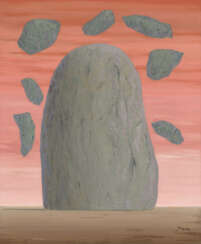

René Magritte, a Belgian artist, was renowned for his significant contributions to the Surrealist movement. His art, known for merging ordinary objects with bizarre, dream-like contexts, captivated the art world. Born on November 21, 1898, in Lessines, Belgium, Magritte's early artistic pursuits were impressionistic, transitioning through Cubism and Futurism influenced by artists like Jean Metzinger. However, his encounter with Giorgio de Chirico's work in 1922 steered him towards Surrealism.
Magritte's career was marked by various phases, each showcasing his evolving style and thematic focus. His initial foray into Surrealism began in 1926 with "The Lost Jockey" and was further solidified during his time in Paris, where he mingled with other prominent Surrealists like André Breton. Despite facing initial criticism and financial challenges, Magritte's unique blend of familiar imagery in unfamiliar contexts, like in "The Empire of Light" and "Time Transfixed," earned him acclaim.
Magritte's distinct visual language, characterized by recurring motifs like bowler hats and apples, and his exploration of reality and illusion, remain influential. His works are displayed in major galleries worldwide, continuing to inspire and intrigue art collectors and enthusiasts.
For collectors and experts in art and antiques, staying informed about Magritte's works and related auction events is crucial. Signing up for updates ensures you're alerted to new sales and events focusing on René Magritte's art, offering unique opportunities to acquire or learn more about his remarkable creations. This subscription will exclusively cover new product sales and auction events related to Magritte, keeping you updated on the most relevant information in the art world.
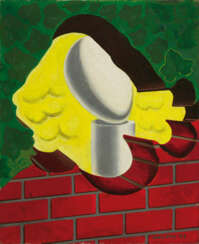

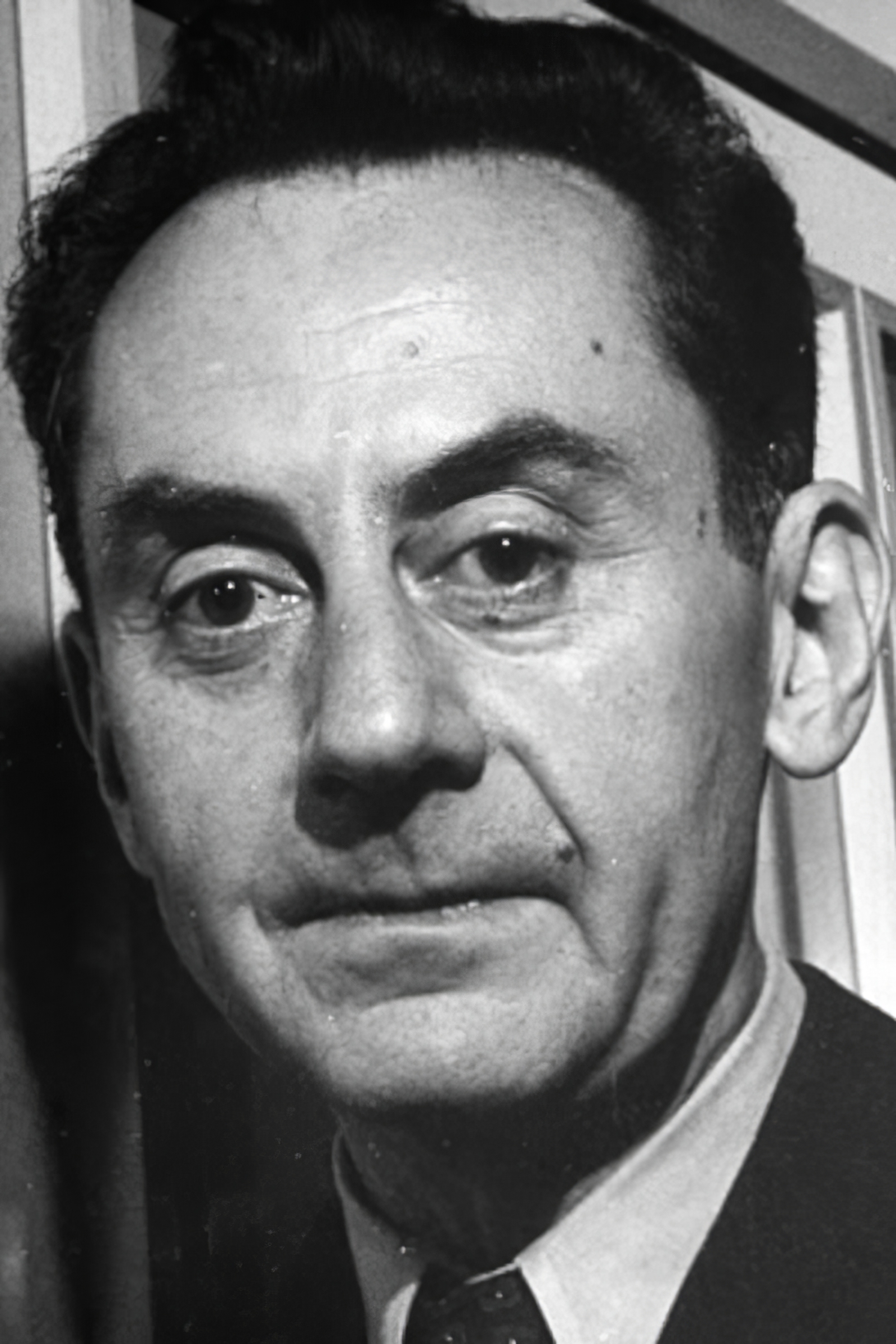
Man Ray, born Emmanuel Radnitzky, was an American visual artist who played a significant role in the Dada and Surrealist movements. His pioneering efforts in photography, alongside his work in painting and sculpture, have cemented his place as a major figure in modern art. Known for his innovative techniques and the ability to convey complex ideas through simple, striking visuals, Man Ray's contribution to the art world is profound.
Throughout his career, Man Ray was celebrated for his avant-garde approach and his ability to transcend traditional boundaries between different artistic mediums. His photography, characterized by experimental techniques such as solarization and rayographs (cameraless photographs), challenged conventional perceptions of photography as merely a means of representation. These artistic innovations made him a central figure in both Parisian and American art circles.
Man Ray's works are housed in some of the world's most prestigious museums and galleries, including the Museum of Modern Art in New York and the Centre Pompidou in Paris. His pieces, such as "Le Violon d'Ingres" and "Noire et Blanche," are iconic images that continue to influence artists today. His ability to blend the abstract with the realistic, and the humorous with the serious, has left a lasting legacy in the world of art.
For collectors and experts in art and antiques, the work of Man Ray offers a glimpse into the revolutionary changes that shaped the visual arts in the 20th century. His unique perspective and pioneering techniques continue to inspire and challenge those interested in the boundaries of creativity and expression.
If you're passionate about the avant-garde, or simply wish to explore the fascinating world of Man Ray further, sign up for our updates. You'll receive alerts on new product sales and auction events related to Man Ray, ensuring you never miss an opportunity to engage with the legacy of this extraordinary artist.


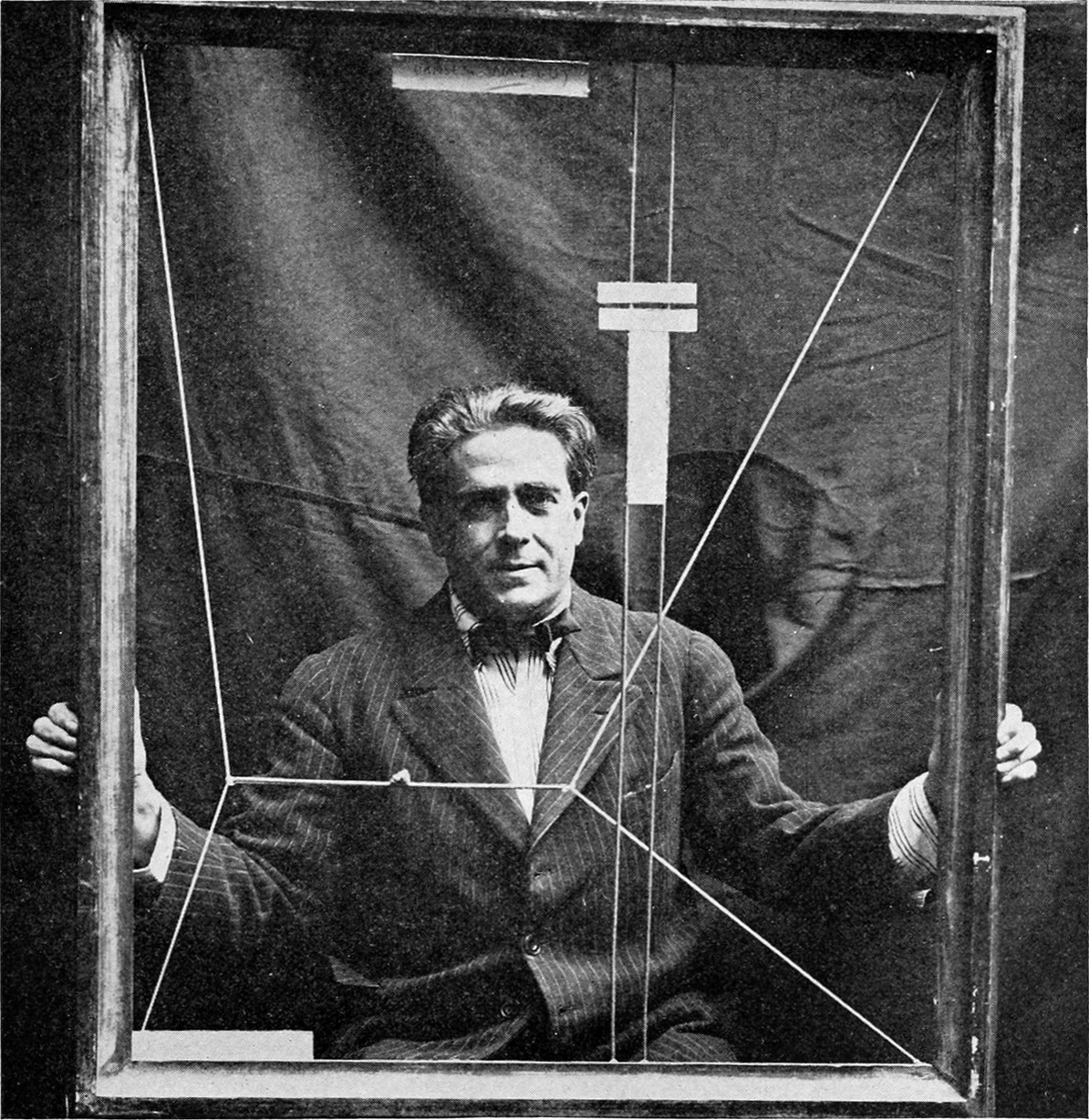
Francis Picabia, born Francis-Marie Martinez de Picabia, was a French avant-garde painter, poet, and typographist, whose work is celebrated for its diversity and innovation. His journey through various art movements, including Impressionism, Cubism, Dadaism, and Surrealism, showcases his refusal to be confined by any one style. Picabia's art is known for its eclectic nature, often blending mechanical elements with organic forms, thereby challenging traditional perceptions of art and beauty.
Picabia's significant contribution to the art world lies not just in his varied artistic output but also in his philosophical approach to creation. He believed in the freedom of expression, often using his art to critique societal norms and the art establishment itself. This rebellious spirit made him a pivotal figure in the Dada movement, where his works were celebrated for their irony and disdain for conventional art values.
Among his notable works, "Amorous Parade" and "I See Again in Memory My Dear Udnie" stand out, housed in prestigious institutions like the Museum of Modern Art in New York. These pieces exemplify Picabia's mastery over blending different elements of art movements, creating works that remain influential to this day. His legacy is not just in the pieces he created but also in his attitude towards art, encouraging future generations to challenge and redefine the boundaries of creativity.
For collectors and experts in art and antiques, Picabia's works represent not only significant artistic achievements but also valuable insights into the evolution of modern art. To stay informed about new product sales and auction events related to Francis Picabia, sign up for updates. This subscription is an essential resource for enthusiasts looking to enrich their collections with pieces from one of the most innovative artists of the 20th century.


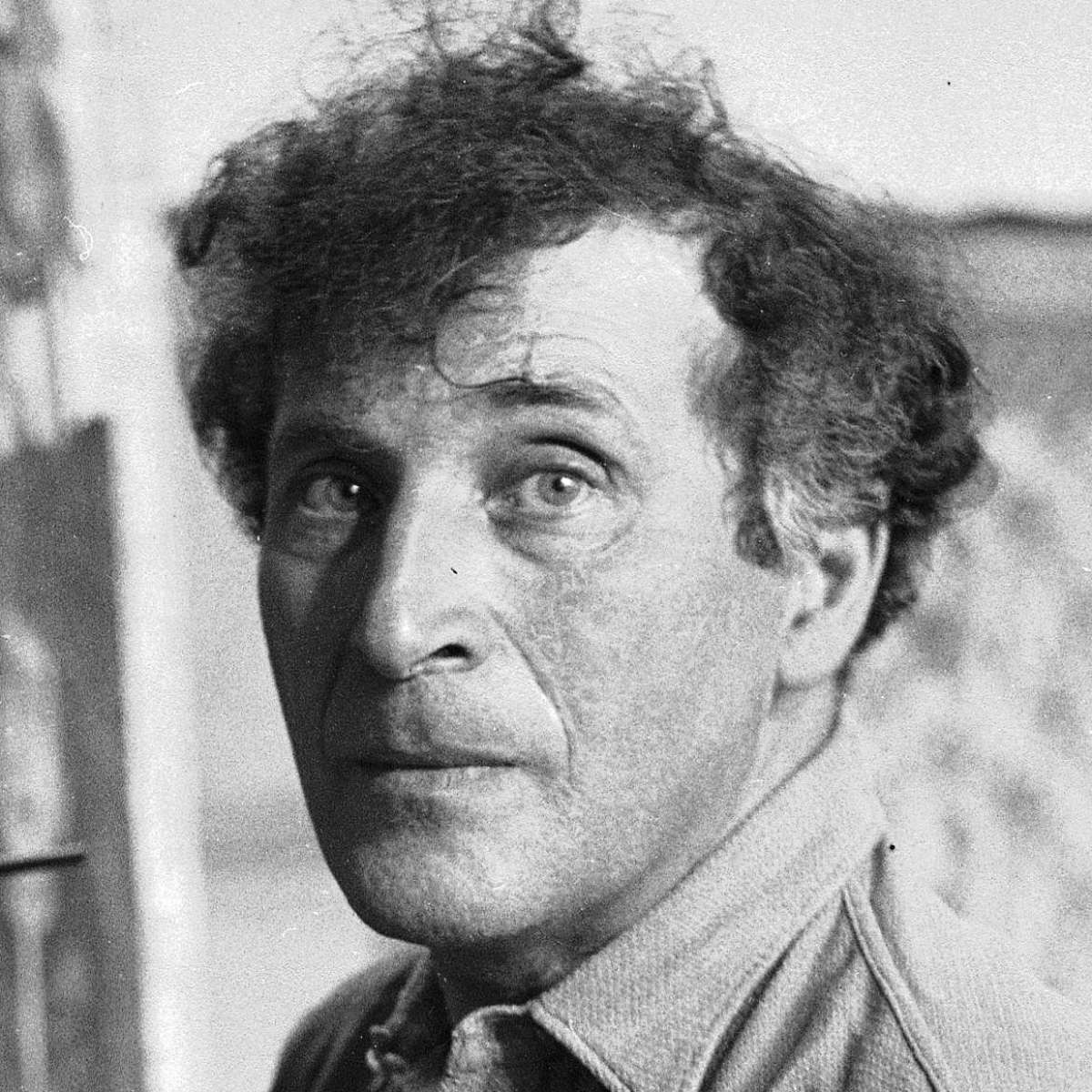
Marc Chagall (Russian: Марк Заха́рович Шага́л), born Moishe Shagal in 1887 near Vitebsk, Belarus (then part of the Russian Empire), was a Belarusian and French artist celebrated for his pivotal role in the avant-garde movement and his unique integration of Eastern European Jewish culture into modern art. His contributions spanned several artistic formats including painting, stained glass, stage sets, ceramics, tapestries, and fine art prints. Chagall's early modernist tendencies were enriched by his experiences across Saint Petersburg, Paris, and Berlin before World War I, leading to a distinctive style that melded Cubism, Symbolism, and Fauvism with his Jewish heritage.
Chagall's work is recognized for its emotional depth, often exploring themes of love, memory, and Jewish folklore through vibrant colors and dreamlike imagery. Notably, art critic Robert Hughes described him as "the quintessential Jewish artist of the twentieth century," a sentiment echoed by art historian Michael J. Lewis who regarded Chagall as a significant figure within European modernism and as the world's preeminent Jewish artist of his time.
Among Chagall's famed contributions are his stained-glass windows for the cathedrals of Reims and Metz, the UN, and the Jerusalem Windows in Israel. His monumental paintings include parts of the ceiling of the Paris Opéra and works that explore biblical themes, a hallmark of his oeuvre that underscores his enduring engagement with spiritual and religious motifs.
For art collectors and antiques experts, Chagall's works are notable not only for their artistic innovation but also for their rich cultural and historical significance. His art is housed in many prestigious museums worldwide, including the Marc Chagall National Museum in Nice, France, which focuses on his works inspired by religion and houses the series of paintings illustrating the biblical message.
For those interested in exploring Chagall's legacy and the vibrant intersection of culture, art, and history his work represents, signing up for updates on new product sales and auction events related to Marc Chagall can provide invaluable insights and opportunities. This is an invitation to engage more deeply with the world of art and culture that Chagall so uniquely encapsulated in his work.
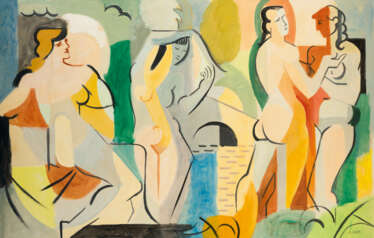

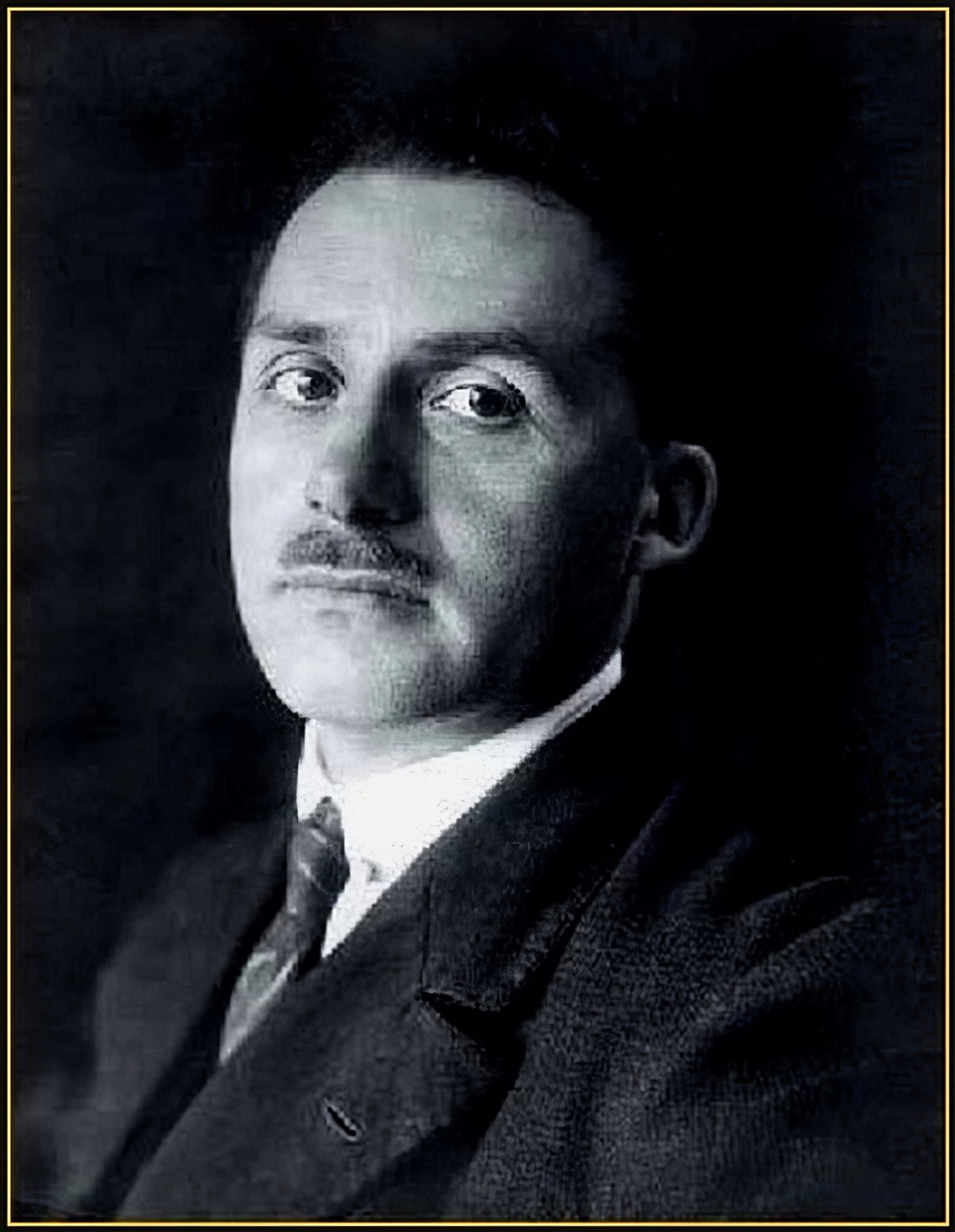
Andre Lhote, a French artist, was a pivotal figure in the Cubist movement, known for his contributions as a painter, theoretician, critic, and art teacher. His journey in the arts began at the École des Beaux-Arts in Bordeaux, focusing on decorative arts before shifting his full attention to painting after moving to Paris in 1906. Lhote's work initially drew influences from Paul Gauguin and Paul Cézanne, but by 1910, he was deeply entrenched in Cubism, aligning with artists like Fernand Léger and Jean Metzinger.
Andre Lhote's impact extended beyond his paintings; he was instrumental in developing Cubist theory through his writings and art criticism, notably contributing to La nouvelle revue française. In 1922, he founded the Académie André Lhote in Paris, shaping the future of many artists, including Henri Cartier-Bresson. His dedication to teaching and theoretical work earned him the Grand Prix National de Peinture in 1955 and a position as president of the UNESCO commission for sculpture's International Association of Painters, Engravers, and Sculptors.
For art collectors and experts, Andre Lhote's work represents a crucial chapter in the history of Cubism, offering insights into the movement's evolution and its theoretical underpinnings. To stay updated on exhibitions or sales featuring Andre Lhote's work, consider signing up for updates from reputable art institutions or galleries.
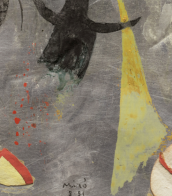


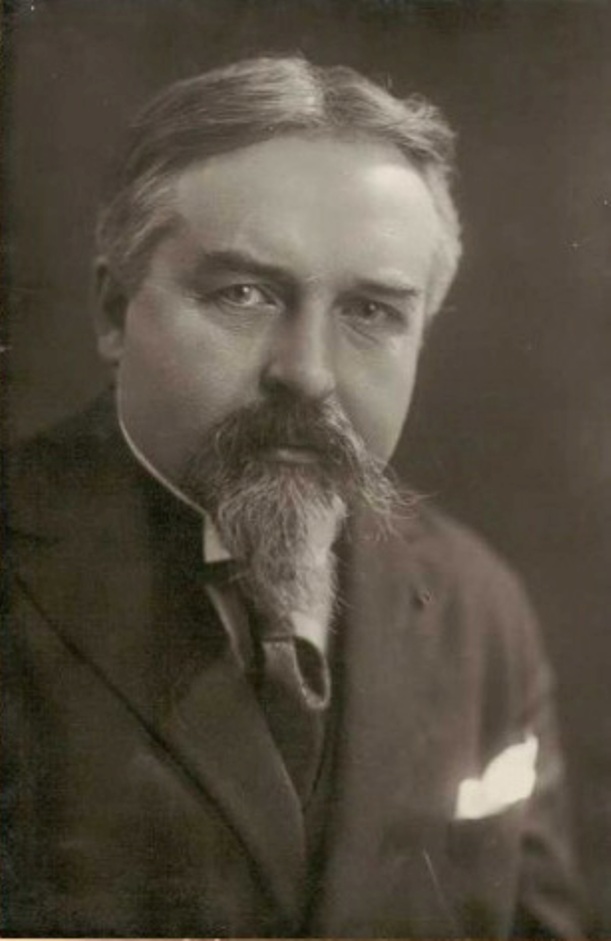
Maurice Denis, a French painter and writer, was an influential figure in the transition from impressionism to modern art. Born on November 25, 1870, in Granville, France, Denis's artistic journey began at the Académie Julian in Paris. Here, he met future collaborators like Paul Sérusier and Pierre Bonnard, with whom he later formed the Nabis group, a collective deriving its name from the Hebrew word "Nabi," meaning "Prophet".
Denis's style evolved from neoimpressionism, influenced by artists like Seurat, to a more decorative and colorful approach under the influence of Gauguin. This shift is evident in works like "Taches du soleil sur la terrace" (1890). He famously stated, "Art is no longer a visual sensation... it is a creation of our spirit," highlighting his belief in art as an idealistic expression, transcending mere imitation of nature.
Denis was also impacted by Japanese art, which influenced his compositions and styles, contributing to his unique and recognizable approach. His philosophy on art, encapsulated in his 1890 essay published in "Art et Critique," emphasized the importance of color and form in creating emotional depth, a notion that laid the groundwork for modernism. He argued that a painting's essence lies in its colors and composition, rather than its subject matter.
Throughout his career, Denis's work evolved towards a more classical approach. His involvement with the Ateliers d'Art Sacré, founded in 1919, demonstrated his interest in religious art and decoration. His notable works include "The Legend of Saint Hubert" (1897) and "The History of Music" for the Théâtre des Champs Elysées (1912-1913).
Tragically, Maurice Denis's life ended on November 13, 1943, when he was struck by a truck during the German occupation of Paris. However, his legacy endures through his contributions to modern art and symbolism, his influence on fellow artists, and his works displayed in various museums and galleries.
For collectors and art experts, Denis's work offers a unique glimpse into the evolution of modern art. His blend of symbolism, color, and form marks a significant shift in art history. To stay updated on new sales and auction events related to Maurice Denis's work, sign up for our newsletter. This subscription will keep you informed about the latest developments in the world of this remarkable artist.
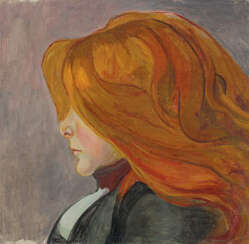

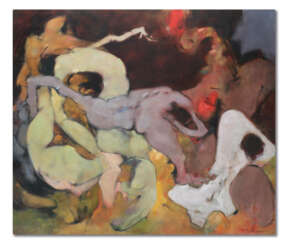

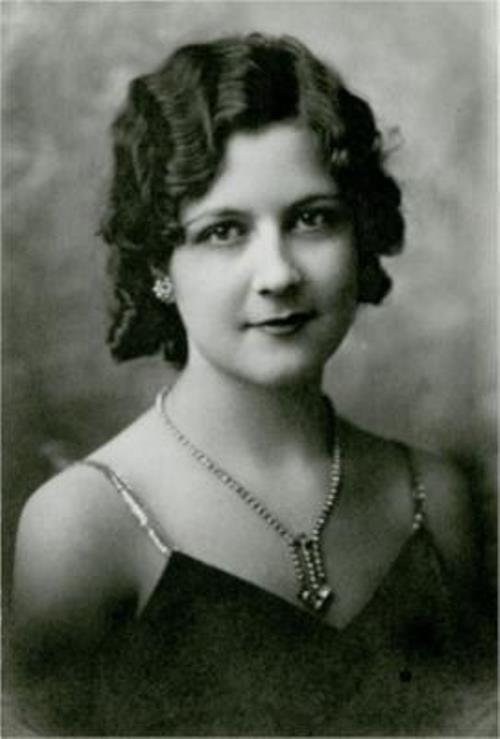
Dorothea Margaret Tanning was an American surrealist painter, printmaker, sculptor, writer and poet.
In 1935 Dorothea came to New York and worked as an advertising artist until she was inspired by the paintings of the famous Surrealists at an exhibition. She began to paint and exhibit and made numerous acquaintances among contemporary artists. In 1946 she married the artist Max Ernst, and this marriage lasted 30 years. They lived in Paris for a long time, and after his death in 1976, she returned to New York.
As an artist, Dorothea Tanning was self-taught, and her style was constantly changing. At first close to surrealism, by the late 1960s her paintings had become almost entirely abstract. Among her artistic accomplishments are paintings, prints, sculpture, stage design, costume and set designs for ballets, and her work has been exhibited at the Guggenheim Museum, the Metropolitan Museum of Art, the Tate Modern, and the Philadelphia Museum of Art.
In the late 1980s, Tanning began writing poetry, and her work has subsequently been published in various publications. Her first collection of poems, A Table of Content, was published in 2004. The multifaceted and versatile artist died in New York City at the age of 101.
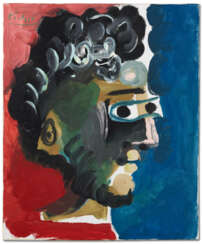

Pablo Ruiz Picasso, a Spanish artist renowned for his revolutionary contributions to the 20th-century art scene, is a figure that resonates profoundly with collectors and art experts. His unique blend of talents in painting, sculpture, printmaking, and ceramic art, infused with his time in France, positioned him as a pivotal character in modern art history.
Picasso's artistic journey was marked by distinct periods, each showcasing his evolving style and genius. His early years were characterized by the Blue Period (1901-1904), followed by the Rose Period (1904-1906), and then the African-influenced Period (1907-1909). Picasso's name is synonymous with Cubism, a movement he co-founded, which significantly altered artistic perspectives and methods. Works like "Les Demoiselles d'Avignon" (1907) and "Guernica" (1937) are emblematic of his cubist legacy, the latter being a poignant anti-war statement that remains influential.
His later years saw a return to more traditional styles, with neoclassical and surrealist influences becoming evident. Works from these phases reflect a deep engagement with mythological themes, as seen in "Faun with Stars" (1955), symbolizing his late-life romance with Jacqueline Roque, his second wife.
Picasso's prolific output and innovative spirit made him a legend in his own time, a status that only grew after his death. His works, housed in major museums and private collections worldwide, continue to captivate and inspire.
As a collector or expert in art and antiques, staying informed about Picasso's works, their auction events, and sales is essential. To stay updated on the latest developments and opportunities related to Pablo Picasso, sign up for our specialized updates. Rest assured, this subscription will focus solely on new product sales and auction events pertaining to Picasso's art, ensuring that you receive only the most relevant and valuable information.
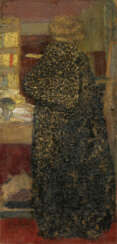

Jean-Édouard Vuillard was a French artist, celebrated for his role in the avant-garde group Les Nabis. Known for his decorative art and printmaking, Vuillard's work was heavily influenced by Japanese prints, which is evident in his unique style of flattened color planes and simplified forms. His paintings, often of interior scenes, are distinguished by their intimate and domestic subjects, displaying a keen sensitivity to the subtle dynamics of everyday life.
In the late 1880s, Vuillard joined Les Nabis, a group of artists who sought to break away from traditional artistic concepts. This association played a pivotal role in shaping his artistic philosophy. Vuillard’s early works, like "The Seamstresses" (1890) and "Child in an Orange Shawl" (1894–95), demonstrate his evolving style, marked by the use of vibrant colors and a distinct lack of perspective, aimed at exploring spatial relationships.
Vuillard's artistic journey included ventures into theater decoration and interior design. He designed stage sets and theater programs, notably for Lugné-Poe's Theatre de l’Oeuvre, and also worked on large-scale panel paintings for French patrons. His close collaboration with the Natanson brothers, founders of the cultural review La Revue Blanche, was significant in his career. This association brought him various commissions, including decorative works for private homes and public buildings.
Vuillard's art evolved over time, transitioning from his Nabis-style works to more naturalistic portraits in the 1920s and 1930s. Despite this shift, his focus remained on portraying the intricacies of domestic life, often featuring the people closest to him. Notable among his subjects were Misia Natanson, a prominent figure in the Parisian cultural scene, and Lucy Hessel, with whom Vuillard had a long-term relationship.
For art collectors and experts, Vuillard's works are a window into the intimate spaces of Parisian life at the turn of the century. His ability to transform everyday scenes into art makes his work particularly appealing. Pieces like "The Green Interior" (1891) and "Breakfast at Villerville" (1910) are exemplary of his style and are celebrated for their quiet yet profound depiction of ordinary life.
Vuillard's legacy lives on in galleries and museums worldwide. His work remains a testament to the power of domestic scenes in art, capturing the essence of the period with a unique blend of realism and abstraction.
For those interested in the subtle beauty of Vuillard's work, subscribing to our updates will ensure you stay informed about new sales and auction events featuring his art. Our updates are tailored for connoisseurs like you, providing insights into the world of art and antiques, with a focus on Vuillard's enduring legacy.
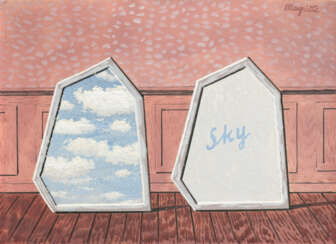

René Magritte, a Belgian artist, was renowned for his significant contributions to the Surrealist movement. His art, known for merging ordinary objects with bizarre, dream-like contexts, captivated the art world. Born on November 21, 1898, in Lessines, Belgium, Magritte's early artistic pursuits were impressionistic, transitioning through Cubism and Futurism influenced by artists like Jean Metzinger. However, his encounter with Giorgio de Chirico's work in 1922 steered him towards Surrealism.
Magritte's career was marked by various phases, each showcasing his evolving style and thematic focus. His initial foray into Surrealism began in 1926 with "The Lost Jockey" and was further solidified during his time in Paris, where he mingled with other prominent Surrealists like André Breton. Despite facing initial criticism and financial challenges, Magritte's unique blend of familiar imagery in unfamiliar contexts, like in "The Empire of Light" and "Time Transfixed," earned him acclaim.
Magritte's distinct visual language, characterized by recurring motifs like bowler hats and apples, and his exploration of reality and illusion, remain influential. His works are displayed in major galleries worldwide, continuing to inspire and intrigue art collectors and enthusiasts.
For collectors and experts in art and antiques, staying informed about Magritte's works and related auction events is crucial. Signing up for updates ensures you're alerted to new sales and events focusing on René Magritte's art, offering unique opportunities to acquire or learn more about his remarkable creations. This subscription will exclusively cover new product sales and auction events related to Magritte, keeping you updated on the most relevant information in the art world.
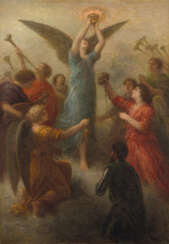

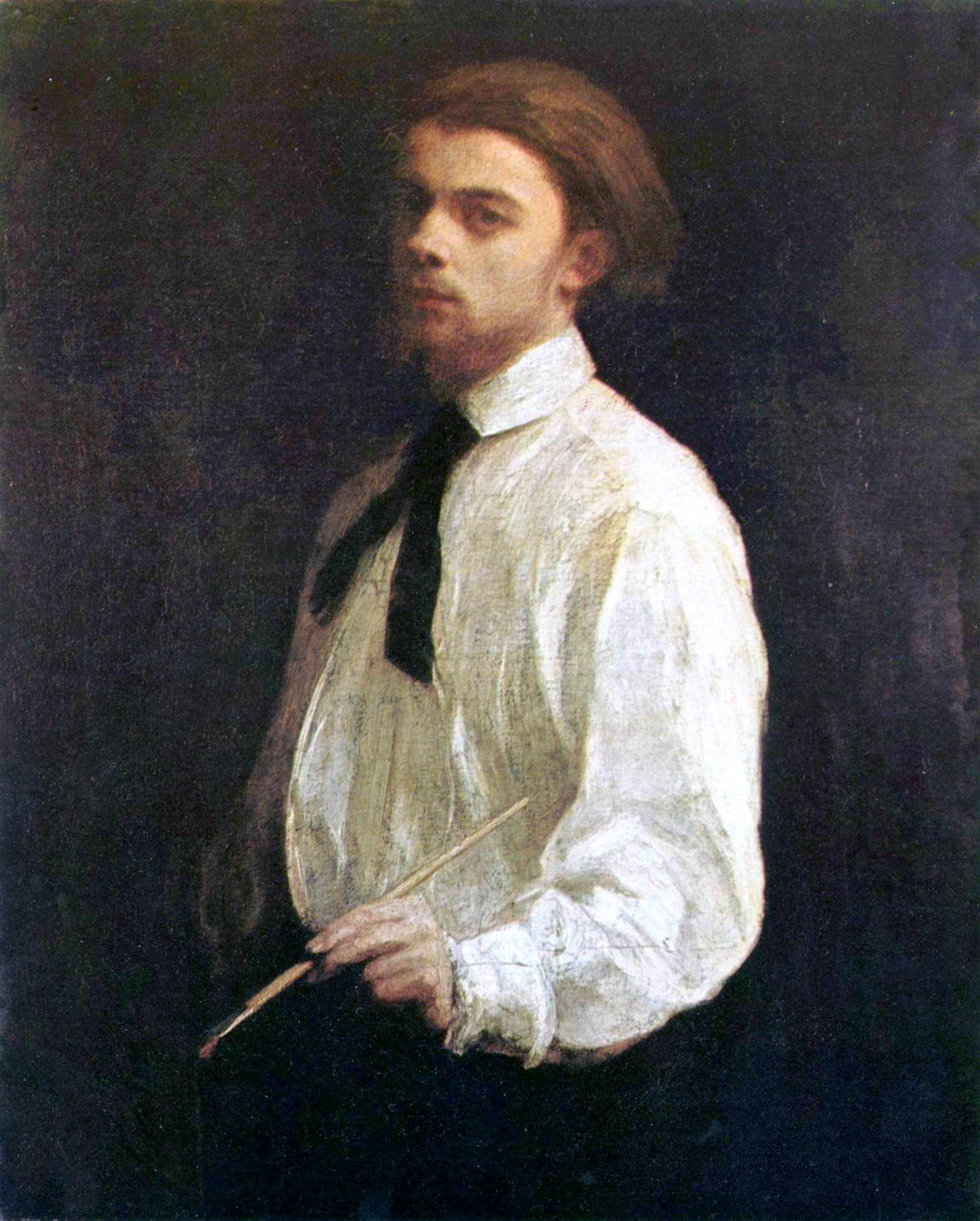
Henri Fantin-Latour was a French painter and lithographer renowned for his exquisite flower paintings and insightful group portraits of Parisian artists and writers. His artistic journey began in Grenoble, where he was born in 1836, but it flourished in Paris, where he moved at a young age to study art. Despite his associations with Impressionists like Édouard Manet and Claude Monet, Fantin-Latour carved his unique path, focusing on still life and portraiture rather than adopting the Impressionist style.
Henri Fantin-Latour's knack for capturing the essence of his subjects is evident in his group portraits, which were not just mere representations but insightful depictions of the artistic and literary circles of his time. His notable works like "A Studio at Les Batignolles" illustrate the camaraderie among artists like Manet, Renoir, and Monet, offering a window into the vibrant Parisian art scene of the 19th century. His still lifes, particularly his flower paintings, are celebrated for their realism and delicate precision, making them a favorite among collectors and art enthusiasts.
In addition to his painting, Henri Fantin-Latour's lithographs, inspired by classical music and imbued with a poetic and symbolic quality, reveal another dimension of his talent, showcasing his ability to transcend the boundaries of realism and delve into the realm of imagination.
For art collectors and experts, Henri Fantin-Latour's works offer a blend of technical mastery and a deep understanding of the interplay between art, music, and literature. His contributions to the art world are remembered and celebrated in museums around the globe, where his works continue to inspire and captivate audiences.
For those interested in exploring more about Henri Fantin-Latour's life and works, visiting exhibitions or keeping abreast of auctions featuring his art can provide valuable insights into his creative genius. To stay updated on related events and opportunities, consider subscribing to updates from art institutions or galleries specializing in 19th-century French art.
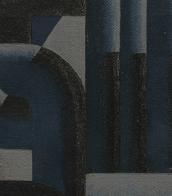
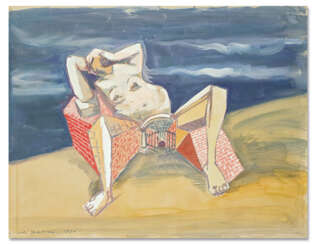

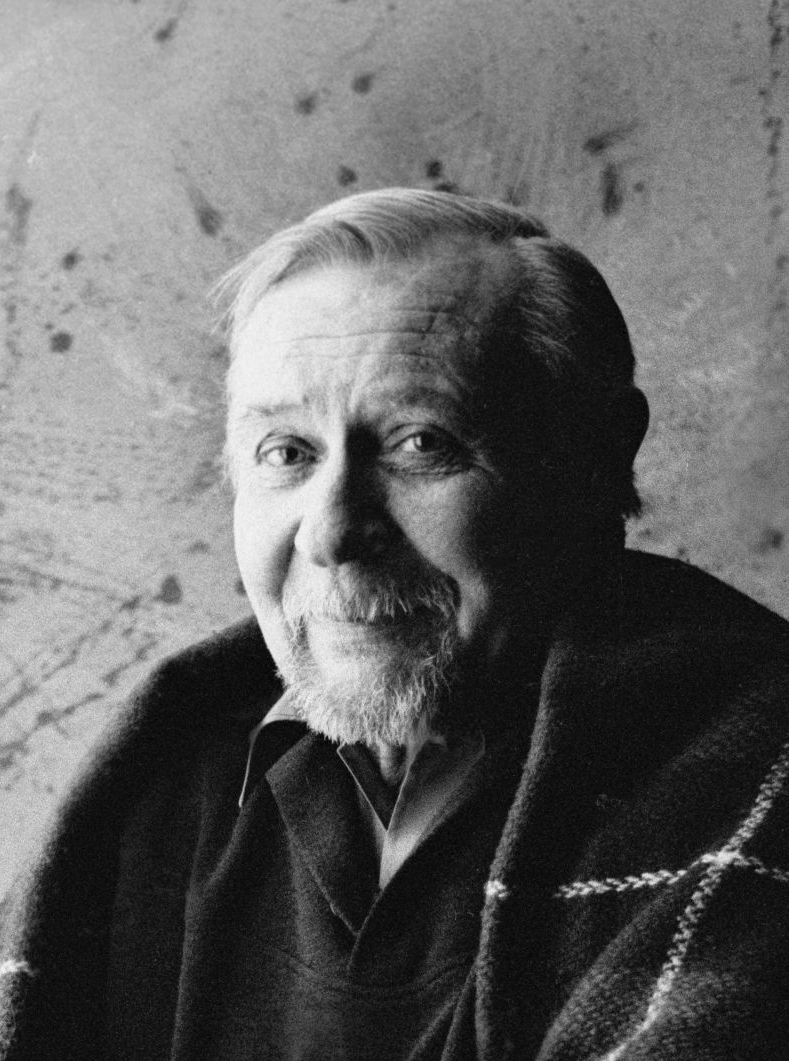
André-Aimé-René Masson was a French artist, celebrated for his profound influence on the world of modern art, particularly in painting and sculpture. Born in 1896, Masson's work is emblematic of the Surrealist movement, although his style evolved across different phases throughout his career. His ability to fuse dream-like imagery with abstract forms set him apart from his contemporaries, making him a pivotal figure in the development of Surrealism and beyond.
Masson's art is characterized by its dynamic forms and the integration of automatic drawing, where the unconscious mind is allowed to express itself without rational oversight. This technique not only foregrounded Surrealism's fascination with the subconscious but also highlighted Masson's unique ability to capture the complexity of human emotion and thought on canvas. His works, such as "The Metamorphosis of the Lovers" and "Battle of Fishes," are not just visual experiences but portals to the intricate layers of the psyche, showcasing his mastery over both form and content.
Notably, André-Aimé-René Masson's contributions extend beyond individual creativity; his works are housed in prestigious museums and galleries worldwide, including the Museum of Modern Art in New York and the Centre Georges Pompidou in Paris. These institutions recognize Masson's art not merely as aesthetic achievements but as cultural landmarks that continue to inspire and provoke. His legacy persists, offering rich insights into the intersections of art, psychology, and philosophy.
For collectors and experts in art and antiques, André-Aimé-René Masson's oeuvre represents a fascinating exploration of the Surrealist movement and its enduring impact on modern and contemporary art. His innovative approach to painting and sculpture invites ongoing discussion and appreciation among enthusiasts and scholars alike. We invite you to sign up for updates on new product sales and auction events related to André-Aimé-René Masson, ensuring you stay informed about opportunities to engage with the remarkable legacy of this pivotal artist. This subscription is your gateway to the forefront of art collection, focusing exclusively on Masson's influential body of work.
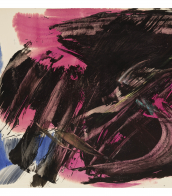
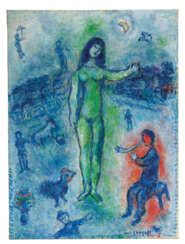

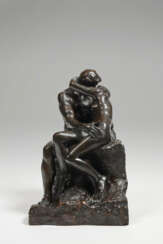

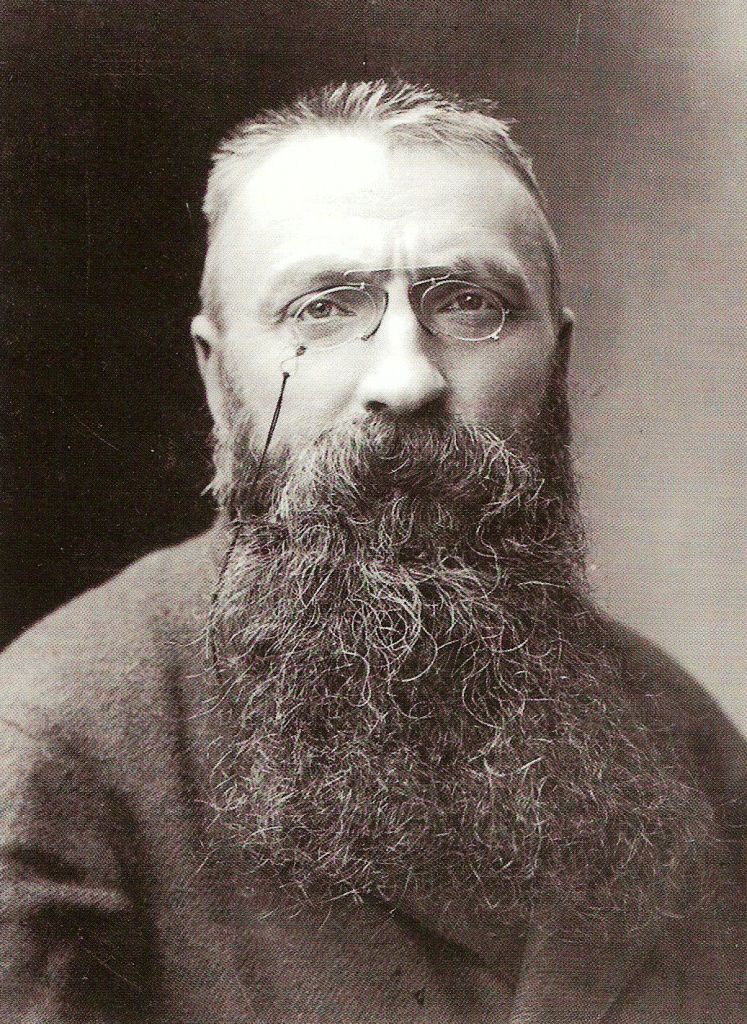
François Auguste René Rodin was a French sculptor, generally considered the founder of modern sculpture. He was schooled traditionally and took a craftsman-like approach to his work. Rodin possessed a unique ability to model a complex, turbulent, and deeply pocketed surface in clay. He is known for such sculptures as The Thinker, Monument to Balzac, The Kiss, The Burghers of Calais, and The Gates of Hell.
Many of Rodin's most notable sculptures were criticized, as they clashed with predominant figurative sculpture traditions in which works were decorative, formulaic, or highly thematic. Rodin's most original work departed from traditional themes of mythology and allegory. He modeled the human body with naturalism, and his sculptures celebrate individual character and physicality. Although Rodin was sensitive to the controversy surrounding his work, he refused to change his style, and his continued output brought increasing favor from the government and the artistic community.


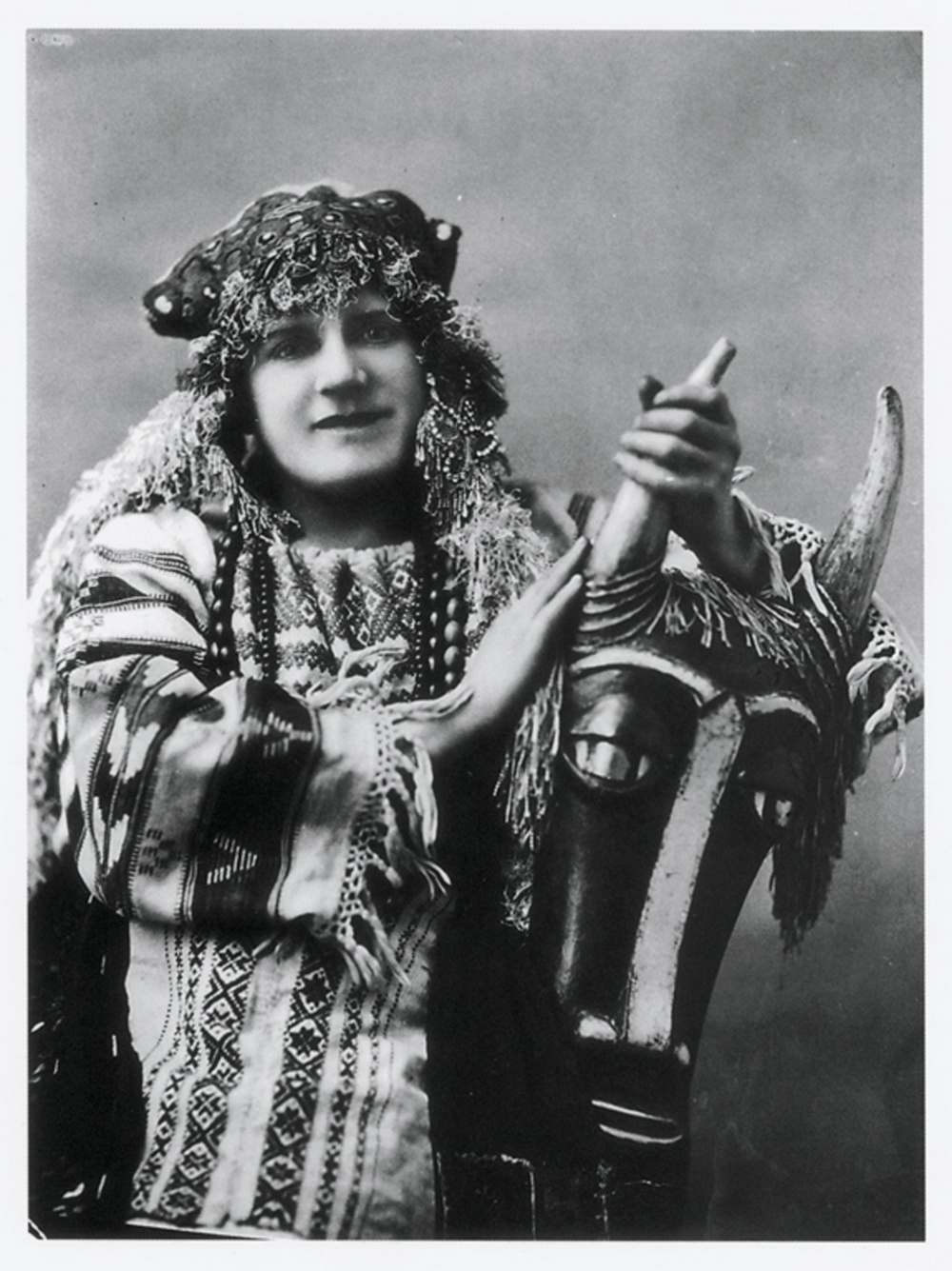
Marie Vassilieff was a French artist born in Smolensk, Russia. She moved to Paris in 1905 to study art, and became a prominent figure in the city's artistic community. Vassilieff was a painter, sculptor, and designer, and was known for her involvement in the Cubist and Montparnasse art movements.
In 1910, Vassilieff opened La Ruche, a studio complex and artist colony in the 15th arrondissement of Paris. The complex was made up of small, inexpensive studios that were rented out to artists who were just starting out, as well as more established artists who needed a place to work. La Ruche quickly became a gathering place for some of the most important artists of the time, including Marc Chagall, Max Ernst, and Amedeo Modigliani.
During World War I, Vassilieff worked as a nurse and ambulance driver, and she was awarded the Croix de Guerre for her service. She continued to work as an artist after the war, and was involved in several exhibitions, including the Salon d'Automne and the Salon des Indépendants.
In addition to her artistic work, Vassilieff was also known for her activism. She was a member of the French Communist Party, and was involved in various socialist and feminist organizations.


Henri Matisse, a renowned French visual artist, was celebrated for his vibrant use of color and fluid, original draughtsmanship. Born on December 31, 1869, in Le Cateau-Cambrésis, France, Matisse initially pursued a career in law before turning to art. He first began painting in 1889, a change inspired by convalescence art supplies his mother provided. This marked the beginning of a journey that would see him become a leading figure in modern art.
Matisse's career is notable for its stylistic evolution yet consistent aim to capture the "essential character of things." His early works, characterized by intense colorism, earned him recognition as one of the Fauves, or "wild beasts." The period from 1908 to 1913 was marked by significant developments, with works like "Reclining Odalisque" and "The Red Studio" showcasing his mastery in balance and serenity. In the 1920s, his style evolved to more relaxed forms, with a focus on light, color, and decorative patterns in paintings like his odalisque series.
Matisse's exploration of various mediums, including sculpture and paper collage, reflects his innovative spirit. His later years were dominated by cut paper collages, as health challenges limited his ability to paint. These works, alongside his bold drawings and sculptures, cemented his status as a pioneer in visual art.
For collectors and art experts, Matisse's work remains a testament to creative evolution and expressive use of color and form. His masterpieces can be found in prominent museums and galleries worldwide, continuing to inspire and fascinate art enthusiasts.
To stay updated on new product sales and auction events related to Henri Matisse's art, sign up for our updates. This subscription will keep you informed about opportunities to appreciate and acquire works connected to this iconic artist.
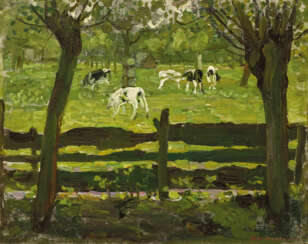

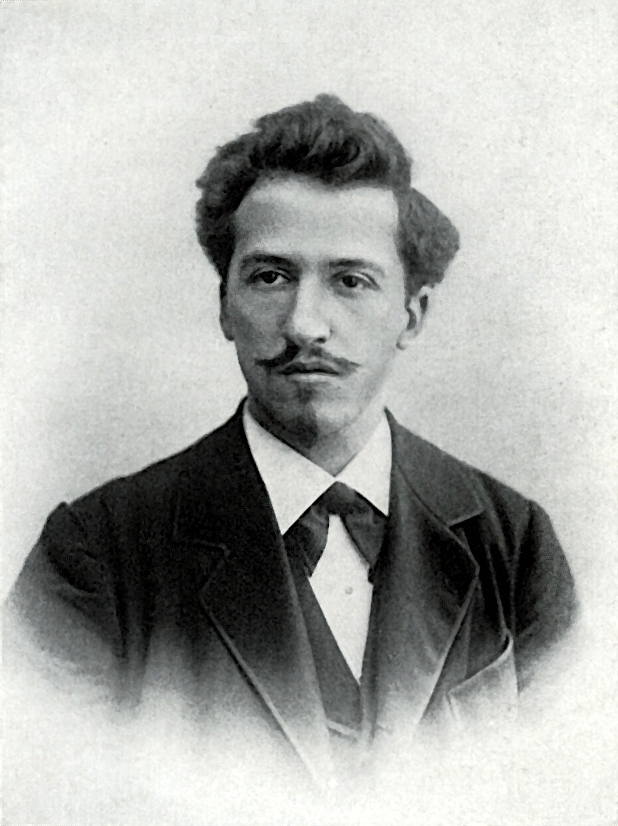
Pieter Cornelis Mondriaan, later known as Piet Mondrian, was a Dutch painter and art theoretician, whose transformation from figurative art to an abstract modernist style revolutionized the visual arts landscape of the 20th century. Born on March 7, 1872, in Amersfoort, Netherlands, and passing away on February 1, 1944, in New York, Mondrian's journey in art began in a devoutly Calvinist home where both art and music were encouraged. His early works were influenced by his surroundings, featuring landscapes in an Impressionist manner, but it was his shift to Paris in 1911 that marked the beginning of his profound evolution towards abstraction.
Mondrian co-founded the De Stijl art movement, aiming to achieve a universal aesthetic through the simplification of visual elements to their essentials: straight lines, right angles, primary colors, and the use of black, white, and gray. This reductionist approach, termed Neoplasticism, was Mondrian's contribution to creating 'universal beauty'. His philosophy extended beyond the canvas, influencing architecture, design, and fashion, encapsulating the modernist ideal and becoming synonymous with Modernism itself.
Some of Mondrian's notable works, such as "Composition with Red, Blue, and Yellow" and "Broadway Boogie Woogie", exemplify his revolutionary style, characterized by an economy of color and a rigorously abstract geometry that aimed to express the dynamic equilibrium of universal forces. These masterpieces, along with his theoretical writings, left a lasting impact on the course of abstract painting and several major art movements including Color Field painting, Abstract Expressionism, and Minimalism.
Mondrian's art is celebrated in museums and galleries worldwide, notably at the Gemeentemuseum Den Haag and the Museum of Modern Art in New York, where his evolution from figuration to geometric abstraction continues to inspire and captivate audiences. His commitment to exploring the spiritual in art through a radical simplification of form and color has cemented his legacy as one of the pioneers of 20th-century abstract art.
For collectors and experts in art and antiques, Mondrian's works represent not just significant artistic achievements but also pivotal moments in the history of modern art. His influence extends far beyond his own creations, shaping the development of modern aesthetics in numerous fields. If you're intrigued by Mondrian's vision of harmony and order through abstraction, we invite you to sign up for updates. This subscription will keep you informed about new product sales and auction events related to Mondrian's work, ensuring you stay connected to the ever-evolving world of art and design inspired by this iconic figure.
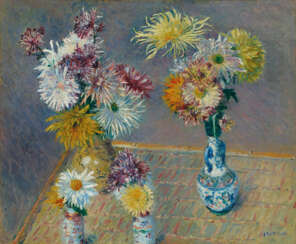

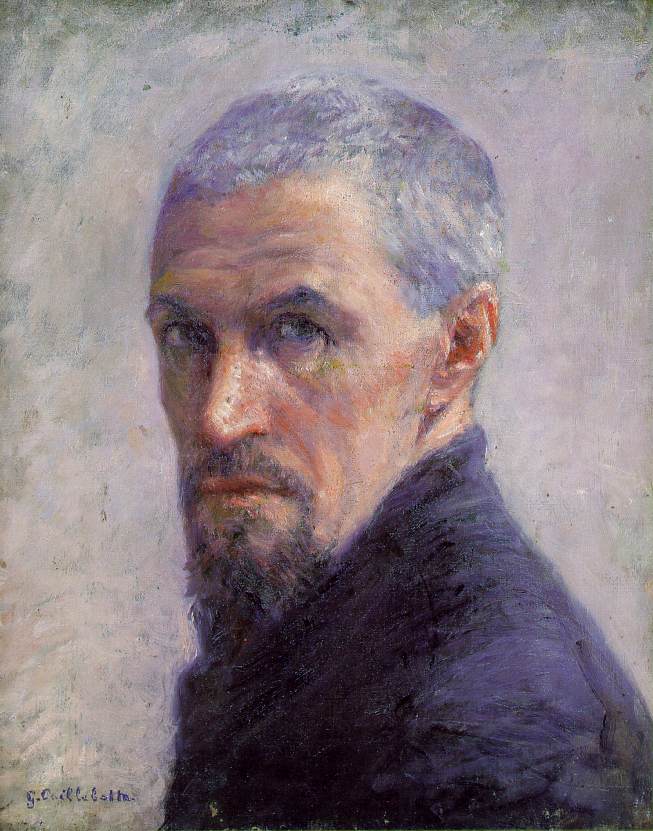
Gustave Caillebotte was a French Impressionist painter, collector, patron of art and impresario.
Caillebotte was born into a noble and wealthy family, educated as an engineer and lawyer, but became interested in painting and studied at the Paris School of Fine Arts. In 1874 he met Pierre-Auguste Renoir and Claude Monet and presented his work at Impressionist exhibitions. Over the next six years, Caillebotte became the chief organizer, promoter and financial sponsor of Impressionist exhibitions, and used his fortune to purchase works by other Impressionists, notably Monet, Renoir, Camille Pissarro, Paul Cézanne, Edgar Degas, Alfred Sisley and Berthe Morisot.
Caillebotte bequeathed his collection of paintings to the state, some of which later formed the basis of the Impressionist collection at the Musée d'Orsay.
In his paintings, Caillebotte combined in a unique synthesis of academic, realistic and impressionist styles. He painted many family scenes, interiors and landscapes, as well as domestic scenes and streets of Paris.