tod&
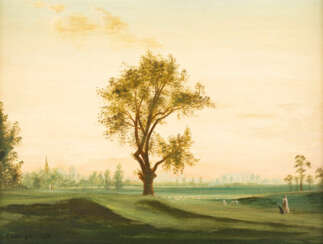

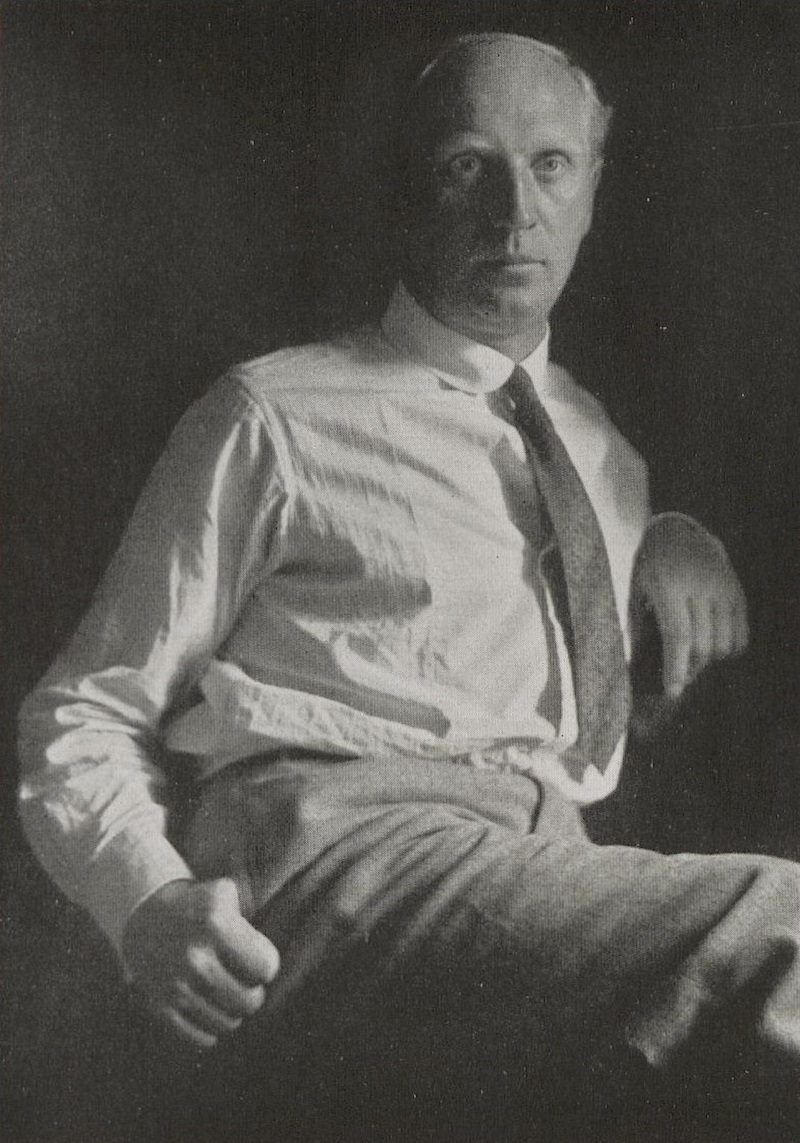
Theo Champion was a German painter. His work was part of the painting event in the art competition at the 1928 Summer Olympics.
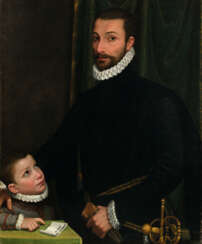

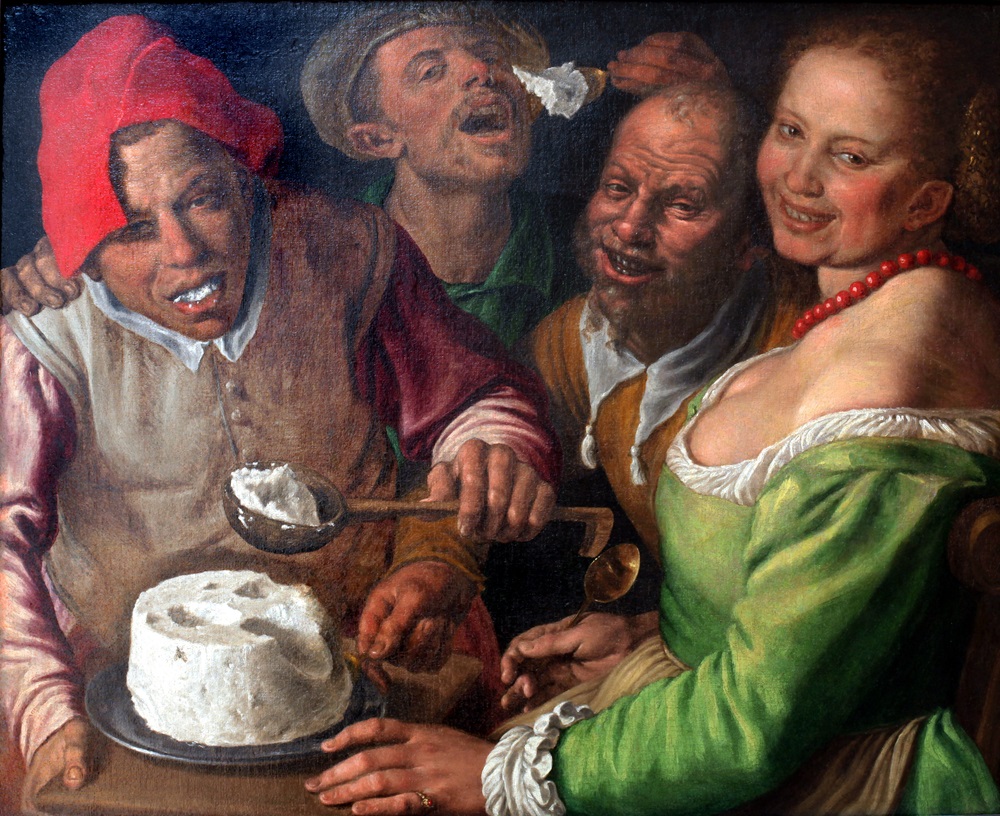
Vincenzo Campi was a notable painter of the 16th century, widely recognized for his unique style that combined traditional subjects with everyday life. Campi's journey in the world of art was influenced by his family background, as he trained under his brother Giulio and was part of a family of Italian painters known for their contributions to Mannerist painting.
Vincenzo Campi's paintings stood out for their vivid depictions of market scenes and kitchen tableaux, focusing on everyday objects and food with an extraordinary level of realism. This approach was quite innovative for his time. His works like "Pescivendoli" (The Fishmongers, 1579) and "The Ricotta Eaters" (1580) are emblematic of his style, combining elements of still life and genre painting. In "The Ricotta Eaters," for instance, Campi artistically weaves together themes of food and sensuality, presenting a scene that is both a hymn to life and pleasure and a subtle commentary on social classes and morality.
Vincenzo Campi's paintings were not just mere representations of daily life; they often carried deeper social and cultural meanings. For instance, in his depiction of the lower working classes in "Fishmongers," he illustrated contemporary beliefs regarding food's appropriateness based on social hierarchy. The paintings of commoners consuming foods like beans, dark bread, and cheese, as shown in "The Ricotta Eaters," reflected the societal norms of the time regarding class and diet.
Vincenzo Campi's work did not only portray the peasants in a crude or humorous light, but also carried a sophisticated blend of comedy and criticism, reflecting a deeper understanding of the human condition and social structures of his time.
Campi's style and themes influenced other artists in Cremona and contributed to the development of genre painting in northern Italy. His work, in some ways, served as a precursor to Caravaggio’s realism that emerged in the subsequent decade.
For collectors and connoisseurs of art and antiques, Vincenzo Campi's paintings offer a unique window into the societal and cultural aspects of 16th-century Italy, blending everyday life with deeper social commentaries. His work continues to be an important part of the conversation in the history of art.
To stay updated on the latest insights and collections of Vincenzo Campi's works, consider subscribing to our updates. This service will ensure you are informed about new sales, exhibitions, and auction events related to this influential Italian artist.

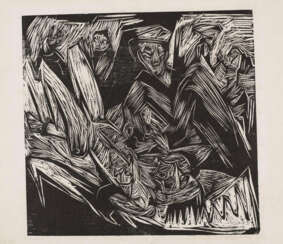

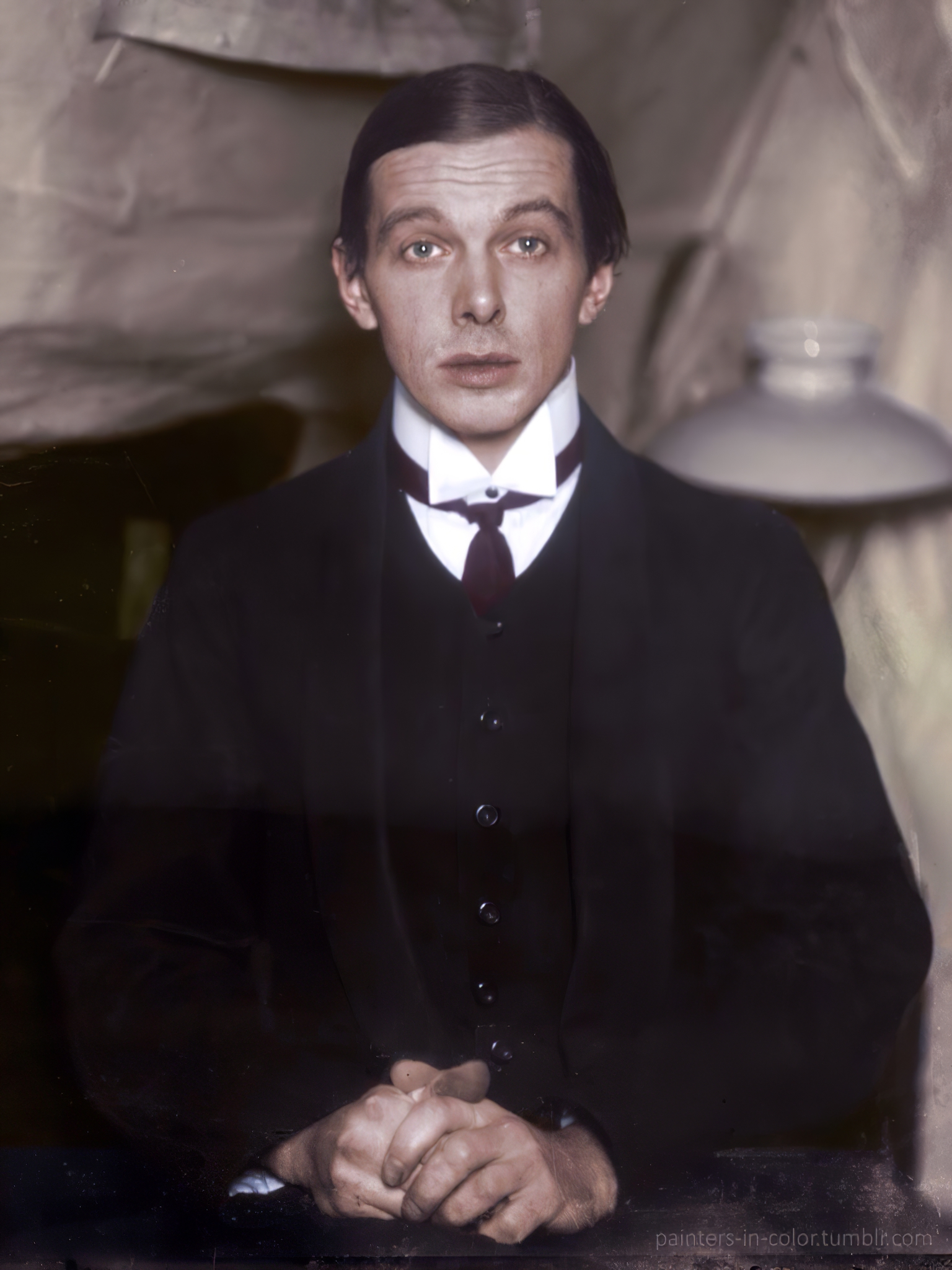
Ernst Ludwig Kirchner was a pivotal figure in the art world, known for his profound impact on 20th-century Expressionism. Born in Bavaria, Germany, on May 6, 1880, Kirchner's journey into art began with architecture studies before he found his true calling in painting and printmaking. In 1905, alongside fellow architecture students, he co-founded Die Brücke ("The Bridge"), a group that sought to revolutionize art by bridging the gap between traditional academic styles and modern artistic expression. This group was instrumental in the development of Expressionism, advocating for intense emotion conveyed through vivid colors and bold lines.
Kirchner's work, characterized by its expressive intensity and often exploring themes of urban life and the human psyche, reflects a deep engagement with the cultural and social upheavals of his time. Notably, his experiences during World War I, including a mental breakdown and subsequent discharge from military service, deeply influenced his art. Works like "Self-Portrait as a Soldier" (1915) poignantly encapsulate the personal and societal trauma of the era.
After the war, Kirchner sought solace in Davos, Switzerland, where the tranquil landscapes inspired a new direction in his work, showcasing a more serene and reflective approach. Despite his contributions to modern art, Kirchner's later years were marred by the Nazi regime's denunciation of his work as "degenerate," leading to the destruction and dispersal of many pieces. Tragically, this persecution contributed to his decision to end his life on June 15, 1938.
Kirchner's legacy is preserved through his influential body of work, from vivid urban scenes to tranquil landscapes, all marked by a distinctive, expressive style that continues to captivate art collectors and experts. His works are held in major museums worldwide, including the Museum of Modern Art in New York and the National Gallery of Art in Washington, underscoring his enduring influence on the art world.
For those interested in the profound impact of Ernst Ludwig Kirchner on modern art and Expressionism, subscribing to updates on new product sales and auction events related to his work can provide valuable insights. This subscription is an opportunity for collectors and art experts to stay informed about the availability of Kirchner's influential pieces and related events.




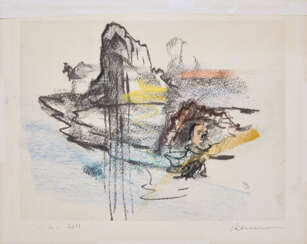

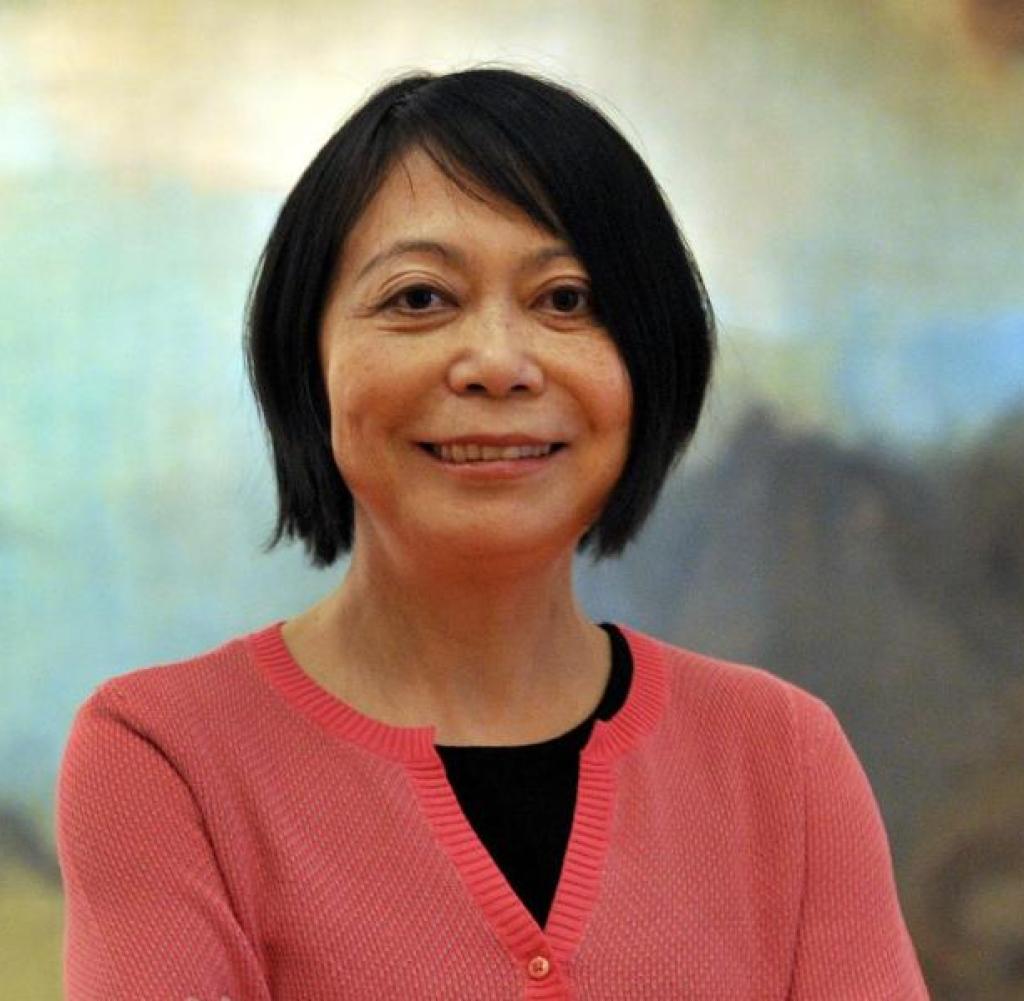
She studied art in Japan, Spain and Germany.
Leiko Ikemura's work encompasses painting, sculpture, video and photography. She works in a variety of techniques, including oil painting, ceramic and bronze sculpture, printmaking and watercolor. She currently works in Cologne and Berlin and teaches painting at the Hochschule für Kunst in Berlin.



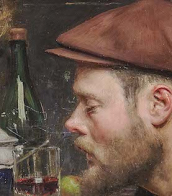

























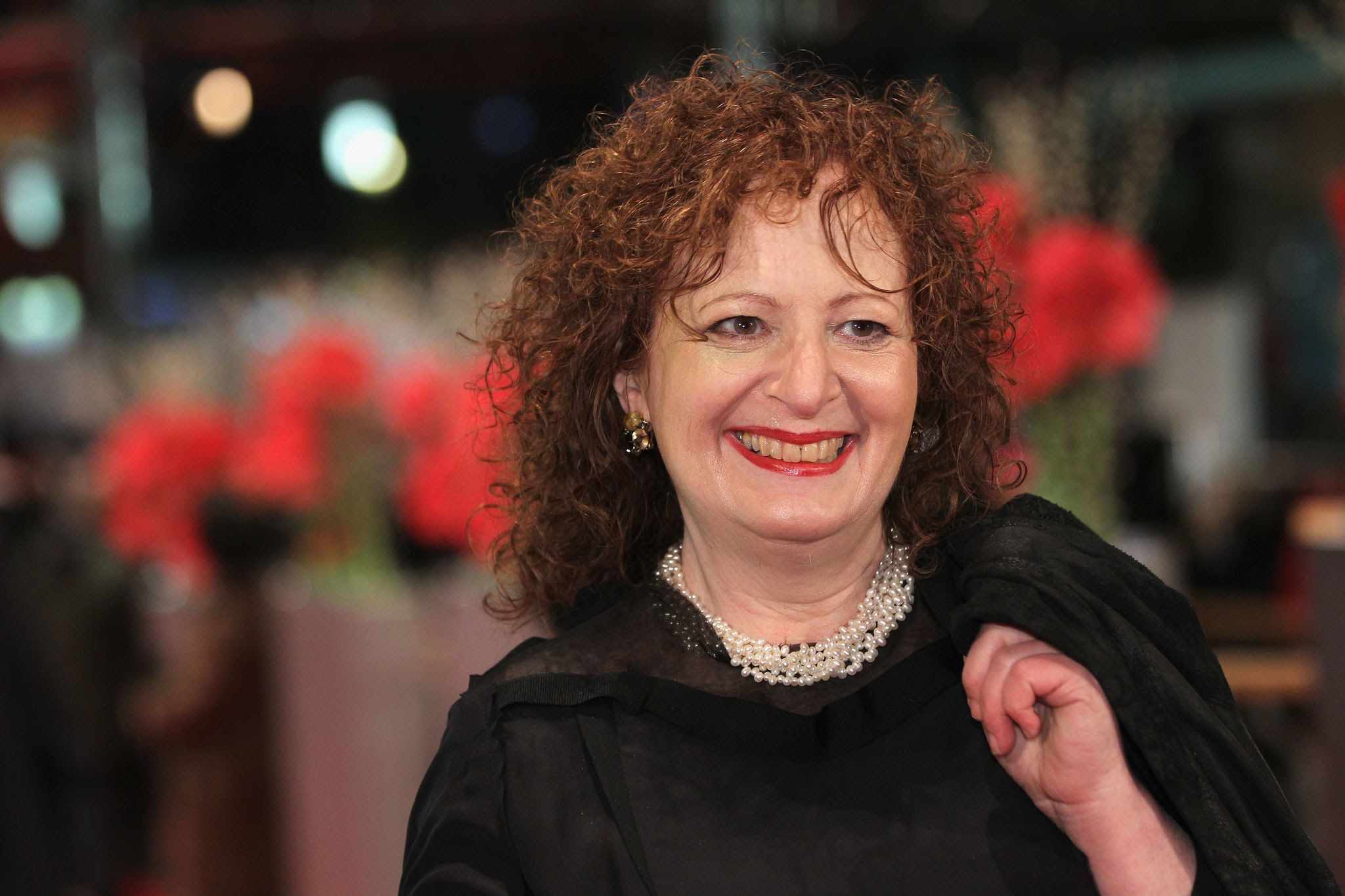
Nan Goldin is an acclaimed American photographer renowned for her profound visual narratives that delve into her personal world, marked by themes of addiction, sexuality, and intimate relationships. Born in Washington, D.C., in 1953, Goldin's journey into photography began in the early 1970s, capturing the lives of those around her, forming a "substitute family" amid a backdrop of drugs, sex, and violence.
One of Goldin's most celebrated works, "The Ballad of Sexual Dependency" (1986), is a raw and intimate portrayal of her "tribe," documenting their lives through the late 70s and early 80s in New York City. This work, initially presented as a slideshow, captures moments of love, sexuality, and domestic life, transcending into a poignant narrative of the era's challenges, particularly the AIDS crisis.
Throughout her career, Goldin's photography has continued to evolve, exploring various themes and mediums, including film. Her work, deeply personal and often autobiographical, challenges conventional perceptions of beauty, identity, and relationships, offering a window into the complexities of human connection and the essence of her subjects.
Goldin's influence extends beyond the art world, with her activism, particularly against the opioid crisis, marking another significant chapter in her journey. Her profound empathy and commitment to portraying the raw, unfiltered realities of life resonate through her extensive body of work, which continues to be celebrated in exhibitions and collections globally.
For art collectors and enthusiasts, Goldin's work offers not just aesthetic value but also deep emotional and historical resonance. To stay informed about Nan Goldin's works and related updates, signing up for newsletters from prominent galleries or her exhibitions could provide valuable insights and opportunities for engagement with her art.