

153
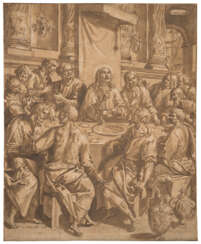

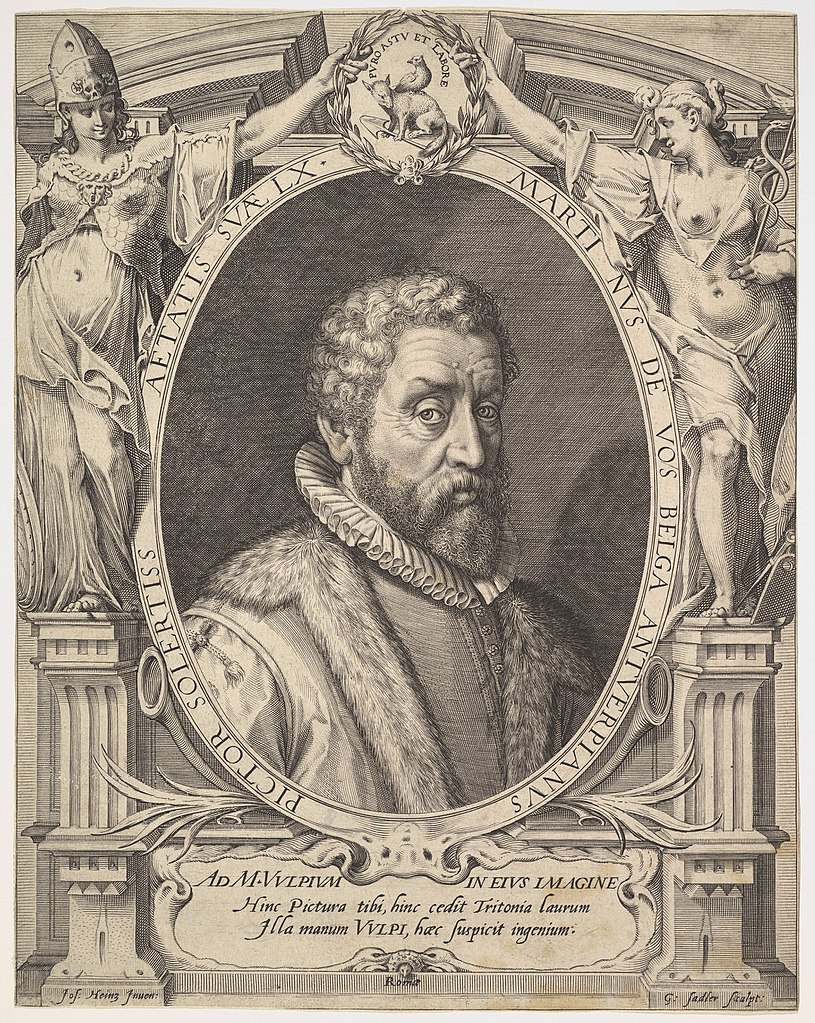
Marten de Vos (or Maarten de Vos, or Maerten de Vos) was a Dutch painter, draughtsman and graphic artist, dean of the Antwerp Guild.
After studying in Rome and Venice, de Vos returned to his native Antwerp in 1558 and became one of the city's leading artists. He created altarpiece images for many of Antwerp's churches. Many of his religious and historical paintings were later engraved, making him known throughout Flanders.
De Vos was also the founder of the Society of Romanists, whose members were famous artists and humanists of the time who appreciated the humanistic culture of Rome.
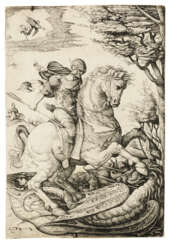

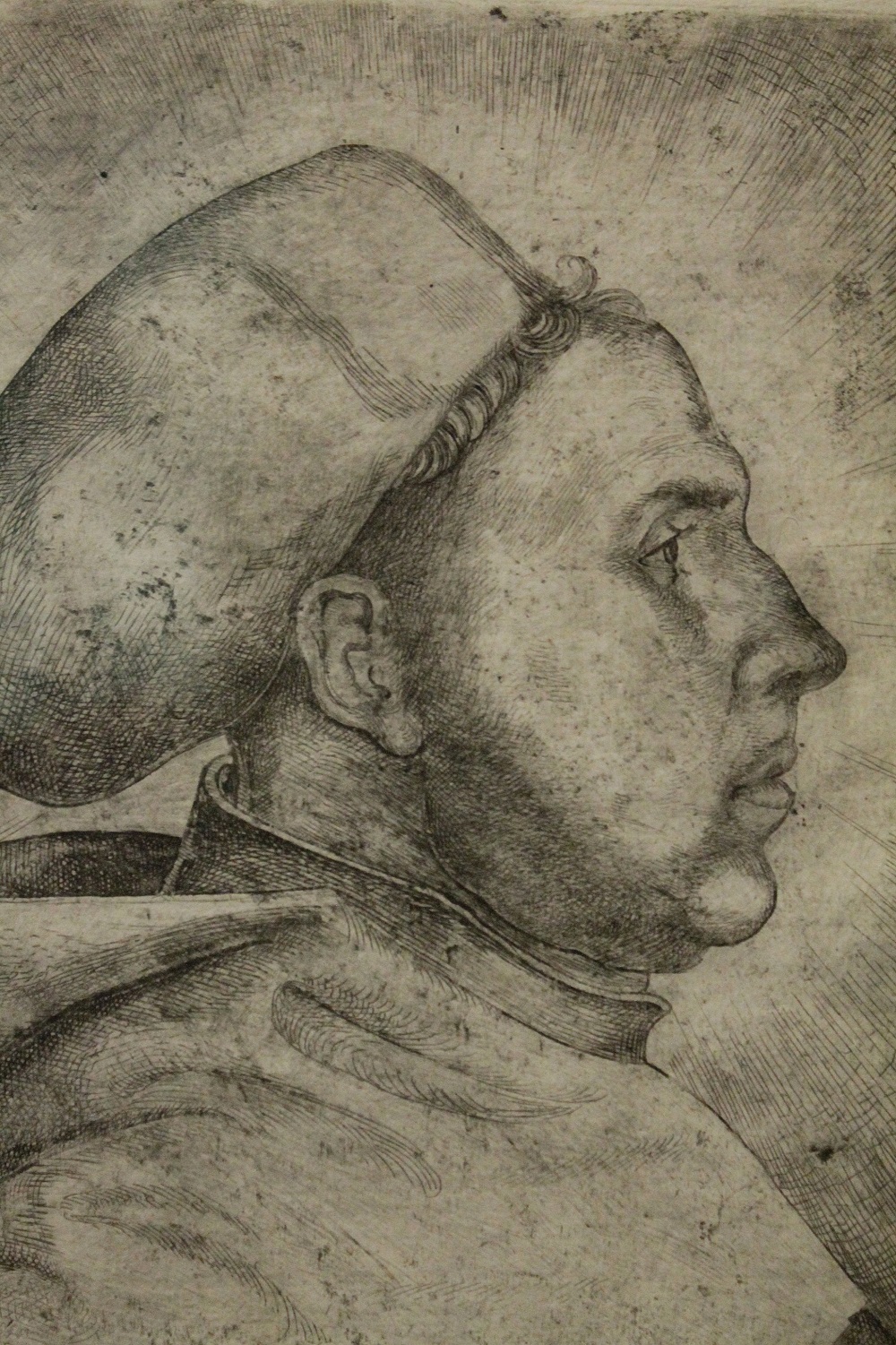
Daniel Hopfer the Elder was a German artist who is widely believed to have been the first to use etching in printmaking, at the end of the fifteenth century. He also worked in woodcut. Although his etchings were widely ignored by art historians for years, more recent scholarship is crediting him and his work with "single-handedly establishing the salability of etchings" and introducing the print publisher business model.
Unlike most later prints, etched on copper plates, Hopfer's printed etching continued to use the iron plates he was used to working with in steel plate armour, the material he was trained in, and with which he continued to work.
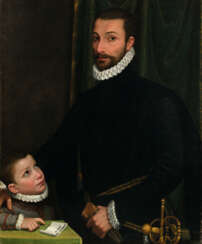

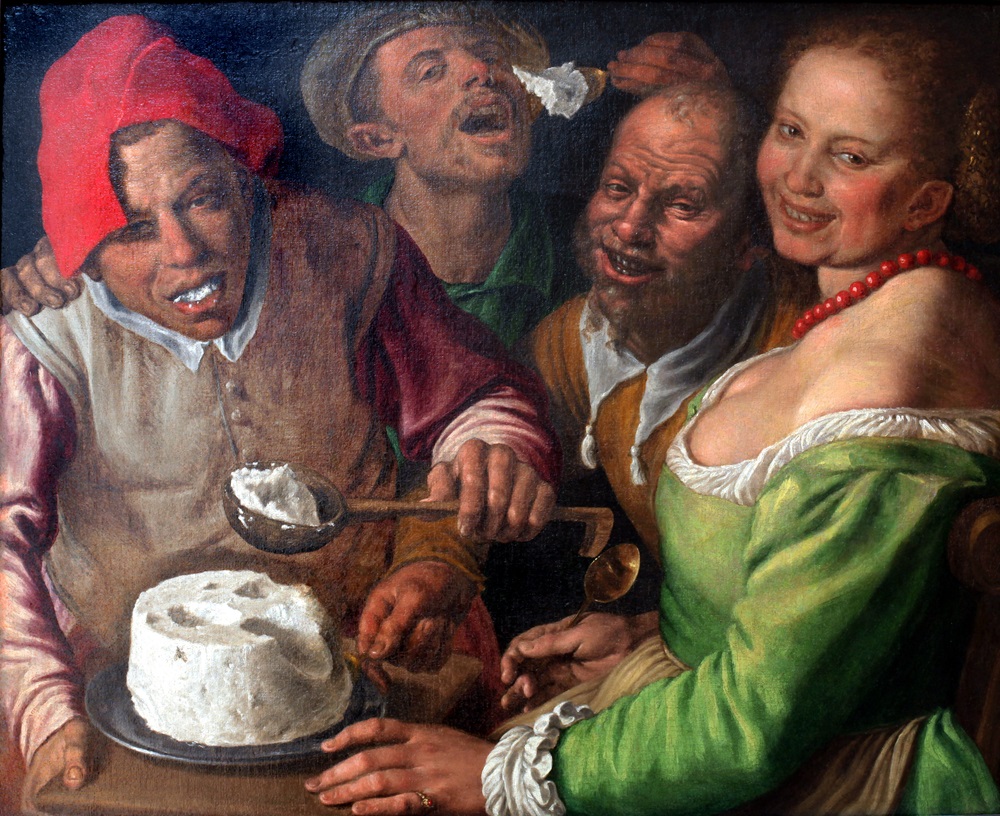
Vincenzo Campi was a notable painter of the 16th century, widely recognized for his unique style that combined traditional subjects with everyday life. Campi's journey in the world of art was influenced by his family background, as he trained under his brother Giulio and was part of a family of Italian painters known for their contributions to Mannerist painting.
Vincenzo Campi's paintings stood out for their vivid depictions of market scenes and kitchen tableaux, focusing on everyday objects and food with an extraordinary level of realism. This approach was quite innovative for his time. His works like "Pescivendoli" (The Fishmongers, 1579) and "The Ricotta Eaters" (1580) are emblematic of his style, combining elements of still life and genre painting. In "The Ricotta Eaters," for instance, Campi artistically weaves together themes of food and sensuality, presenting a scene that is both a hymn to life and pleasure and a subtle commentary on social classes and morality.
Vincenzo Campi's paintings were not just mere representations of daily life; they often carried deeper social and cultural meanings. For instance, in his depiction of the lower working classes in "Fishmongers," he illustrated contemporary beliefs regarding food's appropriateness based on social hierarchy. The paintings of commoners consuming foods like beans, dark bread, and cheese, as shown in "The Ricotta Eaters," reflected the societal norms of the time regarding class and diet.
Vincenzo Campi's work did not only portray the peasants in a crude or humorous light, but also carried a sophisticated blend of comedy and criticism, reflecting a deeper understanding of the human condition and social structures of his time.
Campi's style and themes influenced other artists in Cremona and contributed to the development of genre painting in northern Italy. His work, in some ways, served as a precursor to Caravaggio’s realism that emerged in the subsequent decade.
For collectors and connoisseurs of art and antiques, Vincenzo Campi's paintings offer a unique window into the societal and cultural aspects of 16th-century Italy, blending everyday life with deeper social commentaries. His work continues to be an important part of the conversation in the history of art.
To stay updated on the latest insights and collections of Vincenzo Campi's works, consider subscribing to our updates. This service will ensure you are informed about new sales, exhibitions, and auction events related to this influential Italian artist.

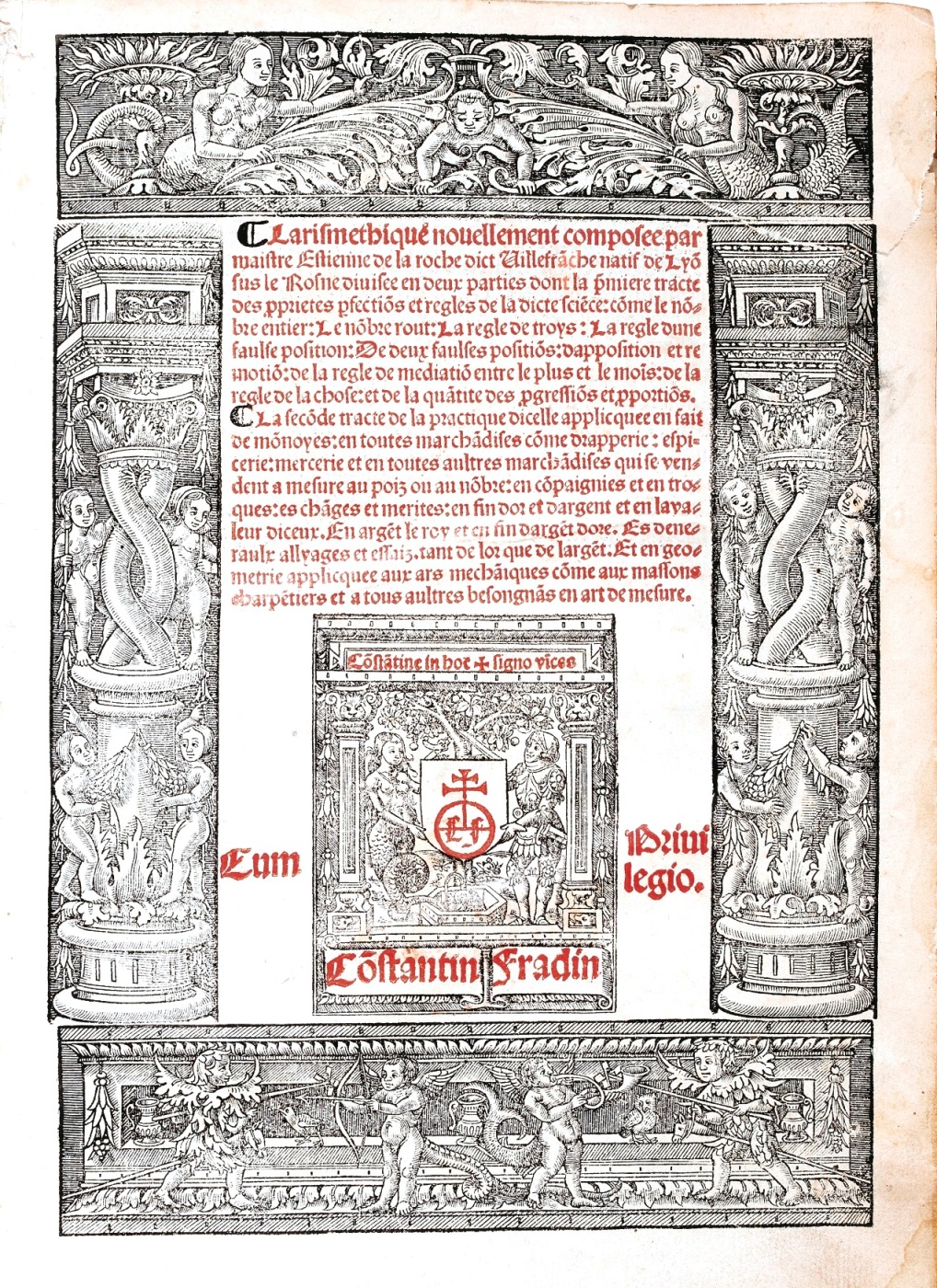
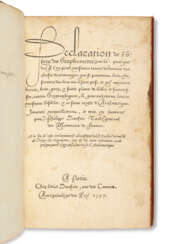
Estienne de la Roche, also known as Estienne de Villefranche, was a French mathematician.
He is known for having taught mathematics in Lyon for 25 years as a professor of mathematics. In 1520 he published the Arismatics, considered at the time the best reference book on algebra.
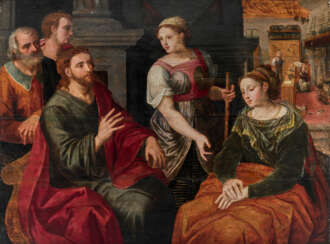


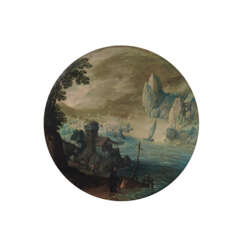

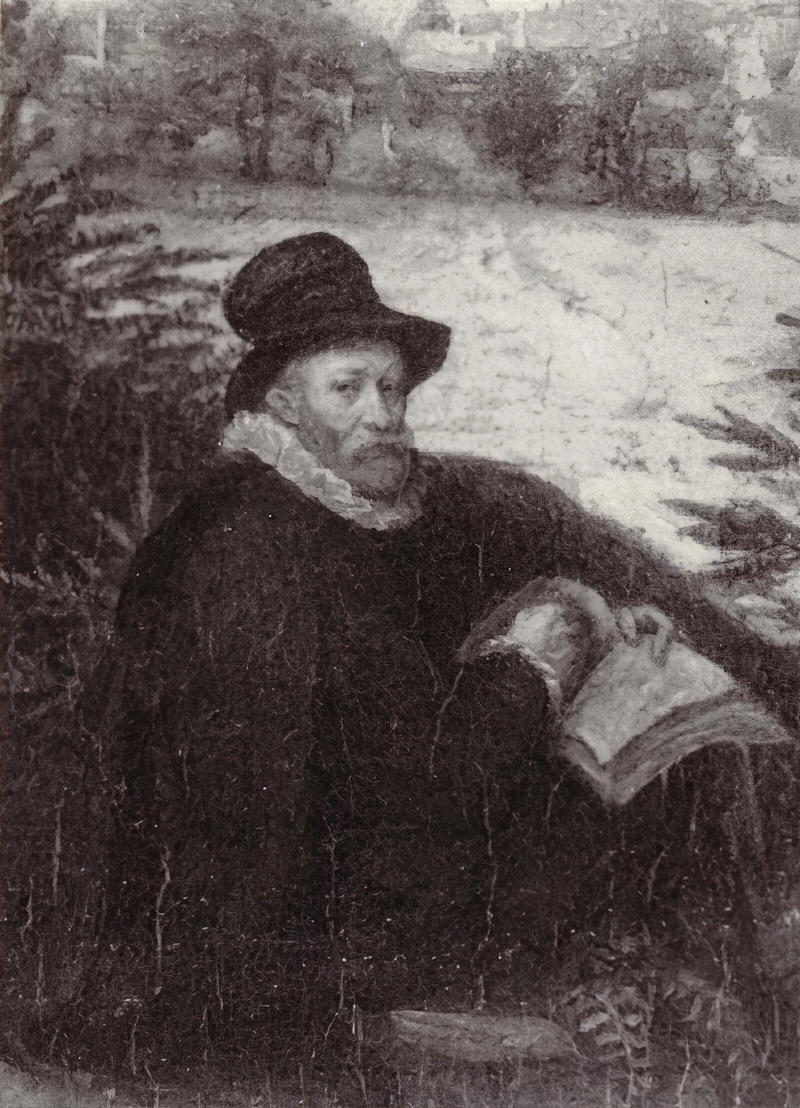
Lucas van Valckenborch was a Flemish painter, mainly known for his landscapes. He also made contributions to portrait painting, and allegorical and market scenes. Court painter to Archduke Matthias, the governor of the Spanish Netherlands in Brussels, he later migrated to Austria and then Germany where he joined members of his extended family of artists who had moved there for religious reasons.
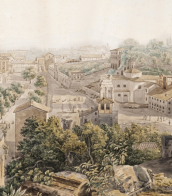
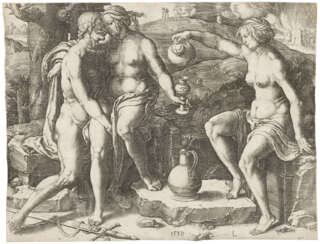

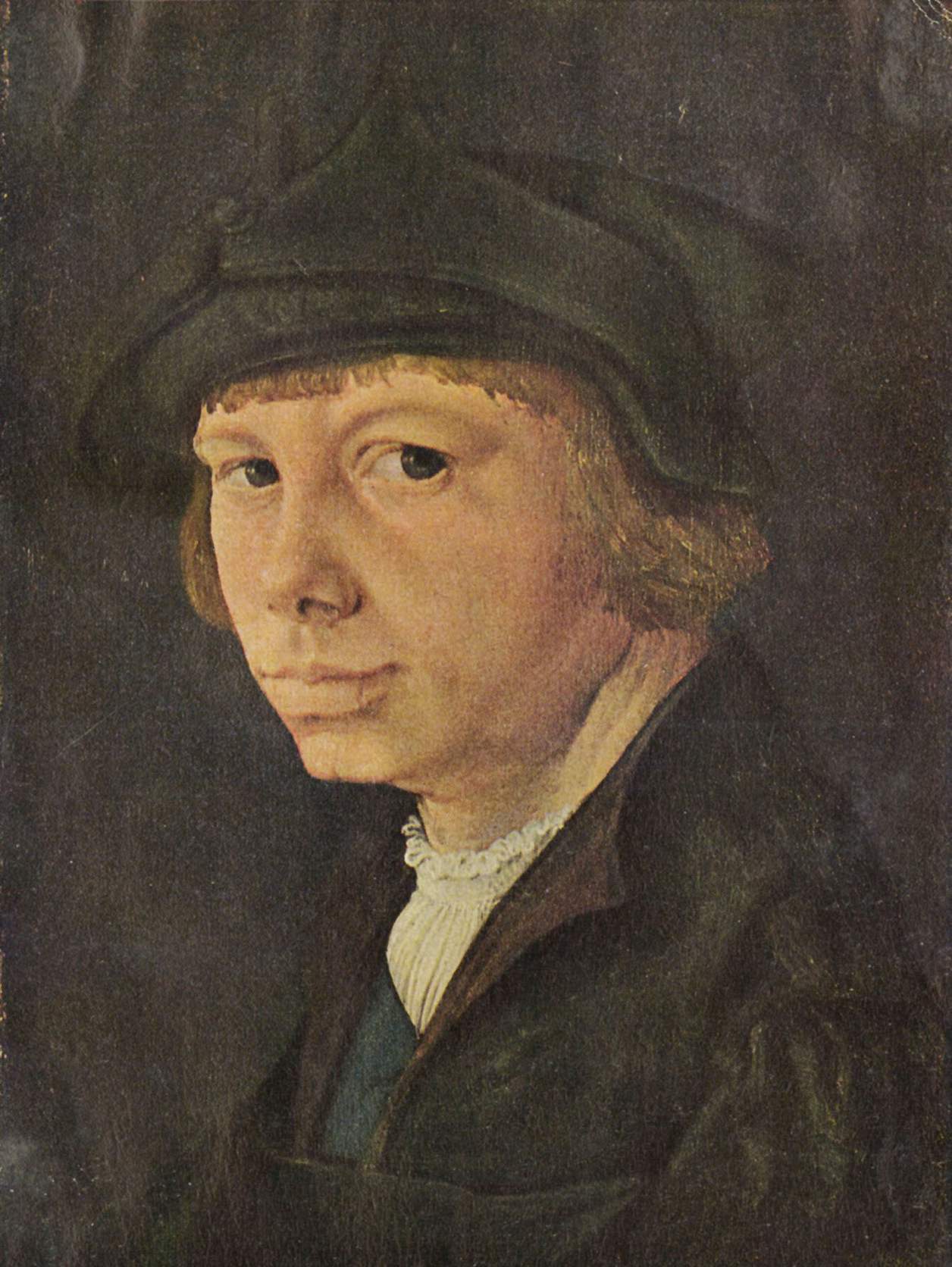
Lucas van Leyden, also named either Lucas Hugensz or Lucas Jacobsz, was a Dutch painter and printmaker in engraving and woodcut. Lucas van Leyden was among the first Dutch exponents of genre painting and was a very accomplished engraver.



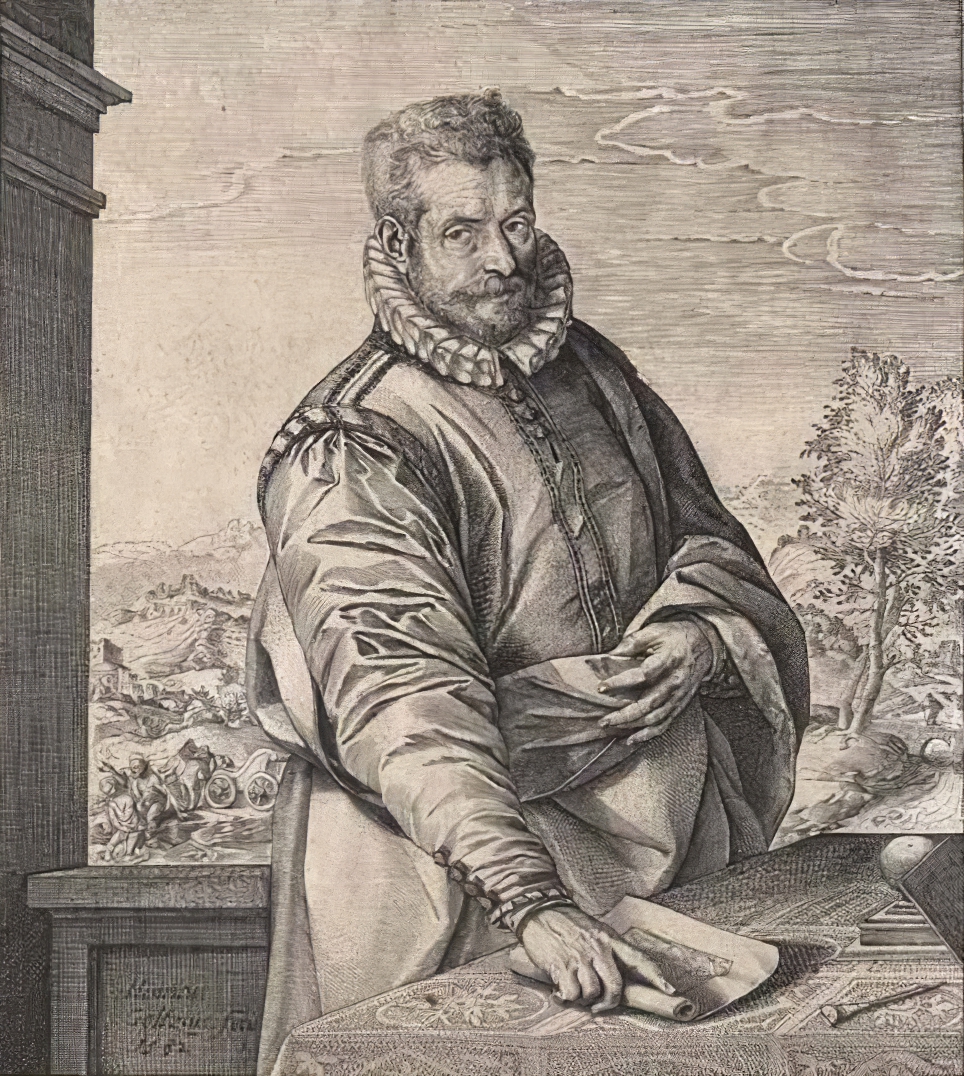
Philips Galle was a Dutch publisher, best known for publishing old master prints, which he also produced as designer and engraver. He is especially known for his reproductive engravings of paintings.
As a resident of Antwerp, Galle witnessed numerous events of the Eighty Years War, notably the siege and looting of the town in 1576 by the Spaniards, called "The Spanish Fury". This rather personal book, which was translated in several languages soon after its first publication, shows Galle as a peace-loving person who intended to stay far away from the political and military turmoil of his era.


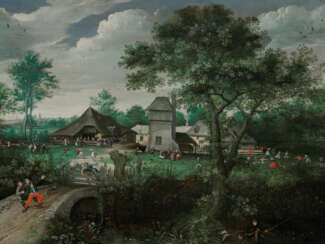

Lucas van Valckenborch was a Flemish painter, mainly known for his landscapes. He also made contributions to portrait painting, and allegorical and market scenes. Court painter to Archduke Matthias, the governor of the Spanish Netherlands in Brussels, he later migrated to Austria and then Germany where he joined members of his extended family of artists who had moved there for religious reasons.


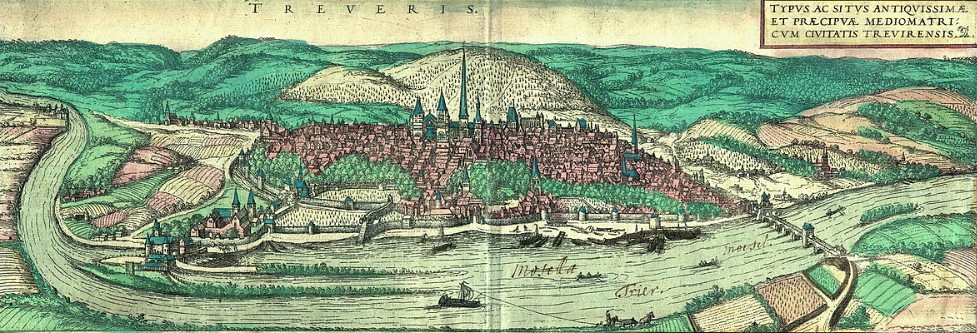
Frans Hogenberg was a Flemish and German painter, engraver, and mapmaker. He is known for portraits and topographical views as well as historical allegories. He also produced scenes of contemporary historical events. Hogenberg was the author of graphic works, engravings of city views and maps of the first four volumes of the six-volume atlas Theatrum Orbis Terrarum (Description and drawings of the most famous cities in the world), published in 1570 by the Flemish geographer Abraham Ortelius. Hogenberg's engravings are an invaluable source of information about urban development in medieval Europe.

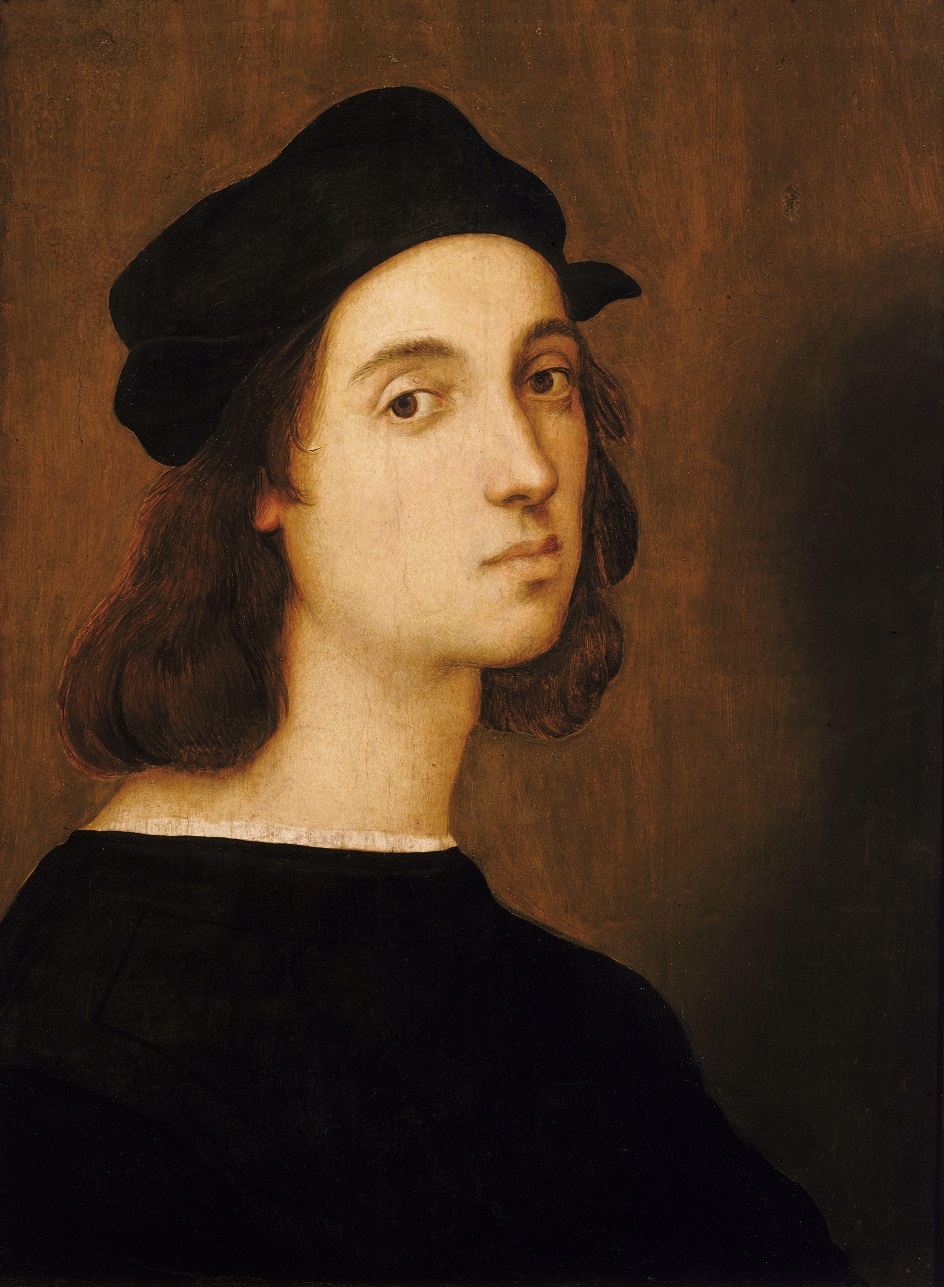
Raffaello Santi was an Italian artist, famously known for his contributions to the world of culture and art. Born in Urbino, Italy, in 1483, Raffaello Santi, commonly known as Raphael, was a renowned painter and architect during the Italian Renaissance. His exceptional talents in the realms of painting and sculpture have left an indelible mark on the art world, earning him a place among the greatest artists of all time.
Raphael's works are celebrated for their exquisite detail, harmonious compositions, and the graceful beauty of his subjects. He is best known for his remarkable frescoes in the Vatican Palace, including the famous "School of Athens," which exemplifies his mastery in blending classical antiquity with contemporary artistic sensibilities. His ability to capture the human form with unparalleled accuracy and sensitivity has earned him a reputation as a true virtuoso.
Among his other notable works are "The Sistine Madonna" and "The Transfiguration," both of which showcase his exceptional skills in portraying religious subjects with a captivating emotional depth. These paintings, along with many others, are now cherished treasures in museums and galleries worldwide, drawing art enthusiasts and experts alike to admire Raphael's timeless creations.
For collectors and art connoisseurs, Raphael's works are highly sought after, not only for their historical significance but also for their aesthetic appeal. His pieces continue to command great value in the art market, making them a valuable addition to any art collection.
If you are passionate about culture, art, and the works of this celebrated artist, consider signing up for updates related to Raphael Santi. Stay informed about new product sales and auction events featuring his masterpieces, and have the opportunity to acquire a piece of art history for yourself. Don't miss the chance to immerse yourself in the world of Raphael and his timeless contributions to the realm of art. Subscribe today and be a part of preserving his legacy.
.jpg)
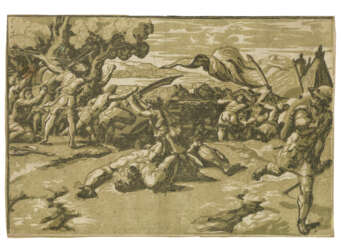
Ugo da Carpi was an Italian printmaker active between 1502 and 1532 in the cities of Venice, Rome and Bologna. He is known for his technical and stylistic contributions to the chiaroscuro woodcut, a printmaking technique using blocks of different colours. Ugo claimed to be the first to use this technique, seeking a copyright first from the Venetian senate, and later from Pope Leo X. Although he did not create the chiaroscuro woodcut technique, he was one of the first Italian practitioners. He contributed to its development through his powerful style, focus on tonality and interpretive skills. One of his most famous works is a print of Diogenes. In addition to his numerous prints, he produced a writing book, and is also known to have produced at least one painting, the altarpiece of Saint Veronica in Saint Peter's Basilica in Rome.
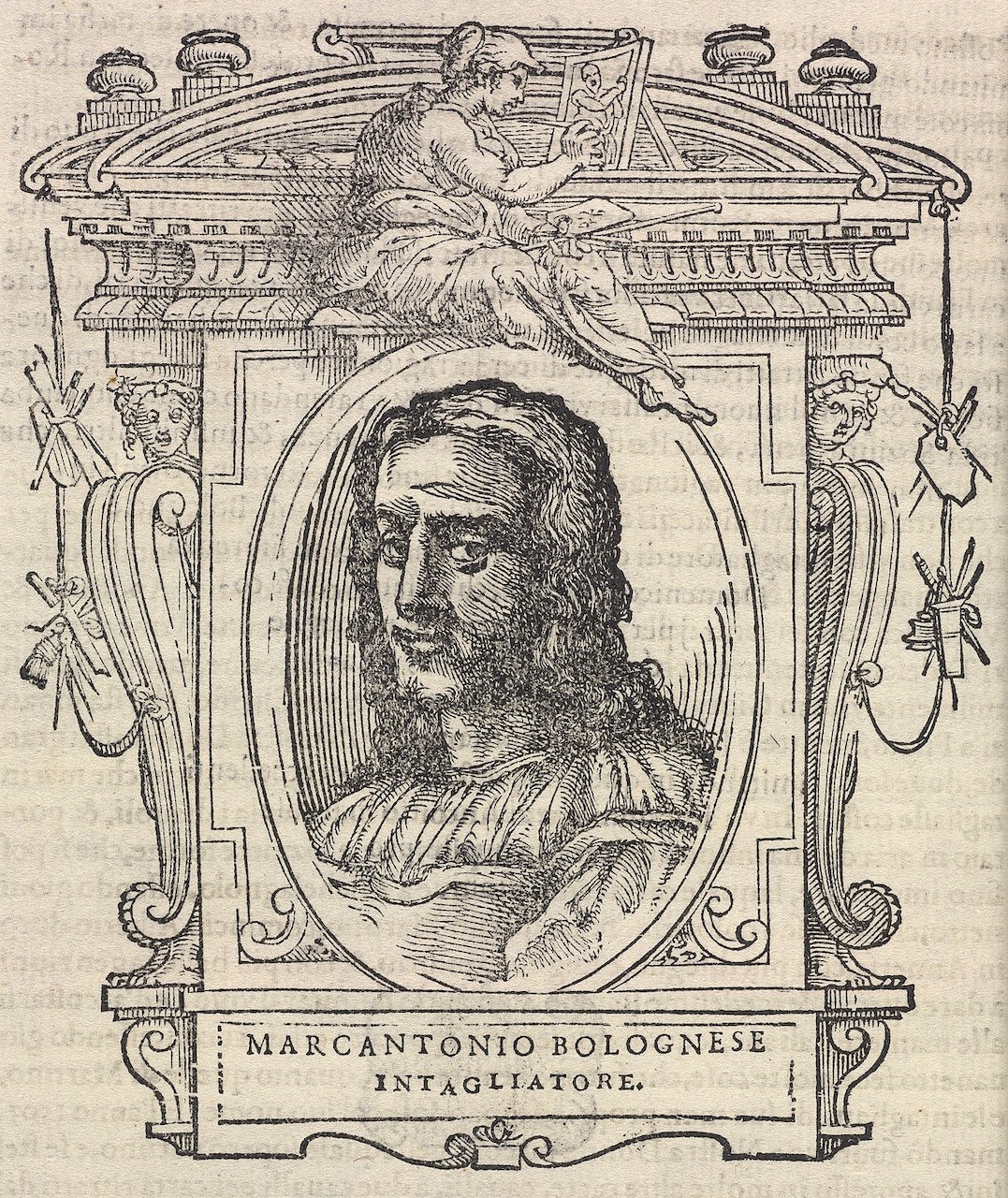
Marcantonio Raimondi, also Marcantonio Francia, was an Italian draftsman and copper engraver. He authored more than 300 engravings of Renaissance artworks, including paintings by Raphael and ancient monuments such as architecture, vases and ornaments.
Marcantonio spent his childhood years in Bologna, but little is known of his mother and father's family. The artist was called "Marco Antonio Bolognese". According to Giorgio Vasari, Marcantonio spent some time in France, as his monogram "MAF": Marcantonio Francia confirms. Later he travelled between Venice, Florence and Rome. Influences of the French style can be seen in his works.
His work on the works of Raphael led Marcantonio to collaborate with Giulio Romano, who first commissioned from him a series of images taken from The Histories of Venus, Apollo and Hyacinth and The Histories of Magdalene and the Four Evangelists. Sixteen engravings, based on drawings by Giulio Romano, of Pietro Aretino's love sonnets and containing an erotic subject, were called "Poses of Aretino".



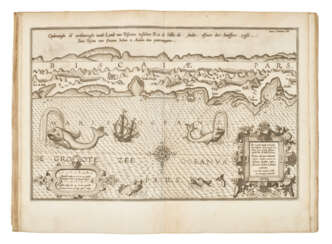

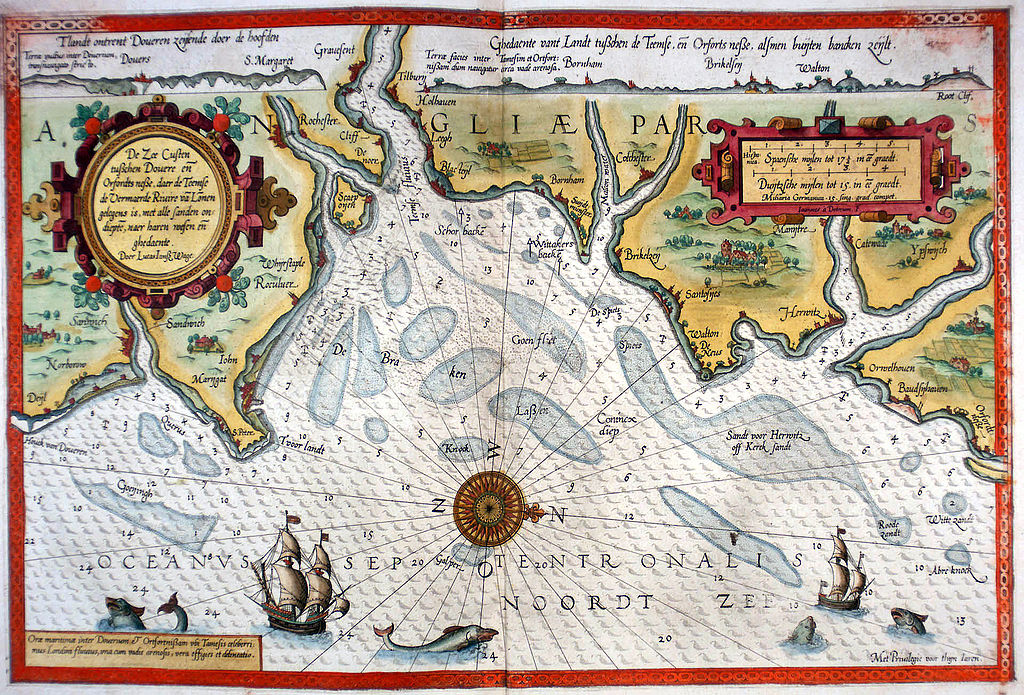
Lucas Waghenaer, full name Lucas Janszoon Waghenaer, was a famous Dutch cartographer, navigator, navigator and writer of the Golden Age.
Between 1550 and 1579, Waghenaer sailed the seas as a senior assistant captain and probably socialized with Portuguese, Spanish, and Italian navigators. The knowledge of nautical charts and the instructions Waghenaer received as a result of these contacts had a great influence on his later work as a cartographer. It is evident that the charts he made had to be based on his observations, and in all his work he had to draw on his own extensive experience of practical navigation. His book Spieghel der Zeevaerdt ("The Navigator's Mirror") or Speculum nauticum super navigatione, first published in 1584, occupies a unique place among the nautical printed works of the sixteenth century, for it is the first printed work with maps.
Moreover, in terms of the magnificent design of the maps and text, it surpasses all other editions of this period and served as a model for pilotage guides and folios with maps even a century later. It is an atlas of nautical charts with instructions for navigation in the western and northwestern coastal waters of Europe. Thanks to the unrivaled skill of engravers Baptiste and Johannes van Deitekom, Waghenaer's original maps were transformed into the most beautiful maps of the time. This book was a huge success, reprinted several times and translated into English, German, Latin and French.
In 1592, Waghenaer's second pilot book Thresoor der zeevaert ("Treasure of Navigation") was published, and in 1598, the third and last publication Enchuyser zeecaertboeck ("Enkhuizen Book of Nautical Charts").

Raffaello Santi was an Italian artist, famously known for his contributions to the world of culture and art. Born in Urbino, Italy, in 1483, Raffaello Santi, commonly known as Raphael, was a renowned painter and architect during the Italian Renaissance. His exceptional talents in the realms of painting and sculpture have left an indelible mark on the art world, earning him a place among the greatest artists of all time.
Raphael's works are celebrated for their exquisite detail, harmonious compositions, and the graceful beauty of his subjects. He is best known for his remarkable frescoes in the Vatican Palace, including the famous "School of Athens," which exemplifies his mastery in blending classical antiquity with contemporary artistic sensibilities. His ability to capture the human form with unparalleled accuracy and sensitivity has earned him a reputation as a true virtuoso.
Among his other notable works are "The Sistine Madonna" and "The Transfiguration," both of which showcase his exceptional skills in portraying religious subjects with a captivating emotional depth. These paintings, along with many others, are now cherished treasures in museums and galleries worldwide, drawing art enthusiasts and experts alike to admire Raphael's timeless creations.
For collectors and art connoisseurs, Raphael's works are highly sought after, not only for their historical significance but also for their aesthetic appeal. His pieces continue to command great value in the art market, making them a valuable addition to any art collection.
If you are passionate about culture, art, and the works of this celebrated artist, consider signing up for updates related to Raphael Santi. Stay informed about new product sales and auction events featuring his masterpieces, and have the opportunity to acquire a piece of art history for yourself. Don't miss the chance to immerse yourself in the world of Raphael and his timeless contributions to the realm of art. Subscribe today and be a part of preserving his legacy.
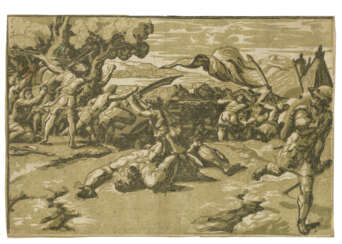
Ugo da Carpi was an Italian printmaker active between 1502 and 1532 in the cities of Venice, Rome and Bologna. He is known for his technical and stylistic contributions to the chiaroscuro woodcut, a printmaking technique using blocks of different colours. Ugo claimed to be the first to use this technique, seeking a copyright first from the Venetian senate, and later from Pope Leo X. Although he did not create the chiaroscuro woodcut technique, he was one of the first Italian practitioners. He contributed to its development through his powerful style, focus on tonality and interpretive skills. One of his most famous works is a print of Diogenes. In addition to his numerous prints, he produced a writing book, and is also known to have produced at least one painting, the altarpiece of Saint Veronica in Saint Peter's Basilica in Rome.
Marcantonio Raimondi, also Marcantonio Francia, was an Italian draftsman and copper engraver. He authored more than 300 engravings of Renaissance artworks, including paintings by Raphael and ancient monuments such as architecture, vases and ornaments.
Marcantonio spent his childhood years in Bologna, but little is known of his mother and father's family. The artist was called "Marco Antonio Bolognese". According to Giorgio Vasari, Marcantonio spent some time in France, as his monogram "MAF": Marcantonio Francia confirms. Later he travelled between Venice, Florence and Rome. Influences of the French style can be seen in his works.
His work on the works of Raphael led Marcantonio to collaborate with Giulio Romano, who first commissioned from him a series of images taken from The Histories of Venus, Apollo and Hyacinth and The Histories of Magdalene and the Four Evangelists. Sixteen engravings, based on drawings by Giulio Romano, of Pietro Aretino's love sonnets and containing an erotic subject, were called "Poses of Aretino".



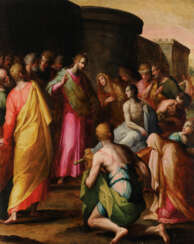

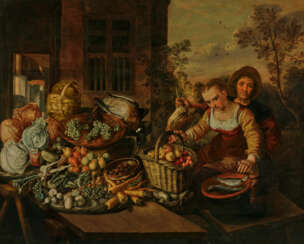

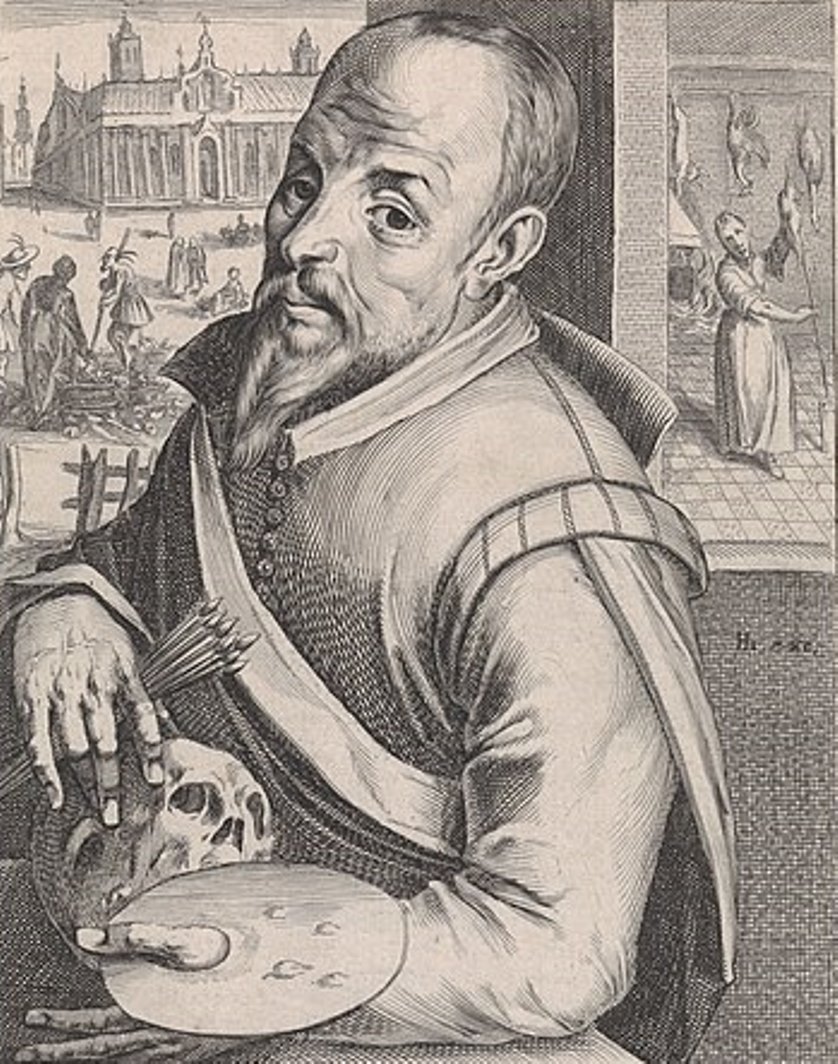
Joachim Beuckelaer, a masterful Flemish painter born around 1533, was renowned for his intricate market and kitchen scenes, which were abundant with detailed depictions of food and household items. His unique approach combined everyday life with religious narratives, often situating biblical episodes within the backdrop of bustling market scenes or domestic settings. This innovative blend of the mundane with the spiritual set the stage for future developments in Dutch and Flemish painting.
Beuckelaer's influence extended beyond his immediate geographic locale, impacting artists across Europe, from Italy to Spain, heralding a new appreciation for kitchen and market scenes that would flourish in seventeenth-century painting. His works were not only appreciated for their aesthetic and technical mastery but also for their ability to capture the essence of sixteenth-century Antwerp life, from the vibrancy of its markets to the intimacy of its kitchens.
His oeuvre includes a variety of subjects, from purely religious works to those that focus solely on still-life elements without any human figures, indicating his versatility and innovation as an artist. Beuckelaer was known for employing techniques that allowed him to efficiently reuse compositions, showcasing his ability to adapt and repurpose his work to meet the demands of his patrons.
Notable works by Beuckelaer, such as the "Four Elements" series, now housed in the National Gallery, London, demonstrate his skill in merging complex allegories with detailed observations from nature and daily life. These paintings are celebrated for their depth of detail and the way they foreground the role of women in the culinary and market spheres.
For collectors and experts in art and antiques, Joachim Beuckelaer's paintings offer a fascinating glimpse into the cultural and social dynamics of the sixteenth century, as well as the evolution of still-life and genre painting in the early modern period. His ability to weave together the secular and sacred, the abundant and the everyday, marks him as a significant figure in the history of art.
To remain informed about the latest discoveries, sales, and auction events related to Joachim Beuckelaer, consider signing up for updates. This subscription is an invaluable resource for those keen to explore the depths of Flemish painting and its enduring influence on European art history.
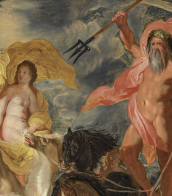
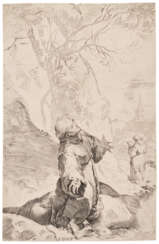

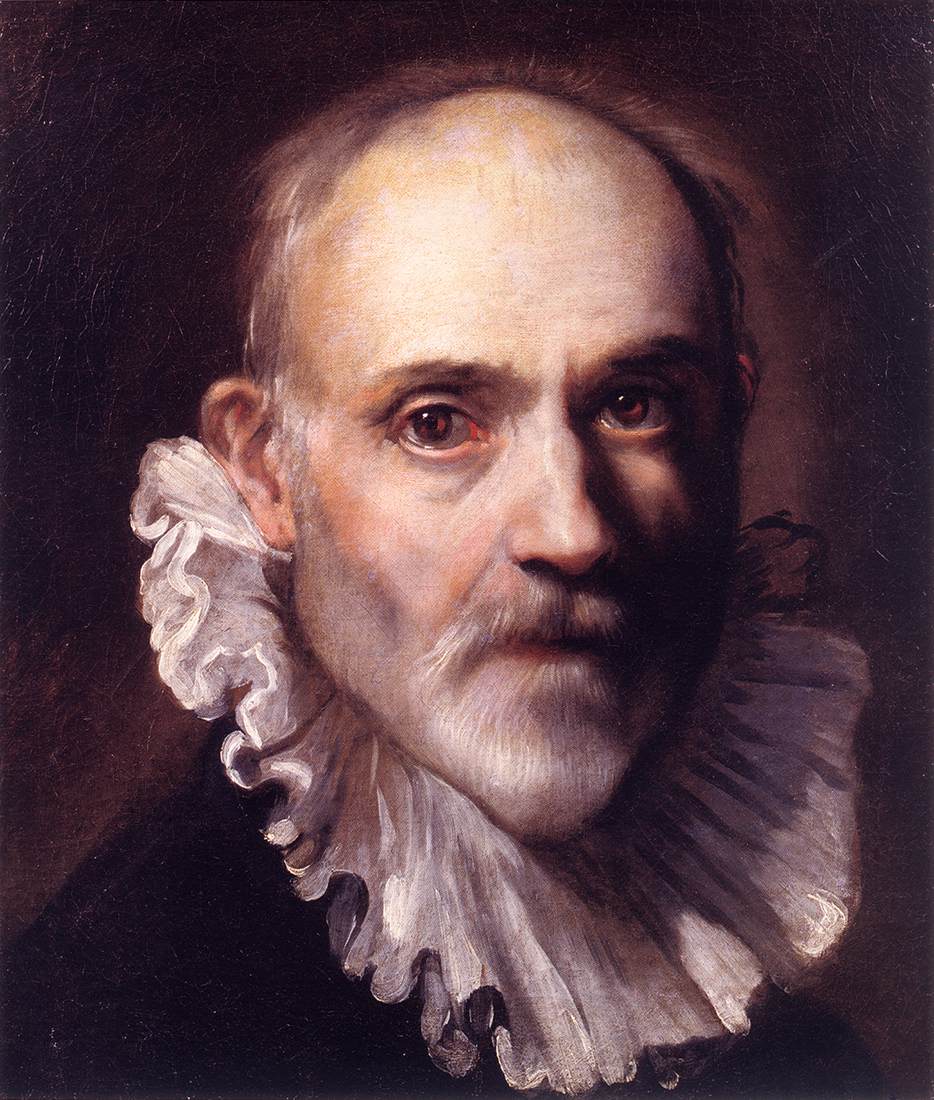
Federico Barocci, an Italian Renaissance painter and printmaker, was celebrated for his vibrant use of color and dynamic compositions. Born around 1533 in Urbino, Italy, a hub of Renaissance culture, Barocci's early life was steeped in the rich artistic heritage of the time. His training included an apprenticeship with his father, a sculptor, and later with notable artists such as Battista Franco Veneziano and Taddeo Zuccari.
Federico Barocci's work, known for its emotional intensity and use of light, positioned him as a critical link between the Mannerist style of the 16th century and the emerging Baroque period. His paintings often depicted religious scenes, imbued with a warmth and spirituality that resonated with viewers. His unique approach to color and composition had a significant influence on later artists, including the Baroque masters Peter Paul Rubens and Gian Lorenzo Bernini.
Despite suffering from chronic illness, possibly due to poisoning, Federico Barocci's output remained prolific and influential. His works can be found in several prestigious galleries, including the Uffizi in Florence, where his "Madonna del Popolo" and "Martyrdom of Saint Vitale" are displayed. These pieces, along with others like "The Deposition" in the Cathedral of Perugia and "Noli me Tangere" in Munich, showcase his mastery in portraying human emotion and divine radiance.
Collectors and experts in art and antiques will appreciate the depth and innovation of Federico Barocci's work. His legacy as a master colorist and draughtsman is undeniable, making his pieces a valuable addition to any collection.
To stay updated on sales and auction events related to Federico Barocci, sign up for our exclusive updates. This subscription ensures you're the first to know about new opportunities to acquire works connected to this remarkable artist.
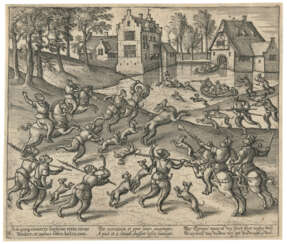

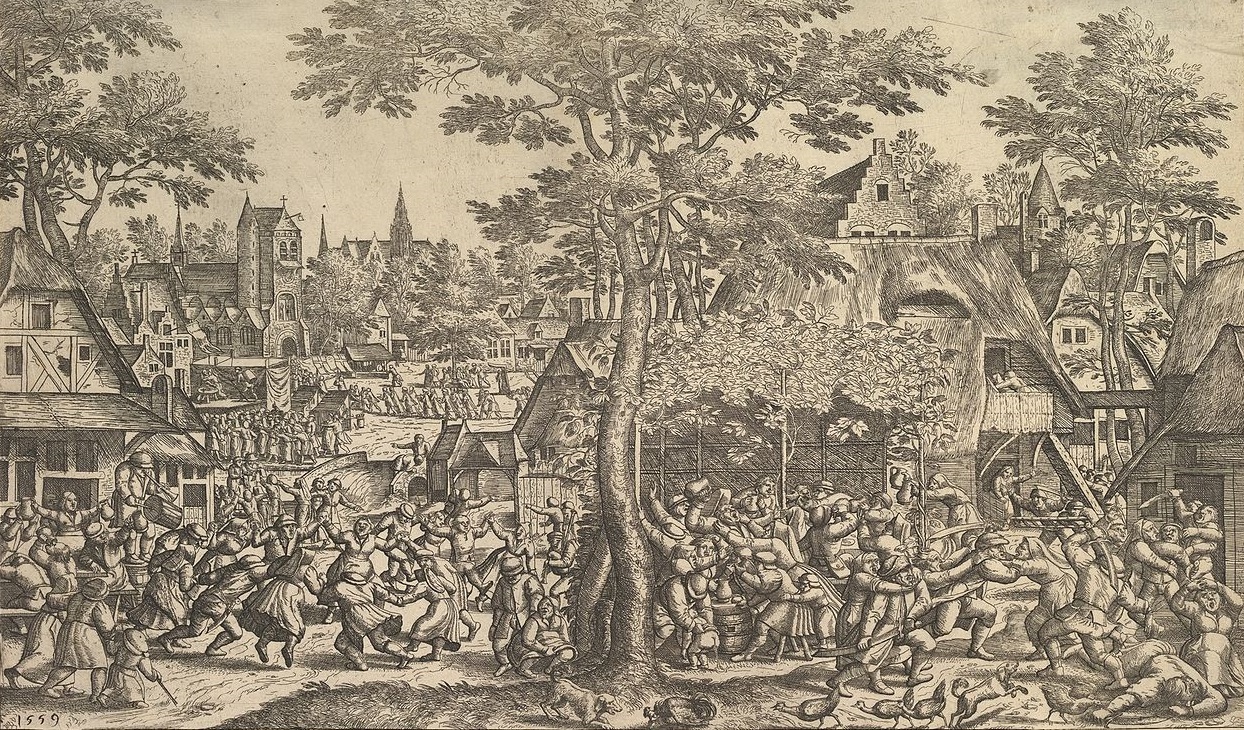
Pieter van der Borcht the Elder was a Flemish Renaissance painter, draughtsman and etcher. He is regarded as one of the most gifted botanical painters of the 16th century. Pieter van der Borcht the Elder also introduced new themes such as the 'monkey scene' (also called 'singerie') into Northern art.


Vincenzo Campi was a notable painter of the 16th century, widely recognized for his unique style that combined traditional subjects with everyday life. Campi's journey in the world of art was influenced by his family background, as he trained under his brother Giulio and was part of a family of Italian painters known for their contributions to Mannerist painting.
Vincenzo Campi's paintings stood out for their vivid depictions of market scenes and kitchen tableaux, focusing on everyday objects and food with an extraordinary level of realism. This approach was quite innovative for his time. His works like "Pescivendoli" (The Fishmongers, 1579) and "The Ricotta Eaters" (1580) are emblematic of his style, combining elements of still life and genre painting. In "The Ricotta Eaters," for instance, Campi artistically weaves together themes of food and sensuality, presenting a scene that is both a hymn to life and pleasure and a subtle commentary on social classes and morality.
Vincenzo Campi's paintings were not just mere representations of daily life; they often carried deeper social and cultural meanings. For instance, in his depiction of the lower working classes in "Fishmongers," he illustrated contemporary beliefs regarding food's appropriateness based on social hierarchy. The paintings of commoners consuming foods like beans, dark bread, and cheese, as shown in "The Ricotta Eaters," reflected the societal norms of the time regarding class and diet.
Vincenzo Campi's work did not only portray the peasants in a crude or humorous light, but also carried a sophisticated blend of comedy and criticism, reflecting a deeper understanding of the human condition and social structures of his time.
Campi's style and themes influenced other artists in Cremona and contributed to the development of genre painting in northern Italy. His work, in some ways, served as a precursor to Caravaggio’s realism that emerged in the subsequent decade.
For collectors and connoisseurs of art and antiques, Vincenzo Campi's paintings offer a unique window into the societal and cultural aspects of 16th-century Italy, blending everyday life with deeper social commentaries. His work continues to be an important part of the conversation in the history of art.
To stay updated on the latest insights and collections of Vincenzo Campi's works, consider subscribing to our updates. This service will ensure you are informed about new sales, exhibitions, and auction events related to this influential Italian artist.
![[ELIZABETH I (1533-1603)].](/assets/image/picture_2945045/ddfad/e62990c18d4c8bf371d8ca34cc48a1481689112800jpg__fix_374_244.jpeg)
![[ELIZABETH I (1533-1603)].](https://veryimportantlot.com/assets/image/picture_2945045/ddfad/e62990c18d4c8bf371d8ca34cc48a1481689112800jpg__fix_374_244.jpeg)
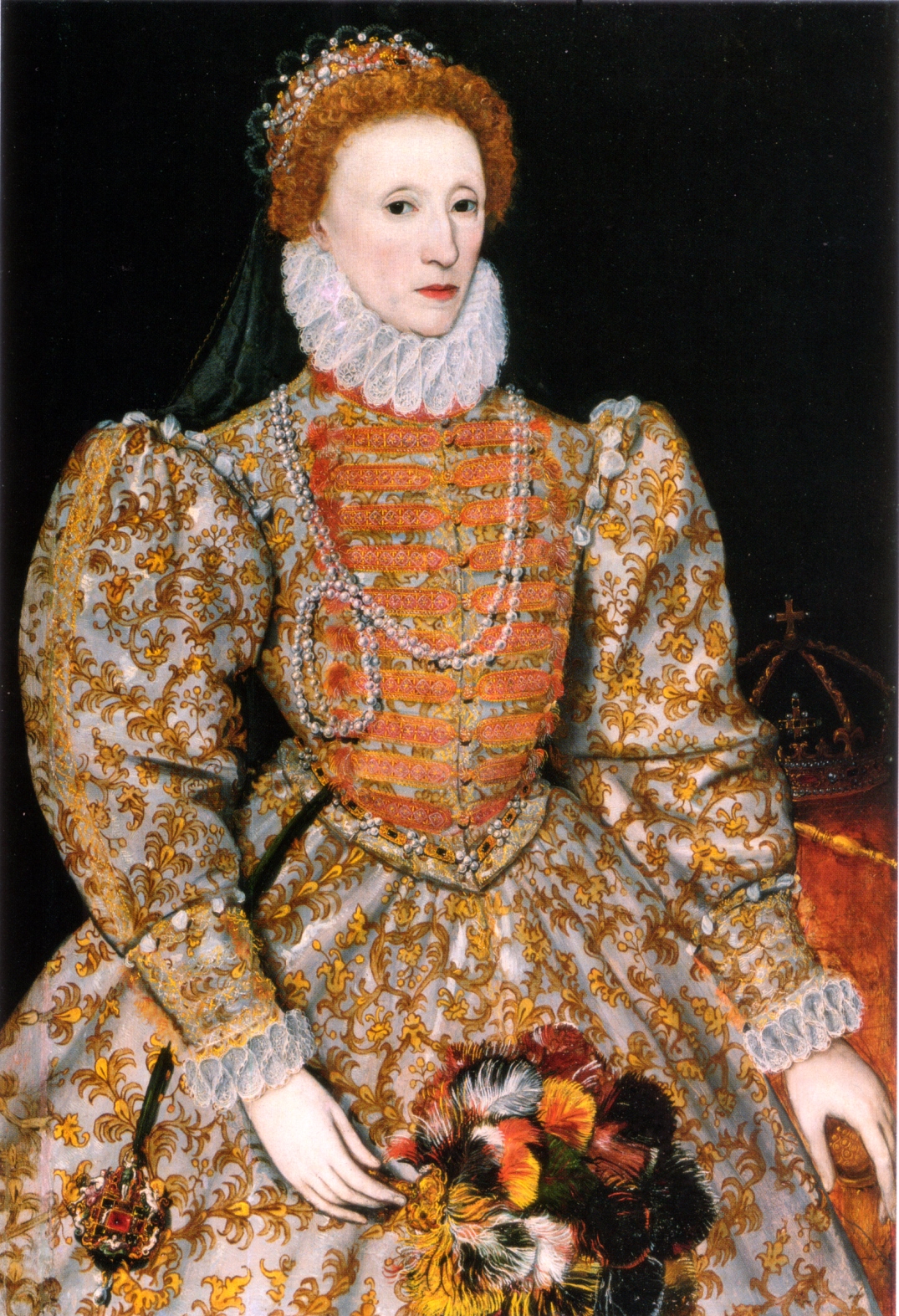
Elizabeth I was Queen of England and Ireland from 1558 to 1603 and was the last monarch of the Tudor dynasty.
Elizabeth was the daughter of Henry VIII and Anne Boleyn, his second wife, who was executed when Elizabeth was two years old. Her youth was full of uncertainties, and her chances for the throne seemed very slim. Against all odds, however, Elizabeth inherited the throne after the death of her half-sister in November 1558. She was very well educated, fluent in five languages, intelligent, determined, and shrewd.
Above all, Elizabeth was committed to maintaining peace and stability in England. Her 45-year reign is considered one of the most glorious in English history, a path of triumph and success. Under her rule a secure Anglican church was established. Elizabeth's reign was marked by many bold discoveries, and the arts flourished as well.
Elizabeth chose never to marry. She used her prospects of marriage as a political tool in foreign and domestic politics. However, the "virgin queen" was presented as a selfless woman who sacrificed personal happiness for the good of the nation.
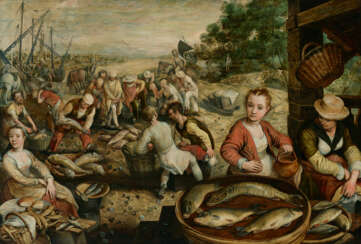

Joachim Beuckelaer, a masterful Flemish painter born around 1533, was renowned for his intricate market and kitchen scenes, which were abundant with detailed depictions of food and household items. His unique approach combined everyday life with religious narratives, often situating biblical episodes within the backdrop of bustling market scenes or domestic settings. This innovative blend of the mundane with the spiritual set the stage for future developments in Dutch and Flemish painting.
Beuckelaer's influence extended beyond his immediate geographic locale, impacting artists across Europe, from Italy to Spain, heralding a new appreciation for kitchen and market scenes that would flourish in seventeenth-century painting. His works were not only appreciated for their aesthetic and technical mastery but also for their ability to capture the essence of sixteenth-century Antwerp life, from the vibrancy of its markets to the intimacy of its kitchens.
His oeuvre includes a variety of subjects, from purely religious works to those that focus solely on still-life elements without any human figures, indicating his versatility and innovation as an artist. Beuckelaer was known for employing techniques that allowed him to efficiently reuse compositions, showcasing his ability to adapt and repurpose his work to meet the demands of his patrons.
Notable works by Beuckelaer, such as the "Four Elements" series, now housed in the National Gallery, London, demonstrate his skill in merging complex allegories with detailed observations from nature and daily life. These paintings are celebrated for their depth of detail and the way they foreground the role of women in the culinary and market spheres.
For collectors and experts in art and antiques, Joachim Beuckelaer's paintings offer a fascinating glimpse into the cultural and social dynamics of the sixteenth century, as well as the evolution of still-life and genre painting in the early modern period. His ability to weave together the secular and sacred, the abundant and the everyday, marks him as a significant figure in the history of art.
To remain informed about the latest discoveries, sales, and auction events related to Joachim Beuckelaer, consider signing up for updates. This subscription is an invaluable resource for those keen to explore the depths of Flemish painting and its enduring influence on European art history.
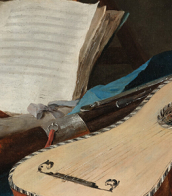
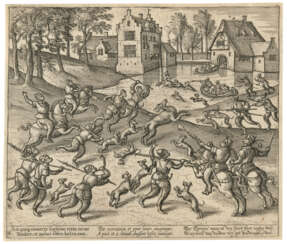

Pieter van der Borcht the Elder was a Flemish Renaissance painter, draughtsman and etcher. He is regarded as one of the most gifted botanical painters of the 16th century. Pieter van der Borcht the Elder also introduced new themes such as the 'monkey scene' (also called 'singerie') into Northern art.


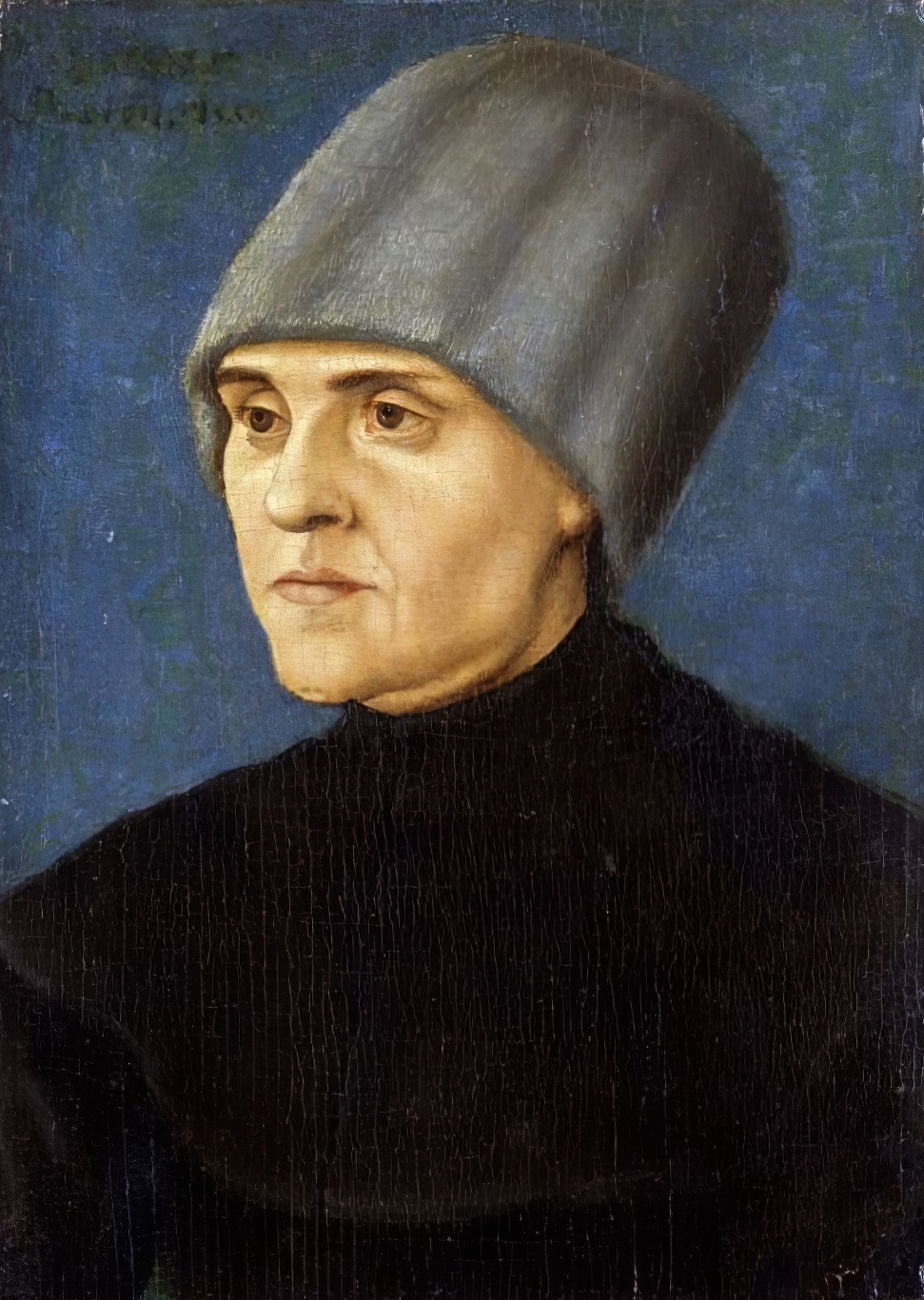
Hans Burgkmair the Elder was a German Renaissance painter, graphic artist and sculptor. He came from a family of painters. He studied painting with Martin Schongauer in Colmar from 1488.
Hans Burgkmayr was a versatile artist, working in various techniques including painting, woodcuts, stained glass designs and tapestries. He was known for his complex and detailed style, which included elements of naturalism and symbolism.
Burgkmayr's paintings often depicted religious and mythological themes, as well as historical events. His style is influenced by the Italian Renaissance, particularly in its attention to anatomical accuracy and use of perspective.
One of Hans Burgkmayr's significant contributions was in the field of engraving. His woodcuts were highly regarded for their technical skill and artistic quality.
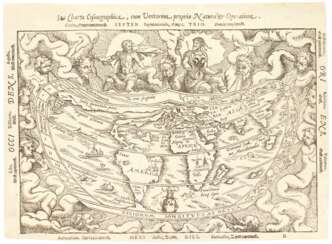

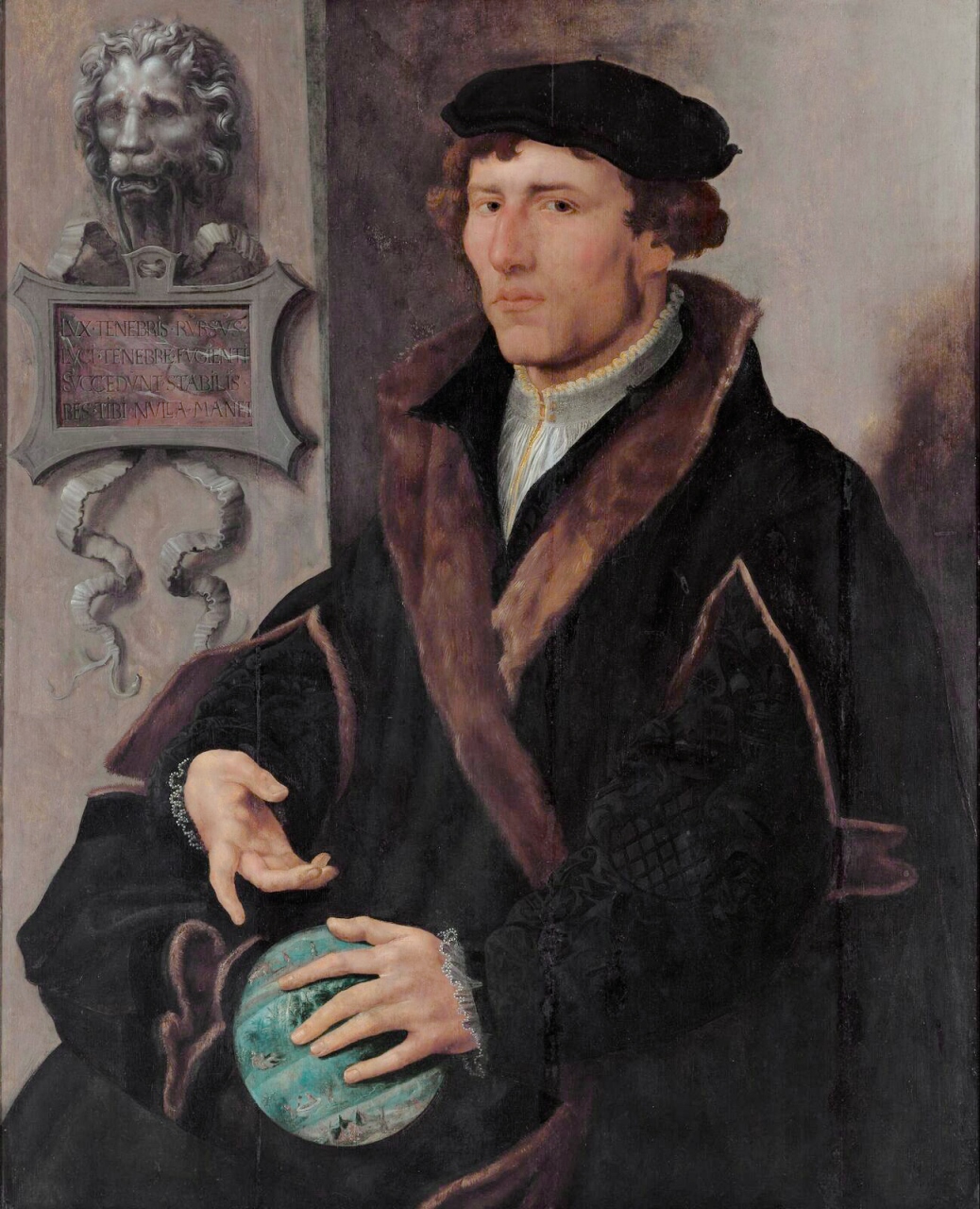
Gemma Frisius, born Jemme Reinerszoon Frisius, was a Dutch mathematician, physician, cartographer, philosopher, engraver, and master of astronomical instruments.
He taught mathematics and medicine at the University of Leuven and applied his mathematical knowledge to astronomy, geography, and map-making. Frisius participated in the creation of the latest globes and used mathematics in geodesy and navigation in new ways and invented or improved many instruments, including the cross staff, the astrolabe, and the astronomical rings (also known as "Gemma rings"). He ran a workshop for making such instruments.
Frisius is credited with being one of the founders of the Dutch school of cartography.

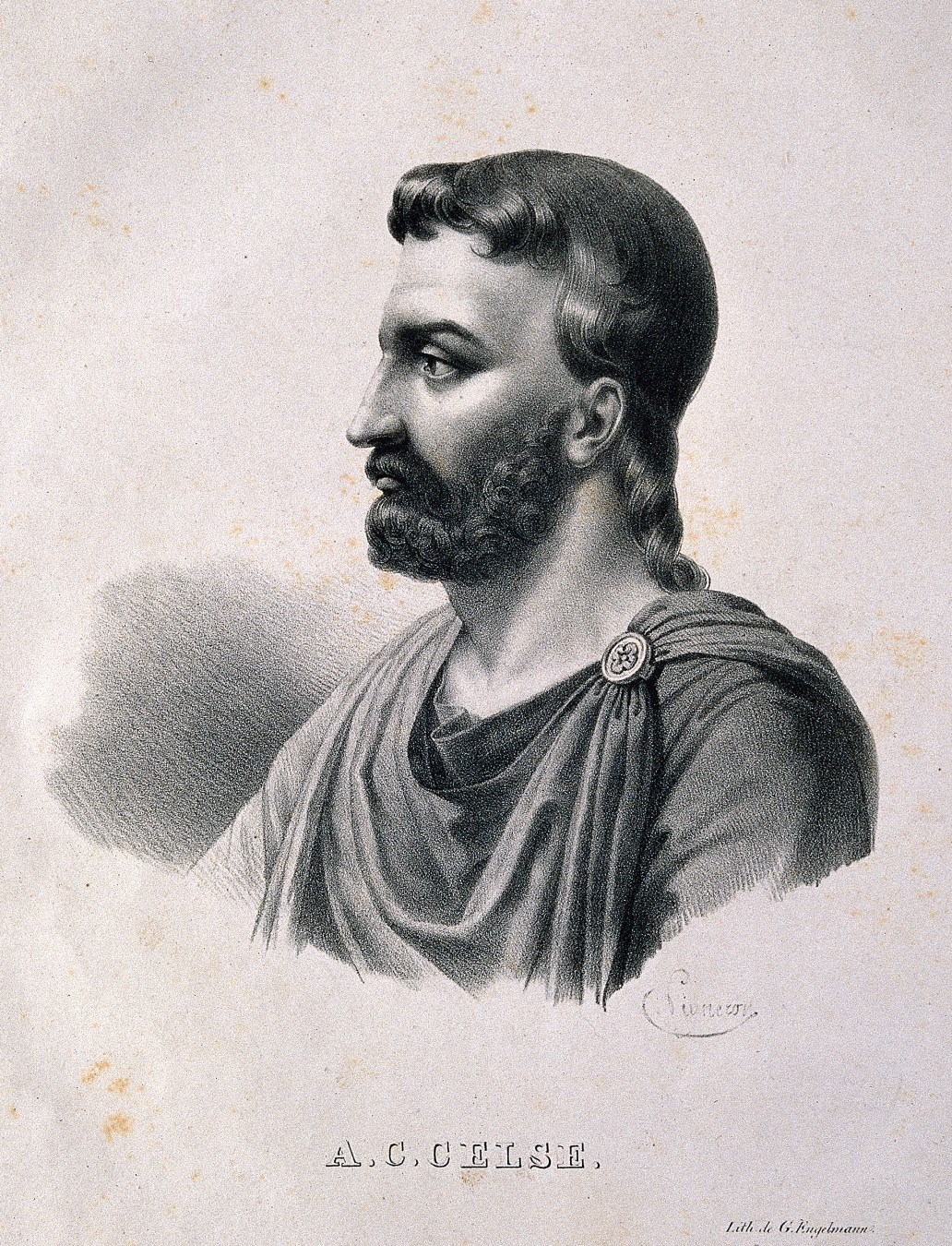
Cornelius Gerardi Aurelius, also called Goudanus, was a Dutch humanist scholar, writer, and historian.
Aurelius was a permanent canon (monk) of the Augustinian monastic order and is one of the first humanists of the Netherlands in the 16th century. He wrote poetry, historiography, hagiography, political and theological works. Aurelius also corresponded with many of the famous men of his day, especially Erasmus.
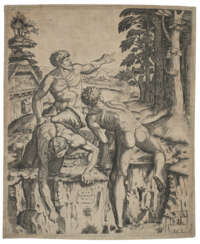

Marcantonio Raimondi, also Marcantonio Francia, was an Italian draftsman and copper engraver. He authored more than 300 engravings of Renaissance artworks, including paintings by Raphael and ancient monuments such as architecture, vases and ornaments.
Marcantonio spent his childhood years in Bologna, but little is known of his mother and father's family. The artist was called "Marco Antonio Bolognese". According to Giorgio Vasari, Marcantonio spent some time in France, as his monogram "MAF": Marcantonio Francia confirms. Later he travelled between Venice, Florence and Rome. Influences of the French style can be seen in his works.
His work on the works of Raphael led Marcantonio to collaborate with Giulio Romano, who first commissioned from him a series of images taken from The Histories of Venus, Apollo and Hyacinth and The Histories of Magdalene and the Four Evangelists. Sixteen engravings, based on drawings by Giulio Romano, of Pietro Aretino's love sonnets and containing an erotic subject, were called "Poses of Aretino".