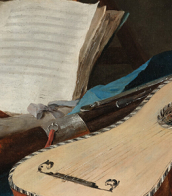
1652
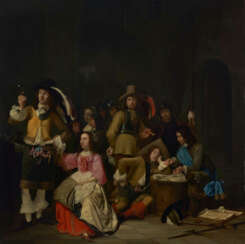

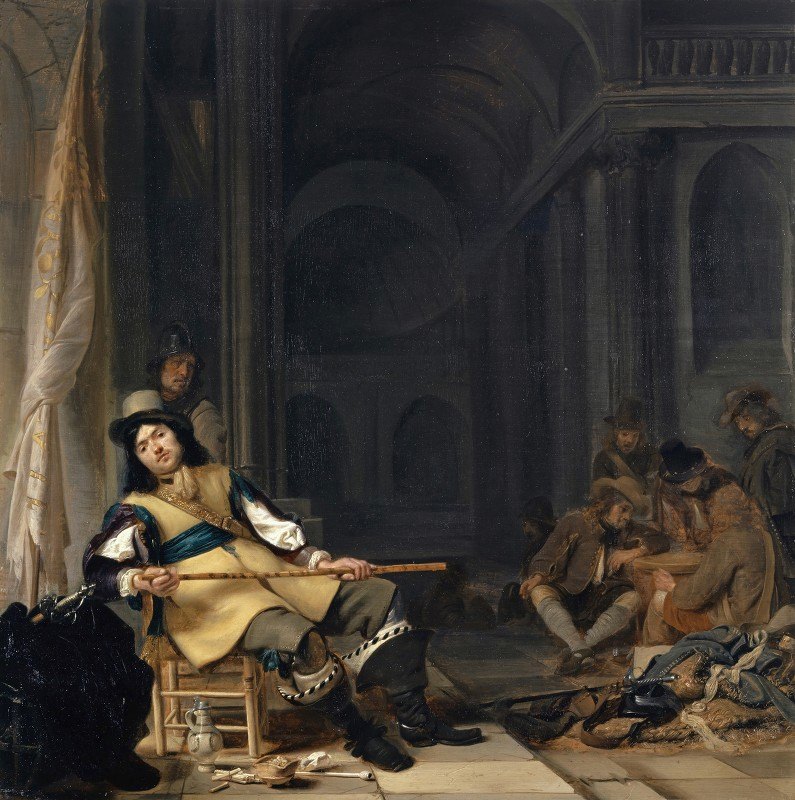
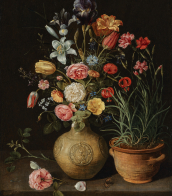
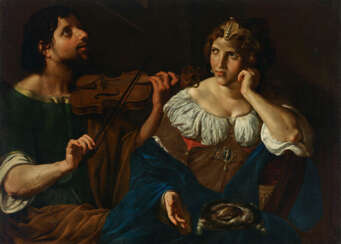

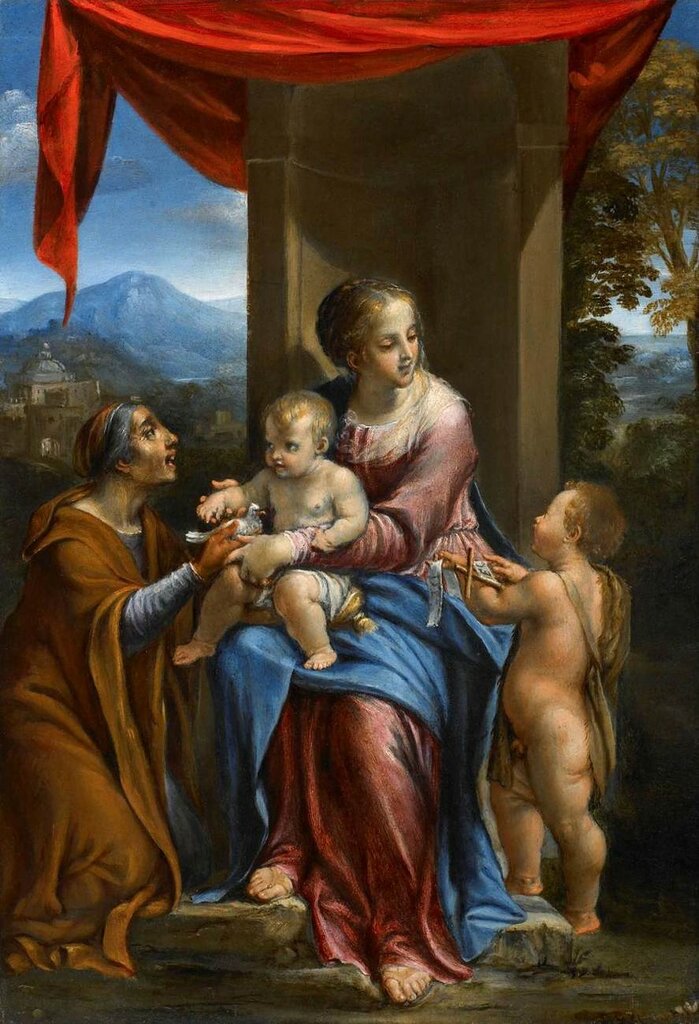
Angelo Caroselli was an Italian painter, born and active during the Baroque period, primarily in Rome. Known for his eclectic style, Caroselli's work was significantly influenced by Caravaggio, evident in the naturalism and chiaroscuro that marked his compositions. His subject matter often included colorful characters from contemporary Rome, scenes of witchcraft, musicians, and genre scenes reflective of the Caravaggisti, a group of artists who followed Caravaggio's stylistic approach. Caroselli's ability to blend allegories, religious works, and portraits with genre scenes showcased his search for originality and a unique narrative voice within the Baroque movement.
Angelo Caroselli's career was marked by his versatility as not only a painter but also an art restorer, copyist, and possibly a forger. This breadth of skills contributed to the diverse body of work he left behind, which ranged from scenes of everyday life to complex allegorical compositions. His works often depicted the lower echelons of society, including musicians, card players, and prostitutes, infused with a potent naturalism that brought these figures to life against the backdrop of 17th-century Rome.
Despite his adherence to Caravaggesque forms and themes, Angelo Caroselli's work also displayed 'archaicising' elements, which some art historians view as a conscious departure from the dominant Baroque style of his time. This aspect of his work, along with his skill in copying the works of ancient masters, highlights a deliberate exploration of and departure from the prevailing artistic norms, contributing to the unique place he occupies in Baroque art history.
Notably, Caroselli's influence extended beyond Italy, affecting the work of other Caravaggisti, including the Lucchese painter Pietro Paolini and the Dutch painter Dirck van Baburen. This cross-cultural impact underscores the broader significance of Caroselli's work within the Baroque period and its enduring influence on subsequent generations of artists.
His legacy includes several known works that are housed in prestigious institutions and collections worldwide, exemplifying the enduring appeal and historical importance of his artistic contributions. Among these, "The Plague at Ashdod (after Poussin)" stands out as a significant piece, reflecting his capability to engage with and reinterpret the works of his contemporaries and predecessors.
For collectors and experts in art and antiques, Caroselli's oeuvre offers a fascinating glimpse into the Baroque period's complexity, characterized by a blend of innovation, tradition, and a deep engagement with the human condition. His work remains a testament to the vibrancy and dynamism of 17th-century Italian art, inviting ongoing exploration and appreciation.
To stay updated on new discoveries, sales, and auction events related to Angelo Caroselli, sign up for our newsletter. This subscription ensures you're the first to know about the latest findings and opportunities to acquire works by or related to Angelo Caroselli, catering specifically to enthusiasts and collectors of historical art and antiques.



.jpg)
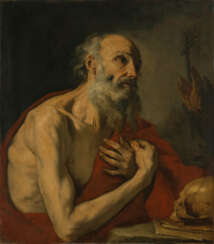
Jusepe de Ribera, a Spanish painter, etcher, and draughtsman, was a notable figure in the world of art, renowned for his distinct style and contribution to Castilian tenebrism. Born in 1591 in Játiva, near Valencia, Spain, Ribera's early life and artistic origins are somewhat shrouded in mystery, with no definitive documentation on his initial training. However, it's speculated that he might have started his artistic journey in Valencia.
Ribera's career took a significant turn when he moved to Italy, where he spent the majority of his professional life, predominantly in Naples, a Spanish territory at that time. He arrived in Naples around 1616 and soon established himself as an important artist in the city. His marriage to Caterina Azzolino, daughter of Sicilian painter Giovanni Bernardino Azzolino, in November of the same year, further solidified his connections in the Italian art scene.
Ribera was deeply influenced by Caravaggio and is often described as one of Caravaggio's followers. His early works displayed a marked tenebrism, characterized by stark chiaroscuro and a robust, scratchy handling of paint. However, Ribera's style evolved over time, moving away from this intense tenebrism to incorporate more color and softer modeling in his later works.
His body of work is diverse, including altarpieces, religious subjects, mythological themes, and portraits. Ribera had a penchant for depicting scenes of martyrdom with graphic realism, as seen in works like the celebrated "Martyrdom of St Bartholomew." Yet, he was also capable of expressing great tenderness, evident in paintings such as "The Adoration of the Shepherds." His secular subjects often depicted philosophers as beggars or vagabonds, adding a unique dimension to the Baroque repertoire.
Ribera's influence extended beyond Naples to Spain and the broader European art scene. He played a foundational role in fostering a respect for individual humanity in Spanish art, a trend that continued with artists like Velázquez and Goya. His works were widely exported to Spain and had a significant impact on both Italian and Spanish art. Ribera remains a highly respected figure in art history, and his works are featured in prominent museums and galleries worldwide, showcasing his enduring legacy in the realm of art and culture.
For art collectors and experts, Ribera's works represent a crucial chapter in the development of European art, particularly in the context of the Spanish Baroque and the evolution of tenebrism. His innovative approach to subject matter and technique continues to inspire and captivate audiences, making his works highly sought after in the world of art and antiques.
To stay updated on sales and auction events related to Jusepe de Ribera, sign up for our updates. This subscription service is tailored specifically for enthusiasts and experts in art and antiques, ensuring that you are the first to know about new opportunities to acquire works related to this influential artist.
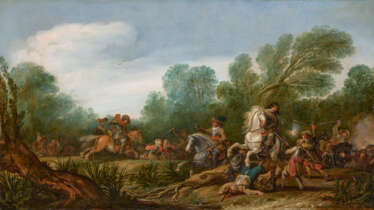

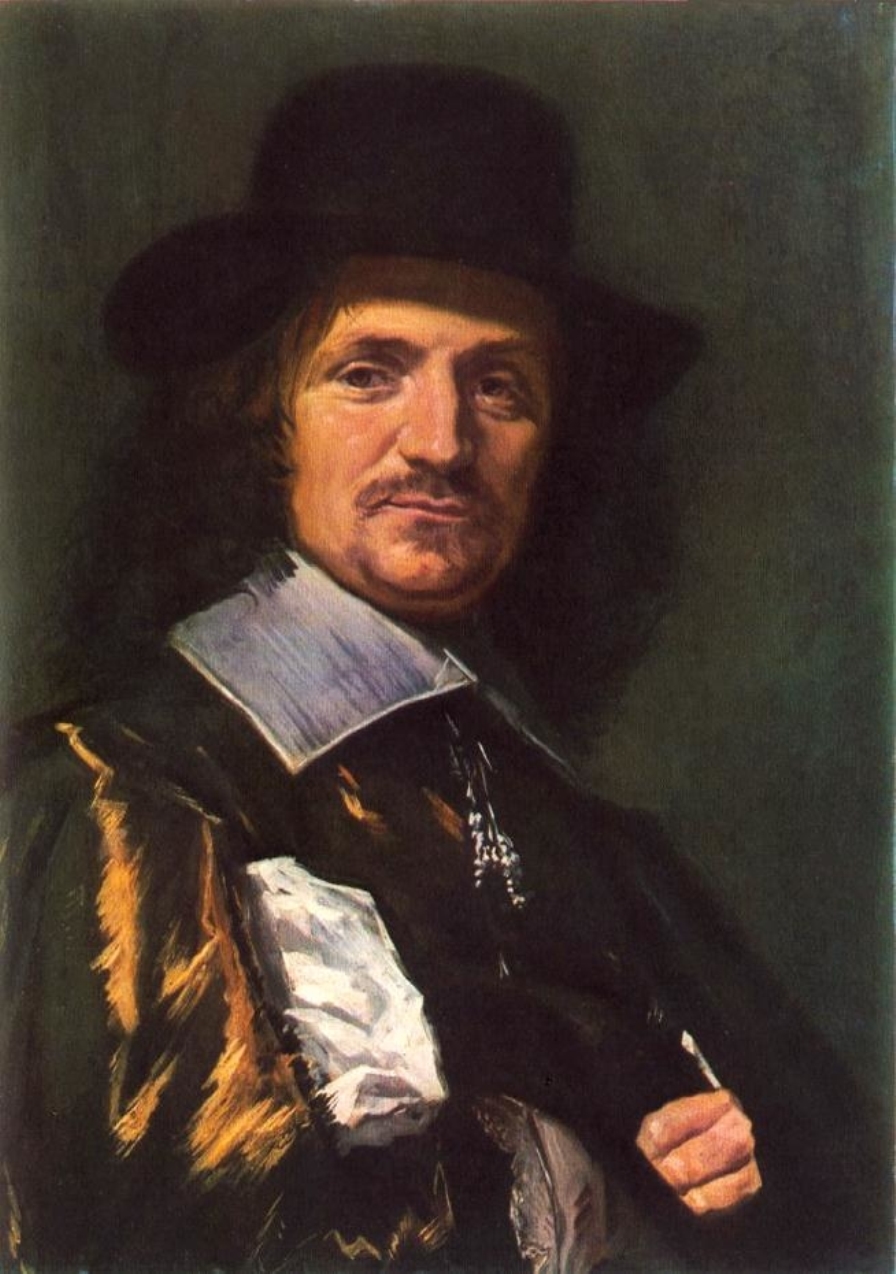
Jan Asselijn, known by his nickname Little Crab (Crabbetje, Krabbetje), was a French and Dutch painter of the Golden Age of Dutch painting.
As a child, Asselijn moved with his family from France to Amsterdam, studied and lived in Italy, where he became a member of the artists' society "Migratory Birds". And he received the nickname Crabbetje because of his physical features - small stature and a damaged arm.
Asselijn painted mainly scenes of horses, cavalry attacks and battles. His works also include genre works, landscapes and animals. Asselijn's most famous painting in this genre is The Frightened Swan, although it is also attributed allegorical meaning.
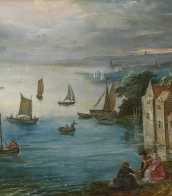
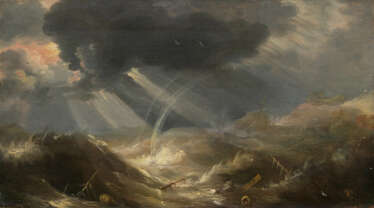

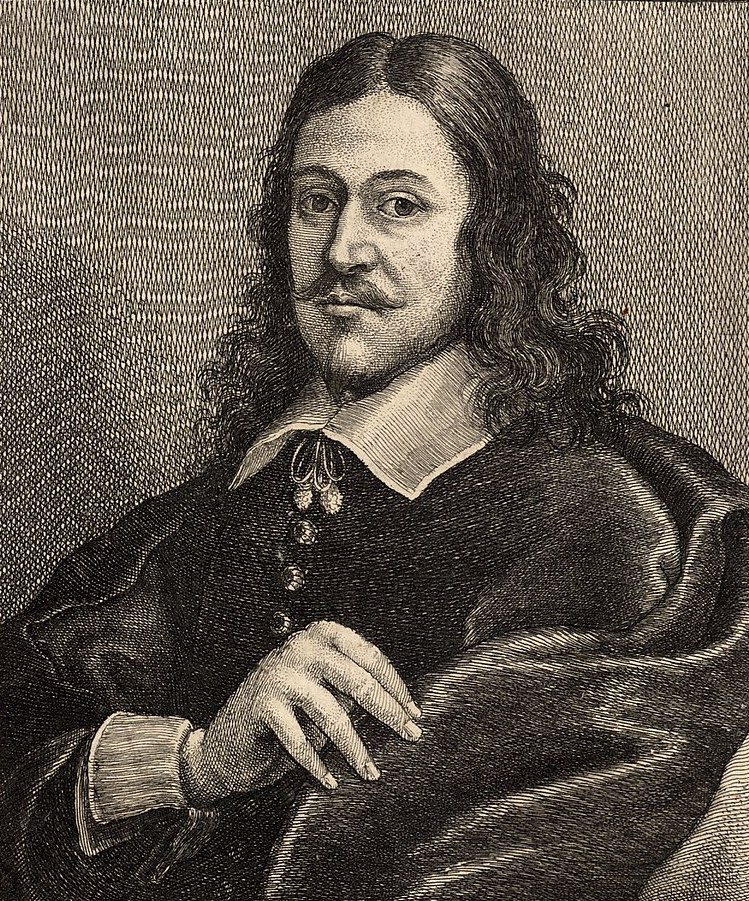
Bonaventura Peeters the Elder was a prominent Flemish painter, draughtsman, and etcher specializing in marine art during the 17th century. His extensive body of work encompassed marine battles, storms at sea, shipwrecks, and views of ships in rivers and harbours.
Peeters displayed a keen understanding of ships, capturing their intricate details. His earlier works exhibited tonal landscapes influenced by Dutch painting, while later pieces reflected vibrant colors inspired by Italian classicism. He skillfully depicted dramatic shipwrecks, serene ports, and intricate portrayals of ships. Many of his paintings depicted actual locations along the North Sea and the river Scheldt, while others showcased imagined scenes of far-away Mediterranean and Middle Eastern ports. Peeters also collaborated with family members and fellow artists, and his drawings and engravings were included in notable publications like Blaeu's Atlas Maior.
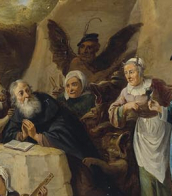


Jusepe de Ribera, a Spanish painter, etcher, and draughtsman, was a notable figure in the world of art, renowned for his distinct style and contribution to Castilian tenebrism. Born in 1591 in Játiva, near Valencia, Spain, Ribera's early life and artistic origins are somewhat shrouded in mystery, with no definitive documentation on his initial training. However, it's speculated that he might have started his artistic journey in Valencia.
Ribera's career took a significant turn when he moved to Italy, where he spent the majority of his professional life, predominantly in Naples, a Spanish territory at that time. He arrived in Naples around 1616 and soon established himself as an important artist in the city. His marriage to Caterina Azzolino, daughter of Sicilian painter Giovanni Bernardino Azzolino, in November of the same year, further solidified his connections in the Italian art scene.
Ribera was deeply influenced by Caravaggio and is often described as one of Caravaggio's followers. His early works displayed a marked tenebrism, characterized by stark chiaroscuro and a robust, scratchy handling of paint. However, Ribera's style evolved over time, moving away from this intense tenebrism to incorporate more color and softer modeling in his later works.
His body of work is diverse, including altarpieces, religious subjects, mythological themes, and portraits. Ribera had a penchant for depicting scenes of martyrdom with graphic realism, as seen in works like the celebrated "Martyrdom of St Bartholomew." Yet, he was also capable of expressing great tenderness, evident in paintings such as "The Adoration of the Shepherds." His secular subjects often depicted philosophers as beggars or vagabonds, adding a unique dimension to the Baroque repertoire.
Ribera's influence extended beyond Naples to Spain and the broader European art scene. He played a foundational role in fostering a respect for individual humanity in Spanish art, a trend that continued with artists like Velázquez and Goya. His works were widely exported to Spain and had a significant impact on both Italian and Spanish art. Ribera remains a highly respected figure in art history, and his works are featured in prominent museums and galleries worldwide, showcasing his enduring legacy in the realm of art and culture.
For art collectors and experts, Ribera's works represent a crucial chapter in the development of European art, particularly in the context of the Spanish Baroque and the evolution of tenebrism. His innovative approach to subject matter and technique continues to inspire and captivate audiences, making his works highly sought after in the world of art and antiques.
To stay updated on sales and auction events related to Jusepe de Ribera, sign up for our updates. This subscription service is tailored specifically for enthusiasts and experts in art and antiques, ensuring that you are the first to know about new opportunities to acquire works related to this influential artist.

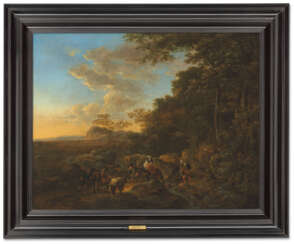

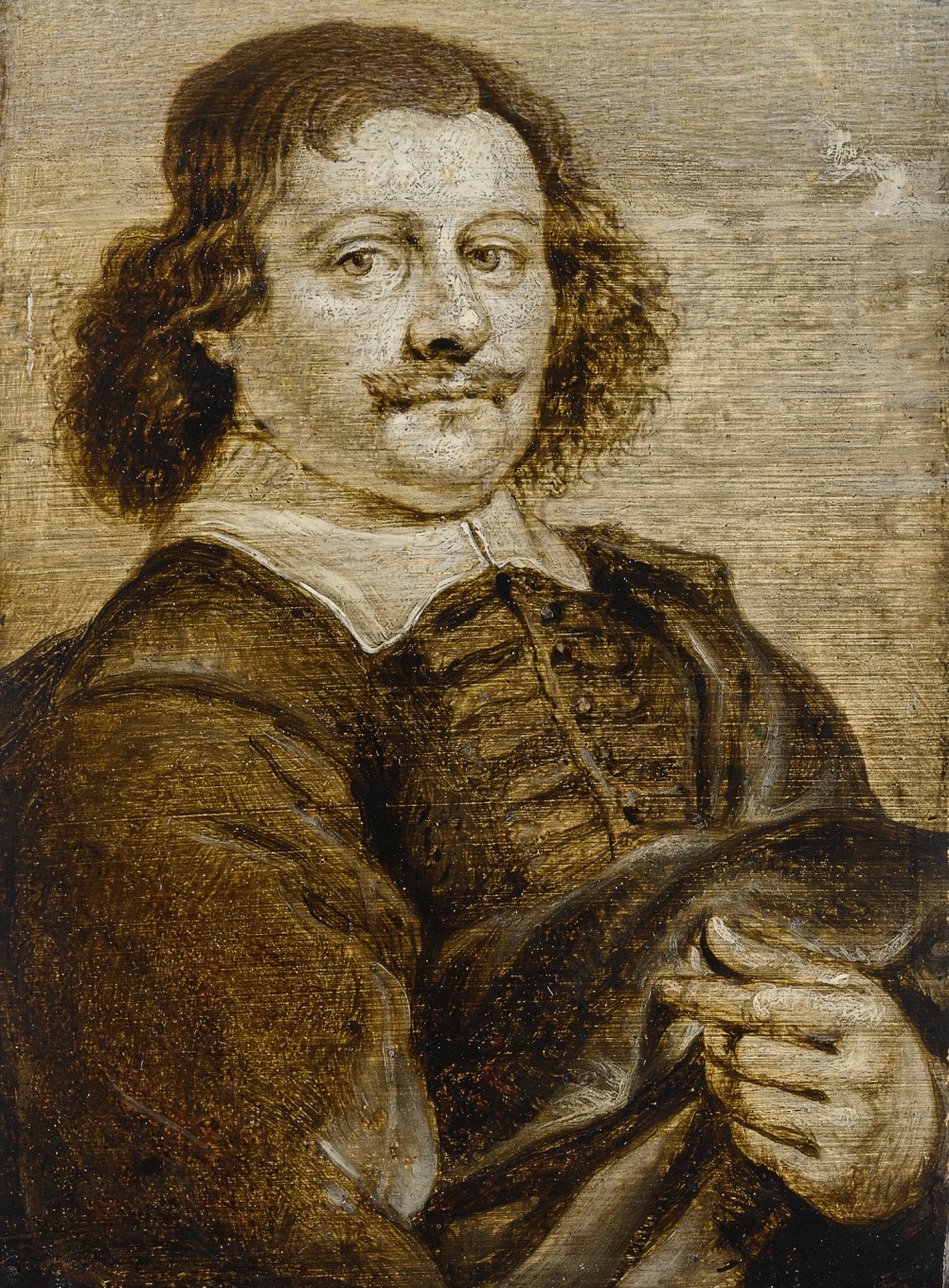
Jan Dirksz Both was a distinguished Dutch painter, draughtsman, and etcher renowned for his pivotal role in the evolution of Dutch Italianate landscape painting. His journey into the arts began in Utrecht, learning from his father before becoming a pupil of Abraham Bloemaert. Both's career took a significant turn when he, alongside his brother Andries, ventured to Rome, absorbing the influence of Claude Lorrain and contributing to projects such as the Buen Retiro Palace in Madrid.
By the mid-1640s, Jan had returned to Utrecht, further honing his craft to produce expansive landscapes illuminated by a Mediterranean glow, notable for their mixture of realism in the foreground against idyllic backgrounds. Noteworthy pieces include "Landscape with Bandits Leading Prisoners" and "Judgement of Paris," showcasing his mastery in blending naturalistic details with mythological and religious figures. His landscapes, characterized by their golden light and imaginative vistas, earned him a place among the leading masters of the Italianate trend in Dutch landscape painting.
Jan Both's legacy is preserved in prestigious collections worldwide, including the Fitzwilliam Museum, the Hermitage, the Kunsthistorisches Museum, the Louvre, and the National Gallery, among others. His work reflects a significant Italian influence merged with his native Dutch sensibilities, marking him as a key figure in the 17th-century art scene.
For collectors and experts in art and antiques, Jan Dirksz Both's oeuvre offers a fascinating glimpse into the blend of Dutch and Italian influences that characterize the Italianate landscape painting tradition. His contributions not only enriched Dutch art but also provided a bridge between the Renaissance and Baroque periods, capturing the beauty of landscapes with a unique, poetic light.
To explore more about Jan Dirksz Both's contributions to art and to stay informed about exhibitions or sales featuring his work, signing up for updates from art institutions can offer exclusive insights into the world of this influential Dutch painter. This subscription ensures enthusiasts and collectors are well-informed about developments related to Both's oeuvre, enhancing their appreciation and understanding of his artistic legacy.
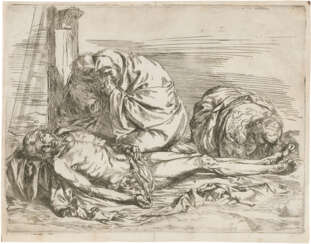

Jusepe de Ribera, a Spanish painter, etcher, and draughtsman, was a notable figure in the world of art, renowned for his distinct style and contribution to Castilian tenebrism. Born in 1591 in Játiva, near Valencia, Spain, Ribera's early life and artistic origins are somewhat shrouded in mystery, with no definitive documentation on his initial training. However, it's speculated that he might have started his artistic journey in Valencia.
Ribera's career took a significant turn when he moved to Italy, where he spent the majority of his professional life, predominantly in Naples, a Spanish territory at that time. He arrived in Naples around 1616 and soon established himself as an important artist in the city. His marriage to Caterina Azzolino, daughter of Sicilian painter Giovanni Bernardino Azzolino, in November of the same year, further solidified his connections in the Italian art scene.
Ribera was deeply influenced by Caravaggio and is often described as one of Caravaggio's followers. His early works displayed a marked tenebrism, characterized by stark chiaroscuro and a robust, scratchy handling of paint. However, Ribera's style evolved over time, moving away from this intense tenebrism to incorporate more color and softer modeling in his later works.
His body of work is diverse, including altarpieces, religious subjects, mythological themes, and portraits. Ribera had a penchant for depicting scenes of martyrdom with graphic realism, as seen in works like the celebrated "Martyrdom of St Bartholomew." Yet, he was also capable of expressing great tenderness, evident in paintings such as "The Adoration of the Shepherds." His secular subjects often depicted philosophers as beggars or vagabonds, adding a unique dimension to the Baroque repertoire.
Ribera's influence extended beyond Naples to Spain and the broader European art scene. He played a foundational role in fostering a respect for individual humanity in Spanish art, a trend that continued with artists like Velázquez and Goya. His works were widely exported to Spain and had a significant impact on both Italian and Spanish art. Ribera remains a highly respected figure in art history, and his works are featured in prominent museums and galleries worldwide, showcasing his enduring legacy in the realm of art and culture.
For art collectors and experts, Ribera's works represent a crucial chapter in the development of European art, particularly in the context of the Spanish Baroque and the evolution of tenebrism. His innovative approach to subject matter and technique continues to inspire and captivate audiences, making his works highly sought after in the world of art and antiques.
To stay updated on sales and auction events related to Jusepe de Ribera, sign up for our updates. This subscription service is tailored specifically for enthusiasts and experts in art and antiques, ensuring that you are the first to know about new opportunities to acquire works related to this influential artist.
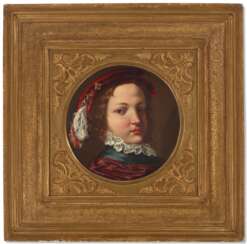

Angelo Caroselli was an Italian painter, born and active during the Baroque period, primarily in Rome. Known for his eclectic style, Caroselli's work was significantly influenced by Caravaggio, evident in the naturalism and chiaroscuro that marked his compositions. His subject matter often included colorful characters from contemporary Rome, scenes of witchcraft, musicians, and genre scenes reflective of the Caravaggisti, a group of artists who followed Caravaggio's stylistic approach. Caroselli's ability to blend allegories, religious works, and portraits with genre scenes showcased his search for originality and a unique narrative voice within the Baroque movement.
Angelo Caroselli's career was marked by his versatility as not only a painter but also an art restorer, copyist, and possibly a forger. This breadth of skills contributed to the diverse body of work he left behind, which ranged from scenes of everyday life to complex allegorical compositions. His works often depicted the lower echelons of society, including musicians, card players, and prostitutes, infused with a potent naturalism that brought these figures to life against the backdrop of 17th-century Rome.
Despite his adherence to Caravaggesque forms and themes, Angelo Caroselli's work also displayed 'archaicising' elements, which some art historians view as a conscious departure from the dominant Baroque style of his time. This aspect of his work, along with his skill in copying the works of ancient masters, highlights a deliberate exploration of and departure from the prevailing artistic norms, contributing to the unique place he occupies in Baroque art history.
Notably, Caroselli's influence extended beyond Italy, affecting the work of other Caravaggisti, including the Lucchese painter Pietro Paolini and the Dutch painter Dirck van Baburen. This cross-cultural impact underscores the broader significance of Caroselli's work within the Baroque period and its enduring influence on subsequent generations of artists.
His legacy includes several known works that are housed in prestigious institutions and collections worldwide, exemplifying the enduring appeal and historical importance of his artistic contributions. Among these, "The Plague at Ashdod (after Poussin)" stands out as a significant piece, reflecting his capability to engage with and reinterpret the works of his contemporaries and predecessors.
For collectors and experts in art and antiques, Caroselli's oeuvre offers a fascinating glimpse into the Baroque period's complexity, characterized by a blend of innovation, tradition, and a deep engagement with the human condition. His work remains a testament to the vibrancy and dynamism of 17th-century Italian art, inviting ongoing exploration and appreciation.
To stay updated on new discoveries, sales, and auction events related to Angelo Caroselli, sign up for our newsletter. This subscription ensures you're the first to know about the latest findings and opportunities to acquire works by or related to Angelo Caroselli, catering specifically to enthusiasts and collectors of historical art and antiques.


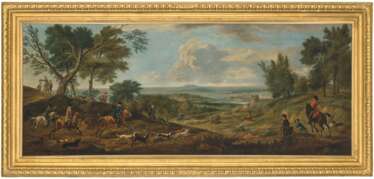

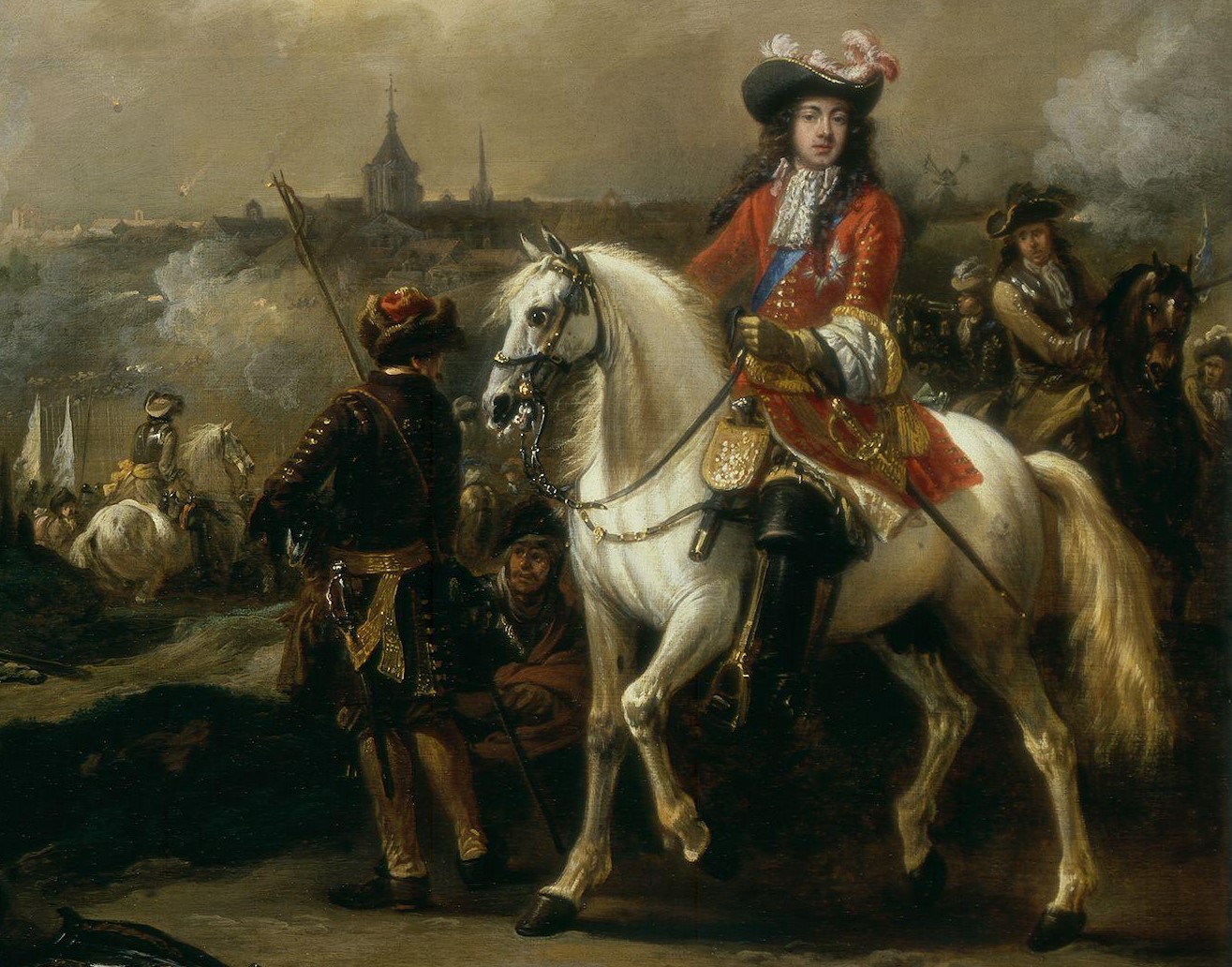
Jan Wyck was a Dutch baroque painter, best known for his works on military subjects. There are still over 150 of his works known to be in existence.
In an era when French artists dominated the genre, the arrival of Wyck and other Dutch and Flemish artists in Great Britain from 1660 onwards provided the catalyst for the development of military and naval art in Britain. Like other painters from the Low Countries such as Dirk Maas, Peter Tillemans and William van de Velde, Wyck moved to England and worked there throughout his life, often under royal patronage, producing many fine works of battle paintings, portraits, hunting scenes and landscapes as well as advancing the development of British art through teaching.


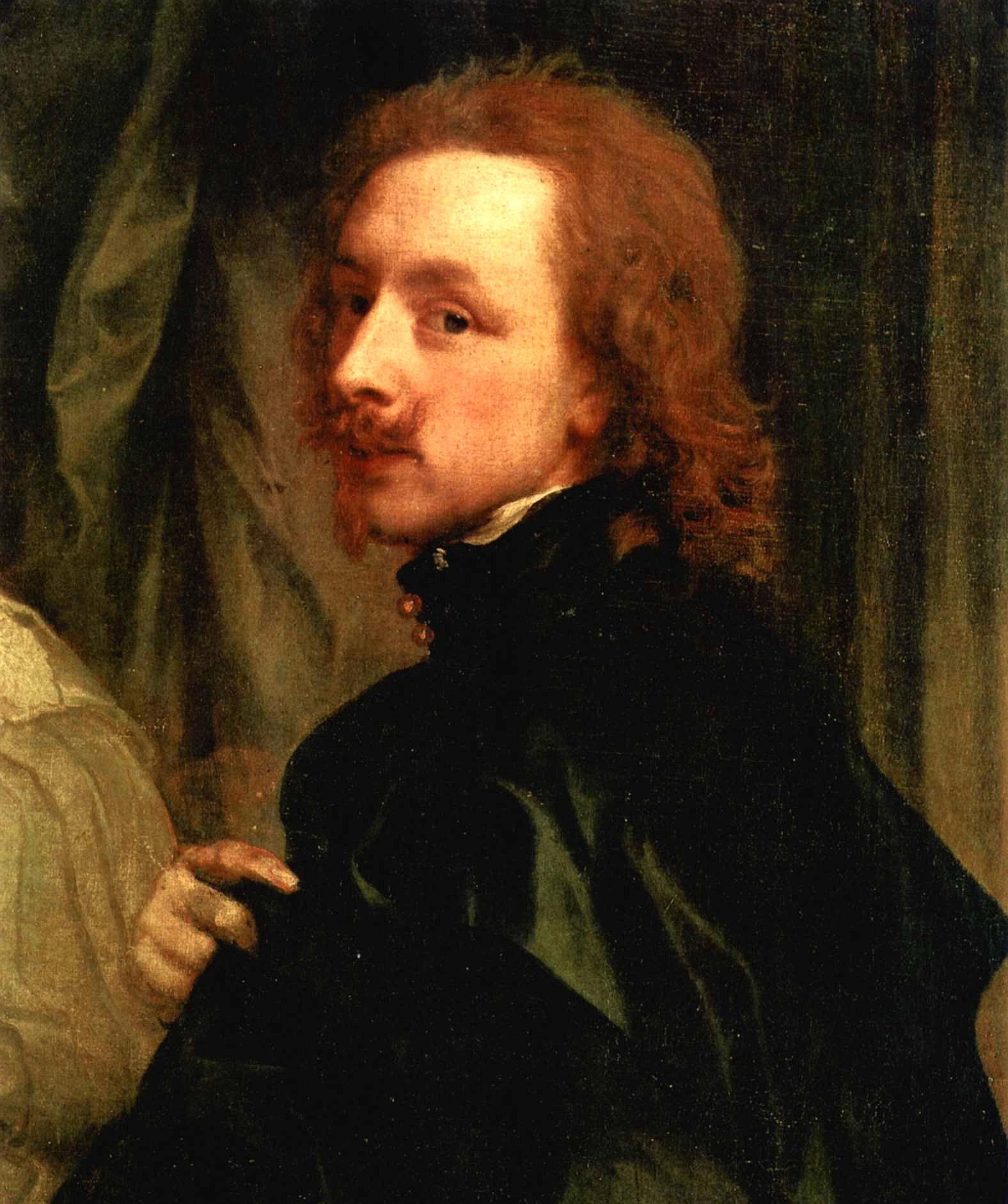
Anthony van Dyck, a Flemish painter born in 1599 in Antwerp and passed away in 1641 in London, is celebrated as one of the foremost Baroque painters of the 17th century. His notable contributions to the art world include his exceptional portraits of European aristocracy, as well as his religious and mythological paintings. Van Dyck's early exposure to art was influenced significantly by his apprenticeship with Hendrik van Balen and later, by the profound impact of working alongside Peter Paul Rubens. His mastery was recognized early on, leading him to set up his own workshop by the age of 15.
Van Dyck's journey to Italy in 1621 marked a pivotal phase in his career, allowing him to immerse himself in studying the Italian masters and commencing his successful stint as a portraitist. His style evolved under the influence of Titian, evident from his vibrant use of color and refined modeling of form. Van Dyck's Italian period not only honed his artistic skills but also established his reputation as a painter of consequence.
Upon returning to Antwerp, van Dyck's portraits became highly sought after, leading to commissions from notable figures such as Archduchess Isabella and Queen Mother Maria de' Medici. His role as a court painter further solidified in England under the patronage of King Charles I, where he was knighted and appointed as the principal painter, profoundly shaping the aristocratic character of Charles I's reign through his portraits.
Van Dyck's legacy extends beyond his death, having influenced English portrait painting for over a century. His innovative techniques in watercolour and etching, along with his sophisticated portrayal of subjects, continue to be admired. His art not only showcases his technical prowess but also reflects the cultural and social nuances of his era, making his work a significant study for collectors and art historians alike.
For enthusiasts eager to explore the intersections of art, history, and culture through the lens of Anthony van Dyck's work, staying informed about new discoveries and auction events is essential. Signing up for updates can provide exclusive insights into the world of one of the most influential figures in Flemish art. This subscription ensures that collectors and experts are well-informed of any developments related to van Dyck's oeuvre, enhancing their understanding and appreciation of his contributions to the art world.

Victor Wolfvoet the Younger was a Flemish painter and art dealer, a member of the Guild of St. Luke.
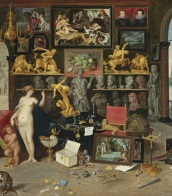
It is believed that as a young man he worked in the studio of Peter Paul Rubens, where he assisted in the creation of works and painted several compositions based on the works of the great Antwerp master. In addition to painting his own pictures of historical and allegorical themes, Wolfvoet made copies of paintings by prominent painters of his time, including van Dyck and Rubens.
In addition, Wolfvoet the Younger, like his father, was active in the art trade. The inventory of his estate, compiled after his death, lists more than seven hundred works, including twenty oil sketches by Rubens.
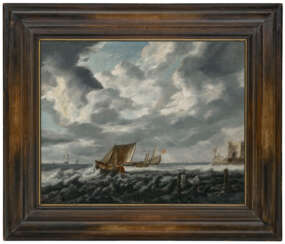

Bonaventura Peeters the Elder was a prominent Flemish painter, draughtsman, and etcher specializing in marine art during the 17th century. His extensive body of work encompassed marine battles, storms at sea, shipwrecks, and views of ships in rivers and harbours.
Peeters displayed a keen understanding of ships, capturing their intricate details. His earlier works exhibited tonal landscapes influenced by Dutch painting, while later pieces reflected vibrant colors inspired by Italian classicism. He skillfully depicted dramatic shipwrecks, serene ports, and intricate portrayals of ships. Many of his paintings depicted actual locations along the North Sea and the river Scheldt, while others showcased imagined scenes of far-away Mediterranean and Middle Eastern ports. Peeters also collaborated with family members and fellow artists, and his drawings and engravings were included in notable publications like Blaeu's Atlas Maior.


Jusepe de Ribera, a Spanish painter, etcher, and draughtsman, was a notable figure in the world of art, renowned for his distinct style and contribution to Castilian tenebrism. Born in 1591 in Játiva, near Valencia, Spain, Ribera's early life and artistic origins are somewhat shrouded in mystery, with no definitive documentation on his initial training. However, it's speculated that he might have started his artistic journey in Valencia.
Ribera's career took a significant turn when he moved to Italy, where he spent the majority of his professional life, predominantly in Naples, a Spanish territory at that time. He arrived in Naples around 1616 and soon established himself as an important artist in the city. His marriage to Caterina Azzolino, daughter of Sicilian painter Giovanni Bernardino Azzolino, in November of the same year, further solidified his connections in the Italian art scene.
Ribera was deeply influenced by Caravaggio and is often described as one of Caravaggio's followers. His early works displayed a marked tenebrism, characterized by stark chiaroscuro and a robust, scratchy handling of paint. However, Ribera's style evolved over time, moving away from this intense tenebrism to incorporate more color and softer modeling in his later works.
His body of work is diverse, including altarpieces, religious subjects, mythological themes, and portraits. Ribera had a penchant for depicting scenes of martyrdom with graphic realism, as seen in works like the celebrated "Martyrdom of St Bartholomew." Yet, he was also capable of expressing great tenderness, evident in paintings such as "The Adoration of the Shepherds." His secular subjects often depicted philosophers as beggars or vagabonds, adding a unique dimension to the Baroque repertoire.
Ribera's influence extended beyond Naples to Spain and the broader European art scene. He played a foundational role in fostering a respect for individual humanity in Spanish art, a trend that continued with artists like Velázquez and Goya. His works were widely exported to Spain and had a significant impact on both Italian and Spanish art. Ribera remains a highly respected figure in art history, and his works are featured in prominent museums and galleries worldwide, showcasing his enduring legacy in the realm of art and culture.
For art collectors and experts, Ribera's works represent a crucial chapter in the development of European art, particularly in the context of the Spanish Baroque and the evolution of tenebrism. His innovative approach to subject matter and technique continues to inspire and captivate audiences, making his works highly sought after in the world of art and antiques.
To stay updated on sales and auction events related to Jusepe de Ribera, sign up for our updates. This subscription service is tailored specifically for enthusiasts and experts in art and antiques, ensuring that you are the first to know about new opportunities to acquire works related to this influential artist.
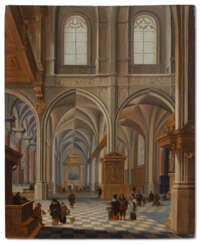

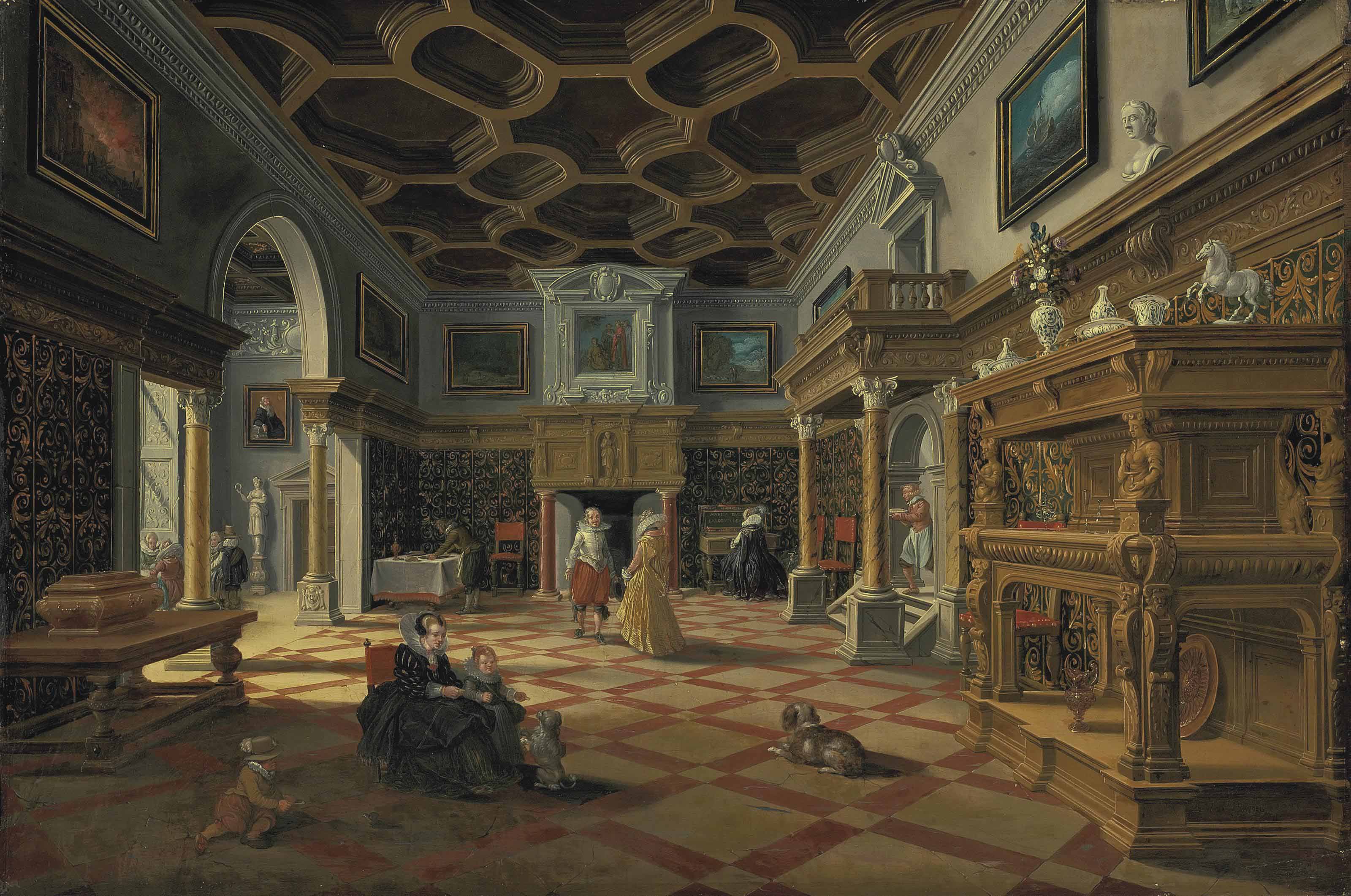
Bartholomeus Corneliszoon van Bassen was a Dutch Golden Age painter and architect.
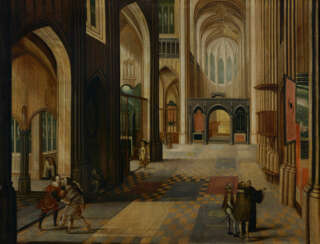

Bartholomeus Corneliszoon van Bassen was a Dutch Golden Age painter and architect.
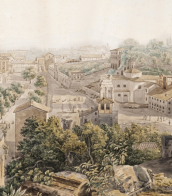


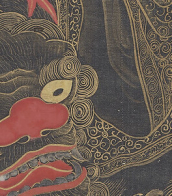
_Calligraphy-VIL_WiKi.jpeg)
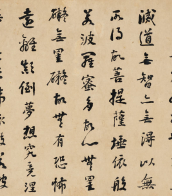
Wang Duo was a Chinese calligrapher, painter, and poet during the Ming dynasty, renowned for his artistic versatility and the cultural depth of his work. Born in Mengjin, Henan province, Wang Duo left an indelible mark on the artistic landscape of China, bridging the late Ming and early Qing dynasties with his creative expression.
His works, such as a mountain landscape dated 1651, showcase his mastery of ink on paper, reflecting the aesthetic preferences and skilled craftsmanship of the Qing dynasty period. Another remarkable piece, a free copy of Xu Jiaozhi’s calligraphy dating back to 1635, is a testament to his prowess in calligraphic arts, executed on a hanging scroll with ink on satin. Additionally, his lettering on gold-flecked paper, a medium that added a luminous quality to his work, is preserved as an album leaf, evidencing the fusion of literary and visual arts during the late Ming to early Qing dynasty.
For collectors, auctioneers, and experts in art and antiques, Wang Duo’s works not only represent a significant cultural heritage but also offer a glimpse into the rich tapestry of Chinese history through art. His legacy is encapsulated in the intricate strokes of his calligraphy and the serene landscapes of his paintings, many of which are held in prestigious institutions like The Metropolitan Museum of Art. To stay informed on updates related to Wang Duo and similar artists, sign up for our newsletter and enrich your collection with the essence of Chinese art history.
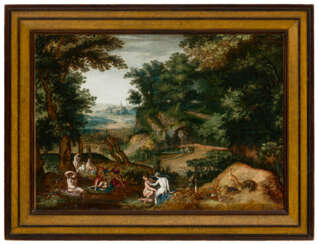

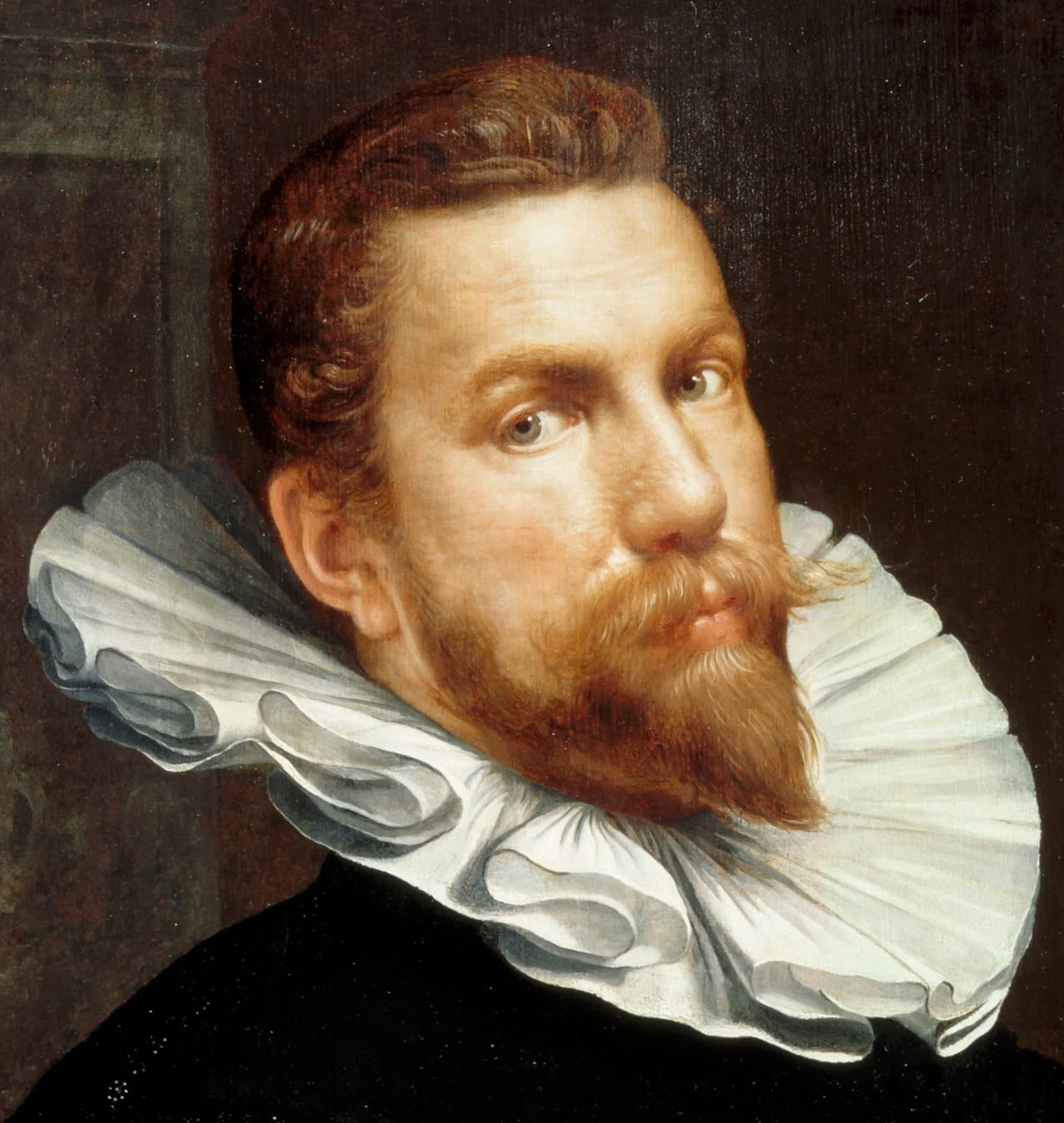
Joachim Anthoniszoon Wtewael, also Joachim Uytewael, was a Dutch painter, mannerist, engraver, and stained-glass artist, member of the Guild of Saint Luke in Utrecht. He painted mainly on religious and mythological subjects. After a trip to Italy and France he returned to Utrecht, where he became one of the leading Dutch representatives of Mannerism.
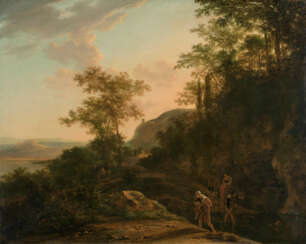

Jan Dirksz Both was a distinguished Dutch painter, draughtsman, and etcher renowned for his pivotal role in the evolution of Dutch Italianate landscape painting. His journey into the arts began in Utrecht, learning from his father before becoming a pupil of Abraham Bloemaert. Both's career took a significant turn when he, alongside his brother Andries, ventured to Rome, absorbing the influence of Claude Lorrain and contributing to projects such as the Buen Retiro Palace in Madrid.
By the mid-1640s, Jan had returned to Utrecht, further honing his craft to produce expansive landscapes illuminated by a Mediterranean glow, notable for their mixture of realism in the foreground against idyllic backgrounds. Noteworthy pieces include "Landscape with Bandits Leading Prisoners" and "Judgement of Paris," showcasing his mastery in blending naturalistic details with mythological and religious figures. His landscapes, characterized by their golden light and imaginative vistas, earned him a place among the leading masters of the Italianate trend in Dutch landscape painting.
Jan Both's legacy is preserved in prestigious collections worldwide, including the Fitzwilliam Museum, the Hermitage, the Kunsthistorisches Museum, the Louvre, and the National Gallery, among others. His work reflects a significant Italian influence merged with his native Dutch sensibilities, marking him as a key figure in the 17th-century art scene.
For collectors and experts in art and antiques, Jan Dirksz Both's oeuvre offers a fascinating glimpse into the blend of Dutch and Italian influences that characterize the Italianate landscape painting tradition. His contributions not only enriched Dutch art but also provided a bridge between the Renaissance and Baroque periods, capturing the beauty of landscapes with a unique, poetic light.
To explore more about Jan Dirksz Both's contributions to art and to stay informed about exhibitions or sales featuring his work, signing up for updates from art institutions can offer exclusive insights into the world of this influential Dutch painter. This subscription ensures enthusiasts and collectors are well-informed about developments related to Both's oeuvre, enhancing their appreciation and understanding of his artistic legacy.
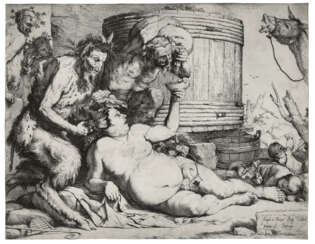

Jusepe de Ribera, a Spanish painter, etcher, and draughtsman, was a notable figure in the world of art, renowned for his distinct style and contribution to Castilian tenebrism. Born in 1591 in Játiva, near Valencia, Spain, Ribera's early life and artistic origins are somewhat shrouded in mystery, with no definitive documentation on his initial training. However, it's speculated that he might have started his artistic journey in Valencia.
Ribera's career took a significant turn when he moved to Italy, where he spent the majority of his professional life, predominantly in Naples, a Spanish territory at that time. He arrived in Naples around 1616 and soon established himself as an important artist in the city. His marriage to Caterina Azzolino, daughter of Sicilian painter Giovanni Bernardino Azzolino, in November of the same year, further solidified his connections in the Italian art scene.
Ribera was deeply influenced by Caravaggio and is often described as one of Caravaggio's followers. His early works displayed a marked tenebrism, characterized by stark chiaroscuro and a robust, scratchy handling of paint. However, Ribera's style evolved over time, moving away from this intense tenebrism to incorporate more color and softer modeling in his later works.
His body of work is diverse, including altarpieces, religious subjects, mythological themes, and portraits. Ribera had a penchant for depicting scenes of martyrdom with graphic realism, as seen in works like the celebrated "Martyrdom of St Bartholomew." Yet, he was also capable of expressing great tenderness, evident in paintings such as "The Adoration of the Shepherds." His secular subjects often depicted philosophers as beggars or vagabonds, adding a unique dimension to the Baroque repertoire.
Ribera's influence extended beyond Naples to Spain and the broader European art scene. He played a foundational role in fostering a respect for individual humanity in Spanish art, a trend that continued with artists like Velázquez and Goya. His works were widely exported to Spain and had a significant impact on both Italian and Spanish art. Ribera remains a highly respected figure in art history, and his works are featured in prominent museums and galleries worldwide, showcasing his enduring legacy in the realm of art and culture.
For art collectors and experts, Ribera's works represent a crucial chapter in the development of European art, particularly in the context of the Spanish Baroque and the evolution of tenebrism. His innovative approach to subject matter and technique continues to inspire and captivate audiences, making his works highly sought after in the world of art and antiques.
To stay updated on sales and auction events related to Jusepe de Ribera, sign up for our updates. This subscription service is tailored specifically for enthusiasts and experts in art and antiques, ensuring that you are the first to know about new opportunities to acquire works related to this influential artist.
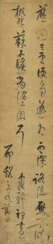



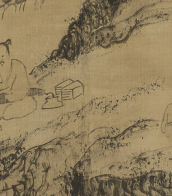
Wang Duo was a Chinese calligrapher, painter, and poet during the Ming dynasty, renowned for his artistic versatility and the cultural depth of his work. Born in Mengjin, Henan province, Wang Duo left an indelible mark on the artistic landscape of China, bridging the late Ming and early Qing dynasties with his creative expression.
His works, such as a mountain landscape dated 1651, showcase his mastery of ink on paper, reflecting the aesthetic preferences and skilled craftsmanship of the Qing dynasty period. Another remarkable piece, a free copy of Xu Jiaozhi’s calligraphy dating back to 1635, is a testament to his prowess in calligraphic arts, executed on a hanging scroll with ink on satin. Additionally, his lettering on gold-flecked paper, a medium that added a luminous quality to his work, is preserved as an album leaf, evidencing the fusion of literary and visual arts during the late Ming to early Qing dynasty.
For collectors, auctioneers, and experts in art and antiques, Wang Duo’s works not only represent a significant cultural heritage but also offer a glimpse into the rich tapestry of Chinese history through art. His legacy is encapsulated in the intricate strokes of his calligraphy and the serene landscapes of his paintings, many of which are held in prestigious institutions like The Metropolitan Museum of Art. To stay informed on updates related to Wang Duo and similar artists, sign up for our newsletter and enrich your collection with the essence of Chinese art history.
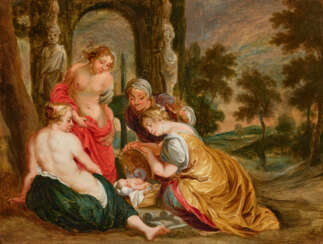

Victor Wolfvoet the Younger was a Flemish painter and art dealer, a member of the Guild of St. Luke.
It is believed that as a young man he worked in the studio of Peter Paul Rubens, where he assisted in the creation of works and painted several compositions based on the works of the great Antwerp master. In addition to painting his own pictures of historical and allegorical themes, Wolfvoet made copies of paintings by prominent painters of his time, including van Dyck and Rubens.
In addition, Wolfvoet the Younger, like his father, was active in the art trade. The inventory of his estate, compiled after his death, lists more than seven hundred works, including twenty oil sketches by Rubens.
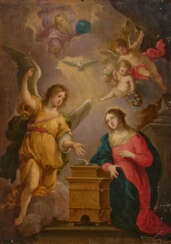

Victor Wolfvoet the Younger was a Flemish painter and art dealer, a member of the Guild of St. Luke.
It is believed that as a young man he worked in the studio of Peter Paul Rubens, where he assisted in the creation of works and painted several compositions based on the works of the great Antwerp master. In addition to painting his own pictures of historical and allegorical themes, Wolfvoet made copies of paintings by prominent painters of his time, including van Dyck and Rubens.
In addition, Wolfvoet the Younger, like his father, was active in the art trade. The inventory of his estate, compiled after his death, lists more than seven hundred works, including twenty oil sketches by Rubens.
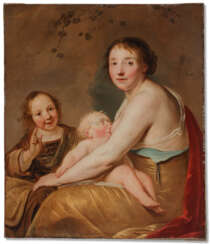

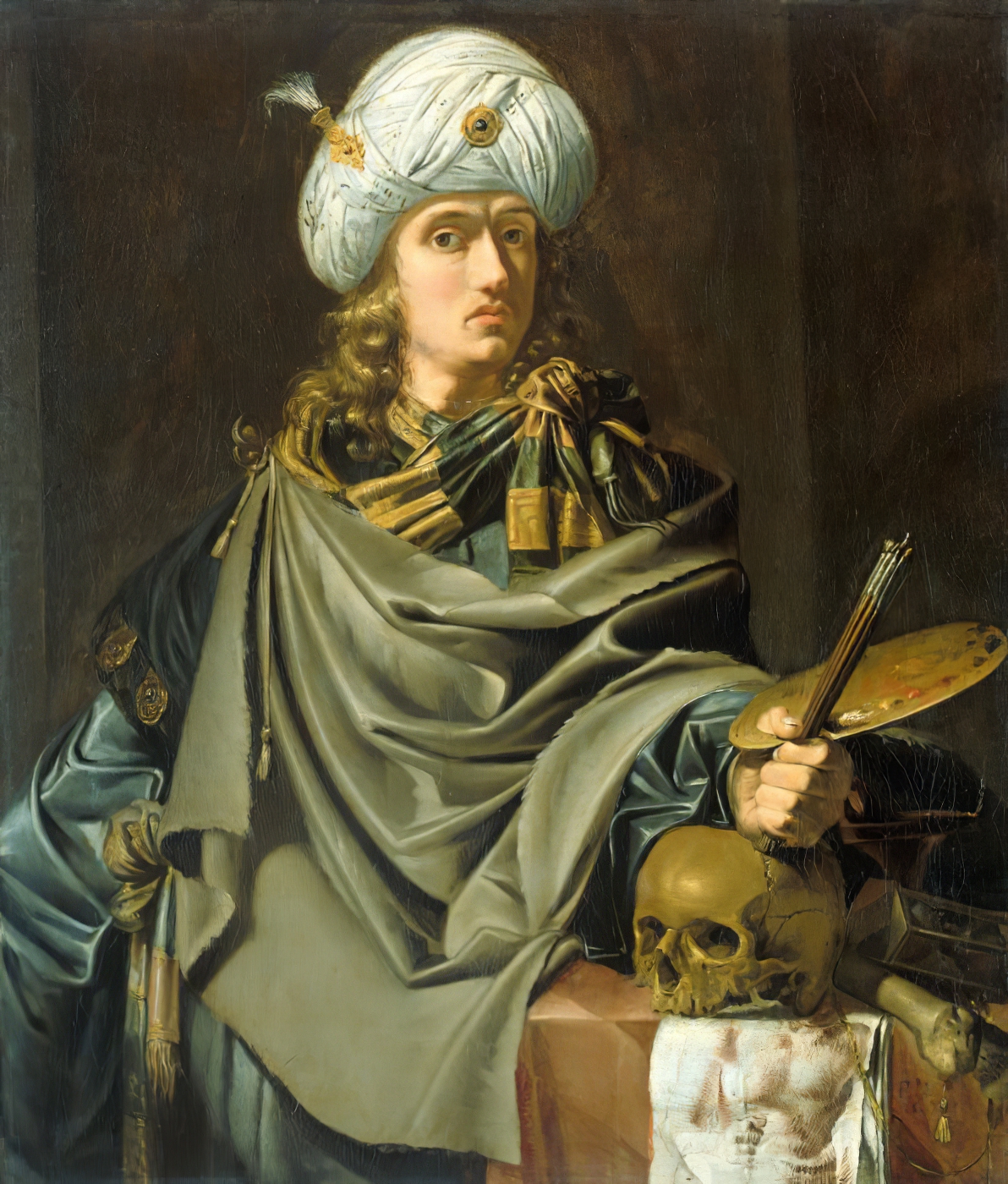
Pieter Fransz. de Grebber was a Dutch Golden Age painter.
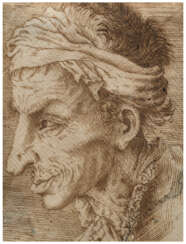

Jusepe de Ribera, a Spanish painter, etcher, and draughtsman, was a notable figure in the world of art, renowned for his distinct style and contribution to Castilian tenebrism. Born in 1591 in Játiva, near Valencia, Spain, Ribera's early life and artistic origins are somewhat shrouded in mystery, with no definitive documentation on his initial training. However, it's speculated that he might have started his artistic journey in Valencia.
Ribera's career took a significant turn when he moved to Italy, where he spent the majority of his professional life, predominantly in Naples, a Spanish territory at that time. He arrived in Naples around 1616 and soon established himself as an important artist in the city. His marriage to Caterina Azzolino, daughter of Sicilian painter Giovanni Bernardino Azzolino, in November of the same year, further solidified his connections in the Italian art scene.
Ribera was deeply influenced by Caravaggio and is often described as one of Caravaggio's followers. His early works displayed a marked tenebrism, characterized by stark chiaroscuro and a robust, scratchy handling of paint. However, Ribera's style evolved over time, moving away from this intense tenebrism to incorporate more color and softer modeling in his later works.
His body of work is diverse, including altarpieces, religious subjects, mythological themes, and portraits. Ribera had a penchant for depicting scenes of martyrdom with graphic realism, as seen in works like the celebrated "Martyrdom of St Bartholomew." Yet, he was also capable of expressing great tenderness, evident in paintings such as "The Adoration of the Shepherds." His secular subjects often depicted philosophers as beggars or vagabonds, adding a unique dimension to the Baroque repertoire.
Ribera's influence extended beyond Naples to Spain and the broader European art scene. He played a foundational role in fostering a respect for individual humanity in Spanish art, a trend that continued with artists like Velázquez and Goya. His works were widely exported to Spain and had a significant impact on both Italian and Spanish art. Ribera remains a highly respected figure in art history, and his works are featured in prominent museums and galleries worldwide, showcasing his enduring legacy in the realm of art and culture.
For art collectors and experts, Ribera's works represent a crucial chapter in the development of European art, particularly in the context of the Spanish Baroque and the evolution of tenebrism. His innovative approach to subject matter and technique continues to inspire and captivate audiences, making his works highly sought after in the world of art and antiques.
To stay updated on sales and auction events related to Jusepe de Ribera, sign up for our updates. This subscription service is tailored specifically for enthusiasts and experts in art and antiques, ensuring that you are the first to know about new opportunities to acquire works related to this influential artist.
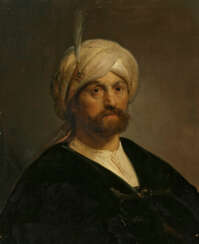

Pieter Fransz. de Grebber was a Dutch Golden Age painter.
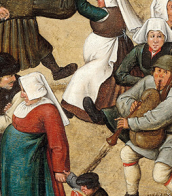


Wang Duo was a Chinese calligrapher, painter, and poet during the Ming dynasty, renowned for his artistic versatility and the cultural depth of his work. Born in Mengjin, Henan province, Wang Duo left an indelible mark on the artistic landscape of China, bridging the late Ming and early Qing dynasties with his creative expression.
His works, such as a mountain landscape dated 1651, showcase his mastery of ink on paper, reflecting the aesthetic preferences and skilled craftsmanship of the Qing dynasty period. Another remarkable piece, a free copy of Xu Jiaozhi’s calligraphy dating back to 1635, is a testament to his prowess in calligraphic arts, executed on a hanging scroll with ink on satin. Additionally, his lettering on gold-flecked paper, a medium that added a luminous quality to his work, is preserved as an album leaf, evidencing the fusion of literary and visual arts during the late Ming to early Qing dynasty.
For collectors, auctioneers, and experts in art and antiques, Wang Duo’s works not only represent a significant cultural heritage but also offer a glimpse into the rich tapestry of Chinese history through art. His legacy is encapsulated in the intricate strokes of his calligraphy and the serene landscapes of his paintings, many of which are held in prestigious institutions like The Metropolitan Museum of Art. To stay informed on updates related to Wang Duo and similar artists, sign up for our newsletter and enrich your collection with the essence of Chinese art history.
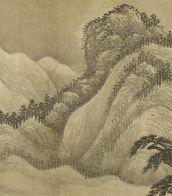
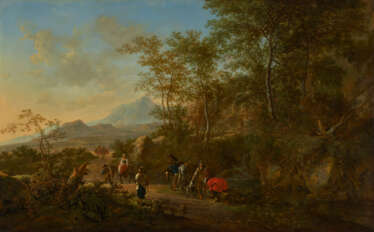

Jan Dirksz Both was a distinguished Dutch painter, draughtsman, and etcher renowned for his pivotal role in the evolution of Dutch Italianate landscape painting. His journey into the arts began in Utrecht, learning from his father before becoming a pupil of Abraham Bloemaert. Both's career took a significant turn when he, alongside his brother Andries, ventured to Rome, absorbing the influence of Claude Lorrain and contributing to projects such as the Buen Retiro Palace in Madrid.
By the mid-1640s, Jan had returned to Utrecht, further honing his craft to produce expansive landscapes illuminated by a Mediterranean glow, notable for their mixture of realism in the foreground against idyllic backgrounds. Noteworthy pieces include "Landscape with Bandits Leading Prisoners" and "Judgement of Paris," showcasing his mastery in blending naturalistic details with mythological and religious figures. His landscapes, characterized by their golden light and imaginative vistas, earned him a place among the leading masters of the Italianate trend in Dutch landscape painting.
Jan Both's legacy is preserved in prestigious collections worldwide, including the Fitzwilliam Museum, the Hermitage, the Kunsthistorisches Museum, the Louvre, and the National Gallery, among others. His work reflects a significant Italian influence merged with his native Dutch sensibilities, marking him as a key figure in the 17th-century art scene.
For collectors and experts in art and antiques, Jan Dirksz Both's oeuvre offers a fascinating glimpse into the blend of Dutch and Italian influences that characterize the Italianate landscape painting tradition. His contributions not only enriched Dutch art but also provided a bridge between the Renaissance and Baroque periods, capturing the beauty of landscapes with a unique, poetic light.
To explore more about Jan Dirksz Both's contributions to art and to stay informed about exhibitions or sales featuring his work, signing up for updates from art institutions can offer exclusive insights into the world of this influential Dutch painter. This subscription ensures enthusiasts and collectors are well-informed about developments related to Both's oeuvre, enhancing their appreciation and understanding of his artistic legacy.