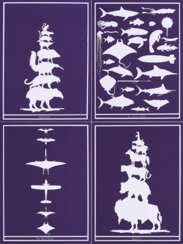
mark dion (1961)

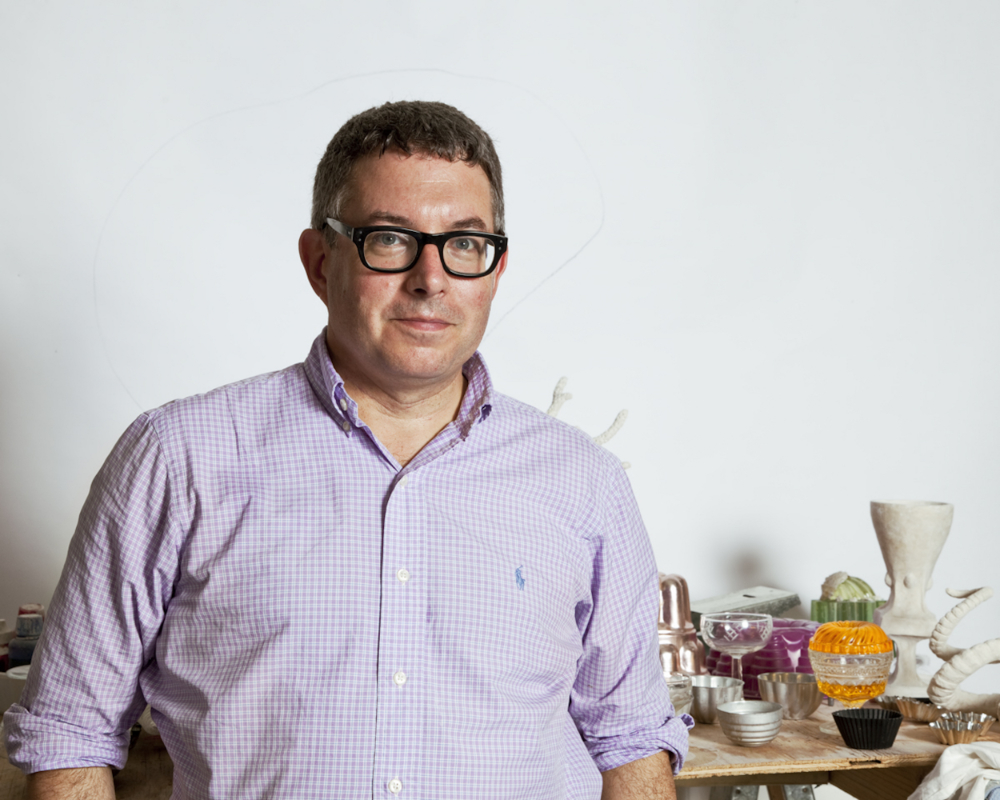
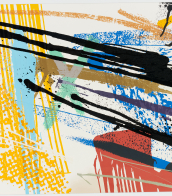




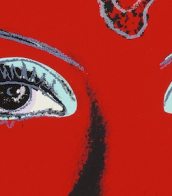
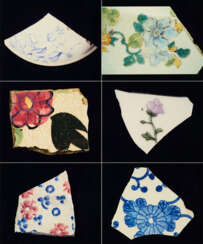

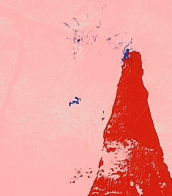


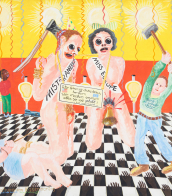


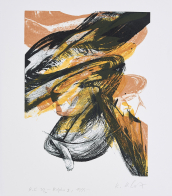



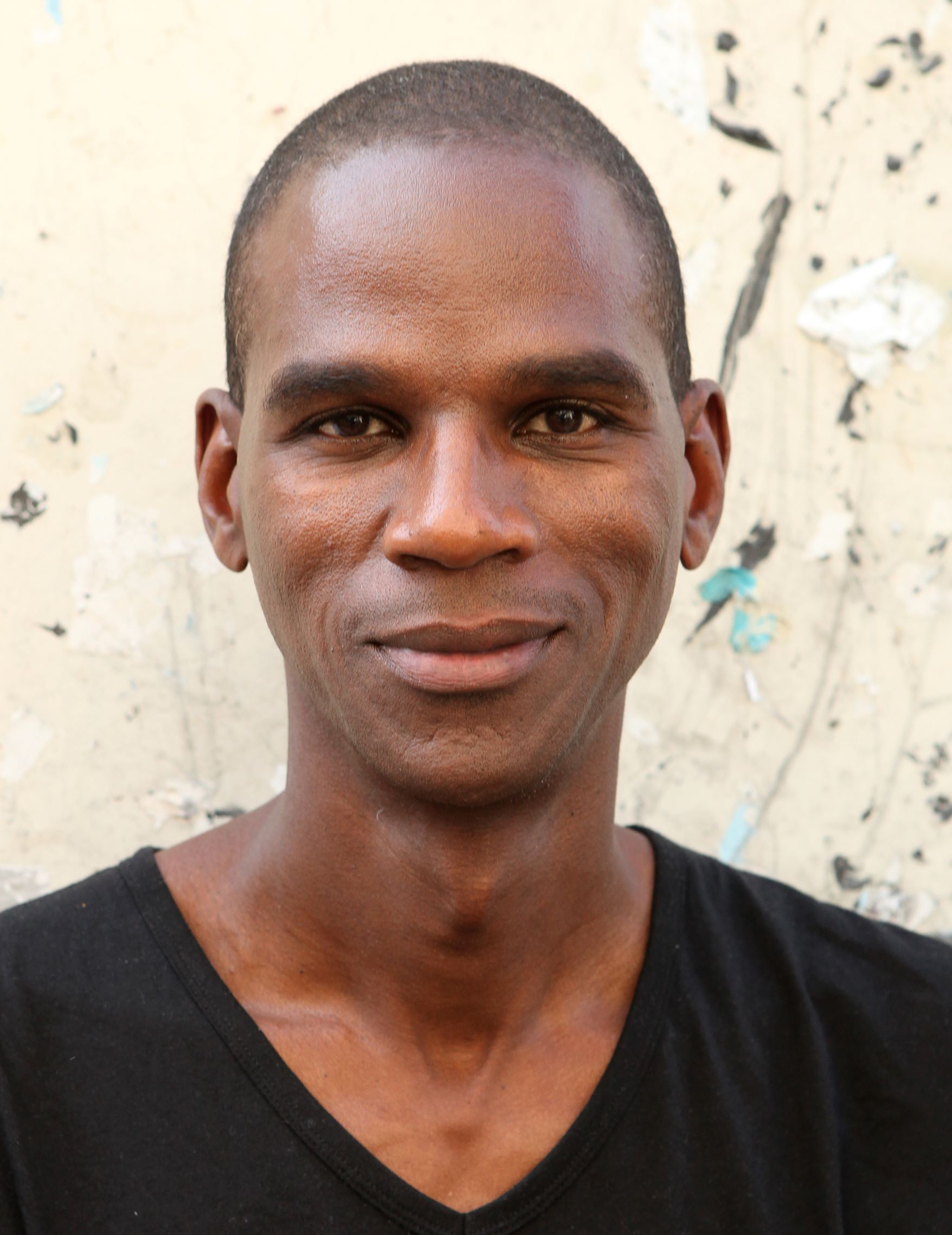
Mark Bradford is an American visual artist. Born in Los Angeles, Bradford studied at the California Institute of the Arts. Recognized for his collaged painting works, which have been shown internationally, his practice also encompasses video, print, and installation. Bradford was the U.S. representative for the 2017 Venice Biennale. He lives and works in Los Angeles.











.jpg)
Jean Elysée Puiforcat was a French silversmith, sculptor and designer. Miller's Antiques Encyclopedia calls Puiforcat the «most important French Art Deco silversmith».
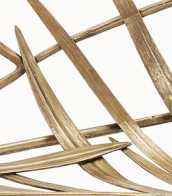


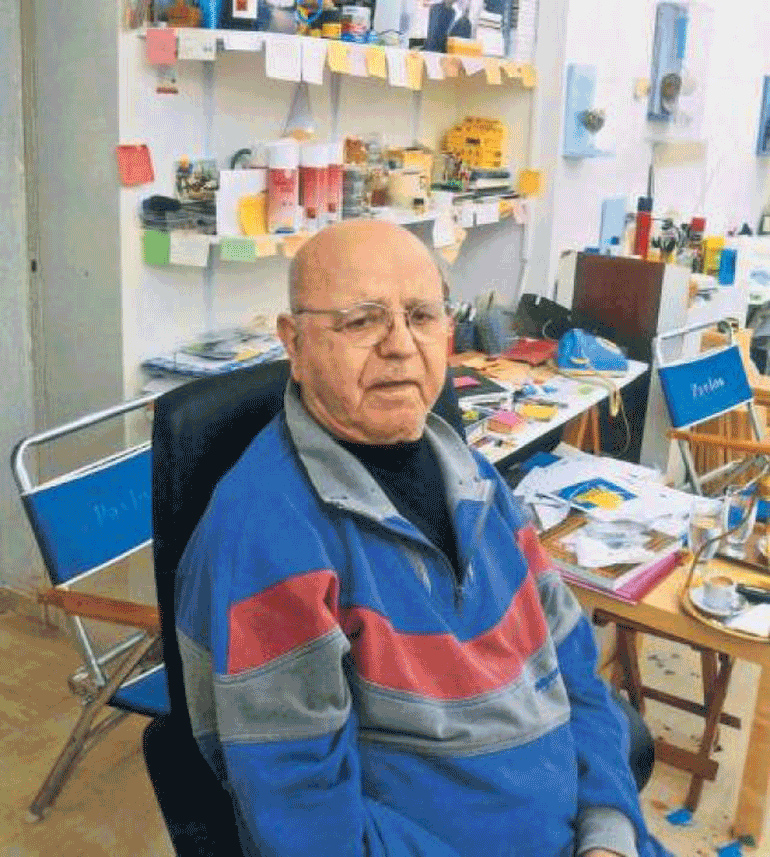
Pavlos Dionyssopoulos was a Greek artist born in Filiatra, Greece in 1930 and passed away in 2019. He was known for his unique and colorful abstract paintings, which were influenced by the art movements of the 20th century, including surrealism and abstract expressionism.
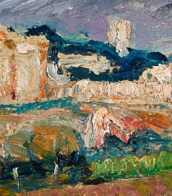
Dionyssopoulos studied art in Greece and later in France, where he was exposed to the works of famous artists such as Pablo Picasso and Henri Matisse. His style evolved throughout his career, starting with realistic portraits and landscapes before moving towards abstract art.
He held numerous solo and group exhibitions in Greece and internationally, including in Paris, New York, and Tokyo. His works can be found in private collections and museums around the world.
Dionyssopoulos was a member of the Greek Chamber of Fine Arts and was awarded the "Order of the Phoenix" by the Greek government for his contributions to the arts. He was also a writer and poet, and his poetry was published in several Greek literary journals.
Today, Pavlos Dionyssopoulos is considered one of the most important Greek artists of the 20th century, known for his unique style and contributions to the development of abstract art in Greece.


Jean Elysée Puiforcat was a French silversmith, sculptor and designer. Miller's Antiques Encyclopedia calls Puiforcat the «most important French Art Deco silversmith».
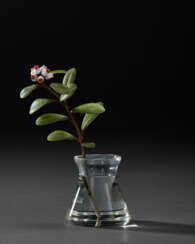





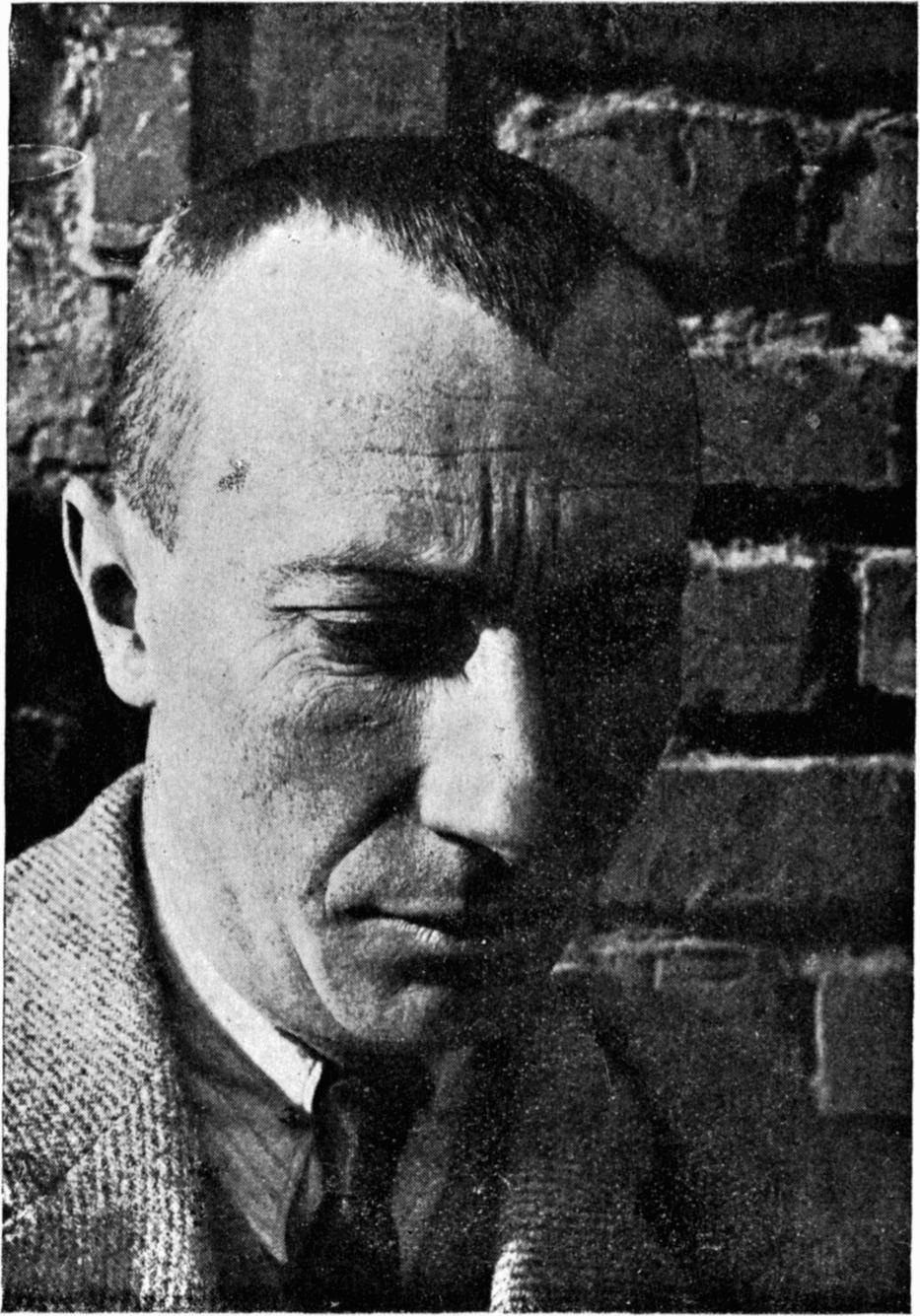
Jean Arp, born Hans Peter Wilhelm Arp, was a German and French poet, painter, graphic artist and sculptor. one of the founders of the Dada movement in Zurich.
Arp used abstract forms in his work and experimented with different materials such as wood, metal and stone. He was also known for his poetic works, in which he applied a method of randomly selecting words, called the "clutter method". Arp believed that this method helped him express his thoughts more precisely and originally. Arp's influence on the arts is still significant today.

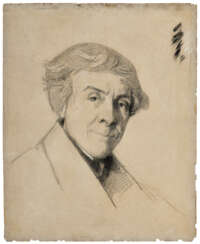




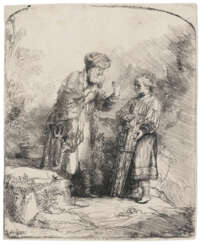


Rembrandt Harmenszoon van Rijn, a Dutch Baroque painter and printmaker, was born on July 15, 1606, in Leiden, Netherlands, and died on October 4, 1669, in Amsterdam. He is celebrated as one of the greatest storytellers in art history, acclaimed for his adept portrayal of human emotions and dramatic narratives. Rembrandt's extensive oeuvre includes portraits, self-portraits, landscapes, genre scenes, allegorical, historical, and biblical themes, as well as animal studies. His artistry shined during the Dutch Golden Age, a period marked by cultural and scientific achievements in the Netherlands.
Rembrandt's education in art began around the age of 10 when he left the Latin School in Leiden to train as an artist. He apprenticed with artists like Jacob van Swanenburg and Pieter Lastman, mastering various aspects of painting. He opened his own studio in Leiden around 1624 or 1625, sharing it with his colleague Jan Lievens. By 1631, he had moved to Amsterdam, where he achieved significant success and trained many important Dutch painters.
Among Rembrandt's notable works are "The Anatomy Lesson of Dr. Nicolaes Tulp" (1632), "The Night Watch" (1642), and "The Syndics of the Amsterdam Drapers’ Guild" (1662). He was also renowned for his self-portraits, creating around 80 over his lifetime, more than any other artist until the 20th century. These self-portraits were not just artistic endeavors but also experiments with facial expressions and lighting effects. Additionally, Rembrandt was a master etcher, transforming etching from a reproductive technique into an art form.
Rembrandt's painting style is characterized by its dramatic use of light and shadow, known as chiaroscuro. His ability to depict materials realistically was unparalleled; his portrayal of metals and fabrics was so lifelike that they appeared to glow and be tangible. He was also known for his impasto technique, applying paint thickly to the canvas, adding a three-dimensional quality to his works.
Despite his artistic prowess, Rembrandt faced financial difficulties and personal tragedies throughout his life. He declared bankruptcy in 1656, a downfall attributed partly to his extensive collection of art objects and curiosities. His masterpieces, however, continued to garner appreciation and influence generations of artists that followed.
For collectors and experts in art and antiques, Rembrandt's works represent a pinnacle of artistic achievement in the Dutch Golden Age. His mastery in portraying the human condition and his innovative techniques in painting and etching make his works highly prized and influential in the art world.
To stay updated on new product sales and auction events related to Rembrandt van Rijn, sign up for our updates. This subscription service is dedicated exclusively to news and events concerning works related to this unparalleled master of the Dutch Golden Age.
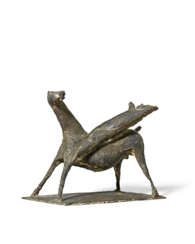

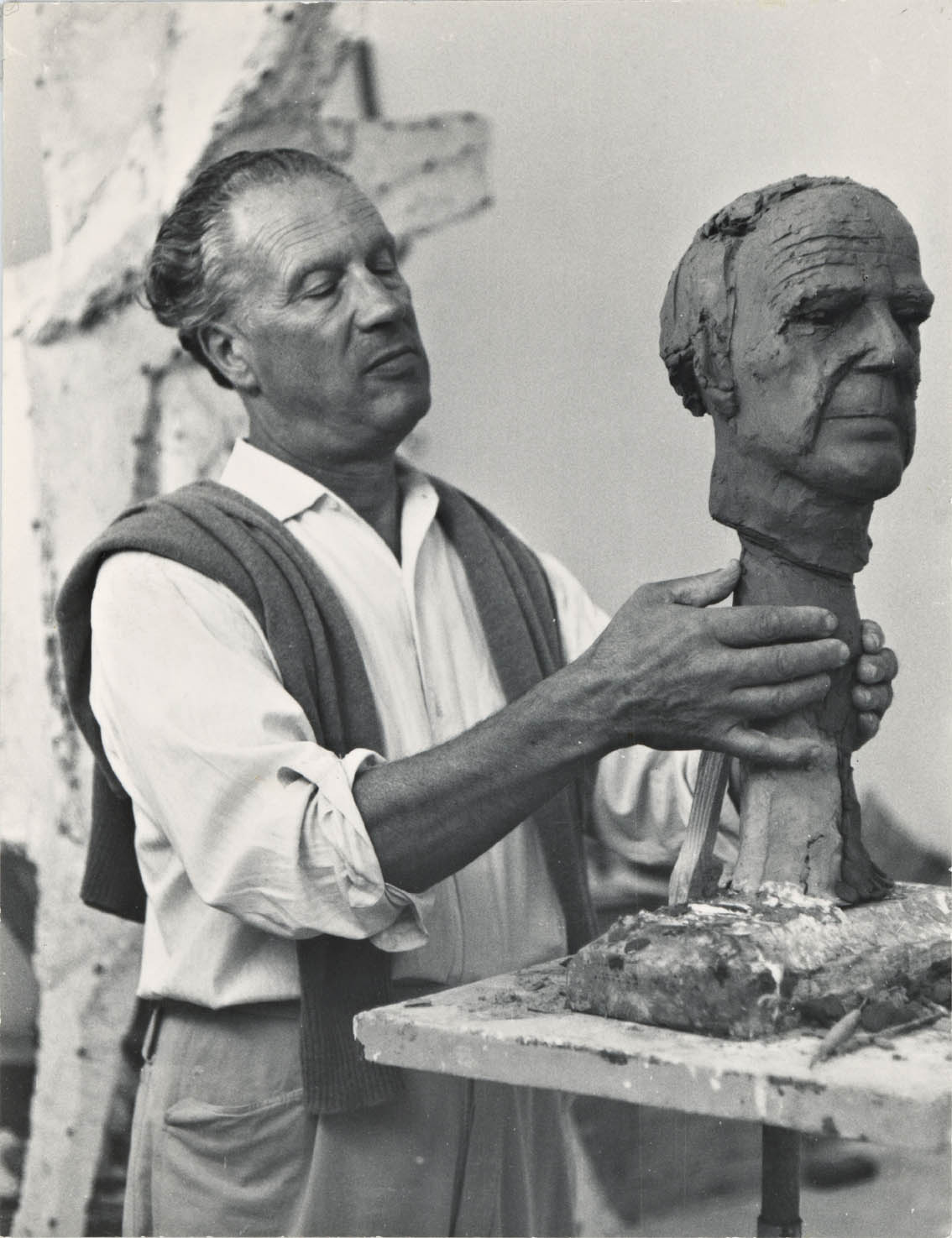
Marino Marini was an Italian sculptor and educator.


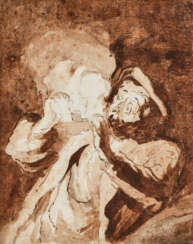

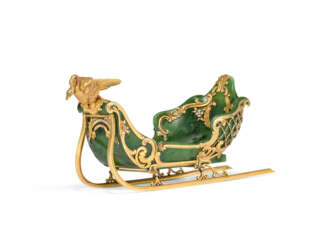

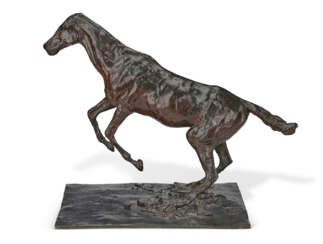

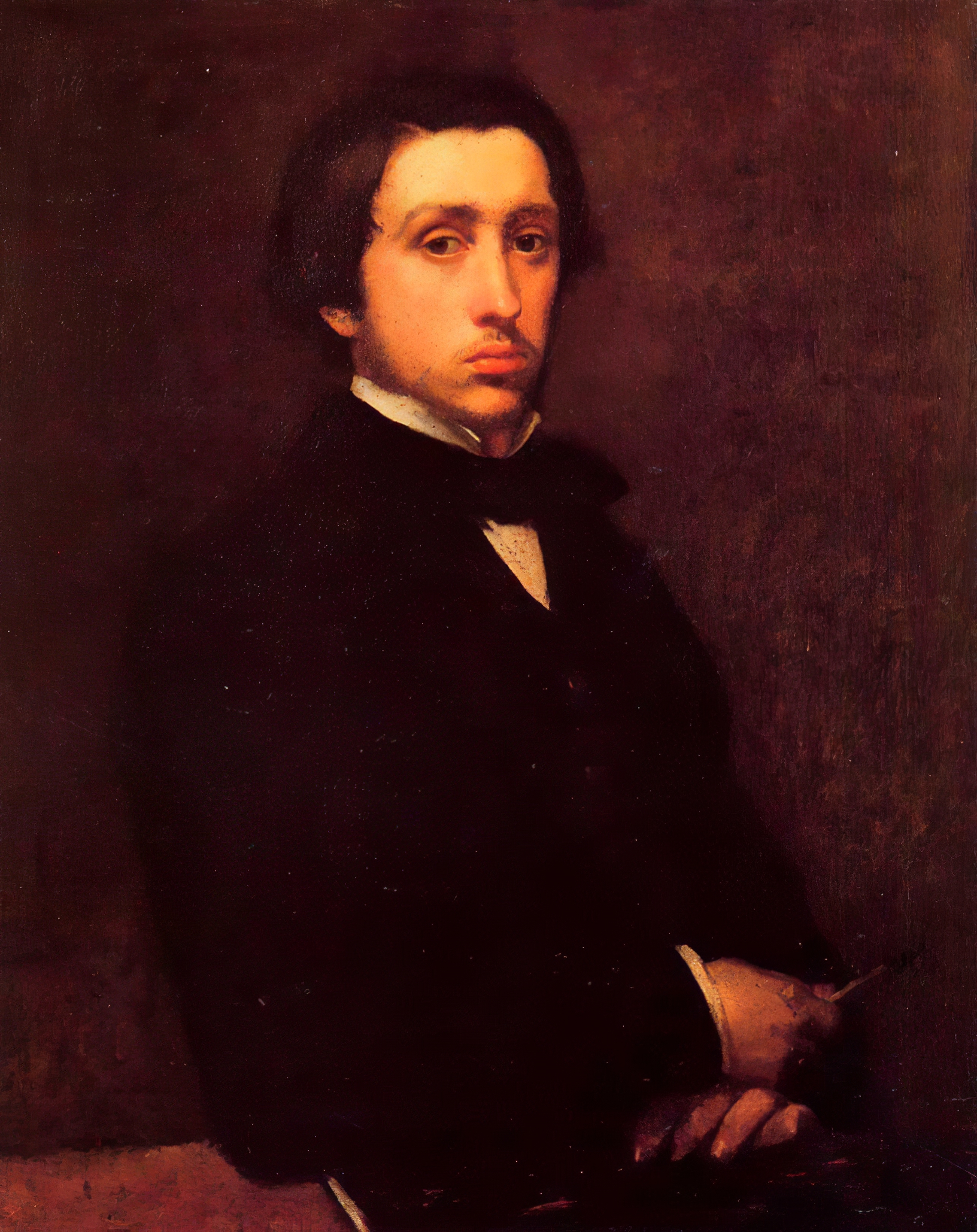
Edgar Degas, a French artist, was a master of painting, sculpture, and drawing, celebrated for his profound influence on the Impressionist movement despite his preference for being called a realist. Degas was born into a well-off family in Paris, France, and demonstrated a keen interest in art from an early age, eventually shaping his path to become one of the most sophisticated draftsmen of his time. His rigorous academic training and close study of classical art initially aimed him towards a career in history painting, but Degas soon pivoted towards contemporary subject matter, thus cementing his role as a classical painter of modern life.
Degas is renowned for his dynamic portrayals of movement, particularly in his depictions of dancers, racehorses, and everyday Parisian life. His works are characterized by their psychological depth and the isolation of his figures, showcasing his unique ability to capture the essence of his subjects with both empathy and critical distance. More than half of his oeuvre focuses on dancers, reflecting not only his fascination with the ballet but also his innovative approach to composition and form. This focus on the human figure, explored in various media including oil, pastel, and sculpture, underscores Degas's commitment to studying the nuances of human movement and expression.
Degas's artistic career is marked by his experimentation with various techniques and materials, as seen in his bronze sculptures and pastel nudes. One of his most famous sculptures, the study of the young ballet student Marie van Goethem, showcases his pioneering use of real objects in sculpture, a practice that prefigured later artistic innovations. Despite the controversies that sometimes surrounded his work, particularly in his depictions of the female nude, Degas's legacy as an artist who bridged the gap between traditional academic art and the modern movements of the early 20th century remains undisputed.
For collectors and experts in art and antiques, Degas's work offers a fascinating study in the evolution of modern art, highlighting the artist's deep engagement with the cultural and social dynamics of his time. His pieces, whether in the form of paintings, sculptures, or prints, continue to captivate audiences with their complexity, beauty, and innovative spirit.
If you are keen to stay updated on sales and auction events related to Edgar Degas, signing up for updates is a prudent choice. This subscription service ensures that you remain informed about new opportunities to acquire works by this pivotal figure in the art world, without overwhelming you with unnecessary information.