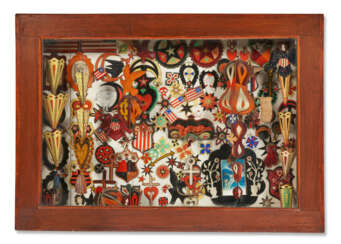
assemblage






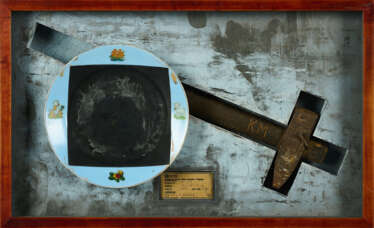



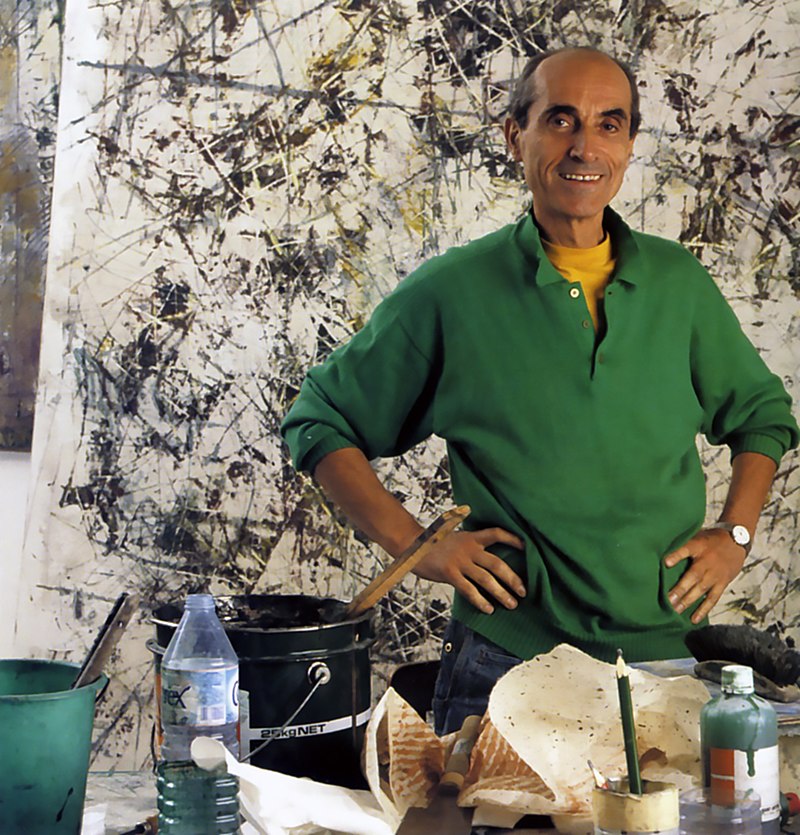
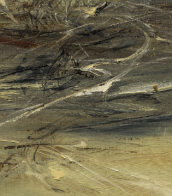
Georges Noël was a French artist, a representative of French informel.
In the mid-1950s he moved to the United States and began to create works in impasto, or, as he called them, palimpsests.
Palimpsests are old handwritten pages that have been partially scraped and then reused. Georges Noël uses the concept of palimpsest and creates his canvases with sand, crushed silica and raw pigment, giving each work a three-dimensional and energetic feel.
Georges Noël was a professor at the Minneapolis School of Art before returning to Paris.
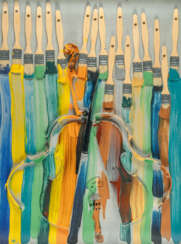

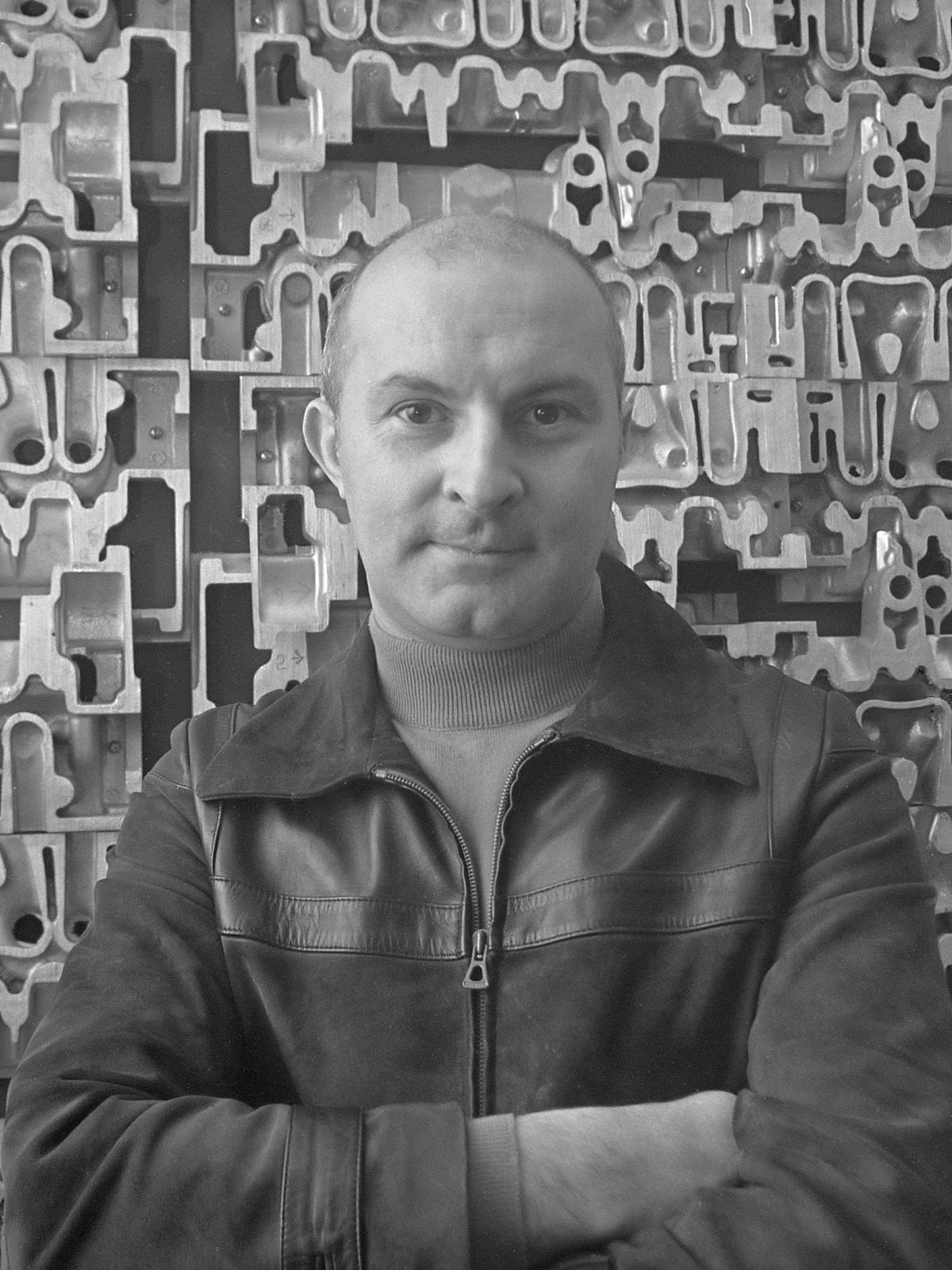
Armand Pierre Fernandez, widely known by his mononym Arman, was a French-born American artist celebrated for his innovative contributions to the Nouveau Réalisme movement and his radical use of everyday objects in art. Born in Nice, France, on November 17, 1928, Arman's early exposure to art came from his father, an antiques dealer and amateur artist, which deeply influenced his later artistic endeavors.
Arman moved beyond traditional painting techniques early in his career, instead creating his signature "Accumulations" and "Poubelles" (trash) sculptures. These works involved assembling and compacting everyday items like watches, clocks, and even automobiles, embedding these objects in layers of concrete or encasing them in Plexiglas. One of his most notable large-scale works is "Long Term Parking," a 60-foot high sculpture made of concrete-encased cars, situated in Jouy-en-Josas, France.
His work is an essential bridge between European and American trends in Pop art and has been widely exhibited in major institutions like the Metropolitan Museum of Art in New York, the Tate Gallery in London, and the Centre Pompidou in Paris. Arman's innovative techniques and philosophical approach to materials challenged conventional categorizations of art and inspired future generations of artists.
For collectors and enthusiasts interested in staying updated on exhibitions and sales related to Arman's work, signing up for updates can provide essential insights and opportunities related to this influential artist. Join our community to ensure you don't miss out on new discoveries and auction events associated with Arman's legacy.











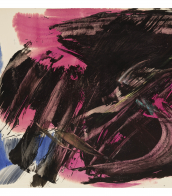
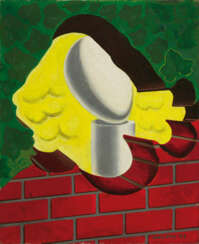

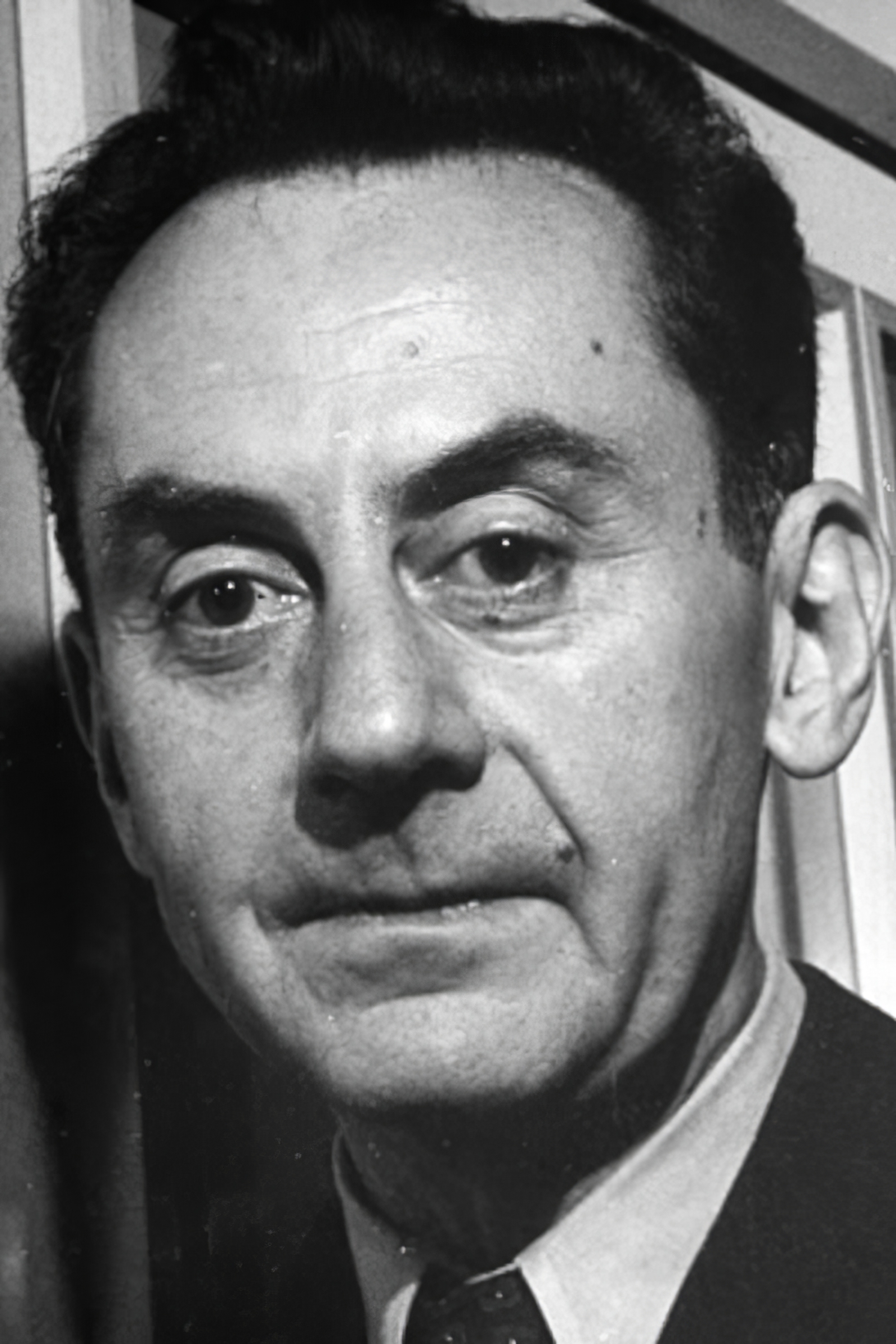
Man Ray, born Emmanuel Radnitzky, was an American visual artist who played a significant role in the Dada and Surrealist movements. His pioneering efforts in photography, alongside his work in painting and sculpture, have cemented his place as a major figure in modern art. Known for his innovative techniques and the ability to convey complex ideas through simple, striking visuals, Man Ray's contribution to the art world is profound.
Throughout his career, Man Ray was celebrated for his avant-garde approach and his ability to transcend traditional boundaries between different artistic mediums. His photography, characterized by experimental techniques such as solarization and rayographs (cameraless photographs), challenged conventional perceptions of photography as merely a means of representation. These artistic innovations made him a central figure in both Parisian and American art circles.
Man Ray's works are housed in some of the world's most prestigious museums and galleries, including the Museum of Modern Art in New York and the Centre Pompidou in Paris. His pieces, such as "Le Violon d'Ingres" and "Noire et Blanche," are iconic images that continue to influence artists today. His ability to blend the abstract with the realistic, and the humorous with the serious, has left a lasting legacy in the world of art.
For collectors and experts in art and antiques, the work of Man Ray offers a glimpse into the revolutionary changes that shaped the visual arts in the 20th century. His unique perspective and pioneering techniques continue to inspire and challenge those interested in the boundaries of creativity and expression.
If you're passionate about the avant-garde, or simply wish to explore the fascinating world of Man Ray further, sign up for our updates. You'll receive alerts on new product sales and auction events related to Man Ray, ensuring you never miss an opportunity to engage with the legacy of this extraordinary artist.
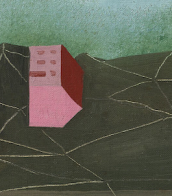


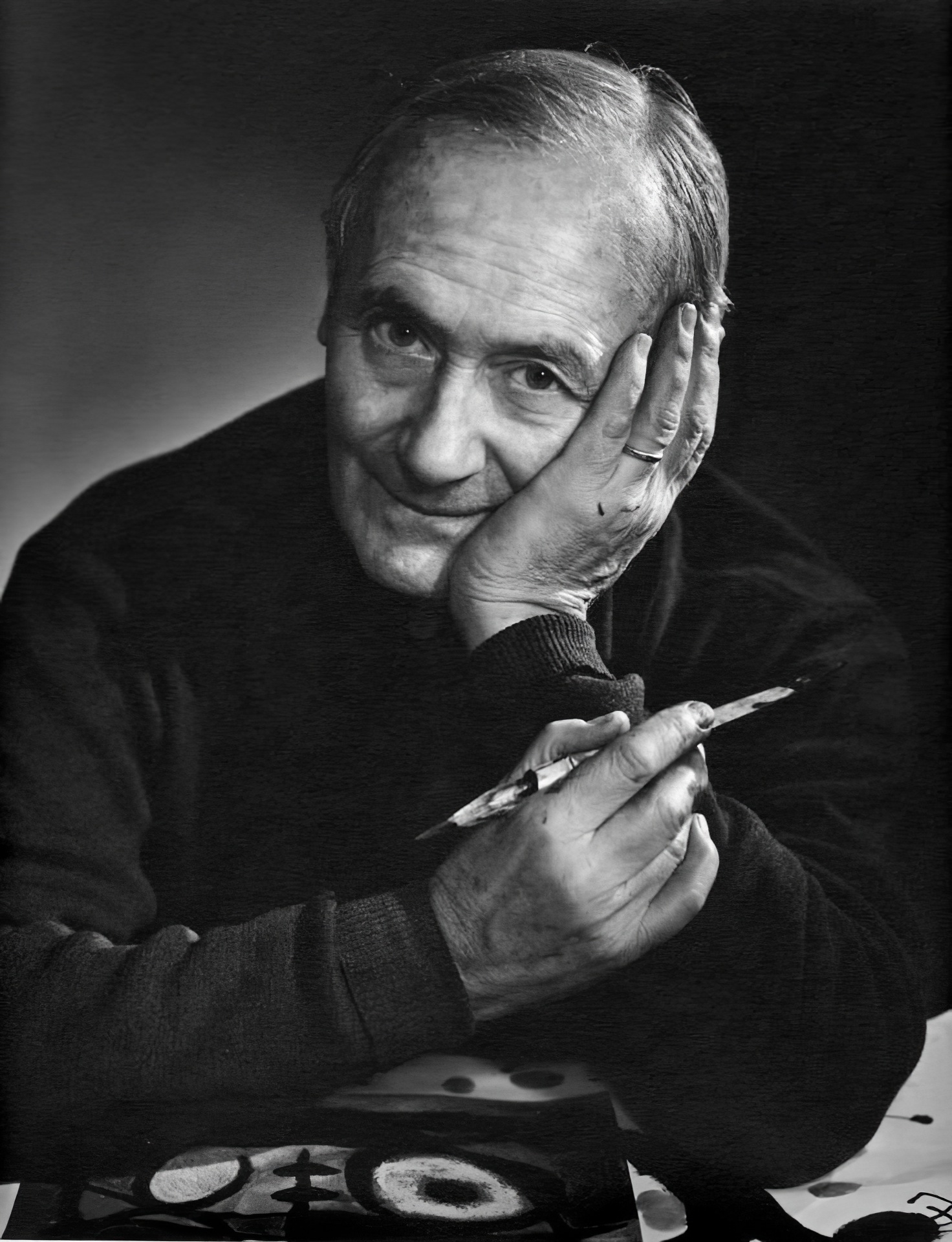
Joan Miró, a celebrated Spanish artist, was a master in painting, sculpture, and ceramics, renowned for his unique style that blurred the lines between Surrealism, Fauvism, and Expressionism. Born in Barcelona to a family of a goldsmith and a watchmaker, Miró grew up immersed in the rich cultural heritage of the Barri Gòtic neighborhood. His artistic journey began with drawing classes at the age of seven and continued at the prestigious La Llotja art academy. Despite an initial venture into the business world, Miró's passion for art prevailed, leading him to abandon his clerical career after a nervous breakdown.
Miró's work is noted for its exploration of the subconscious, often depicting a childlike perspective. This approach was both a critique of traditional painting methods and a means of expressing Catalan pride. His art, challenging to categorize, often featured symbolic elements and nationalistic qualities. One of his notable early works, "The Farm," reflects a transition to a more individual style, blending elements of his Catalan roots with broader artistic influences. This piece, later purchased by Ernest Hemingway, encapsulated the essence of Spain in its imagery.
In Paris, Miró joined the Surrealist movement in 1924, where his work began to reflect the influence of automatism, emphasizing spontaneous, automatic, or subconscious creation. He experimented with various mediums, including painting-poetry and collage, and even ventured into set and costume design for Sergei Diaghilev's Ballets Russes.
During World War II, Miró remained in Spain, and his work from this period, including the 22 Constellations series, reflected an interest in the night, music, and stars. His forms became increasingly abstracted, and he experimented with various techniques, often incorporating primary colors and evocative titles.
Miró's career spanned several decades, during which he continually evolved his style and explored new mediums. His contributions to art were recognized with numerous awards and retrospectives, including a major career retrospective at MoMA in 1941 and the Spanish Gold Medal for Fine Arts in 1980. Among his last major works was a tapestry for the World Trade Center in New York City, created in 1974.
For art collectors and enthusiasts, Joan Miró remains a figure of immense interest, not only for his distinct style and contributions to Surrealism but also for his ability to blend poetic imagery with political commentary. To stay updated on new product sales and auction events related to Joan Miró, sign up for our updates and immerse yourself in the world of this extraordinary artist.

Joan Miró, a celebrated Spanish artist, was a master in painting, sculpture, and ceramics, renowned for his unique style that blurred the lines between Surrealism, Fauvism, and Expressionism. Born in Barcelona to a family of a goldsmith and a watchmaker, Miró grew up immersed in the rich cultural heritage of the Barri Gòtic neighborhood. His artistic journey began with drawing classes at the age of seven and continued at the prestigious La Llotja art academy. Despite an initial venture into the business world, Miró's passion for art prevailed, leading him to abandon his clerical career after a nervous breakdown.
Miró's work is noted for its exploration of the subconscious, often depicting a childlike perspective. This approach was both a critique of traditional painting methods and a means of expressing Catalan pride. His art, challenging to categorize, often featured symbolic elements and nationalistic qualities. One of his notable early works, "The Farm," reflects a transition to a more individual style, blending elements of his Catalan roots with broader artistic influences. This piece, later purchased by Ernest Hemingway, encapsulated the essence of Spain in its imagery.
In Paris, Miró joined the Surrealist movement in 1924, where his work began to reflect the influence of automatism, emphasizing spontaneous, automatic, or subconscious creation. He experimented with various mediums, including painting-poetry and collage, and even ventured into set and costume design for Sergei Diaghilev's Ballets Russes.
During World War II, Miró remained in Spain, and his work from this period, including the 22 Constellations series, reflected an interest in the night, music, and stars. His forms became increasingly abstracted, and he experimented with various techniques, often incorporating primary colors and evocative titles.
Miró's career spanned several decades, during which he continually evolved his style and explored new mediums. His contributions to art were recognized with numerous awards and retrospectives, including a major career retrospective at MoMA in 1941 and the Spanish Gold Medal for Fine Arts in 1980. Among his last major works was a tapestry for the World Trade Center in New York City, created in 1974.
For art collectors and enthusiasts, Joan Miró remains a figure of immense interest, not only for his distinct style and contributions to Surrealism but also for his ability to blend poetic imagery with political commentary. To stay updated on new product sales and auction events related to Joan Miró, sign up for our updates and immerse yourself in the world of this extraordinary artist.

Man Ray, born Emmanuel Radnitzky, was an American visual artist who played a significant role in the Dada and Surrealist movements. His pioneering efforts in photography, alongside his work in painting and sculpture, have cemented his place as a major figure in modern art. Known for his innovative techniques and the ability to convey complex ideas through simple, striking visuals, Man Ray's contribution to the art world is profound.
Throughout his career, Man Ray was celebrated for his avant-garde approach and his ability to transcend traditional boundaries between different artistic mediums. His photography, characterized by experimental techniques such as solarization and rayographs (cameraless photographs), challenged conventional perceptions of photography as merely a means of representation. These artistic innovations made him a central figure in both Parisian and American art circles.
Man Ray's works are housed in some of the world's most prestigious museums and galleries, including the Museum of Modern Art in New York and the Centre Pompidou in Paris. His pieces, such as "Le Violon d'Ingres" and "Noire et Blanche," are iconic images that continue to influence artists today. His ability to blend the abstract with the realistic, and the humorous with the serious, has left a lasting legacy in the world of art.
For collectors and experts in art and antiques, the work of Man Ray offers a glimpse into the revolutionary changes that shaped the visual arts in the 20th century. His unique perspective and pioneering techniques continue to inspire and challenge those interested in the boundaries of creativity and expression.
If you're passionate about the avant-garde, or simply wish to explore the fascinating world of Man Ray further, sign up for our updates. You'll receive alerts on new product sales and auction events related to Man Ray, ensuring you never miss an opportunity to engage with the legacy of this extraordinary artist.

Man Ray, born Emmanuel Radnitzky, was an American visual artist who played a significant role in the Dada and Surrealist movements. His pioneering efforts in photography, alongside his work in painting and sculpture, have cemented his place as a major figure in modern art. Known for his innovative techniques and the ability to convey complex ideas through simple, striking visuals, Man Ray's contribution to the art world is profound.
Throughout his career, Man Ray was celebrated for his avant-garde approach and his ability to transcend traditional boundaries between different artistic mediums. His photography, characterized by experimental techniques such as solarization and rayographs (cameraless photographs), challenged conventional perceptions of photography as merely a means of representation. These artistic innovations made him a central figure in both Parisian and American art circles.
Man Ray's works are housed in some of the world's most prestigious museums and galleries, including the Museum of Modern Art in New York and the Centre Pompidou in Paris. His pieces, such as "Le Violon d'Ingres" and "Noire et Blanche," are iconic images that continue to influence artists today. His ability to blend the abstract with the realistic, and the humorous with the serious, has left a lasting legacy in the world of art.
For collectors and experts in art and antiques, the work of Man Ray offers a glimpse into the revolutionary changes that shaped the visual arts in the 20th century. His unique perspective and pioneering techniques continue to inspire and challenge those interested in the boundaries of creativity and expression.
If you're passionate about the avant-garde, or simply wish to explore the fascinating world of Man Ray further, sign up for our updates. You'll receive alerts on new product sales and auction events related to Man Ray, ensuring you never miss an opportunity to engage with the legacy of this extraordinary artist.




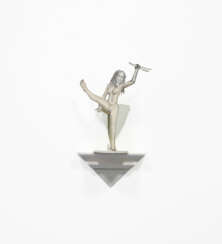

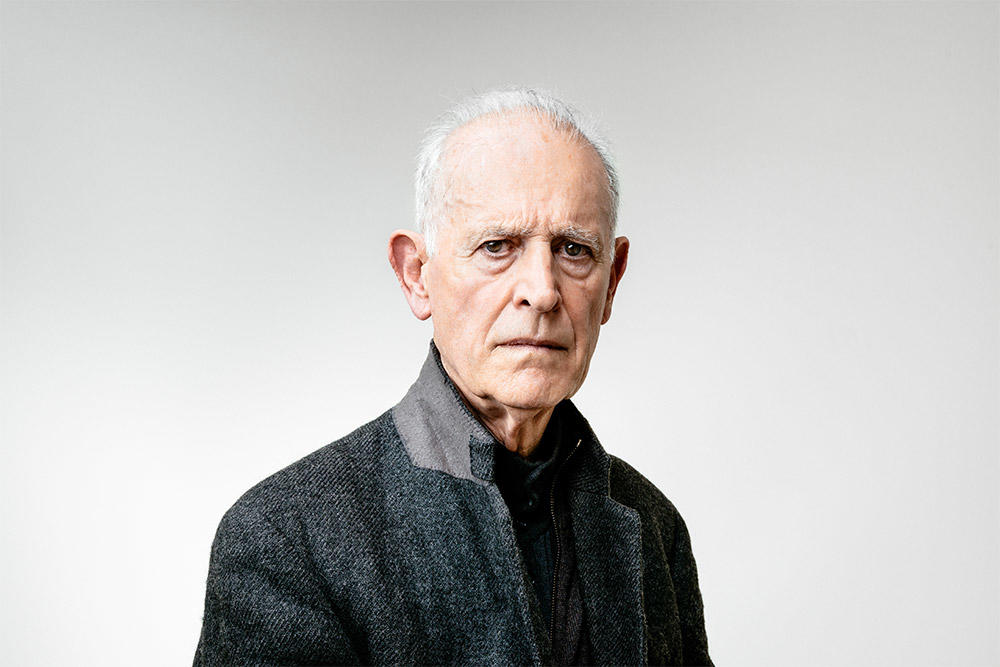
Martial Raysse is a French artist and actor. He lives in Issigeac, France. He holds the record for the most expensive work sold by a living French artist.


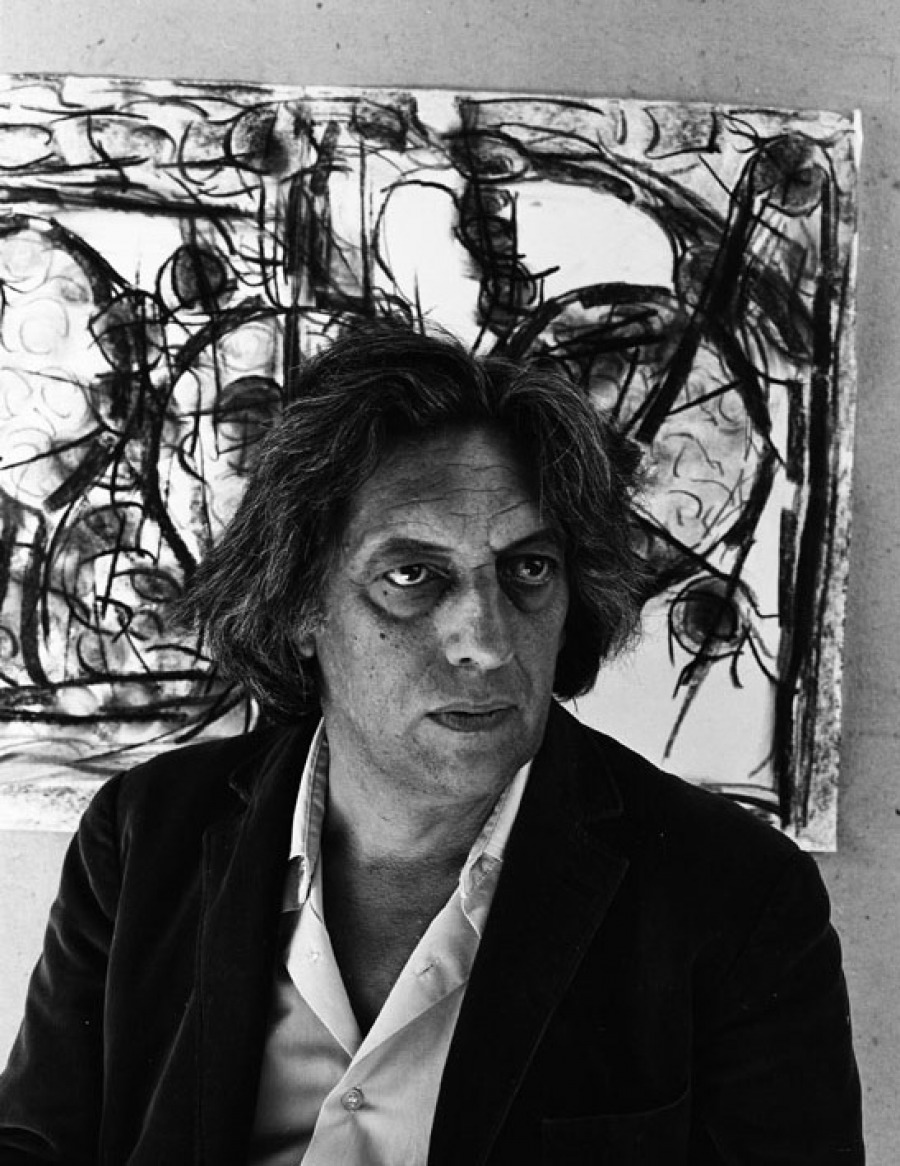
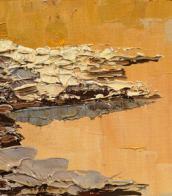
Jean-Paul Riopelle was a Canadian painter and sculptor from Quebec. He had one of the longest and most important international careers of the sixteen signatories of the Refus Global, the 1948 manifesto that announced the Quebecois artistic community's refusal of clericalism and provincialism. He is best known for his abstract painting style, in particular his "mosaic" works of the 1950s when he famously abandoned the paintbrush, using only a palette knife to apply paint to canvas, giving his works a distinctive sculptural quality. He became the first Canadian painter since James Wilson Morrice to attain widespread international recognition.

Man Ray, born Emmanuel Radnitzky, was an American visual artist who played a significant role in the Dada and Surrealist movements. His pioneering efforts in photography, alongside his work in painting and sculpture, have cemented his place as a major figure in modern art. Known for his innovative techniques and the ability to convey complex ideas through simple, striking visuals, Man Ray's contribution to the art world is profound.
Throughout his career, Man Ray was celebrated for his avant-garde approach and his ability to transcend traditional boundaries between different artistic mediums. His photography, characterized by experimental techniques such as solarization and rayographs (cameraless photographs), challenged conventional perceptions of photography as merely a means of representation. These artistic innovations made him a central figure in both Parisian and American art circles.
Man Ray's works are housed in some of the world's most prestigious museums and galleries, including the Museum of Modern Art in New York and the Centre Pompidou in Paris. His pieces, such as "Le Violon d'Ingres" and "Noire et Blanche," are iconic images that continue to influence artists today. His ability to blend the abstract with the realistic, and the humorous with the serious, has left a lasting legacy in the world of art.
For collectors and experts in art and antiques, the work of Man Ray offers a glimpse into the revolutionary changes that shaped the visual arts in the 20th century. His unique perspective and pioneering techniques continue to inspire and challenge those interested in the boundaries of creativity and expression.
If you're passionate about the avant-garde, or simply wish to explore the fascinating world of Man Ray further, sign up for our updates. You'll receive alerts on new product sales and auction events related to Man Ray, ensuring you never miss an opportunity to engage with the legacy of this extraordinary artist.


.jpeg)
Daniel Spoerri was a Swiss artist of Romanian-Jewish descent, renowned for his contributions to the art world as a key figure in the Nouveau Réalisme (New Realism) movement. Born in Romania in 1930, Spoerri made significant strides in visual art, particularly in his development of "snare-pictures," a method where he captured a group of objects, such as table settings and the remnants of meals, in a state of apparent disorder yet meticulously fixed to the tabletop.
His works are celebrated for turning ordinary moments into a tableau of frozen time, capturing life's ephemeral qualities through the permanence of art. Notably, his piece "Tableau piège" involves the fixation of objects to a board or table, which is then displayed vertically, challenging traditional art display norms and viewer perceptions. This innovative approach allowed him to explore themes of consumption, waste, and the mundane, making the everyday profound.
Daniel Spoerri's art is housed in many esteemed institutions, including the Museum of Modern Art in New York and the Centre Georges Pompidou in Paris. His work continues to influence contemporary art, offering a unique perspective on the art of assemblage and the beauty in the banal.
For those interested in exploring more about Daniel Spoerri's life and works, or in keeping updated with sales and auction events related to his art, signing up for our updates is highly recommended. This subscription ensures you stay informed about the latest offerings and exhibitions featuring Spoerri's intriguing creations.






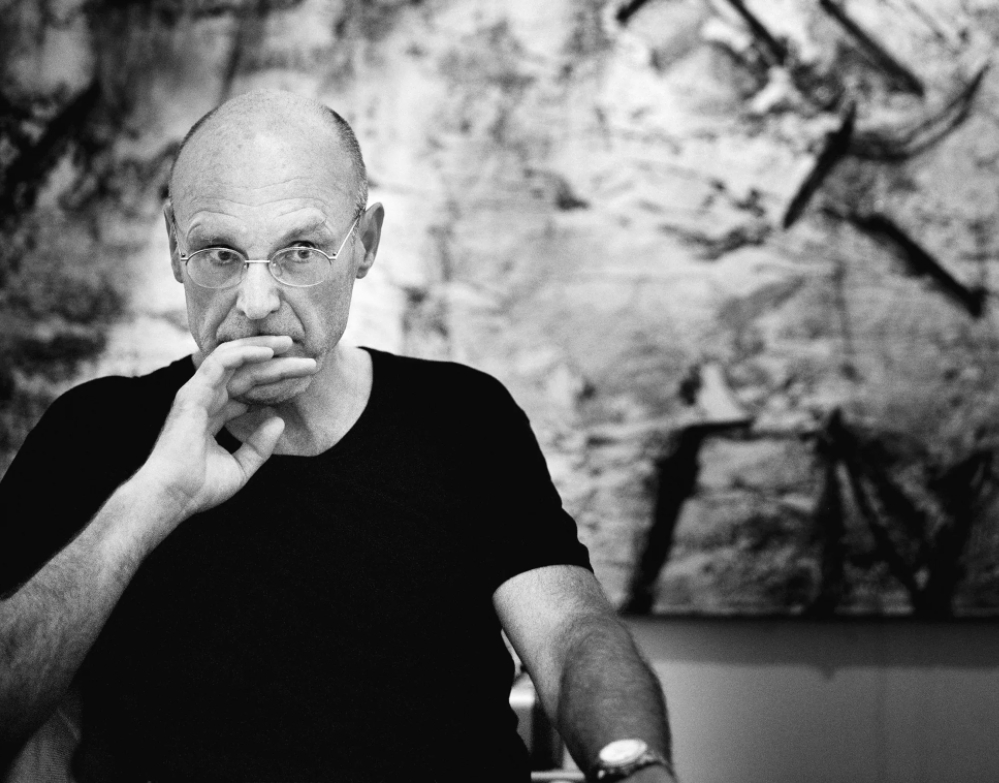
Anselm Kiefer, a German artist born in 1945, is renowned for his profound contributions to painting and sculpture. He is distinguished by his use of unconventional materials such as straw, ash, clay, lead, and shellac, which he selects for their symbolic and alchemical properties. Anselm Kiefer's works often delve into themes of German history, mythology, and the Holocaust, using these materials to evoke a range of emotions and reflections on past and present.
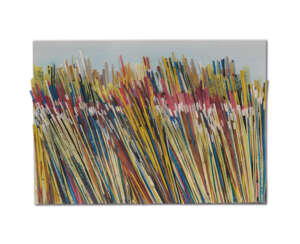
One of his notable pieces, "Margarete," inspired by Paul Celan's poem "Death Fugue," employs straw to symbolize various themes, including racial purity and the fragility of life. Another significant work, "The High Priestess/Zweistromland," features an installation of lead books, reflecting on the transmission and preservation of knowledge. "Shevirat Ha-Kelim" is a sculpture that explores themes from the Kabbalah, representing the fragmentation of divine attributes.
Anselm Kiefer's art is not just visually impactful but also intellectually stimulating, encouraging viewers to ponder complex historical and philosophical questions. His works are displayed in prestigious venues worldwide, including the Centre Georges Pompidou in Paris and private collections.
For art collectors and experts, Anselm Kiefer's oeuvre offers a compelling blend of historical depth, material innovation, and philosophical inquiry. If you're intrigued by Kiefer's unique approach to art and wish to stay informed about new works and auction events related to Anselm Kiefer, consider signing up for updates to ensure you don't miss out on the opportunity to engage with his profound and evocative creations.

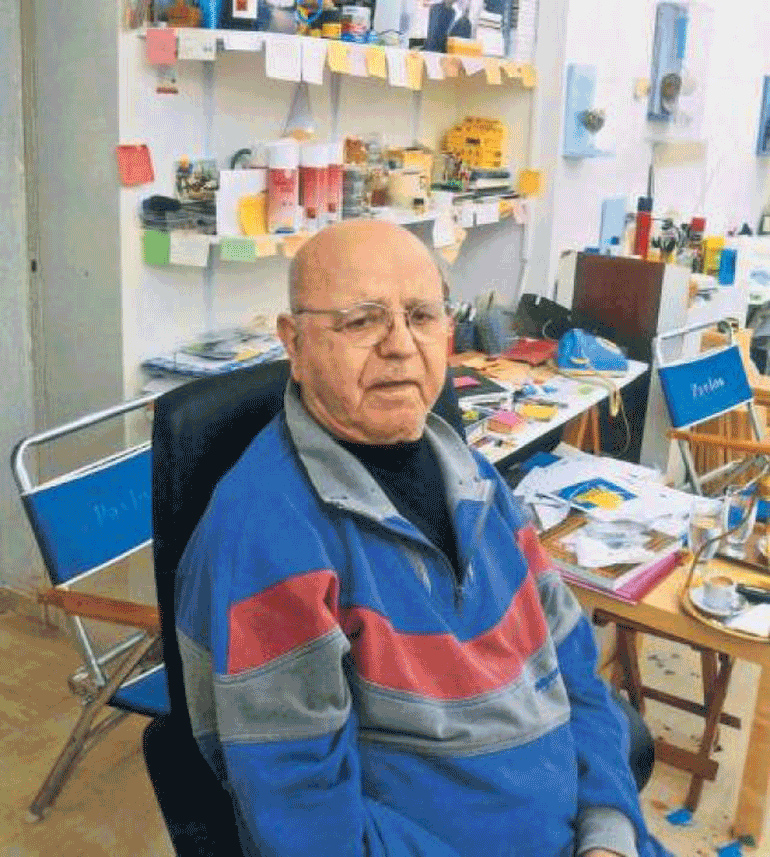
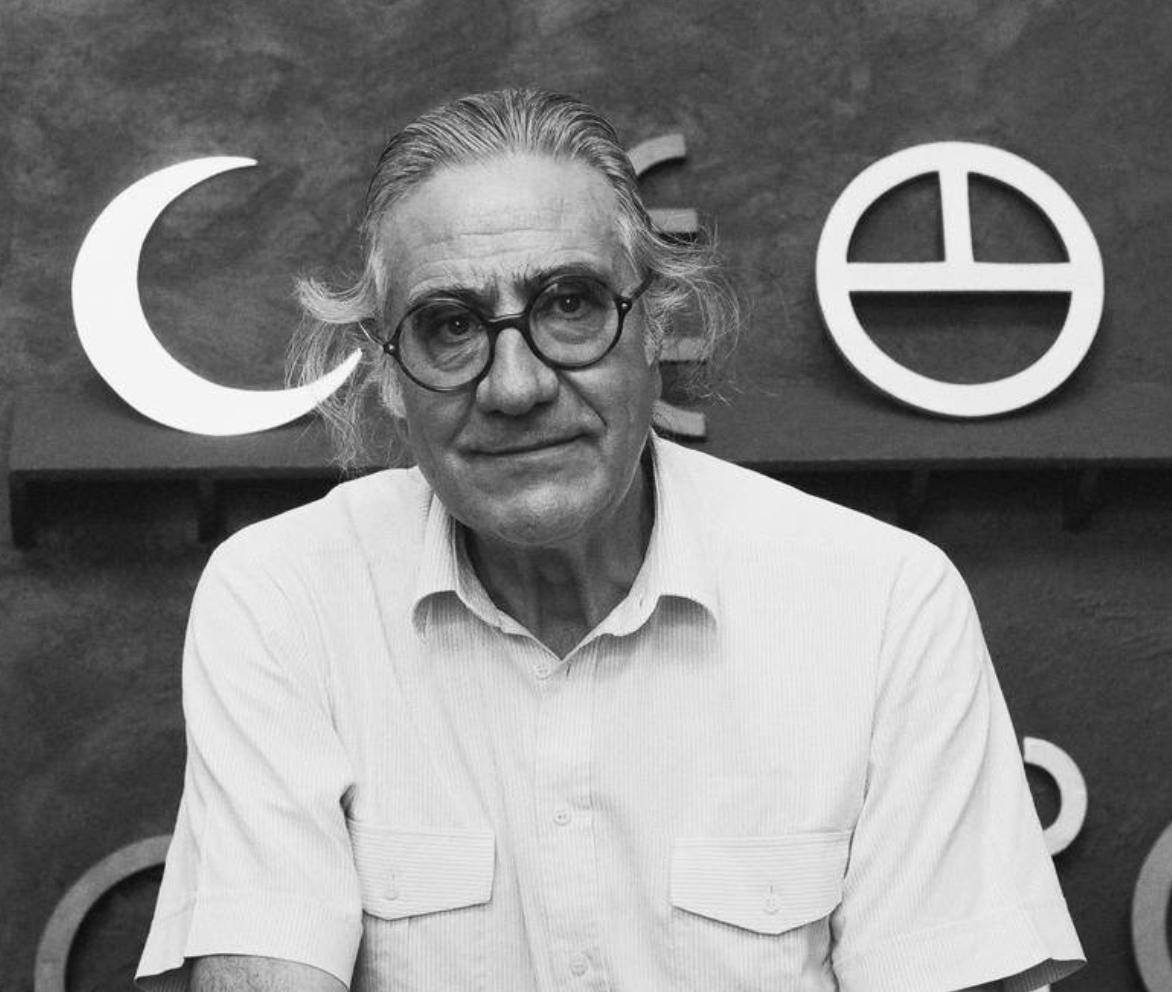
Pavlos Dionyssopoulos was a Greek artist born in Filiatra, Greece in 1930 and passed away in 2019. He was known for his unique and colorful abstract paintings, which were influenced by the art movements of the 20th century, including surrealism and abstract expressionism.
Dionyssopoulos studied art in Greece and later in France, where he was exposed to the works of famous artists such as Pablo Picasso and Henri Matisse. His style evolved throughout his career, starting with realistic portraits and landscapes before moving towards abstract art.
He held numerous solo and group exhibitions in Greece and internationally, including in Paris, New York, and Tokyo. His works can be found in private collections and museums around the world.
Dionyssopoulos was a member of the Greek Chamber of Fine Arts and was awarded the "Order of the Phoenix" by the Greek government for his contributions to the arts. He was also a writer and poet, and his poetry was published in several Greek literary journals.
Today, Pavlos Dionyssopoulos is considered one of the most important Greek artists of the 20th century, known for his unique style and contributions to the development of abstract art in Greece.
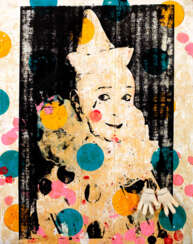













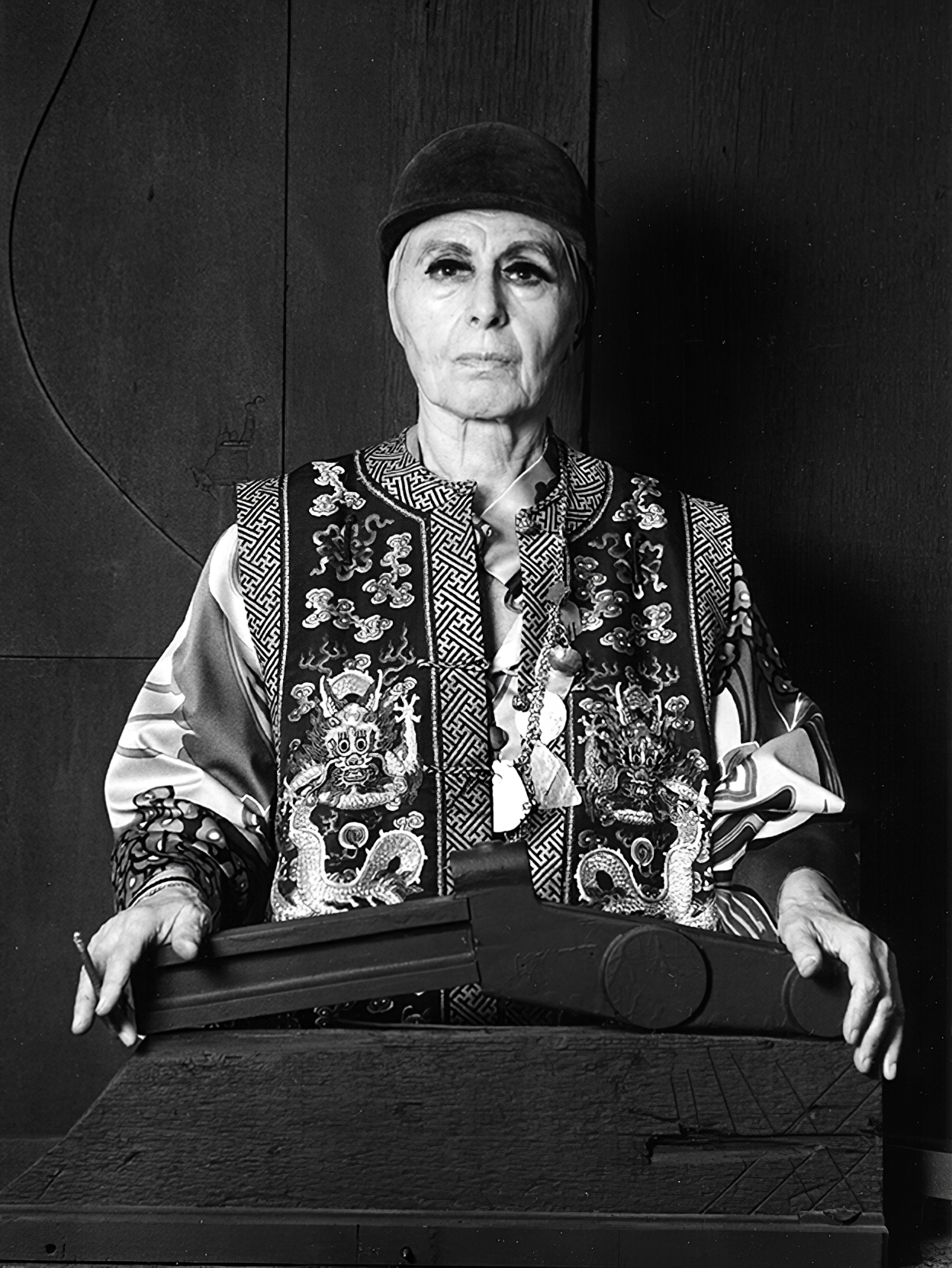
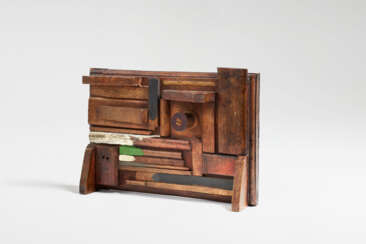
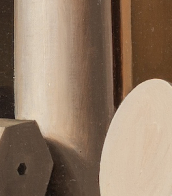
Louise Nevelson was an American sculptor, renowned for her innovative and monumental monochromatic, wooden wall pieces and outdoor sculptures. Born in Kiev, Russia (now Ukraine), she moved to the United States as a child, settling first in Rockland, Maine, before embarking on her storied career in New York City. Nevelson's work broke new ground in abstract art through her assemblages of found wooden forms and her exploration of space within room-sized environments. Her early life and artistic journey were marked by a continuous struggle for recognition in a male-dominated art world, eventually gaining attention in the 1950s for her unique constructions.
Nevelson's sculptures, often created from wood, were characterized by their puzzle-like complexity, with intricately cut pieces arranged into both wall sculptures and freestanding pieces. The works are typically painted in monochromatic black or white, emphasizing their textural and volumetric qualities. A key figure in 20th-century American sculpture, Nevelson's contributions extend beyond her artistic creations; she was also a pioneer in the realm of public art, engaging broader audiences with her monumental installations.
Her pieces are celebrated worldwide and can be found in museum and corporate collections across Europe and North America. Nevelson's legacy is that of a trailblazer who used her vision to transform everyday materials into profound expressions of space and narrative.
For collectors and experts in art and antiques, the exploration of Louise Nevelson's work offers an insightful glimpse into the evolution of American sculpture and the pivotal role she played in it. To stay informed about new sales and auction events related to Nevelson's work, sign up for updates and ensure you never miss an opportunity to engage with the history and future of this influential artist's contributions to the art world.








Man Ray, born Emmanuel Radnitzky, was an American visual artist who played a significant role in the Dada and Surrealist movements. His pioneering efforts in photography, alongside his work in painting and sculpture, have cemented his place as a major figure in modern art. Known for his innovative techniques and the ability to convey complex ideas through simple, striking visuals, Man Ray's contribution to the art world is profound.
Throughout his career, Man Ray was celebrated for his avant-garde approach and his ability to transcend traditional boundaries between different artistic mediums. His photography, characterized by experimental techniques such as solarization and rayographs (cameraless photographs), challenged conventional perceptions of photography as merely a means of representation. These artistic innovations made him a central figure in both Parisian and American art circles.
Man Ray's works are housed in some of the world's most prestigious museums and galleries, including the Museum of Modern Art in New York and the Centre Pompidou in Paris. His pieces, such as "Le Violon d'Ingres" and "Noire et Blanche," are iconic images that continue to influence artists today. His ability to blend the abstract with the realistic, and the humorous with the serious, has left a lasting legacy in the world of art.
For collectors and experts in art and antiques, the work of Man Ray offers a glimpse into the revolutionary changes that shaped the visual arts in the 20th century. His unique perspective and pioneering techniques continue to inspire and challenge those interested in the boundaries of creativity and expression.
If you're passionate about the avant-garde, or simply wish to explore the fascinating world of Man Ray further, sign up for our updates. You'll receive alerts on new product sales and auction events related to Man Ray, ensuring you never miss an opportunity to engage with the legacy of this extraordinary artist.
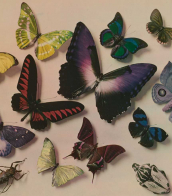


Man Ray, born Emmanuel Radnitzky, was an American visual artist who played a significant role in the Dada and Surrealist movements. His pioneering efforts in photography, alongside his work in painting and sculpture, have cemented his place as a major figure in modern art. Known for his innovative techniques and the ability to convey complex ideas through simple, striking visuals, Man Ray's contribution to the art world is profound.
Throughout his career, Man Ray was celebrated for his avant-garde approach and his ability to transcend traditional boundaries between different artistic mediums. His photography, characterized by experimental techniques such as solarization and rayographs (cameraless photographs), challenged conventional perceptions of photography as merely a means of representation. These artistic innovations made him a central figure in both Parisian and American art circles.
Man Ray's works are housed in some of the world's most prestigious museums and galleries, including the Museum of Modern Art in New York and the Centre Pompidou in Paris. His pieces, such as "Le Violon d'Ingres" and "Noire et Blanche," are iconic images that continue to influence artists today. His ability to blend the abstract with the realistic, and the humorous with the serious, has left a lasting legacy in the world of art.
For collectors and experts in art and antiques, the work of Man Ray offers a glimpse into the revolutionary changes that shaped the visual arts in the 20th century. His unique perspective and pioneering techniques continue to inspire and challenge those interested in the boundaries of creativity and expression.
If you're passionate about the avant-garde, or simply wish to explore the fascinating world of Man Ray further, sign up for our updates. You'll receive alerts on new product sales and auction events related to Man Ray, ensuring you never miss an opportunity to engage with the legacy of this extraordinary artist.




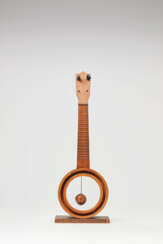

Man Ray, born Emmanuel Radnitzky, was an American visual artist who played a significant role in the Dada and Surrealist movements. His pioneering efforts in photography, alongside his work in painting and sculpture, have cemented his place as a major figure in modern art. Known for his innovative techniques and the ability to convey complex ideas through simple, striking visuals, Man Ray's contribution to the art world is profound.
Throughout his career, Man Ray was celebrated for his avant-garde approach and his ability to transcend traditional boundaries between different artistic mediums. His photography, characterized by experimental techniques such as solarization and rayographs (cameraless photographs), challenged conventional perceptions of photography as merely a means of representation. These artistic innovations made him a central figure in both Parisian and American art circles.
Man Ray's works are housed in some of the world's most prestigious museums and galleries, including the Museum of Modern Art in New York and the Centre Pompidou in Paris. His pieces, such as "Le Violon d'Ingres" and "Noire et Blanche," are iconic images that continue to influence artists today. His ability to blend the abstract with the realistic, and the humorous with the serious, has left a lasting legacy in the world of art.
For collectors and experts in art and antiques, the work of Man Ray offers a glimpse into the revolutionary changes that shaped the visual arts in the 20th century. His unique perspective and pioneering techniques continue to inspire and challenge those interested in the boundaries of creativity and expression.
If you're passionate about the avant-garde, or simply wish to explore the fascinating world of Man Ray further, sign up for our updates. You'll receive alerts on new product sales and auction events related to Man Ray, ensuring you never miss an opportunity to engage with the legacy of this extraordinary artist.



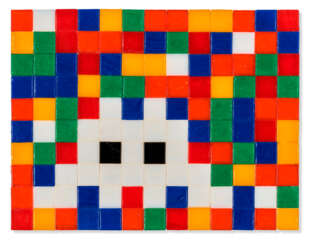


Invader is an anonymous French street artist. He is known for his ceramic tile mosaics modeled on the pixelated art of 1970s–1980s 8-bit video games, many of which depict the titular aliens from the arcade games Space Invaders, Pac-Man and Super Mario Bros. (the inspirations for his pseudonym). As of December 2020, his creations can be seen in highly-visible locations in 79 cities in 20 countries. To accompany his citywide installations, or "Invasions", Invader publishes books and maps as guides to the locations of his mosaics.
Invader also makes mosaics using QR codes and stacks of Rubik's Cubes (with the latter typically installed indoors).
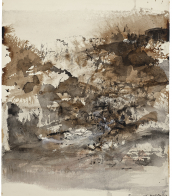
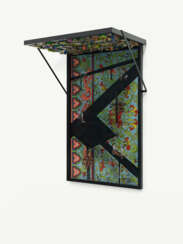



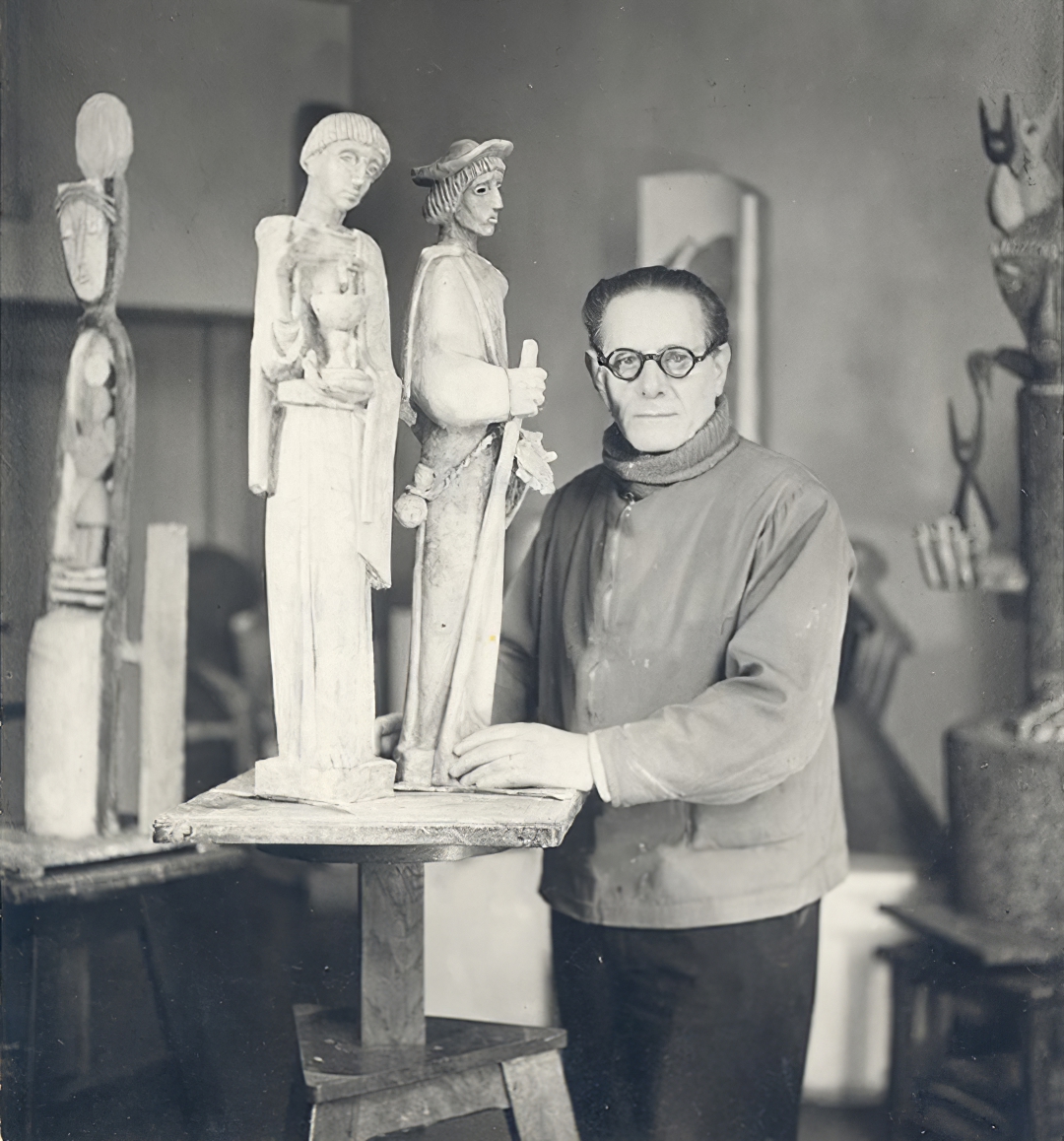
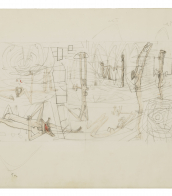
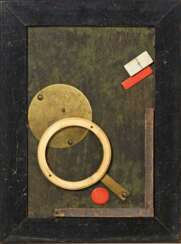
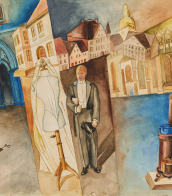
Jean Lambert-Rucki was a Polish avant-garde artist, sculptor, and graphic artist. He was best known for his participation in the Cubist, Surrealist and Art Deco movements. He exhibited at the 1913 Salon d'Automne in Paris; from 1919 was represented by both Léonce Rosenberg at the Galerie de l'Effort Moderne and the art dealer Paul Guillaume. In March 1920, Lambert-Rucki exhibited at the second exhibition of la Section d'Or, Galerie de La Boétie, Paris, and participated in the first exhibition of l'Union des Artistes Modernes, where he continued to show his works. He worked with diverse styles and media, at times he was influenced by the tribal art of Africa. Lambert-Rucki also became well known for his Cubist cityscapes.
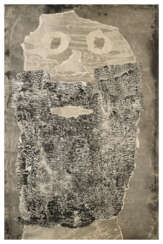

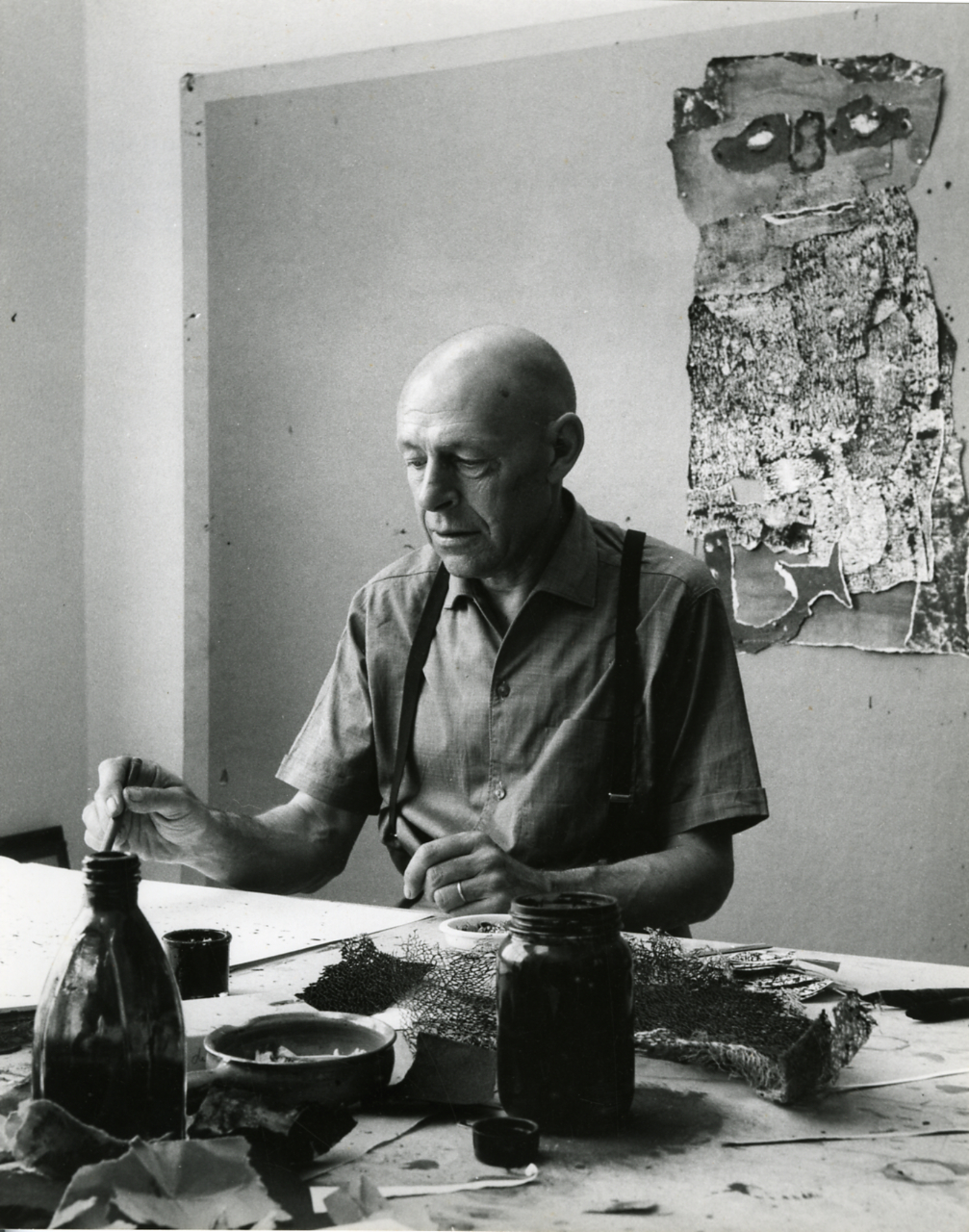
Jean Philippe Arthur Dubuffet, a pioneering French painter and sculptor, revolutionized the post-war art scene with his radical Matterism movement. He defied the conventional aesthetics of his time, championing "low art" and propelling a more genuine, humanistic image-making approach.
Dubuffet, born in Le Havre, France, in 1901, was a prominent figure at the Ecole de Paris and an advocate for Art Brut, or "raw art", which sought to capture art's purest form. His works were characterized by a rough, unrefined aesthetic, which eschewed academic norms in favor of spontaneity and authenticity.
Art enthusiasts and experts can view Dubuffet's innovative works at institutions like the Museum of Modern Art, where his legacy as a groundbreaking artist continues to be celebrated. His Matterism philosophy has left an indelible mark on the art world, inspiring generations of artists to embrace the beauty in the unconventional.
For those interested in the avant-garde and the legacy of Jean Philippe Arthur Dubuffet, sign up for our exclusive updates. This service is designed for connoisseurs and professionals in the art and antique sector, promising alerts on new insights and events strictly related to Dubuffet's profound influence.
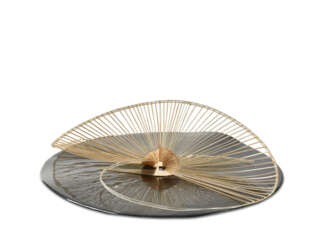

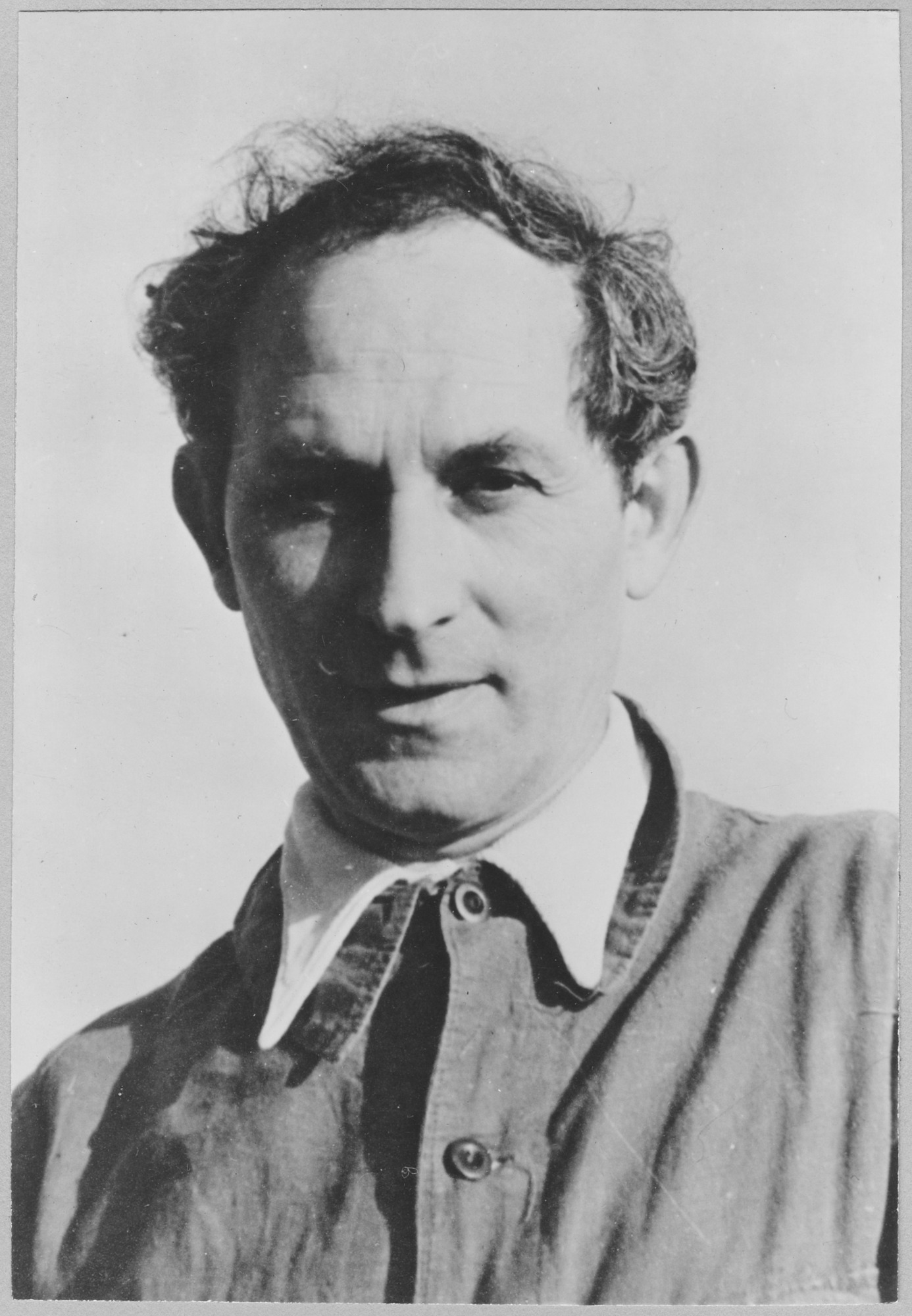
Naum Gabo, a pivotal figure in the evolution of twentieth-century sculpture, was a Russian-American artist renowned for his innovative approach to constructivism and kinetic art. Gabo's artistry transcended mere form to delve into the philosophical and spatial dynamics of sculpture, marking him as a pioneer in his field. He significantly influenced the avant-garde movements across Europe, particularly with his manifesto that challenged the concepts of Cubism and Futurism, advocating for art that embraced abstract reality and spiritual experience. His tenure at VKhUTEMAS, alongside notable contemporaries like Kandinsky and Rodchenko, was a testament to his influential role in post-Revolution Russian art.
Gabo's use of materials such as metal and glass was not just a stylistic choice but a profound exploration of volume and space without the reliance on mass, embodying the Constructivist ideology of functional art. His works, like "Column," showcased his interest in creating sculptures that resonated with intellectual and emotional appeal rather than just physical senses. This innovative approach to sculpture continued throughout his career, evident in his contributions to both the art and architectural domains, including his experimental architectural designs like the proposal for the Palace of the Soviets.
Throughout his life, Gabo's artistic journey was marked by a constant exploration of the interplay between space and time, evident in pieces such as "Spiral Theme" and his involvement in kinetic sculpture. His move across countries, from Russia to the United States, was reflective of his quest for new artistic contexts and his escape from political turmoil. Gabo's legacy is preserved in significant collections and museums worldwide, including the Museum of Modern Art (MoMA) in New York, where his works continue to inspire and captivate audiences.
For those intrigued by Naum Gabo's profound impact on modern sculpture and constructivism, signing up for updates can enrich your knowledge and keep you informed about upcoming sales and auction events featuring his work. This is an opportunity to explore the depths of Gabo's contributions to art and architecture, ensuring enthusiasts and collectors stay connected to his enduring legacy.


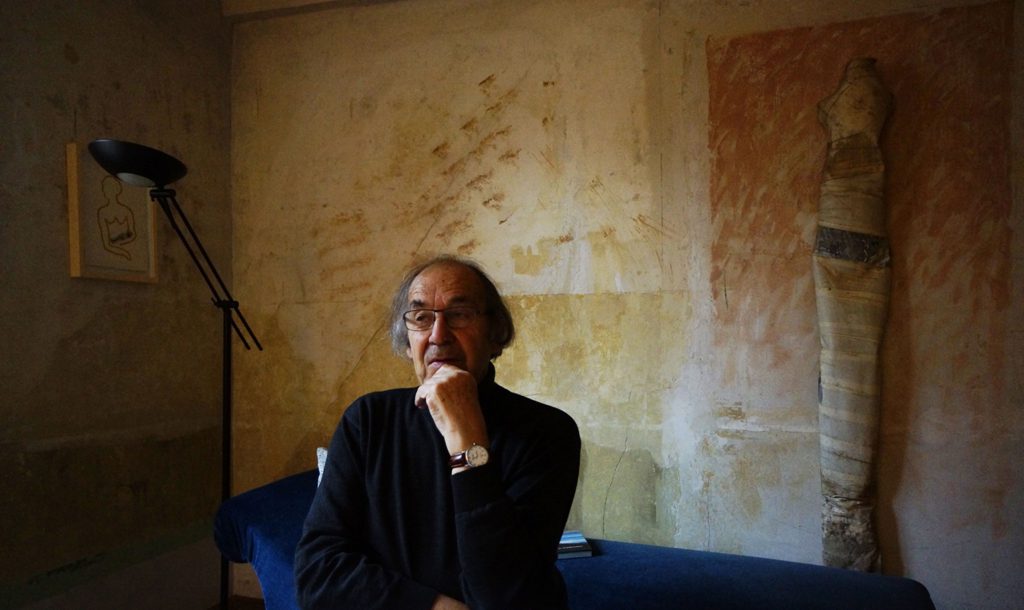
Jürgen Brodwolf was a Swiss sculptor and objectivist artist.

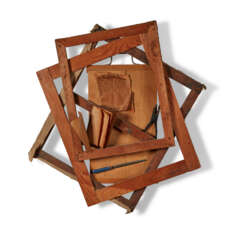

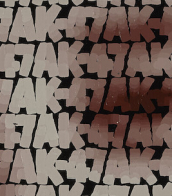


Pavlos Dionyssopoulos was a Greek artist born in Filiatra, Greece in 1930 and passed away in 2019. He was known for his unique and colorful abstract paintings, which were influenced by the art movements of the 20th century, including surrealism and abstract expressionism.
Dionyssopoulos studied art in Greece and later in France, where he was exposed to the works of famous artists such as Pablo Picasso and Henri Matisse. His style evolved throughout his career, starting with realistic portraits and landscapes before moving towards abstract art.
He held numerous solo and group exhibitions in Greece and internationally, including in Paris, New York, and Tokyo. His works can be found in private collections and museums around the world.
Dionyssopoulos was a member of the Greek Chamber of Fine Arts and was awarded the "Order of the Phoenix" by the Greek government for his contributions to the arts. He was also a writer and poet, and his poetry was published in several Greek literary journals.
Today, Pavlos Dionyssopoulos is considered one of the most important Greek artists of the 20th century, known for his unique style and contributions to the development of abstract art in Greece.
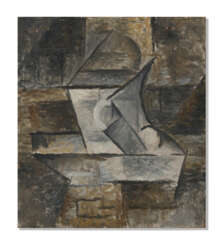

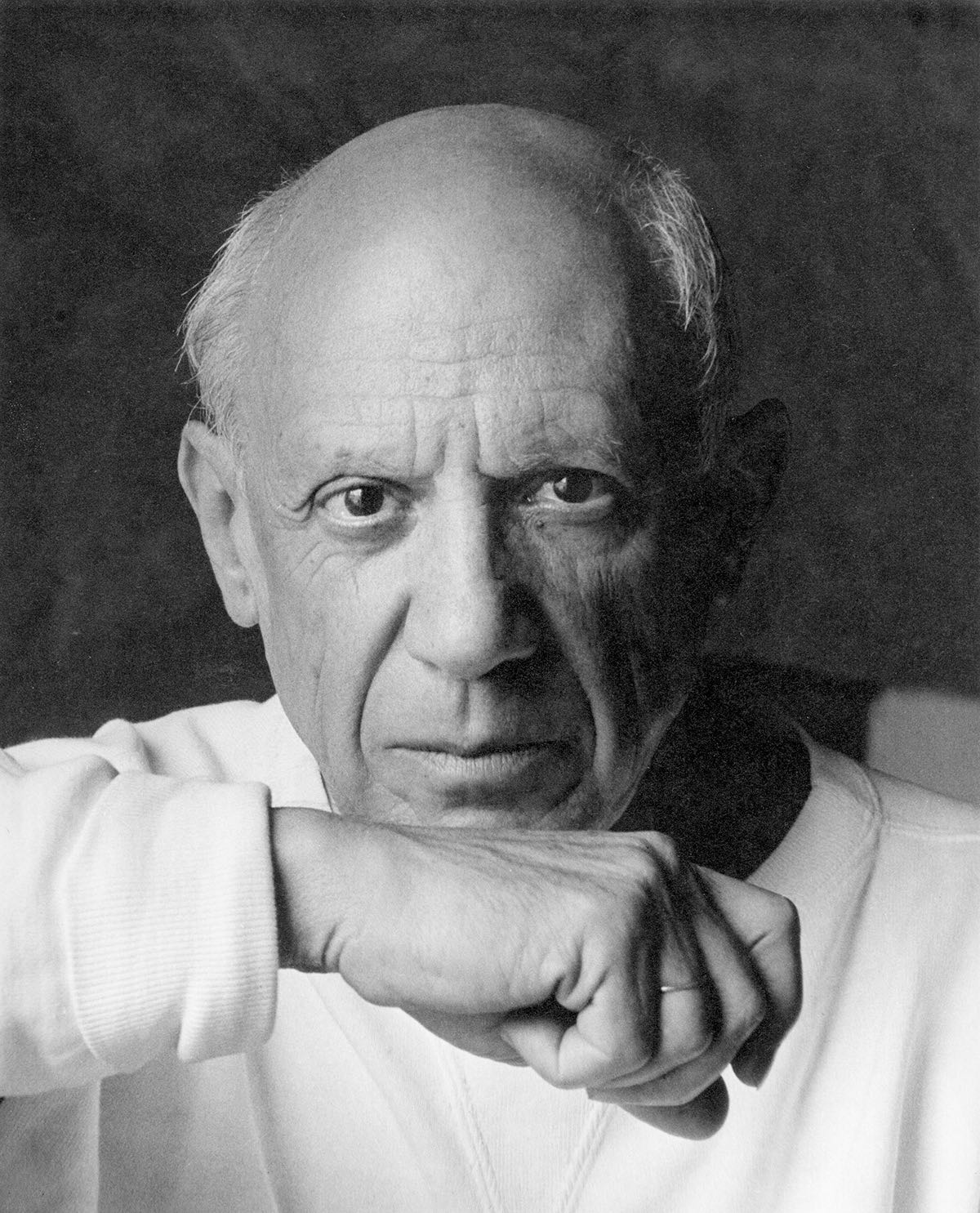
Pablo Ruiz Picasso, a Spanish artist renowned for his revolutionary contributions to the 20th-century art scene, is a figure that resonates profoundly with collectors and art experts. His unique blend of talents in painting, sculpture, printmaking, and ceramic art, infused with his time in France, positioned him as a pivotal character in modern art history.
Picasso's artistic journey was marked by distinct periods, each showcasing his evolving style and genius. His early years were characterized by the Blue Period (1901-1904), followed by the Rose Period (1904-1906), and then the African-influenced Period (1907-1909). Picasso's name is synonymous with Cubism, a movement he co-founded, which significantly altered artistic perspectives and methods. Works like "Les Demoiselles d'Avignon" (1907) and "Guernica" (1937) are emblematic of his cubist legacy, the latter being a poignant anti-war statement that remains influential.
His later years saw a return to more traditional styles, with neoclassical and surrealist influences becoming evident. Works from these phases reflect a deep engagement with mythological themes, as seen in "Faun with Stars" (1955), symbolizing his late-life romance with Jacqueline Roque, his second wife.
Picasso's prolific output and innovative spirit made him a legend in his own time, a status that only grew after his death. His works, housed in major museums and private collections worldwide, continue to captivate and inspire.
As a collector or expert in art and antiques, staying informed about Picasso's works, their auction events, and sales is essential. To stay updated on the latest developments and opportunities related to Pablo Picasso, sign up for our specialized updates. Rest assured, this subscription will focus solely on new product sales and auction events pertaining to Picasso's art, ensuring that you receive only the most relevant and valuable information.
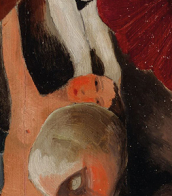


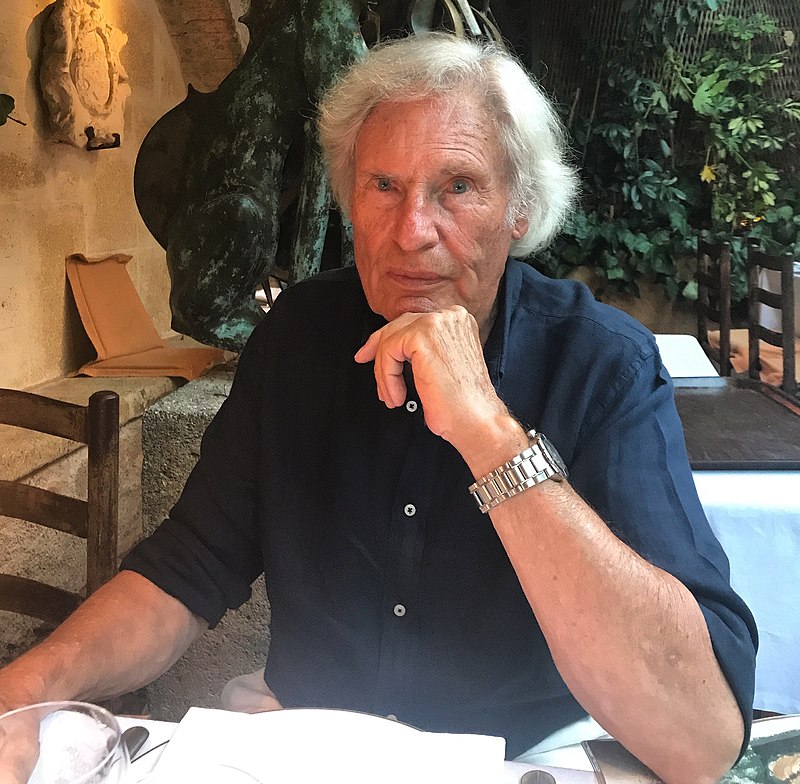
Peter Klasen is a German contemporary sculptor, painter and photographer living in France.
Klasen's work has been exhibited in numerous countries and bought by renowned museums and collections. He has received commissions for frescoes in public buildings in France. Daniel Sibony wrote of Klasen's visual world that it "celebrates our modern, highly mechanised, sterile society in order to denounce, as it were, its inhuman coolness and threatening emptiness." With his works, Klasen leads the viewer "to a hopeless and uncompromising confrontation with the brutal reality of today's society.