ce n'est pas la peine de


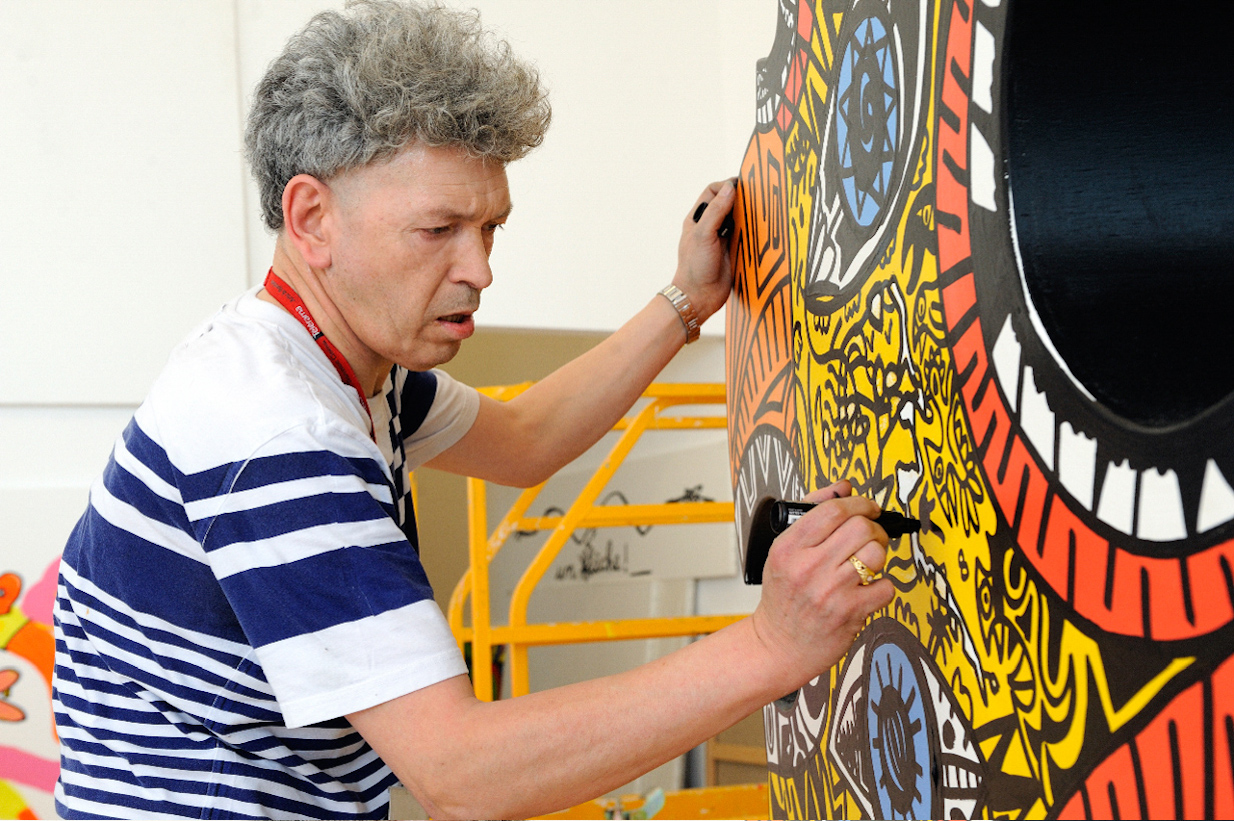
Robert Combas is a French painter and sculptor. He lives and works in Paris.
He is widely recognized as a progenitor of the figuration libre movement that began in Paris around 1980 as a reaction to the art establishment in general and minimalism and conceptual art in particular.
Figuration libre is often regarded as having roots in Fauvism and Expressionism and is linked to contemporary movements such as Bad Painting and Neo-expressionism. It draws on pop cultural influences such as graffiti, cartoons and rock music in an attempt to produce a more varied, direct and honest reflection of contemporary society, often satirizing or critiquing its excesses.






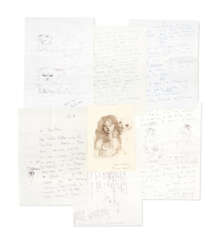

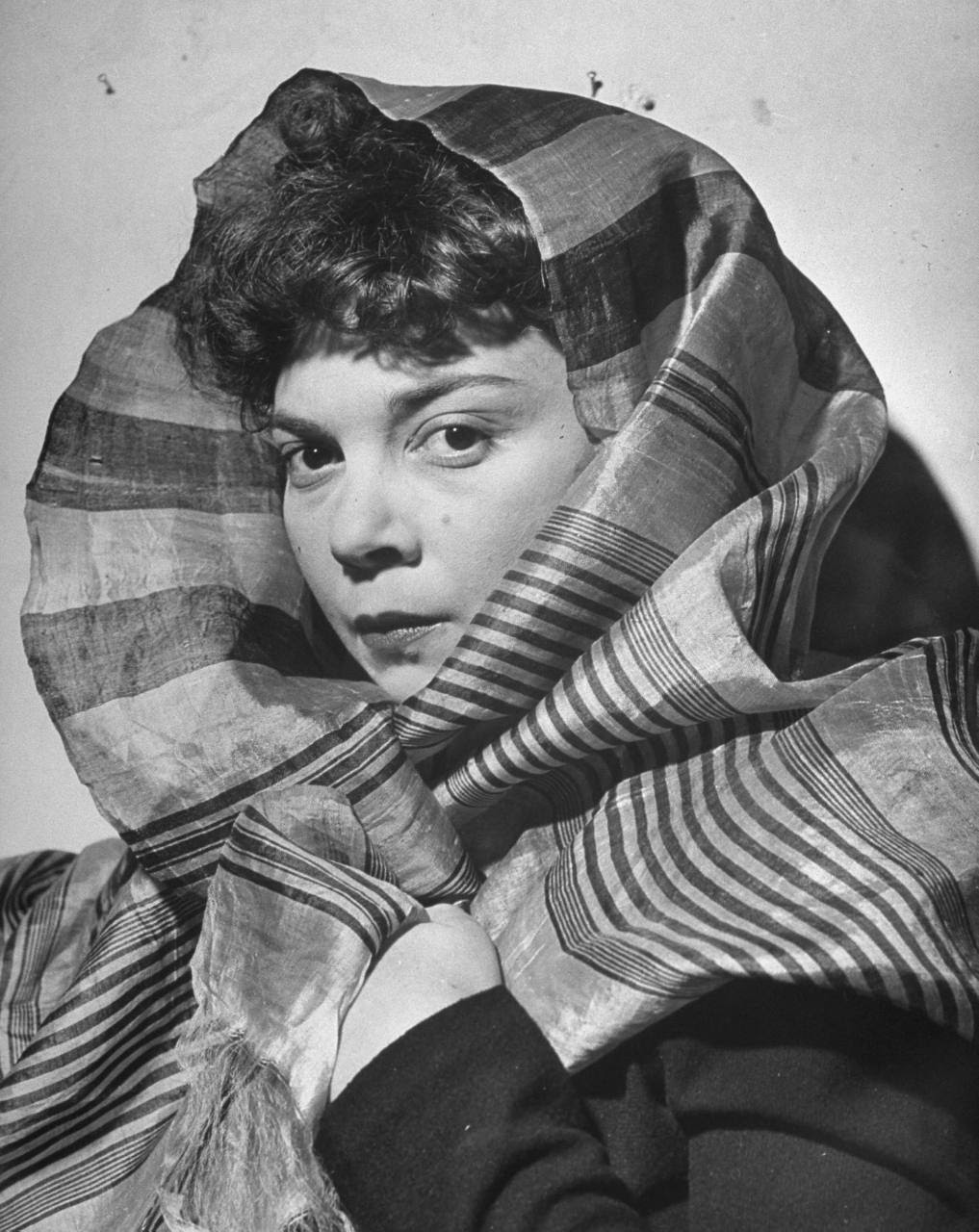
Leonor Fini was an Argentinian born Italian surrealist painter, designer, illustrator, and author, known for her depictions of powerful and erotic women.


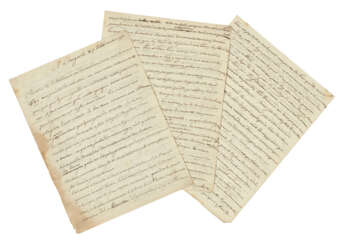
![[NAPOLÉON BONAPARTE, EMPEREUR DES FRANÇAIS (1769-1821)] et Joseph-Henri FLACON-ROCHELLE (1781-1834)](/assets/image/picture_3601381/567e7/t5thljtyjvssfc78c1kjb8detdr9sa9z6b0dfgoakgbnhjolcihne22zzev91yqf1700205866jpg__fix_374_244.jpeg)
![[NAPOLÉON BONAPARTE, EMPEREUR DES FRANÇAIS (1769-1821)] et Joseph-Henri FLACON-ROCHELLE (1781-1834)](https://veryimportantlot.com/assets/image/picture_3601381/567e7/t5thljtyjvssfc78c1kjb8detdr9sa9z6b0dfgoakgbnhjolcihne22zzev91yqf1700205866jpg__fix_374_244.jpeg)
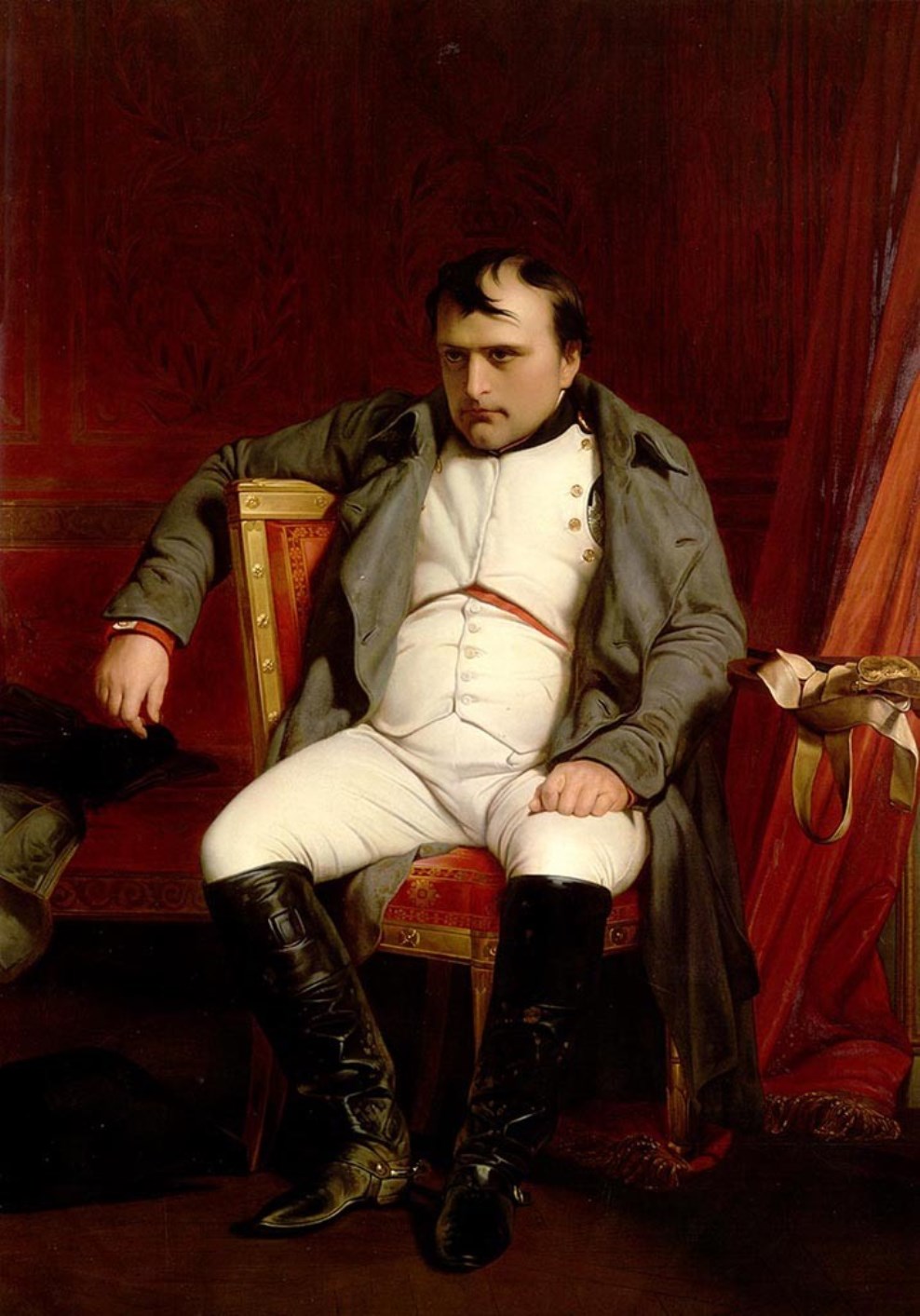
Napoleon I Bonaparte was a French statesman and military leader, Emperor of France (1804-1815).
Napoleon was born in the family of an ignorant Corsican nobleman, graduated from the Brienne military school, then the Paris military school. In 1785 he began military service in the rank of junior lieutenant of artillery in the Royal Army. From the first days of the Great French Revolution of 1789-1799 Bonaparte joined the political struggle on the island of Corsica, in 1792 in Valence joined the Jacobin Club and actively participated in all the turbulent political and military events.
In November 1799 Napoleon was at the head of a coup d'état: the government of the Directory was deposed, and the French Republic was headed by three consuls, the first of whom was Napoleon. In June 1804 Bonaparte was proclaimed Emperor Napoleon I of France, and in December a lavish coronation ceremony took place. After Italy recognized him as its king, in March 1805 he was also crowned in Milan.
With his rise to power, France entered a period of almost continuous warfare. Napoleon greatly expanded the territory of the empire, made most of the states of Western and Central Europe dependent on France. His brothers became kings: Joseph in Naples, Louis in Holland, and Jerome in Westphalia. In 1812, Napoleon made a campaign against Russia and even reached Moscow, but the Russian troops under the leadership of commander M.I. Kutuzov with the active support of all the people completely defeated the "invincible army". This military campaign was the beginning of the collapse of Napoleon's empire. The entry of the anti-French coalition troops into Paris in March 1814 forced Napoleon I to abdicate (April 6, 1814).
Napoleon retained the title of Emperor and was given possession of the island of Elba in the Mediterranean Sea. However, in March 1815, the deposed emperor at the head of a small detachment suddenly landed in the south of France and three weeks later, without a single shot entered Paris. But the emperor failed to live up to the hopes of the people of France, plus his defeat at the Battle of Waterloo all led to his second abdication. As a result, Napoleon Bonaparte was exiled to the island of St. Helena in the Atlantic Ocean, where he died on May 5, 1821.

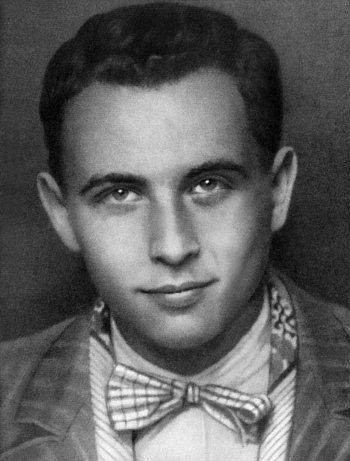
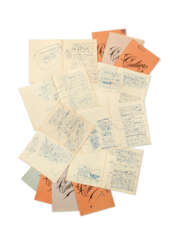

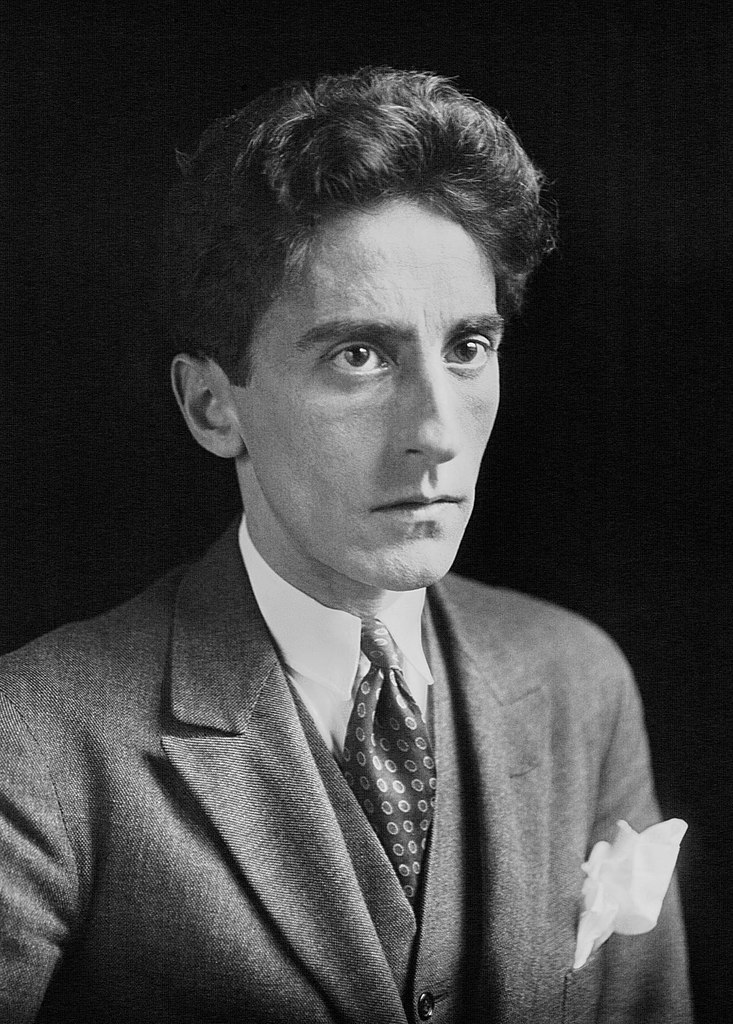
Jean Maurice Eugène Clément Cocteau was a French poet, playwright, novelist, designer, filmmaker, visual artist and critic. He was one of the foremost creatives of the surrealist, avant-garde, and Dadaist movements; and one of the most influential figures in early 20th-century art as a whole. The National Observer suggested that, “of the artistic generation whose daring gave birth to Twentieth Century Art, Cocteau came closest to being a Renaissance man.”
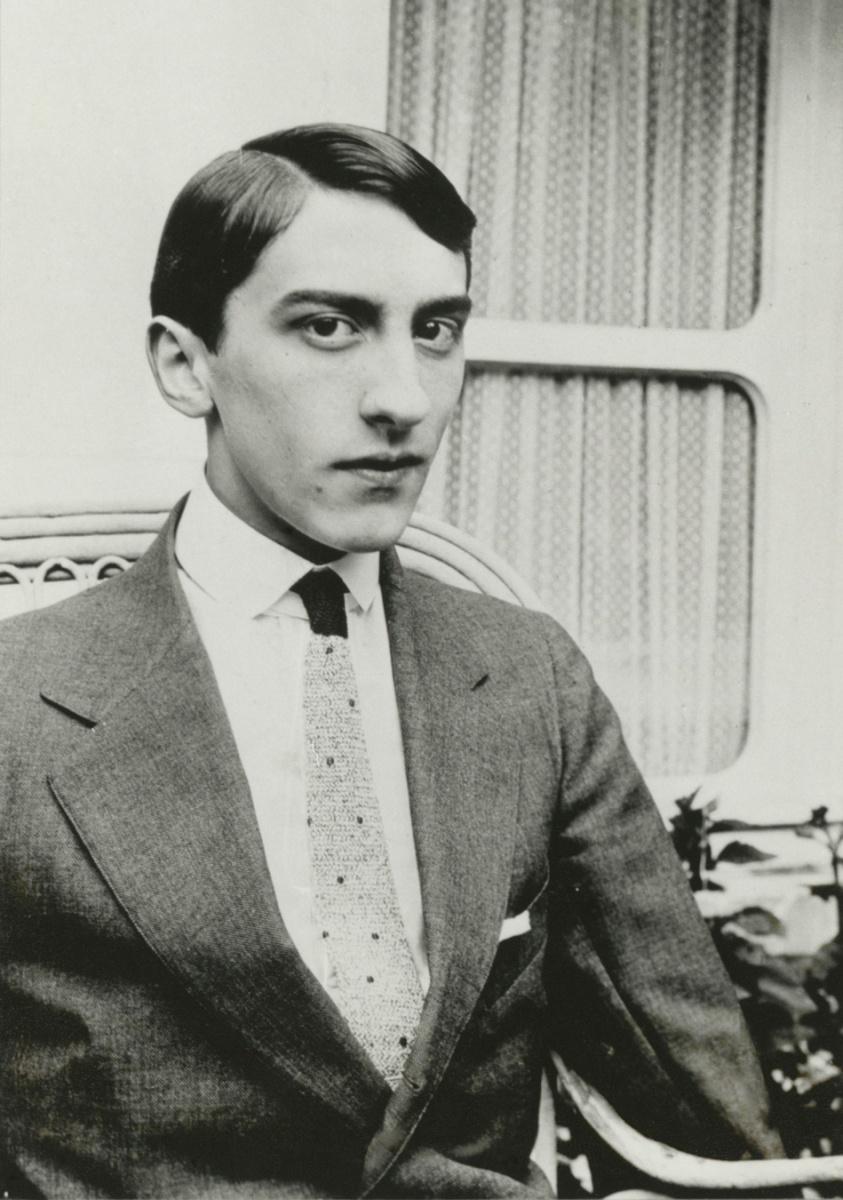

![[ENTRÉE MAGNIFIQUE].](/assets/image/picture_2735038/ccd82/b9b16a5104574eb426e8f68fd97f92361679526000jpg__fix_374_244.jpeg)
![[ENTRÉE MAGNIFIQUE].](https://veryimportantlot.com/assets/image/picture_2735038/ccd82/b9b16a5104574eb426e8f68fd97f92361679526000jpg__fix_374_244.jpeg)


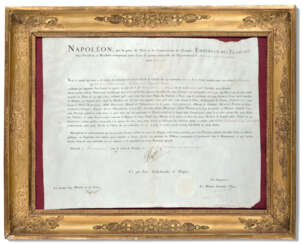

Napoleon I Bonaparte was a French statesman and military leader, Emperor of France (1804-1815).
Napoleon was born in the family of an ignorant Corsican nobleman, graduated from the Brienne military school, then the Paris military school. In 1785 he began military service in the rank of junior lieutenant of artillery in the Royal Army. From the first days of the Great French Revolution of 1789-1799 Bonaparte joined the political struggle on the island of Corsica, in 1792 in Valence joined the Jacobin Club and actively participated in all the turbulent political and military events.
In November 1799 Napoleon was at the head of a coup d'état: the government of the Directory was deposed, and the French Republic was headed by three consuls, the first of whom was Napoleon. In June 1804 Bonaparte was proclaimed Emperor Napoleon I of France, and in December a lavish coronation ceremony took place. After Italy recognized him as its king, in March 1805 he was also crowned in Milan.
With his rise to power, France entered a period of almost continuous warfare. Napoleon greatly expanded the territory of the empire, made most of the states of Western and Central Europe dependent on France. His brothers became kings: Joseph in Naples, Louis in Holland, and Jerome in Westphalia. In 1812, Napoleon made a campaign against Russia and even reached Moscow, but the Russian troops under the leadership of commander M.I. Kutuzov with the active support of all the people completely defeated the "invincible army". This military campaign was the beginning of the collapse of Napoleon's empire. The entry of the anti-French coalition troops into Paris in March 1814 forced Napoleon I to abdicate (April 6, 1814).
Napoleon retained the title of Emperor and was given possession of the island of Elba in the Mediterranean Sea. However, in March 1815, the deposed emperor at the head of a small detachment suddenly landed in the south of France and three weeks later, without a single shot entered Paris. But the emperor failed to live up to the hopes of the people of France, plus his defeat at the Battle of Waterloo all led to his second abdication. As a result, Napoleon Bonaparte was exiled to the island of St. Helena in the Atlantic Ocean, where he died on May 5, 1821.





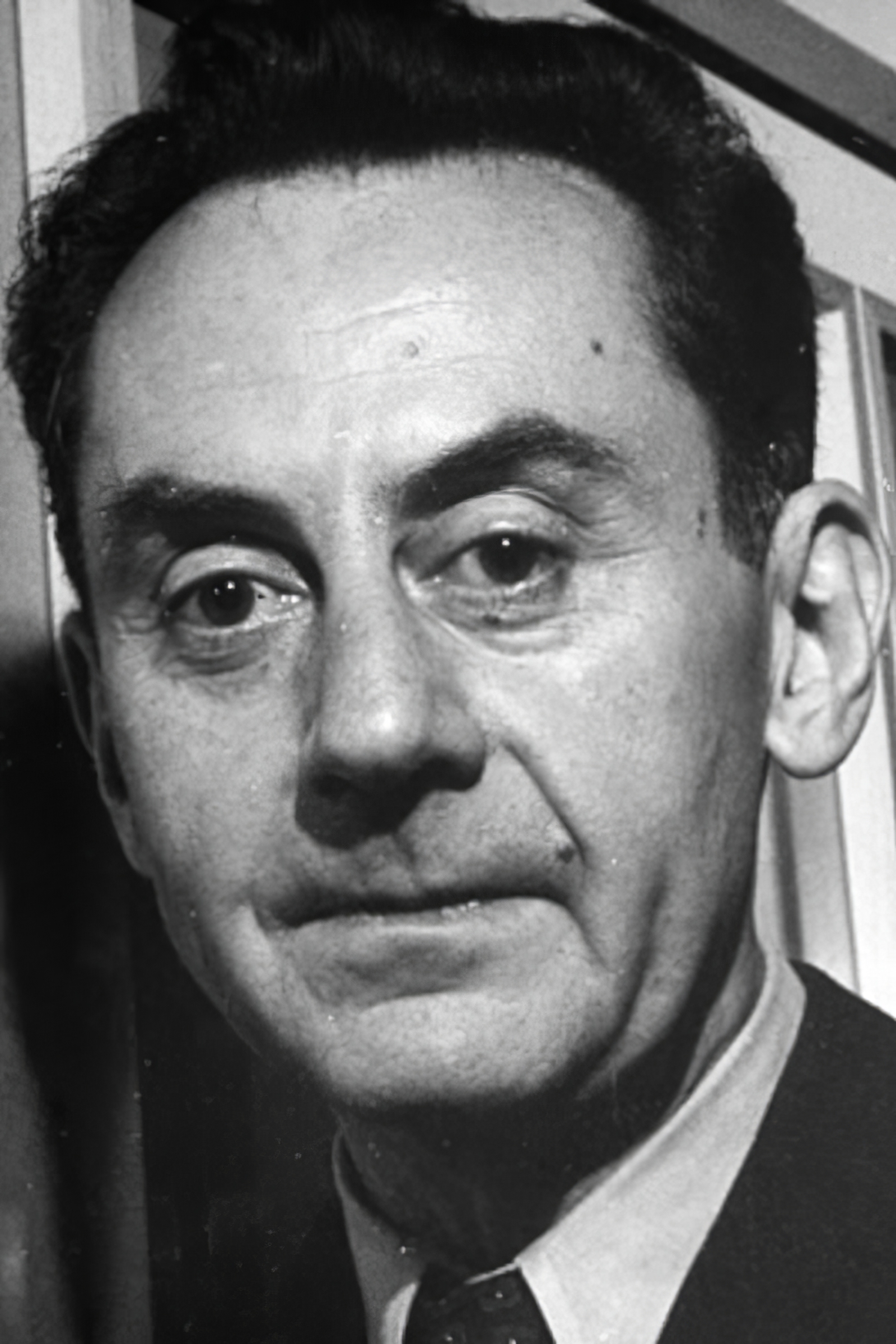
Man Ray, born Emmanuel Radnitzky, was an American visual artist who played a significant role in the Dada and Surrealist movements. His pioneering efforts in photography, alongside his work in painting and sculpture, have cemented his place as a major figure in modern art. Known for his innovative techniques and the ability to convey complex ideas through simple, striking visuals, Man Ray's contribution to the art world is profound.
Throughout his career, Man Ray was celebrated for his avant-garde approach and his ability to transcend traditional boundaries between different artistic mediums. His photography, characterized by experimental techniques such as solarization and rayographs (cameraless photographs), challenged conventional perceptions of photography as merely a means of representation. These artistic innovations made him a central figure in both Parisian and American art circles.
Man Ray's works are housed in some of the world's most prestigious museums and galleries, including the Museum of Modern Art in New York and the Centre Pompidou in Paris. His pieces, such as "Le Violon d'Ingres" and "Noire et Blanche," are iconic images that continue to influence artists today. His ability to blend the abstract with the realistic, and the humorous with the serious, has left a lasting legacy in the world of art.
For collectors and experts in art and antiques, the work of Man Ray offers a glimpse into the revolutionary changes that shaped the visual arts in the 20th century. His unique perspective and pioneering techniques continue to inspire and challenge those interested in the boundaries of creativity and expression.
If you're passionate about the avant-garde, or simply wish to explore the fascinating world of Man Ray further, sign up for our updates. You'll receive alerts on new product sales and auction events related to Man Ray, ensuring you never miss an opportunity to engage with the legacy of this extraordinary artist.
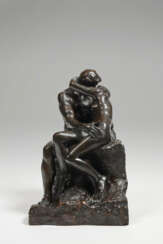

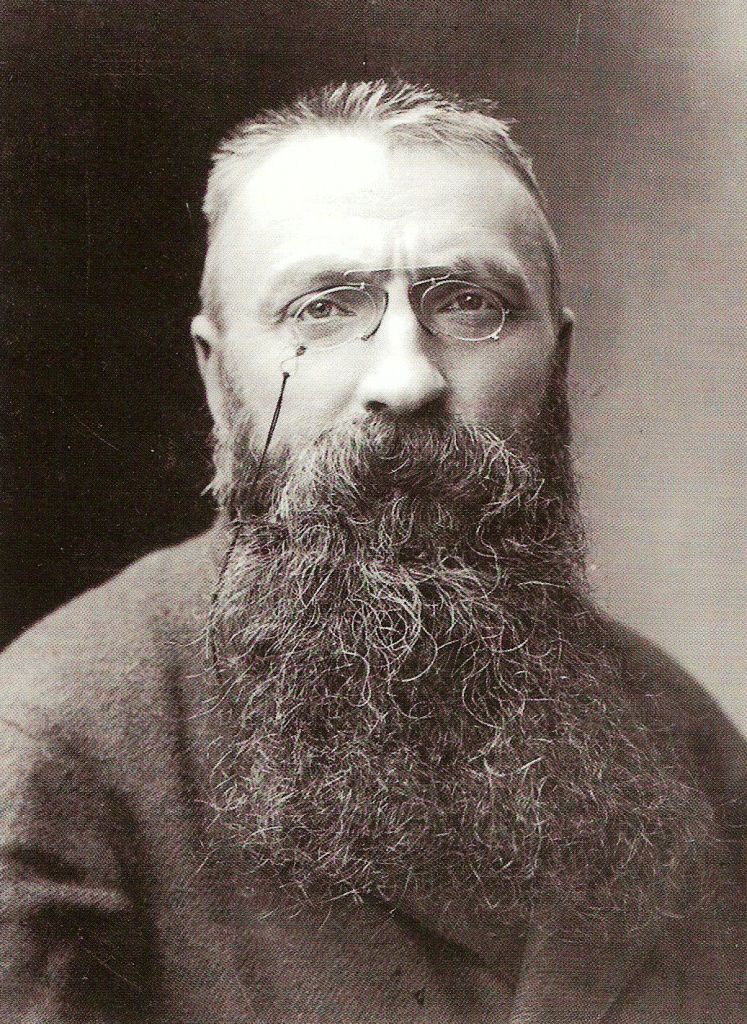
François Auguste René Rodin was a French sculptor, generally considered the founder of modern sculpture. He was schooled traditionally and took a craftsman-like approach to his work. Rodin possessed a unique ability to model a complex, turbulent, and deeply pocketed surface in clay. He is known for such sculptures as The Thinker, Monument to Balzac, The Kiss, The Burghers of Calais, and The Gates of Hell.
Many of Rodin's most notable sculptures were criticized, as they clashed with predominant figurative sculpture traditions in which works were decorative, formulaic, or highly thematic. Rodin's most original work departed from traditional themes of mythology and allegory. He modeled the human body with naturalism, and his sculptures celebrate individual character and physicality. Although Rodin was sensitive to the controversy surrounding his work, he refused to change his style, and his continued output brought increasing favor from the government and the artistic community.
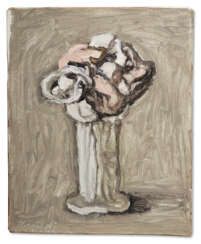

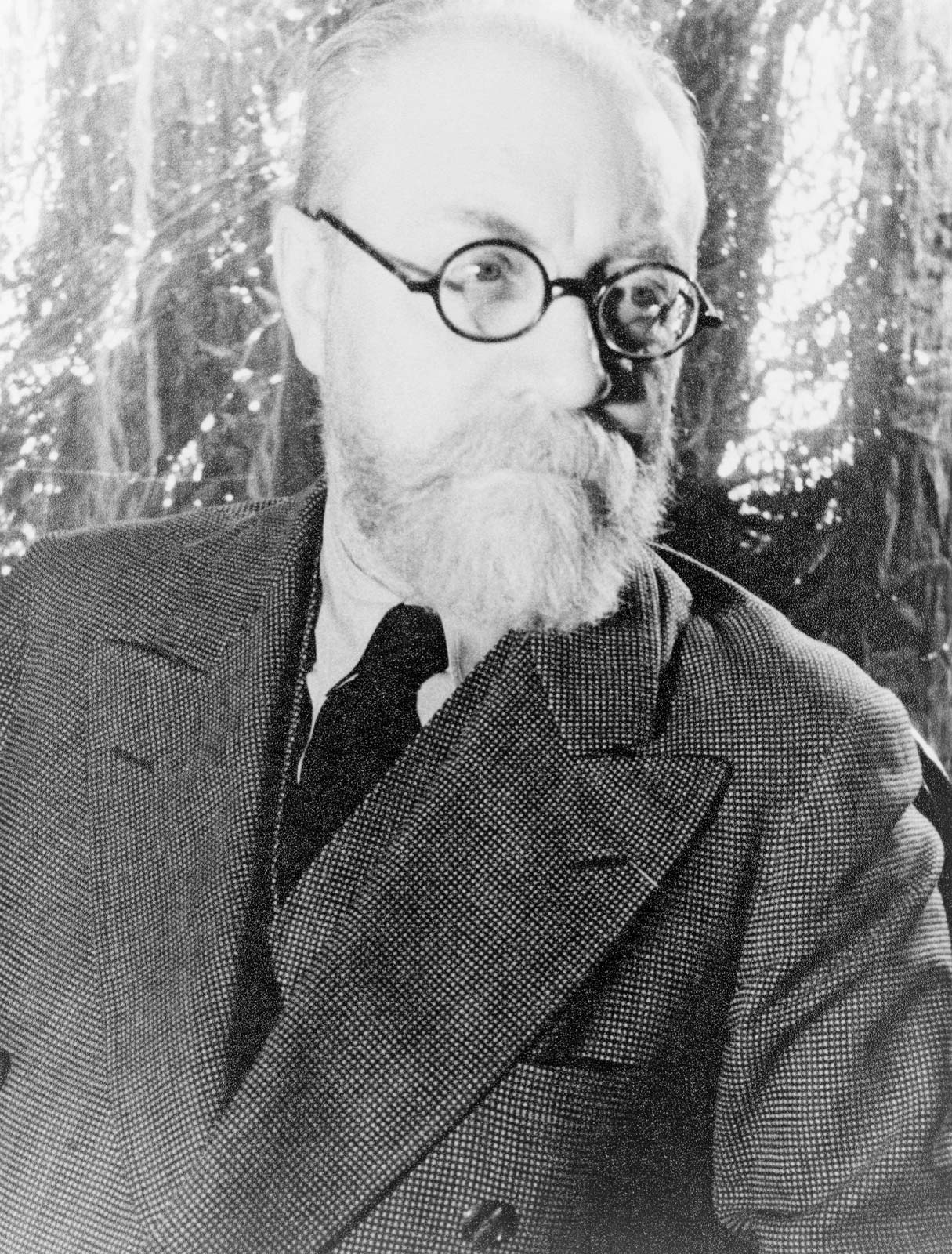
Henri Matisse, a renowned French visual artist, was celebrated for his vibrant use of color and fluid, original draughtsmanship. Born on December 31, 1869, in Le Cateau-Cambrésis, France, Matisse initially pursued a career in law before turning to art. He first began painting in 1889, a change inspired by convalescence art supplies his mother provided. This marked the beginning of a journey that would see him become a leading figure in modern art.
Matisse's career is notable for its stylistic evolution yet consistent aim to capture the "essential character of things." His early works, characterized by intense colorism, earned him recognition as one of the Fauves, or "wild beasts." The period from 1908 to 1913 was marked by significant developments, with works like "Reclining Odalisque" and "The Red Studio" showcasing his mastery in balance and serenity. In the 1920s, his style evolved to more relaxed forms, with a focus on light, color, and decorative patterns in paintings like his odalisque series.
Matisse's exploration of various mediums, including sculpture and paper collage, reflects his innovative spirit. His later years were dominated by cut paper collages, as health challenges limited his ability to paint. These works, alongside his bold drawings and sculptures, cemented his status as a pioneer in visual art.
For collectors and art experts, Matisse's work remains a testament to creative evolution and expressive use of color and form. His masterpieces can be found in prominent museums and galleries worldwide, continuing to inspire and fascinate art enthusiasts.
To stay updated on new product sales and auction events related to Henri Matisse's art, sign up for our updates. This subscription will keep you informed about opportunities to appreciate and acquire works connected to this iconic artist.
![[RIMBAUD, Arthur (1854-1891) & Paul VERLAINE (1844-1896)] - ...](/assets/image/picture_1077553/8de01/a474d9711db51328b7f4c9b2b8b1f5c81604358000jpg__fix_374_244.jpeg)
![[RIMBAUD, Arthur (1854-1891) & Paul VERLAINE (1844-1896)] - ...](https://veryimportantlot.com/assets/image/picture_1077553/8de01/a474d9711db51328b7f4c9b2b8b1f5c81604358000jpg__fix_374_244.jpeg)






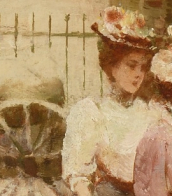
![[CUISINE PRINCIÈRE].](/assets/image/picture_2734554/c10ec/c9a4117ca317201c2330962667b08c751679526000jpg__fix_374_244.jpeg)
![[CUISINE PRINCIÈRE].](https://veryimportantlot.com/assets/image/picture_2734554/c10ec/c9a4117ca317201c2330962667b08c751679526000jpg__fix_374_244.jpeg)


Henri Matisse, a renowned French visual artist, was celebrated for his vibrant use of color and fluid, original draughtsmanship. Born on December 31, 1869, in Le Cateau-Cambrésis, France, Matisse initially pursued a career in law before turning to art. He first began painting in 1889, a change inspired by convalescence art supplies his mother provided. This marked the beginning of a journey that would see him become a leading figure in modern art.
Matisse's career is notable for its stylistic evolution yet consistent aim to capture the "essential character of things." His early works, characterized by intense colorism, earned him recognition as one of the Fauves, or "wild beasts." The period from 1908 to 1913 was marked by significant developments, with works like "Reclining Odalisque" and "The Red Studio" showcasing his mastery in balance and serenity. In the 1920s, his style evolved to more relaxed forms, with a focus on light, color, and decorative patterns in paintings like his odalisque series.
Matisse's exploration of various mediums, including sculpture and paper collage, reflects his innovative spirit. His later years were dominated by cut paper collages, as health challenges limited his ability to paint. These works, alongside his bold drawings and sculptures, cemented his status as a pioneer in visual art.
For collectors and art experts, Matisse's work remains a testament to creative evolution and expressive use of color and form. His masterpieces can be found in prominent museums and galleries worldwide, continuing to inspire and fascinate art enthusiasts.
To stay updated on new product sales and auction events related to Henri Matisse's art, sign up for our updates. This subscription will keep you informed about opportunities to appreciate and acquire works connected to this iconic artist.