eva & adele
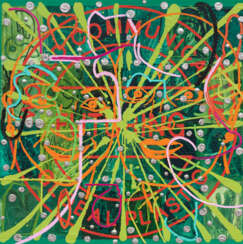

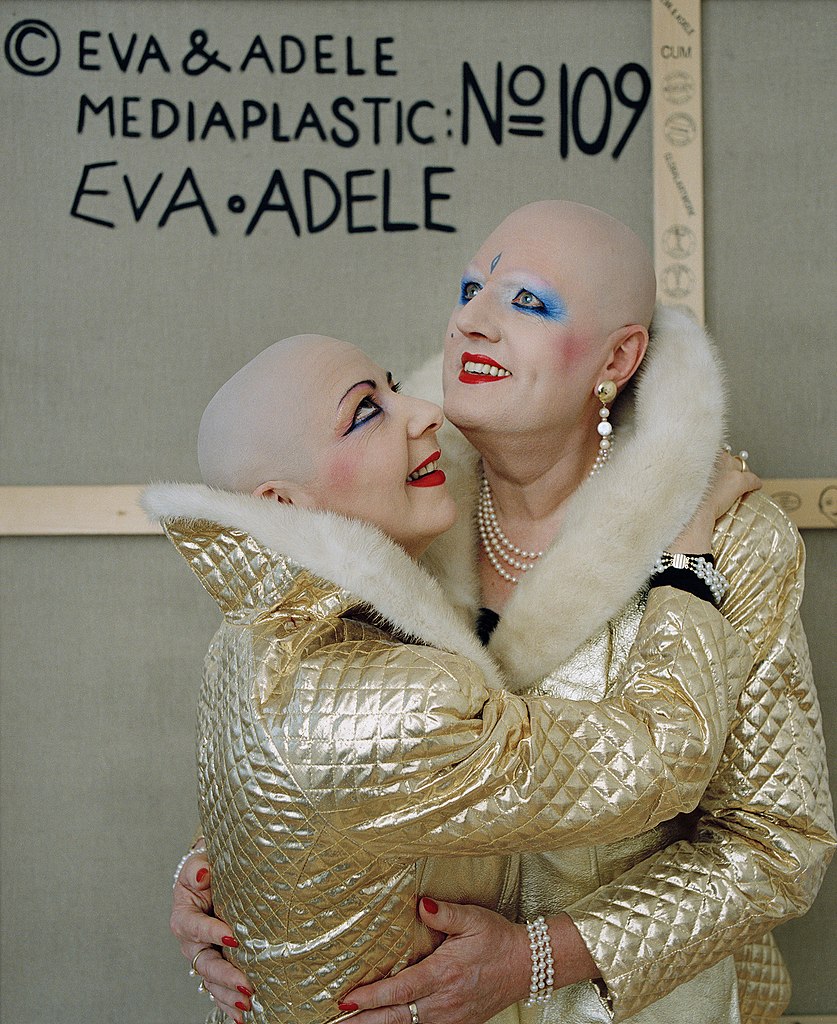
Eva & Adele are an artistic couple who claim to have "landed their time machines" in Berlin after the Wall fell in 1989, claiming to be "hermaphrodite twins from the future". Both refuse to tell their real name or age. They are famous mainly for sharing an invented gender, which is neither male nor female.
They are also known for their performance art, they have been represented by an art gallery since 1997, as they make paintings, video art, photography and costume design. They also have their own perfume line and a watch with Swatch.
They have been recognized as the world's longest running performance art duo and are often photographed as fashion icons at art events, like Art Basel Miami Beach and the Venice Biennale.
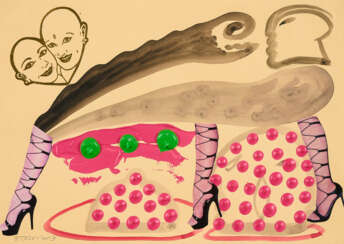

Eva & Adele are an artistic couple who claim to have "landed their time machines" in Berlin after the Wall fell in 1989, claiming to be "hermaphrodite twins from the future". Both refuse to tell their real name or age. They are famous mainly for sharing an invented gender, which is neither male nor female.
They are also known for their performance art, they have been represented by an art gallery since 1997, as they make paintings, video art, photography and costume design. They also have their own perfume line and a watch with Swatch.
They have been recognized as the world's longest running performance art duo and are often photographed as fashion icons at art events, like Art Basel Miami Beach and the Venice Biennale.


Eva & Adele are an artistic couple who claim to have "landed their time machines" in Berlin after the Wall fell in 1989, claiming to be "hermaphrodite twins from the future". Both refuse to tell their real name or age. They are famous mainly for sharing an invented gender, which is neither male nor female.
They are also known for their performance art, they have been represented by an art gallery since 1997, as they make paintings, video art, photography and costume design. They also have their own perfume line and a watch with Swatch.
They have been recognized as the world's longest running performance art duo and are often photographed as fashion icons at art events, like Art Basel Miami Beach and the Venice Biennale.


Eva & Adele are an artistic couple who claim to have "landed their time machines" in Berlin after the Wall fell in 1989, claiming to be "hermaphrodite twins from the future". Both refuse to tell their real name or age. They are famous mainly for sharing an invented gender, which is neither male nor female.
They are also known for their performance art, they have been represented by an art gallery since 1997, as they make paintings, video art, photography and costume design. They also have their own perfume line and a watch with Swatch.
They have been recognized as the world's longest running performance art duo and are often photographed as fashion icons at art events, like Art Basel Miami Beach and the Venice Biennale.
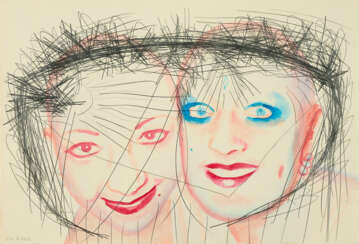

Eva & Adele are an artistic couple who claim to have "landed their time machines" in Berlin after the Wall fell in 1989, claiming to be "hermaphrodite twins from the future". Both refuse to tell their real name or age. They are famous mainly for sharing an invented gender, which is neither male nor female.
They are also known for their performance art, they have been represented by an art gallery since 1997, as they make paintings, video art, photography and costume design. They also have their own perfume line and a watch with Swatch.
They have been recognized as the world's longest running performance art duo and are often photographed as fashion icons at art events, like Art Basel Miami Beach and the Venice Biennale.
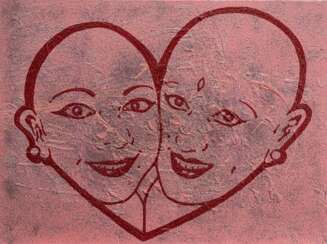

Eva & Adele are an artistic couple who claim to have "landed their time machines" in Berlin after the Wall fell in 1989, claiming to be "hermaphrodite twins from the future". Both refuse to tell their real name or age. They are famous mainly for sharing an invented gender, which is neither male nor female.
They are also known for their performance art, they have been represented by an art gallery since 1997, as they make paintings, video art, photography and costume design. They also have their own perfume line and a watch with Swatch.
They have been recognized as the world's longest running performance art duo and are often photographed as fashion icons at art events, like Art Basel Miami Beach and the Venice Biennale.


Eva & Adele are an artistic couple who claim to have "landed their time machines" in Berlin after the Wall fell in 1989, claiming to be "hermaphrodite twins from the future". Both refuse to tell their real name or age. They are famous mainly for sharing an invented gender, which is neither male nor female.
They are also known for their performance art, they have been represented by an art gallery since 1997, as they make paintings, video art, photography and costume design. They also have their own perfume line and a watch with Swatch.
They have been recognized as the world's longest running performance art duo and are often photographed as fashion icons at art events, like Art Basel Miami Beach and the Venice Biennale.


Eva & Adele are an artistic couple who claim to have "landed their time machines" in Berlin after the Wall fell in 1989, claiming to be "hermaphrodite twins from the future". Both refuse to tell their real name or age. They are famous mainly for sharing an invented gender, which is neither male nor female.
They are also known for their performance art, they have been represented by an art gallery since 1997, as they make paintings, video art, photography and costume design. They also have their own perfume line and a watch with Swatch.
They have been recognized as the world's longest running performance art duo and are often photographed as fashion icons at art events, like Art Basel Miami Beach and the Venice Biennale.
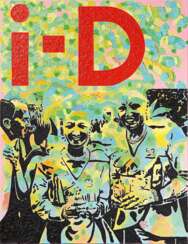

Eva & Adele are an artistic couple who claim to have "landed their time machines" in Berlin after the Wall fell in 1989, claiming to be "hermaphrodite twins from the future". Both refuse to tell their real name or age. They are famous mainly for sharing an invented gender, which is neither male nor female.
They are also known for their performance art, they have been represented by an art gallery since 1997, as they make paintings, video art, photography and costume design. They also have their own perfume line and a watch with Swatch.
They have been recognized as the world's longest running performance art duo and are often photographed as fashion icons at art events, like Art Basel Miami Beach and the Venice Biennale.
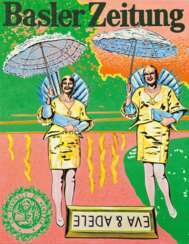

Eva & Adele are an artistic couple who claim to have "landed their time machines" in Berlin after the Wall fell in 1989, claiming to be "hermaphrodite twins from the future". Both refuse to tell their real name or age. They are famous mainly for sharing an invented gender, which is neither male nor female.
They are also known for their performance art, they have been represented by an art gallery since 1997, as they make paintings, video art, photography and costume design. They also have their own perfume line and a watch with Swatch.
They have been recognized as the world's longest running performance art duo and are often photographed as fashion icons at art events, like Art Basel Miami Beach and the Venice Biennale.
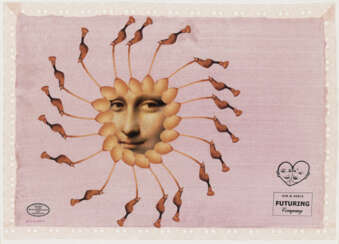

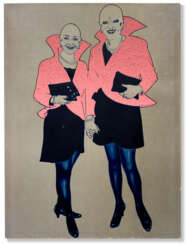

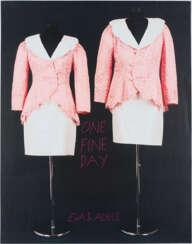

Eva & Adele are an artistic couple who claim to have "landed their time machines" in Berlin after the Wall fell in 1989, claiming to be "hermaphrodite twins from the future". Both refuse to tell their real name or age. They are famous mainly for sharing an invented gender, which is neither male nor female.
They are also known for their performance art, they have been represented by an art gallery since 1997, as they make paintings, video art, photography and costume design. They also have their own perfume line and a watch with Swatch.
They have been recognized as the world's longest running performance art duo and are often photographed as fashion icons at art events, like Art Basel Miami Beach and the Venice Biennale.





















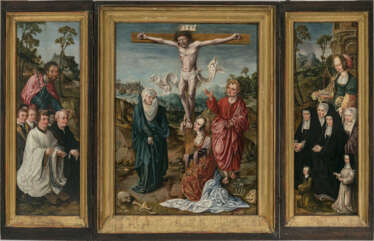
![Simonzio Lupi da Bergamo (fl. second half 16th century]](/assets/image/picture_2585848/2f871/d42c7c39c16a0f2d81202683e24196171670972400jpg__fix_374_244.jpeg)
![Simonzio Lupi da Bergamo (fl. second half 16th century]](https://veryimportantlot.com/assets/image/picture_2585848/2f871/d42c7c39c16a0f2d81202683e24196171670972400jpg__fix_374_244.jpeg)
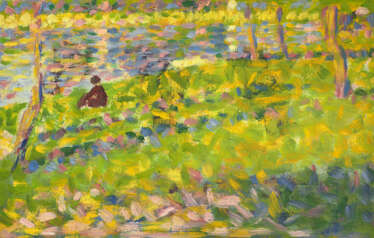

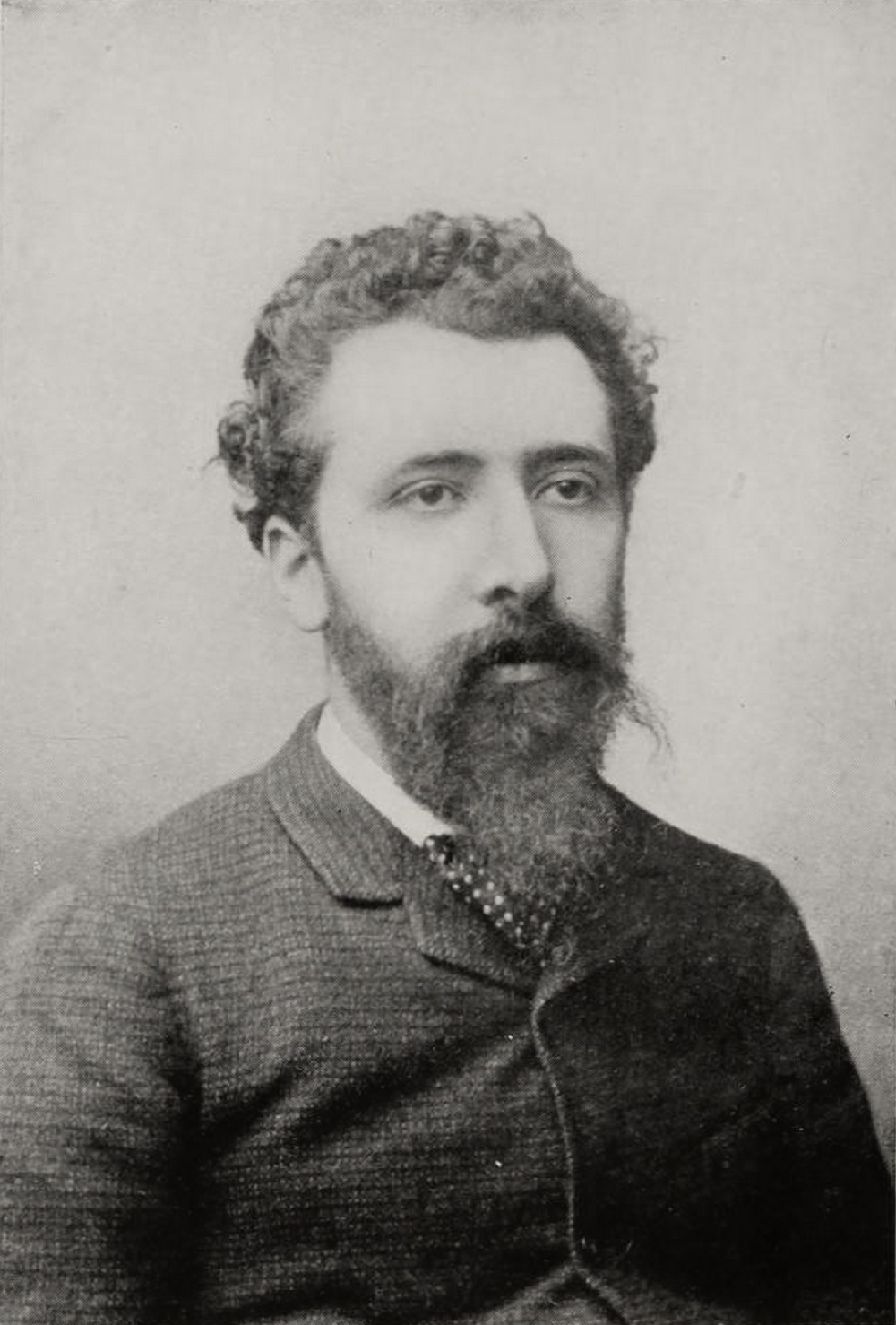
Georges Seurat was a French painter, renowned as the founder of the 19th-century French school of Neo-Impressionism. His groundbreaking technique, Pointillism, involved the use of tiny, contrasting color brushstrokes that, when viewed together, created a luminous quality in his compositions. Seurat's life was a blend of rigorous academic training and innovative artistic exploration.
Born on December 2, 1859, in Paris, Seurat demonstrated an early interest in art. He received formal training at the École des Beaux-Arts under Henri Lehmann, a disciple of the Neo-Classical painter Ingres, where he honed his skills in drawing and composition. Seurat was deeply influenced by color theories and the science of optics, which became central to his artistic approach. He was particularly inspired by the work of Michel-Eugène Chevreul and Ogden N. Rood, whose writings on color contrast and harmony greatly influenced his painting technique.
One of Seurat's most famous works, "A Sunday Afternoon on the Island of La Grande Jatte" (1884–1886), showcased his Pointillism technique. This painting, now housed in the Art Institute of Chicago, portrays members of different social classes engaged in various activities in a park setting. The work is notable for its use of small, juxtaposed dots of multi-colored paint, which allow the viewer's eye to blend colors optically. This technique was a significant departure from the traditional methods of color mixing on the canvas.
Another notable work by Seurat is "Bathers at Asnières" (1884), displayed at the National Gallery in London. This large canvas depicts young men relaxing by the Seine in a working-class suburb of Paris. The painting reflects Seurat's neoclassical training, with its smooth, simplified textures and carefully outlined figures.
Seurat's final painting, "The Circus" (1890-91), represents a shift to a more dynamic representation of movement and is typical of his late style. Unfortunately, Seurat's life was cut short when he died suddenly in March 1891, leaving "The Circus" unfinished. This painting is now part of the collection at the Musée d'Orsay in Paris.
Seurat's innovative techniques and his exploration of color theory and optics had a lasting impact on the art world, influencing subsequent generations of artists. His work remains a testament to the fusion of scientific principles with artistic expression, making him a pivotal figure in the transition from Impressionism to Post-Impressionism and modern art.
For those captivated by the genius of Georges Seurat and his revolutionary art, there's an exclusive opportunity waiting for you. By signing up for our updates, you'll be the first to know about new product sales and auction events related to Seurat's works and legacy. This subscription is tailored for enthusiasts, collectors, and experts in the field of art and antiques, ensuring you receive only the most relevant and curated information. Don't miss out on the chance to enhance your collection and deepen your understanding of Seurat's impact on the art world. Sign up now and stay ahead in the world of fine art and antiques.


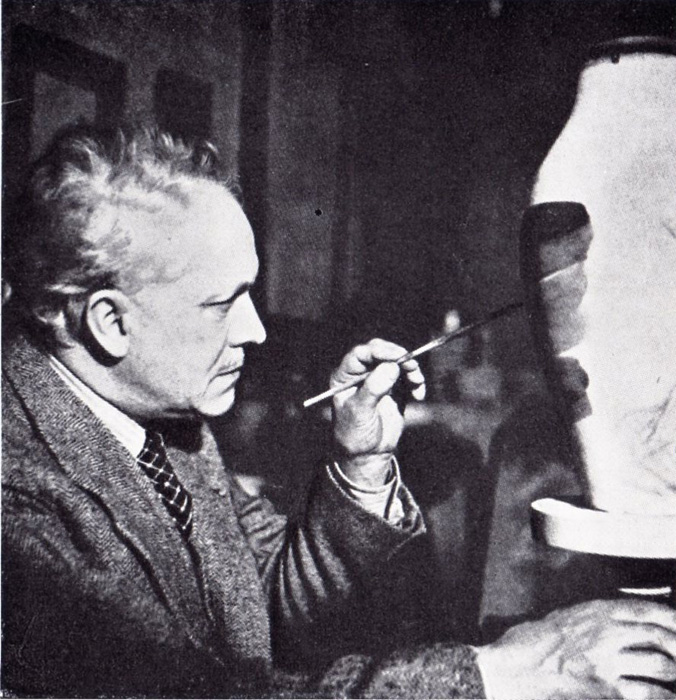
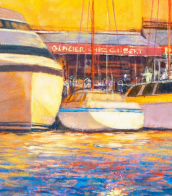
Raoul Dufy, a renowned French artist, is celebrated for his vibrant and decorative style, which left a significant mark in the realms of Fauvism and Post-Impressionism. Born in 1877 in Le Havre, France, Dufy's artistic journey was profoundly influenced by Henri Matisse's Fauvist work "Luxe, Calme et Volupté," which he encountered at the Salon des Indépendants in 1905. This experience steered him towards Fauvism, a style that emphasized bold contours and bright colors.
Dufy's artistic evolution saw him briefly embrace Cubism around 1920, after which he developed a unique approach. This approach, often referred to as stenographic, was characterized by skeletal structures, foreshortened perspectives, and the use of thin, quickly applied washes of color. His works, known for their cheerful and fashionably decorative nature, often depicted scenes of leisure like yachting, the French Riviera, and chic parties, capturing the essence of the period's optimism.
In addition to his painting, Dufy was also a commercial artist, illustrator, and designer, contributing significantly to textile design and public murals. His large-scale public art commissions combined modern and allegorical subjects with exuberant outlines and intense colors, showcasing a modernist take on traditional mural work. Notable works by Dufy include "The Regatta," "The Harvester," and the monumental "The Electricity Fairy," a large mural commissioned for the 1937 World's Fair in Paris.
His works are housed in prestigious public collections worldwide, including the Art Institute of Chicago, the Musée d'Art Moderne de Paris, and the National Gallery of Art in Washington, D.C. Despite his artistic achievements, Dufy's focus on decorative art and the lack of engagement with wider social concerns has led to a varied critical reception of his work. Nonetheless, his contribution to 20th-century art, particularly in popularizing a vibrant and illustrative style, remains undisputed.
If Raoul Dufy's artistry captivates you and you wish to stay informed about the latest artworks, exhibitions, and auction events related to this remarkable artist, we invite you to sign up for our updates. By subscribing, you'll receive timely notifications about new pieces for sale and upcoming auctions. This is a wonderful opportunity for collectors and art enthusiasts to enhance their appreciation and possibly their collections of Dufy's work. Stay connected with the world of art and don't miss any chance to acquire unique pieces by this celebrated artist.


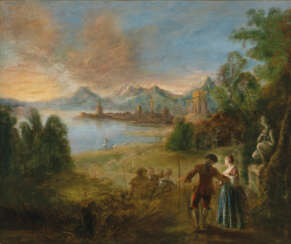

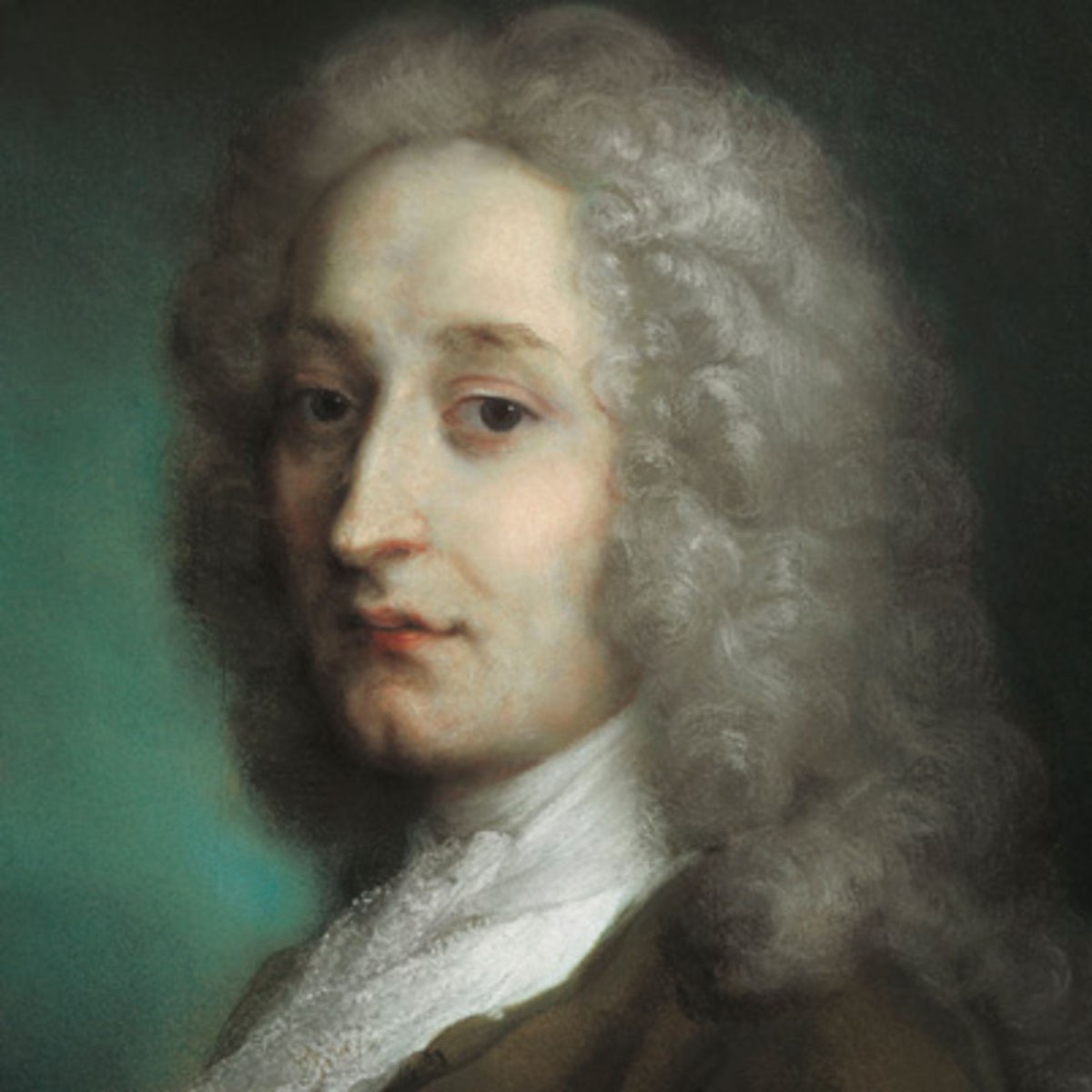
Jean-Antoine Watteau was a French painter and draughtsman whose brief career spurred the revival of interest in colour and movement, as seen in the tradition of Correggio and Rubens. He revitalized the waning Baroque style, shifting it to the less severe, more naturalistic, less formally classical, Rococo. Watteau is credited with inventing the genre of fêtes galantes, scenes of bucolic and idyllic charm, suffused with a theatrical air. Some of his best known subjects were drawn from the world of Italian comedy and ballet.
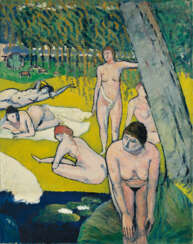

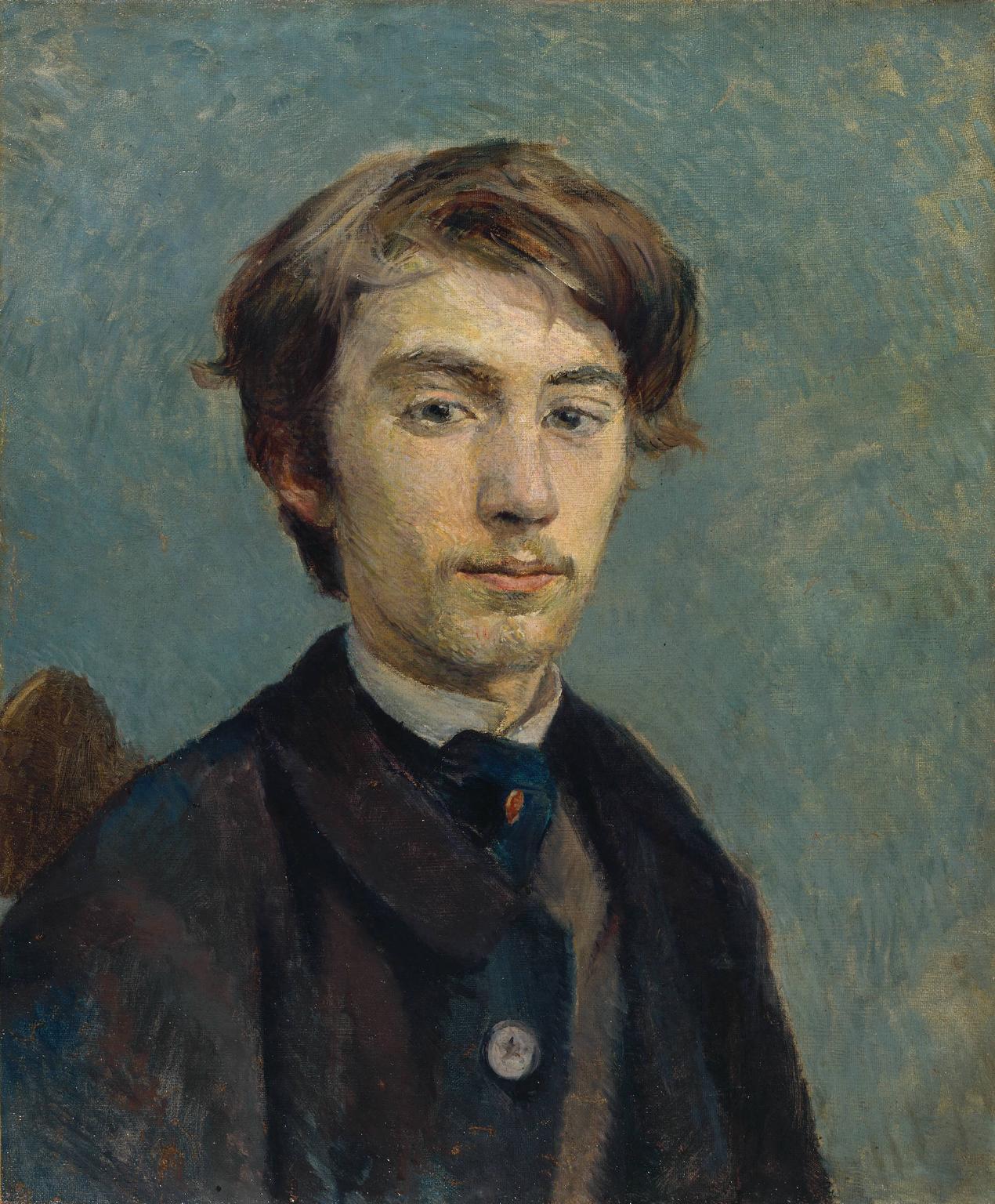
Émile Bernard, a French painter, was a significant figure in the Post-Impressionist movement. He is most famously associated with the development of Cloisonnism, a painting style characterized by bold outlines and flat, vivid color planes, and he played a role in Synthetism, a synthesis of forms and colors in art.
Bernard's artistic journey was influenced by his interactions with notable artists such as Paul Gauguin, Vincent van Gogh, and Louis Anquetin. His works, which often explored themes of symbolism and religious imagery, ranged from traditional paintings to engravings and illustrations. One of his notable works, "Madeleine au Bois d'Amour," is displayed at the Musée d'Orsay in Paris.
Despite his early success and influence, Bernard's artistic trajectory took a turn towards classicism later in life, distancing himself from the avant-garde styles he once embraced. His extensive travel experiences, particularly his time in Egypt, significantly impacted his art, leading to a broader range of stylistic elements in his later works.
To stay updated on the latest events and auctions related to Émile Bernard and his work, sign up for our newsletter. You'll receive timely alerts about new product sales and upcoming auction events related to Émile Bernard's art.

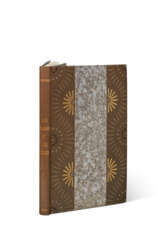

Paul Bonet, birth name Paul Joseph Ghislain Bonet, is a French bookbinder and bookbinding designer, Knight of the Legion of Honor.
Trained to make fashionable wooden mannequins, Paul Bonet worked in the fashion industry for several years and did not turn to bookbinding until 1920. His bright, colorful designs and prolific work made him famous. His first bindings were exhibited in 1925 at the Gallière Museum, then at the French Book Arts Exhibition, the Salon d'Automne and the Salon des Artistes Décoratifs, and his talent was recognized.
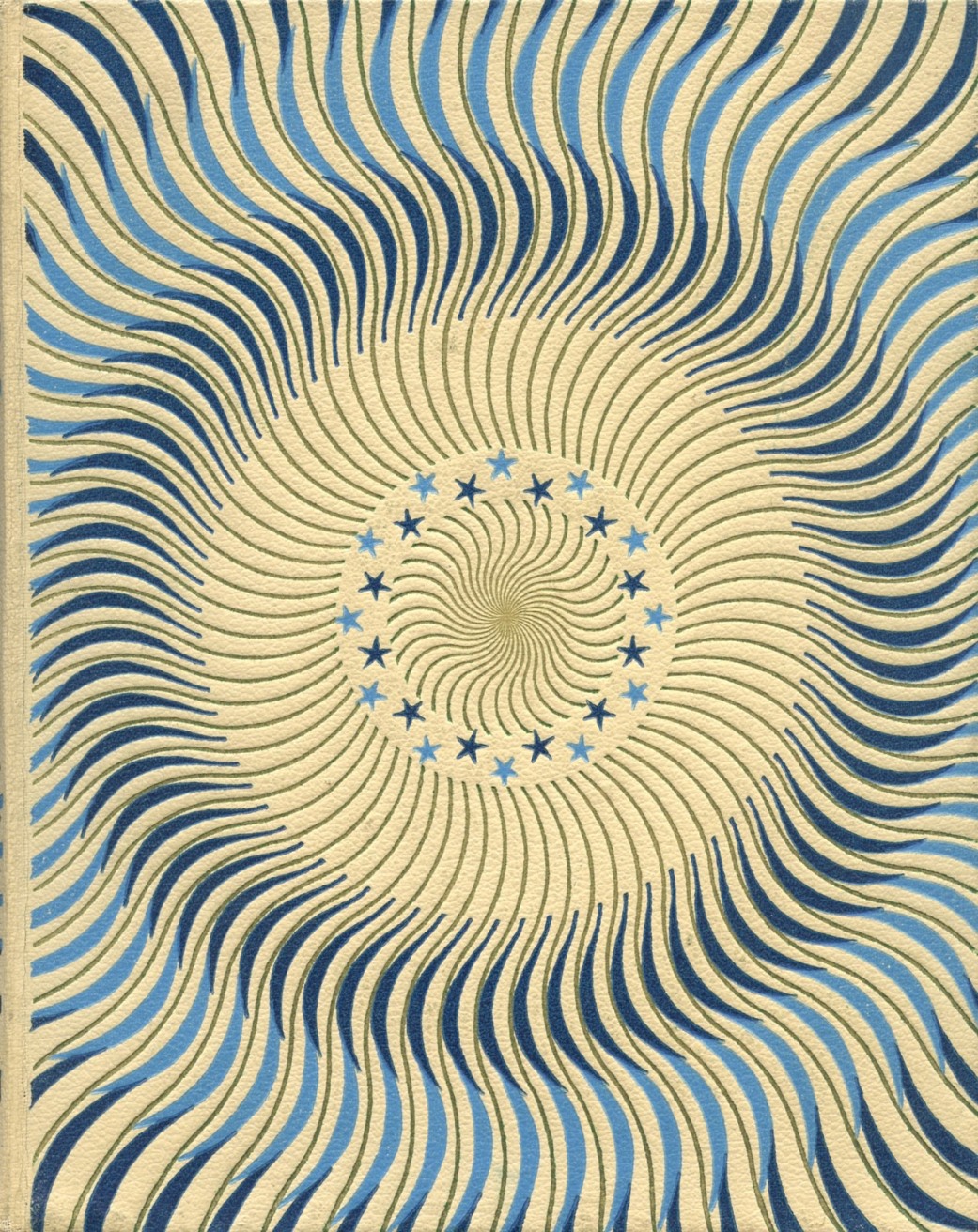
His decoration was particularly innovative. One of the great masters of French bookbinding, Paul Bonet became famous in the 1930s and 1940s for one of his signature patterns, "sunbeams." These patterns consist of many small lines with gold trim, carefully planned and giving the optical illusion of spatial depth.




.jpeg)
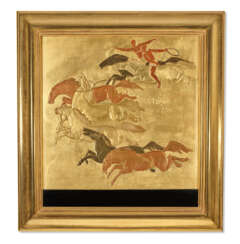
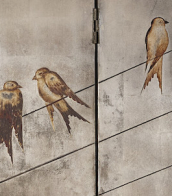
Jean Dunand was a Swiss and French painter, sculptor, metal craftsman and interior designer during the Art Deco period. He was particularly known for his lacquered screens and other art objects.



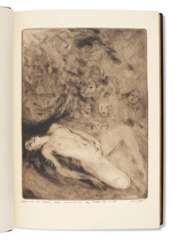

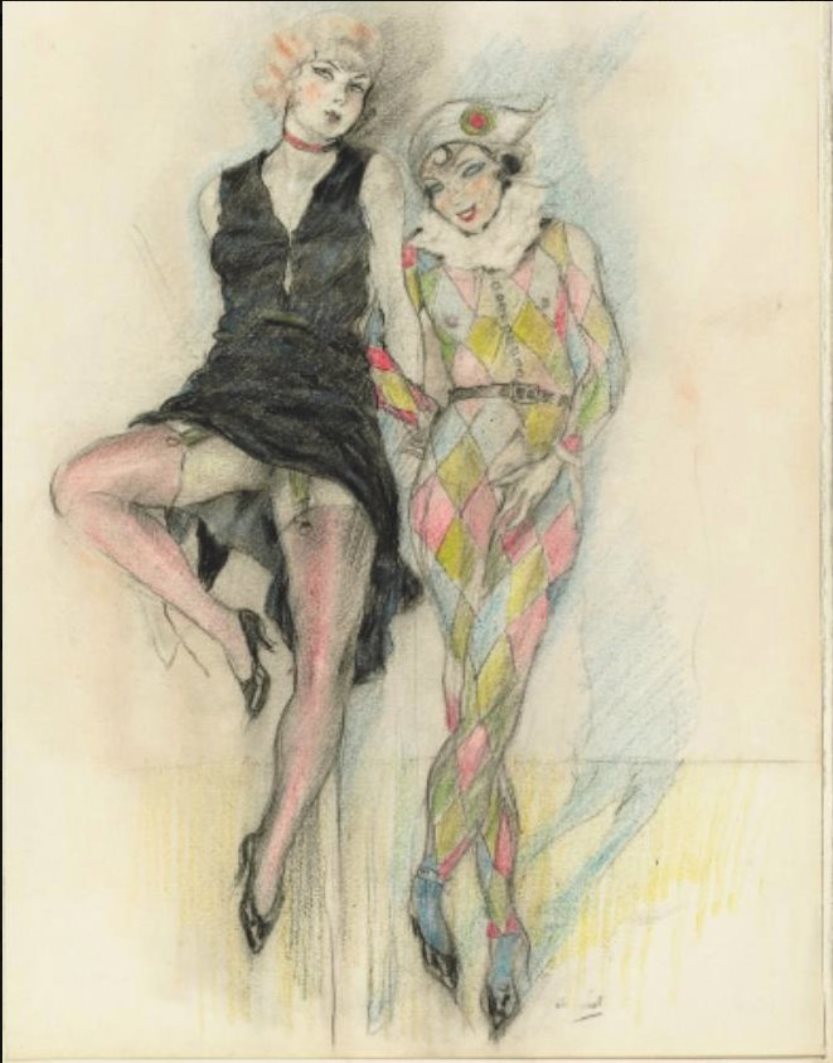
Edouard Chimot was a French Art Deco painter, illustrator and editor.
Edouard studied at the Ecole des Arts Décoratifs in Nice and then at the Ecole des Beaux-Arts in Lille. After the war, he was able to prove himself as an illustrator and master publisher. At the height of the Art Deco heyday, Chimot received a number of commissions to illustrate books with his original engravings, the first of which was the rare book Les Après-Midi de Montmartre with fourteen engravings by Chimot.
In 1920, Édouard Chimot founded his own publishing house, Éditions d'Art Édouard Chimot. Through this venture, he not only continued to create his own art, but also collaborated with other artists and writers to create high quality limited edition books, often with his distinctive illustrations. Édouard Chimot was associated with late Symbolist and decadent culture, and his own work is sometimes referred to as post-Symbolist. His collaborations with famous writers and poets, including Paul Verlaine and Charles Baudelaire, brought his illustrations to the forefront of the Art Nouveau movement.
With the collapse of the financial system in the early 1930s in Europe, the demand for luxury products also fell, but the artist continued to work, produce books and paint. Chimot's artistic style is characterized by sensuality and romanticism. He was an artist of the female figure, style, eroticism and embodied the essence of Art Deco imagery.

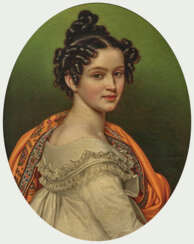

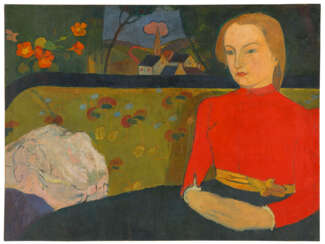

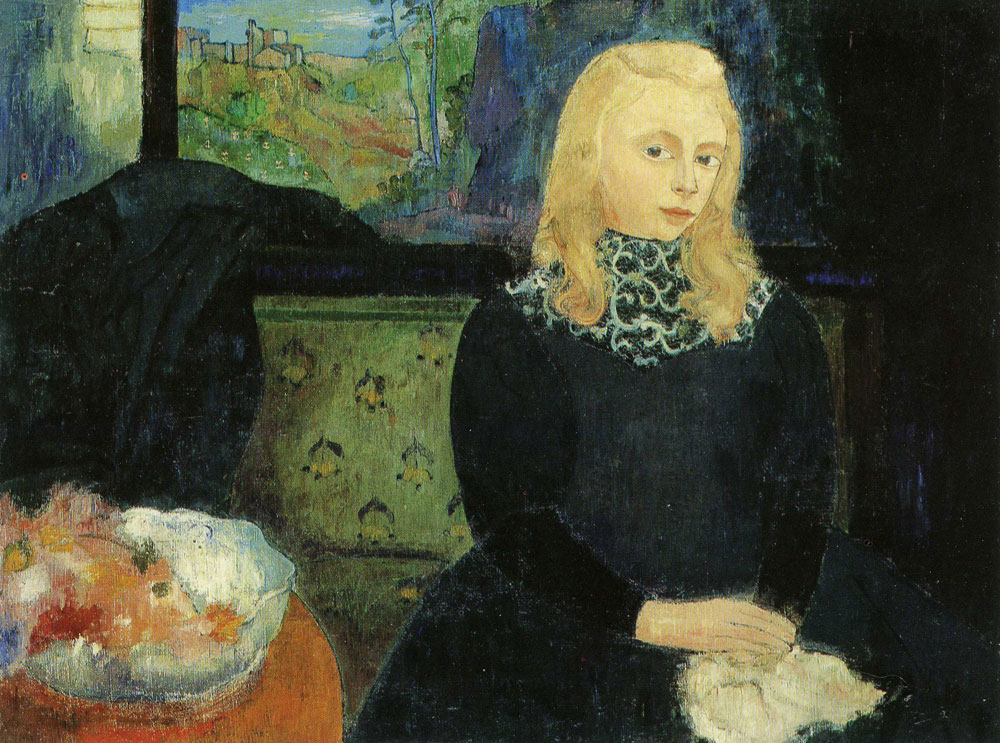






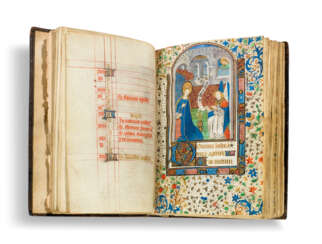

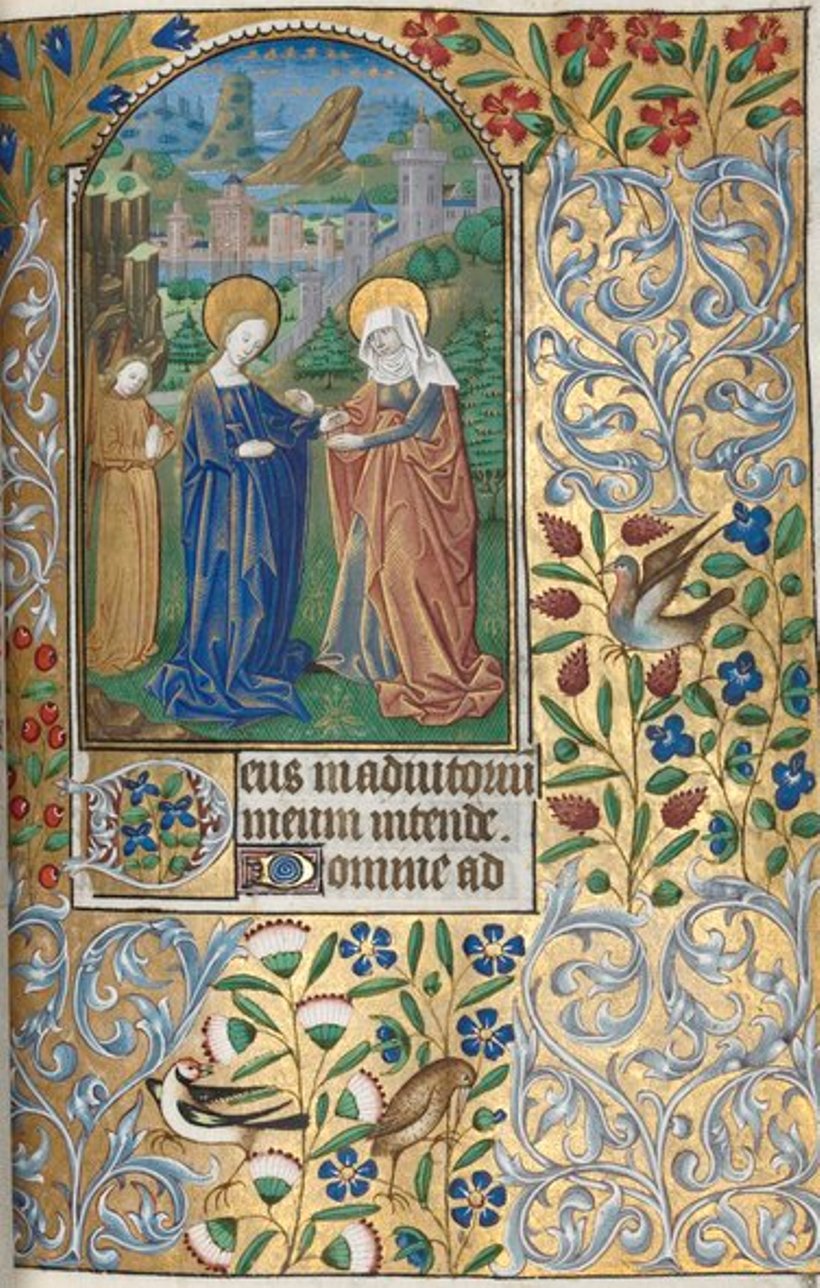
Master of the Rouen Échevinage was a French artist, one of the leading 15th-century Rouen illustrators, named after the magnificent manuscripts he painted for the Bibliothèque des Echevins in Rouen. He was active between the 1450s and 1480s.





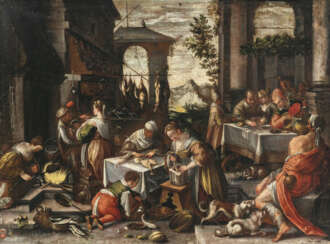

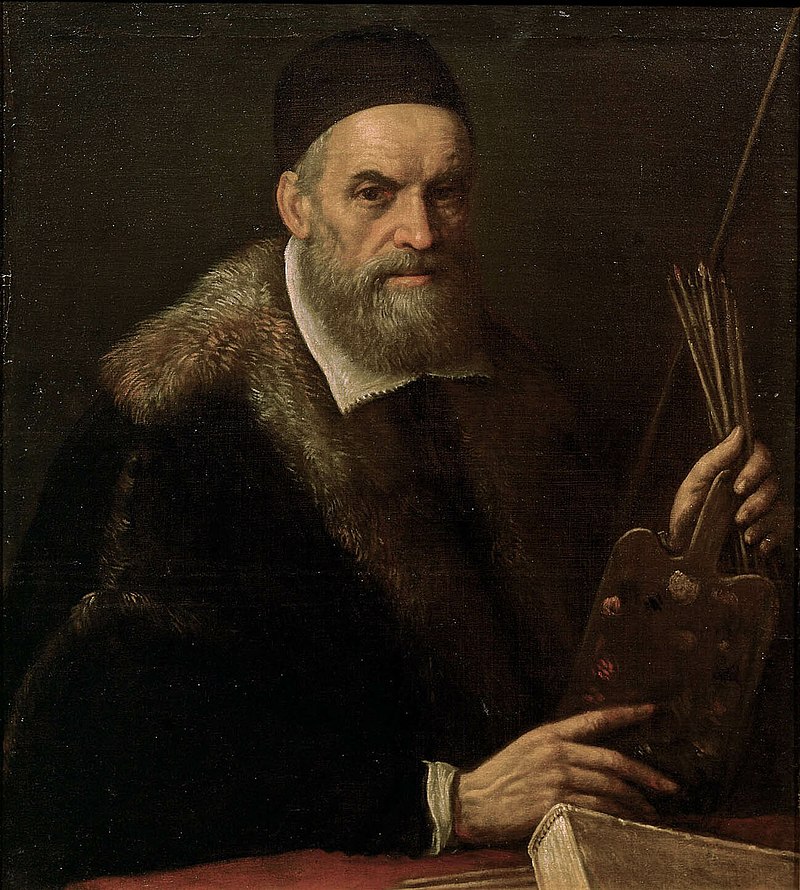
Jacopo Bassano, known also as Jacopo dal Ponte, was an Italian painter who was born and died in Bassano del Grappa near Venice, and took the village as his surname. Trained in the workshop of his father, Francesco the Elder, and studying under Bonifazio Veronese in Venice, he painted mostly religious paintings including landscape and genre scenes. He often treated biblical themes in the manner of rural genre scenes, portraying people who look like local peasants and depicting animals with real interest. Bassano's pictures were very popular in Venice because of their depiction of animals and nocturnal scenes. His four sons: Francesco Bassano the Younger, Giovanni Battista da Ponte, Leandro Bassano, and Girolamo da Ponte, also became artists and followed him closely in style and subject matter.


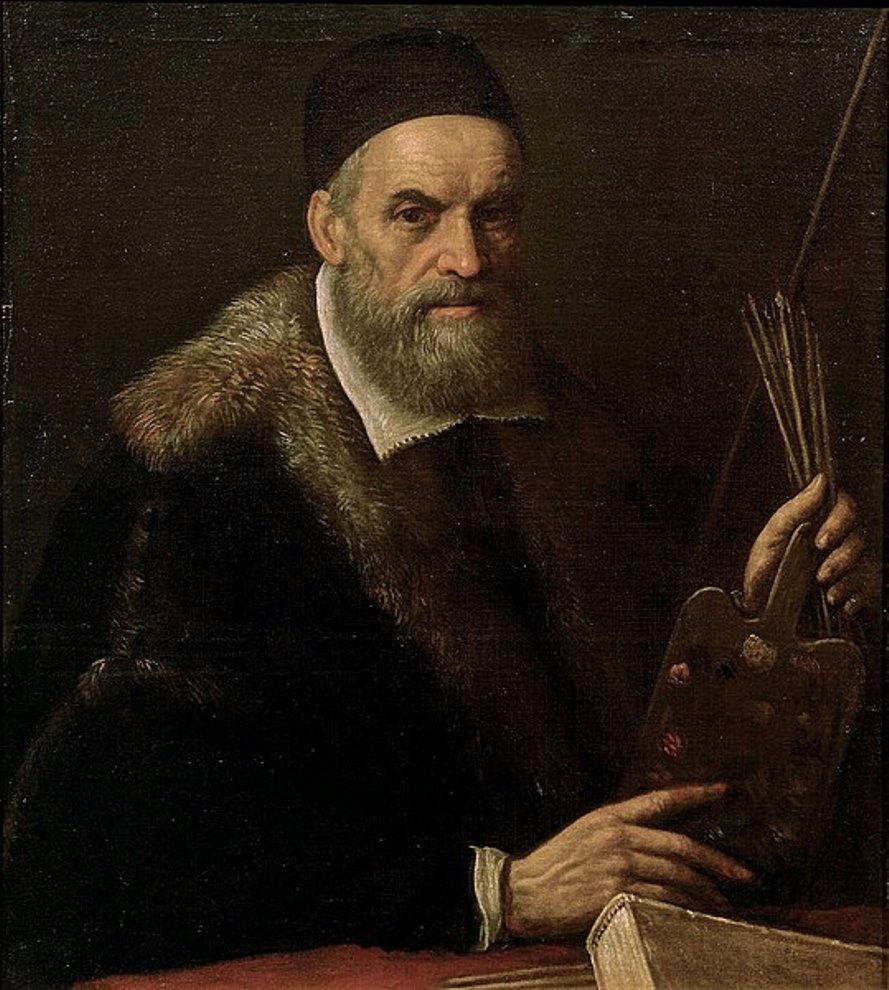
Jacopo Bassano or Jacopo da Ponte was an Italian painter of the Venetian school. He painted biblical scenes and portraits in the late Renaissance and Mannerist style, with a slight touch of Baroque. Bassano was quite realistic in his depictions of everyday objects, animals, homes and landscapes.
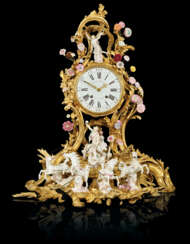

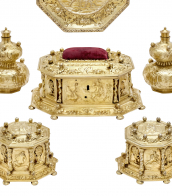
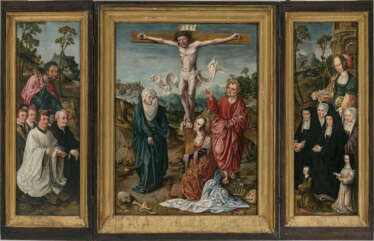

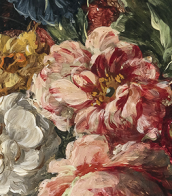
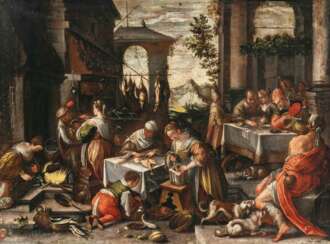

Jacopo Bassano or Jacopo da Ponte was an Italian painter of the Venetian school. He painted biblical scenes and portraits in the late Renaissance and Mannerist style, with a slight touch of Baroque. Bassano was quite realistic in his depictions of everyday objects, animals, homes and landscapes.

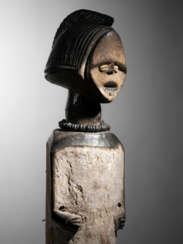



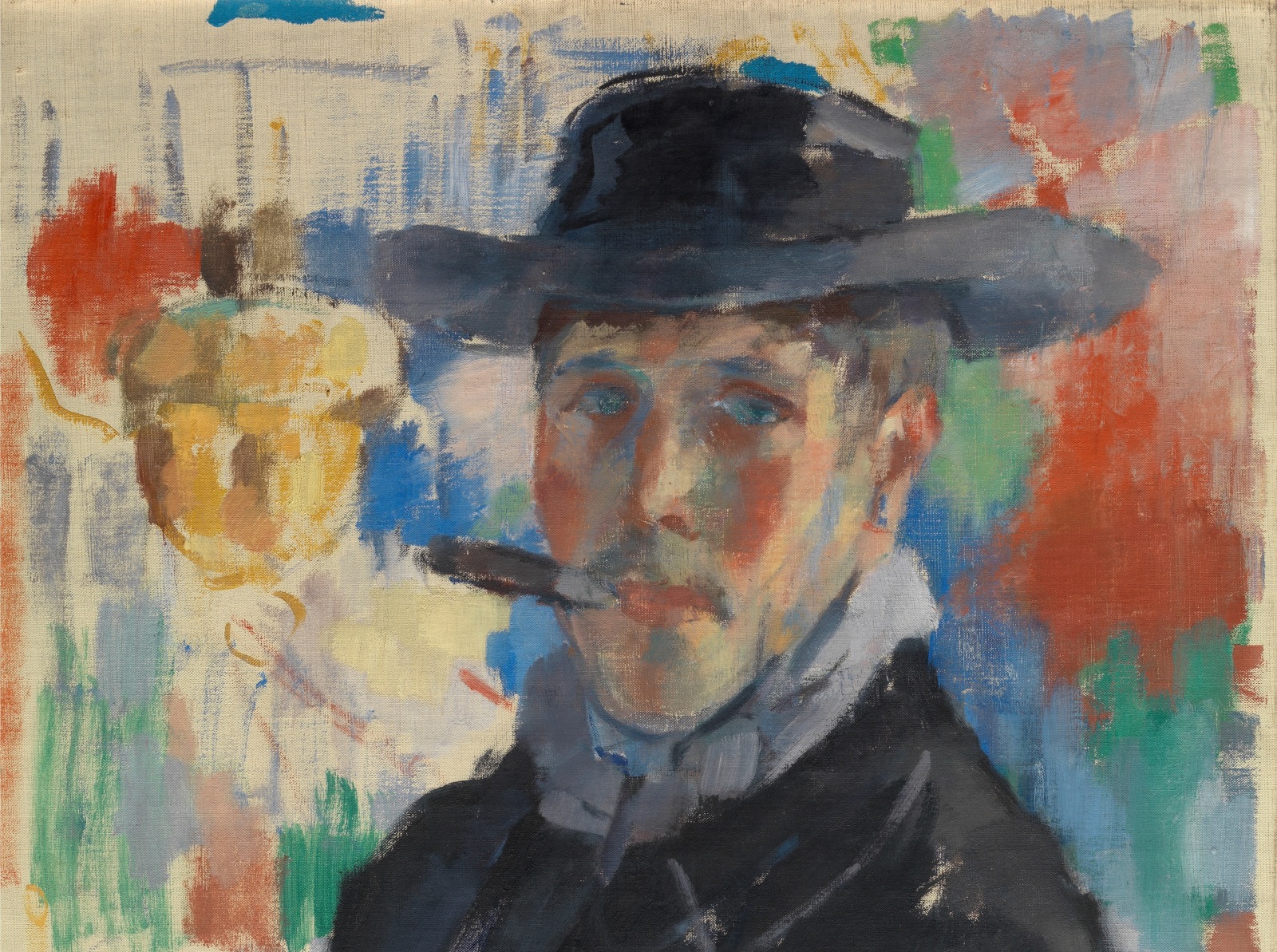



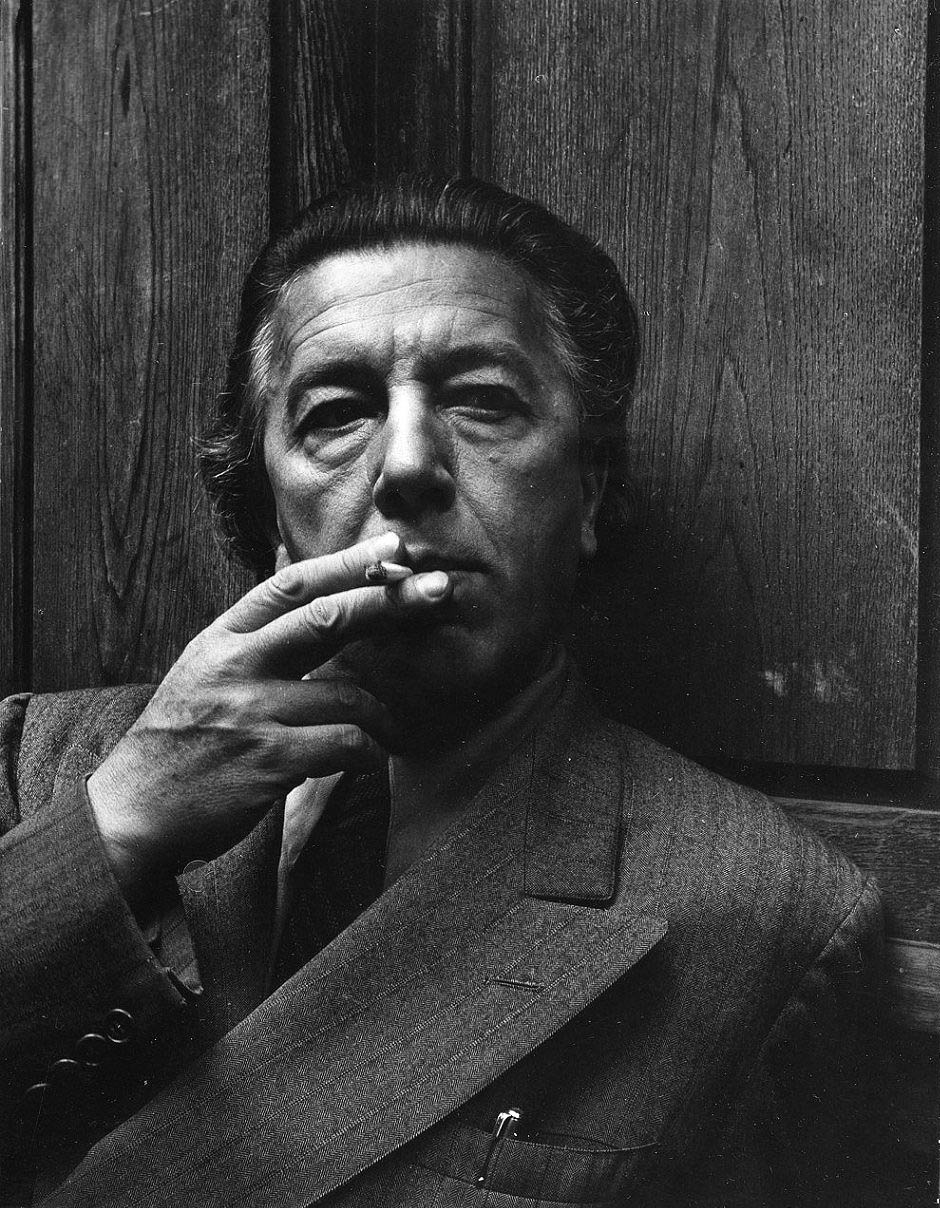
André Breton was a French writer, poet, and anti-fascist, renowned as the principal founder and leading theorist of Surrealism, an influential movement that sought to release the creative potential of the unconscious mind. Born in Tinchebray, France, in 1896, Breton's work was deeply influenced by the theories of Sigmund Freud and was characterized by a fascination with dreams, the irrational, and the workings of the mind. As a cultural icon, his contributions extended beyond literature into the realms of art, sculpture, and painting, making him a pivotal figure in 20th-century artistic movements.
Breton's seminal work, the "Manifesto of Surrealism" (1924), outlined the principles of the movement, advocating for the expression of the subconscious and the importance of dreams as a source of artistic inspiration. His leadership and writings not only shaped Surrealism but also had a lasting impact on the broader culture of art, influencing countless artists, painters, and sculptors. Breton's ability to merge poetry with visual arts led to collaborations with prominent artists like Salvador Dalí, Max Ernst, and Joan Miró, further cementing his legacy as a central figure in modern art.
Notably, André Breton's works and personal collection, which included art pieces and surreal objects, have been displayed in museums and galleries worldwide, showcasing his eclectic taste and profound influence on the art world. His Paris apartment was a gathering place for artists and intellectuals, becoming a hub of Surrealist activity and thought. For collectors and experts in art and antiques, Breton's contributions represent a fascinating intersection of literary prowess and visual creativity, highlighting the enduring relevance of Surrealism.
For those interested in exploring the depths of Surrealism and André Breton's groundbreaking contributions, signing up for updates can provide exclusive access to new product sales and auction events related to this pivotal artist and thinker. This subscription is an invaluable resource for collectors and enthusiasts keen to deepen their understanding of Breton's influence and the broader cultural movements he shaped.
Paul Bonet, birth name Paul Joseph Ghislain Bonet, is a French bookbinder and bookbinding designer, Knight of the Legion of Honor.
Trained to make fashionable wooden mannequins, Paul Bonet worked in the fashion industry for several years and did not turn to bookbinding until 1920. His bright, colorful designs and prolific work made him famous. His first bindings were exhibited in 1925 at the Gallière Museum, then at the French Book Arts Exhibition, the Salon d'Automne and the Salon des Artistes Décoratifs, and his talent was recognized.
His decoration was particularly innovative. One of the great masters of French bookbinding, Paul Bonet became famous in the 1930s and 1940s for one of his signature patterns, "sunbeams." These patterns consist of many small lines with gold trim, carefully planned and giving the optical illusion of spatial depth.





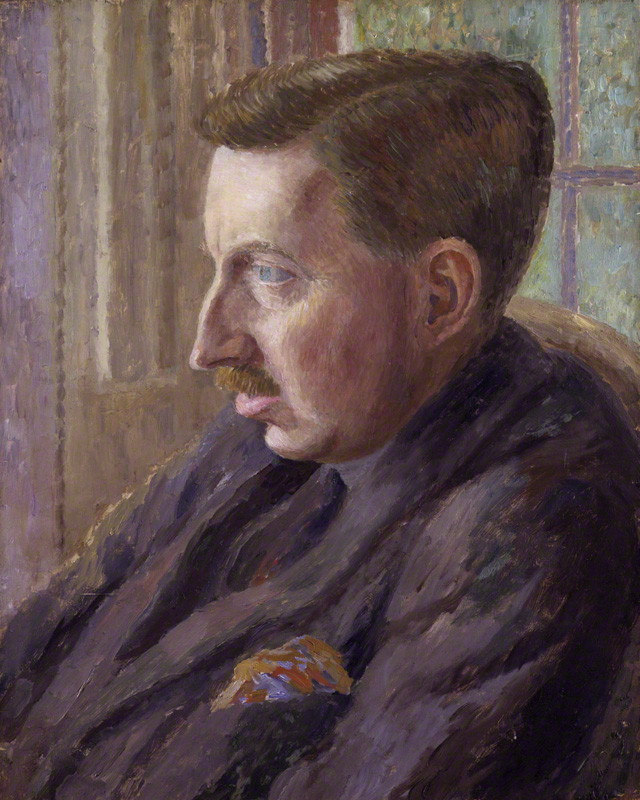
Edward Morgan Forster, English novelist, essayist, and critic, was a prominent literary figure of the early twentieth century. Born on 1 January 1879 in London and died on 7 June 1970 in Coventry, Forster's work was celebrated for its profound critique of social conventions, class distinctions and hypocrisy in British society. A member of the influential Bloomsbury group, Forster did not confine himself to novels, but also wrote essays, gave speeches and hosted programmes.
E. M. Forster was characterised by wit and a fine sense of irony. His novels, particularly A Room with a View, Howards End and A Passage to India, were recognised for their well-crafted plots and insightful social commentary. Not only have these works earned them a place in literature, but they have also been nominated for the Nobel Prize for Literature. The films A Room with a View and Howards End won Academy Awards and have been recognised and celebrated in film archives and retrospectives by film institutions.
Edward Morgan Forster's novels serve as critical social commentary of their time and remain relevant to this day. Those interested in the intersection of literary art and its influence on film can look to first editions of his works or objects associated with acclaimed film adaptations to add to their collections.
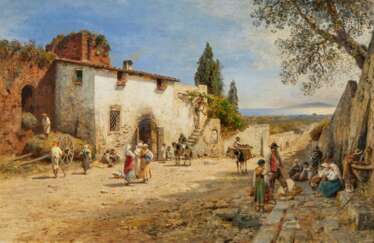

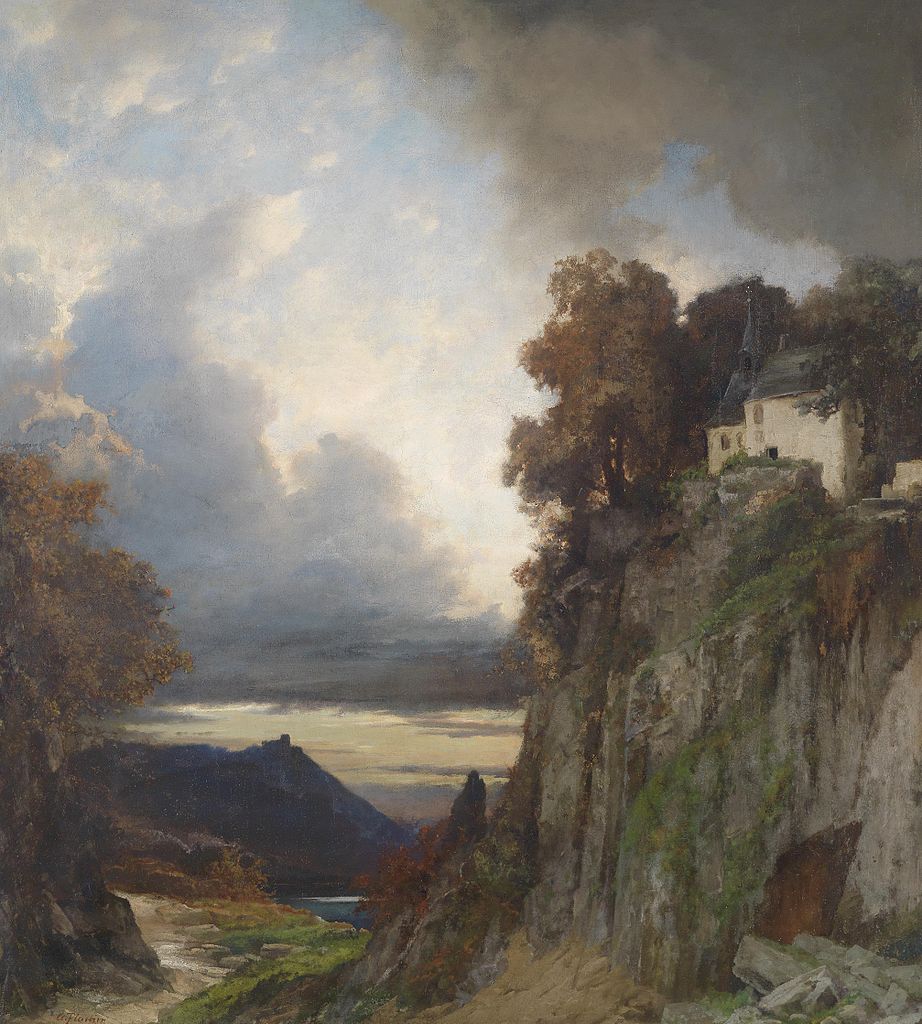
Albert Flamm was a German artist of the Düsseldorf school. He studied architecture at the Dusseldorf Academy of Art and in Antwerp. In 1841 he turned to painting and became a pupil of Andreas Achenbach. In 1848 Flamm became one of the founders of the Malkasten artists' association.
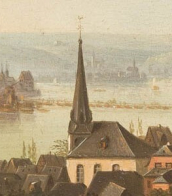
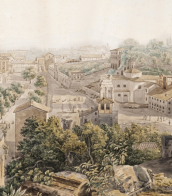
Albert Flamm painted mainly Italian landscapes, recognised for their truthfulness of nature, their vivid colours and their virtuosic treatments. He often chose an elevated viewing position to be able to create wide panoramic perspectives in warm, bright sunlight and with finely rendered detail.
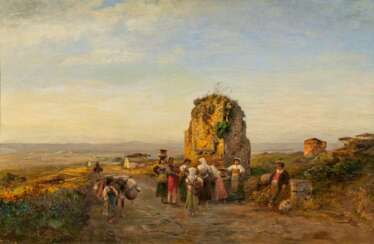

Albert Flamm was a German artist of the Düsseldorf school. He studied architecture at the Dusseldorf Academy of Art and in Antwerp. In 1841 he turned to painting and became a pupil of Andreas Achenbach. In 1848 Flamm became one of the founders of the Malkasten artists' association.
Albert Flamm painted mainly Italian landscapes, recognised for their truthfulness of nature, their vivid colours and their virtuosic treatments. He often chose an elevated viewing position to be able to create wide panoramic perspectives in warm, bright sunlight and with finely rendered detail.
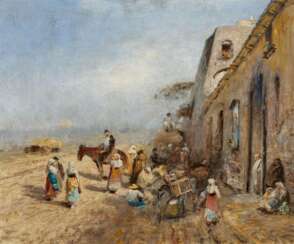

Albert Flamm was a German artist of the Düsseldorf school. He studied architecture at the Dusseldorf Academy of Art and in Antwerp. In 1841 he turned to painting and became a pupil of Andreas Achenbach. In 1848 Flamm became one of the founders of the Malkasten artists' association.
Albert Flamm painted mainly Italian landscapes, recognised for their truthfulness of nature, their vivid colours and their virtuosic treatments. He often chose an elevated viewing position to be able to create wide panoramic perspectives in warm, bright sunlight and with finely rendered detail.
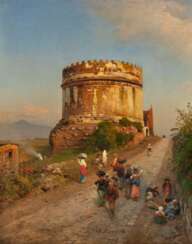

Albert Flamm was a German artist of the Düsseldorf school. He studied architecture at the Dusseldorf Academy of Art and in Antwerp. In 1841 he turned to painting and became a pupil of Andreas Achenbach. In 1848 Flamm became one of the founders of the Malkasten artists' association.
Albert Flamm painted mainly Italian landscapes, recognised for their truthfulness of nature, their vivid colours and their virtuosic treatments. He often chose an elevated viewing position to be able to create wide panoramic perspectives in warm, bright sunlight and with finely rendered detail.
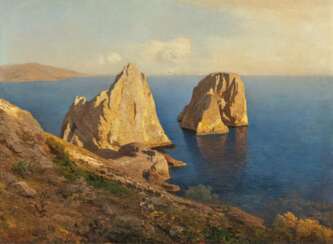

Albert Flamm was a German artist of the Düsseldorf school. He studied architecture at the Dusseldorf Academy of Art and in Antwerp. In 1841 he turned to painting and became a pupil of Andreas Achenbach. In 1848 Flamm became one of the founders of the Malkasten artists' association.
Albert Flamm painted mainly Italian landscapes, recognised for their truthfulness of nature, their vivid colours and their virtuosic treatments. He often chose an elevated viewing position to be able to create wide panoramic perspectives in warm, bright sunlight and with finely rendered detail.
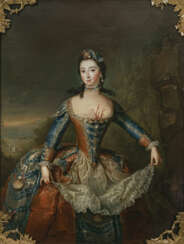

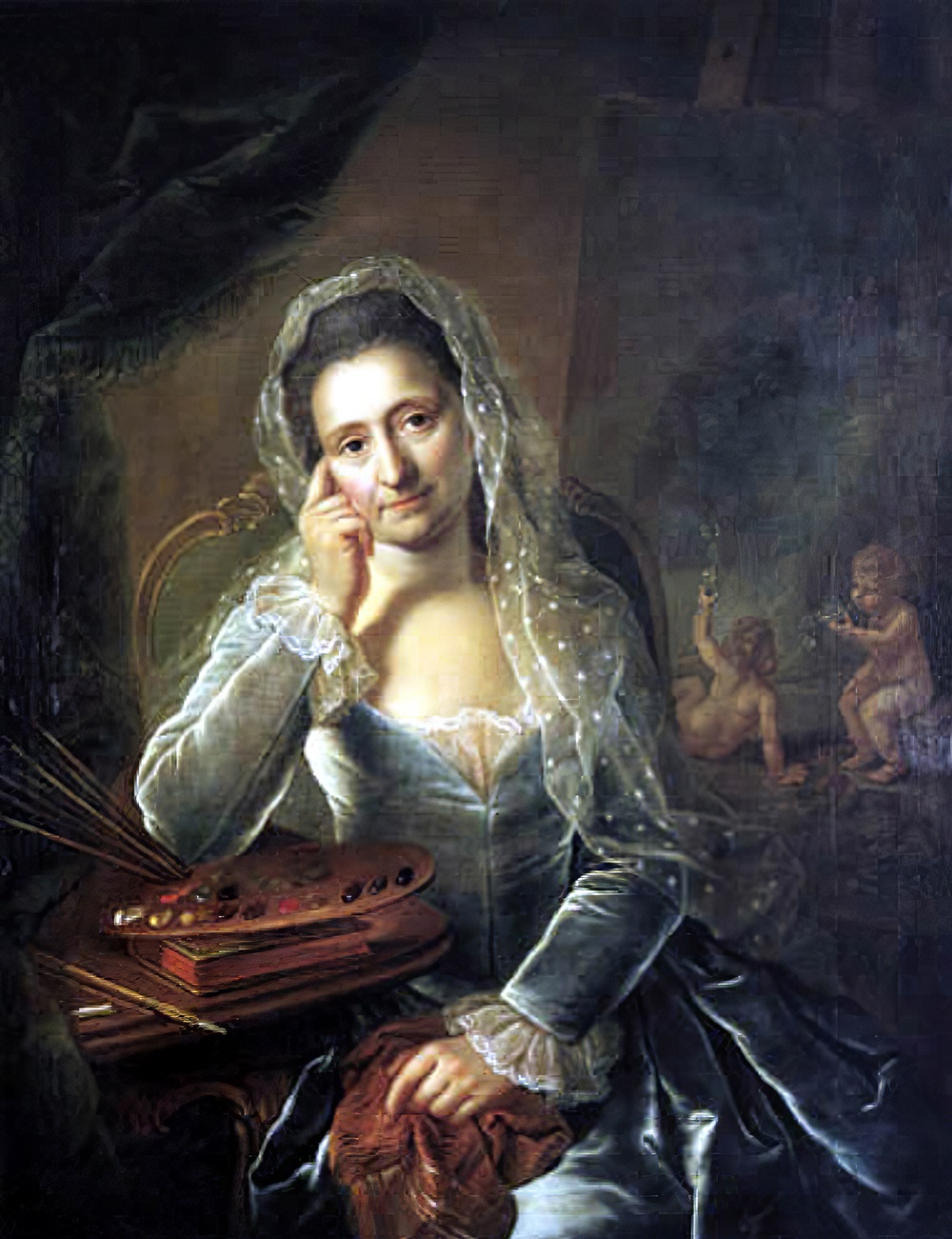
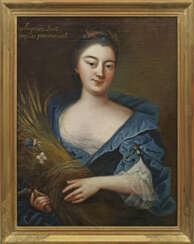
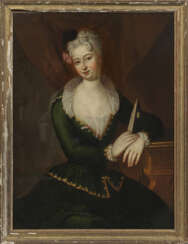
Barbara Rosina de Gasc (Lisiewska) was a German portrait painter.