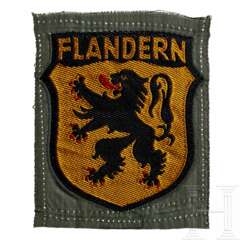
flanders












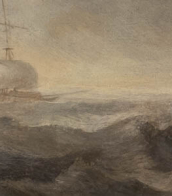
![[Battle of Lepanto, 1571]](/assets/image/picture_5109026/3b531/475552ef31963e9d397c6081f00f2c0d1765321200jpg__fix_374_244.jpeg)
![[Battle of Lepanto, 1571]](https://veryimportantlot.com/assets/image/picture_5109026/3b531/475552ef31963e9d397c6081f00f2c0d1765321200jpg__fix_374_244.jpeg)
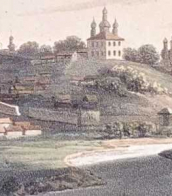







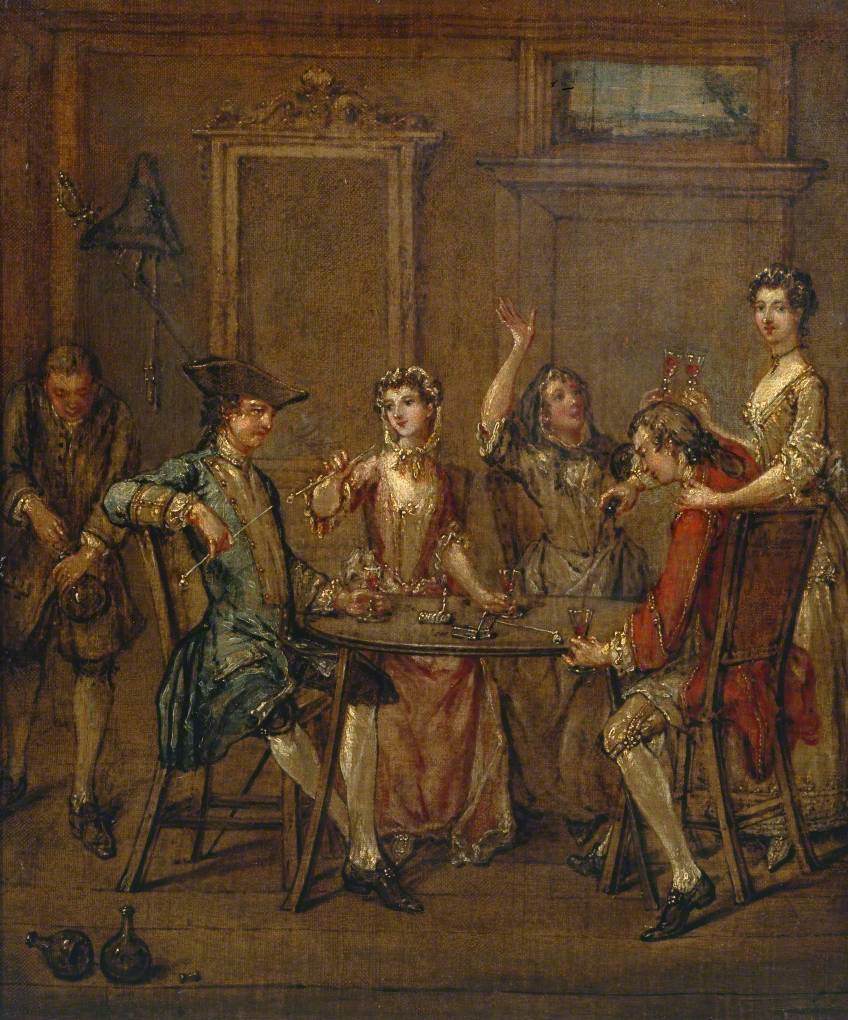
Marcellus Laroon the Younger was an English painter and draughtsman of French origin. He specialized in social genre scenes, and he frequented the world of actors and painters around Covent Garden in London that he painted. George Vertue, a contemporary who knew him well, said he painted for pleasure rather than profit.

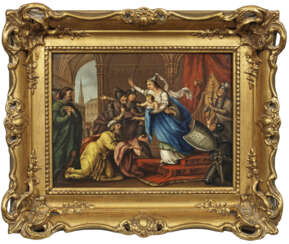


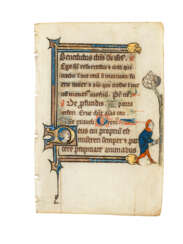





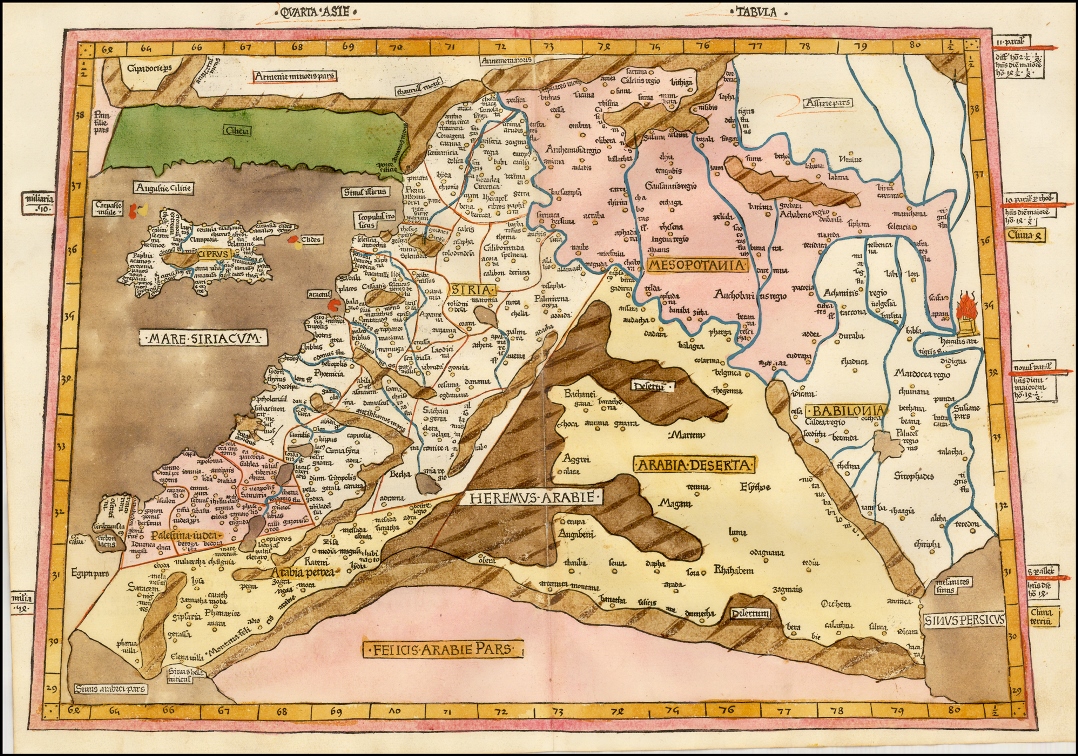
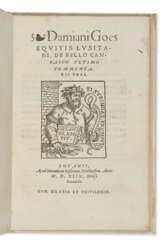
Johann Reger, also known as Johannes Reger and Hannss Reger, was a German publisher and printer.
He is known to have worked in Ulm, where he purchased a printing press where he printed and published a whole series of books. Among these were Ptolemy's Geographia and his successful treatise De locis ac mirabilibus mundi, an encyclopedic description of the inhabited world and the wonders of the earth.
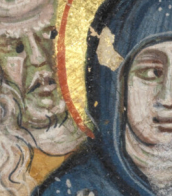
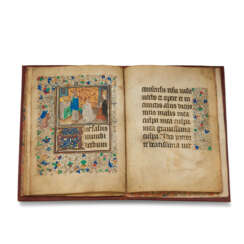

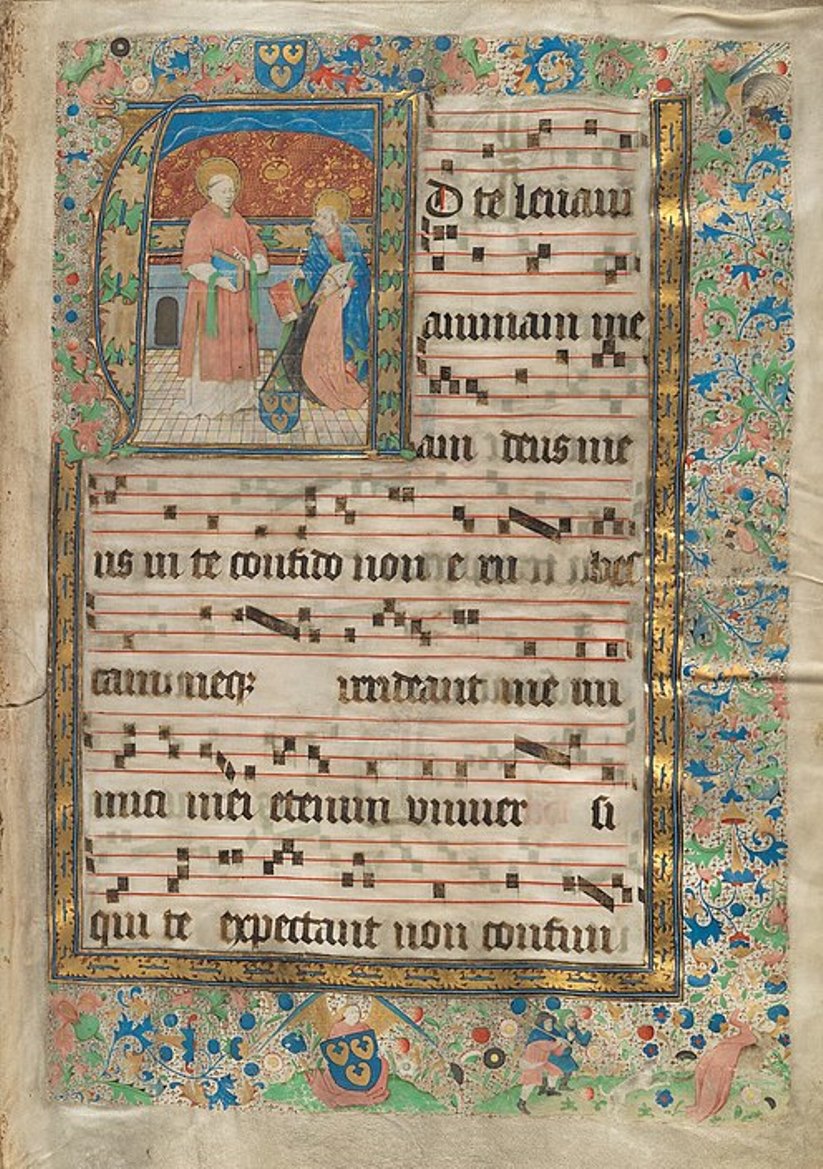
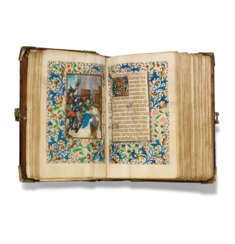
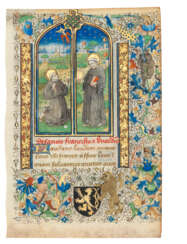
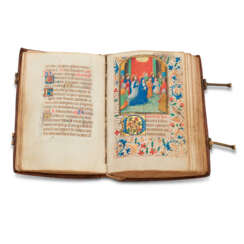
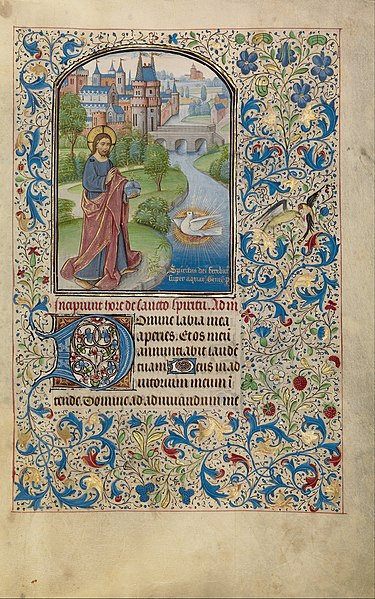
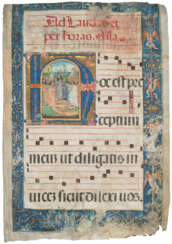
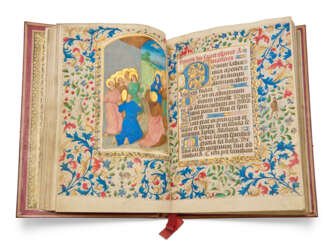
The Master of the Ghent Graduel was a Flemish painter, miniaturist, and illuminator who worked in Ghent and Tournai in the second third of the fifteenth century.
This master comes from an older, Parisian tradition of manuscript illumination that was developed by the master Gilbert de Metz. He was active in the 1460s-1470s and was responsible for the illumination of the clockbooks now preserved in British libraries and also created the miniatures for the books of Valerius Maximus.
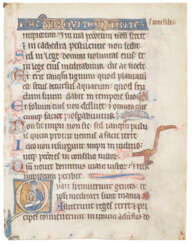







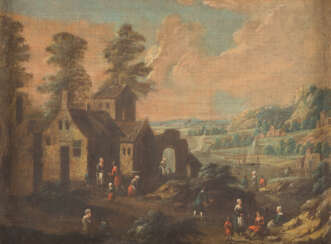















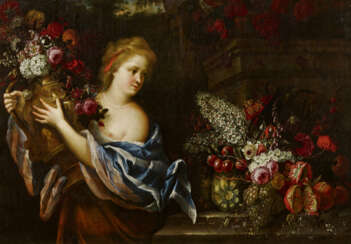

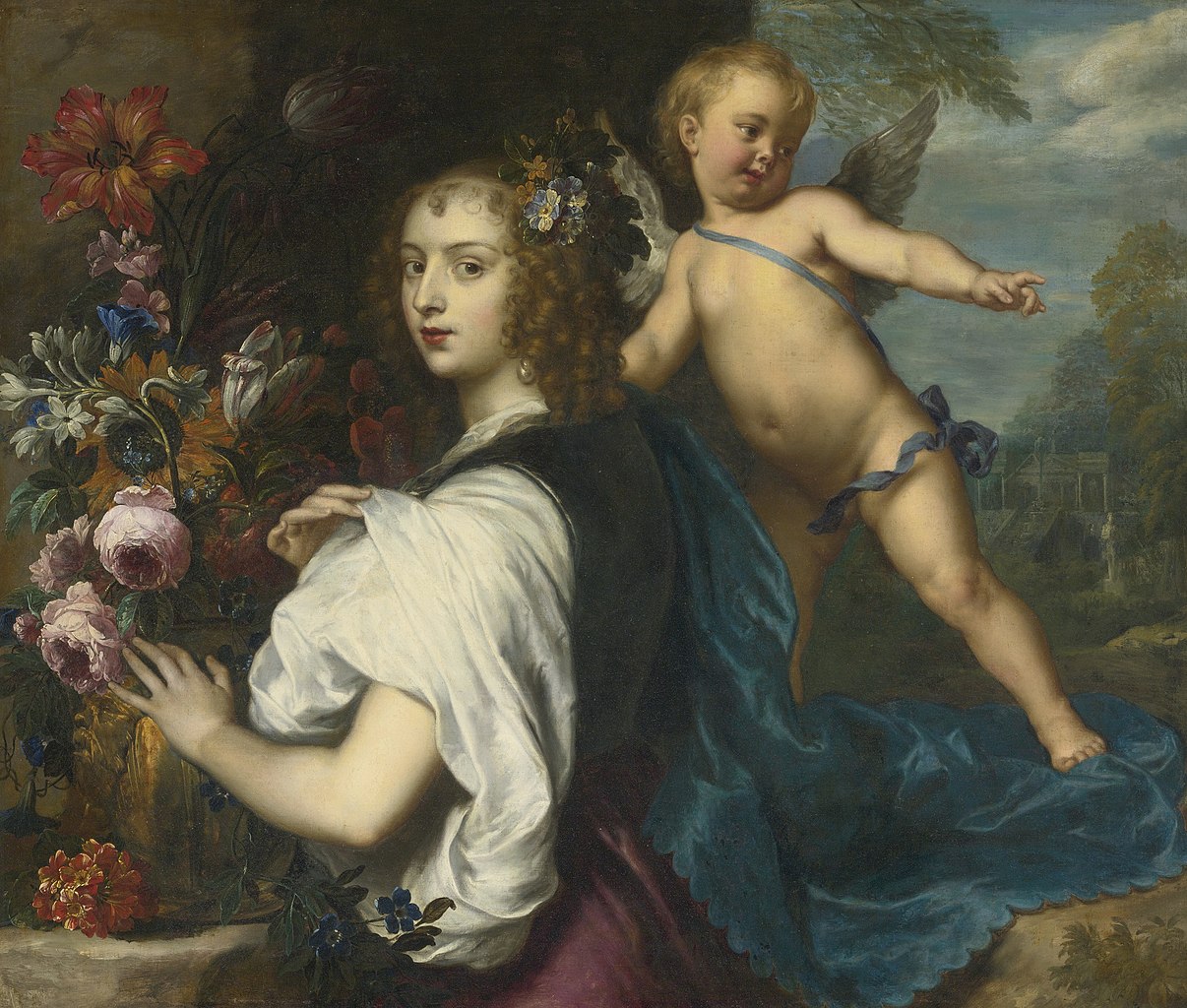
Gaspar Peeter Verbruggen was a Flemish still life painter who is principally known for his decorative still lifes with flowers and fruit. He collaborated with figure artists on compositions which combined figures with a still life element. He was active in Antwerp and The Hague.
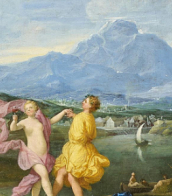
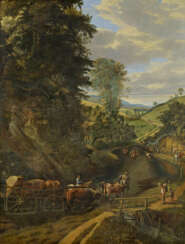

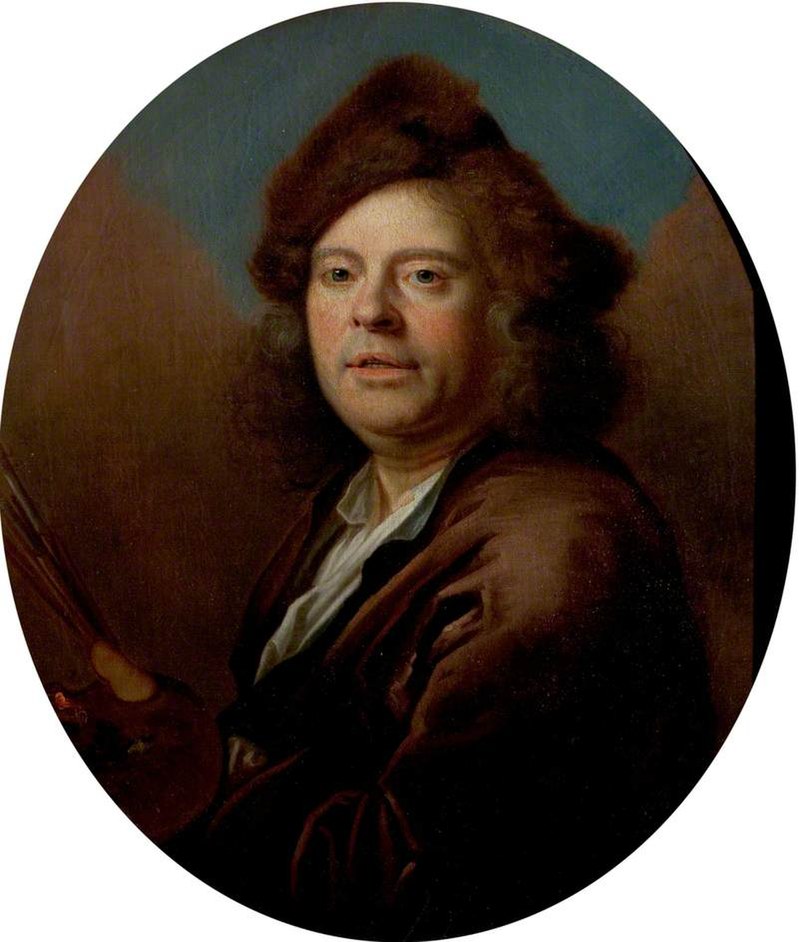
Jan Siberechts was a Flemish landscape painter whose career spanned both his native land and England. Initially, Siberechts developed a personal style of landscape painting in Antwerp, emphasizing Flemish countryside and country life. His work was influenced by Dutch Italianate landscape painters such as Nicolaes Berchem and Karel Dujardin, reflecting a blend of local and Italianate elements. This phase of his career was marked by vivid depictions of the Flemish rural life, with robust country girls in bright attire becoming a signature motif of his paintings.
Siberechts moved to England around 1672, where he significantly contributed to the English landscape tradition. In England, he painted decorations for the Duke's Cliveden House and later, traveled extensively, completing commissions for aristocratic clients. His English landscapes maintained their Flemish character but also started to focus more on universal themes, with less emphasis on figures and more on the scenery itself. These works are characterized by powerful trees, soft light on distant hills, and a relatively dark foreground to highlight the illuminated vistas in the background.
Siberechts is credited as the 'father of British landscape' for his pioneering country house portraits, blending detailed naturalistic views of stately homes into atmospheric landscapes. This innovative approach had a lasting influence on English landscape painting. His work, such as the views of Longleat and the Belsize Estate, represents an important step in the development of topographical painting, merging Flemish influences with the emerging English landscape tradition.
For collectors and experts in art and antiques, Siberechts' oeuvre offers a unique window into the transnational flow of artistic ideas in the 17th century, blending Flemish traditions with the nascent English landscape genre. His paintings, celebrated for their detail and historical topographical interest, can be found in prestigious collections such as the Tate Gallery London and the Victoria and Albert Museum.
For updates on exhibitions, sales, and auction events related to Jan Siberechts' work, art enthusiasts are encouraged to sign up for dedicated newsletters. This ensures that they remain informed about the latest opportunities to explore and appreciate the contributions of this influential Flemish artist to the landscape painting genre.










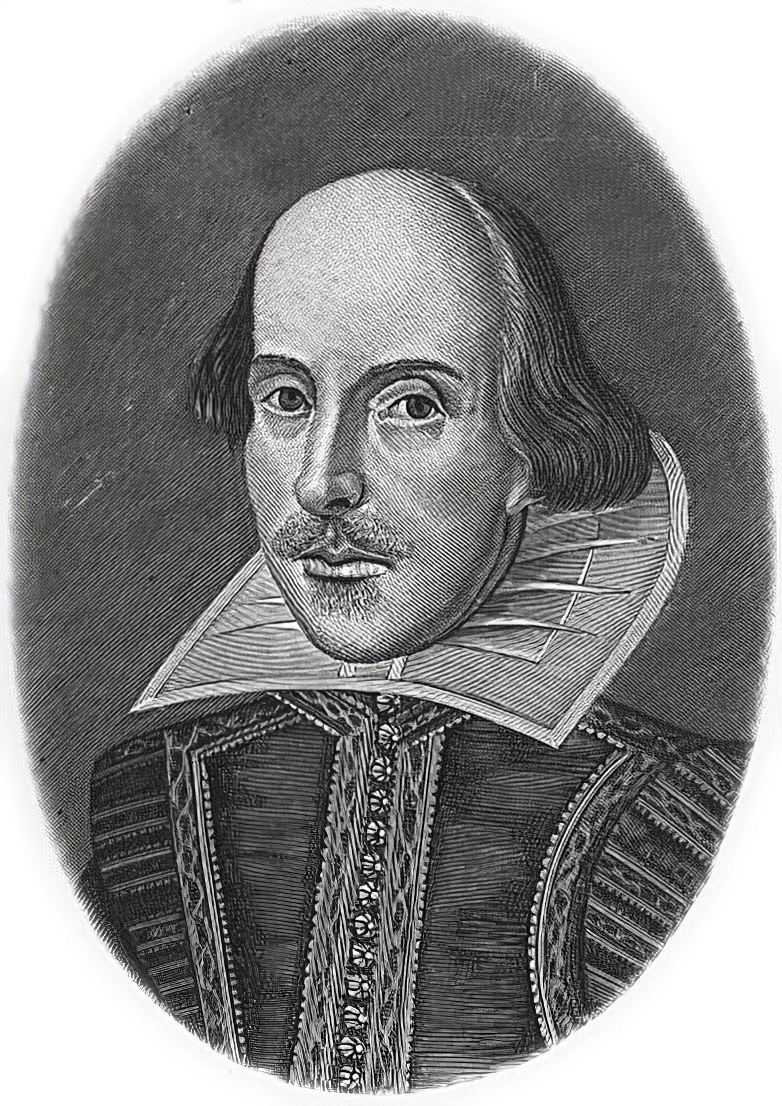
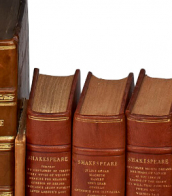
William Shakespeare was a British poet and playwright and writer.
William's father, John Shakespeare, was a merchant and official in Stratford. There are reports that he was a sailor for a time before joining a theater company in London. Beginning in the 1590s, Shakespeare began writing plays, and in 1593 he published a poem, Venus and Adonis, which became popular. He dedicated it to the Duke of Southampton, who was a philanthropist and patron of talent, and soon his business was booming.
From 1592 to 1600 Shakespeare wrote his dramas and romantic comedies "Richard III", "The Taming of the Shrew", "Romeo and Juliet", "A Midsummer Night's Dream" and "The Merchant of Venice", as well as the comedies "Much Ado About Nothing", "Twelfth Night" and the tragedy "Julius Caesar". The playwright's business was so successful that he even bought a large house in Stratford. In 1599, Shakespeare became one of the owners, playwright and actor of the new theater "Globe". In 1603 King James took Shakespeare's troupe under his direct patronage. In the mature period, the great playwright turned to tragedies, there were "Hamlet", "Othello", "King Lear", "Macbeth" and others.
Although in the 19th century researchers had some doubts about the authorship of many of these works, William Shakespeare is considered the greatest English playwright, one of the best playwrights in the world. His plays have been translated into all major languages and to this day form the basis of the world theatrical repertoire, most of them have been screened many times. According to the Guinness Book of Records, Shakespeare remains the world's best-selling playwright, and his plays and poems have sold more than 4 billion copies in the nearly 400 years since his death.


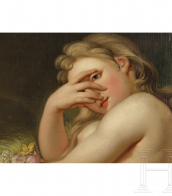
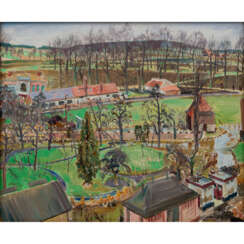



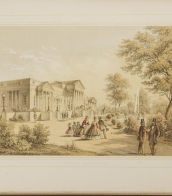


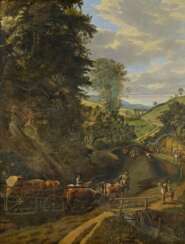

Jan Siberechts was a Flemish landscape painter whose career spanned both his native land and England. Initially, Siberechts developed a personal style of landscape painting in Antwerp, emphasizing Flemish countryside and country life. His work was influenced by Dutch Italianate landscape painters such as Nicolaes Berchem and Karel Dujardin, reflecting a blend of local and Italianate elements. This phase of his career was marked by vivid depictions of the Flemish rural life, with robust country girls in bright attire becoming a signature motif of his paintings.
Siberechts moved to England around 1672, where he significantly contributed to the English landscape tradition. In England, he painted decorations for the Duke's Cliveden House and later, traveled extensively, completing commissions for aristocratic clients. His English landscapes maintained their Flemish character but also started to focus more on universal themes, with less emphasis on figures and more on the scenery itself. These works are characterized by powerful trees, soft light on distant hills, and a relatively dark foreground to highlight the illuminated vistas in the background.
Siberechts is credited as the 'father of British landscape' for his pioneering country house portraits, blending detailed naturalistic views of stately homes into atmospheric landscapes. This innovative approach had a lasting influence on English landscape painting. His work, such as the views of Longleat and the Belsize Estate, represents an important step in the development of topographical painting, merging Flemish influences with the emerging English landscape tradition.
For collectors and experts in art and antiques, Siberechts' oeuvre offers a unique window into the transnational flow of artistic ideas in the 17th century, blending Flemish traditions with the nascent English landscape genre. His paintings, celebrated for their detail and historical topographical interest, can be found in prestigious collections such as the Tate Gallery London and the Victoria and Albert Museum.
For updates on exhibitions, sales, and auction events related to Jan Siberechts' work, art enthusiasts are encouraged to sign up for dedicated newsletters. This ensures that they remain informed about the latest opportunities to explore and appreciate the contributions of this influential Flemish artist to the landscape painting genre.
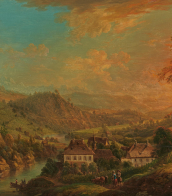
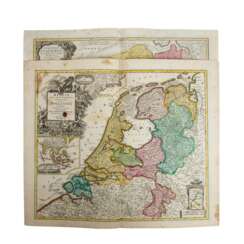














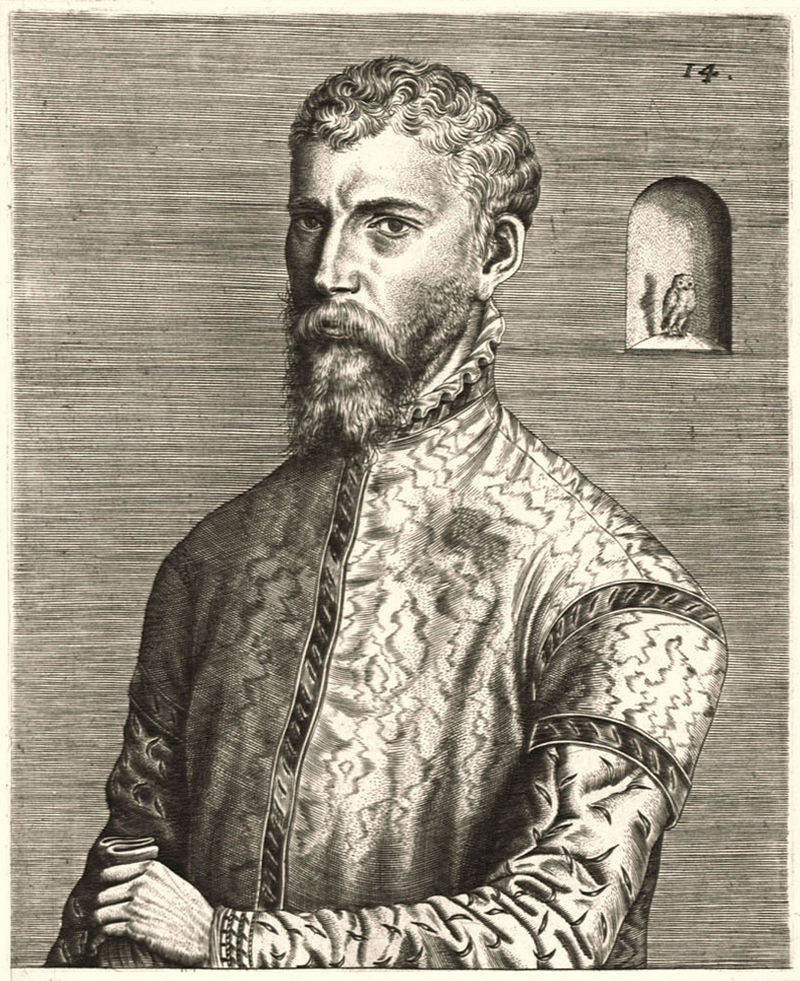
Herri met de Bles is a Flemish artist, along with Joachim Patinir, one of the founders of European landscape painting. He painted mainly landscapes with multi-figured compositions. Like Patinir, his style is characterized by stylized images of rocks and a careful rendering of aerial perspective.







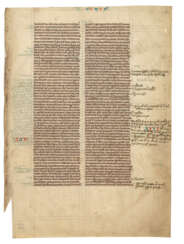




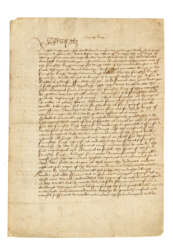

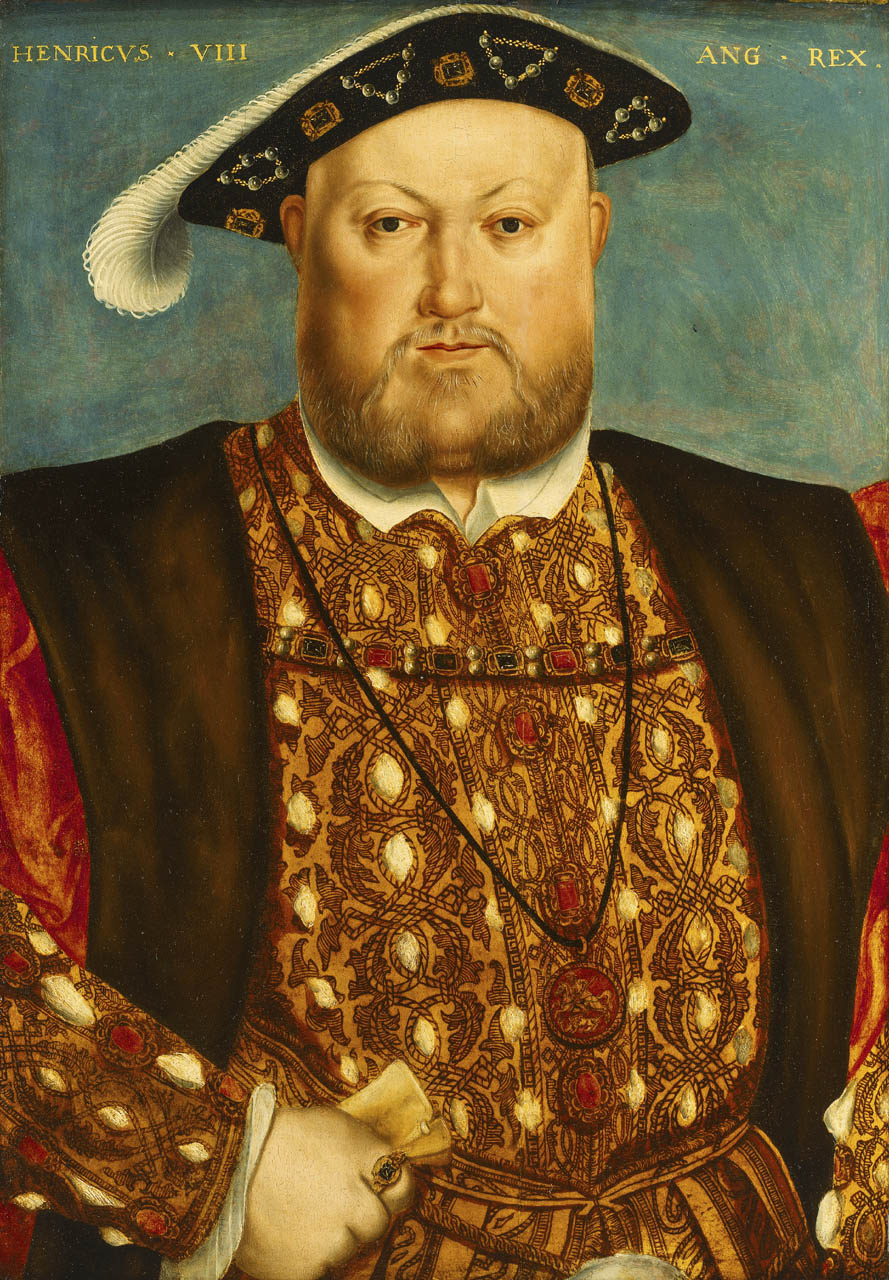
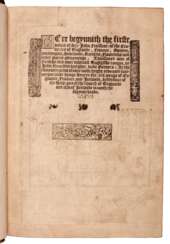
Henry VIII was King of England and Ireland, who ruled from 1509 to 1547.
Henry VIII was one of England's most famous monarchs, he launched the English Reformation and broke with the Roman Church to form the Church of England. He had six wives, including Anne Boleyn.

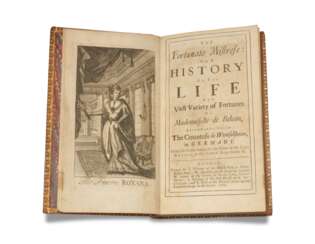
![[CECIL, William (1520-1598)] – DIO CASSIUS (c.155 - after 229).](/assets/image/picture_2585761/b4271/ded4a04209bf4416a02a3c3c87e3e1901670972400jpg__fix_374_244.jpeg)
![[CECIL, William (1520-1598)] – DIO CASSIUS (c.155 - after 229).](https://veryimportantlot.com/assets/image/picture_2585761/b4271/ded4a04209bf4416a02a3c3c87e3e1901670972400jpg__fix_374_244.jpeg)








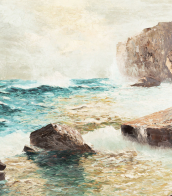
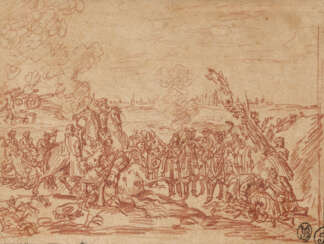

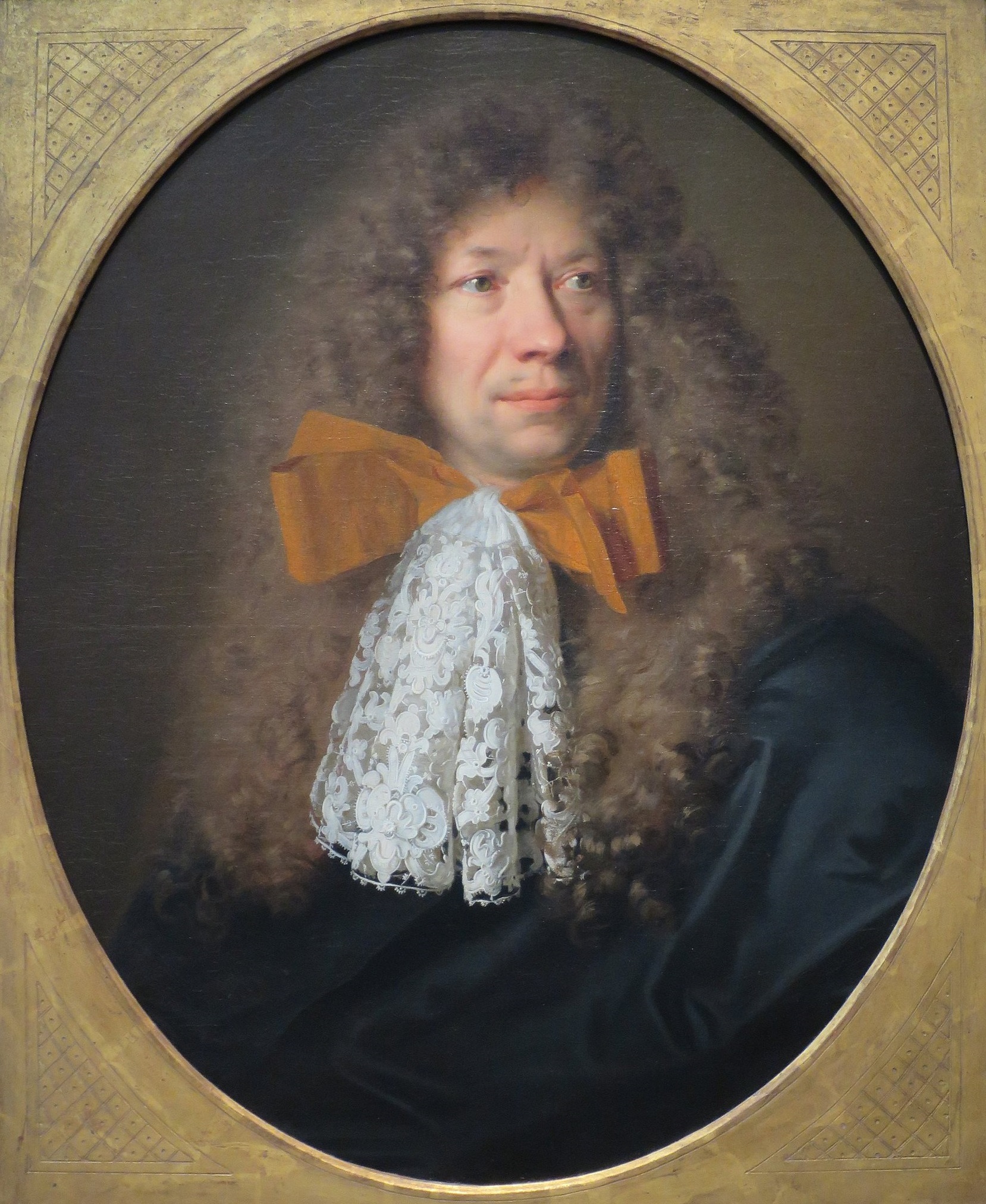
Adam Frans van der Meulen was a Flemish painter and draughtsman who was particularly known for his scenes of military campaigns and conquests. Van der Meulen also painted portraits, hunting scenes, paintings of chateaux and landscapes. He created designs for prints and cartoons for tapestries.
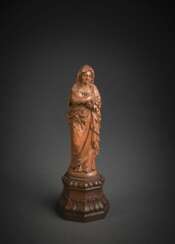

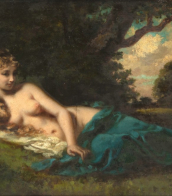
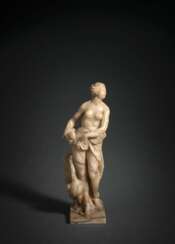



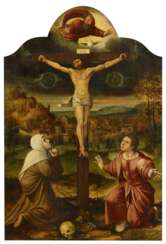

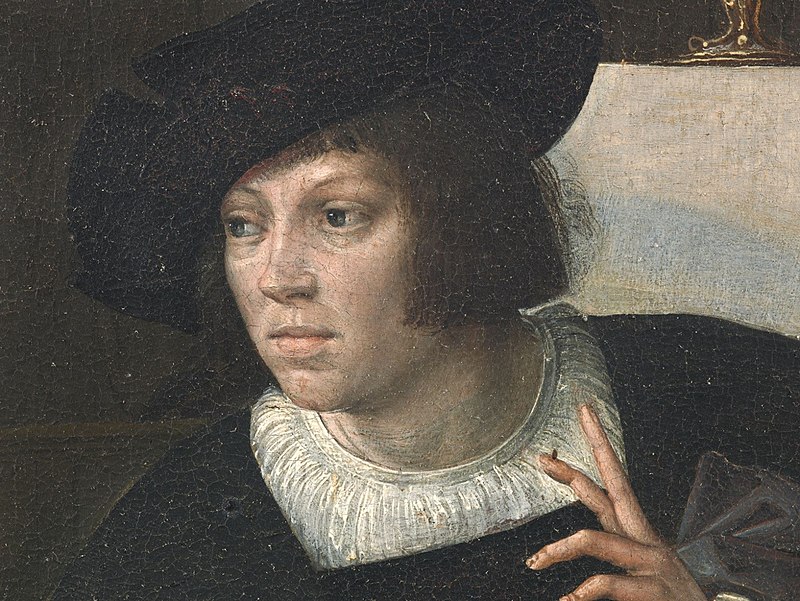
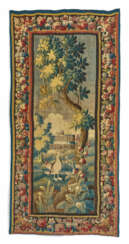
Bernard van Orley was a versatile Flemish artist and representative of Dutch and Flemish Renaissance painting, who was equally active as a designer of tapestries and, at the end of his life, stained glass. Although he never visited Italy, he belongs to the group of Italianizing Flemish painters called the Romanists, who were influenced by Italian Renaissance painting, in his case especially by Raphael.




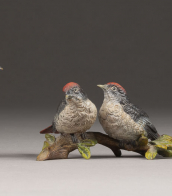
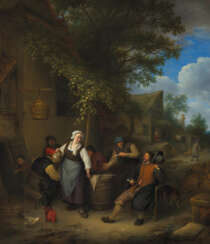

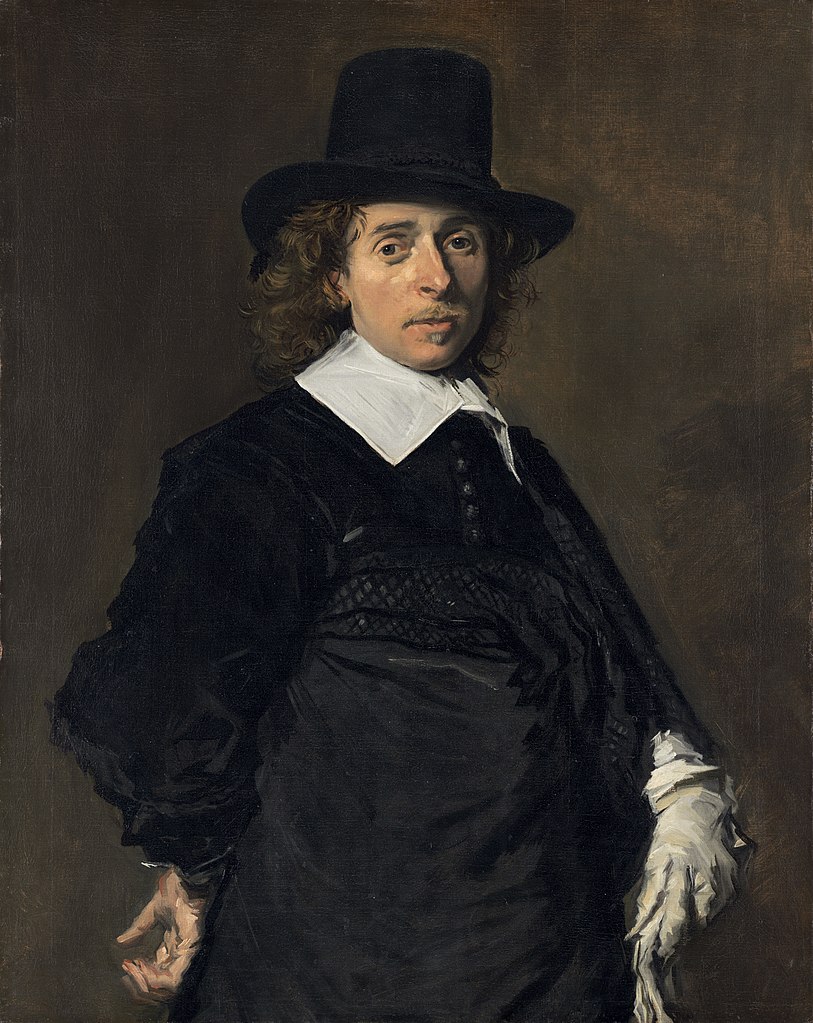
Adriaen van Ostade was a Dutch Golden Age painter of genre works, showing everyday life of ordinary men and women.

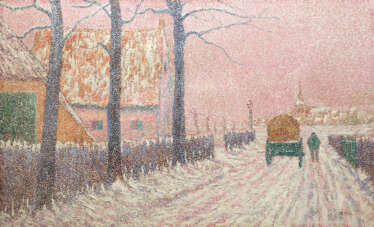

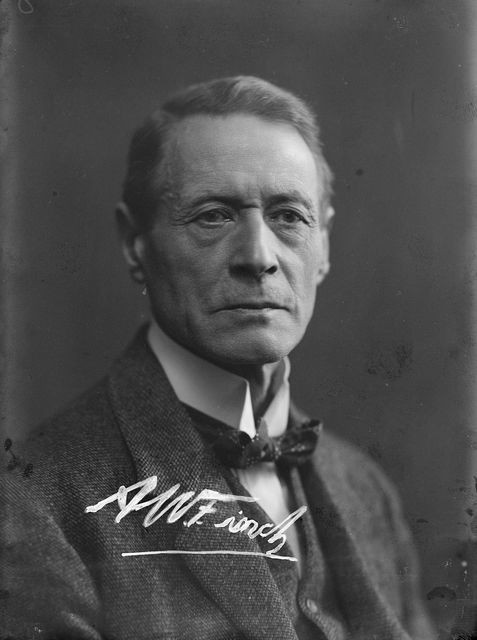
Alfred William (Willy) Finch was a ceramist and painter in the pointillist and Neo-Impressionist style. Born in Brussels to British parents, he spent most of his creative life in Finland. In 1883 he became a founding member of Les XX, a group of twenty Belgian painters, designers and sculptors, who rebelled against the prevailing artistic standards and outmoded academism. He was impressed by the works of Georges Seurat and Paul Signac and changed his own painting style from a more realistic approach into a pointillistic style. In the following years, Finch became one of the leading representatives of his style in Belgium, along with Théo van Rysselberghe. During the early 1890s Finch switched careers from painting to pottery, upon the realization that he couldn't make a living by painting. In 1897, invited by count Louis Sparre, Finch moved to Porvoo, Finland, to head the Iris ceramics factory, and influenced the development of the local Jugendstil. After the factory was closed, Finch resumed his painting career.









.jpeg)
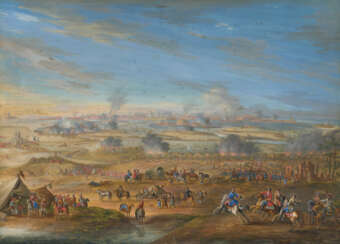
Louis Nicolas van Blarenberghe was a distinguished French painter, born into a dynasty of artists from French Flanders. With a career that spanned the 18th century, he was celebrated for his specialization in detailed miniatures and panoramic battle scenes. His artistic journey began in the Flemish Baroque tradition, evolving into a notable figure within the Rococo movement. Louis Nicolas, alongside his son Henri-Joseph, made significant contributions to the art world, working as miniaturists for the elite at the Palace of Versailles and serving as the official campaign painter for the French court.
His works, particularly those on snuff boxes and his panoramic gouache paintings of military and revolutionary subjects, garnered acclaim. These pieces often featured intricate detail and vivid storytelling, making them highly prized among collectors. The Blarenberghe family's art was so revered that it attracted the attention of the Rothschild family in the 19th century, leading to a substantial collection of their works being displayed publicly at Waddesdon Manor. A significant collection was also part of the Mentmore Towers sale in 1977, underlining the enduring legacy and collector interest in their works.
For art enthusiasts and collectors keen on exploring the rich tapestry of 18th-century French painting, Louis Nicolas van Blarenberghe's oeuvre offers a captivating glimpse into the period's military history and societal elite. His works can be viewed in prestigious institutions and collections, echoing the lasting impact of his and his family's artistic contributions. For updates on sales and auction events featuring Louis Nicolas van Blarenberghe's works, signing up for newsletters from art auction houses and galleries is highly recommended. This ensures enthusiasts stay informed about opportunities to own a piece of this remarkable artist's legacy.

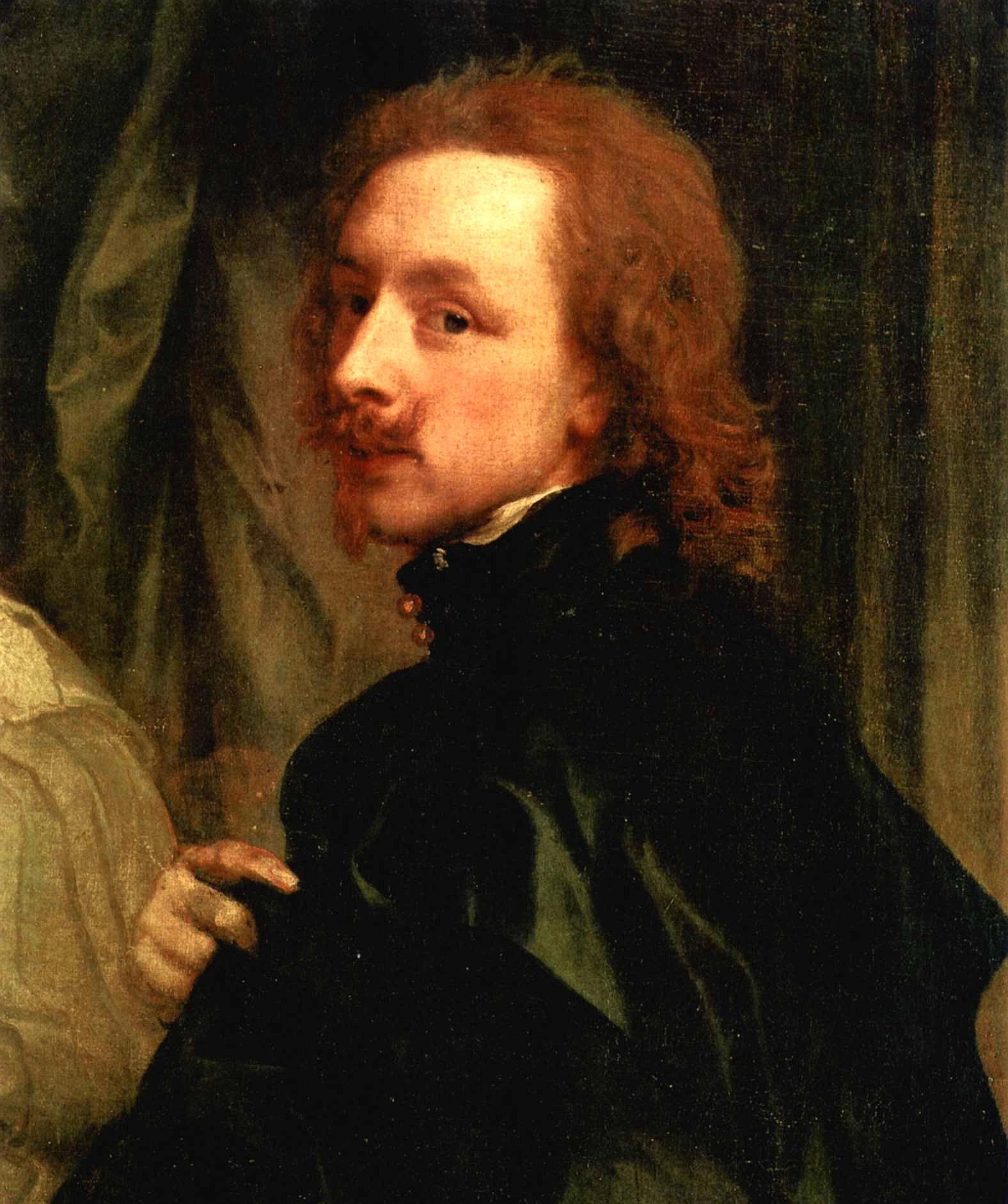
Anthony van Dyck, a Flemish painter born in 1599 in Antwerp and passed away in 1641 in London, is celebrated as one of the foremost Baroque painters of the 17th century. His notable contributions to the art world include his exceptional portraits of European aristocracy, as well as his religious and mythological paintings. Van Dyck's early exposure to art was influenced significantly by his apprenticeship with Hendrik van Balen and later, by the profound impact of working alongside Peter Paul Rubens. His mastery was recognized early on, leading him to set up his own workshop by the age of 15.
Van Dyck's journey to Italy in 1621 marked a pivotal phase in his career, allowing him to immerse himself in studying the Italian masters and commencing his successful stint as a portraitist. His style evolved under the influence of Titian, evident from his vibrant use of color and refined modeling of form. Van Dyck's Italian period not only honed his artistic skills but also established his reputation as a painter of consequence.
Upon returning to Antwerp, van Dyck's portraits became highly sought after, leading to commissions from notable figures such as Archduchess Isabella and Queen Mother Maria de' Medici. His role as a court painter further solidified in England under the patronage of King Charles I, where he was knighted and appointed as the principal painter, profoundly shaping the aristocratic character of Charles I's reign through his portraits.
Van Dyck's legacy extends beyond his death, having influenced English portrait painting for over a century. His innovative techniques in watercolour and etching, along with his sophisticated portrayal of subjects, continue to be admired. His art not only showcases his technical prowess but also reflects the cultural and social nuances of his era, making his work a significant study for collectors and art historians alike.
For enthusiasts eager to explore the intersections of art, history, and culture through the lens of Anthony van Dyck's work, staying informed about new discoveries and auction events is essential. Signing up for updates can provide exclusive insights into the world of one of the most influential figures in Flemish art. This subscription ensures that collectors and experts are well-informed of any developments related to van Dyck's oeuvre, enhancing their understanding and appreciation of his contributions to the art world.


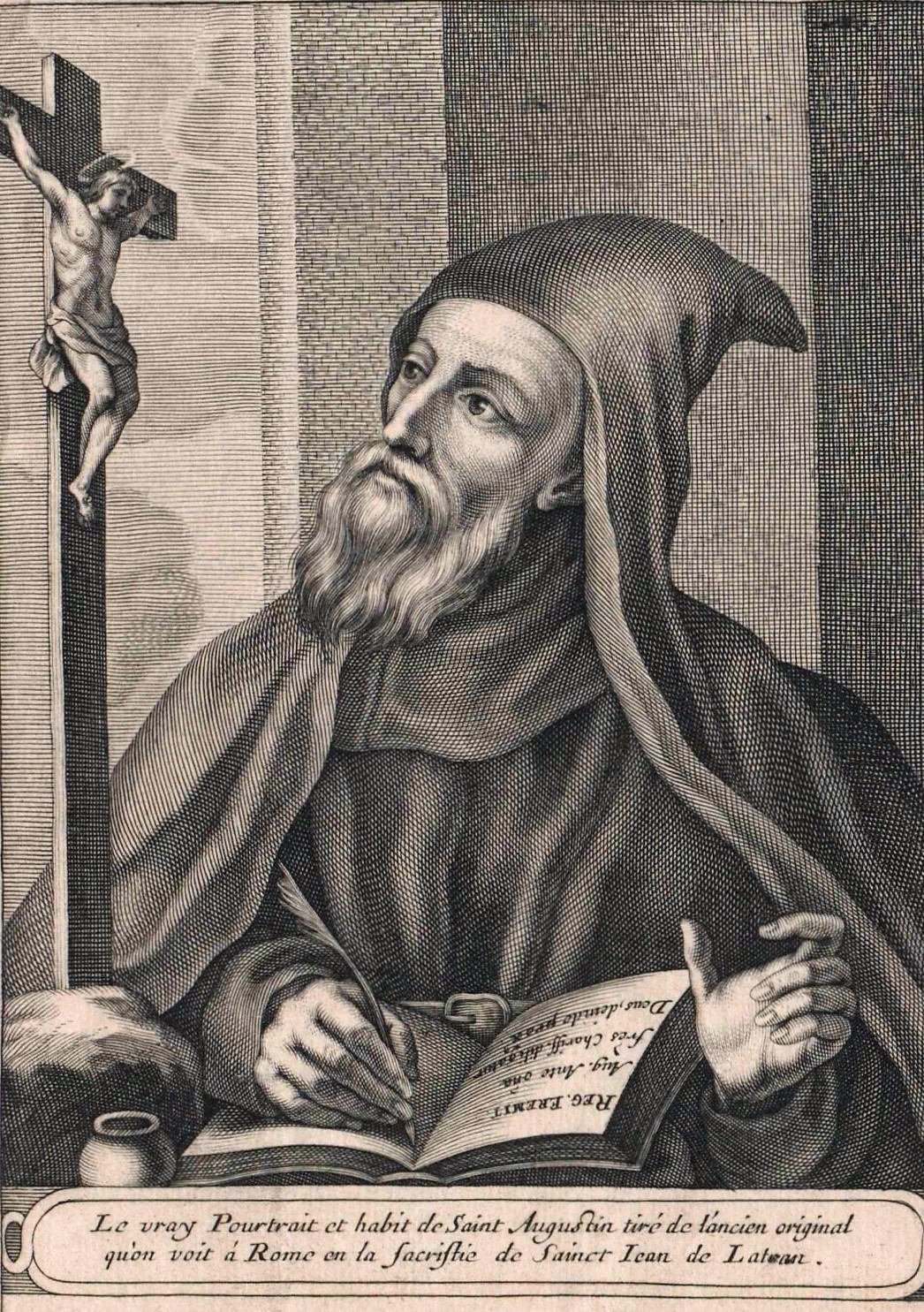
Augustine of Hippo (Latin: Aurelius Augustinus Hipponensis), also known as Saint Augustine, was a theologian and philosopher of Berber origin and the bishop of Hippo Regius in Numidia, Roman North Africa. His writings influenced the development of Western philosophy and Western Christianity, and he is viewed as one of the most important Church Fathers of the Latin Church in the Patristic Period.
Augustine is recognized as a saint in the Catholic Church, the Eastern Orthodox Church, and the Anglican Communion. He is also a preeminent Catholic Doctor of the Church and the patron of the Augustinians.

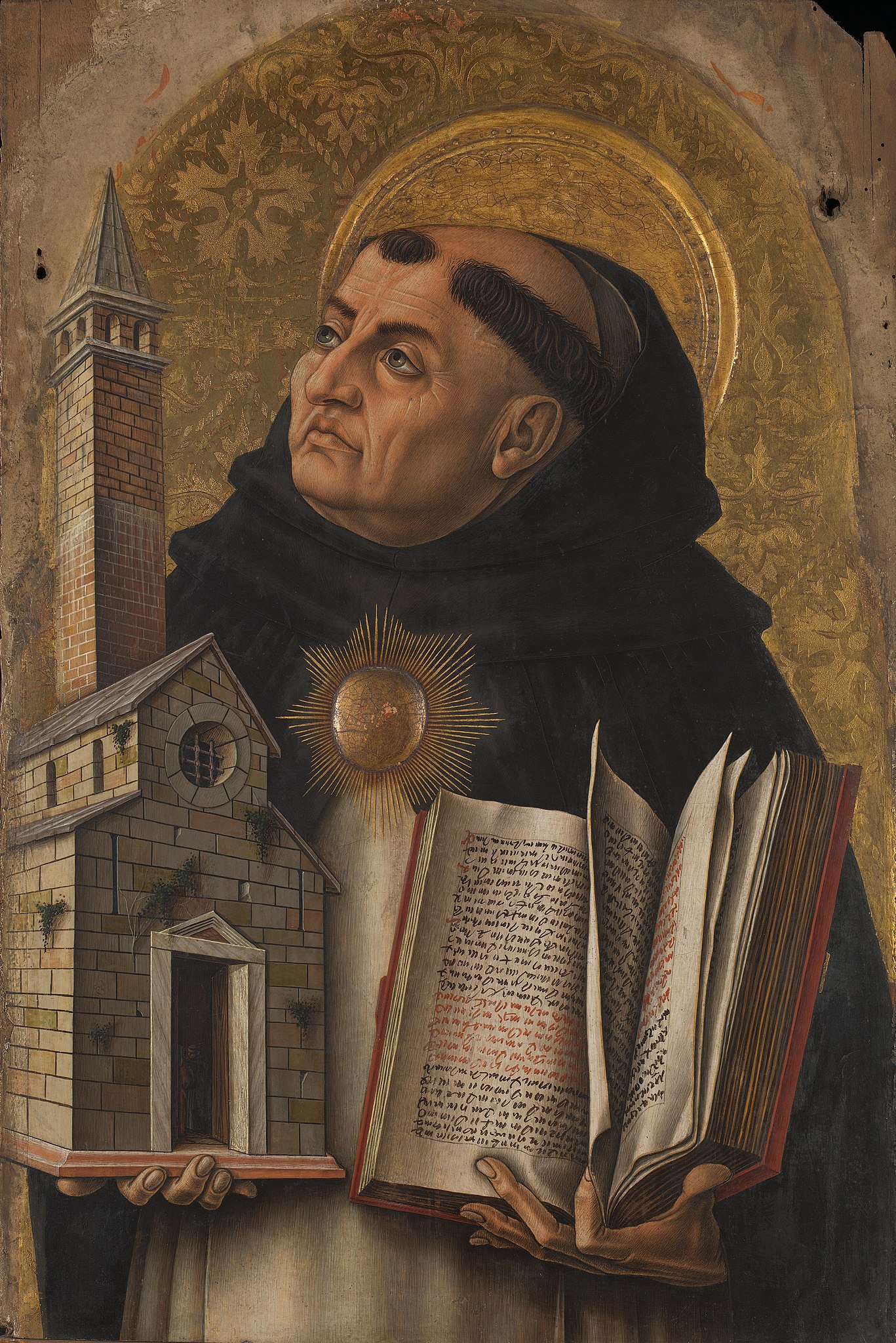
Thomas Aquinas (Italian: Tommaso d'Aquino, also called Aquinas, alias Doctor Angelicus) was an Italian poet and theologian, philosopher, and major medieval scholastic.
Thomas Aquinas is one of the most important theologians in the history of Western civilization, given the extent of his influence on the development of Roman Catholic theology since the fourteenth century. As a theologian, in his two masterpieces, Summa theologiae and Summa contra gentiles, he created the classical systematization of Latin theology, and as a poet, he wrote some of the most serious and beautiful Eucharistic hymns in the church liturgy. Thomas Aquinas is recognized by the Roman Catholic Church as the foremost Western philosopher and theologian and canonized as a saint.


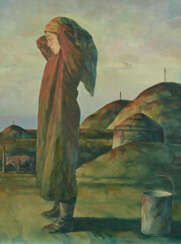













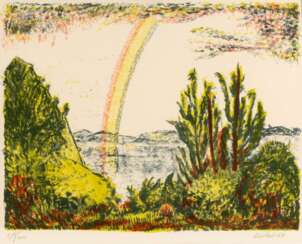

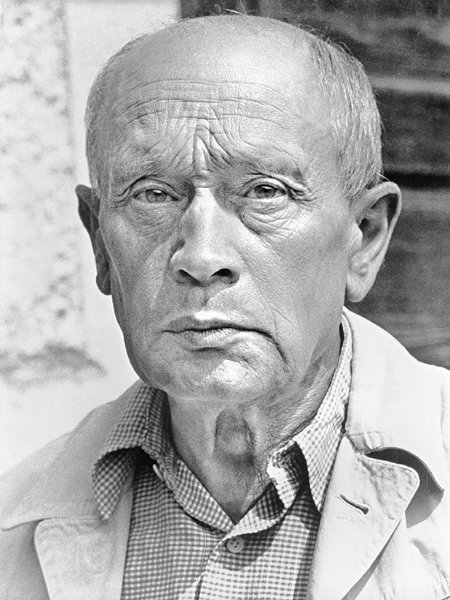
Erich Heckel was a German painter and printmaker, and a founding member of the group Die Brücke ("The Bridge") which existed 1905–1913. His work was part of the art competitions at the 1928 Summer Olympics and the 1932 Summer Olympics.
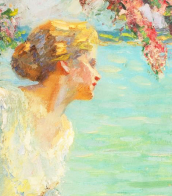
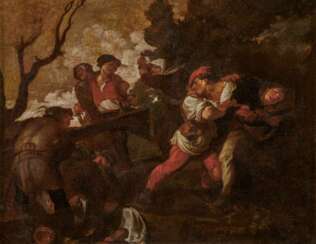

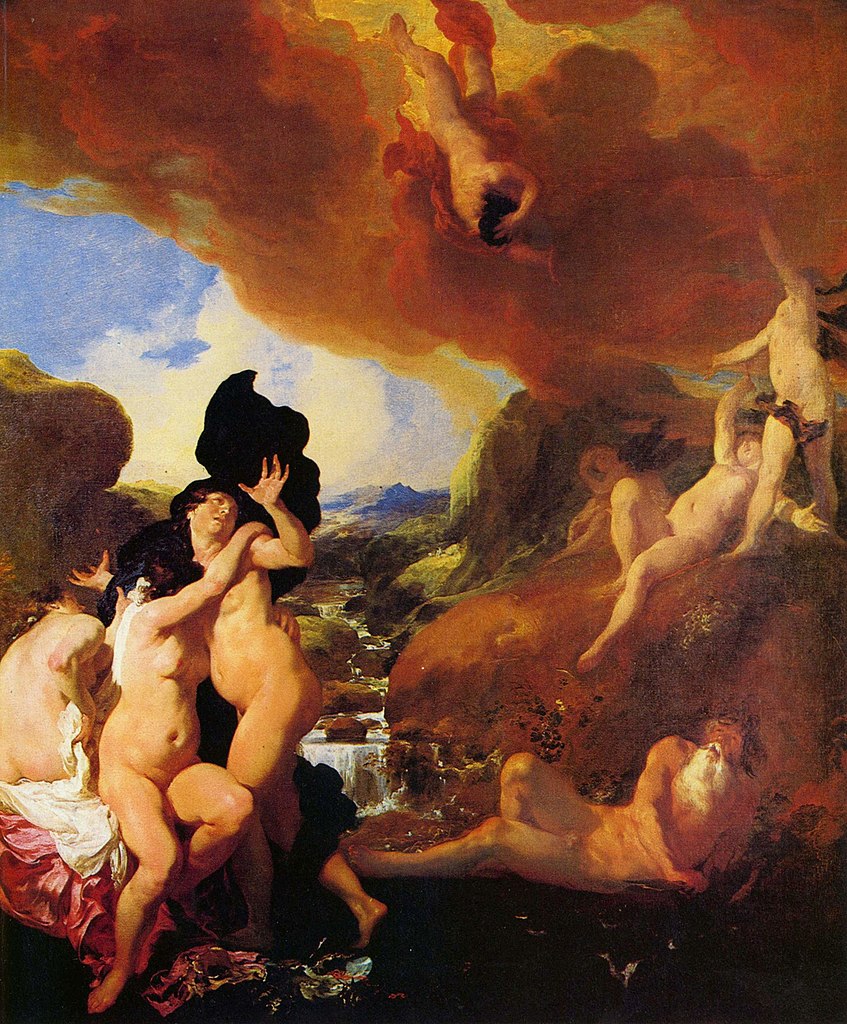
Johann Liss was a German painter of the first third of the 17th century. He is known as a painter, draughtsman and printmaker, who worked in Italy for much of his life, and as the son and namesake of Johann Liss, a painter at the court of the Dukes of Holstein.
Johann Liss worked primarily in the mythological genre. He is considered one of the key artists of the German Baroque and a prominent representative of the Venetian school. Early in his career, the artist traveled to the Netherlands, where he was influenced by a number of Dutch and Flemish masters. Italy inspired him to synthesize Dutch genre painting, Venetian style and Roman realism.
His paintings are in numerous European collections as well as in Russia and the United States.
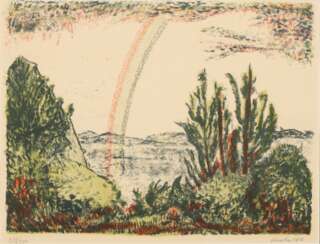

Erich Heckel was a German painter and printmaker, and a founding member of the group Die Brücke ("The Bridge") which existed 1905–1913. His work was part of the art competitions at the 1928 Summer Olympics and the 1932 Summer Olympics.