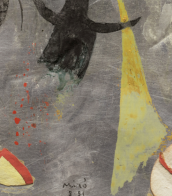
international school


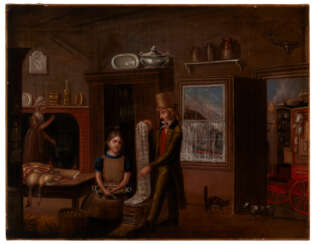



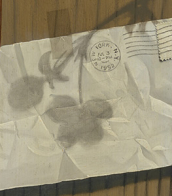
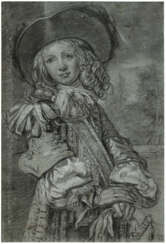

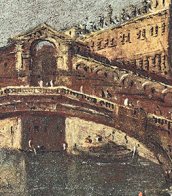







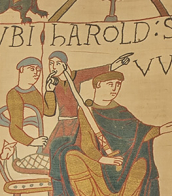


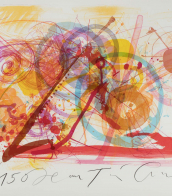
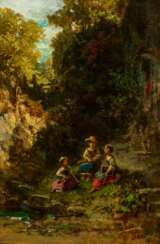

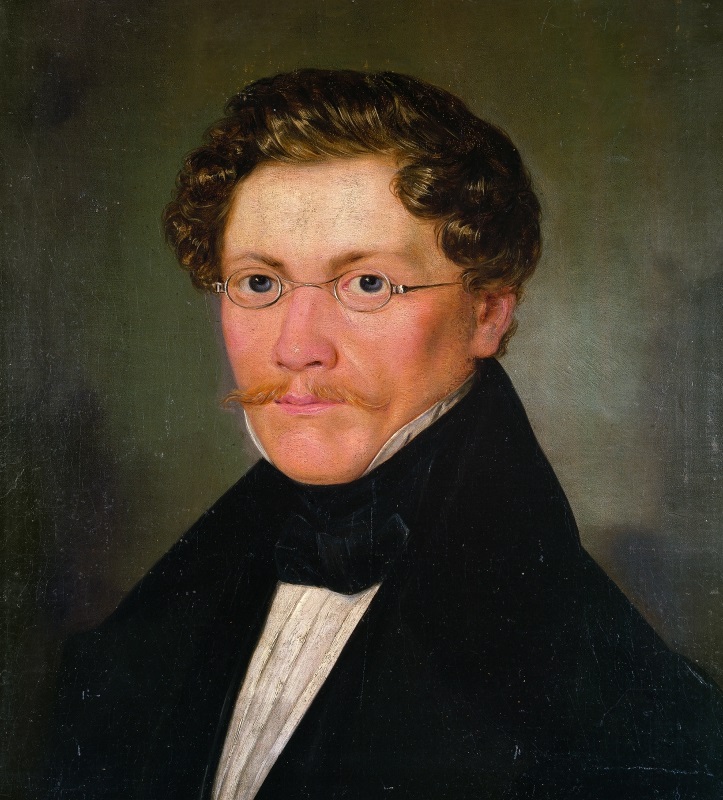
Carl Spitzweg was a German romanticist painter, especially of genre subjects. He is considered to be one of the most important artists of the Biedermeier era.
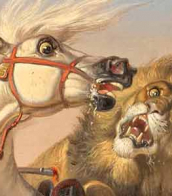


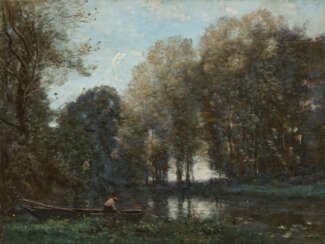

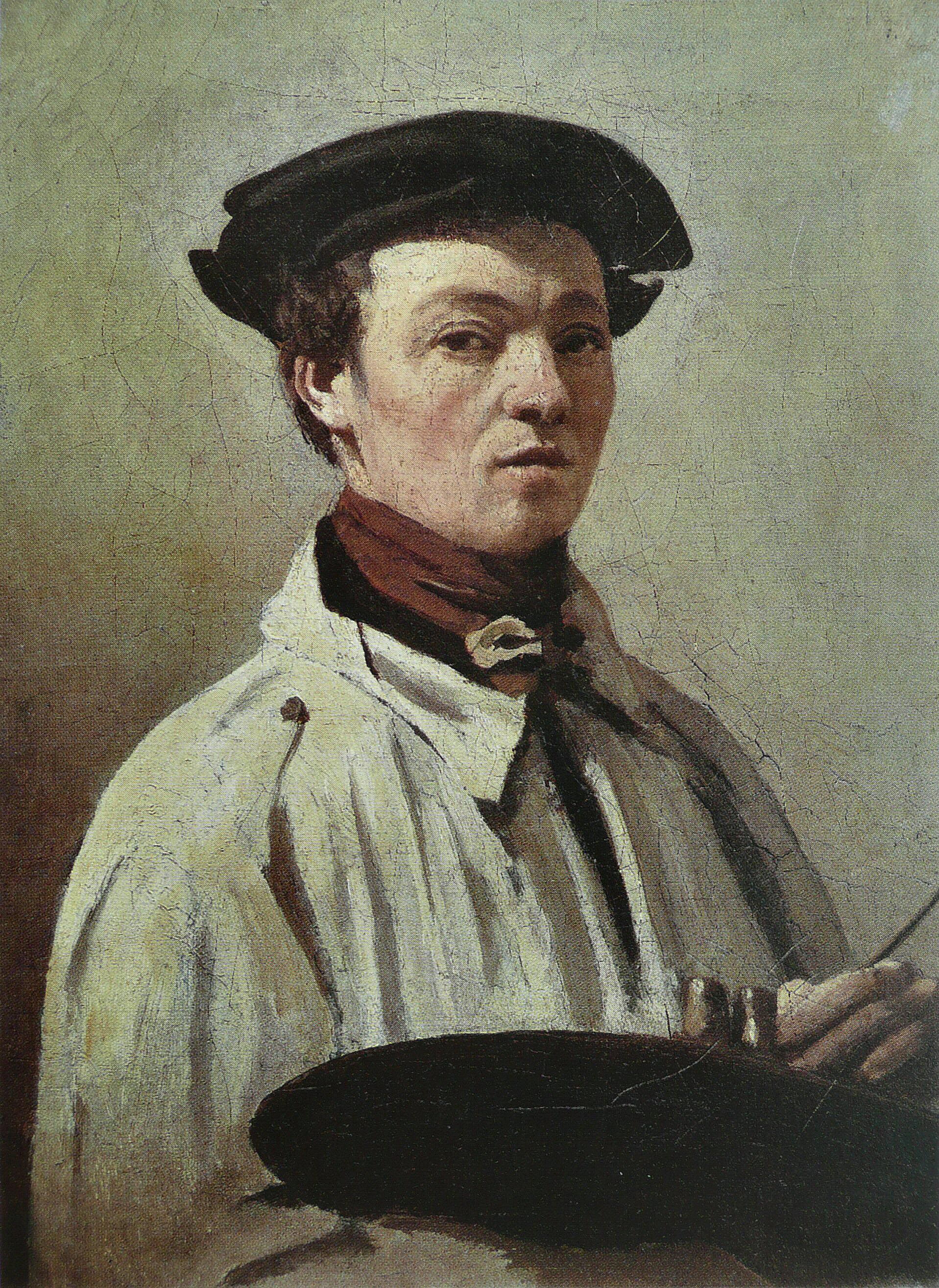
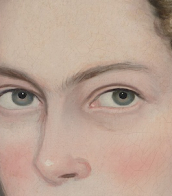
Jean-Baptiste-Camille Corot was a French landscape and portrait painter as well as a printmaker in etching. He is a pivotal figure in landscape painting and his vast output simultaneously referenced the Neo-Classical tradition and anticipated the plein-air innovations of Impressionism.
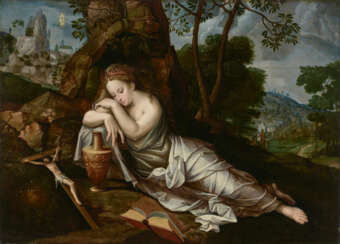

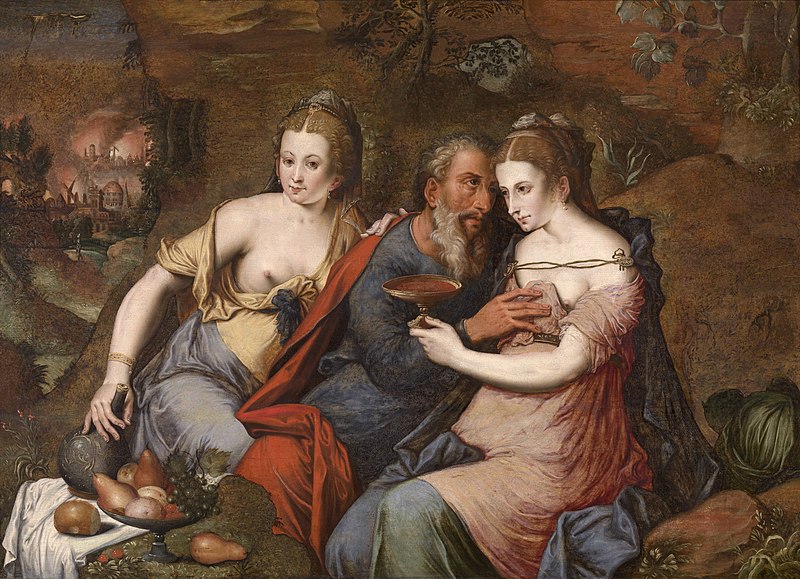
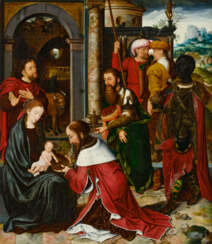

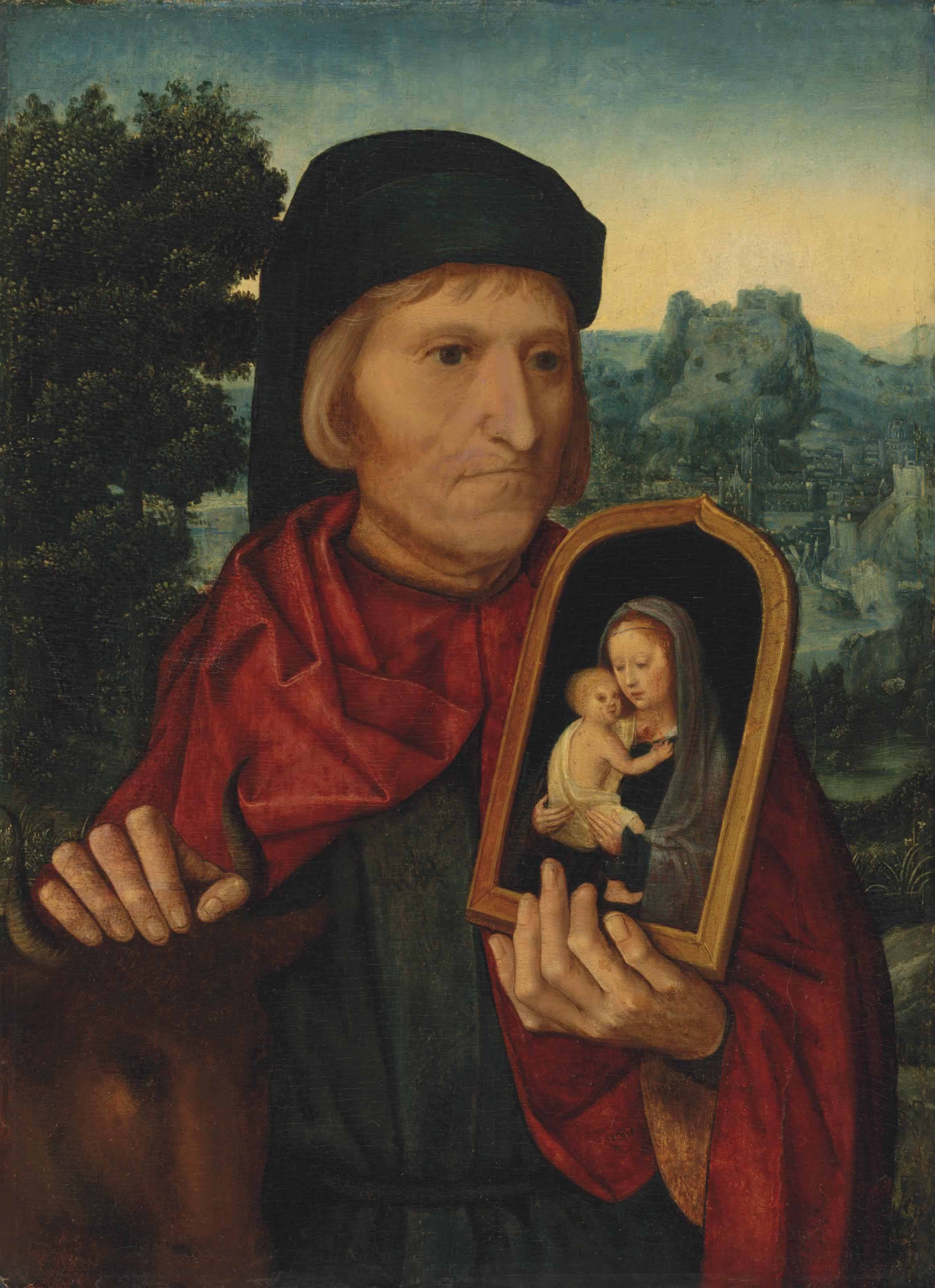
Ambrosius Benson was an Italian painter who became a part of the Northern Renaissance.
While many surviving paintings have been attributed, there is very little known of him from records, and he tended not to sign his work. He is believed to be responsible for mainly religious art, but also painted portraits on commission. He sometime painted from classical sources, often setting the figures in modern-dress, or a contemporary domestic setting. In his lifetime he was successful; he had a large workshop, his work was sold internationally and he was especially popular in Spain.
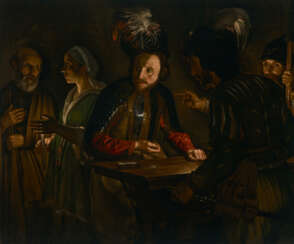

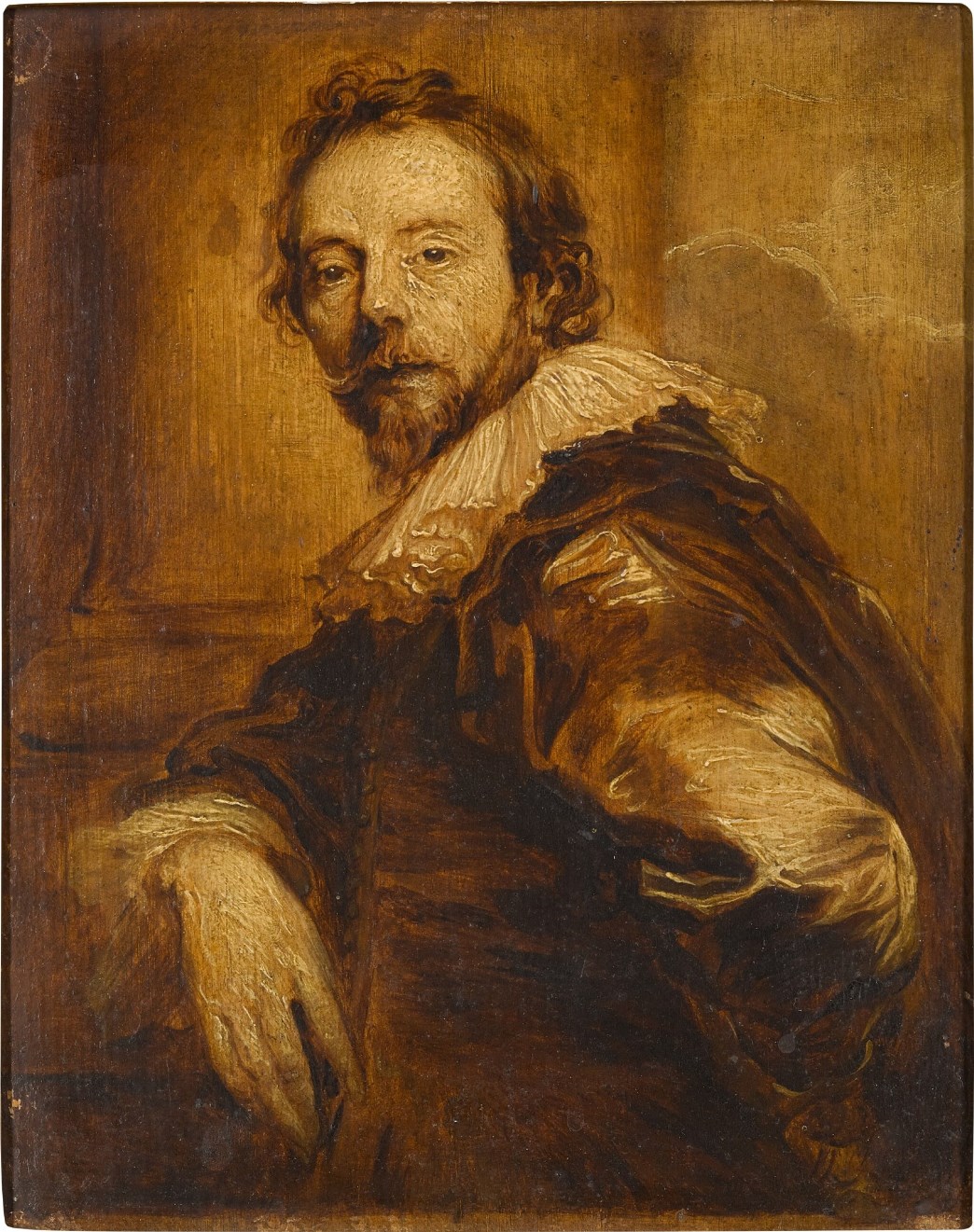
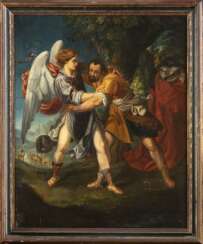
Adam de Coster, born around 1586 in Mechelen and passing away in 1643 in Antwerp, was a renowned Flemish painter and a key figure among the Antwerp Caravaggisti. This group of artists was part of an international movement that interpreted Caravaggio's work in a personal manner, known for their genre scenes with strong chiaroscuro effects. De Coster was particularly celebrated for his nocturnal scenes, earning him the nickname "Pictor Noctium" (literal translation „Painter of Nights“) due to his preference for tenebrist scenes.
His works often depicted subjects similar to those found in Caravaggio's paintings, such as card sharps, fortune tellers, and musical performances, showcasing de Coster's fascination with the play of light and shadow. Notable pieces by de Coster include "Three Singers," which demonstrates his skill in rendering the texture of fabrics and the dramatic effects of light on his subjects, and "A Man Singing by Candlelight," capturing a moment's drama through meticulous lighting.
Adam de Coster's art continues to captivate audiences with its atmospheric intensity and meticulous attention to detail. His contributions have solidified his place in the history of Flemish painting, with works featured in prestigious collections, including the Liechtenstein Museum in Vienna and the National Gallery of Ireland.
For collectors and experts in art and antiques, Adam de Coster's masterpieces represent a fascinating intersection of Flemish tradition and Caravaggesque innovation. To stay informed about new discoveries, sales, and auction events related to Adam de Coster, consider signing up for updates from art galleries and auction houses. This will ensure you have access to the latest information and opportunities to appreciate the legacy of this luminous master of painting.
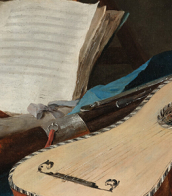
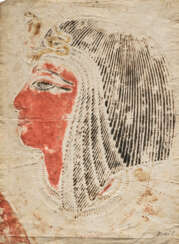






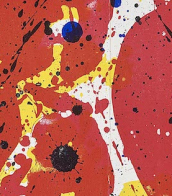
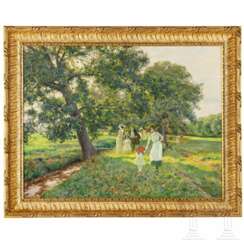

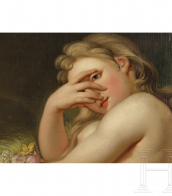


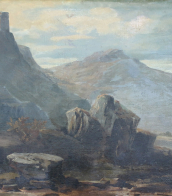


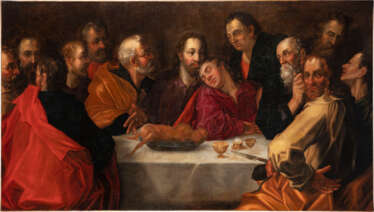

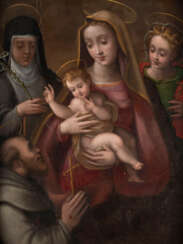

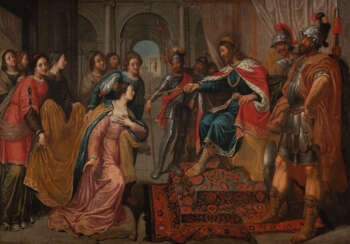

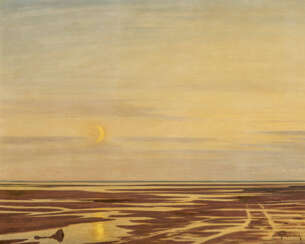

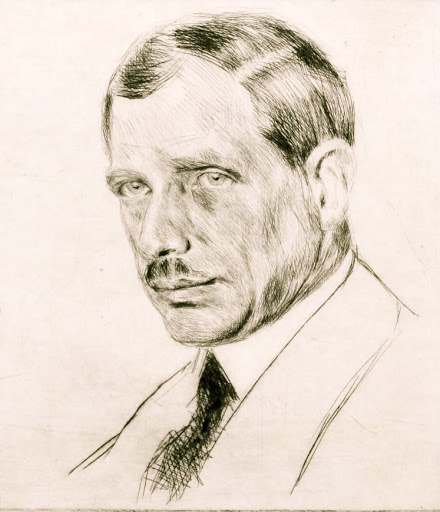
Max Clarenbach was a German painter of the first half of the twentieth century. He is known as a painter, landscape painter, genre painter and teacher and is considered one of the most important representatives of Rhenish painting of his time.
Max Clarenbach made study trips to Italy and Holland early in his career, where he formed his genre preferences and became a landscape painter. His work reflected the influence of the Hague School and the French Barbizonians. The artist skillfully depicted winter scenes and the nature of western Germany. He also painted sports and street scenes.
Clarenbach was one of the organizers of the Düsseldorf Sonderbund and taught at the Düsseldorf Academy of Art.
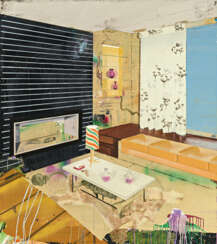

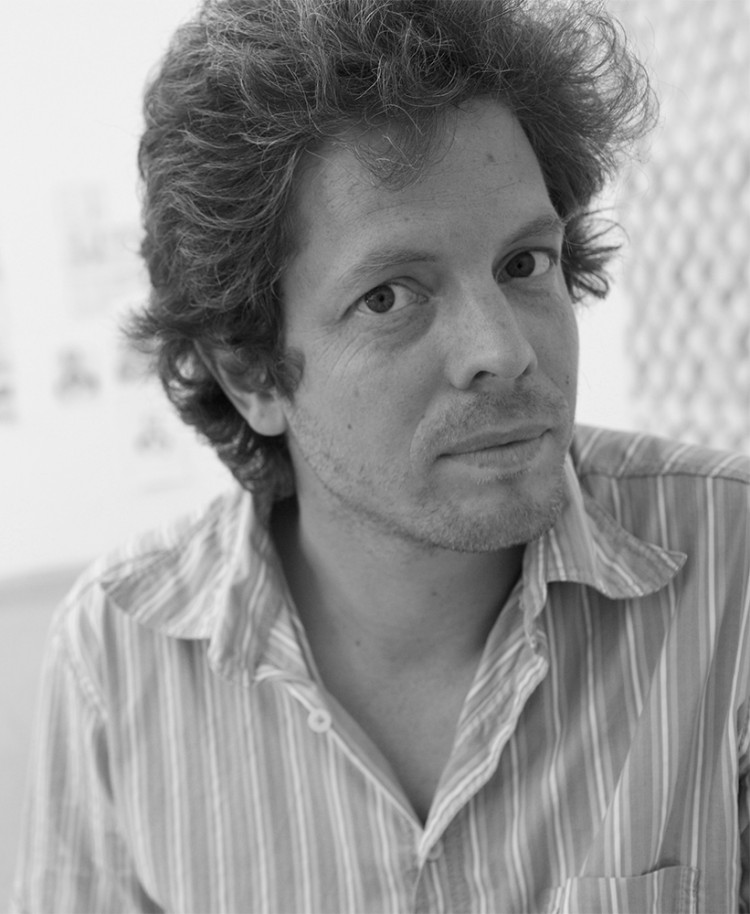
Matthias Weischer is a German artist and painter.
He graduated from the School of Graphic Arts and Book Art in Leipzig and also lives and works in Leipzig. Weischer's imaginative, incompatible interiors have become his calling card.
The never-populated, deserted rooms in his paintings create psychological tension and inexplicable anxiety in the viewer.
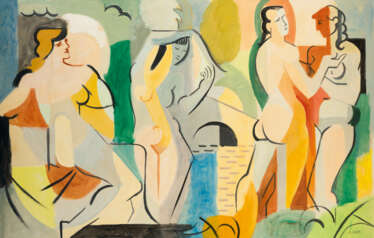

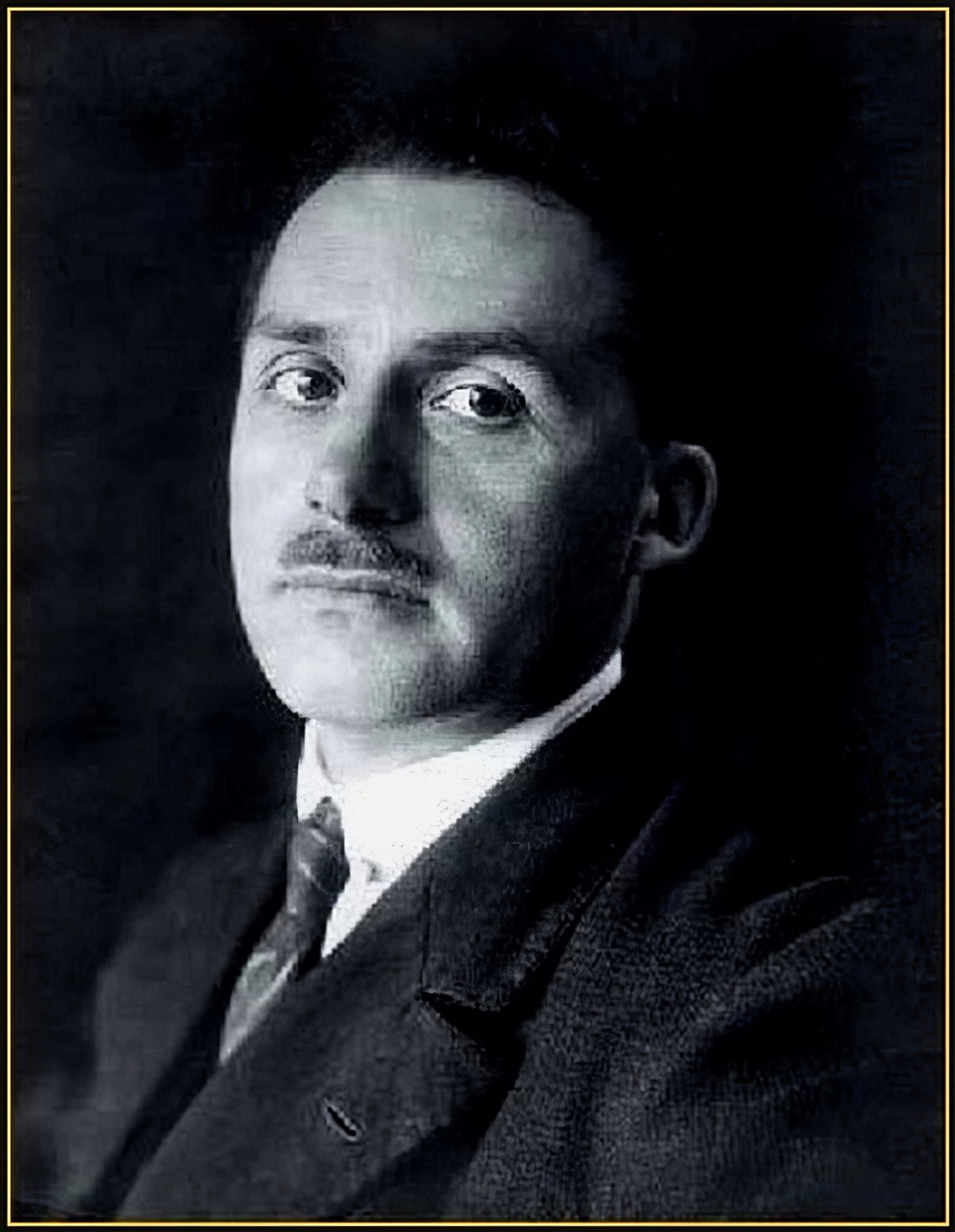
Andre Lhote, a French artist, was a pivotal figure in the Cubist movement, known for his contributions as a painter, theoretician, critic, and art teacher. His journey in the arts began at the École des Beaux-Arts in Bordeaux, focusing on decorative arts before shifting his full attention to painting after moving to Paris in 1906. Lhote's work initially drew influences from Paul Gauguin and Paul Cézanne, but by 1910, he was deeply entrenched in Cubism, aligning with artists like Fernand Léger and Jean Metzinger.
Andre Lhote's impact extended beyond his paintings; he was instrumental in developing Cubist theory through his writings and art criticism, notably contributing to La nouvelle revue française. In 1922, he founded the Académie André Lhote in Paris, shaping the future of many artists, including Henri Cartier-Bresson. His dedication to teaching and theoretical work earned him the Grand Prix National de Peinture in 1955 and a position as president of the UNESCO commission for sculpture's International Association of Painters, Engravers, and Sculptors.
For art collectors and experts, Andre Lhote's work represents a crucial chapter in the history of Cubism, offering insights into the movement's evolution and its theoretical underpinnings. To stay updated on exhibitions or sales featuring Andre Lhote's work, consider signing up for updates from reputable art institutions or galleries.