sone-875

.jpg)
Jean-François Millet was a French artist and one of the founders of the Barbizon school in rural France. Millet is noted for his paintings of peasant farmers and can be categorized as part of the Realism art movement. Toward the end of his career, he became increasingly interested in painting pure landscapes. He is known best for his oil paintings but is also noted for his pastels, conte crayon drawings, and etchings.


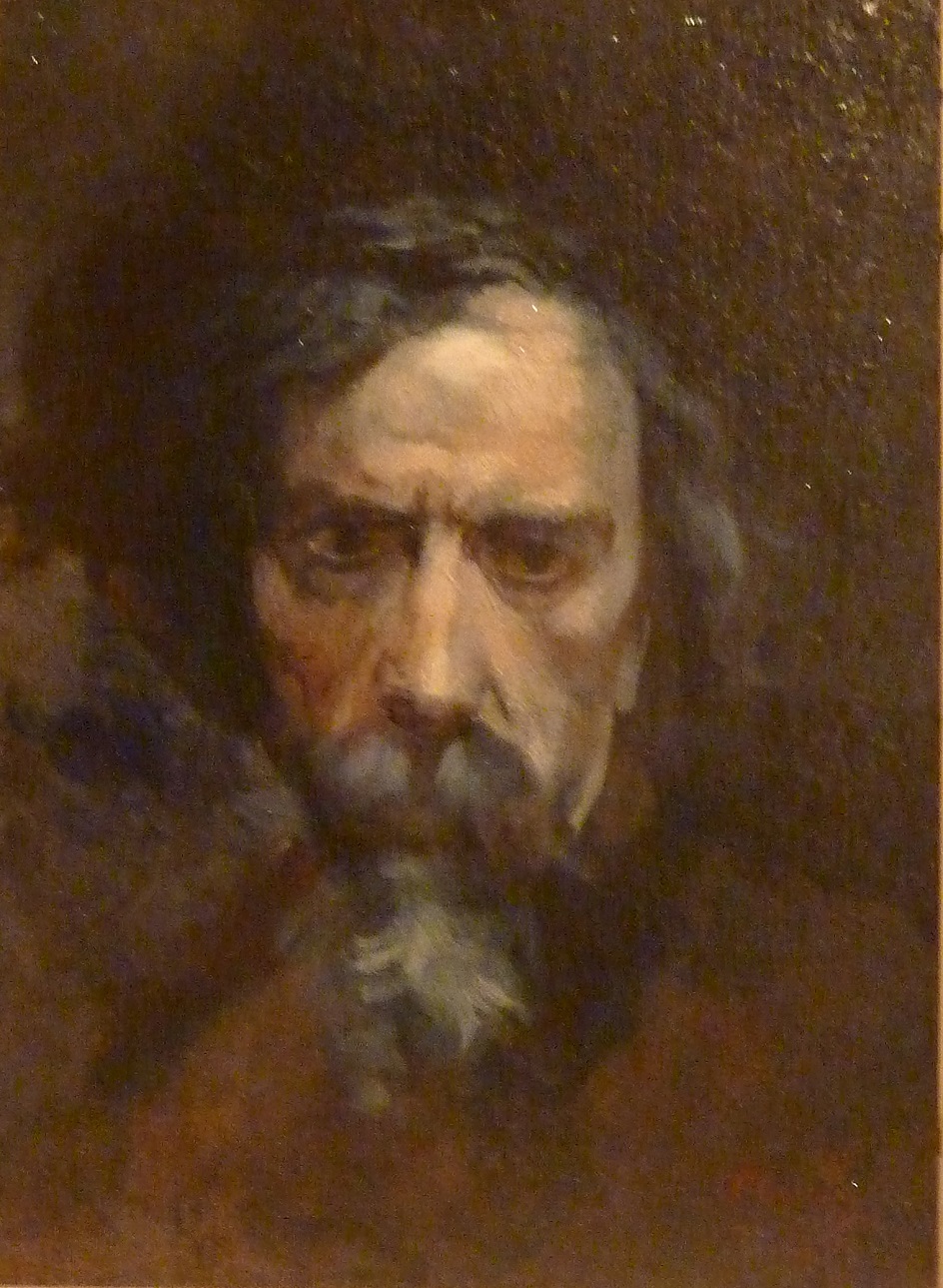
Jean-Baptiste Carpeaux was a French sculptor and painter during the Second Empire under Napoleon III.


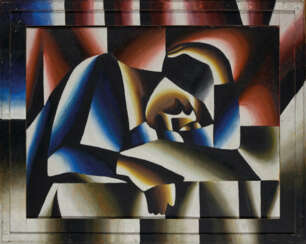

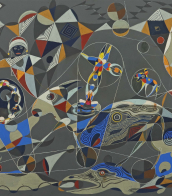
Artur Segal was a Romanian artist and author.


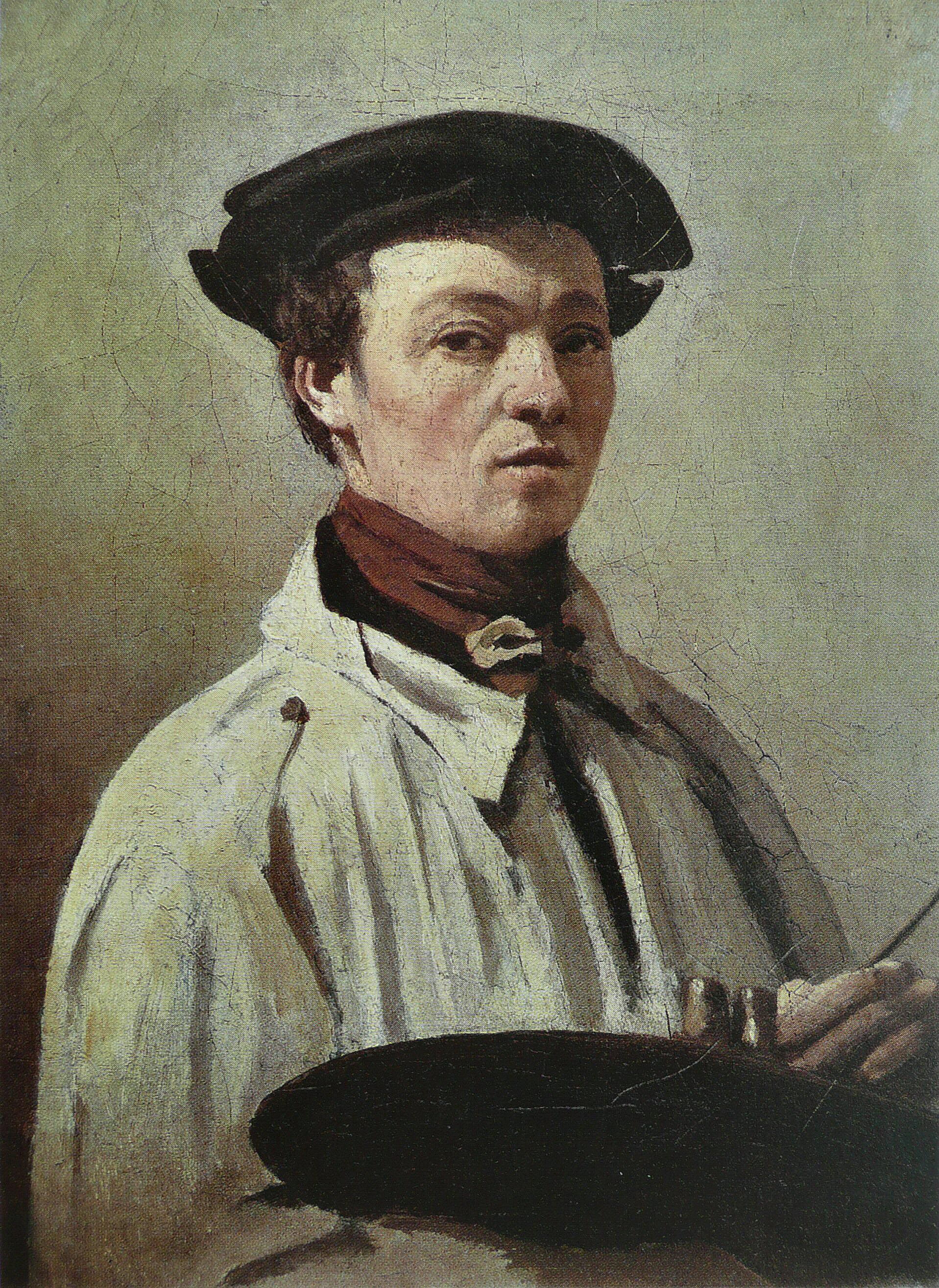
Jean-Baptiste-Camille Corot was a French landscape and portrait painter as well as a printmaker in etching. He is a pivotal figure in landscape painting and his vast output simultaneously referenced the Neo-Classical tradition and anticipated the plein-air innovations of Impressionism.
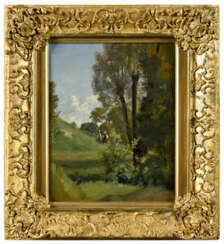

Jean-Baptiste-Camille Corot was a French landscape and portrait painter as well as a printmaker in etching. He is a pivotal figure in landscape painting and his vast output simultaneously referenced the Neo-Classical tradition and anticipated the plein-air innovations of Impressionism.


Jean-Baptiste Carpeaux was a French sculptor and painter during the Second Empire under Napoleon III.
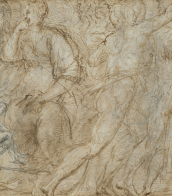
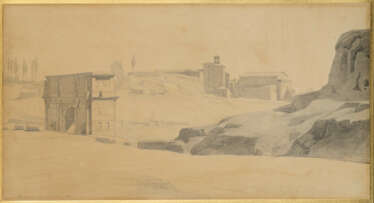

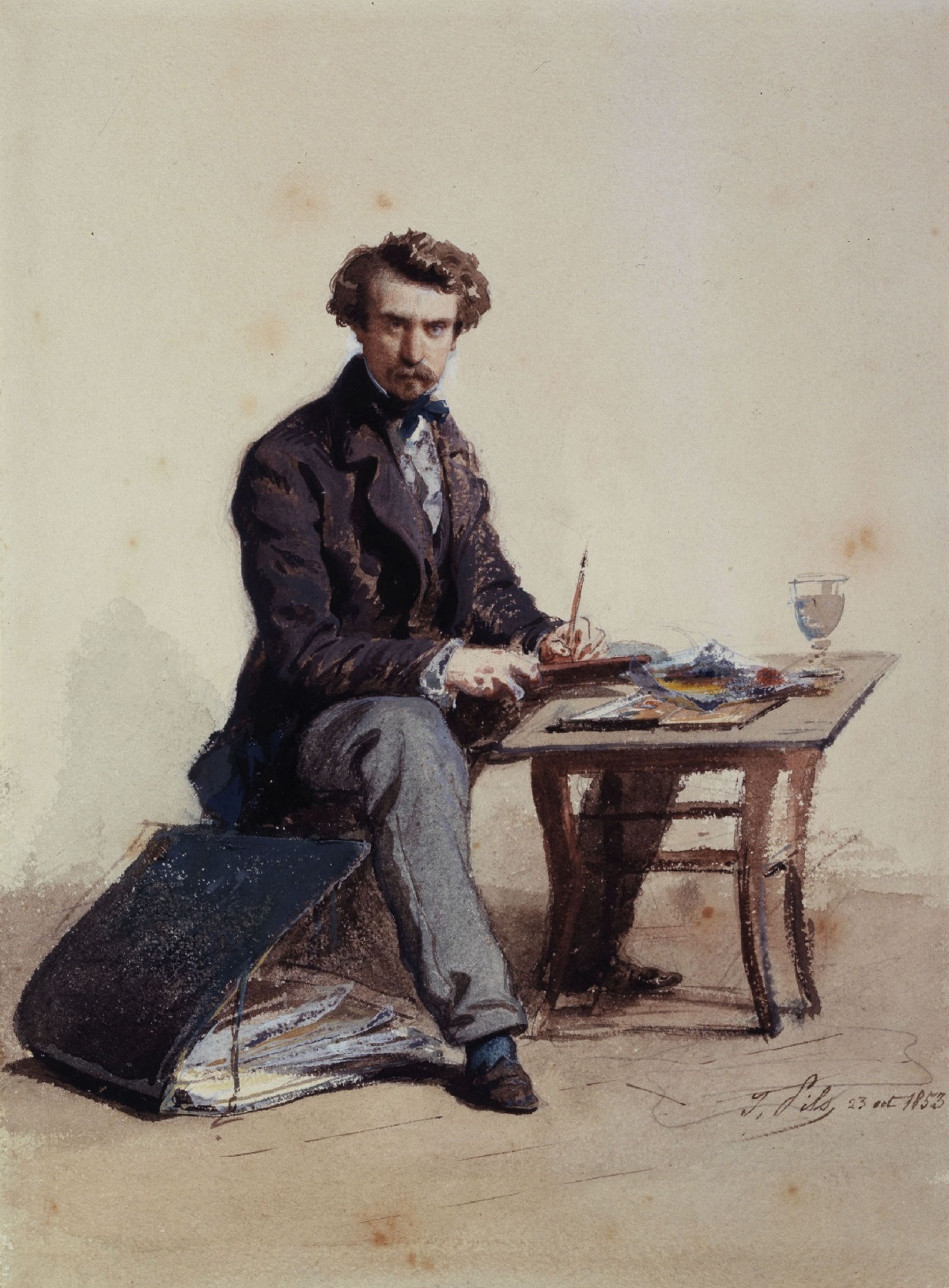
Isidore-Alexandre-Augustin Pils, a prominent French academic painter born in 1815, is renowned for his religious and military-themed artworks. His journey in art began under the tutelage of Guillaume Guillon-Lethière and later, François-Édouard Picot. Pils' prowess led him to win the prestigious Prix de Rome in 1838 with his history painting "St. Peter Healing a Lame Man at the Door of the Temple."
Pils' early works were religious in nature, but his experiences traveling with French troops in Crimea shifted his focus to military and nationalistic subjects. His most famous work from this period is "Rouget de L'Isle Singing La Marseillaise," currently housed in the Musée historique de Strasbourg. During the Franco-Prussian War of 1870, he produced many impactful military scenes.
Apart from his remarkable paintings, Pils also contributed to the architectural beauty of Paris. He painted part of the ceiling of the grand staircase of the Palais Garnier, consisting of four panels: The Gods of Olympus, Apollo in His Chariot, Triumph of Harmony, and Apotheosis of the Opera. These works were completed in the year of his death, 1875.
Pils' role as an educator was equally significant. In 1863, he was appointed a professor of painting at the École des Beaux-Arts. His influence extended to numerous students who later became notable artists themselves.
Some of Pils' other notable works include a preparatory study for the decorative projects in the Paris churches of Saint-Eustache and Sainte-Clotilde, titled "Lamentation," reflecting the popular Christian theme during the 19th century.
Isidore Pils passed away in 1875 in Douarnenez and was buried in Père Lachaise Cemetery. His legacy continues to be celebrated by art collectors and enthusiasts, particularly those interested in French academic art and its rich history of religious and military representations.
For art collectors and enthusiasts keen on exploring the legacy of French academic painting and Isidore Pils' contributions, we encourage you to connect with us. By signing up for our newsletter, you'll receive exclusive updates on sales, auctions, and events featuring works of Isidore Pils. Don't miss the opportunity to delve deeper into the world of this distinguished artist.
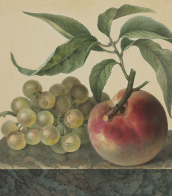


Jean-Baptiste-Camille Corot was a French landscape and portrait painter as well as a printmaker in etching. He is a pivotal figure in landscape painting and his vast output simultaneously referenced the Neo-Classical tradition and anticipated the plein-air innovations of Impressionism.
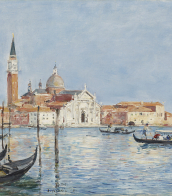
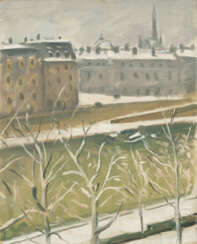

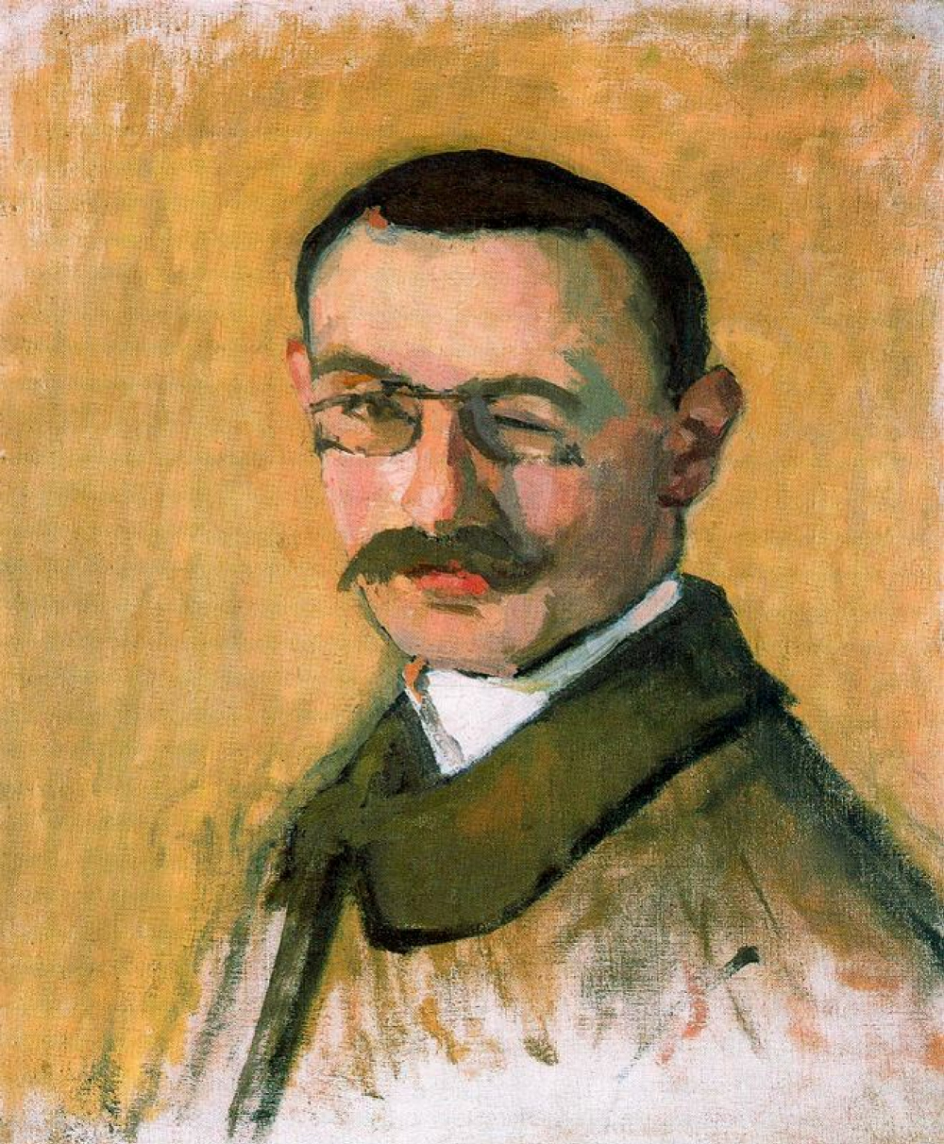
Albert Marquet was a French painter, renowned for his affiliation with the Fauvist movement, a group characterized by their use of wild, vivid colors to depict emotional expression. Unlike his contemporaries who embraced bright and violent colors, Marquet distinguished himself with a more subdued palette, employing less intense tones by mixing complementary colors to achieve a naturalistic style, primarily in landscapes. His work is celebrated for its simplicity in form and color, often focusing on serene water scenes, bustling city views, and the animated life of waterfront cities, particularly in North Africa and across various European locales like Naples and Venice.
Marquet's technique involved painting water as a broad area of simple tone, which cleverly held the plane of the water's surface without resorting to illusionistic perspective, allowing ships to emerge into a different plane with ease. This method, alongside his unique approach to color and composition, drew parallels with Japanese Shijo style work, emphasizing simplicity, movement, and the effective use of color to capture scenes' essence.
Throughout his career, Marquet frequently returned to favored subjects, capturing subtle variations in light and atmosphere. His landscapes, cityscapes, and maritime scenes are noted for their tranquility and the artist's keen observation of light and color. His works are housed in prestigious museums worldwide, including the Musée National d'Art Moderne, the Metropolitan Museum of Art, and the Pushkin Museum, showcasing his versatile talent in capturing the natural and urban environment.
Marquet's legacy is significant, admired for his astute sense of color and the ability to convey atmospheric mood with minimal elements. His influence extends beyond the canvas, impacting subsequent generations of artists and collectors who appreciate the subtlety and depth of his work. For collectors and experts in art and antiques, Albert Marquet represents a pivotal figure in modern art, whose works continue to inspire and captivate audiences with their serene beauty and emotional depth.
To stay informed about new sales and auction events related to Albert Marquet's works, signing up for updates can offer exclusive insights and opportunities to acquire pieces by this influential artist. This subscription is an invaluable resource for those keen to enhance their collection with works by one of the masters of Fauvism and modern landscape painting.


Albert Marquet was a French painter, renowned for his affiliation with the Fauvist movement, a group characterized by their use of wild, vivid colors to depict emotional expression. Unlike his contemporaries who embraced bright and violent colors, Marquet distinguished himself with a more subdued palette, employing less intense tones by mixing complementary colors to achieve a naturalistic style, primarily in landscapes. His work is celebrated for its simplicity in form and color, often focusing on serene water scenes, bustling city views, and the animated life of waterfront cities, particularly in North Africa and across various European locales like Naples and Venice.
Marquet's technique involved painting water as a broad area of simple tone, which cleverly held the plane of the water's surface without resorting to illusionistic perspective, allowing ships to emerge into a different plane with ease. This method, alongside his unique approach to color and composition, drew parallels with Japanese Shijo style work, emphasizing simplicity, movement, and the effective use of color to capture scenes' essence.
Throughout his career, Marquet frequently returned to favored subjects, capturing subtle variations in light and atmosphere. His landscapes, cityscapes, and maritime scenes are noted for their tranquility and the artist's keen observation of light and color. His works are housed in prestigious museums worldwide, including the Musée National d'Art Moderne, the Metropolitan Museum of Art, and the Pushkin Museum, showcasing his versatile talent in capturing the natural and urban environment.
Marquet's legacy is significant, admired for his astute sense of color and the ability to convey atmospheric mood with minimal elements. His influence extends beyond the canvas, impacting subsequent generations of artists and collectors who appreciate the subtlety and depth of his work. For collectors and experts in art and antiques, Albert Marquet represents a pivotal figure in modern art, whose works continue to inspire and captivate audiences with their serene beauty and emotional depth.
To stay informed about new sales and auction events related to Albert Marquet's works, signing up for updates can offer exclusive insights and opportunities to acquire pieces by this influential artist. This subscription is an invaluable resource for those keen to enhance their collection with works by one of the masters of Fauvism and modern landscape painting.
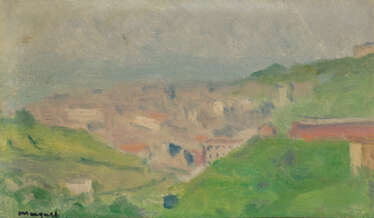

Albert Marquet was a French painter, renowned for his affiliation with the Fauvist movement, a group characterized by their use of wild, vivid colors to depict emotional expression. Unlike his contemporaries who embraced bright and violent colors, Marquet distinguished himself with a more subdued palette, employing less intense tones by mixing complementary colors to achieve a naturalistic style, primarily in landscapes. His work is celebrated for its simplicity in form and color, often focusing on serene water scenes, bustling city views, and the animated life of waterfront cities, particularly in North Africa and across various European locales like Naples and Venice.
Marquet's technique involved painting water as a broad area of simple tone, which cleverly held the plane of the water's surface without resorting to illusionistic perspective, allowing ships to emerge into a different plane with ease. This method, alongside his unique approach to color and composition, drew parallels with Japanese Shijo style work, emphasizing simplicity, movement, and the effective use of color to capture scenes' essence.
Throughout his career, Marquet frequently returned to favored subjects, capturing subtle variations in light and atmosphere. His landscapes, cityscapes, and maritime scenes are noted for their tranquility and the artist's keen observation of light and color. His works are housed in prestigious museums worldwide, including the Musée National d'Art Moderne, the Metropolitan Museum of Art, and the Pushkin Museum, showcasing his versatile talent in capturing the natural and urban environment.
Marquet's legacy is significant, admired for his astute sense of color and the ability to convey atmospheric mood with minimal elements. His influence extends beyond the canvas, impacting subsequent generations of artists and collectors who appreciate the subtlety and depth of his work. For collectors and experts in art and antiques, Albert Marquet represents a pivotal figure in modern art, whose works continue to inspire and captivate audiences with their serene beauty and emotional depth.
To stay informed about new sales and auction events related to Albert Marquet's works, signing up for updates can offer exclusive insights and opportunities to acquire pieces by this influential artist. This subscription is an invaluable resource for those keen to enhance their collection with works by one of the masters of Fauvism and modern landscape painting.
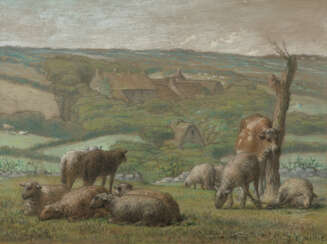

Jean-François Millet was a French artist and one of the founders of the Barbizon school in rural France. Millet is noted for his paintings of peasant farmers and can be categorized as part of the Realism art movement. Toward the end of his career, he became increasingly interested in painting pure landscapes. He is known best for his oil paintings but is also noted for his pastels, conte crayon drawings, and etchings.
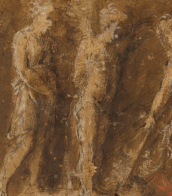


-VIL_WiKi.jpg)
Edward Alfred Cucuel was an American-born painter impressionist painter who lived and worked in Germany.
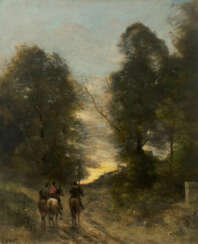

Jean-Baptiste-Camille Corot was a French landscape and portrait painter as well as a printmaker in etching. He is a pivotal figure in landscape painting and his vast output simultaneously referenced the Neo-Classical tradition and anticipated the plein-air innovations of Impressionism.
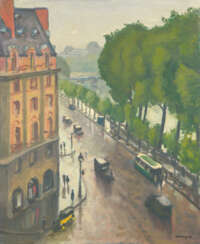

Albert Marquet was a French painter, renowned for his affiliation with the Fauvist movement, a group characterized by their use of wild, vivid colors to depict emotional expression. Unlike his contemporaries who embraced bright and violent colors, Marquet distinguished himself with a more subdued palette, employing less intense tones by mixing complementary colors to achieve a naturalistic style, primarily in landscapes. His work is celebrated for its simplicity in form and color, often focusing on serene water scenes, bustling city views, and the animated life of waterfront cities, particularly in North Africa and across various European locales like Naples and Venice.
Marquet's technique involved painting water as a broad area of simple tone, which cleverly held the plane of the water's surface without resorting to illusionistic perspective, allowing ships to emerge into a different plane with ease. This method, alongside his unique approach to color and composition, drew parallels with Japanese Shijo style work, emphasizing simplicity, movement, and the effective use of color to capture scenes' essence.
Throughout his career, Marquet frequently returned to favored subjects, capturing subtle variations in light and atmosphere. His landscapes, cityscapes, and maritime scenes are noted for their tranquility and the artist's keen observation of light and color. His works are housed in prestigious museums worldwide, including the Musée National d'Art Moderne, the Metropolitan Museum of Art, and the Pushkin Museum, showcasing his versatile talent in capturing the natural and urban environment.
Marquet's legacy is significant, admired for his astute sense of color and the ability to convey atmospheric mood with minimal elements. His influence extends beyond the canvas, impacting subsequent generations of artists and collectors who appreciate the subtlety and depth of his work. For collectors and experts in art and antiques, Albert Marquet represents a pivotal figure in modern art, whose works continue to inspire and captivate audiences with their serene beauty and emotional depth.
To stay informed about new sales and auction events related to Albert Marquet's works, signing up for updates can offer exclusive insights and opportunities to acquire pieces by this influential artist. This subscription is an invaluable resource for those keen to enhance their collection with works by one of the masters of Fauvism and modern landscape painting.
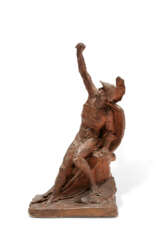

Jean-Baptiste Carpeaux was a French sculptor and painter during the Second Empire under Napoleon III.


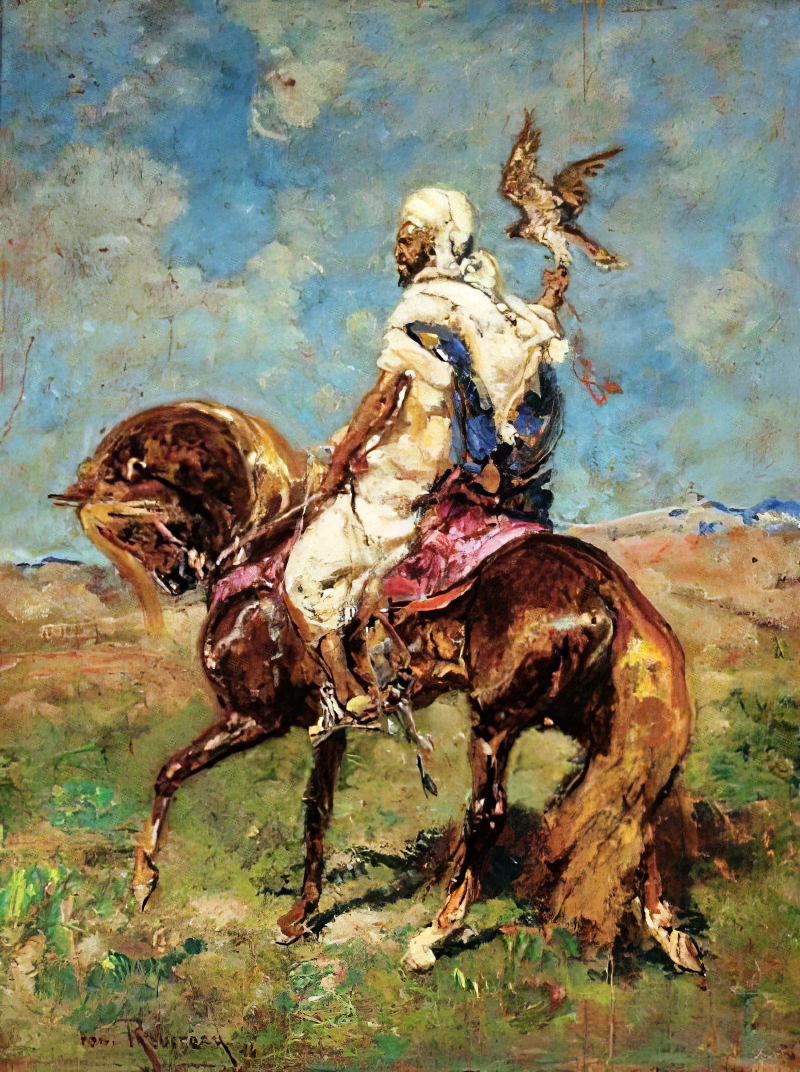
Henri Émilien Rousseau was a French painter, graphic artist and illustrator; best known for his Orientialist scenes featuring horses and riders.


Henri Émilien Rousseau was a French painter, graphic artist and illustrator; best known for his Orientialist scenes featuring horses and riders.
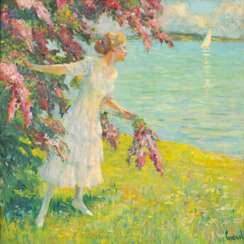

Edward Alfred Cucuel was an American-born painter impressionist painter who lived and worked in Germany.
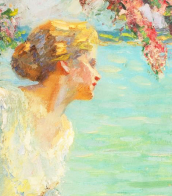
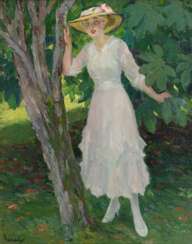

Edward Alfred Cucuel was an American-born painter impressionist painter who lived and worked in Germany.