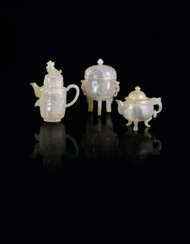
table de thé
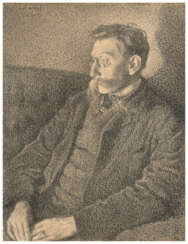

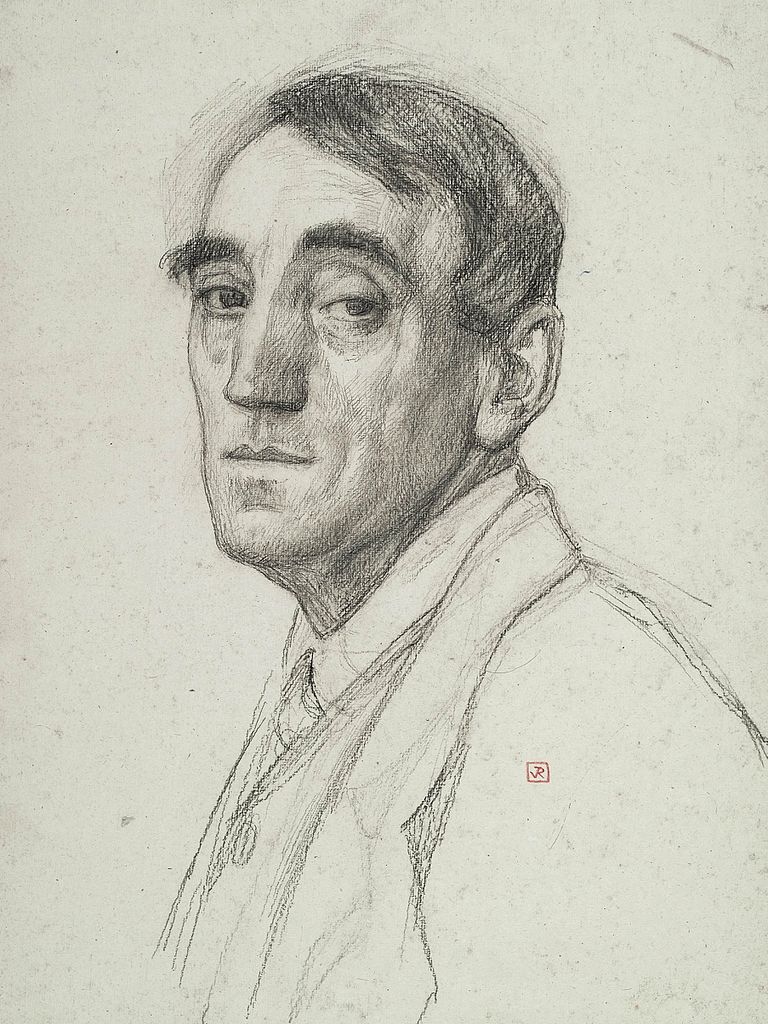
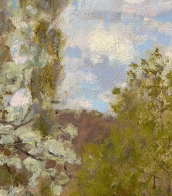
Théo van Rysselberghe, a prominent Belgian painter, was a key figure in the Neo-Impressionist movement, particularly known for his adoption of the pointillist technique. Born in Ghent, Belgium, in 1862, van Rysselberghe played a crucial role in the artistic circle Les XX, a group of avant-garde artists who sought to break away from traditional academic art norms. His early works displayed an Impressionist influence, which evolved significantly after he encountered Georges Seurat's pointillist masterpiece at an Impressionist exhibition in Paris in 1886.
Van Rysselberghe's career saw a significant shift after this encounter, as he embraced pointillism, a technique involving the application of small, distinct dots of color to form an image. His mastery in this style is evident in his landscapes and portraiture, where he employed vibrant colors and meticulous attention to light and detail. His work during this period is considered the pinnacle of his artistic achievements, showcasing his talent not only in landscapes but also in pointillist portraiture, a genre he significantly contributed to within the Neo-Impressionist movement.
Despite his success and contributions to pointillism, Théo van Rysselberghe eventually moved away from this technique around 1904, exploring other artistic expressions. Throughout his career, he remained an influential figure in the Belgian art scene, his works continuing to inspire and attract attention for their innovative approach and technical prowess.
For art collectors and enthusiasts, delving into Théo van Rysselberghe's oeuvre offers a fascinating glimpse into the evolution of Neo-Impressionism and pointillism, highlighting the artist's significant role in these movements. To stay updated on sales and auctions featuring van Rysselberghe's works, signing up for updates can provide exclusive insights into opportunities to acquire pieces by this remarkable artist.
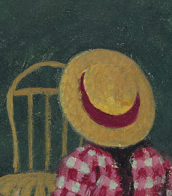
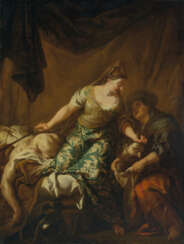

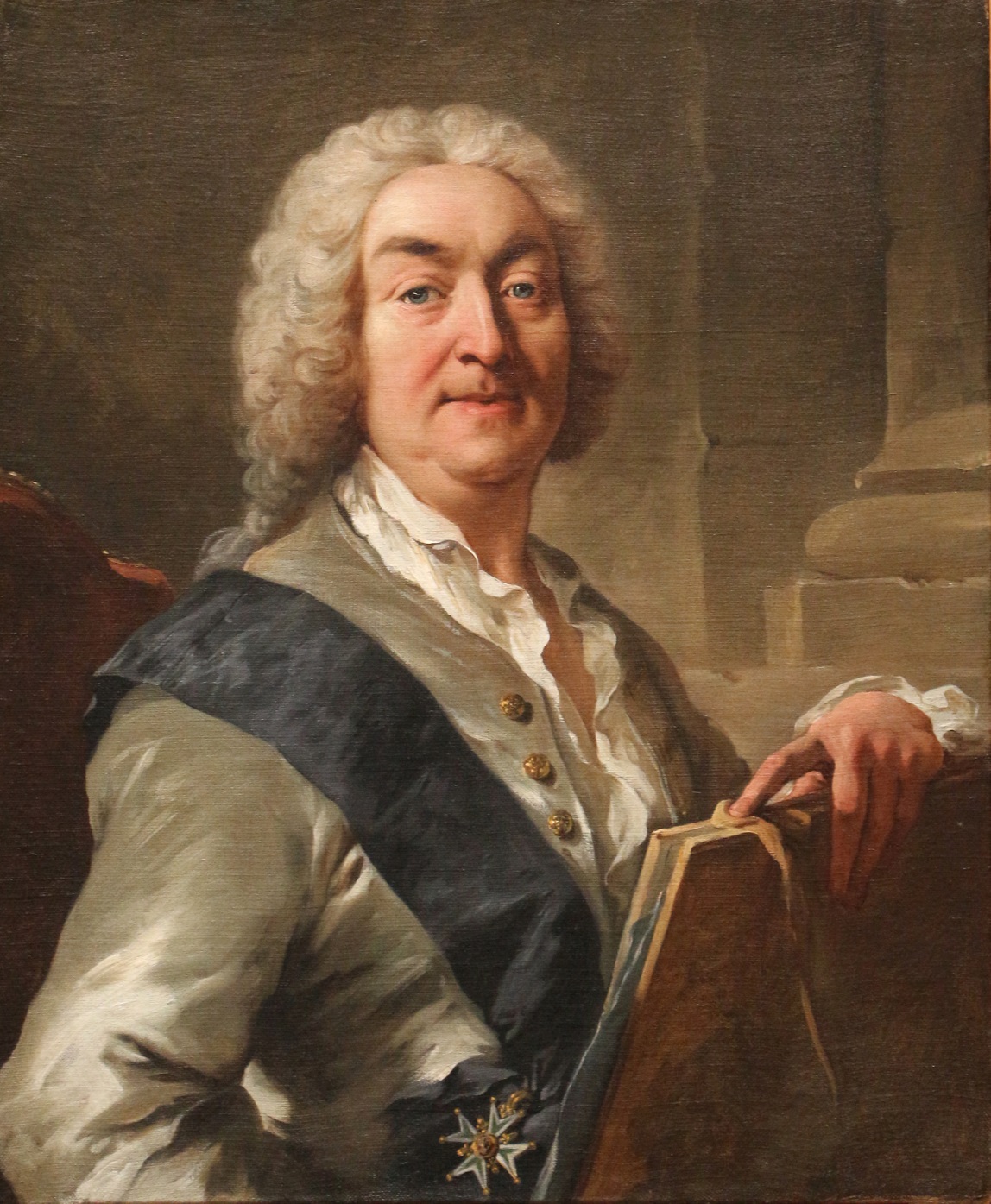
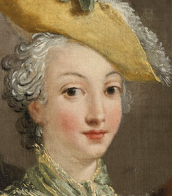
Jean-François de Troy was a French Rococo easel and fresco painter, draughtsman and tapestry designer. One of France's leading history painters in his time, he was equally successful with his decorative paintings, genre scenes and portraits. He was the inventor of the tableaux de modes ('paintings of fashions'), which attempted to provide a spirited portrayal of contemporary fashions, pastimes and manners.
He was the Director of the French Academy in Rome from 1738.
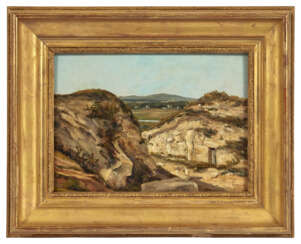

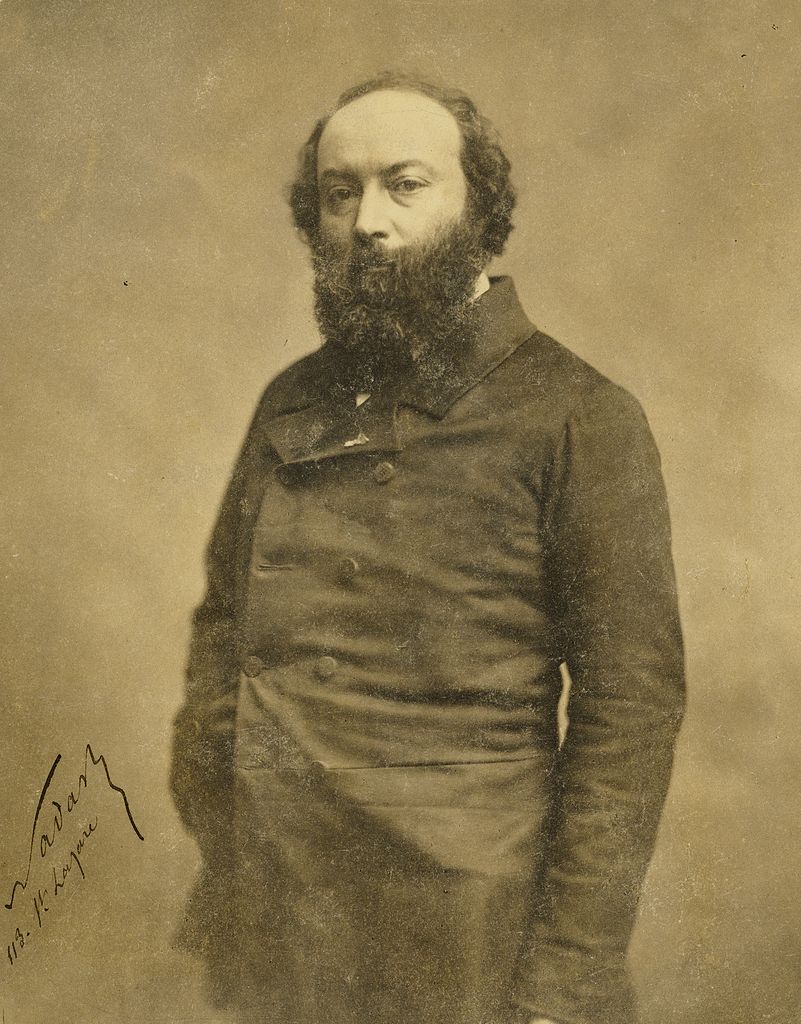
Théodore Rousseau was a prominent French painter, celebrated for his pioneering contributions to the Barbizon school of landscape art. His dedication to capturing nature's essence made him a pivotal figure in landscape painting's evolution. Rousseau's technique involved painting directly from nature, a method that infused his works with a profound sense of realism and vitality. This approach was notably evident in his masterpiece "An Avenue of Trees, Forest of l'Isle-Adam," where he meticulously captured a scene entirely outdoors, a testament to his commitment to authenticity and detail.
Théodore Rousseau's artistry wasn't confined to painting alone; his drawings, like the detailed "Study of an Oak Tree," demonstrate his versatility and deep connection with nature. His works received significant recognition, culminating in a triumphant display at the Universal Exposition of 1855. However, his life was not devoid of challenges. Personal tragedies and professional setbacks marked his later years, yet his resolve and dedication to art remained unshaken.
For art enthusiasts and collectors, Théodore Rousseau's works are pivotal, not just for their beauty but also for their role in the history of landscape painting. His pieces like "The Great Oaks of Old Bas-Bréau" are cherished in collections worldwide, serving as enduring symbols of his talent and his profound influence on subsequent art movements.
For those interested in the intersection of nature and art, subscribing to updates on Théodore Rousseau can provide invaluable insights into his life's work, his contributions to the Barbizon school, and his lasting impact on the world of art. Stay informed about new discoveries, sales, and auction events related to Rousseau's oeuvre to deepen your appreciation and understanding of this illustrious artist's legacy.
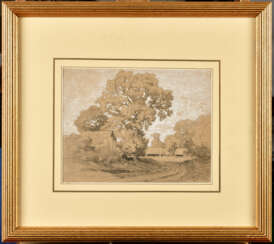

Théodore Rousseau was a prominent French painter, celebrated for his pioneering contributions to the Barbizon school of landscape art. His dedication to capturing nature's essence made him a pivotal figure in landscape painting's evolution. Rousseau's technique involved painting directly from nature, a method that infused his works with a profound sense of realism and vitality. This approach was notably evident in his masterpiece "An Avenue of Trees, Forest of l'Isle-Adam," where he meticulously captured a scene entirely outdoors, a testament to his commitment to authenticity and detail.
Théodore Rousseau's artistry wasn't confined to painting alone; his drawings, like the detailed "Study of an Oak Tree," demonstrate his versatility and deep connection with nature. His works received significant recognition, culminating in a triumphant display at the Universal Exposition of 1855. However, his life was not devoid of challenges. Personal tragedies and professional setbacks marked his later years, yet his resolve and dedication to art remained unshaken.
For art enthusiasts and collectors, Théodore Rousseau's works are pivotal, not just for their beauty but also for their role in the history of landscape painting. His pieces like "The Great Oaks of Old Bas-Bréau" are cherished in collections worldwide, serving as enduring symbols of his talent and his profound influence on subsequent art movements.
For those interested in the intersection of nature and art, subscribing to updates on Théodore Rousseau can provide invaluable insights into his life's work, his contributions to the Barbizon school, and his lasting impact on the world of art. Stay informed about new discoveries, sales, and auction events related to Rousseau's oeuvre to deepen your appreciation and understanding of this illustrious artist's legacy.
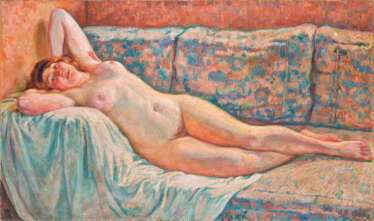

Théo van Rysselberghe, a prominent Belgian painter, was a key figure in the Neo-Impressionist movement, particularly known for his adoption of the pointillist technique. Born in Ghent, Belgium, in 1862, van Rysselberghe played a crucial role in the artistic circle Les XX, a group of avant-garde artists who sought to break away from traditional academic art norms. His early works displayed an Impressionist influence, which evolved significantly after he encountered Georges Seurat's pointillist masterpiece at an Impressionist exhibition in Paris in 1886.
Van Rysselberghe's career saw a significant shift after this encounter, as he embraced pointillism, a technique involving the application of small, distinct dots of color to form an image. His mastery in this style is evident in his landscapes and portraiture, where he employed vibrant colors and meticulous attention to light and detail. His work during this period is considered the pinnacle of his artistic achievements, showcasing his talent not only in landscapes but also in pointillist portraiture, a genre he significantly contributed to within the Neo-Impressionist movement.
Despite his success and contributions to pointillism, Théo van Rysselberghe eventually moved away from this technique around 1904, exploring other artistic expressions. Throughout his career, he remained an influential figure in the Belgian art scene, his works continuing to inspire and attract attention for their innovative approach and technical prowess.
For art collectors and enthusiasts, delving into Théo van Rysselberghe's oeuvre offers a fascinating glimpse into the evolution of Neo-Impressionism and pointillism, highlighting the artist's significant role in these movements. To stay updated on sales and auctions featuring van Rysselberghe's works, signing up for updates can provide exclusive insights into opportunities to acquire pieces by this remarkable artist.

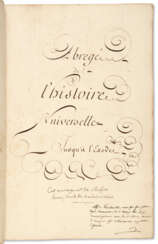
![[ANGUILBERT, Théobald ?].](/assets/image/picture_2735043/5cb45/95e4cd8f7090fb96f2b61e3c3a3026021679526000jpg__fix_374_244.jpeg)
![[ANGUILBERT, Théobald ?].](https://veryimportantlot.com/assets/image/picture_2735043/5cb45/95e4cd8f7090fb96f2b61e3c3a3026021679526000jpg__fix_374_244.jpeg)
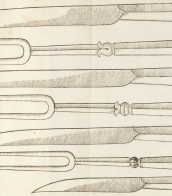

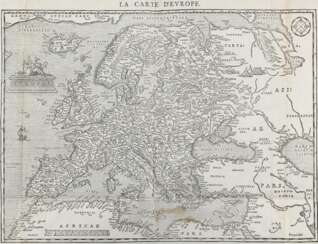
![[RÉTIF DE LA BRETONNE, Nicolas Edme (1734-1806)]](/assets/image/picture_4604843/b5dd3/28ac0a6981dcee5f4fa6313361676bf01747864800jpg__fix_374_244.jpeg)
![[RÉTIF DE LA BRETONNE, Nicolas Edme (1734-1806)]](https://veryimportantlot.com/assets/image/picture_4604843/b5dd3/28ac0a6981dcee5f4fa6313361676bf01747864800jpg__fix_374_244.jpeg)

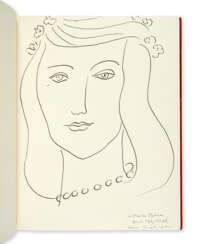

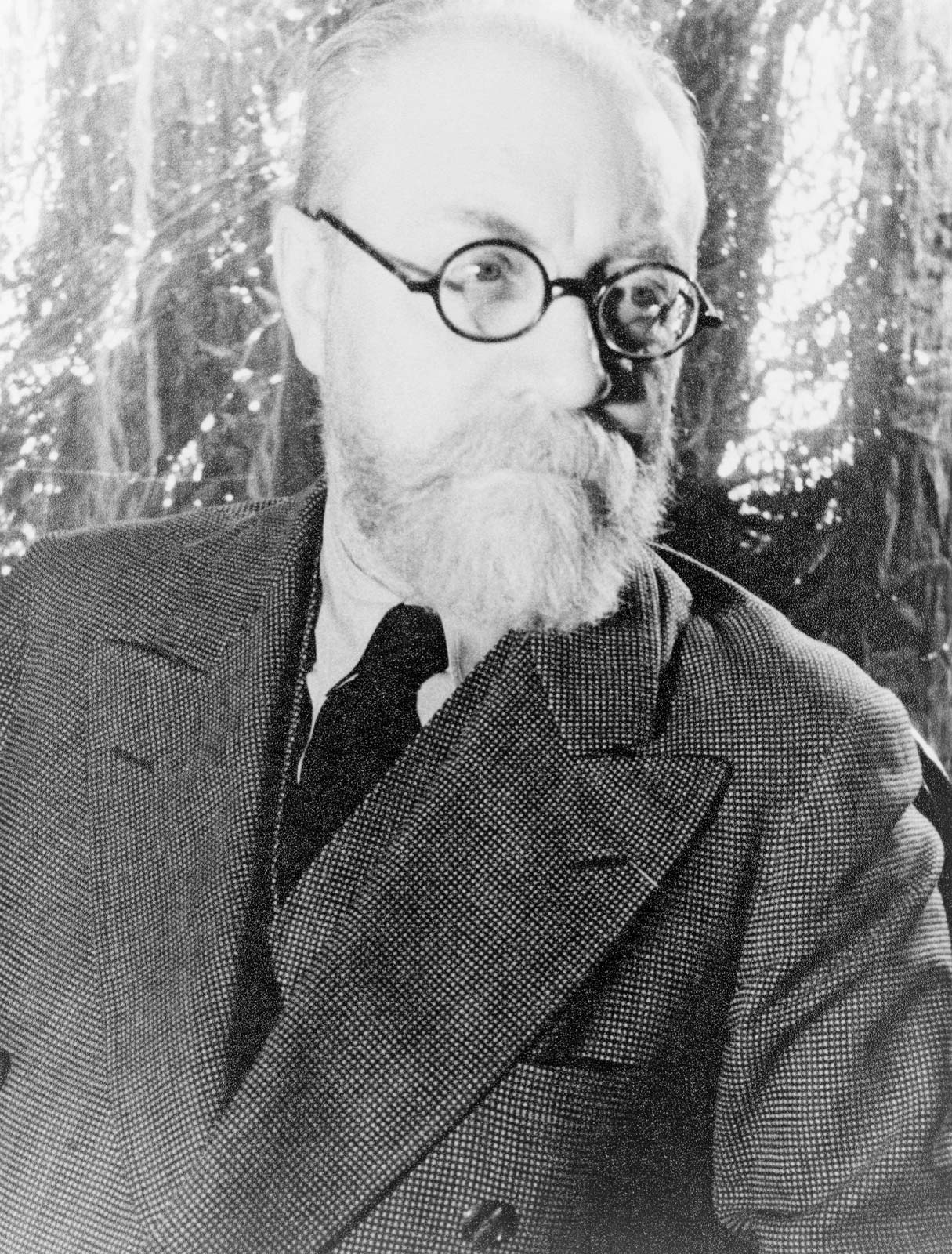
Henri Matisse, a renowned French visual artist, was celebrated for his vibrant use of color and fluid, original draughtsmanship. Born on December 31, 1869, in Le Cateau-Cambrésis, France, Matisse initially pursued a career in law before turning to art. He first began painting in 1889, a change inspired by convalescence art supplies his mother provided. This marked the beginning of a journey that would see him become a leading figure in modern art.
Matisse's career is notable for its stylistic evolution yet consistent aim to capture the "essential character of things." His early works, characterized by intense colorism, earned him recognition as one of the Fauves, or "wild beasts." The period from 1908 to 1913 was marked by significant developments, with works like "Reclining Odalisque" and "The Red Studio" showcasing his mastery in balance and serenity. In the 1920s, his style evolved to more relaxed forms, with a focus on light, color, and decorative patterns in paintings like his odalisque series.
Matisse's exploration of various mediums, including sculpture and paper collage, reflects his innovative spirit. His later years were dominated by cut paper collages, as health challenges limited his ability to paint. These works, alongside his bold drawings and sculptures, cemented his status as a pioneer in visual art.
For collectors and art experts, Matisse's work remains a testament to creative evolution and expressive use of color and form. His masterpieces can be found in prominent museums and galleries worldwide, continuing to inspire and fascinate art enthusiasts.
To stay updated on new product sales and auction events related to Henri Matisse's art, sign up for our updates. This subscription will keep you informed about opportunities to appreciate and acquire works connected to this iconic artist.
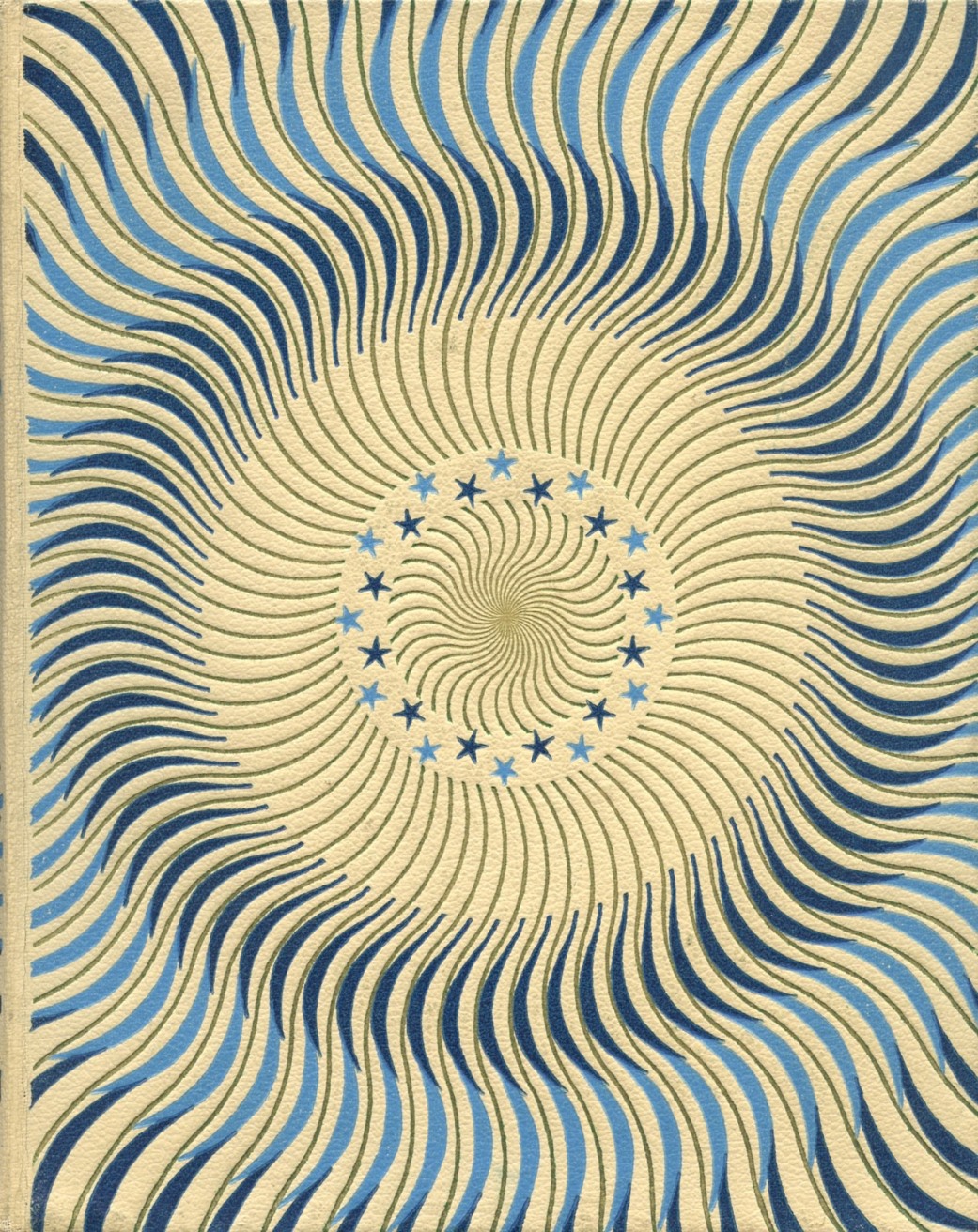
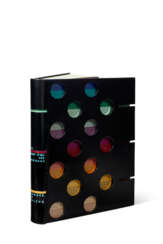
Paul Bonet, birth name Paul Joseph Ghislain Bonet, is a French bookbinder and bookbinding designer, Knight of the Legion of Honor.
Trained to make fashionable wooden mannequins, Paul Bonet worked in the fashion industry for several years and did not turn to bookbinding until 1920. His bright, colorful designs and prolific work made him famous. His first bindings were exhibited in 1925 at the Gallière Museum, then at the French Book Arts Exhibition, the Salon d'Automne and the Salon des Artistes Décoratifs, and his talent was recognized.
His decoration was particularly innovative. One of the great masters of French bookbinding, Paul Bonet became famous in the 1930s and 1940s for one of his signature patterns, "sunbeams." These patterns consist of many small lines with gold trim, carefully planned and giving the optical illusion of spatial depth.






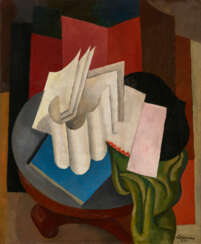

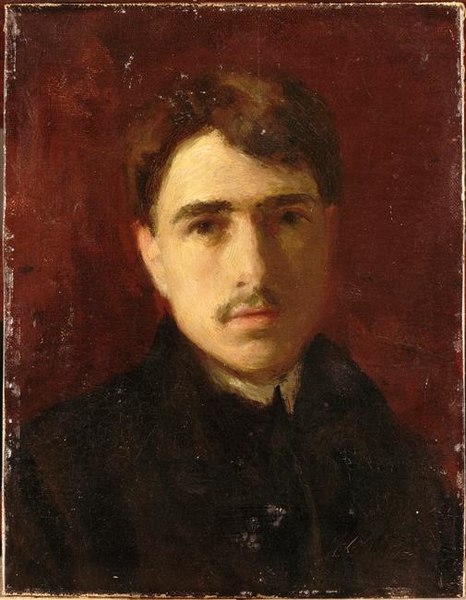
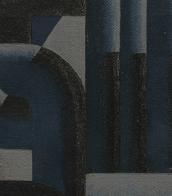
Roger de la Fresnaye was a French painter, a representative of Cubism in painting.
He studied at the Académie Julian in Paris and was fascinated by the art of Paul Cézanne. In his works Fresnaye synthesized lyrical color with geometric simplifications of Cubism.
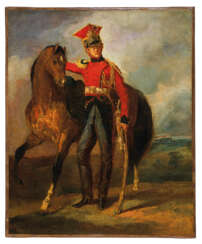

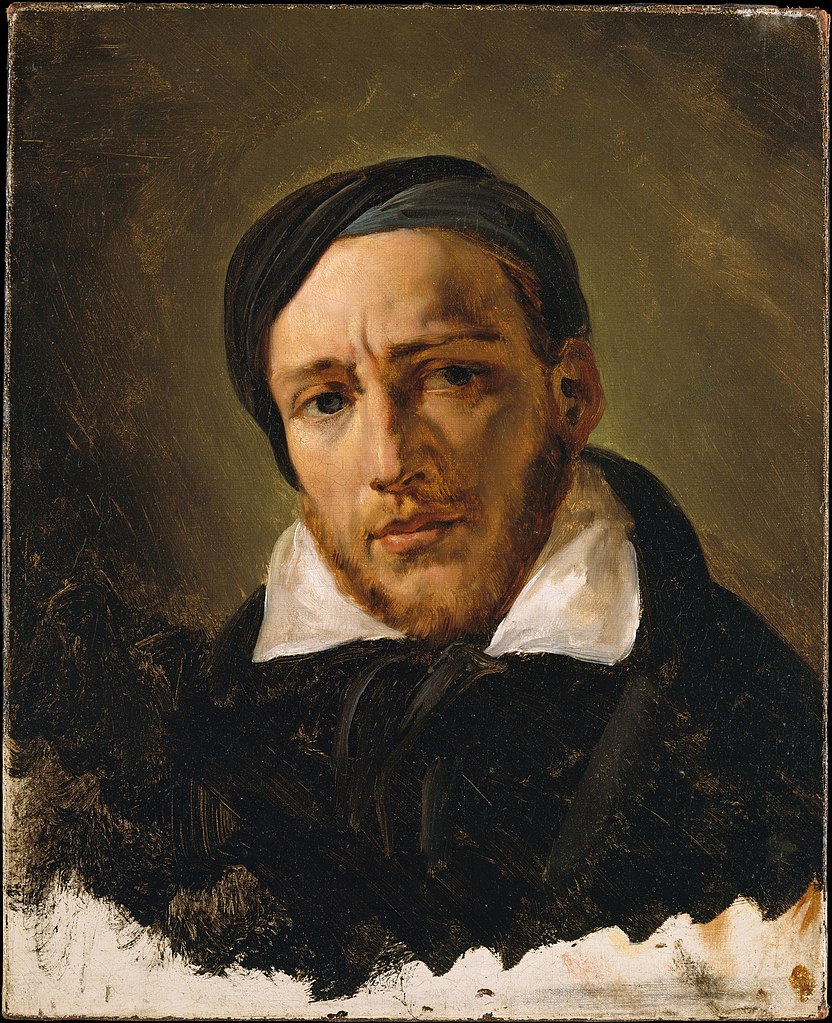
Jean-Louis André Théodore Géricault was a French painter and lithographer, celebrated for his pivotal role in the Romantic movement. Born in Rouen, France, in 1791, and educated among the elite in Paris, Géricault developed a profound connection with art from a young age, influenced by his training under notable figures like Carle Vernet and Pierre-Narcisse Guérin. This foundation set him on a path that diverged significantly from the classical traditions of his time.
Géricault's artistry is best known for its vibrant energy and emotional intensity, characteristics that marked a departure from the Neoclassical style predominant in the early 19th century. His most famous work, "The Raft of the Medusa" (1818–19), is a monumental canvas that dramatizes the tragic aftermath of the French shipwreck, Méduse, capturing the public and critical imagination for its raw portrayal of human despair and resilience. This painting not only criticized the French government but also showcased Géricault's masterful handling of drama, becoming an iconic symbol of Romanticism.
Throughout his career, Géricault remained deeply engaged with contemporary issues and the human condition, exploring themes of mental illness, social injustice, and the raw power of nature versus human vulnerability. His series of portraits depicting patients with mental illnesses, created towards the end of his life, highlighted his empathy and innovative approach to capturing human emotion and psychological depth.
Géricault's fascination with the dynamic forms and emotional potential of horses also led to some of the most stirring equestrian art of his time, reflecting his personal passion for horseback riding and his exceptional understanding of equine anatomy. This interest is evident in works like "A Horse Frightened by Lightning", showcasing his ability to capture motion and emotion in both human and animal forms.
Despite his premature death at the age of 32, Géricault's legacy endures, with his works residing in prestigious institutions like the Louvre in Paris. His artistic vision and dedication to portraying the realities and turbulences of his era have cemented his status as a pioneer of Romanticism, influencing subsequent generations of artists, including his contemporary and friend, Eugène Delacroix.
For collectors and experts in art and antiques, Géricault's oeuvre offers a profound insight into the Romantic spirit, embodying the tumult, passion, and innovation of an era on the cusp of modernity. His works continue to inspire and captivate audiences, reminding us of the power of art to provoke thought and evoke deep emotional responses.
To stay updated on exhibitions and auction events featuring Géricault's works, sign up for updates. This subscription will keep you informed on new discoveries and sales related to this influential artist, ensuring you never miss an opportunity to engage with the legacy of Jean-Louis André Théodore Géricault.

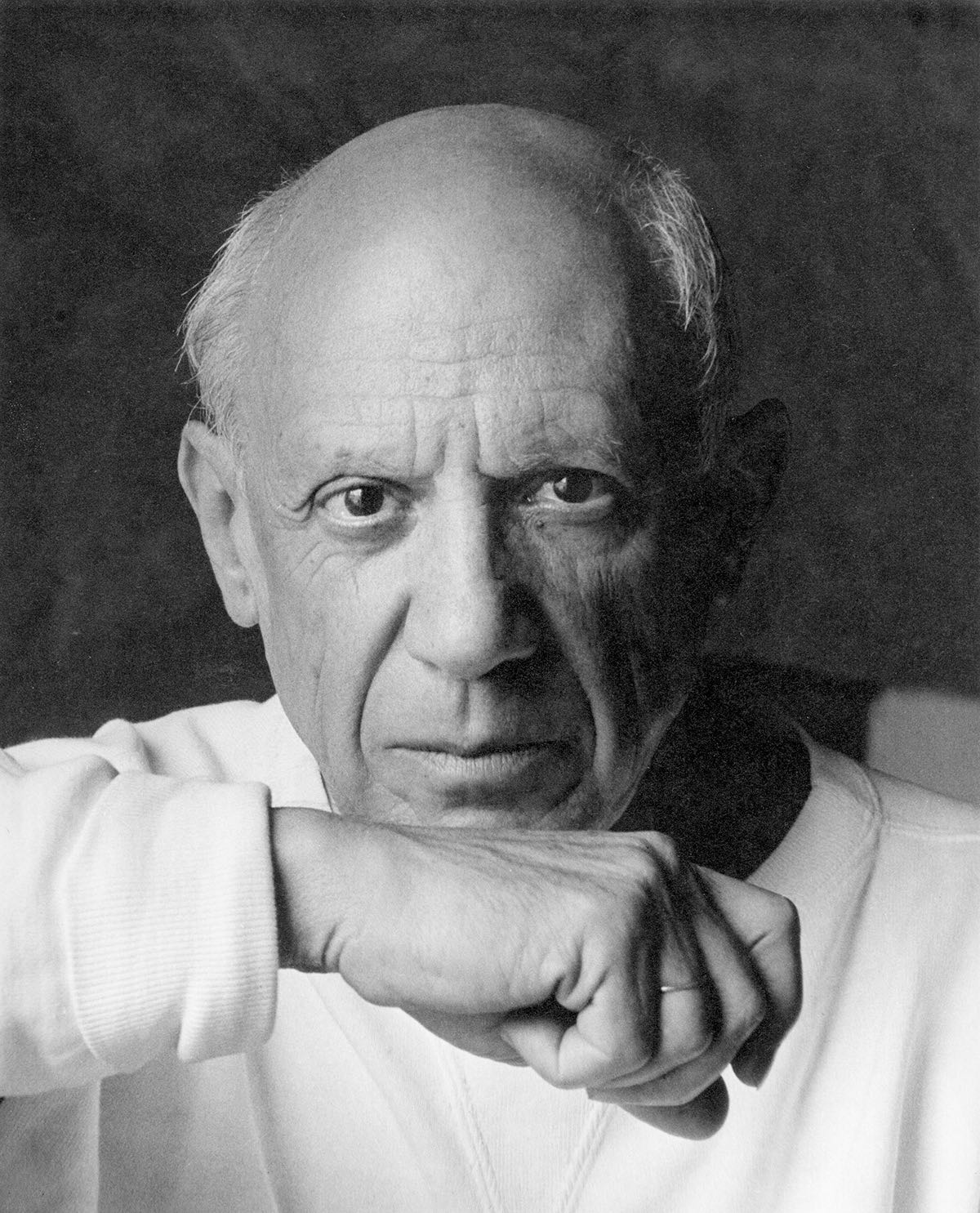
Pablo Ruiz Picasso, a Spanish artist renowned for his revolutionary contributions to the 20th-century art scene, is a figure that resonates profoundly with collectors and art experts. His unique blend of talents in painting, sculpture, printmaking, and ceramic art, infused with his time in France, positioned him as a pivotal character in modern art history.
Picasso's artistic journey was marked by distinct periods, each showcasing his evolving style and genius. His early years were characterized by the Blue Period (1901-1904), followed by the Rose Period (1904-1906), and then the African-influenced Period (1907-1909). Picasso's name is synonymous with Cubism, a movement he co-founded, which significantly altered artistic perspectives and methods. Works like "Les Demoiselles d'Avignon" (1907) and "Guernica" (1937) are emblematic of his cubist legacy, the latter being a poignant anti-war statement that remains influential.
His later years saw a return to more traditional styles, with neoclassical and surrealist influences becoming evident. Works from these phases reflect a deep engagement with mythological themes, as seen in "Faun with Stars" (1955), symbolizing his late-life romance with Jacqueline Roque, his second wife.
Picasso's prolific output and innovative spirit made him a legend in his own time, a status that only grew after his death. His works, housed in major museums and private collections worldwide, continue to captivate and inspire.
As a collector or expert in art and antiques, staying informed about Picasso's works, their auction events, and sales is essential. To stay updated on the latest developments and opportunities related to Pablo Picasso, sign up for our specialized updates. Rest assured, this subscription will focus solely on new product sales and auction events pertaining to Picasso's art, ensuring that you receive only the most relevant and valuable information.



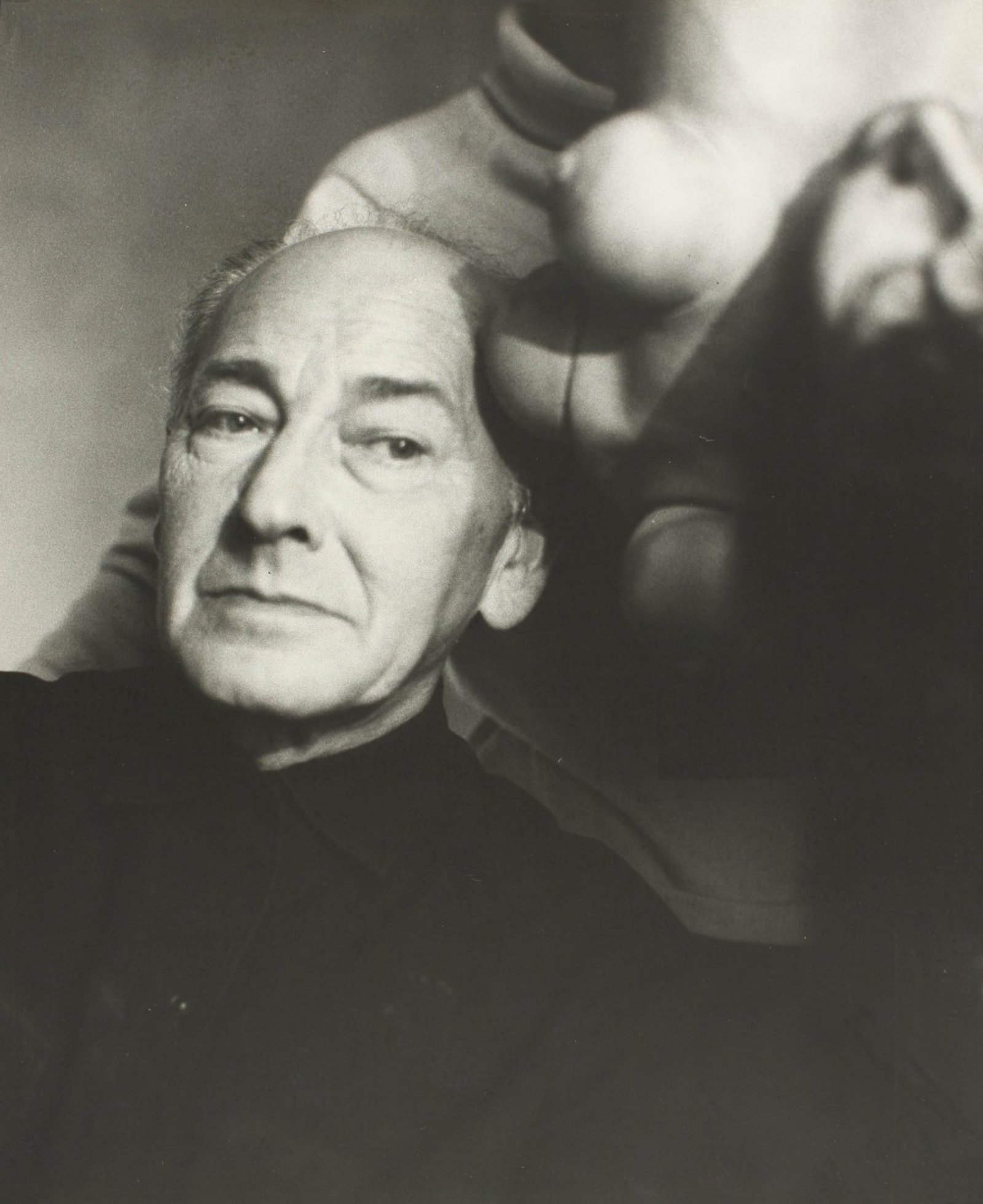
Hans Bellmer was a German graphic artist, sculptor, photographic artist, illustrator, and writer who spent most of his life in France.
In the 1930s Bellmer began working on the eroticized image of the deformed doll, contrasting it with the aesthetics of the "classical" body in Hitler's Germany. His graphic and literary explorations focus on the dismemberment and liberation of bodies. Bellmer's surrealist works are violent and provocative: they include puppet sculptures composed of the bodies of nude models, photographs, and prints.
In 1934, 18 photographs of dolls were published in the Parisian surrealist magazine Minotaur, and the Nazi regime declared Bellmer's art degenerate. In 1938, Bellmer emigrated to France.
After the end of the war, the artist continued his work, adding poetry to painting. He also authored illustrations for many works, particularly on erotic themes.
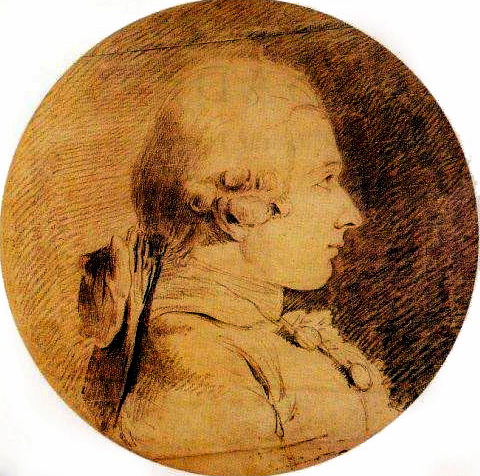
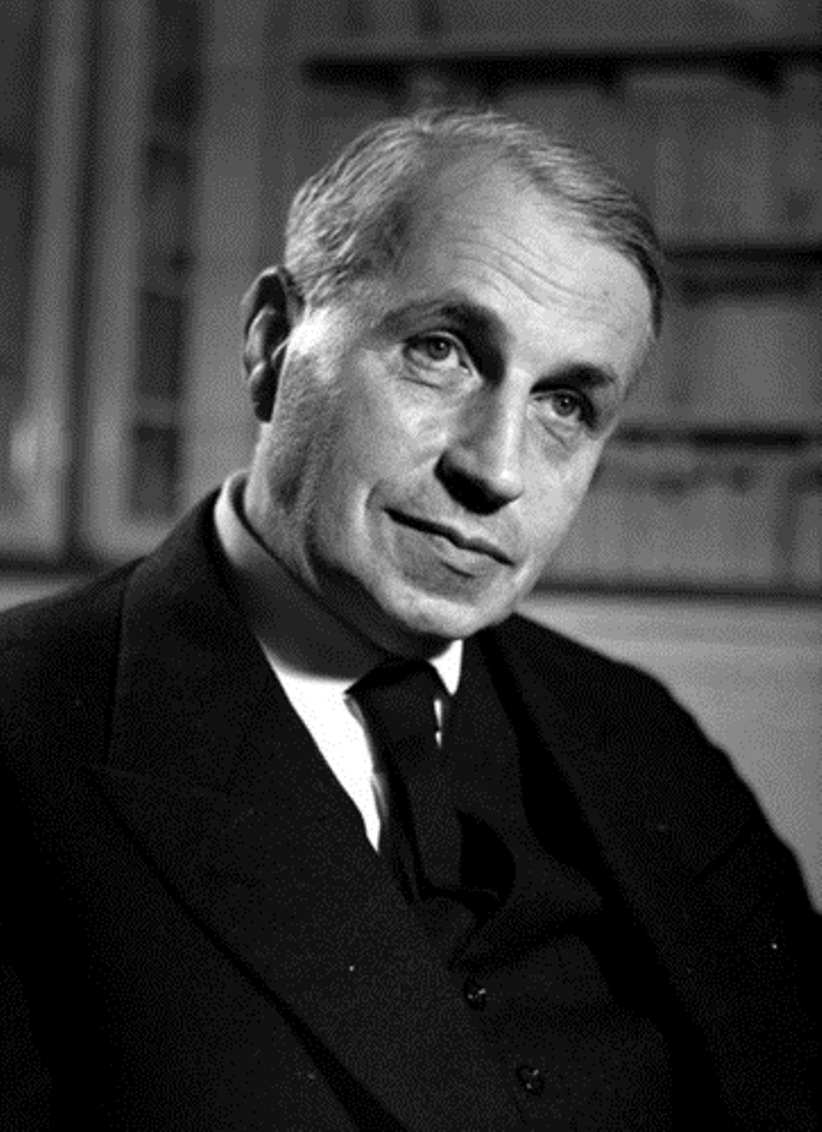


Théodore Rousseau was a prominent French painter, celebrated for his pioneering contributions to the Barbizon school of landscape art. His dedication to capturing nature's essence made him a pivotal figure in landscape painting's evolution. Rousseau's technique involved painting directly from nature, a method that infused his works with a profound sense of realism and vitality. This approach was notably evident in his masterpiece "An Avenue of Trees, Forest of l'Isle-Adam," where he meticulously captured a scene entirely outdoors, a testament to his commitment to authenticity and detail.
Théodore Rousseau's artistry wasn't confined to painting alone; his drawings, like the detailed "Study of an Oak Tree," demonstrate his versatility and deep connection with nature. His works received significant recognition, culminating in a triumphant display at the Universal Exposition of 1855. However, his life was not devoid of challenges. Personal tragedies and professional setbacks marked his later years, yet his resolve and dedication to art remained unshaken.
For art enthusiasts and collectors, Théodore Rousseau's works are pivotal, not just for their beauty but also for their role in the history of landscape painting. His pieces like "The Great Oaks of Old Bas-Bréau" are cherished in collections worldwide, serving as enduring symbols of his talent and his profound influence on subsequent art movements.
For those interested in the intersection of nature and art, subscribing to updates on Théodore Rousseau can provide invaluable insights into his life's work, his contributions to the Barbizon school, and his lasting impact on the world of art. Stay informed about new discoveries, sales, and auction events related to Rousseau's oeuvre to deepen your appreciation and understanding of this illustrious artist's legacy.
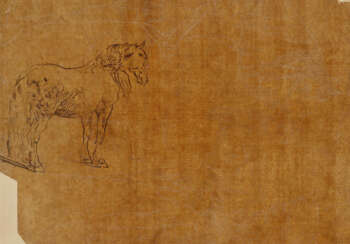

Jean-Louis André Théodore Géricault was a French painter and lithographer, celebrated for his pivotal role in the Romantic movement. Born in Rouen, France, in 1791, and educated among the elite in Paris, Géricault developed a profound connection with art from a young age, influenced by his training under notable figures like Carle Vernet and Pierre-Narcisse Guérin. This foundation set him on a path that diverged significantly from the classical traditions of his time.
Géricault's artistry is best known for its vibrant energy and emotional intensity, characteristics that marked a departure from the Neoclassical style predominant in the early 19th century. His most famous work, "The Raft of the Medusa" (1818–19), is a monumental canvas that dramatizes the tragic aftermath of the French shipwreck, Méduse, capturing the public and critical imagination for its raw portrayal of human despair and resilience. This painting not only criticized the French government but also showcased Géricault's masterful handling of drama, becoming an iconic symbol of Romanticism.
Throughout his career, Géricault remained deeply engaged with contemporary issues and the human condition, exploring themes of mental illness, social injustice, and the raw power of nature versus human vulnerability. His series of portraits depicting patients with mental illnesses, created towards the end of his life, highlighted his empathy and innovative approach to capturing human emotion and psychological depth.
Géricault's fascination with the dynamic forms and emotional potential of horses also led to some of the most stirring equestrian art of his time, reflecting his personal passion for horseback riding and his exceptional understanding of equine anatomy. This interest is evident in works like "A Horse Frightened by Lightning", showcasing his ability to capture motion and emotion in both human and animal forms.
Despite his premature death at the age of 32, Géricault's legacy endures, with his works residing in prestigious institutions like the Louvre in Paris. His artistic vision and dedication to portraying the realities and turbulences of his era have cemented his status as a pioneer of Romanticism, influencing subsequent generations of artists, including his contemporary and friend, Eugène Delacroix.
For collectors and experts in art and antiques, Géricault's oeuvre offers a profound insight into the Romantic spirit, embodying the tumult, passion, and innovation of an era on the cusp of modernity. His works continue to inspire and captivate audiences, reminding us of the power of art to provoke thought and evoke deep emotional responses.
To stay updated on exhibitions and auction events featuring Géricault's works, sign up for updates. This subscription will keep you informed on new discoveries and sales related to this influential artist, ensuring you never miss an opportunity to engage with the legacy of Jean-Louis André Théodore Géricault.
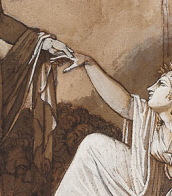
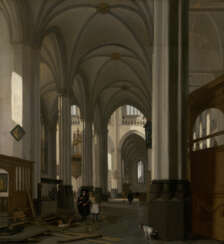

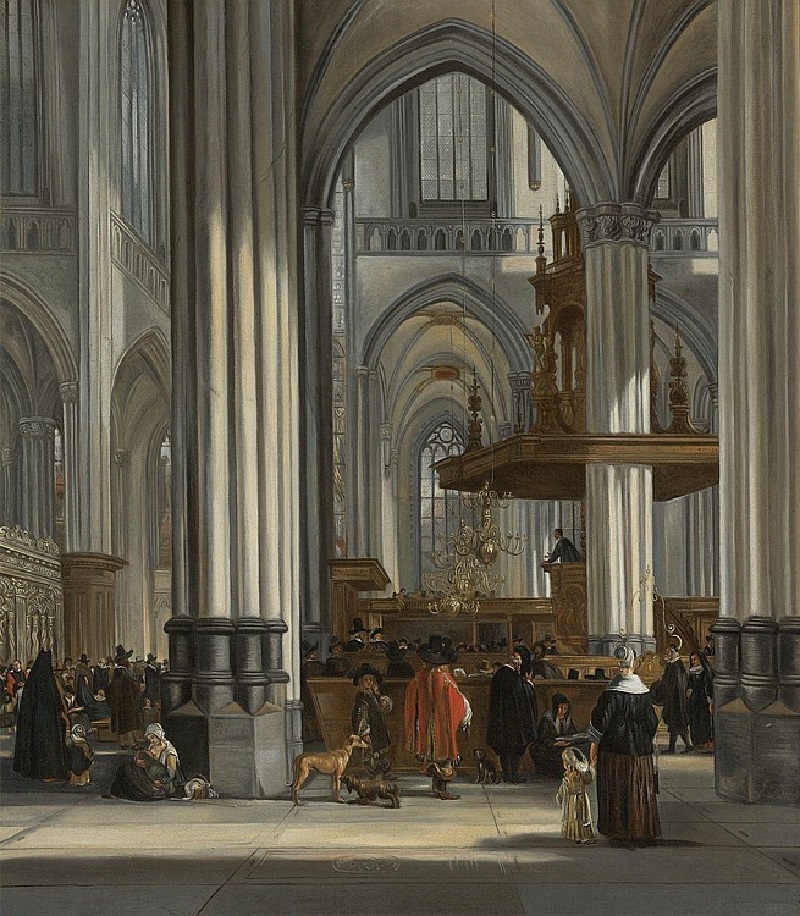
Emanuel de Witte was a Dutch perspective painter. In contrast to Pieter Jansz Saenredam, who emphasized architectural accuracy, De Witte was more concerned with the atmosphere of his interiors. Though few in number, de Witte also produced genre paintings.
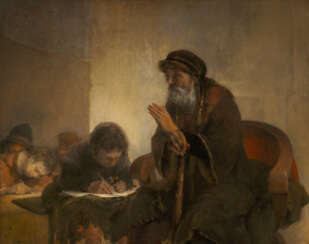

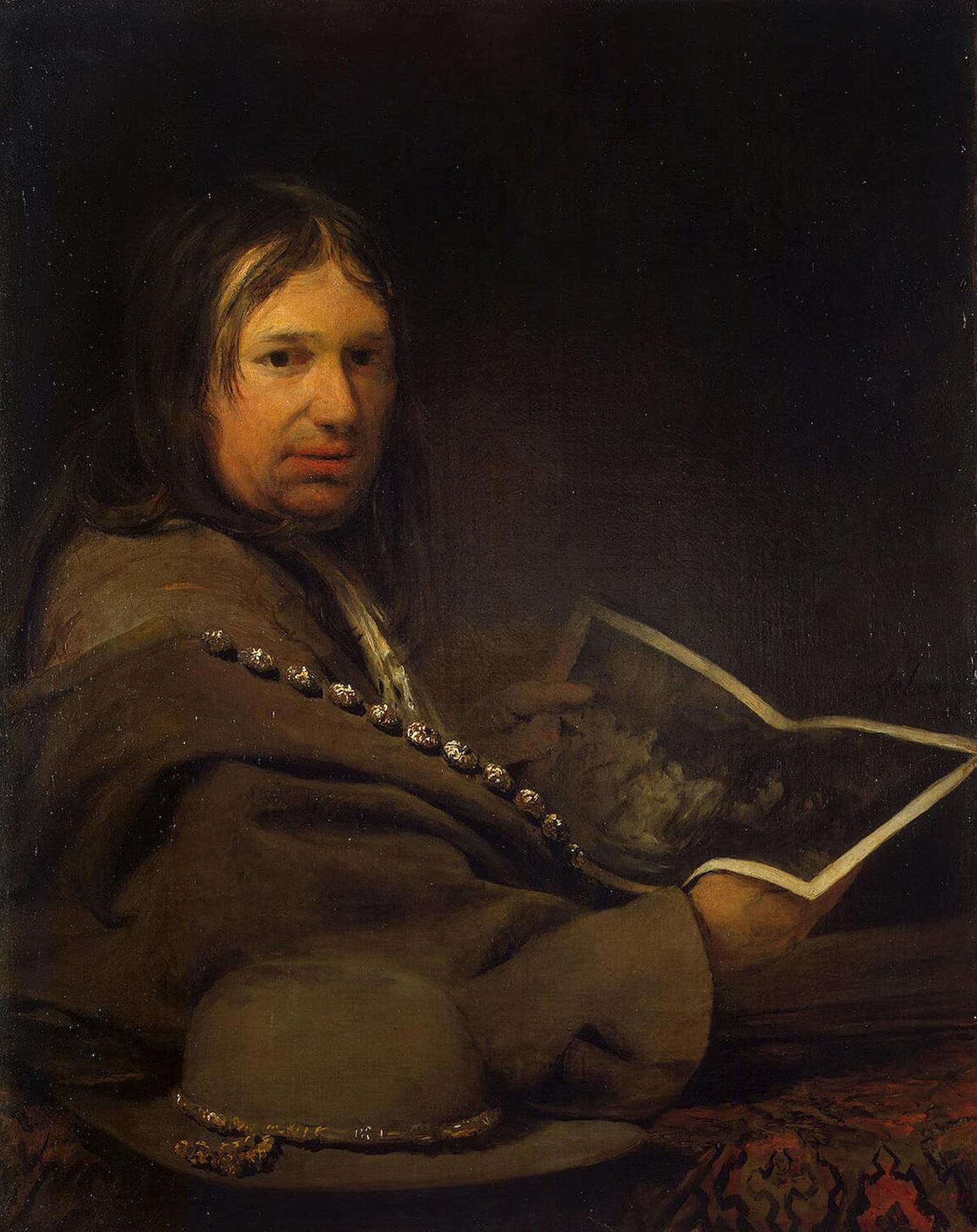
Aert de Gelder was a Dutch painter. He was the only Dutch artist to paint in the tradition of Rembrandt's late style into the 18th century.
As author of biblical scenes and portraits his style was inspired by Rembrandt's, using his artistic ideas, well into the 18th century, without being influenced by contemporary new fashions. From the artistic point of view his work can not be considered as passive imitation of the master; indeed, it stands for inventiveness in the narrative, taste for the theatrical and a strong emotional charge of the characters. All these traits made him one of the most important interpreters of Dutch painting of the late seventeenth century.

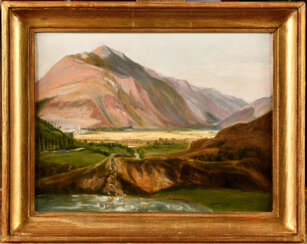

Théodore Rousseau was a prominent French painter, celebrated for his pioneering contributions to the Barbizon school of landscape art. His dedication to capturing nature's essence made him a pivotal figure in landscape painting's evolution. Rousseau's technique involved painting directly from nature, a method that infused his works with a profound sense of realism and vitality. This approach was notably evident in his masterpiece "An Avenue of Trees, Forest of l'Isle-Adam," where he meticulously captured a scene entirely outdoors, a testament to his commitment to authenticity and detail.
Théodore Rousseau's artistry wasn't confined to painting alone; his drawings, like the detailed "Study of an Oak Tree," demonstrate his versatility and deep connection with nature. His works received significant recognition, culminating in a triumphant display at the Universal Exposition of 1855. However, his life was not devoid of challenges. Personal tragedies and professional setbacks marked his later years, yet his resolve and dedication to art remained unshaken.
For art enthusiasts and collectors, Théodore Rousseau's works are pivotal, not just for their beauty but also for their role in the history of landscape painting. His pieces like "The Great Oaks of Old Bas-Bréau" are cherished in collections worldwide, serving as enduring symbols of his talent and his profound influence on subsequent art movements.
For those interested in the intersection of nature and art, subscribing to updates on Théodore Rousseau can provide invaluable insights into his life's work, his contributions to the Barbizon school, and his lasting impact on the world of art. Stay informed about new discoveries, sales, and auction events related to Rousseau's oeuvre to deepen your appreciation and understanding of this illustrious artist's legacy.