tea



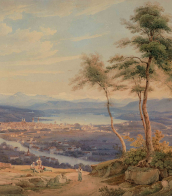














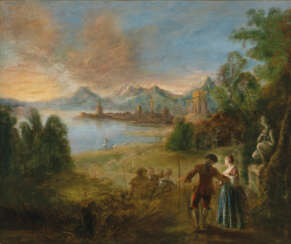

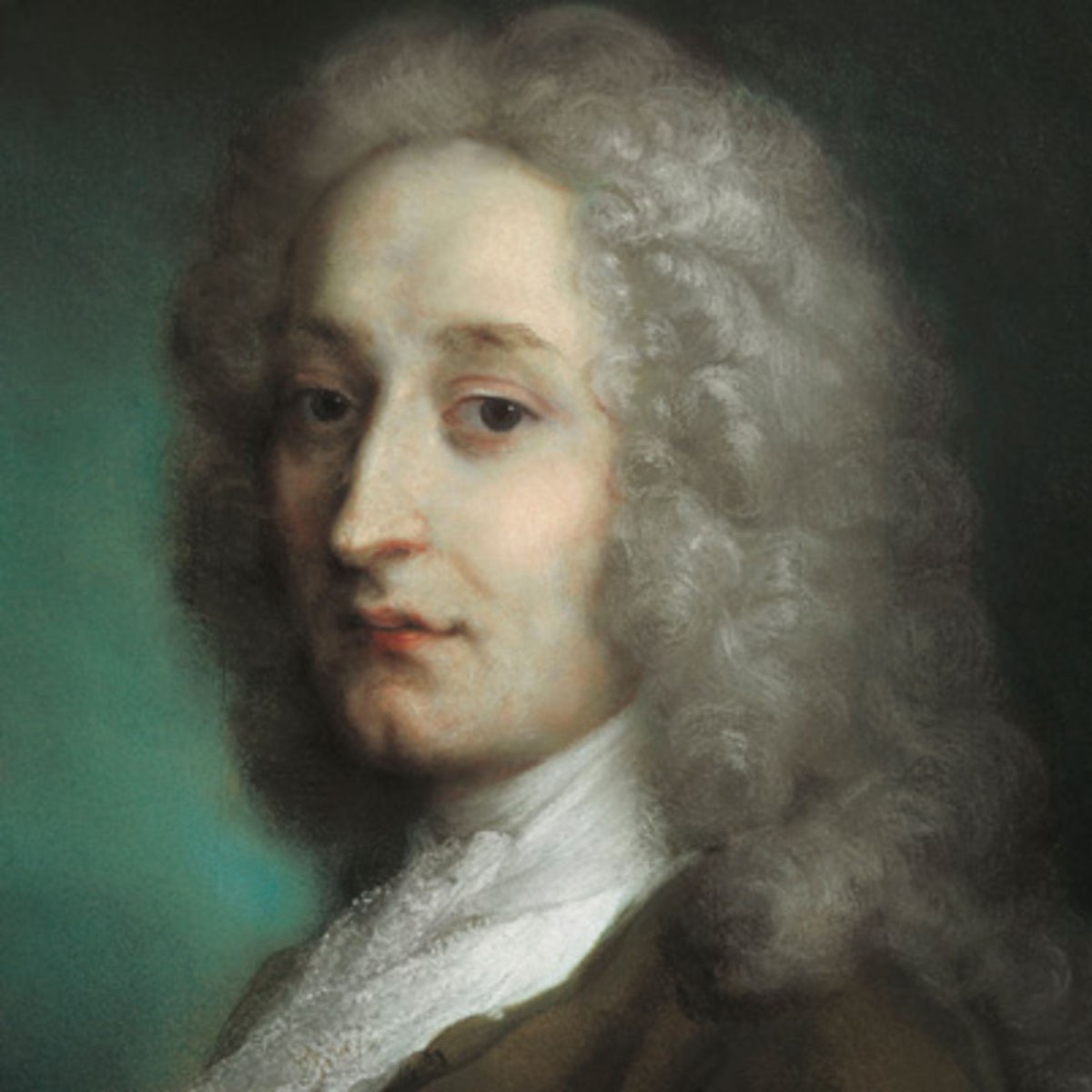
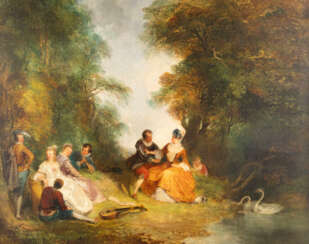
Jean-Antoine Watteau was a French painter and draughtsman whose brief career spurred the revival of interest in colour and movement, as seen in the tradition of Correggio and Rubens. He revitalized the waning Baroque style, shifting it to the less severe, more naturalistic, less formally classical, Rococo. Watteau is credited with inventing the genre of fêtes galantes, scenes of bucolic and idyllic charm, suffused with a theatrical air. Some of his best known subjects were drawn from the world of Italian comedy and ballet.


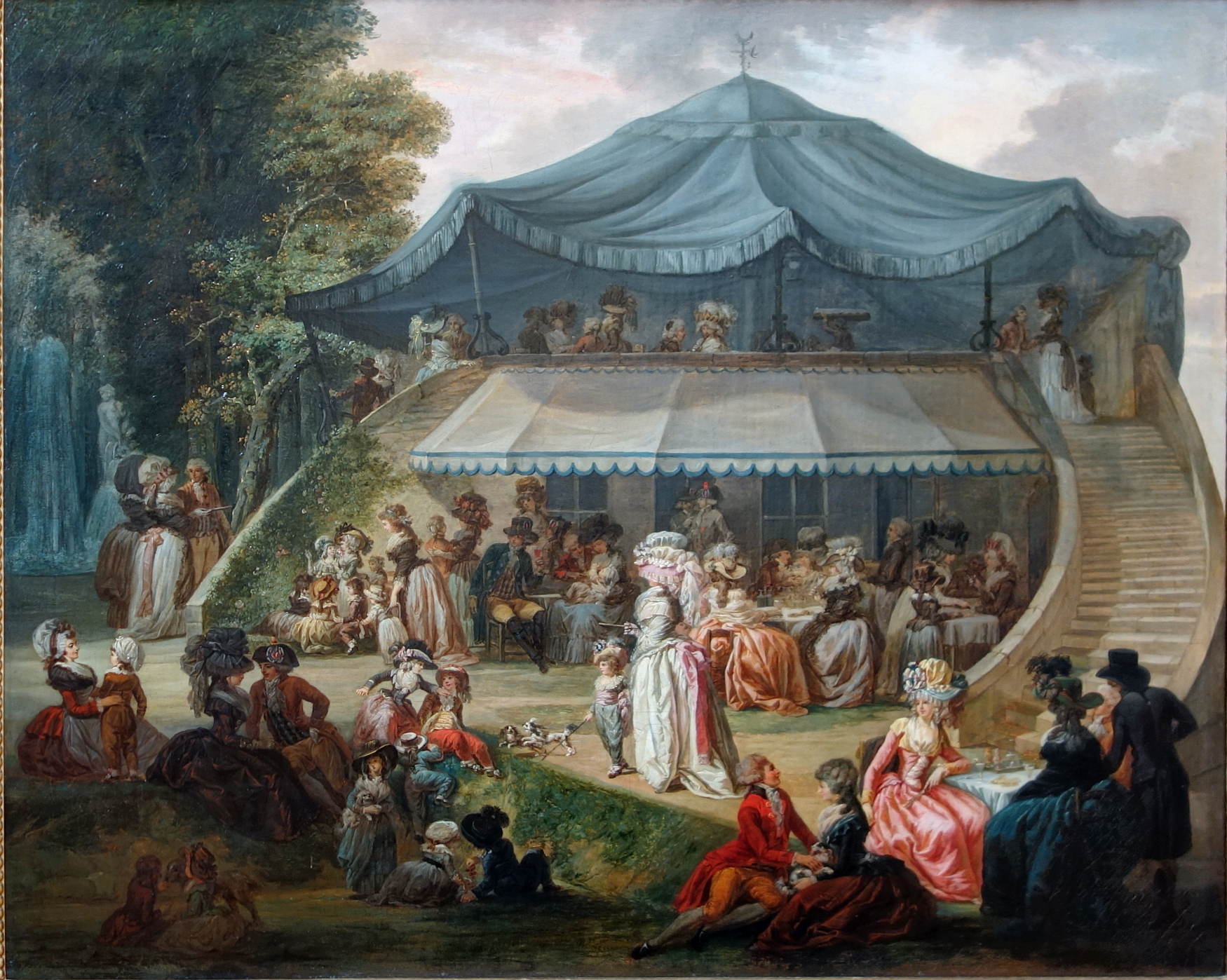

Jean-Antoine Watteau was a French painter and draughtsman whose brief career spurred the revival of interest in colour and movement, as seen in the tradition of Correggio and Rubens. He revitalized the waning Baroque style, shifting it to the less severe, more naturalistic, less formally classical, Rococo. Watteau is credited with inventing the genre of fêtes galantes, scenes of bucolic and idyllic charm, suffused with a theatrical air. Some of his best known subjects were drawn from the world of Italian comedy and ballet.


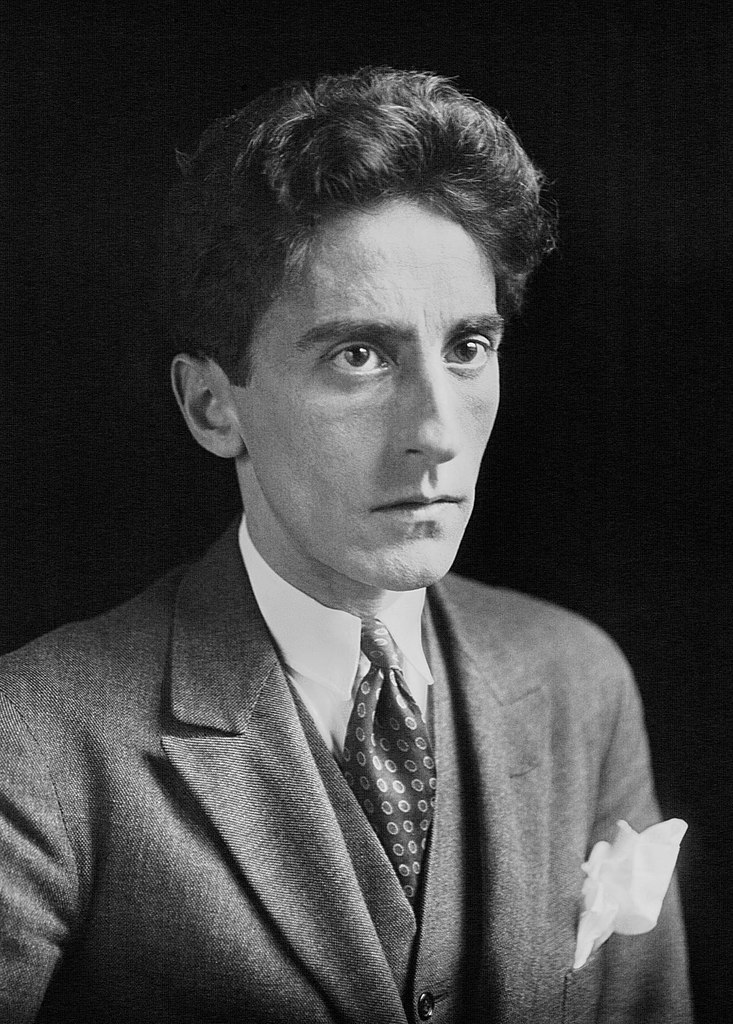
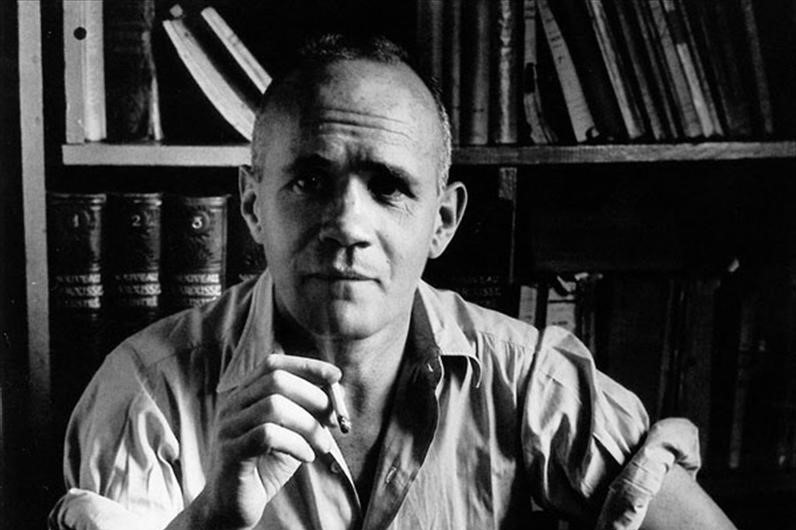
Jean Maurice Eugène Clément Cocteau was a French poet, playwright, novelist, designer, filmmaker, visual artist and critic. He was one of the foremost creatives of the surrealist, avant-garde, and Dadaist movements; and one of the most influential figures in early 20th-century art as a whole. The National Observer suggested that, “of the artistic generation whose daring gave birth to Twentieth Century Art, Cocteau came closest to being a Renaissance man.”
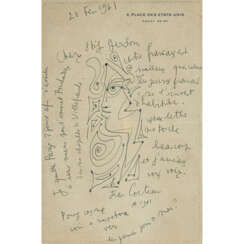

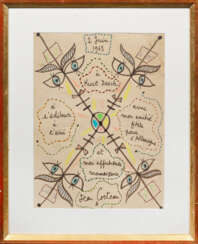
Jean Maurice Eugène Clément Cocteau was a French poet, playwright, novelist, designer, filmmaker, visual artist and critic. He was one of the foremost creatives of the surrealist, avant-garde, and Dadaist movements; and one of the most influential figures in early 20th-century art as a whole. The National Observer suggested that, “of the artistic generation whose daring gave birth to Twentieth Century Art, Cocteau came closest to being a Renaissance man.”


Jean Maurice Eugène Clément Cocteau was a French poet, playwright, novelist, designer, filmmaker, visual artist and critic. He was one of the foremost creatives of the surrealist, avant-garde, and Dadaist movements; and one of the most influential figures in early 20th-century art as a whole. The National Observer suggested that, “of the artistic generation whose daring gave birth to Twentieth Century Art, Cocteau came closest to being a Renaissance man.”
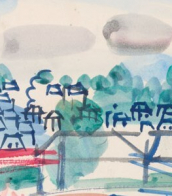


Jean Maurice Eugène Clément Cocteau was a French poet, playwright, novelist, designer, filmmaker, visual artist and critic. He was one of the foremost creatives of the surrealist, avant-garde, and Dadaist movements; and one of the most influential figures in early 20th-century art as a whole. The National Observer suggested that, “of the artistic generation whose daring gave birth to Twentieth Century Art, Cocteau came closest to being a Renaissance man.”
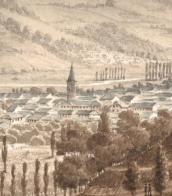


Jean Maurice Eugène Clément Cocteau was a French poet, playwright, novelist, designer, filmmaker, visual artist and critic. He was one of the foremost creatives of the surrealist, avant-garde, and Dadaist movements; and one of the most influential figures in early 20th-century art as a whole. The National Observer suggested that, “of the artistic generation whose daring gave birth to Twentieth Century Art, Cocteau came closest to being a Renaissance man.”
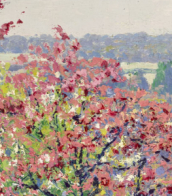
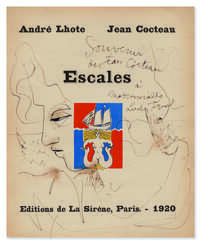

Jean Maurice Eugène Clément Cocteau was a French poet, playwright, novelist, designer, filmmaker, visual artist and critic. He was one of the foremost creatives of the surrealist, avant-garde, and Dadaist movements; and one of the most influential figures in early 20th-century art as a whole. The National Observer suggested that, “of the artistic generation whose daring gave birth to Twentieth Century Art, Cocteau came closest to being a Renaissance man.”


Jean Maurice Eugène Clément Cocteau was a French poet, playwright, novelist, designer, filmmaker, visual artist and critic. He was one of the foremost creatives of the surrealist, avant-garde, and Dadaist movements; and one of the most influential figures in early 20th-century art as a whole. The National Observer suggested that, “of the artistic generation whose daring gave birth to Twentieth Century Art, Cocteau came closest to being a Renaissance man.”


Jean Maurice Eugène Clément Cocteau was a French poet, playwright, novelist, designer, filmmaker, visual artist and critic. He was one of the foremost creatives of the surrealist, avant-garde, and Dadaist movements; and one of the most influential figures in early 20th-century art as a whole. The National Observer suggested that, “of the artistic generation whose daring gave birth to Twentieth Century Art, Cocteau came closest to being a Renaissance man.”
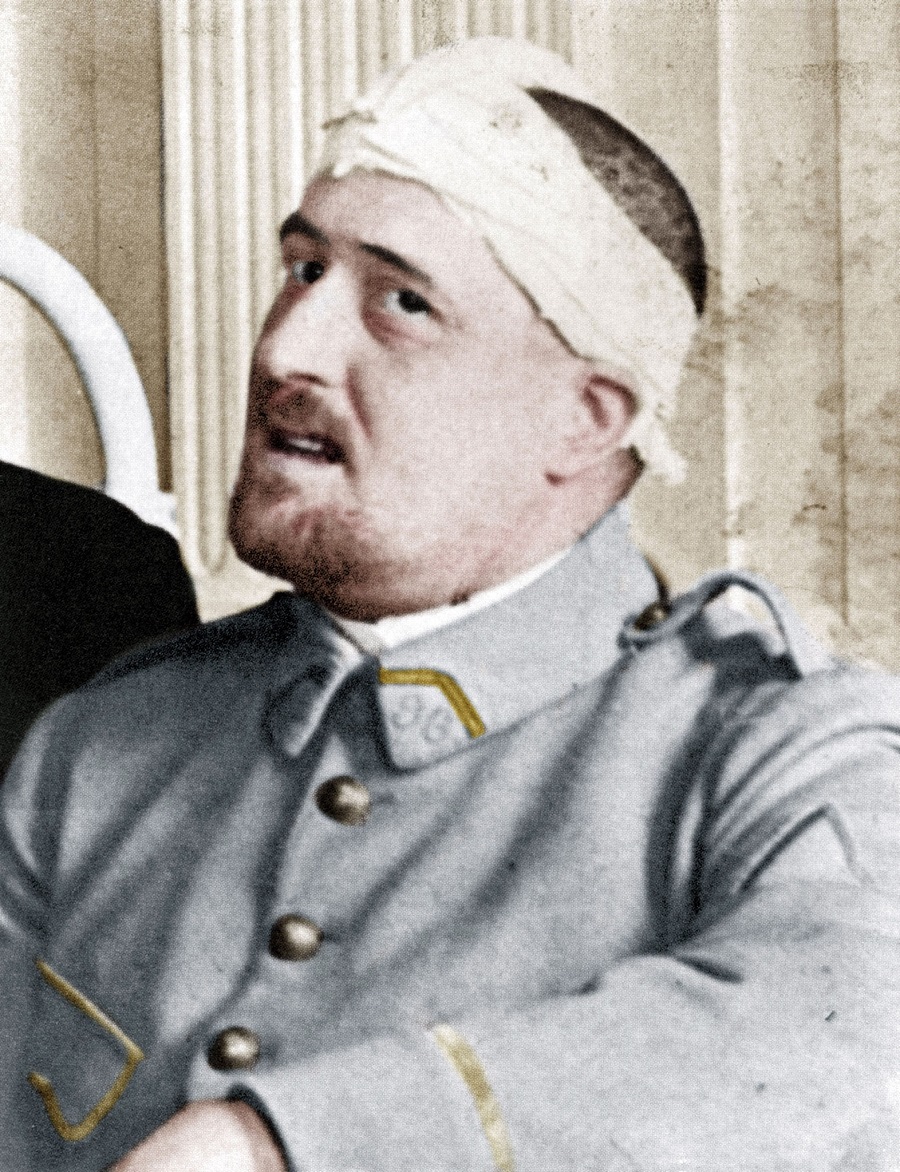
Guillaume Apollinaire, real name Wilhelm Albert Vladimir Apollinaris de Wąż-Kostrowicki, a French poet of Polish descent, was a towering figure in the early 20th century's literary and art scenes. Known for his experimental verse and support of avant-garde art movements like Cubism and Surrealism, Apollinaire's work pushed the boundaries of traditional aesthetics and inspired a generation of artists and writers.
Guillaume Apollinaire's literary contributions were vast and varied. He was an early advocate for Cubism, a relationship most prominently seen in his collaborations with artists like Pablo Picasso. He not only wrote about art but also collected it, surrounding himself with works by modernist masters such as Henri Rousseau and Georges Braque. His Paris apartment was a small museum of modern art, filled with pieces he often sold to support his literary endeavors. This vibrant artistic environment fueled his creativity, leading to major works such as Alcools and Calligrammes, which explored the possibilities of poetic form and typography to represent visual and verbal content in a unified way.
Despite his innovative work in poetry and art criticism, Guillaume Apollinaire's life was marked by personal challenges, including a grievous injury during World War I. Yet, even these difficulties did not hinder his prolific output. Among his notable works during this period was the play Les Mamelles de Tirésias, which was performed in 1917 and is considered a precursor to theatrical Surrealism.
Apollinaire's influence extended beyond his lifetime, particularly through his mentoring of future Surrealist leaders like André Breton. His forward-thinking approach to art and literature made him a central figure in the transition from traditional to modernist forms in both fields.
For collectors and experts in art and antiques, Guillaume Apollinaire's work represents a nexus of literary brilliance and pivotal artistic movements. His life and work provide fascinating insights into the dynamic and transformative world of early 20th-century art and literature.
Sign up for updates on auctions and sales events featuring items related to Guillaume Apollinaire. Stay informed about opportunities to acquire unique artifacts that celebrate his legacy in the realms of poetry and art.
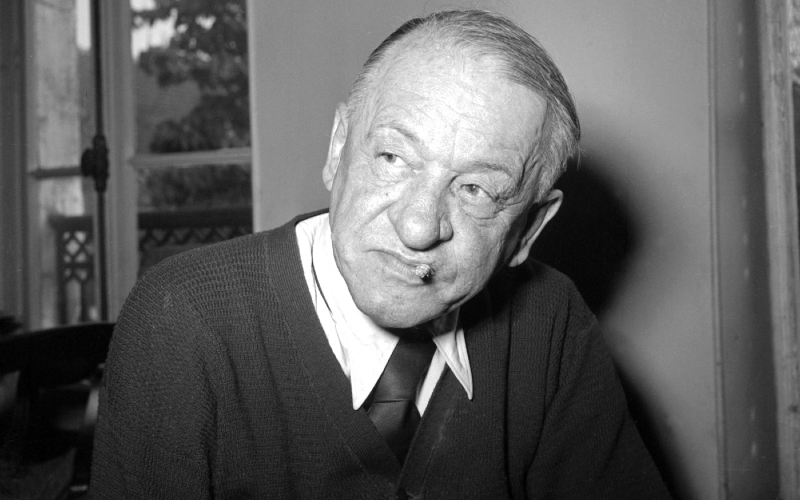


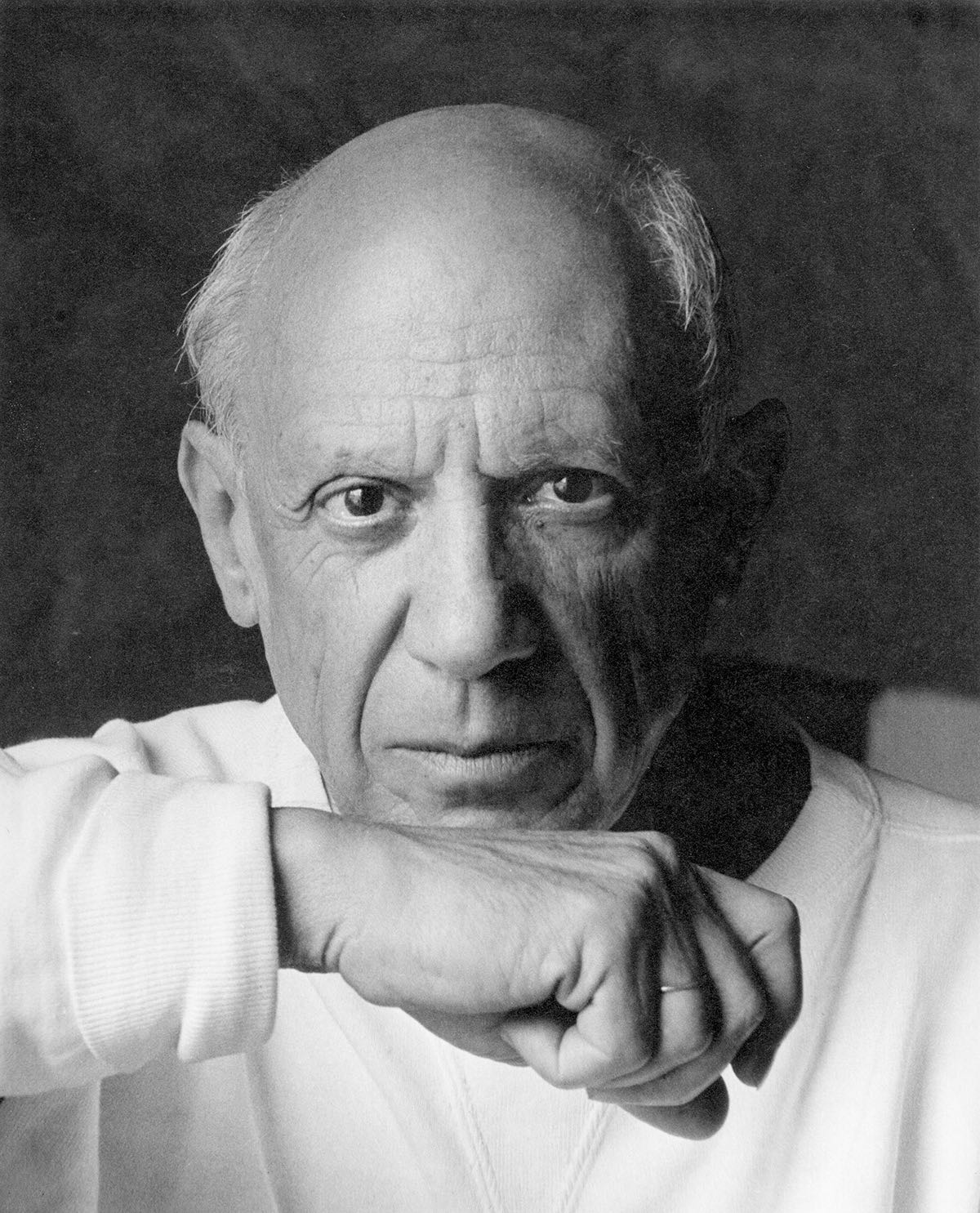
Pablo Ruiz Picasso, a Spanish artist renowned for his revolutionary contributions to the 20th-century art scene, is a figure that resonates profoundly with collectors and art experts. His unique blend of talents in painting, sculpture, printmaking, and ceramic art, infused with his time in France, positioned him as a pivotal character in modern art history.
Picasso's artistic journey was marked by distinct periods, each showcasing his evolving style and genius. His early years were characterized by the Blue Period (1901-1904), followed by the Rose Period (1904-1906), and then the African-influenced Period (1907-1909). Picasso's name is synonymous with Cubism, a movement he co-founded, which significantly altered artistic perspectives and methods. Works like "Les Demoiselles d'Avignon" (1907) and "Guernica" (1937) are emblematic of his cubist legacy, the latter being a poignant anti-war statement that remains influential.
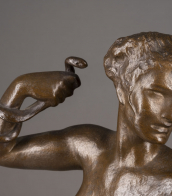
His later years saw a return to more traditional styles, with neoclassical and surrealist influences becoming evident. Works from these phases reflect a deep engagement with mythological themes, as seen in "Faun with Stars" (1955), symbolizing his late-life romance with Jacqueline Roque, his second wife.
Picasso's prolific output and innovative spirit made him a legend in his own time, a status that only grew after his death. His works, housed in major museums and private collections worldwide, continue to captivate and inspire.
As a collector or expert in art and antiques, staying informed about Picasso's works, their auction events, and sales is essential. To stay updated on the latest developments and opportunities related to Pablo Picasso, sign up for our specialized updates. Rest assured, this subscription will focus solely on new product sales and auction events pertaining to Picasso's art, ensuring that you receive only the most relevant and valuable information.
Jean Maurice Eugène Clément Cocteau was a French poet, playwright, novelist, designer, filmmaker, visual artist and critic. He was one of the foremost creatives of the surrealist, avant-garde, and Dadaist movements; and one of the most influential figures in early 20th-century art as a whole. The National Observer suggested that, “of the artistic generation whose daring gave birth to Twentieth Century Art, Cocteau came closest to being a Renaissance man.”
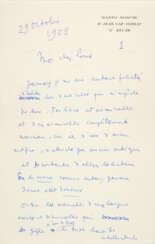

Jean Maurice Eugène Clément Cocteau was a French poet, playwright, novelist, designer, filmmaker, visual artist and critic. He was one of the foremost creatives of the surrealist, avant-garde, and Dadaist movements; and one of the most influential figures in early 20th-century art as a whole. The National Observer suggested that, “of the artistic generation whose daring gave birth to Twentieth Century Art, Cocteau came closest to being a Renaissance man.”
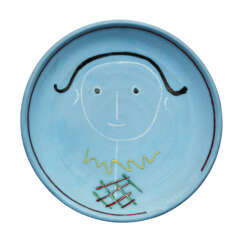

Jean Maurice Eugène Clément Cocteau was a French poet, playwright, novelist, designer, filmmaker, visual artist and critic. He was one of the foremost creatives of the surrealist, avant-garde, and Dadaist movements; and one of the most influential figures in early 20th-century art as a whole. The National Observer suggested that, “of the artistic generation whose daring gave birth to Twentieth Century Art, Cocteau came closest to being a Renaissance man.”

Jean Maurice Eugène Clément Cocteau was a French poet, playwright, novelist, designer, filmmaker, visual artist and critic. He was one of the foremost creatives of the surrealist, avant-garde, and Dadaist movements; and one of the most influential figures in early 20th-century art as a whole. The National Observer suggested that, “of the artistic generation whose daring gave birth to Twentieth Century Art, Cocteau came closest to being a Renaissance man.”

Jean Maurice Eugène Clément Cocteau was a French poet, playwright, novelist, designer, filmmaker, visual artist and critic. He was one of the foremost creatives of the surrealist, avant-garde, and Dadaist movements; and one of the most influential figures in early 20th-century art as a whole. The National Observer suggested that, “of the artistic generation whose daring gave birth to Twentieth Century Art, Cocteau came closest to being a Renaissance man.”
![[COCTEAU, Jean (1889-1963) et Jean GENET (1910-1986)] Roger LANNES (1909-1982)](/assets/image/picture_3807187/de5ba/ab39deff39960a102a0c67fccd003e501710234000jpg__fix_374_244.jpeg)
![[COCTEAU, Jean (1889-1963) et Jean GENET (1910-1986)] Roger LANNES (1909-1982)](https://veryimportantlot.com/assets/image/picture_3807187/de5ba/ab39deff39960a102a0c67fccd003e501710234000jpg__fix_374_244.jpeg)
Jean Maurice Eugène Clément Cocteau was a French poet, playwright, novelist, designer, filmmaker, visual artist and critic. He was one of the foremost creatives of the surrealist, avant-garde, and Dadaist movements; and one of the most influential figures in early 20th-century art as a whole. The National Observer suggested that, “of the artistic generation whose daring gave birth to Twentieth Century Art, Cocteau came closest to being a Renaissance man.”
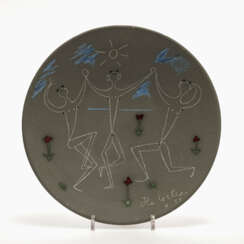

Jean Maurice Eugène Clément Cocteau was a French poet, playwright, novelist, designer, filmmaker, visual artist and critic. He was one of the foremost creatives of the surrealist, avant-garde, and Dadaist movements; and one of the most influential figures in early 20th-century art as a whole. The National Observer suggested that, “of the artistic generation whose daring gave birth to Twentieth Century Art, Cocteau came closest to being a Renaissance man.”
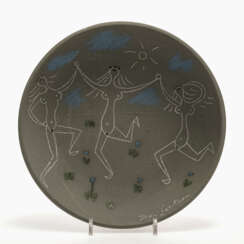

Jean Maurice Eugène Clément Cocteau was a French poet, playwright, novelist, designer, filmmaker, visual artist and critic. He was one of the foremost creatives of the surrealist, avant-garde, and Dadaist movements; and one of the most influential figures in early 20th-century art as a whole. The National Observer suggested that, “of the artistic generation whose daring gave birth to Twentieth Century Art, Cocteau came closest to being a Renaissance man.”


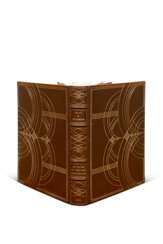

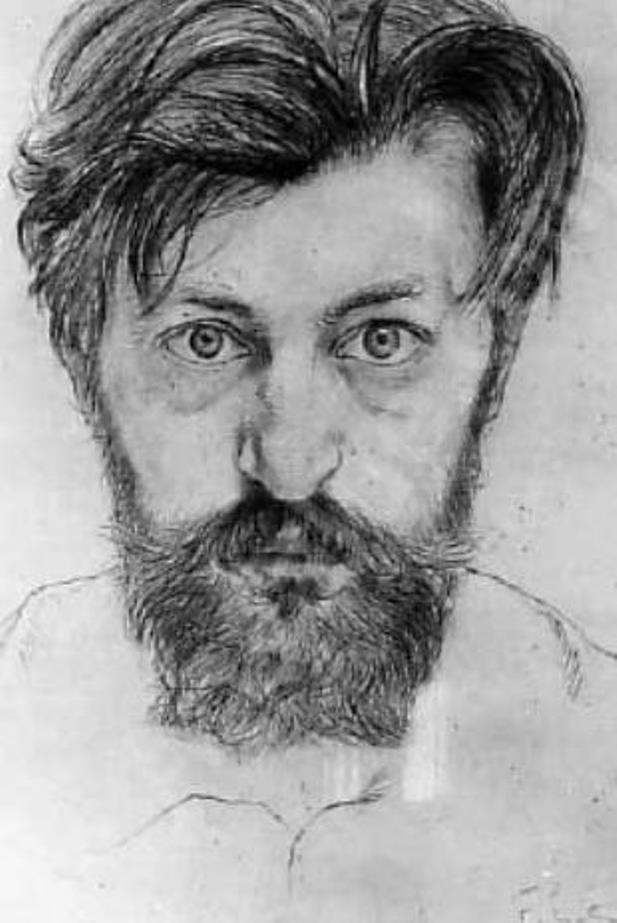
François-Louis Schmied was a French painter, illustrator, wood engraver, printmaker, editor and Art Deco binder.
François-Louis studied wood engraving at the École des Arts industriels in Geneva and painting at the École des Beaux-Arts de Genève. A Swiss, Schmied settled and naturalized in France in 1895. In 1910, he was commissioned to engrave and print Paul Jouve's illustrations for Rudyard Kipling's The Life of the Jungle, which was not published until 1919. For this book, now considered a masterpiece, the master produced about 90 color illustrations. Thanks to the success of this publication, Schmied was able to expand his activity and hire a group of craftsmen to execute his most famous and innovative works.
François-Louis Schmied is considered one of the greatest Art Deco artists and became particularly famous for his beautiful rare books for bibliophiles. Schmied's unique books were very expensive to produce, which required a lot of time and effort, and were always printed in very limited editions, from 20 to 200 copies. During the Great Depression, Schmied's expensive projects could not withstand the competition: the master was forced to sell off almost all his assets and close his workshop and store, and around 1932 he left for Morocco, where he died.
François-Louis Schmied's works are not only aesthetically pleasing, but also express his desire to combine art and literature. The talented artist conveyed with passion and precision the essence of the Art Deco style contemporary to him. Today, Schmied's works, reissued as fine art reproductions, not only convey the aesthetics and precision inherent in each of his originals, but also add a new dimension to them. His son, Theo Schmied, took over François-Louis Schmied's workshop in 1924, reviving its former glory and revitalizing it over time.

Jean Maurice Eugène Clément Cocteau was a French poet, playwright, novelist, designer, filmmaker, visual artist and critic. He was one of the foremost creatives of the surrealist, avant-garde, and Dadaist movements; and one of the most influential figures in early 20th-century art as a whole. The National Observer suggested that, “of the artistic generation whose daring gave birth to Twentieth Century Art, Cocteau came closest to being a Renaissance man.”

Jean Maurice Eugène Clément Cocteau was a French poet, playwright, novelist, designer, filmmaker, visual artist and critic. He was one of the foremost creatives of the surrealist, avant-garde, and Dadaist movements; and one of the most influential figures in early 20th-century art as a whole. The National Observer suggested that, “of the artistic generation whose daring gave birth to Twentieth Century Art, Cocteau came closest to being a Renaissance man.”


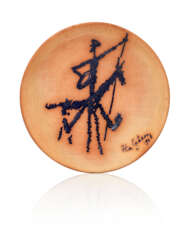

Jean Maurice Eugène Clément Cocteau was a French poet, playwright, novelist, designer, filmmaker, visual artist and critic. He was one of the foremost creatives of the surrealist, avant-garde, and Dadaist movements; and one of the most influential figures in early 20th-century art as a whole. The National Observer suggested that, “of the artistic generation whose daring gave birth to Twentieth Century Art, Cocteau came closest to being a Renaissance man.”
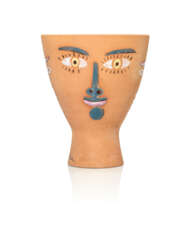

Jean Maurice Eugène Clément Cocteau was a French poet, playwright, novelist, designer, filmmaker, visual artist and critic. He was one of the foremost creatives of the surrealist, avant-garde, and Dadaist movements; and one of the most influential figures in early 20th-century art as a whole. The National Observer suggested that, “of the artistic generation whose daring gave birth to Twentieth Century Art, Cocteau came closest to being a Renaissance man.”


Jean Maurice Eugène Clément Cocteau was a French poet, playwright, novelist, designer, filmmaker, visual artist and critic. He was one of the foremost creatives of the surrealist, avant-garde, and Dadaist movements; and one of the most influential figures in early 20th-century art as a whole. The National Observer suggested that, “of the artistic generation whose daring gave birth to Twentieth Century Art, Cocteau came closest to being a Renaissance man.”
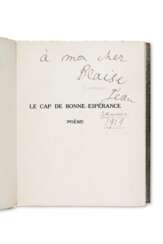

Jean Maurice Eugène Clément Cocteau was a French poet, playwright, novelist, designer, filmmaker, visual artist and critic. He was one of the foremost creatives of the surrealist, avant-garde, and Dadaist movements; and one of the most influential figures in early 20th-century art as a whole. The National Observer suggested that, “of the artistic generation whose daring gave birth to Twentieth Century Art, Cocteau came closest to being a Renaissance man.”
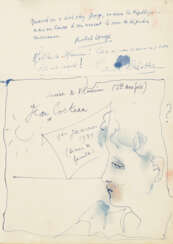

Jean Maurice Eugène Clément Cocteau was a French poet, playwright, novelist, designer, filmmaker, visual artist and critic. He was one of the foremost creatives of the surrealist, avant-garde, and Dadaist movements; and one of the most influential figures in early 20th-century art as a whole. The National Observer suggested that, “of the artistic generation whose daring gave birth to Twentieth Century Art, Cocteau came closest to being a Renaissance man.”
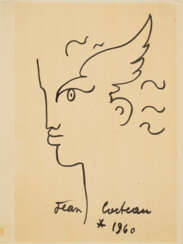

Jean Maurice Eugène Clément Cocteau was a French poet, playwright, novelist, designer, filmmaker, visual artist and critic. He was one of the foremost creatives of the surrealist, avant-garde, and Dadaist movements; and one of the most influential figures in early 20th-century art as a whole. The National Observer suggested that, “of the artistic generation whose daring gave birth to Twentieth Century Art, Cocteau came closest to being a Renaissance man.”
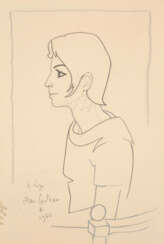

Jean Maurice Eugène Clément Cocteau was a French poet, playwright, novelist, designer, filmmaker, visual artist and critic. He was one of the foremost creatives of the surrealist, avant-garde, and Dadaist movements; and one of the most influential figures in early 20th-century art as a whole. The National Observer suggested that, “of the artistic generation whose daring gave birth to Twentieth Century Art, Cocteau came closest to being a Renaissance man.”
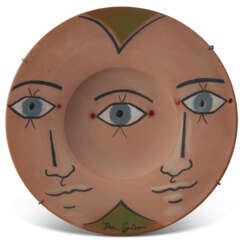

Jean Maurice Eugène Clément Cocteau was a French poet, playwright, novelist, designer, filmmaker, visual artist and critic. He was one of the foremost creatives of the surrealist, avant-garde, and Dadaist movements; and one of the most influential figures in early 20th-century art as a whole. The National Observer suggested that, “of the artistic generation whose daring gave birth to Twentieth Century Art, Cocteau came closest to being a Renaissance man.”
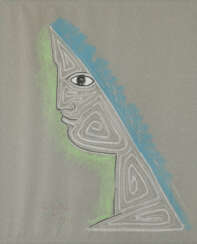

Jean Maurice Eugène Clément Cocteau was a French poet, playwright, novelist, designer, filmmaker, visual artist and critic. He was one of the foremost creatives of the surrealist, avant-garde, and Dadaist movements; and one of the most influential figures in early 20th-century art as a whole. The National Observer suggested that, “of the artistic generation whose daring gave birth to Twentieth Century Art, Cocteau came closest to being a Renaissance man.”
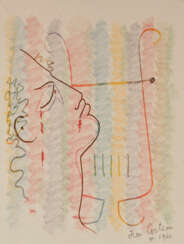

Jean Maurice Eugène Clément Cocteau was a French poet, playwright, novelist, designer, filmmaker, visual artist and critic. He was one of the foremost creatives of the surrealist, avant-garde, and Dadaist movements; and one of the most influential figures in early 20th-century art as a whole. The National Observer suggested that, “of the artistic generation whose daring gave birth to Twentieth Century Art, Cocteau came closest to being a Renaissance man.”
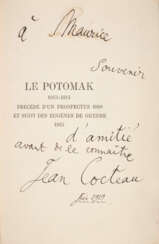

Jean Maurice Eugène Clément Cocteau was a French poet, playwright, novelist, designer, filmmaker, visual artist and critic. He was one of the foremost creatives of the surrealist, avant-garde, and Dadaist movements; and one of the most influential figures in early 20th-century art as a whole. The National Observer suggested that, “of the artistic generation whose daring gave birth to Twentieth Century Art, Cocteau came closest to being a Renaissance man.”




Jean Maurice Eugène Clément Cocteau was a French poet, playwright, novelist, designer, filmmaker, visual artist and critic. He was one of the foremost creatives of the surrealist, avant-garde, and Dadaist movements; and one of the most influential figures in early 20th-century art as a whole. The National Observer suggested that, “of the artistic generation whose daring gave birth to Twentieth Century Art, Cocteau came closest to being a Renaissance man.”


Jean Maurice Eugène Clément Cocteau was a French poet, playwright, novelist, designer, filmmaker, visual artist and critic. He was one of the foremost creatives of the surrealist, avant-garde, and Dadaist movements; and one of the most influential figures in early 20th-century art as a whole. The National Observer suggested that, “of the artistic generation whose daring gave birth to Twentieth Century Art, Cocteau came closest to being a Renaissance man.”


Jean Maurice Eugène Clément Cocteau was a French poet, playwright, novelist, designer, filmmaker, visual artist and critic. He was one of the foremost creatives of the surrealist, avant-garde, and Dadaist movements; and one of the most influential figures in early 20th-century art as a whole. The National Observer suggested that, “of the artistic generation whose daring gave birth to Twentieth Century Art, Cocteau came closest to being a Renaissance man.”

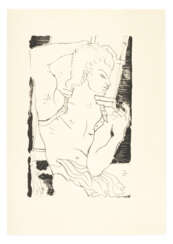

Jean Maurice Eugène Clément Cocteau was a French poet, playwright, novelist, designer, filmmaker, visual artist and critic. He was one of the foremost creatives of the surrealist, avant-garde, and Dadaist movements; and one of the most influential figures in early 20th-century art as a whole. The National Observer suggested that, “of the artistic generation whose daring gave birth to Twentieth Century Art, Cocteau came closest to being a Renaissance man.”
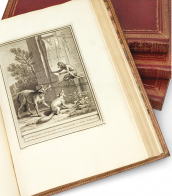


Jean Maurice Eugène Clément Cocteau was a French poet, playwright, novelist, designer, filmmaker, visual artist and critic. He was one of the foremost creatives of the surrealist, avant-garde, and Dadaist movements; and one of the most influential figures in early 20th-century art as a whole. The National Observer suggested that, “of the artistic generation whose daring gave birth to Twentieth Century Art, Cocteau came closest to being a Renaissance man.”
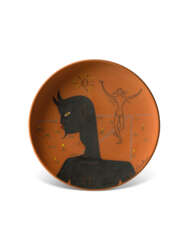

Jean Maurice Eugène Clément Cocteau was a French poet, playwright, novelist, designer, filmmaker, visual artist and critic. He was one of the foremost creatives of the surrealist, avant-garde, and Dadaist movements; and one of the most influential figures in early 20th-century art as a whole. The National Observer suggested that, “of the artistic generation whose daring gave birth to Twentieth Century Art, Cocteau came closest to being a Renaissance man.”
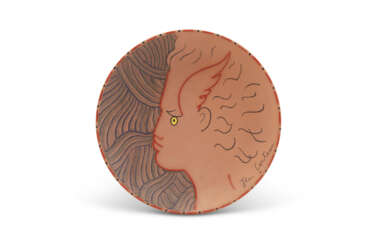

Jean Maurice Eugène Clément Cocteau was a French poet, playwright, novelist, designer, filmmaker, visual artist and critic. He was one of the foremost creatives of the surrealist, avant-garde, and Dadaist movements; and one of the most influential figures in early 20th-century art as a whole. The National Observer suggested that, “of the artistic generation whose daring gave birth to Twentieth Century Art, Cocteau came closest to being a Renaissance man.”
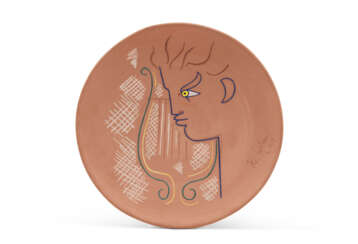

Jean Maurice Eugène Clément Cocteau was a French poet, playwright, novelist, designer, filmmaker, visual artist and critic. He was one of the foremost creatives of the surrealist, avant-garde, and Dadaist movements; and one of the most influential figures in early 20th-century art as a whole. The National Observer suggested that, “of the artistic generation whose daring gave birth to Twentieth Century Art, Cocteau came closest to being a Renaissance man.”
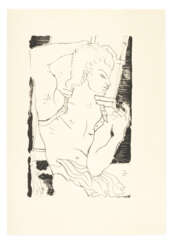

Jean Maurice Eugène Clément Cocteau was a French poet, playwright, novelist, designer, filmmaker, visual artist and critic. He was one of the foremost creatives of the surrealist, avant-garde, and Dadaist movements; and one of the most influential figures in early 20th-century art as a whole. The National Observer suggested that, “of the artistic generation whose daring gave birth to Twentieth Century Art, Cocteau came closest to being a Renaissance man.”
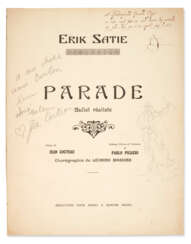

Pablo Ruiz Picasso, a Spanish artist renowned for his revolutionary contributions to the 20th-century art scene, is a figure that resonates profoundly with collectors and art experts. His unique blend of talents in painting, sculpture, printmaking, and ceramic art, infused with his time in France, positioned him as a pivotal character in modern art history.
Picasso's artistic journey was marked by distinct periods, each showcasing his evolving style and genius. His early years were characterized by the Blue Period (1901-1904), followed by the Rose Period (1904-1906), and then the African-influenced Period (1907-1909). Picasso's name is synonymous with Cubism, a movement he co-founded, which significantly altered artistic perspectives and methods. Works like "Les Demoiselles d'Avignon" (1907) and "Guernica" (1937) are emblematic of his cubist legacy, the latter being a poignant anti-war statement that remains influential.
His later years saw a return to more traditional styles, with neoclassical and surrealist influences becoming evident. Works from these phases reflect a deep engagement with mythological themes, as seen in "Faun with Stars" (1955), symbolizing his late-life romance with Jacqueline Roque, his second wife.
Picasso's prolific output and innovative spirit made him a legend in his own time, a status that only grew after his death. His works, housed in major museums and private collections worldwide, continue to captivate and inspire.
As a collector or expert in art and antiques, staying informed about Picasso's works, their auction events, and sales is essential. To stay updated on the latest developments and opportunities related to Pablo Picasso, sign up for our specialized updates. Rest assured, this subscription will focus solely on new product sales and auction events pertaining to Picasso's art, ensuring that you receive only the most relevant and valuable information.
Jean Maurice Eugène Clément Cocteau was a French poet, playwright, novelist, designer, filmmaker, visual artist and critic. He was one of the foremost creatives of the surrealist, avant-garde, and Dadaist movements; and one of the most influential figures in early 20th-century art as a whole. The National Observer suggested that, “of the artistic generation whose daring gave birth to Twentieth Century Art, Cocteau came closest to being a Renaissance man.”
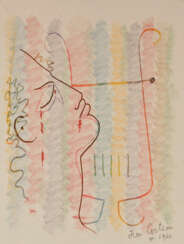

Jean Maurice Eugène Clément Cocteau was a French poet, playwright, novelist, designer, filmmaker, visual artist and critic. He was one of the foremost creatives of the surrealist, avant-garde, and Dadaist movements; and one of the most influential figures in early 20th-century art as a whole. The National Observer suggested that, “of the artistic generation whose daring gave birth to Twentieth Century Art, Cocteau came closest to being a Renaissance man.”