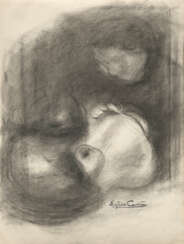
Portrait Stone — Auction price
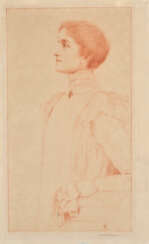

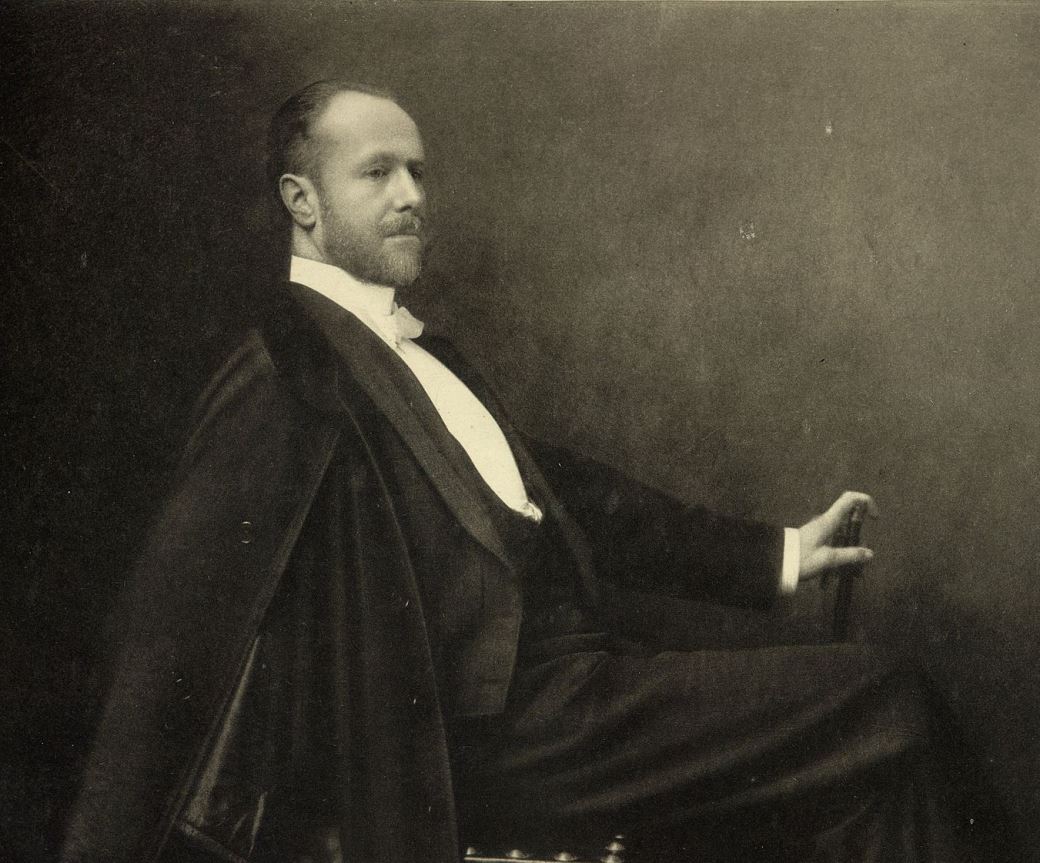
Fernand Khnopff, full name Fernand-Edmond-Jean-Marie Khnopff, was a Belgian Symbolist painter, graphic artist, sculptor and art historian.
Born into a wealthy family, Fernand attended the Royal Academy of Fine Arts in Brussels, where he studied painting with Xavier Mellerie. Throughout his years at the academy, Khnopff spent summers in Paris studying art, and at the 1878 World's Fair he saw the works of Pre-Raphaelite Edward Burne-Jones and Symbolist Gustave Moreau, which had a decisive influence on his work.
In the early 1880s Khnopff began to exhibit his Symbolist works, often inspired by literary works, particularly by Gustave Flaubert. His paintings combined precise realism with an ethereal fairy-tale atmosphere, and he also painted portraits.
In 1883 Khnopff co-founded Les Vingt, a group of Belgian avant-garde artists. From the early 1990s, he collaborated regularly with the Brussels opera house Royal de la Monnaie, designing costumes and sets for many productions. He also designed the interiors of Brussels' landmark buildings: the Maison Stoclet and the Hôtel de Ville in Saint-Gilles.
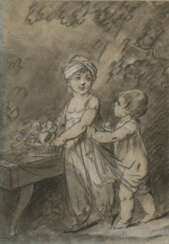

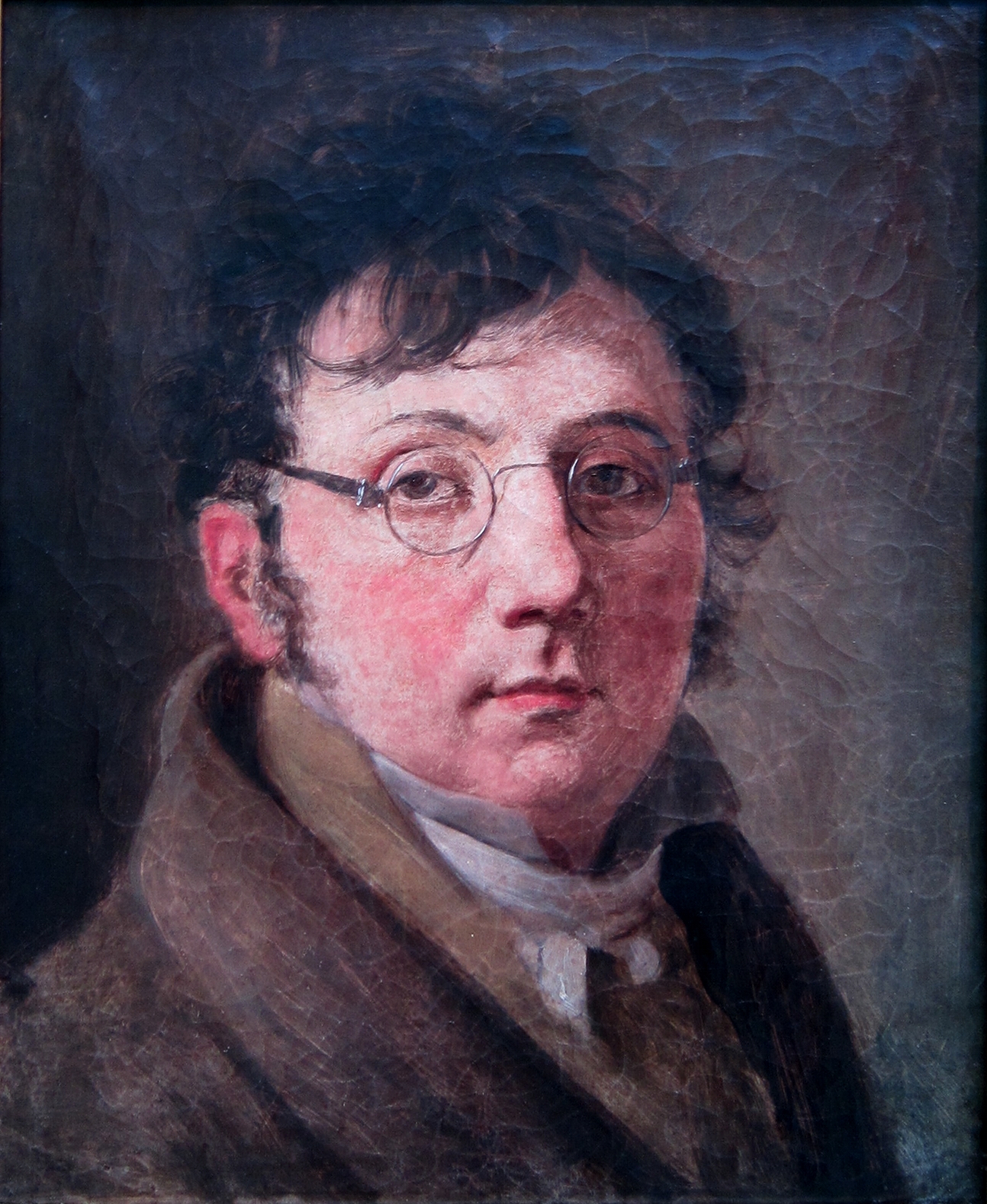
Louis-Léopold Boilly was a French painter and draftsman. A gifted creator of popular portrait paintings, he also produced a vast number of genre paintings vividly documenting French middle-class social life. His life and work spanned the eras of monarchical France, the French Revolution, the Napoleonic Empire, the Bourbon Restoration and the July Monarchy. His 1800 painting Un Trompe-l'œil introduced the term trompe-l'œil ("trick the eye"), applied to the technique that uses realistic imagery to create the optical illusion that the depicted objects exist in three dimensions, though the "unnamed" technique itself had existed in Greek and Roman times.


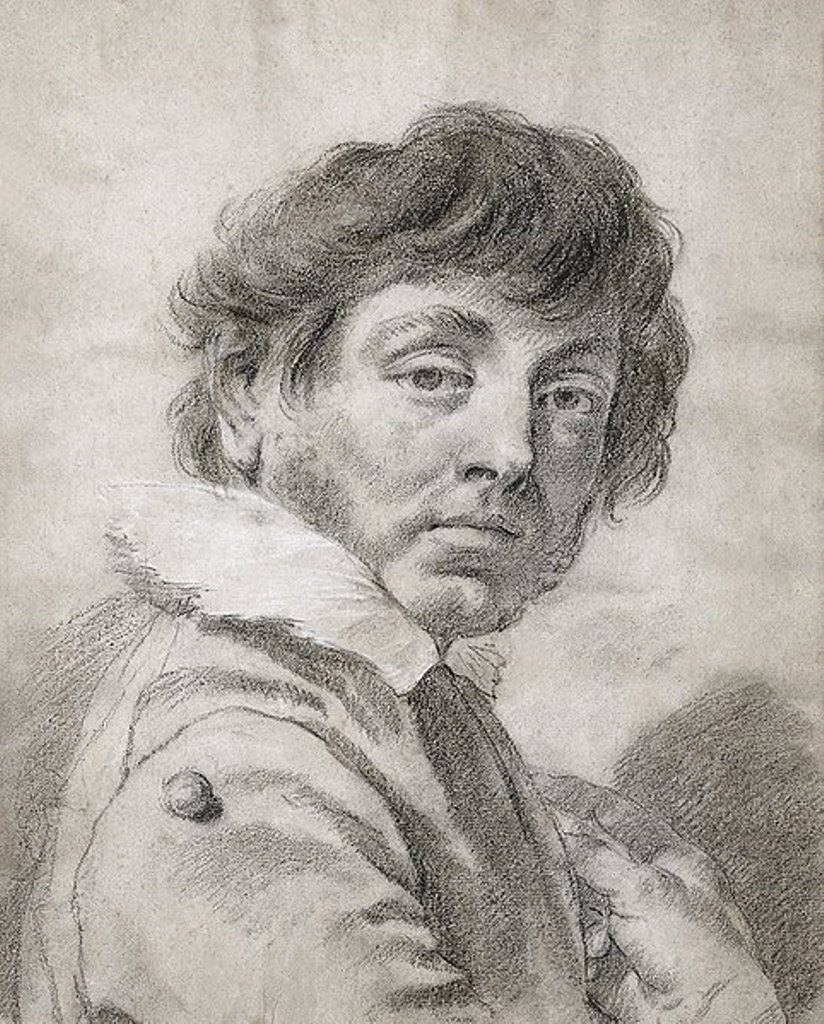
Giovanni Battista Piazzetta was an influential Italian painter known for his mastery in the Rococo style, characterized by its subtle coloring and elegant forms in religious and genre subjects. Born in Venice to a sculptor, Piazzetta initially trained in woodcarving before venturing into painting, where he was influenced by the Venetian Baroque painter Antonio Molinari and possibly by Giuseppe Crespi and Caravaggio's dramatic use of light and shadow.
Giovanni Battista Piazzetta's work is renowned for its emotional depth and complex characters, often imbued with a layering of meanings. His notable works include "The Sacrifice of Isaac," "The Annunciation," and "Susanna and the Elders," which showcase his ability to blend religious themes with a strong sense of humanity. Despite not receiving numerous commissions, he made significant contributions through his book illustrations and was a respected teacher, becoming the first director of the Accademia di Belle Arti di Venezia in 1750.
For art collectors and experts, Giovanni Battista Piazzetta's works offer a unique perspective on 18th-century Venetian painting, highlighting his distinctive style and contribution to the Rococo movement. His paintings, which can be found in various museums and galleries, continue to captivate audiences with their intricate details and emotional resonance.
To stay informed about the latest sales and auction events related to Giovanni Battista Piazzetta, consider signing up for updates. This will ensure you remain knowledgeable about opportunities to acquire pieces by this distinguished artist.

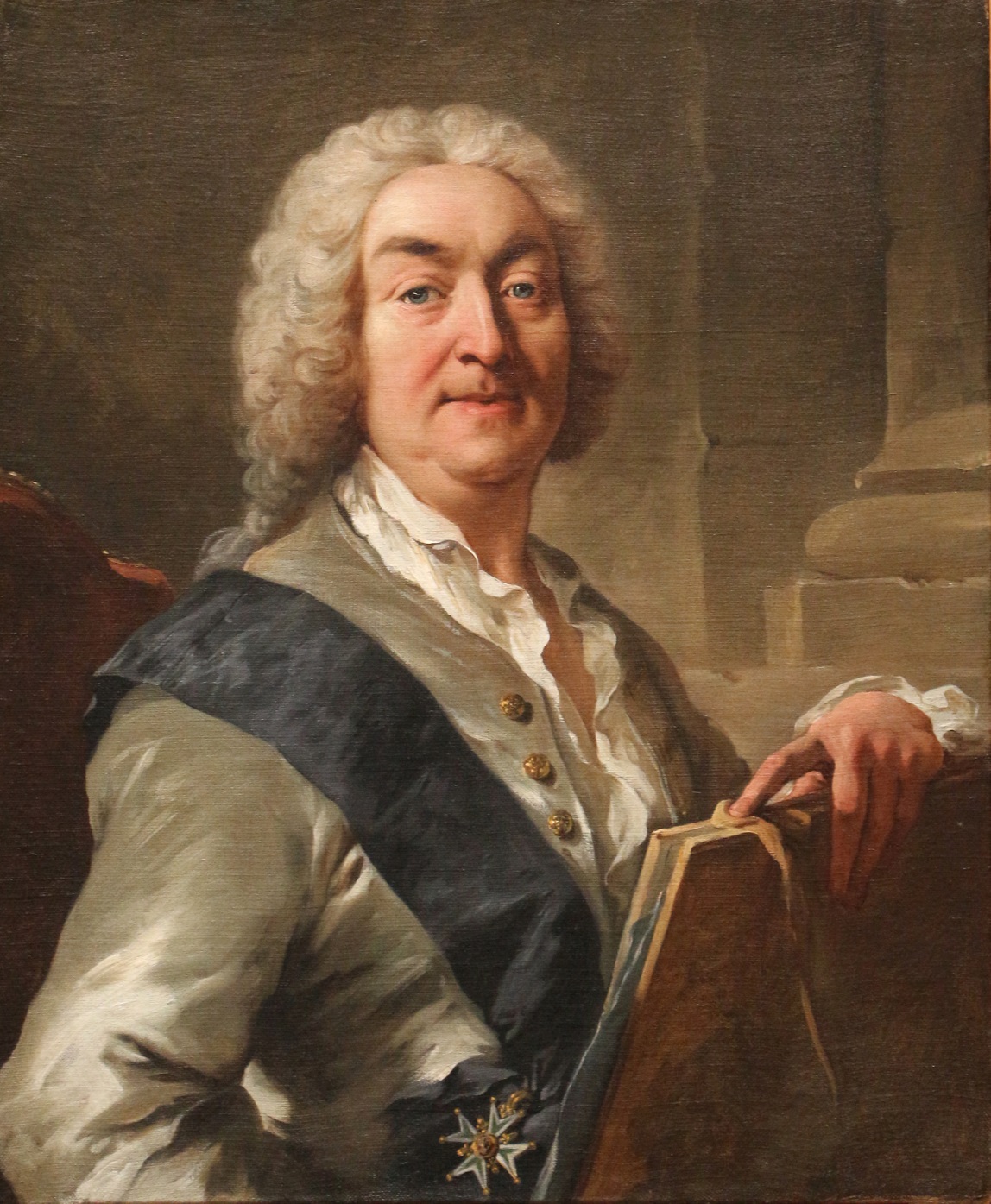
Jean-François de Troy was a French Rococo easel and fresco painter, draughtsman and tapestry designer. One of France's leading history painters in his time, he was equally successful with his decorative paintings, genre scenes and portraits. He was the inventor of the tableaux de modes ('paintings of fashions'), which attempted to provide a spirited portrayal of contemporary fashions, pastimes and manners.
He was the Director of the French Academy in Rome from 1738.
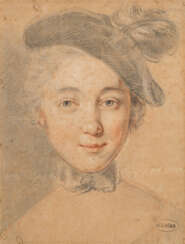

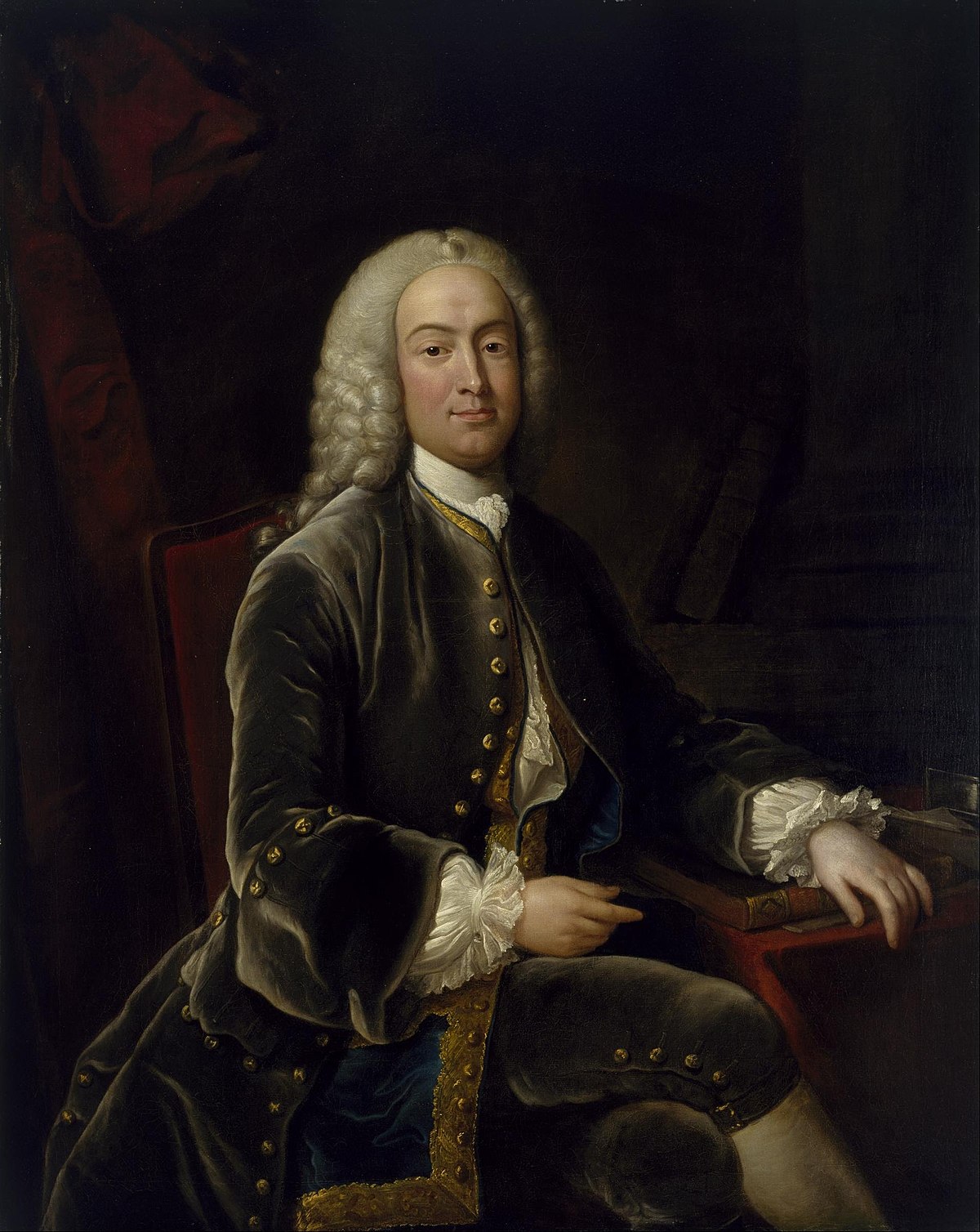
Jean-Baptiste van Loo was a French portrait painter of the Rococo period. He came from a large Van Loo family of painters, originally from Flanders. Elder brother of the painter Charles André van Loo. He studied painting with Benedetto Luti at the Académie Française in the Villa Médici.
Jean-Baptiste van Loo's style was marked by refined elegance and a desire to convey the likeness and character of his subjects. He excelled in portraiture and his work was sought after by royalty, aristocrats and prominent figures of his time.
In addition to portraits, he also painted historical and mythological scenes. His works had a sense of grandeur, using a vivid colour palette, intricate details and dynamic compositions.
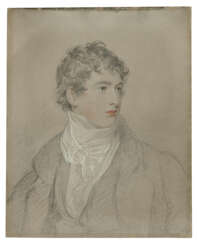

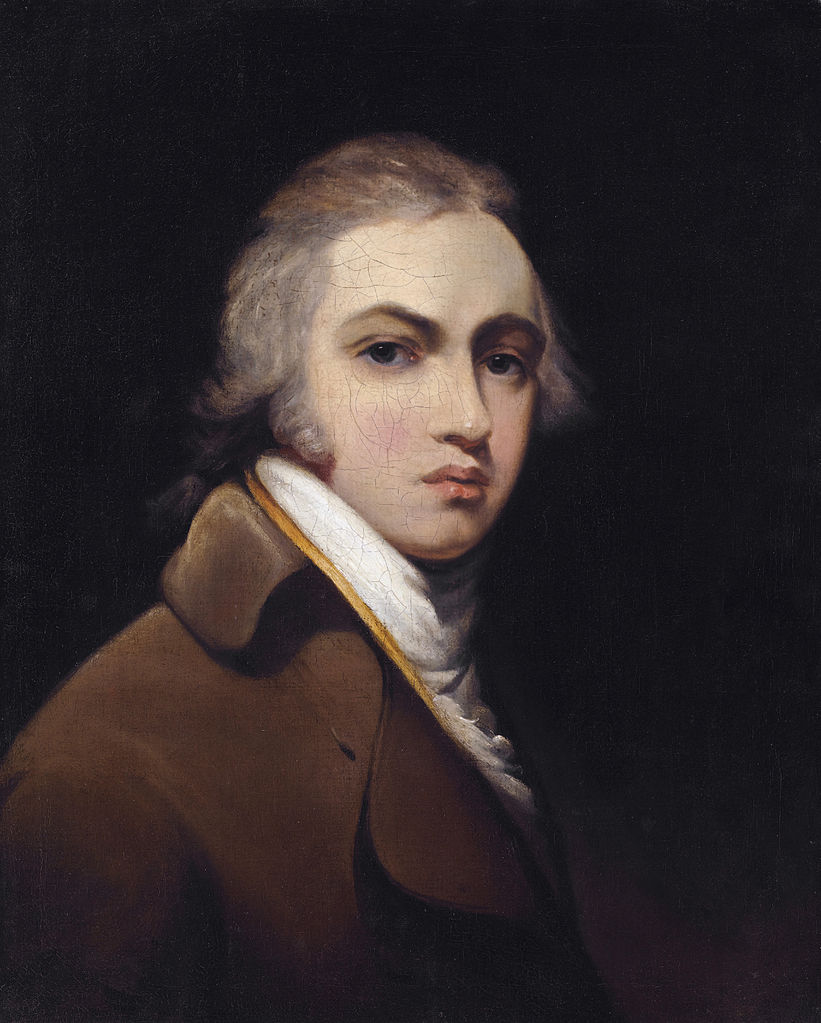
Thomas Lawrence was a prominent English painter, celebrated for his mastery in portraiture, who made a significant mark in the world of art and culture during the late 18th and early 19th centuries. Born in Bristol in 1769, Lawrence was a child prodigy, supporting his family through his artistic talents from a young age. His journey took him to Bath and eventually to London, where he swiftly established himself as a leading portrait artist, capturing the likenesses of society's most influential figures.
Thomas Lawrence's work is renowned for its elegance, capturing the essence and personality of his subjects with remarkable finesse. His ability to portray the delicate nuances of expression and character made his portraits highly sought after by the aristocracy and royalty alike. His commissions included portraits of King George III, Queen Charlotte, and the Prince Regent, as well as numerous other figures from the British and European nobility. Among his notable works are the portraits of Elizabeth Farren, soon to be the Countess of Derby, characterized by its vibrant expression and elegance, and the depiction of actress Sarah Siddons' daughters, which underscored his personal entanglements and the emotional depth he could convey through his art.
Despite his success, Thomas Lawrence's life was not without its challenges. He was perpetually in debt, a situation that puzzled his contemporaries given his tireless work ethic and the absence of any overt extravagance in his lifestyle. Furthermore, his romantic life was complicated, marked by his unfulfilled love for the Siddons sisters, which added a layer of personal tragedy to his story.
Thomas Lawrence's contributions to art were recognized by his election as a full member of the Royal Academy in 1794, and he later served as its president. His legacy is preserved in galleries and collections worldwide, including the National Gallery in London, which houses several of his masterpieces. His portraits of abolitionists and slave-owners alike reflect the complex social fabric of his time, offering a window into the era's cultural and historical context.
For collectors and experts in art and antiques, Thomas Lawrence's works represent not just aesthetic achievements but also valuable historical documents that capture the essence of an era. His portraits are a testament to the power of art to convey both the external likeness and the inner soul of the subject.
For those interested in the intersection of art, history, and culture, and who wish to stay informed about new discoveries, sales, and auction events related to Thomas Lawrence's work, signing up for updates is an invaluable resource. This ensures that enthusiasts and collectors alike remain at the forefront of developments in the world of art and antiques related to this illustrious painter.
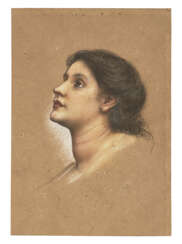

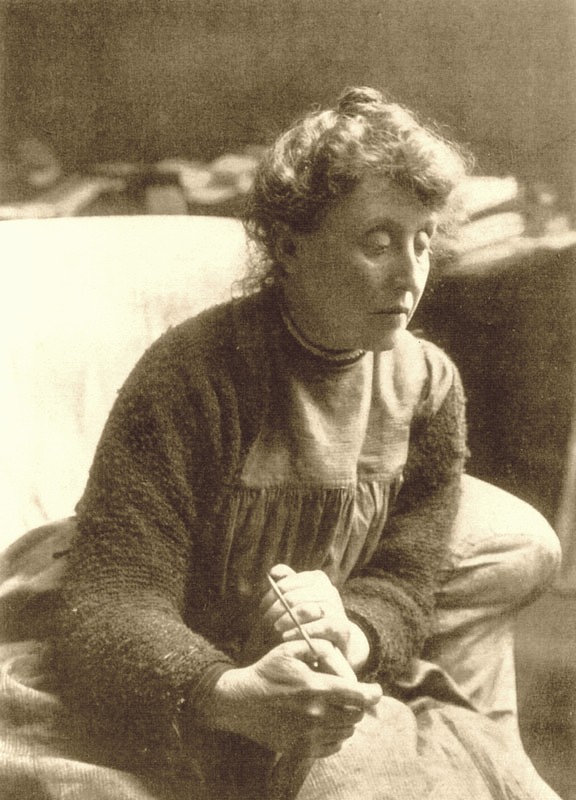



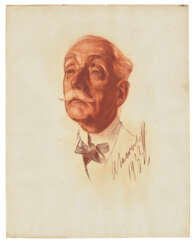

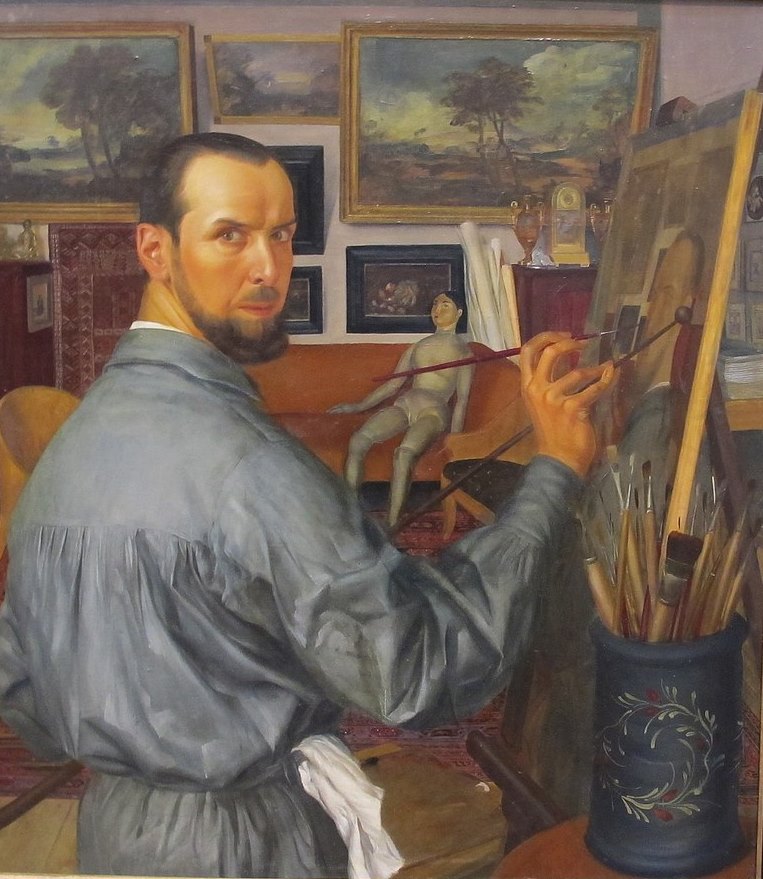
Aleksandr Evgenevich Iakovlev (Russian: Александр Евгеньевич Яковлев), a Russian painter, graphic artist, and designer, left an indelible mark on the world of art with his unique blend of classical and orientalist styles. Born in Saint Petersburg, Russia, in 1887, Iakovlev was part of the vibrant Russian artistic community that contributed significantly to the neo-classical and orientalist movements. His extensive travels across Mongolia, China, Japan, Africa, Syria, Iran, and Afghanistan enriched his art, leading to a prolific output of portraits, landscapes, still lifes, and figure compositions that combined elements of Italian Renaissance with Russian Primitivism.
Iakovlev's early involvement with the Mir Iskusstva exhibition in 1915 showcased his talent but also highlighted the mixed reactions from critics and the Academy of Arts, signaling his departure from traditional academic confines. His scholarship to study in the Far East and subsequent travels profoundly influenced his work, as seen in his orientalist paintings and ethnographic drawings. This period of exploration culminated in his significant contributions as an official artist on the Citroën expeditions across Central Africa and Asia, where he captured the essence of the diverse cultures he encountered.
His works, such as "Three Women in a Box at the Theatre" and his participation in designing the Prival Komediantov artistic cabaret, exemplify his mastery of merging traditional subjects with a modernist touch. Serving as the Director of the Painting Department at the School of the Museum of Fine Arts, Boston, between 1934 and 1937, Iakovlev influenced the art scene beyond the Russian borders before his death in Paris in 1938.
Iakovlev's legacy is preserved in museums and galleries worldwide, celebrating his contributions to bridging cultures through art. His ability to document his travels and experiences in such a vivid and artistic manner has left a lasting impact on the appreciation of cultural diversity in the art world.
For collectors and experts in art and antiques, Aleksandr Evgenevich Iakovlev's works represent a convergence of classical artistry and exploratory zeal, making them highly sought after. His pieces not only capture the beauty of the subjects he portrayed but also serve as a window into the cultures and landscapes that inspired him.
For updates on exhibitions and auction events featuring Aleksandr Evgenevich Iakovlev's works, sign up to stay informed about new discoveries and opportunities to add to your collection.
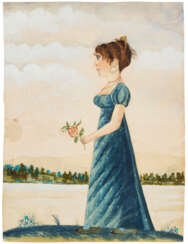

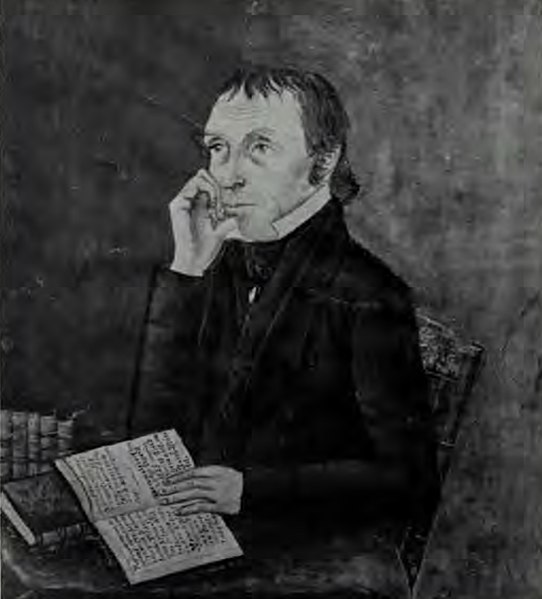
Jacob Mentel, birth name Johann Adam Bernhard Jacob Maentel, was a German-American folk artist.
Maentel is best known for his watercolour portraiture, which details the décor and clothing of early American immigrant communities.
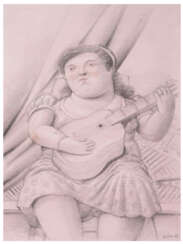

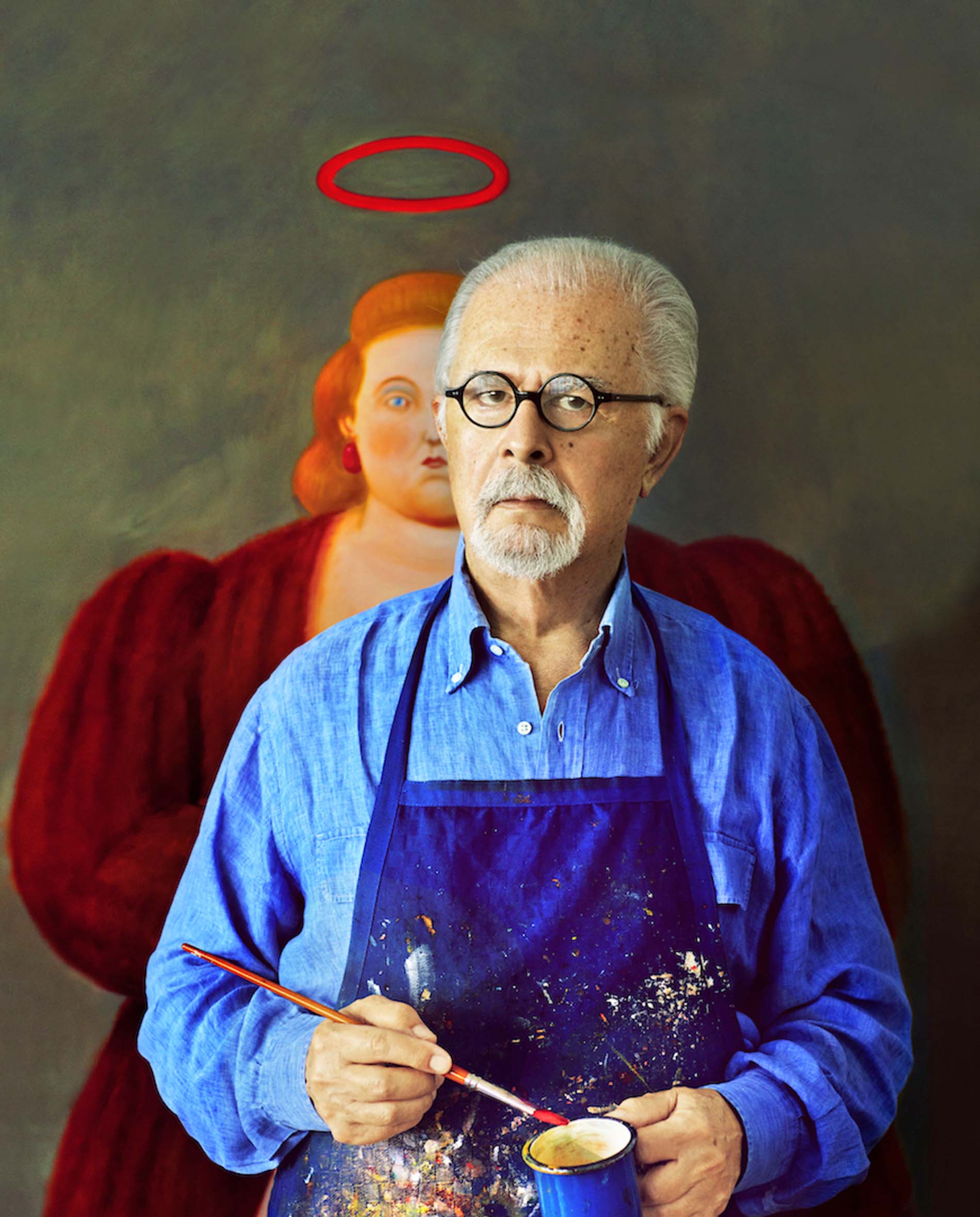
Fernando Botero Angulo was a Colombian painter and sculptor, celebrated for his volumetric stylization of figures and objects in his works. Born in Medellín, Colombia, Botero's signature style, known as "Boterismo", portrays people and animals in exaggerated and inflated shapes, often conveying social criticism or humor.
Fernando Botero's journey into the art world was marked by his early rejection of traditional artistic paths, opting instead to explore an innovative style that would later dominate his career. His art, infused with a mix of political satire and playful humor, has graced numerous galleries and public spaces worldwide. Notable public installations include his sculptures in Park Avenue, New York City, and the Champs-Élysées in Paris. His works are in the collections of many major international museums and have fetched high sums at auctions.
Fernando Botero's ability to capture the human condition through rounded, corpulent figures has endeared him to a global audience. His notable works such as "The Presidential Family" and "The Death of Pablo Escobar" are poignant commentaries on Colombian politics and society. Furthermore, Botero donated significant numbers of his works to Colombian museums, enriching the cultural heritage of his native country.
His influence extends beyond paintings and sculptures, as Fernando Botero has also engaged with social issues through his art. His series on Abu Ghraib prison abuses reflects his commitment to human rights and his capacity to address painful subjects through his distinct aesthetic.
For those interested in the vibrant world of art and culture, Botero's work remains a testament to the power of visual satire and cultural commentary. To stay updated on exhibitions and auctions featuring Fernando Botero’s works, sign up for alerts and dive deeper into the rich legacy of this monumental artist.
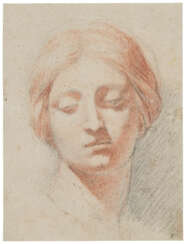

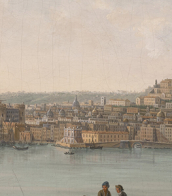
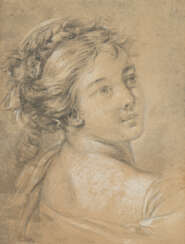

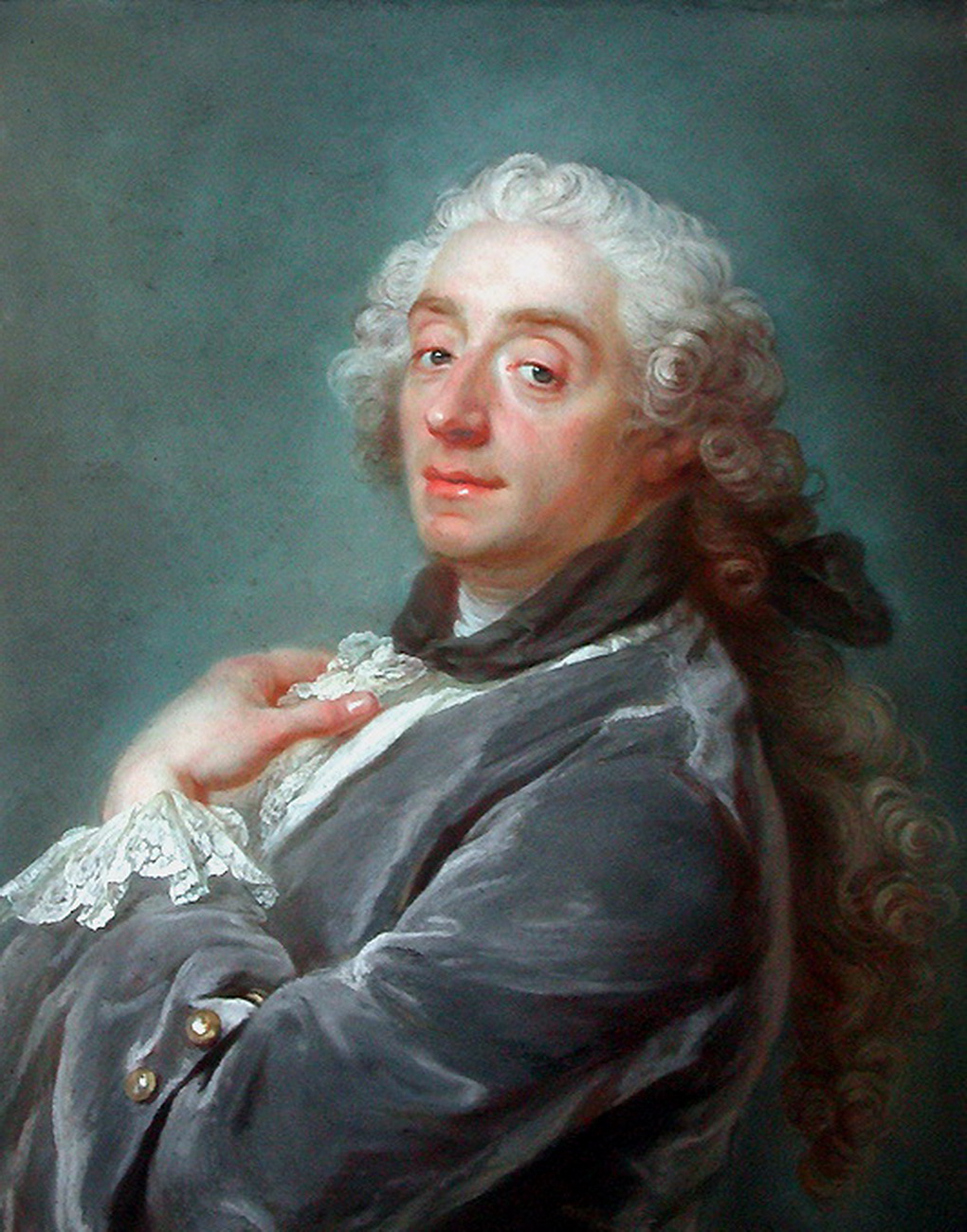
François Boucher, a French artist, is celebrated for his significant contributions to the Rococo style of painting. His works are renowned for their idyllic and voluptuous themes, which include classical subjects, decorative allegories, and pastoral scenes. Boucher's talent in creating intricate and charming paintings made him a favorite in the French court, especially with Madame de Pompadour.
François Boucher's skills were not confined to painting alone; he was also an adept draftsman and tapestry designer. His designs for the Beauvais tapestry workshops were highly successful, influencing decorative arts across Europe. Moreover, Boucher's influence extended to porcelain, with his designs being replicated on tableware and decorative pieces at the Vincennes and Sèvres factories.
Despite the later criticism of his style as overly frivolous and disconnected from the emerging Neoclassical trends, François Boucher's works continue to be admired for their aesthetic beauty and historical significance. His ability to blend various elements into a cohesive and appealing visual narrative demonstrates his mastery and enduring legacy in the art world.
For art collectors and enthusiasts, François Boucher's oeuvre offers a fascinating glimpse into 18th-century French art and culture, reflecting the opulence and delicate tastes of the Rococo period. His paintings and designs continue to be celebrated and studied for their artistic merit and historical context.
To stay updated on the latest exhibitions, sales, and events related to François Boucher's works, consider subscribing to updates from reliable art and antique sources. This way, you'll remain informed about opportunities to engage with the art of one of Rococo's most distinguished masters.
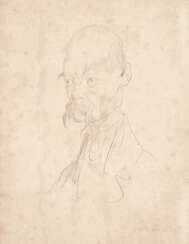

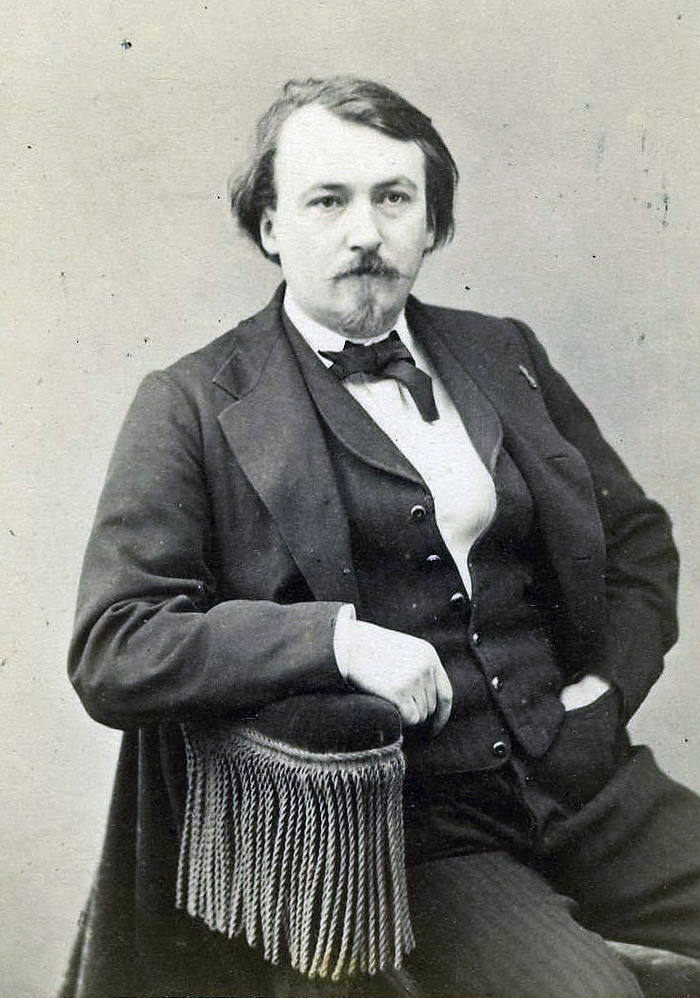
Gustave Doré, full name Paul Gustave Louis Christophe Doré, was a French painter, sculptor, graphic artist, illustrator, and cartoonist.
Doré was very industrious and prolific: he created more than 10,000 illustrations for art books as well as the Bible. He decorated the works of Rabelais, Balzac, Cervantes, Dante and Milton with his lively drawings, making Doré's name famous. He had a special gift for illustrating nature and fairy tales.
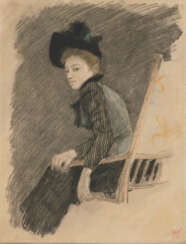

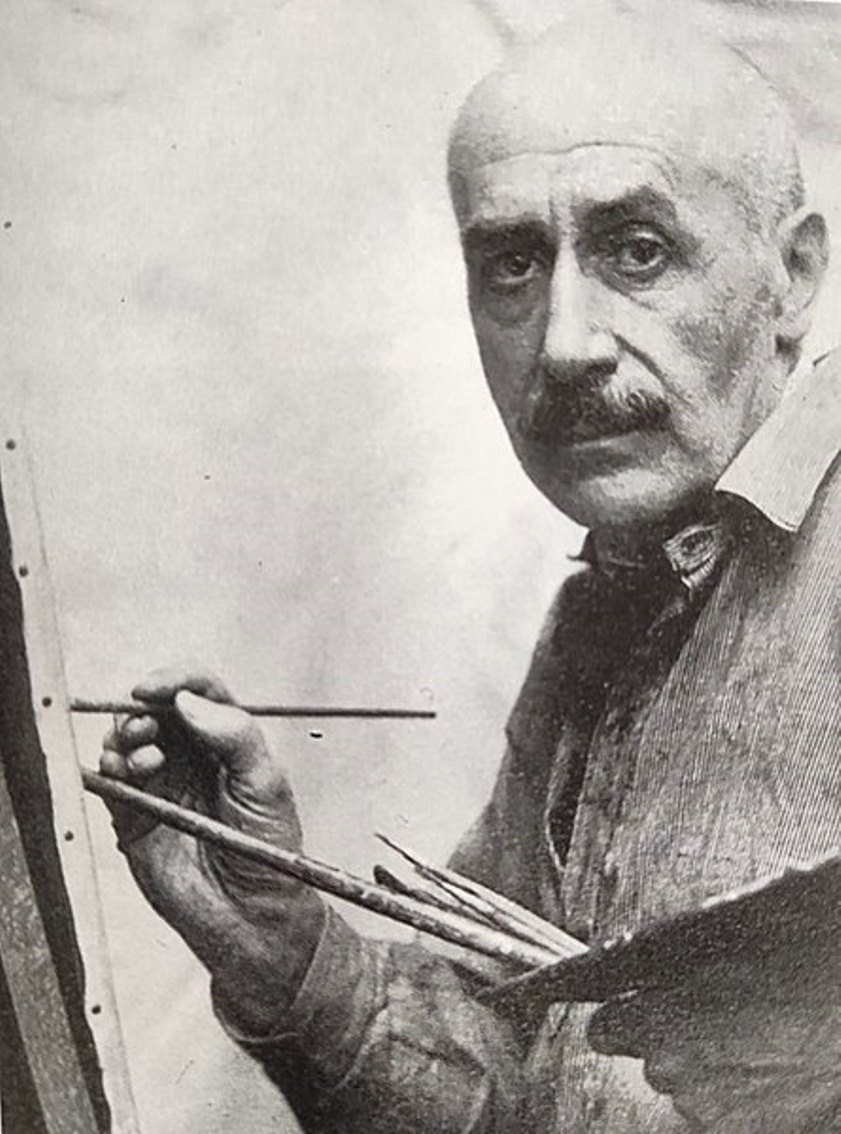
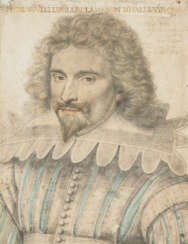

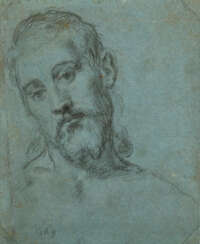

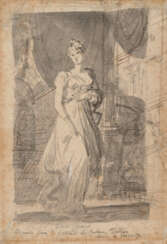

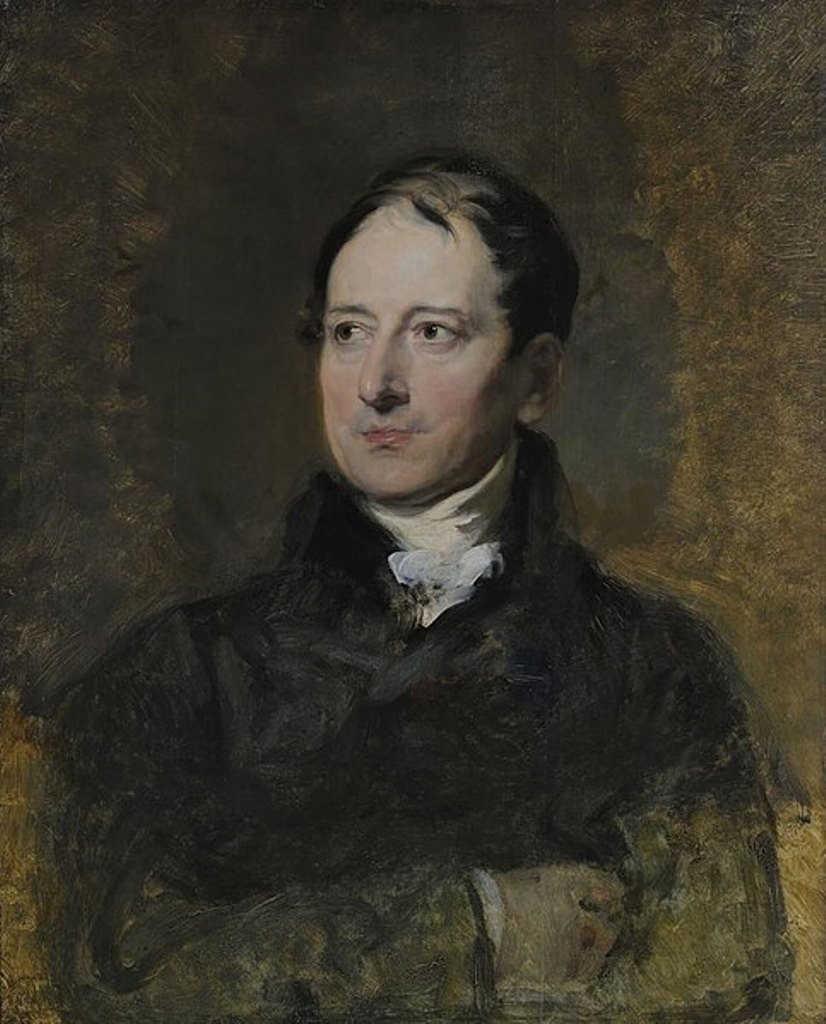
Baron François Pascal Simon Di Cerchia Gerard was a famous French painter of the late 18th century and the first half of the 19th century, an outstanding master of the portrait genre. Francois Gerard was also famous for his paintings on historical and mythological subjects in the neoclassical style. His portraits were highly regarded by the most important European nobles who often commissioned ceremonial portraits from him. His biography is an example of a successful career as an artist during a period of great political upheaval.