robert wilson
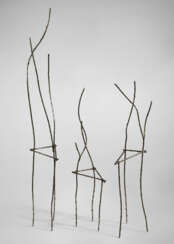

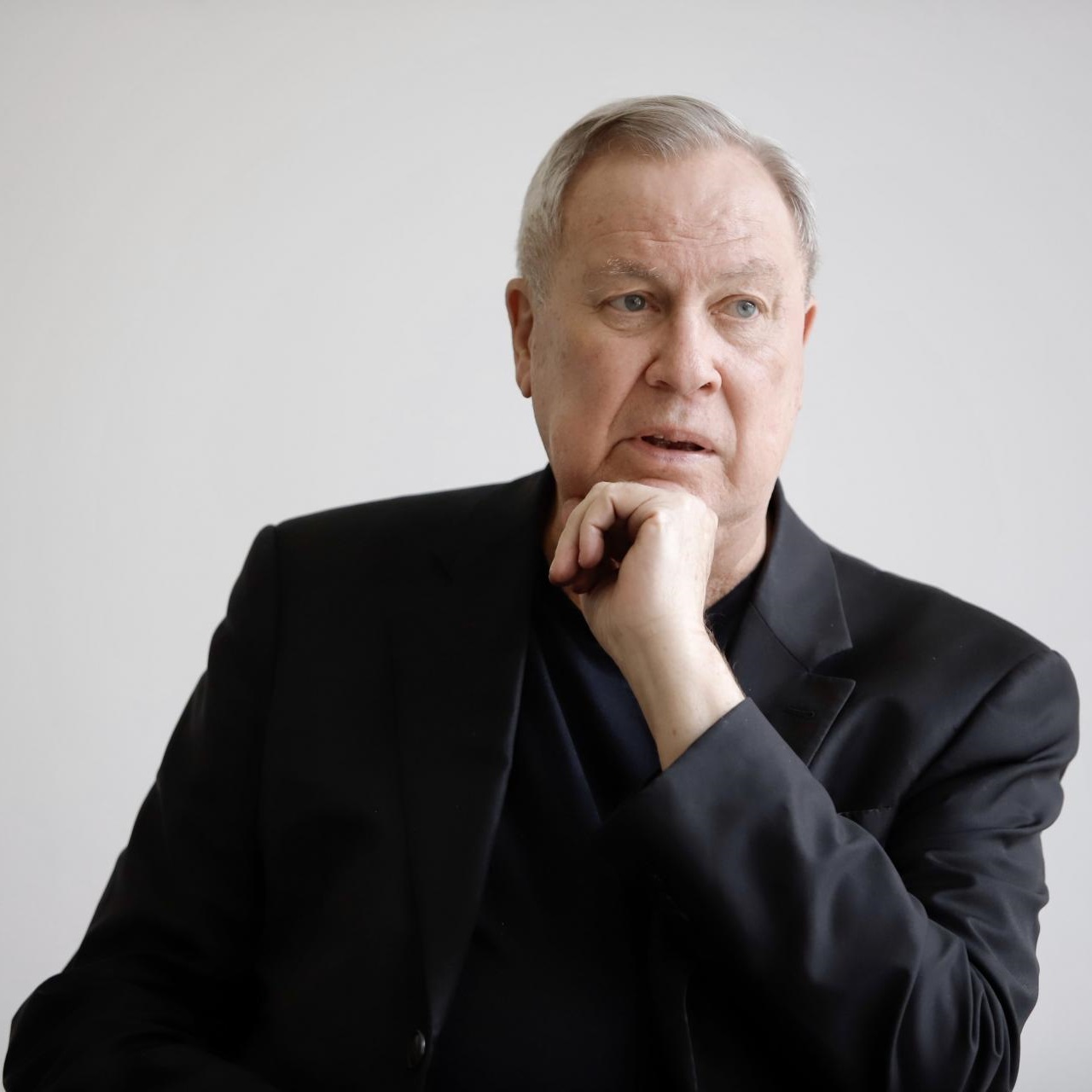
Robert Wilson is an American experimental theater stage director and playwright who has been described by The New York Times as «America's – or even the world's – foremost vanguard theater artist.» He has also worked as a choreographer, performer, painter, sculptor, video artist, and sound and lighting designer.

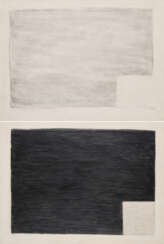

Robert Wilson is an American experimental theater stage director and playwright who has been described by The New York Times as «America's – or even the world's – foremost vanguard theater artist.» He has also worked as a choreographer, performer, painter, sculptor, video artist, and sound and lighting designer.
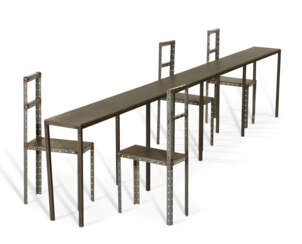

Robert Wilson is an American experimental theater stage director and playwright who has been described by The New York Times as «America's – or even the world's – foremost vanguard theater artist.» He has also worked as a choreographer, performer, painter, sculptor, video artist, and sound and lighting designer.
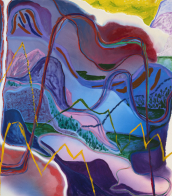
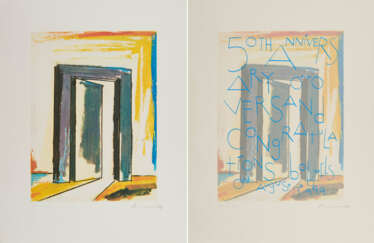

Robert Wilson is an American experimental theater stage director and playwright who has been described by The New York Times as «America's – or even the world's – foremost vanguard theater artist.» He has also worked as a choreographer, performer, painter, sculptor, video artist, and sound and lighting designer.
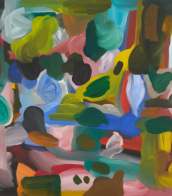


Robert Wilson is an American experimental theater stage director and playwright who has been described by The New York Times as «America's – or even the world's – foremost vanguard theater artist.» He has also worked as a choreographer, performer, painter, sculptor, video artist, and sound and lighting designer.
.jpg)
Jean Elysée Puiforcat was a French silversmith, sculptor and designer. Miller's Antiques Encyclopedia calls Puiforcat the «most important French Art Deco silversmith».
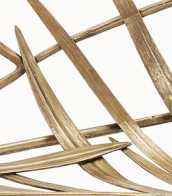
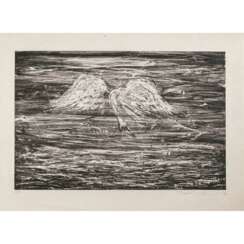

Robert Wilson is an American experimental theater stage director and playwright who has been described by The New York Times as «America's – or even the world's – foremost vanguard theater artist.» He has also worked as a choreographer, performer, painter, sculptor, video artist, and sound and lighting designer.
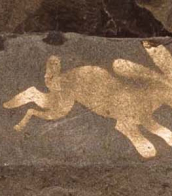
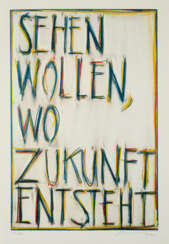

Robert Wilson is an American experimental theater stage director and playwright who has been described by The New York Times as «America's – or even the world's – foremost vanguard theater artist.» He has also worked as a choreographer, performer, painter, sculptor, video artist, and sound and lighting designer.


Robert Wilson is an American experimental theater stage director and playwright who has been described by The New York Times as «America's – or even the world's – foremost vanguard theater artist.» He has also worked as a choreographer, performer, painter, sculptor, video artist, and sound and lighting designer.

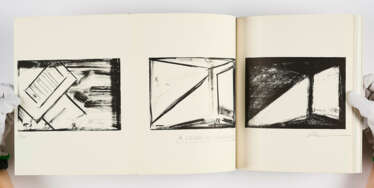

Robert Wilson is an American experimental theater stage director and playwright who has been described by The New York Times as «America's – or even the world's – foremost vanguard theater artist.» He has also worked as a choreographer, performer, painter, sculptor, video artist, and sound and lighting designer.
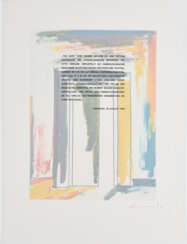

Robert Wilson is an American experimental theater stage director and playwright who has been described by The New York Times as «America's – or even the world's – foremost vanguard theater artist.» He has also worked as a choreographer, performer, painter, sculptor, video artist, and sound and lighting designer.
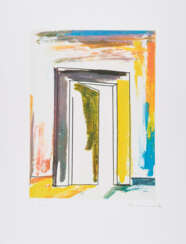

Robert Wilson is an American experimental theater stage director and playwright who has been described by The New York Times as «America's – or even the world's – foremost vanguard theater artist.» He has also worked as a choreographer, performer, painter, sculptor, video artist, and sound and lighting designer.
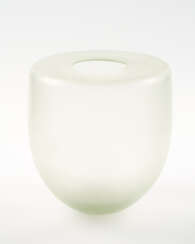

Robert Wilson is an American experimental theater stage director and playwright who has been described by The New York Times as «America's – or even the world's – foremost vanguard theater artist.» He has also worked as a choreographer, performer, painter, sculptor, video artist, and sound and lighting designer.
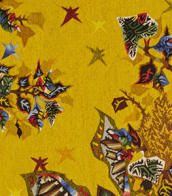
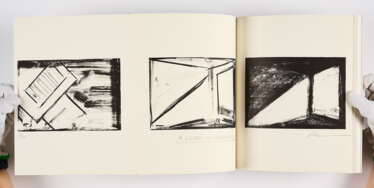

Robert Wilson is an American experimental theater stage director and playwright who has been described by The New York Times as «America's – or even the world's – foremost vanguard theater artist.» He has also worked as a choreographer, performer, painter, sculptor, video artist, and sound and lighting designer.
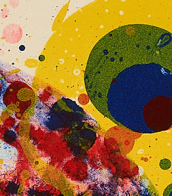
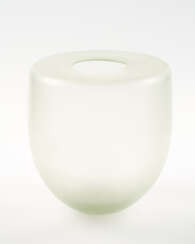

Robert Wilson is an American experimental theater stage director and playwright who has been described by The New York Times as «America's – or even the world's – foremost vanguard theater artist.» He has also worked as a choreographer, performer, painter, sculptor, video artist, and sound and lighting designer.
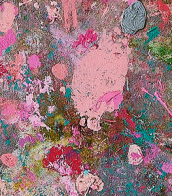




Robert Wilson is an American experimental theater stage director and playwright who has been described by The New York Times as «America's – or even the world's – foremost vanguard theater artist.» He has also worked as a choreographer, performer, painter, sculptor, video artist, and sound and lighting designer.
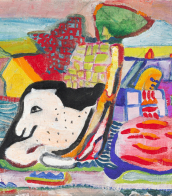

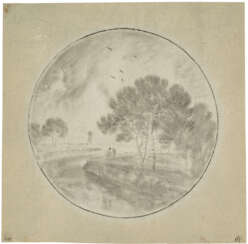


Richard Wilson was an influential Welsh landscape painter, who worked in Britain and Italy. With George Lambert he is recognised as a pioneer in British art of landscape for its own sake and was described in the Welsh Academy Encyclopedia of Wales as the "most distinguished painter Wales has ever produced and the first to appreciate the aesthetic possibilities of his country". In December 1768 Wilson became one of the founder-members of the Royal Academy. A catalogue raisonné of the artist's work compiled by Paul Spencer-Longhurst is published by the Paul Mellon Centre for Studies in British Art.























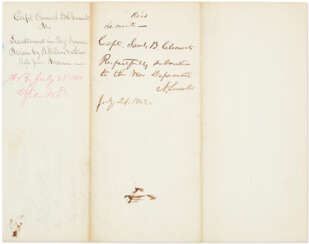

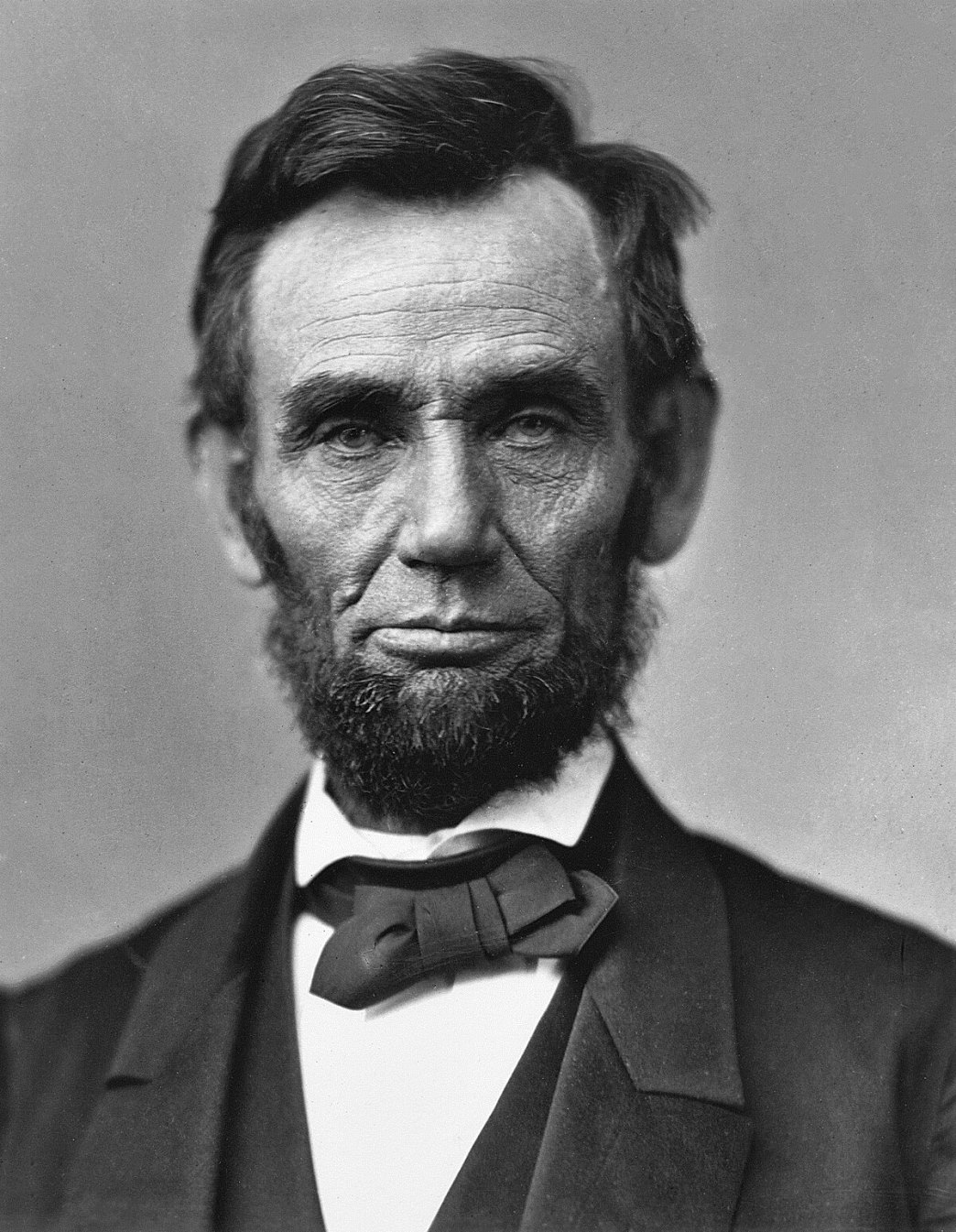
Abraham Lincoln was an American statesman and politician, the 16th President of the United States (March 4, 1861 - April 15, 1865).
The son of a frontiersman and a Kentucky farmer, Lincoln worked hard from an early age and struggled to learn. He was a militiaman in the Indian War, practiced law, and sat in the Illinois legislature for eight years. He was an opponent of slavery and gradually gained a national reputation that earned him victory in the 1860 presidential election.
After becoming the 16th president of the United States, Abraham Lincoln turned the Republican Party into a strong national organization. In addition, he drew most Northern Democrats to the Union side. On January 1, 1863, he issued the Emancipation Proclamation, which declared permanently free those slaves who were in Confederate territory. Lincoln considered secession illegal and was prepared to use force to defend federal law and the Union. Four more slave states joined the Confederacy, but four remained in the Union, and the Civil War of 1861-1865 began.
Lincoln personally directed the military action that led to victory over the Confederacy. Abraham Lincoln was reelected in 1864, and on April 14, 1865, he was fatally shot at Ford's Theatre in Washington, D.C. by actor John Wilkes Booth.
Abraham Lincoln is a national hero of the American people, he is considered one of the best and most famous presidents of the United States until today.

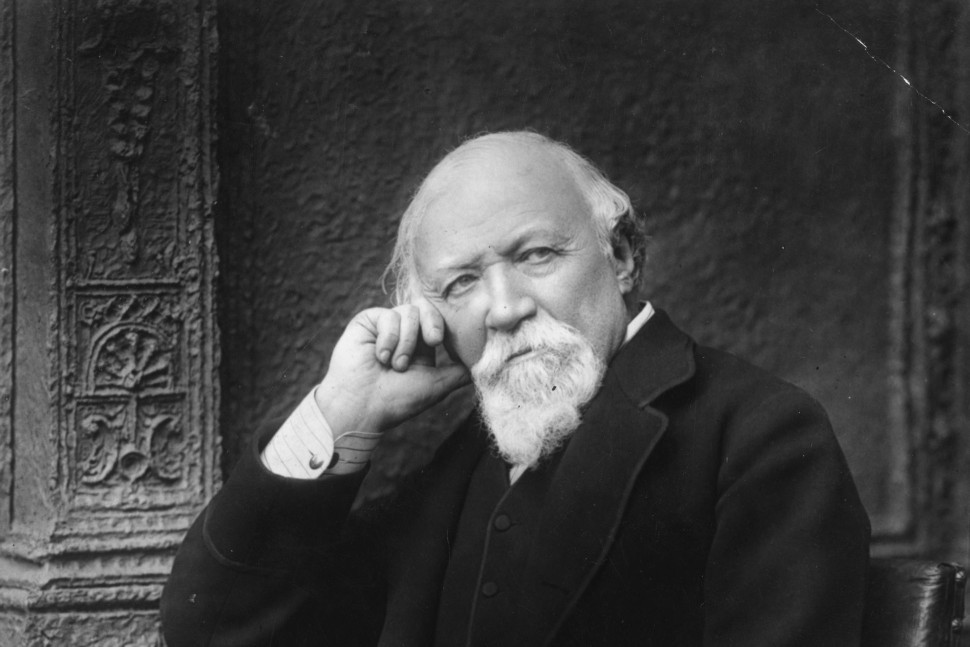
Robert Browning was an English poet and playwright of the Victorian era.
Browning's father, a bank clerk in London, was a very accomplished man, a collector of books and paintings, an artist and a scholar. He gave his son the basics of Greek and Latin, as well as classical literature. Browning re-read many books from his father's extensive library and also attended classes at the University of London. In 1834 Robert Browning traveled to St. Petersburg and later visited Italy. Between
1832-46 he wrote his early long poems and most of his plays. Browning's first published work was "Pauline" (1833); this dramatic monologue was highly emotional. In 1835 he published the poems "Paracelsus" and in 1840 "Sordello," which are about men of great talent trying to come to terms with the demands of the world.
In 1868-69. Browning published his major work, a novel in verse, The Ring and the Book, based on the trial of a murder case in Rome in 1698. Grand in conception and execution, it was immediately well received by the public, and Browning became a major figure in the history of English poetry.
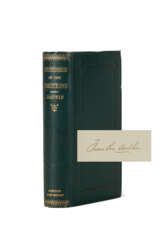

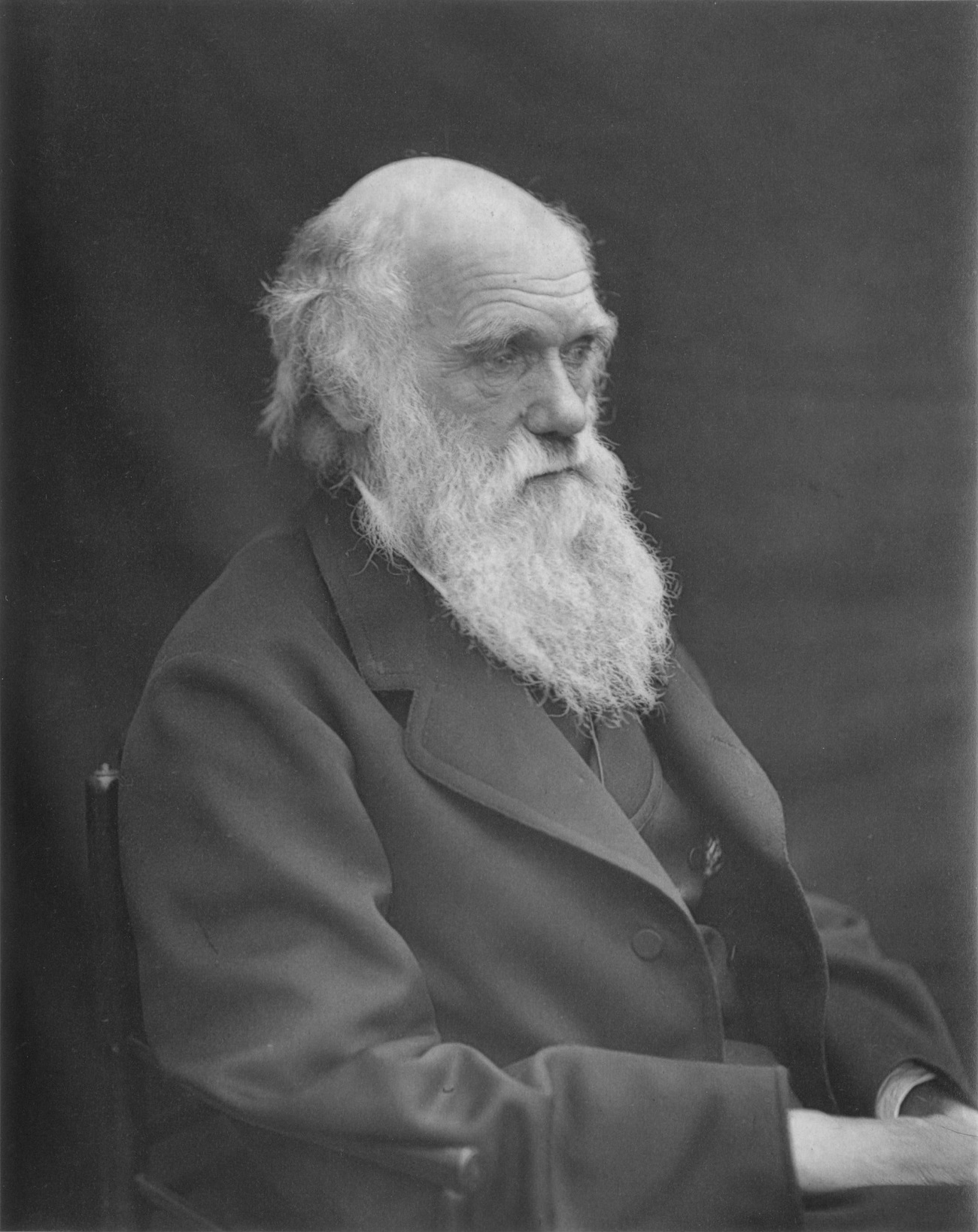
Charles Robert Darwin was an English naturalist, geologist, and biologist, widely known for contributing to the understanding of evolutionary biology. His proposition that all species of life have descended from a common ancestor is now generally accepted and considered a fundamental concept in science. In a joint publication with Alfred Russel Wallace, he introduced his scientific theory that this branching pattern of evolution resulted from a process that he called natural selection, in which the struggle for existence has a similar effect to the artificial selection involved in selective breeding. Darwin has been described as one of the most influential figures in human history, and he was honoured by burial in Westminster Abbey.
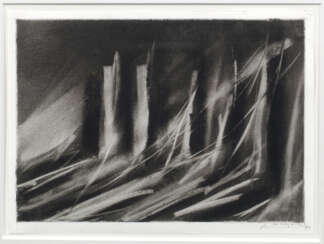



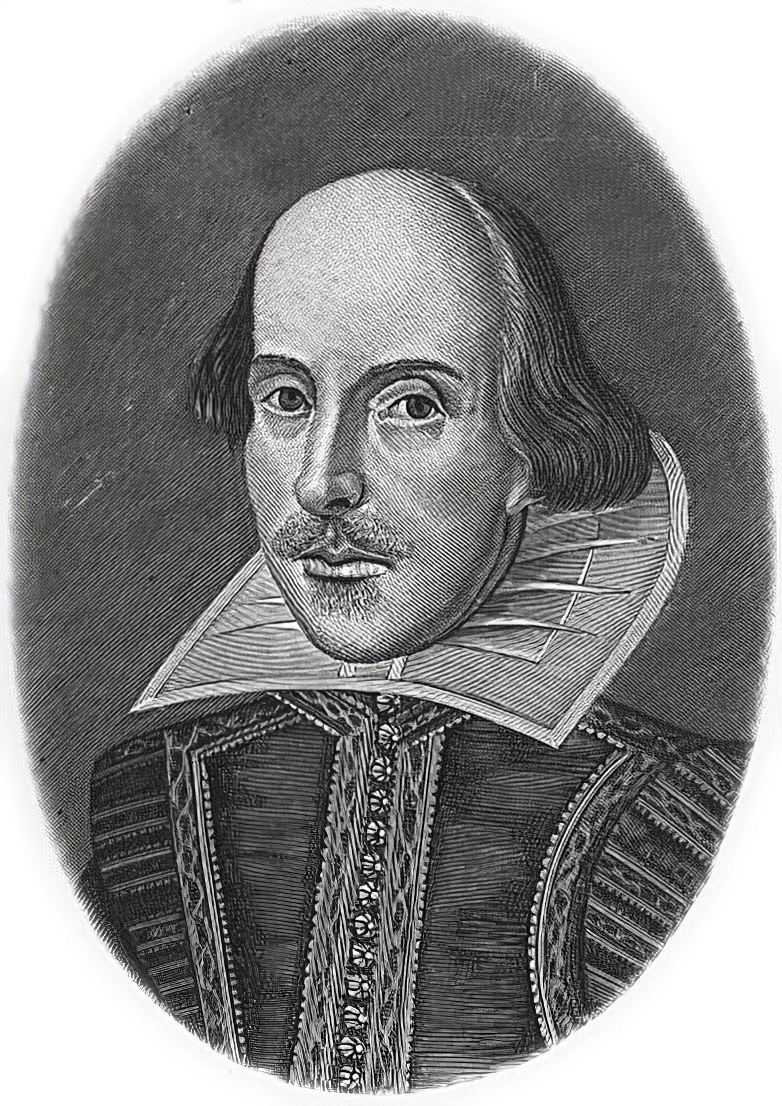
William Shakespeare was a British poet and playwright and writer.
William's father, John Shakespeare, was a merchant and official in Stratford. There are reports that he was a sailor for a time before joining a theater company in London. Beginning in the 1590s, Shakespeare began writing plays, and in 1593 he published a poem, Venus and Adonis, which became popular. He dedicated it to the Duke of Southampton, who was a philanthropist and patron of talent, and soon his business was booming.
From 1592 to 1600 Shakespeare wrote his dramas and romantic comedies "Richard III", "The Taming of the Shrew", "Romeo and Juliet", "A Midsummer Night's Dream" and "The Merchant of Venice", as well as the comedies "Much Ado About Nothing", "Twelfth Night" and the tragedy "Julius Caesar". The playwright's business was so successful that he even bought a large house in Stratford. In 1599, Shakespeare became one of the owners, playwright and actor of the new theater "Globe". In 1603 King James took Shakespeare's troupe under his direct patronage. In the mature period, the great playwright turned to tragedies, there were "Hamlet", "Othello", "King Lear", "Macbeth" and others.
Although in the 19th century researchers had some doubts about the authorship of many of these works, William Shakespeare is considered the greatest English playwright, one of the best playwrights in the world. His plays have been translated into all major languages and to this day form the basis of the world theatrical repertoire, most of them have been screened many times. According to the Guinness Book of Records, Shakespeare remains the world's best-selling playwright, and his plays and poems have sold more than 4 billion copies in the nearly 400 years since his death.





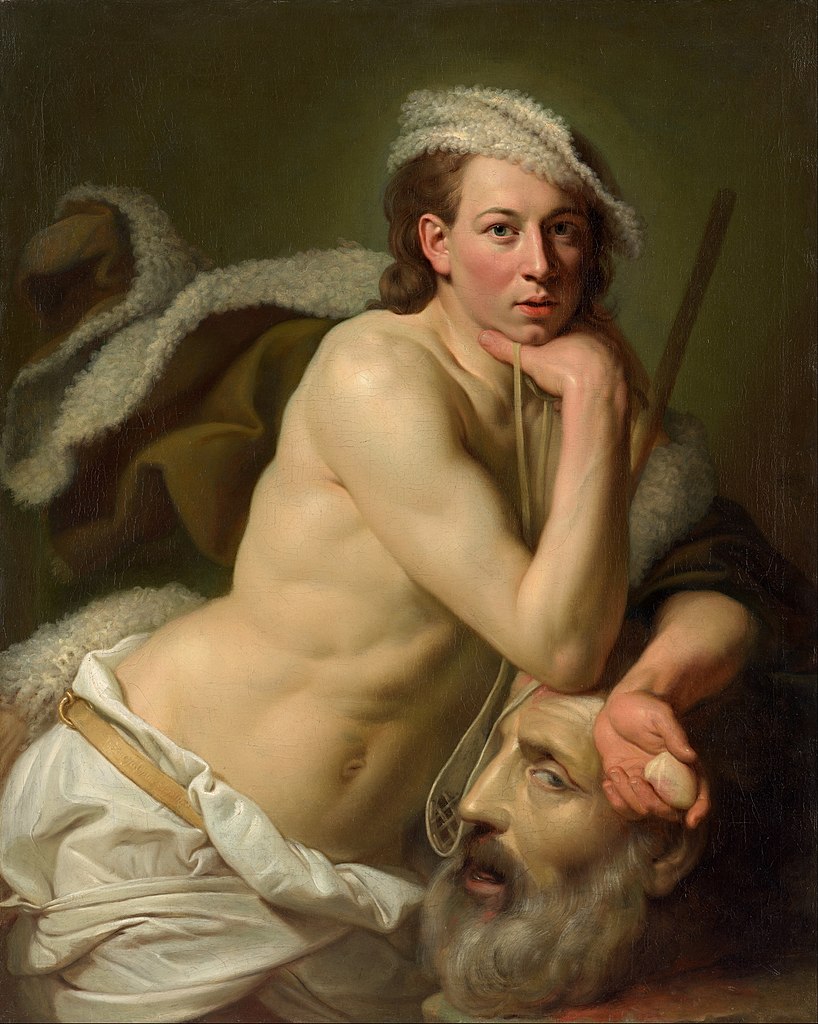
Johann Joseph Zoffany, born Johannes Josephus Zaufallij, was a German neoclassical painter who was active mainly in England, Italy and India. His works appear in many prominent British collections, including the National Gallery, the Tate Gallery and the Royal Collection, as well as institutions in continental Europe, India, the United States and Australia.




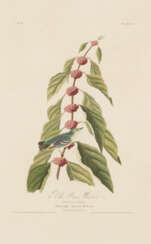



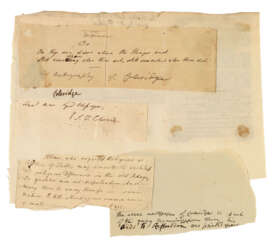







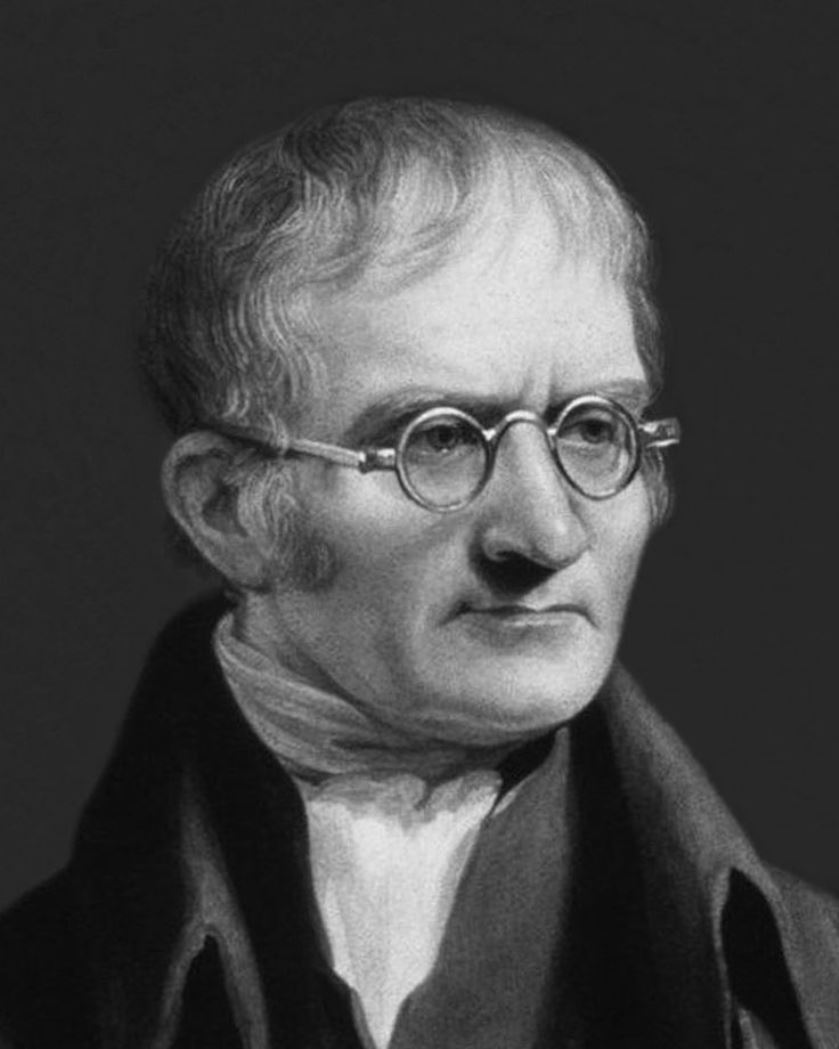
John Dalton was a British scientist, chemist and physicist, naturalist, and pioneer in the development of modern atomic theory.
In the 1800s, he was the first scientist to explain the behavior of atoms in terms of weight measurements. Some of the tenets of Dalton's atomic theory proved to be false, but most of the conclusions remain valid to this day.
Problems with his own eyesight led Dalton to research and describe the visual defect he himself suffered from in 1794 - color blindness, later named color blindness in his honor.
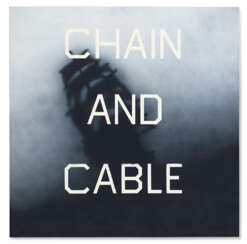

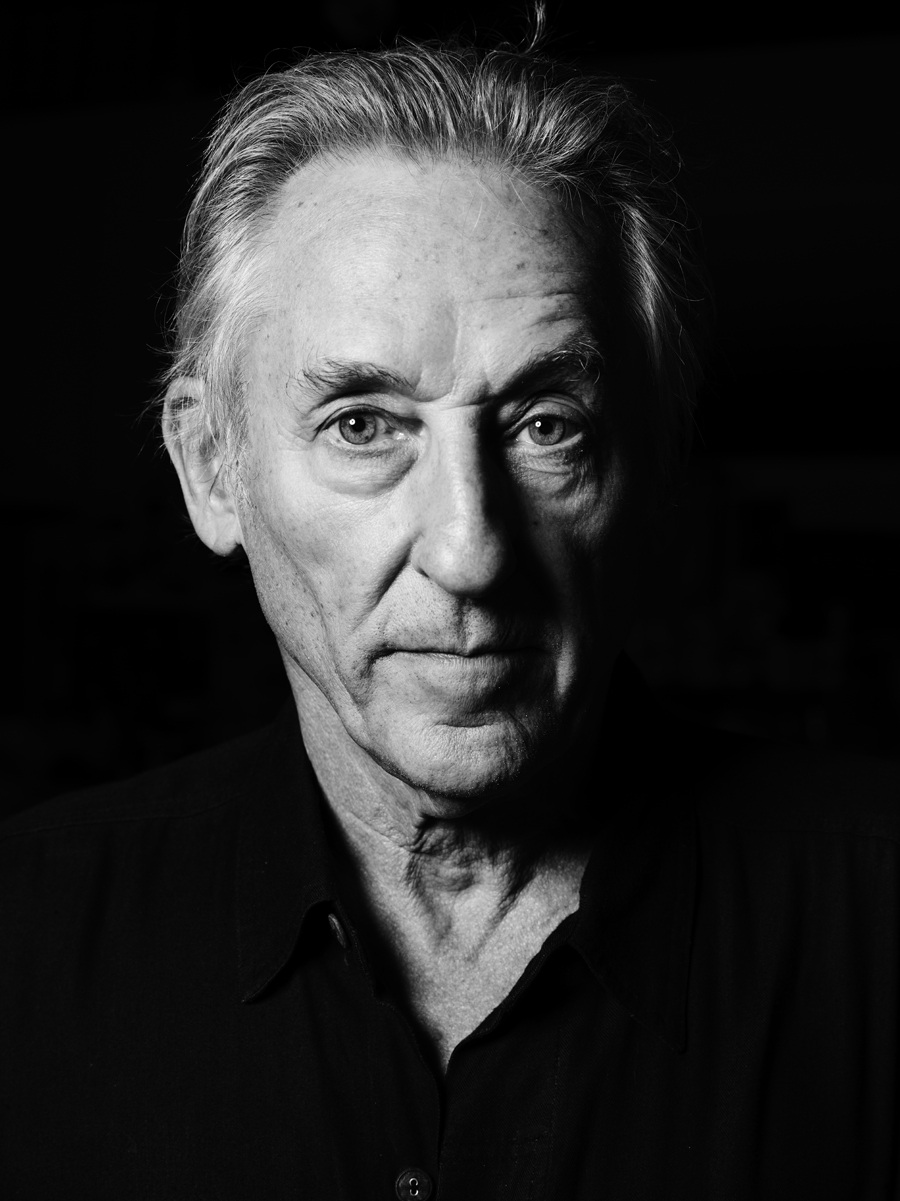
Edward Ruscha, an American artist born in 1937, is a prominent figure associated with West Coast Pop art, celebrated for his innovative approach to blending visual and verbal language within his works. Ruscha's journey in the art world began after moving to Los Angeles in 1956, where his fascination with the urban landscape and commercial culture flourished. He attended Chouinard Art Institute, now known as CalArts, which laid the foundation for his artistic exploration.
Edward Ruscha's art is deeply influenced by the Hollywood film industry, with works like "Large Trademark with Eight Spotlights" echoing the commercial graphics and cinematic influence of his time. His "Word paintings" series, starting in the 1960s, showcases his unique approach to typography and language, setting monosyllabic words against solid backgrounds, a style that continued to evolve throughout his career.
During the 1970s, Edward Ruscha expanded his narrative, incorporating phrases into his works, further exploring the relationship between text and image. His work in the 1980s and beyond includes landscapes juxtaposed with text, creating intriguing visual narratives that challenge viewers to find connections between the words and the images.
Edward Ruscha's contributions to the art world are significant, with his works held in major collections and institutions. His career spans various mediums, including painting, printmaking, photography, and artist's books, showcasing his versatility and enduring influence on contemporary art.
For enthusiasts and collectors of modern art, Edward Ruscha's works offer a unique blend of visual artistry and linguistic play. His innovative approach to combining text and image has cemented his status as a pivotal figure in contemporary art. To stay updated on the latest exhibitions, sales, and insights related to Edward Ruscha's art, consider subscribing to updates from renowned art galleries and auction houses. This subscription will ensure you're informed about new opportunities to engage with and appreciate the distinct and influential art of Edward Ruscha.
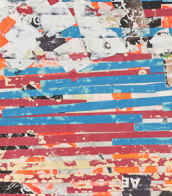


Benvenuto di Giovanni di Meo del Guasta, an Italian painter hailing from Siena, was recognized for his compelling panel paintings, frescoes, and manuscripts produced over a span of 43 years, during the Renaissance period. Born around 1436, his work life was largely based in Siena, where he was first documented as a young artist in 1453. His teacher was likely Vecchietta, with whom he collaborated on fresco decoration in Siena's baptistry. Di Giovanni married Jacopa di Tommaso da Cetona in 1466, which marked the beginning of a productive period that saw the creation of notable works such as the Annunciation and Saints (1466) and the Nativity (1470).
Benvenuto di Giovanni's style was characterized by its noble, classical forms and bright, intensely lit, glassy consistency, influenced by his interaction with North Italian miniaturists like Liberale da Verona and Girolamo da Cremona. His works, such as the triptych from Montepertuso (1475), the Borghesi altarpiece, and the triptych in the National Gallery, London (1479), stand as masterpieces of his sharply defined and surreal world. In the later years of his career, di Giovanni was commissioned for floor designs in the Siena cathedral and miniatures for its choir books, showing a style that occasionally simplified due to collaboration with his son, Girolamo di Benvenuto, but remained distinctively his.
Significant works by Benvenuto di Giovanni include "The Adoration of the Magi" and "The Crucifixion," both showcasing his mastery in perspective and religious narrative. For collectors and experts in art and antiques interested in the evocative and historically rich works of the Renaissance, Benvenuto di Giovanni's oeuvre offers a captivating exploration of 15th-century Sienese artistry.
To stay updated on sales and auction events featuring works by Benvenuto di Giovanni, sign up for updates. This subscription ensures that enthusiasts and collectors are always informed about new opportunities to engage with the exquisite works of this renowned Renaissance artist.


Benvenuto di Giovanni di Meo del Guasta, an Italian painter hailing from Siena, was recognized for his compelling panel paintings, frescoes, and manuscripts produced over a span of 43 years, during the Renaissance period. Born around 1436, his work life was largely based in Siena, where he was first documented as a young artist in 1453. His teacher was likely Vecchietta, with whom he collaborated on fresco decoration in Siena's baptistry. Di Giovanni married Jacopa di Tommaso da Cetona in 1466, which marked the beginning of a productive period that saw the creation of notable works such as the Annunciation and Saints (1466) and the Nativity (1470).
Benvenuto di Giovanni's style was characterized by its noble, classical forms and bright, intensely lit, glassy consistency, influenced by his interaction with North Italian miniaturists like Liberale da Verona and Girolamo da Cremona. His works, such as the triptych from Montepertuso (1475), the Borghesi altarpiece, and the triptych in the National Gallery, London (1479), stand as masterpieces of his sharply defined and surreal world. In the later years of his career, di Giovanni was commissioned for floor designs in the Siena cathedral and miniatures for its choir books, showing a style that occasionally simplified due to collaboration with his son, Girolamo di Benvenuto, but remained distinctively his.
Significant works by Benvenuto di Giovanni include "The Adoration of the Magi" and "The Crucifixion," both showcasing his mastery in perspective and religious narrative. For collectors and experts in art and antiques interested in the evocative and historically rich works of the Renaissance, Benvenuto di Giovanni's oeuvre offers a captivating exploration of 15th-century Sienese artistry.
To stay updated on sales and auction events featuring works by Benvenuto di Giovanni, sign up for updates. This subscription ensures that enthusiasts and collectors are always informed about new opportunities to engage with the exquisite works of this renowned Renaissance artist.








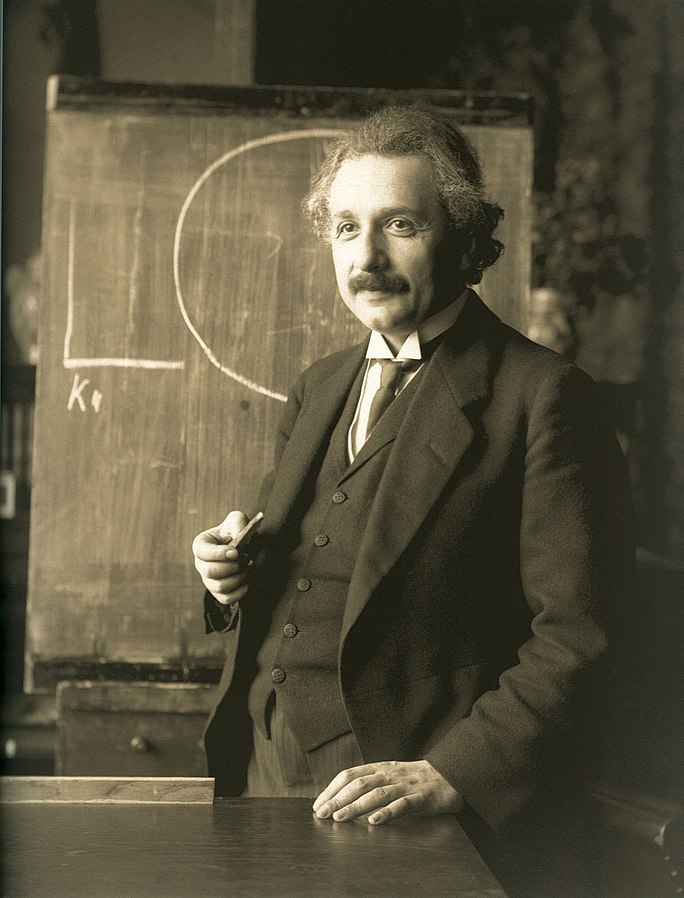
Albert Einstein was a German-born theoretical physicist, widely acknowledged to be one of the greatest and most influential physicists of all time. Einstein is best known for developing the theory of relativity, but he also made important contributions to the development of the theory of quantum mechanics. Relativity and quantum mechanics are together the two pillars of modern physics. His mass–energy equivalence formula E = mc2, which arises from relativity theory, has been dubbed "the world's most famous equation". His work is also known for its influence on the philosophy of science. He received the 1921 Nobel Prize in Physics "for his services to theoretical physics, and especially for his discovery of the law of the photoelectric effect", a pivotal step in the development of quantum theory. His intellectual achievements and originality resulted in "Einstein" becoming synonymous with "genius".
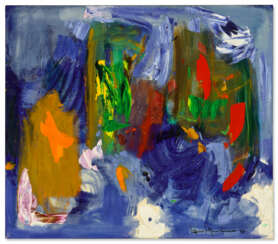

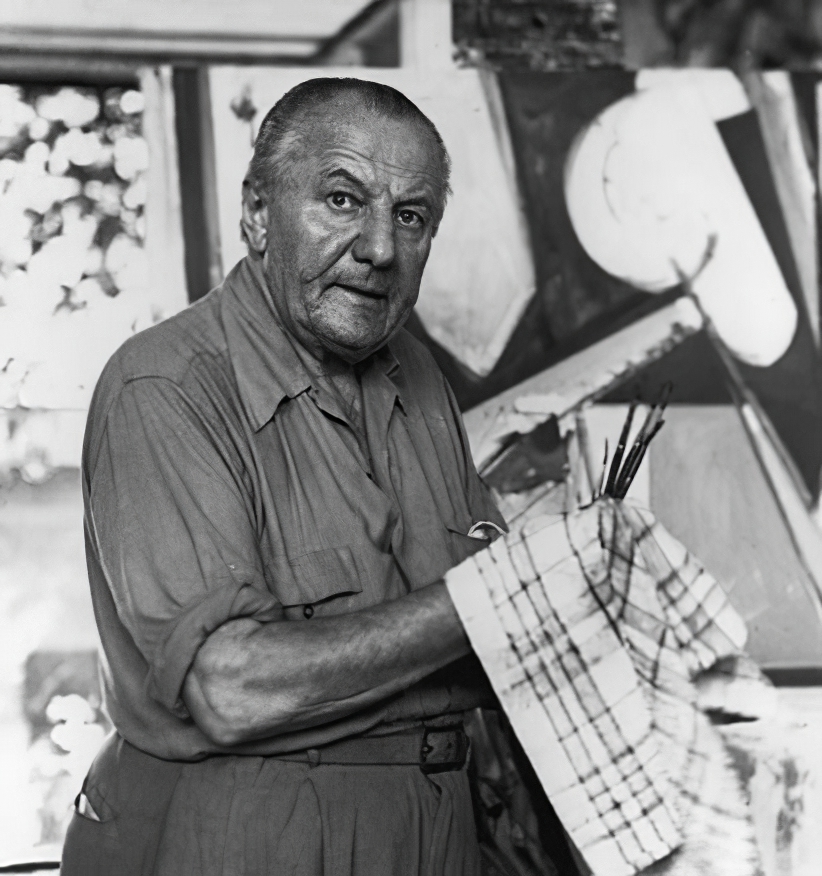
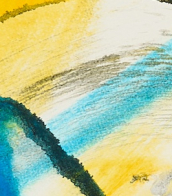
Hans Hofmann, a German-American painter, stands as a towering figure in the 20th-century art world, celebrated for his vibrant contributions to abstract expressionism. Born in Germany in 1880, Hofmann's journey in art took him across continents, from Europe to the United States, where his innovative teaching methods and bold, color-filled canvases left an indelible mark on generations of artists. His unique approach to painting, characterized by a dynamic interplay of color and form, helped bridge the gap between the European modernist traditions and the emerging American abstract art scene.
Hofmann's work is distinguished by its intense color palettes and the technique he termed "push and pull," which refers to the careful balance of color and shape to create depth and movement within the canvas. This technique not only showcased his mastery over the medium but also influenced the development of abstract expressionism, making Hofmann a pivotal figure among his contemporaries. His paintings, such as "The Gate" (1959-60), exemplify this approach and are celebrated in prestigious museums worldwide, including the Museum of Modern Art in New York and the San Francisco Museum of Modern Art.
Beyond his personal contributions as an artist, Hofmann was an esteemed educator, guiding the next generation of artists through his schools in New York and Provincetown. His teaching philosophy emphasized the importance of understanding the fundamental elements of art—color, form, and space—and their interrelation, which he believed was key to achieving harmony and expression in painting.
For collectors and experts in art and antiques, Hans Hofmann's works represent not just significant artistic achievements but also valuable pieces of cultural history. His paintings and teachings continue to inspire and influence the art world, making his pieces highly sought after in galleries and auctions.
We invite you to sign up for updates on new product sales and auction events related to Hans Hofmann. This subscription is your gateway to owning a piece of art history, ensuring you're informed of the latest opportunities to add to your collection. Join us in celebrating the legacy of a master whose work transcends time and continues to dazzle the art world.