saisons




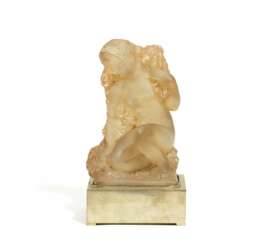

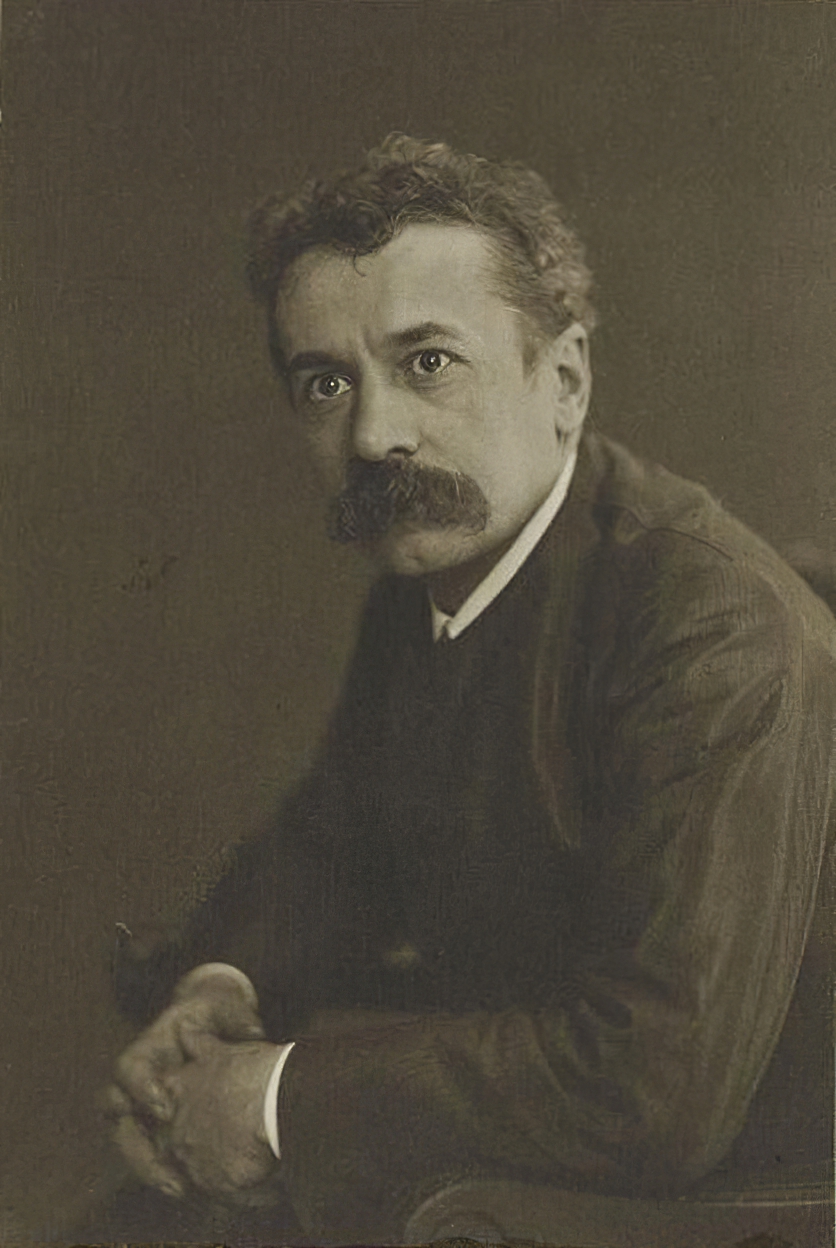
René Jules Lalique was a French jeweller, medallist, and glass designer known for his creations of glass art, perfume bottles, vases, jewellery, chandeliers, clocks, and automobile hood ornaments.





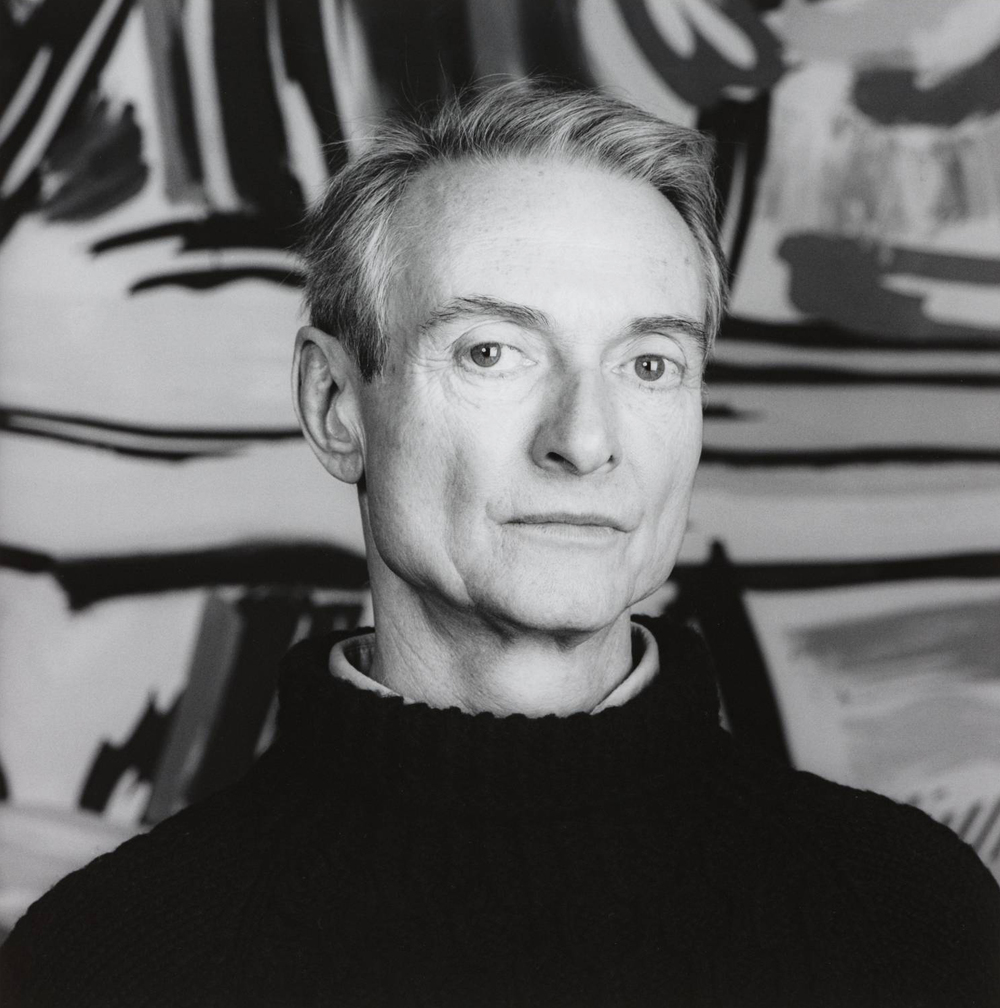
Roy Fox Lichtenstein, an American icon of the Pop Art movement, is celebrated for his comic strip-inspired art. Born in 1923 in New York City, Lichtenstein's journey into the art world was marked by various phases, evolving from Cubism and Abstract Expressionism to the distinctive Pop Art style he is renowned for.
Roy Lichtenstein's artistic career gained momentum in the 1960s, a period during which he embraced the comic strip as his primary source of inspiration. His pioneering use of Ben-Day dots, a technique borrowed from commercial printing, became his signature style, bringing a new visual language to fine art. His approach transformed mundane subjects from popular culture into compelling fine art, challenging traditional notions of artistry.
Among his most notable works, "Drowning Girl" (1963), displayed at the Museum of Modern Art in New York, exemplifies his iconic style with its bold lines, vivid colors, and Ben-Day dots. This piece, along with others like "Look Mickey" and "Whaam!", played a critical role in establishing Pop Art as a major art movement, contrasting starkly with the Abstract Expressionism prevalent at the time.
Roy Lichtenstein's art was not just limited to canvas; he explored multiple media, showcasing his versatility. His shift to Pop Art marked a significant turn in his career, bringing him fame and controversy alike. His works, often based on comic strips and advertisements, were both a parody and homage to the mass-produced, consumerist culture of his time.
For art collectors and experts, Lichtenstein's works offer a fascinating glimpse into a transformative era in art history. His approach to Pop Art remains influential, and his works are celebrated worldwide for their innovative and provocative style.
Interested in staying updated on sales and auction events featuring Roy Lichtenstein's works? Sign up for our updates. We provide straightforward, no-nonsense information on the latest in art sales and auctions related to Lichtenstein.


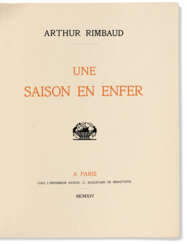

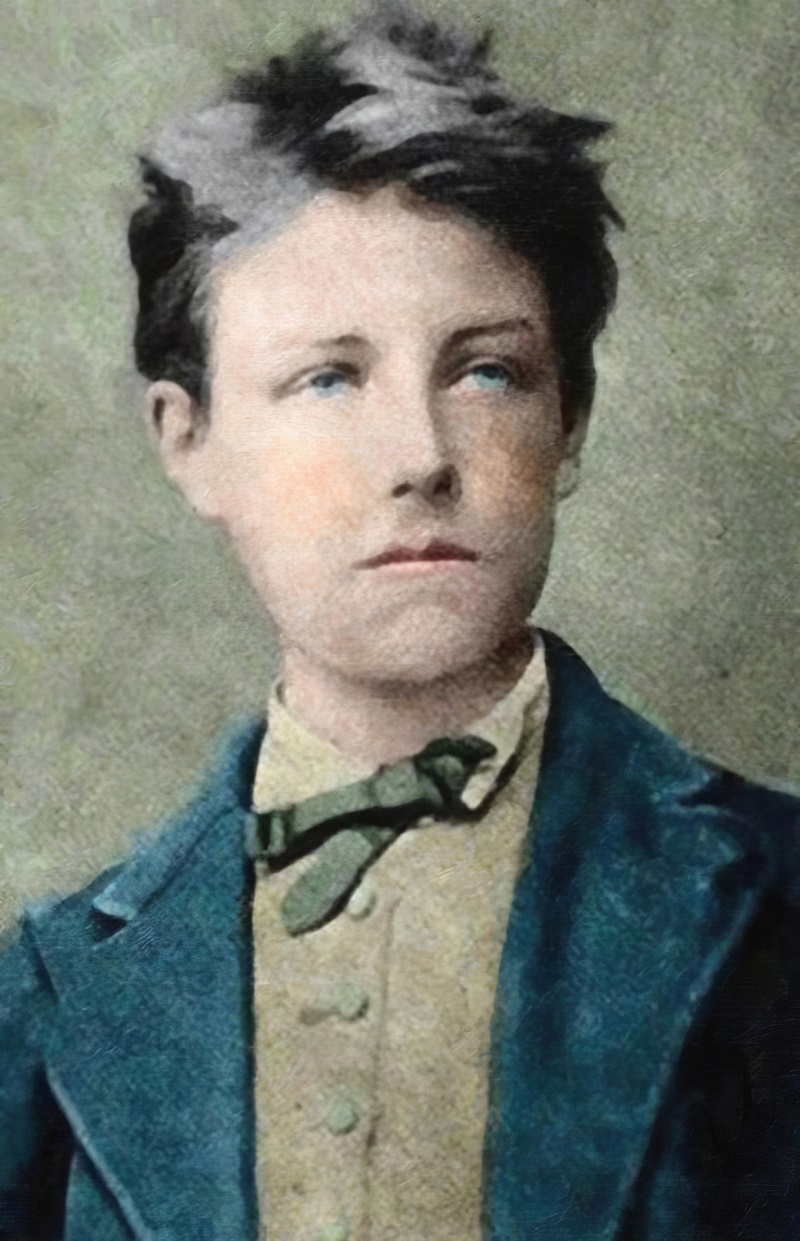
Jean Nicolas Arthur Rimbaud was a French poet. He wrote poetry only in his early youth and withdrew after 1873. He was known for his pioneering contributions to Symbolist poetry and his unconventional approach to writing.
Arthur Rimbaud's poetry, written in his teens, challenged the conventional wisdom of poetry and included themes of love, spirituality and exploration of self. His work is characterized by its vivid imagery, strong emotions and innovative use of language.
In his poetry, Rimbaud departed radically from traditional forms and techniques, incorporating surrealist and visionary elements. He sought to push the boundaries of language and experience, often blurring the line between reality and imagination.
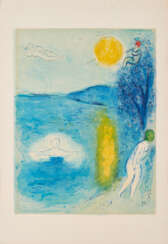

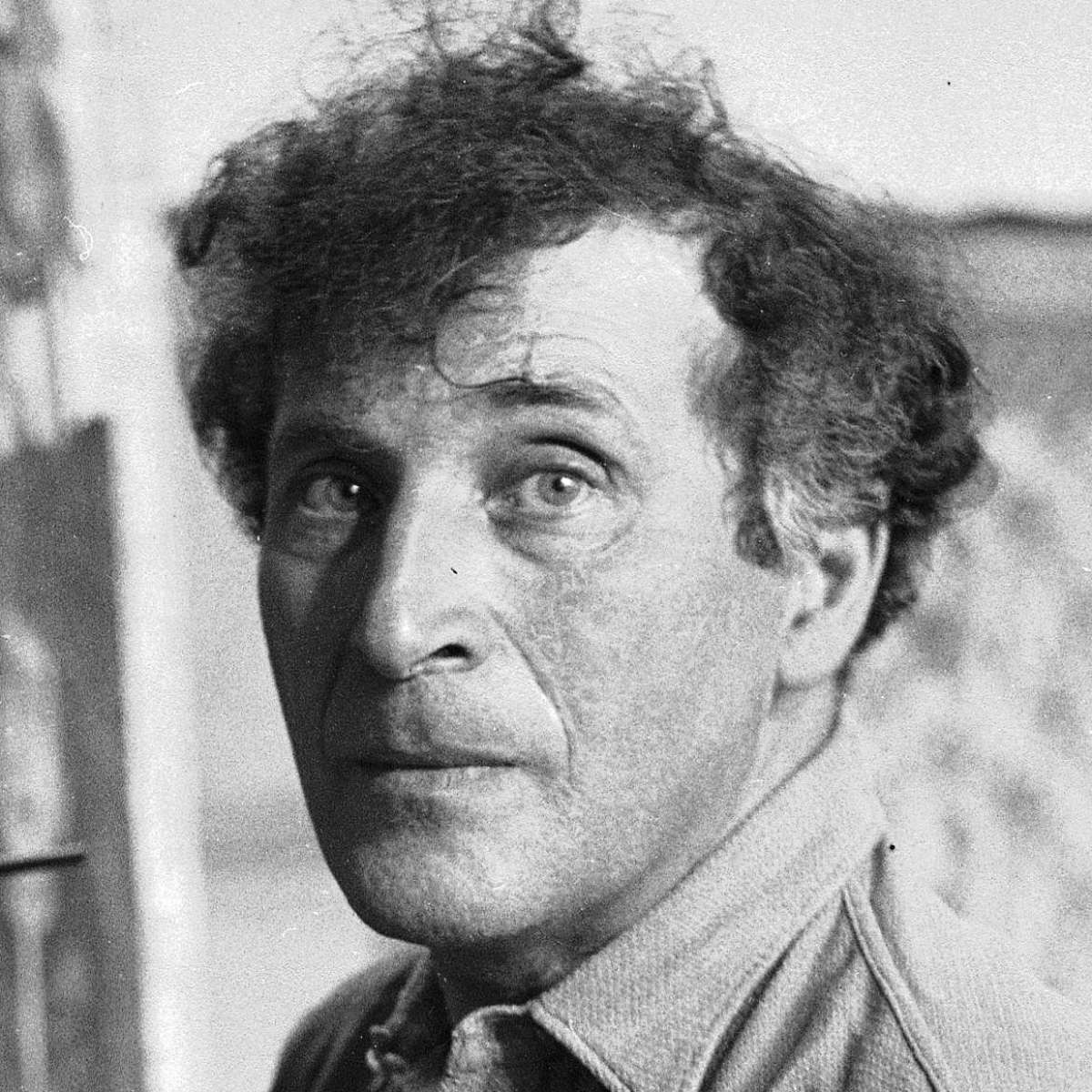
Marc Chagall (Russian: Марк Заха́рович Шага́л), born Moishe Shagal in 1887 near Vitebsk, Belarus (then part of the Russian Empire), was a Belarusian and French artist celebrated for his pivotal role in the avant-garde movement and his unique integration of Eastern European Jewish culture into modern art. His contributions spanned several artistic formats including painting, stained glass, stage sets, ceramics, tapestries, and fine art prints. Chagall's early modernist tendencies were enriched by his experiences across Saint Petersburg, Paris, and Berlin before World War I, leading to a distinctive style that melded Cubism, Symbolism, and Fauvism with his Jewish heritage.
Chagall's work is recognized for its emotional depth, often exploring themes of love, memory, and Jewish folklore through vibrant colors and dreamlike imagery. Notably, art critic Robert Hughes described him as "the quintessential Jewish artist of the twentieth century," a sentiment echoed by art historian Michael J. Lewis who regarded Chagall as a significant figure within European modernism and as the world's preeminent Jewish artist of his time.
Among Chagall's famed contributions are his stained-glass windows for the cathedrals of Reims and Metz, the UN, and the Jerusalem Windows in Israel. His monumental paintings include parts of the ceiling of the Paris Opéra and works that explore biblical themes, a hallmark of his oeuvre that underscores his enduring engagement with spiritual and religious motifs.
For art collectors and antiques experts, Chagall's works are notable not only for their artistic innovation but also for their rich cultural and historical significance. His art is housed in many prestigious museums worldwide, including the Marc Chagall National Museum in Nice, France, which focuses on his works inspired by religion and houses the series of paintings illustrating the biblical message.
For those interested in exploring Chagall's legacy and the vibrant intersection of culture, art, and history his work represents, signing up for updates on new product sales and auction events related to Marc Chagall can provide invaluable insights and opportunities. This is an invitation to engage more deeply with the world of art and culture that Chagall so uniquely encapsulated in his work.





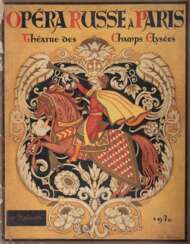
!["Изба" Сергея Боровского: Программа Русской оперы в Париже, сезон 1919 ["Isba" de Serge Borowsky: Programme de l’opéra russe à Paris saison 1919].](/assets/image/picture_4604204/68532/n7l995abubwdzeo4bx720ovoob2k5pyeaxzovjwps4zdwj2wtmfu2pyzahvkspj1745689883jpg__fix_374_244.jpeg)
!["Изба" Сергея Боровского: Программа Русской оперы в Париже, сезон 1919 ["Isba" de Serge Borowsky: Programme de l’opéra russe à Paris saison 1919].](https://veryimportantlot.com/assets/image/picture_4604204/68532/n7l995abubwdzeo4bx720ovoob2k5pyeaxzovjwps4zdwj2wtmfu2pyzahvkspj1745689883jpg__fix_374_244.jpeg)
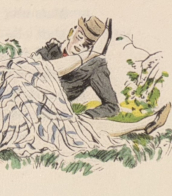
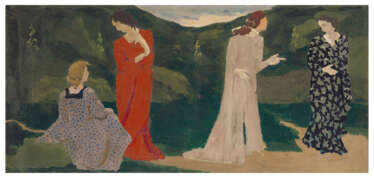

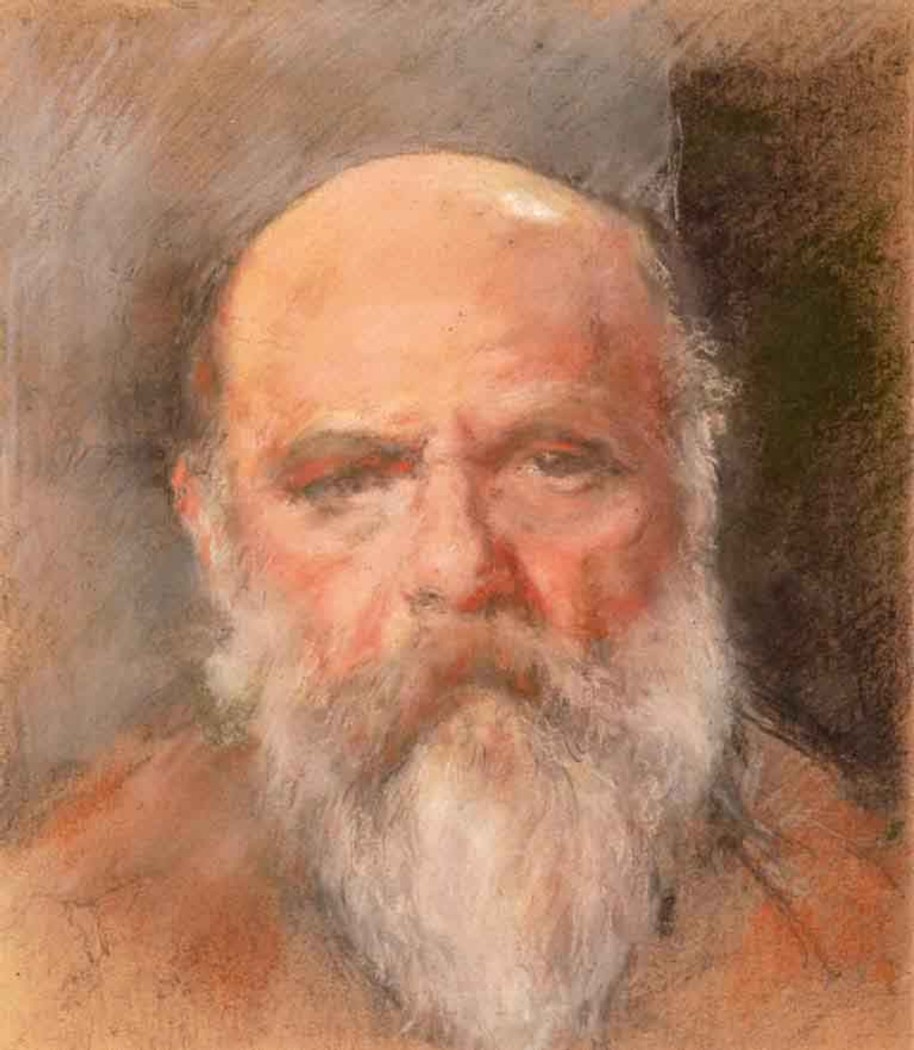
Ker-Xavier Roussel was a French painter, renowned for his distinctive post-impressionist style and his affiliation with the Nabis, an avant-garde artist group. Born in 1867, Roussel's artistic journey began in his teens and continued robustly into the 20th century, leaving a legacy celebrated for its mythological and bucolic themes.
Roussel's art is characterized by its vivid portrayal of mythological scenes and landscapes, often infused with a sense of eroticism and joy. His work frequently depicts Greek myths set against the backdrop of the Mediterranean, featuring figures like women, nymphs, centaurs, and fauns. These large, brightly colored paintings, such as "Rural Festival, Summer" and "The Seasons of Life," marked a departure from the smaller formats typical of the Nabis, showcasing his evolution towards a more expansive and expressive style.
A master of pastels, Roussel's work from the 1890s, such as "La Barrière," displayed at the Musée d'Orsay, reflects the Nabi style with its Japanese print influences, absence of perspective, and contrasting values. His later works, created between 1930 and 1944, often depicted violent mythological deaths, revealing a darker aspect of his artistic expression.
Roussel's contributions extended beyond canvas, as he created large paintings for public spaces and private clients, including a significant panel for the Palais des Nations in Geneva and the front curtain of the Théâtre des Champs-Élysées. His recognition peaked in the 1930s, with a multi-panel scheme for the Palais de Chaillot and winning the Carnegie Prize for art in 1926.
Despite a period of obscurity, Roussel's work regained attention through exhibitions like "Ker-Xavier Roussel, Private Garden, Dreamed Garden" at the Musée des Impressionnismes in Giverny, showcasing his significant contributions to art history.
For art collectors and experts, understanding Roussel's work offers insights into the evolution of post-impressionism and the Nabis' influence on modern art. His unique blend of mythological themes and vibrant landscapes represents an important chapter in art history. For those interested in exploring Roussel's work further or keeping updated on related art sales and auctions, signing up for updates is a valuable opportunity to deepen your engagement with this influential artist's legacy.
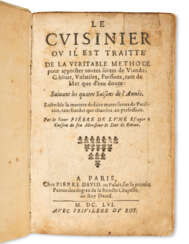

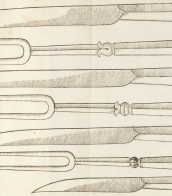
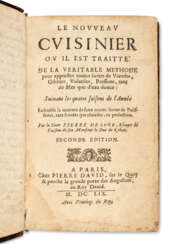
![[CABINET DU ROI]](/assets/image/picture_3567001/eeeaa/a2af7f591966e5c966d0247029a46b0e1700607600jpg__fix_374_244.jpeg)
![[CABINET DU ROI]](https://veryimportantlot.com/assets/image/picture_3567001/eeeaa/a2af7f591966e5c966d0247029a46b0e1700607600jpg__fix_374_244.jpeg)

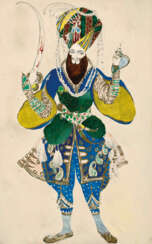

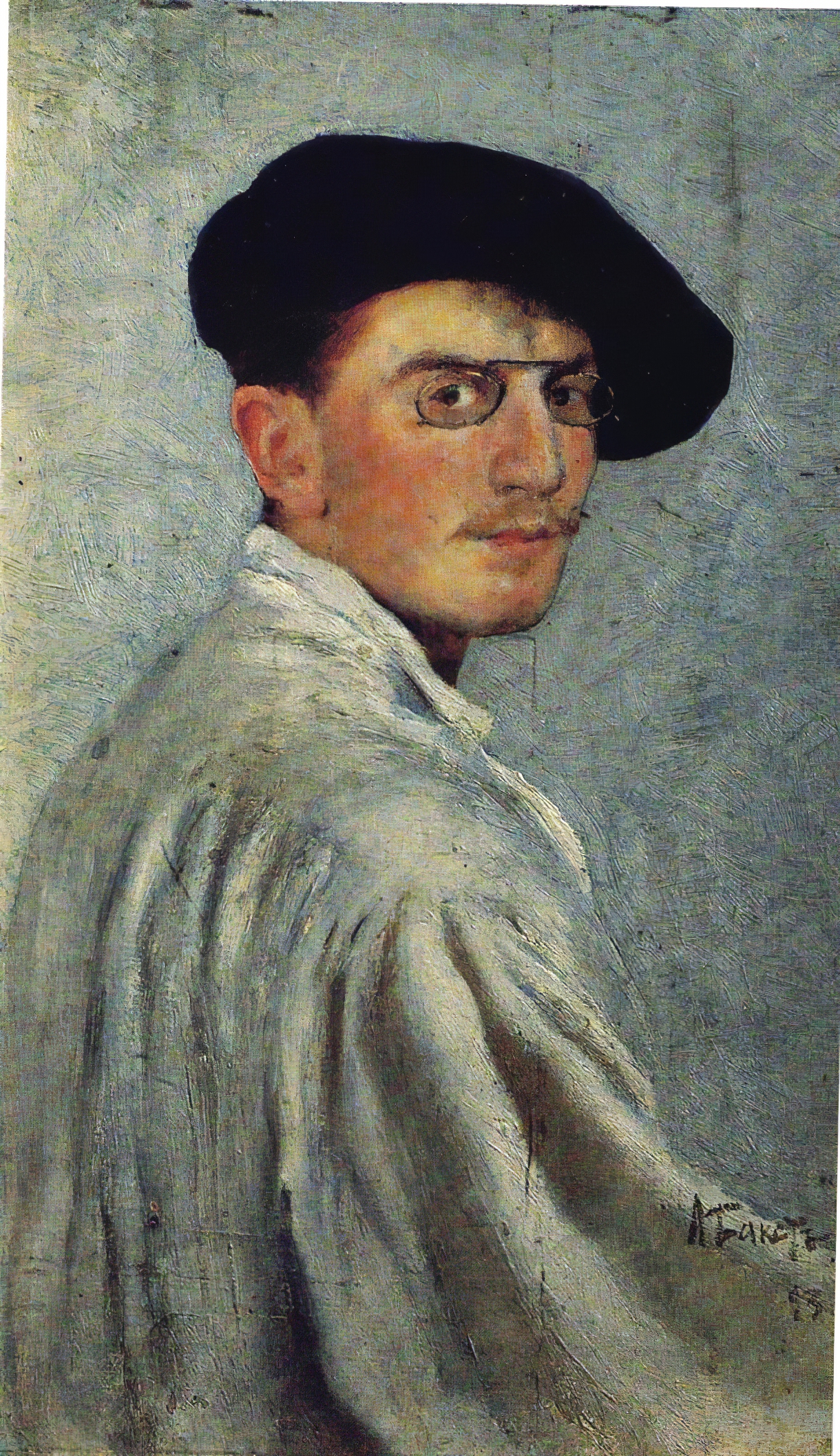
Leon Bakst (Russian: Лев Самойлович Бакст) was a prominent Russian painter and stage designer, celebrated for his innovative contributions to the world of art and theater. Born in the late 19th century, Bakst became a central figure in the cultural renaissance that swept through Russia and Europe, leaving an indelible mark on the visual and performing arts.
Bakst's work is distinguished by its rich use of color, intricate patterns, and imaginative compositions, which brought to life the exotic and often fantastical themes of the ballets and operas for which he designed. His association with the Ballets Russes, a groundbreaking ballet company that performed across Europe and America, solidified his reputation as a visionary artist. The costumes and sets he created for productions like "The Firebird" and "Scheherazade" were celebrated for their creativity and exoticism, influencing not only the world of theater but also fashion and interior design.
His art extends beyond the stage, with paintings and illustrations that capture the same vibrancy and innovation found in his theatrical work. Museums and galleries around the world, including the State Russian Museum in St. Petersburg and the Metropolitan Museum of Art in New York, house his works, allowing art lovers to experience the magic of Bakst's creations.
For collectors and experts in art and antiques, Leon Bakst's work offers a unique glimpse into a transformative period of cultural history, where the boundaries of art and performance were reimagined. His legacy continues to inspire and captivate, making his pieces highly sought after in the art world.
We invite enthusiasts and collectors to sign up for updates on new product sales and auction events related to Leon Bakst. This subscription ensures you remain informed about opportunities to acquire pieces connected to this extraordinary artist's legacy, without any overbearing commitments. Join us in celebrating the enduring impact of Leon Bakst's art and design.
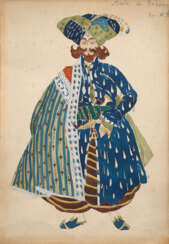

Leon Bakst (Russian: Лев Самойлович Бакст) was a prominent Russian painter and stage designer, celebrated for his innovative contributions to the world of art and theater. Born in the late 19th century, Bakst became a central figure in the cultural renaissance that swept through Russia and Europe, leaving an indelible mark on the visual and performing arts.
Bakst's work is distinguished by its rich use of color, intricate patterns, and imaginative compositions, which brought to life the exotic and often fantastical themes of the ballets and operas for which he designed. His association with the Ballets Russes, a groundbreaking ballet company that performed across Europe and America, solidified his reputation as a visionary artist. The costumes and sets he created for productions like "The Firebird" and "Scheherazade" were celebrated for their creativity and exoticism, influencing not only the world of theater but also fashion and interior design.
His art extends beyond the stage, with paintings and illustrations that capture the same vibrancy and innovation found in his theatrical work. Museums and galleries around the world, including the State Russian Museum in St. Petersburg and the Metropolitan Museum of Art in New York, house his works, allowing art lovers to experience the magic of Bakst's creations.
For collectors and experts in art and antiques, Leon Bakst's work offers a unique glimpse into a transformative period of cultural history, where the boundaries of art and performance were reimagined. His legacy continues to inspire and captivate, making his pieces highly sought after in the art world.
We invite enthusiasts and collectors to sign up for updates on new product sales and auction events related to Leon Bakst. This subscription ensures you remain informed about opportunities to acquire pieces connected to this extraordinary artist's legacy, without any overbearing commitments. Join us in celebrating the enduring impact of Leon Bakst's art and design.
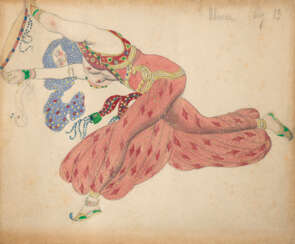

Leon Bakst (Russian: Лев Самойлович Бакст) was a prominent Russian painter and stage designer, celebrated for his innovative contributions to the world of art and theater. Born in the late 19th century, Bakst became a central figure in the cultural renaissance that swept through Russia and Europe, leaving an indelible mark on the visual and performing arts.
Bakst's work is distinguished by its rich use of color, intricate patterns, and imaginative compositions, which brought to life the exotic and often fantastical themes of the ballets and operas for which he designed. His association with the Ballets Russes, a groundbreaking ballet company that performed across Europe and America, solidified his reputation as a visionary artist. The costumes and sets he created for productions like "The Firebird" and "Scheherazade" were celebrated for their creativity and exoticism, influencing not only the world of theater but also fashion and interior design.
His art extends beyond the stage, with paintings and illustrations that capture the same vibrancy and innovation found in his theatrical work. Museums and galleries around the world, including the State Russian Museum in St. Petersburg and the Metropolitan Museum of Art in New York, house his works, allowing art lovers to experience the magic of Bakst's creations.
For collectors and experts in art and antiques, Leon Bakst's work offers a unique glimpse into a transformative period of cultural history, where the boundaries of art and performance were reimagined. His legacy continues to inspire and captivate, making his pieces highly sought after in the art world.
We invite enthusiasts and collectors to sign up for updates on new product sales and auction events related to Leon Bakst. This subscription ensures you remain informed about opportunities to acquire pieces connected to this extraordinary artist's legacy, without any overbearing commitments. Join us in celebrating the enduring impact of Leon Bakst's art and design.
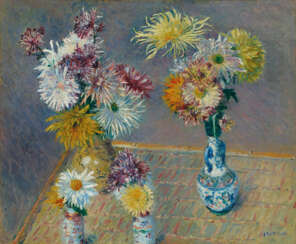

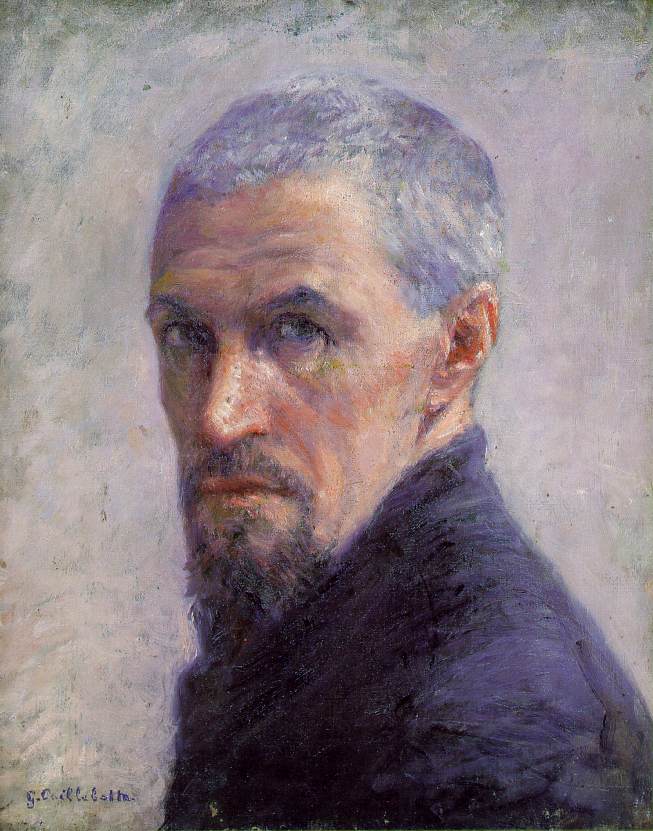
Gustave Caillebotte was a French Impressionist painter, collector, patron of art and impresario.
Caillebotte was born into a noble and wealthy family, educated as an engineer and lawyer, but became interested in painting and studied at the Paris School of Fine Arts. In 1874 he met Pierre-Auguste Renoir and Claude Monet and presented his work at Impressionist exhibitions. Over the next six years, Caillebotte became the chief organizer, promoter and financial sponsor of Impressionist exhibitions, and used his fortune to purchase works by other Impressionists, notably Monet, Renoir, Camille Pissarro, Paul Cézanne, Edgar Degas, Alfred Sisley and Berthe Morisot.
Caillebotte bequeathed his collection of paintings to the state, some of which later formed the basis of the Impressionist collection at the Musée d'Orsay.
In his paintings, Caillebotte combined in a unique synthesis of academic, realistic and impressionist styles. He painted many family scenes, interiors and landscapes, as well as domestic scenes and streets of Paris.












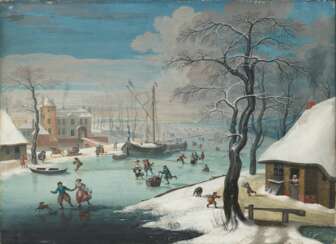

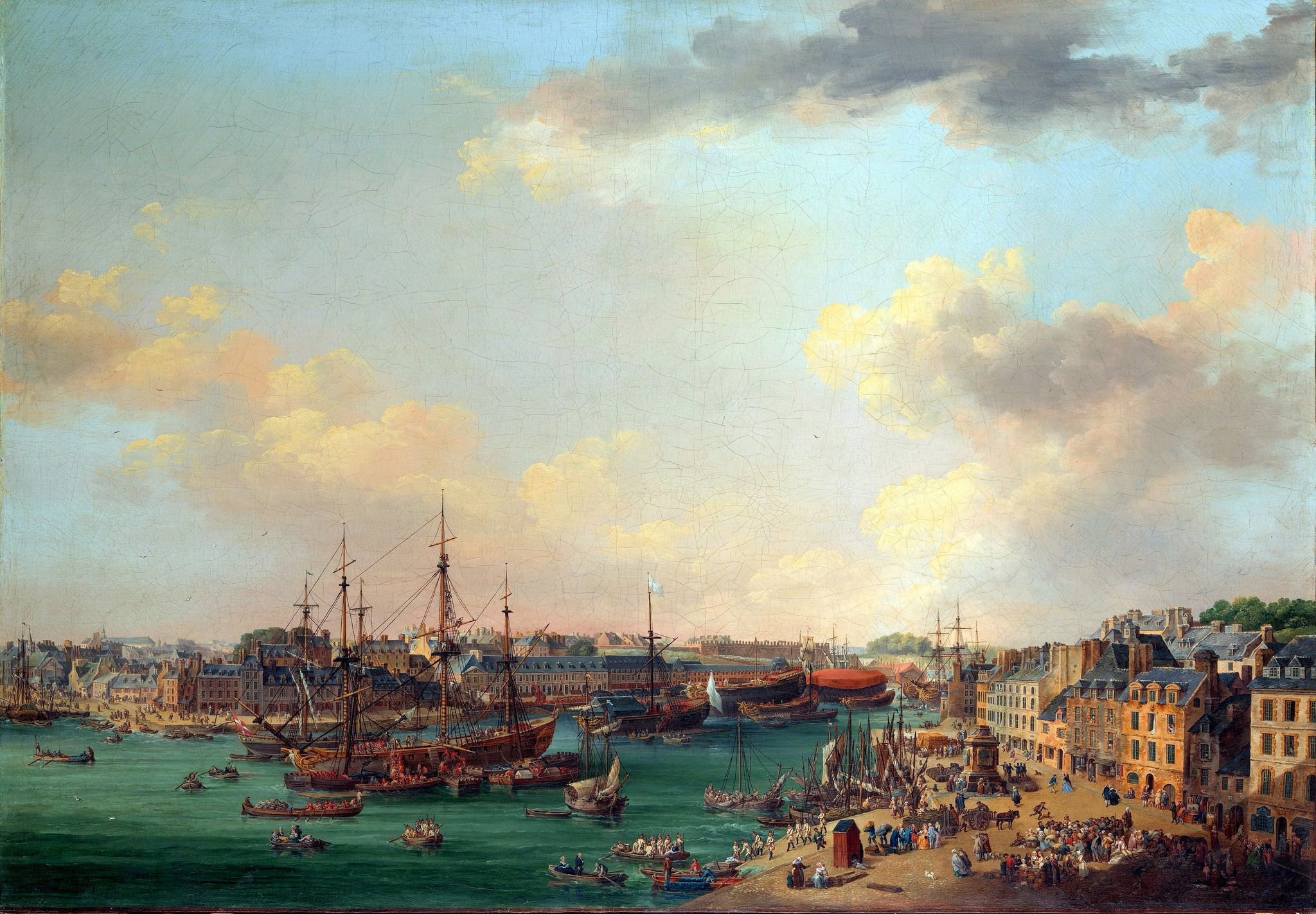
Henri-Joseph van Blarenberghe was a French painter.
During the reign of Louis XVI of France Henri-Joseph became a specialist of battle scenes, due to the fact that he was a military painter in the retinue of the French army, as was his father.
He also devoted himself to painting miniatures, to decorate boxes for smoking tobacco, made of wood or precious metals: gilded silver, gold, even gold and platinum. Excellent at capturing the details of clothing and decorations, he finished his little boxes with particular accuracy and grace.
During the period of the French Revolution Henri-Joseph Van Blarenberghe devoted himself to painting historical scenes. He made gouaches with court scenes, with pleasant animated landscapes. His paintings are a testimony to the life of the time in France.
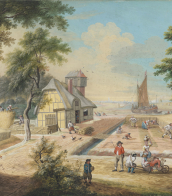


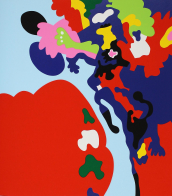


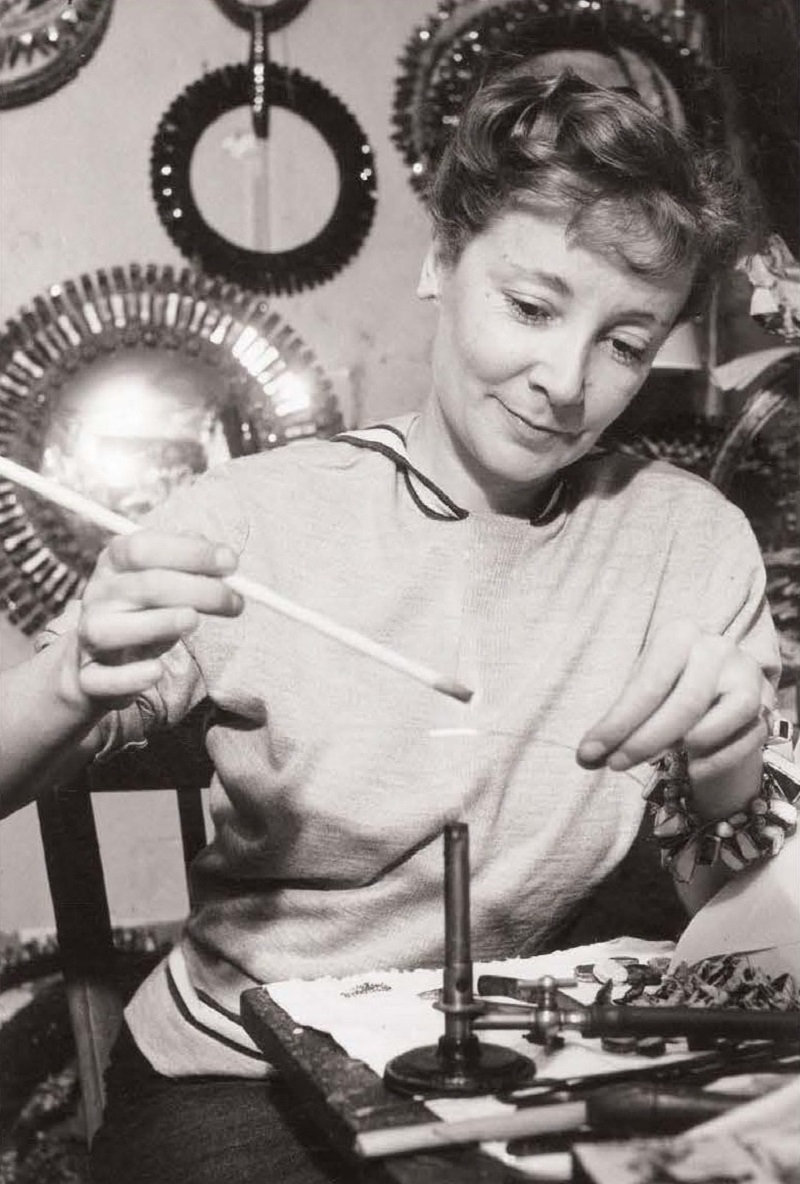
Line Vautrin is a French artist, jeweller and designer.
Her work ranges from jewellery to objects such as mirrors, trays and boxes. Devoted to experimentation, she opened A.D.A.M. (Association for the Development of Handmade Arts), a craft school where she taught metalwork and jewellery making and also sold the raw materials she used in her practice.


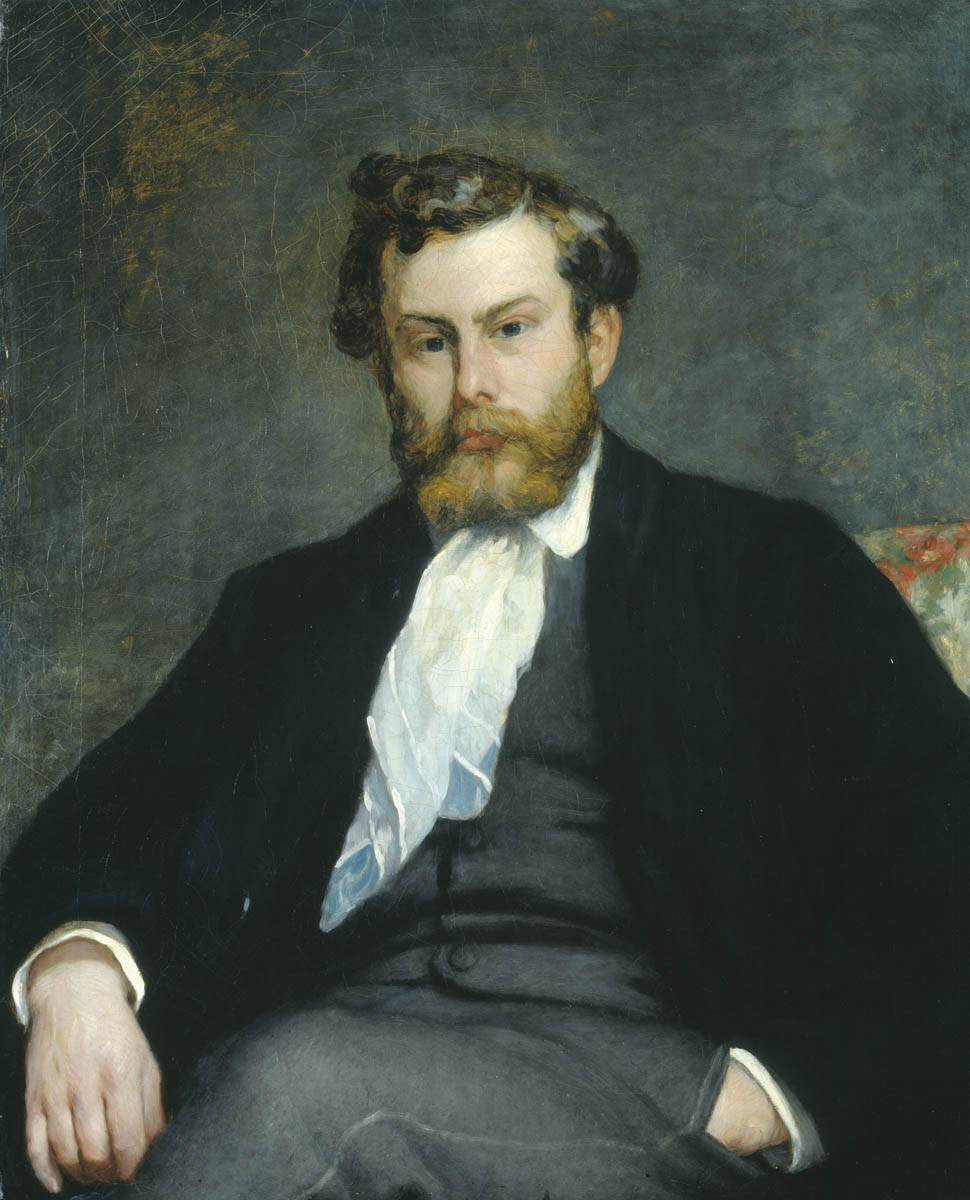
Alfred Sisley was a Franco-British painter, celebrated as a key figure in the Impressionist movement. Born in Paris to British parents, Sisley dedicated his artistic career to capturing the tranquil landscapes of his adopted France, particularly the areas around Paris and Moret-sur-Loing, where he spent his later years.
From the beginning, Alfred Sisley was a devoted landscape artist, preferring to work en plein air to capture the subtle shifts in the atmosphere and light of his surroundings. Unlike some of his contemporaries who explored urban scenes or human figures, Sisley's works predominantly feature rural settings, quiet streets, and serene river scenes, often devoid of people. His approach was deeply influenced by earlier landscape painters like Jean-Baptiste-Camille Corot, yet his style embodies the quintessential Impressionist focus on light and color.
Despite his dedication and prolific output, Alfred Sisley's work did not gain significant recognition or financial success during his lifetime. It was only posthumously that his paintings began to receive the acclaim they deserved, with his canvases now held in prestigious collections worldwide, including the Musée d'Orsay and the National Gallery.
For collectors and experts in art and antiques, Alfred Sisley's works represent a poignant chapter in the history of Impressionism, characterized by a gentle yet profound rendering of the natural world. His paintings not only reflect the beauty of the French countryside but also encapsulate the fleeting moments of light and weather, making them timeless masterpieces of Impressionist art.
For those interested in the serene beauty of Alfred Sisley's landscapes and updates on exhibitions or sales of his works, signing up for specialized newsletters can provide invaluable insights and opportunities.
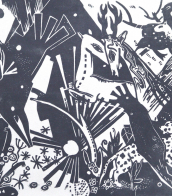


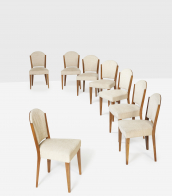
Line Vautrin is a French artist, jeweller and designer.
Her work ranges from jewellery to objects such as mirrors, trays and boxes. Devoted to experimentation, she opened A.D.A.M. (Association for the Development of Handmade Arts), a craft school where she taught metalwork and jewellery making and also sold the raw materials she used in her practice.
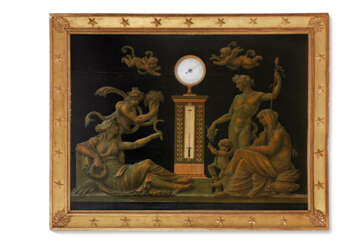

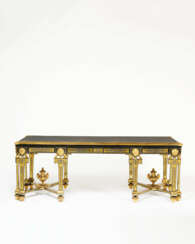

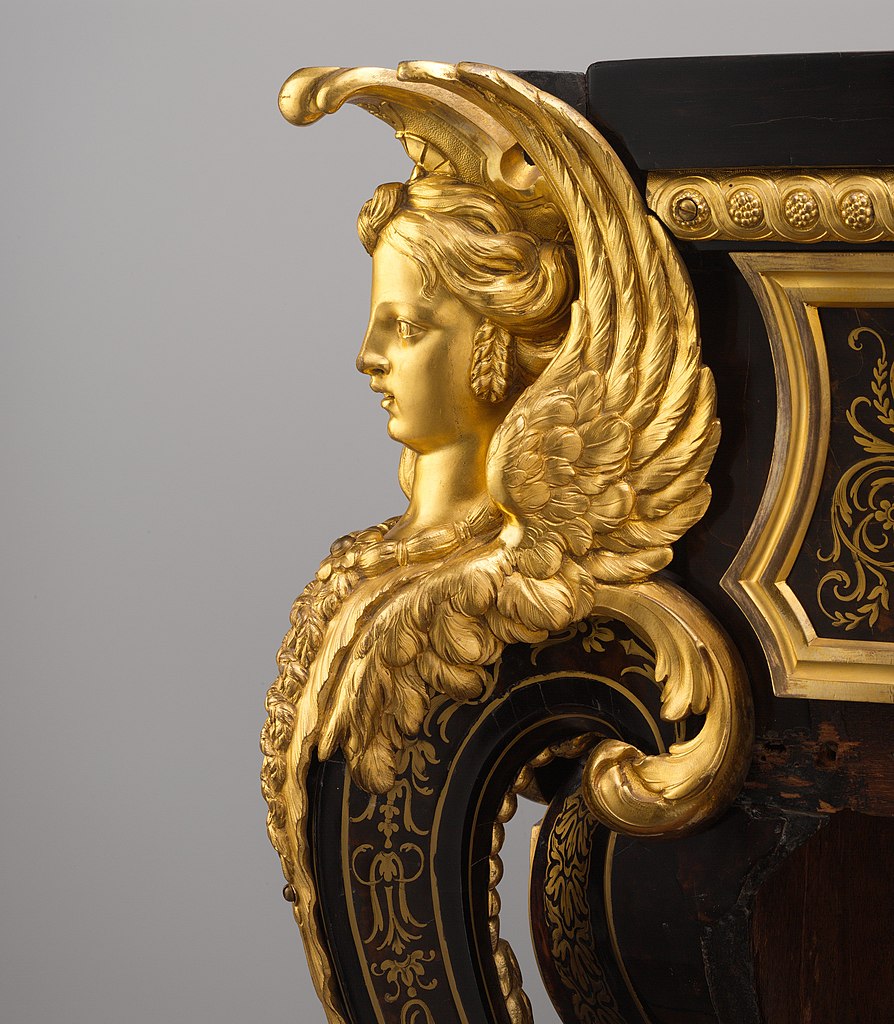
André-Charles Boulle, a French artist and cabinetmaker, was celebrated for his mastery in marquetry, a decorative technique involving inlaid veneers of wood, metal, and tortoiseshell. Born in Paris in 1642, Boulle's work defined luxury and sophistication in 17th and 18th-century French furniture, earning him the title of "Premier ébéniste du Roi" under Louis XIV. His contributions to art and culture extend beyond mere craftsmanship, embodying the opulence of the Louis XIV style and influencing European decorative arts profoundly.
Boulle's innovative techniques, particularly his unique use of marquetry, known as "Boulle work," involved intricate patterns of brass, pewter, and tortoiseshell, setting new standards for furniture design. This approach allowed him to create stunning visual effects, with his creations including clocks, cabinets, and tables that showcased both artistic flair and technical brilliance. His work, characterized by elaborate motifs and an exceptional blend of materials, is regarded as the epitome of Baroque artistry, blending sculpture, painting, and architecture into functional objects of beauty.
Several of Boulle's masterpieces are preserved in prestigious museums, such as the Louvre and the Palace of Versailles, where they continue to captivate visitors with their intricate details and historical significance. Notable works attributed to him, like the intricate coffers on stands and monumental cabinets housed in the J. Paul Getty Museum, reflect his role as a "painter in wood," celebrating French military victories and the grandeur of the Sun King's court. These pieces, never signed but attributed to him based on stylistic elements and historical records, highlight Boulle's innovative use of materials and his impact on the decorative arts.
For collectors and experts in art and antiques, André-Charles Boulle's work represents the zenith of French decorative arts. His legacy is not only in the beauty of his creations but also in the techniques he perfected, which continue to inspire contemporary designers and craftsmen. Those interested in the elegance and history of Boulle's work are encouraged to sign up for updates on new product sales and auction events related to this iconic artist. This subscription offers a unique opportunity to connect with the world of André-Charles Boulle, ensuring enthusiasts are informed of the latest discoveries and offerings that celebrate his enduring influence on culture, art, and design.


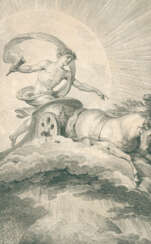

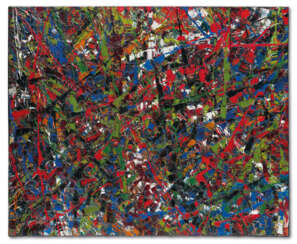

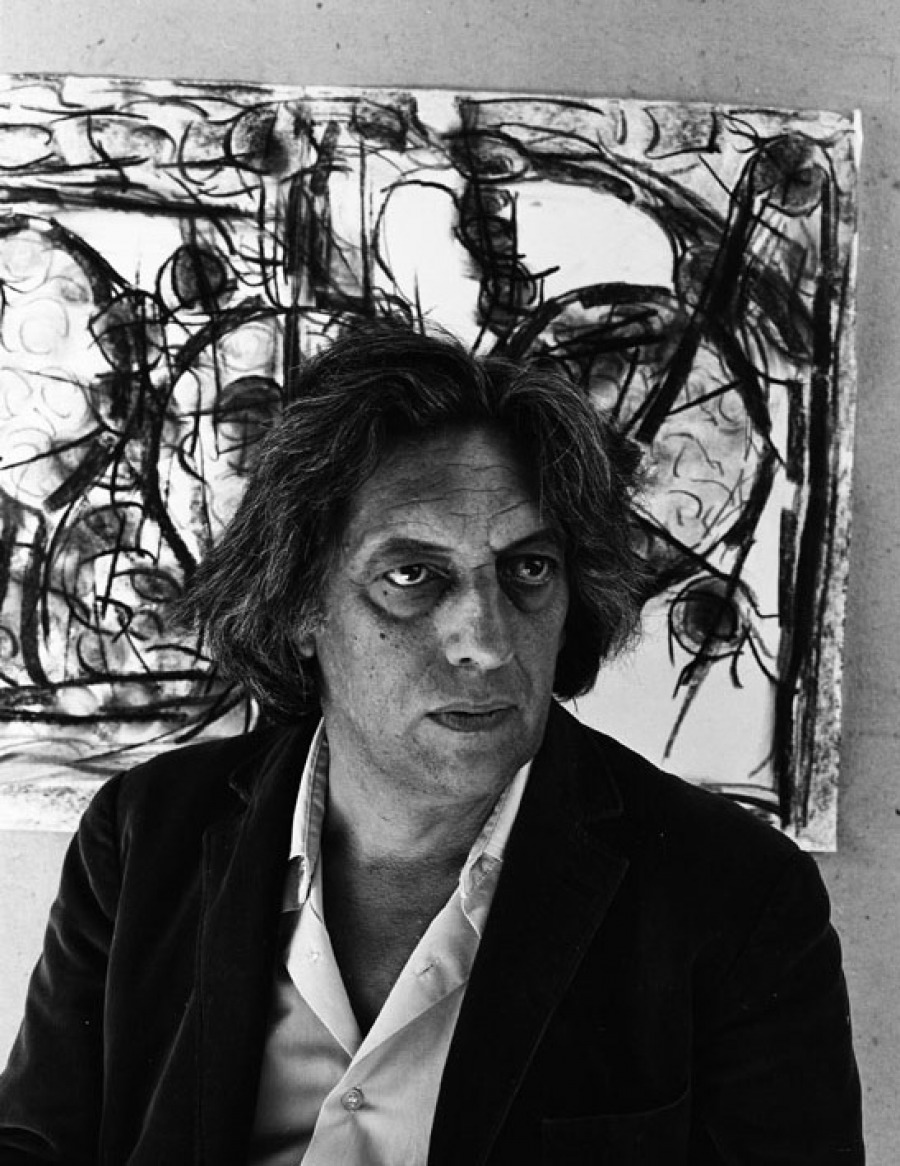
Jean-Paul Riopelle was a Canadian painter and sculptor from Quebec. He had one of the longest and most important international careers of the sixteen signatories of the Refus Global, the 1948 manifesto that announced the Quebecois artistic community's refusal of clericalism and provincialism. He is best known for his abstract painting style, in particular his "mosaic" works of the 1950s when he famously abandoned the paintbrush, using only a palette knife to apply paint to canvas, giving his works a distinctive sculptural quality. He became the first Canadian painter since James Wilson Morrice to attain widespread international recognition.


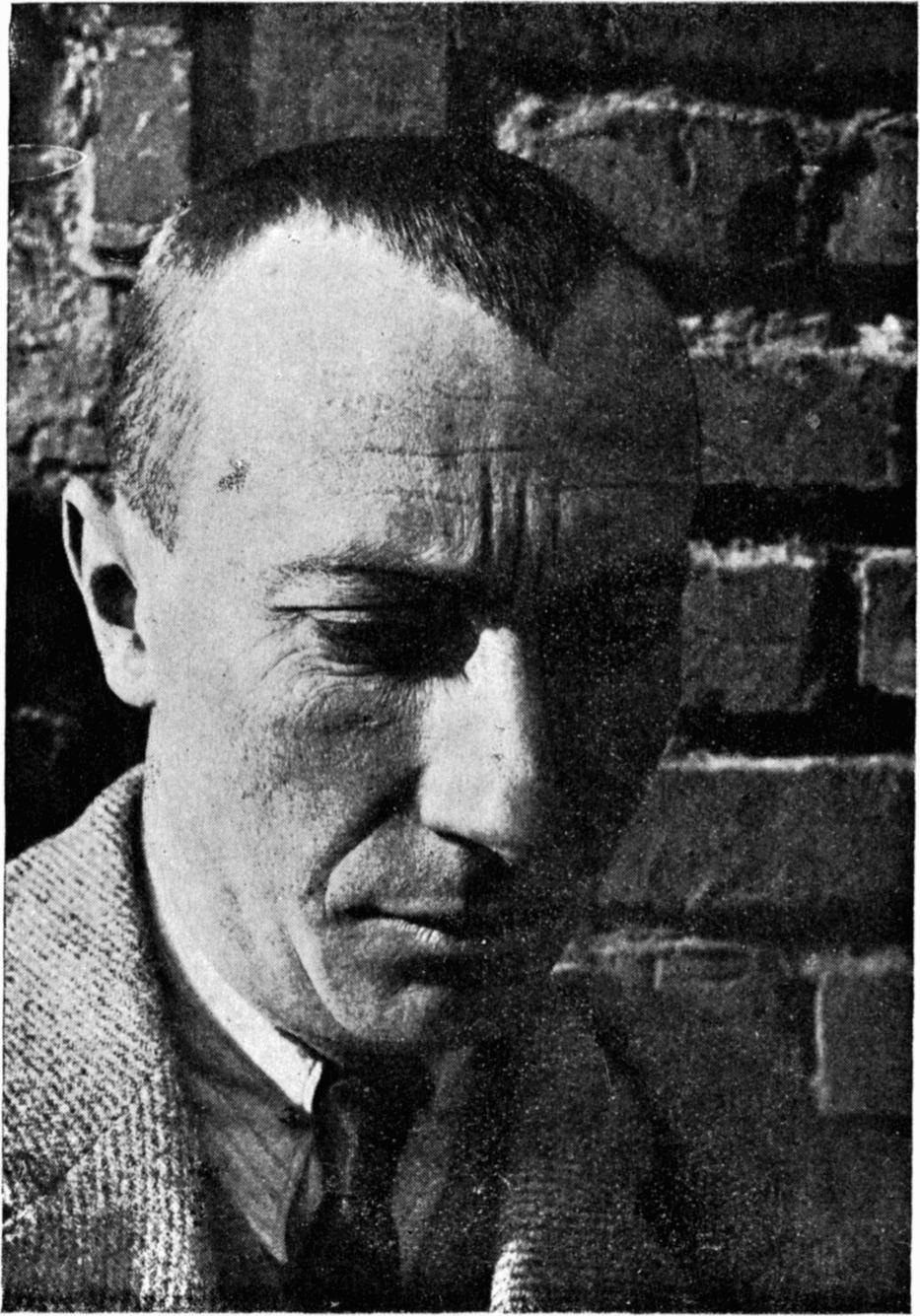
Jean Arp, born Hans Peter Wilhelm Arp, was a German and French poet, painter, graphic artist and sculptor. one of the founders of the Dada movement in Zurich.
Arp used abstract forms in his work and experimented with different materials such as wood, metal and stone. He was also known for his poetic works, in which he applied a method of randomly selecting words, called the "clutter method". Arp believed that this method helped him express his thoughts more precisely and originally. Arp's influence on the arts is still significant today.





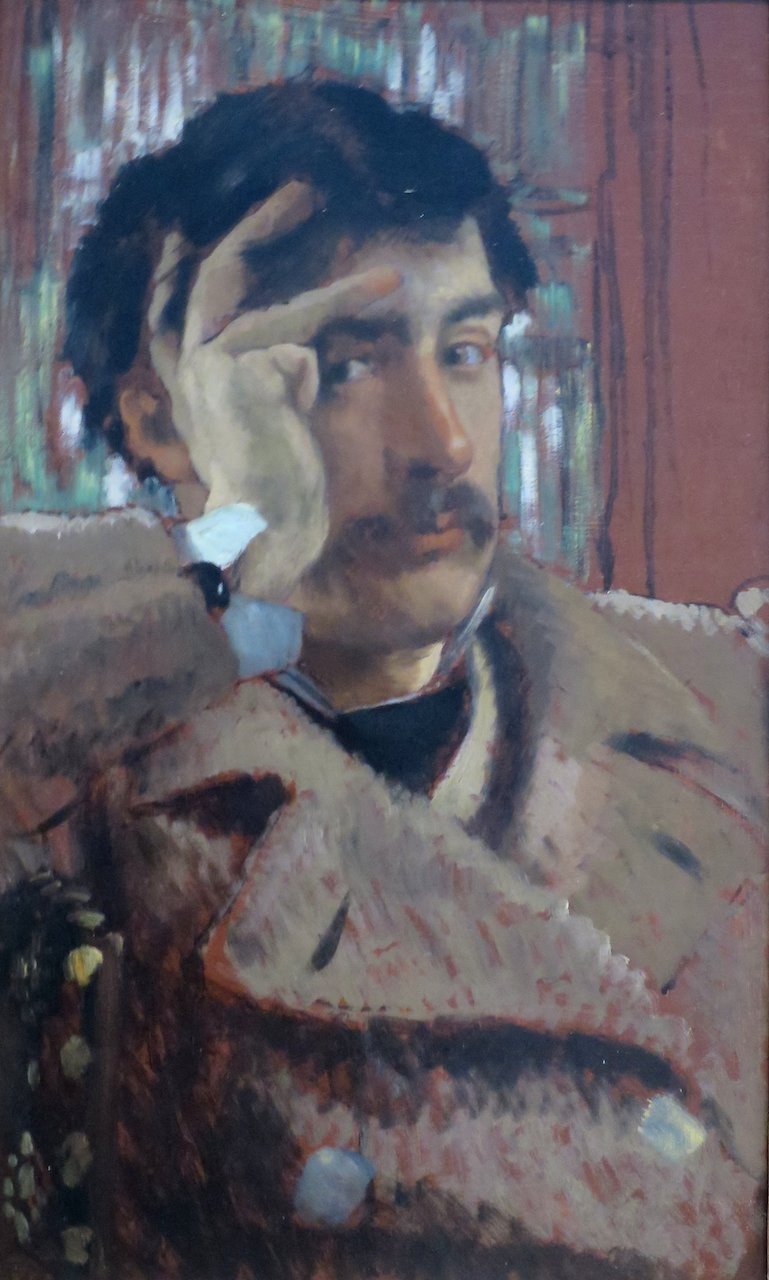
Jacques Joseph Tissot, anglicized as James Tissot, was a French painter and illustrator. He was a successful painter of fashionable, modern scenes and society life in Paris before moving to London in 1871. A friend and mentor of the Impressionist painter Edgar Degas, Tissot also painted scenes and figures from the Bible.
![[MASSIALOT, François (1660?-1733)].](/assets/image/picture_2734421/5f158/719f45b7038edf80da382f6e426f77c51679526000jpg__fix_374_244.jpeg)
![[MASSIALOT, François (1660?-1733)].](https://veryimportantlot.com/assets/image/picture_2734421/5f158/719f45b7038edf80da382f6e426f77c51679526000jpg__fix_374_244.jpeg)
![[MASSIALOT, François (ca.1660-1733)].](/assets/image/picture_2734772/c51df/8ba09a4824ec3069d91417e9ec956b571679526000jpg__fix_374_244.jpeg)
![[MASSIALOT, François (ca.1660-1733)].](https://veryimportantlot.com/assets/image/picture_2734772/c51df/8ba09a4824ec3069d91417e9ec956b571679526000jpg__fix_374_244.jpeg)
![[MENON, Joseph (ca. 1700-1771)].](/assets/image/picture_2734805/597a8/4b994329de3eb2b67a97bf66bd4ece571679526000jpg__fix_374_244.jpeg)
![[MENON, Joseph (ca. 1700-1771)].](https://veryimportantlot.com/assets/image/picture_2734805/597a8/4b994329de3eb2b67a97bf66bd4ece571679526000jpg__fix_374_244.jpeg)
![[MENON, Joseph (ca. 1700-1771)].](/assets/image/picture_2734889/2538c/99e1c01b461c78f9e8139e0abc0ff3881679526000jpg__fix_374_244.jpeg)
![[MENON, Joseph (ca. 1700-1771)].](https://veryimportantlot.com/assets/image/picture_2734889/2538c/99e1c01b461c78f9e8139e0abc0ff3881679526000jpg__fix_374_244.jpeg)


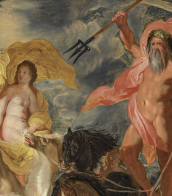
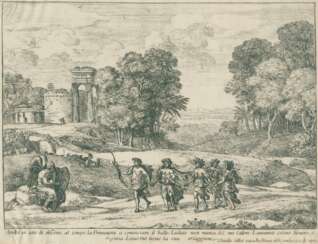

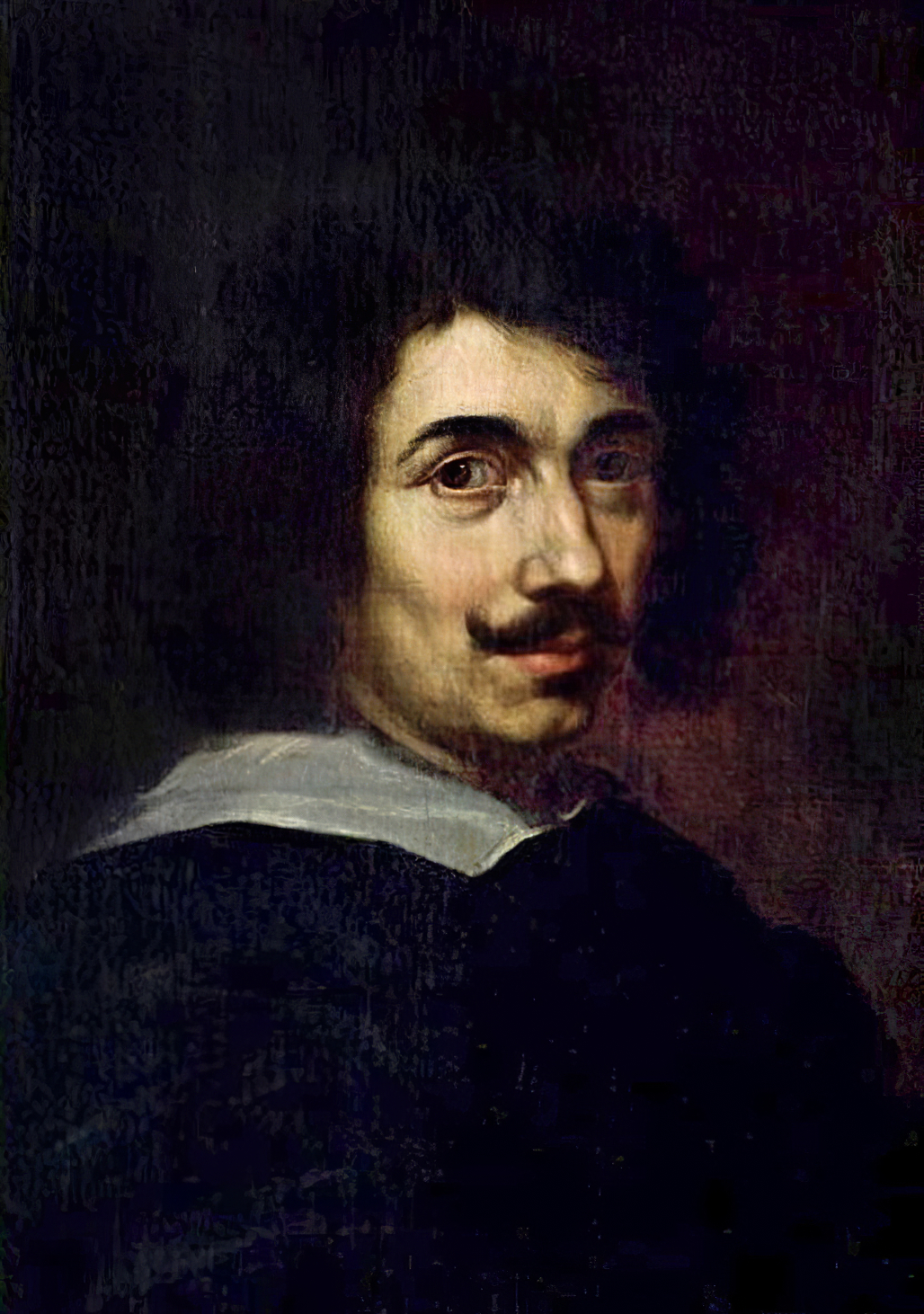
Claude Lorrain was a renowned French artist celebrated for his exquisite landscape paintings. His works, which often depicted idealized landscapes, were infused with a poetic rendering of light, making them influential far beyond his lifetime, especially in England from the mid-18th to mid-19th century.
Claude Lorrain's journey into art began in his youth, though his early life details vary among sources. Some accounts suggest he was apprenticed to a pastry baker before being taken under the wing of artists like Goffredo Wals and Agostino Tassi in Italy, where he spent much of his life. Claude Lorrain's artistic skills flourished in Rome, leading him to join the Accademia di San Luca by 1633. His unique style attracted an international clientele, prompting him to create the Liber Veritatis, a catalog of his works to deter forgeries.
He was a master at integrating architecture within his landscapes, creating serene, harmonious scenes that reflected a nostalgia for a classical past. Works like "Ulysses Returning Chryseis to Her Father" exemplify his ability to evoke mood and atmosphere, capturing the essence of light and space. Claude Lorrain's influence extended to various art forms, inspiring poets like John Keats and setting a precedent in landscape painting that endured through the centuries.
For collectors and art enthusiasts, Claude Lorrain's paintings are not just visual treats but historical artifacts that offer insights into 17th-century landscape painting. His works are housed in prestigious galleries worldwide, serving as a testament to his enduring legacy in the art world.
For those interested in the art and legacy of Claude Lorrain, consider signing up for updates on new product sales and auction events related to this iconic artist. This subscription is an excellent opportunity for collectors and experts in art and antiques to stay informed about Claude Lorrain's enduring influence in the world of art.


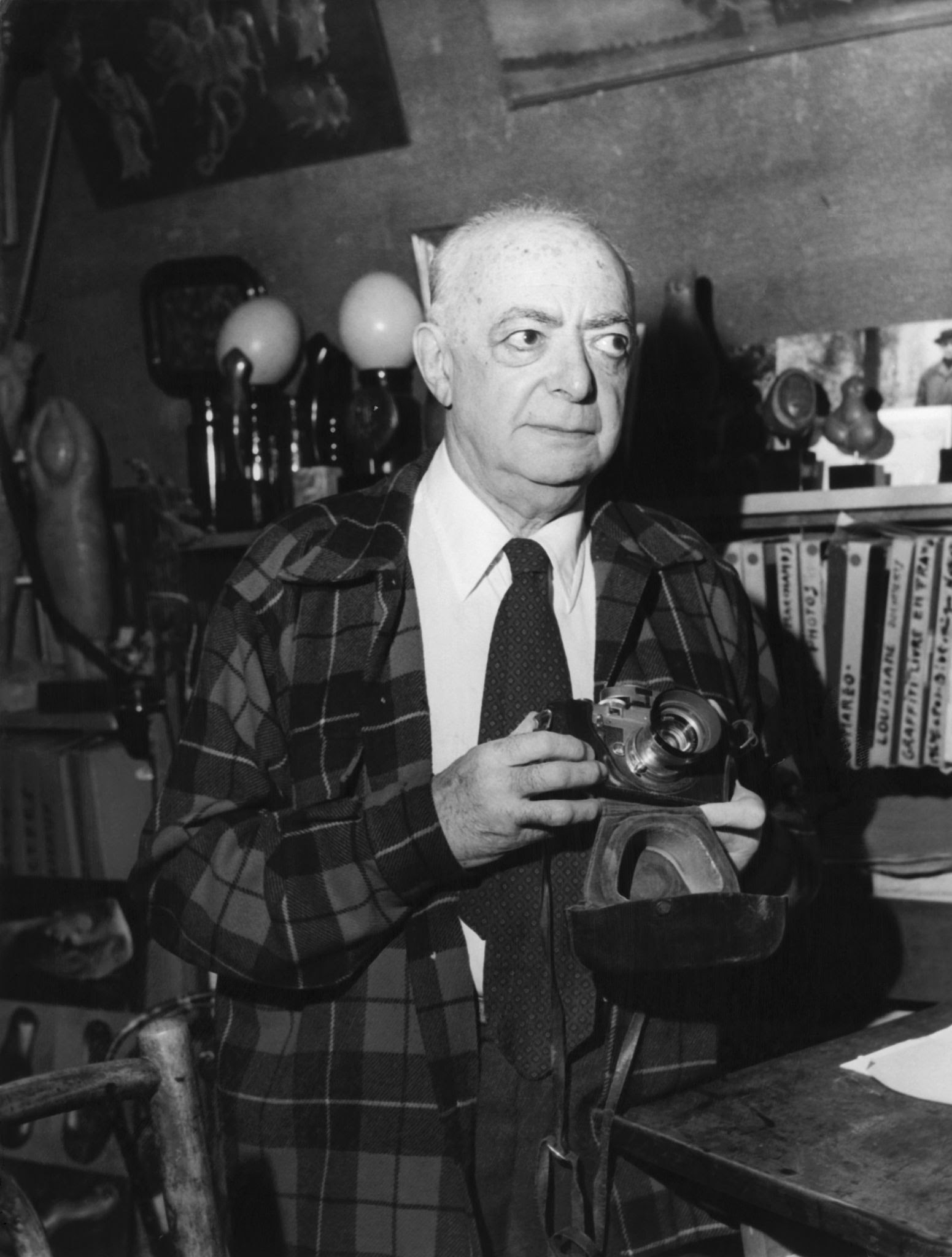
Brassaï, whose real name was Gyula Halász, was a Hungarian-French artist and photographer best known for his work documenting the streets of Paris during the 1920s and 1930s. He was one of the key figures of the Surrealist movement and his work continues to influence photographers and artists to this day.
Brassaï moved to Paris in the 1920s to pursue a career in art. He initially worked as a journalist and began taking photographs to accompany his articles. However, it was his nocturnal photographs of the city that would bring him international fame.
Brassaï's photographs of the streets of Paris at night captured the city's seedier side, including its prostitutes, bars, and cabarets. His work is known for its use of dramatic lighting and strong contrast, which helped to create a moody, evocative atmosphere.
In addition to his photography, Brassaï was also a talented painter and sculptor. He was a close friend of many of the leading artists and writers of the time, including Pablo Picasso, Salvador Dalí, and Henry Miller.
Brassaï's work has been exhibited in major museums and galleries around the world, and his photographs have been published in numerous books and magazines. He was one of the most influential photographers of the 20th century, and his legacy continues to inspire artists and photographers today.




Claude Lorrain was a renowned French artist celebrated for his exquisite landscape paintings. His works, which often depicted idealized landscapes, were infused with a poetic rendering of light, making them influential far beyond his lifetime, especially in England from the mid-18th to mid-19th century.
Claude Lorrain's journey into art began in his youth, though his early life details vary among sources. Some accounts suggest he was apprenticed to a pastry baker before being taken under the wing of artists like Goffredo Wals and Agostino Tassi in Italy, where he spent much of his life. Claude Lorrain's artistic skills flourished in Rome, leading him to join the Accademia di San Luca by 1633. His unique style attracted an international clientele, prompting him to create the Liber Veritatis, a catalog of his works to deter forgeries.
He was a master at integrating architecture within his landscapes, creating serene, harmonious scenes that reflected a nostalgia for a classical past. Works like "Ulysses Returning Chryseis to Her Father" exemplify his ability to evoke mood and atmosphere, capturing the essence of light and space. Claude Lorrain's influence extended to various art forms, inspiring poets like John Keats and setting a precedent in landscape painting that endured through the centuries.
For collectors and art enthusiasts, Claude Lorrain's paintings are not just visual treats but historical artifacts that offer insights into 17th-century landscape painting. His works are housed in prestigious galleries worldwide, serving as a testament to his enduring legacy in the art world.
For those interested in the art and legacy of Claude Lorrain, consider signing up for updates on new product sales and auction events related to this iconic artist. This subscription is an excellent opportunity for collectors and experts in art and antiques to stay informed about Claude Lorrain's enduring influence in the world of art.
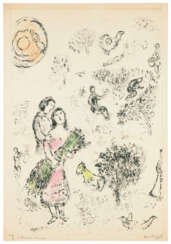

Marc Chagall (Russian: Марк Заха́рович Шага́л), born Moishe Shagal in 1887 near Vitebsk, Belarus (then part of the Russian Empire), was a Belarusian and French artist celebrated for his pivotal role in the avant-garde movement and his unique integration of Eastern European Jewish culture into modern art. His contributions spanned several artistic formats including painting, stained glass, stage sets, ceramics, tapestries, and fine art prints. Chagall's early modernist tendencies were enriched by his experiences across Saint Petersburg, Paris, and Berlin before World War I, leading to a distinctive style that melded Cubism, Symbolism, and Fauvism with his Jewish heritage.
Chagall's work is recognized for its emotional depth, often exploring themes of love, memory, and Jewish folklore through vibrant colors and dreamlike imagery. Notably, art critic Robert Hughes described him as "the quintessential Jewish artist of the twentieth century," a sentiment echoed by art historian Michael J. Lewis who regarded Chagall as a significant figure within European modernism and as the world's preeminent Jewish artist of his time.
Among Chagall's famed contributions are his stained-glass windows for the cathedrals of Reims and Metz, the UN, and the Jerusalem Windows in Israel. His monumental paintings include parts of the ceiling of the Paris Opéra and works that explore biblical themes, a hallmark of his oeuvre that underscores his enduring engagement with spiritual and religious motifs.
For art collectors and antiques experts, Chagall's works are notable not only for their artistic innovation but also for their rich cultural and historical significance. His art is housed in many prestigious museums worldwide, including the Marc Chagall National Museum in Nice, France, which focuses on his works inspired by religion and houses the series of paintings illustrating the biblical message.
For those interested in exploring Chagall's legacy and the vibrant intersection of culture, art, and history his work represents, signing up for updates on new product sales and auction events related to Marc Chagall can provide invaluable insights and opportunities. This is an invitation to engage more deeply with the world of art and culture that Chagall so uniquely encapsulated in his work.



![[MASSON Charles (1858-1931) et Henri PIAZZA (1861-1929), éditeurs]](/assets/image/picture_3807205/10759/7e70bc37289dacceb057900a15fe21f41710234000jpg__fix_374_244.jpeg)
![[MASSON Charles (1858-1931) et Henri PIAZZA (1861-1929), éditeurs]](https://veryimportantlot.com/assets/image/picture_3807205/10759/7e70bc37289dacceb057900a15fe21f41710234000jpg__fix_374_244.jpeg)
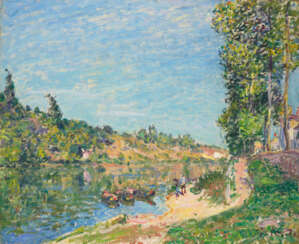

Alfred Sisley was a Franco-British painter, celebrated as a key figure in the Impressionist movement. Born in Paris to British parents, Sisley dedicated his artistic career to capturing the tranquil landscapes of his adopted France, particularly the areas around Paris and Moret-sur-Loing, where he spent his later years.
From the beginning, Alfred Sisley was a devoted landscape artist, preferring to work en plein air to capture the subtle shifts in the atmosphere and light of his surroundings. Unlike some of his contemporaries who explored urban scenes or human figures, Sisley's works predominantly feature rural settings, quiet streets, and serene river scenes, often devoid of people. His approach was deeply influenced by earlier landscape painters like Jean-Baptiste-Camille Corot, yet his style embodies the quintessential Impressionist focus on light and color.
Despite his dedication and prolific output, Alfred Sisley's work did not gain significant recognition or financial success during his lifetime. It was only posthumously that his paintings began to receive the acclaim they deserved, with his canvases now held in prestigious collections worldwide, including the Musée d'Orsay and the National Gallery.
For collectors and experts in art and antiques, Alfred Sisley's works represent a poignant chapter in the history of Impressionism, characterized by a gentle yet profound rendering of the natural world. His paintings not only reflect the beauty of the French countryside but also encapsulate the fleeting moments of light and weather, making them timeless masterpieces of Impressionist art.
For those interested in the serene beauty of Alfred Sisley's landscapes and updates on exhibitions or sales of his works, signing up for specialized newsletters can provide invaluable insights and opportunities.
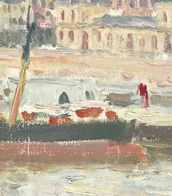
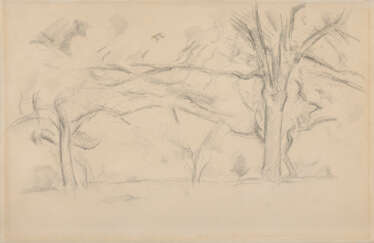

Paul Cézanne, a French Post-Impressionist painter, was pivotal in shaping the transition from 19th-century art to a new, revolutionary approach in the 20th century. His unique and exploratory brushstrokes, utilizing planes of color to form complex fields, made his work instantly recognizable and influential in the development of Cubism.
Cézanne’s early works, influenced by Romanticism and Realism, evolved into a groundbreaking artistic language. He challenged traditional perspective and academic art rules, focusing on objects' structural aspects and art's formal qualities. This approach led to a renewed emphasis on impressionistic color space and modulation principles.
His most notable works, like “Mont Sainte-Victoire,” “The Card Players,” and “The Bathers,” display his mastery in creating depth and dimension through color gradations. These paintings, initially met with skepticism, eventually cemented Cézanne’s reputation as a pioneering artist. His exhibitions, particularly the one-man show by dealer Ambroise Vollard in 1895, played a critical role in his recognition.
Cézanne’s impact on art history is profound, with greats like Henri Matisse and Pablo Picasso acknowledging him as a significant influence. His exploration of geometric forms and innovative use of light and color laid the groundwork for subsequent movements, particularly Cubism.
For collectors and art experts, Cézanne's works are more than just paintings; they are pivotal chapters in the narrative of modern art. His creations, bridging Impressionism and Cubism, continue to inspire and challenge contemporary artists.
To stay updated on new product sales and auction events related to Paul Cézanne, sign up for our updates. This subscription ensures you remain informed about the latest developments in the world of this revolutionary artist.
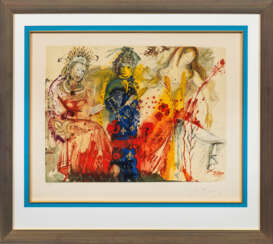

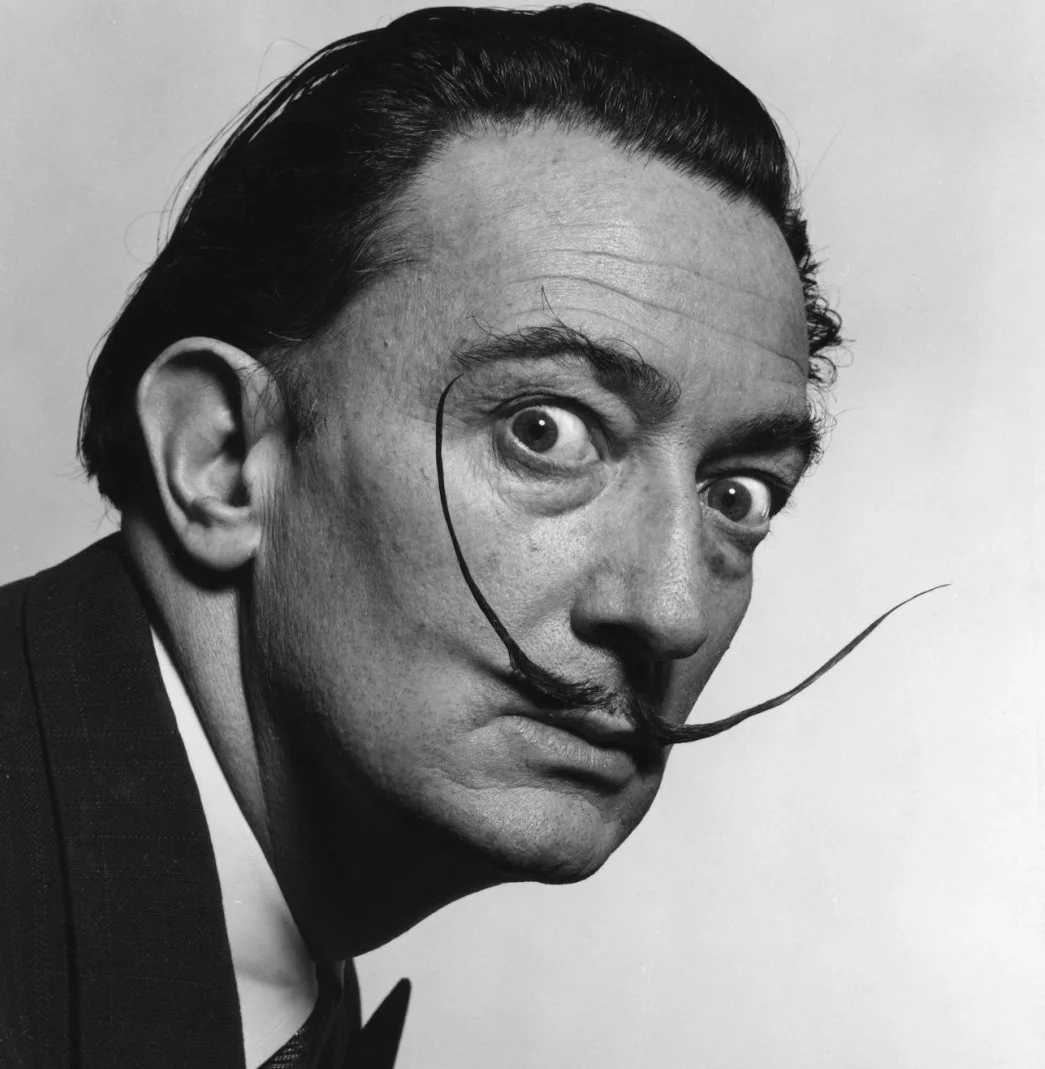
Salvador Dalí, a Spanish Surrealist painter and printmaker, is celebrated for his vivid and imaginative works that delve into subconscious imagery. Born on May 11, 1904, in Figueres, Catalonia, Spain, Dalí's early exposure to Impressionism and Renaissance masters significantly influenced his artistic development. His education in fine arts in Madrid further shaped his style, leading him to experiment with Cubism and avant-garde movements. In the late 1920s, Dalí embraced Surrealism, joining the Surrealist group in 1929 and rapidly becoming one of its most prominent figures.
Dalí's most famous work, "The Persistence of Memory," completed in 1931, epitomizes the Surrealist movement with its iconic melting clocks symbolizing the fluidity of time. His artistic repertoire was diverse, including painting, graphic arts, film, sculpture, design, and photography, often incorporating themes of dreams, the subconscious, sexuality, religion, and science. Despite his remarkable artistic contributions, Dalí's eccentric and flamboyant public persona often overshadowed his work. He faced criticism for his public support of the Francoist regime and the authenticity of some of his late works.
Dalí's legacy is preserved in major museums, notably the Dalí Theatre-Museum in Figueres and the Salvador Dalí Museum in St. Petersburg, Florida. These institutions showcase his extensive and varied body of work, illustrating his profound impact on Surrealism, pop art, and contemporary artists.
If you're captivated by the surreal world of Salvador Dalí and want to stay informed about new sales and auction events featuring his works, sign up for our updates. Our service is tailored specifically for art collectors and experts, providing timely information and insights into the vibrant market of Dalí's art. Remember, this subscription is focused solely on bringing you the latest in product sales and auction events related to Salvador Dalí. Don't miss out on the opportunity to enrich your collection with pieces from one of the most influential surrealists of all time. Sign up now and be the first to know about these exclusive events.

![[RIMBAUD, Arthur (1854-1891)] - LOSSEAU, Léon (1869-1949) Le...](/assets/image/picture_1080112/2198a/j8b4ydrkftxywz3t0v15my4hyysqwu9hew5bojbeug34mgslzikflosf3onf951602252297jpg__fix_374_244.jpeg)
![[RIMBAUD, Arthur (1854-1891)] - LOSSEAU, Léon (1869-1949) Le...](https://veryimportantlot.com/assets/image/picture_1080112/2198a/j8b4ydrkftxywz3t0v15my4hyysqwu9hew5bojbeug34mgslzikflosf3onf951602252297jpg__fix_374_244.jpeg)


Jean Nicolas Arthur Rimbaud was a French poet. He wrote poetry only in his early youth and withdrew after 1873. He was known for his pioneering contributions to Symbolist poetry and his unconventional approach to writing.
Arthur Rimbaud's poetry, written in his teens, challenged the conventional wisdom of poetry and included themes of love, spirituality and exploration of self. His work is characterized by its vivid imagery, strong emotions and innovative use of language.
In his poetry, Rimbaud departed radically from traditional forms and techniques, incorporating surrealist and visionary elements. He sought to push the boundaries of language and experience, often blurring the line between reality and imagination.
![[GRIMOD de LA REYNIÈRE, Alexandre-Balthazar-Laurent (1758-1837)].](/assets/image/picture_2734763/b1d27/a61b359a3c67517168d95107573429251679526000jpg__fix_374_244.jpeg)
![[GRIMOD de LA REYNIÈRE, Alexandre-Balthazar-Laurent (1758-1837)].](https://veryimportantlot.com/assets/image/picture_2734763/b1d27/a61b359a3c67517168d95107573429251679526000jpg__fix_374_244.jpeg)
![[MENON, Joseph (ca. 1700-1771)].](/assets/image/picture_2735003/69d43/a0f2435075ece21e5ce1c6124557d1e91679526000jpg__fix_374_244.jpeg)
![[MENON, Joseph (ca. 1700-1771)].](https://veryimportantlot.com/assets/image/picture_2735003/69d43/a0f2435075ece21e5ce1c6124557d1e91679526000jpg__fix_374_244.jpeg)
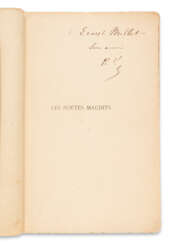

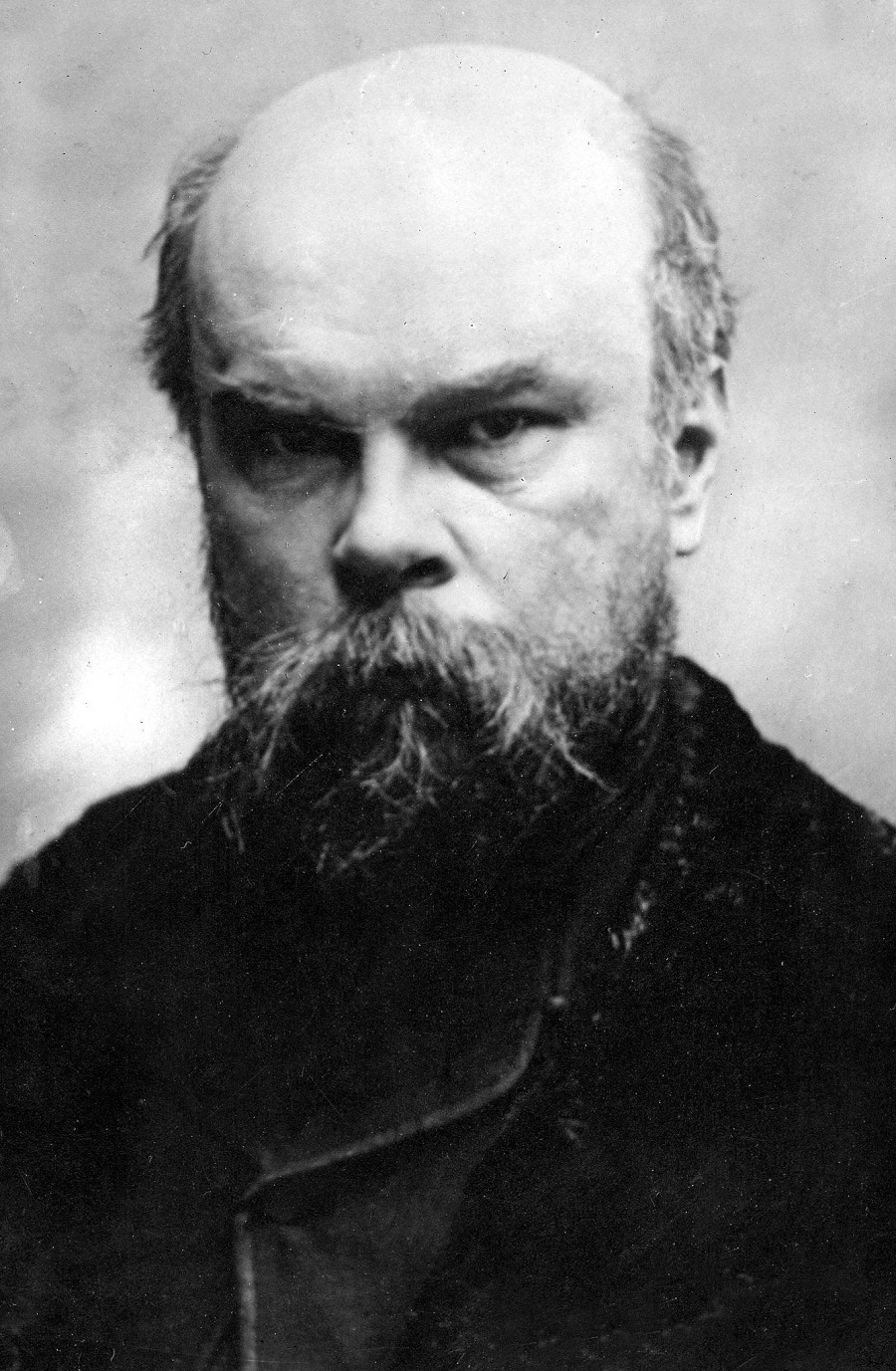
Paul Marie Verlaine was a French poet associated with the Symbolist movement.
Paul Verlaine's poetic style was characterized by musicality, evocative imagery and an exploration of themes such as love, beauty, melancholy and spirituality. His poems often conveyed a sense of heightened emotionality and expressed a deep sensitivity to the human experience.
Verlaine's work was a departure from the more structured and formal poetry of the previous era. He chose a more fluid and free style of verse, experimenting with rhythm, sound and imagery. His poems were often dreamlike, blurring the boundaries between reality and imagination.



















![[RIMBAUD, Arthur (1854-1891) & Paul VERLAINE (1844-1896)] - ...](/assets/image/picture_1077553/8de01/a474d9711db51328b7f4c9b2b8b1f5c81604358000jpg__fix_374_244.jpeg)
![[RIMBAUD, Arthur (1854-1891) & Paul VERLAINE (1844-1896)] - ...](https://veryimportantlot.com/assets/image/picture_1077553/8de01/a474d9711db51328b7f4c9b2b8b1f5c81604358000jpg__fix_374_244.jpeg)
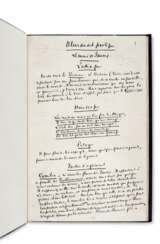



Jean Nicolas Arthur Rimbaud was a French poet. He wrote poetry only in his early youth and withdrew after 1873. He was known for his pioneering contributions to Symbolist poetry and his unconventional approach to writing.
Arthur Rimbaud's poetry, written in his teens, challenged the conventional wisdom of poetry and included themes of love, spirituality and exploration of self. His work is characterized by its vivid imagery, strong emotions and innovative use of language.
In his poetry, Rimbaud departed radically from traditional forms and techniques, incorporating surrealist and visionary elements. He sought to push the boundaries of language and experience, often blurring the line between reality and imagination.





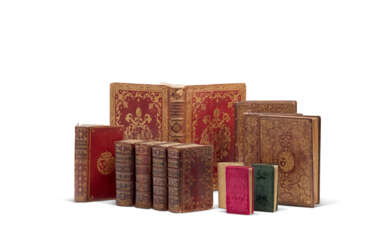



Leon Bakst (Russian: Лев Самойлович Бакст) was a prominent Russian painter and stage designer, celebrated for his innovative contributions to the world of art and theater. Born in the late 19th century, Bakst became a central figure in the cultural renaissance that swept through Russia and Europe, leaving an indelible mark on the visual and performing arts.
Bakst's work is distinguished by its rich use of color, intricate patterns, and imaginative compositions, which brought to life the exotic and often fantastical themes of the ballets and operas for which he designed. His association with the Ballets Russes, a groundbreaking ballet company that performed across Europe and America, solidified his reputation as a visionary artist. The costumes and sets he created for productions like "The Firebird" and "Scheherazade" were celebrated for their creativity and exoticism, influencing not only the world of theater but also fashion and interior design.
His art extends beyond the stage, with paintings and illustrations that capture the same vibrancy and innovation found in his theatrical work. Museums and galleries around the world, including the State Russian Museum in St. Petersburg and the Metropolitan Museum of Art in New York, house his works, allowing art lovers to experience the magic of Bakst's creations.
For collectors and experts in art and antiques, Leon Bakst's work offers a unique glimpse into a transformative period of cultural history, where the boundaries of art and performance were reimagined. His legacy continues to inspire and captivate, making his pieces highly sought after in the art world.
We invite enthusiasts and collectors to sign up for updates on new product sales and auction events related to Leon Bakst. This subscription ensures you remain informed about opportunities to acquire pieces connected to this extraordinary artist's legacy, without any overbearing commitments. Join us in celebrating the enduring impact of Leon Bakst's art and design.


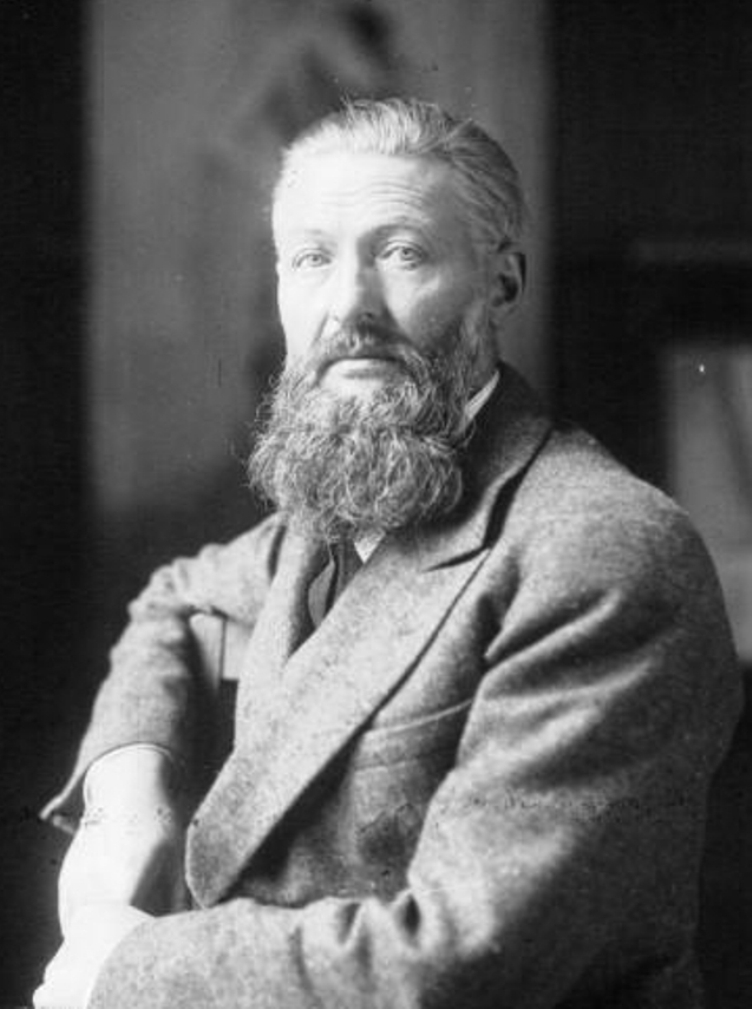
Kees van Dongen was a Dutch-French painter renowned for his vivid and expressive works that placed him at the forefront of the Fauvist movement. Born in 1877 in Delfshaven, Netherlands, van Dongen's journey into the art world began with his education at the Akademie voor Beeldende Kunsten in Rotterdam. His move to Paris in 1897 marked a pivotal moment in his career, immersing him in the bustling avant-garde scene and connecting him with influential circles, including Pablo Picasso and the Fauves. Van Dongen's art, characterized by its striking use of color and bold brushwork, captured the essence of his subjects with a unique blend of realism and abstraction.
Van Dongen's work evolved significantly over time, initially influenced by the dark tones of his Dutch heritage and the works of Rembrandt. His encounter with Fauvism around 1906 brought a dramatic shift towards brighter, more vibrant colors, marking his most iconic phase. His ability to capture the sensuousness and personality of his subjects made him a sought-after portraitist among the French bourgeoisie and celebrities of his time. Notable works include "Femme aux bas noirs" (Woman with Black Stockings), "Les lutteuses" (Lutteuses du Tabarin), and "The Dancer Anita," showcasing his fascination with the human figure, particularly sensuous depictions of women.
Beyond his remarkable contributions to Fauvism, van Dongen's ventures into illustration and his role as a society portraitist underscore his diverse talents and adaptability to the changing tastes of the art market. His works are celebrated in major collections worldwide, including the Hermitage Museum and the National Gallery of Denmark, affirming his lasting impact on the art world.
Collectors and art experts continue to appreciate van Dongen's work for its bold experimentation with color, form, and the evocative portrayal of his subjects. His legacy lives on as a testament to the vibrancy and dynamism of early 20th-century modern art.
For those keen to explore van Dongen's captivating works further and stay informed about new discoveries, exhibitions, and auction events related to his art, signing up for updates is a must. This ensures direct access to the latest sales and scholarly insights into the painter's rich oeuvre, a valuable resource for collectors and enthusiasts alike.
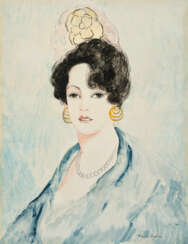

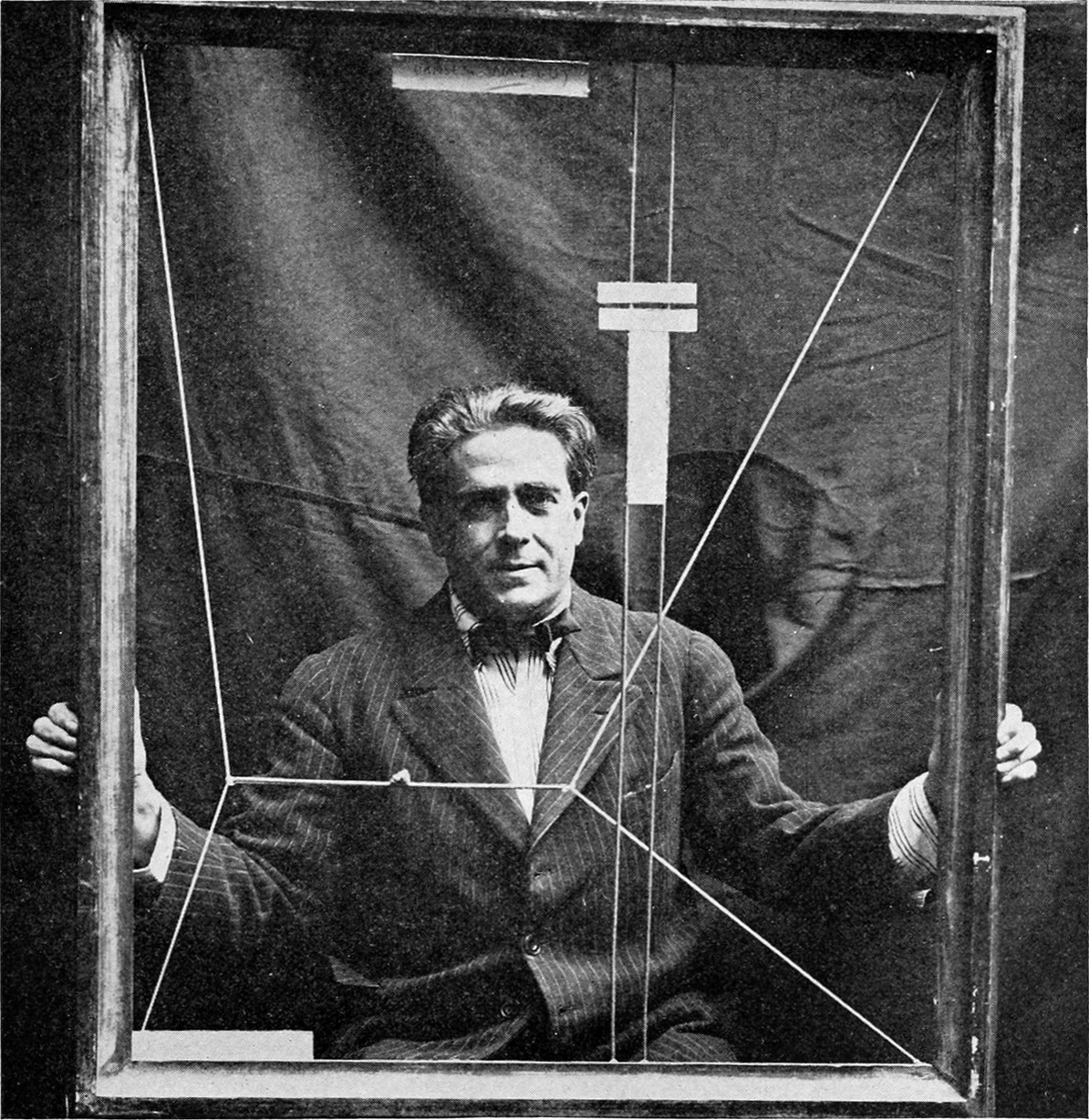
Francis Picabia, born Francis-Marie Martinez de Picabia, was a French avant-garde painter, poet, and typographist, whose work is celebrated for its diversity and innovation. His journey through various art movements, including Impressionism, Cubism, Dadaism, and Surrealism, showcases his refusal to be confined by any one style. Picabia's art is known for its eclectic nature, often blending mechanical elements with organic forms, thereby challenging traditional perceptions of art and beauty.
Picabia's significant contribution to the art world lies not just in his varied artistic output but also in his philosophical approach to creation. He believed in the freedom of expression, often using his art to critique societal norms and the art establishment itself. This rebellious spirit made him a pivotal figure in the Dada movement, where his works were celebrated for their irony and disdain for conventional art values.
Among his notable works, "Amorous Parade" and "I See Again in Memory My Dear Udnie" stand out, housed in prestigious institutions like the Museum of Modern Art in New York. These pieces exemplify Picabia's mastery over blending different elements of art movements, creating works that remain influential to this day. His legacy is not just in the pieces he created but also in his attitude towards art, encouraging future generations to challenge and redefine the boundaries of creativity.
For collectors and experts in art and antiques, Picabia's works represent not only significant artistic achievements but also valuable insights into the evolution of modern art. To stay informed about new product sales and auction events related to Francis Picabia, sign up for updates. This subscription is an essential resource for enthusiasts looking to enrich their collections with pieces from one of the most innovative artists of the 20th century.
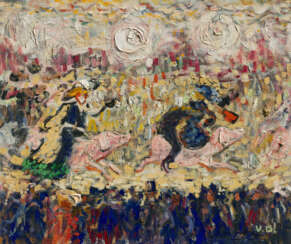

Kees van Dongen was a Dutch-French painter renowned for his vivid and expressive works that placed him at the forefront of the Fauvist movement. Born in 1877 in Delfshaven, Netherlands, van Dongen's journey into the art world began with his education at the Akademie voor Beeldende Kunsten in Rotterdam. His move to Paris in 1897 marked a pivotal moment in his career, immersing him in the bustling avant-garde scene and connecting him with influential circles, including Pablo Picasso and the Fauves. Van Dongen's art, characterized by its striking use of color and bold brushwork, captured the essence of his subjects with a unique blend of realism and abstraction.
Van Dongen's work evolved significantly over time, initially influenced by the dark tones of his Dutch heritage and the works of Rembrandt. His encounter with Fauvism around 1906 brought a dramatic shift towards brighter, more vibrant colors, marking his most iconic phase. His ability to capture the sensuousness and personality of his subjects made him a sought-after portraitist among the French bourgeoisie and celebrities of his time. Notable works include "Femme aux bas noirs" (Woman with Black Stockings), "Les lutteuses" (Lutteuses du Tabarin), and "The Dancer Anita," showcasing his fascination with the human figure, particularly sensuous depictions of women.
Beyond his remarkable contributions to Fauvism, van Dongen's ventures into illustration and his role as a society portraitist underscore his diverse talents and adaptability to the changing tastes of the art market. His works are celebrated in major collections worldwide, including the Hermitage Museum and the National Gallery of Denmark, affirming his lasting impact on the art world.
Collectors and art experts continue to appreciate van Dongen's work for its bold experimentation with color, form, and the evocative portrayal of his subjects. His legacy lives on as a testament to the vibrancy and dynamism of early 20th-century modern art.
For those keen to explore van Dongen's captivating works further and stay informed about new discoveries, exhibitions, and auction events related to his art, signing up for updates is a must. This ensures direct access to the latest sales and scholarly insights into the painter's rich oeuvre, a valuable resource for collectors and enthusiasts alike.
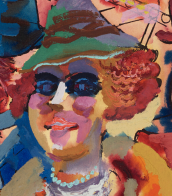




 Пьер Боннар. «Автопортрет», 1889.jpg)
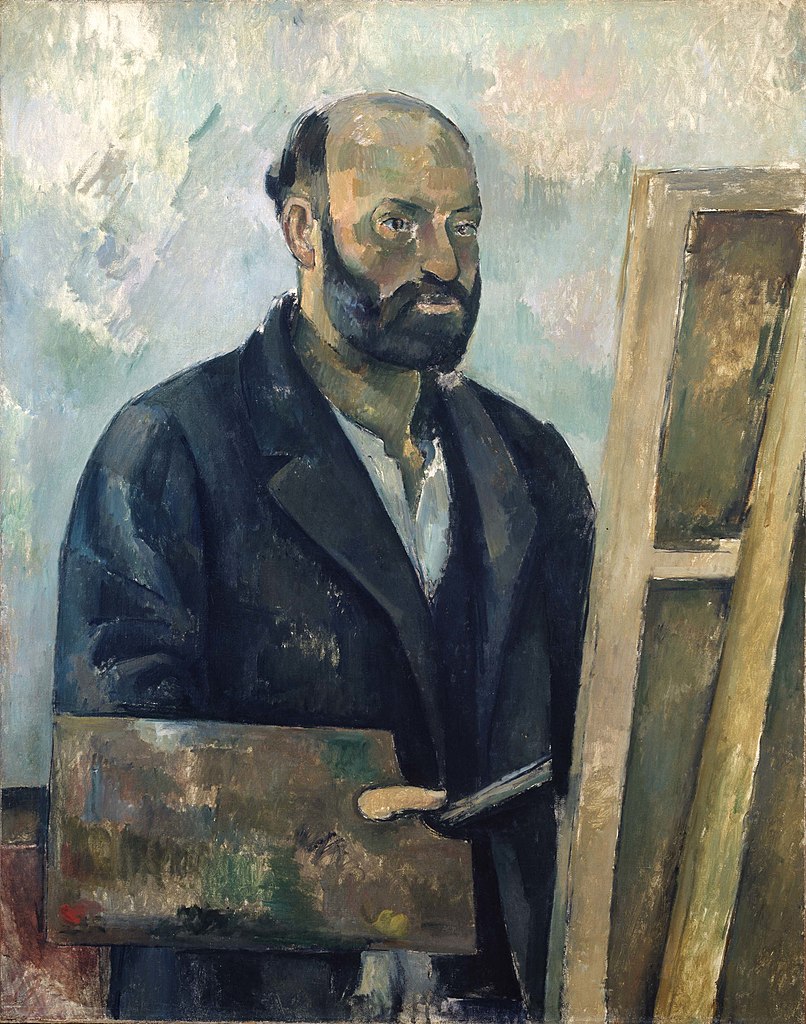
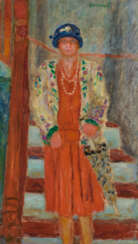
Pierre Bonnard was a distinguished French painter and printmaker, recognized as one of the foremost colorists of modern art. Born on October 3, 1867, in Fontenay-aux-Roses, France, Bonnard initially pursued law studies before embracing his true calling in art. He attended the École des Beaux-Arts and the Académie Julian, where his journey as an artist began in earnest.
Bonnard's art is characterized by its vibrant use of color and the portrayal of intimate, sunlit domestic interiors and gardens. His works often include scenes populated with friends and family, creating a narrative that is both personal and relatable. His distinctive style was influenced by Japanese prints, evident in his use of bold patterns and flat color planes. This influence earned him the nickname "Le Nabi très japonard" among his peers in the Les Nabis group, an avant-garde artists' group he joined in his twenties.
His early work, such as "Woman in Checkered Dress" (1890), showcases the influence of Japanese prints. Bonnard's talent was evident from the beginning of his career, with Claude Roger-Marx noting in 1893 his ability to capture fleeting poses and expressions. His work evolved over time, moving towards a style that resonated with the Intimists' focus on personal and intimate spaces.
Bonnard's wife, Marthe, was a recurring subject in his paintings, often depicted in everyday scenarios. Their relationship, spanning several decades, was a significant influence on his work. His paintings, such as "Dining Room on the Garden" and "Landscape at Le Cannet," demonstrate his mastery in capturing light and color, creating a sense of warmth and intimacy.
Bonnard's work remains influential and celebrated, with his paintings held in esteemed collections worldwide. His ability to transform everyday scenes into vibrant, color-filled canvases has made him a beloved figure in the world of modern art.
Art collectors and experts in the field will find Bonnard's work a study in the transformative power of color and composition. For those interested in staying updated on sales and auction events related to Pierre Bonnard's works, signing up for updates would provide valuable insights into this remarkable artist's enduring legacy.





Kees van Dongen was a Dutch-French painter renowned for his vivid and expressive works that placed him at the forefront of the Fauvist movement. Born in 1877 in Delfshaven, Netherlands, van Dongen's journey into the art world began with his education at the Akademie voor Beeldende Kunsten in Rotterdam. His move to Paris in 1897 marked a pivotal moment in his career, immersing him in the bustling avant-garde scene and connecting him with influential circles, including Pablo Picasso and the Fauves. Van Dongen's art, characterized by its striking use of color and bold brushwork, captured the essence of his subjects with a unique blend of realism and abstraction.
Van Dongen's work evolved significantly over time, initially influenced by the dark tones of his Dutch heritage and the works of Rembrandt. His encounter with Fauvism around 1906 brought a dramatic shift towards brighter, more vibrant colors, marking his most iconic phase. His ability to capture the sensuousness and personality of his subjects made him a sought-after portraitist among the French bourgeoisie and celebrities of his time. Notable works include "Femme aux bas noirs" (Woman with Black Stockings), "Les lutteuses" (Lutteuses du Tabarin), and "The Dancer Anita," showcasing his fascination with the human figure, particularly sensuous depictions of women.
Beyond his remarkable contributions to Fauvism, van Dongen's ventures into illustration and his role as a society portraitist underscore his diverse talents and adaptability to the changing tastes of the art market. His works are celebrated in major collections worldwide, including the Hermitage Museum and the National Gallery of Denmark, affirming his lasting impact on the art world.
Collectors and art experts continue to appreciate van Dongen's work for its bold experimentation with color, form, and the evocative portrayal of his subjects. His legacy lives on as a testament to the vibrancy and dynamism of early 20th-century modern art.
For those keen to explore van Dongen's captivating works further and stay informed about new discoveries, exhibitions, and auction events related to his art, signing up for updates is a must. This ensures direct access to the latest sales and scholarly insights into the painter's rich oeuvre, a valuable resource for collectors and enthusiasts alike.
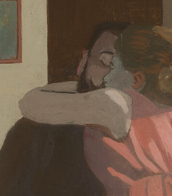
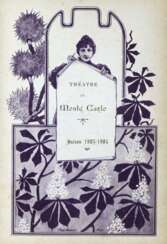



Gustave Caillebotte was a French Impressionist painter, collector, patron of art and impresario.
Caillebotte was born into a noble and wealthy family, educated as an engineer and lawyer, but became interested in painting and studied at the Paris School of Fine Arts. In 1874 he met Pierre-Auguste Renoir and Claude Monet and presented his work at Impressionist exhibitions. Over the next six years, Caillebotte became the chief organizer, promoter and financial sponsor of Impressionist exhibitions, and used his fortune to purchase works by other Impressionists, notably Monet, Renoir, Camille Pissarro, Paul Cézanne, Edgar Degas, Alfred Sisley and Berthe Morisot.
Caillebotte bequeathed his collection of paintings to the state, some of which later formed the basis of the Impressionist collection at the Musée d'Orsay.
In his paintings, Caillebotte combined in a unique synthesis of academic, realistic and impressionist styles. He painted many family scenes, interiors and landscapes, as well as domestic scenes and streets of Paris.


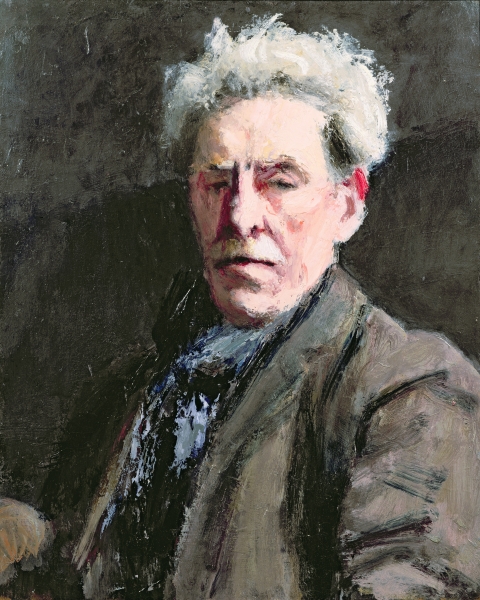
The Irish painter Roderic O'Conor was a pivotal figure in the post-impressionist movement during the late 19th and early 20th centuries. Aligning with the Pont-Aven School, his work thrived in France amidst the artistic revolution of the 1880s and 1890s.
O'Conor's artistic methodology was profoundly influenced by his time in France, spanning nearly five decades. His signature technique, characterized by thick, adjacent strokes of rich, contrasting colors, owes much to the discoveries of the Divisionists and Vincent Van Gogh.
His journey also included a transformative Parisian period beginning in 1886, marked by experimentation and innovation. Later, his Bretagne sojourn from 1891 to 1904 was interspersed with managing inherited estates back in Ireland, which allowed him financial independence from his painting sales. O'Conor's final years from 1934 until his passing in 1940 were spent in Nueil-sur-Layon.
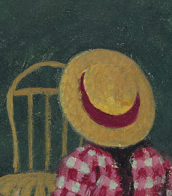
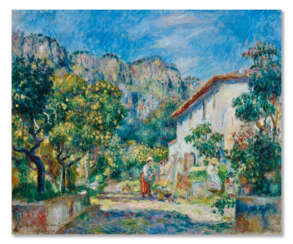

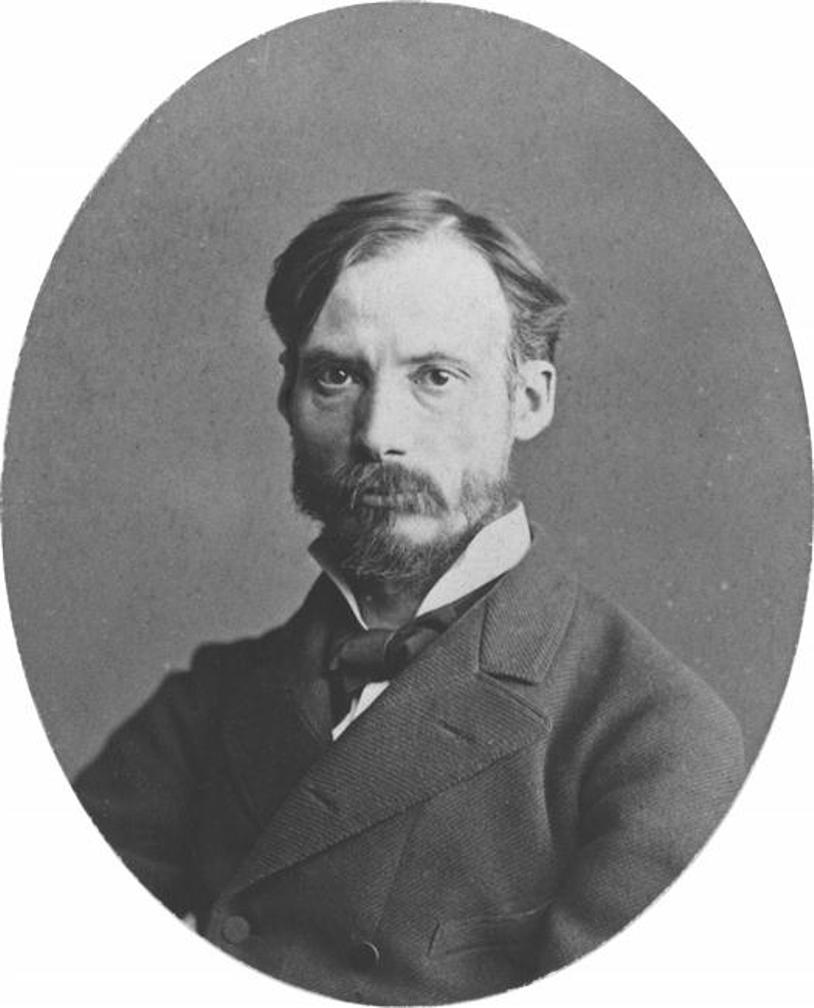
Pierre-Auguste Renoir was a French artist, celebrated as a pivotal figure in the development of the Impressionist movement. Born in Limoges, France, in 1841, Renoir's early experiences in Paris and his apprenticeship as a porcelain painter laid the foundation for his illustrious career in art. His transition to painting was marked by an early fascination with the play of light and color, which became a hallmark of his work. Renoir's paintings are renowned for their vibrant light and saturated color, often focusing on people in intimate and candid compositions. This focus on beauty and a particular affinity for capturing the sensuality of the female form distinguished his work from his contemporaries.
Renoir's contributions to Impressionism were significant, characterized by his use of bright colors and a technique that captured the movement and luminosity of the scene. His evolution as an artist saw him experimenting with a more linear and classical style, especially after his travels to Italy, where he was deeply influenced by the Renaissance masters. Despite facing personal challenges, including severe rheumatoid arthritis in his later years, Renoir's passion for painting never waned. His determination saw him adapting his painting technique to his physical limitations, ensuring that his creative output remained prolific until his death in 1919.
Among Renoir's notable works are "Bal du moulin de la Galette" (1876), "Luncheon of the Boating Party" (1880), and "Girls at the Piano" (1892). These masterpieces exemplify the essence of Impressionist art with their depiction of light, movement, and everyday life. Renoir's works are housed in prestigious museums around the world, serving as a testament to his enduring legacy in the realm of art.
For art collectors and experts, Renoir's oeuvre represents an essential segment of the Impressionist movement, offering insights into the evolution of modern art. His mastery in portraying the beauty of the moment and the depth of human emotion continues to captivate and inspire audiences worldwide.
If you are passionate about collecting or studying the works of Pierre-Auguste Renoir, we invite you to sign up for updates on new product sales and auction events related to this iconic artist. Stay informed about the opportunity to own a piece of art history and deepen your appreciation for the rich tapestry of culture and art that Renoir helped weave.



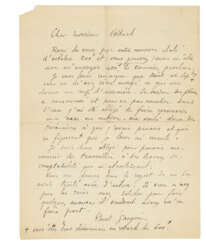


Paul Gauguin, a French artist born in Paris in 1848, is renowned for his significant contributions to Post-Impressionism, Primitivism, and Synthetism. Gauguin's art is distinguished by his experimental use of color and style, which set him apart from the traditional Impressionist movement.
Gauguin's early life was marked by a period in Peru, which influenced his artistic perspective. Initially, he pursued a career in stockbroking but soon turned to art, driven by financial necessity and a growing passion. His artistic journey began under the mentorship of Impressionist artist Camille Pissarro and through exposure to the works of other avant-garde artists.
The hallmark of Gauguin's work is his exploration of non-Western cultures, particularly during his time in Tahiti and the Marquesas Islands. This period saw the creation of some of his most famous works, including "Where Do We Come From? What Are We? Where Are We Going?" His paintings from this era, characterized by vivid colors and Symbolist themes, reflect a fusion of cultural influences and his quest for a "primitive" expression of spiritual and emotional states.
Despite his innovative style, Gauguin struggled with financial difficulties and health issues throughout his life. His work received little recognition during his lifetime, but posthumously, he gained acclaim for influencing modern artists like Pablo Picasso and Henri Matisse.
Today, Gauguin's works are celebrated in galleries and museums worldwide for their unique blend of cultural influences and artistic innovation. His enduring legacy is a testament to his unique vision and the profound impact he had on the art world.
Collectors and experts in art and antiques, stay updated on new product sales and auction events related to Paul Gauguin. Sign up now for exclusive updates and immerse yourself in the world of this visionary artist.


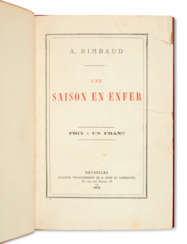

Jean Nicolas Arthur Rimbaud was a French poet. He wrote poetry only in his early youth and withdrew after 1873. He was known for his pioneering contributions to Symbolist poetry and his unconventional approach to writing.
Arthur Rimbaud's poetry, written in his teens, challenged the conventional wisdom of poetry and included themes of love, spirituality and exploration of self. His work is characterized by its vivid imagery, strong emotions and innovative use of language.
In his poetry, Rimbaud departed radically from traditional forms and techniques, incorporating surrealist and visionary elements. He sought to push the boundaries of language and experience, often blurring the line between reality and imagination.
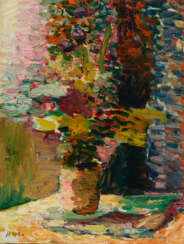

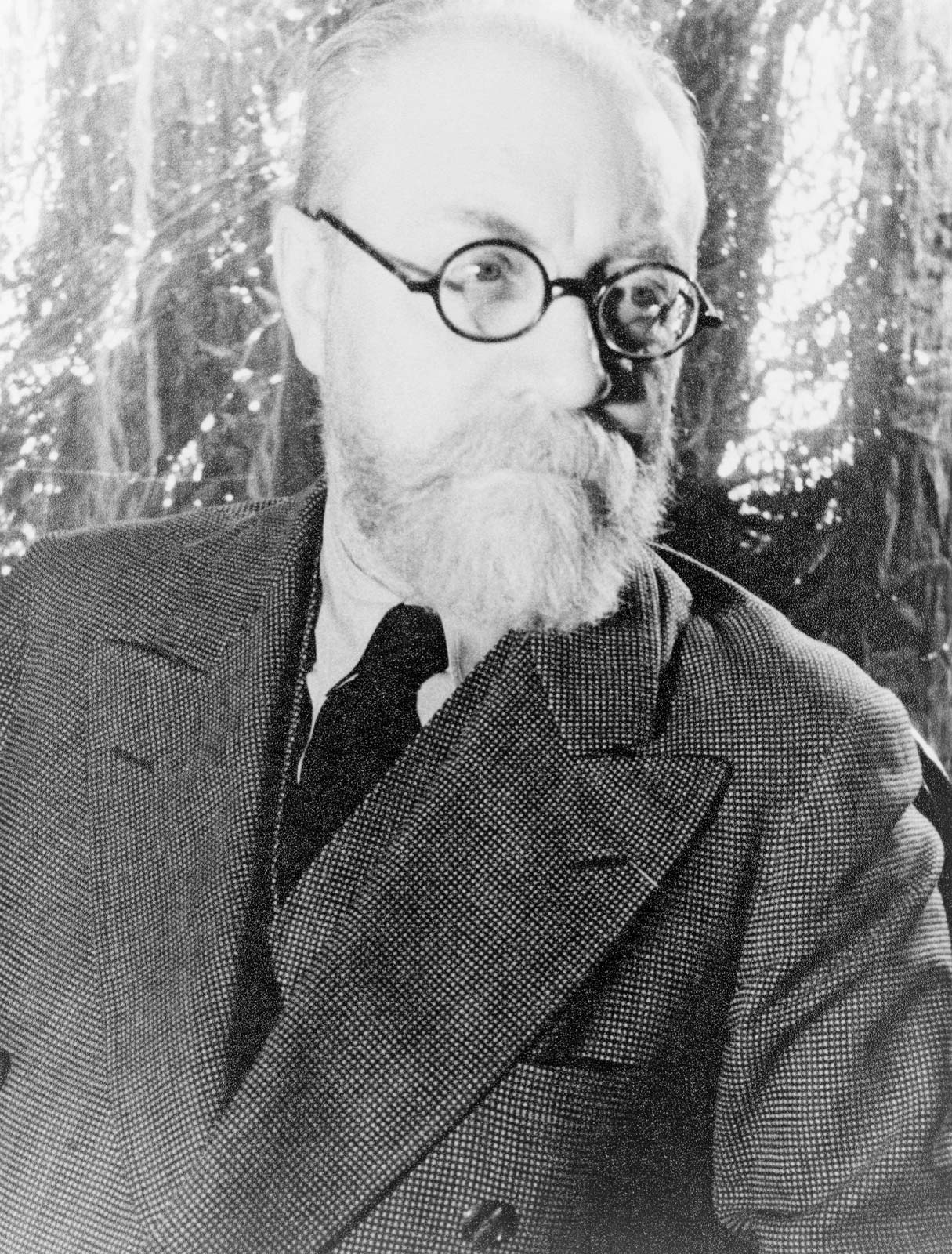
Henri Matisse, a renowned French visual artist, was celebrated for his vibrant use of color and fluid, original draughtsmanship. Born on December 31, 1869, in Le Cateau-Cambrésis, France, Matisse initially pursued a career in law before turning to art. He first began painting in 1889, a change inspired by convalescence art supplies his mother provided. This marked the beginning of a journey that would see him become a leading figure in modern art.
Matisse's career is notable for its stylistic evolution yet consistent aim to capture the "essential character of things." His early works, characterized by intense colorism, earned him recognition as one of the Fauves, or "wild beasts." The period from 1908 to 1913 was marked by significant developments, with works like "Reclining Odalisque" and "The Red Studio" showcasing his mastery in balance and serenity. In the 1920s, his style evolved to more relaxed forms, with a focus on light, color, and decorative patterns in paintings like his odalisque series.
Matisse's exploration of various mediums, including sculpture and paper collage, reflects his innovative spirit. His later years were dominated by cut paper collages, as health challenges limited his ability to paint. These works, alongside his bold drawings and sculptures, cemented his status as a pioneer in visual art.
For collectors and art experts, Matisse's work remains a testament to creative evolution and expressive use of color and form. His masterpieces can be found in prominent museums and galleries worldwide, continuing to inspire and fascinate art enthusiasts.
To stay updated on new product sales and auction events related to Henri Matisse's art, sign up for our updates. This subscription will keep you informed about opportunities to appreciate and acquire works connected to this iconic artist.
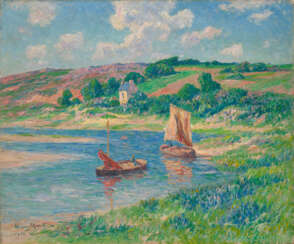

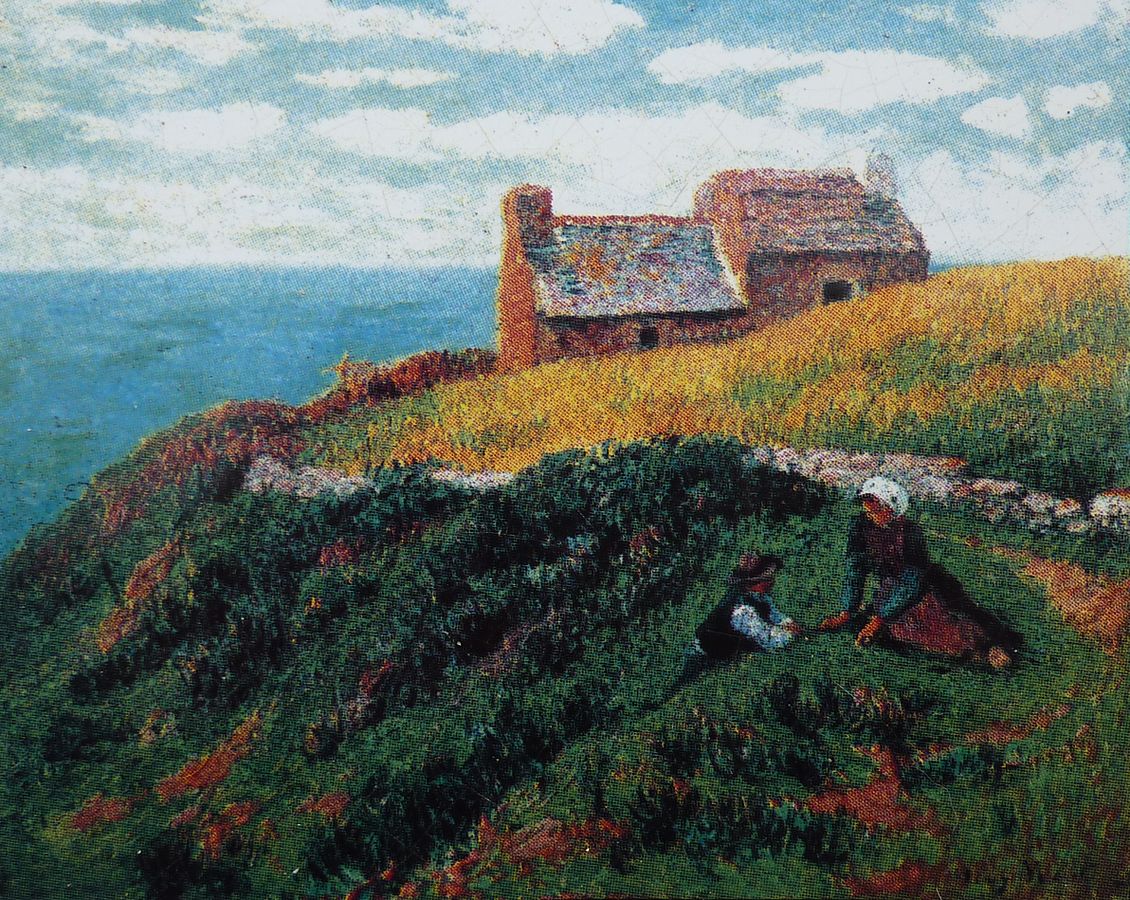
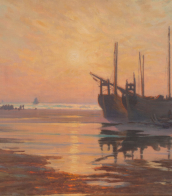
Henry Moret was a French Impressionist painter. He was one of the artists who associated with Paul Gauguin at Pont-Aven in Brittany. He is best known for his involvement in the Pont-Aven artist colony and his richly colored landscapes of coastal Brittany.