ai from image

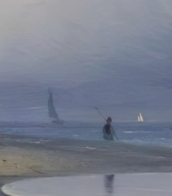
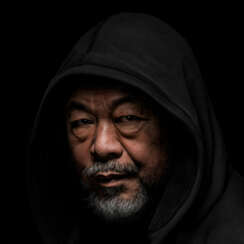

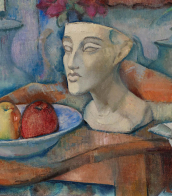
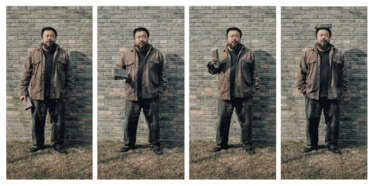



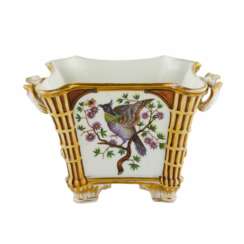

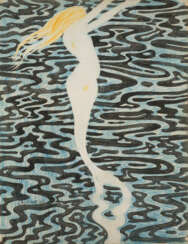

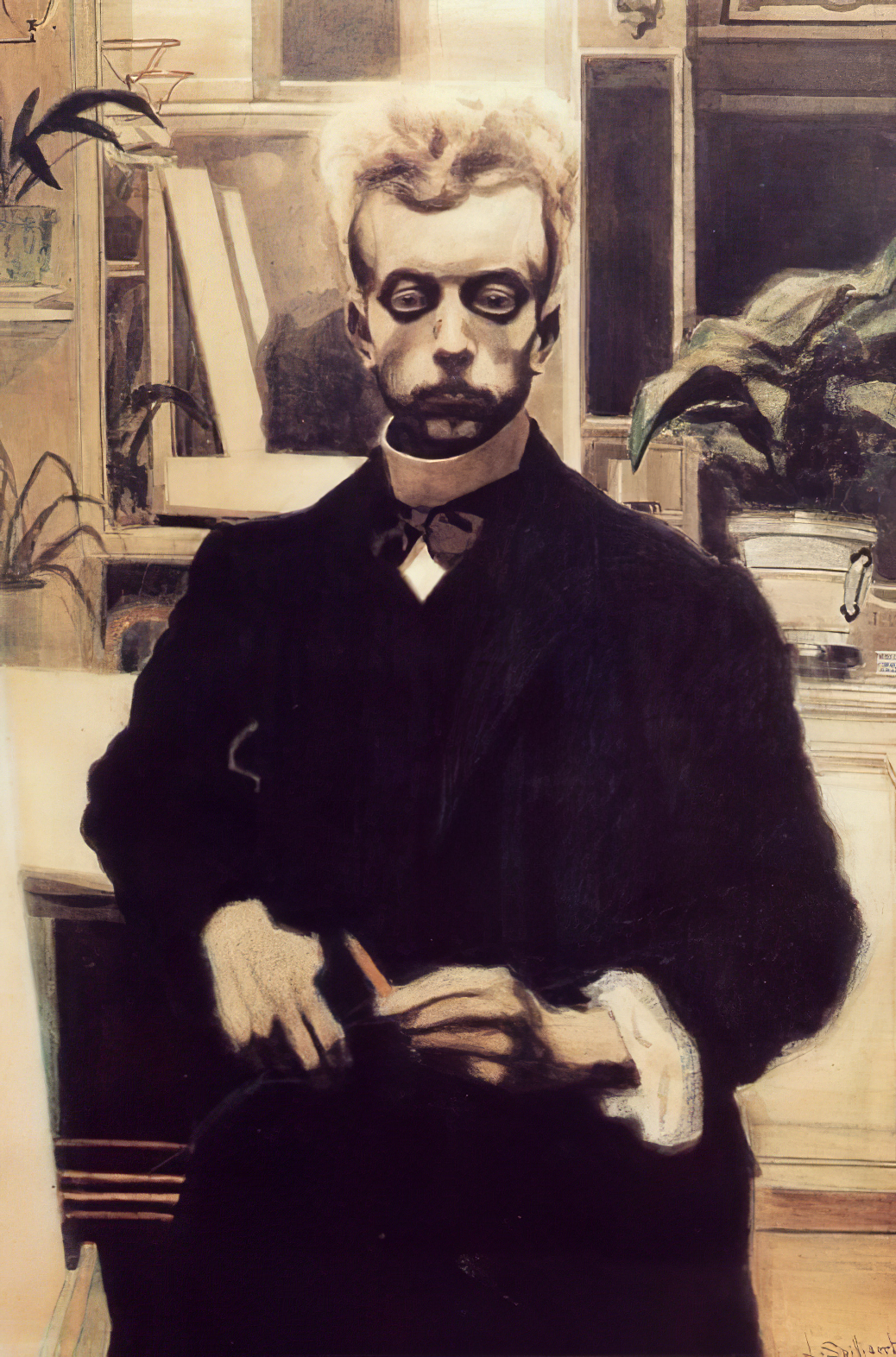
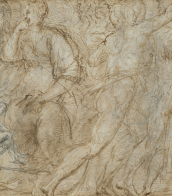
Léon Spilliaert was a Belgian artist. He is known for his unique style of symbolism, with many of his works featuring dream-like landscapes, eerie still lifes, and enigmatic figures.
Spilliaert grew up in a wealthy family, and he initially studied architecture before turning to art. He was largely self-taught, and his work was heavily influenced by the Belgian symbolist movement, as well as the works of artists such as James Ensor and Edvard Munch.
Spilliaert was particularly interested in exploring the mysteries of the human psyche, and many of his works reflect a sense of unease or uncertainty. He often used strong contrasts of light and shadow to create a sense of drama and tension in his works, and his use of color was often muted and subdued.
Despite his success as an artist, Spilliaert was a deeply private individual, and he rarely exhibited his work during his lifetime. He continued to work throughout his life, however, producing a large body of haunting and enigmatic works that continue to captivate audiences today.
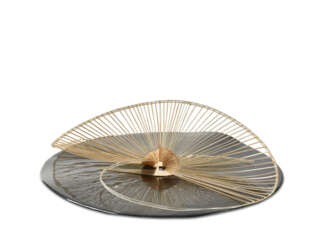

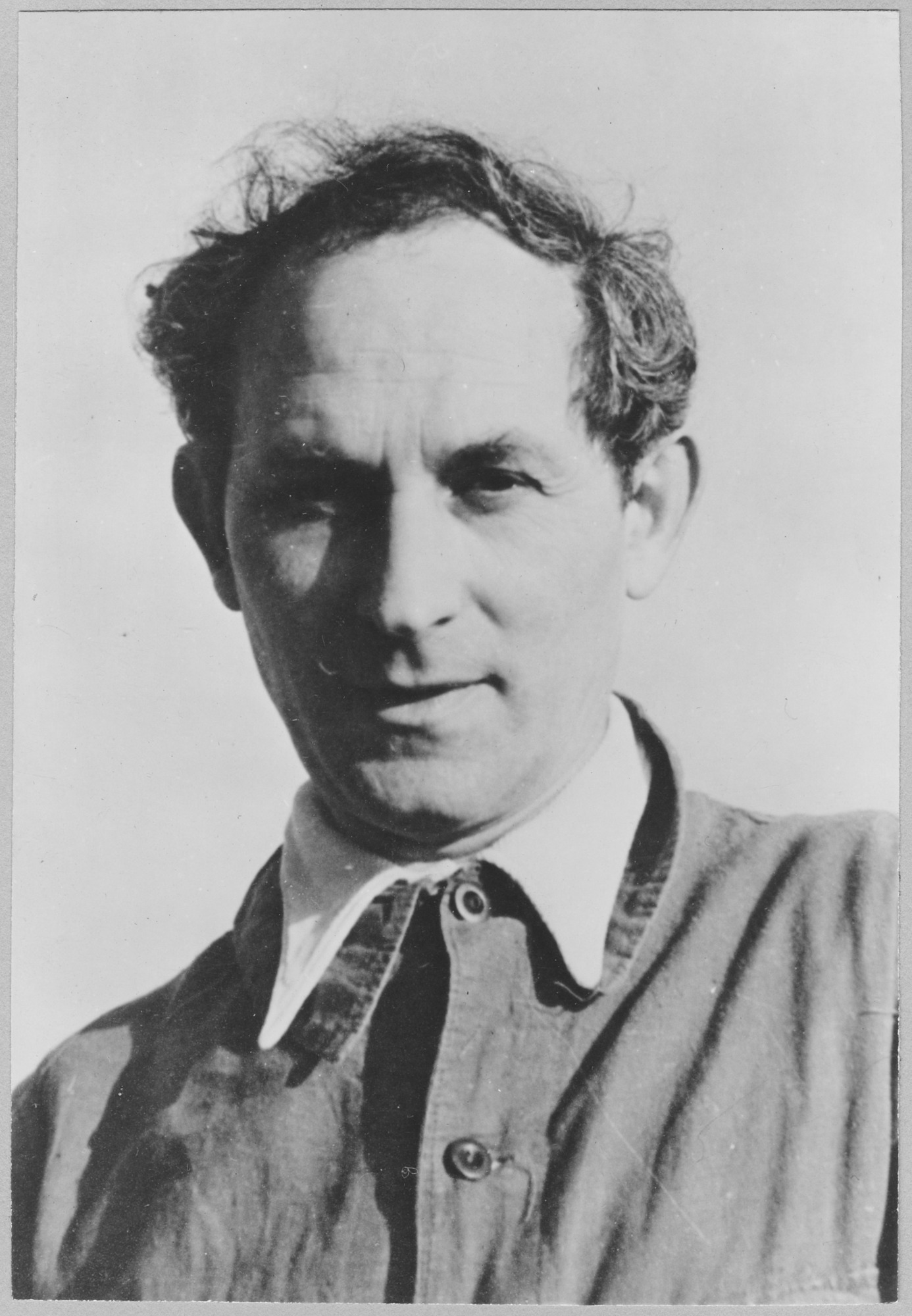
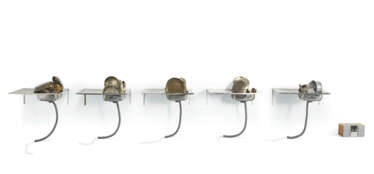
Naum Gabo, a pivotal figure in the evolution of twentieth-century sculpture, was a Russian-American artist renowned for his innovative approach to constructivism and kinetic art. Gabo's artistry transcended mere form to delve into the philosophical and spatial dynamics of sculpture, marking him as a pioneer in his field. He significantly influenced the avant-garde movements across Europe, particularly with his manifesto that challenged the concepts of Cubism and Futurism, advocating for art that embraced abstract reality and spiritual experience. His tenure at VKhUTEMAS, alongside notable contemporaries like Kandinsky and Rodchenko, was a testament to his influential role in post-Revolution Russian art.
Gabo's use of materials such as metal and glass was not just a stylistic choice but a profound exploration of volume and space without the reliance on mass, embodying the Constructivist ideology of functional art. His works, like "Column," showcased his interest in creating sculptures that resonated with intellectual and emotional appeal rather than just physical senses. This innovative approach to sculpture continued throughout his career, evident in his contributions to both the art and architectural domains, including his experimental architectural designs like the proposal for the Palace of the Soviets.
Throughout his life, Gabo's artistic journey was marked by a constant exploration of the interplay between space and time, evident in pieces such as "Spiral Theme" and his involvement in kinetic sculpture. His move across countries, from Russia to the United States, was reflective of his quest for new artistic contexts and his escape from political turmoil. Gabo's legacy is preserved in significant collections and museums worldwide, including the Museum of Modern Art (MoMA) in New York, where his works continue to inspire and captivate audiences.
For those intrigued by Naum Gabo's profound impact on modern sculpture and constructivism, signing up for updates can enrich your knowledge and keep you informed about upcoming sales and auction events featuring his work. This is an opportunity to explore the depths of Gabo's contributions to art and architecture, ensuring enthusiasts and collectors stay connected to his enduring legacy.

_IV.jpg)
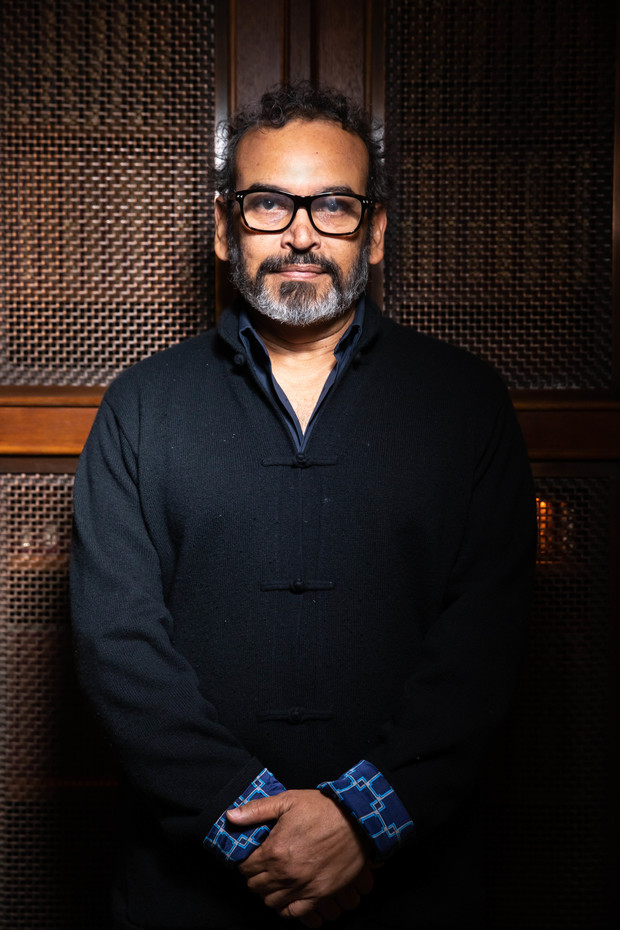
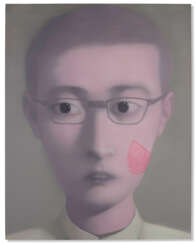
Zhang Xiaogang (Chinese: 张晓刚, pinyin Zhāng Xiǎogāng) is a famous contemporary Chinese surrealist painter and sculptor. He gained his literary youth during the Cultural Revolution in China, which has had a profound influence on his work. Among his best-known works are his series of paintings entitled Ancestry, Amnesia and Memory, and Tiananmen Square. Since 1997 his works have been exhibited in New York, Paris, Tokyo, Prague and other cities.

.jfif)
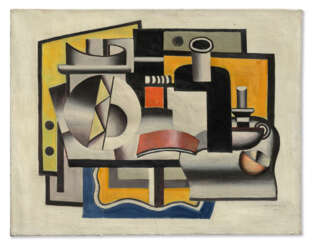
Joseph Fernand Henri Léger was a French artist renowned for his innovative approach to Cubism and his transition towards a figurative, populist style. Born in Argentan, Orne, Lower Normandy, Léger's early career was marked by a stint as an architectural draftsman and a series of educational pursuits that eventually led him to Paris, where he embraced painting seriously. His artistic journey was significantly influenced by the bold abstractions of Cubism, characterized by geometric shapes and a vibrant palette, distinguishing his work from his contemporaries with what came to be known as "Tubism".
Léger's service in World War I profoundly impacted his artistic direction, leading him to adopt a 'mechanical' style that depicted the modern industrial world with sleek, tubular forms. This period saw creations like "Soldier with a Pipe" and "The Card Players," reflecting his war experiences and the mechanical aesthetics of the time. The post-war era encouraged Léger to explore the mechanical style further, evident in works like "The Bargeman" and "Mechanical Elements," highlighting the pace of technological advancement.
Throughout his career, Léger's work evolved, notably in the 1920s, where he aligned with Purist ideas, blending classicism with modernity. This phase is exemplified in "Woman with a Cat," showcasing a classical form with a modern, polished finish. By the 1930s, Léger's art took a more figurative, populist turn, aiming to democratize contemporary art and make it more accessible. His commitment to art education, especially for the common worker, underscored his belief in the social role of art.
For those intrigued by Joseph Fernand Henri Léger's groundbreaking contributions to modern art, his works can be found in prestigious museums worldwide. His legacy continues to inspire art collectors and enthusiasts alike. To stay updated on exhibitions and auction events featuring Léger's work, sign up for updates and embrace the unique opportunity to explore the richness of his artistic endeavors.


.jpg)
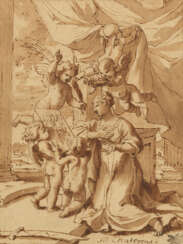
Jean-François Millet was a French artist and one of the founders of the Barbizon school in rural France. Millet is noted for his paintings of peasant farmers and can be categorized as part of the Realism art movement. Toward the end of his career, he became increasingly interested in painting pure landscapes. He is known best for his oil paintings but is also noted for his pastels, conte crayon drawings, and etchings.
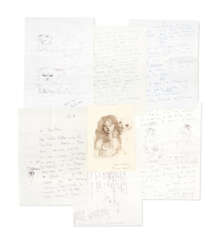

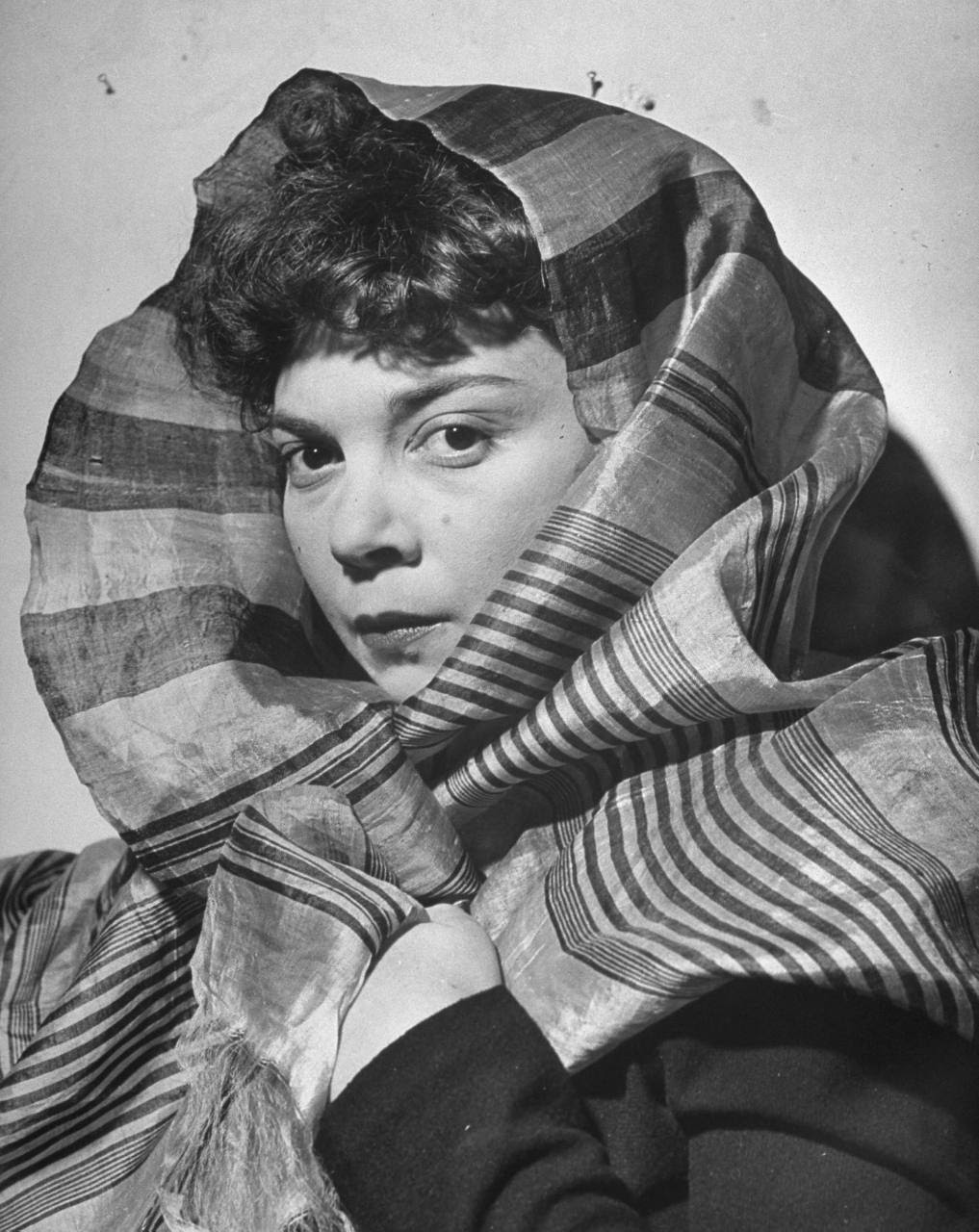
Leonor Fini was an Argentinian born Italian surrealist painter, designer, illustrator, and author, known for her depictions of powerful and erotic women.


Joseph Fernand Henri Léger was a French artist renowned for his innovative approach to Cubism and his transition towards a figurative, populist style. Born in Argentan, Orne, Lower Normandy, Léger's early career was marked by a stint as an architectural draftsman and a series of educational pursuits that eventually led him to Paris, where he embraced painting seriously. His artistic journey was significantly influenced by the bold abstractions of Cubism, characterized by geometric shapes and a vibrant palette, distinguishing his work from his contemporaries with what came to be known as "Tubism".
Léger's service in World War I profoundly impacted his artistic direction, leading him to adopt a 'mechanical' style that depicted the modern industrial world with sleek, tubular forms. This period saw creations like "Soldier with a Pipe" and "The Card Players," reflecting his war experiences and the mechanical aesthetics of the time. The post-war era encouraged Léger to explore the mechanical style further, evident in works like "The Bargeman" and "Mechanical Elements," highlighting the pace of technological advancement.
Throughout his career, Léger's work evolved, notably in the 1920s, where he aligned with Purist ideas, blending classicism with modernity. This phase is exemplified in "Woman with a Cat," showcasing a classical form with a modern, polished finish. By the 1930s, Léger's art took a more figurative, populist turn, aiming to democratize contemporary art and make it more accessible. His commitment to art education, especially for the common worker, underscored his belief in the social role of art.
For those intrigued by Joseph Fernand Henri Léger's groundbreaking contributions to modern art, his works can be found in prestigious museums worldwide. His legacy continues to inspire art collectors and enthusiasts alike. To stay updated on exhibitions and auction events featuring Léger's work, sign up for updates and embrace the unique opportunity to explore the richness of his artistic endeavors.



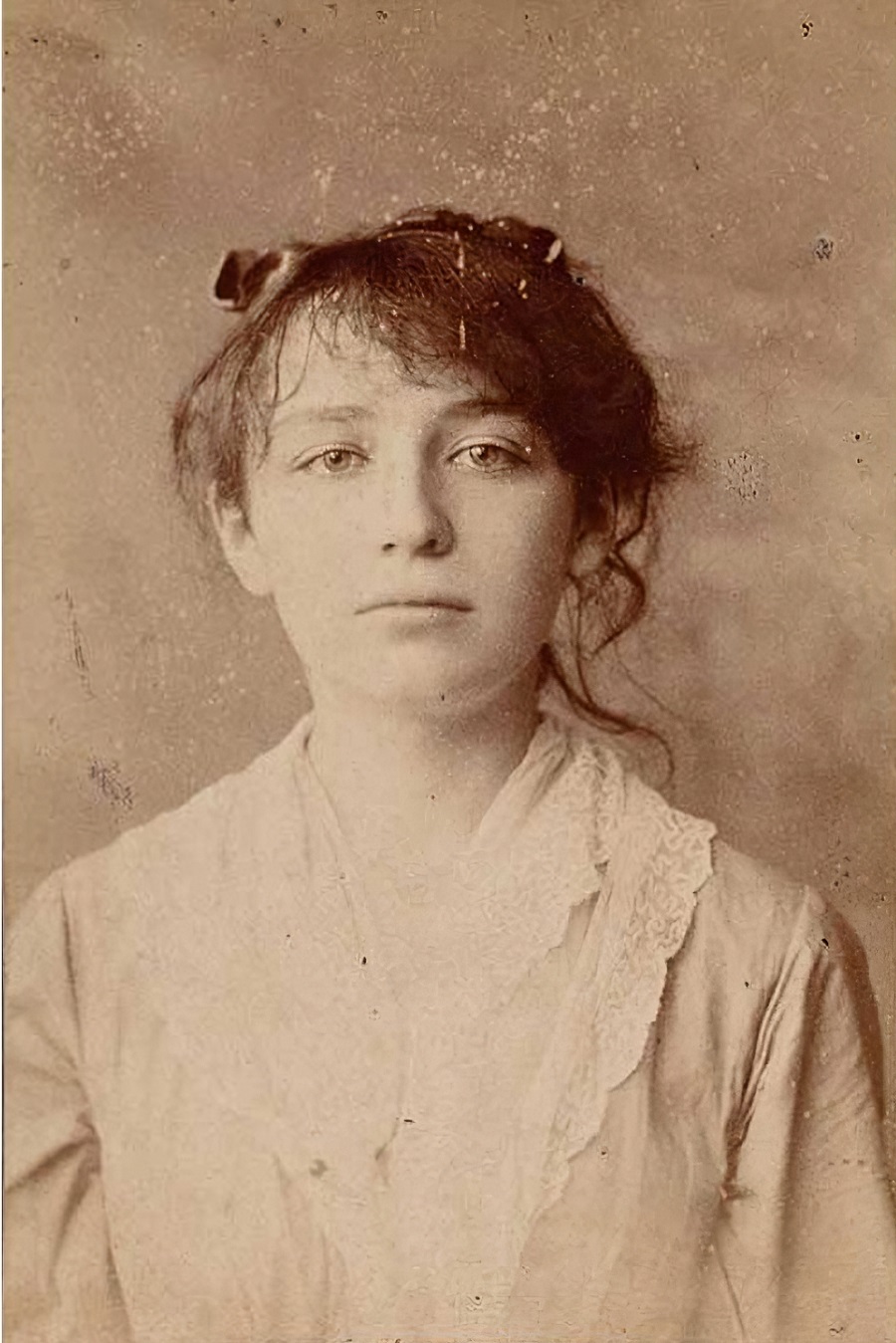
Camille Claudel was a French sculptor. She is known for her powerful and emotionally charged sculptures, which often portrayed human figures in moments of intense emotion or turmoil.
Claudel studied art in Paris under the tutelage of Auguste Rodin, and the two became lovers and collaborators for several years. Her work was heavily influenced by Rodin's style, and she often portrayed human bodies with a sense of fluidity and movement that was characteristic of his work.
Claudel's sculptures were praised for their technical skill and emotional intensity, but she struggled to gain recognition as an artist in her own right. She was frequently dismissed as simply a student of Rodin, and her personal life was marked by a series of setbacks and tragedies.
In 1913, Claudel suffered a nervous breakdown and was committed to a mental institution by her family, where she remained for the rest of her life. Her work was largely forgotten until the late 20th century, when a renewed interest in her life and career led to a reassessment of her place in the history of modern art. Today, her sculptures are celebrated for their technical virtuosity and emotional power, and her story has become an inspiration to many artists and scholars.
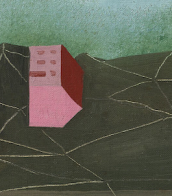
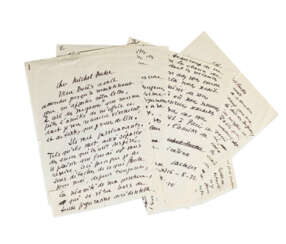

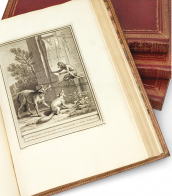


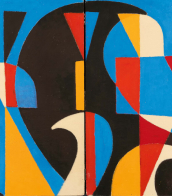


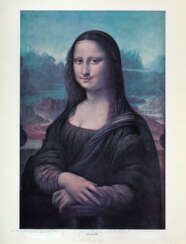

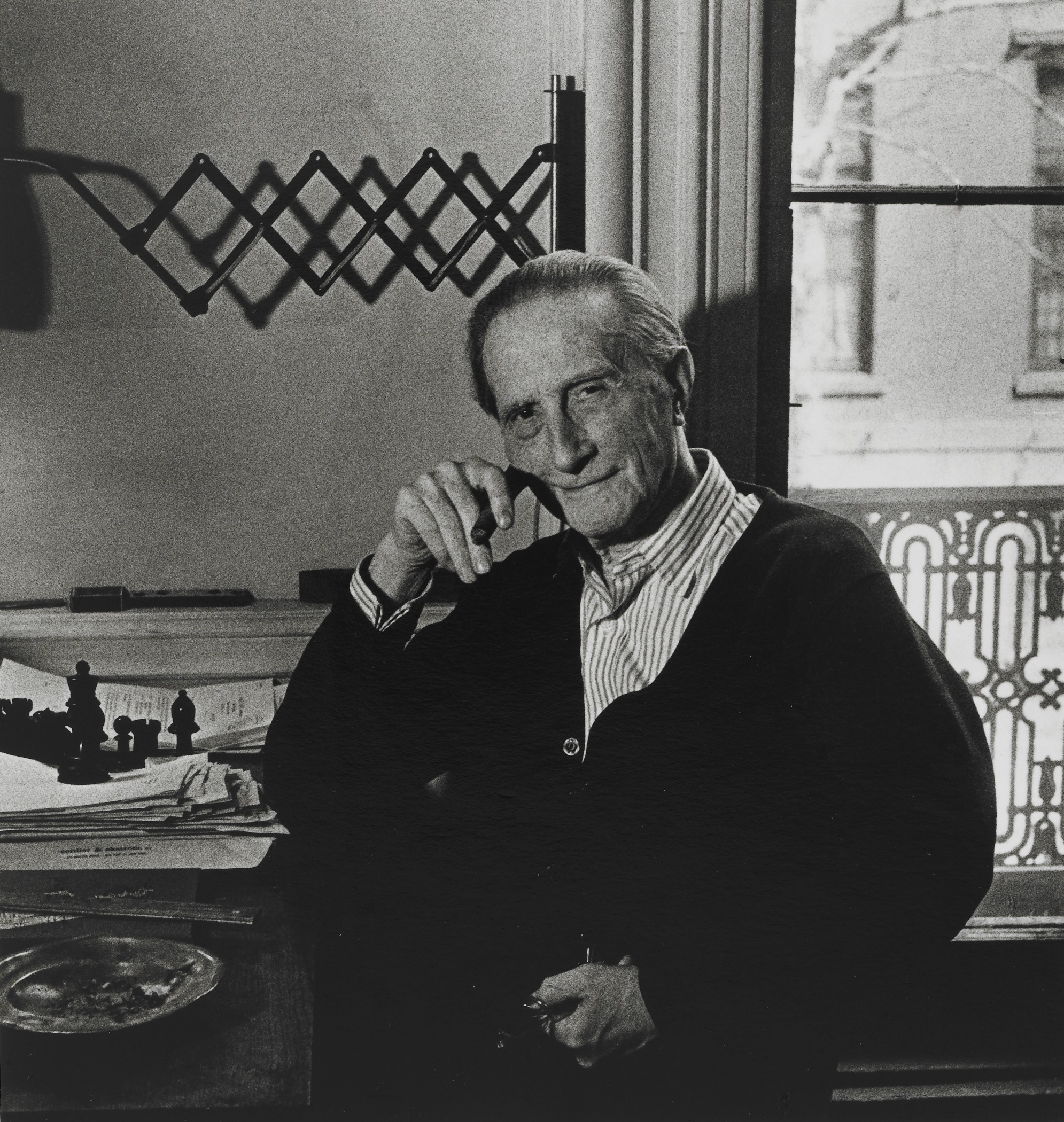
Henri-Robert-Marcel Duchamp, a pioneering French artist, is celebrated for his profound influence on 20th-century art and culture. Duchamp's work transcended traditional mediums, embracing painting, sculpture, and conceptual art, thereby redefining the very nature of artistic creation. His audacious approach to art, marked by intellectualism and wit, challenged conventional perceptions of beauty and utility, making him a central figure in the development of modern and postmodern art.
Duchamp's most notable contributions include his ready-mades—ordinary manufactured objects that he selected and presented as art. This innovative concept questioned the role of the artist and the creation process, exemplified by his famous piece, "Fountain," a porcelain urinal that radically altered the landscape of art by its mere presentation in 1917. His other significant works, like "Nude Descending a Staircase, No. 2," showcased his fascination with movement and mechanization, further cementing his legacy as a visionary.
Duchamp's influence extends beyond his creations, as he played a vital role in shaping the Dada movement and conceptual art. His ideas and artworks continue to inspire artists, collectors, and experts in the fields of art and antiques. Museums and galleries worldwide, including the Philadelphia Museum of Art and the Museum of Modern Art in New York, proudly house his works, attesting to his enduring relevance.
For those keen on exploring the intersections of art, culture, and history, Duchamp offers a rich tapestry of innovation and controversy. Collectors and art enthusiasts are invited to sign up for updates on new product sales and auction events related to Henri-Robert-Marcel Duchamp, ensuring they remain at the forefront of developments in this captivating domain.
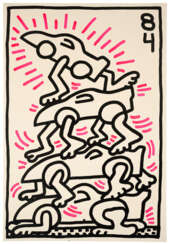

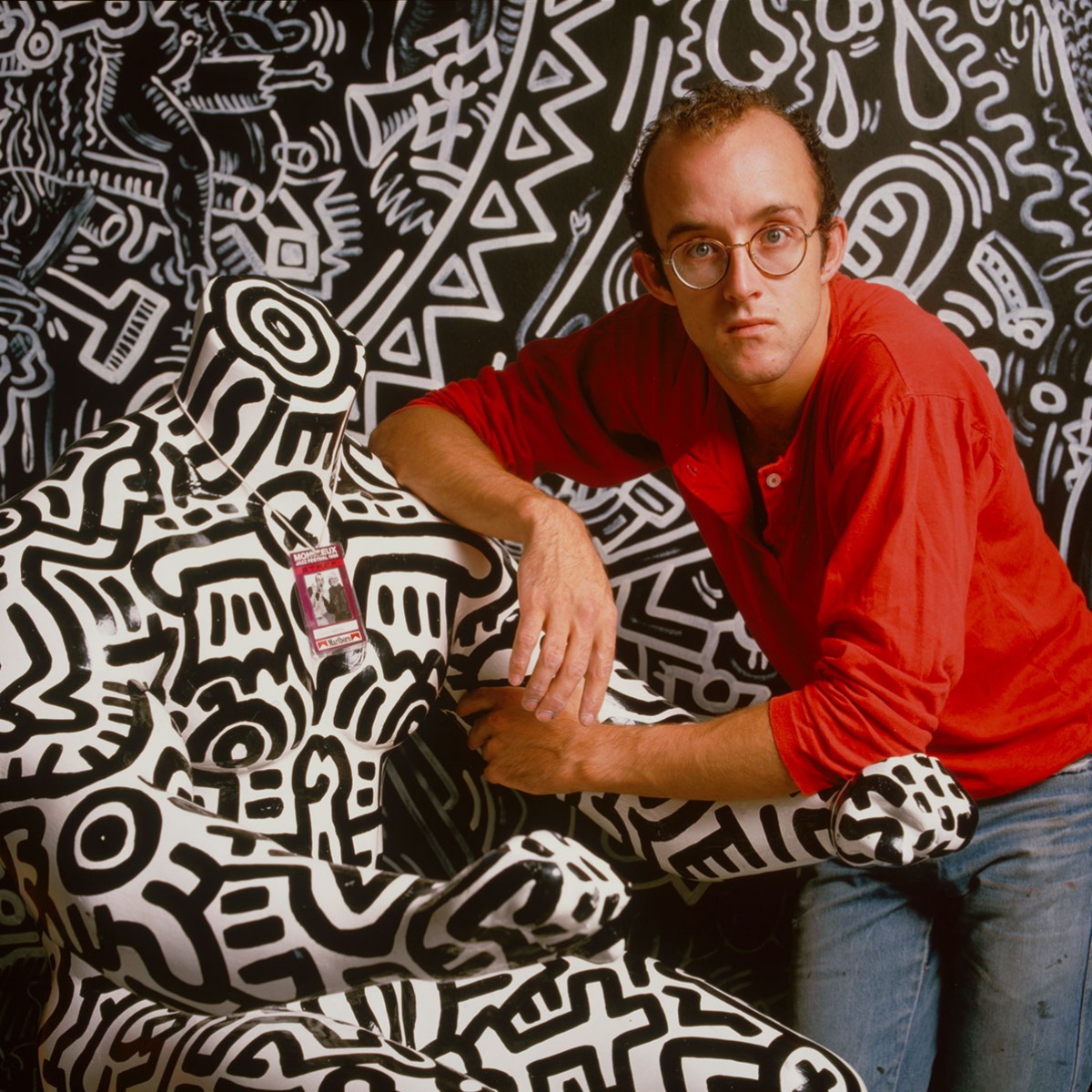
Keith Allen Haring was an iconic American artist, recognized globally for his distinctive contributions to painting, sculpture, and art culture. Haring's work is celebrated for its vibrant, dynamic imagery and its profound social activism, which addressed critical themes such as AIDS awareness, racial inequality, and the empowerment of communities through art. His art transcends conventional galleries, marking its presence in public spaces, museums, and collections worldwide, thereby democratizing art access and engagement.
Haring's unique approach to art was characterized by bold lines, vivid colors, and animated figures, which not only attracted art collectors and experts but also resonated with a broader audience. His ability to blend art with activism, using public spaces as his canvas, was revolutionary. Works like the "Crack is Wack" mural and the untitled piece on the Berlin Wall stand testament to his commitment to societal issues, making him a pioneer in using art as a tool for social change.
Keith Haring's legacy continues through the Keith Haring Foundation, established by the artist in 1989 to support children's programs and organizations dedicated to raising AIDS awareness. The Foundation ensures that Haring's artistic and philanthropic vision persists, facilitating exhibitions and educational initiatives. For collectors and art experts keen on exploring Haring's influential body of work and its impact on contemporary art and culture, his creations offer profound insights into the intersection of art, social activism, and community engagement.
For those interested in staying informed about new product sales, auction events, and exhibitions related to Keith Allen Haring, signing up for updates is a straightforward way to remain connected with the ongoing celebration of his art and humanitarian legacy. This subscription ensures direct access to the latest on Haring's impactful contributions to the world of art and culture.


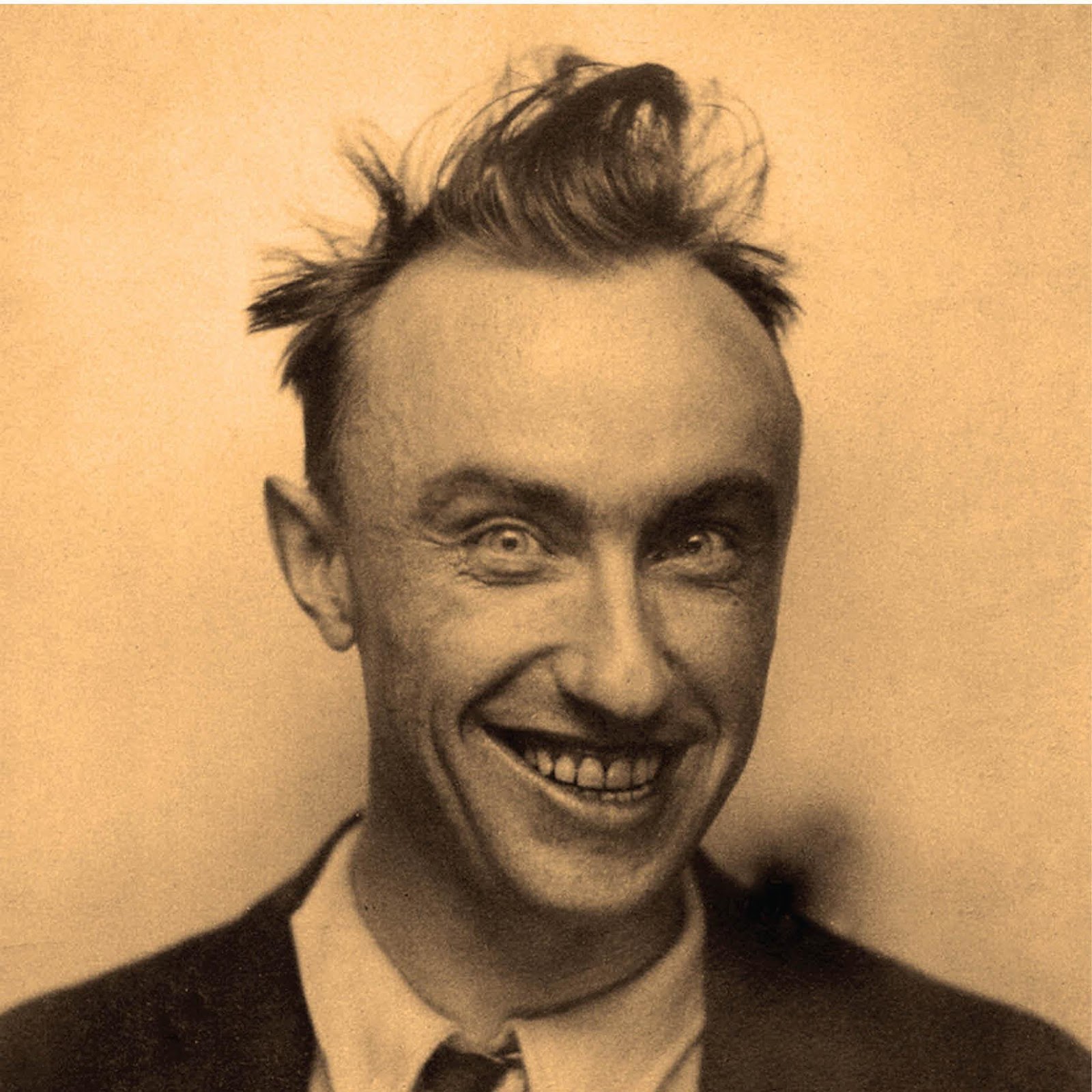
Raymond Georges Yves Tanguy, a French painter, is celebrated for his pivotal role in the Surrealist movement. Born in Paris in 1900, Tanguy's distinctive style is characterized by his meticulous and fantastical landscapes. These dream-like sceneries, populated with abstract shapes and organic forms, evoke a sense of otherworldly mystery and have captivated the imagination of art enthusiasts and collectors alike.
Tanguy's journey into the world of art was somewhat unconventional. Initially drawn to the merchant navy and later to the army, it wasn't until a pivotal encounter with the works of Giorgio de Chirico that Tanguy decided to pursue painting. Despite his lack of formal training, he quickly became a prominent figure in the Surrealist movement, contributing significantly to its ethos and aesthetic. His paintings are renowned for their unique blend of precision and spontaneity, combining elements of the natural world with abstract forms to create enigmatic landscapes that defy conventional interpretation.
Among Tanguy's most notable works are those housed in prestigious institutions such as the Museum of Modern Art in New York and the Tate Modern in London. These pieces serve as a testament to his enduring influence on the world of art and culture. Tanguy's ability to transcend the boundaries of reality and imagination has made his work particularly appealing to collectors and experts in art and antiques, who seek to understand the depths of Surrealism through his visionary eye.
For enthusiasts of Raymond Georges Yves Tanguy's art, staying informed about upcoming sales and auction events is crucial. By signing up for updates, collectors can ensure they never miss an opportunity to acquire a piece of this iconic artist's legacy. This subscription is not only a gateway to exclusive information on new product sales but also a direct line to the heart of the art and antiques world, where the surreal becomes tangible, and the legacy of a master painter continues to inspire.


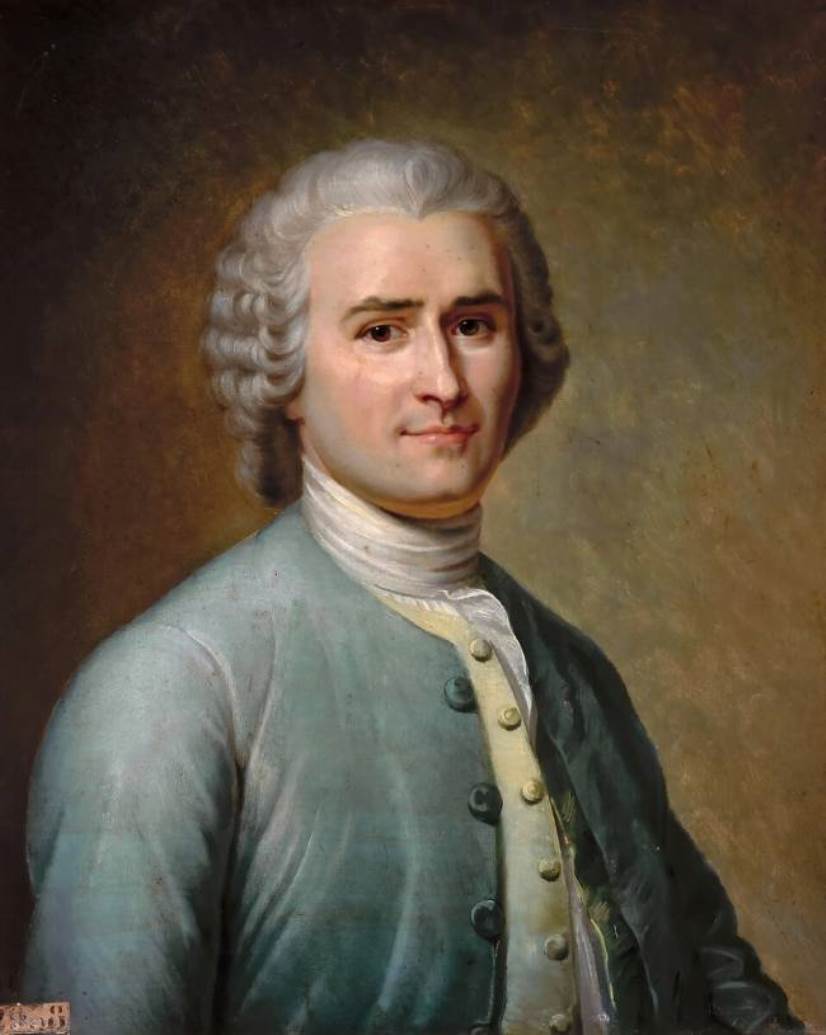
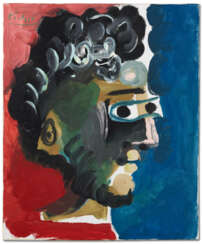

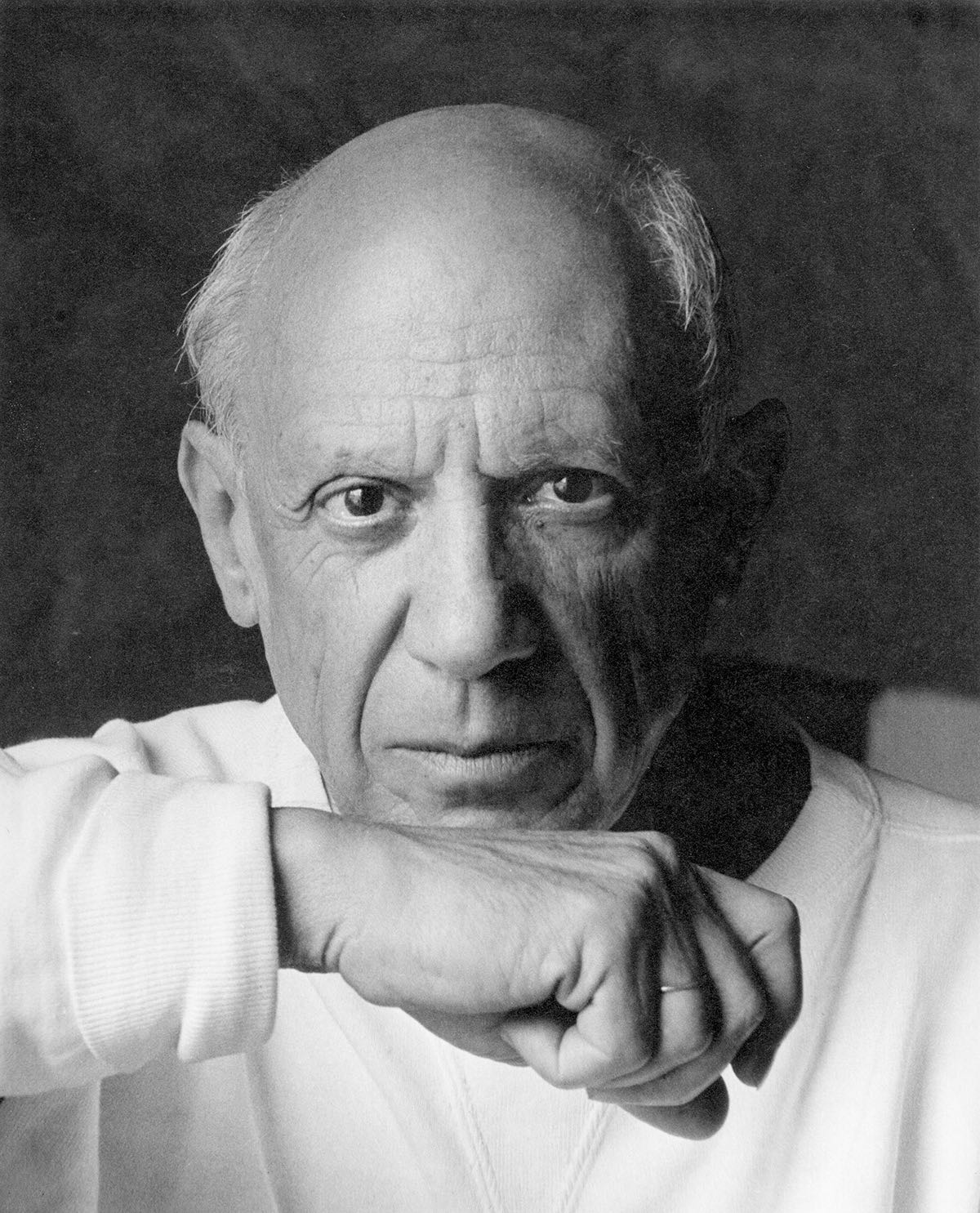
Pablo Ruiz Picasso, a Spanish artist renowned for his revolutionary contributions to the 20th-century art scene, is a figure that resonates profoundly with collectors and art experts. His unique blend of talents in painting, sculpture, printmaking, and ceramic art, infused with his time in France, positioned him as a pivotal character in modern art history.
Picasso's artistic journey was marked by distinct periods, each showcasing his evolving style and genius. His early years were characterized by the Blue Period (1901-1904), followed by the Rose Period (1904-1906), and then the African-influenced Period (1907-1909). Picasso's name is synonymous with Cubism, a movement he co-founded, which significantly altered artistic perspectives and methods. Works like "Les Demoiselles d'Avignon" (1907) and "Guernica" (1937) are emblematic of his cubist legacy, the latter being a poignant anti-war statement that remains influential.
His later years saw a return to more traditional styles, with neoclassical and surrealist influences becoming evident. Works from these phases reflect a deep engagement with mythological themes, as seen in "Faun with Stars" (1955), symbolizing his late-life romance with Jacqueline Roque, his second wife.
Picasso's prolific output and innovative spirit made him a legend in his own time, a status that only grew after his death. His works, housed in major museums and private collections worldwide, continue to captivate and inspire.
As a collector or expert in art and antiques, staying informed about Picasso's works, their auction events, and sales is essential. To stay updated on the latest developments and opportunities related to Pablo Picasso, sign up for our specialized updates. Rest assured, this subscription will focus solely on new product sales and auction events pertaining to Picasso's art, ensuring that you receive only the most relevant and valuable information.
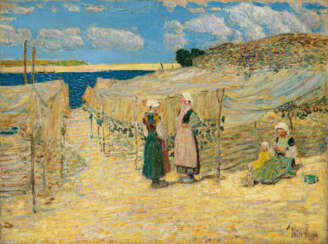

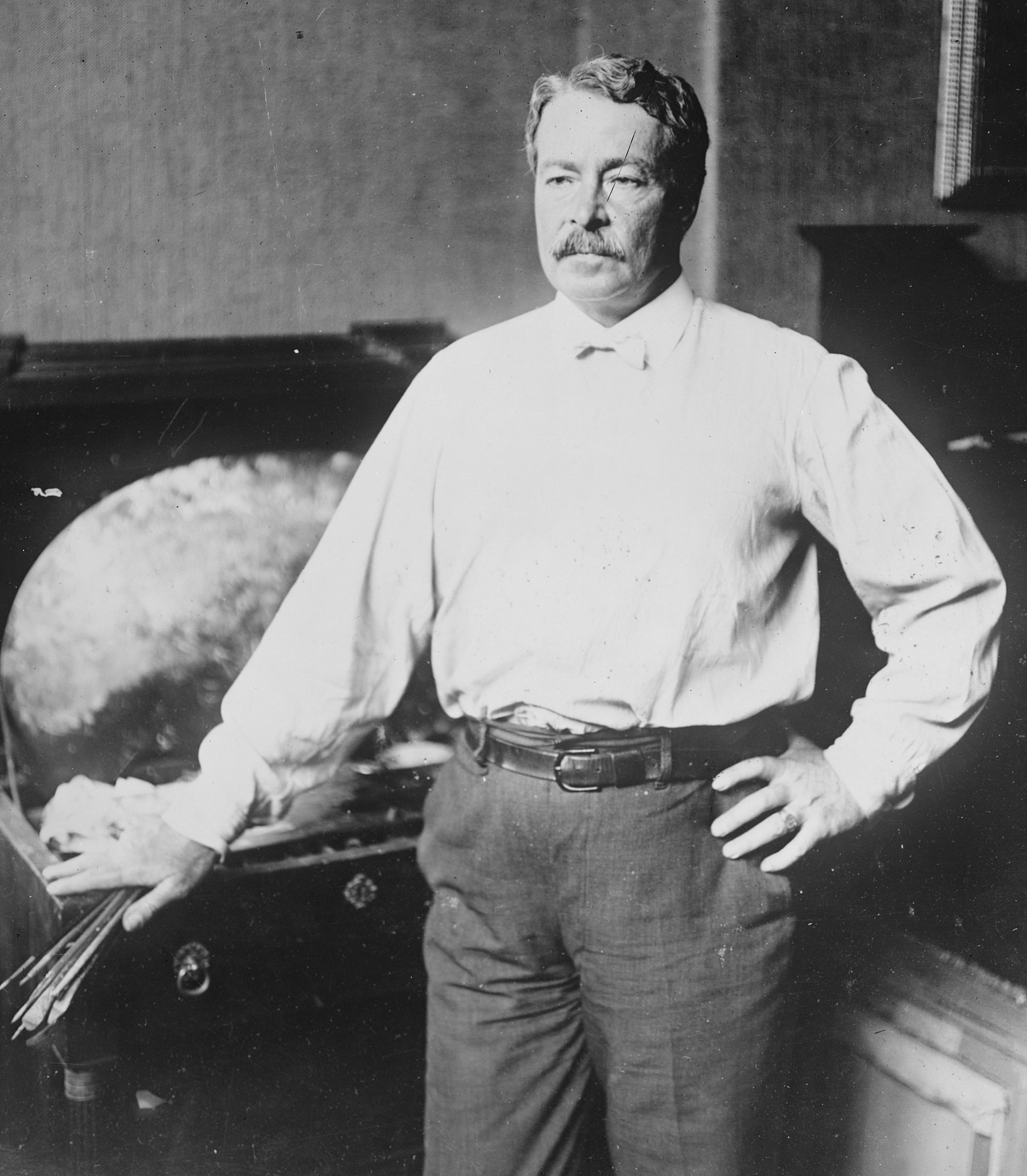
Frederick Childe Hassam was an American Impressionist painter, celebrated for his urban and coastal scenes. Born on October 17, 1859, in Dorchester, Massachusetts, Hassam was a pivotal figure in introducing French Impressionism to the American art scene. His prolific output includes over 3,000 works ranging from oils and watercolors to etchings and lithographs.
Hassam's technique was characterized by the use of light and vibrant colors, often focusing on bustling cityscapes and tranquil New England coastlines. He spent significant periods in Europe, particularly Paris, where he absorbed elements of the avant-garde styles of the time. Despite this, he often emphasized a connection to English landscape traditions over French ones.
Some of his most acclaimed works capture the essence of places like the Isles of Shoals in Maine and East Hampton in Long Island, where he later made his summer home. These settings often featured in his paintings, reflecting the picturesque and serene landscapes that contrasted with his urban subjects.
Hassam's legacy includes his influence on American collectors and institutions, helping to cultivate a taste for Impressionism in the United States. His works are held in major museums, including the Metropolitan Museum of Art and the Museum of Modern Art, ensuring his continued recognition as a key figure in American art history.
For those interested in exploring more about Hassam's life and works, signing up for updates on exhibitions and sales can provide valuable insights into his contributions to Impressionism. Subscribe for updates on new collections and auction events related to Frederick Childe Hassam's artworks.
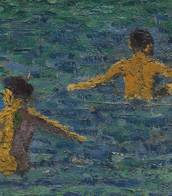



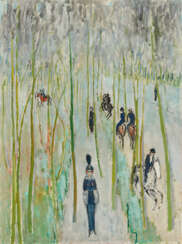

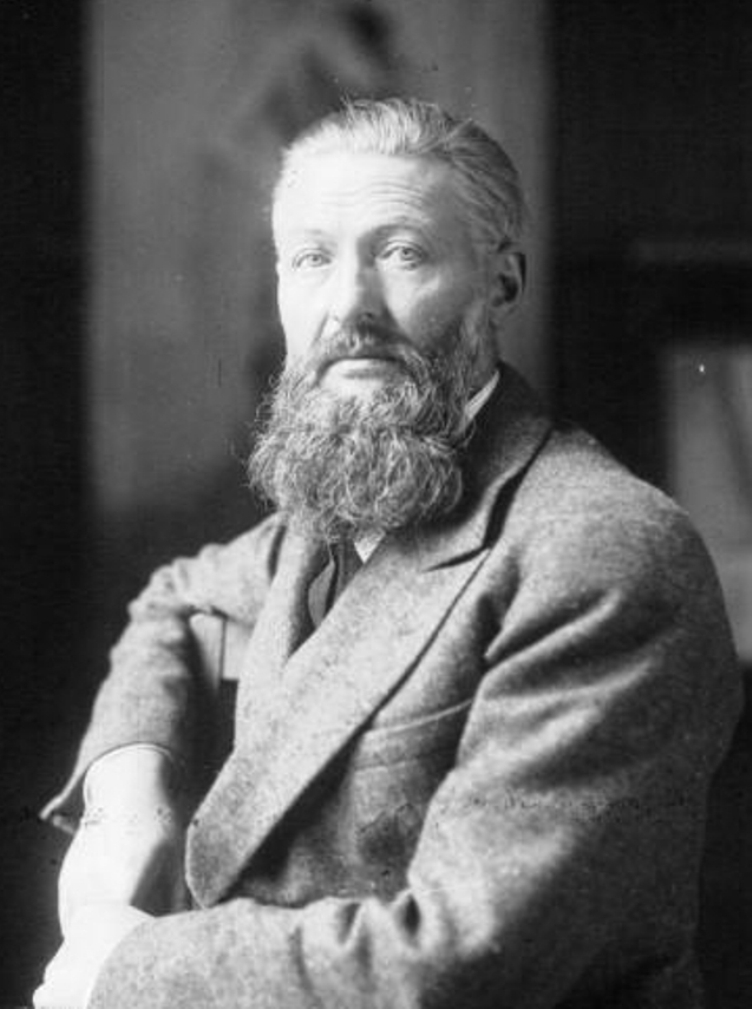
Kees van Dongen was a Dutch-French painter renowned for his vivid and expressive works that placed him at the forefront of the Fauvist movement. Born in 1877 in Delfshaven, Netherlands, van Dongen's journey into the art world began with his education at the Akademie voor Beeldende Kunsten in Rotterdam. His move to Paris in 1897 marked a pivotal moment in his career, immersing him in the bustling avant-garde scene and connecting him with influential circles, including Pablo Picasso and the Fauves. Van Dongen's art, characterized by its striking use of color and bold brushwork, captured the essence of his subjects with a unique blend of realism and abstraction.
Van Dongen's work evolved significantly over time, initially influenced by the dark tones of his Dutch heritage and the works of Rembrandt. His encounter with Fauvism around 1906 brought a dramatic shift towards brighter, more vibrant colors, marking his most iconic phase. His ability to capture the sensuousness and personality of his subjects made him a sought-after portraitist among the French bourgeoisie and celebrities of his time. Notable works include "Femme aux bas noirs" (Woman with Black Stockings), "Les lutteuses" (Lutteuses du Tabarin), and "The Dancer Anita," showcasing his fascination with the human figure, particularly sensuous depictions of women.
Beyond his remarkable contributions to Fauvism, van Dongen's ventures into illustration and his role as a society portraitist underscore his diverse talents and adaptability to the changing tastes of the art market. His works are celebrated in major collections worldwide, including the Hermitage Museum and the National Gallery of Denmark, affirming his lasting impact on the art world.
Collectors and art experts continue to appreciate van Dongen's work for its bold experimentation with color, form, and the evocative portrayal of his subjects. His legacy lives on as a testament to the vibrancy and dynamism of early 20th-century modern art.
For those keen to explore van Dongen's captivating works further and stay informed about new discoveries, exhibitions, and auction events related to his art, signing up for updates is a must. This ensures direct access to the latest sales and scholarly insights into the painter's rich oeuvre, a valuable resource for collectors and enthusiasts alike.