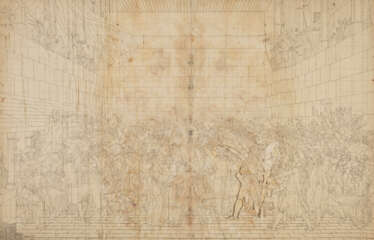
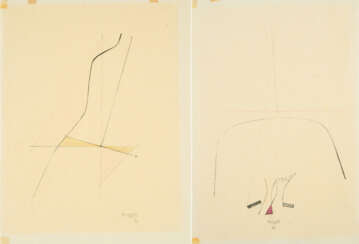
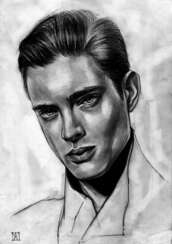
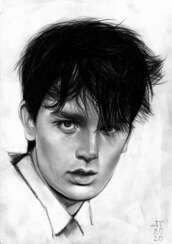
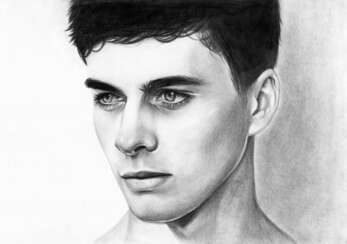
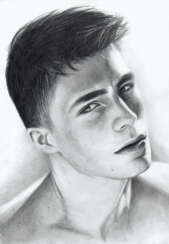
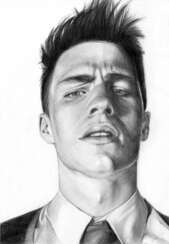
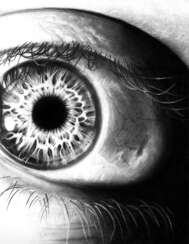
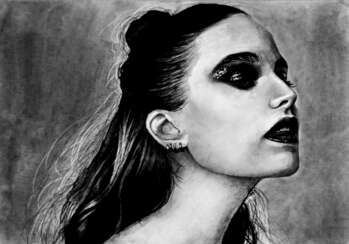
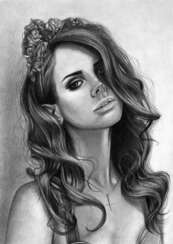
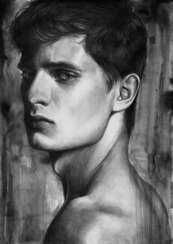
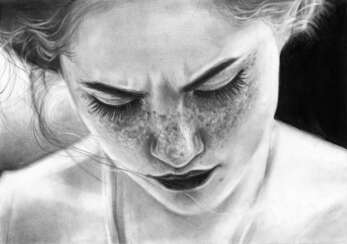
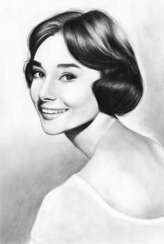
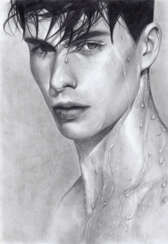
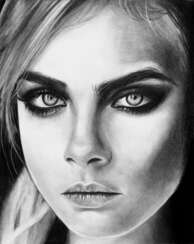
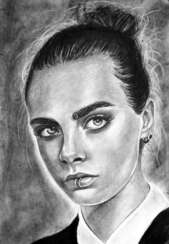
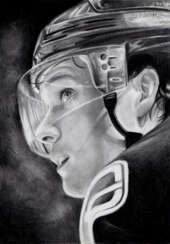
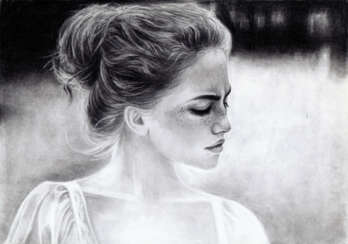
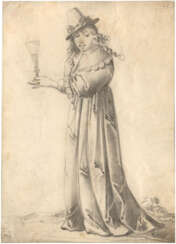
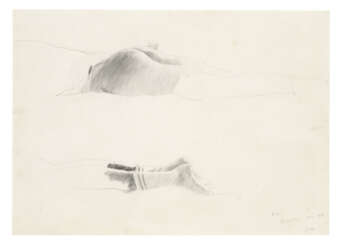
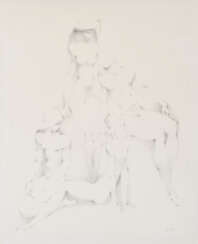
graphite






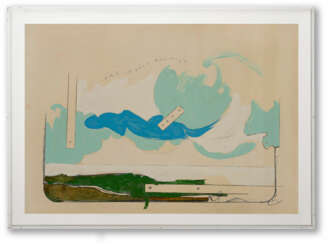

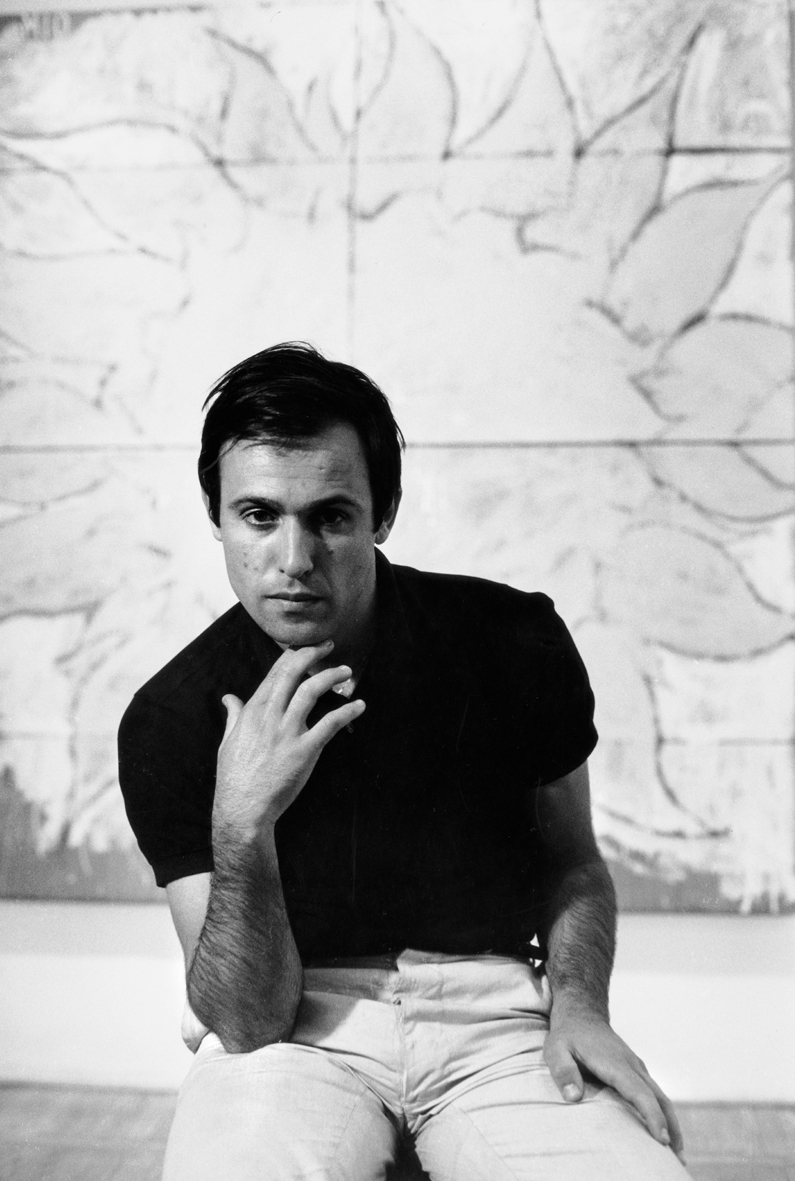
Mario Schifano was an Italian painter and collagist of the Postmodern tradition. He also achieved some renown as a film-maker and rock musician.
He is considered to be one of the most significant and pre-eminent artists of Italian postmodernism.









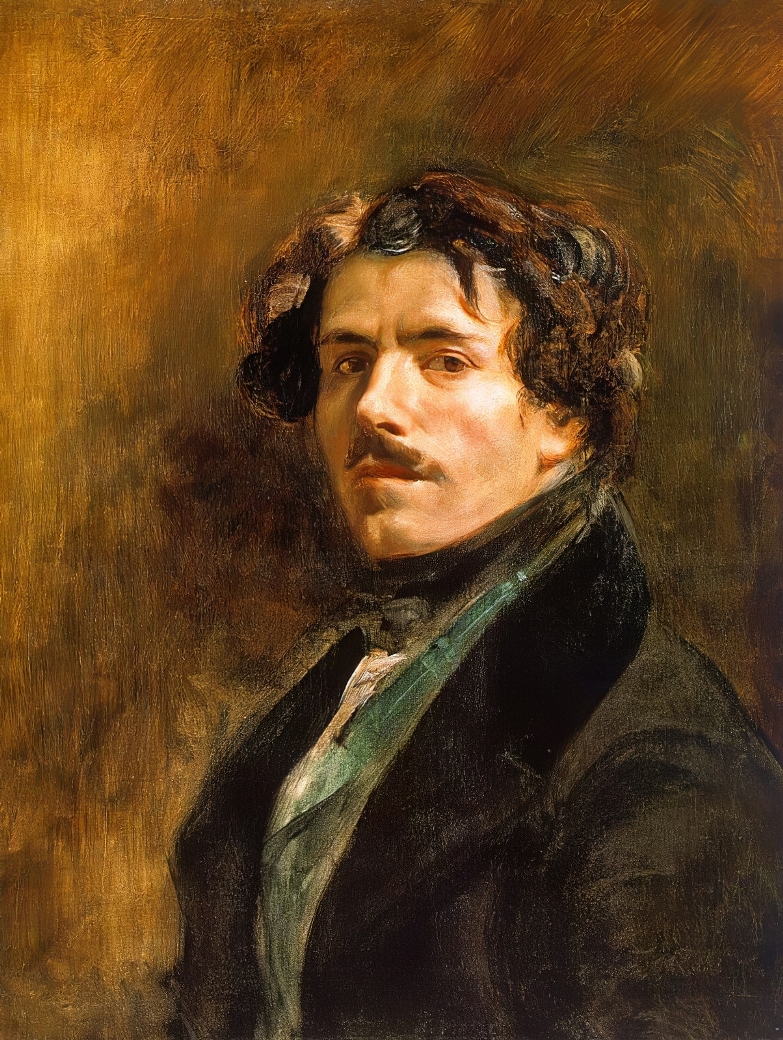
Ferdinand Victor Eugène Delacroix was a French Romantic artist, celebrated for revolutionizing the art world with his expressive brushstrokes and masterful use of color. Delacroix's art is characterized by its emotional intensity, vibrant colors, and dramatic themes, often drawing inspiration from historical, literary, and exotic sources. His innovative techniques and passion for expressive content made him a pivotal figure in the transition from the Neoclassical to the Romantic movement, influencing both the Impressionist and Symbolist movements that followed.
Delacroix's fascination with the exotic and the sublime led him to North Africa in 1832, where he captured the spirit and colors of Moroccan life, influencing his later works with themes of orientalism. This trip inspired masterpieces such as "Women of Algiers in their Apartment" (1847-1849), showcasing his ability to blend vivid color with intricate detail to evoke a sense of place and culture. His masterpiece, "Liberty Leading the People" (1830), is emblematic of his political engagement and artistic audacity, capturing the spirit of the 1830 revolution with a realism and fervor that resonated with the public and critics alike.
Delacroix's legacy extends beyond his paintings. As a muralist and lithographer, he left a significant mark on public and private art collections, with works displayed in prestigious institutions like the Louvre. His impact on the art world is seen in his influence on subsequent generations of artists, from the Impressionists' exploration of color and light to the Symbolists' fascination with dreamlike and exotic themes.
For collectors and experts in art and antiques, Delacroix represents not only a high point in Romantic art but also a bridge to modern artistic expressions. His works, housed in museums around the world, continue to inspire and captivate audiences with their intensity and beauty.
If you're passionate about Delacroix's contribution to art and culture, consider subscribing for updates on new product sales and auction events related to this iconic artist. Stay informed on opportunities to add a piece of art history to your collection.




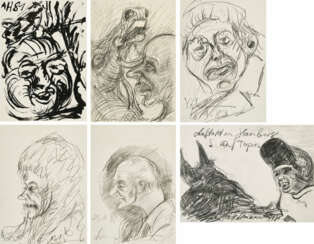

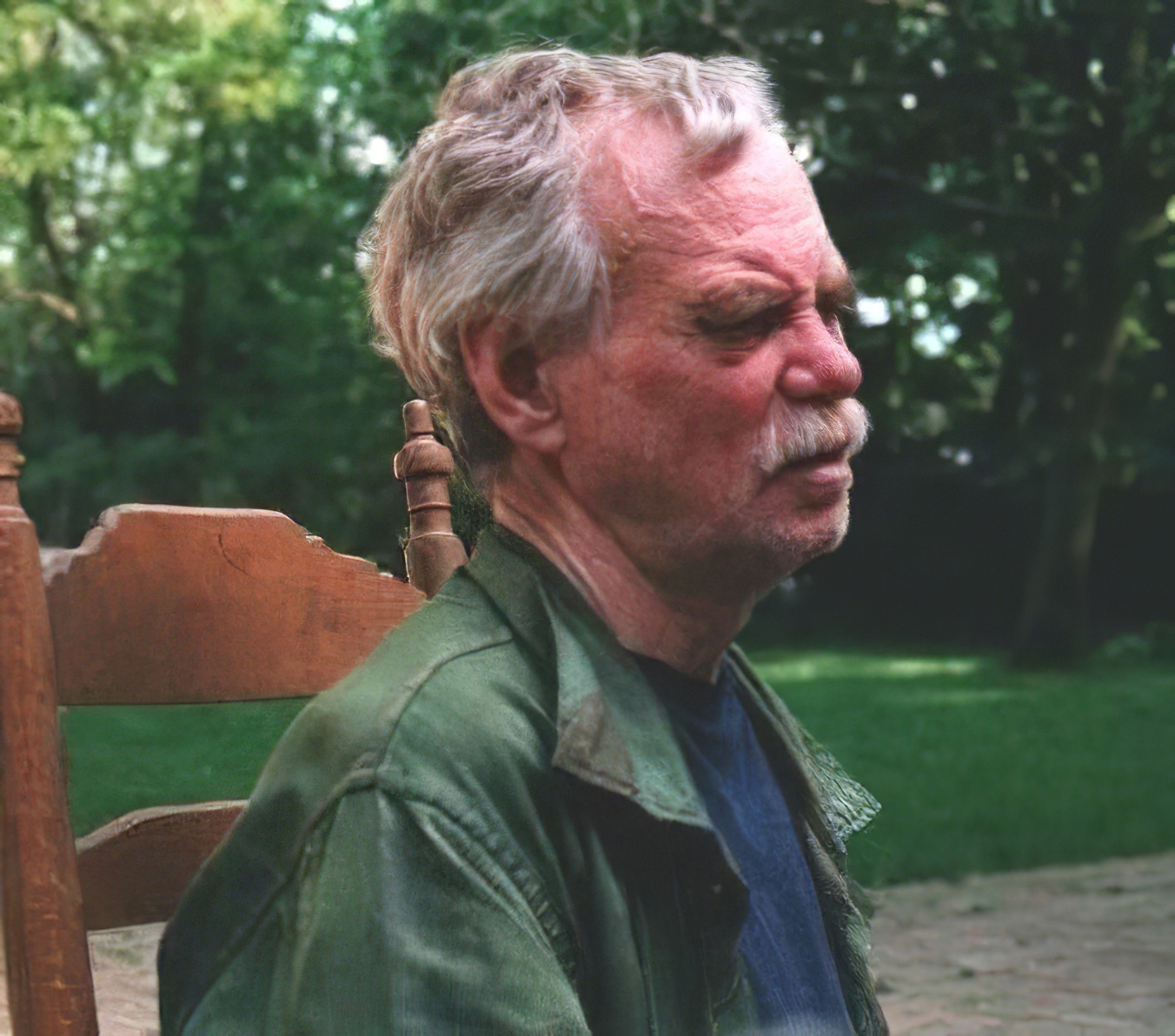
Antonius Höckelmann is a German painter and sculptor educated at the Academy of Fine Arts in Berlin.
Sculpture and painting are intertwined in Höckelmann's work. Wooden, plastic, bronze and even straw figures were painted by the artist, giving them a new sound.

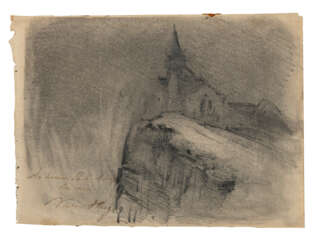

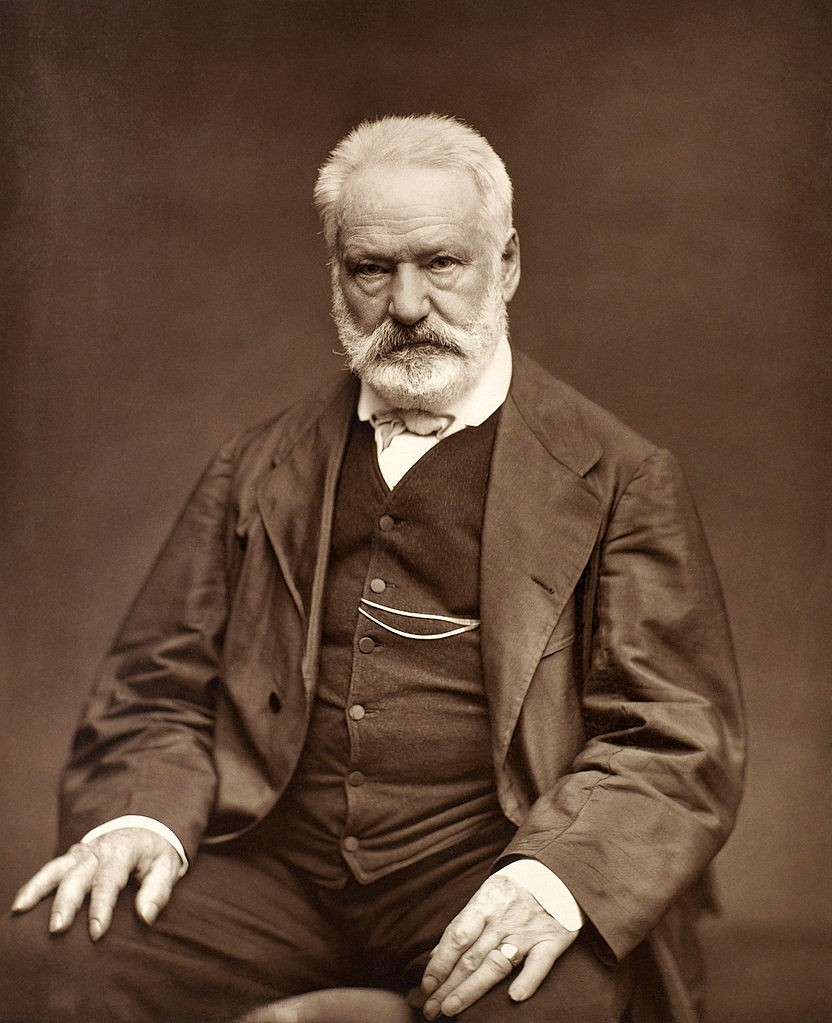
Victor Hugo was a French poet, novelist, dramatist, and politician, celebrated for his profound impact on art, culture, painting, and history. Born on February 26, 1802, in Besançon, France, Hugo emerged as a pivotal figure in the Romantic literary movement. His illustrious career spanned over six decades, during which he authored numerous works in various genres.
Victor Hugo's legacy is particularly notable for his novels "The Hunchback of Notre-Dame" (1831) and "Les Misérables" (1862), which have left an indelible mark on literature and culture. These works not only showcase his storytelling prowess but also reflect his deep engagement with the social issues of his time. His commitment to addressing societal concerns is further evidenced by his active political life and advocacy for causes like the abolition of capital punishment and slavery.
Beyond his literary and political contributions, Victor Hugo was also an accomplished artist, having produced over 4,000 drawings throughout his lifetime. His passion for the arts and dedication to social causes cemented his status as a national hero in France. When he passed away on May 22, 1885, his significance was underscored by a state funeral at the Panthéon in Paris, attended by over 2 million people, making it the largest in French history.
For collectors and experts in art and antiques, Victor Hugo's multifaceted legacy offers a rich tapestry of creativity and commitment to explore. His works not only provide profound literary enjoyment but also serve as a window into the cultural and historical milieu of 19th-century France.
To stay informed about new product sales and auction events related to Victor Hugo, sign up for updates. This subscription will ensure you're always in the loop regarding the latest developments related to this iconic figure's works and associated artifacts.

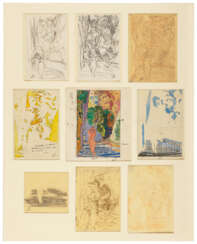

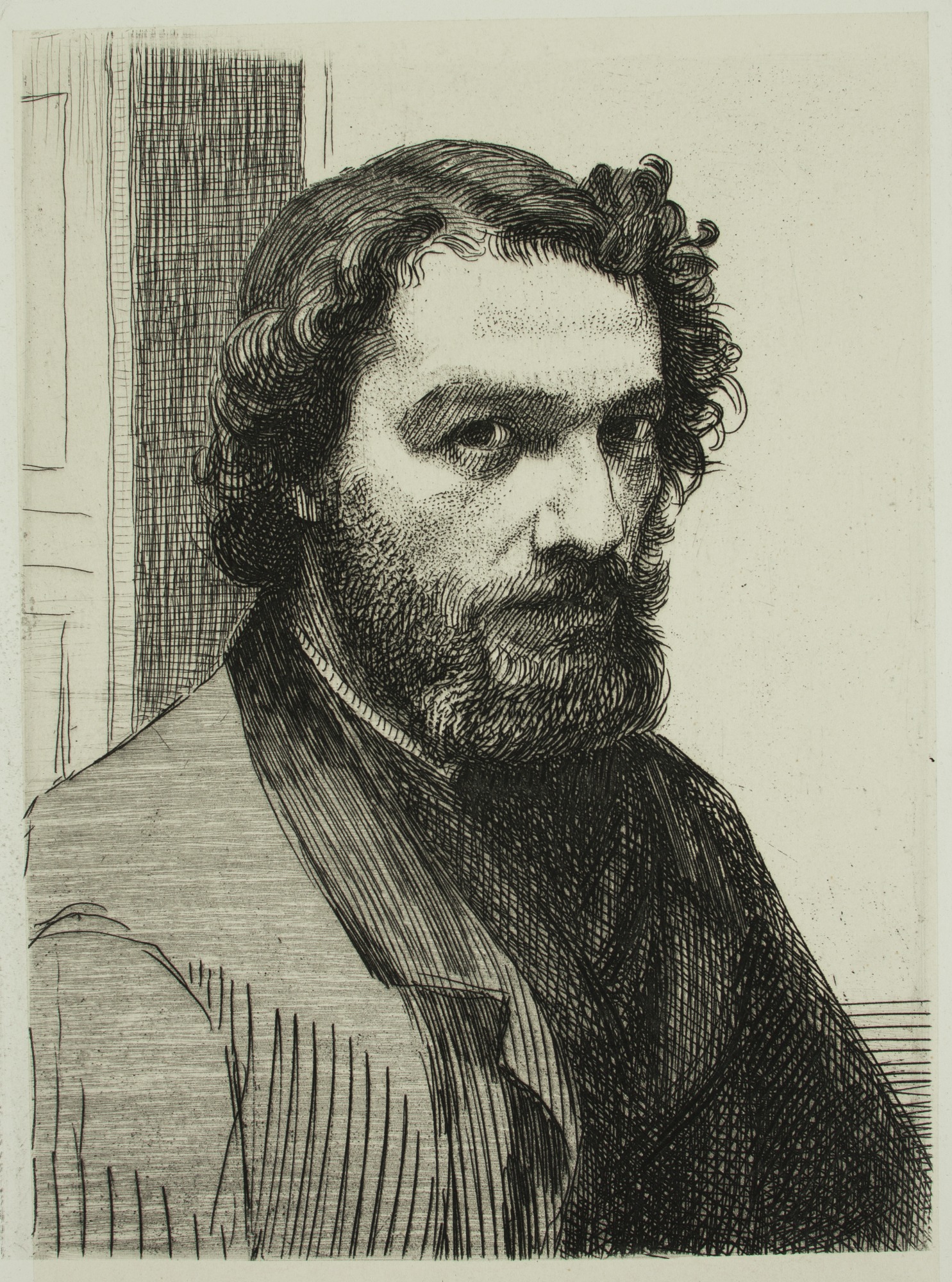
Félix Bracquemond was a French painter, etcher, and printmaker. He played a key role in the revival of printmaking, encouraging artists such as Édouard Manet, Edgar Degas and Camille Pissarro to use this technique.
Unusually for a prominent artist of this period, he also designed pottery for a number of French factories, in an innovative style that marks the beginning of Japonisme in France.


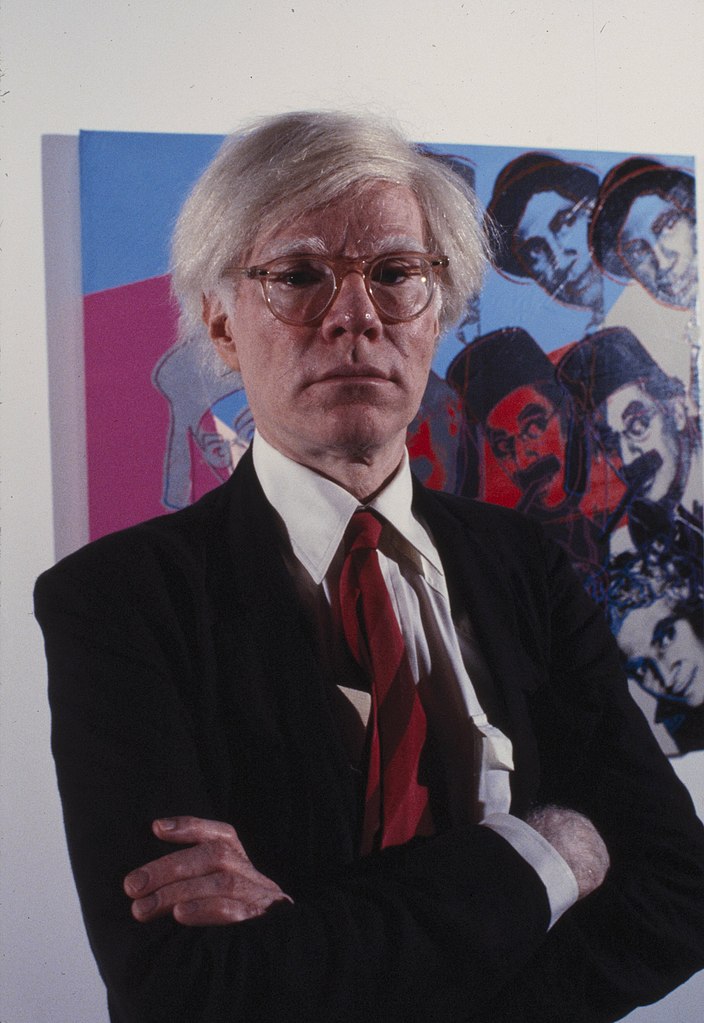
Andy Warhol, born as Andrew Warhola Jr., was an American visual artist, film director, and producer, who played a pivotal role in the development of the Pop Art movement. His art delved into the interplay between artistic expression, advertising, and celebrity culture, especially prevalent in the 1960s. Warhol was renowned for his diverse range of media, which included painting, silkscreening, photography, film, and sculpture.
Warhol's journey began in Pittsburgh, where he was born and raised, initially making a name for himself as a commercial illustrator. His New York studio, "The Factory," became a famous hub for intellectuals, celebrities, and various artistic minds. He was known for creating the notion of "Warhol superstars" and popularized the phrase "15 minutes of fame."
His contribution to the art world is significant, with notable works like "Campbell's Soup Cans" (1962) and "Marilyn Diptych" (1962), as well as his experimental films like "Empire" (1964) and "Chelsea Girls" (1966). These works not only define his career but also underscore the essence of the Pop Art movement.
Warhol's influence extended beyond his artwork. He managed and produced the experimental rock band The Velvet Underground, founded Interview magazine, and wrote several books, including "The Philosophy of Andy Warhol" and "Popism: The Warhol Sixties." Living openly as a gay man before the gay liberation movement, Warhol's personal life was as influential as his professional endeavors.
Tragically, Warhol's life was nearly cut short in 1968 when he was shot by radical feminist Valerie Solanas. He eventually passed away in 1987 due to cardiac arrhythmia following gallbladder surgery. His legacy continues, with The Andy Warhol Museum in Pittsburgh standing as the largest U.S. museum dedicated to a single artist.
Warhol's art remains highly collectible and valuable. His works, like the "Silver Car Crash (Double Disaster)" and "Shot Sage Blue Marilyn," have fetched staggering amounts at auctions, signifying his enduring impact on the art market.
For art collectors and experts, Andy Warhol's work represents a crucial intersection of pop culture and fine art, offering a unique perspective on consumerism and celebrity. His pieces are not just art; they are historical landmarks that capture a transformative era in both art and society.
To stay updated on new products, sales, and auction events related to Andy Warhol, sign up for our updates. This subscription will keep you informed about all things Warhol without overwhelming you with unnecessary information.
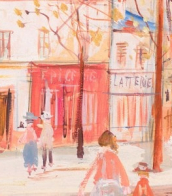
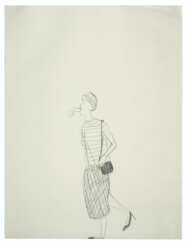



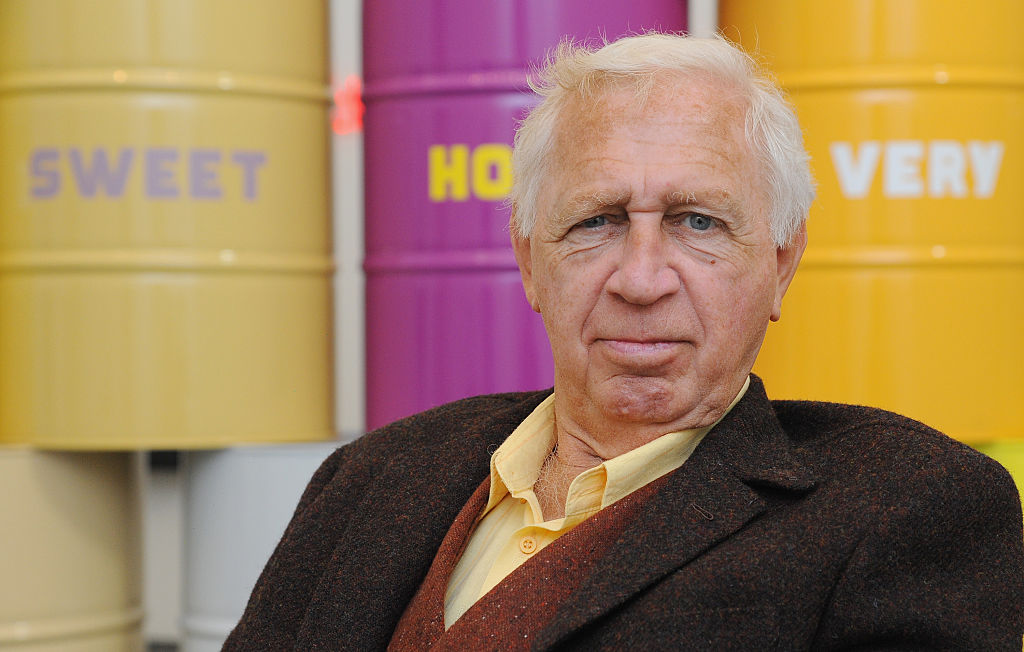
Jimmie Durham was an American sculptor, essayist and poet. He was active in the United States in the civil rights movements of African Americans and Native Americans in the 1960s and 1970s, serving on the central council of the American Indian Movement (AIM). He returned to working at art while living in New York City. His work has been extensively exhibited. Durham also received the Günther-Peill-Preis (2003), the Foundation for Contemporary Arts Robert Rauschenberg Award (2017), and the 58th Venice Biennale's Golden Lion for lifetime achievement (2019).

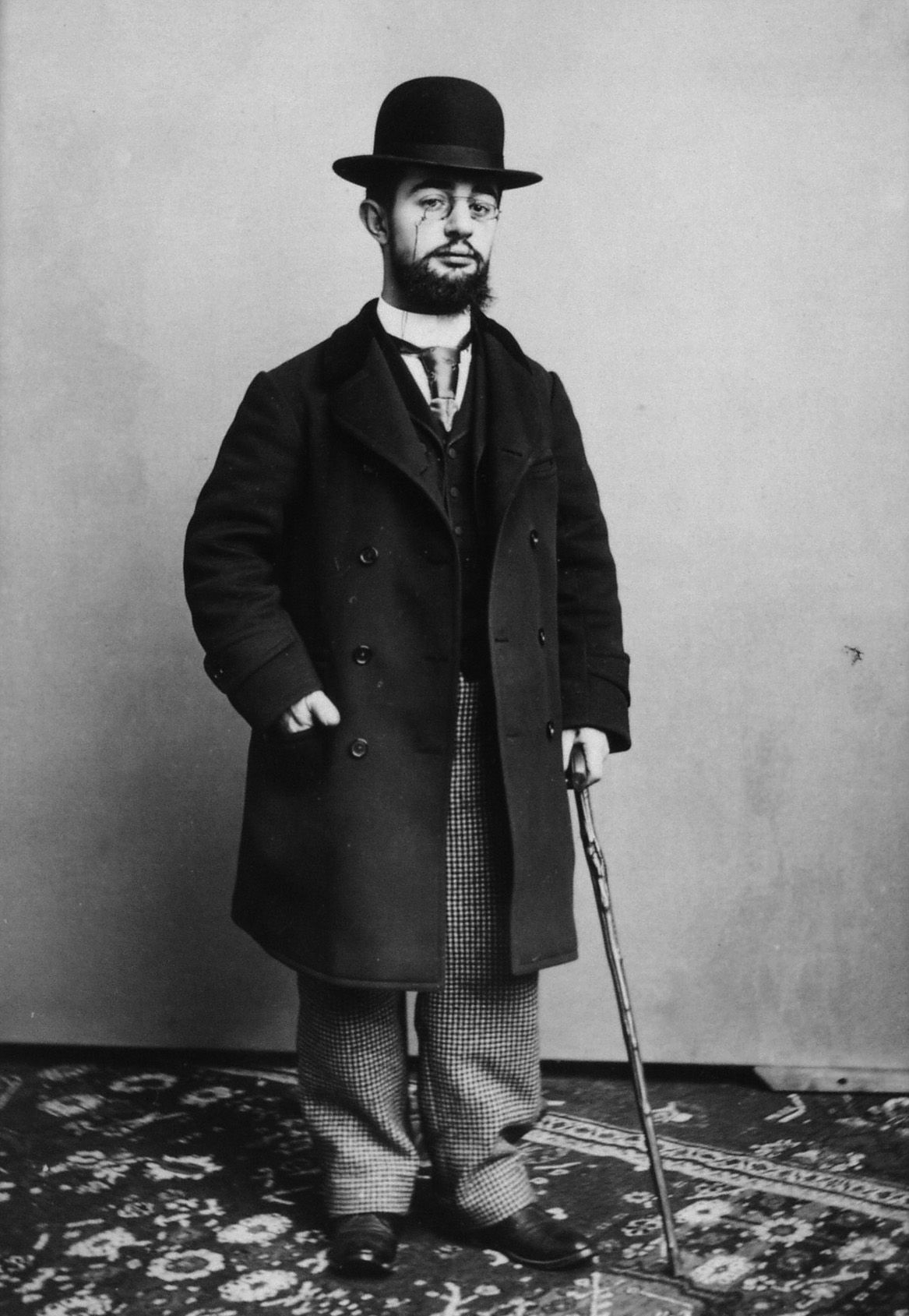
Henri de Toulouse-Lautrec was a distinguished French Post-Impressionist artist, renowned for his deep insights into Parisian nightlife and the world of entertainment in the 1890s. Born into an aristocratic family in Albi, France, Toulouse-Lautrec faced significant health challenges. He suffered from a rare condition, possibly pycnodysostosis, which stunted the growth of his legs following two fractures during his adolescence, leading to a notably short stature as an adult.
Despite his physical limitations, Toulouse-Lautrec immersed himself in art, becoming a key figure in the Post-Impressionist movement alongside artists like Paul Cézanne and Vincent van Gogh. He is particularly celebrated for his vibrant and expressive depictions of the bohemian lifestyle in late 19th-century Paris, often featuring scenes from brothels and nightlife venues. His unique style combined elements of Art Nouveau and lithography, as evidenced in famous works such as "Moulin Rouge: La Goulue" and "At the Moulin Rouge: The Dance".
Toulouse-Lautrec's work offers a window into the Parisian entertainment scene of his time, marked by a vivid use of color and a candid portrayal of his subjects. His ability to capture the essence of Parisian society, from dancers to prostitutes, in an era of great artistic and cultural dynamism, makes his work particularly valuable to art collectors and experts.
For those interested in the art and life of Henri de Toulouse-Lautrec, staying informed about sales and auction events is essential. Sign up for updates to receive the latest news on pieces by Toulouse-Lautrec available for purchase or auction. This subscription focuses exclusively on new product sales and auction events related to Toulouse-Lautrec, ensuring that enthusiasts and collectors don't miss out on any opportunity to acquire pieces from this iconic artist.
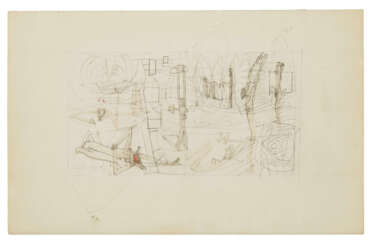

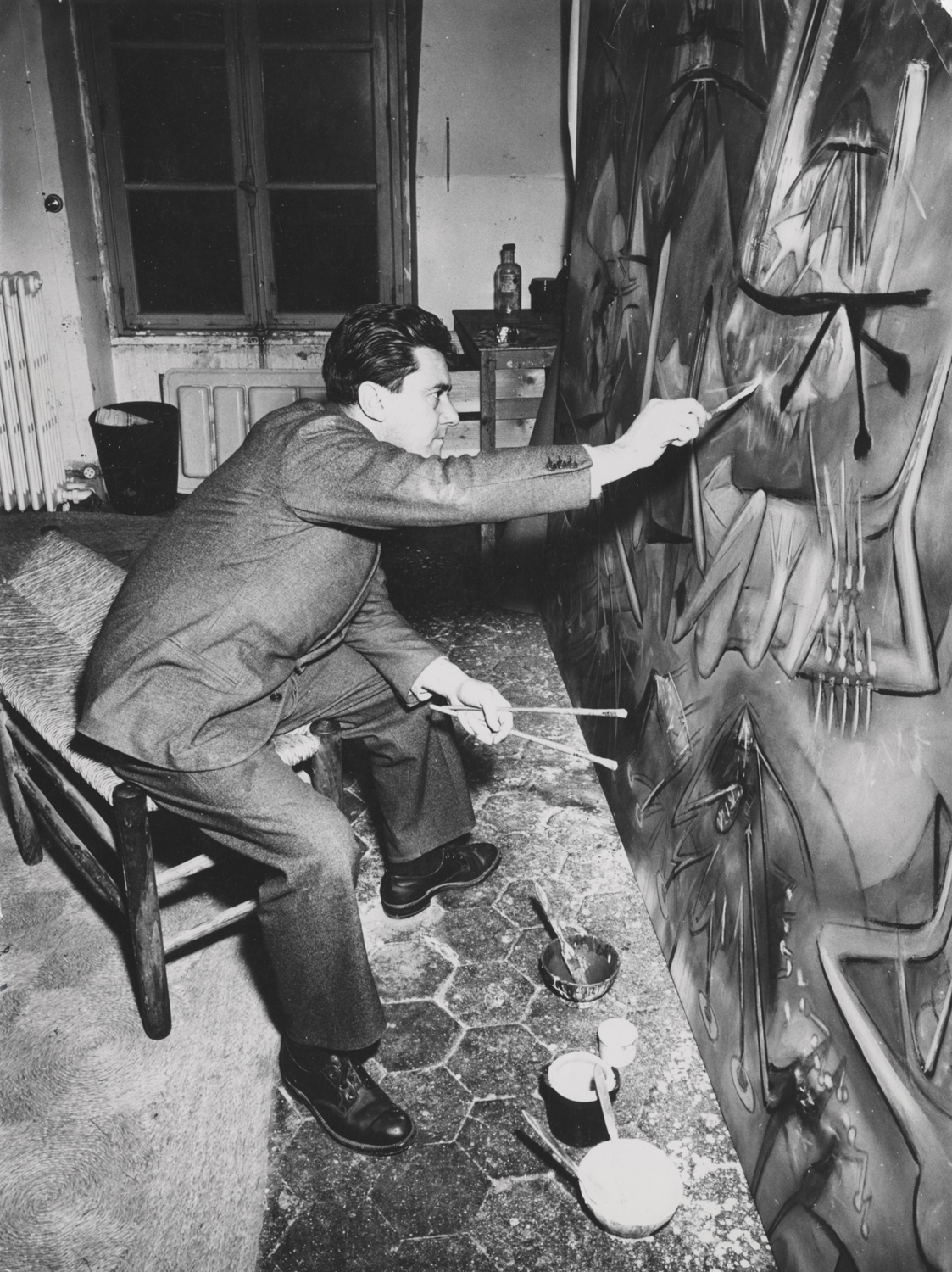
Roberto Sebastian Antonio Matta Echaurren was a Chilean artist, renowned for his significant contributions to the art world, particularly in painting and sculpture. As a figure deeply embedded in the realms of surrealism and abstract expressionism, Matta's works are celebrated for their complex, otherworldly landscapes and a profound exploration of the subconscious and architecture of the mind. His artistry is marked by fluid, organic forms and a masterful use of color, which set him apart as a visionary in the 20th century.
Matta's influence extended beyond the canvas, impacting the development of both European and American art scenes. His innovative techniques and philosophical inquiries into the nature of reality and human consciousness pushed the boundaries of traditional art forms, making him a pivotal figure among surrealists and later, abstract expressionists. Matta's work is characterized by its evocative, dream-like quality, and his ability to translate psychological concepts into visual spectacles has left a lasting legacy in the art world.
Among his renowned works, Matta's paintings are held in prestigious museums and galleries worldwide, including the Museum of Modern Art in New York and the Tate Modern in London. These institutions house pieces that showcase his unique blend of surrealism and abstract expressionism, offering art lovers and collectors a glimpse into his profound and imaginative universe. For those fascinated by the convergence of culture, art, and psychology, Matta's oeuvre presents an inexhaustible source of exploration and inspiration.
For collectors and experts in art and antiques, the legacy of Roberto Sebastian Antonio Matta Echaurren offers a rich field of discovery and appreciation. His contributions to the realms of painting and sculpture continue to resonate, providing deep insights into the capabilities of artistic expression. To stay informed about new product sales and auction events related to Matta's works, we invite you to sign up for updates. This subscription is your gateway to the latest in the world of this unparalleled artist, ensuring you never miss an opportunity to engage with the art and culture that Matta so vividly represented.







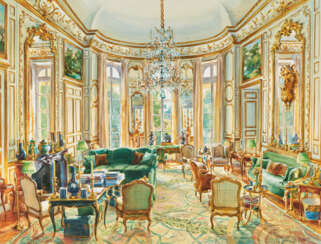

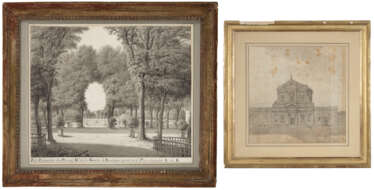

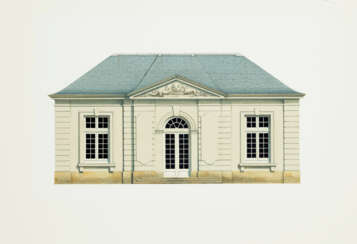




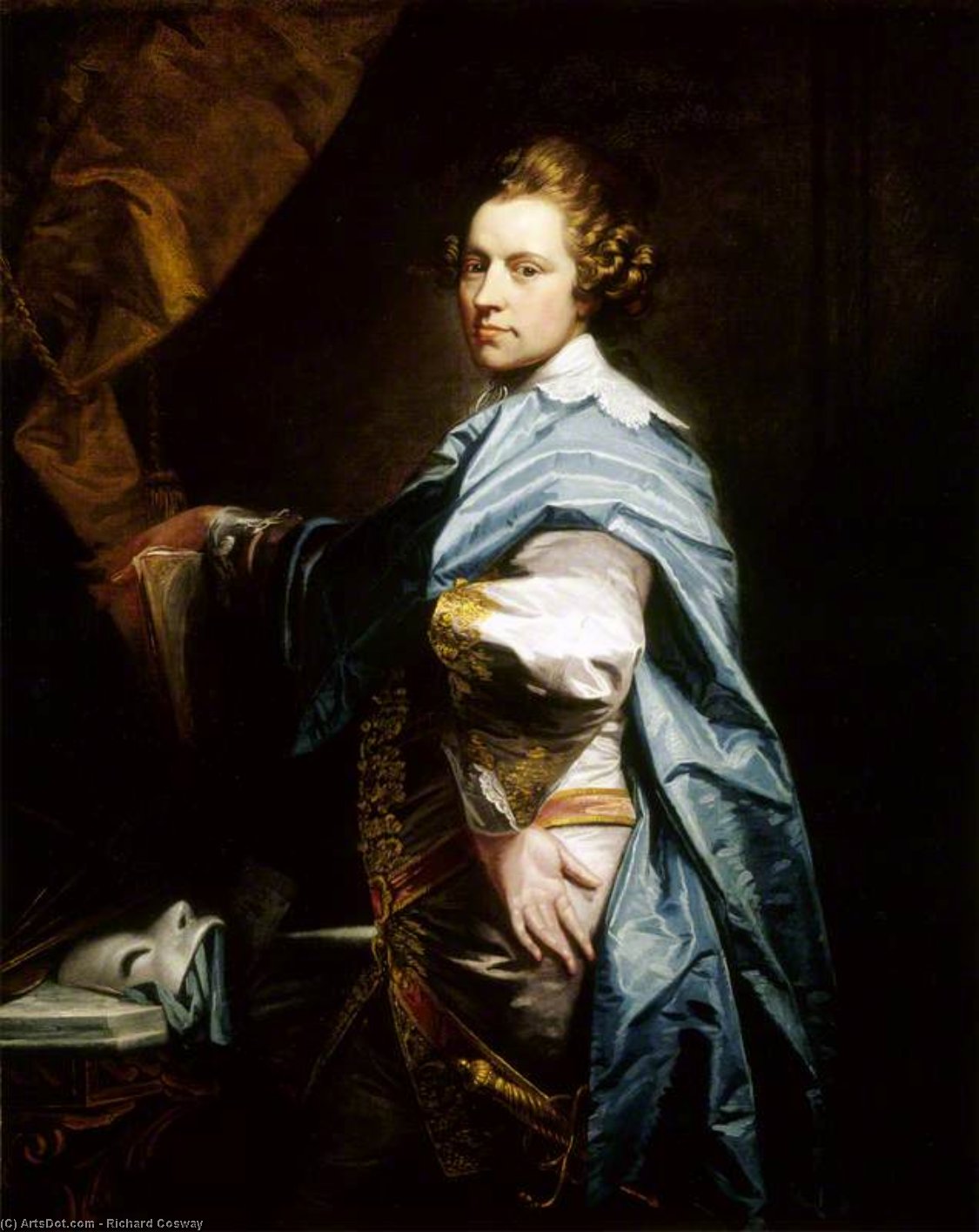
Richard Cosway was a leading English portrait painter of the Georgian and Regency era, noted for his miniatures.
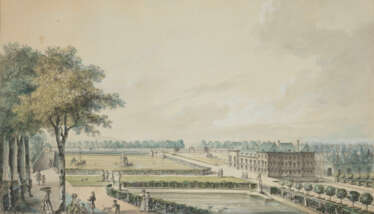

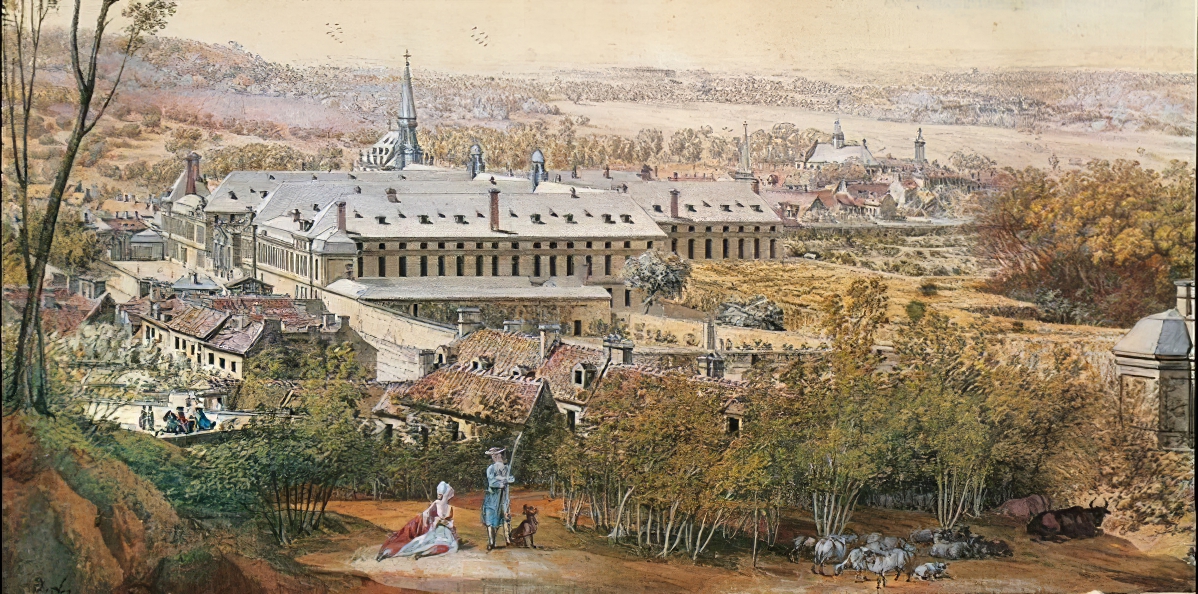
Louis-Nicolas de Lespinasse was a French illustrator and politician.
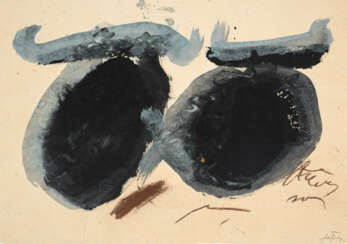


Antoni Tàpies i Puig, 1st Marquess of Tàpies was a Catalan Spanish painter, sculptor and art theorist, who became one of the most famous European artists of his generation.
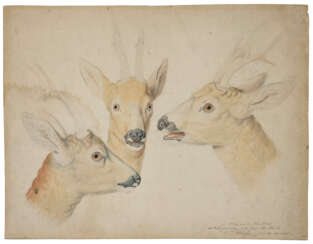

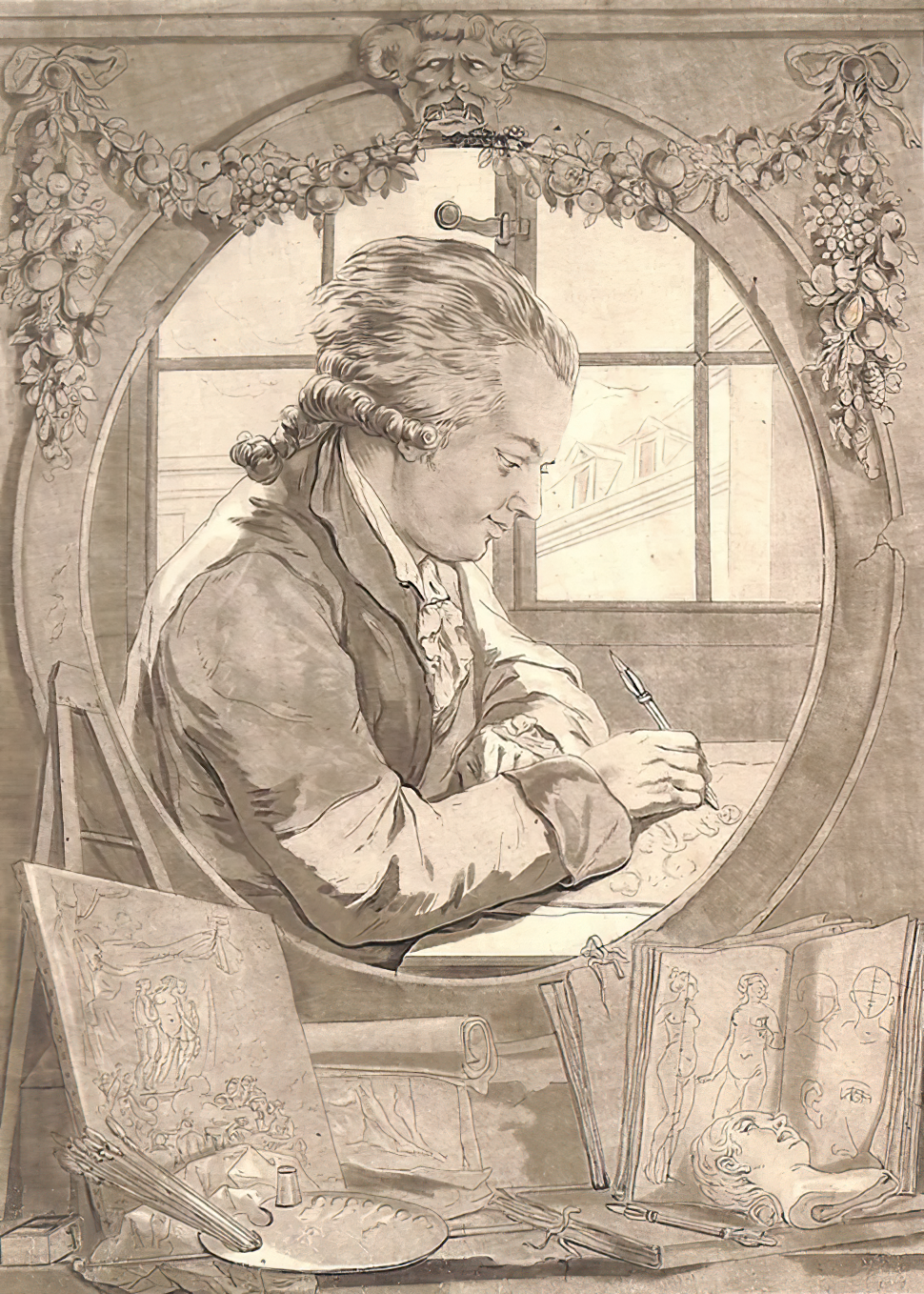
Jean-Baptiste Marie Huet was a French painter, engraver and designer associated with pastoral and genre scenes of animals in the Rococo manner, influenced by François Boucher.


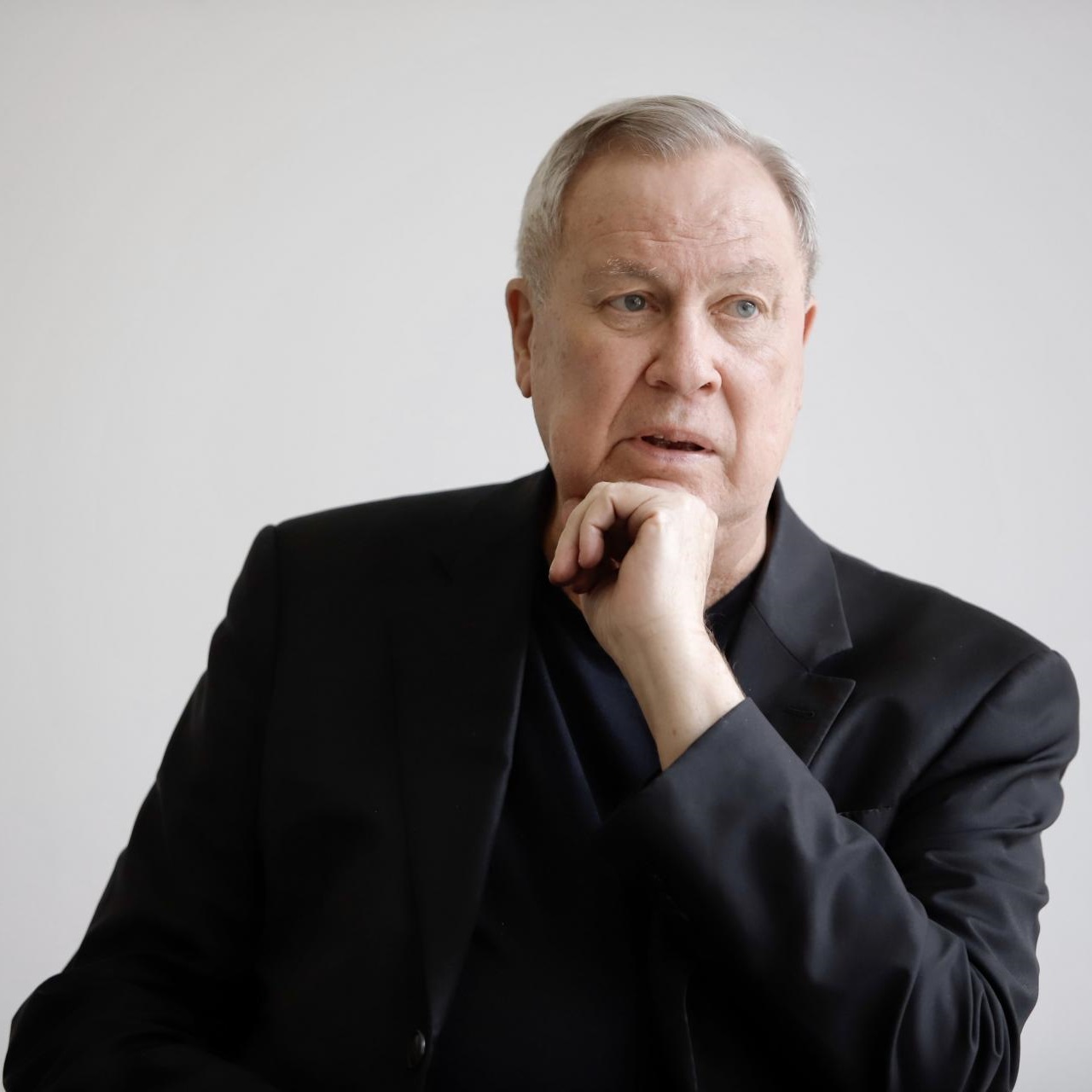
Robert Wilson is an American experimental theater stage director and playwright who has been described by The New York Times as «America's – or even the world's – foremost vanguard theater artist.» He has also worked as a choreographer, performer, painter, sculptor, video artist, and sound and lighting designer.
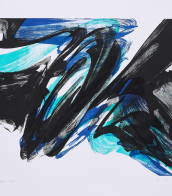
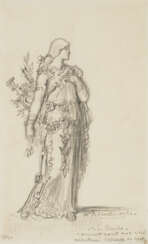

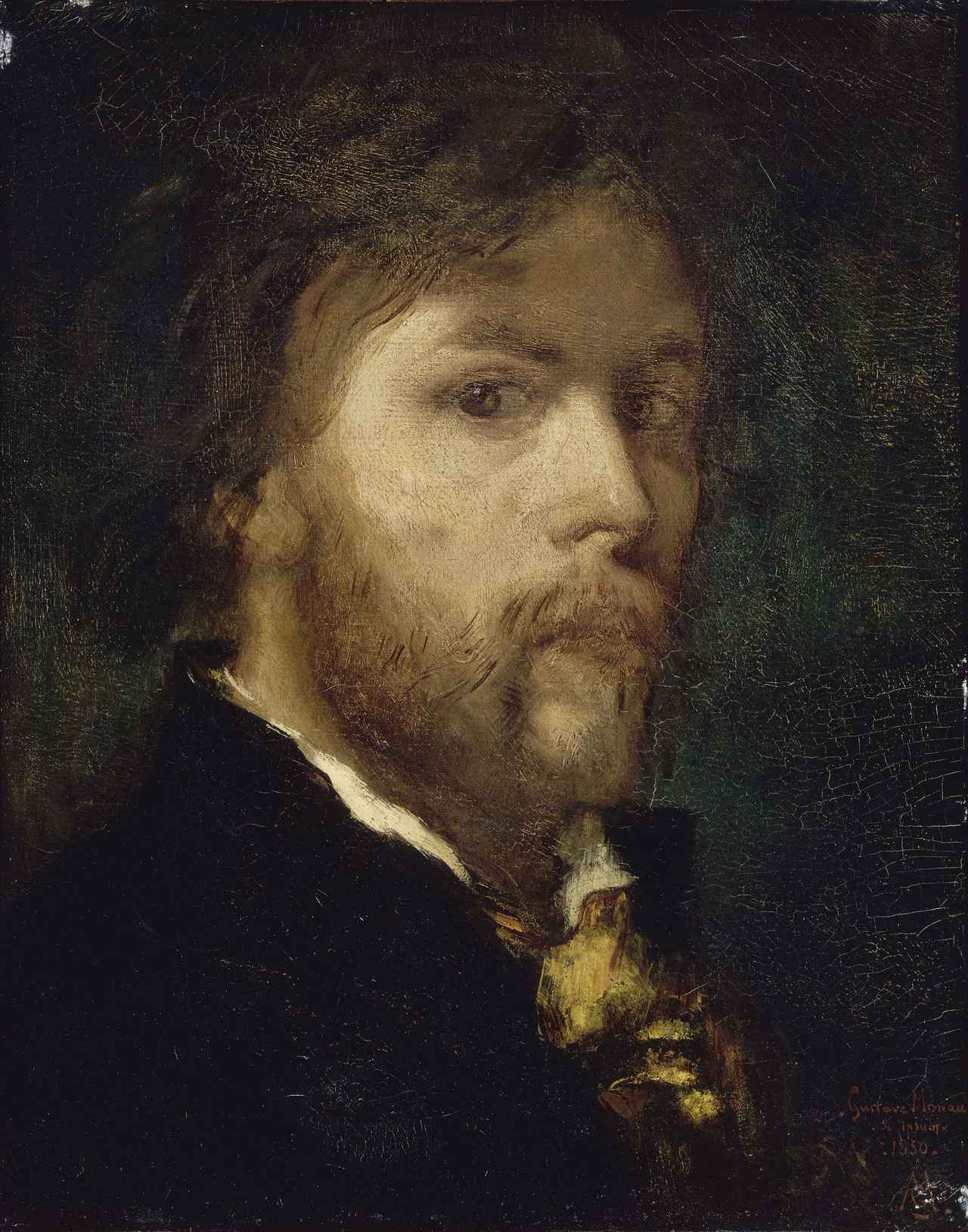
Gustave Moreau was a French artist and an important figure in the Symbolist movement. Jean Cassou called him "the Symbolist painter par excellence". He was an influential forerunner of symbolism in the visual arts in the 1860s, and at the height of the symbolist movement in the 1890s, he was among the most significant painters.
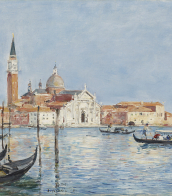
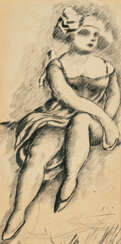

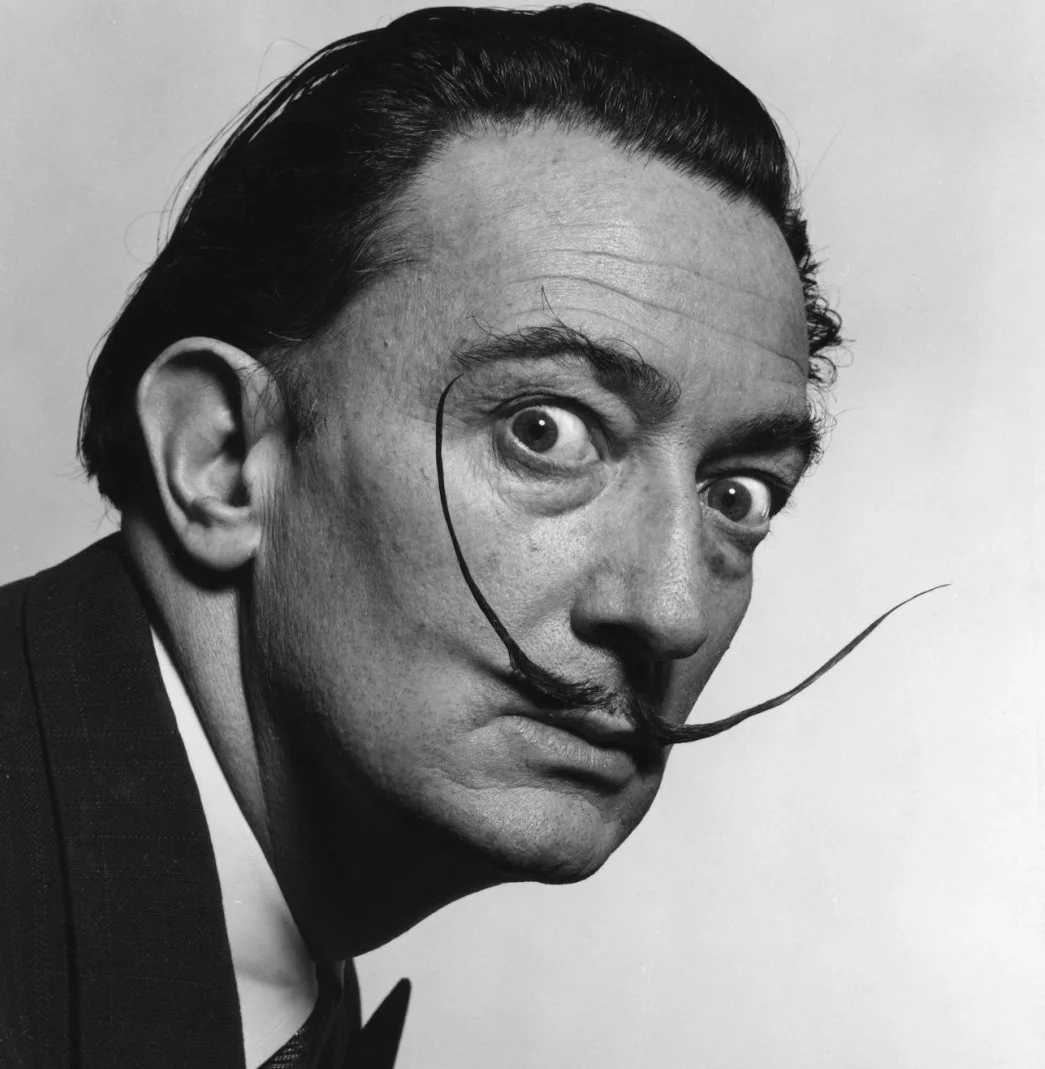
Salvador Dalí, a Spanish Surrealist painter and printmaker, is celebrated for his vivid and imaginative works that delve into subconscious imagery. Born on May 11, 1904, in Figueres, Catalonia, Spain, Dalí's early exposure to Impressionism and Renaissance masters significantly influenced his artistic development. His education in fine arts in Madrid further shaped his style, leading him to experiment with Cubism and avant-garde movements. In the late 1920s, Dalí embraced Surrealism, joining the Surrealist group in 1929 and rapidly becoming one of its most prominent figures.
Dalí's most famous work, "The Persistence of Memory," completed in 1931, epitomizes the Surrealist movement with its iconic melting clocks symbolizing the fluidity of time. His artistic repertoire was diverse, including painting, graphic arts, film, sculpture, design, and photography, often incorporating themes of dreams, the subconscious, sexuality, religion, and science. Despite his remarkable artistic contributions, Dalí's eccentric and flamboyant public persona often overshadowed his work. He faced criticism for his public support of the Francoist regime and the authenticity of some of his late works.
Dalí's legacy is preserved in major museums, notably the Dalí Theatre-Museum in Figueres and the Salvador Dalí Museum in St. Petersburg, Florida. These institutions showcase his extensive and varied body of work, illustrating his profound impact on Surrealism, pop art, and contemporary artists.
If you're captivated by the surreal world of Salvador Dalí and want to stay informed about new sales and auction events featuring his works, sign up for our updates. Our service is tailored specifically for art collectors and experts, providing timely information and insights into the vibrant market of Dalí's art. Remember, this subscription is focused solely on bringing you the latest in product sales and auction events related to Salvador Dalí. Don't miss out on the opportunity to enrich your collection with pieces from one of the most influential surrealists of all time. Sign up now and be the first to know about these exclusive events.

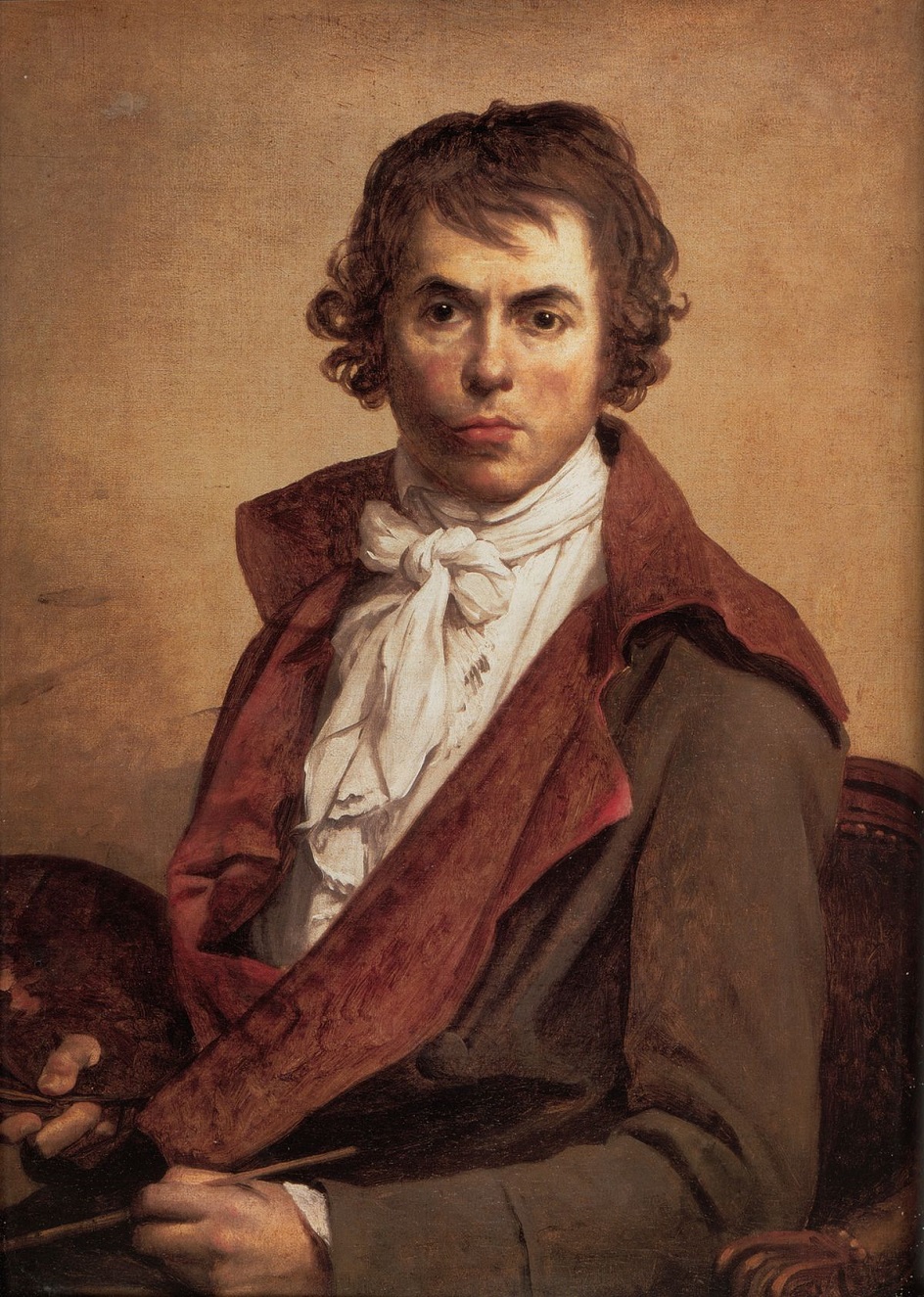
Jacques-Louis David, a preeminent French artist of the Neoclassical movement, made a profound impact on the art world with his compelling history paintings and portraiture. Born in Paris in 1748 into a prosperous family, David's early life was marked by tragedy and ambition. Despite losing his father at a young age and facing opposition from his family, his determination to pursue art led him to become a student of Joseph-Marie Vien and later, a notable figure in the French Academy in Rome. David's artistic journey was characterized by a rigorous classical education, culminating in winning the prestigious Prix de Rome in 1774, which allowed him to study the masterpieces of classical antiquity and the Renaissance in Italy.
David's work is renowned for its classical austerity, a response to the frivolous Rococo style that preceded him. His paintings, such as "The Oath of the Horatii," reflect a blend of classical themes with a modern sense of emotion and drama, resonating with the revolutionary spirit of his times. As the French Revolution unfolded, David aligned himself with its ideals, becoming an active supporter and using his art to serve political purposes. He was closely associated with leaders of the Revolution, including Maximilien Robespierre, and later became the official painter of Napoleon, contributing significantly to the iconography of the era.
Throughout his career, David had a significant influence on French art, not only through his own works but also as a teacher. His studio was a nurturing ground for the next generation of French painters, despite his reputation for being demanding. David's move to Brussels after the fall of Napoleon marked the final phase of his career, where he continued to paint until his death in 1825.
David's legacy extends beyond his contributions to Neoclassical art. He played a crucial role in the development of modern art history, blending classical ideals with contemporary themes, and influencing not only his contemporaries but also future generations of artists. His works, housed in museums around the world, continue to be studied and admired for their technical mastery and emotional depth.
For art collectors and experts, David's oeuvre offers a fascinating insight into a transformative period in art history, where the classical and the contemporary intersected to create a new visual language. His paintings not only depict historical and mythological scenes but also embody the ideals, struggles, and aspirations of his time.
For those interested in exploring the works of Jacques-Louis David and the impact of his art on the Neoclassical movement, updates on new product sales and auction events related to David's work can provide valuable opportunities to engage with his legacy. Signing up for updates ensures access to the latest information and events, offering a deeper understanding of this pivotal artist's contributions to art and culture.


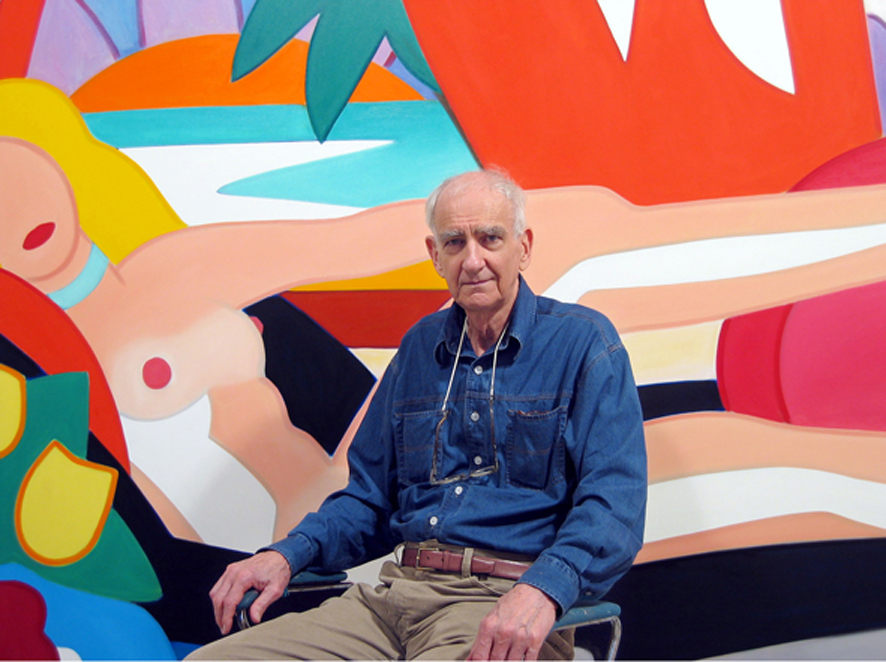
Tom Wesselmann was an American artist associated with the Pop Art movement who worked in painting, collage and sculpture.



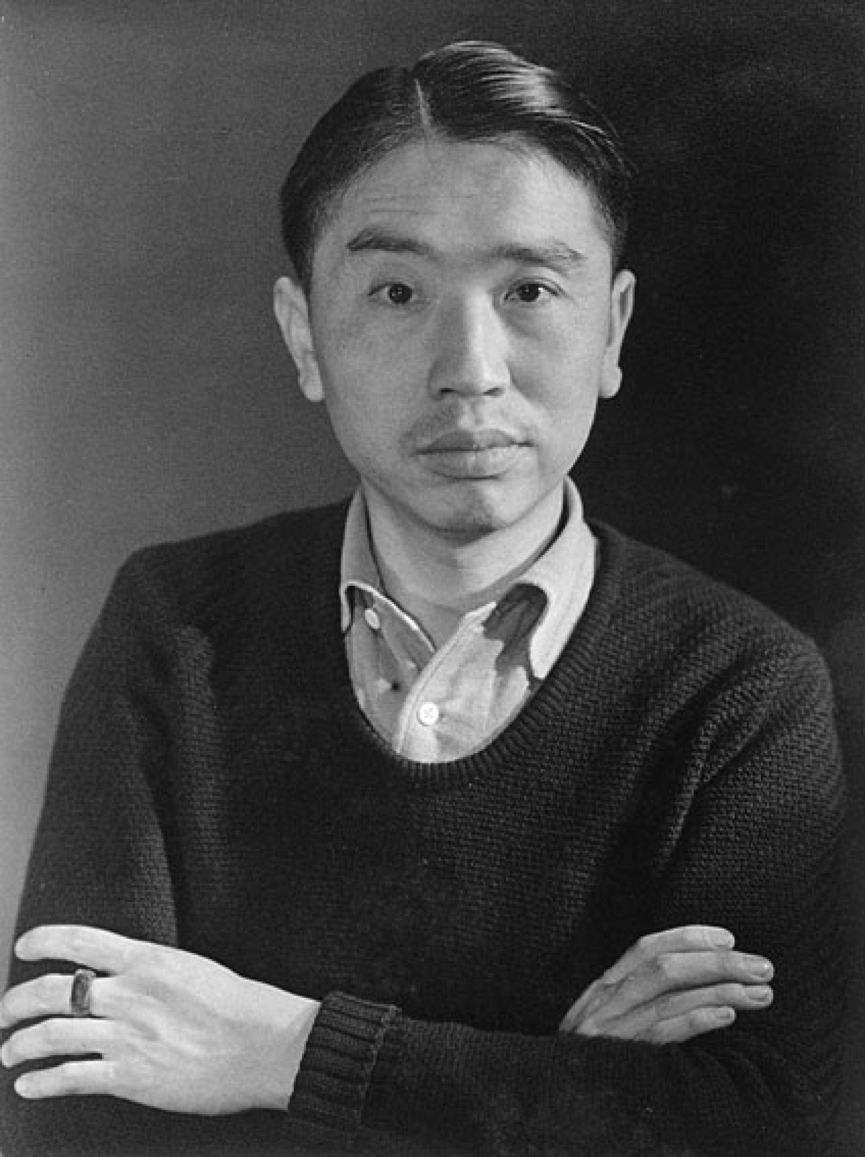
Sanyu (Chinese: 常玉) or Chang Yu was a French painter of Chinese origin. He is known as one of the pioneers of modernism in Chinese art.
Sanyu's artistic style was characterised by a unique fusion of Western influences, such as Fauvism and Cubism, with traditional Chinese painting techniques. His works often depicted simple and elegant subjects, including flowers, animals and nudes, with a minimalist and poetic touch. His use of bold colours and flowing brushstrokes created a sense of harmony and tranquility in his compositions.
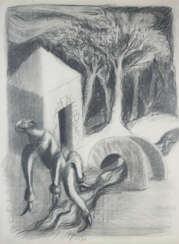

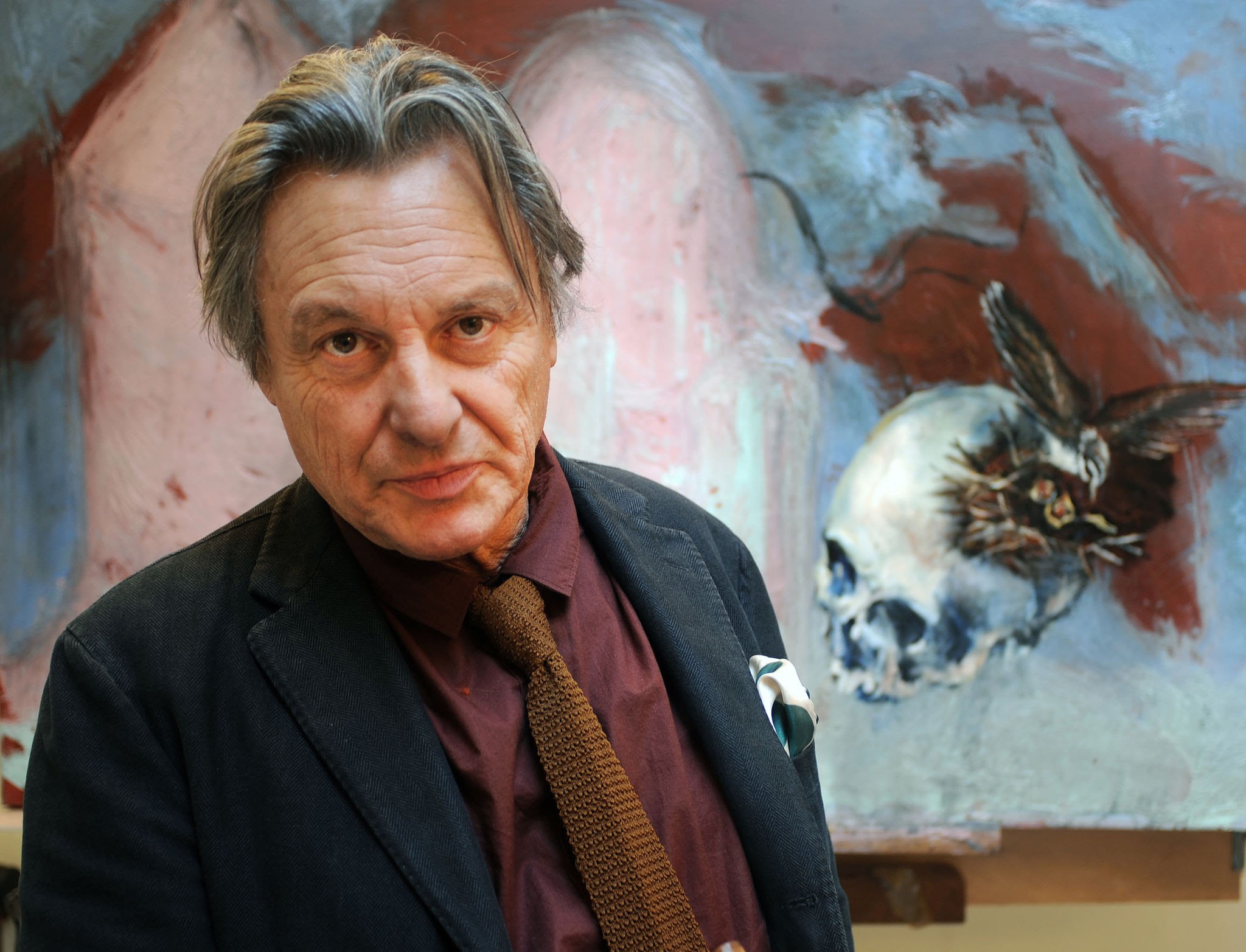
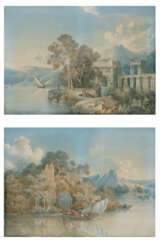

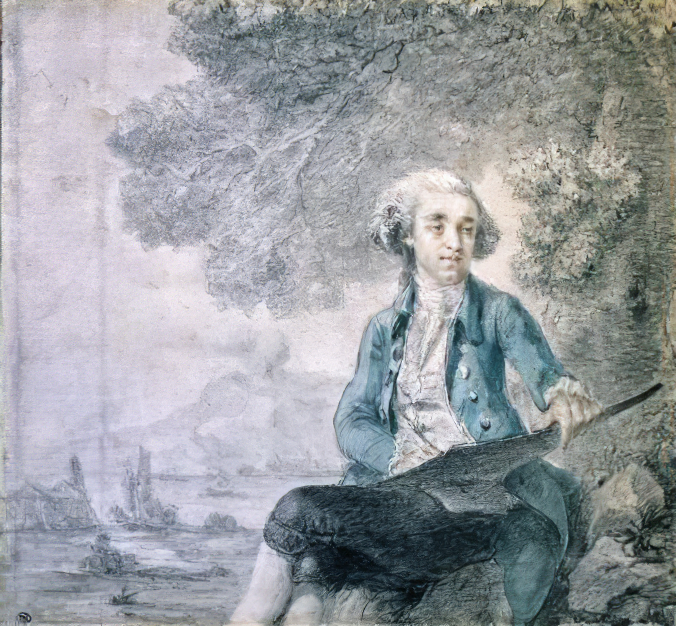
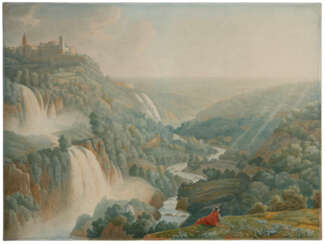
Louis-François Cassas was a distinguished French landscape painter, sculptor, architect, archeologist and antiquary.
Besides his architectural and archaeological drawings and sketches, he drew numerous costumes studies, views and processions, as well as scenes from daily life, plants and animals of all sorts. He also exhibited views of his travels at the "Salons", which were periodic art exhibitions sponsored by the French Académie Royale, in 1804 and 1814, and published Picturesque views of the Principal Sites and Monuments of Greece, of Sicily, and of the Seven Hills of Rome, of which thirty parts had already been published by 1813.
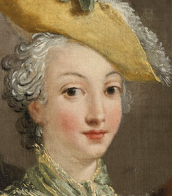
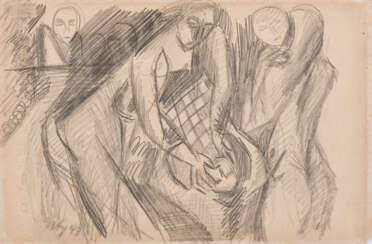

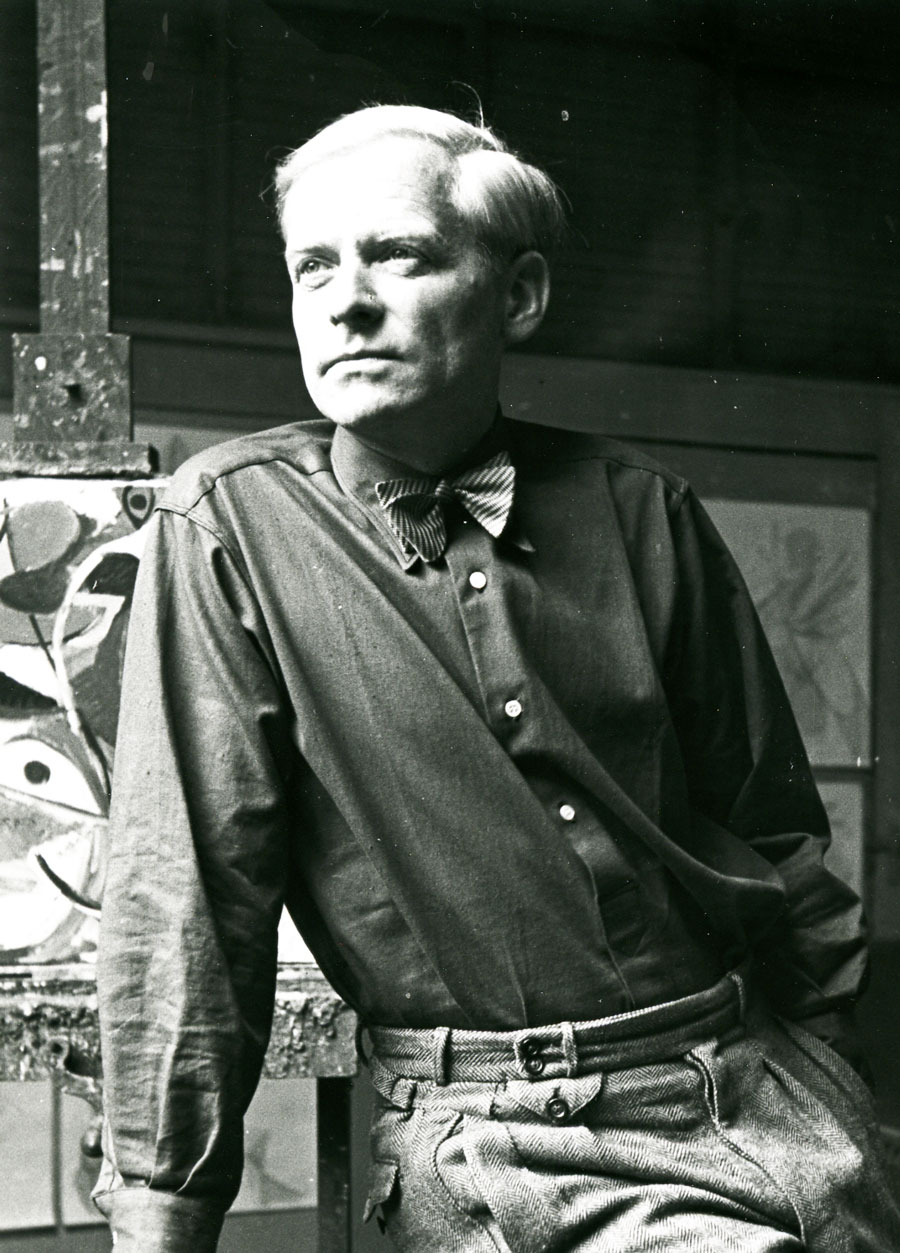
Ernst Wilhelm Nay was a German painter and graphic designer of classical modernism. He is considered one of the most important painters of German post-war art.


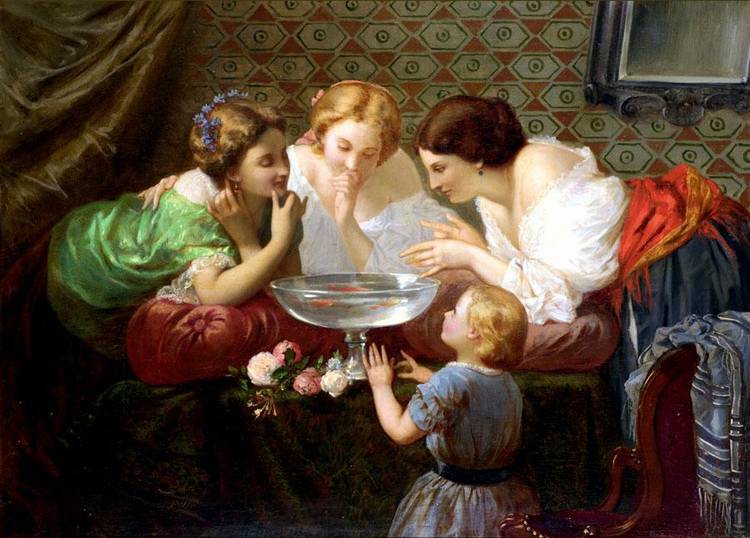
Henri-Pierre Picou was a French painter. His oeuvre began with portraits and classical historical subject matter but he later moved on to allegorical and mythological themes.
He was an academic painter and one of the founders of the Neo-Grec school, along with his close friends Gustave Boulanger, Jean-Léon Gérôme, and Jean-Louis Hamon, also academic painters. All of them studied in the workshops of both Paul Delaroche and later Charles Gleyre. Picou's style was noticeably influenced by Gleyre. While the rest of the group generally painted classical and mythological subjects, Picou also received commissions for large religious frescoes from many churches, including the Église Saint-Roch.
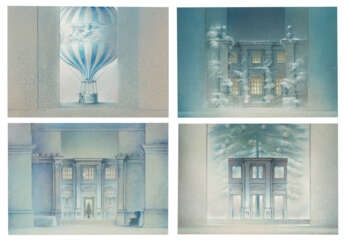

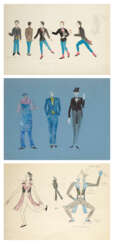

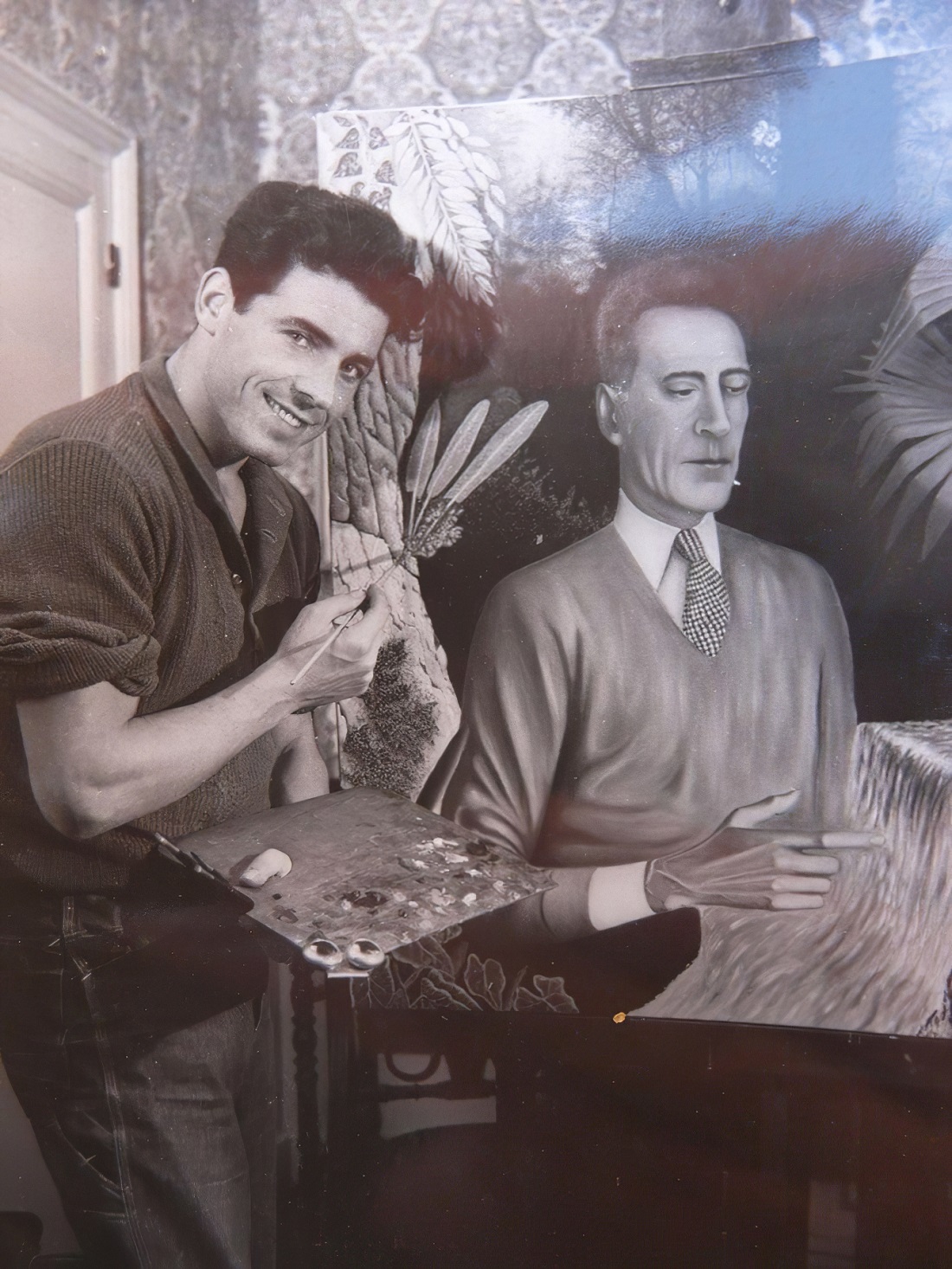
Édouard Dermit, whose real name was Antoine Dermit, was a French actor and painter.
As an actor, Dermit appeared in many French films and television series throughout his career. He worked with a number of famous French directors, including Jean-Luc Godard, François Truffaut, and Claude Chabrol..
In addition to his work as an actor, Dermit was also an accomplished painter. He studied at the École nationale supérieure des Beaux-Arts in Paris, and his paintings were exhibited in galleries and museums in France and abroad. His work was characterized by its bold colors and expressive brushwork, and often featured abstract or semi-abstract compositions.
Dermit's legacy continues to be celebrated in both the worlds of art and film, and his contributions to French culture have been recognized through numerous retrospectives and tributes.

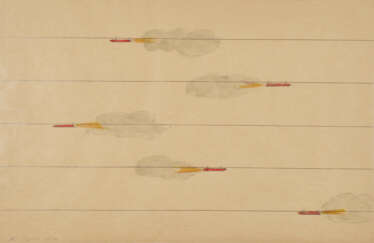

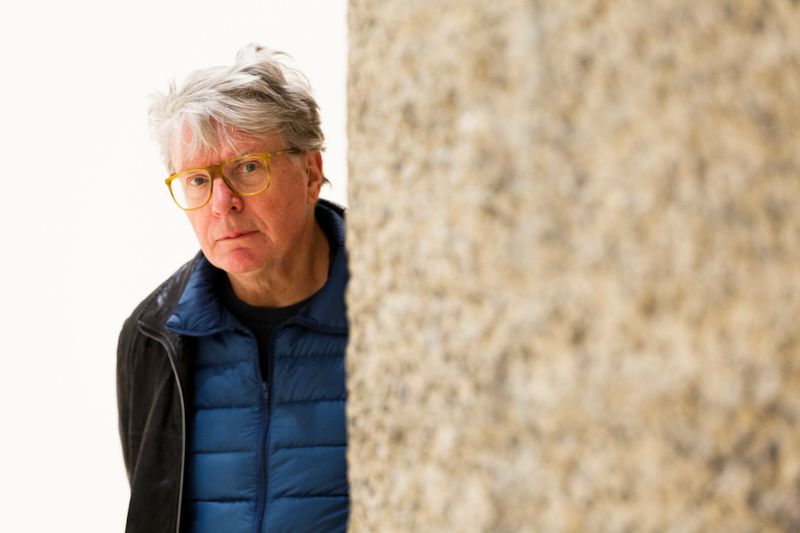
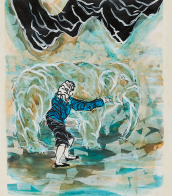
Roman Signer is a Swiss artist known for his sculptural installations, performances and videos. He studied at the Zurich School of Design.
Roman Signer's work is characterised by a sense of humour and playfulness, as well as a fascination for the unpredictable and uncontrollable forces of nature. He is best known for his "action sculptures", which involve setting up various objects and then exposing them to explosive or other kinetic forces, such as water or fire.
Roman Siegner explores the relationship between the sudden release of energy and tranquillity, between order and chaos. Physical forces such as gravity and propulsion energy are challenges for the artist and the tools he relies on to realise his sculptural ideas.


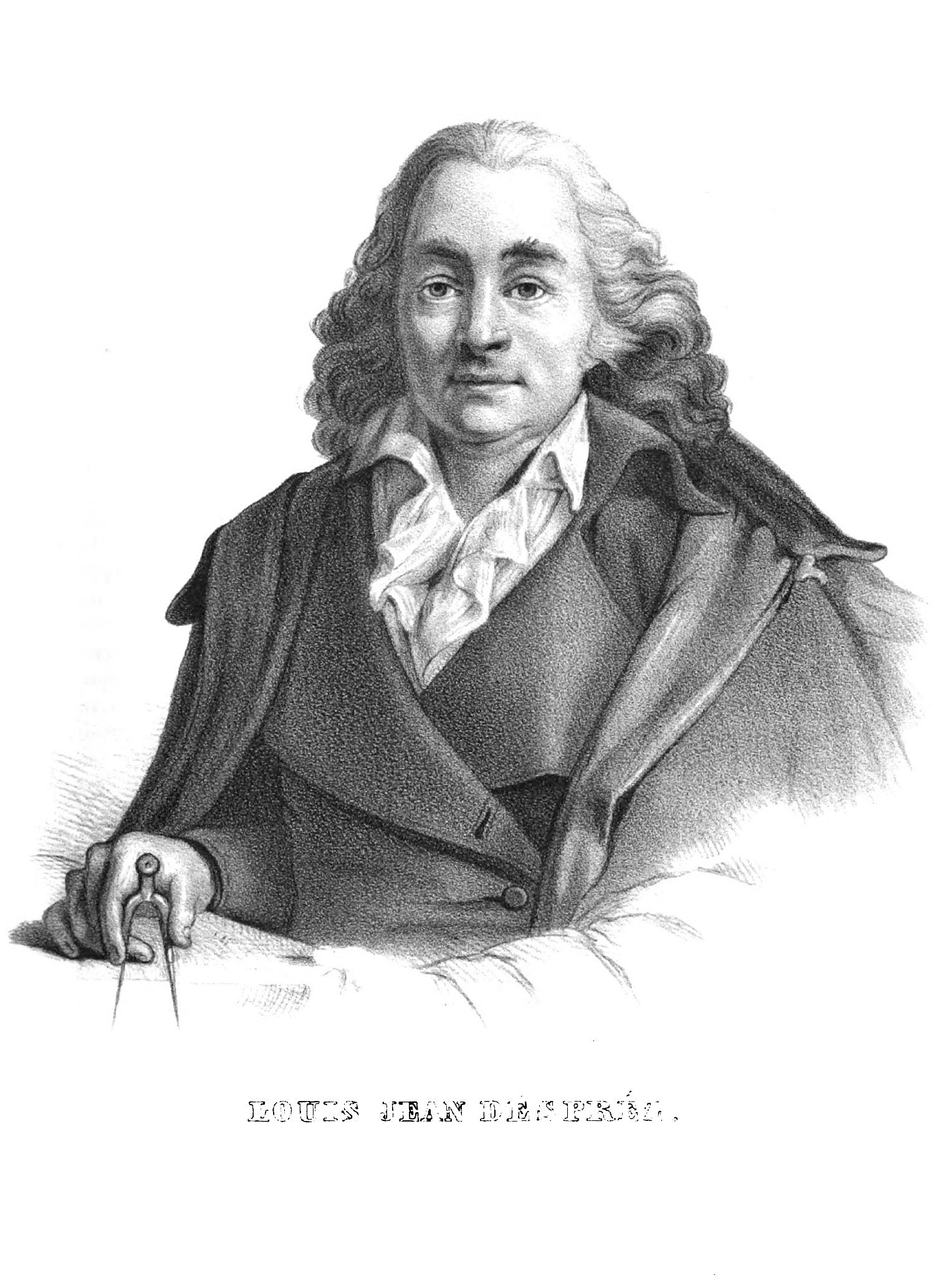


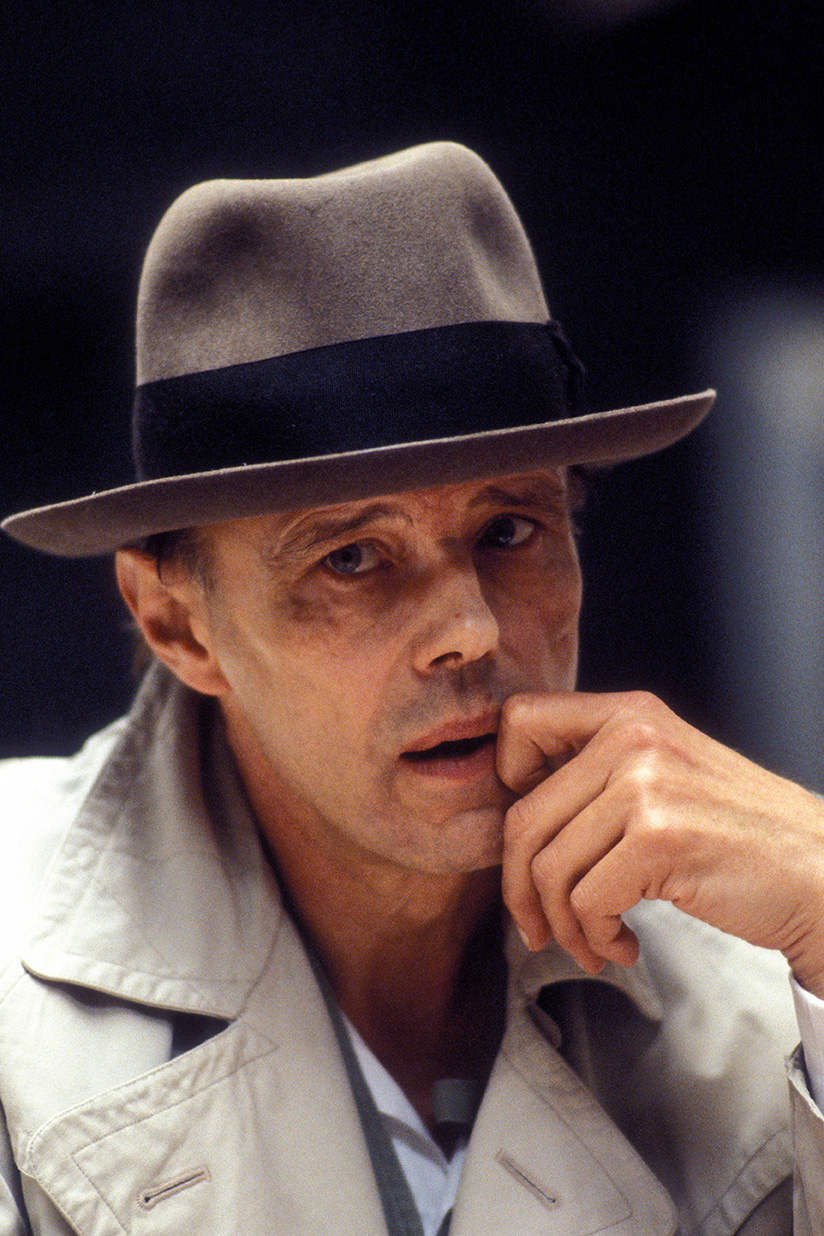
Joseph Heinrich Beuys was a German artist, renowned for his significant contributions to the realms of sculpture, painting, and installation art, which have left a lasting impact on the culture and art world. His work transcended traditional boundaries, merging art with social theory and politics, thus redefining the role of the artist in society. Beuys's unique approach to materials, incorporating substances like fat and felt, symbolized healing and insulation, reflecting his broader philosophical and ecological concerns.
Beuys's art was deeply influenced by his experiences during World War II and his academic background in natural sciences and sculpture. His concept of "social sculpture" proposed that art could transform society, emphasizing creativity as a fundamental component of human existence. This vision led him to use his performances, or "actions," as a medium to communicate his ideas, making him a pivotal figure in the Fluxus movement. Notable works such as "How to Explain Pictures to a Dead Hare" and "7000 Oaks" exemplify his innovative use of performance and environmental art to engage and challenge the public.
His legacy is preserved in major museums and galleries worldwide, including the Museum of Modern Art in New York and the Tate Modern in London. These institutions house key pieces that exemplify Beuys's diverse artistic output, from his early drawings and sculptures to his later installations and public interventions. His influence extends beyond the art world, impacting environmental activism and educational reform, underscoring his belief in the transformative power of art.
For collectors and experts in art and antiques, Joseph Heinrich Beuys remains a figure of immense interest, not only for his groundbreaking artworks but also for his profound impact on contemporary art theory and practice. To stay informed about new product sales and auction events related to Beuys, we invite you to sign up for updates. This subscription ensures you are always in the loop regarding opportunities to engage with the enduring legacy of one of the most influential artists of the 20th century.
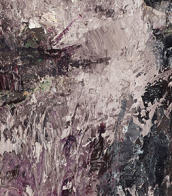
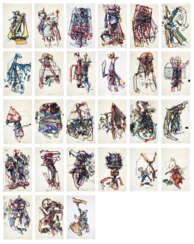

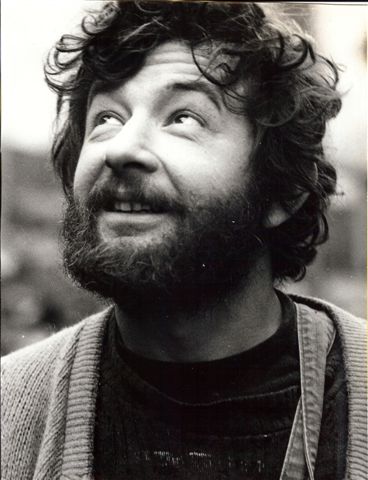
Miodrag Djuric (Montenegrin: Миодраг Ђурић), known as Dado, was an artist born in Montenegro who spent most of his life and creative career in France. He is particularly known as a painter but was also active as an engraver, draftsman, book illustrator and sculptor.
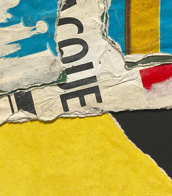
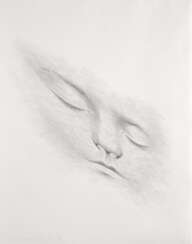

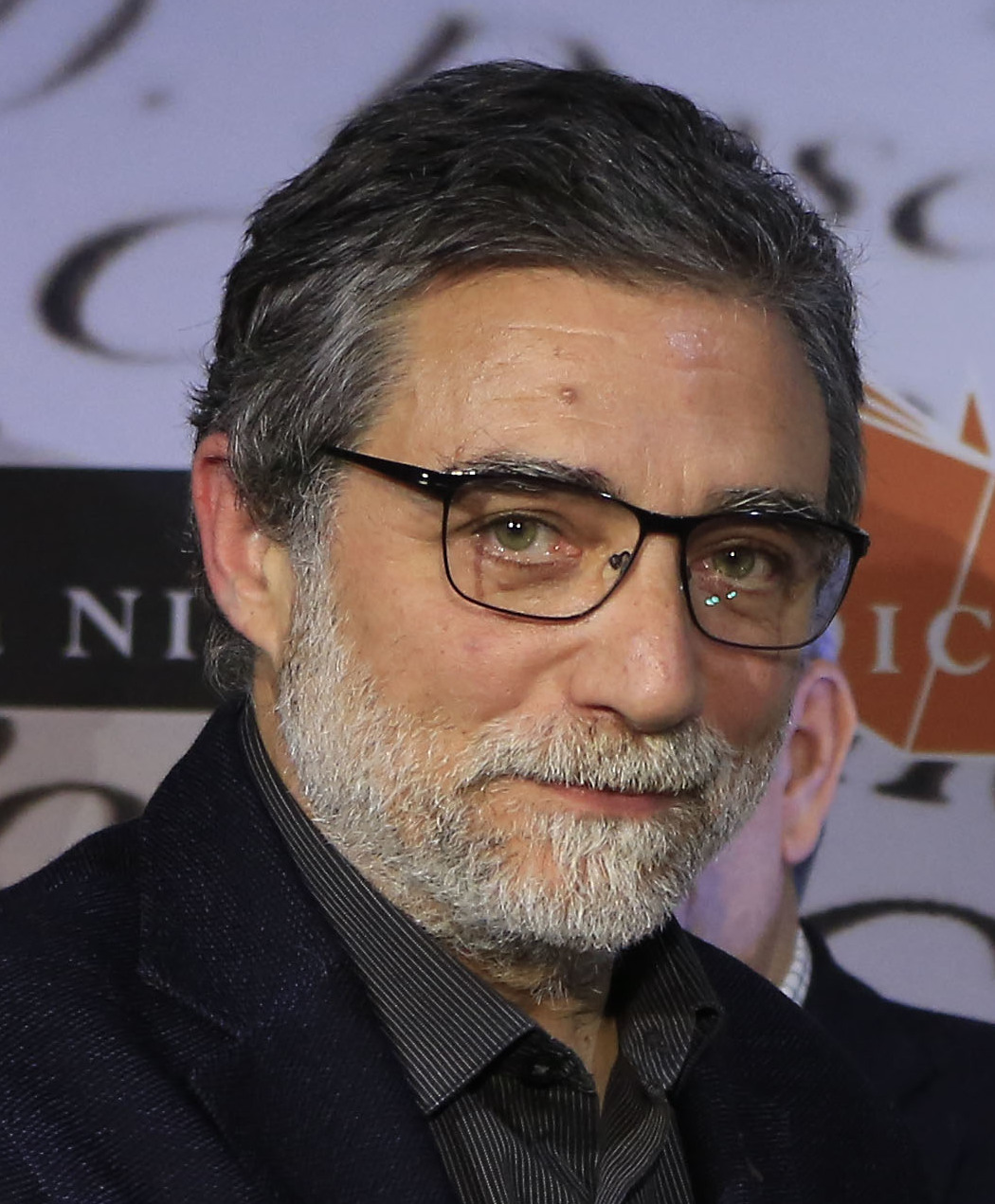
Jaume Plensa i Suñé is a Spanish visual artist, sculptor, designer and engraver. He is a versatile artist who has also created opera sets, video projections and acoustic installations. He worked with renowned Catalan theatrical group La Fura dels Baus. He is better known for his large sculptures made up of letters and numbers.
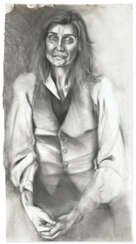

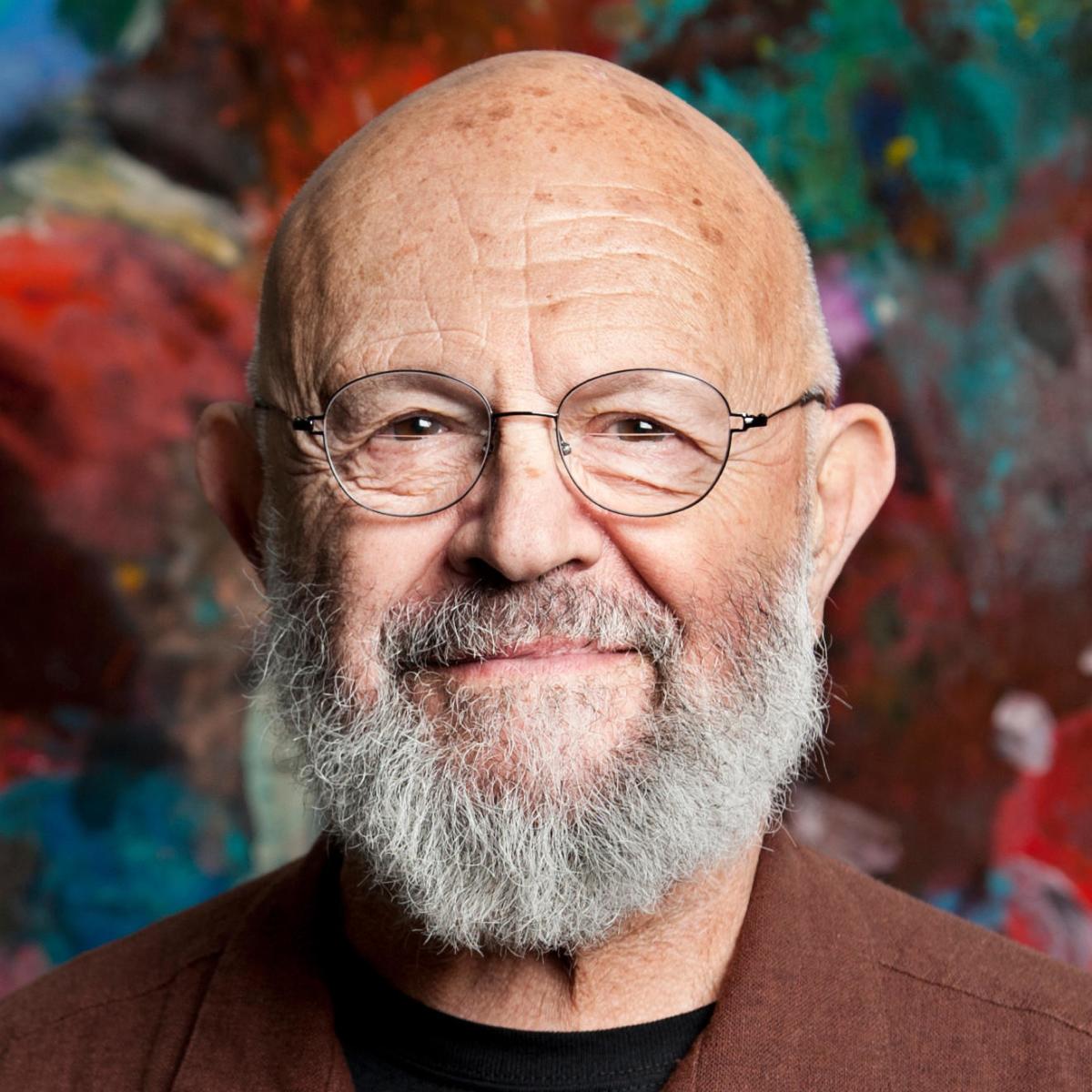
Jim Dine is an American artist whose œuvre extends over sixty years. Dine’s work includes painting, drawing, printmaking (in many forms including lithographs, etchings, gravure, intaglio, woodcuts, letterpress and linocuts), sculpture and photography; his early works encompassed assemblage and happenings, while in recent years his poetry output, both in publications and readings, has increased.

Jim Dine is an American artist whose œuvre extends over sixty years. Dine’s work includes painting, drawing, printmaking (in many forms including lithographs, etchings, gravure, intaglio, woodcuts, letterpress and linocuts), sculpture and photography; his early works encompassed assemblage and happenings, while in recent years his poetry output, both in publications and readings, has increased.
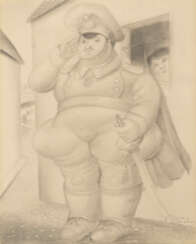

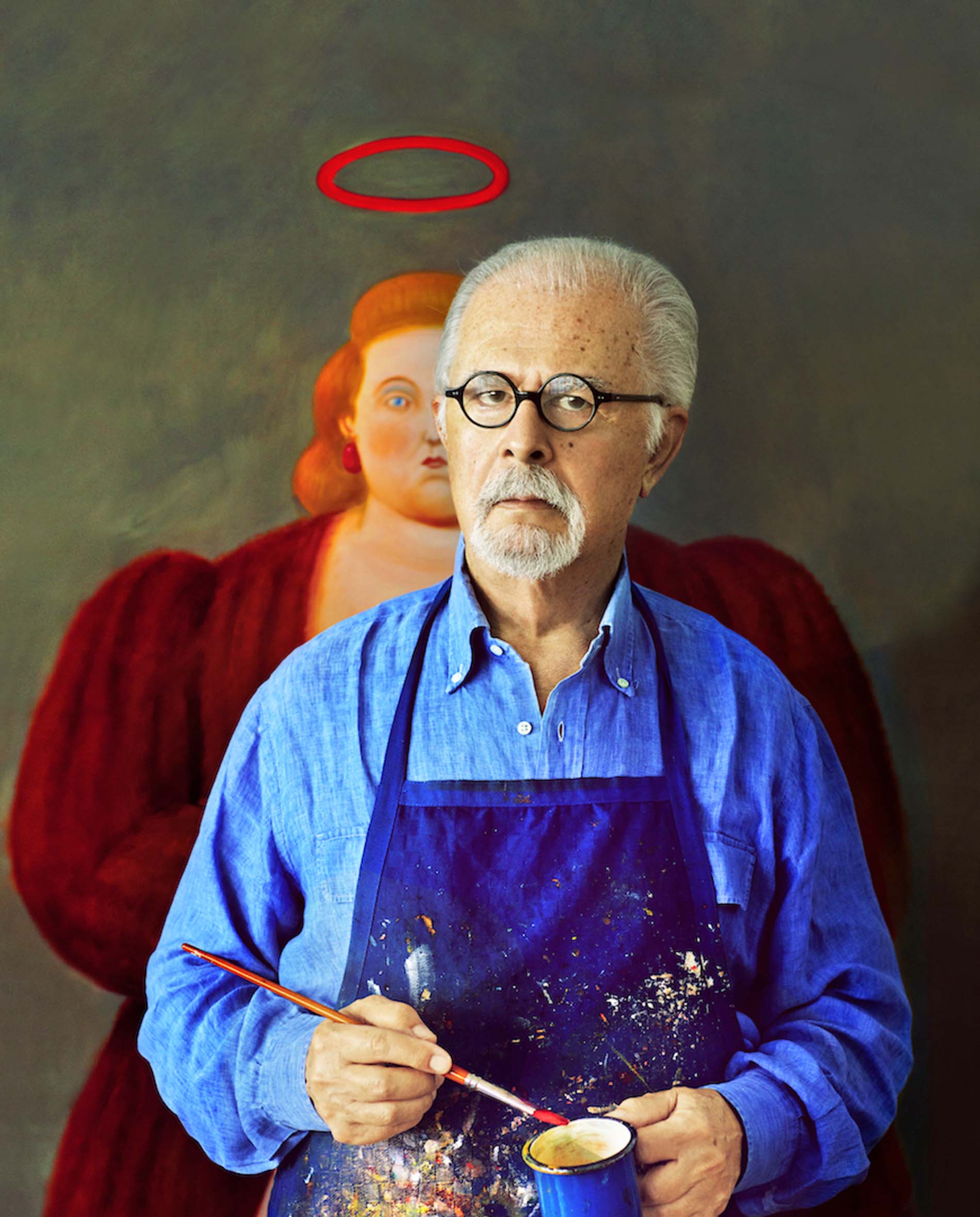
Fernando Botero Angulo was a Colombian painter and sculptor, celebrated for his volumetric stylization of figures and objects in his works. Born in Medellín, Colombia, Botero's signature style, known as "Boterismo", portrays people and animals in exaggerated and inflated shapes, often conveying social criticism or humor.
Fernando Botero's journey into the art world was marked by his early rejection of traditional artistic paths, opting instead to explore an innovative style that would later dominate his career. His art, infused with a mix of political satire and playful humor, has graced numerous galleries and public spaces worldwide. Notable public installations include his sculptures in Park Avenue, New York City, and the Champs-Élysées in Paris. His works are in the collections of many major international museums and have fetched high sums at auctions.
Fernando Botero's ability to capture the human condition through rounded, corpulent figures has endeared him to a global audience. His notable works such as "The Presidential Family" and "The Death of Pablo Escobar" are poignant commentaries on Colombian politics and society. Furthermore, Botero donated significant numbers of his works to Colombian museums, enriching the cultural heritage of his native country.
His influence extends beyond paintings and sculptures, as Fernando Botero has also engaged with social issues through his art. His series on Abu Ghraib prison abuses reflects his commitment to human rights and his capacity to address painful subjects through his distinct aesthetic.
For those interested in the vibrant world of art and culture, Botero's work remains a testament to the power of visual satire and cultural commentary. To stay updated on exhibitions and auctions featuring Fernando Botero’s works, sign up for alerts and dive deeper into the rich legacy of this monumental artist.
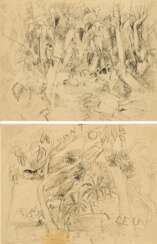

Oskar Moll was a German post-impressionist painter.
He studied painting in Munich and Berlin, met Henri Matisse in Paris in 1907 and took part in the founding of the Matisse Academy. He later taught at the Art Academy in Düsseldorf, from where he was eventually fired and branded as a propagator of degenerate art, one of his exhibitions was also banned by the Nazis and his works confiscated.
In his paintings, Moll combined linear structures with spaces of color, creating abstract and lyrical landscapes, still lifes and portraits. Contrasting color accents and ornamental motifs enliven the paintings.
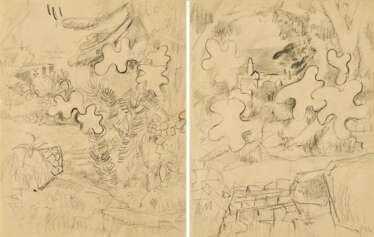

Oskar Moll was a German post-impressionist painter.
He studied painting in Munich and Berlin, met Henri Matisse in Paris in 1907 and took part in the founding of the Matisse Academy. He later taught at the Art Academy in Düsseldorf, from where he was eventually fired and branded as a propagator of degenerate art, one of his exhibitions was also banned by the Nazis and his works confiscated.
In his paintings, Moll combined linear structures with spaces of color, creating abstract and lyrical landscapes, still lifes and portraits. Contrasting color accents and ornamental motifs enliven the paintings.


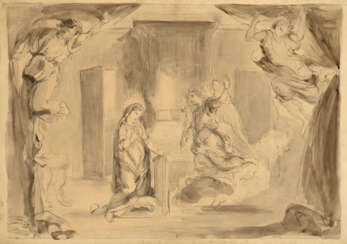

Ferdinand Victor Eugène Delacroix was a French Romantic artist, celebrated for revolutionizing the art world with his expressive brushstrokes and masterful use of color. Delacroix's art is characterized by its emotional intensity, vibrant colors, and dramatic themes, often drawing inspiration from historical, literary, and exotic sources. His innovative techniques and passion for expressive content made him a pivotal figure in the transition from the Neoclassical to the Romantic movement, influencing both the Impressionist and Symbolist movements that followed.
Delacroix's fascination with the exotic and the sublime led him to North Africa in 1832, where he captured the spirit and colors of Moroccan life, influencing his later works with themes of orientalism. This trip inspired masterpieces such as "Women of Algiers in their Apartment" (1847-1849), showcasing his ability to blend vivid color with intricate detail to evoke a sense of place and culture. His masterpiece, "Liberty Leading the People" (1830), is emblematic of his political engagement and artistic audacity, capturing the spirit of the 1830 revolution with a realism and fervor that resonated with the public and critics alike.
Delacroix's legacy extends beyond his paintings. As a muralist and lithographer, he left a significant mark on public and private art collections, with works displayed in prestigious institutions like the Louvre. His impact on the art world is seen in his influence on subsequent generations of artists, from the Impressionists' exploration of color and light to the Symbolists' fascination with dreamlike and exotic themes.
For collectors and experts in art and antiques, Delacroix represents not only a high point in Romantic art but also a bridge to modern artistic expressions. His works, housed in museums around the world, continue to inspire and captivate audiences with their intensity and beauty.
If you're passionate about Delacroix's contribution to art and culture, consider subscribing for updates on new product sales and auction events related to this iconic artist. Stay informed on opportunities to add a piece of art history to your collection.
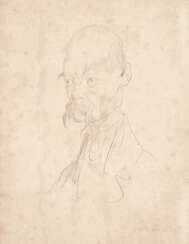

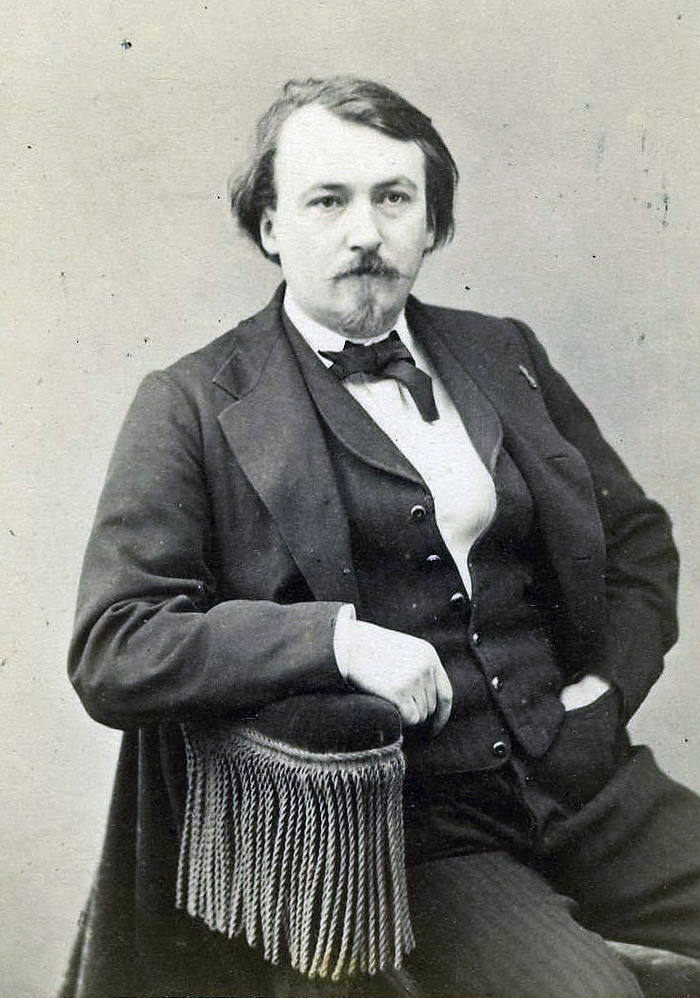
Gustave Doré, full name Paul Gustave Louis Christophe Doré, was a French painter, sculptor, graphic artist, illustrator, and cartoonist.
Doré was very industrious and prolific: he created more than 10,000 illustrations for art books as well as the Bible. He decorated the works of Rabelais, Balzac, Cervantes, Dante and Milton with his lively drawings, making Doré's name famous. He had a special gift for illustrating nature and fairy tales.
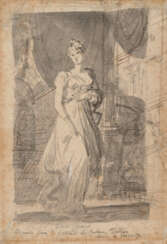

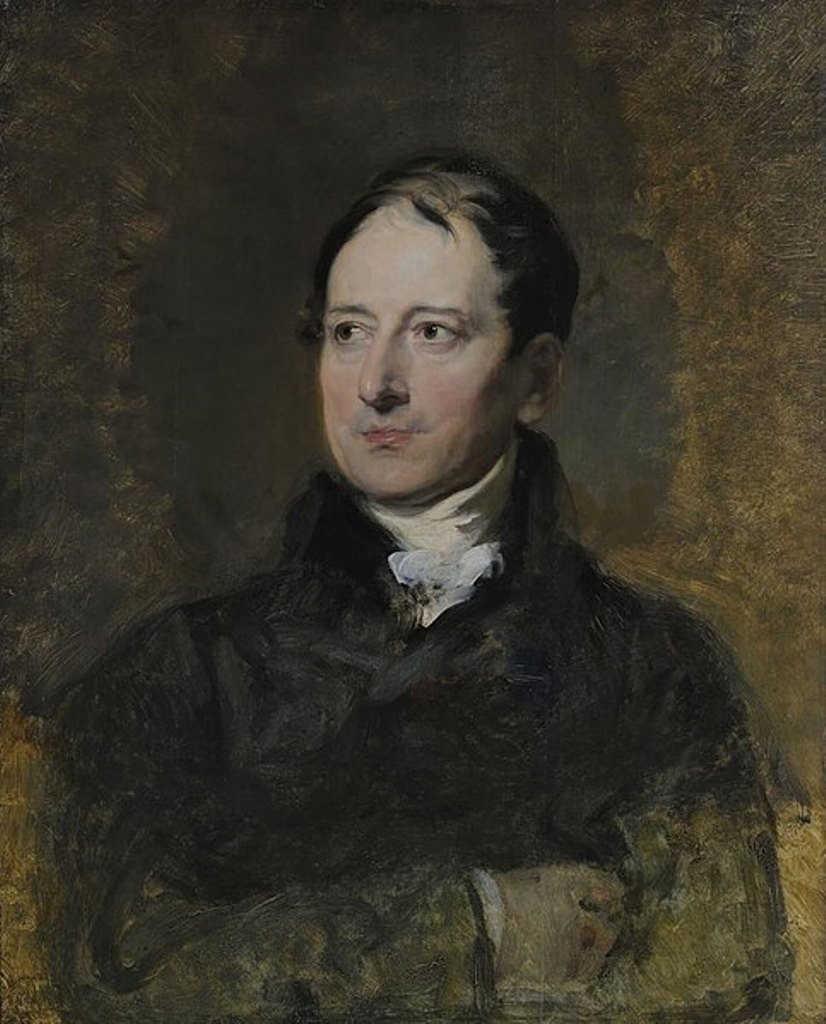
Baron François Pascal Simon Di Cerchia Gerard was a famous French painter of the late 18th century and the first half of the 19th century, an outstanding master of the portrait genre. Francois Gerard was also famous for his paintings on historical and mythological subjects in the neoclassical style. His portraits were highly regarded by the most important European nobles who often commissioned ceremonial portraits from him. His biography is an example of a successful career as an artist during a period of great political upheaval.
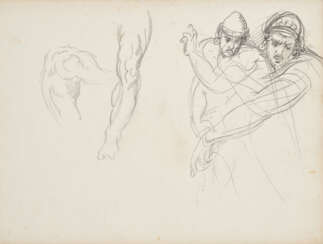

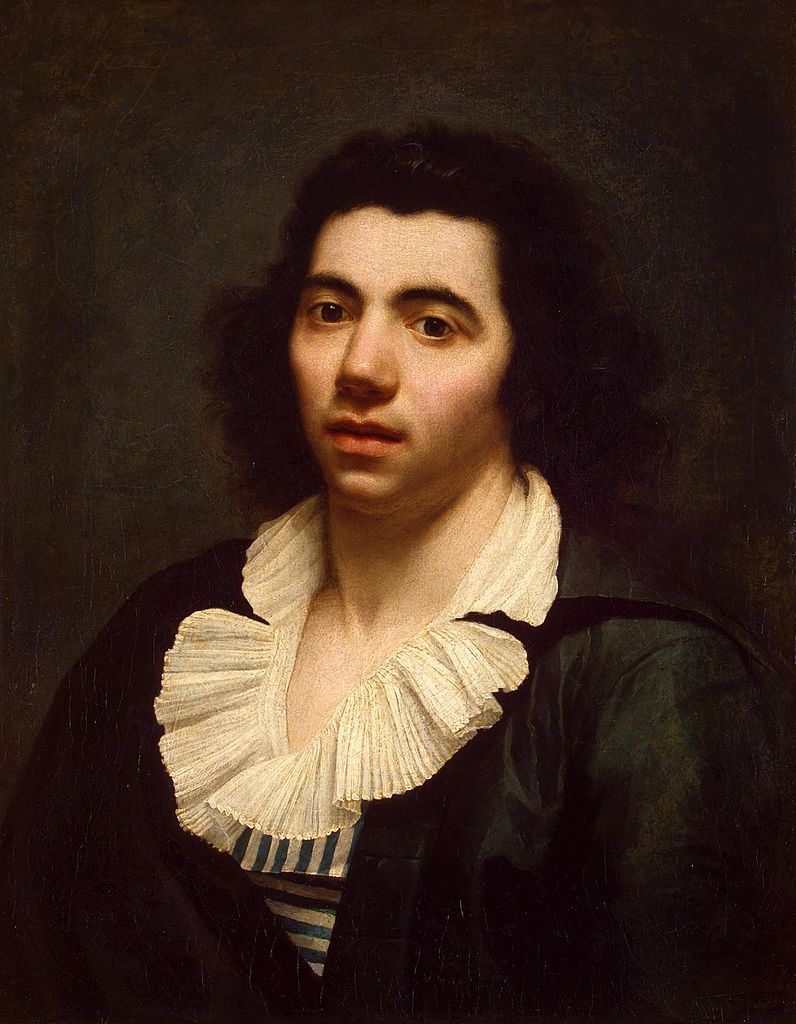



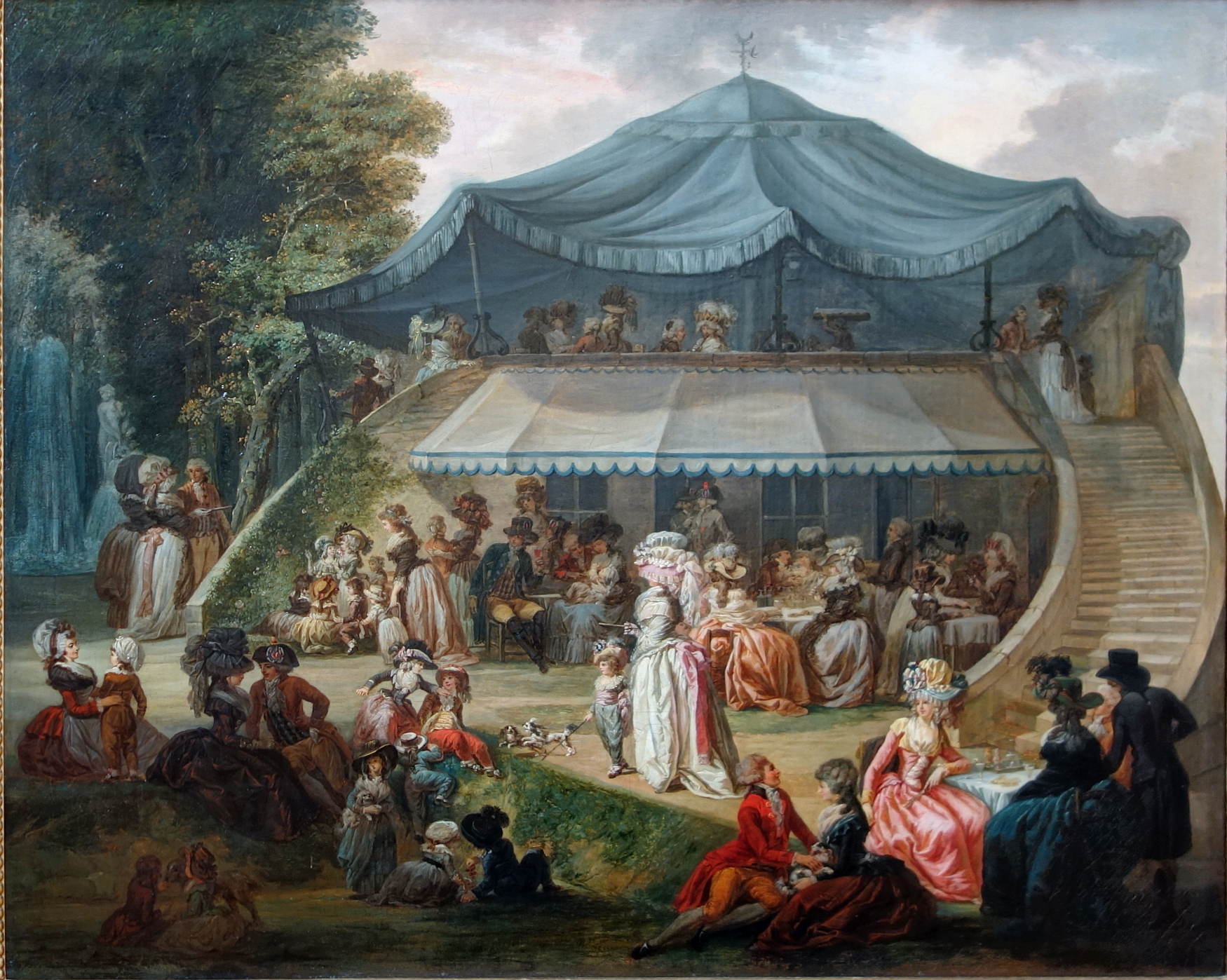
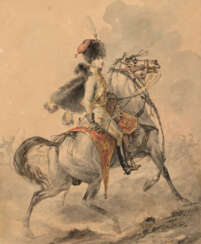

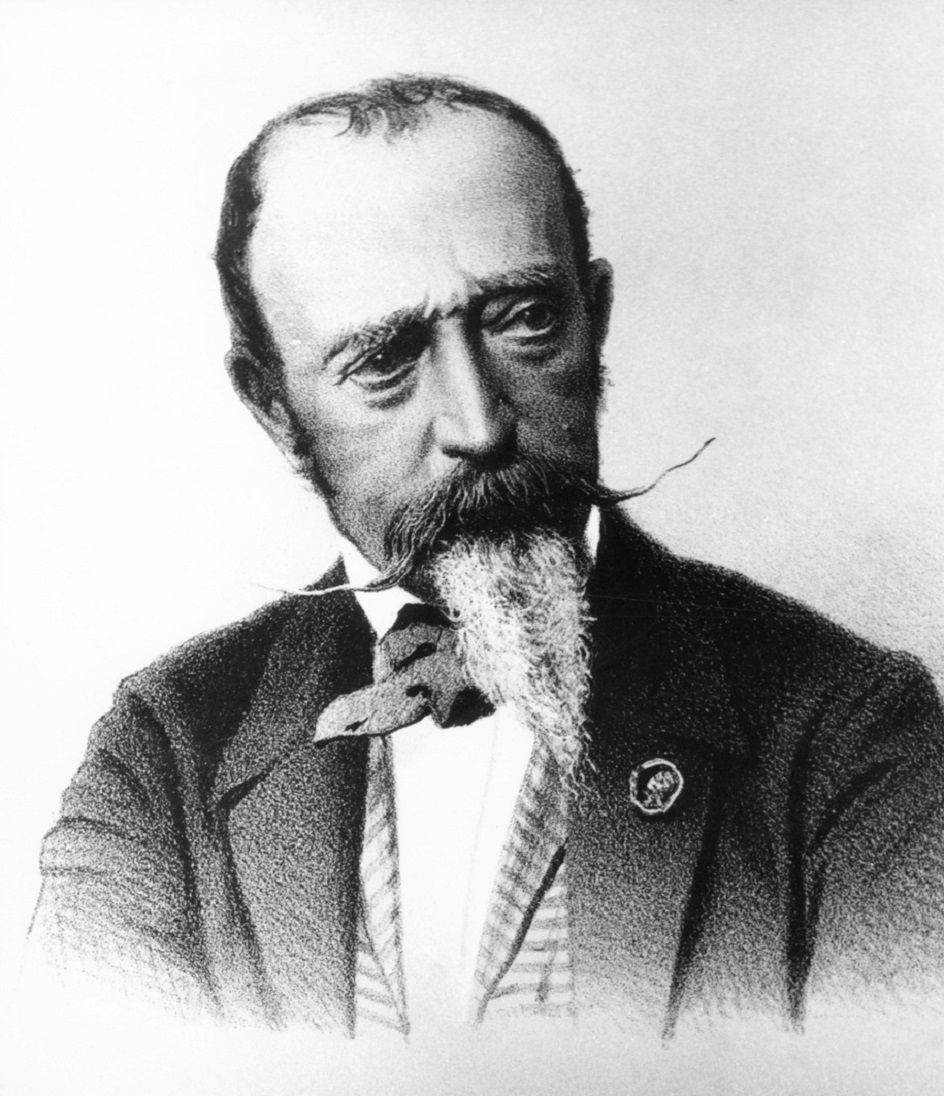
Émile Jean-Horace Vernet, more commonly known as simply Horace Vernet was a 19th-century French painter, one of the greatest representatives of the battlefield genre of his era.
Horace Vernet also painted paintings on historical and mythological themes, portraits and landscapes. Among his many masterpieces are many works that describe the exotic world of the Middle East and North Africa. His biography is filled with numerous travels around the world, where he drew inspiration and new ideas for his works.
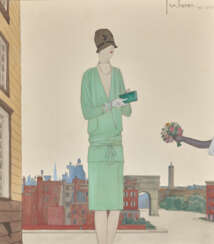

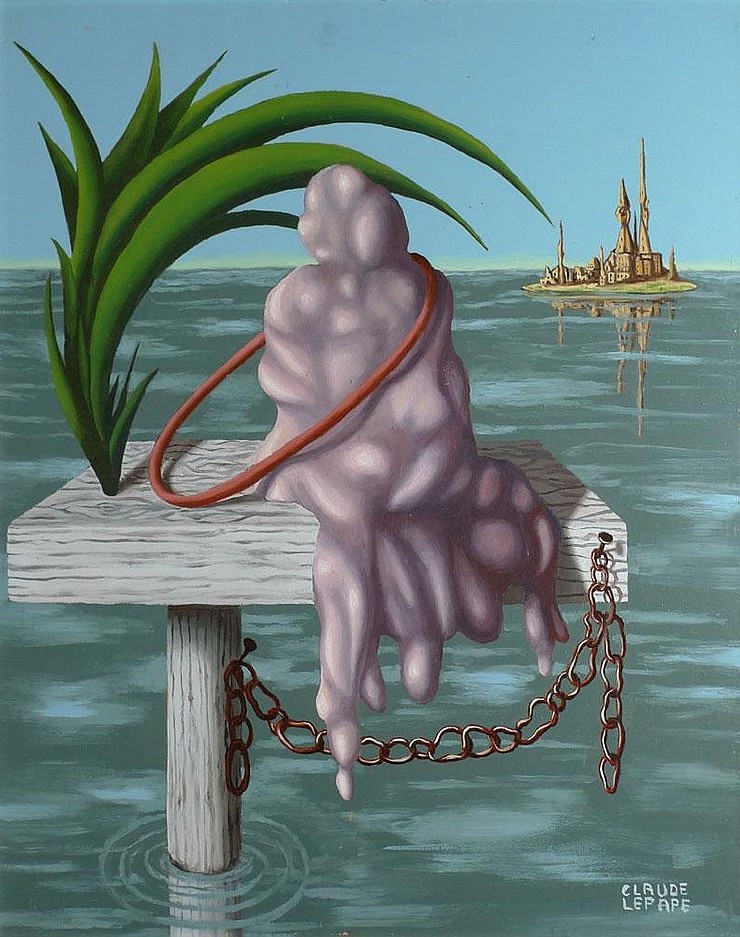
Claude Lepape was a French painter, printmaker, theatre set designer and representative of the Paris School. He was the son of the painter Georges Lepape and studied painting at the Ecole Nationale Superieure des Beaux-Arts in Paris. Claude Lepape's still lifes and portraits convey the artist's intimate understanding of creatures and objects and have a surrealist undertone.


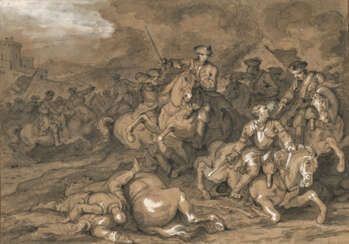

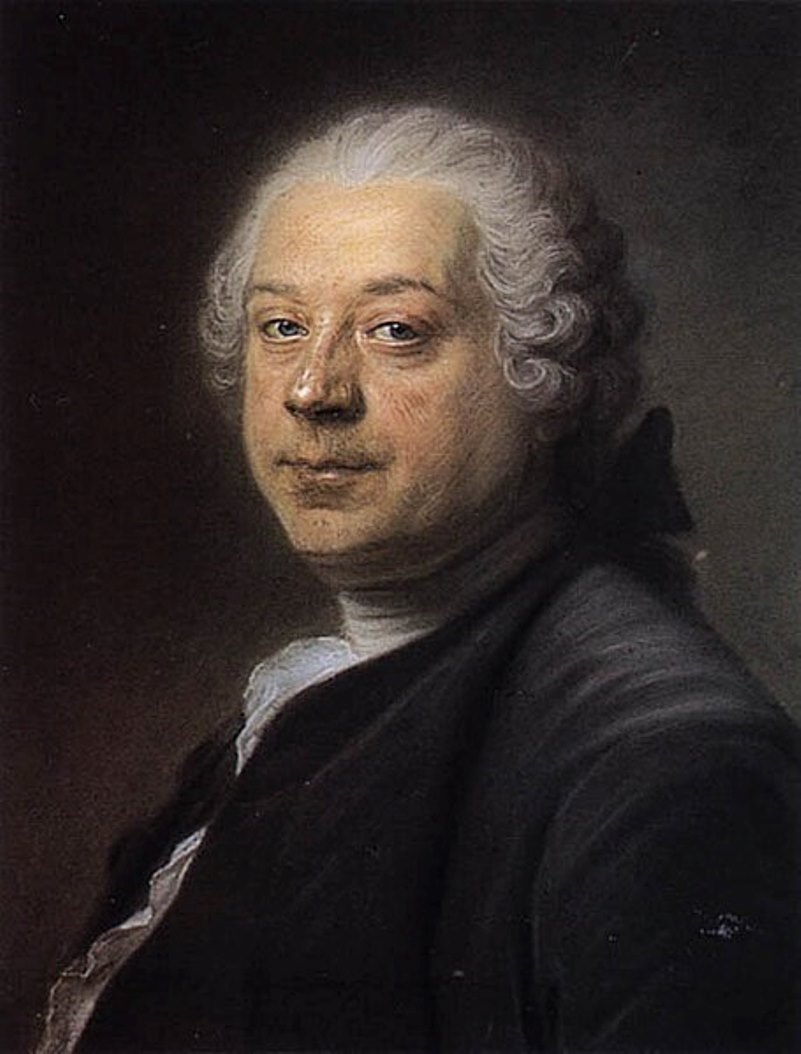
Charles Parrocel is a French painter-batalist and printmaker of the early rococo era.
Charles is a member of the Parrocel dynasty of artists and received his first lessons in painting from his father - the famous painter Joseph Parrocel, and then studied at the French Academy in Rome. Returning in 1721 in Paris, Charles Parrocel engaged exclusively in battle painting. For the painting "Battle of Infantry and Cavalry" in 1737 he was awarded the title of academician of painting and was admitted to the Royal Academy.
Charles Parrocel was a court battle painter and also painted paintings of hunting scenes. In the first half of the 18th century, he was one of the most famous and respected painters in Europe.
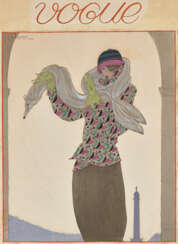

Claude Lepape was a French painter, printmaker, theatre set designer and representative of the Paris School. He was the son of the painter Georges Lepape and studied painting at the Ecole Nationale Superieure des Beaux-Arts in Paris. Claude Lepape's still lifes and portraits convey the artist's intimate understanding of creatures and objects and have a surrealist undertone.


Jacques-Louis David, a preeminent French artist of the Neoclassical movement, made a profound impact on the art world with his compelling history paintings and portraiture. Born in Paris in 1748 into a prosperous family, David's early life was marked by tragedy and ambition. Despite losing his father at a young age and facing opposition from his family, his determination to pursue art led him to become a student of Joseph-Marie Vien and later, a notable figure in the French Academy in Rome. David's artistic journey was characterized by a rigorous classical education, culminating in winning the prestigious Prix de Rome in 1774, which allowed him to study the masterpieces of classical antiquity and the Renaissance in Italy.
David's work is renowned for its classical austerity, a response to the frivolous Rococo style that preceded him. His paintings, such as "The Oath of the Horatii," reflect a blend of classical themes with a modern sense of emotion and drama, resonating with the revolutionary spirit of his times. As the French Revolution unfolded, David aligned himself with its ideals, becoming an active supporter and using his art to serve political purposes. He was closely associated with leaders of the Revolution, including Maximilien Robespierre, and later became the official painter of Napoleon, contributing significantly to the iconography of the era.
Throughout his career, David had a significant influence on French art, not only through his own works but also as a teacher. His studio was a nurturing ground for the next generation of French painters, despite his reputation for being demanding. David's move to Brussels after the fall of Napoleon marked the final phase of his career, where he continued to paint until his death in 1825.
David's legacy extends beyond his contributions to Neoclassical art. He played a crucial role in the development of modern art history, blending classical ideals with contemporary themes, and influencing not only his contemporaries but also future generations of artists. His works, housed in museums around the world, continue to be studied and admired for their technical mastery and emotional depth.
For art collectors and experts, David's oeuvre offers a fascinating insight into a transformative period in art history, where the classical and the contemporary intersected to create a new visual language. His paintings not only depict historical and mythological scenes but also embody the ideals, struggles, and aspirations of his time.
For those interested in exploring the works of Jacques-Louis David and the impact of his art on the Neoclassical movement, updates on new product sales and auction events related to David's work can provide valuable opportunities to engage with his legacy. Signing up for updates ensures access to the latest information and events, offering a deeper understanding of this pivotal artist's contributions to art and culture.
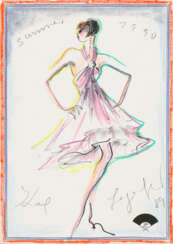

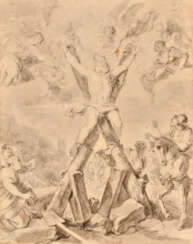

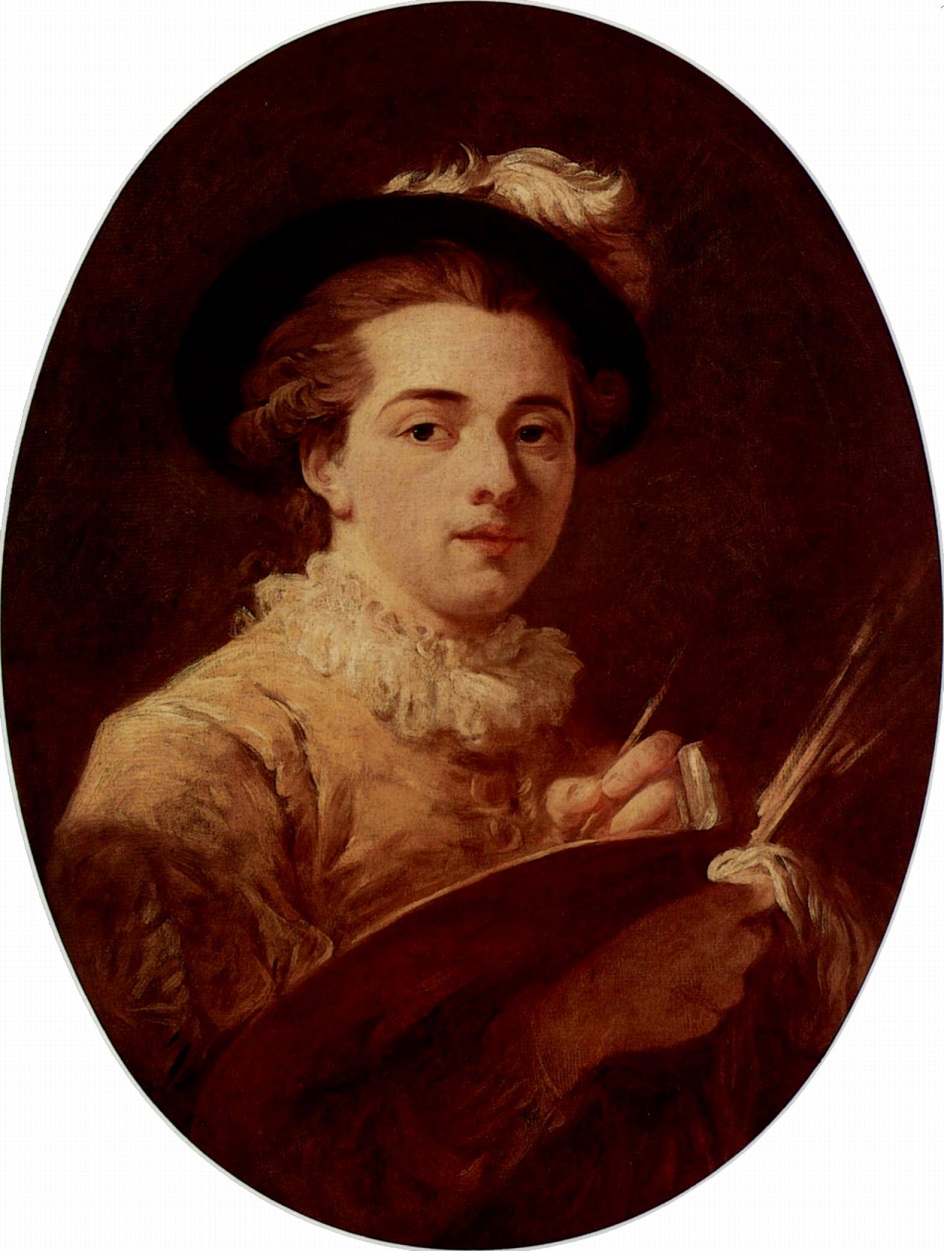
Jean-Honoré Fragonard, a prominent French Rococo painter, left an indelible mark on the art world with his vivacious and hedonistic approach to painting. Born in Grasse, France, in 1732, Fragonard's journey into the art world was marked by his early apprenticeship under François Boucher, whose influence is evident in the young artist's work. Fragonard's talent and skill were recognized early on when he won the prestigious Prix de Rome in 1752, which allowed him to study at the French Academy in Rome.
Jean-Honoré Fragonard's work is characterized by a remarkable facility, exuberance, and a penchant for themes of love and voluptuousness that resonated with the opulent and pleasure-seeking milieu of Louis XV's court. His paintings, such as "The Swing" (Wallace Collection), "Blind Man's Bluff," and "The Bolt," are celebrated for their tender beauty, vibrant color, and the virtuosity of his brushwork. These works encapsulate the essence of Rococo art with their playful themes, intricate compositions, and luminous palette.
Despite the initial success and the king's patronage, which saw his piece "Coresus et Callirhoe" being bought and reproduced at the Gobelins factory, Jean-Honoré Fragonard's career took a turn as the French Revolution upended the social order and the artist's private patrons were guillotined or exiled. This period forced Fragonard to leave Paris, seeking refuge in Grasse. He returned to the capital in the early 19th century, where he died in 1806, almost forgotten. It wasn't until the late 19th and early 20th centuries that Fragonard's work was re-evaluated, cementing his position among the masters of French painting. His influence on the Impressionists, particularly Renoir and his grandniece Berthe Morisot, is undeniable, showcasing his lasting impact on the trajectory of art history.
For collectors and experts in art and antiques, Jean-Honoré Fragonard's oeuvre represents the pinnacle of Rococo art, offering a glimpse into the opulent and sensuous world of 18th-century France. His paintings are not just artistic achievements but are also historical documents that reflect the cultural and social dynamics of his time.
To stay updated on new discoveries, sales, and auction events related to Jean-Honoré Fragonard's works, signing up for updates is recommended. This ensures that enthusiasts and collectors are promptly informed about opportunities to enrich their collections with the exquisite beauty of Fragonard's art.


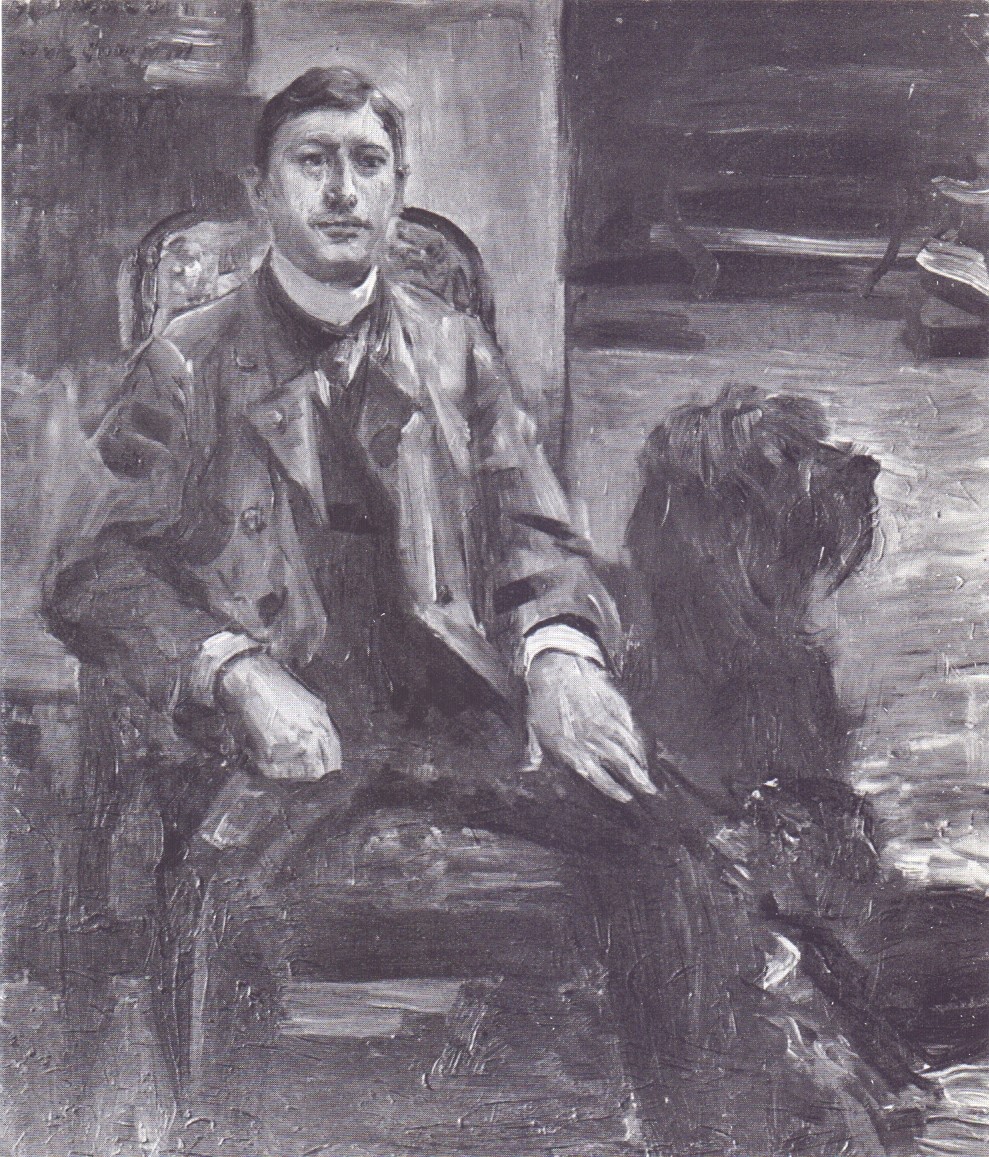
,_Selbstportrait_(1873).jpg)
Arnold Böcklin was a Swiss symbolist painter.
Influenced by Romanticism, Böcklin's symbolist use of imagery derived from mythology and legend often overlapped with the aesthetic of the Pre-Raphaelites. Many of his paintings are imaginative interpretations of the classical world, or portray mythological subjects in settings involving classical architecture, often allegorically exploring death and mortality in the context of a strange, fantasy world.


Charles Parrocel is a French painter-batalist and printmaker of the early rococo era.
Charles is a member of the Parrocel dynasty of artists and received his first lessons in painting from his father - the famous painter Joseph Parrocel, and then studied at the French Academy in Rome. Returning in 1721 in Paris, Charles Parrocel engaged exclusively in battle painting. For the painting "Battle of Infantry and Cavalry" in 1737 he was awarded the title of academician of painting and was admitted to the Royal Academy.
Charles Parrocel was a court battle painter and also painted paintings of hunting scenes. In the first half of the 18th century, he was one of the most famous and respected painters in Europe.
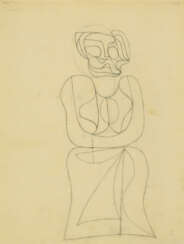

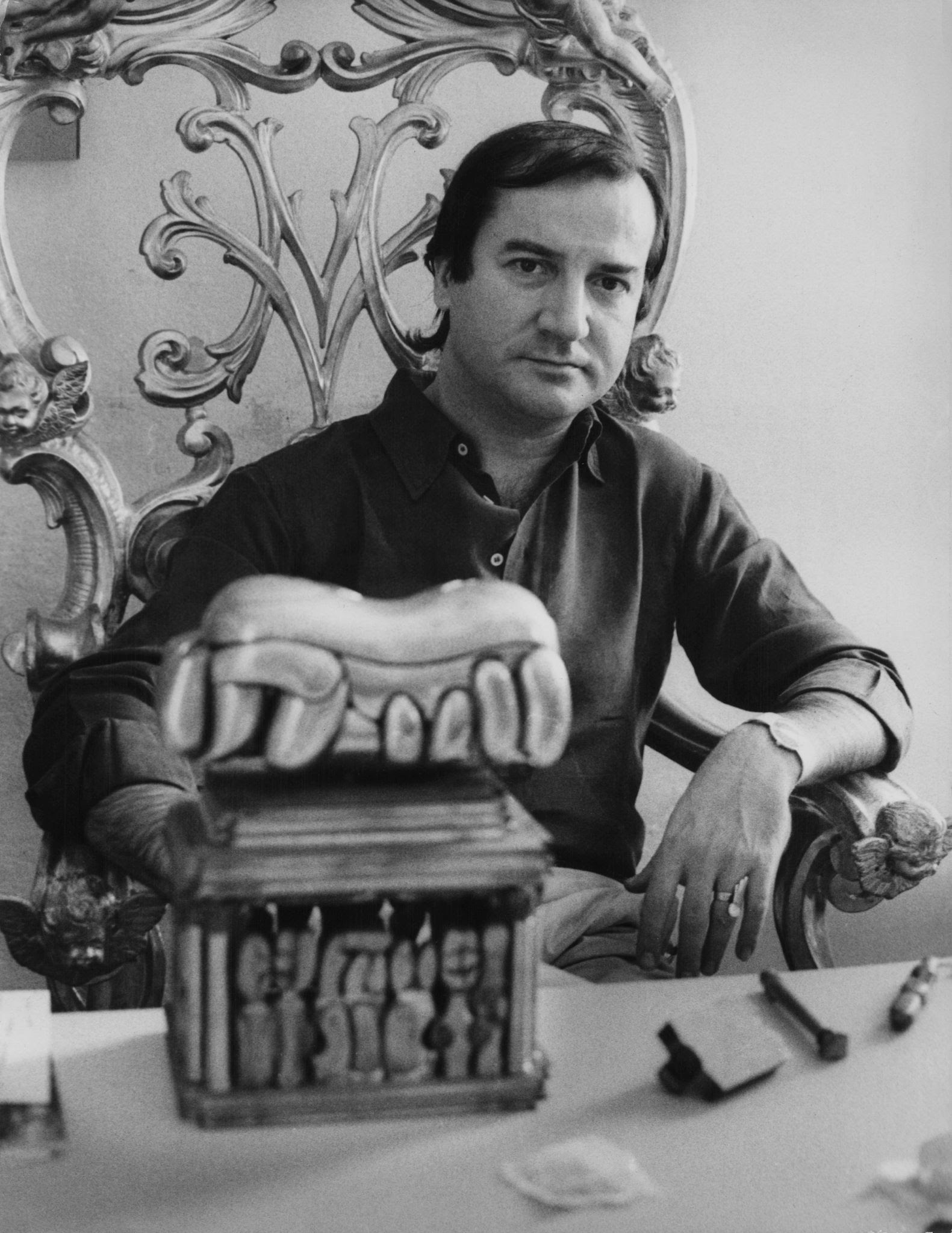
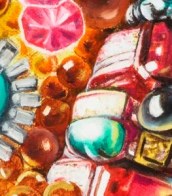
Miguel Ortiz Berrocal was a Spanish figurative and abstract sculptor. He is best known for his puzzle sculptures, which can be disassembled into many abstract pieces. These works are also known for the miniature artworks and jewelry incorporated into or concealed within them, and the fact that some of the sculptures can be reassembled or reconfigured into different arrangements. Berrocal's sculptures span a wide range of physical sizes from monumental outdoor public works, to intricate puzzle sculptures small enough to be worn as pendants, bracelets, or other body ornamentation.













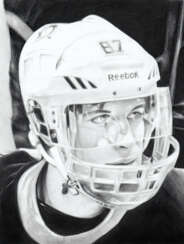

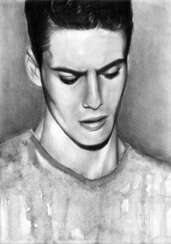

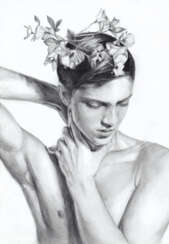

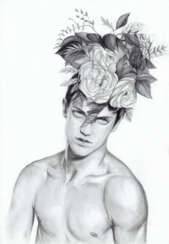










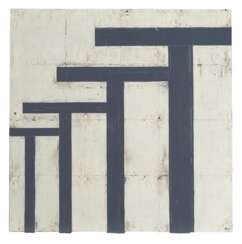

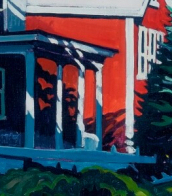


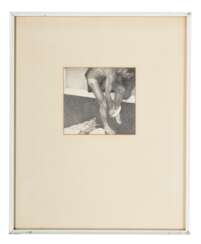



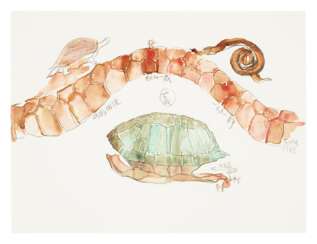



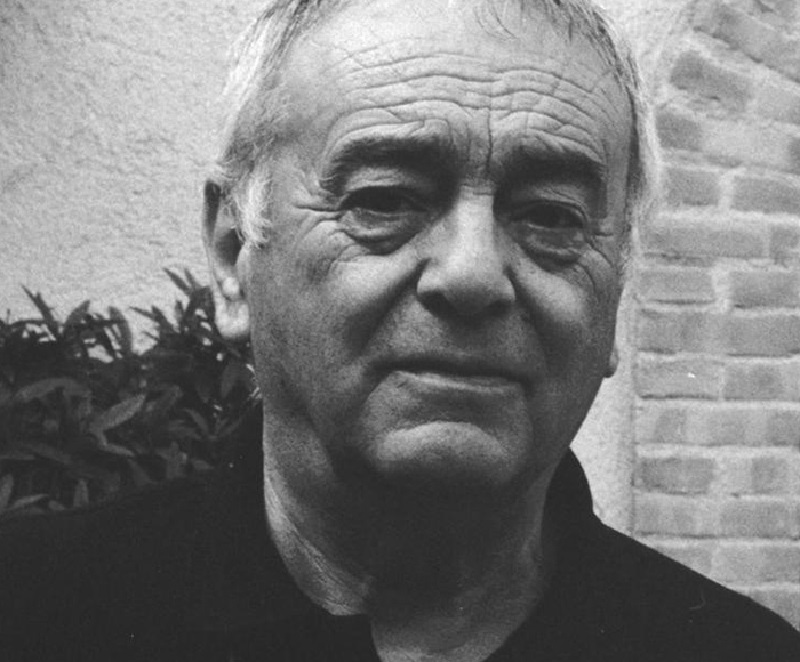
Giuseppe Uncini was an Italian painter and sculptor.
Uncini was one of the most important representatives of Gruppo Uno, a movement that rejected the tenets of Art Informel and revived the spirit of rationalism by proposing an idea of art rooted in the theory of perception. Throughout his practice, Uncini extols the architectural and structural elements of his work.
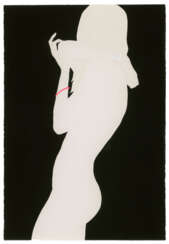





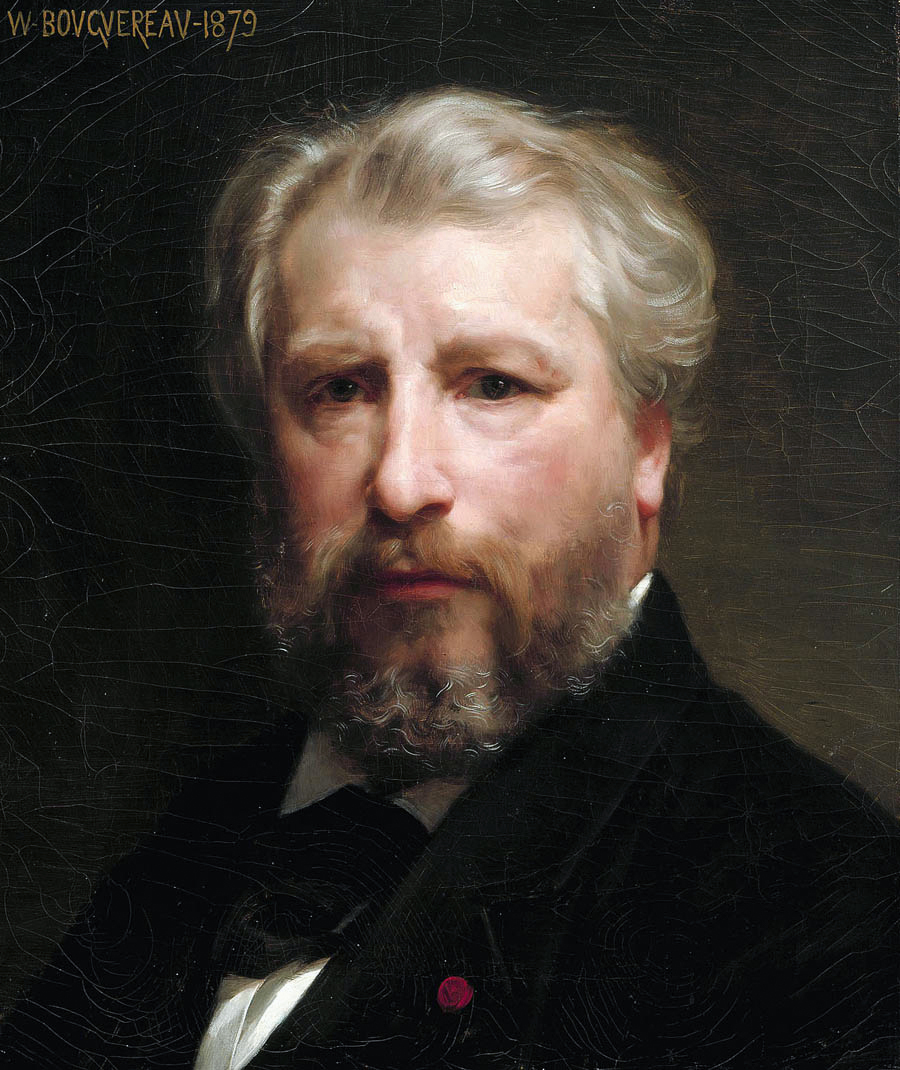
William-Adolphe Bouguereau was a French academic painter. In his realistic genre paintings, he used mythological themes, making modern interpretations of classical subjects, with an emphasis on the female human body. During his life, he enjoyed significant popularity in France and the United States, was given numerous official honors, and received top prices for his work. As the quintessential salon painter of his generation, he was reviled by the Impressionist avant-garde. By the early twentieth century, Bouguereau and his art fell out of favor with the public, due in part to changing tastes. In the 1980s, a revival of interest in figure painting led to a rediscovery of Bouguereau and his work. He finished 822 known paintings, but the whereabouts of many are still unknown.
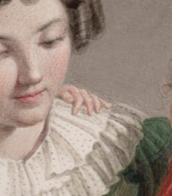
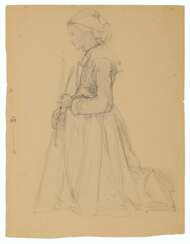

William-Adolphe Bouguereau was a French academic painter. In his realistic genre paintings, he used mythological themes, making modern interpretations of classical subjects, with an emphasis on the female human body. During his life, he enjoyed significant popularity in France and the United States, was given numerous official honors, and received top prices for his work. As the quintessential salon painter of his generation, he was reviled by the Impressionist avant-garde. By the early twentieth century, Bouguereau and his art fell out of favor with the public, due in part to changing tastes. In the 1980s, a revival of interest in figure painting led to a rediscovery of Bouguereau and his work. He finished 822 known paintings, but the whereabouts of many are still unknown.


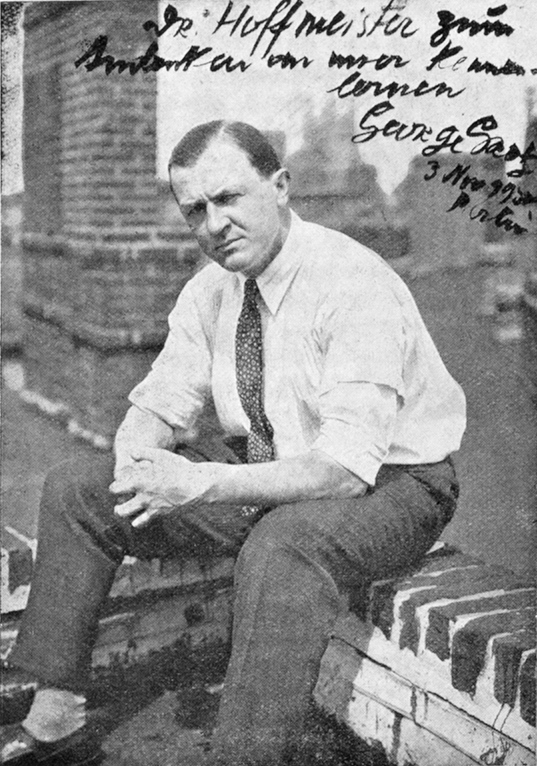
George Grosz was a twentieth-century German painter, graphic artist, and cartoonist. In his work one can find features of various styles of avant-garde art, including Dadaism, Expressionism, and Futurism.
George Grosz drew in every style in a sharp-grotesque and satirical spirit, ridiculing the vices of society. The erotic theme, which occupied a prominent place in Gross's work, was executed in the same spirit.
Grosz devoted more than 20 years to teaching at the Art Students League of New York, and was elected an honorary member of the American and Berlin Academies for his outstanding services to the arts.

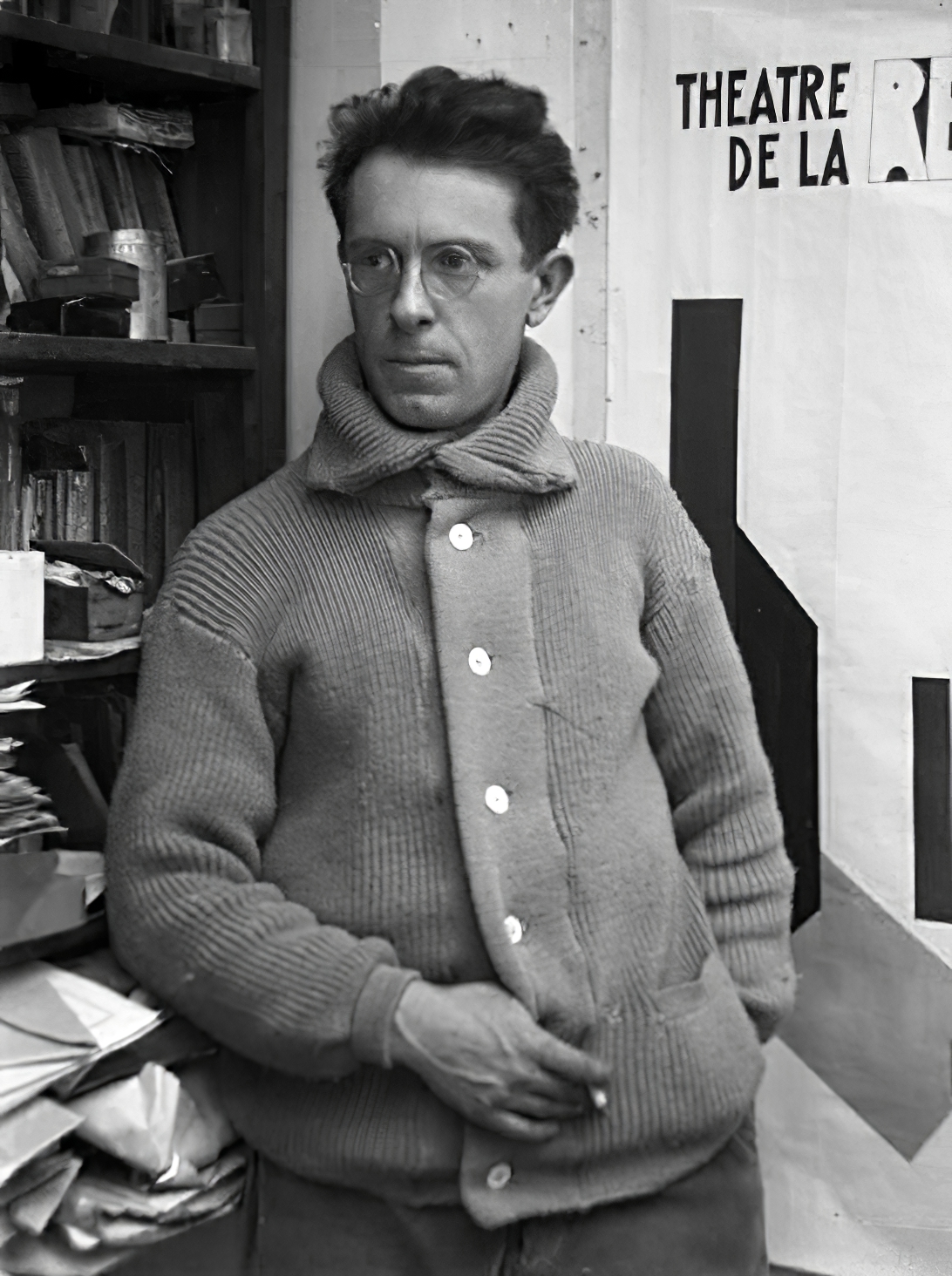
Joseph Csaky, a Hungarian avant-garde artist, sculptor, and graphic artist, is renowned for his pioneering contributions to the Cubist movement. Born in 1888, Csaky's journey into the art world was profoundly influenced by his discovery of Auguste Rodin's work, which paved the way for his mastery in sculptural techniques. His innovative approach is highlighted in his Cubist sculptures, where he skillfully integrated volumetric and spatial relationships, utilizing abstract architectonic forms and drawing inspiration from non-Western art such as Cycladic, Oceanic, and ancient Egyptian art.
Joseph Csaky's commitment to originality is evident in his personal artistic language, which he developed while being part of the vibrant Parisian art scene. His works, such as "Euterpe – Muse of Lyric Poetry" and "Imbrication de cônes," showcase his ability to translate Cubist principles into three-dimensional forms.
Art collectors and experts appreciate Joseph Csaky's contributions to modern sculpture, with his works being sought after in art galleries and auctions. His pieces like "Woman Raising her Hand" and "Figure, dite aussi Femme" not only reflect his artistic prowess but also his influence on subsequent art movements.
For those interested in the fusion of Cubism and sculpture, Joseph Csaky's oeuvre offers a profound insight into the evolution of modern art. To stay updated on new product sales and auction events related to Joseph Csaky, consider signing up for updates. This subscription will keep you informed about the latest developments and opportunities to engage with Csaky's enduring legacy.


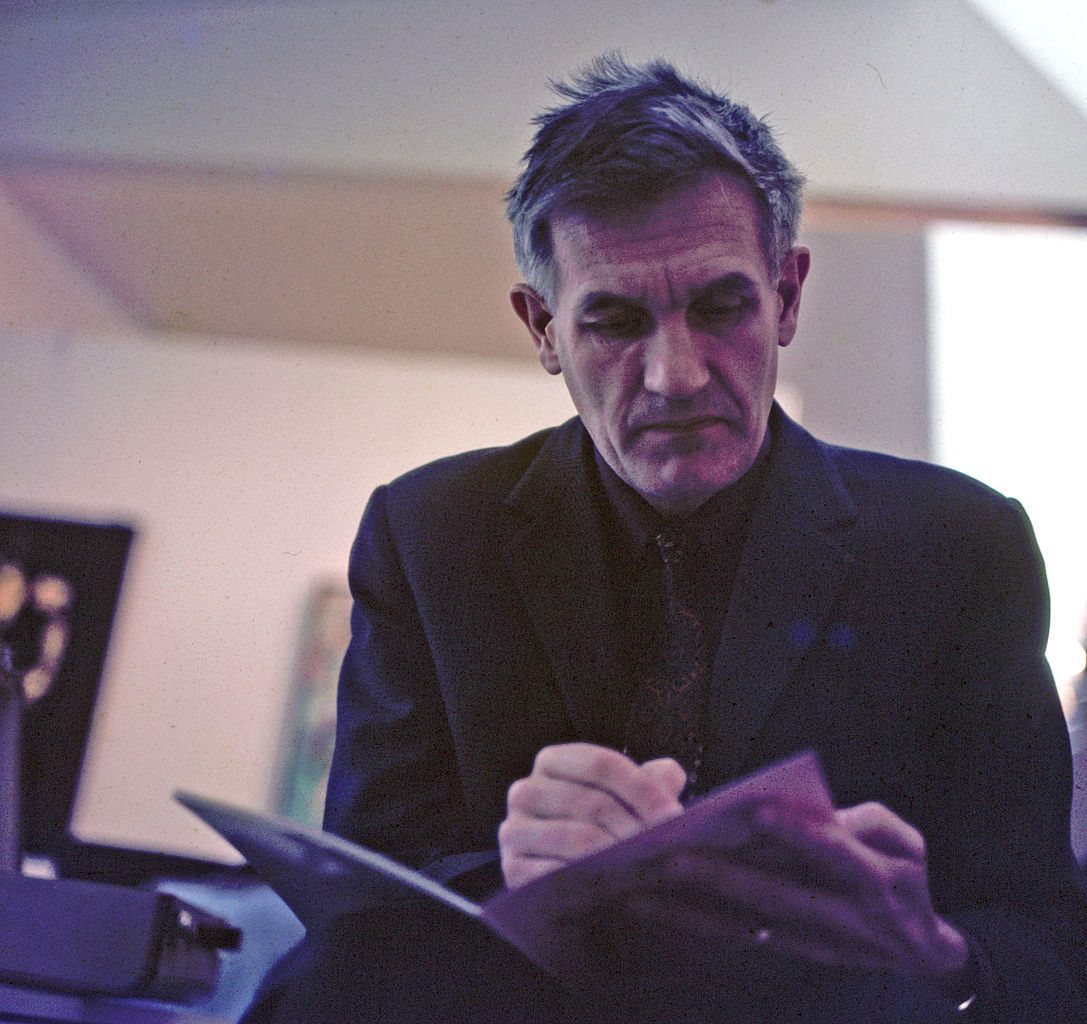
Bernard Schultze was a German painter who co-founded the Quadriga group of artists along with Karl Otto Götz and two other artists.