

Paper France — Auction price
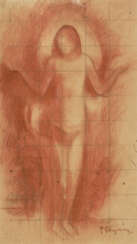


Paul Gauguin, a French artist born in Paris in 1848, is renowned for his significant contributions to Post-Impressionism, Primitivism, and Synthetism. Gauguin's art is distinguished by his experimental use of color and style, which set him apart from the traditional Impressionist movement.
Gauguin's early life was marked by a period in Peru, which influenced his artistic perspective. Initially, he pursued a career in stockbroking but soon turned to art, driven by financial necessity and a growing passion. His artistic journey began under the mentorship of Impressionist artist Camille Pissarro and through exposure to the works of other avant-garde artists.
The hallmark of Gauguin's work is his exploration of non-Western cultures, particularly during his time in Tahiti and the Marquesas Islands. This period saw the creation of some of his most famous works, including "Where Do We Come From? What Are We? Where Are We Going?" His paintings from this era, characterized by vivid colors and Symbolist themes, reflect a fusion of cultural influences and his quest for a "primitive" expression of spiritual and emotional states.
Despite his innovative style, Gauguin struggled with financial difficulties and health issues throughout his life. His work received little recognition during his lifetime, but posthumously, he gained acclaim for influencing modern artists like Pablo Picasso and Henri Matisse.
Today, Gauguin's works are celebrated in galleries and museums worldwide for their unique blend of cultural influences and artistic innovation. His enduring legacy is a testament to his unique vision and the profound impact he had on the art world.
Collectors and experts in art and antiques, stay updated on new product sales and auction events related to Paul Gauguin. Sign up now for exclusive updates and immerse yourself in the world of this visionary artist.
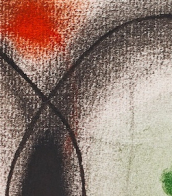
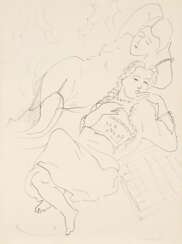

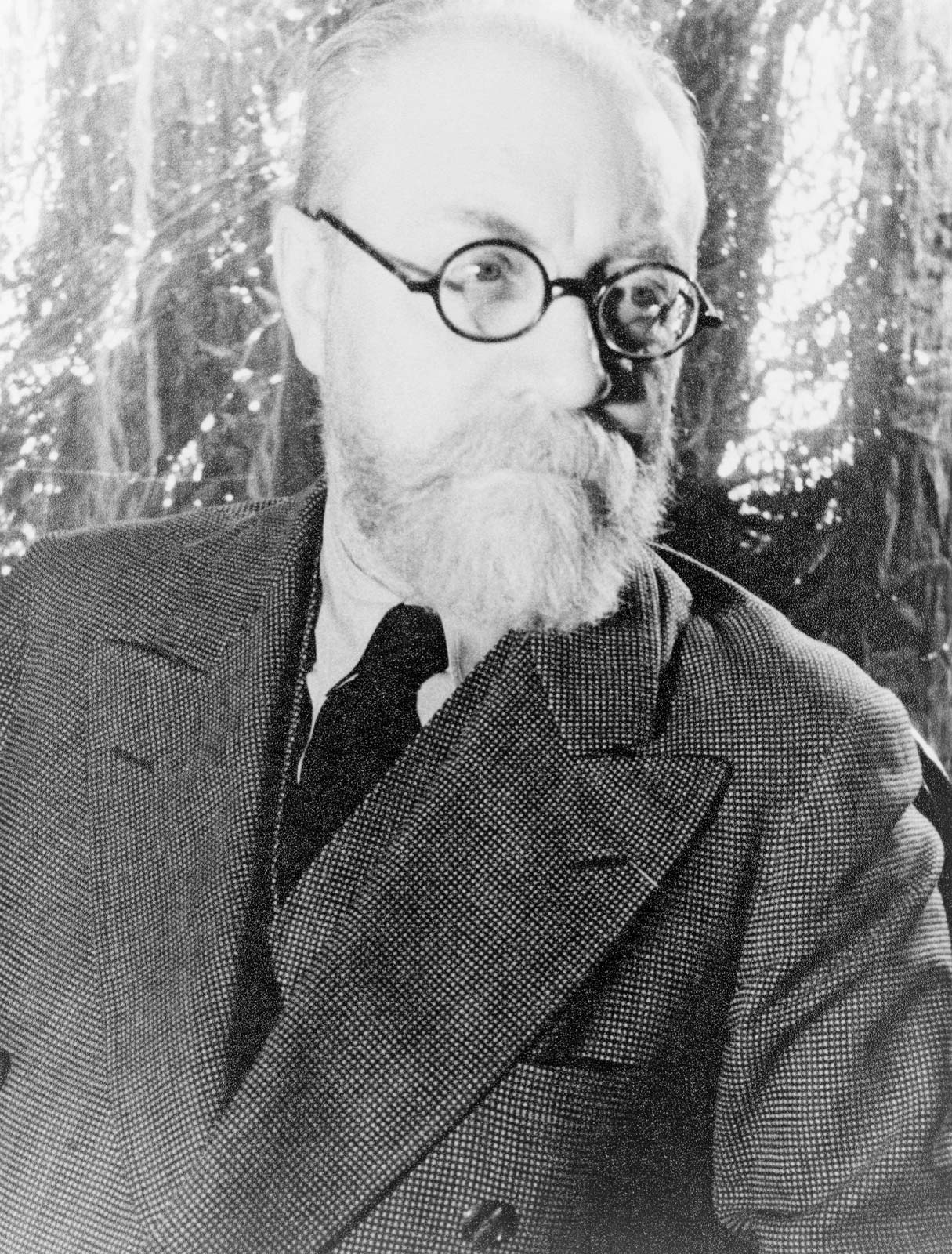
Henri Matisse, a renowned French visual artist, was celebrated for his vibrant use of color and fluid, original draughtsmanship. Born on December 31, 1869, in Le Cateau-Cambrésis, France, Matisse initially pursued a career in law before turning to art. He first began painting in 1889, a change inspired by convalescence art supplies his mother provided. This marked the beginning of a journey that would see him become a leading figure in modern art.
Matisse's career is notable for its stylistic evolution yet consistent aim to capture the "essential character of things." His early works, characterized by intense colorism, earned him recognition as one of the Fauves, or "wild beasts." The period from 1908 to 1913 was marked by significant developments, with works like "Reclining Odalisque" and "The Red Studio" showcasing his mastery in balance and serenity. In the 1920s, his style evolved to more relaxed forms, with a focus on light, color, and decorative patterns in paintings like his odalisque series.
Matisse's exploration of various mediums, including sculpture and paper collage, reflects his innovative spirit. His later years were dominated by cut paper collages, as health challenges limited his ability to paint. These works, alongside his bold drawings and sculptures, cemented his status as a pioneer in visual art.
For collectors and art experts, Matisse's work remains a testament to creative evolution and expressive use of color and form. His masterpieces can be found in prominent museums and galleries worldwide, continuing to inspire and fascinate art enthusiasts.
To stay updated on new product sales and auction events related to Henri Matisse's art, sign up for our updates. This subscription will keep you informed about opportunities to appreciate and acquire works connected to this iconic artist.

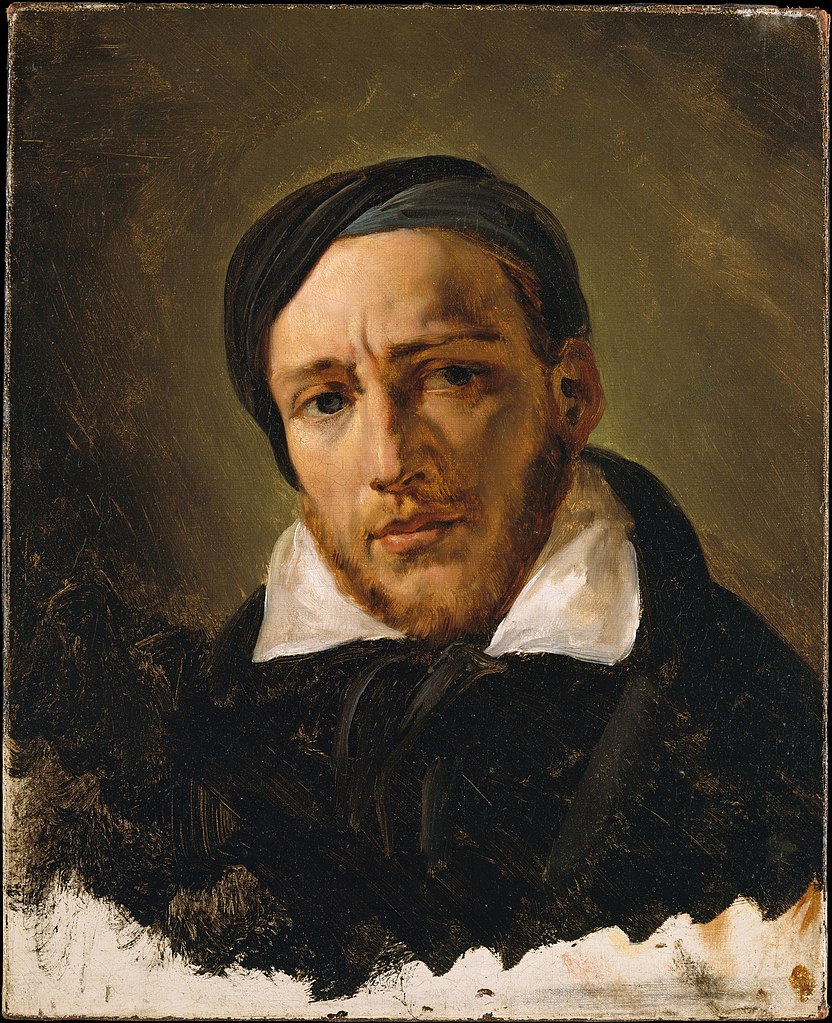
Jean-Louis André Théodore Géricault was a French painter and lithographer, celebrated for his pivotal role in the Romantic movement. Born in Rouen, France, in 1791, and educated among the elite in Paris, Géricault developed a profound connection with art from a young age, influenced by his training under notable figures like Carle Vernet and Pierre-Narcisse Guérin. This foundation set him on a path that diverged significantly from the classical traditions of his time.
Géricault's artistry is best known for its vibrant energy and emotional intensity, characteristics that marked a departure from the Neoclassical style predominant in the early 19th century. His most famous work, "The Raft of the Medusa" (1818–19), is a monumental canvas that dramatizes the tragic aftermath of the French shipwreck, Méduse, capturing the public and critical imagination for its raw portrayal of human despair and resilience. This painting not only criticized the French government but also showcased Géricault's masterful handling of drama, becoming an iconic symbol of Romanticism.
Throughout his career, Géricault remained deeply engaged with contemporary issues and the human condition, exploring themes of mental illness, social injustice, and the raw power of nature versus human vulnerability. His series of portraits depicting patients with mental illnesses, created towards the end of his life, highlighted his empathy and innovative approach to capturing human emotion and psychological depth.
Géricault's fascination with the dynamic forms and emotional potential of horses also led to some of the most stirring equestrian art of his time, reflecting his personal passion for horseback riding and his exceptional understanding of equine anatomy. This interest is evident in works like "A Horse Frightened by Lightning", showcasing his ability to capture motion and emotion in both human and animal forms.
Despite his premature death at the age of 32, Géricault's legacy endures, with his works residing in prestigious institutions like the Louvre in Paris. His artistic vision and dedication to portraying the realities and turbulences of his era have cemented his status as a pioneer of Romanticism, influencing subsequent generations of artists, including his contemporary and friend, Eugène Delacroix.
For collectors and experts in art and antiques, Géricault's oeuvre offers a profound insight into the Romantic spirit, embodying the tumult, passion, and innovation of an era on the cusp of modernity. His works continue to inspire and captivate audiences, reminding us of the power of art to provoke thought and evoke deep emotional responses.
To stay updated on exhibitions and auction events featuring Géricault's works, sign up for updates. This subscription will keep you informed on new discoveries and sales related to this influential artist, ensuring you never miss an opportunity to engage with the legacy of Jean-Louis André Théodore Géricault.


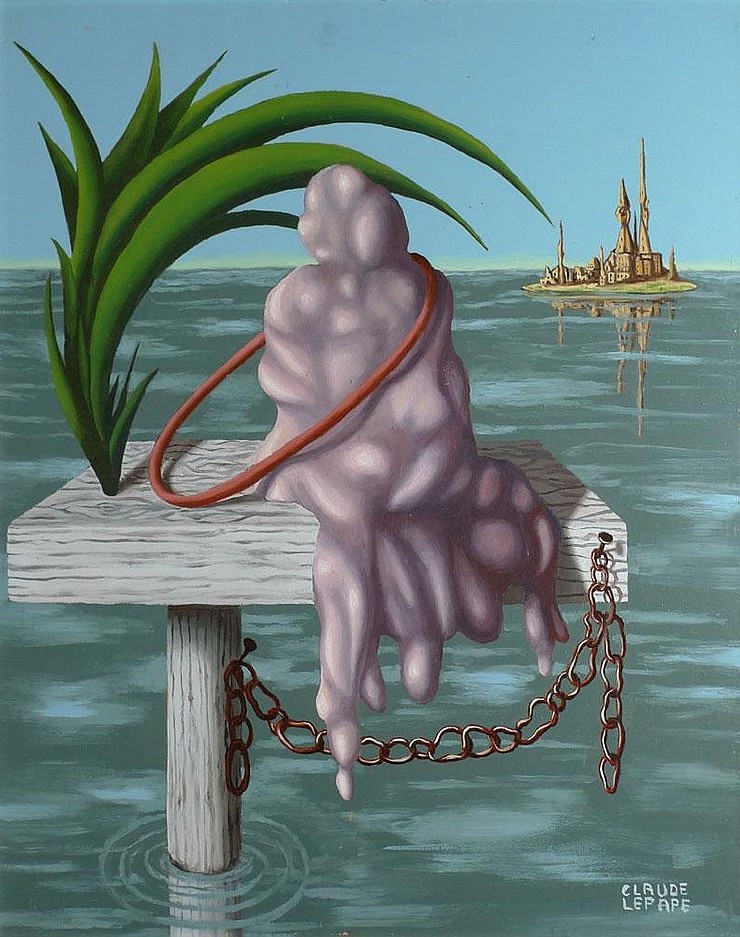
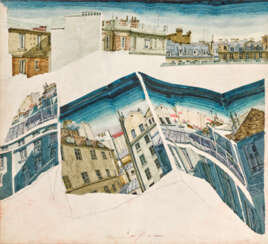
Claude Lepape was a French painter, printmaker, theatre set designer and representative of the Paris School. He was the son of the painter Georges Lepape and studied painting at the Ecole Nationale Superieure des Beaux-Arts in Paris. Claude Lepape's still lifes and portraits convey the artist's intimate understanding of creatures and objects and have a surrealist undertone.


.jpg)
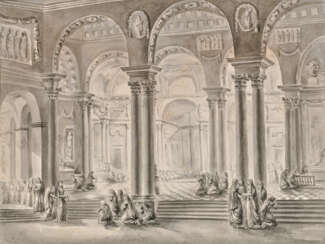
Hubert Robert was a renowned French artist, celebrated for his captivating landscape paintings and architectural fantasies. Born in Paris in 1733, Robert's talent was nurtured early on, thanks to the patronage of the Choiseul family. His journey to Rome in 1754 marked a pivotal phase in his career, where he immersed himself in studying ancient and modern Italian architecture, significantly influencing his artistic style.
Hubert Robert's work is characterized by its romantic depiction of ruins, blending fantasy with historical accuracy, which earned him the nickname "Robert des Ruines." His landscapes and capricci, which are imaginative compositions of architectural elements, resonated with the art collectors and the aristocracy of his time, securing his place as a key figure in French art history.
Noteworthy are Hubert Robert's contributions to the design of picturesque gardens, where he provided atmospheric visions rather than practical layouts. His involvement in the creation of gardens at places like Ermenonville and Méréville showcases his ability to merge art with nature, creating spaces that were both innovative and inspirational.
His artworks, such as "The Port of Rome" and "The Old Bridge," are treasured in prestigious galleries worldwide, reflecting his enduring legacy in the realm of art and culture. For art collectors and experts, Hubert Robert's oeuvre offers a window into the 18th-century artistic landscape, where imagination and historical elements coalesce to form compelling visual narratives.
For updates on exhibitions and auction events related to Hubert Robert's works, sign up to stay informed about new discoveries and opportunities to appreciate the artistry of this exceptional French painter.


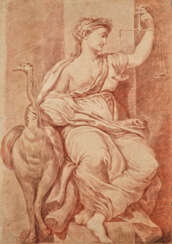

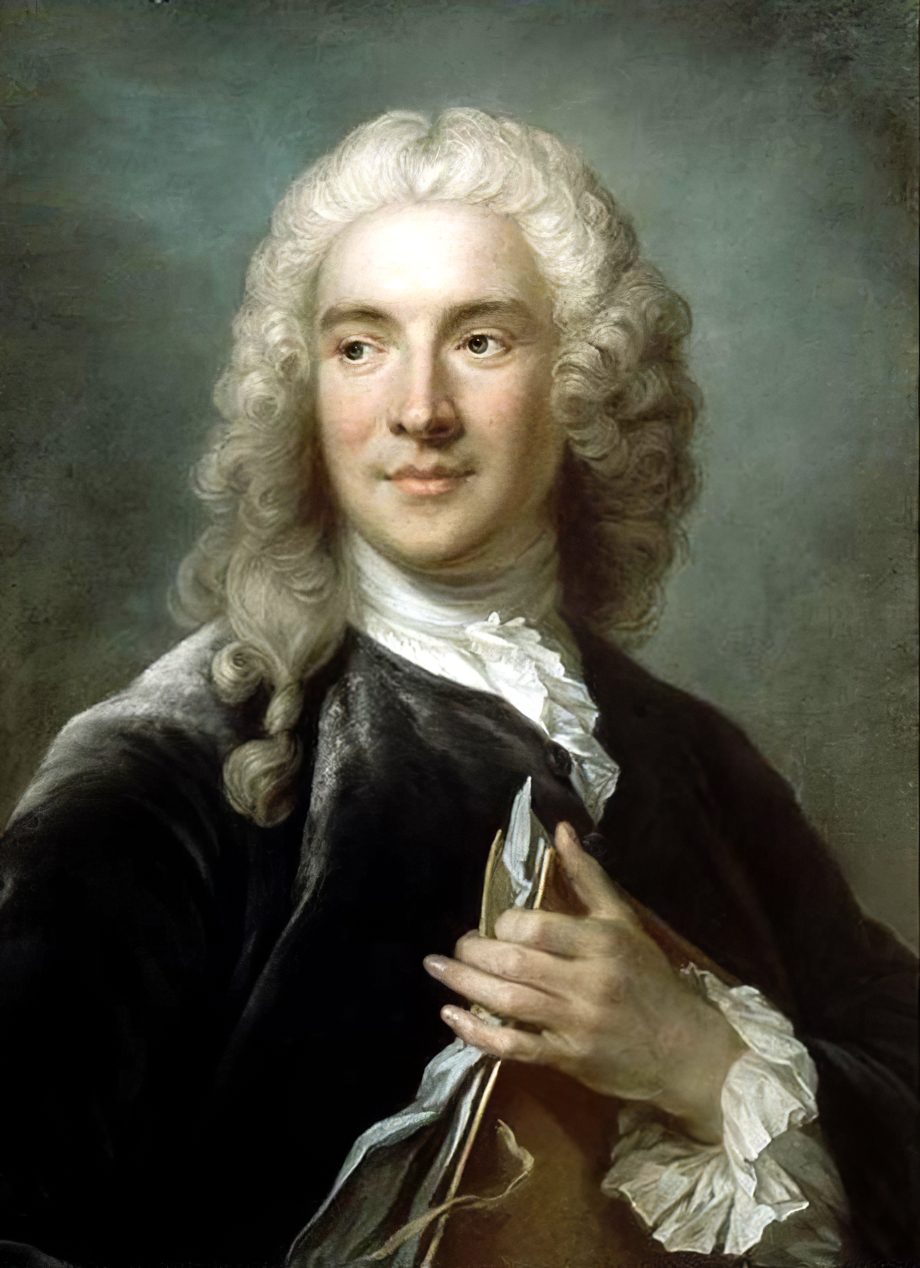
Charles-Joseph Natoire was a prominent Rococo painter, known for his significant contributions to French art during his lifetime. Trained under François Lemoyne, Natoire excelled in various artistic endeavors, earning royal commissions and contributing to significant artistic projects in Versailles and Fontainebleau. His works included tapestry cartoons for the Manufacture de Beauvais and Gobelins, and he was known for his series on the History of Psyche and Don Quixote.
In 1751, Charles-Joseph Natoire became the director of the French Academy in Rome, a role he held until 1775. During this period, he mentored notable students like Hubert Robert and Jean-Honoré Fragonard. Although his active painting career dwindled during his directorship, his influence on the students and the artistic community was significant.
Charles-Joseph Natoire's works can be found in various prestigious institutions, including The Metropolitan Museum of Art and The Louvre. His painting "The Rebuke of Adam and Eve" is one such piece that showcases his mastery and attention to detail.
For collectors and experts in art and antiques, Charles-Joseph Natoire's works offer a glimpse into the Rococo style's elegance and the rich artistic heritage of 18th-century France. His contributions to tapestry and painting continue to be celebrated and studied for their historical and artistic value.
To stay updated on news and events related to Charles-Joseph Natoire and his works, consider subscribing for updates. This subscription will keep you informed about new product sales and auction events featuring Natoire's art, ensuring you don't miss out on opportunities to engage with the legacy of this influential painter.


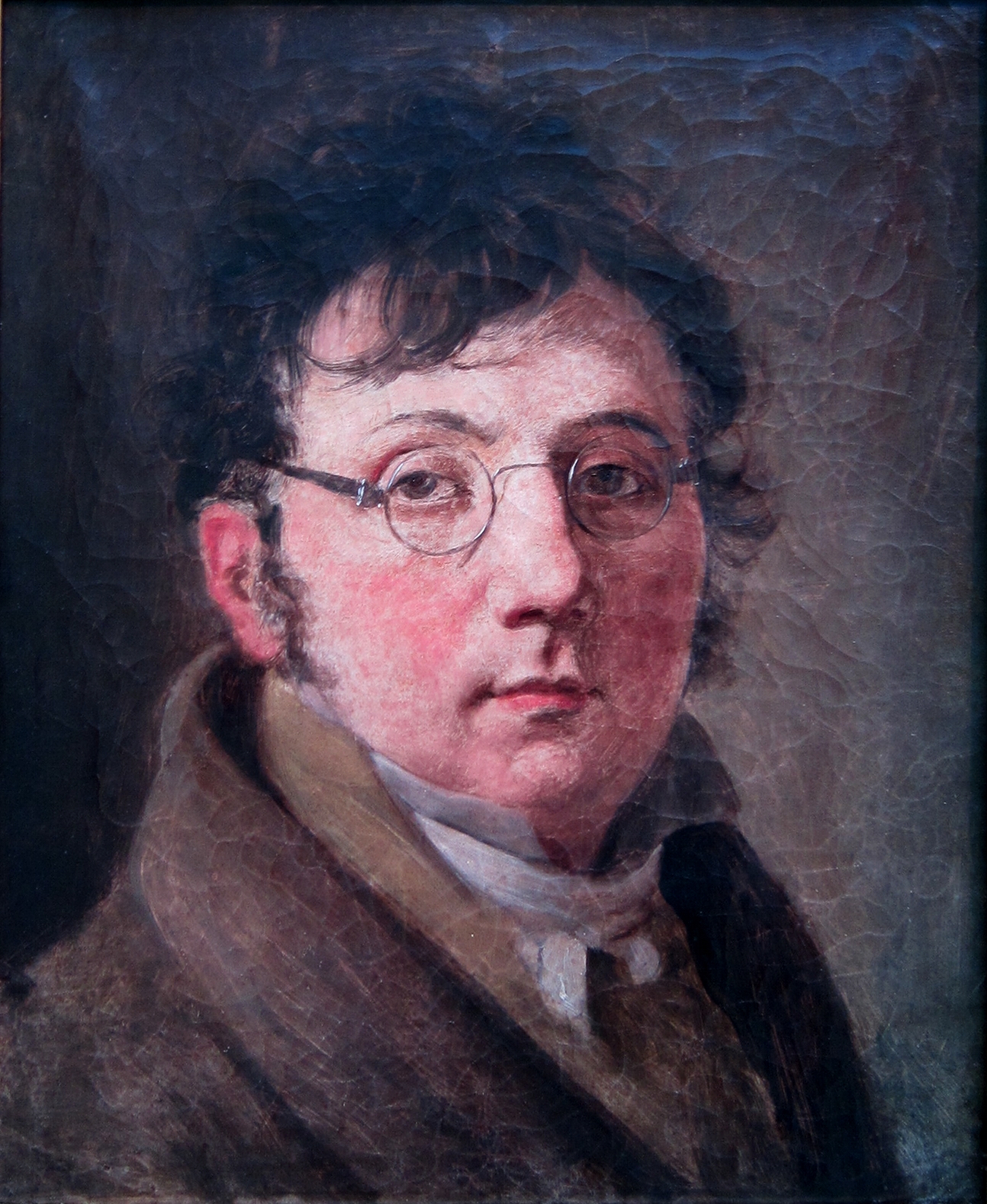
Louis-Léopold Boilly was a French painter and draftsman. A gifted creator of popular portrait paintings, he also produced a vast number of genre paintings vividly documenting French middle-class social life. His life and work spanned the eras of monarchical France, the French Revolution, the Napoleonic Empire, the Bourbon Restoration and the July Monarchy. His 1800 painting Un Trompe-l'œil introduced the term trompe-l'œil ("trick the eye"), applied to the technique that uses realistic imagery to create the optical illusion that the depicted objects exist in three dimensions, though the "unnamed" technique itself had existed in Greek and Roman times.
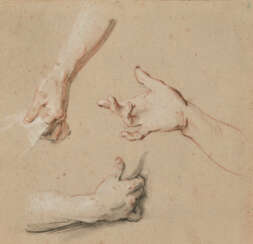

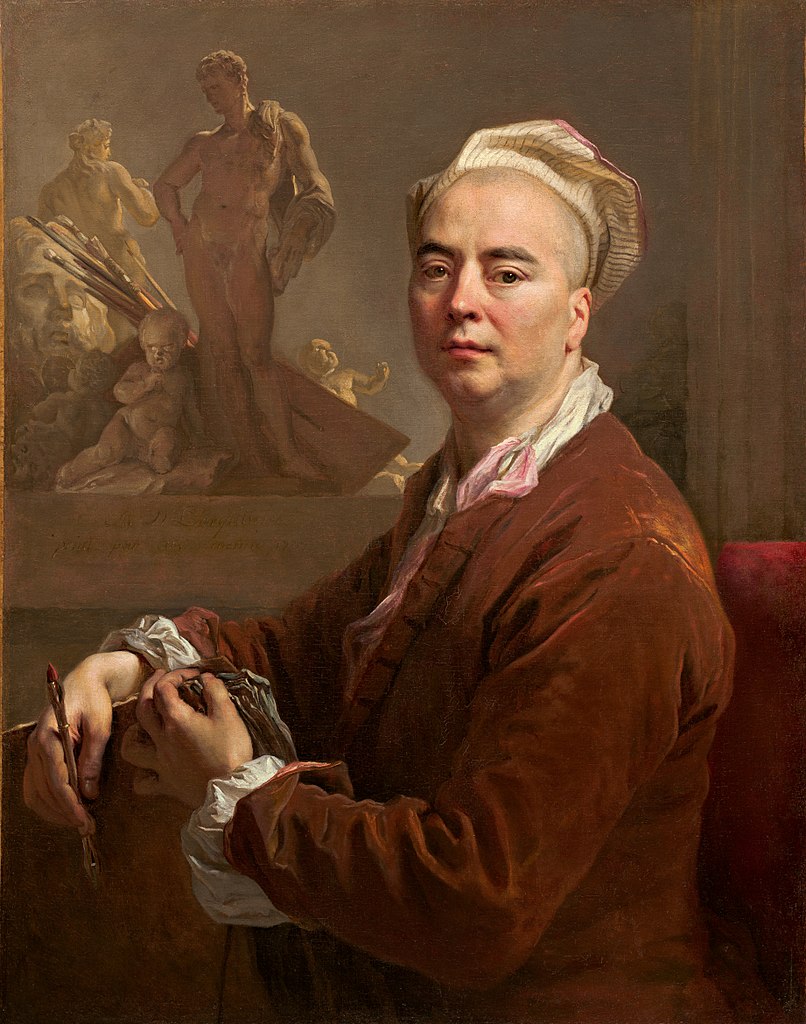
Nicolas de Largillière was a French painter of the Rococo period. Along with Hyacinthe Rigaud, he is considered the first portraitist of his time in France.
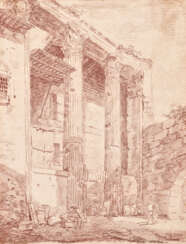

Hubert Robert was a renowned French artist, celebrated for his captivating landscape paintings and architectural fantasies. Born in Paris in 1733, Robert's talent was nurtured early on, thanks to the patronage of the Choiseul family. His journey to Rome in 1754 marked a pivotal phase in his career, where he immersed himself in studying ancient and modern Italian architecture, significantly influencing his artistic style.
Hubert Robert's work is characterized by its romantic depiction of ruins, blending fantasy with historical accuracy, which earned him the nickname "Robert des Ruines." His landscapes and capricci, which are imaginative compositions of architectural elements, resonated with the art collectors and the aristocracy of his time, securing his place as a key figure in French art history.
Noteworthy are Hubert Robert's contributions to the design of picturesque gardens, where he provided atmospheric visions rather than practical layouts. His involvement in the creation of gardens at places like Ermenonville and Méréville showcases his ability to merge art with nature, creating spaces that were both innovative and inspirational.
His artworks, such as "The Port of Rome" and "The Old Bridge," are treasured in prestigious galleries worldwide, reflecting his enduring legacy in the realm of art and culture. For art collectors and experts, Hubert Robert's oeuvre offers a window into the 18th-century artistic landscape, where imagination and historical elements coalesce to form compelling visual narratives.
For updates on exhibitions and auction events related to Hubert Robert's works, sign up to stay informed about new discoveries and opportunities to appreciate the artistry of this exceptional French painter.

Claude Lepape was a French painter, printmaker, theatre set designer and representative of the Paris School. He was the son of the painter Georges Lepape and studied painting at the Ecole Nationale Superieure des Beaux-Arts in Paris. Claude Lepape's still lifes and portraits convey the artist's intimate understanding of creatures and objects and have a surrealist undertone.



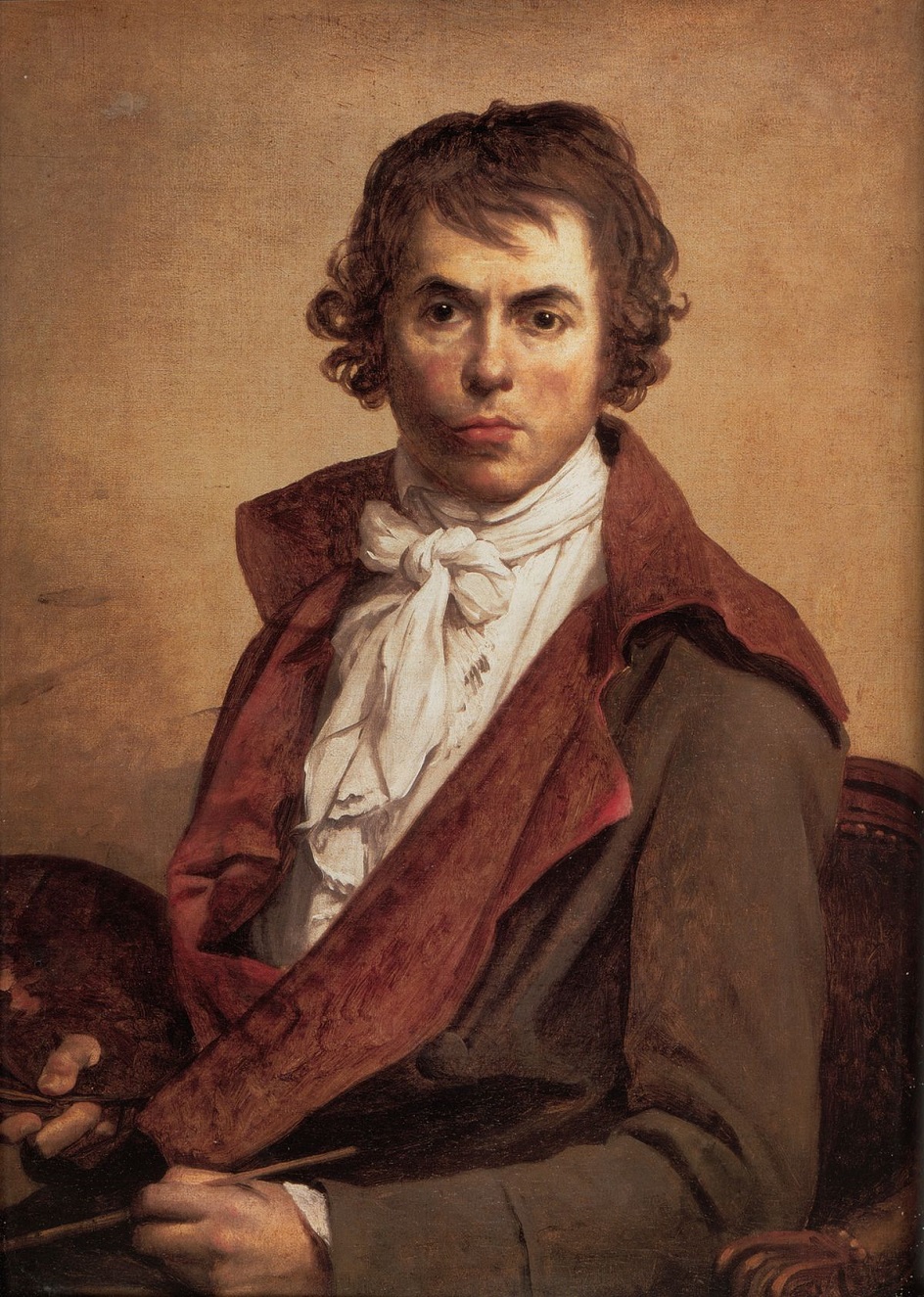
Jacques-Louis David, a preeminent French artist of the Neoclassical movement, made a profound impact on the art world with his compelling history paintings and portraiture. Born in Paris in 1748 into a prosperous family, David's early life was marked by tragedy and ambition. Despite losing his father at a young age and facing opposition from his family, his determination to pursue art led him to become a student of Joseph-Marie Vien and later, a notable figure in the French Academy in Rome. David's artistic journey was characterized by a rigorous classical education, culminating in winning the prestigious Prix de Rome in 1774, which allowed him to study the masterpieces of classical antiquity and the Renaissance in Italy.
David's work is renowned for its classical austerity, a response to the frivolous Rococo style that preceded him. His paintings, such as "The Oath of the Horatii," reflect a blend of classical themes with a modern sense of emotion and drama, resonating with the revolutionary spirit of his times. As the French Revolution unfolded, David aligned himself with its ideals, becoming an active supporter and using his art to serve political purposes. He was closely associated with leaders of the Revolution, including Maximilien Robespierre, and later became the official painter of Napoleon, contributing significantly to the iconography of the era.
Throughout his career, David had a significant influence on French art, not only through his own works but also as a teacher. His studio was a nurturing ground for the next generation of French painters, despite his reputation for being demanding. David's move to Brussels after the fall of Napoleon marked the final phase of his career, where he continued to paint until his death in 1825.
David's legacy extends beyond his contributions to Neoclassical art. He played a crucial role in the development of modern art history, blending classical ideals with contemporary themes, and influencing not only his contemporaries but also future generations of artists. His works, housed in museums around the world, continue to be studied and admired for their technical mastery and emotional depth.
For art collectors and experts, David's oeuvre offers a fascinating insight into a transformative period in art history, where the classical and the contemporary intersected to create a new visual language. His paintings not only depict historical and mythological scenes but also embody the ideals, struggles, and aspirations of his time.
For those interested in exploring the works of Jacques-Louis David and the impact of his art on the Neoclassical movement, updates on new product sales and auction events related to David's work can provide valuable opportunities to engage with his legacy. Signing up for updates ensures access to the latest information and events, offering a deeper understanding of this pivotal artist's contributions to art and culture.

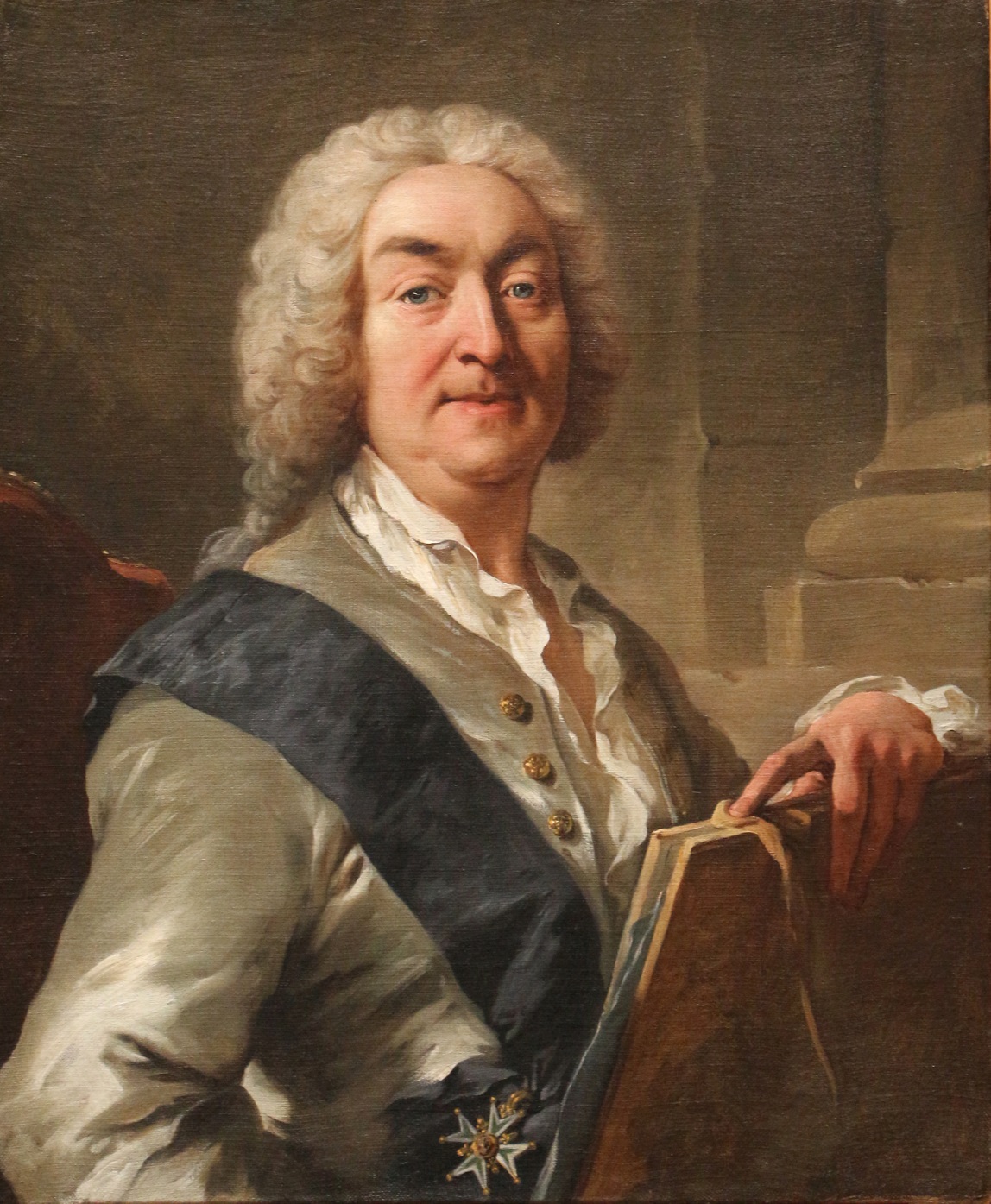
Jean-François de Troy was a French Rococo easel and fresco painter, draughtsman and tapestry designer. One of France's leading history painters in his time, he was equally successful with his decorative paintings, genre scenes and portraits. He was the inventor of the tableaux de modes ('paintings of fashions'), which attempted to provide a spirited portrayal of contemporary fashions, pastimes and manners.
He was the Director of the French Academy in Rome from 1738.

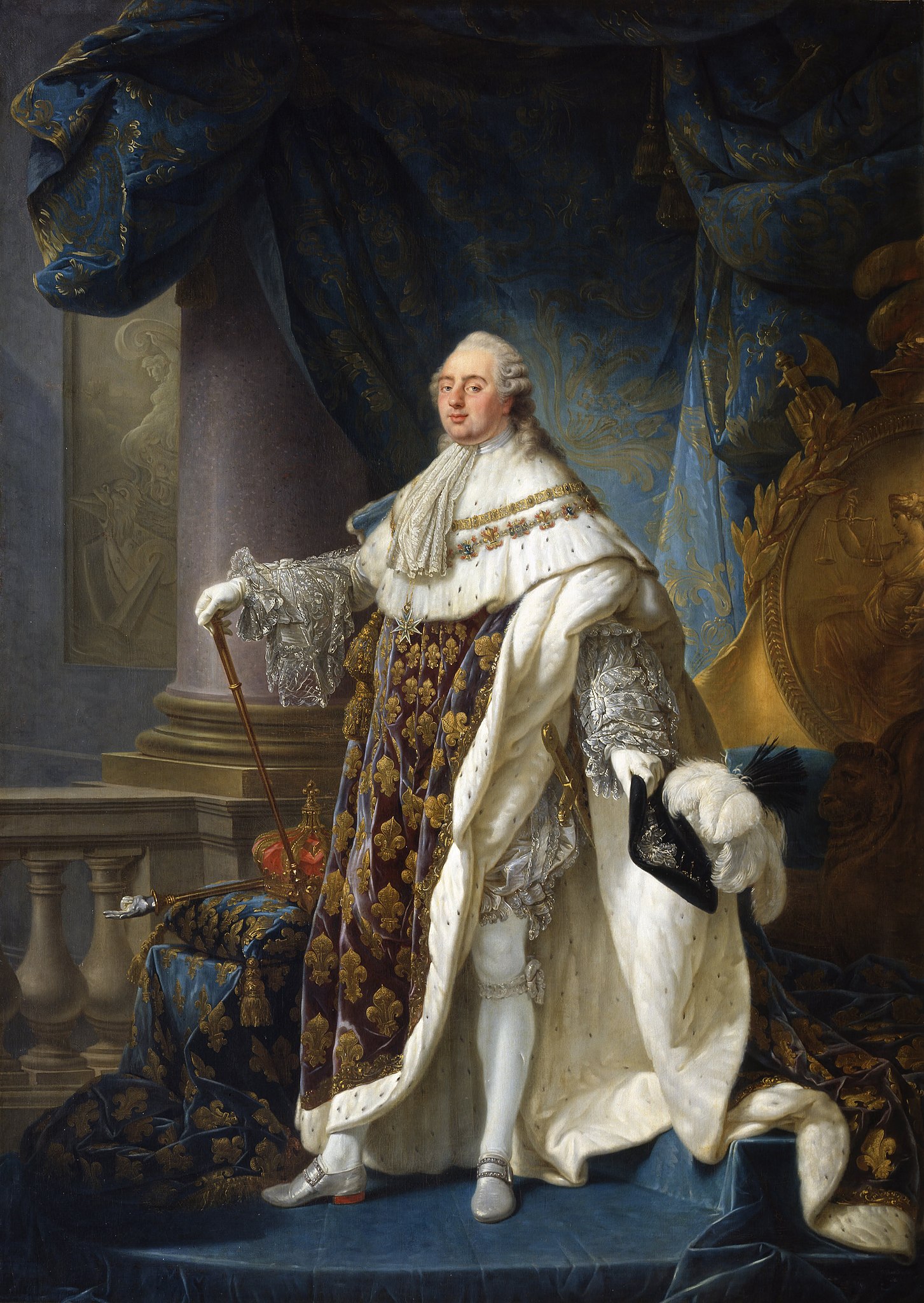
Antoine-François Callet was a French painter of portraits and allegorical works, who acted as official portraitist to Louis XVI.

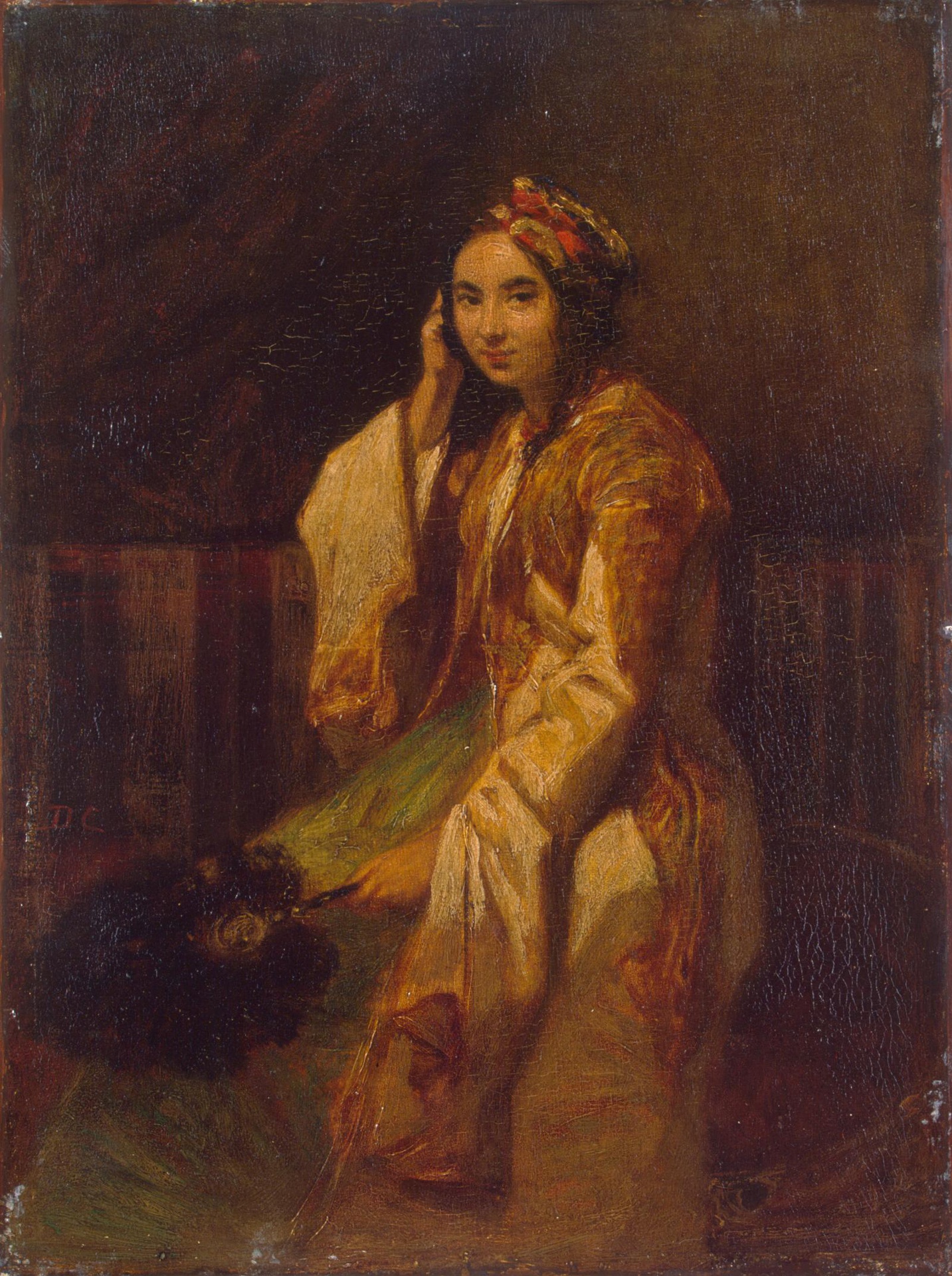


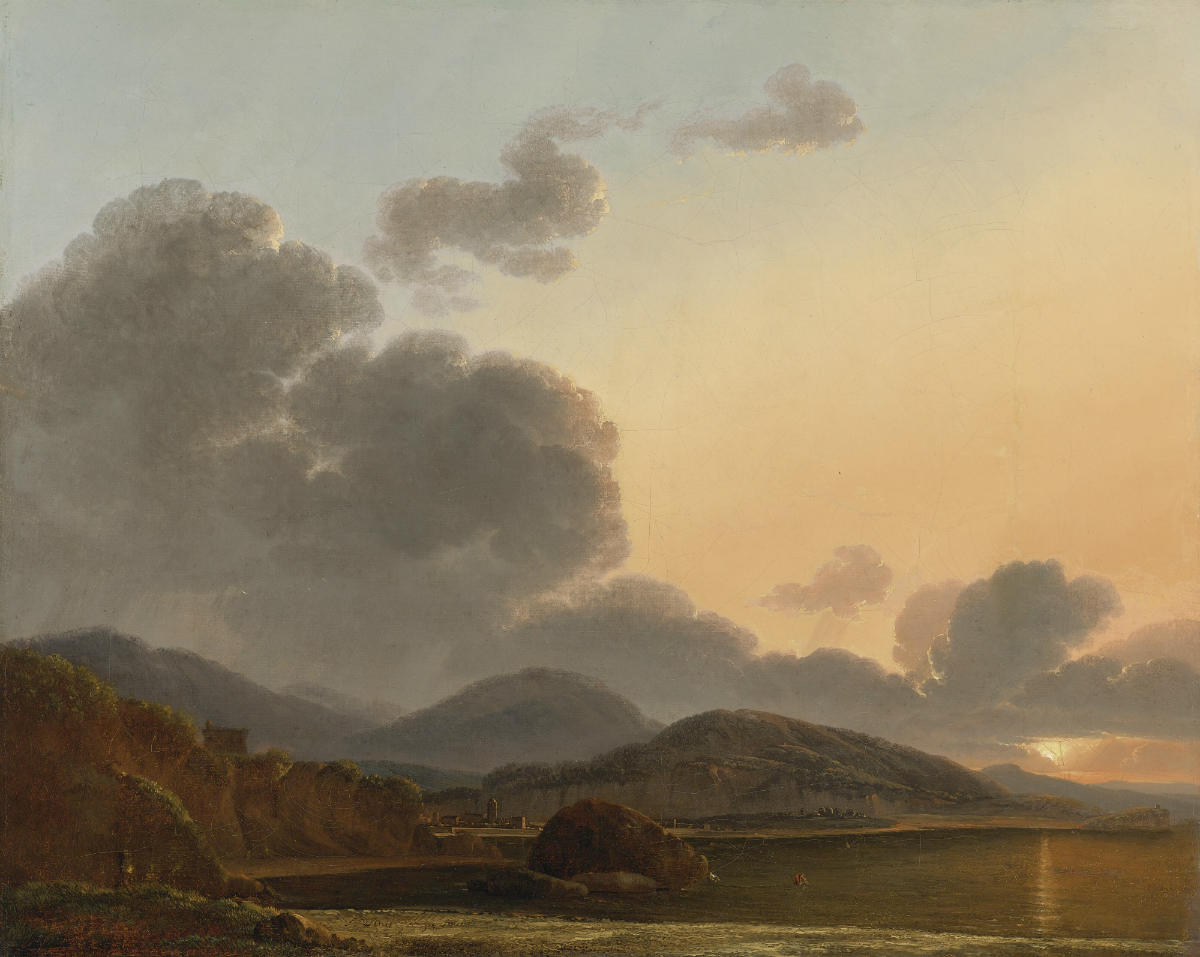
Simon Denis, a Belgian painter, is celebrated for his significant contributions to landscape painting. His journey in art took him from his native Antwerp, where he initially honed his skills under the tutelage of landscape and animal painter H.-J. Antonissen, to the bustling artistic scenes of Paris and ultimately to Italy, where he spent the majority of his career.
Denis's move to Rome in 1786, facilitated by the support of genre painter and art dealer Jean-Baptiste-Pierre Lebrun, marked the beginning of a prolific period in which his work attracted favorable attention. His marriage to a local woman in 1787 and his active participation in both the Flemish and French artistic communities in Rome underscore his integration into and influence on the local art scene. Notably, his technique was characterized by an exact and detailed approach, especially in his depictions of famous Italian landscapes, such as the waterfalls of Tivoli near Rome. This meticulous attention to naturalistic details and light effects distinguished his work during his time in Italy.
Denis's election to the prestigious Accademia di San Luca in 1803 attests to his recognition among his peers. In 1806, he settled in Naples, where he became the court painter to Joseph Bonaparte and later a professor at the Accademia di Belle Arti. His influence extended to teaching, with landscape painter Prosper Barrigue de Fontainieu among his pupils, demonstrating his role in shaping the next generation of artists.
Simon Denis's works, including "Study of Clouds with a Sunset near Rome" and "Landscape near Rome during a Storm," are held in prestigious collections such as the J. Paul Getty Museum and The Metropolitan Museum of Art, ensuring his lasting legacy in the annals of art history. For collectors and experts in art and antiques, Denis's oeuvre offers a window into the evolution of landscape painting, characterized by an immersive exploration of nature and meticulous attention to atmospheric effects.
To stay informed about new discoveries, sales, and auctions related to Simon Denis's works, signing up for our newsletter is recommended. This subscription is an invaluable resource for those looking to deepen their understanding of Denis's impact on landscape painting and to keep abreast of opportunities to acquire pieces by this masterful Belgian artist.