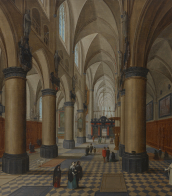
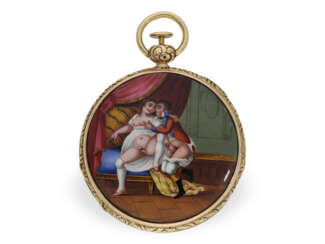
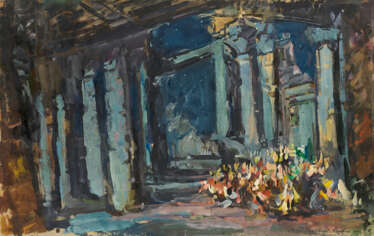
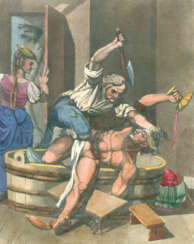
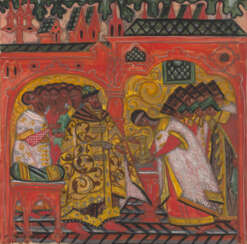
bed scene


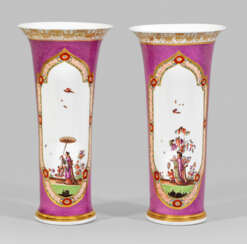

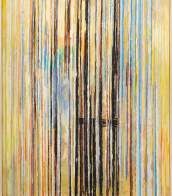
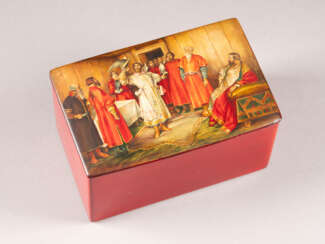













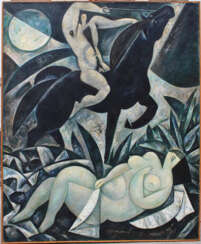

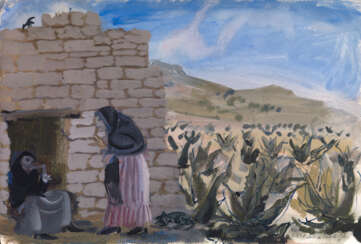

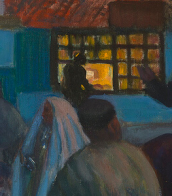
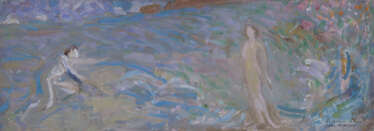

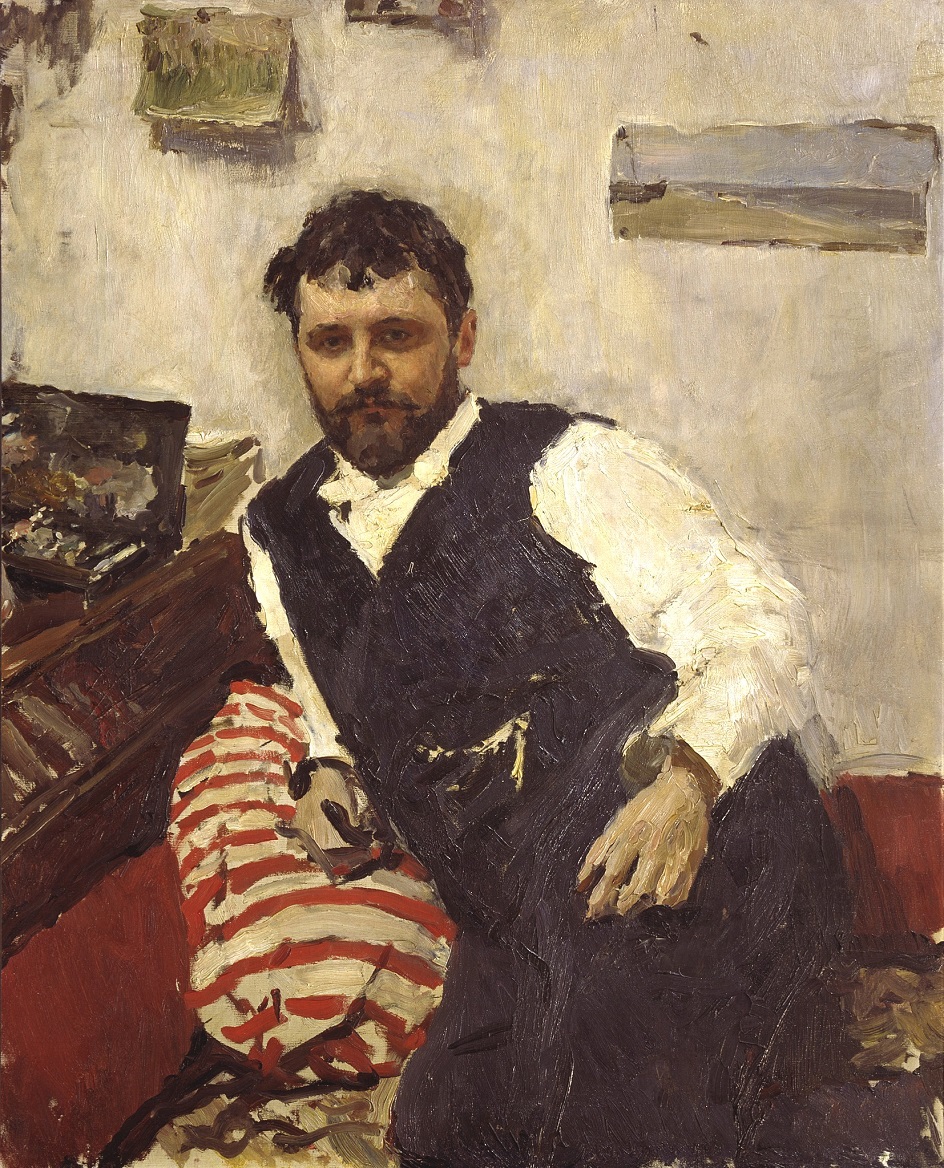
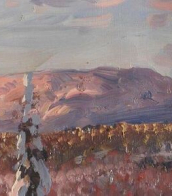
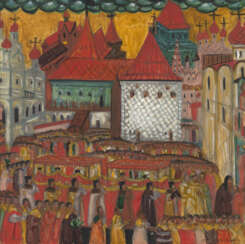
Konstantin Alekseyevich Korovin (Russian: Константи́н Алексе́евич Коро́вин) was a Russian artist and stage designer, renowned for his pivotal role in the transition from Russian Realism to Impressionism. Born in Moscow in 1861, Korovin's artistic journey began at the Moscow School of Painting, Sculpture, and Architecture, where he was heavily influenced by his mentor, Alexei Savrasov. His early work reflected the Realist tradition, but his style evolved after exposure to the vibrant art scenes of Paris and the influence of French Impressionists.
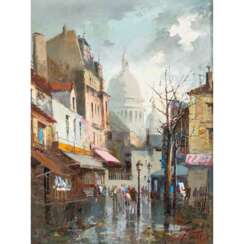
Korovin's contribution to art is marked by his vibrant palette and dynamic brushwork, capturing the transient effects of light and color with a spontaneity that was novel to Russian painting at the time. His works, ranging from lush landscapes and intimate still lifes to vivid portraits, showcase his mastery in evoking mood and atmosphere. Notably, his paintings of the Russian North and scenes of Parisian life have been celebrated for their lively, atmospheric qualities and are held in high esteem in museums and galleries worldwide, including the Tretyakov Gallery in Moscow and the Russian Museum in Saint Petersburg.
Beyond painting, Korovin's legacy includes significant contributions to theater design, where his innovative use of color and lighting brought new dimensions to stage productions in Russia, collaborating closely with the Moscow Art Theatre. His scenic designs for operas and ballets are credited with revolutionizing the visual aspect of Russian theater, making him a pivotal figure in both the visual and performing arts.
For collectors and experts in art and antiques, Korovin's works represent a unique blend of Russian tradition and Western artistic movements, making them highly sought after. His ability to capture the essence of a moment, whether in the tranquil Russian countryside or the bustling streets of Paris, continues to captivate audiences and scholars alike.
To stay informed on new sales and auction events featuring works by Konstantin Alekseyevich Korovin, sign up for our updates. This subscription ensures you're the first to know about valuable opportunities to add to your collection, focusing exclusively on Korovin's art and related events.















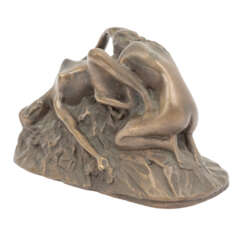

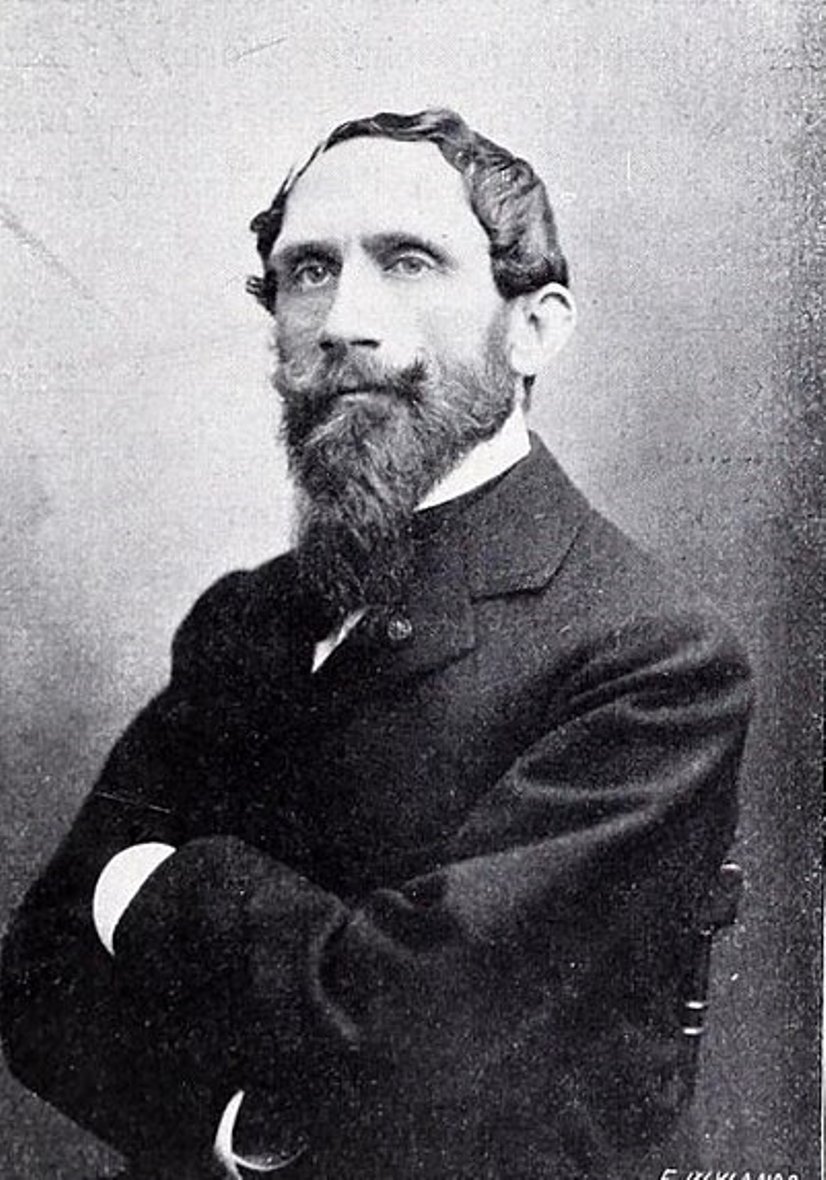
Jef Lambeaux, full name Joseph Marie Thomas Lambeaux, was a Belgian sculptor who combined realism and the Renaissance.
Lambeaux studied at the Academy of Fine Arts in Antwerp and was a member of the Van Beers clique, a group of eccentric young artists that also included the artists Piet Verhart (1852-1908) and Alexander Streiss (1852-1941). He later became a founder of the Brussels-based avant-garde group Les Vingt.
Lambeaux's sculptures have often provoked mixed reactions, but they are a reinterpretation of Renaissance and Baroque body image. Turning to classical themes in depicting nudes in motion, Lambeaux created many fountain figures, park sculptures and monuments. Among them is the Brabo Fountain, which has become a landmark in Antwerp. For the 1897 World's Fair pavilion, he created a large-scale marble bas-relief "Temple of Human Passion", which was condemned by the Catholic Church for being a "marble brothel".
The sculptor was known for his love of competitive wrestlers and boxers, and adored circus performances. Scenes of struggle and love are a constant theme of Lambeaux's work. His sculpture "Wrestlers" is also inspired by the popular Renaissance theme of two naked bodies straining all their strength in an extreme struggle.
In 1903, Jef Lambeaux became a member of the Royal Belgian Academy.










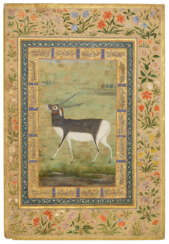
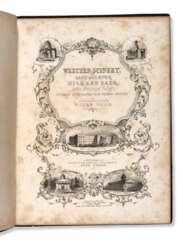
![A Brief History of Ancient and Modern India, 1805, [with] Picturesque Scenery... Mysore, 1805](/assets/image/picture_3109303/c49c7/gv3ezzgp8dejxwyrfiqh8vtr8pk1jdvvaavuixundtxxjzh2lfbsxsvzrd7igr11694253456jpg__fix_374_244.jpeg)
![A Brief History of Ancient and Modern India, 1805, [with] Picturesque Scenery... Mysore, 1805](https://veryimportantlot.com/assets/image/picture_3109303/c49c7/gv3ezzgp8dejxwyrfiqh8vtr8pk1jdvvaavuixundtxxjzh2lfbsxsvzrd7igr11694253456jpg__fix_374_244.jpeg)



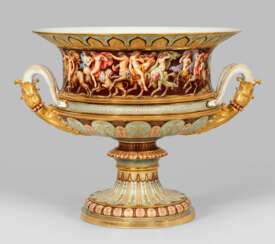

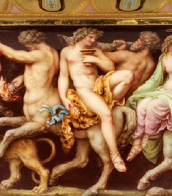


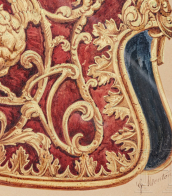


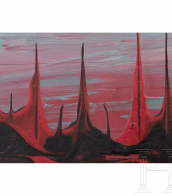







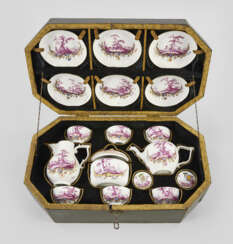

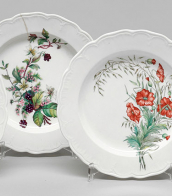

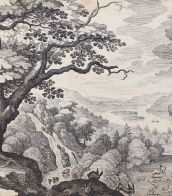




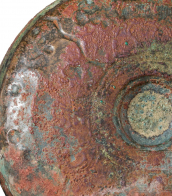
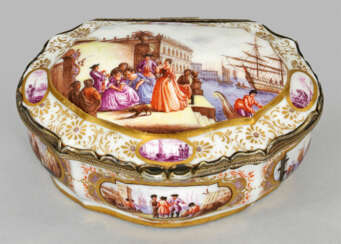

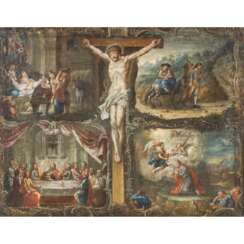



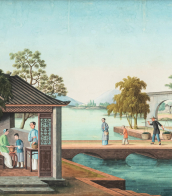
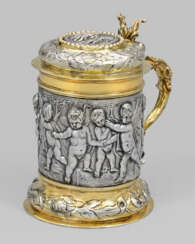

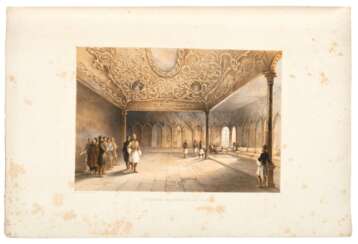



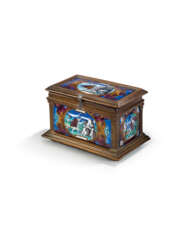

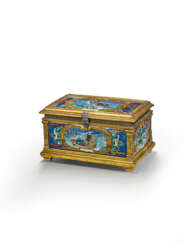

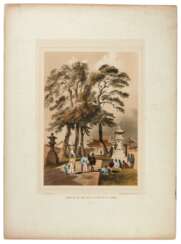

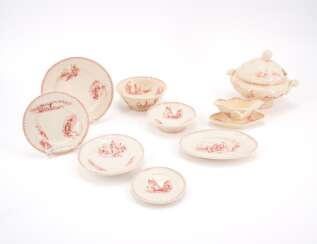

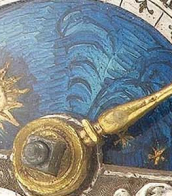
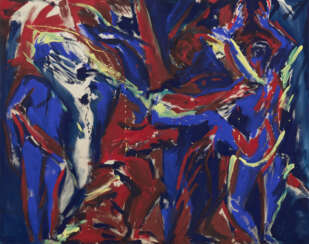

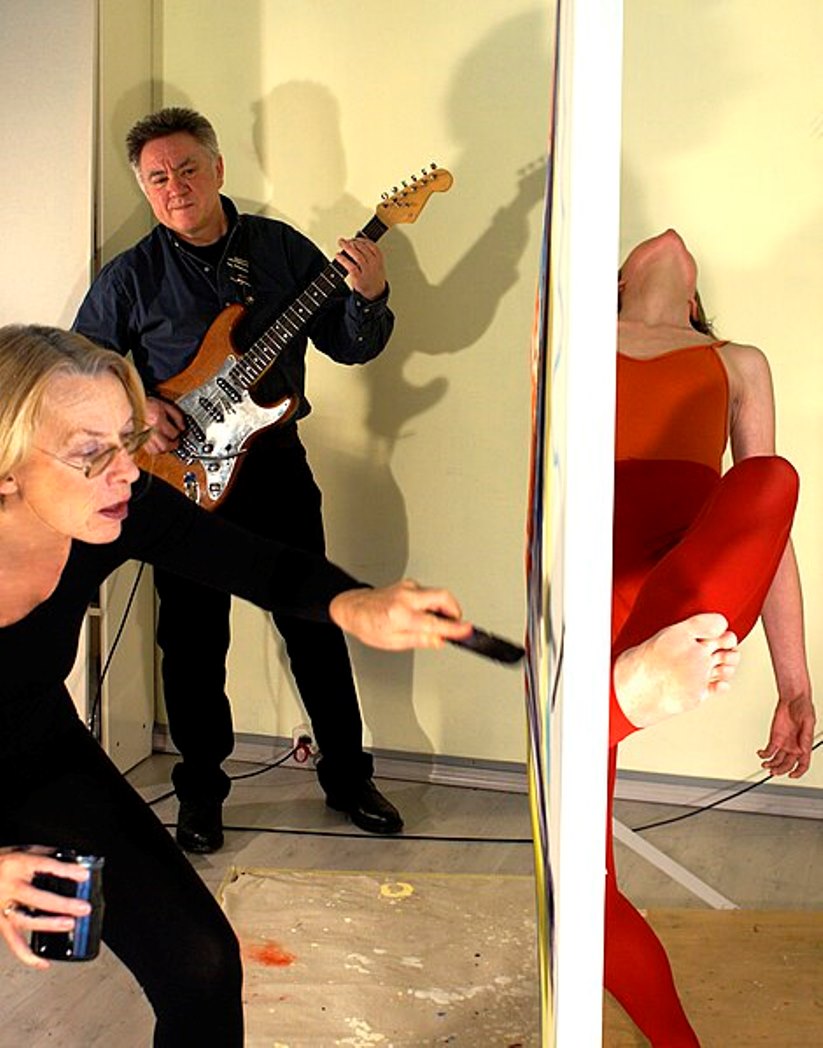
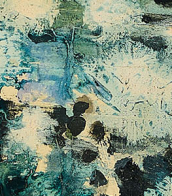












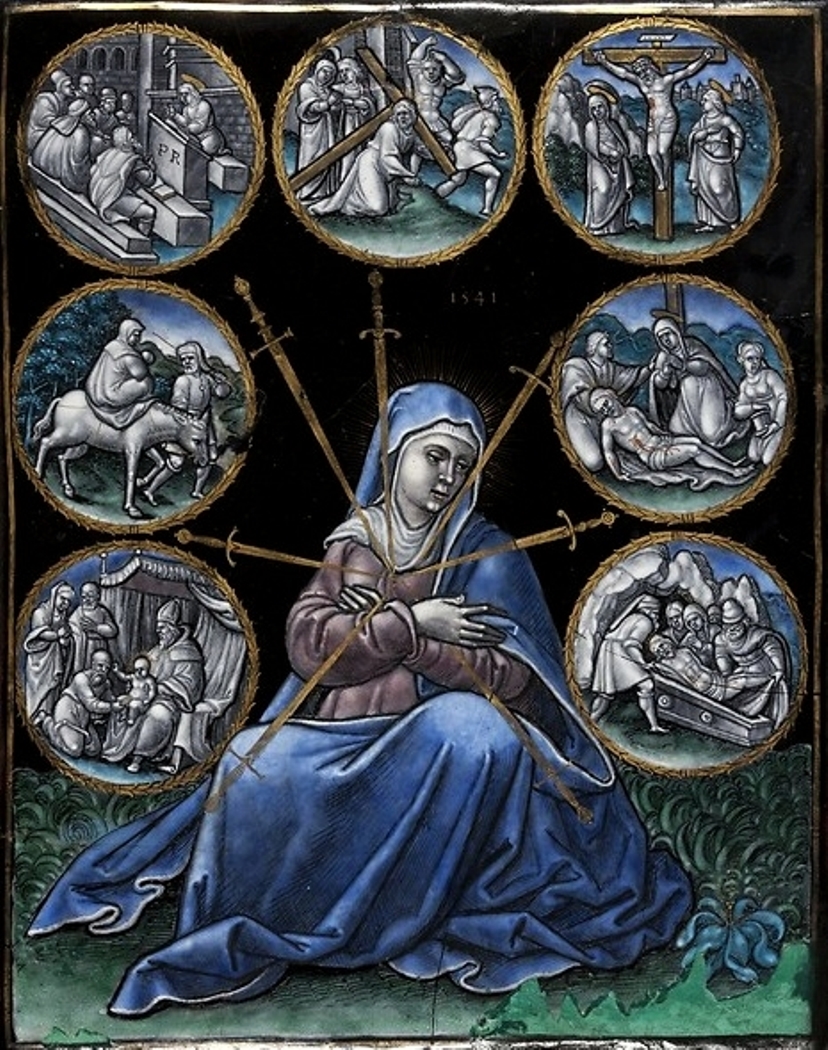
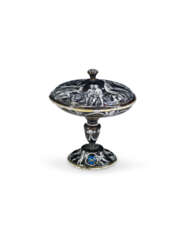
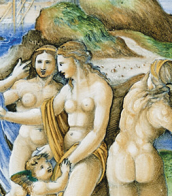
Pierre Reymond was a French painter and enameler.
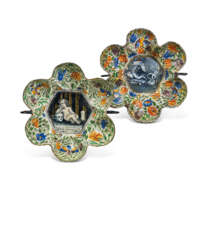
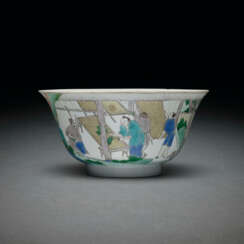
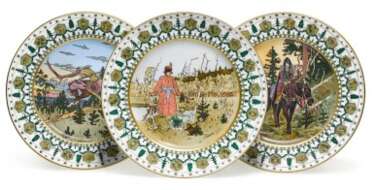
Reymond ran a large workshop in Limoges, where one of his apprentices was Pierre Court. He specialized in tableware decorated with mythological scenes, including cups, plates, bowls and platters.

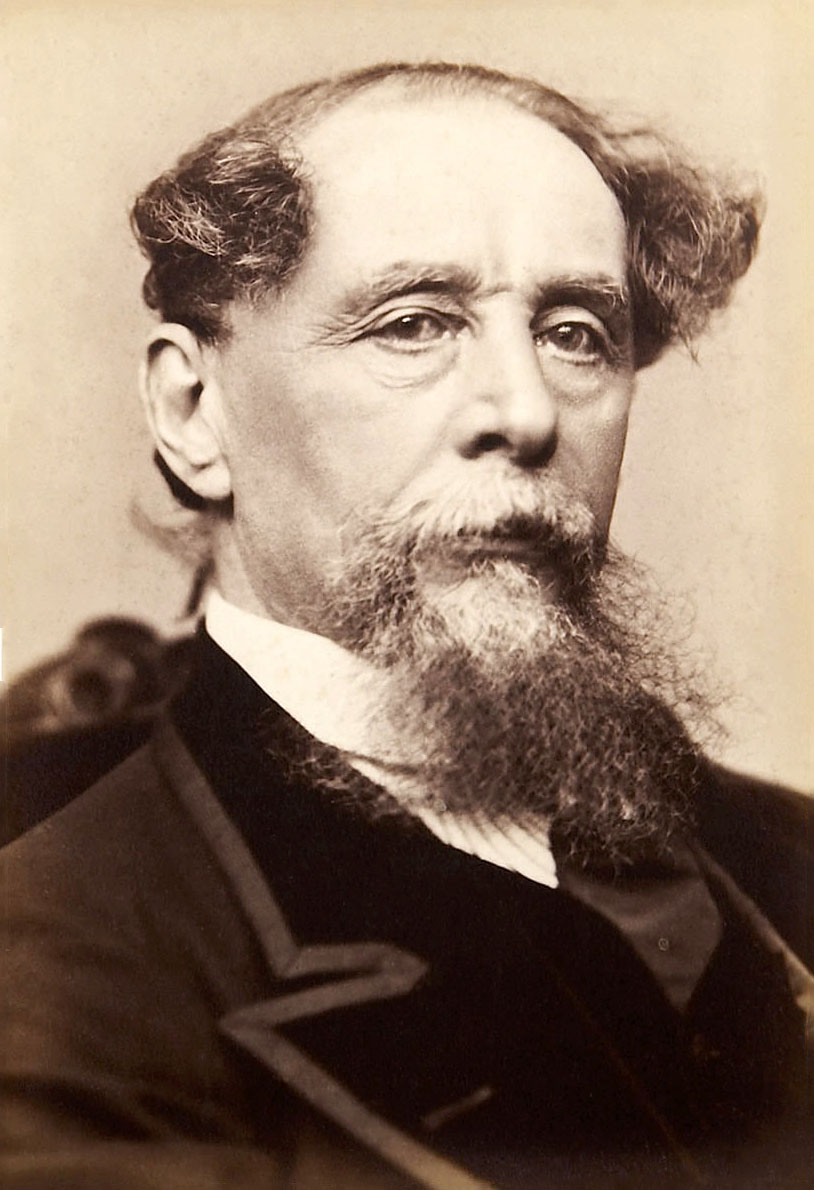
Charles Dickens, full name Charles John Huffam Dickens, is the most famous British writer of the Victorian era, a classic of world literature.
From childhood the future writer learned all the hardships of life in poverty: his father in prison for debts, hard work in a factory. Then service stenographer in court and reporter developed in him a strong attachment to journalism and contempt for both the law and parliament.
Dickens had many talents: in addition to literary work, he was an actor, published periodicals, arranged numerous literary readings, where he reveled in the admiration and love of the public. Fecund and versatile, Charles Dickens wrote many brilliant and often comic works. His novels cover a wide range of social, moral, emotional and other aspects. As a subtle psychologist, he is also very interested in the most ordinary people, but also the eccentric, the flawed, and even the insane.
Dickens was immensely popular around the world during his lifetime. His intellect, worldview, and deep reflections on society and its faults enriched his novels and made him one of the great figures of nineteenth-century literature, an influential spokesman for the conscience of his time.
Dickens' best-known and most popular novels are The Pickwick Club Posthumous Notes, Oliver Twist, Nicholas Nickleby, David Copperfield, Cold House, A Tale of Two Cities, Our Mutual Friend, Great Expectations, and The Mystery of Edwin Drood.







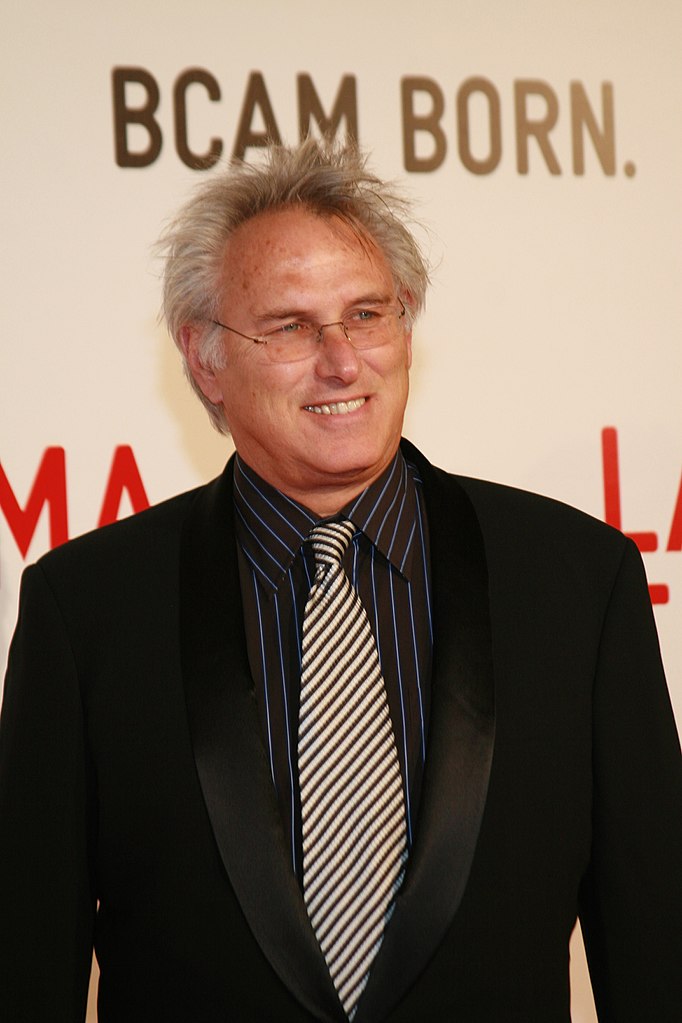
Eric Fischl is an American painter, sculptor, printmaker, draughtsman and educator. He is known for his paintings depicting American suburbia from the 1970s and 1980s.



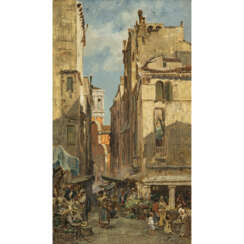

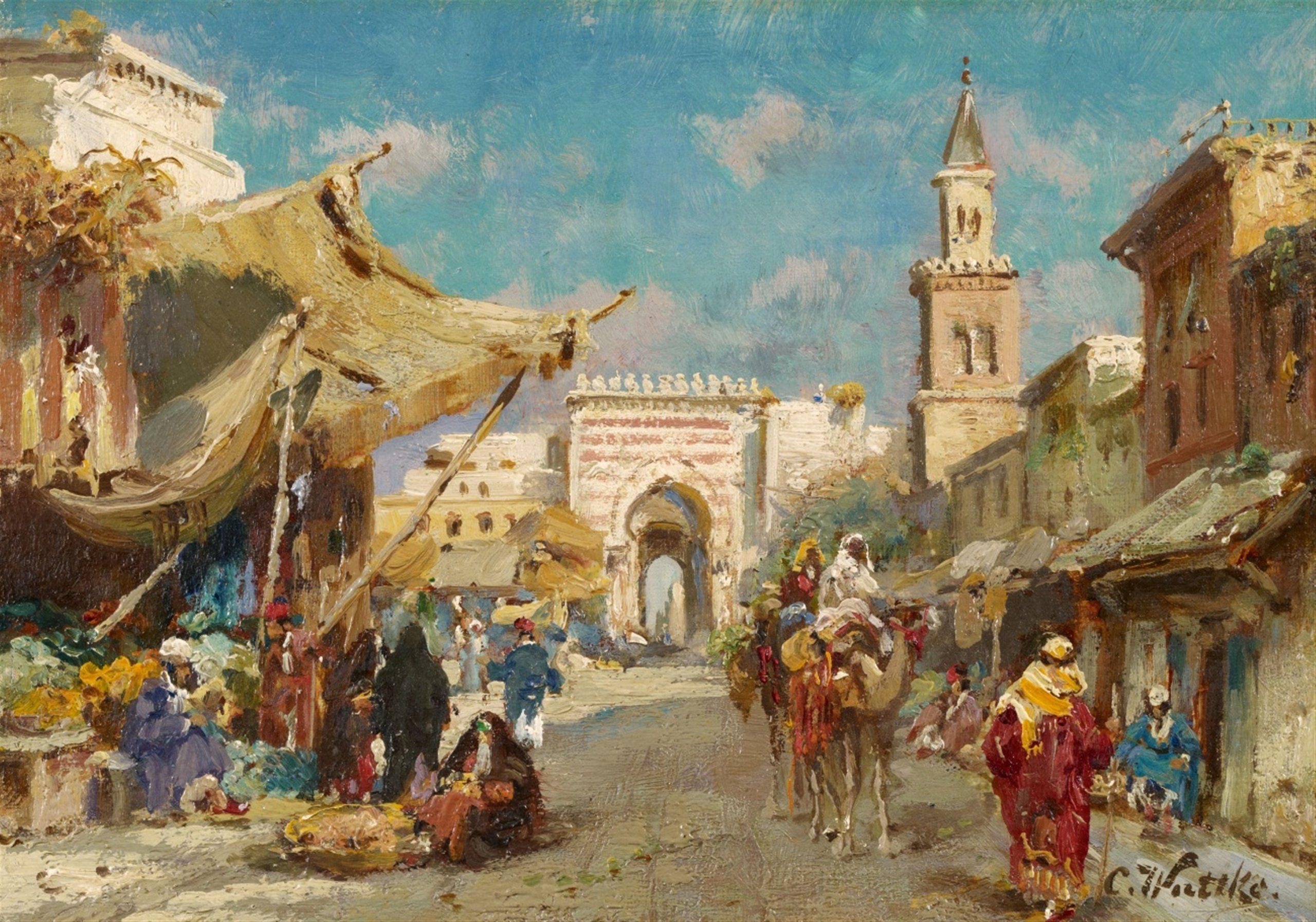
Carl Wuttke was a German painter of the last quarter of the nineteenth and first quarter of the twentieth centuries. He is known as a landscape and architectural painter.
Carl Wuttke traveled extensively, visiting Italy, Spain, Norway, Africa, the United States, China and Japan. He created many paintings, including paintings for German Emperor Wilhelm II. Wuttke, although he specialized in landscape, also painted genre scenes. His vivid colors and style make him one of the forerunners of Impressionism
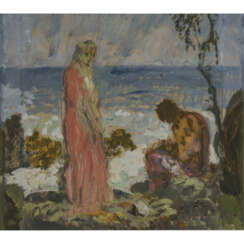

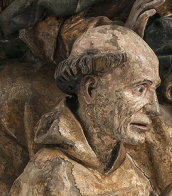
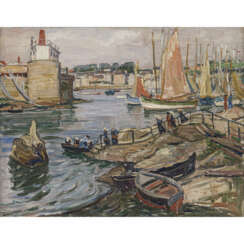

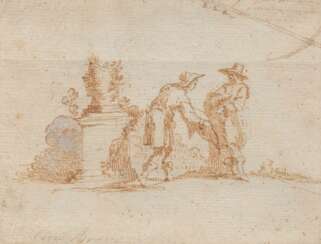

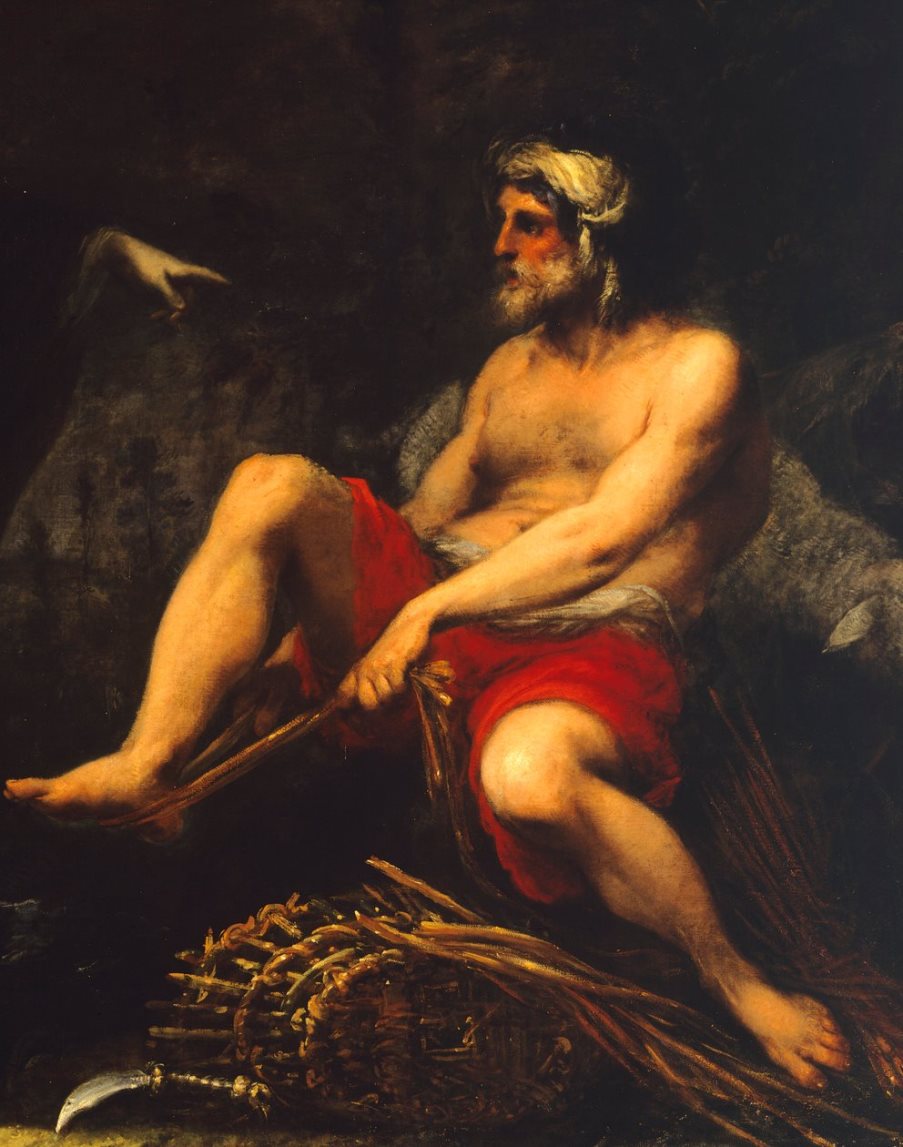
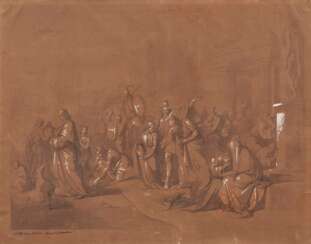

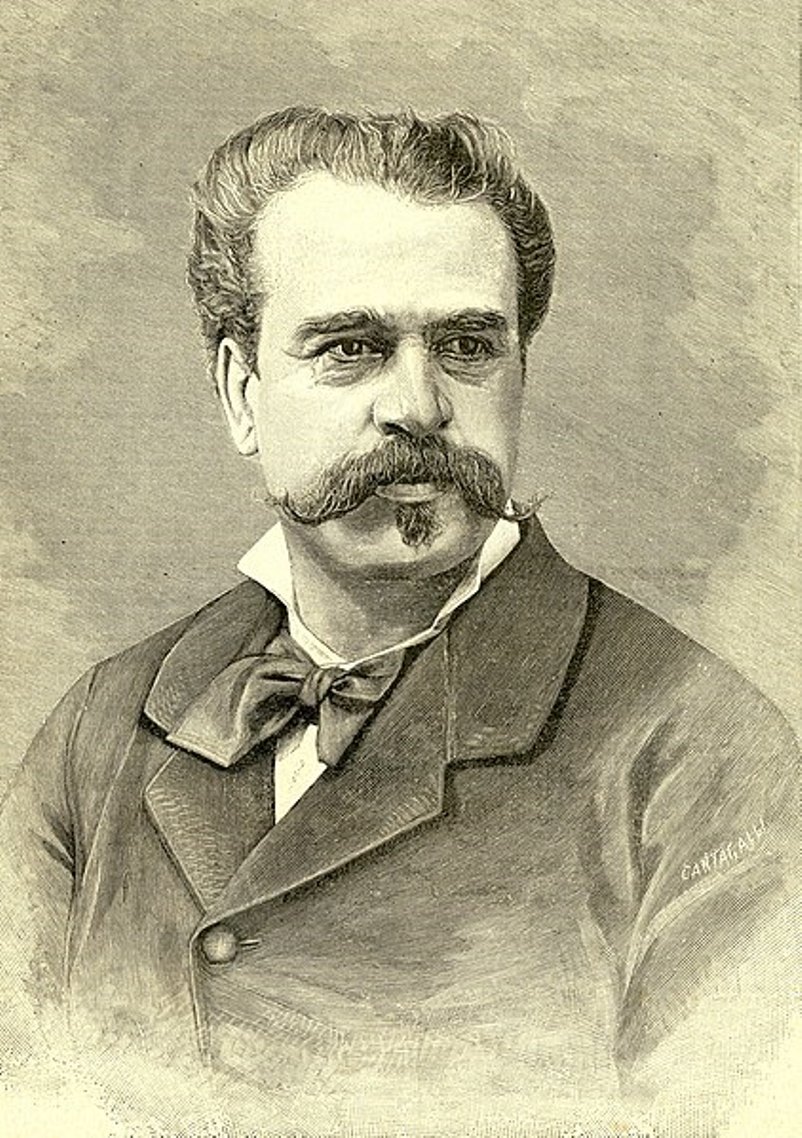






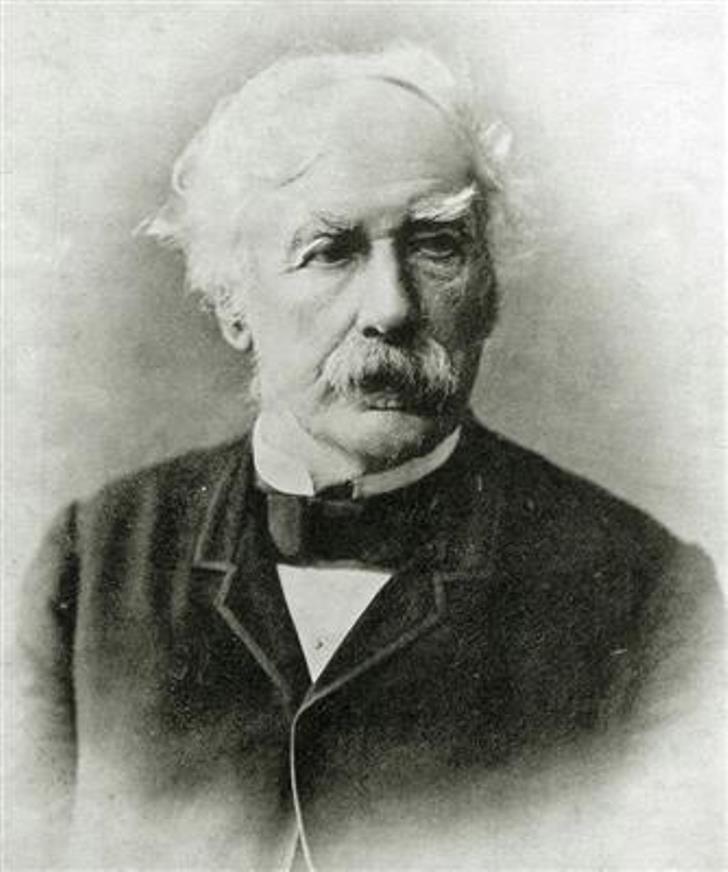
Hermann David Salomon Corrodi was an Italian painter of landscapes and orientalist scenes.


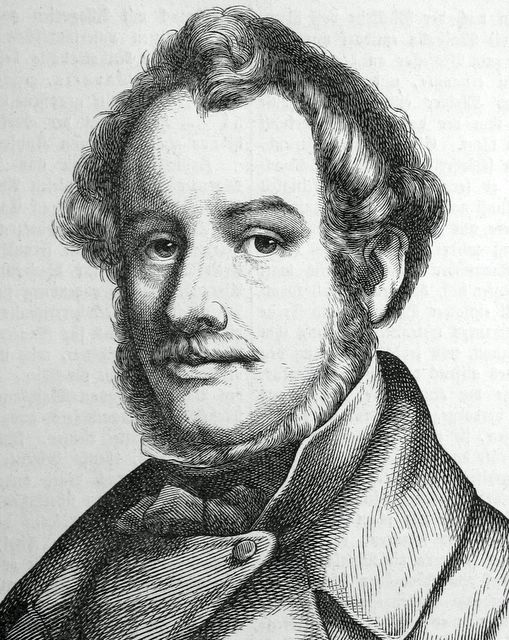
Ludwig Michael Schwanthaler, ennobled as Ritter von Schwanthaler, was a Bavarian sculptor and a key figure in the Classical movement in southern Germany. He was born on 26 August 1802 in Munich to a family that had been involved in sculpture for centuries.
Schwanthaler's journey began under his father's tutelage before he formally trained at the Munich Academy. His talent was so profound that he received commissions from royalty and mentorship from the likes of Peter von Cornelius. He further honed his skills in Rome, where he was influenced by Bertel Thorvaldsen. Returning to Munich, Schwanthaler met the demands for sculpture head-on, collaborating with architects and painters to revive the arts in Bavaria.
Among his many works, the statues in the Neues Palais and the figures in the Alte Pinakothek are notable. His versatility also shone in sacred art, with his contributions to St Ludwig and St Mariahilf churches. The Ruhmeshalle's metopes and the monumental Bavaria statue demonstrate his artistic bravery. Schwanthaler's life was dedicated to his craft, and upon his death on November 14, 1848, he bequeathed his models and studies to the Munich Academy, forming the Schwanthaler Museum.
For art enthusiasts, Schwanthaler's legacy offers a deep dive into classical sculpture's golden age. His works remain a testament to the neoclassical aesthetic and are celebrated for their historical and artistic significance.
Engage with the grandeur of Schwanthaler's art by signing up for updates, and take part in preserving the memory of one of Bavaria's master sculptors.


Ludwig Michael Schwanthaler, ennobled as Ritter von Schwanthaler, was a Bavarian sculptor and a key figure in the Classical movement in southern Germany. He was born on 26 August 1802 in Munich to a family that had been involved in sculpture for centuries.
Schwanthaler's journey began under his father's tutelage before he formally trained at the Munich Academy. His talent was so profound that he received commissions from royalty and mentorship from the likes of Peter von Cornelius. He further honed his skills in Rome, where he was influenced by Bertel Thorvaldsen. Returning to Munich, Schwanthaler met the demands for sculpture head-on, collaborating with architects and painters to revive the arts in Bavaria.
Among his many works, the statues in the Neues Palais and the figures in the Alte Pinakothek are notable. His versatility also shone in sacred art, with his contributions to St Ludwig and St Mariahilf churches. The Ruhmeshalle's metopes and the monumental Bavaria statue demonstrate his artistic bravery. Schwanthaler's life was dedicated to his craft, and upon his death on November 14, 1848, he bequeathed his models and studies to the Munich Academy, forming the Schwanthaler Museum.
For art enthusiasts, Schwanthaler's legacy offers a deep dive into classical sculpture's golden age. His works remain a testament to the neoclassical aesthetic and are celebrated for their historical and artistic significance.
Engage with the grandeur of Schwanthaler's art by signing up for updates, and take part in preserving the memory of one of Bavaria's master sculptors.
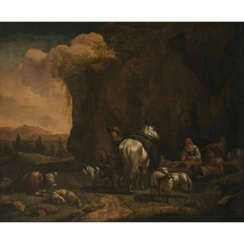



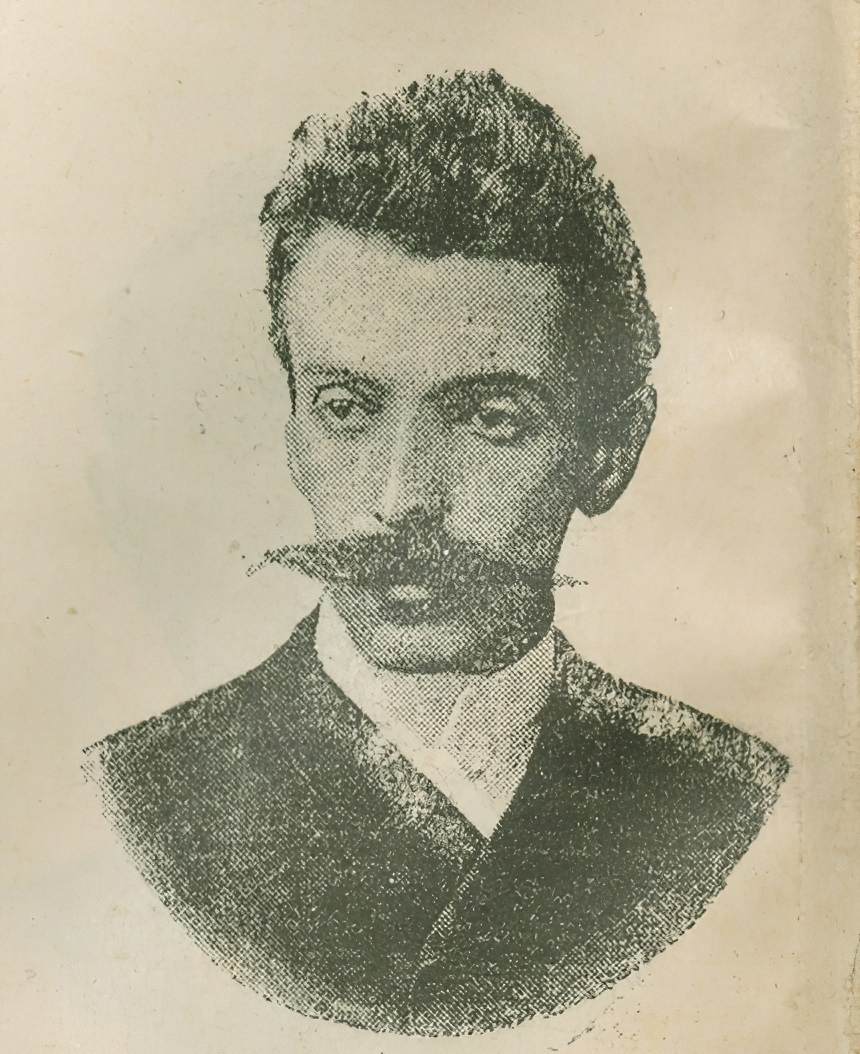
Tadeusz Rybkowski was a Polish artist who worked in the second half of the 19th and early 20th centuries in the Impressionist style. A great master of the genre.


Georg Perlberg, full name Johann Georg Christian Perlberg, was a German painter active in the 19th century.
Georg was the son of the painter Friedrich Perlberg (1777-1844), from whom he received his first drawing lessons. He then studied at the Art Academy in Munich and returned to Nuremberg.
Georg Perlberg was a master of battle, historical and genre scenes. His sons Georg Christoph Perlberg (1841-1871) and Johann Friedrich Perlberg (1848-1921) were also artists.
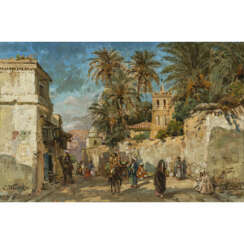

Carl Wuttke was a German painter of the last quarter of the nineteenth and first quarter of the twentieth centuries. He is known as a landscape and architectural painter.
Carl Wuttke traveled extensively, visiting Italy, Spain, Norway, Africa, the United States, China and Japan. He created many paintings, including paintings for German Emperor Wilhelm II. Wuttke, although he specialized in landscape, also painted genre scenes. His vivid colors and style make him one of the forerunners of Impressionism


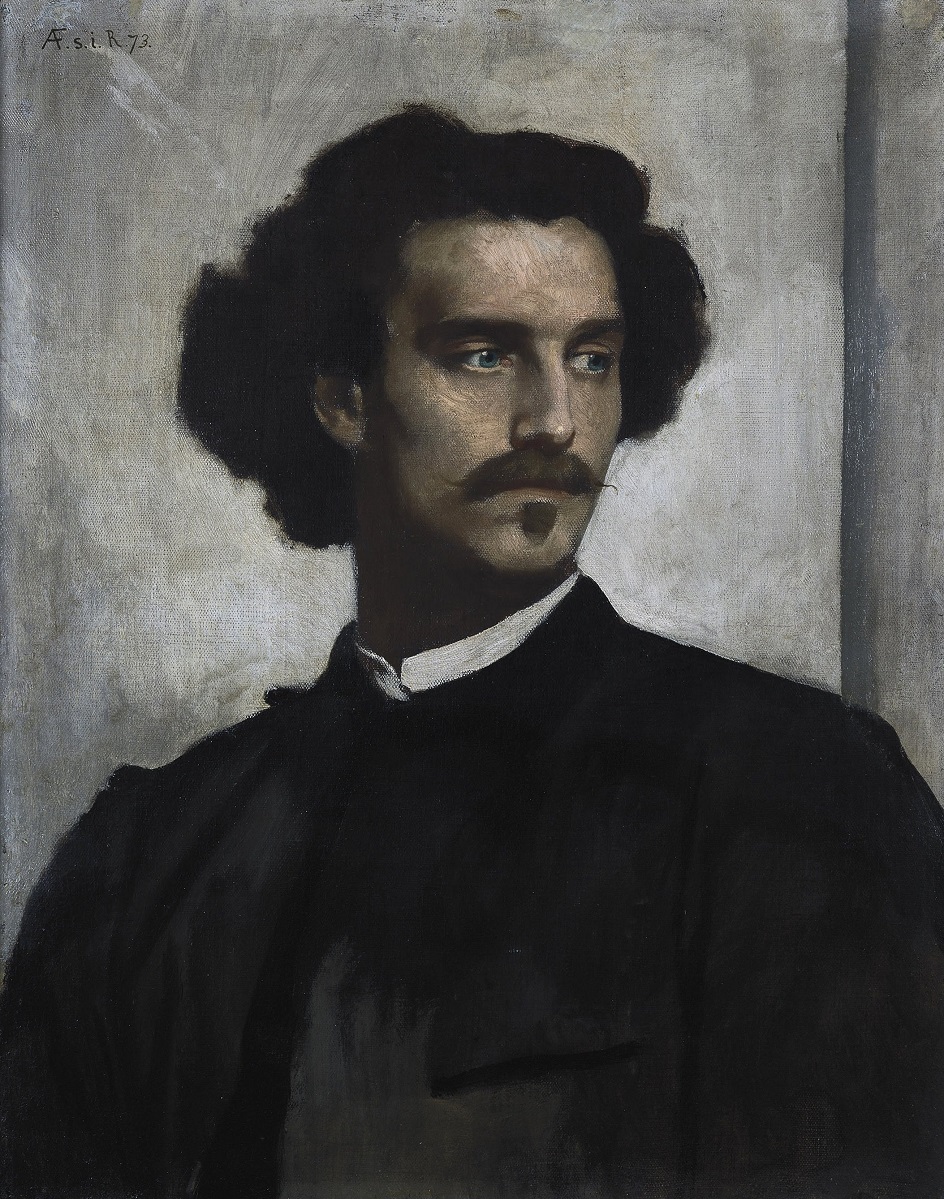
Anselm Feuerbach was a famous 19th-century German painter, an outstanding master of the historical genre.
Anselm Feuerbach was also a skilful portrait painter, the majority of his paintings are in the style of Neoclassicism. His finest masterpieces are nowadays kept in museums in Germany, and his biography is closely linked to Italy, where the artist lived for a considerable part of his life.












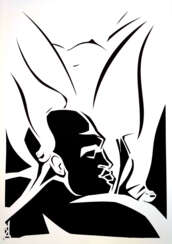



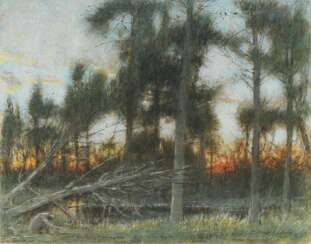

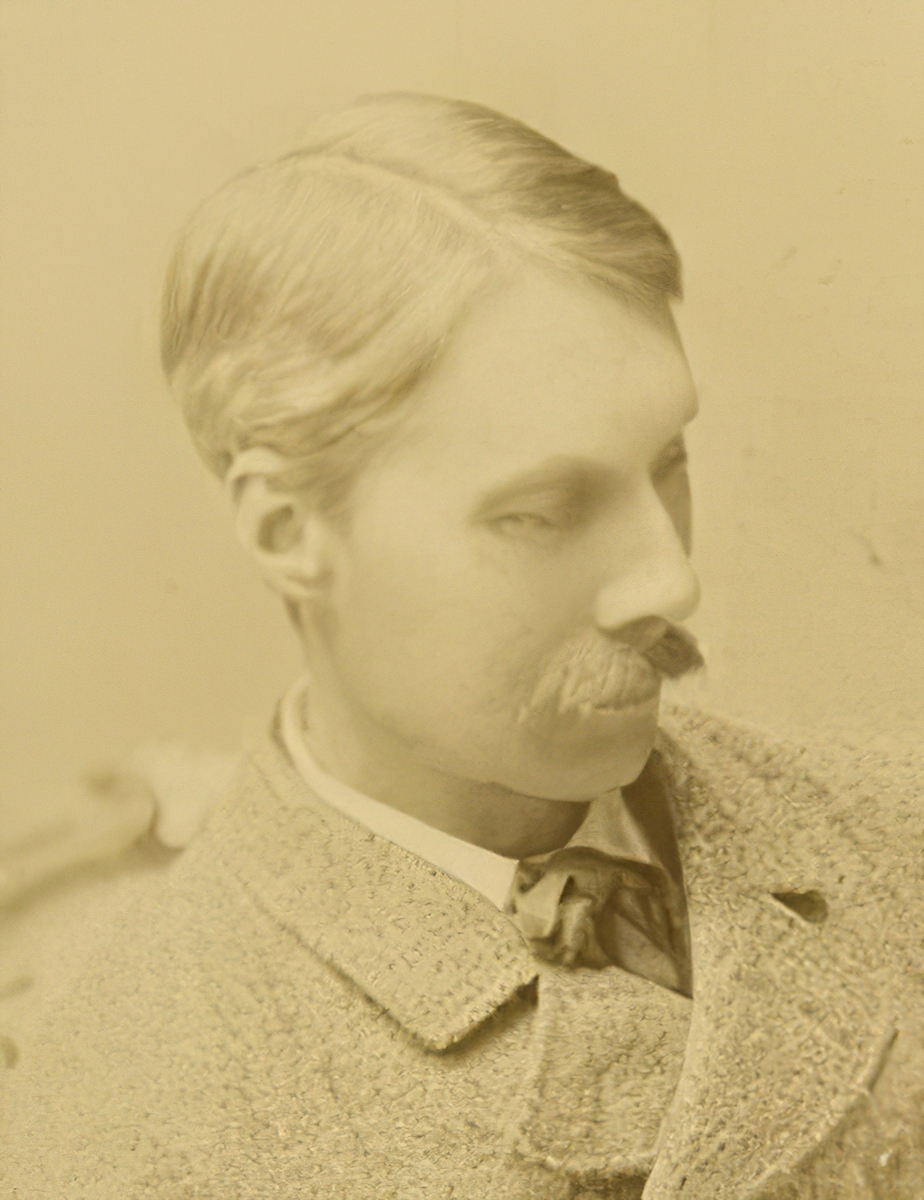
Albert Goodwin was a British landscapist specialising in watercolours. His work shows the influences of Turner and the Pre-Raphaelite Brotherhood.
Goodwin was a prolific artist, producing over 800 works and continuing to paint well into his eighties. His wide variety of landscape subjects reflected his love of travel and show the influence of Turner, with whom he felt a strong affinity. In later works he developed experimental techniques such as using ink over water color to achieve atmospheric lighting effects. His works are also an important record of social history.
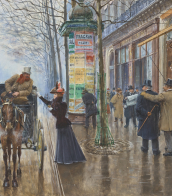


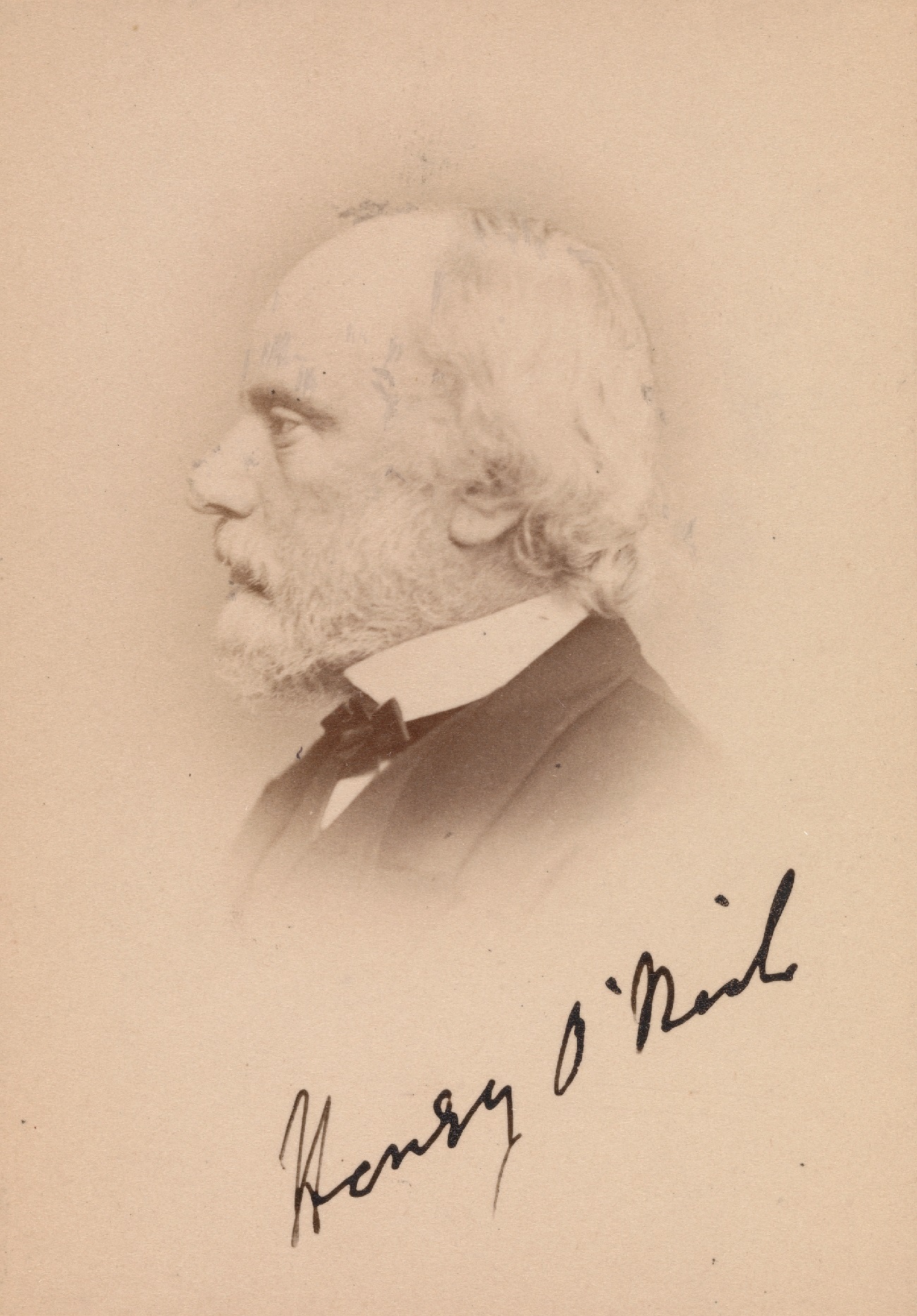
Henry Nelson O'Neil was a historical genre painter and minor Victorian writer. He worked primarily with historical and literary subjects, but his best-known paintings dealt with the Indian Mutiny.


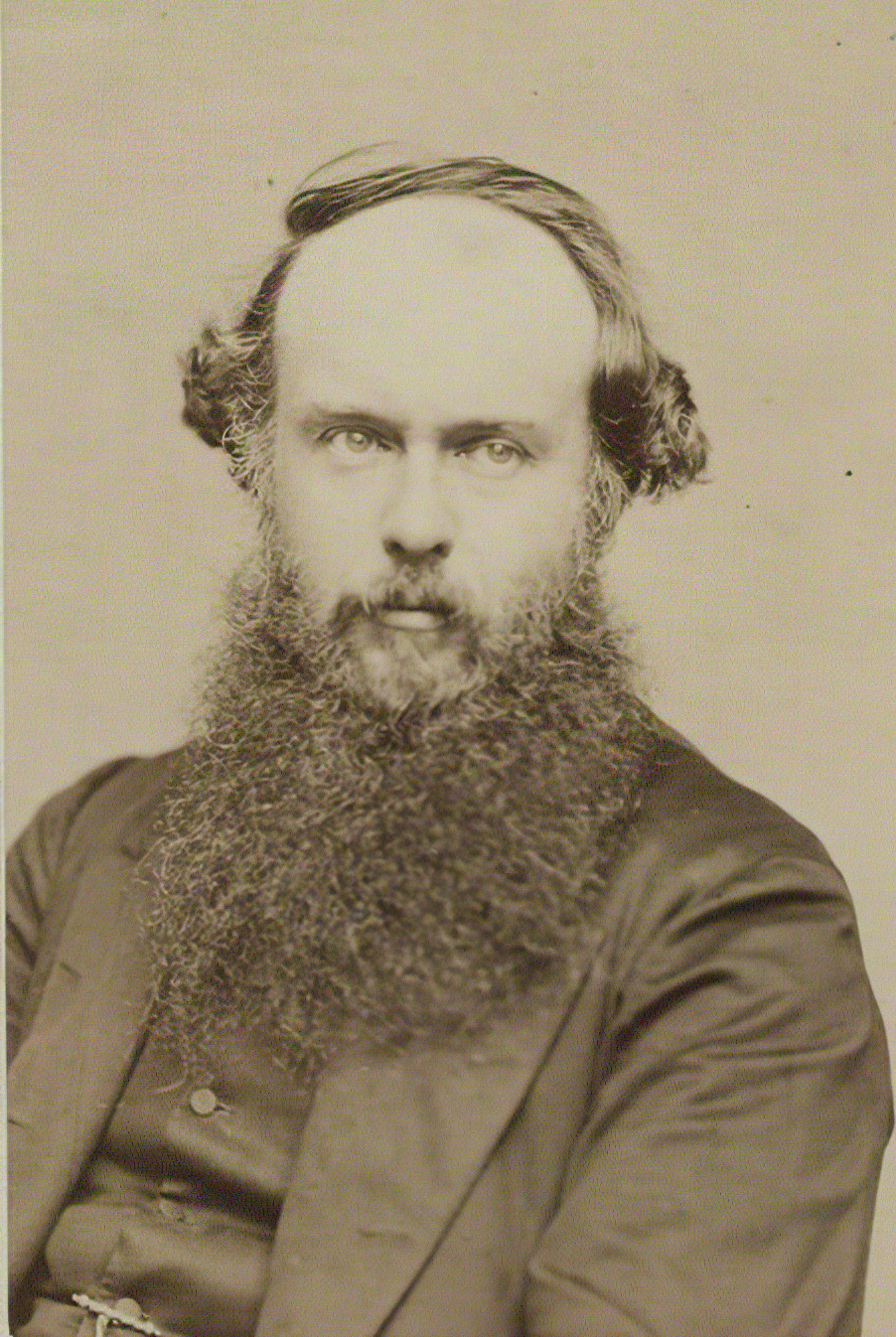
Myles Birket Foster was a British illustrator, watercolourist and engraver in the Victorian period.


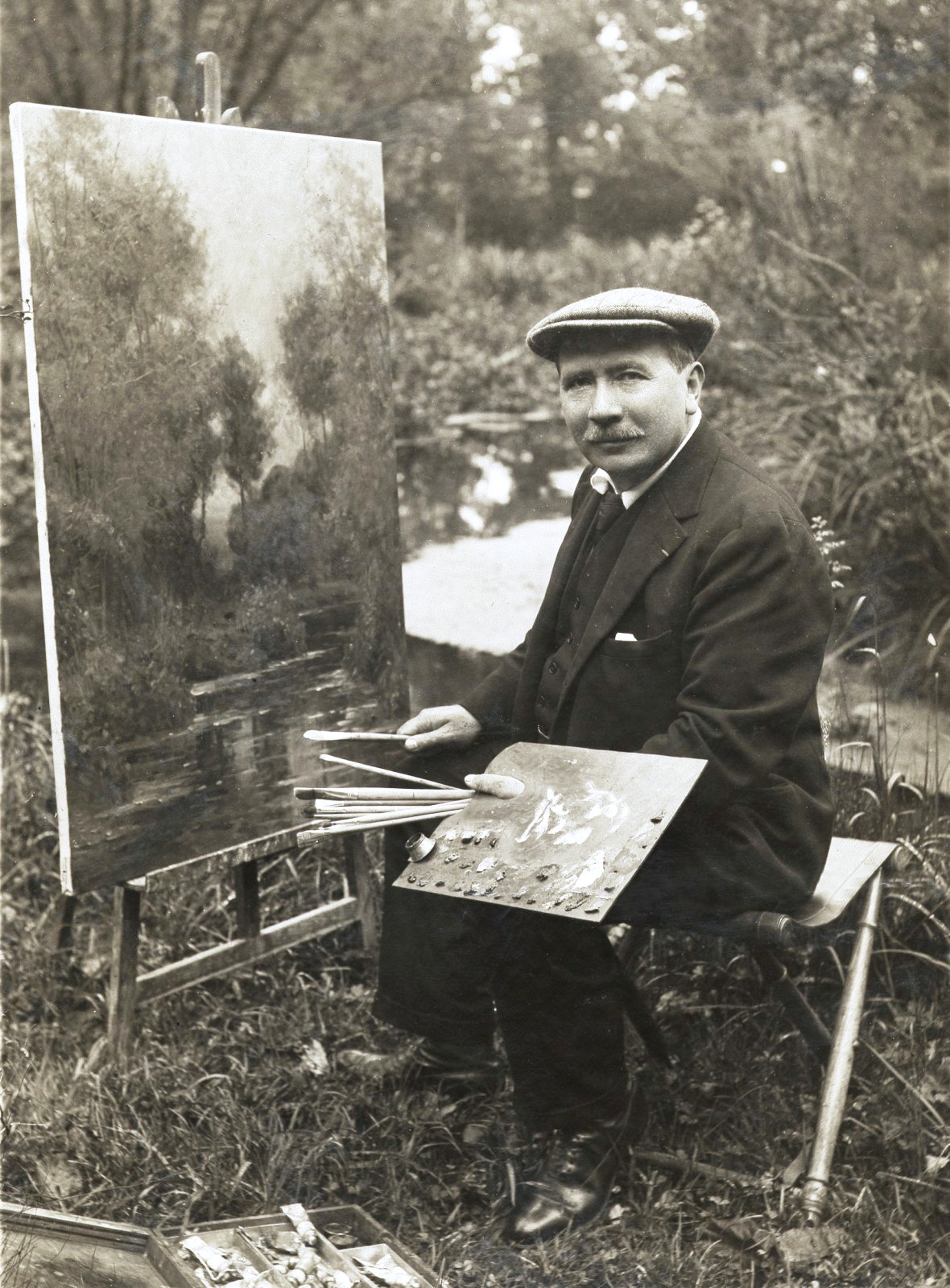


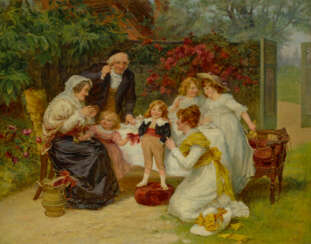

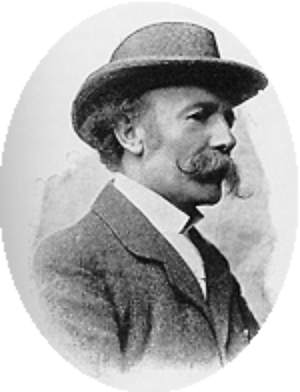
Frederick Morgan was an English painter of portraits, animals, domestic and country scenes. He became known for his idyllic genre scenes of childhood.
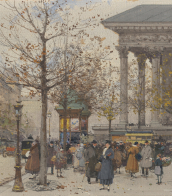
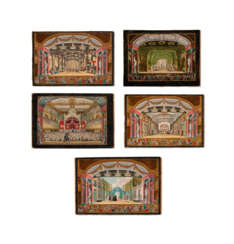



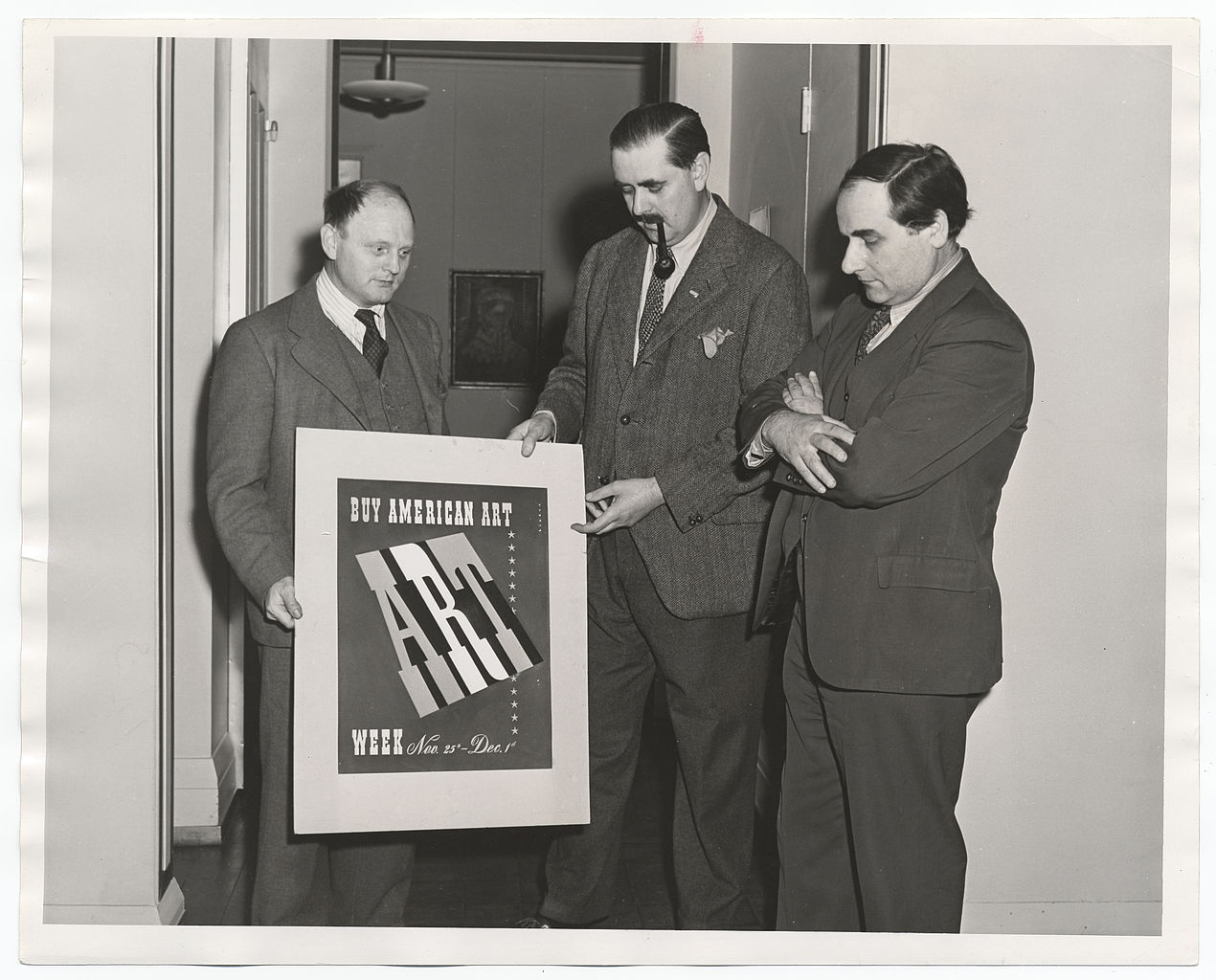


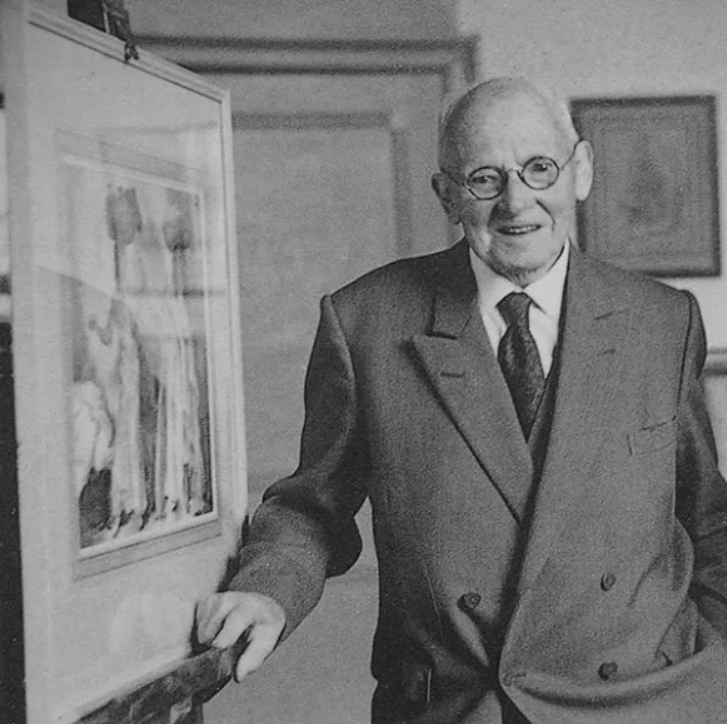
William Russell Flint was a Scottish artist and illustrator who was known especially for his watercolours of women. He also worked in oils, tempera, and printmaking.


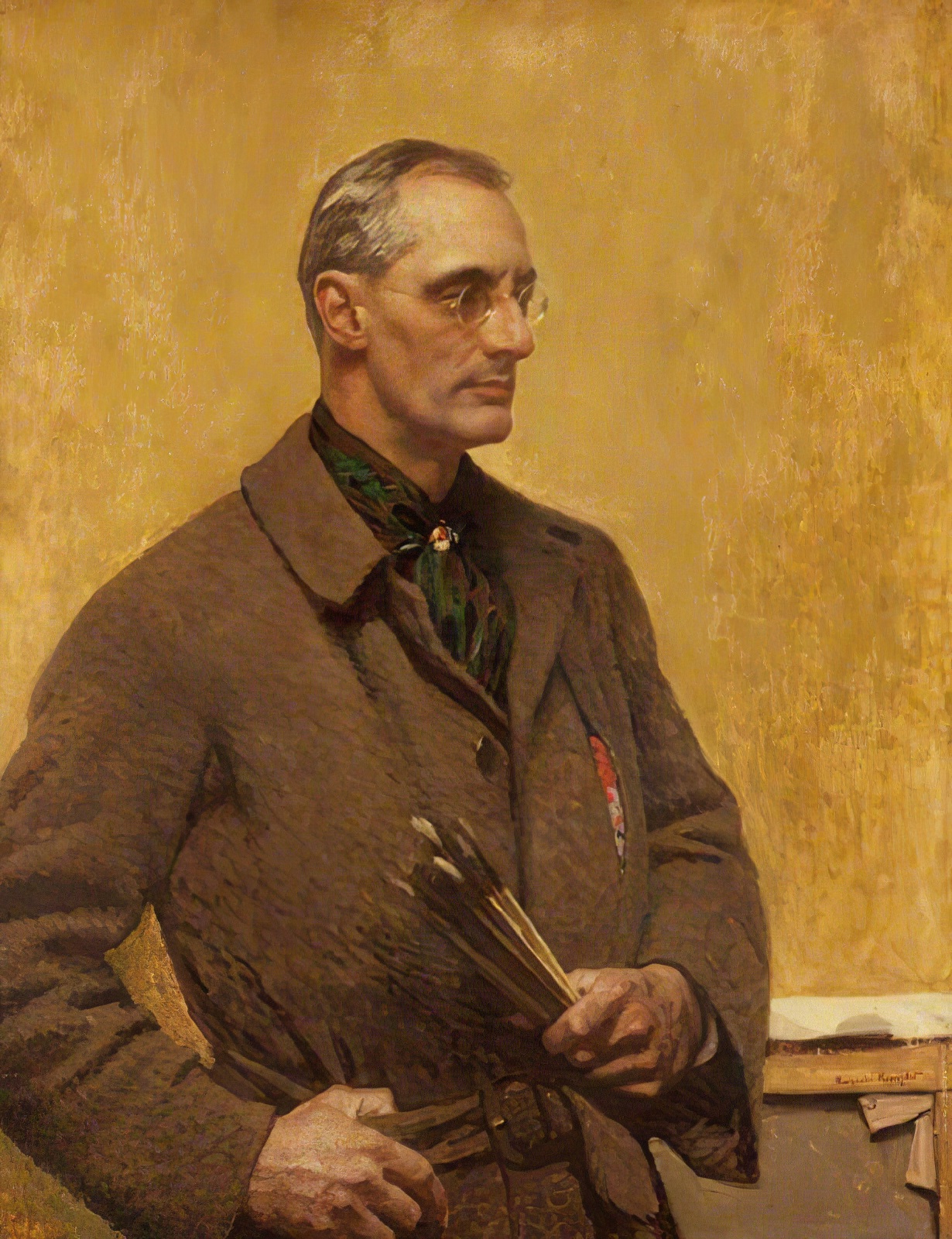
Harold Knight was an English portrait, genre and landscape painter.

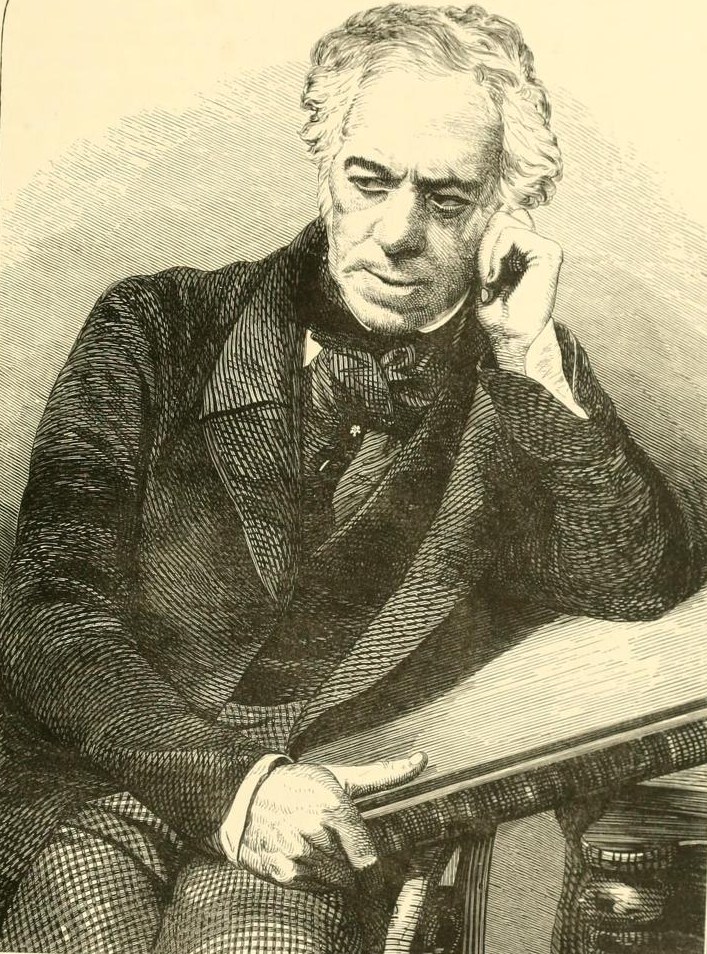
William Allan was a distinguished Scottish historical painter known for his scenes of Russian life. He became president of the Royal Scottish Academy and was made a Royal Academician.


Frederick Morgan was an English painter of portraits, animals, domestic and country scenes. He became known for his idyllic genre scenes of childhood.
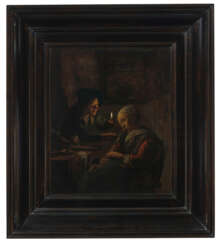

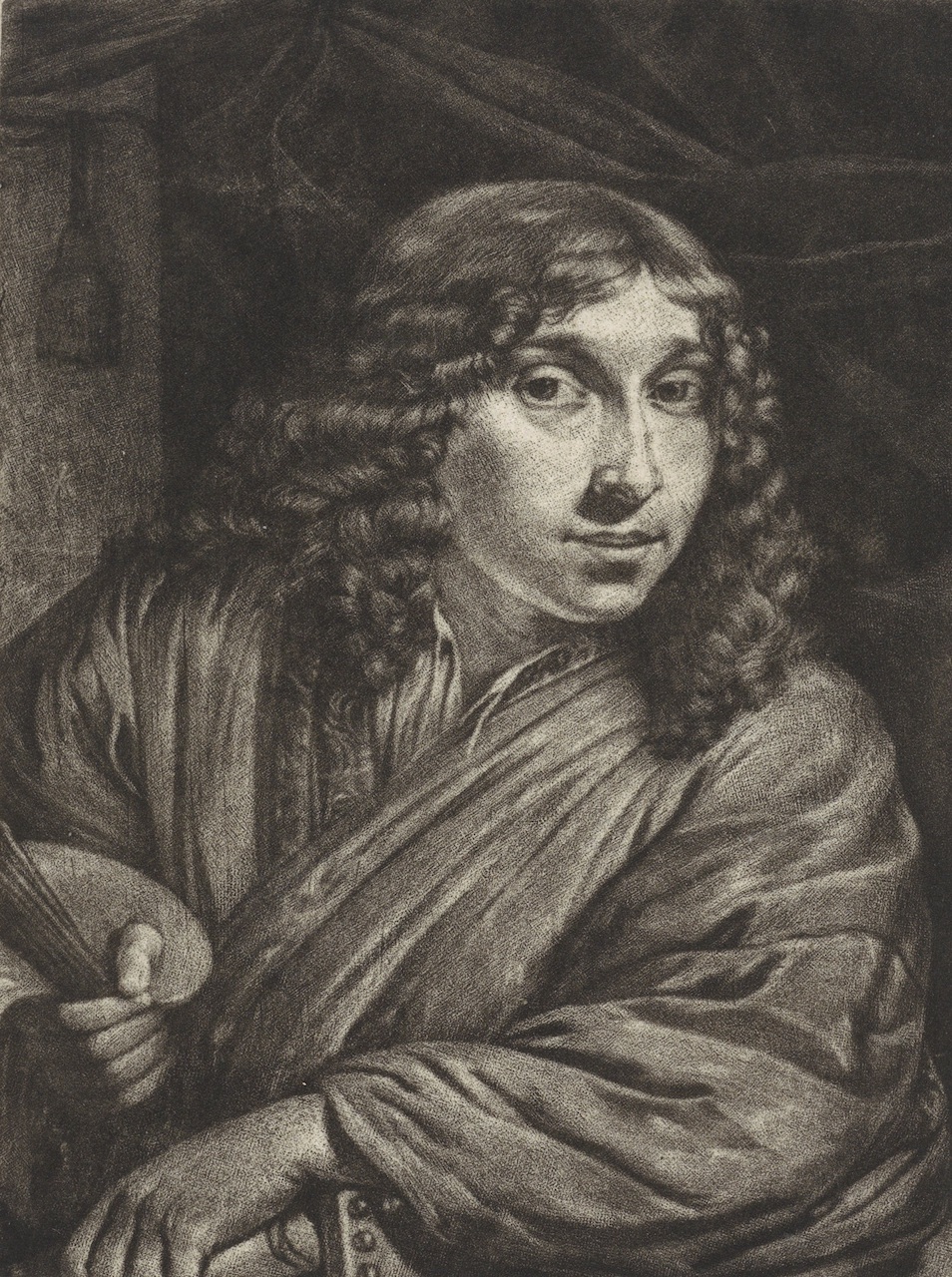
Jan Verkolje was a Dutch painter-drawer and engraver of the Golden Age. He is known for his portraits and genre scenes in interiors, and to a lesser extent for religious and mythological compositions. Vercolje was a gifted self-taught artist in various drawing techniques - drawing, engraving, metal carving (mezzotint).