air







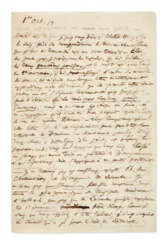

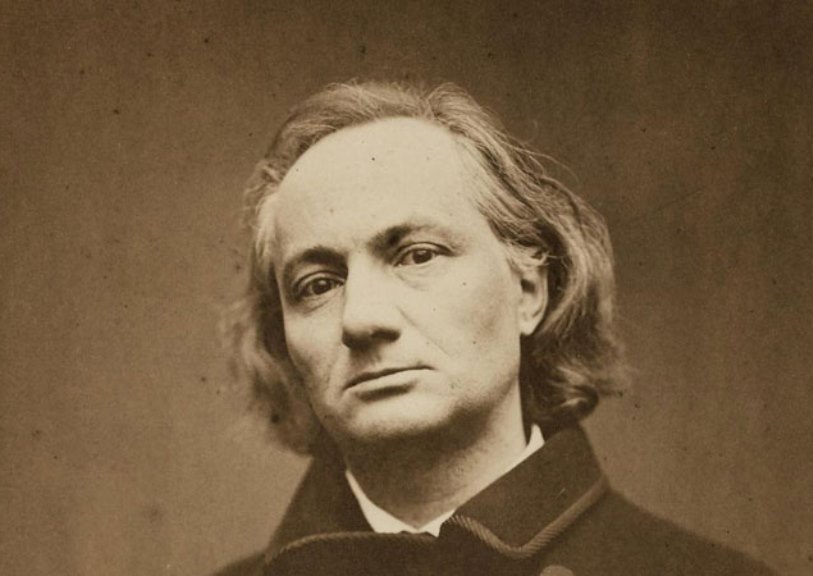
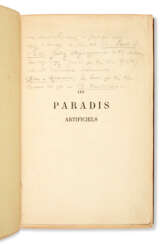

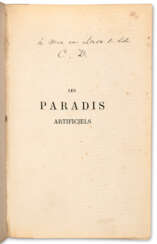



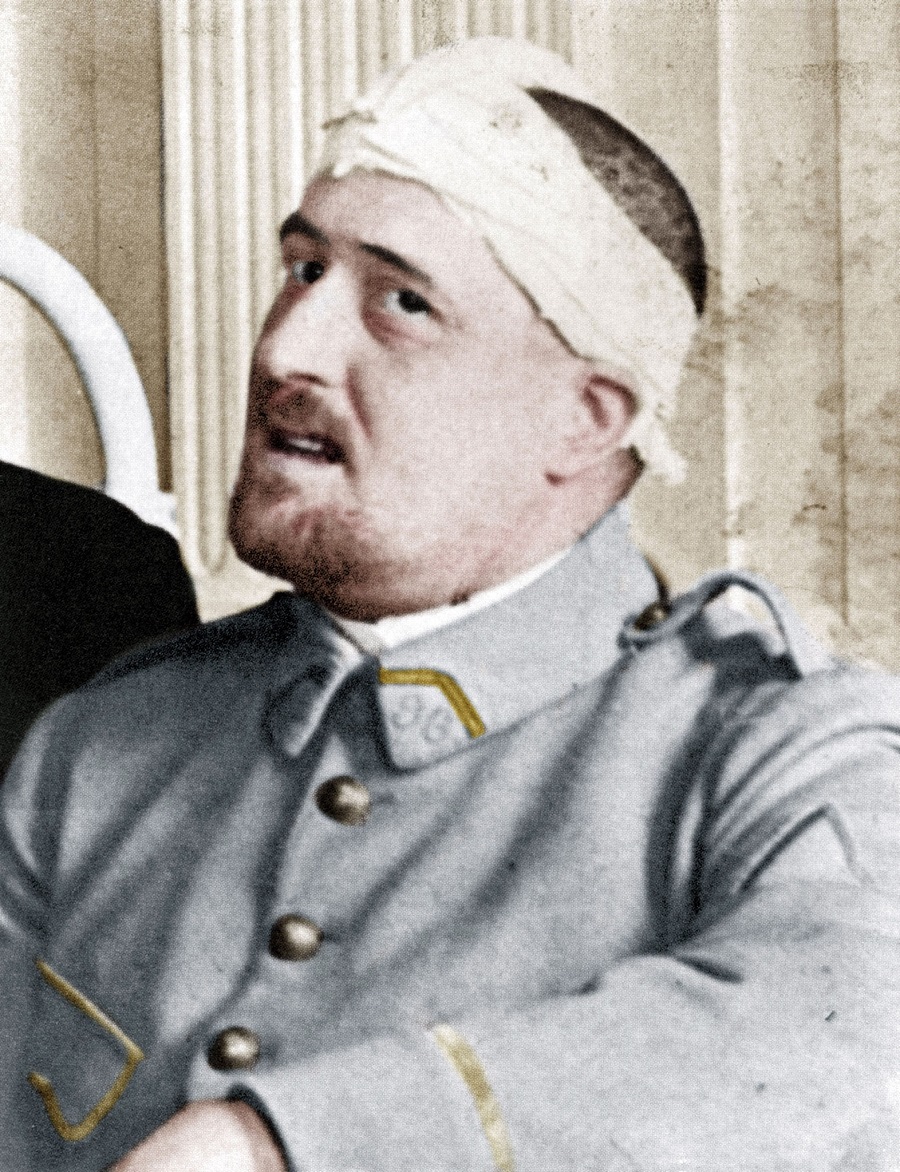
Guillaume Apollinaire, real name Wilhelm Albert Vladimir Apollinaris de Wąż-Kostrowicki, a French poet of Polish descent, was a towering figure in the early 20th century's literary and art scenes. Known for his experimental verse and support of avant-garde art movements like Cubism and Surrealism, Apollinaire's work pushed the boundaries of traditional aesthetics and inspired a generation of artists and writers.
Guillaume Apollinaire's literary contributions were vast and varied. He was an early advocate for Cubism, a relationship most prominently seen in his collaborations with artists like Pablo Picasso. He not only wrote about art but also collected it, surrounding himself with works by modernist masters such as Henri Rousseau and Georges Braque. His Paris apartment was a small museum of modern art, filled with pieces he often sold to support his literary endeavors. This vibrant artistic environment fueled his creativity, leading to major works such as Alcools and Calligrammes, which explored the possibilities of poetic form and typography to represent visual and verbal content in a unified way.
Despite his innovative work in poetry and art criticism, Guillaume Apollinaire's life was marked by personal challenges, including a grievous injury during World War I. Yet, even these difficulties did not hinder his prolific output. Among his notable works during this period was the play Les Mamelles de Tirésias, which was performed in 1917 and is considered a precursor to theatrical Surrealism.
Apollinaire's influence extended beyond his lifetime, particularly through his mentoring of future Surrealist leaders like André Breton. His forward-thinking approach to art and literature made him a central figure in the transition from traditional to modernist forms in both fields.
For collectors and experts in art and antiques, Guillaume Apollinaire's work represents a nexus of literary brilliance and pivotal artistic movements. His life and work provide fascinating insights into the dynamic and transformative world of early 20th-century art and literature.
Sign up for updates on auctions and sales events featuring items related to Guillaume Apollinaire. Stay informed about opportunities to acquire unique artifacts that celebrate his legacy in the realms of poetry and art.
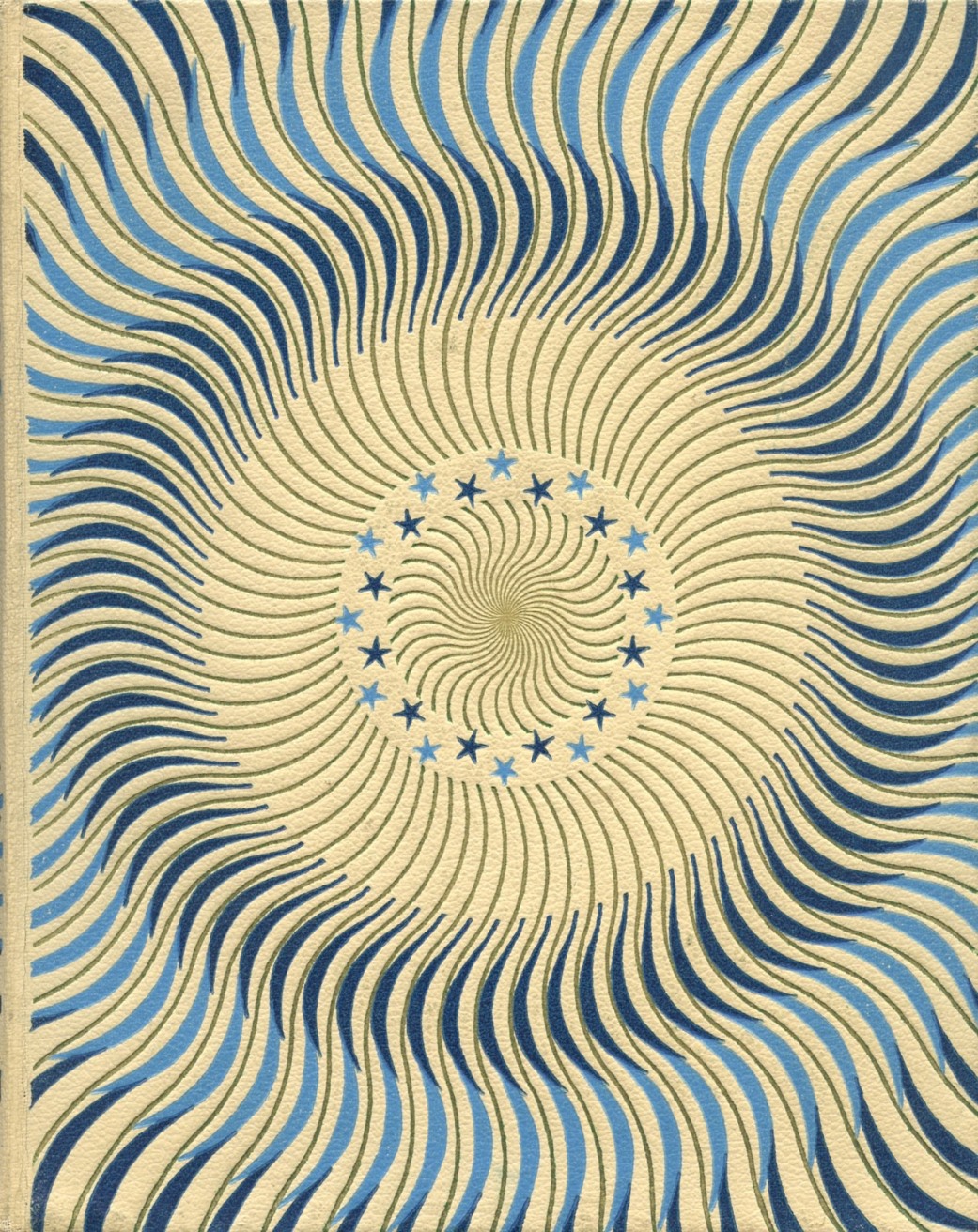
Paul Bonet, birth name Paul Joseph Ghislain Bonet, is a French bookbinder and bookbinding designer, Knight of the Legion of Honor.
Trained to make fashionable wooden mannequins, Paul Bonet worked in the fashion industry for several years and did not turn to bookbinding until 1920. His bright, colorful designs and prolific work made him famous. His first bindings were exhibited in 1925 at the Gallière Museum, then at the French Book Arts Exhibition, the Salon d'Automne and the Salon des Artistes Décoratifs, and his talent was recognized.
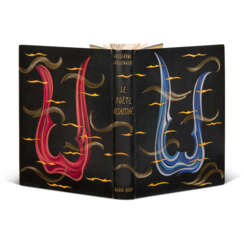
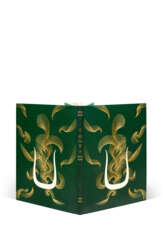
His decoration was particularly innovative. One of the great masters of French bookbinding, Paul Bonet became famous in the 1930s and 1940s for one of his signature patterns, "sunbeams." These patterns consist of many small lines with gold trim, carefully planned and giving the optical illusion of spatial depth.

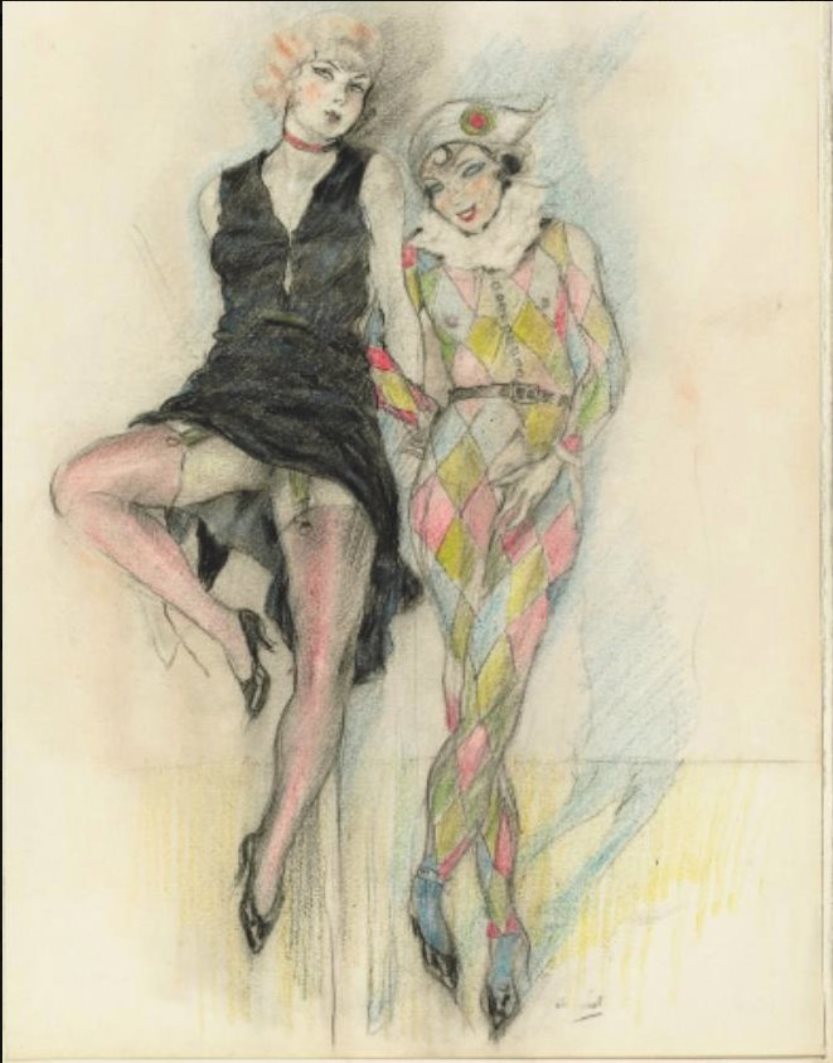
Edouard Chimot was a French Art Deco painter, illustrator and editor.
Edouard studied at the Ecole des Arts Décoratifs in Nice and then at the Ecole des Beaux-Arts in Lille. After the war, he was able to prove himself as an illustrator and master publisher. At the height of the Art Deco heyday, Chimot received a number of commissions to illustrate books with his original engravings, the first of which was the rare book Les Après-Midi de Montmartre with fourteen engravings by Chimot.
In 1920, Édouard Chimot founded his own publishing house, Éditions d'Art Édouard Chimot. Through this venture, he not only continued to create his own art, but also collaborated with other artists and writers to create high quality limited edition books, often with his distinctive illustrations. Édouard Chimot was associated with late Symbolist and decadent culture, and his own work is sometimes referred to as post-Symbolist. His collaborations with famous writers and poets, including Paul Verlaine and Charles Baudelaire, brought his illustrations to the forefront of the Art Nouveau movement.
With the collapse of the financial system in the early 1930s in Europe, the demand for luxury products also fell, but the artist continued to work, produce books and paint. Chimot's artistic style is characterized by sensuality and romanticism. He was an artist of the female figure, style, eroticism and embodied the essence of Art Deco imagery.



Raoul Dufy, a renowned French artist, is celebrated for his vibrant and decorative style, which left a significant mark in the realms of Fauvism and Post-Impressionism. Born in 1877 in Le Havre, France, Dufy's artistic journey was profoundly influenced by Henri Matisse's Fauvist work "Luxe, Calme et Volupté," which he encountered at the Salon des Indépendants in 1905. This experience steered him towards Fauvism, a style that emphasized bold contours and bright colors.
Dufy's artistic evolution saw him briefly embrace Cubism around 1920, after which he developed a unique approach. This approach, often referred to as stenographic, was characterized by skeletal structures, foreshortened perspectives, and the use of thin, quickly applied washes of color. His works, known for their cheerful and fashionably decorative nature, often depicted scenes of leisure like yachting, the French Riviera, and chic parties, capturing the essence of the period's optimism.
In addition to his painting, Dufy was also a commercial artist, illustrator, and designer, contributing significantly to textile design and public murals. His large-scale public art commissions combined modern and allegorical subjects with exuberant outlines and intense colors, showcasing a modernist take on traditional mural work. Notable works by Dufy include "The Regatta," "The Harvester," and the monumental "The Electricity Fairy," a large mural commissioned for the 1937 World's Fair in Paris.
His works are housed in prestigious public collections worldwide, including the Art Institute of Chicago, the Musée d'Art Moderne de Paris, and the National Gallery of Art in Washington, D.C. Despite his artistic achievements, Dufy's focus on decorative art and the lack of engagement with wider social concerns has led to a varied critical reception of his work. Nonetheless, his contribution to 20th-century art, particularly in popularizing a vibrant and illustrative style, remains undisputed.
If Raoul Dufy's artistry captivates you and you wish to stay informed about the latest artworks, exhibitions, and auction events related to this remarkable artist, we invite you to sign up for our updates. By subscribing, you'll receive timely notifications about new pieces for sale and upcoming auctions. This is a wonderful opportunity for collectors and art enthusiasts to enhance their appreciation and possibly their collections of Dufy's work. Stay connected with the world of art and don't miss any chance to acquire unique pieces by this celebrated artist.
Guillaume Apollinaire, real name Wilhelm Albert Vladimir Apollinaris de Wąż-Kostrowicki, a French poet of Polish descent, was a towering figure in the early 20th century's literary and art scenes. Known for his experimental verse and support of avant-garde art movements like Cubism and Surrealism, Apollinaire's work pushed the boundaries of traditional aesthetics and inspired a generation of artists and writers.
Guillaume Apollinaire's literary contributions were vast and varied. He was an early advocate for Cubism, a relationship most prominently seen in his collaborations with artists like Pablo Picasso. He not only wrote about art but also collected it, surrounding himself with works by modernist masters such as Henri Rousseau and Georges Braque. His Paris apartment was a small museum of modern art, filled with pieces he often sold to support his literary endeavors. This vibrant artistic environment fueled his creativity, leading to major works such as Alcools and Calligrammes, which explored the possibilities of poetic form and typography to represent visual and verbal content in a unified way.
Despite his innovative work in poetry and art criticism, Guillaume Apollinaire's life was marked by personal challenges, including a grievous injury during World War I. Yet, even these difficulties did not hinder his prolific output. Among his notable works during this period was the play Les Mamelles de Tirésias, which was performed in 1917 and is considered a precursor to theatrical Surrealism.
Apollinaire's influence extended beyond his lifetime, particularly through his mentoring of future Surrealist leaders like André Breton. His forward-thinking approach to art and literature made him a central figure in the transition from traditional to modernist forms in both fields.
For collectors and experts in art and antiques, Guillaume Apollinaire's work represents a nexus of literary brilliance and pivotal artistic movements. His life and work provide fascinating insights into the dynamic and transformative world of early 20th-century art and literature.
Sign up for updates on auctions and sales events featuring items related to Guillaume Apollinaire. Stay informed about opportunities to acquire unique artifacts that celebrate his legacy in the realms of poetry and art.

André Derain was a French artist, renowned as a painter, sculptor, and a pivotal figure in the development of Fauvism alongside Henri Matisse. Born on June 10, 1880, in Chatou, Yvelines, just outside Paris, Derain's artistic journey began in his youth. Despite initially studying to become an engineer, his passion for art led him to the Académie Julian and to acquaintances with notable artists like Matisse and Maurice de Vlaminck.
Derain's work, especially his paintings, is celebrated for its vibrant, expressive use of color and innovative compositions. His contributions to Fauvism, a movement characterized by the use of bold, non-naturalistic colors, marked a significant shift in the art world. The Fauvist period, particularly his collaboration with Matisse in the summer of 1905 in Collioure, culminated in works that were distinguished by their startling hues and wild brushwork, earning them the nickname "the wild beasts" or "les Fauves."
A notable period in Derain's career was his time in London in 1906, commissioned by art dealer Ambroise Vollard. His London series, including views of the Thames and Tower Bridge, are celebrated for their unique perspective and use of color, differing significantly from the traditional depictions of the city by artists like Whistler or Monet. These works stand out for their Pointillist influence and the effective conveyance of light and movement.
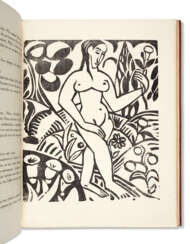
Derain's artistic evolution continued as he experimented with Cubism and was influenced by African art, as seen in his primitivist woodcuts for Guillaume Apollinaire's book "L'enchanteur pourrissant" (1909). His career, however, was not without controversy, particularly during World War II, when he was perceived as a collaborator due to his interactions with the Germans.
Despite the challenges and transformations in his career, André Derain left an indelible mark on the art world. His works are held in prestigious collections worldwide, including the Musée Cantini in Marseille and the Musée d'art moderne de Troyes. Derain's contribution to modern art, particularly through Fauvism, remains a subject of admiration and study among art collectors and experts.
If you're captivated by the artistic journey and pioneering spirit of André Derain, don't miss the opportunity to stay updated on his legacy. Sign up now to receive exclusive alerts on new product sales and auction events related to André Derain's work. Embrace your passion for art and culture, and ensure you're always informed about the latest offerings and unique pieces linked to this iconic artist.
Guillaume Apollinaire, real name Wilhelm Albert Vladimir Apollinaris de Wąż-Kostrowicki, a French poet of Polish descent, was a towering figure in the early 20th century's literary and art scenes. Known for his experimental verse and support of avant-garde art movements like Cubism and Surrealism, Apollinaire's work pushed the boundaries of traditional aesthetics and inspired a generation of artists and writers.
Guillaume Apollinaire's literary contributions were vast and varied. He was an early advocate for Cubism, a relationship most prominently seen in his collaborations with artists like Pablo Picasso. He not only wrote about art but also collected it, surrounding himself with works by modernist masters such as Henri Rousseau and Georges Braque. His Paris apartment was a small museum of modern art, filled with pieces he often sold to support his literary endeavors. This vibrant artistic environment fueled his creativity, leading to major works such as Alcools and Calligrammes, which explored the possibilities of poetic form and typography to represent visual and verbal content in a unified way.
Despite his innovative work in poetry and art criticism, Guillaume Apollinaire's life was marked by personal challenges, including a grievous injury during World War I. Yet, even these difficulties did not hinder his prolific output. Among his notable works during this period was the play Les Mamelles de Tirésias, which was performed in 1917 and is considered a precursor to theatrical Surrealism.
Apollinaire's influence extended beyond his lifetime, particularly through his mentoring of future Surrealist leaders like André Breton. His forward-thinking approach to art and literature made him a central figure in the transition from traditional to modernist forms in both fields.
For collectors and experts in art and antiques, Guillaume Apollinaire's work represents a nexus of literary brilliance and pivotal artistic movements. His life and work provide fascinating insights into the dynamic and transformative world of early 20th-century art and literature.
Sign up for updates on auctions and sales events featuring items related to Guillaume Apollinaire. Stay informed about opportunities to acquire unique artifacts that celebrate his legacy in the realms of poetry and art.


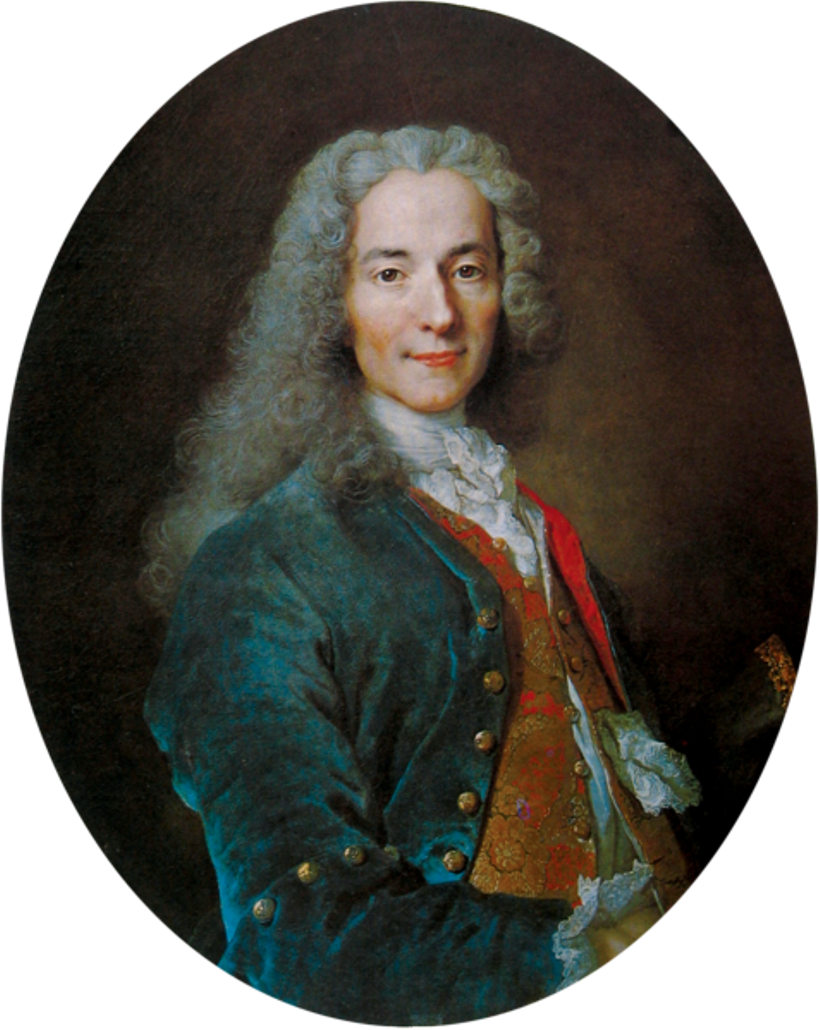
Voltaire, born François Marie Arouet, was a French philosopher-enlightener of the French Enlightenment, poet and writer, satirist, tragedian, historian and essayist.
Voltaire's long life fell on the last years of classicism and the eve of the revolutionary era, and in this transitional period his works and activities had a significant impact on the direction of European civilization. Through his critical freethinking and wit, Voltaire won the minds of many 18th century European rulers. To this day, he continues to enjoy worldwide fame as a courageous fighter against tyranny, bigotry, and cruelty.
Voltaire was an advocate of freedom of speech, freedom of religion and separation of church and state. He was a versatile and prolific writer in all literary forms, including plays, poems, novels, essays, histories, and scholarly expositions. In total, he wrote more than 20,000 letters and 2,000 books and pamphlets. Voltaire's most famous works are the tragic play Zaire, the historical study The Age of Louis XIV, and the satirical novella Candide.

André Derain was a French artist, renowned as a painter, sculptor, and a pivotal figure in the development of Fauvism alongside Henri Matisse. Born on June 10, 1880, in Chatou, Yvelines, just outside Paris, Derain's artistic journey began in his youth. Despite initially studying to become an engineer, his passion for art led him to the Académie Julian and to acquaintances with notable artists like Matisse and Maurice de Vlaminck.
Derain's work, especially his paintings, is celebrated for its vibrant, expressive use of color and innovative compositions. His contributions to Fauvism, a movement characterized by the use of bold, non-naturalistic colors, marked a significant shift in the art world. The Fauvist period, particularly his collaboration with Matisse in the summer of 1905 in Collioure, culminated in works that were distinguished by their startling hues and wild brushwork, earning them the nickname "the wild beasts" or "les Fauves."
A notable period in Derain's career was his time in London in 1906, commissioned by art dealer Ambroise Vollard. His London series, including views of the Thames and Tower Bridge, are celebrated for their unique perspective and use of color, differing significantly from the traditional depictions of the city by artists like Whistler or Monet. These works stand out for their Pointillist influence and the effective conveyance of light and movement.
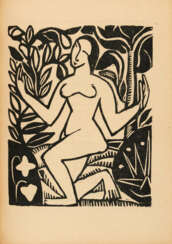
Derain's artistic evolution continued as he experimented with Cubism and was influenced by African art, as seen in his primitivist woodcuts for Guillaume Apollinaire's book "L'enchanteur pourrissant" (1909). His career, however, was not without controversy, particularly during World War II, when he was perceived as a collaborator due to his interactions with the Germans.
Despite the challenges and transformations in his career, André Derain left an indelible mark on the art world. His works are held in prestigious collections worldwide, including the Musée Cantini in Marseille and the Musée d'art moderne de Troyes. Derain's contribution to modern art, particularly through Fauvism, remains a subject of admiration and study among art collectors and experts.
If you're captivated by the artistic journey and pioneering spirit of André Derain, don't miss the opportunity to stay updated on his legacy. Sign up now to receive exclusive alerts on new product sales and auction events related to André Derain's work. Embrace your passion for art and culture, and ensure you're always informed about the latest offerings and unique pieces linked to this iconic artist.
Guillaume Apollinaire, real name Wilhelm Albert Vladimir Apollinaris de Wąż-Kostrowicki, a French poet of Polish descent, was a towering figure in the early 20th century's literary and art scenes. Known for his experimental verse and support of avant-garde art movements like Cubism and Surrealism, Apollinaire's work pushed the boundaries of traditional aesthetics and inspired a generation of artists and writers.
Guillaume Apollinaire's literary contributions were vast and varied. He was an early advocate for Cubism, a relationship most prominently seen in his collaborations with artists like Pablo Picasso. He not only wrote about art but also collected it, surrounding himself with works by modernist masters such as Henri Rousseau and Georges Braque. His Paris apartment was a small museum of modern art, filled with pieces he often sold to support his literary endeavors. This vibrant artistic environment fueled his creativity, leading to major works such as Alcools and Calligrammes, which explored the possibilities of poetic form and typography to represent visual and verbal content in a unified way.
Despite his innovative work in poetry and art criticism, Guillaume Apollinaire's life was marked by personal challenges, including a grievous injury during World War I. Yet, even these difficulties did not hinder his prolific output. Among his notable works during this period was the play Les Mamelles de Tirésias, which was performed in 1917 and is considered a precursor to theatrical Surrealism.
Apollinaire's influence extended beyond his lifetime, particularly through his mentoring of future Surrealist leaders like André Breton. His forward-thinking approach to art and literature made him a central figure in the transition from traditional to modernist forms in both fields.
For collectors and experts in art and antiques, Guillaume Apollinaire's work represents a nexus of literary brilliance and pivotal artistic movements. His life and work provide fascinating insights into the dynamic and transformative world of early 20th-century art and literature.
Sign up for updates on auctions and sales events featuring items related to Guillaume Apollinaire. Stay informed about opportunities to acquire unique artifacts that celebrate his legacy in the realms of poetry and art.

Guillaume Apollinaire, real name Wilhelm Albert Vladimir Apollinaris de Wąż-Kostrowicki, a French poet of Polish descent, was a towering figure in the early 20th century's literary and art scenes. Known for his experimental verse and support of avant-garde art movements like Cubism and Surrealism, Apollinaire's work pushed the boundaries of traditional aesthetics and inspired a generation of artists and writers.
Guillaume Apollinaire's literary contributions were vast and varied. He was an early advocate for Cubism, a relationship most prominently seen in his collaborations with artists like Pablo Picasso. He not only wrote about art but also collected it, surrounding himself with works by modernist masters such as Henri Rousseau and Georges Braque. His Paris apartment was a small museum of modern art, filled with pieces he often sold to support his literary endeavors. This vibrant artistic environment fueled his creativity, leading to major works such as Alcools and Calligrammes, which explored the possibilities of poetic form and typography to represent visual and verbal content in a unified way.
Despite his innovative work in poetry and art criticism, Guillaume Apollinaire's life was marked by personal challenges, including a grievous injury during World War I. Yet, even these difficulties did not hinder his prolific output. Among his notable works during this period was the play Les Mamelles de Tirésias, which was performed in 1917 and is considered a precursor to theatrical Surrealism.
Apollinaire's influence extended beyond his lifetime, particularly through his mentoring of future Surrealist leaders like André Breton. His forward-thinking approach to art and literature made him a central figure in the transition from traditional to modernist forms in both fields.
For collectors and experts in art and antiques, Guillaume Apollinaire's work represents a nexus of literary brilliance and pivotal artistic movements. His life and work provide fascinating insights into the dynamic and transformative world of early 20th-century art and literature.
Sign up for updates on auctions and sales events featuring items related to Guillaume Apollinaire. Stay informed about opportunities to acquire unique artifacts that celebrate his legacy in the realms of poetry and art.

Raoul Dufy, a renowned French artist, is celebrated for his vibrant and decorative style, which left a significant mark in the realms of Fauvism and Post-Impressionism. Born in 1877 in Le Havre, France, Dufy's artistic journey was profoundly influenced by Henri Matisse's Fauvist work "Luxe, Calme et Volupté," which he encountered at the Salon des Indépendants in 1905. This experience steered him towards Fauvism, a style that emphasized bold contours and bright colors.
Dufy's artistic evolution saw him briefly embrace Cubism around 1920, after which he developed a unique approach. This approach, often referred to as stenographic, was characterized by skeletal structures, foreshortened perspectives, and the use of thin, quickly applied washes of color. His works, known for their cheerful and fashionably decorative nature, often depicted scenes of leisure like yachting, the French Riviera, and chic parties, capturing the essence of the period's optimism.
In addition to his painting, Dufy was also a commercial artist, illustrator, and designer, contributing significantly to textile design and public murals. His large-scale public art commissions combined modern and allegorical subjects with exuberant outlines and intense colors, showcasing a modernist take on traditional mural work. Notable works by Dufy include "The Regatta," "The Harvester," and the monumental "The Electricity Fairy," a large mural commissioned for the 1937 World's Fair in Paris.
His works are housed in prestigious public collections worldwide, including the Art Institute of Chicago, the Musée d'Art Moderne de Paris, and the National Gallery of Art in Washington, D.C. Despite his artistic achievements, Dufy's focus on decorative art and the lack of engagement with wider social concerns has led to a varied critical reception of his work. Nonetheless, his contribution to 20th-century art, particularly in popularizing a vibrant and illustrative style, remains undisputed.
If Raoul Dufy's artistry captivates you and you wish to stay informed about the latest artworks, exhibitions, and auction events related to this remarkable artist, we invite you to sign up for our updates. By subscribing, you'll receive timely notifications about new pieces for sale and upcoming auctions. This is a wonderful opportunity for collectors and art enthusiasts to enhance their appreciation and possibly their collections of Dufy's work. Stay connected with the world of art and don't miss any chance to acquire unique pieces by this celebrated artist.
Guillaume Apollinaire, real name Wilhelm Albert Vladimir Apollinaris de Wąż-Kostrowicki, a French poet of Polish descent, was a towering figure in the early 20th century's literary and art scenes. Known for his experimental verse and support of avant-garde art movements like Cubism and Surrealism, Apollinaire's work pushed the boundaries of traditional aesthetics and inspired a generation of artists and writers.
Guillaume Apollinaire's literary contributions were vast and varied. He was an early advocate for Cubism, a relationship most prominently seen in his collaborations with artists like Pablo Picasso. He not only wrote about art but also collected it, surrounding himself with works by modernist masters such as Henri Rousseau and Georges Braque. His Paris apartment was a small museum of modern art, filled with pieces he often sold to support his literary endeavors. This vibrant artistic environment fueled his creativity, leading to major works such as Alcools and Calligrammes, which explored the possibilities of poetic form and typography to represent visual and verbal content in a unified way.
Despite his innovative work in poetry and art criticism, Guillaume Apollinaire's life was marked by personal challenges, including a grievous injury during World War I. Yet, even these difficulties did not hinder his prolific output. Among his notable works during this period was the play Les Mamelles de Tirésias, which was performed in 1917 and is considered a precursor to theatrical Surrealism.
Apollinaire's influence extended beyond his lifetime, particularly through his mentoring of future Surrealist leaders like André Breton. His forward-thinking approach to art and literature made him a central figure in the transition from traditional to modernist forms in both fields.
For collectors and experts in art and antiques, Guillaume Apollinaire's work represents a nexus of literary brilliance and pivotal artistic movements. His life and work provide fascinating insights into the dynamic and transformative world of early 20th-century art and literature.
Sign up for updates on auctions and sales events featuring items related to Guillaume Apollinaire. Stay informed about opportunities to acquire unique artifacts that celebrate his legacy in the realms of poetry and art.
Paul Bonet, birth name Paul Joseph Ghislain Bonet, is a French bookbinder and bookbinding designer, Knight of the Legion of Honor.
Trained to make fashionable wooden mannequins, Paul Bonet worked in the fashion industry for several years and did not turn to bookbinding until 1920. His bright, colorful designs and prolific work made him famous. His first bindings were exhibited in 1925 at the Gallière Museum, then at the French Book Arts Exhibition, the Salon d'Automne and the Salon des Artistes Décoratifs, and his talent was recognized.
His decoration was particularly innovative. One of the great masters of French bookbinding, Paul Bonet became famous in the 1930s and 1940s for one of his signature patterns, "sunbeams." These patterns consist of many small lines with gold trim, carefully planned and giving the optical illusion of spatial depth.


Guillaume Apollinaire, real name Wilhelm Albert Vladimir Apollinaris de Wąż-Kostrowicki, a French poet of Polish descent, was a towering figure in the early 20th century's literary and art scenes. Known for his experimental verse and support of avant-garde art movements like Cubism and Surrealism, Apollinaire's work pushed the boundaries of traditional aesthetics and inspired a generation of artists and writers.
Guillaume Apollinaire's literary contributions were vast and varied. He was an early advocate for Cubism, a relationship most prominently seen in his collaborations with artists like Pablo Picasso. He not only wrote about art but also collected it, surrounding himself with works by modernist masters such as Henri Rousseau and Georges Braque. His Paris apartment was a small museum of modern art, filled with pieces he often sold to support his literary endeavors. This vibrant artistic environment fueled his creativity, leading to major works such as Alcools and Calligrammes, which explored the possibilities of poetic form and typography to represent visual and verbal content in a unified way.
Despite his innovative work in poetry and art criticism, Guillaume Apollinaire's life was marked by personal challenges, including a grievous injury during World War I. Yet, even these difficulties did not hinder his prolific output. Among his notable works during this period was the play Les Mamelles de Tirésias, which was performed in 1917 and is considered a precursor to theatrical Surrealism.
Apollinaire's influence extended beyond his lifetime, particularly through his mentoring of future Surrealist leaders like André Breton. His forward-thinking approach to art and literature made him a central figure in the transition from traditional to modernist forms in both fields.
For collectors and experts in art and antiques, Guillaume Apollinaire's work represents a nexus of literary brilliance and pivotal artistic movements. His life and work provide fascinating insights into the dynamic and transformative world of early 20th-century art and literature.
Sign up for updates on auctions and sales events featuring items related to Guillaume Apollinaire. Stay informed about opportunities to acquire unique artifacts that celebrate his legacy in the realms of poetry and art.
Paul Bonet, birth name Paul Joseph Ghislain Bonet, is a French bookbinder and bookbinding designer, Knight of the Legion of Honor.
Trained to make fashionable wooden mannequins, Paul Bonet worked in the fashion industry for several years and did not turn to bookbinding until 1920. His bright, colorful designs and prolific work made him famous. His first bindings were exhibited in 1925 at the Gallière Museum, then at the French Book Arts Exhibition, the Salon d'Automne and the Salon des Artistes Décoratifs, and his talent was recognized.
His decoration was particularly innovative. One of the great masters of French bookbinding, Paul Bonet became famous in the 1930s and 1940s for one of his signature patterns, "sunbeams." These patterns consist of many small lines with gold trim, carefully planned and giving the optical illusion of spatial depth.


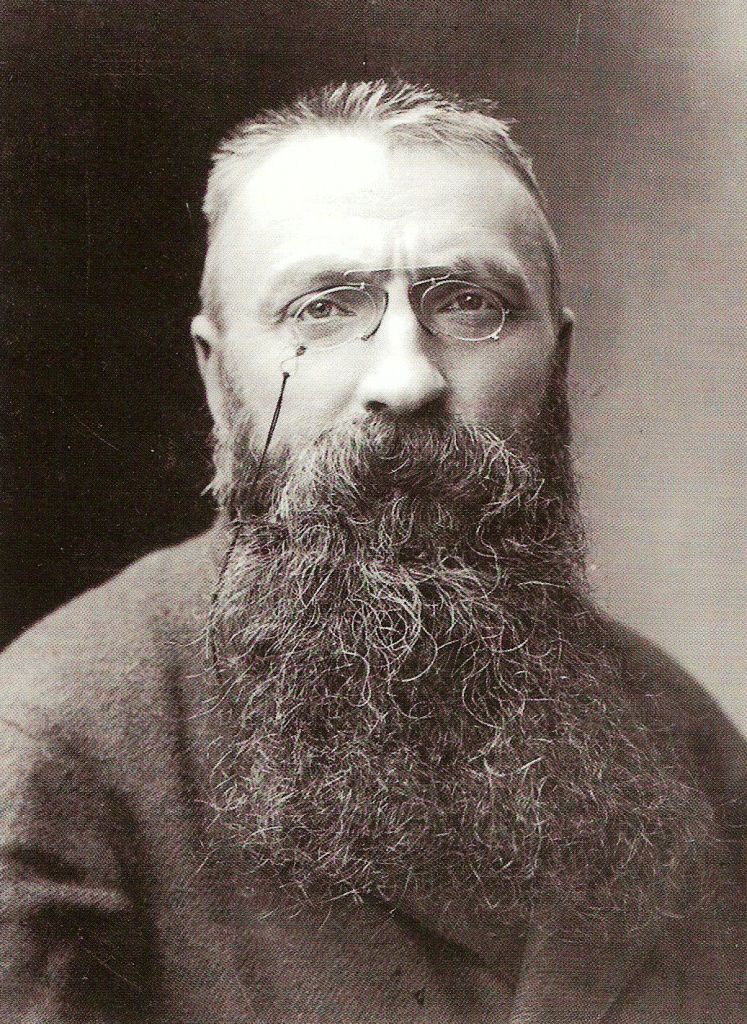
François Auguste René Rodin was a French sculptor, generally considered the founder of modern sculpture. He was schooled traditionally and took a craftsman-like approach to his work. Rodin possessed a unique ability to model a complex, turbulent, and deeply pocketed surface in clay. He is known for such sculptures as The Thinker, Monument to Balzac, The Kiss, The Burghers of Calais, and The Gates of Hell.
Many of Rodin's most notable sculptures were criticized, as they clashed with predominant figurative sculpture traditions in which works were decorative, formulaic, or highly thematic. Rodin's most original work departed from traditional themes of mythology and allegory. He modeled the human body with naturalism, and his sculptures celebrate individual character and physicality. Although Rodin was sensitive to the controversy surrounding his work, he refused to change his style, and his continued output brought increasing favor from the government and the artistic community.



Guillaume Apollinaire, real name Wilhelm Albert Vladimir Apollinaris de Wąż-Kostrowicki, a French poet of Polish descent, was a towering figure in the early 20th century's literary and art scenes. Known for his experimental verse and support of avant-garde art movements like Cubism and Surrealism, Apollinaire's work pushed the boundaries of traditional aesthetics and inspired a generation of artists and writers.
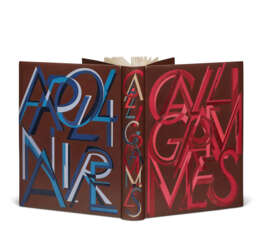
Guillaume Apollinaire's literary contributions were vast and varied. He was an early advocate for Cubism, a relationship most prominently seen in his collaborations with artists like Pablo Picasso. He not only wrote about art but also collected it, surrounding himself with works by modernist masters such as Henri Rousseau and Georges Braque. His Paris apartment was a small museum of modern art, filled with pieces he often sold to support his literary endeavors. This vibrant artistic environment fueled his creativity, leading to major works such as Alcools and Calligrammes, which explored the possibilities of poetic form and typography to represent visual and verbal content in a unified way.
Despite his innovative work in poetry and art criticism, Guillaume Apollinaire's life was marked by personal challenges, including a grievous injury during World War I. Yet, even these difficulties did not hinder his prolific output. Among his notable works during this period was the play Les Mamelles de Tirésias, which was performed in 1917 and is considered a precursor to theatrical Surrealism.
Apollinaire's influence extended beyond his lifetime, particularly through his mentoring of future Surrealist leaders like André Breton. His forward-thinking approach to art and literature made him a central figure in the transition from traditional to modernist forms in both fields.
For collectors and experts in art and antiques, Guillaume Apollinaire's work represents a nexus of literary brilliance and pivotal artistic movements. His life and work provide fascinating insights into the dynamic and transformative world of early 20th-century art and literature.
Sign up for updates on auctions and sales events featuring items related to Guillaume Apollinaire. Stay informed about opportunities to acquire unique artifacts that celebrate his legacy in the realms of poetry and art.
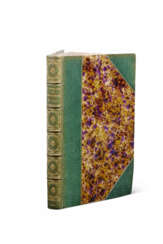



Guillaume Apollinaire, real name Wilhelm Albert Vladimir Apollinaris de Wąż-Kostrowicki, a French poet of Polish descent, was a towering figure in the early 20th century's literary and art scenes. Known for his experimental verse and support of avant-garde art movements like Cubism and Surrealism, Apollinaire's work pushed the boundaries of traditional aesthetics and inspired a generation of artists and writers.
Guillaume Apollinaire's literary contributions were vast and varied. He was an early advocate for Cubism, a relationship most prominently seen in his collaborations with artists like Pablo Picasso. He not only wrote about art but also collected it, surrounding himself with works by modernist masters such as Henri Rousseau and Georges Braque. His Paris apartment was a small museum of modern art, filled with pieces he often sold to support his literary endeavors. This vibrant artistic environment fueled his creativity, leading to major works such as Alcools and Calligrammes, which explored the possibilities of poetic form and typography to represent visual and verbal content in a unified way.
Despite his innovative work in poetry and art criticism, Guillaume Apollinaire's life was marked by personal challenges, including a grievous injury during World War I. Yet, even these difficulties did not hinder his prolific output. Among his notable works during this period was the play Les Mamelles de Tirésias, which was performed in 1917 and is considered a precursor to theatrical Surrealism.
Apollinaire's influence extended beyond his lifetime, particularly through his mentoring of future Surrealist leaders like André Breton. His forward-thinking approach to art and literature made him a central figure in the transition from traditional to modernist forms in both fields.
For collectors and experts in art and antiques, Guillaume Apollinaire's work represents a nexus of literary brilliance and pivotal artistic movements. His life and work provide fascinating insights into the dynamic and transformative world of early 20th-century art and literature.
Sign up for updates on auctions and sales events featuring items related to Guillaume Apollinaire. Stay informed about opportunities to acquire unique artifacts that celebrate his legacy in the realms of poetry and art.
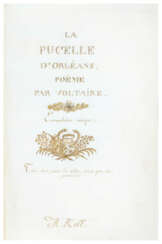

Voltaire, born François Marie Arouet, was a French philosopher-enlightener of the French Enlightenment, poet and writer, satirist, tragedian, historian and essayist.
Voltaire's long life fell on the last years of classicism and the eve of the revolutionary era, and in this transitional period his works and activities had a significant impact on the direction of European civilization. Through his critical freethinking and wit, Voltaire won the minds of many 18th century European rulers. To this day, he continues to enjoy worldwide fame as a courageous fighter against tyranny, bigotry, and cruelty.
Voltaire was an advocate of freedom of speech, freedom of religion and separation of church and state. He was a versatile and prolific writer in all literary forms, including plays, poems, novels, essays, histories, and scholarly expositions. In total, he wrote more than 20,000 letters and 2,000 books and pamphlets. Voltaire's most famous works are the tragic play Zaire, the historical study The Age of Louis XIV, and the satirical novella Candide.
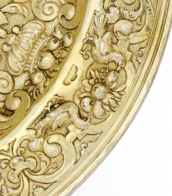


Voltaire, born François Marie Arouet, was a French philosopher-enlightener of the French Enlightenment, poet and writer, satirist, tragedian, historian and essayist.
Voltaire's long life fell on the last years of classicism and the eve of the revolutionary era, and in this transitional period his works and activities had a significant impact on the direction of European civilization. Through his critical freethinking and wit, Voltaire won the minds of many 18th century European rulers. To this day, he continues to enjoy worldwide fame as a courageous fighter against tyranny, bigotry, and cruelty.
Voltaire was an advocate of freedom of speech, freedom of religion and separation of church and state. He was a versatile and prolific writer in all literary forms, including plays, poems, novels, essays, histories, and scholarly expositions. In total, he wrote more than 20,000 letters and 2,000 books and pamphlets. Voltaire's most famous works are the tragic play Zaire, the historical study The Age of Louis XIV, and the satirical novella Candide.
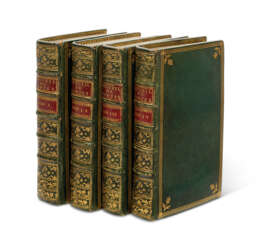

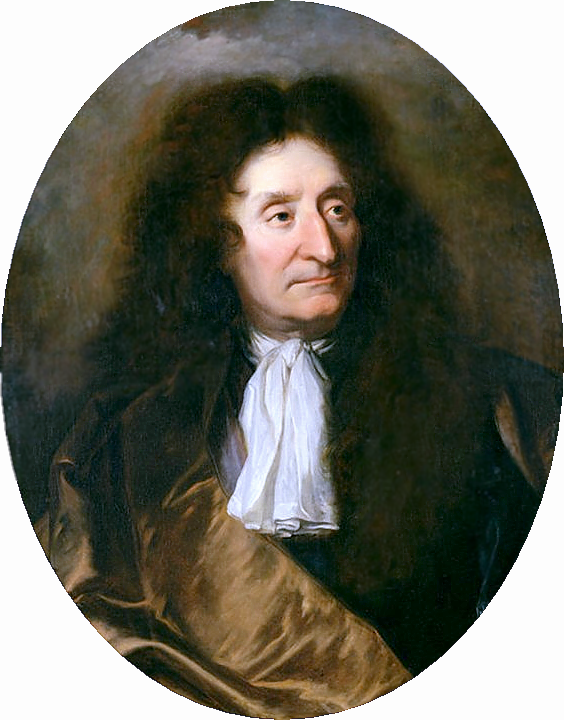
Voltaire, born François Marie Arouet, was a French philosopher-enlightener of the French Enlightenment, poet and writer, satirist, tragedian, historian and essayist.
Voltaire's long life fell on the last years of classicism and the eve of the revolutionary era, and in this transitional period his works and activities had a significant impact on the direction of European civilization. Through his critical freethinking and wit, Voltaire won the minds of many 18th century European rulers. To this day, he continues to enjoy worldwide fame as a courageous fighter against tyranny, bigotry, and cruelty.
Voltaire was an advocate of freedom of speech, freedom of religion and separation of church and state. He was a versatile and prolific writer in all literary forms, including plays, poems, novels, essays, histories, and scholarly expositions. In total, he wrote more than 20,000 letters and 2,000 books and pamphlets. Voltaire's most famous works are the tragic play Zaire, the historical study The Age of Louis XIV, and the satirical novella Candide.


Guillaume Apollinaire, real name Wilhelm Albert Vladimir Apollinaris de Wąż-Kostrowicki, a French poet of Polish descent, was a towering figure in the early 20th century's literary and art scenes. Known for his experimental verse and support of avant-garde art movements like Cubism and Surrealism, Apollinaire's work pushed the boundaries of traditional aesthetics and inspired a generation of artists and writers.
Guillaume Apollinaire's literary contributions were vast and varied. He was an early advocate for Cubism, a relationship most prominently seen in his collaborations with artists like Pablo Picasso. He not only wrote about art but also collected it, surrounding himself with works by modernist masters such as Henri Rousseau and Georges Braque. His Paris apartment was a small museum of modern art, filled with pieces he often sold to support his literary endeavors. This vibrant artistic environment fueled his creativity, leading to major works such as Alcools and Calligrammes, which explored the possibilities of poetic form and typography to represent visual and verbal content in a unified way.
Despite his innovative work in poetry and art criticism, Guillaume Apollinaire's life was marked by personal challenges, including a grievous injury during World War I. Yet, even these difficulties did not hinder his prolific output. Among his notable works during this period was the play Les Mamelles de Tirésias, which was performed in 1917 and is considered a precursor to theatrical Surrealism.
Apollinaire's influence extended beyond his lifetime, particularly through his mentoring of future Surrealist leaders like André Breton. His forward-thinking approach to art and literature made him a central figure in the transition from traditional to modernist forms in both fields.
For collectors and experts in art and antiques, Guillaume Apollinaire's work represents a nexus of literary brilliance and pivotal artistic movements. His life and work provide fascinating insights into the dynamic and transformative world of early 20th-century art and literature.
Sign up for updates on auctions and sales events featuring items related to Guillaume Apollinaire. Stay informed about opportunities to acquire unique artifacts that celebrate his legacy in the realms of poetry and art.
Paul Bonet, birth name Paul Joseph Ghislain Bonet, is a French bookbinder and bookbinding designer, Knight of the Legion of Honor.
Trained to make fashionable wooden mannequins, Paul Bonet worked in the fashion industry for several years and did not turn to bookbinding until 1920. His bright, colorful designs and prolific work made him famous. His first bindings were exhibited in 1925 at the Gallière Museum, then at the French Book Arts Exhibition, the Salon d'Automne and the Salon des Artistes Décoratifs, and his talent was recognized.
His decoration was particularly innovative. One of the great masters of French bookbinding, Paul Bonet became famous in the 1930s and 1940s for one of his signature patterns, "sunbeams." These patterns consist of many small lines with gold trim, carefully planned and giving the optical illusion of spatial depth.
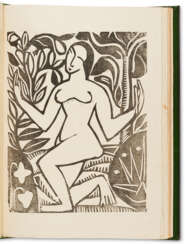

André Derain was a French artist, renowned as a painter, sculptor, and a pivotal figure in the development of Fauvism alongside Henri Matisse. Born on June 10, 1880, in Chatou, Yvelines, just outside Paris, Derain's artistic journey began in his youth. Despite initially studying to become an engineer, his passion for art led him to the Académie Julian and to acquaintances with notable artists like Matisse and Maurice de Vlaminck.
Derain's work, especially his paintings, is celebrated for its vibrant, expressive use of color and innovative compositions. His contributions to Fauvism, a movement characterized by the use of bold, non-naturalistic colors, marked a significant shift in the art world. The Fauvist period, particularly his collaboration with Matisse in the summer of 1905 in Collioure, culminated in works that were distinguished by their startling hues and wild brushwork, earning them the nickname "the wild beasts" or "les Fauves."
A notable period in Derain's career was his time in London in 1906, commissioned by art dealer Ambroise Vollard. His London series, including views of the Thames and Tower Bridge, are celebrated for their unique perspective and use of color, differing significantly from the traditional depictions of the city by artists like Whistler or Monet. These works stand out for their Pointillist influence and the effective conveyance of light and movement.
Derain's artistic evolution continued as he experimented with Cubism and was influenced by African art, as seen in his primitivist woodcuts for Guillaume Apollinaire's book "L'enchanteur pourrissant" (1909). His career, however, was not without controversy, particularly during World War II, when he was perceived as a collaborator due to his interactions with the Germans.
Despite the challenges and transformations in his career, André Derain left an indelible mark on the art world. His works are held in prestigious collections worldwide, including the Musée Cantini in Marseille and the Musée d'art moderne de Troyes. Derain's contribution to modern art, particularly through Fauvism, remains a subject of admiration and study among art collectors and experts.
If you're captivated by the artistic journey and pioneering spirit of André Derain, don't miss the opportunity to stay updated on his legacy. Sign up now to receive exclusive alerts on new product sales and auction events related to André Derain's work. Embrace your passion for art and culture, and ensure you're always informed about the latest offerings and unique pieces linked to this iconic artist.
Guillaume Apollinaire, real name Wilhelm Albert Vladimir Apollinaris de Wąż-Kostrowicki, a French poet of Polish descent, was a towering figure in the early 20th century's literary and art scenes. Known for his experimental verse and support of avant-garde art movements like Cubism and Surrealism, Apollinaire's work pushed the boundaries of traditional aesthetics and inspired a generation of artists and writers.
Guillaume Apollinaire's literary contributions were vast and varied. He was an early advocate for Cubism, a relationship most prominently seen in his collaborations with artists like Pablo Picasso. He not only wrote about art but also collected it, surrounding himself with works by modernist masters such as Henri Rousseau and Georges Braque. His Paris apartment was a small museum of modern art, filled with pieces he often sold to support his literary endeavors. This vibrant artistic environment fueled his creativity, leading to major works such as Alcools and Calligrammes, which explored the possibilities of poetic form and typography to represent visual and verbal content in a unified way.
Despite his innovative work in poetry and art criticism, Guillaume Apollinaire's life was marked by personal challenges, including a grievous injury during World War I. Yet, even these difficulties did not hinder his prolific output. Among his notable works during this period was the play Les Mamelles de Tirésias, which was performed in 1917 and is considered a precursor to theatrical Surrealism.
Apollinaire's influence extended beyond his lifetime, particularly through his mentoring of future Surrealist leaders like André Breton. His forward-thinking approach to art and literature made him a central figure in the transition from traditional to modernist forms in both fields.
For collectors and experts in art and antiques, Guillaume Apollinaire's work represents a nexus of literary brilliance and pivotal artistic movements. His life and work provide fascinating insights into the dynamic and transformative world of early 20th-century art and literature.
Sign up for updates on auctions and sales events featuring items related to Guillaume Apollinaire. Stay informed about opportunities to acquire unique artifacts that celebrate his legacy in the realms of poetry and art.
Paul Bonet, birth name Paul Joseph Ghislain Bonet, is a French bookbinder and bookbinding designer, Knight of the Legion of Honor.
Trained to make fashionable wooden mannequins, Paul Bonet worked in the fashion industry for several years and did not turn to bookbinding until 1920. His bright, colorful designs and prolific work made him famous. His first bindings were exhibited in 1925 at the Gallière Museum, then at the French Book Arts Exhibition, the Salon d'Automne and the Salon des Artistes Décoratifs, and his talent was recognized.
His decoration was particularly innovative. One of the great masters of French bookbinding, Paul Bonet became famous in the 1930s and 1940s for one of his signature patterns, "sunbeams." These patterns consist of many small lines with gold trim, carefully planned and giving the optical illusion of spatial depth.



Voltaire, born François Marie Arouet, was a French philosopher-enlightener of the French Enlightenment, poet and writer, satirist, tragedian, historian and essayist.
Voltaire's long life fell on the last years of classicism and the eve of the revolutionary era, and in this transitional period his works and activities had a significant impact on the direction of European civilization. Through his critical freethinking and wit, Voltaire won the minds of many 18th century European rulers. To this day, he continues to enjoy worldwide fame as a courageous fighter against tyranny, bigotry, and cruelty.
Voltaire was an advocate of freedom of speech, freedom of religion and separation of church and state. He was a versatile and prolific writer in all literary forms, including plays, poems, novels, essays, histories, and scholarly expositions. In total, he wrote more than 20,000 letters and 2,000 books and pamphlets. Voltaire's most famous works are the tragic play Zaire, the historical study The Age of Louis XIV, and the satirical novella Candide.


![APOLLINAIRE, Guillaume (1880-1918) [et Pascal PIA (1903-1979)]](/assets/image/picture_2159919/29ecb/72be3e5dbea7983ae3d0d1cfefc08c581651492800jpg__fix_374_244.jpeg)
![APOLLINAIRE, Guillaume (1880-1918) [et Pascal PIA (1903-1979)]](https://veryimportantlot.com/assets/image/picture_2159919/29ecb/72be3e5dbea7983ae3d0d1cfefc08c581651492800jpg__fix_374_244.jpeg)
Guillaume Apollinaire, real name Wilhelm Albert Vladimir Apollinaris de Wąż-Kostrowicki, a French poet of Polish descent, was a towering figure in the early 20th century's literary and art scenes. Known for his experimental verse and support of avant-garde art movements like Cubism and Surrealism, Apollinaire's work pushed the boundaries of traditional aesthetics and inspired a generation of artists and writers.
Guillaume Apollinaire's literary contributions were vast and varied. He was an early advocate for Cubism, a relationship most prominently seen in his collaborations with artists like Pablo Picasso. He not only wrote about art but also collected it, surrounding himself with works by modernist masters such as Henri Rousseau and Georges Braque. His Paris apartment was a small museum of modern art, filled with pieces he often sold to support his literary endeavors. This vibrant artistic environment fueled his creativity, leading to major works such as Alcools and Calligrammes, which explored the possibilities of poetic form and typography to represent visual and verbal content in a unified way.
Despite his innovative work in poetry and art criticism, Guillaume Apollinaire's life was marked by personal challenges, including a grievous injury during World War I. Yet, even these difficulties did not hinder his prolific output. Among his notable works during this period was the play Les Mamelles de Tirésias, which was performed in 1917 and is considered a precursor to theatrical Surrealism.
Apollinaire's influence extended beyond his lifetime, particularly through his mentoring of future Surrealist leaders like André Breton. His forward-thinking approach to art and literature made him a central figure in the transition from traditional to modernist forms in both fields.
For collectors and experts in art and antiques, Guillaume Apollinaire's work represents a nexus of literary brilliance and pivotal artistic movements. His life and work provide fascinating insights into the dynamic and transformative world of early 20th-century art and literature.
Sign up for updates on auctions and sales events featuring items related to Guillaume Apollinaire. Stay informed about opportunities to acquire unique artifacts that celebrate his legacy in the realms of poetry and art.


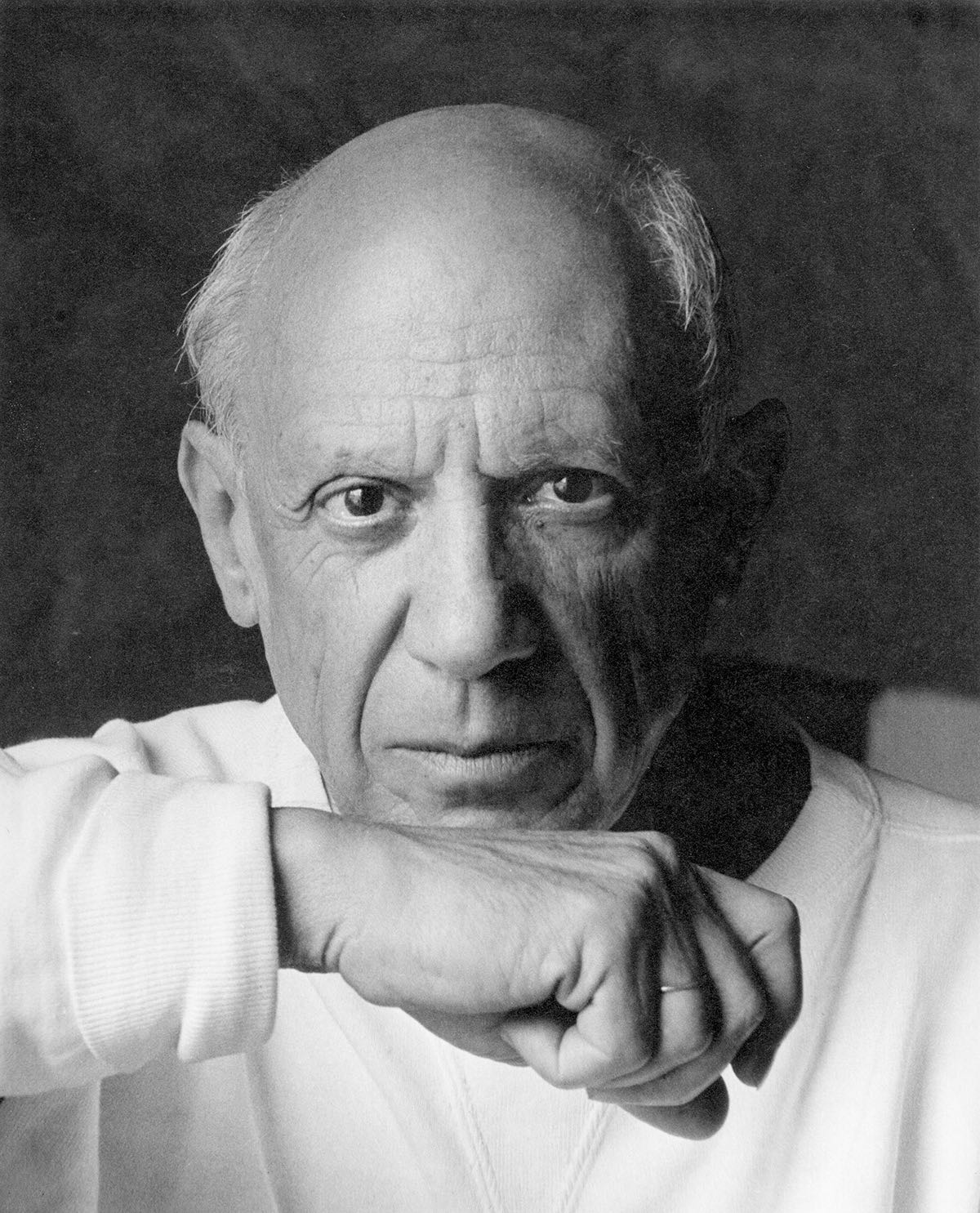
Pablo Ruiz Picasso, a Spanish artist renowned for his revolutionary contributions to the 20th-century art scene, is a figure that resonates profoundly with collectors and art experts. His unique blend of talents in painting, sculpture, printmaking, and ceramic art, infused with his time in France, positioned him as a pivotal character in modern art history.
Picasso's artistic journey was marked by distinct periods, each showcasing his evolving style and genius. His early years were characterized by the Blue Period (1901-1904), followed by the Rose Period (1904-1906), and then the African-influenced Period (1907-1909). Picasso's name is synonymous with Cubism, a movement he co-founded, which significantly altered artistic perspectives and methods. Works like "Les Demoiselles d'Avignon" (1907) and "Guernica" (1937) are emblematic of his cubist legacy, the latter being a poignant anti-war statement that remains influential.
His later years saw a return to more traditional styles, with neoclassical and surrealist influences becoming evident. Works from these phases reflect a deep engagement with mythological themes, as seen in "Faun with Stars" (1955), symbolizing his late-life romance with Jacqueline Roque, his second wife.
Picasso's prolific output and innovative spirit made him a legend in his own time, a status that only grew after his death. His works, housed in major museums and private collections worldwide, continue to captivate and inspire.
As a collector or expert in art and antiques, staying informed about Picasso's works, their auction events, and sales is essential. To stay updated on the latest developments and opportunities related to Pablo Picasso, sign up for our specialized updates. Rest assured, this subscription will focus solely on new product sales and auction events pertaining to Picasso's art, ensuring that you receive only the most relevant and valuable information.
Guillaume Apollinaire, real name Wilhelm Albert Vladimir Apollinaris de Wąż-Kostrowicki, a French poet of Polish descent, was a towering figure in the early 20th century's literary and art scenes. Known for his experimental verse and support of avant-garde art movements like Cubism and Surrealism, Apollinaire's work pushed the boundaries of traditional aesthetics and inspired a generation of artists and writers.
Guillaume Apollinaire's literary contributions were vast and varied. He was an early advocate for Cubism, a relationship most prominently seen in his collaborations with artists like Pablo Picasso. He not only wrote about art but also collected it, surrounding himself with works by modernist masters such as Henri Rousseau and Georges Braque. His Paris apartment was a small museum of modern art, filled with pieces he often sold to support his literary endeavors. This vibrant artistic environment fueled his creativity, leading to major works such as Alcools and Calligrammes, which explored the possibilities of poetic form and typography to represent visual and verbal content in a unified way.
Despite his innovative work in poetry and art criticism, Guillaume Apollinaire's life was marked by personal challenges, including a grievous injury during World War I. Yet, even these difficulties did not hinder his prolific output. Among his notable works during this period was the play Les Mamelles de Tirésias, which was performed in 1917 and is considered a precursor to theatrical Surrealism.
Apollinaire's influence extended beyond his lifetime, particularly through his mentoring of future Surrealist leaders like André Breton. His forward-thinking approach to art and literature made him a central figure in the transition from traditional to modernist forms in both fields.
For collectors and experts in art and antiques, Guillaume Apollinaire's work represents a nexus of literary brilliance and pivotal artistic movements. His life and work provide fascinating insights into the dynamic and transformative world of early 20th-century art and literature.
Sign up for updates on auctions and sales events featuring items related to Guillaume Apollinaire. Stay informed about opportunities to acquire unique artifacts that celebrate his legacy in the realms of poetry and art.
![[VOLTAIRE, François-Marie Arouet, dit (1694-1778)]](/assets/image/picture_2501020/38c1e/5af5368e142ff236ca2c6c42b0e065331667984400jpg__fix_374_244.jpeg)
![[VOLTAIRE, François-Marie Arouet, dit (1694-1778)]](https://veryimportantlot.com/assets/image/picture_2501020/38c1e/5af5368e142ff236ca2c6c42b0e065331667984400jpg__fix_374_244.jpeg)
Voltaire, born François Marie Arouet, was a French philosopher-enlightener of the French Enlightenment, poet and writer, satirist, tragedian, historian and essayist.
Voltaire's long life fell on the last years of classicism and the eve of the revolutionary era, and in this transitional period his works and activities had a significant impact on the direction of European civilization. Through his critical freethinking and wit, Voltaire won the minds of many 18th century European rulers. To this day, he continues to enjoy worldwide fame as a courageous fighter against tyranny, bigotry, and cruelty.
Voltaire was an advocate of freedom of speech, freedom of religion and separation of church and state. He was a versatile and prolific writer in all literary forms, including plays, poems, novels, essays, histories, and scholarly expositions. In total, he wrote more than 20,000 letters and 2,000 books and pamphlets. Voltaire's most famous works are the tragic play Zaire, the historical study The Age of Louis XIV, and the satirical novella Candide.
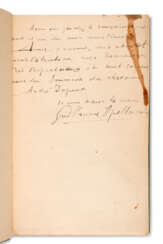

Guillaume Apollinaire, real name Wilhelm Albert Vladimir Apollinaris de Wąż-Kostrowicki, a French poet of Polish descent, was a towering figure in the early 20th century's literary and art scenes. Known for his experimental verse and support of avant-garde art movements like Cubism and Surrealism, Apollinaire's work pushed the boundaries of traditional aesthetics and inspired a generation of artists and writers.
Guillaume Apollinaire's literary contributions were vast and varied. He was an early advocate for Cubism, a relationship most prominently seen in his collaborations with artists like Pablo Picasso. He not only wrote about art but also collected it, surrounding himself with works by modernist masters such as Henri Rousseau and Georges Braque. His Paris apartment was a small museum of modern art, filled with pieces he often sold to support his literary endeavors. This vibrant artistic environment fueled his creativity, leading to major works such as Alcools and Calligrammes, which explored the possibilities of poetic form and typography to represent visual and verbal content in a unified way.
Despite his innovative work in poetry and art criticism, Guillaume Apollinaire's life was marked by personal challenges, including a grievous injury during World War I. Yet, even these difficulties did not hinder his prolific output. Among his notable works during this period was the play Les Mamelles de Tirésias, which was performed in 1917 and is considered a precursor to theatrical Surrealism.
Apollinaire's influence extended beyond his lifetime, particularly through his mentoring of future Surrealist leaders like André Breton. His forward-thinking approach to art and literature made him a central figure in the transition from traditional to modernist forms in both fields.
For collectors and experts in art and antiques, Guillaume Apollinaire's work represents a nexus of literary brilliance and pivotal artistic movements. His life and work provide fascinating insights into the dynamic and transformative world of early 20th-century art and literature.
Sign up for updates on auctions and sales events featuring items related to Guillaume Apollinaire. Stay informed about opportunities to acquire unique artifacts that celebrate his legacy in the realms of poetry and art.
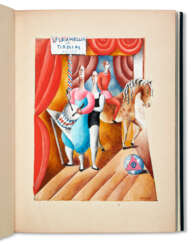

Guillaume Apollinaire, real name Wilhelm Albert Vladimir Apollinaris de Wąż-Kostrowicki, a French poet of Polish descent, was a towering figure in the early 20th century's literary and art scenes. Known for his experimental verse and support of avant-garde art movements like Cubism and Surrealism, Apollinaire's work pushed the boundaries of traditional aesthetics and inspired a generation of artists and writers.
Guillaume Apollinaire's literary contributions were vast and varied. He was an early advocate for Cubism, a relationship most prominently seen in his collaborations with artists like Pablo Picasso. He not only wrote about art but also collected it, surrounding himself with works by modernist masters such as Henri Rousseau and Georges Braque. His Paris apartment was a small museum of modern art, filled with pieces he often sold to support his literary endeavors. This vibrant artistic environment fueled his creativity, leading to major works such as Alcools and Calligrammes, which explored the possibilities of poetic form and typography to represent visual and verbal content in a unified way.
Despite his innovative work in poetry and art criticism, Guillaume Apollinaire's life was marked by personal challenges, including a grievous injury during World War I. Yet, even these difficulties did not hinder his prolific output. Among his notable works during this period was the play Les Mamelles de Tirésias, which was performed in 1917 and is considered a precursor to theatrical Surrealism.
Apollinaire's influence extended beyond his lifetime, particularly through his mentoring of future Surrealist leaders like André Breton. His forward-thinking approach to art and literature made him a central figure in the transition from traditional to modernist forms in both fields.
For collectors and experts in art and antiques, Guillaume Apollinaire's work represents a nexus of literary brilliance and pivotal artistic movements. His life and work provide fascinating insights into the dynamic and transformative world of early 20th-century art and literature.
Sign up for updates on auctions and sales events featuring items related to Guillaume Apollinaire. Stay informed about opportunities to acquire unique artifacts that celebrate his legacy in the realms of poetry and art.
Paul Bonet, birth name Paul Joseph Ghislain Bonet, is a French bookbinder and bookbinding designer, Knight of the Legion of Honor.
Trained to make fashionable wooden mannequins, Paul Bonet worked in the fashion industry for several years and did not turn to bookbinding until 1920. His bright, colorful designs and prolific work made him famous. His first bindings were exhibited in 1925 at the Gallière Museum, then at the French Book Arts Exhibition, the Salon d'Automne and the Salon des Artistes Décoratifs, and his talent was recognized.
His decoration was particularly innovative. One of the great masters of French bookbinding, Paul Bonet became famous in the 1930s and 1940s for one of his signature patterns, "sunbeams." These patterns consist of many small lines with gold trim, carefully planned and giving the optical illusion of spatial depth.

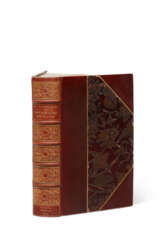

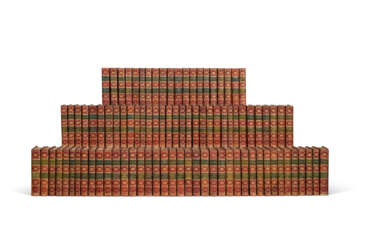

Voltaire, born François Marie Arouet, was a French philosopher-enlightener of the French Enlightenment, poet and writer, satirist, tragedian, historian and essayist.
Voltaire's long life fell on the last years of classicism and the eve of the revolutionary era, and in this transitional period his works and activities had a significant impact on the direction of European civilization. Through his critical freethinking and wit, Voltaire won the minds of many 18th century European rulers. To this day, he continues to enjoy worldwide fame as a courageous fighter against tyranny, bigotry, and cruelty.
Voltaire was an advocate of freedom of speech, freedom of religion and separation of church and state. He was a versatile and prolific writer in all literary forms, including plays, poems, novels, essays, histories, and scholarly expositions. In total, he wrote more than 20,000 letters and 2,000 books and pamphlets. Voltaire's most famous works are the tragic play Zaire, the historical study The Age of Louis XIV, and the satirical novella Candide.


Guillaume Apollinaire, real name Wilhelm Albert Vladimir Apollinaris de Wąż-Kostrowicki, a French poet of Polish descent, was a towering figure in the early 20th century's literary and art scenes. Known for his experimental verse and support of avant-garde art movements like Cubism and Surrealism, Apollinaire's work pushed the boundaries of traditional aesthetics and inspired a generation of artists and writers.
Guillaume Apollinaire's literary contributions were vast and varied. He was an early advocate for Cubism, a relationship most prominently seen in his collaborations with artists like Pablo Picasso. He not only wrote about art but also collected it, surrounding himself with works by modernist masters such as Henri Rousseau and Georges Braque. His Paris apartment was a small museum of modern art, filled with pieces he often sold to support his literary endeavors. This vibrant artistic environment fueled his creativity, leading to major works such as Alcools and Calligrammes, which explored the possibilities of poetic form and typography to represent visual and verbal content in a unified way.
Despite his innovative work in poetry and art criticism, Guillaume Apollinaire's life was marked by personal challenges, including a grievous injury during World War I. Yet, even these difficulties did not hinder his prolific output. Among his notable works during this period was the play Les Mamelles de Tirésias, which was performed in 1917 and is considered a precursor to theatrical Surrealism.
Apollinaire's influence extended beyond his lifetime, particularly through his mentoring of future Surrealist leaders like André Breton. His forward-thinking approach to art and literature made him a central figure in the transition from traditional to modernist forms in both fields.
For collectors and experts in art and antiques, Guillaume Apollinaire's work represents a nexus of literary brilliance and pivotal artistic movements. His life and work provide fascinating insights into the dynamic and transformative world of early 20th-century art and literature.
Sign up for updates on auctions and sales events featuring items related to Guillaume Apollinaire. Stay informed about opportunities to acquire unique artifacts that celebrate his legacy in the realms of poetry and art.
Paul Bonet, birth name Paul Joseph Ghislain Bonet, is a French bookbinder and bookbinding designer, Knight of the Legion of Honor.
Trained to make fashionable wooden mannequins, Paul Bonet worked in the fashion industry for several years and did not turn to bookbinding until 1920. His bright, colorful designs and prolific work made him famous. His first bindings were exhibited in 1925 at the Gallière Museum, then at the French Book Arts Exhibition, the Salon d'Automne and the Salon des Artistes Décoratifs, and his talent was recognized.
His decoration was particularly innovative. One of the great masters of French bookbinding, Paul Bonet became famous in the 1930s and 1940s for one of his signature patterns, "sunbeams." These patterns consist of many small lines with gold trim, carefully planned and giving the optical illusion of spatial depth.
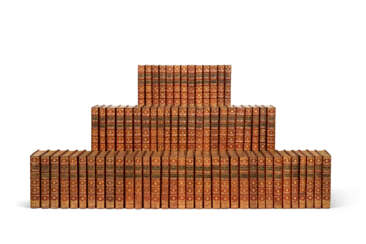

Voltaire, born François Marie Arouet, was a French philosopher-enlightener of the French Enlightenment, poet and writer, satirist, tragedian, historian and essayist.
Voltaire's long life fell on the last years of classicism and the eve of the revolutionary era, and in this transitional period his works and activities had a significant impact on the direction of European civilization. Through his critical freethinking and wit, Voltaire won the minds of many 18th century European rulers. To this day, he continues to enjoy worldwide fame as a courageous fighter against tyranny, bigotry, and cruelty.
Voltaire was an advocate of freedom of speech, freedom of religion and separation of church and state. He was a versatile and prolific writer in all literary forms, including plays, poems, novels, essays, histories, and scholarly expositions. In total, he wrote more than 20,000 letters and 2,000 books and pamphlets. Voltaire's most famous works are the tragic play Zaire, the historical study The Age of Louis XIV, and the satirical novella Candide.


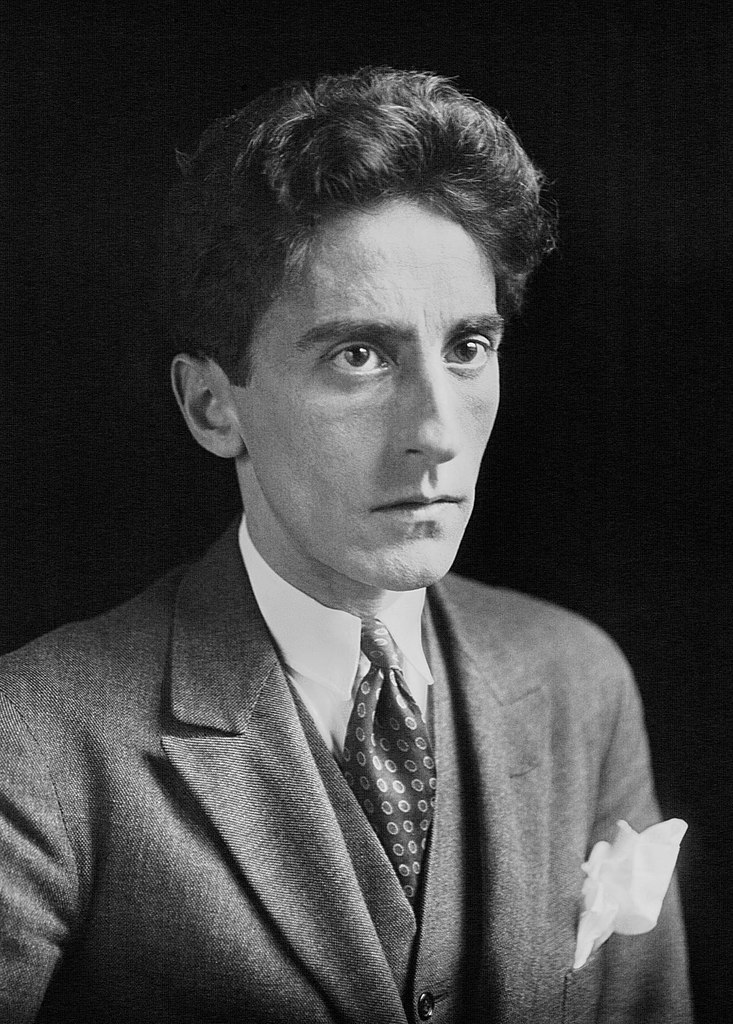
Jean Maurice Eugène Clément Cocteau was a French poet, playwright, novelist, designer, filmmaker, visual artist and critic. He was one of the foremost creatives of the surrealist, avant-garde, and Dadaist movements; and one of the most influential figures in early 20th-century art as a whole. The National Observer suggested that, “of the artistic generation whose daring gave birth to Twentieth Century Art, Cocteau came closest to being a Renaissance man.”
Guillaume Apollinaire, real name Wilhelm Albert Vladimir Apollinaris de Wąż-Kostrowicki, a French poet of Polish descent, was a towering figure in the early 20th century's literary and art scenes. Known for his experimental verse and support of avant-garde art movements like Cubism and Surrealism, Apollinaire's work pushed the boundaries of traditional aesthetics and inspired a generation of artists and writers.
Guillaume Apollinaire's literary contributions were vast and varied. He was an early advocate for Cubism, a relationship most prominently seen in his collaborations with artists like Pablo Picasso. He not only wrote about art but also collected it, surrounding himself with works by modernist masters such as Henri Rousseau and Georges Braque. His Paris apartment was a small museum of modern art, filled with pieces he often sold to support his literary endeavors. This vibrant artistic environment fueled his creativity, leading to major works such as Alcools and Calligrammes, which explored the possibilities of poetic form and typography to represent visual and verbal content in a unified way.
Despite his innovative work in poetry and art criticism, Guillaume Apollinaire's life was marked by personal challenges, including a grievous injury during World War I. Yet, even these difficulties did not hinder his prolific output. Among his notable works during this period was the play Les Mamelles de Tirésias, which was performed in 1917 and is considered a precursor to theatrical Surrealism.
Apollinaire's influence extended beyond his lifetime, particularly through his mentoring of future Surrealist leaders like André Breton. His forward-thinking approach to art and literature made him a central figure in the transition from traditional to modernist forms in both fields.
For collectors and experts in art and antiques, Guillaume Apollinaire's work represents a nexus of literary brilliance and pivotal artistic movements. His life and work provide fascinating insights into the dynamic and transformative world of early 20th-century art and literature.
Sign up for updates on auctions and sales events featuring items related to Guillaume Apollinaire. Stay informed about opportunities to acquire unique artifacts that celebrate his legacy in the realms of poetry and art.
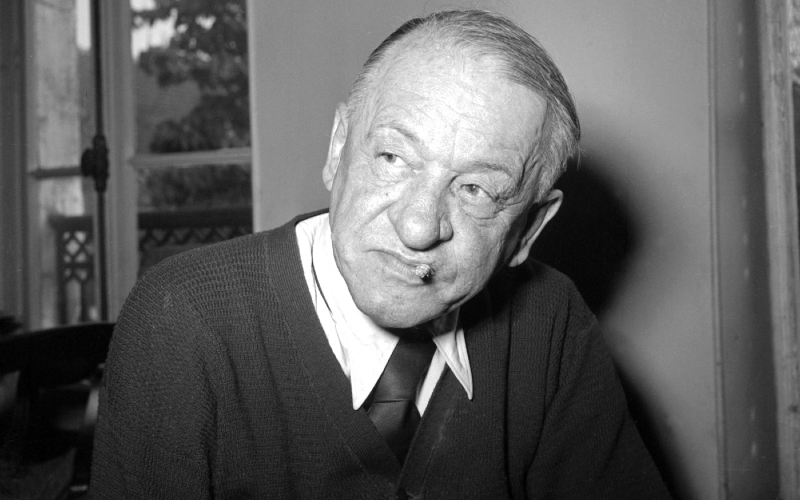

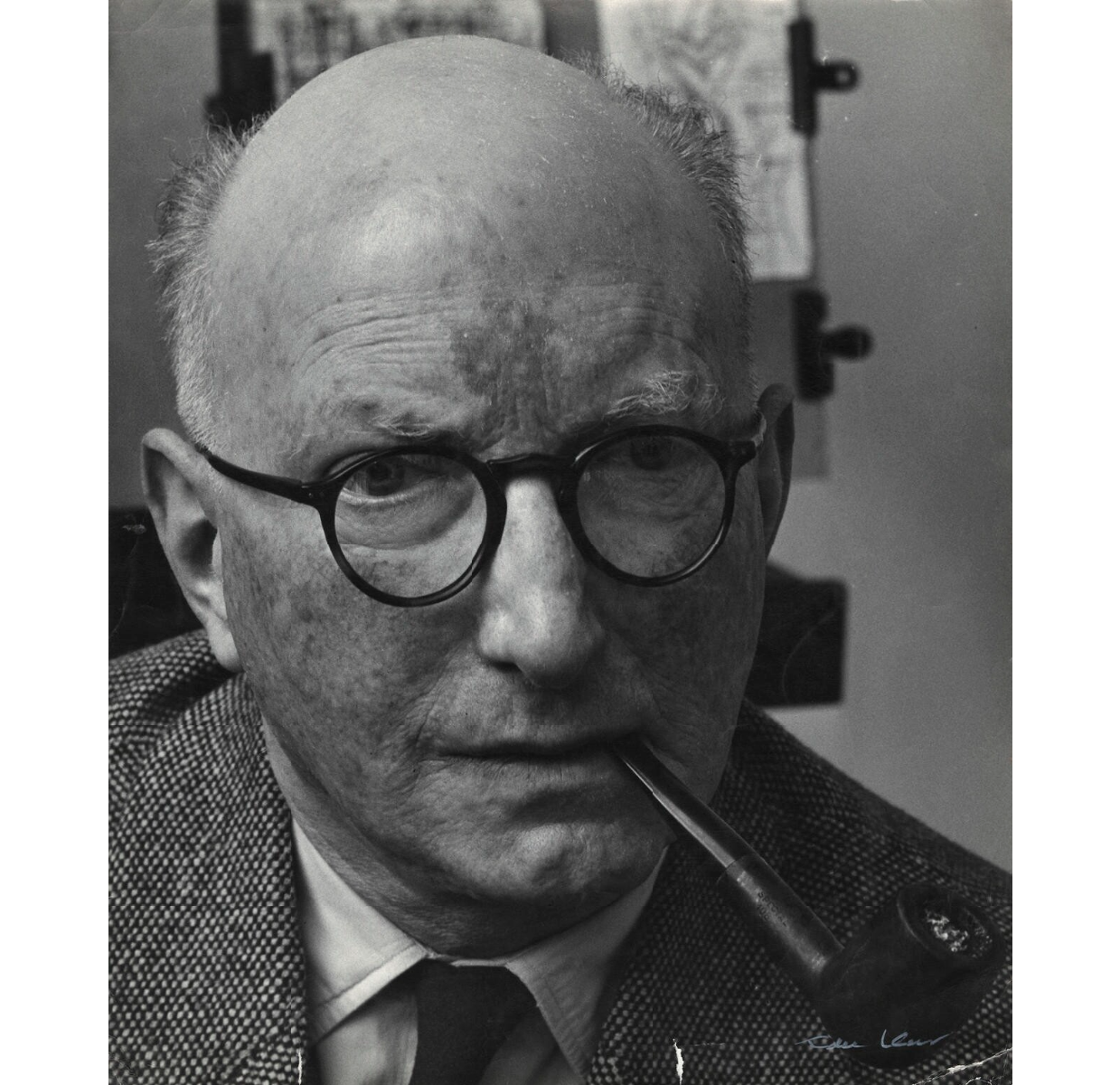
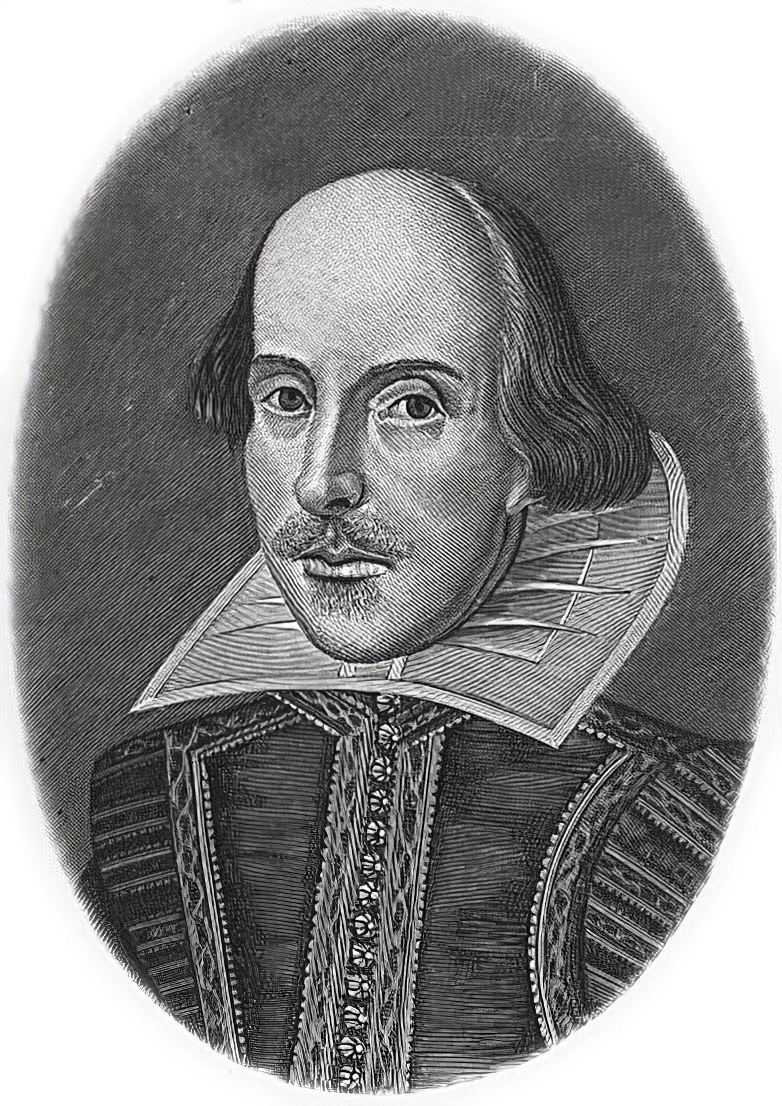
William Shakespeare was a British poet and playwright and writer.
William's father, John Shakespeare, was a merchant and official in Stratford. There are reports that he was a sailor for a time before joining a theater company in London. Beginning in the 1590s, Shakespeare began writing plays, and in 1593 he published a poem, Venus and Adonis, which became popular. He dedicated it to the Duke of Southampton, who was a philanthropist and patron of talent, and soon his business was booming.
From 1592 to 1600 Shakespeare wrote his dramas and romantic comedies "Richard III", "The Taming of the Shrew", "Romeo and Juliet", "A Midsummer Night's Dream" and "The Merchant of Venice", as well as the comedies "Much Ado About Nothing", "Twelfth Night" and the tragedy "Julius Caesar". The playwright's business was so successful that he even bought a large house in Stratford. In 1599, Shakespeare became one of the owners, playwright and actor of the new theater "Globe". In 1603 King James took Shakespeare's troupe under his direct patronage. In the mature period, the great playwright turned to tragedies, there were "Hamlet", "Othello", "King Lear", "Macbeth" and others.
Although in the 19th century researchers had some doubts about the authorship of many of these works, William Shakespeare is considered the greatest English playwright, one of the best playwrights in the world. His plays have been translated into all major languages and to this day form the basis of the world theatrical repertoire, most of them have been screened many times. According to the Guinness Book of Records, Shakespeare remains the world's best-selling playwright, and his plays and poems have sold more than 4 billion copies in the nearly 400 years since his death.


Guillaume Apollinaire, real name Wilhelm Albert Vladimir Apollinaris de Wąż-Kostrowicki, a French poet of Polish descent, was a towering figure in the early 20th century's literary and art scenes. Known for his experimental verse and support of avant-garde art movements like Cubism and Surrealism, Apollinaire's work pushed the boundaries of traditional aesthetics and inspired a generation of artists and writers.
Guillaume Apollinaire's literary contributions were vast and varied. He was an early advocate for Cubism, a relationship most prominently seen in his collaborations with artists like Pablo Picasso. He not only wrote about art but also collected it, surrounding himself with works by modernist masters such as Henri Rousseau and Georges Braque. His Paris apartment was a small museum of modern art, filled with pieces he often sold to support his literary endeavors. This vibrant artistic environment fueled his creativity, leading to major works such as Alcools and Calligrammes, which explored the possibilities of poetic form and typography to represent visual and verbal content in a unified way.
Despite his innovative work in poetry and art criticism, Guillaume Apollinaire's life was marked by personal challenges, including a grievous injury during World War I. Yet, even these difficulties did not hinder his prolific output. Among his notable works during this period was the play Les Mamelles de Tirésias, which was performed in 1917 and is considered a precursor to theatrical Surrealism.
Apollinaire's influence extended beyond his lifetime, particularly through his mentoring of future Surrealist leaders like André Breton. His forward-thinking approach to art and literature made him a central figure in the transition from traditional to modernist forms in both fields.
For collectors and experts in art and antiques, Guillaume Apollinaire's work represents a nexus of literary brilliance and pivotal artistic movements. His life and work provide fascinating insights into the dynamic and transformative world of early 20th-century art and literature.
Sign up for updates on auctions and sales events featuring items related to Guillaume Apollinaire. Stay informed about opportunities to acquire unique artifacts that celebrate his legacy in the realms of poetry and art.




Guillaume Apollinaire, real name Wilhelm Albert Vladimir Apollinaris de Wąż-Kostrowicki, a French poet of Polish descent, was a towering figure in the early 20th century's literary and art scenes. Known for his experimental verse and support of avant-garde art movements like Cubism and Surrealism, Apollinaire's work pushed the boundaries of traditional aesthetics and inspired a generation of artists and writers.
Guillaume Apollinaire's literary contributions were vast and varied. He was an early advocate for Cubism, a relationship most prominently seen in his collaborations with artists like Pablo Picasso. He not only wrote about art but also collected it, surrounding himself with works by modernist masters such as Henri Rousseau and Georges Braque. His Paris apartment was a small museum of modern art, filled with pieces he often sold to support his literary endeavors. This vibrant artistic environment fueled his creativity, leading to major works such as Alcools and Calligrammes, which explored the possibilities of poetic form and typography to represent visual and verbal content in a unified way.
Despite his innovative work in poetry and art criticism, Guillaume Apollinaire's life was marked by personal challenges, including a grievous injury during World War I. Yet, even these difficulties did not hinder his prolific output. Among his notable works during this period was the play Les Mamelles de Tirésias, which was performed in 1917 and is considered a precursor to theatrical Surrealism.
Apollinaire's influence extended beyond his lifetime, particularly through his mentoring of future Surrealist leaders like André Breton. His forward-thinking approach to art and literature made him a central figure in the transition from traditional to modernist forms in both fields.
For collectors and experts in art and antiques, Guillaume Apollinaire's work represents a nexus of literary brilliance and pivotal artistic movements. His life and work provide fascinating insights into the dynamic and transformative world of early 20th-century art and literature.
Sign up for updates on auctions and sales events featuring items related to Guillaume Apollinaire. Stay informed about opportunities to acquire unique artifacts that celebrate his legacy in the realms of poetry and art.




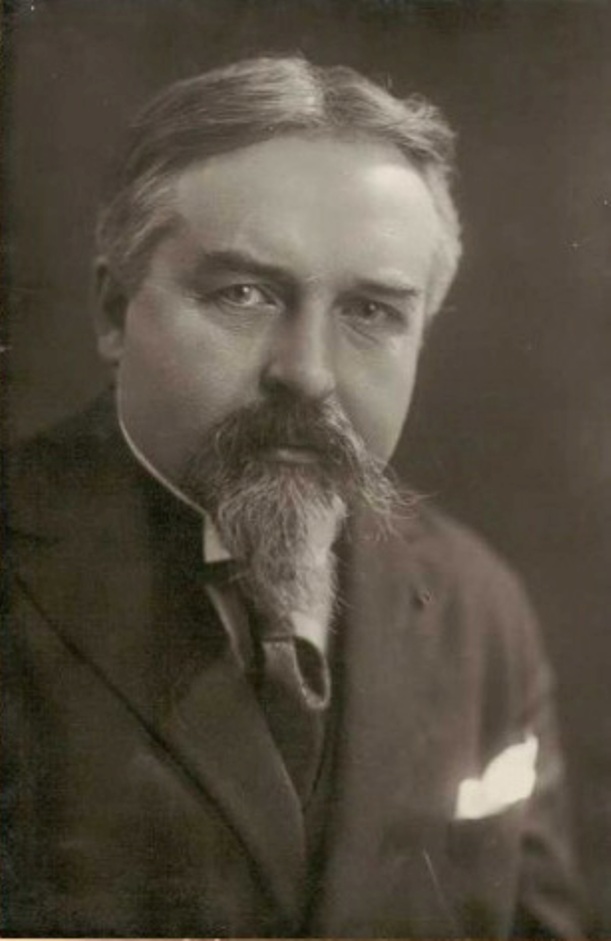
Maurice Denis, a French painter and writer, was an influential figure in the transition from impressionism to modern art. Born on November 25, 1870, in Granville, France, Denis's artistic journey began at the Académie Julian in Paris. Here, he met future collaborators like Paul Sérusier and Pierre Bonnard, with whom he later formed the Nabis group, a collective deriving its name from the Hebrew word "Nabi," meaning "Prophet".
Denis's style evolved from neoimpressionism, influenced by artists like Seurat, to a more decorative and colorful approach under the influence of Gauguin. This shift is evident in works like "Taches du soleil sur la terrace" (1890). He famously stated, "Art is no longer a visual sensation... it is a creation of our spirit," highlighting his belief in art as an idealistic expression, transcending mere imitation of nature.
Denis was also impacted by Japanese art, which influenced his compositions and styles, contributing to his unique and recognizable approach. His philosophy on art, encapsulated in his 1890 essay published in "Art et Critique," emphasized the importance of color and form in creating emotional depth, a notion that laid the groundwork for modernism. He argued that a painting's essence lies in its colors and composition, rather than its subject matter.
Throughout his career, Denis's work evolved towards a more classical approach. His involvement with the Ateliers d'Art Sacré, founded in 1919, demonstrated his interest in religious art and decoration. His notable works include "The Legend of Saint Hubert" (1897) and "The History of Music" for the Théâtre des Champs Elysées (1912-1913).
Tragically, Maurice Denis's life ended on November 13, 1943, when he was struck by a truck during the German occupation of Paris. However, his legacy endures through his contributions to modern art and symbolism, his influence on fellow artists, and his works displayed in various museums and galleries.
For collectors and art experts, Denis's work offers a unique glimpse into the evolution of modern art. His blend of symbolism, color, and form marks a significant shift in art history. To stay updated on new sales and auction events related to Maurice Denis's work, sign up for our newsletter. This subscription will keep you informed about the latest developments in the world of this remarkable artist.
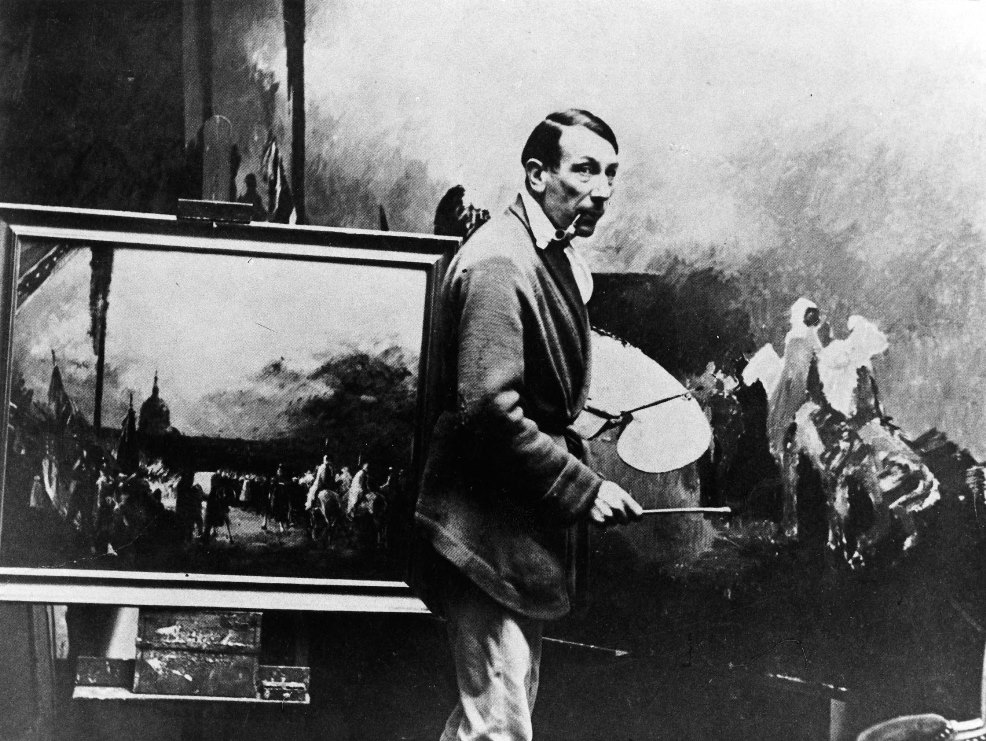
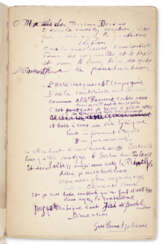

Guillaume Apollinaire, real name Wilhelm Albert Vladimir Apollinaris de Wąż-Kostrowicki, a French poet of Polish descent, was a towering figure in the early 20th century's literary and art scenes. Known for his experimental verse and support of avant-garde art movements like Cubism and Surrealism, Apollinaire's work pushed the boundaries of traditional aesthetics and inspired a generation of artists and writers.
Guillaume Apollinaire's literary contributions were vast and varied. He was an early advocate for Cubism, a relationship most prominently seen in his collaborations with artists like Pablo Picasso. He not only wrote about art but also collected it, surrounding himself with works by modernist masters such as Henri Rousseau and Georges Braque. His Paris apartment was a small museum of modern art, filled with pieces he often sold to support his literary endeavors. This vibrant artistic environment fueled his creativity, leading to major works such as Alcools and Calligrammes, which explored the possibilities of poetic form and typography to represent visual and verbal content in a unified way.
Despite his innovative work in poetry and art criticism, Guillaume Apollinaire's life was marked by personal challenges, including a grievous injury during World War I. Yet, even these difficulties did not hinder his prolific output. Among his notable works during this period was the play Les Mamelles de Tirésias, which was performed in 1917 and is considered a precursor to theatrical Surrealism.
Apollinaire's influence extended beyond his lifetime, particularly through his mentoring of future Surrealist leaders like André Breton. His forward-thinking approach to art and literature made him a central figure in the transition from traditional to modernist forms in both fields.
For collectors and experts in art and antiques, Guillaume Apollinaire's work represents a nexus of literary brilliance and pivotal artistic movements. His life and work provide fascinating insights into the dynamic and transformative world of early 20th-century art and literature.
Sign up for updates on auctions and sales events featuring items related to Guillaume Apollinaire. Stay informed about opportunities to acquire unique artifacts that celebrate his legacy in the realms of poetry and art.


Hans Burgkmair the Elder was a German Renaissance painter, graphic artist and sculptor. He came from a family of painters. He studied painting with Martin Schongauer in Colmar from 1488.
Hans Burgkmayr was a versatile artist, working in various techniques including painting, woodcuts, stained glass designs and tapestries. He was known for his complex and detailed style, which included elements of naturalism and symbolism.
Burgkmayr's paintings often depicted religious and mythological themes, as well as historical events. His style is influenced by the Italian Renaissance, particularly in its attention to anatomical accuracy and use of perspective.
One of Hans Burgkmayr's significant contributions was in the field of engraving. His woodcuts were highly regarded for their technical skill and artistic quality.


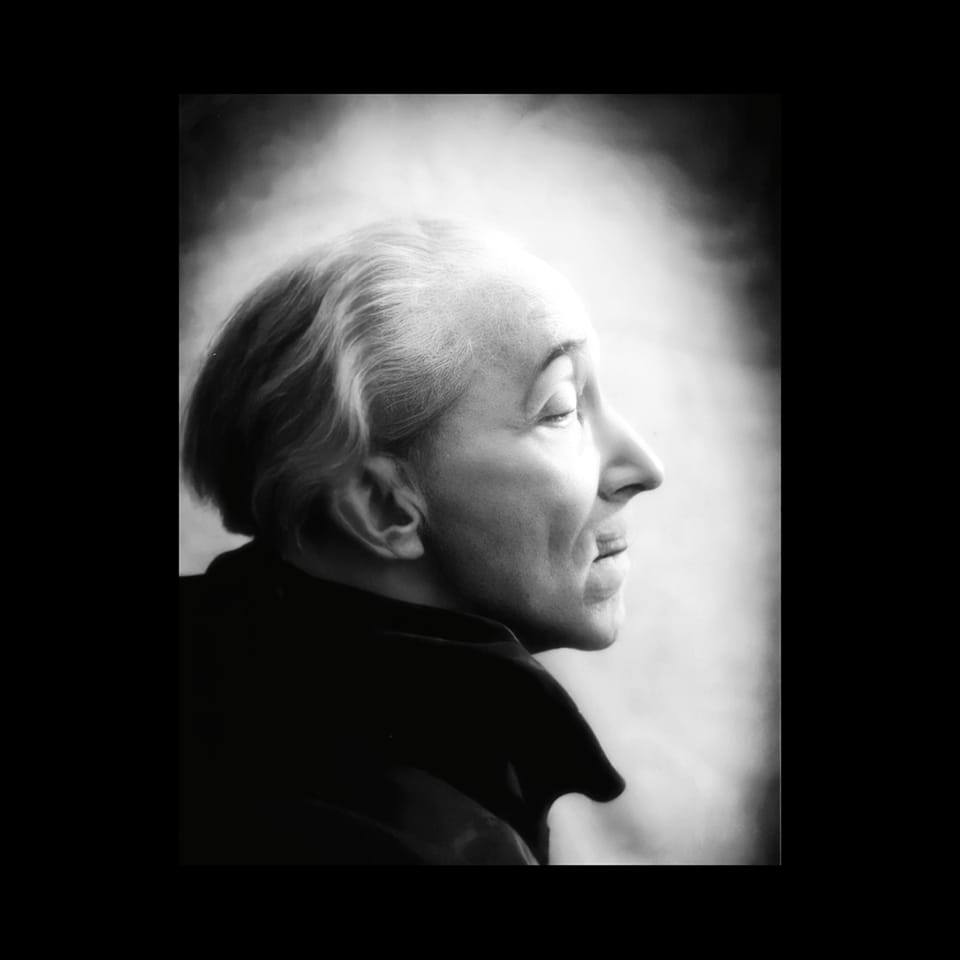
Hans Henning Otto Harry Baron von Voigt, best known by his nickname Alastair, was a German artist, composer, dancer, mime, poet, singer and translator. He is best known as an illustrator.
His drawings, which are often decadent in spirit and have the look of Art Nouveau, are influenced somewhat by the drawings of the English artist Aubrey Beardsley.
His drawings were in black and white ink, sometimes with one colour added. Alastair's illustrations show a strong influence from the Decadent movement in art and poetry that had begun decades earlier, with the "perverse and sinister" a recurring theme. Intricate decorative elements and fine detail are apparent in his works.


Hans Burgkmair the Elder was a German Renaissance painter, graphic artist and sculptor. He came from a family of painters. He studied painting with Martin Schongauer in Colmar from 1488.
Hans Burgkmayr was a versatile artist, working in various techniques including painting, woodcuts, stained glass designs and tapestries. He was known for his complex and detailed style, which included elements of naturalism and symbolism.
Burgkmayr's paintings often depicted religious and mythological themes, as well as historical events. His style is influenced by the Italian Renaissance, particularly in its attention to anatomical accuracy and use of perspective.
One of Hans Burgkmayr's significant contributions was in the field of engraving. His woodcuts were highly regarded for their technical skill and artistic quality.


Frank Shepard Fairey is an American contemporary artist, activist and founder of OBEY Clothing who emerged from the skateboarding scene. In 1989 he designed the "Andre the Giant Has a Posse" (...OBEY...) sticker campaign while attending the Rhode Island School of Design (RISD).
Fairey designed the Barack Obama "Hope" poster for the 2008 U.S. presidential election. The Institute of Contemporary Art, Boston has described him as one of the best known and most influential street artists. His work is included in the collections at The Smithsonian, the Los Angeles County Museum of Art, the Museum of Modern Art in New York City, the Museum of Contemporary Art San Diego, the National Portrait Gallery in Washington, D.C., the Virginia Museum of Fine Arts in Richmond, and the Victoria and Albert Museum in London.
His style has been described as a "bold iconic style that is based on styling and idealizing images."
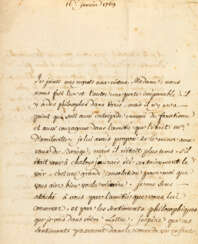

Voltaire, born François Marie Arouet, was a French philosopher-enlightener of the French Enlightenment, poet and writer, satirist, tragedian, historian and essayist.
Voltaire's long life fell on the last years of classicism and the eve of the revolutionary era, and in this transitional period his works and activities had a significant impact on the direction of European civilization. Through his critical freethinking and wit, Voltaire won the minds of many 18th century European rulers. To this day, he continues to enjoy worldwide fame as a courageous fighter against tyranny, bigotry, and cruelty.
Voltaire was an advocate of freedom of speech, freedom of religion and separation of church and state. He was a versatile and prolific writer in all literary forms, including plays, poems, novels, essays, histories, and scholarly expositions. In total, he wrote more than 20,000 letters and 2,000 books and pamphlets. Voltaire's most famous works are the tragic play Zaire, the historical study The Age of Louis XIV, and the satirical novella Candide.
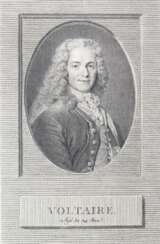

Voltaire, born François Marie Arouet, was a French philosopher-enlightener of the French Enlightenment, poet and writer, satirist, tragedian, historian and essayist.
Voltaire's long life fell on the last years of classicism and the eve of the revolutionary era, and in this transitional period his works and activities had a significant impact on the direction of European civilization. Through his critical freethinking and wit, Voltaire won the minds of many 18th century European rulers. To this day, he continues to enjoy worldwide fame as a courageous fighter against tyranny, bigotry, and cruelty.
Voltaire was an advocate of freedom of speech, freedom of religion and separation of church and state. He was a versatile and prolific writer in all literary forms, including plays, poems, novels, essays, histories, and scholarly expositions. In total, he wrote more than 20,000 letters and 2,000 books and pamphlets. Voltaire's most famous works are the tragic play Zaire, the historical study The Age of Louis XIV, and the satirical novella Candide.
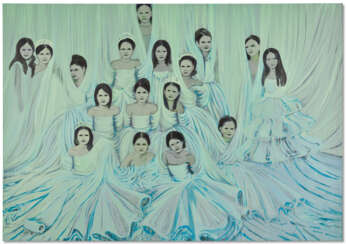

Claire Tabouret is a French artist based in Los Angeles, California, United States. She works with figurative subject matter, using loose expressive brushstrokes in a broad palette, mimicking both artificial and natural hues.


Claire Tabouret is a French artist based in Los Angeles, California, United States. She works with figurative subject matter, using loose expressive brushstrokes in a broad palette, mimicking both artificial and natural hues.
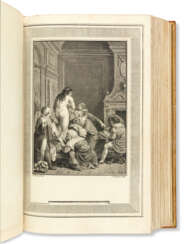

Voltaire, born François Marie Arouet, was a French philosopher-enlightener of the French Enlightenment, poet and writer, satirist, tragedian, historian and essayist.
Voltaire's long life fell on the last years of classicism and the eve of the revolutionary era, and in this transitional period his works and activities had a significant impact on the direction of European civilization. Through his critical freethinking and wit, Voltaire won the minds of many 18th century European rulers. To this day, he continues to enjoy worldwide fame as a courageous fighter against tyranny, bigotry, and cruelty.
Voltaire was an advocate of freedom of speech, freedom of religion and separation of church and state. He was a versatile and prolific writer in all literary forms, including plays, poems, novels, essays, histories, and scholarly expositions. In total, he wrote more than 20,000 letters and 2,000 books and pamphlets. Voltaire's most famous works are the tragic play Zaire, the historical study The Age of Louis XIV, and the satirical novella Candide.
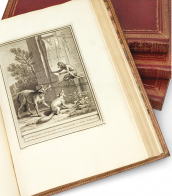
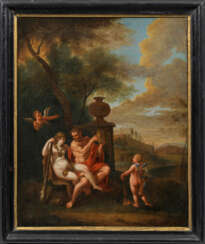

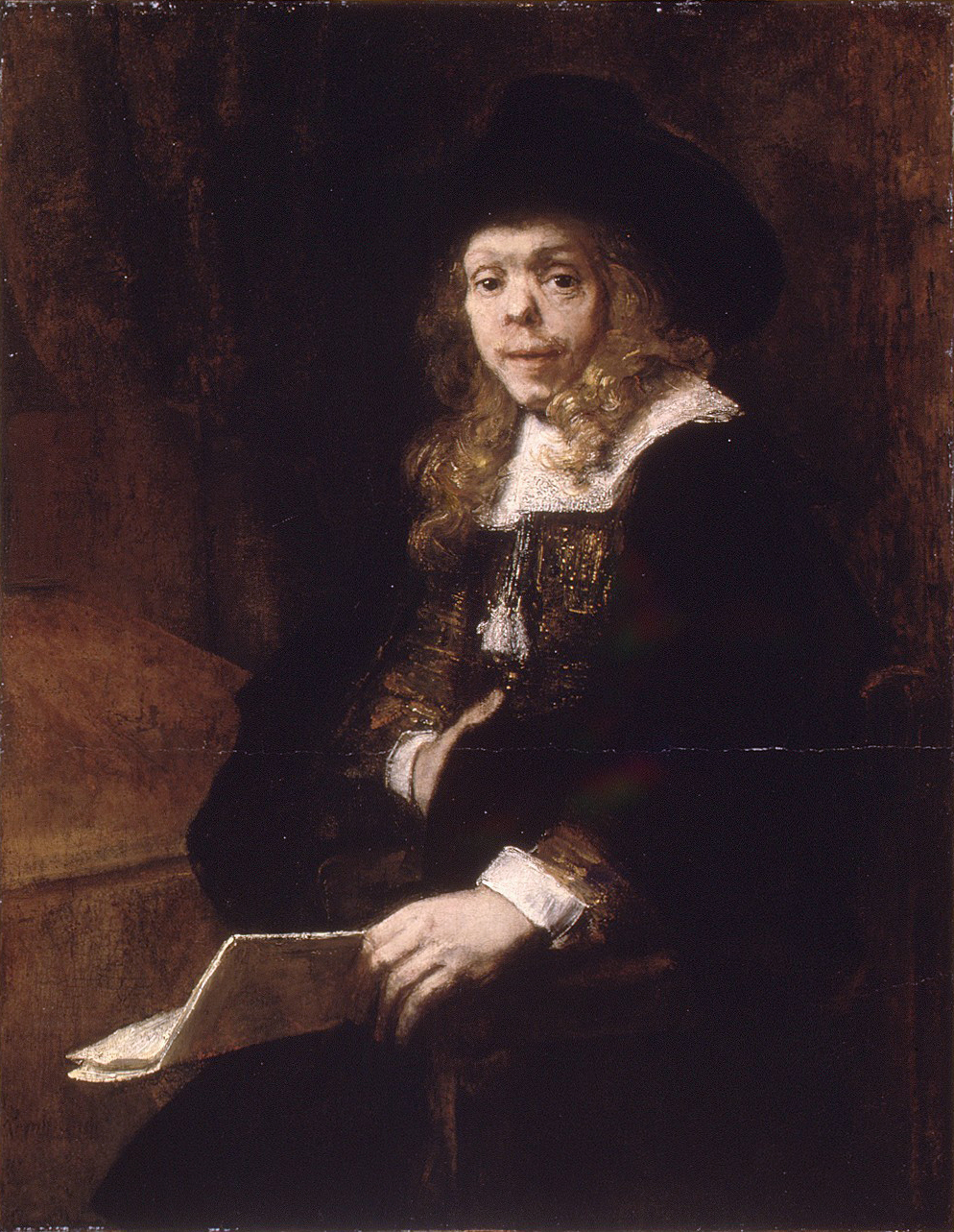
Gerard de Lairesse was a Dutch painter, printmaker, and art theorist. Known for his classical approach, de Lairesse's work marked a departure from the Baroque style prevalent in the Dutch Golden Age, leaning instead towards the neoclassicism that would dominate European art in the 18th century. His art and theories were deeply influenced by the ideals of beauty, grace, and moral edification, advocating for the selection of the most perfect manifestations of natural phenomena rather than their random imitation.
De Lairesse was not only a prolific painter but also an influential art theorist. His treatises, "Grondlegginge ter teekenkonst" (1701) and "Het groot schilderboeck" (1707), were seminal works that laid down principles of art and aesthetics that influenced not just his contemporaries but also generations of artists to come. He emphasized the importance of adhering to theoretical knowledge and the study of nature, albeit through a lens that filtered out its imperfections, to achieve ideal beauty in art.
Despite facing personal challenges, including a congenital condition that led to the loss of his sight in his later years, de Lairesse remained a central figure in the artistic and intellectual circles of Amsterdam. His lectures, delivered from his home, attracted a wide array of students and enthusiasts, eager to learn from his extensive knowledge and experience.
Today, works by Gerard de Lairesse can be found in prestigious institutions worldwide, including the Rijksmuseum and the Amsterdam Museum in the Netherlands, the Louvre in Paris, the Metropolitan Museum of Art in New York, and the National Gallery in London, among others. His legacy as the 'Dutch Poussin' speaks to his enduring influence on the evolution of European art, bridging the gap between the Baroque and the Neoclassical.
For collectors and experts in art and antiques, Gerard de Lairesse represents an intriguing study in the transition of art styles from the Baroque to Neoclassicism. His dedication to the theory and practice of art makes his work a valuable addition to any collection.
To stay informed about exhibitions, sales, and auction events related to Gerard de Lairesse's work, consider signing up for updates. This will ensure you are always up to date with the latest opportunities to engage with the remarkable legacy of this influential Dutch artist.

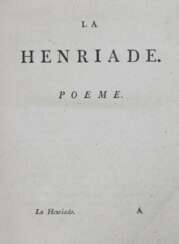

Voltaire, born François Marie Arouet, was a French philosopher-enlightener of the French Enlightenment, poet and writer, satirist, tragedian, historian and essayist.
Voltaire's long life fell on the last years of classicism and the eve of the revolutionary era, and in this transitional period his works and activities had a significant impact on the direction of European civilization. Through his critical freethinking and wit, Voltaire won the minds of many 18th century European rulers. To this day, he continues to enjoy worldwide fame as a courageous fighter against tyranny, bigotry, and cruelty.
Voltaire was an advocate of freedom of speech, freedom of religion and separation of church and state. He was a versatile and prolific writer in all literary forms, including plays, poems, novels, essays, histories, and scholarly expositions. In total, he wrote more than 20,000 letters and 2,000 books and pamphlets. Voltaire's most famous works are the tragic play Zaire, the historical study The Age of Louis XIV, and the satirical novella Candide.


Voltaire, born François Marie Arouet, was a French philosopher-enlightener of the French Enlightenment, poet and writer, satirist, tragedian, historian and essayist.
Voltaire's long life fell on the last years of classicism and the eve of the revolutionary era, and in this transitional period his works and activities had a significant impact on the direction of European civilization. Through his critical freethinking and wit, Voltaire won the minds of many 18th century European rulers. To this day, he continues to enjoy worldwide fame as a courageous fighter against tyranny, bigotry, and cruelty.
Voltaire was an advocate of freedom of speech, freedom of religion and separation of church and state. He was a versatile and prolific writer in all literary forms, including plays, poems, novels, essays, histories, and scholarly expositions. In total, he wrote more than 20,000 letters and 2,000 books and pamphlets. Voltaire's most famous works are the tragic play Zaire, the historical study The Age of Louis XIV, and the satirical novella Candide.
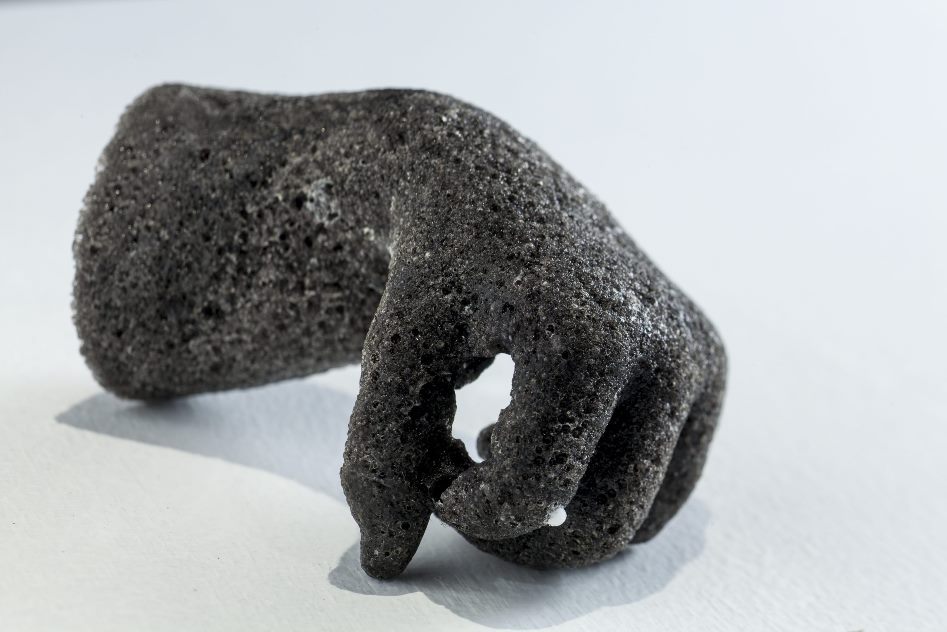


Hans Burgkmair the Elder was a German Renaissance painter, graphic artist and sculptor. He came from a family of painters. He studied painting with Martin Schongauer in Colmar from 1488.
Hans Burgkmayr was a versatile artist, working in various techniques including painting, woodcuts, stained glass designs and tapestries. He was known for his complex and detailed style, which included elements of naturalism and symbolism.
Burgkmayr's paintings often depicted religious and mythological themes, as well as historical events. His style is influenced by the Italian Renaissance, particularly in its attention to anatomical accuracy and use of perspective.
One of Hans Burgkmayr's significant contributions was in the field of engraving. His woodcuts were highly regarded for their technical skill and artistic quality.



Gerard de Lairesse was a Dutch painter, printmaker, and art theorist. Known for his classical approach, de Lairesse's work marked a departure from the Baroque style prevalent in the Dutch Golden Age, leaning instead towards the neoclassicism that would dominate European art in the 18th century. His art and theories were deeply influenced by the ideals of beauty, grace, and moral edification, advocating for the selection of the most perfect manifestations of natural phenomena rather than their random imitation.
De Lairesse was not only a prolific painter but also an influential art theorist. His treatises, "Grondlegginge ter teekenkonst" (1701) and "Het groot schilderboeck" (1707), were seminal works that laid down principles of art and aesthetics that influenced not just his contemporaries but also generations of artists to come. He emphasized the importance of adhering to theoretical knowledge and the study of nature, albeit through a lens that filtered out its imperfections, to achieve ideal beauty in art.
Despite facing personal challenges, including a congenital condition that led to the loss of his sight in his later years, de Lairesse remained a central figure in the artistic and intellectual circles of Amsterdam. His lectures, delivered from his home, attracted a wide array of students and enthusiasts, eager to learn from his extensive knowledge and experience.
Today, works by Gerard de Lairesse can be found in prestigious institutions worldwide, including the Rijksmuseum and the Amsterdam Museum in the Netherlands, the Louvre in Paris, the Metropolitan Museum of Art in New York, and the National Gallery in London, among others. His legacy as the 'Dutch Poussin' speaks to his enduring influence on the evolution of European art, bridging the gap between the Baroque and the Neoclassical.
For collectors and experts in art and antiques, Gerard de Lairesse represents an intriguing study in the transition of art styles from the Baroque to Neoclassicism. His dedication to the theory and practice of art makes his work a valuable addition to any collection.
To stay informed about exhibitions, sales, and auction events related to Gerard de Lairesse's work, consider signing up for updates. This will ensure you are always up to date with the latest opportunities to engage with the remarkable legacy of this influential Dutch artist.

Claire Tabouret is a French artist based in Los Angeles, California, United States. She works with figurative subject matter, using loose expressive brushstrokes in a broad palette, mimicking both artificial and natural hues.

Claire Tabouret is a French artist based in Los Angeles, California, United States. She works with figurative subject matter, using loose expressive brushstrokes in a broad palette, mimicking both artificial and natural hues.






Claire Tabouret is a French artist based in Los Angeles, California, United States. She works with figurative subject matter, using loose expressive brushstrokes in a broad palette, mimicking both artificial and natural hues.

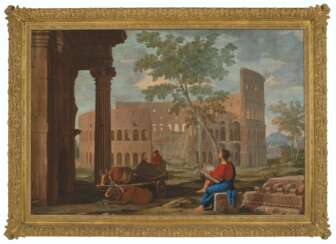

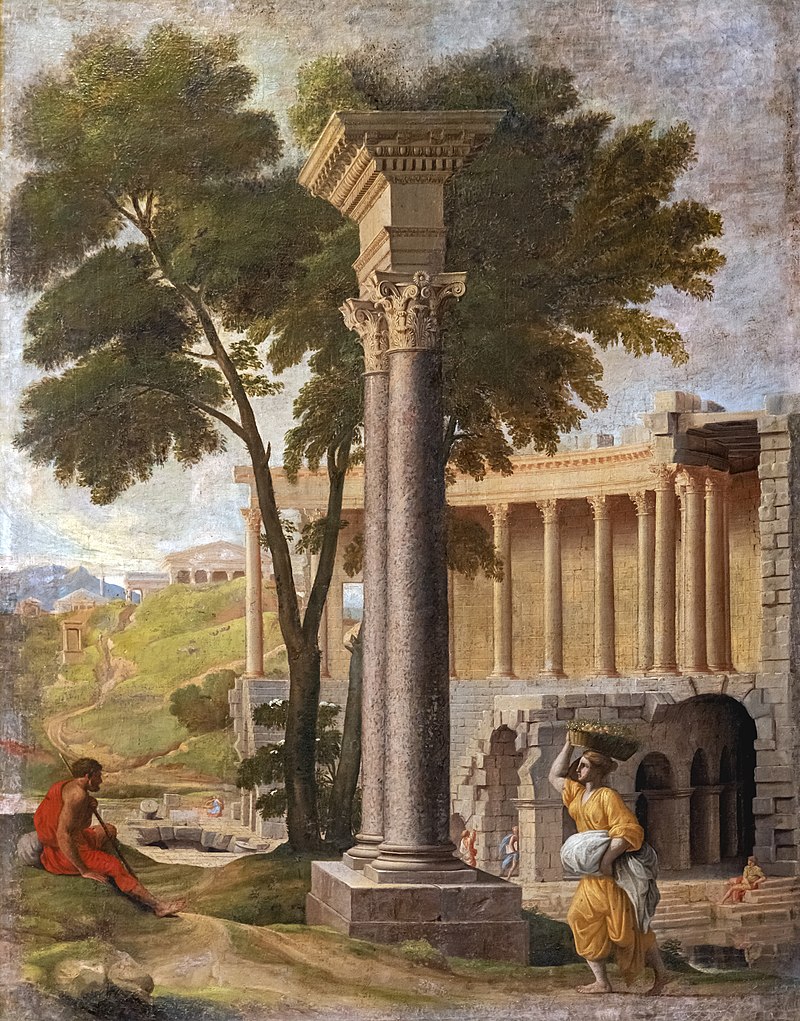
Jean Lemaire was a French painter. He is also known as Lemaire-Poussin, due to his frequent close collaborations with Nicolas Poussin. He specialised in landscapes and classical architectural scenes, populated with mythological figures in classical dress.
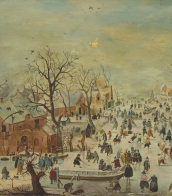
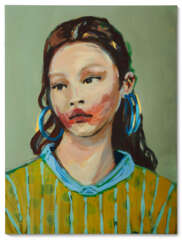

Claire Tabouret is a French artist based in Los Angeles, California, United States. She works with figurative subject matter, using loose expressive brushstrokes in a broad palette, mimicking both artificial and natural hues.
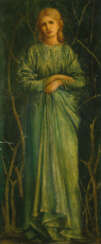

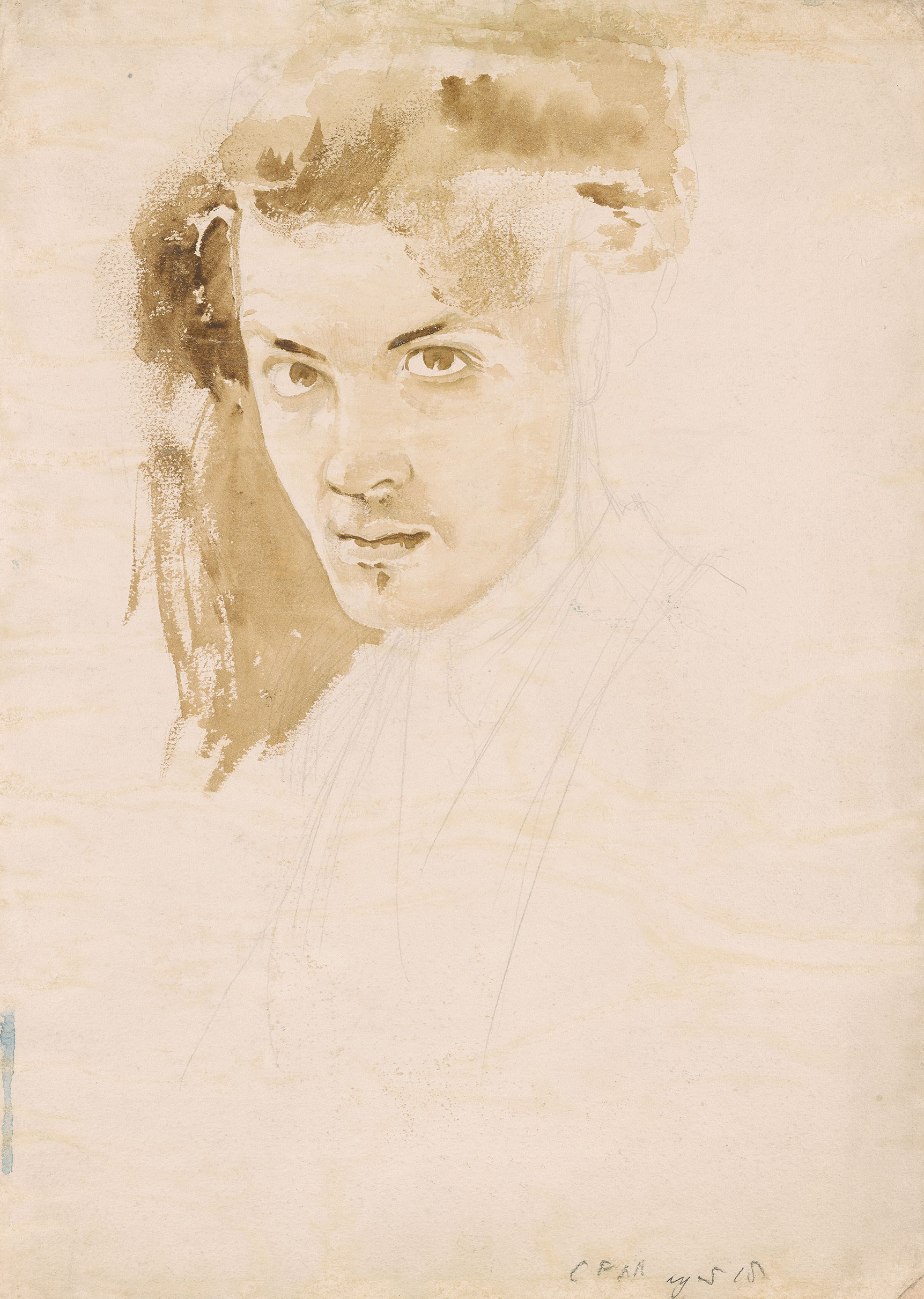


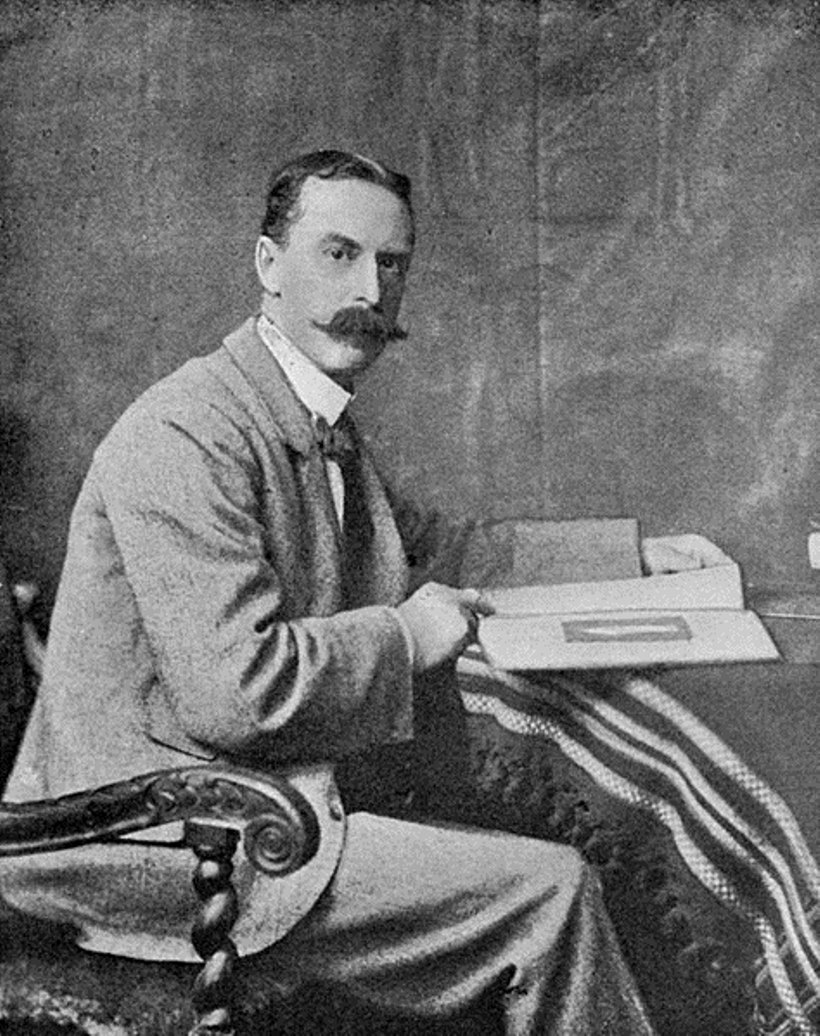
Edmund Blair Leighton was a British Romantic and Pre-Raphaelite painter.
Edmund Leighton received his first lessons from his artist father and perfected his skills at the Royal Academy School. He painted genre pictures, but often favored historical themes, especially from the medieval life of knights and their ladies, when choosing subjects. Romantic illusions about the beautiful, mythical world of King Arthur attracted the Victorian bourgeoisie. Thanks in large part to Leighton's paintings, modern people still make up their minds about medieval legends and subtle romantic sentiments. The sad beautiful maiden on the steps of a stone castle, the knight in shining armor on a white horse and other symbols have firmly established themselves for that generally gloomy era.
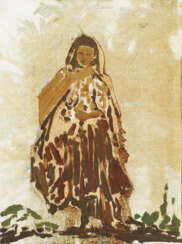

Claire Tabouret is a French artist based in Los Angeles, California, United States. She works with figurative subject matter, using loose expressive brushstrokes in a broad palette, mimicking both artificial and natural hues.
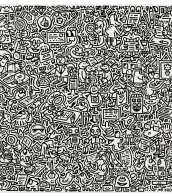
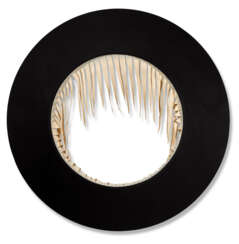

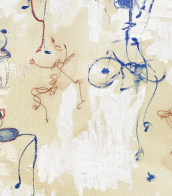


Frank Shepard Fairey is an American contemporary artist, activist and founder of OBEY Clothing who emerged from the skateboarding scene. In 1989 he designed the "Andre the Giant Has a Posse" (...OBEY...) sticker campaign while attending the Rhode Island School of Design (RISD).
Fairey designed the Barack Obama "Hope" poster for the 2008 U.S. presidential election. The Institute of Contemporary Art, Boston has described him as one of the best known and most influential street artists. His work is included in the collections at The Smithsonian, the Los Angeles County Museum of Art, the Museum of Modern Art in New York City, the Museum of Contemporary Art San Diego, the National Portrait Gallery in Washington, D.C., the Virginia Museum of Fine Arts in Richmond, and the Victoria and Albert Museum in London.
His style has been described as a "bold iconic style that is based on styling and idealizing images."
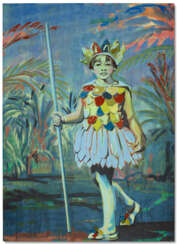

Claire Tabouret is a French artist based in Los Angeles, California, United States. She works with figurative subject matter, using loose expressive brushstrokes in a broad palette, mimicking both artificial and natural hues.
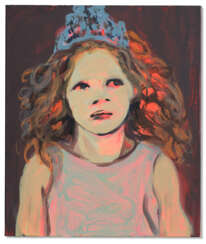

Claire Tabouret is a French artist based in Los Angeles, California, United States. She works with figurative subject matter, using loose expressive brushstrokes in a broad palette, mimicking both artificial and natural hues.

Claire Tabouret is a French artist based in Los Angeles, California, United States. She works with figurative subject matter, using loose expressive brushstrokes in a broad palette, mimicking both artificial and natural hues.


Saint Clair Cemin is a postmodern sculptor.
Saint Clair Cemin lives and works in New York City and Beijing. His work encompasses multiple styles, approaches, and materials, from neo-surrealism to furniture to toys in popular culture to the history of sculpture.
Saint Clair Cemin's work is included in the collections of the Whitney Museum of American Art, Fonds National d’Art Contemporain, Paris, France; Emily Fisher Landau Collection, Long Island City, NY; Rooseum, Stockholm, Sweden; Eli Broad Family Foundation, Los Angeles, CA; Museum of Contemporary Art, Los Angeles; and Inhotim, Minas Gerais, Brazil.



Édouard Jeanmaire is a Swiss landscape painter.
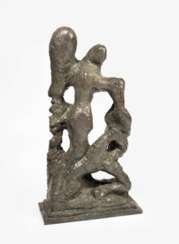

Saint Clair Cemin is a postmodern sculptor.
Saint Clair Cemin lives and works in New York City and Beijing. His work encompasses multiple styles, approaches, and materials, from neo-surrealism to furniture to toys in popular culture to the history of sculpture.
Saint Clair Cemin's work is included in the collections of the Whitney Museum of American Art, Fonds National d’Art Contemporain, Paris, France; Emily Fisher Landau Collection, Long Island City, NY; Rooseum, Stockholm, Sweden; Eli Broad Family Foundation, Los Angeles, CA; Museum of Contemporary Art, Los Angeles; and Inhotim, Minas Gerais, Brazil.
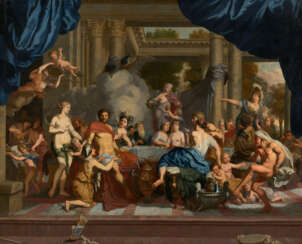

Gerard de Lairesse was a Dutch painter, printmaker, and art theorist. Known for his classical approach, de Lairesse's work marked a departure from the Baroque style prevalent in the Dutch Golden Age, leaning instead towards the neoclassicism that would dominate European art in the 18th century. His art and theories were deeply influenced by the ideals of beauty, grace, and moral edification, advocating for the selection of the most perfect manifestations of natural phenomena rather than their random imitation.
De Lairesse was not only a prolific painter but also an influential art theorist. His treatises, "Grondlegginge ter teekenkonst" (1701) and "Het groot schilderboeck" (1707), were seminal works that laid down principles of art and aesthetics that influenced not just his contemporaries but also generations of artists to come. He emphasized the importance of adhering to theoretical knowledge and the study of nature, albeit through a lens that filtered out its imperfections, to achieve ideal beauty in art.
Despite facing personal challenges, including a congenital condition that led to the loss of his sight in his later years, de Lairesse remained a central figure in the artistic and intellectual circles of Amsterdam. His lectures, delivered from his home, attracted a wide array of students and enthusiasts, eager to learn from his extensive knowledge and experience.
Today, works by Gerard de Lairesse can be found in prestigious institutions worldwide, including the Rijksmuseum and the Amsterdam Museum in the Netherlands, the Louvre in Paris, the Metropolitan Museum of Art in New York, and the National Gallery in London, among others. His legacy as the 'Dutch Poussin' speaks to his enduring influence on the evolution of European art, bridging the gap between the Baroque and the Neoclassical.
For collectors and experts in art and antiques, Gerard de Lairesse represents an intriguing study in the transition of art styles from the Baroque to Neoclassicism. His dedication to the theory and practice of art makes his work a valuable addition to any collection.
To stay informed about exhibitions, sales, and auction events related to Gerard de Lairesse's work, consider signing up for updates. This will ensure you are always up to date with the latest opportunities to engage with the remarkable legacy of this influential Dutch artist.
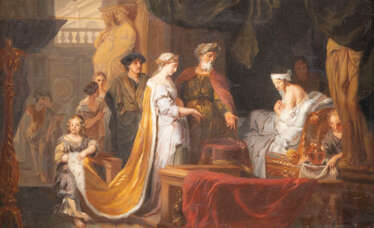

Gerard de Lairesse was a Dutch painter, printmaker, and art theorist. Known for his classical approach, de Lairesse's work marked a departure from the Baroque style prevalent in the Dutch Golden Age, leaning instead towards the neoclassicism that would dominate European art in the 18th century. His art and theories were deeply influenced by the ideals of beauty, grace, and moral edification, advocating for the selection of the most perfect manifestations of natural phenomena rather than their random imitation.
De Lairesse was not only a prolific painter but also an influential art theorist. His treatises, "Grondlegginge ter teekenkonst" (1701) and "Het groot schilderboeck" (1707), were seminal works that laid down principles of art and aesthetics that influenced not just his contemporaries but also generations of artists to come. He emphasized the importance of adhering to theoretical knowledge and the study of nature, albeit through a lens that filtered out its imperfections, to achieve ideal beauty in art.
Despite facing personal challenges, including a congenital condition that led to the loss of his sight in his later years, de Lairesse remained a central figure in the artistic and intellectual circles of Amsterdam. His lectures, delivered from his home, attracted a wide array of students and enthusiasts, eager to learn from his extensive knowledge and experience.
Today, works by Gerard de Lairesse can be found in prestigious institutions worldwide, including the Rijksmuseum and the Amsterdam Museum in the Netherlands, the Louvre in Paris, the Metropolitan Museum of Art in New York, and the National Gallery in London, among others. His legacy as the 'Dutch Poussin' speaks to his enduring influence on the evolution of European art, bridging the gap between the Baroque and the Neoclassical.
For collectors and experts in art and antiques, Gerard de Lairesse represents an intriguing study in the transition of art styles from the Baroque to Neoclassicism. His dedication to the theory and practice of art makes his work a valuable addition to any collection.
To stay informed about exhibitions, sales, and auction events related to Gerard de Lairesse's work, consider signing up for updates. This will ensure you are always up to date with the latest opportunities to engage with the remarkable legacy of this influential Dutch artist.
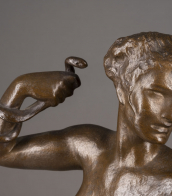


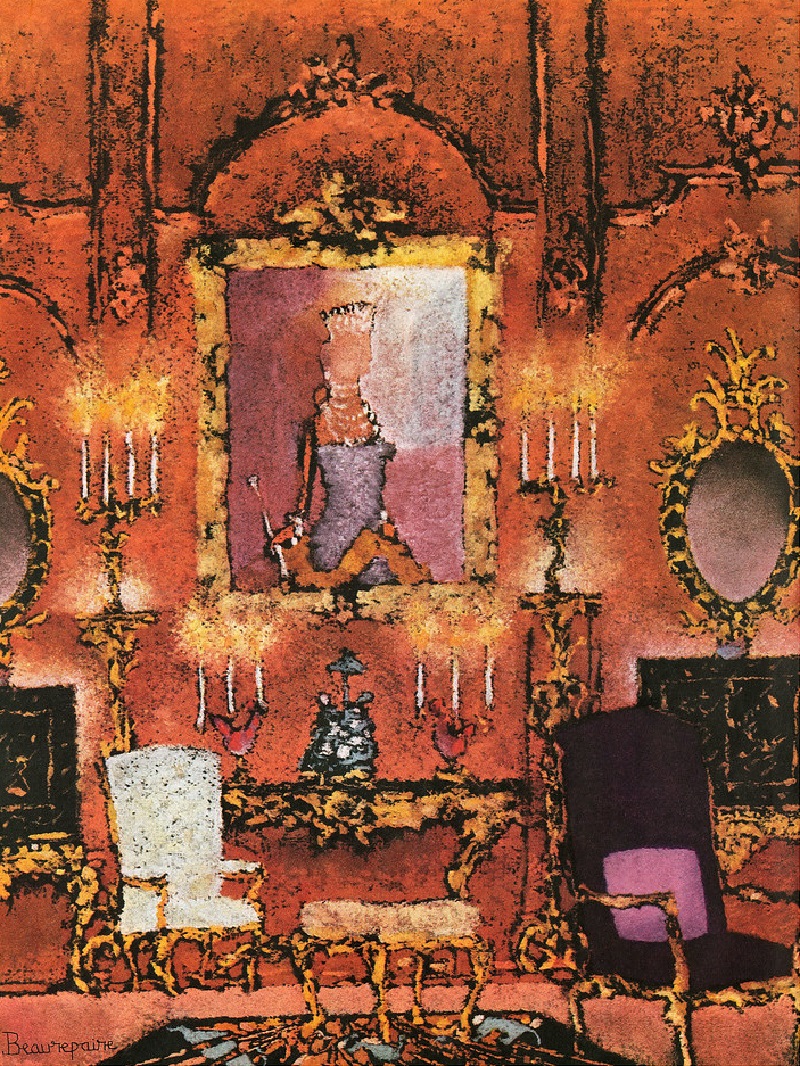
André Beaurepaire was a French artist and scenic designer.
Beaurepaire studied at the École des Beaux-Arts in Tours, and later in Paris at the École Nationale Supérieure des Arts Décoratifs. He worked as a painter and a graphic artist, and also designed sets and costumes for theater productions and films.
Beaurepaire was particularly well-known for his work as a scenographer, and collaborated with many major French directors and choreographers, including Jean-Louis Barrault, Roger Planchon, and Maurice Béjart. He designed sets for a number of classic works of theater, including Shakespeare's "Hamlet" and "Macbeth," Molière's "The Misanthrope," and Jean Anouilh's "Antigone."
In addition to his work as a scenographer, Beaurepaire continued to paint throughout his career, and his works were exhibited in galleries and museums in France and abroad. His paintings are characterized by their vibrant colors and dynamic compositions, often featuring abstract or geometric shapes.


André Beaurepaire was a French artist and scenic designer.
Beaurepaire studied at the École des Beaux-Arts in Tours, and later in Paris at the École Nationale Supérieure des Arts Décoratifs. He worked as a painter and a graphic artist, and also designed sets and costumes for theater productions and films.
Beaurepaire was particularly well-known for his work as a scenographer, and collaborated with many major French directors and choreographers, including Jean-Louis Barrault, Roger Planchon, and Maurice Béjart. He designed sets for a number of classic works of theater, including Shakespeare's "Hamlet" and "Macbeth," Molière's "The Misanthrope," and Jean Anouilh's "Antigone."
In addition to his work as a scenographer, Beaurepaire continued to paint throughout his career, and his works were exhibited in galleries and museums in France and abroad. His paintings are characterized by their vibrant colors and dynamic compositions, often featuring abstract or geometric shapes.

André Beaurepaire was a French artist and scenic designer.
Beaurepaire studied at the École des Beaux-Arts in Tours, and later in Paris at the École Nationale Supérieure des Arts Décoratifs. He worked as a painter and a graphic artist, and also designed sets and costumes for theater productions and films.
Beaurepaire was particularly well-known for his work as a scenographer, and collaborated with many major French directors and choreographers, including Jean-Louis Barrault, Roger Planchon, and Maurice Béjart. He designed sets for a number of classic works of theater, including Shakespeare's "Hamlet" and "Macbeth," Molière's "The Misanthrope," and Jean Anouilh's "Antigone."
In addition to his work as a scenographer, Beaurepaire continued to paint throughout his career, and his works were exhibited in galleries and museums in France and abroad. His paintings are characterized by their vibrant colors and dynamic compositions, often featuring abstract or geometric shapes.
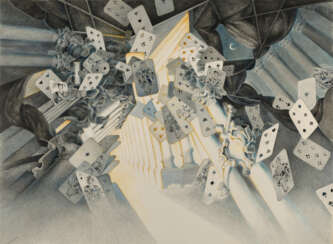

André Beaurepaire was a French artist and scenic designer.
Beaurepaire studied at the École des Beaux-Arts in Tours, and later in Paris at the École Nationale Supérieure des Arts Décoratifs. He worked as a painter and a graphic artist, and also designed sets and costumes for theater productions and films.
Beaurepaire was particularly well-known for his work as a scenographer, and collaborated with many major French directors and choreographers, including Jean-Louis Barrault, Roger Planchon, and Maurice Béjart. He designed sets for a number of classic works of theater, including Shakespeare's "Hamlet" and "Macbeth," Molière's "The Misanthrope," and Jean Anouilh's "Antigone."
In addition to his work as a scenographer, Beaurepaire continued to paint throughout his career, and his works were exhibited in galleries and museums in France and abroad. His paintings are characterized by their vibrant colors and dynamic compositions, often featuring abstract or geometric shapes.
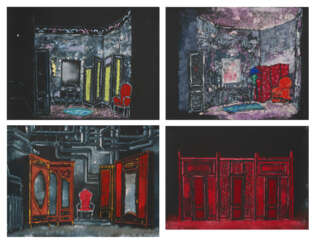

André Beaurepaire was a French artist and scenic designer.
Beaurepaire studied at the École des Beaux-Arts in Tours, and later in Paris at the École Nationale Supérieure des Arts Décoratifs. He worked as a painter and a graphic artist, and also designed sets and costumes for theater productions and films.
Beaurepaire was particularly well-known for his work as a scenographer, and collaborated with many major French directors and choreographers, including Jean-Louis Barrault, Roger Planchon, and Maurice Béjart. He designed sets for a number of classic works of theater, including Shakespeare's "Hamlet" and "Macbeth," Molière's "The Misanthrope," and Jean Anouilh's "Antigone."
In addition to his work as a scenographer, Beaurepaire continued to paint throughout his career, and his works were exhibited in galleries and museums in France and abroad. His paintings are characterized by their vibrant colors and dynamic compositions, often featuring abstract or geometric shapes.

Saint Clair Cemin is a postmodern sculptor.
Saint Clair Cemin lives and works in New York City and Beijing. His work encompasses multiple styles, approaches, and materials, from neo-surrealism to furniture to toys in popular culture to the history of sculpture.
Saint Clair Cemin's work is included in the collections of the Whitney Museum of American Art, Fonds National d’Art Contemporain, Paris, France; Emily Fisher Landau Collection, Long Island City, NY; Rooseum, Stockholm, Sweden; Eli Broad Family Foundation, Los Angeles, CA; Museum of Contemporary Art, Los Angeles; and Inhotim, Minas Gerais, Brazil.
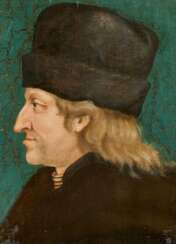

Hans Burgkmair the Elder was a German Renaissance painter, graphic artist and sculptor. He came from a family of painters. He studied painting with Martin Schongauer in Colmar from 1488.
Hans Burgkmayr was a versatile artist, working in various techniques including painting, woodcuts, stained glass designs and tapestries. He was known for his complex and detailed style, which included elements of naturalism and symbolism.
Burgkmayr's paintings often depicted religious and mythological themes, as well as historical events. His style is influenced by the Italian Renaissance, particularly in its attention to anatomical accuracy and use of perspective.
One of Hans Burgkmayr's significant contributions was in the field of engraving. His woodcuts were highly regarded for their technical skill and artistic quality.
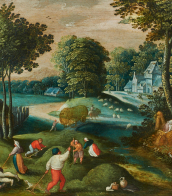


Frank Shepard Fairey is an American contemporary artist, activist and founder of OBEY Clothing who emerged from the skateboarding scene. In 1989 he designed the "Andre the Giant Has a Posse" (...OBEY...) sticker campaign while attending the Rhode Island School of Design (RISD).
Fairey designed the Barack Obama "Hope" poster for the 2008 U.S. presidential election. The Institute of Contemporary Art, Boston has described him as one of the best known and most influential street artists. His work is included in the collections at The Smithsonian, the Los Angeles County Museum of Art, the Museum of Modern Art in New York City, the Museum of Contemporary Art San Diego, the National Portrait Gallery in Washington, D.C., the Virginia Museum of Fine Arts in Richmond, and the Victoria and Albert Museum in London.
His style has been described as a "bold iconic style that is based on styling and idealizing images."
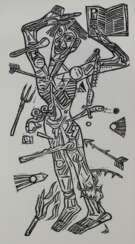

Voltaire, born François Marie Arouet, was a French philosopher-enlightener of the French Enlightenment, poet and writer, satirist, tragedian, historian and essayist.
Voltaire's long life fell on the last years of classicism and the eve of the revolutionary era, and in this transitional period his works and activities had a significant impact on the direction of European civilization. Through his critical freethinking and wit, Voltaire won the minds of many 18th century European rulers. To this day, he continues to enjoy worldwide fame as a courageous fighter against tyranny, bigotry, and cruelty.
Voltaire was an advocate of freedom of speech, freedom of religion and separation of church and state. He was a versatile and prolific writer in all literary forms, including plays, poems, novels, essays, histories, and scholarly expositions. In total, he wrote more than 20,000 letters and 2,000 books and pamphlets. Voltaire's most famous works are the tragic play Zaire, the historical study The Age of Louis XIV, and the satirical novella Candide.
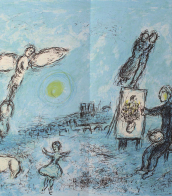
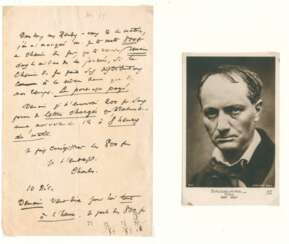


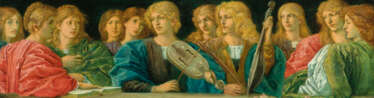

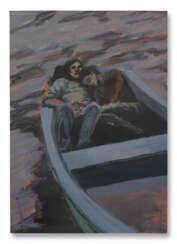

Claire Tabouret is a French artist based in Los Angeles, California, United States. She works with figurative subject matter, using loose expressive brushstrokes in a broad palette, mimicking both artificial and natural hues.
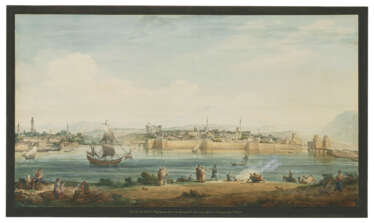



Voltaire, born François Marie Arouet, was a French philosopher-enlightener of the French Enlightenment, poet and writer, satirist, tragedian, historian and essayist.
Voltaire's long life fell on the last years of classicism and the eve of the revolutionary era, and in this transitional period his works and activities had a significant impact on the direction of European civilization. Through his critical freethinking and wit, Voltaire won the minds of many 18th century European rulers. To this day, he continues to enjoy worldwide fame as a courageous fighter against tyranny, bigotry, and cruelty.
Voltaire was an advocate of freedom of speech, freedom of religion and separation of church and state. He was a versatile and prolific writer in all literary forms, including plays, poems, novels, essays, histories, and scholarly expositions. In total, he wrote more than 20,000 letters and 2,000 books and pamphlets. Voltaire's most famous works are the tragic play Zaire, the historical study The Age of Louis XIV, and the satirical novella Candide.

Edmund Blair Leighton was a British Romantic and Pre-Raphaelite painter.
Edmund Leighton received his first lessons from his artist father and perfected his skills at the Royal Academy School. He painted genre pictures, but often favored historical themes, especially from the medieval life of knights and their ladies, when choosing subjects. Romantic illusions about the beautiful, mythical world of King Arthur attracted the Victorian bourgeoisie. Thanks in large part to Leighton's paintings, modern people still make up their minds about medieval legends and subtle romantic sentiments. The sad beautiful maiden on the steps of a stone castle, the knight in shining armor on a white horse and other symbols have firmly established themselves for that generally gloomy era.


Claire Tabouret is a French artist based in Los Angeles, California, United States. She works with figurative subject matter, using loose expressive brushstrokes in a broad palette, mimicking both artificial and natural hues.

Claire Tabouret is a French artist based in Los Angeles, California, United States. She works with figurative subject matter, using loose expressive brushstrokes in a broad palette, mimicking both artificial and natural hues.

Claire Tabouret is a French artist based in Los Angeles, California, United States. She works with figurative subject matter, using loose expressive brushstrokes in a broad palette, mimicking both artificial and natural hues.

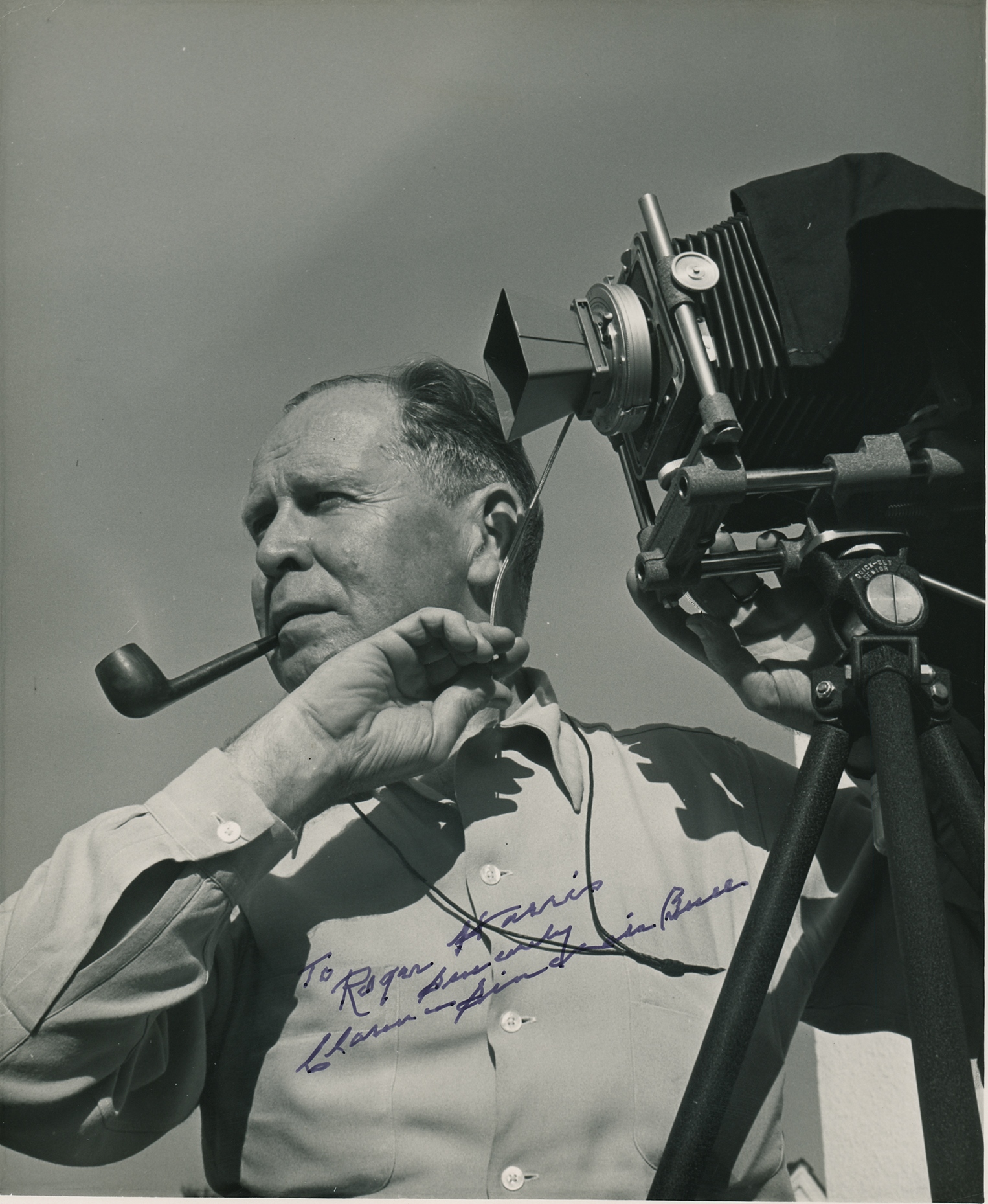




Edmund Blair Leighton was a British Romantic and Pre-Raphaelite painter.
Edmund Leighton received his first lessons from his artist father and perfected his skills at the Royal Academy School. He painted genre pictures, but often favored historical themes, especially from the medieval life of knights and their ladies, when choosing subjects. Romantic illusions about the beautiful, mythical world of King Arthur attracted the Victorian bourgeoisie. Thanks in large part to Leighton's paintings, modern people still make up their minds about medieval legends and subtle romantic sentiments. The sad beautiful maiden on the steps of a stone castle, the knight in shining armor on a white horse and other symbols have firmly established themselves for that generally gloomy era.

Saint Clair Cemin is a postmodern sculptor.
Saint Clair Cemin lives and works in New York City and Beijing. His work encompasses multiple styles, approaches, and materials, from neo-surrealism to furniture to toys in popular culture to the history of sculpture.
Saint Clair Cemin's work is included in the collections of the Whitney Museum of American Art, Fonds National d’Art Contemporain, Paris, France; Emily Fisher Landau Collection, Long Island City, NY; Rooseum, Stockholm, Sweden; Eli Broad Family Foundation, Los Angeles, CA; Museum of Contemporary Art, Los Angeles; and Inhotim, Minas Gerais, Brazil.

Gerard de Lairesse was a Dutch painter, printmaker, and art theorist. Known for his classical approach, de Lairesse's work marked a departure from the Baroque style prevalent in the Dutch Golden Age, leaning instead towards the neoclassicism that would dominate European art in the 18th century. His art and theories were deeply influenced by the ideals of beauty, grace, and moral edification, advocating for the selection of the most perfect manifestations of natural phenomena rather than their random imitation.
De Lairesse was not only a prolific painter but also an influential art theorist. His treatises, "Grondlegginge ter teekenkonst" (1701) and "Het groot schilderboeck" (1707), were seminal works that laid down principles of art and aesthetics that influenced not just his contemporaries but also generations of artists to come. He emphasized the importance of adhering to theoretical knowledge and the study of nature, albeit through a lens that filtered out its imperfections, to achieve ideal beauty in art.
Despite facing personal challenges, including a congenital condition that led to the loss of his sight in his later years, de Lairesse remained a central figure in the artistic and intellectual circles of Amsterdam. His lectures, delivered from his home, attracted a wide array of students and enthusiasts, eager to learn from his extensive knowledge and experience.
Today, works by Gerard de Lairesse can be found in prestigious institutions worldwide, including the Rijksmuseum and the Amsterdam Museum in the Netherlands, the Louvre in Paris, the Metropolitan Museum of Art in New York, and the National Gallery in London, among others. His legacy as the 'Dutch Poussin' speaks to his enduring influence on the evolution of European art, bridging the gap between the Baroque and the Neoclassical.
For collectors and experts in art and antiques, Gerard de Lairesse represents an intriguing study in the transition of art styles from the Baroque to Neoclassicism. His dedication to the theory and practice of art makes his work a valuable addition to any collection.
To stay informed about exhibitions, sales, and auction events related to Gerard de Lairesse's work, consider signing up for updates. This will ensure you are always up to date with the latest opportunities to engage with the remarkable legacy of this influential Dutch artist.
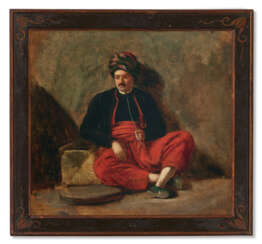


Saint Clair Cemin is a postmodern sculptor.
Saint Clair Cemin lives and works in New York City and Beijing. His work encompasses multiple styles, approaches, and materials, from neo-surrealism to furniture to toys in popular culture to the history of sculpture.
Saint Clair Cemin's work is included in the collections of the Whitney Museum of American Art, Fonds National d’Art Contemporain, Paris, France; Emily Fisher Landau Collection, Long Island City, NY; Rooseum, Stockholm, Sweden; Eli Broad Family Foundation, Los Angeles, CA; Museum of Contemporary Art, Los Angeles; and Inhotim, Minas Gerais, Brazil.
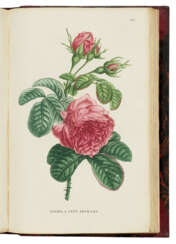

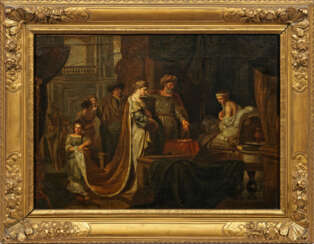

Gerard de Lairesse was a Dutch painter, printmaker, and art theorist. Known for his classical approach, de Lairesse's work marked a departure from the Baroque style prevalent in the Dutch Golden Age, leaning instead towards the neoclassicism that would dominate European art in the 18th century. His art and theories were deeply influenced by the ideals of beauty, grace, and moral edification, advocating for the selection of the most perfect manifestations of natural phenomena rather than their random imitation.
De Lairesse was not only a prolific painter but also an influential art theorist. His treatises, "Grondlegginge ter teekenkonst" (1701) and "Het groot schilderboeck" (1707), were seminal works that laid down principles of art and aesthetics that influenced not just his contemporaries but also generations of artists to come. He emphasized the importance of adhering to theoretical knowledge and the study of nature, albeit through a lens that filtered out its imperfections, to achieve ideal beauty in art.
Despite facing personal challenges, including a congenital condition that led to the loss of his sight in his later years, de Lairesse remained a central figure in the artistic and intellectual circles of Amsterdam. His lectures, delivered from his home, attracted a wide array of students and enthusiasts, eager to learn from his extensive knowledge and experience.
Today, works by Gerard de Lairesse can be found in prestigious institutions worldwide, including the Rijksmuseum and the Amsterdam Museum in the Netherlands, the Louvre in Paris, the Metropolitan Museum of Art in New York, and the National Gallery in London, among others. His legacy as the 'Dutch Poussin' speaks to his enduring influence on the evolution of European art, bridging the gap between the Baroque and the Neoclassical.
For collectors and experts in art and antiques, Gerard de Lairesse represents an intriguing study in the transition of art styles from the Baroque to Neoclassicism. His dedication to the theory and practice of art makes his work a valuable addition to any collection.
To stay informed about exhibitions, sales, and auction events related to Gerard de Lairesse's work, consider signing up for updates. This will ensure you are always up to date with the latest opportunities to engage with the remarkable legacy of this influential Dutch artist.